


Choosing the right dining chairs transforms your eating space into a welcoming haven. The decision between upholstered and wood chairs impacts both aesthetics and functionality. This choice affects daily comfort, maintenance requirements, and long-term investment value.
Your dining room deserves furniture that balances style with practicality. Different chair types cater to varied lifestyles and design preferences. Understanding the strengths of each option helps you make an informed decision that suits your home perfectly.
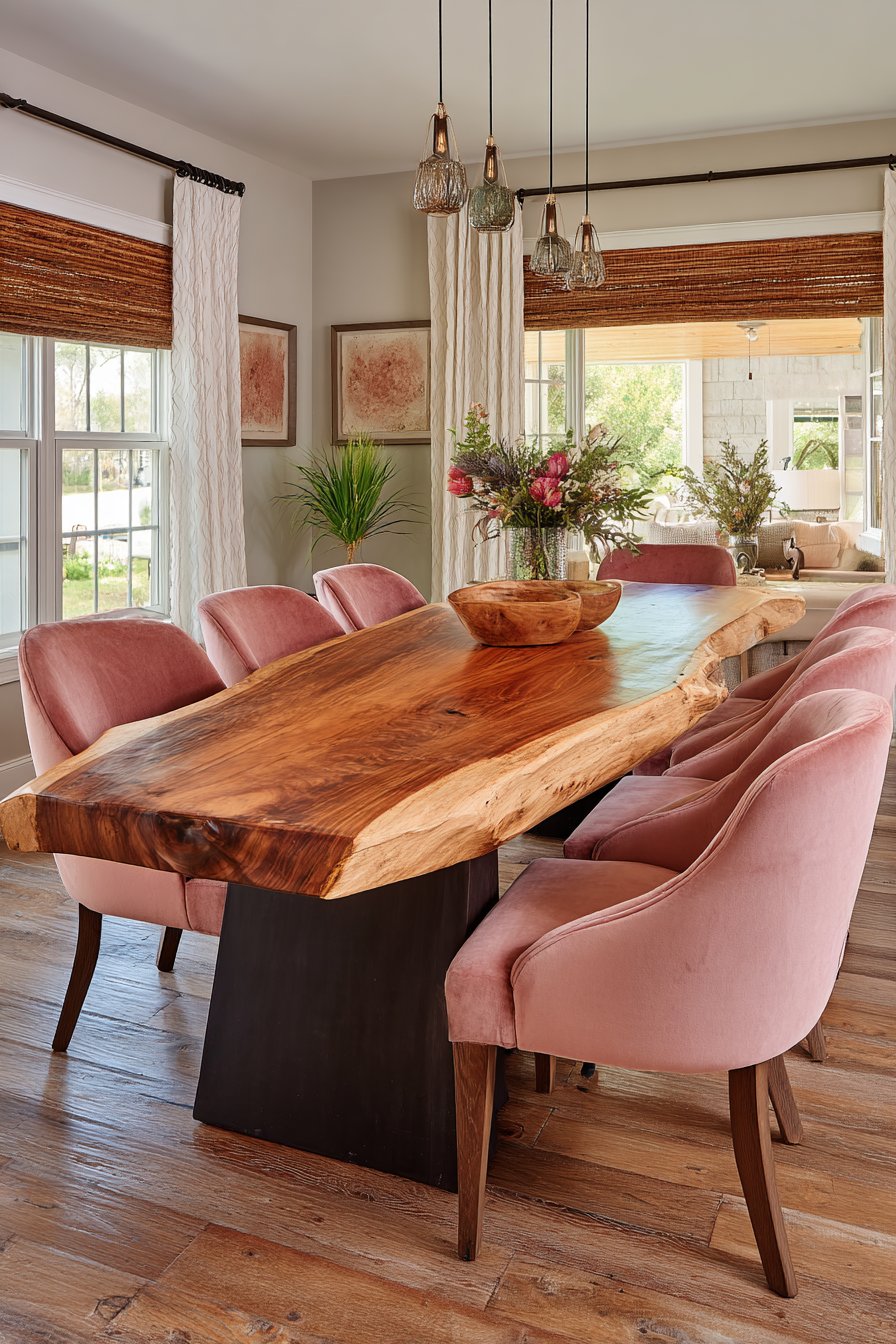
This comprehensive guide explores upholstered and wood dining chairs from multiple angles. We’ll examine comfort levels, durability factors, maintenance needs, and design versatility. You’ll discover which option aligns with your household’s unique requirements and aesthetic vision.
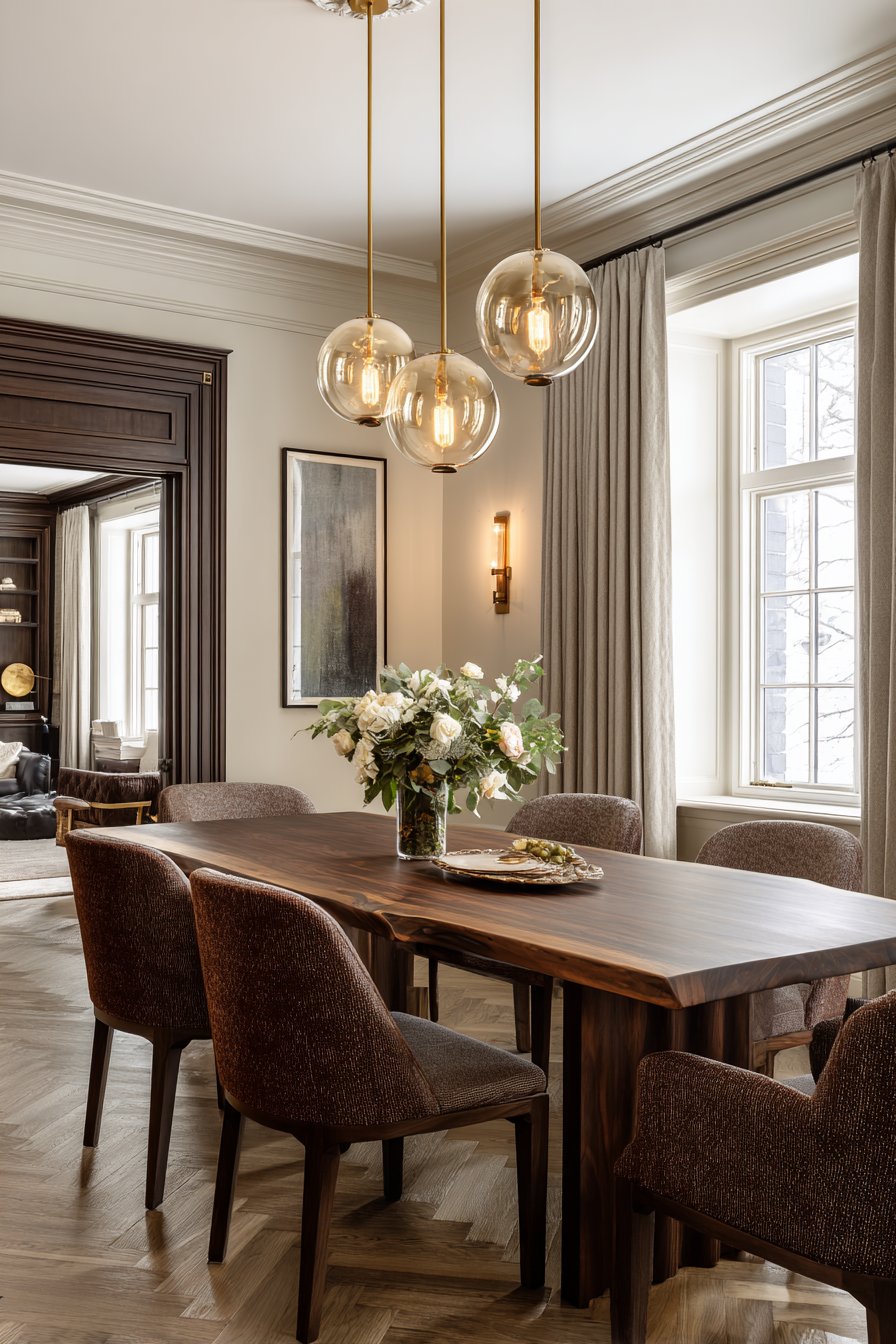
1. Comfort Comparison: Sitting Experience
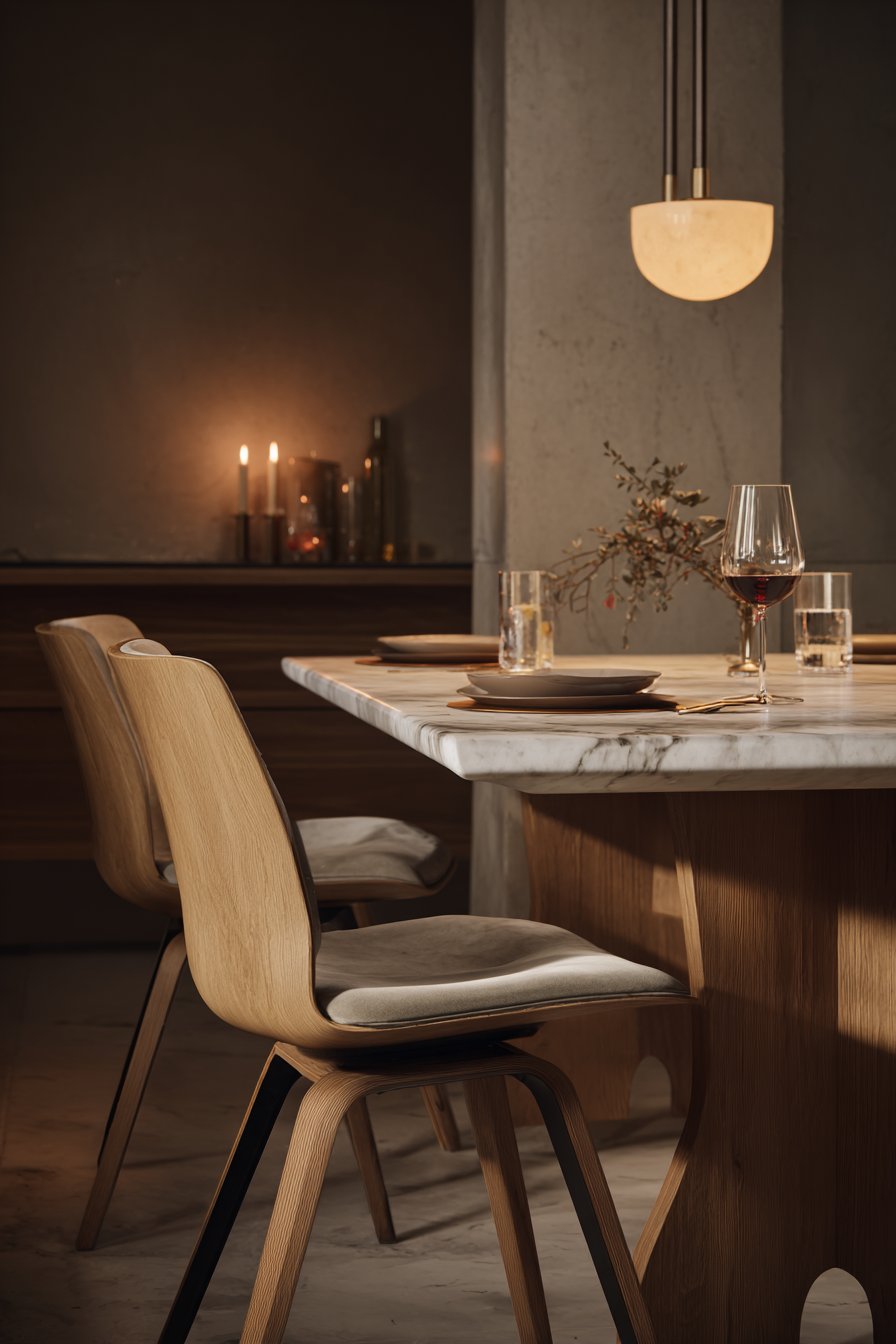
Upholstered chairs offer superior cushioning that makes extended meals more enjoyable. The padding conforms to your body shape naturally. Guests appreciate the softness during dinner parties and family gatherings. Foam density determines how supportive the chair feels over time.
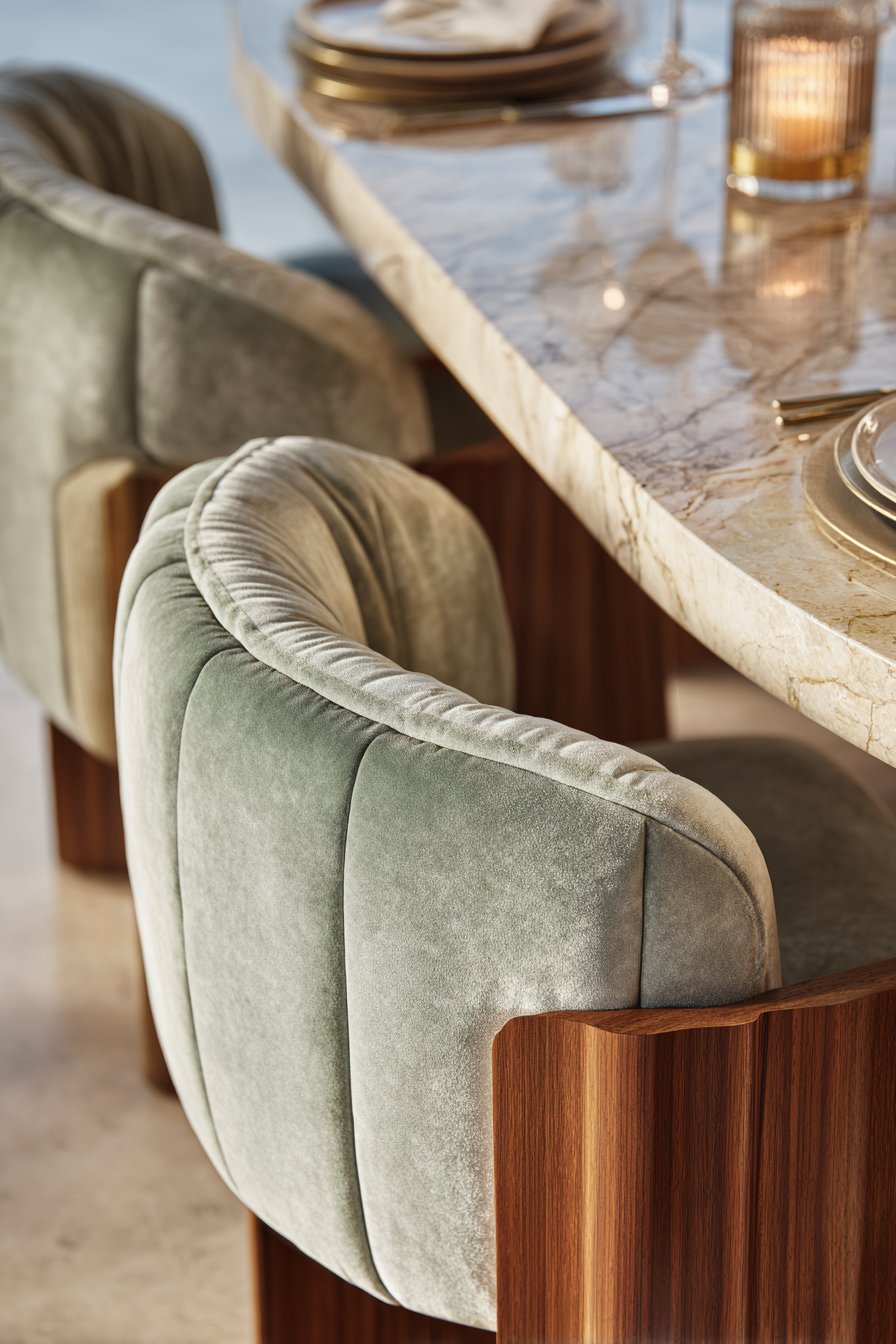
Wood chairs provide firm support that promotes better posture during meals. Many people find this rigidity beneficial for their back health. Modern ergonomic designs incorporate contoured seats that enhance comfort without padding. The solid construction prevents sagging or deformation over years of use.
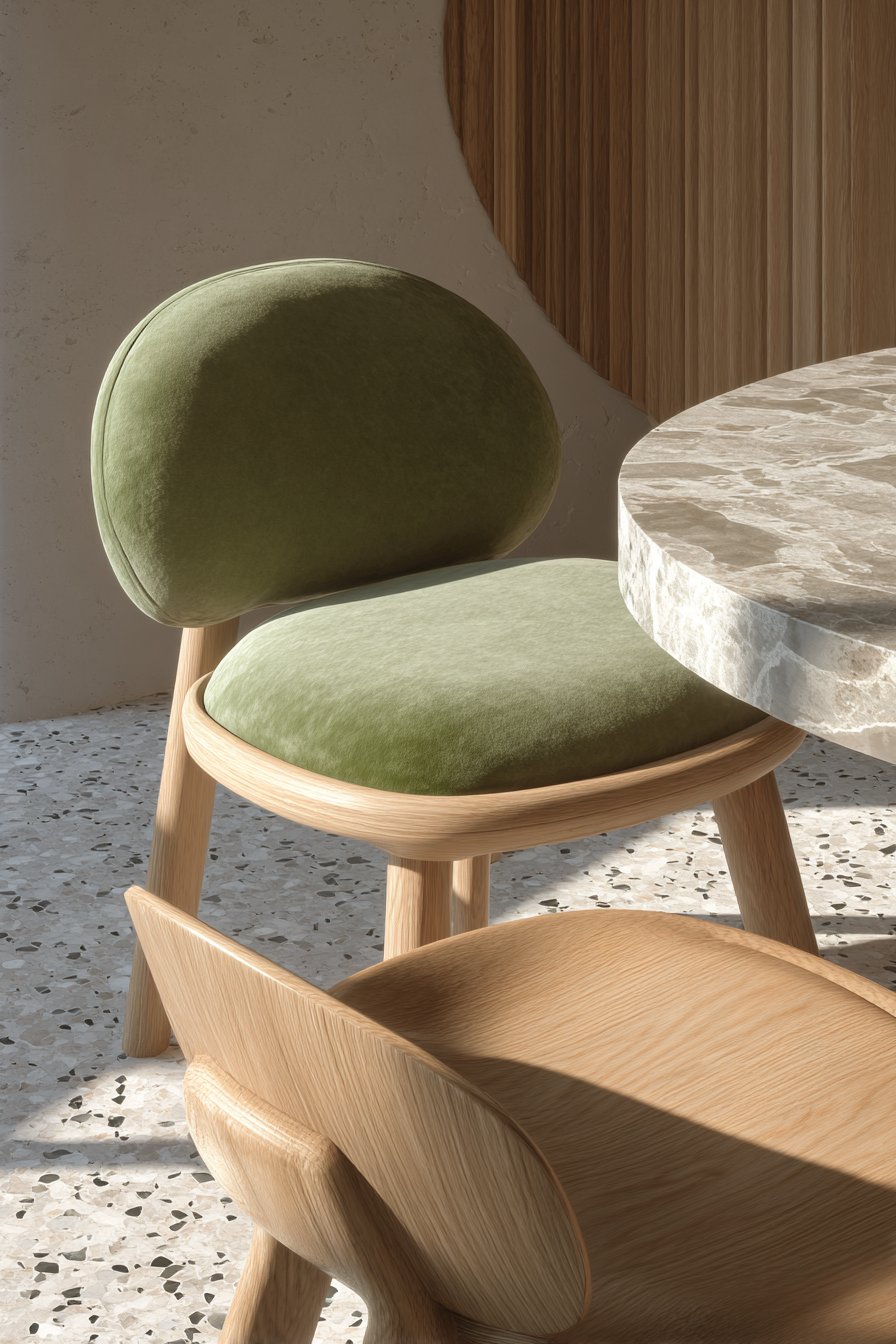
Your personal preference plays the largest role in comfort assessment. Consider how long your family typically sits at meals. Formal dining occasions benefit from plush upholstery that encourages lingering conversations. Quick everyday meals work perfectly with streamlined wooden seating options.
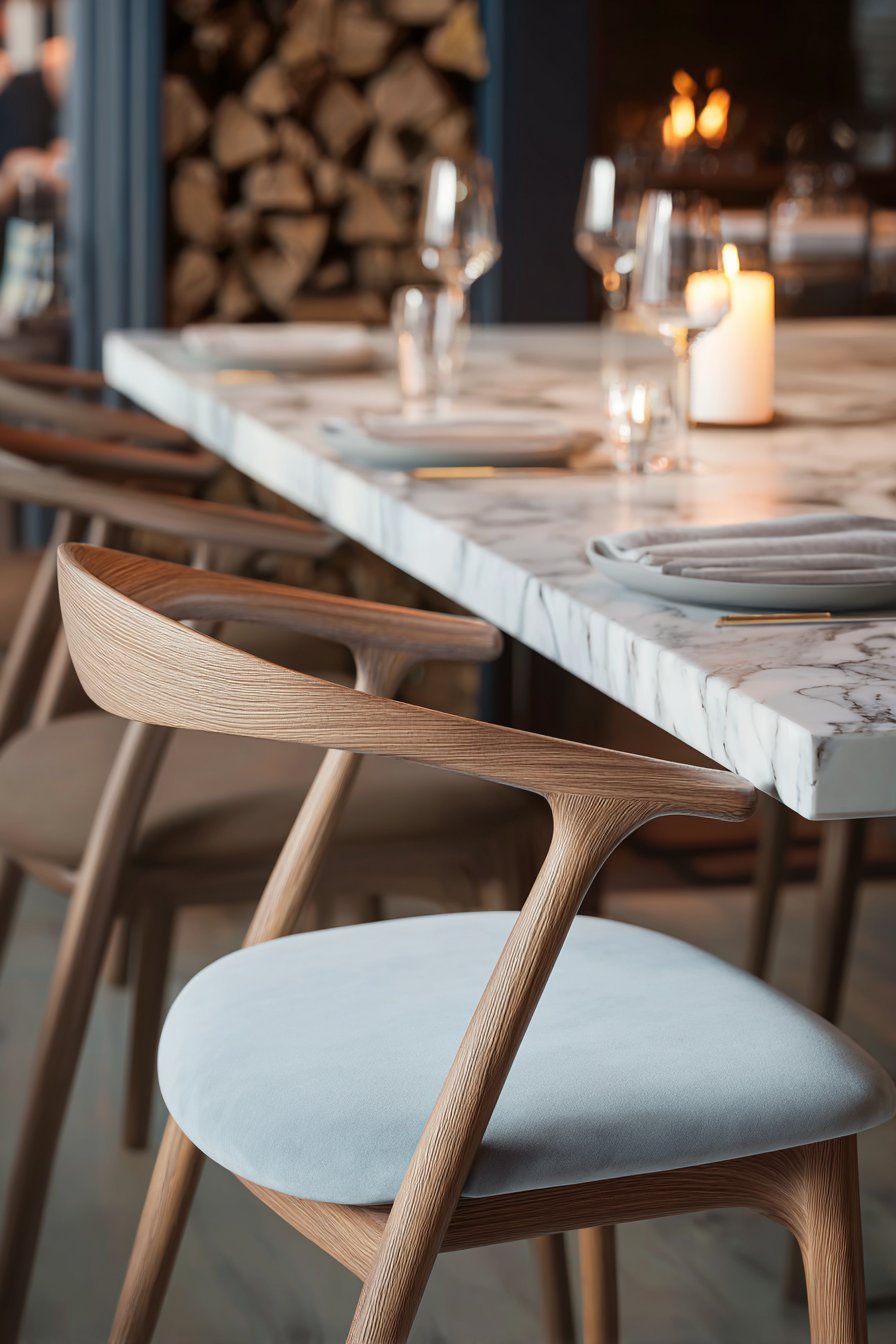
- Test chairs by sitting for at least 10 minutes before purchasing
- Consider cushion thickness between 2-4 inches for optimal comfort
- Evaluate backrest angle and height for proper support
- Check if wood chairs have rounded edges to prevent discomfort
- Think about adding seat cushions to wood chairs for flexibility
- Account for different body types in your household
2. Durability and Longevity Factors
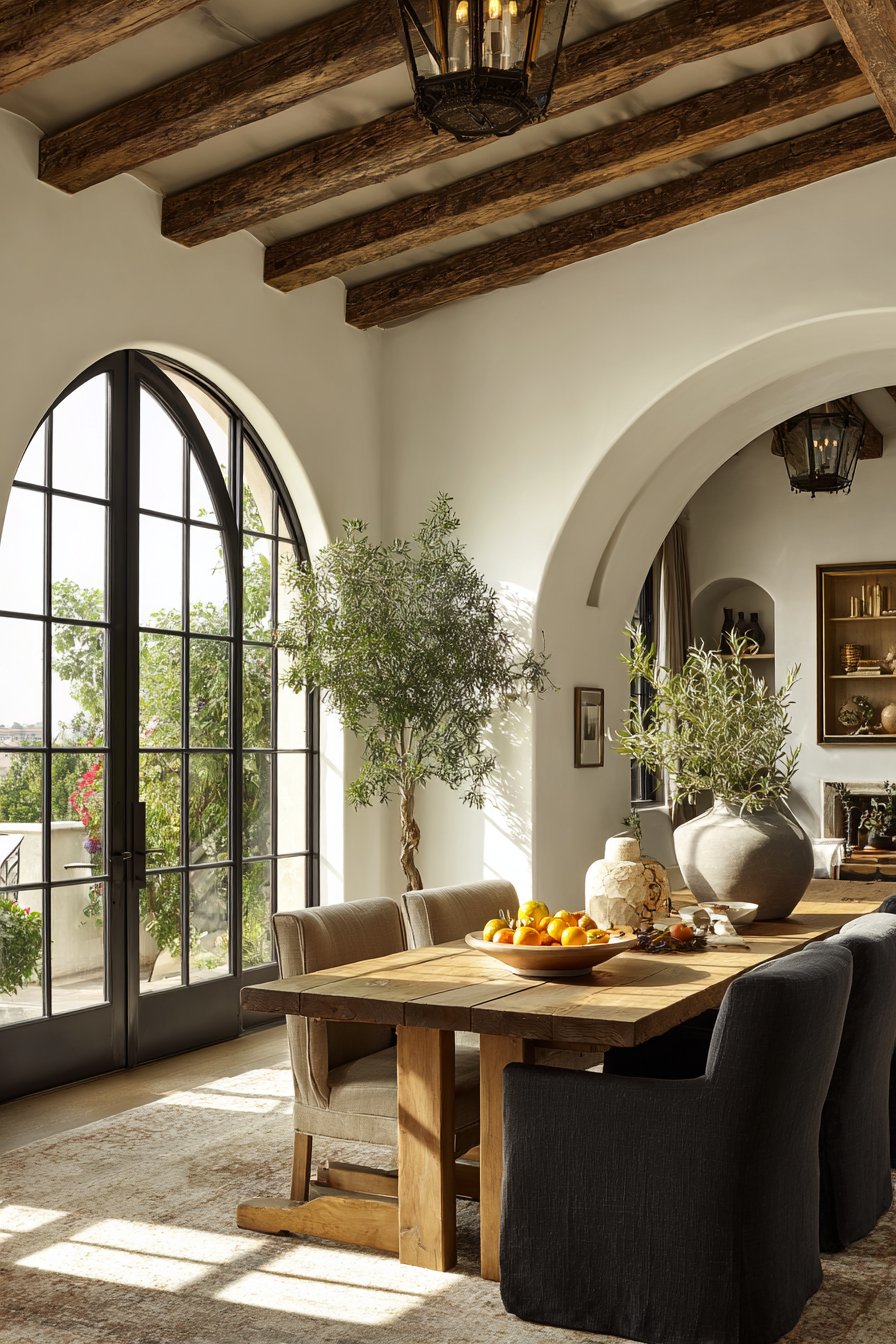
Wood dining chairs demonstrate exceptional longevity when crafted from quality hardwoods. Oak, maple, and walnut resist daily wear remarkably well. These materials withstand decades of regular use without losing structural integrity. Solid construction means fewer parts that can break or fail.
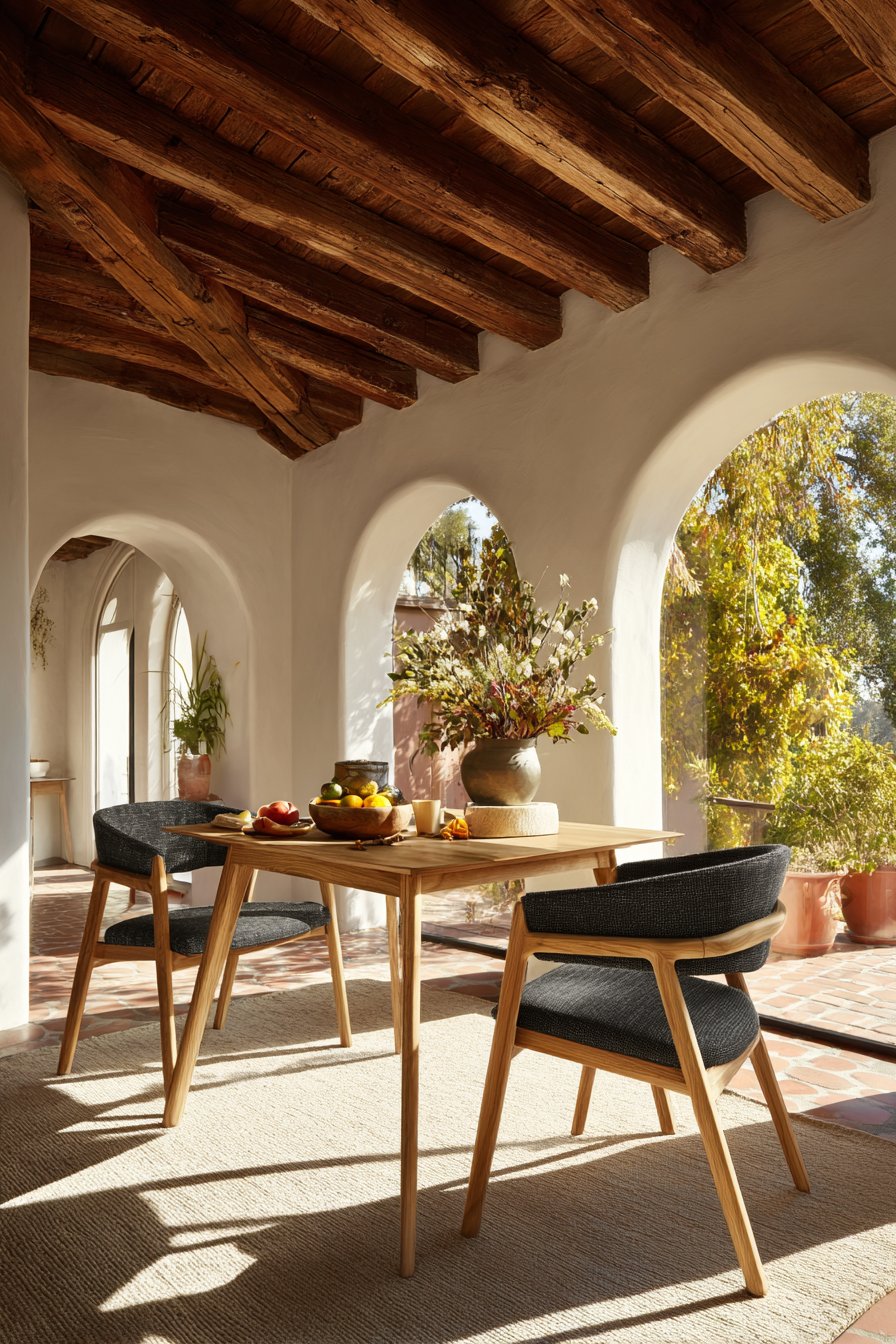
Upholstered chairs face challenges from fabric wear and potential staining over time. The upholstery may require replacement after 5-10 years of heavy use. Frame quality matters significantly for these chairs too. Premium hardwood frames extend the chair’s overall lifespan considerably.
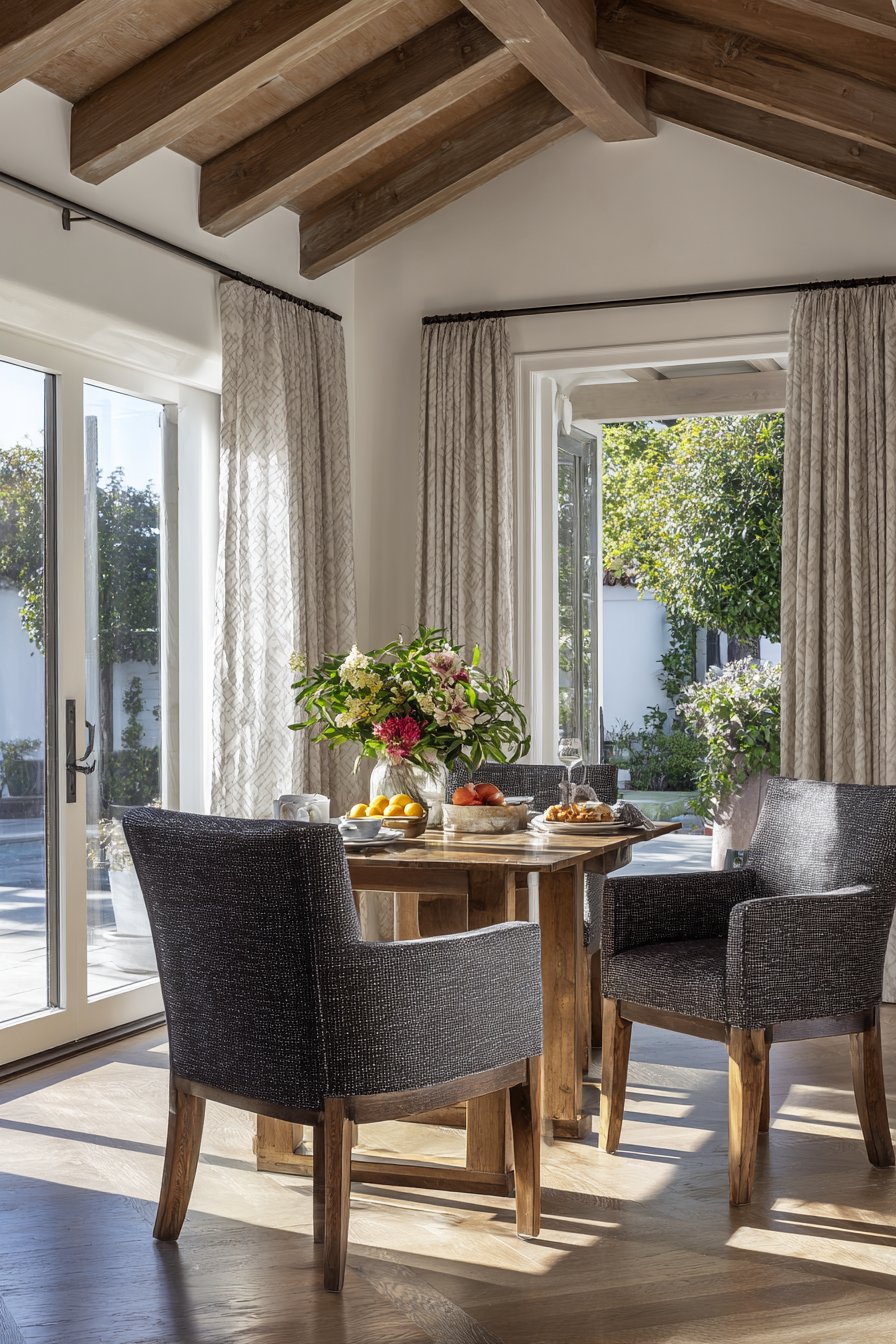
Both options require proper care to maximize their durability potential. Environmental factors like humidity affect wood chairs more noticeably. Upholstered versions need protection from spills and direct sunlight. Investment-grade chairs of either type can last generations with appropriate maintenance.
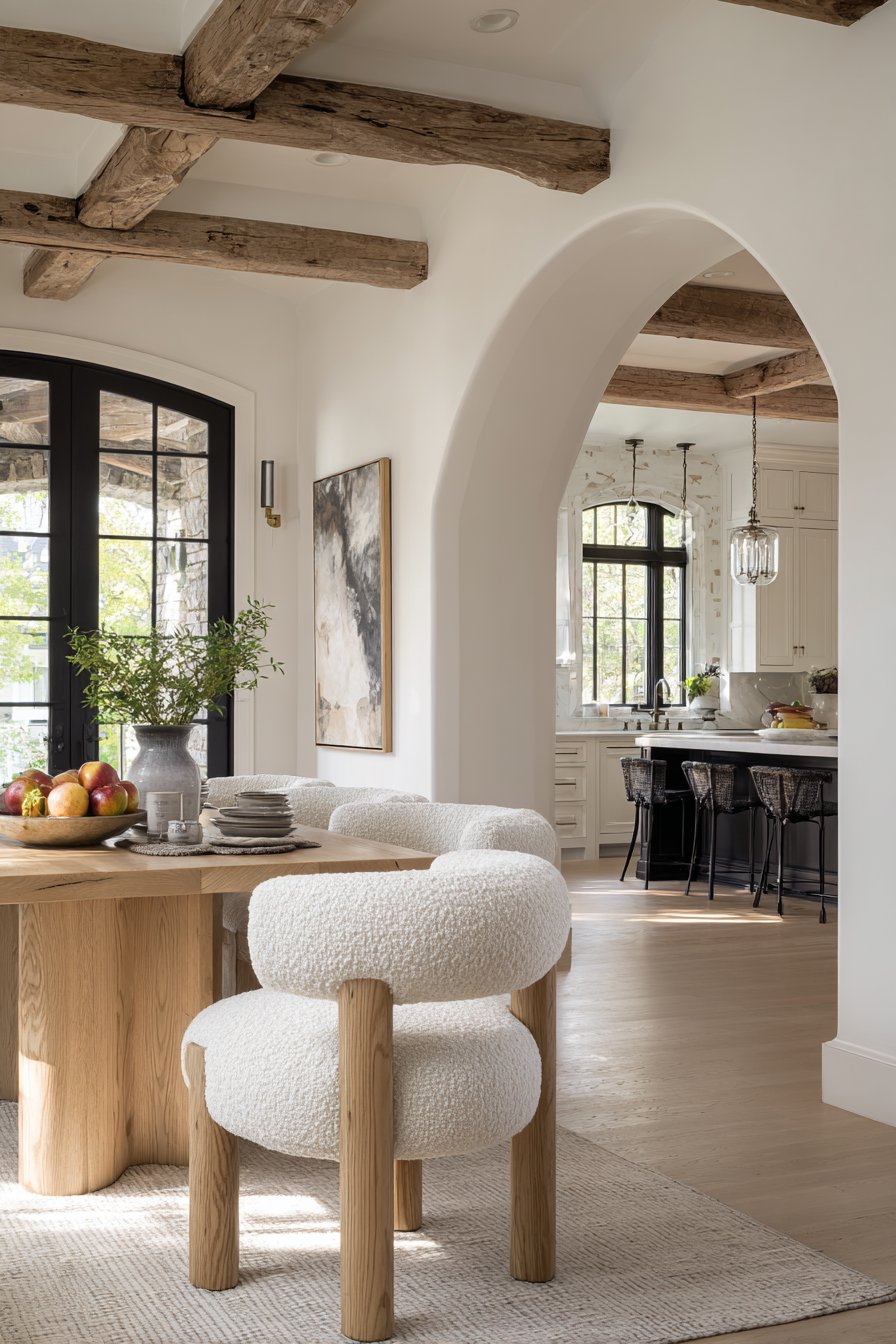
- Choose hardwoods over softwoods for superior durability
- Look for double-doweled joints in wooden chair construction
- Select performance fabrics rated for 30,000+ double rubs
- Avoid placing chairs in direct sunlight to prevent fading
- Inspect joinery quality before purchasing any chair type
- Consider warranties that reflect manufacturer confidence in durability
3. Maintenance Requirements and Care
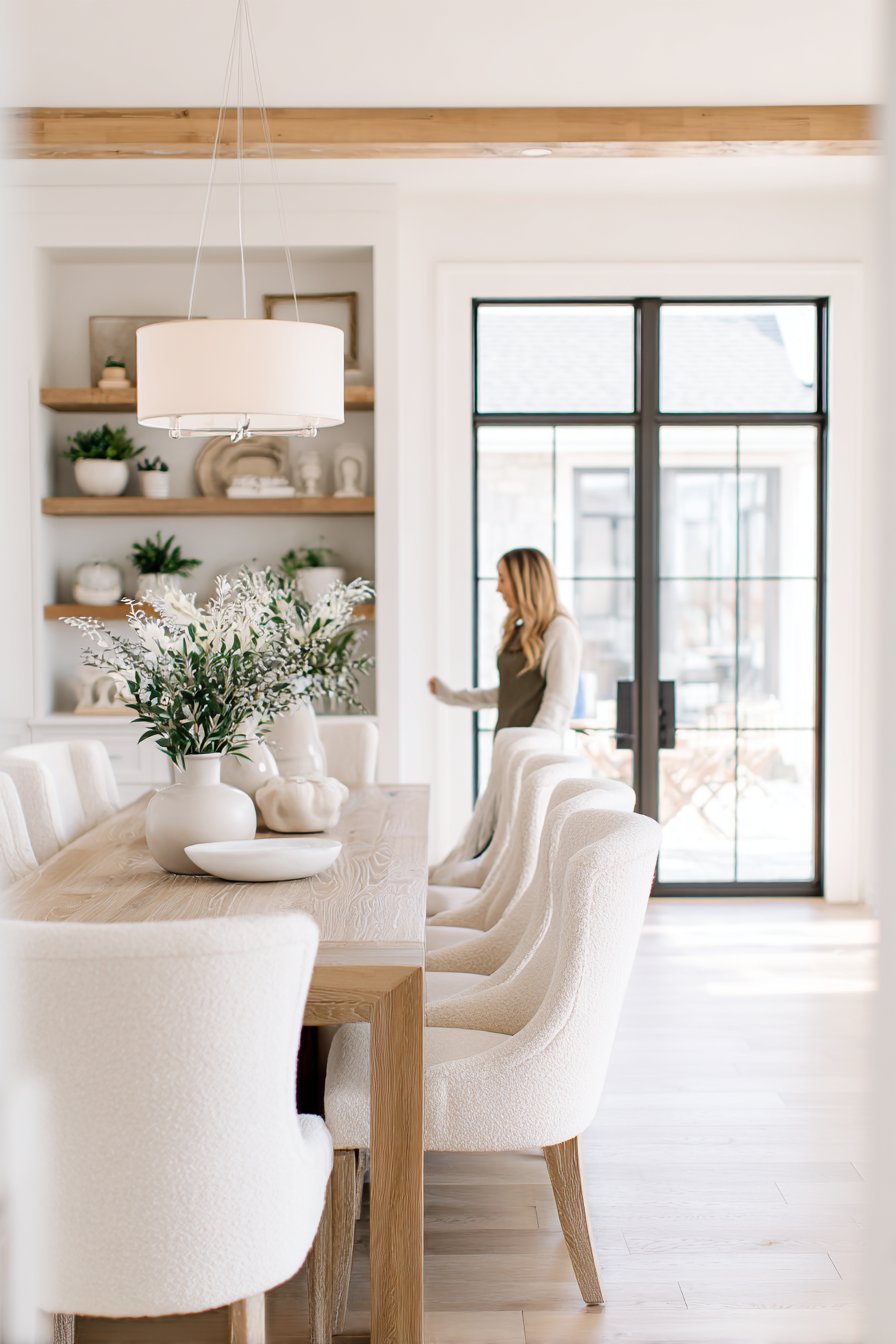
Wood chairs need minimal maintenance compared to their upholstered counterparts. Regular dusting and occasional polishing keep them looking pristine. Spills wipe away easily without leaving permanent marks. Protective finishes shield the wood from moisture and scratches.
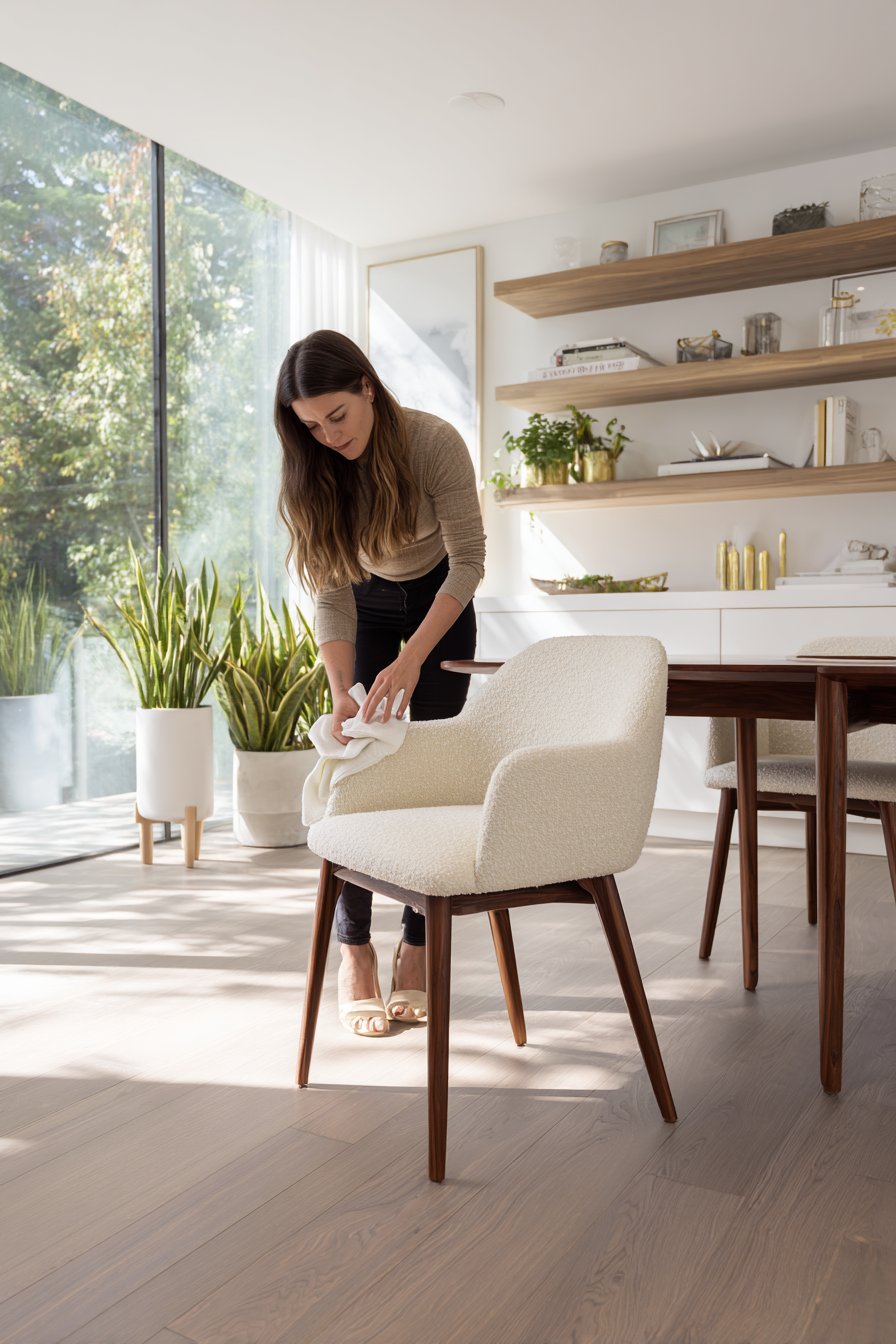
Upholstered chairs demand more intensive care to maintain their appearance. Fabric requires regular vacuuming to remove dust and crumbs. Spills need immediate attention to prevent staining disasters. Professional cleaning every 12-18 months preserves the upholstery’s fresh look.
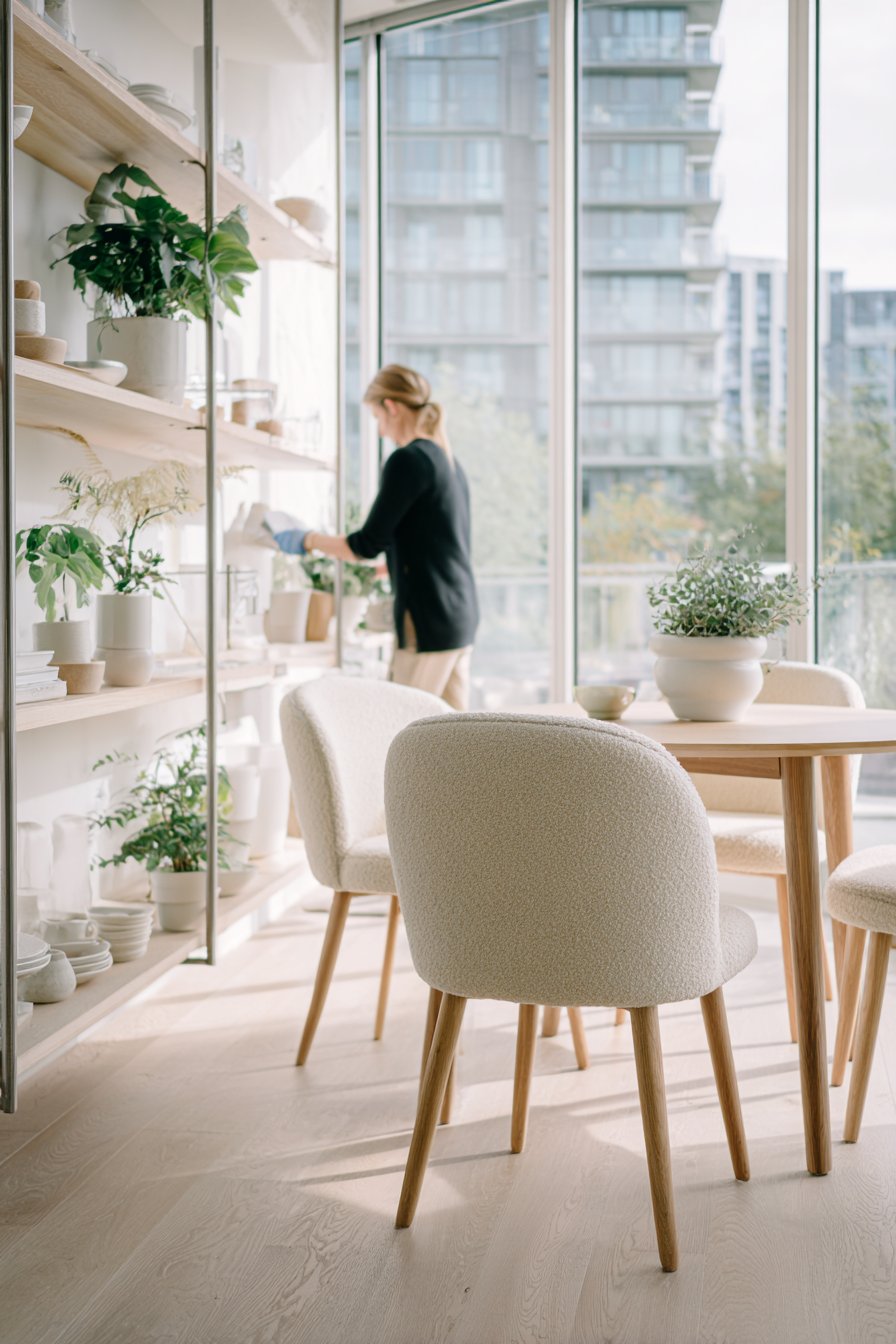
Your lifestyle should guide your maintenance preference selection. Busy households with children or pets benefit from easy-clean surfaces. Wood chairs eliminate the stress of fabric protection worries. Those willing to invest time enjoy the luxurious feel of well-maintained upholstery.

- Apply furniture polish to wood chairs every 2-3 months
- Use coasters and placemats to protect chair backs from walls
- Vacuum upholstered chairs weekly with appropriate attachments
- Treat fabric with stain-resistant spray for added protection
- Address spills immediately with appropriate cleaning solutions
- Rotate chairs periodically to ensure even wear patterns
4. Design Flexibility and Style Options
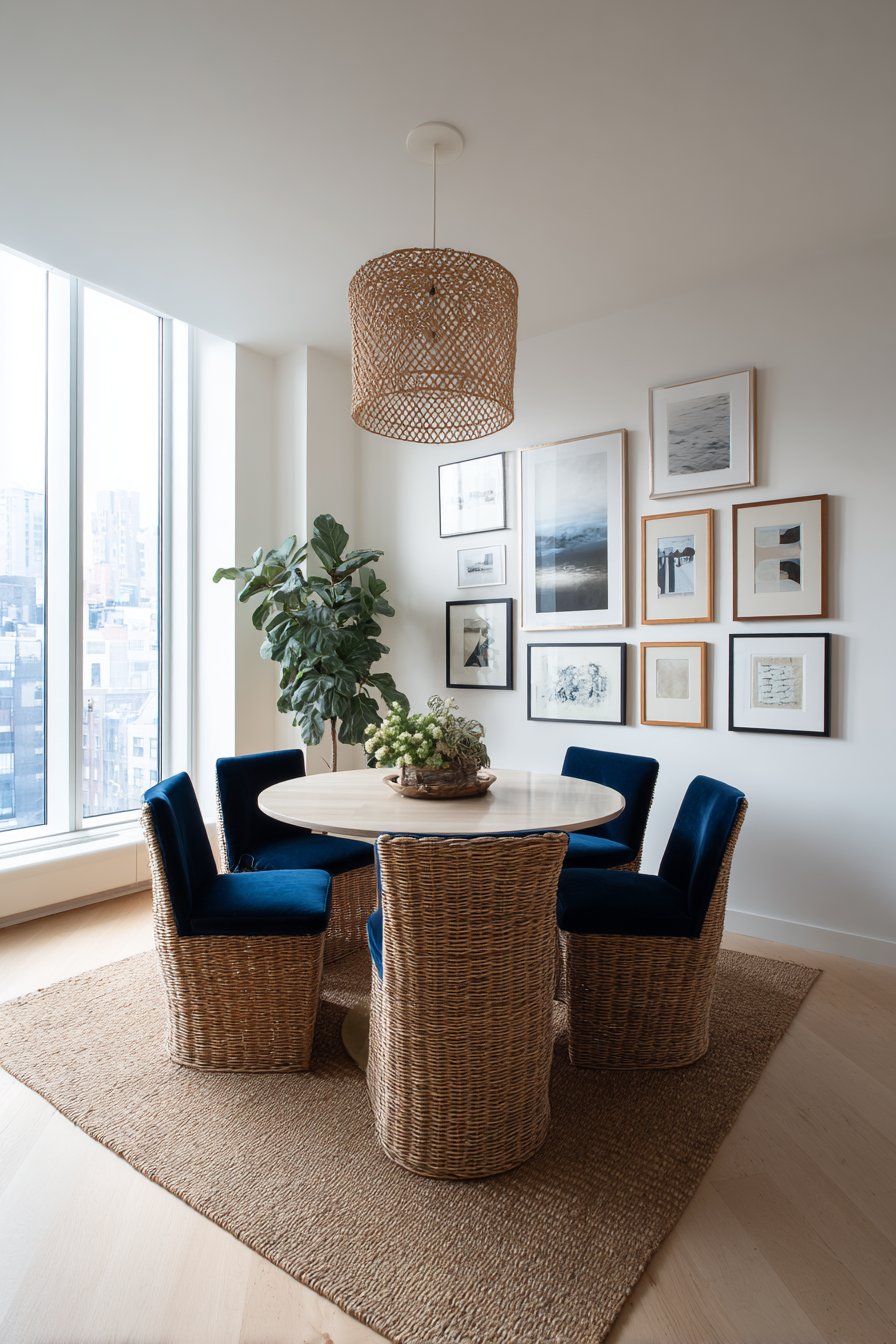
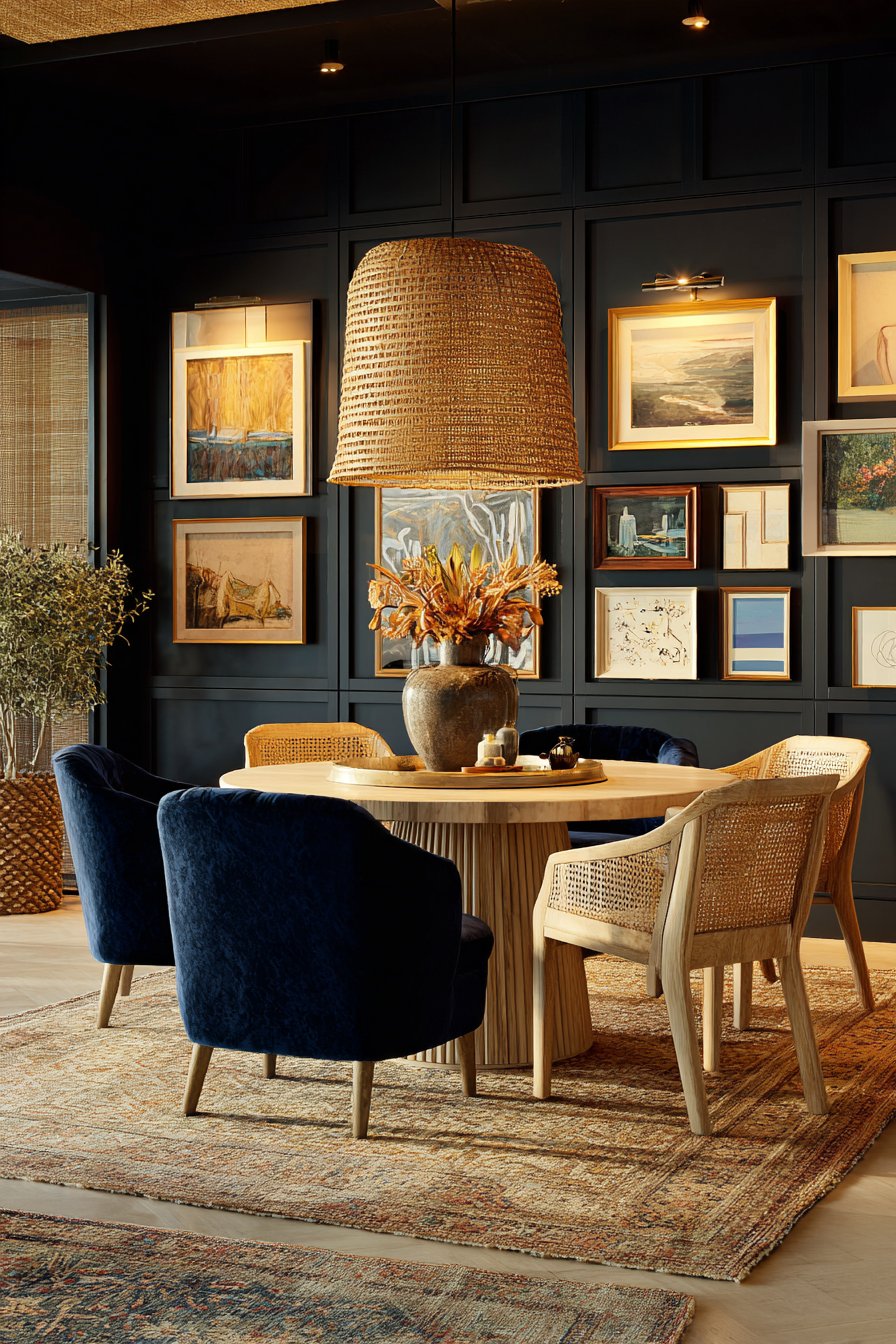
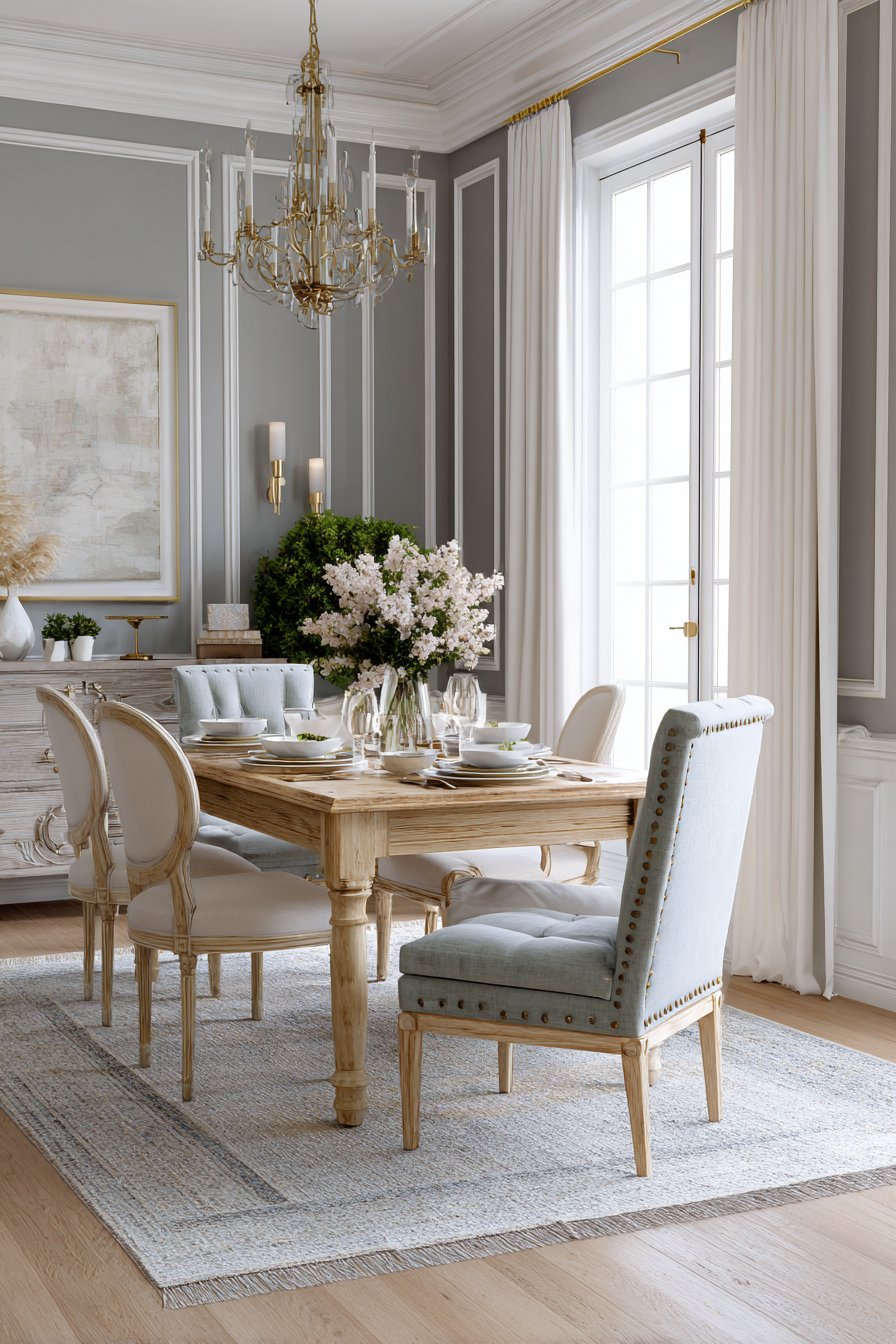
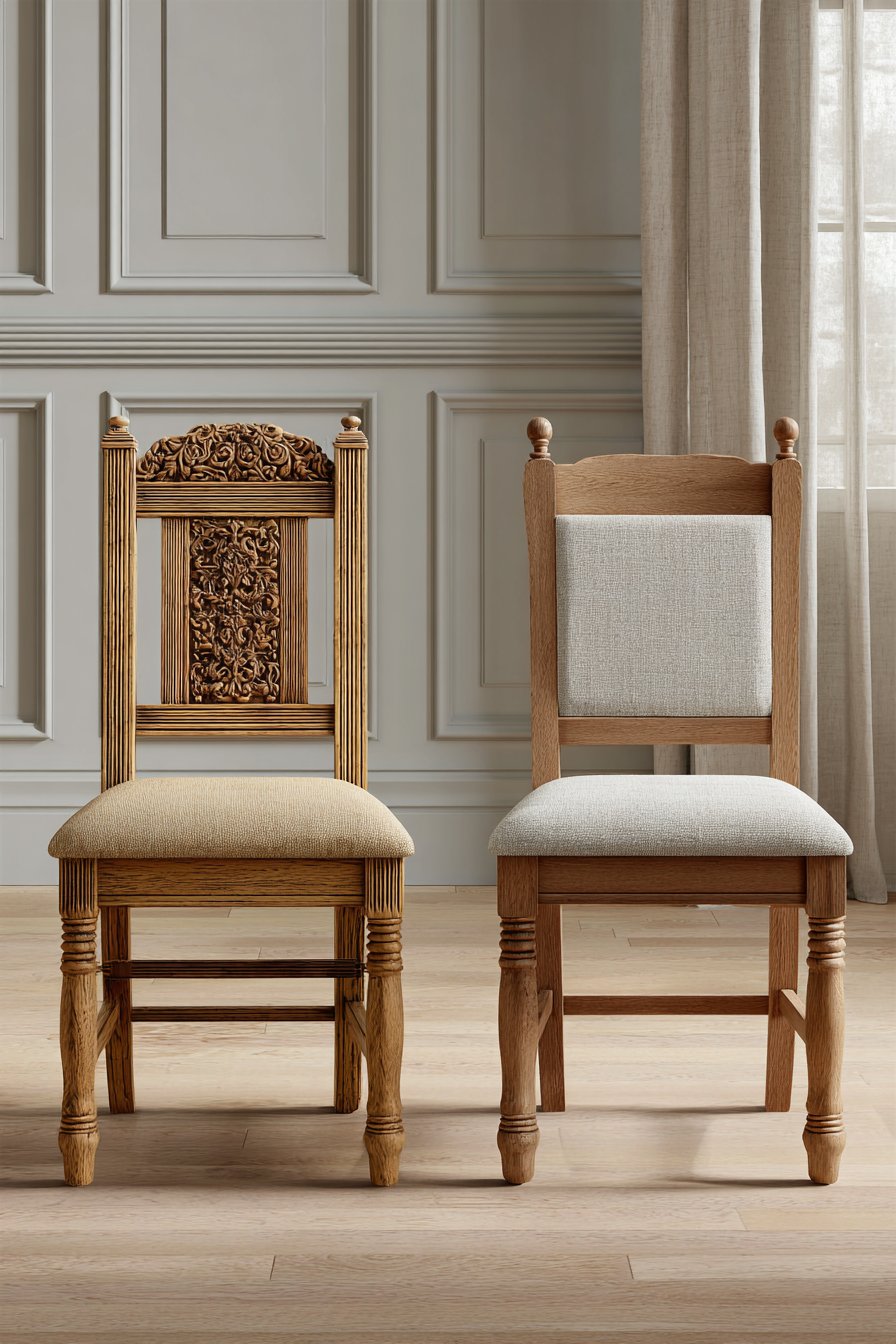
Wood dining chairs offer timeless versatility that complements various interior styles. They transition seamlessly from traditional to contemporary settings. Natural wood tones add warmth and organic beauty to dining spaces. Painted finishes allow customization to match changing décor preferences.
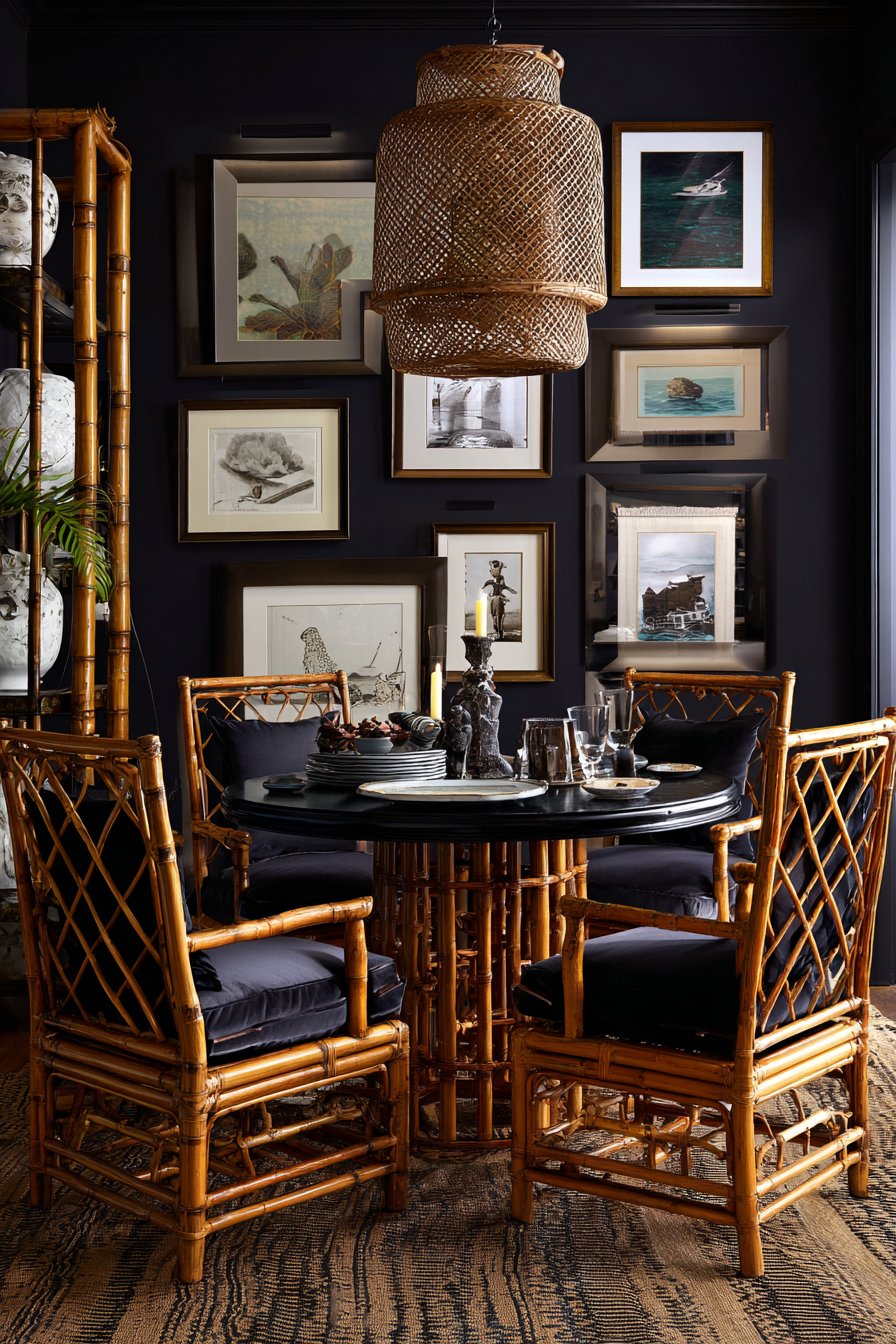
Upholstered chairs provide endless fabric possibilities for personalization and visual impact. Color, pattern, and texture choices let you express creativity boldly. These chairs serve as statement pieces that anchor your dining room design. Mixed chair styles create eclectic, designer-approved looks effortlessly.
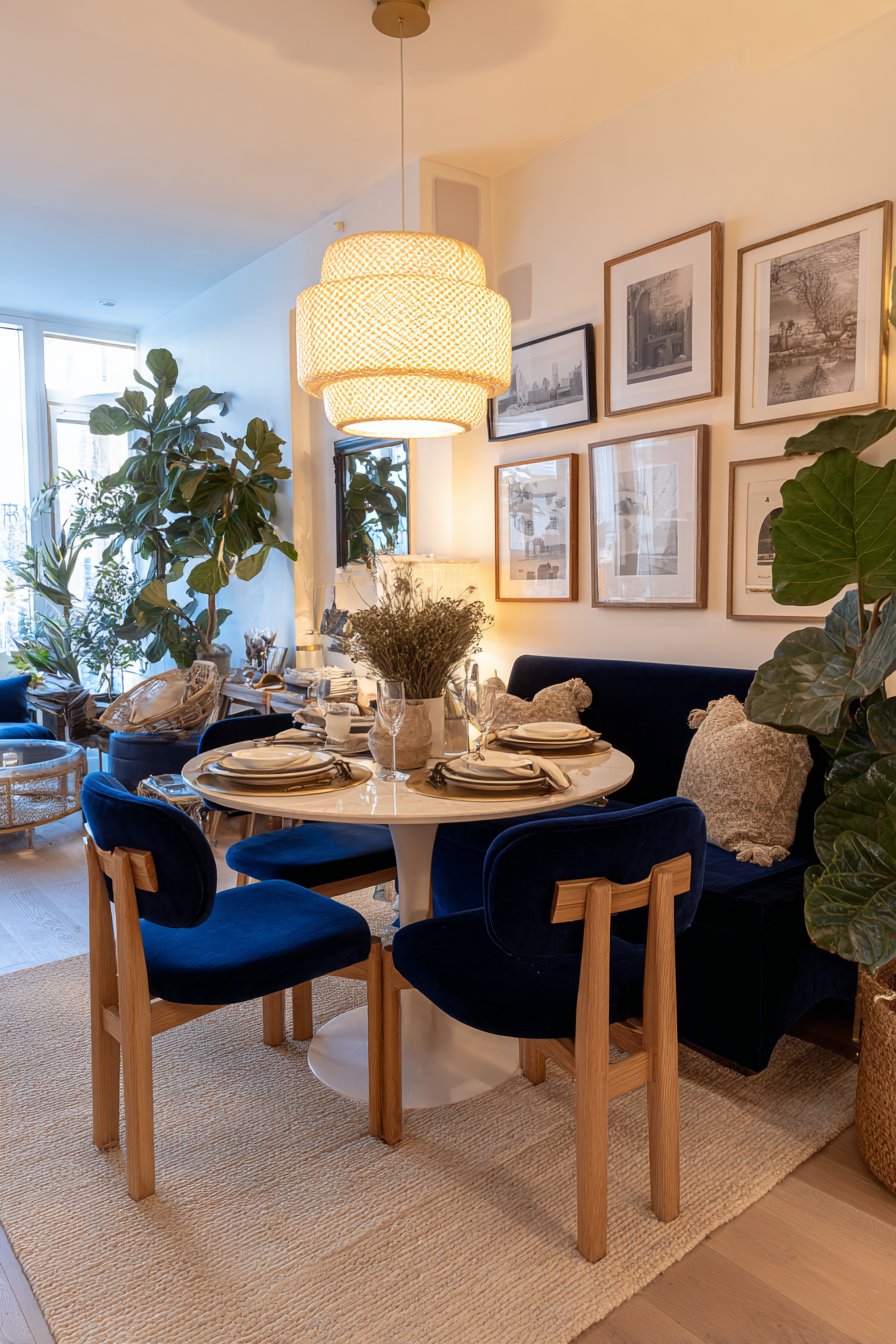
Consider your overall interior design vision when selecting chair types. Modern minimalist spaces often favor sleek wooden designs with clean lines. Traditional or transitional rooms embrace the softness of upholstered seating. Mixing both types creates visual interest and functional flexibility.
- Match wood finish to existing dining table for cohesive look
- Use upholstered chairs as accent pieces in neutral rooms
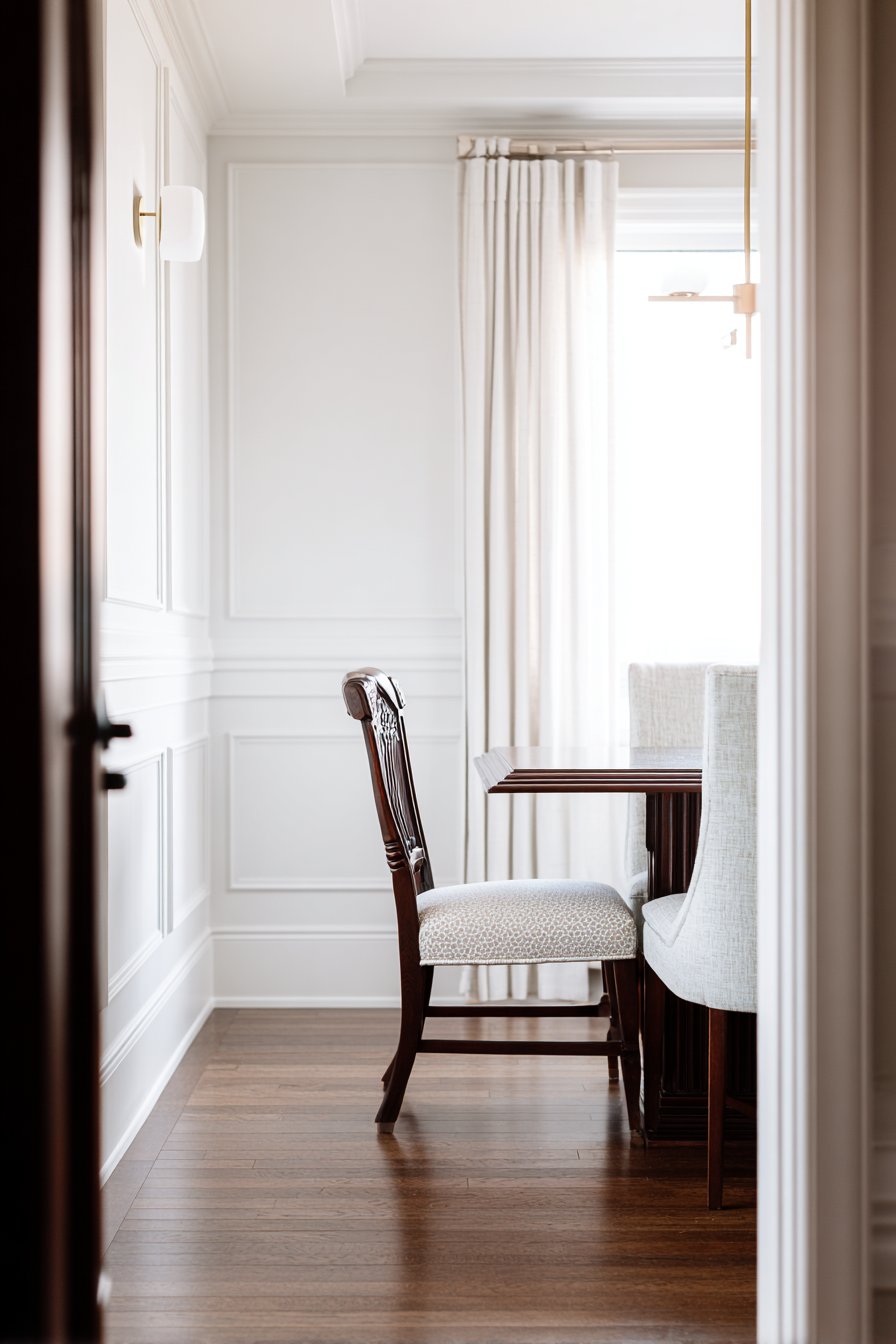
- Consider two upholstered host chairs with wood side chairs
- Select fabrics that complement wall colors and window treatments
- Choose finishes that hide wear appropriate to your lifestyle
- Experiment with contrasting styles for contemporary eclectic appeal
5. Budget Considerations and Value
Quality wood chairs represent excellent value despite higher initial costs. Their longevity means lower replacement frequency over time. Simple maintenance requirements reduce ongoing expenses significantly. Resale value remains strong for well-crafted wooden furniture pieces.
Upholstered chairs vary widely in price based on fabric quality and frame construction. Budget options exist but may require earlier replacement or reupholstering. Custom upholstery increases costs but delivers personalized results. Frame quality matters more than fabric selection for long-term value.
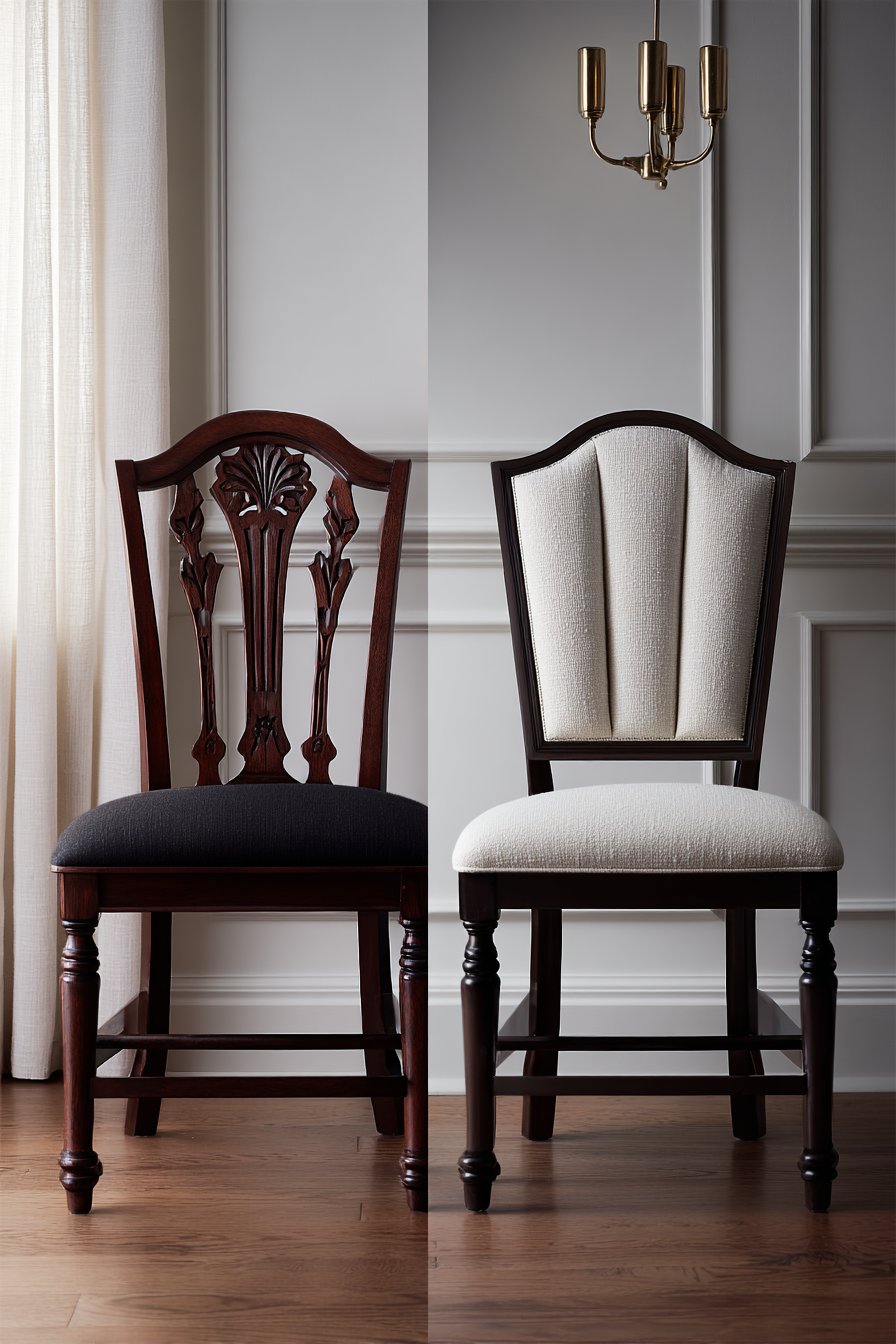
Calculate total cost of ownership rather than just purchase price. Wood chairs maintain their investment over decades of use. Upholstered chairs need fabric updates that add to lifetime costs. Mid-range quality often provides the best balance of affordability and performance.
- Set aside 15-20% more budget for quality construction
- Compare cost per year of expected use for true value assessment
- Look for sales on floor models without compromising quality standards
- Consider reupholstering existing frames instead of replacing entirely
- Invest in stain-resistant treatments to extend fabric lifespan
- Factor in potential refinishing costs for wood chairs over time
6. Practical Lifestyle Matching
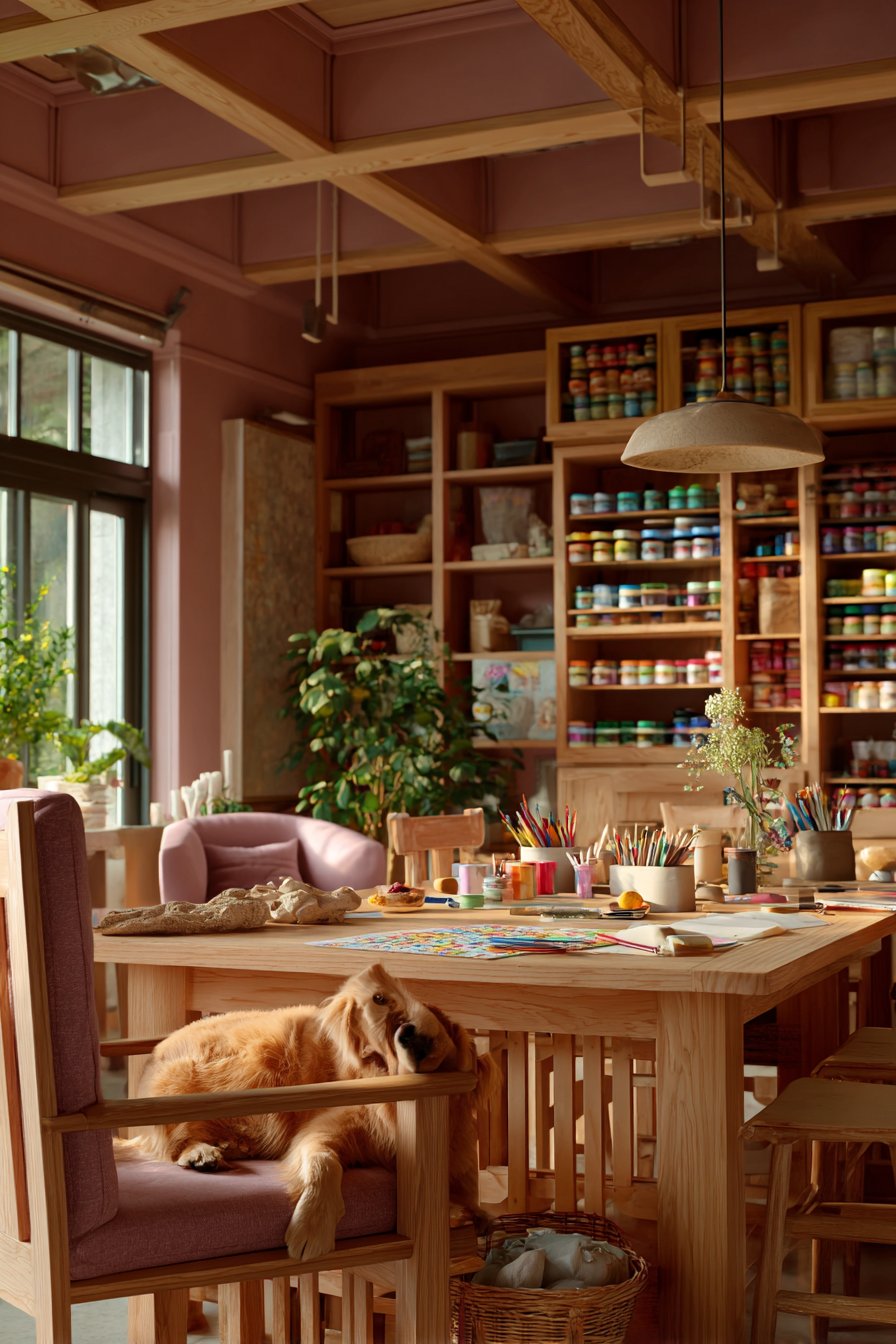
Wood chairs excel in high-traffic households where spills occur frequently. They suit families with young children who test furniture durability. Pet owners appreciate surfaces that resist scratching and odor absorption. Active lifestyles benefit from quick-cleaning capabilities wood provides.
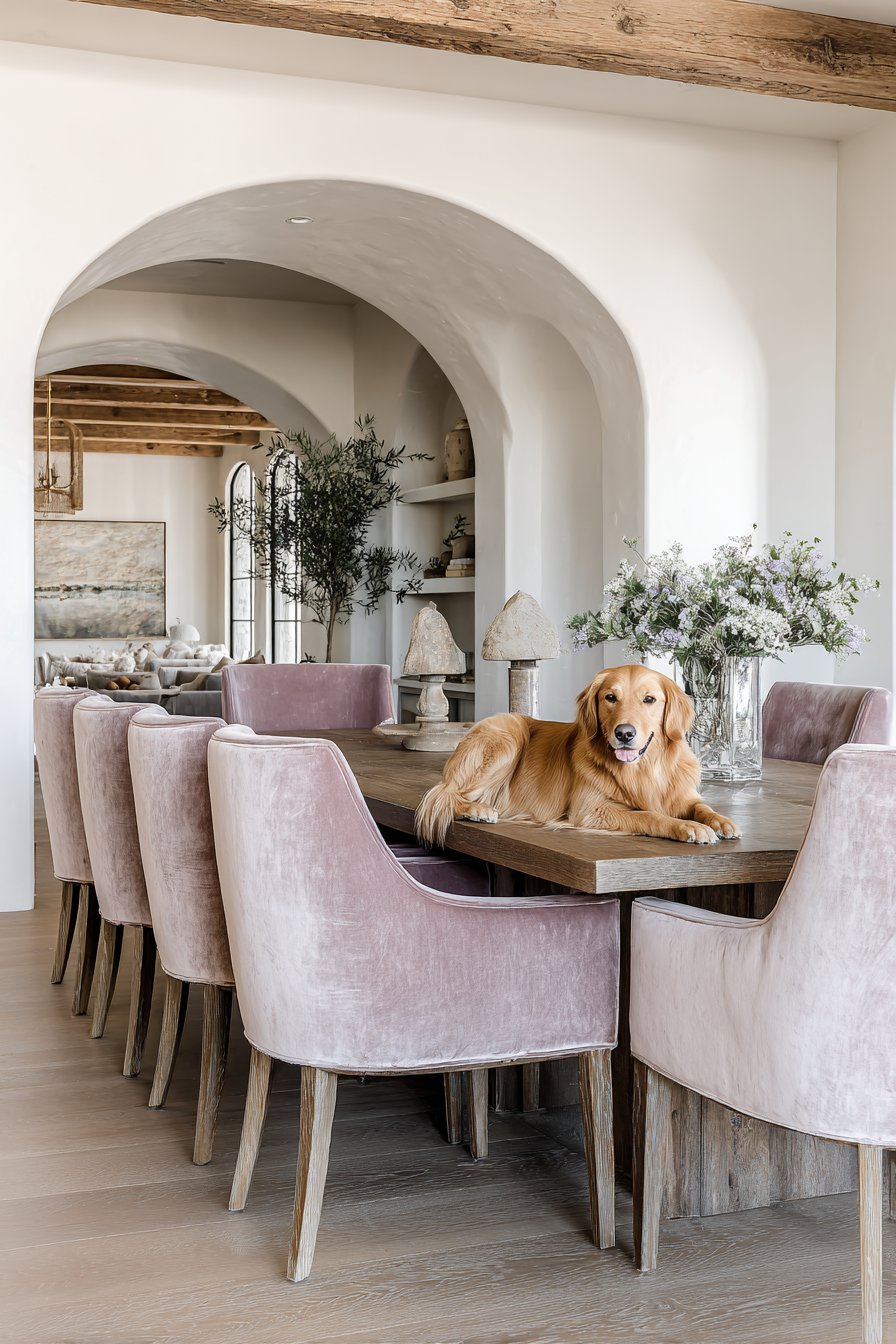
Upholstered chairs shine in adult-oriented spaces where comfort takes priority. Empty nesters enjoy the luxury of plush seating during leisurely meals. Formal dining rooms used primarily for entertaining benefit from elegant upholstered options. These chairs create sophisticated atmospheres for special occasions.
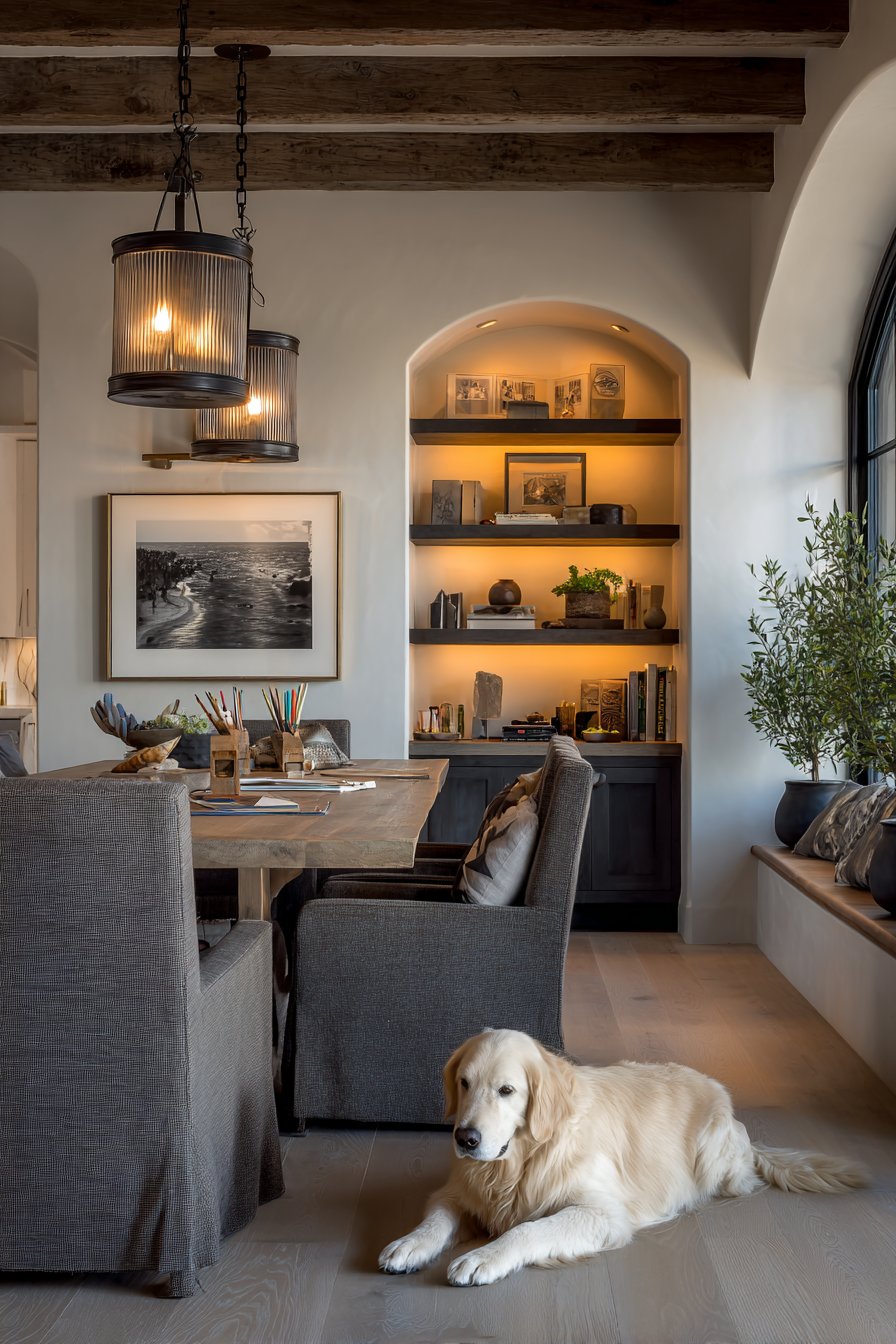
Assess your household’s unique demands honestly before making final decisions. Consider both current needs and future lifestyle changes. Hybrid approaches using both chair types provide maximum flexibility. Your dining space should support how you actually live daily.
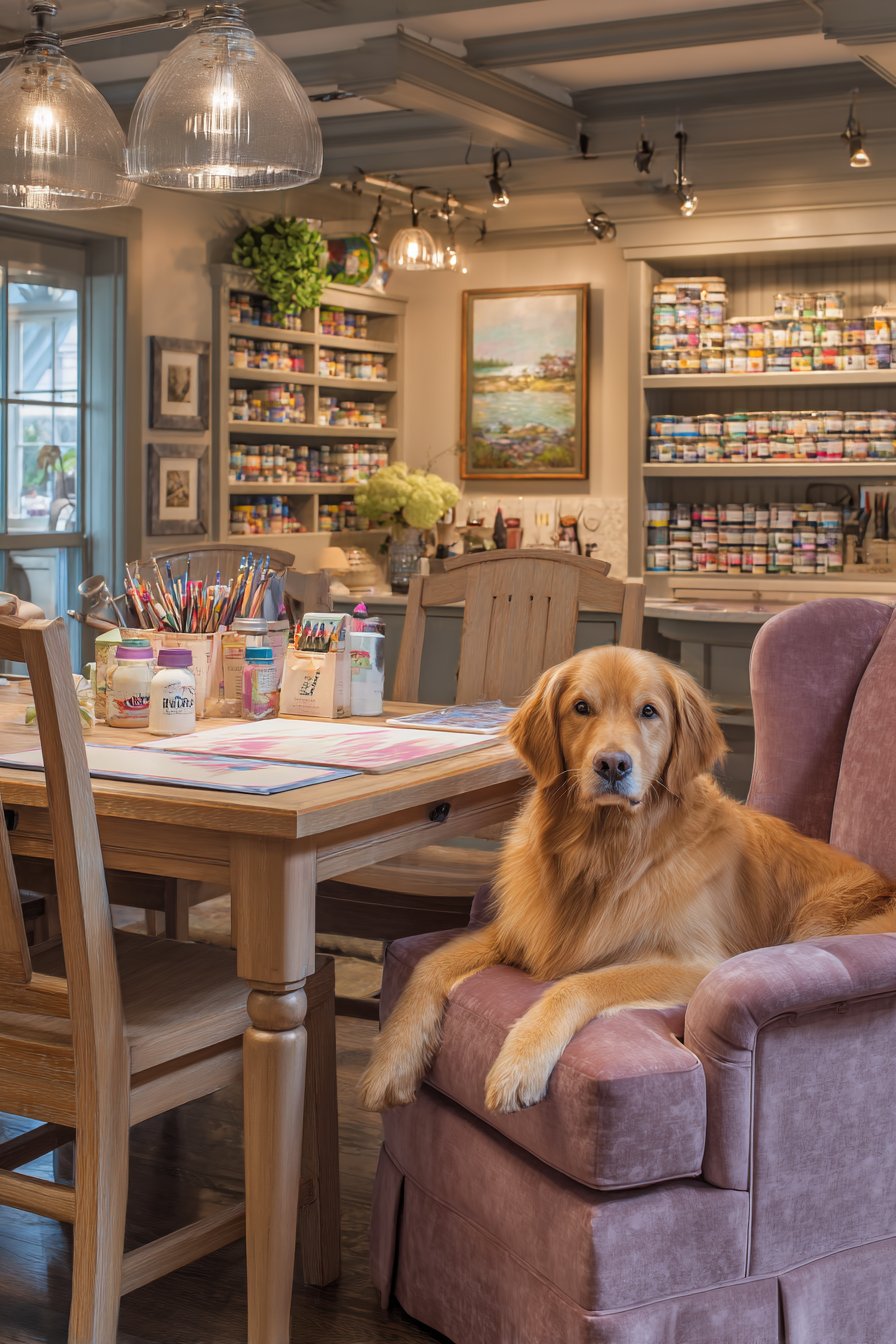
- Evaluate frequency of messy meals and crafts at the table
- Consider whether pets are allowed on dining furniture
- Think about formal entertaining versus casual family dining balance
- Account for household member preferences and physical needs
- Assess available storage for seasonal chair cushions if needed
- Plan for potential lifestyle changes within the next 5-10 years
Conclusion
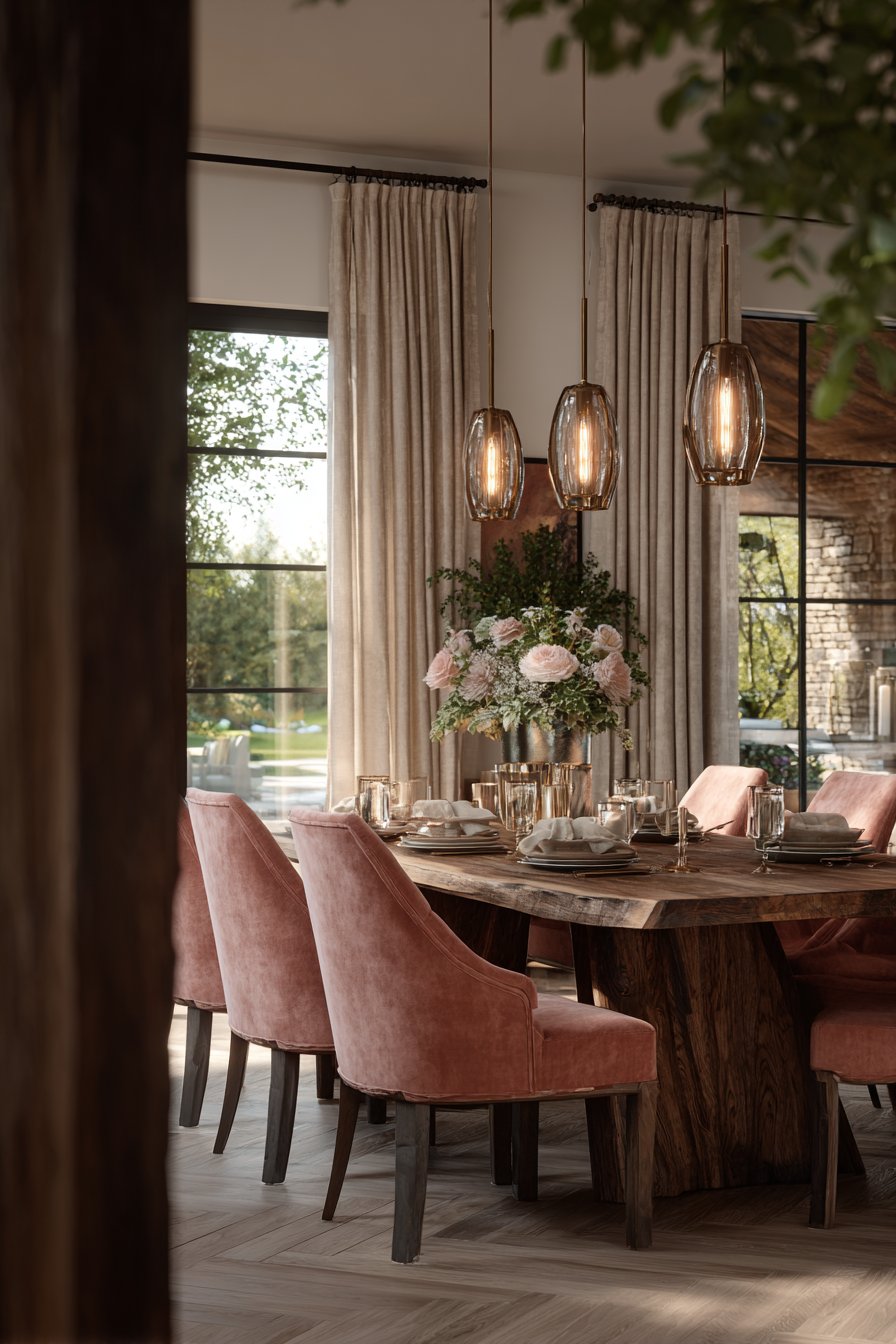
The upholstered versus wood dining chair decision depends on personal priorities and lifestyle realities. Wood chairs deliver unmatched durability and easy maintenance for active households. Upholstered options provide superior comfort and design flexibility for those willing to invest in care.
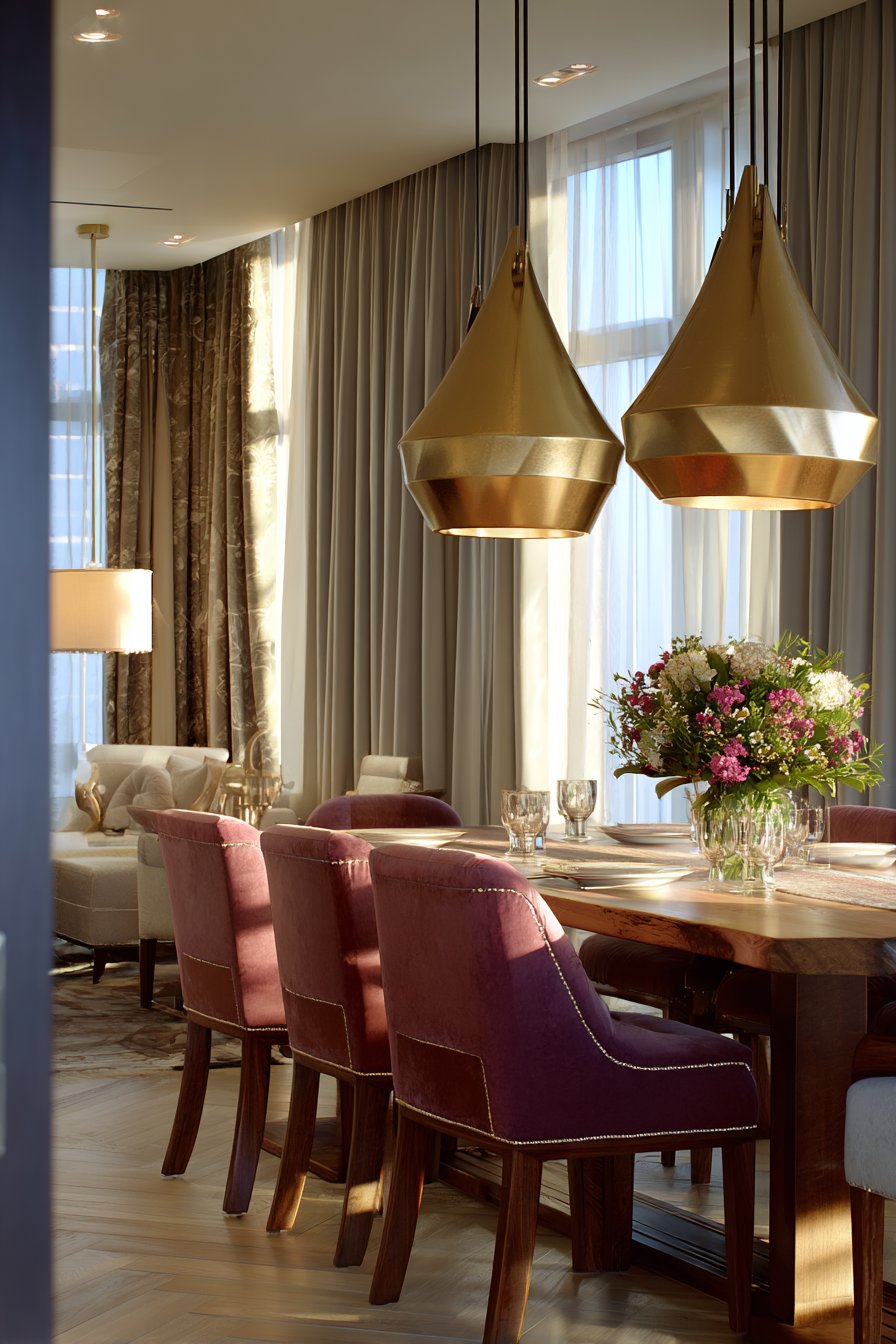
Consider combining both types to enjoy the benefits of each style. Your dining space should reflect your unique needs while providing lasting value. Choose chairs that make every meal a pleasure and complement your home’s aesthetic beautifully.
