


Small dining rooms present a unique challenge in home design. Many homeowners struggle with creating an inviting eating space when square footage is limited. The good news is that strategic design choices can transform even the tiniest dining area into a welcoming, functional room.
Thoughtful interior design goes beyond aesthetics—it creates spaces that enhance daily living. The right approach to a small dining room can make it feel surprisingly spacious. Whether you’re working with a compact apartment or a cozy breakfast nook, smart planning makes all the difference.
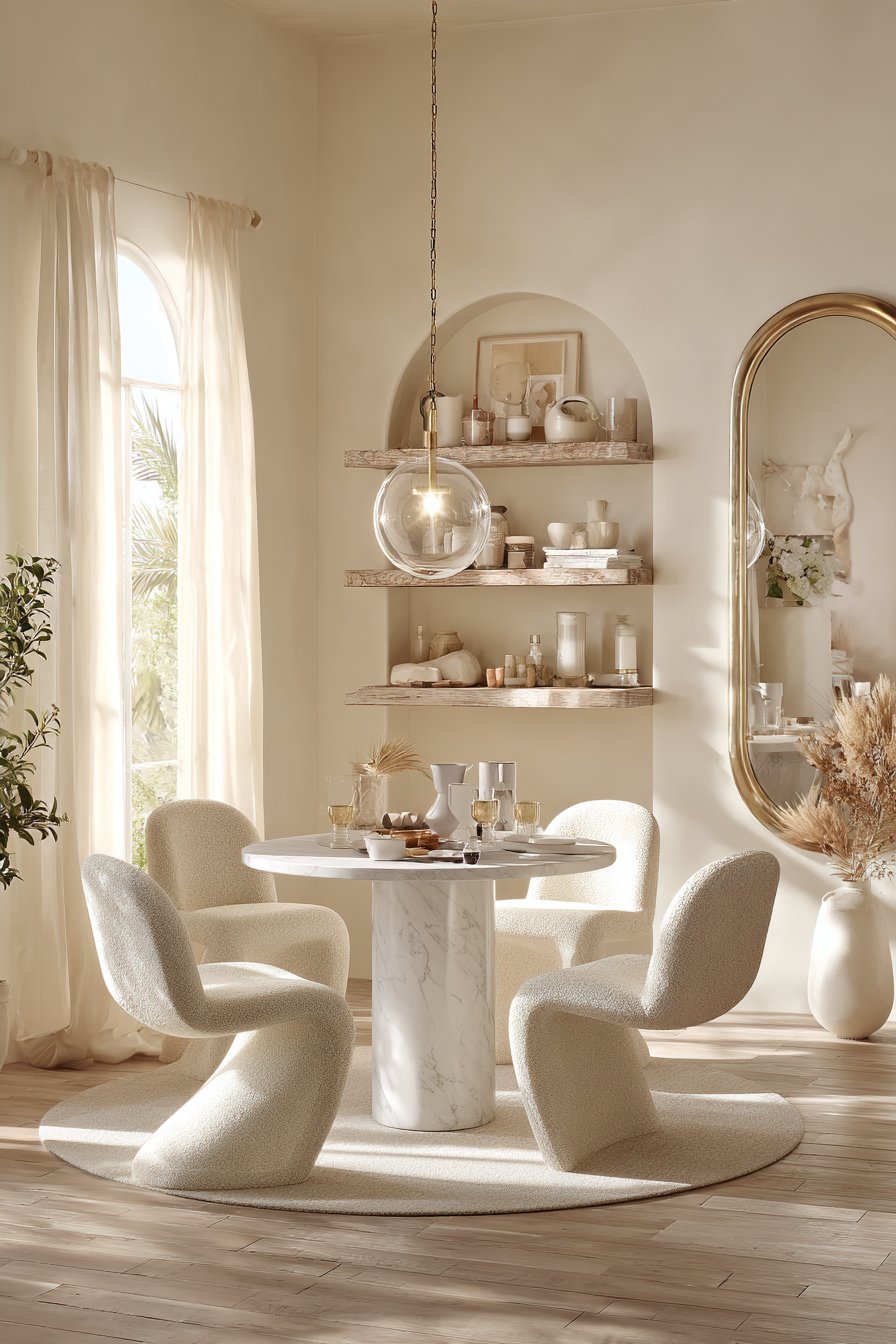
This article explores proven techniques to maximize your small dining room’s potential. From furniture selection to color psychology, these strategies will help you create a dining space that feels open and airy. Each tip builds on professional design principles used by interior designers worldwide.
1. Choose the Right Furniture Scale
Furniture proportion is crucial in small dining rooms. Oversized pieces quickly overwhelm limited space, making rooms feel cramped and claustrophobic. The secret lies in selecting appropriately scaled furniture that fits your room’s dimensions perfectly.
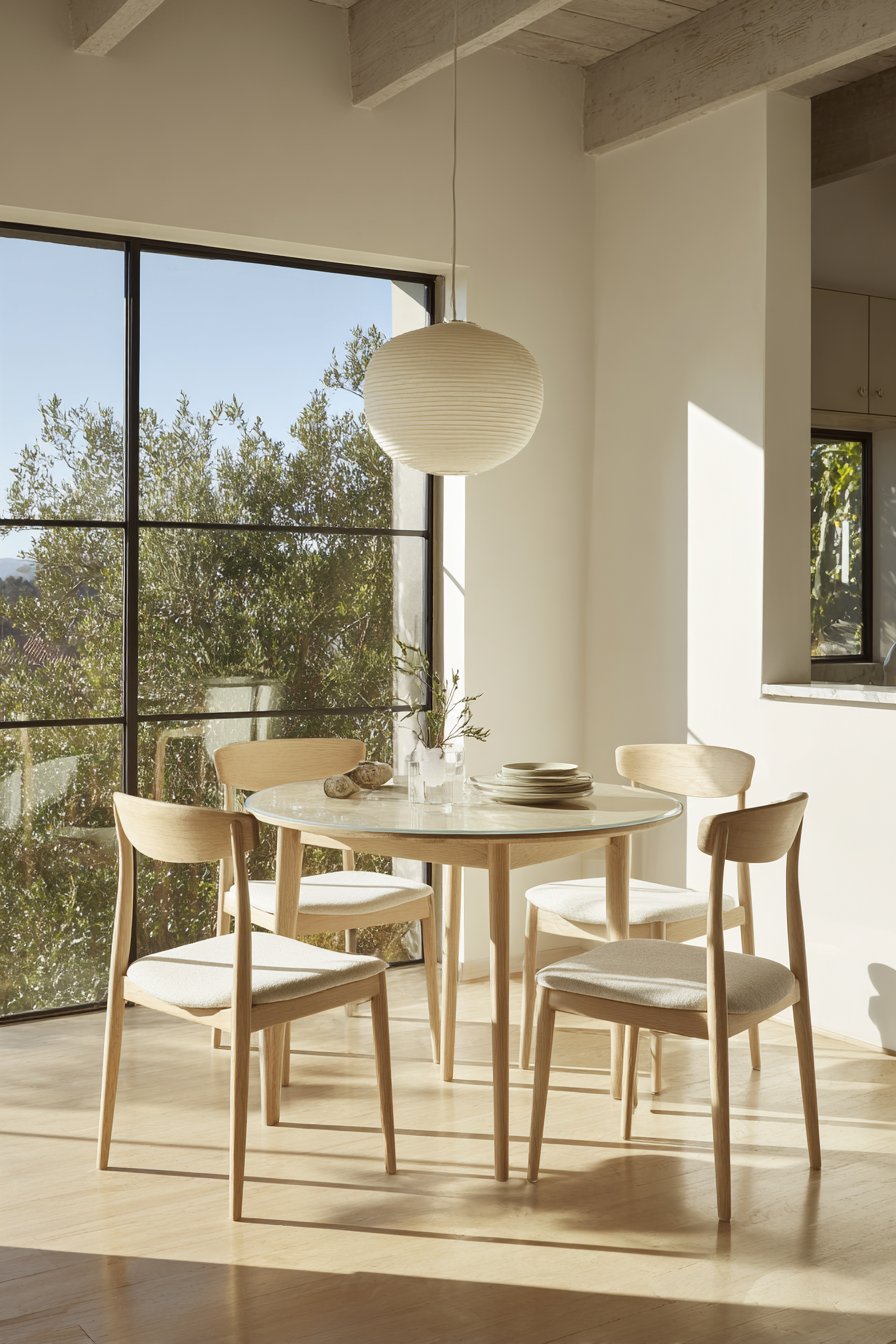
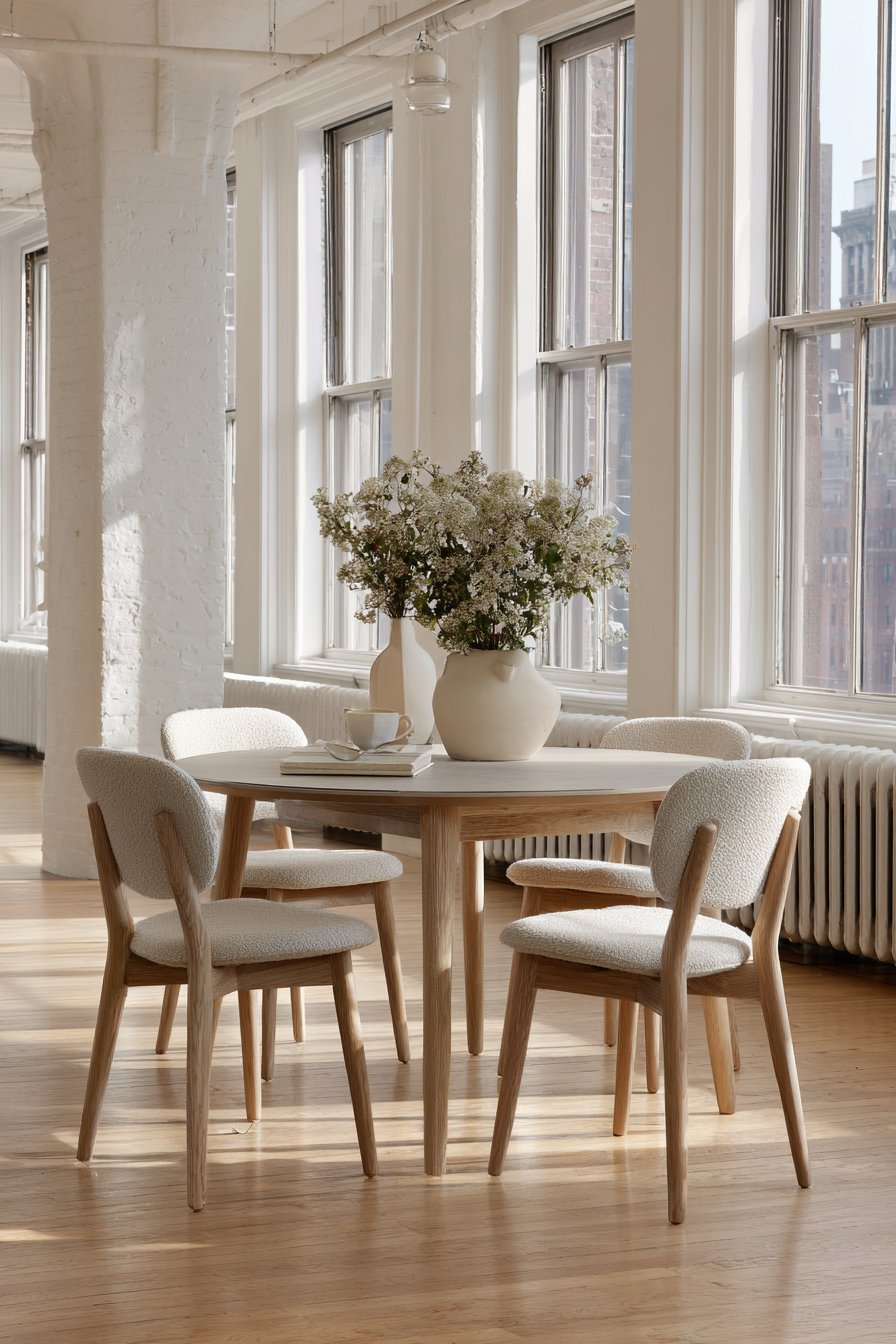
Start by measuring your dining area carefully before purchasing anything. A table that’s 72 inches or less works best for most small dining rooms. Round or oval tables are particularly effective because they eliminate sharp corners. This creates better traffic flow and makes the space feel more open.
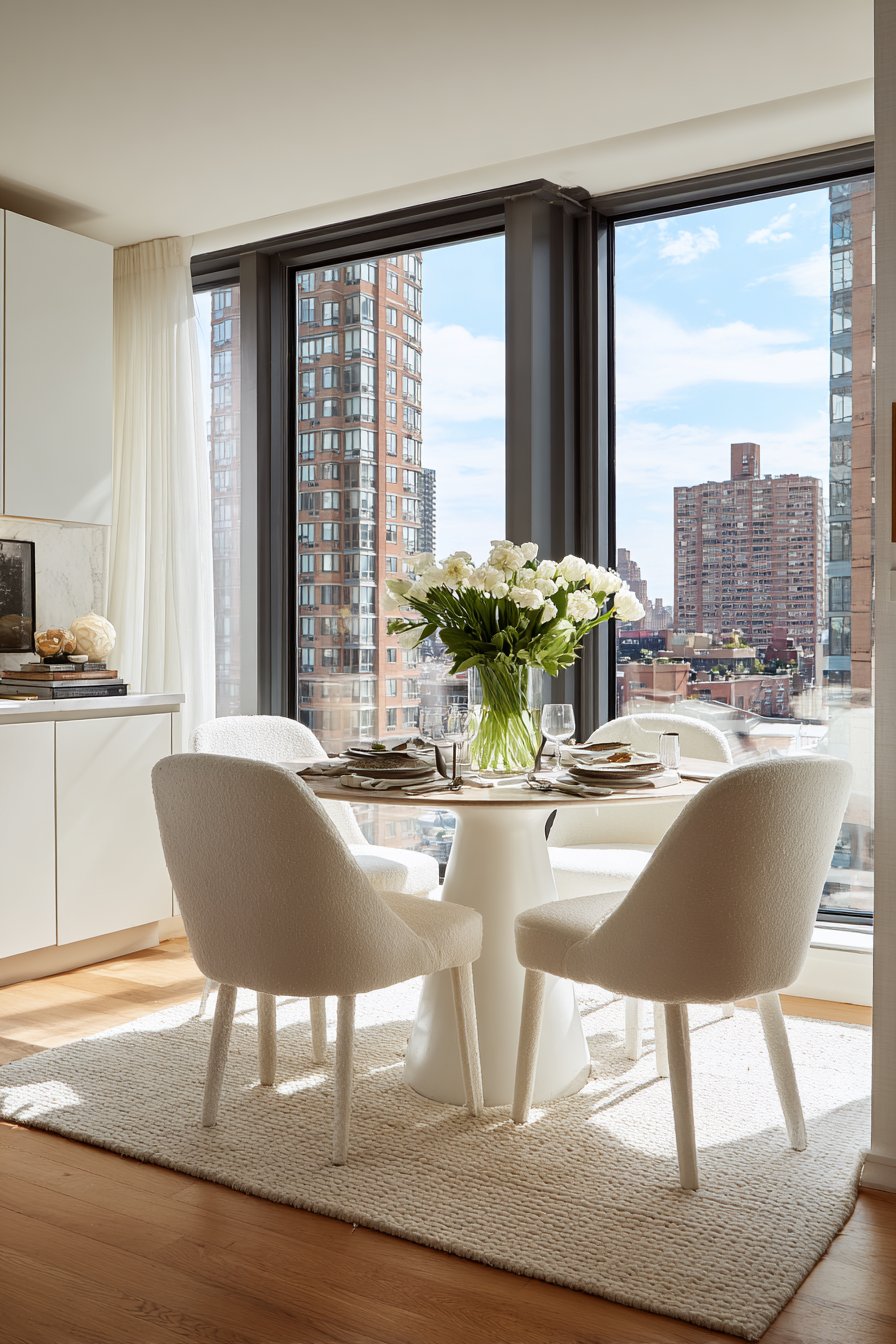
Consider furniture with exposed legs rather than solid bases. Leggy furniture allows visual space to flow underneath, creating an illusion of more floor area. Glass or acrylic tables take this principle further by offering functionality without visual weight.
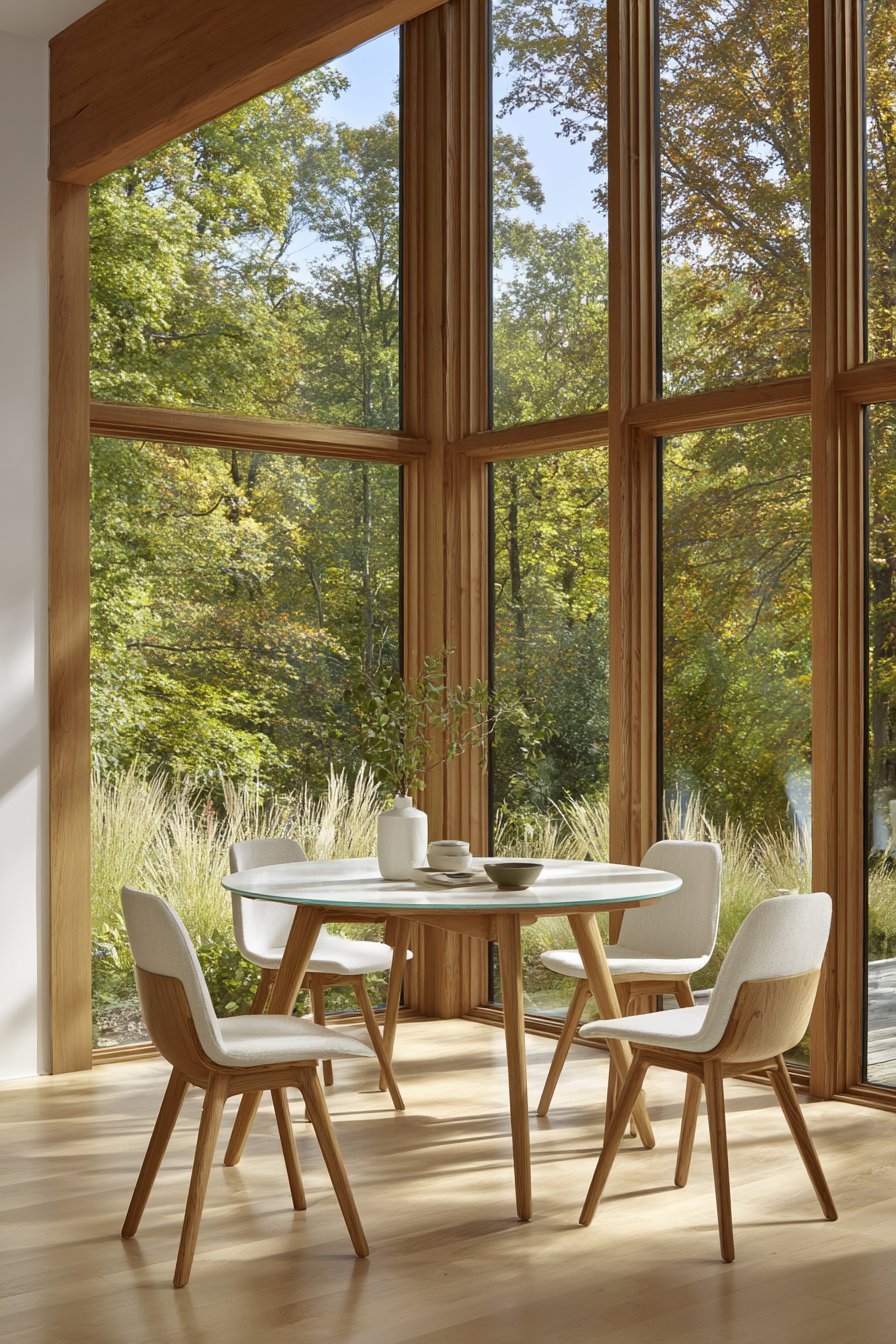
- Measure your room and leave at least 36 inches of clearance around the table
- Select chairs with slim profiles and open backs for airiness
- Choose round or oval tables to maximize seating in tight spaces
- Opt for furniture with visible legs to create visual lightness
- Consider extendable tables that expand only when needed
- Avoid bulky armchairs in favor of streamlined side chairs
2. Maximize Vertical Space
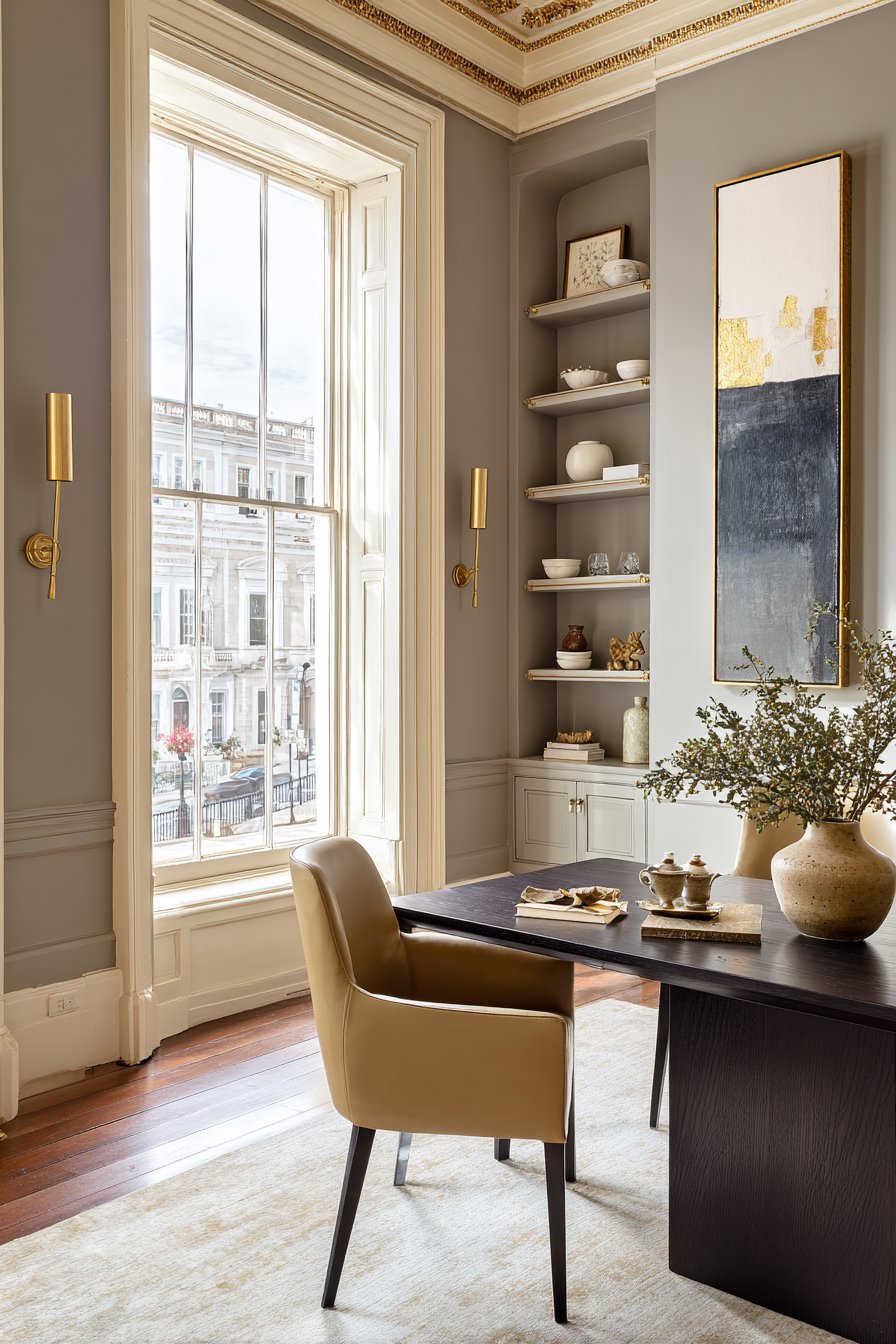
Wall space is underutilized real estate in most small dining rooms. Looking upward opens countless possibilities for storage and visual interest. Vertical design strategies draw the eye up, making ceilings appear higher and rooms feel larger.
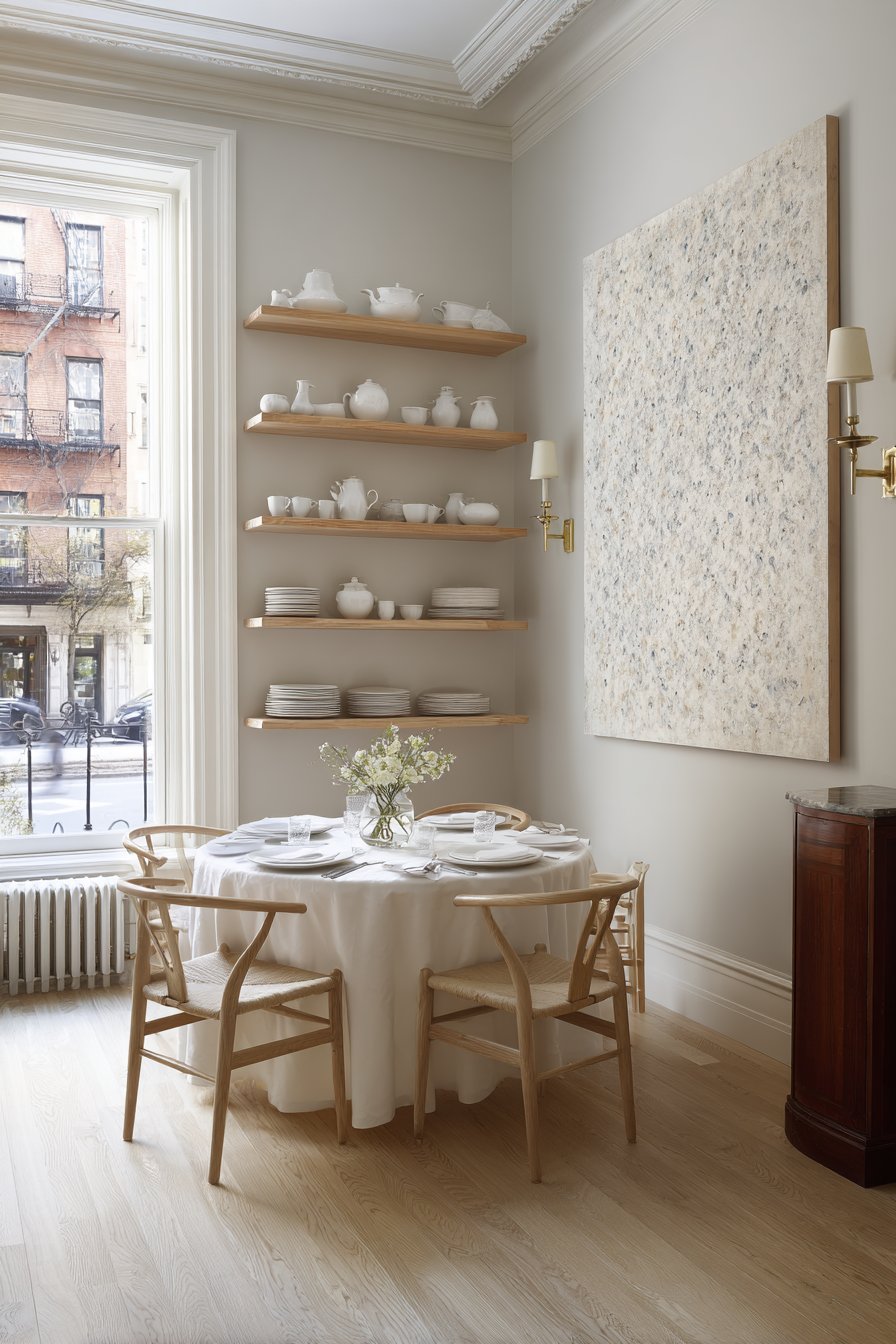
Install floating shelves or wall-mounted cabinets to store dishes, glassware, and decorative items. This approach keeps essentials accessible while freeing up valuable floor space. Floor-to-ceiling storage solutions work particularly well in compact areas where every inch counts.
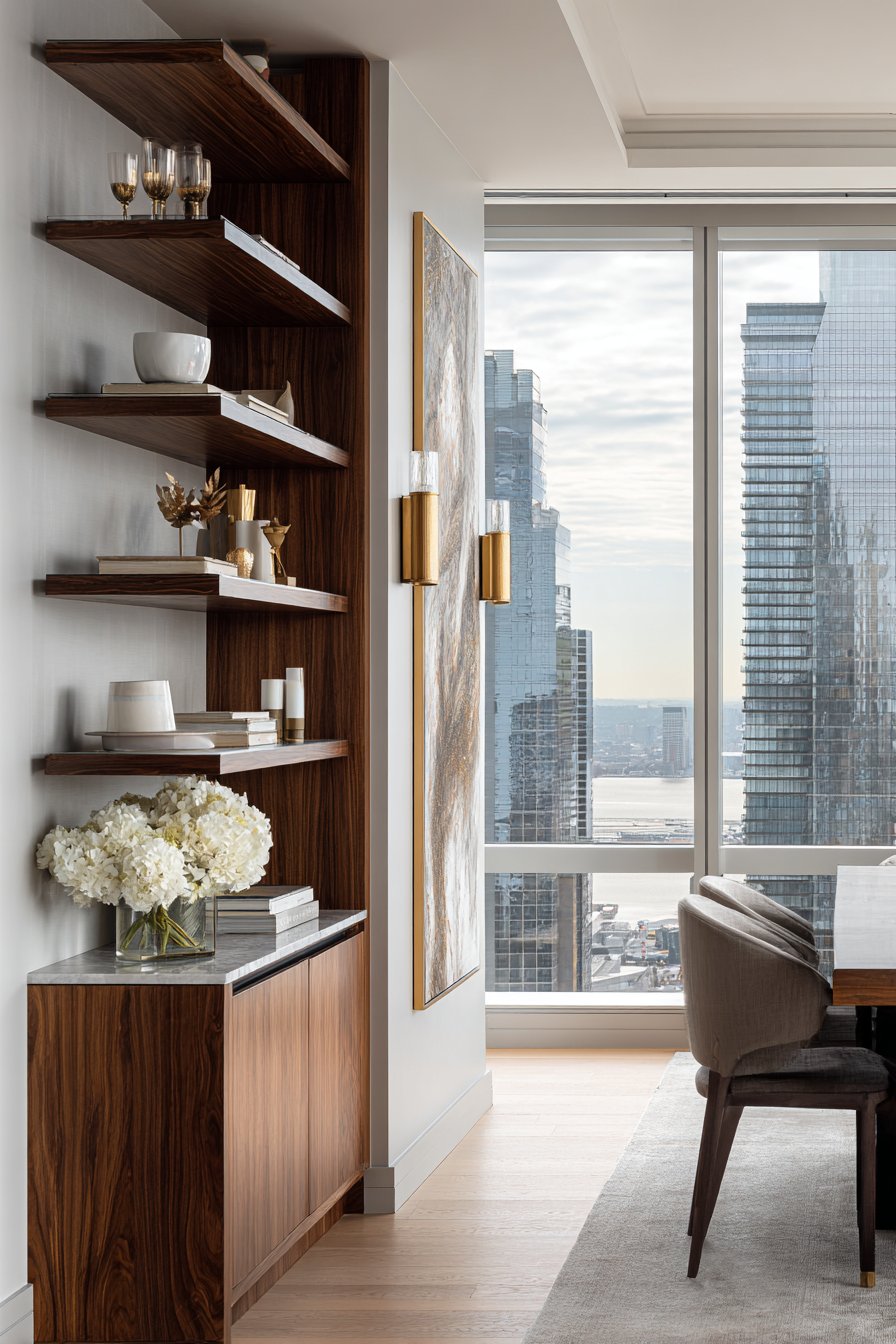
Tall, narrow furniture pieces emphasize height over width. A sleek china cabinet or tall bookshelf creates vertical lines that elongate the room. Hang artwork or mirrors higher than usual to reinforce this upward movement and create perceived spaciousness.
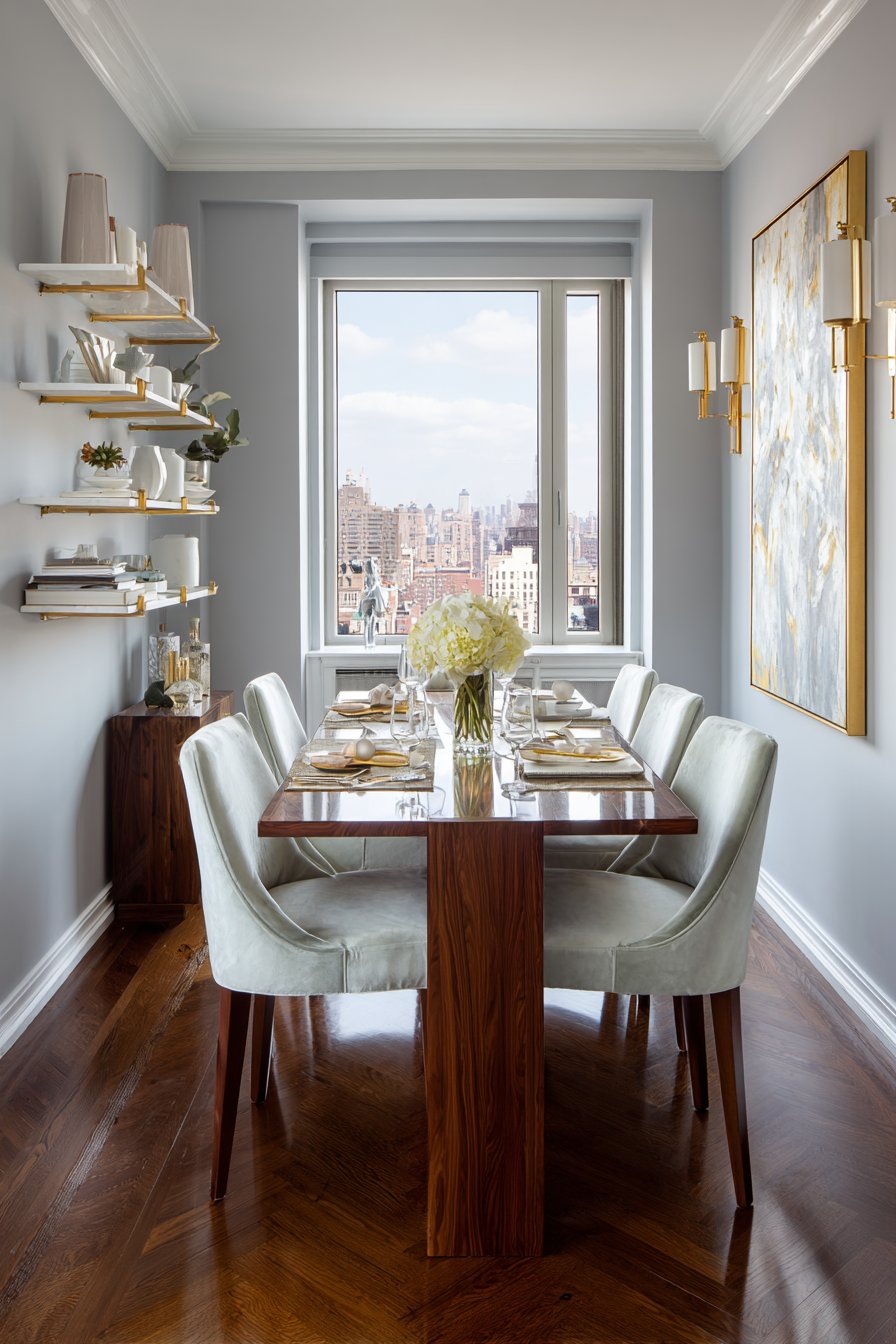
- Install floating shelves at varying heights for visual interest
- Use tall, narrow storage units instead of wide, low pieces
- Hang curtains from ceiling to floor, not just above windows
- Display vertical artwork or mirrors to emphasize height
- Consider wall-mounted lighting to save table and floor space
- Add crown molding to draw attention to ceiling height
3. Embrace Light Colors and Reflective Surfaces
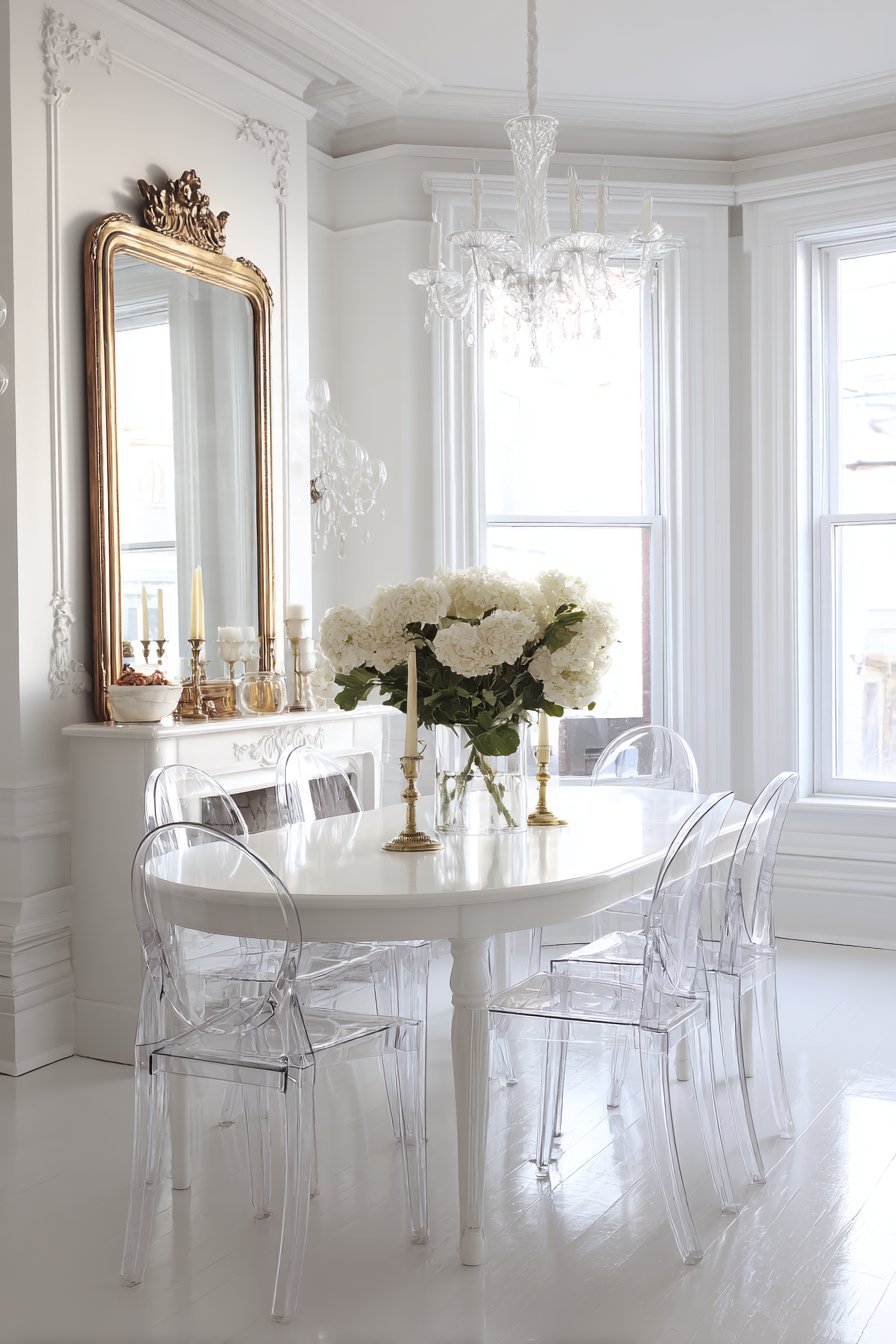
Color psychology plays a powerful role in spatial perception. Light, neutral tones make walls recede, creating an expansive feeling that dark colors simply cannot achieve. Strategic color selection transforms tight quarters into seemingly spacious retreats.
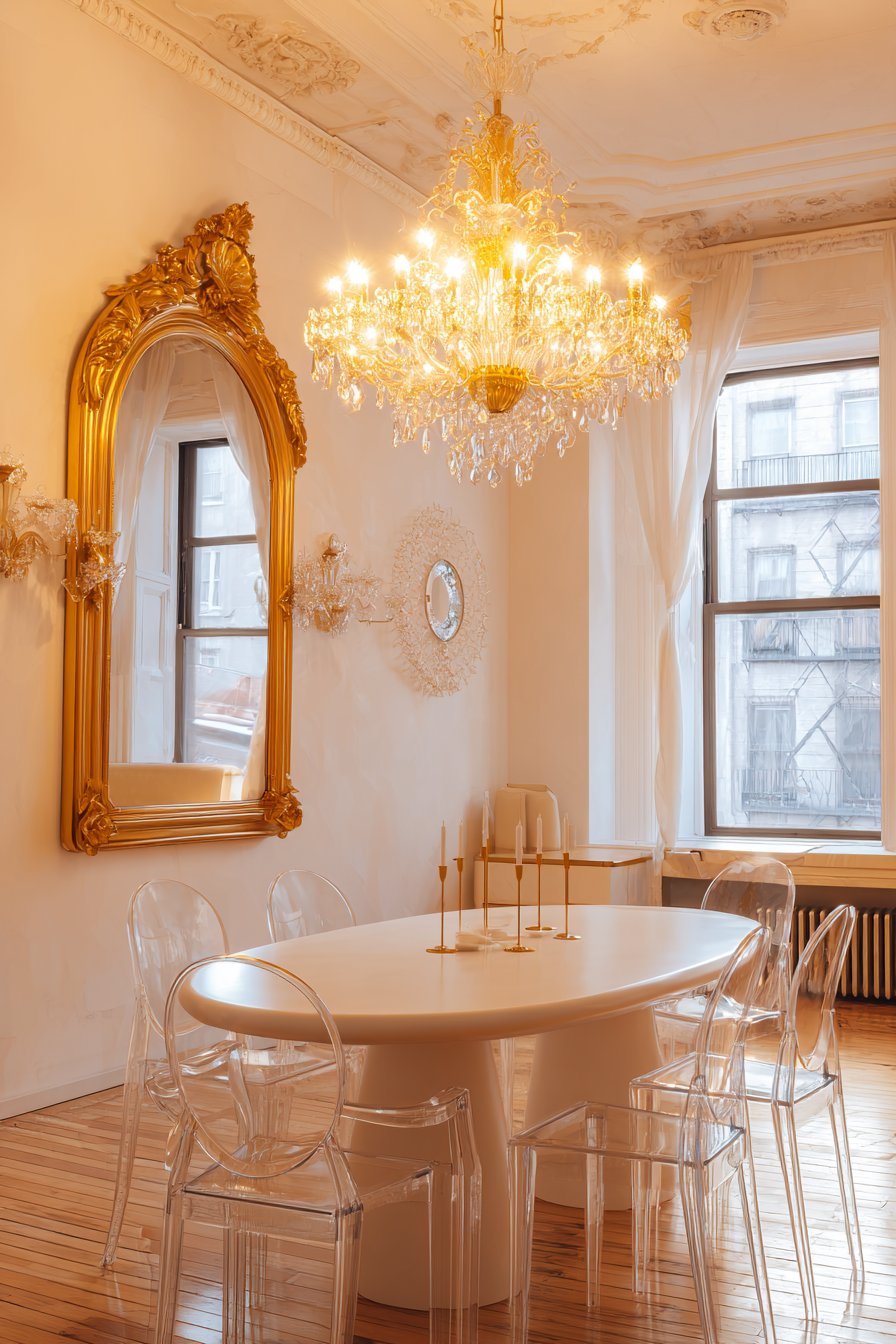
Paint walls in soft whites, creams, or pale grays to maximize light reflection. These neutral palettes provide a clean backdrop that makes rooms feel airier. Extend the same color to trim and ceiling for a cohesive look that eliminates visual breaks.
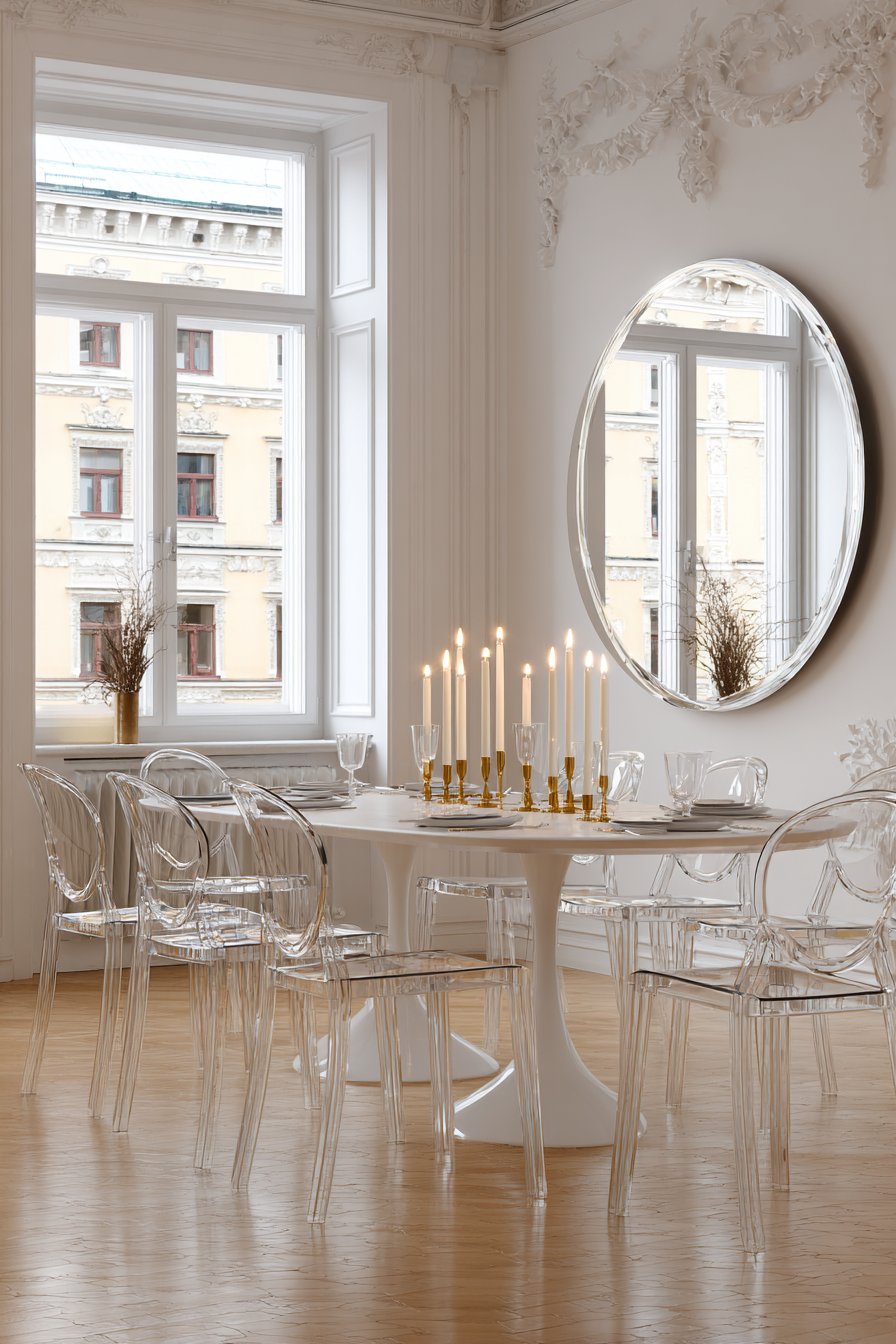
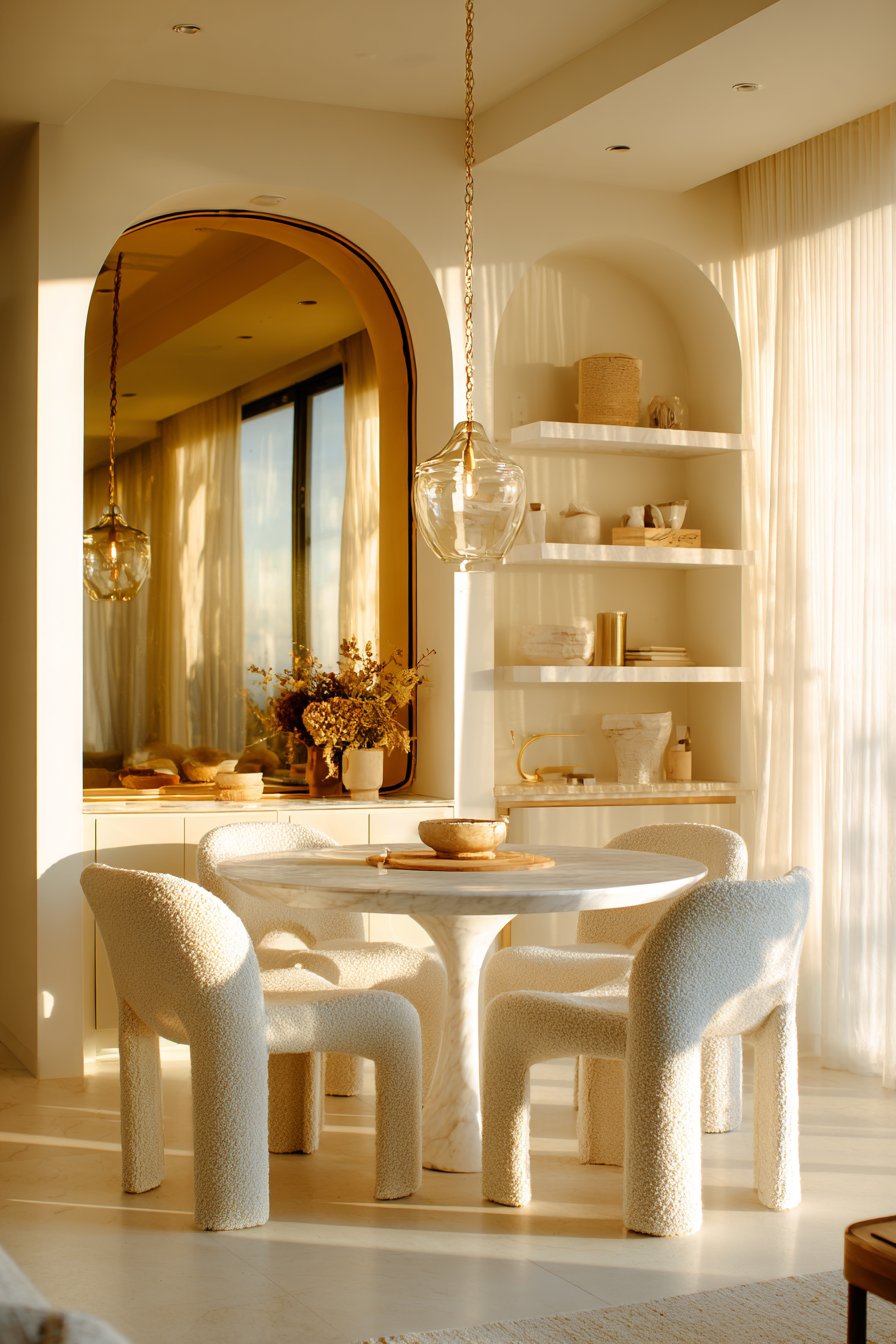
Incorporate reflective surfaces throughout the space for added dimension. Mirrors, metallic accents, and glossy finishes bounce light around the room. A strategically placed mirror opposite a window doubles natural light and creates depth through reflection.
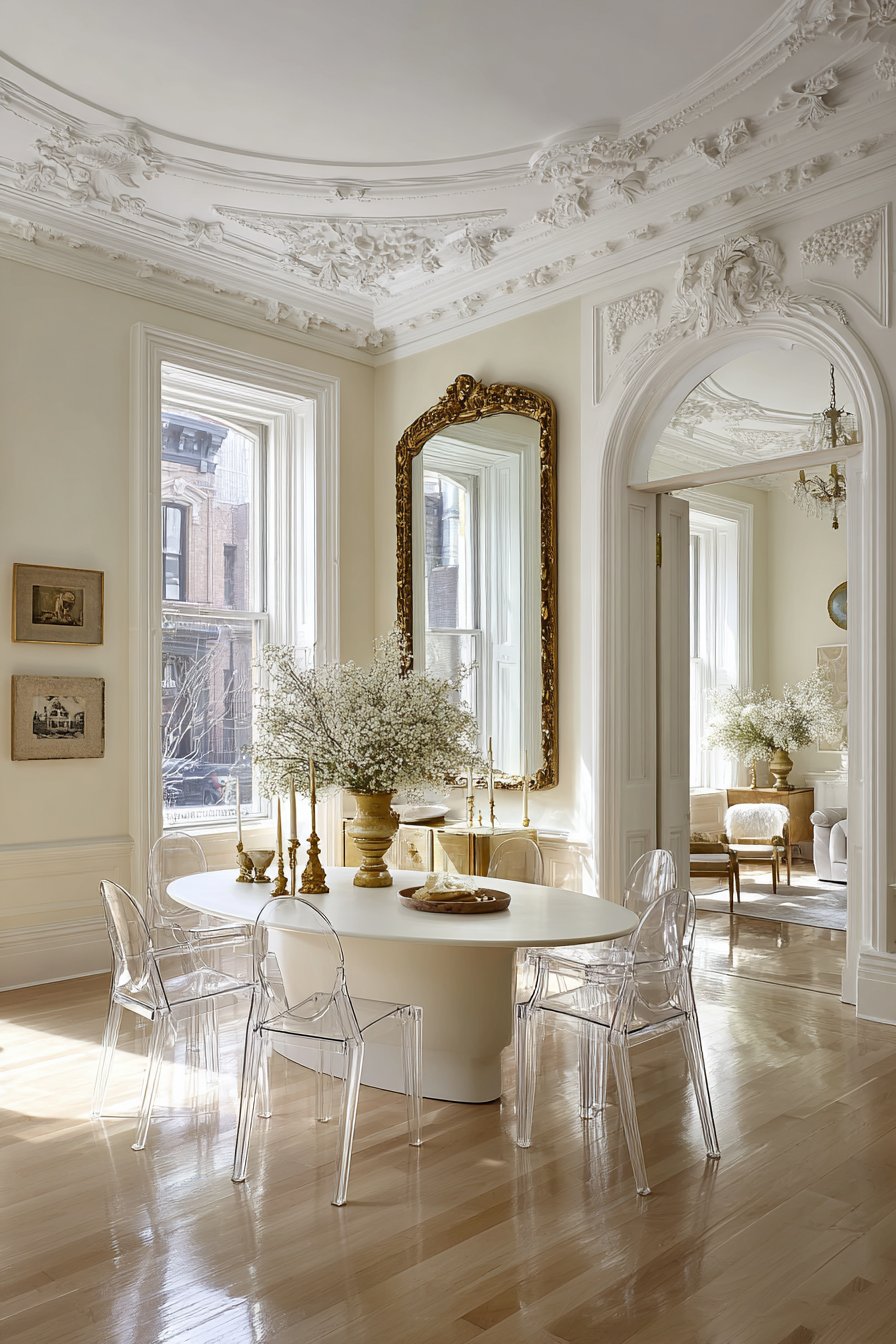
- Paint walls, trim, and ceiling in the same light shade
- Choose furniture with light-colored upholstery or finishes
- Add a large mirror on one wall to reflect light and views
- Use metallic accessories sparingly for subtle shimmer
- Select glossy or semi-gloss paint finishes over flat
- Incorporate glass or lucite elements for transparency
4. Optimize Lighting Design
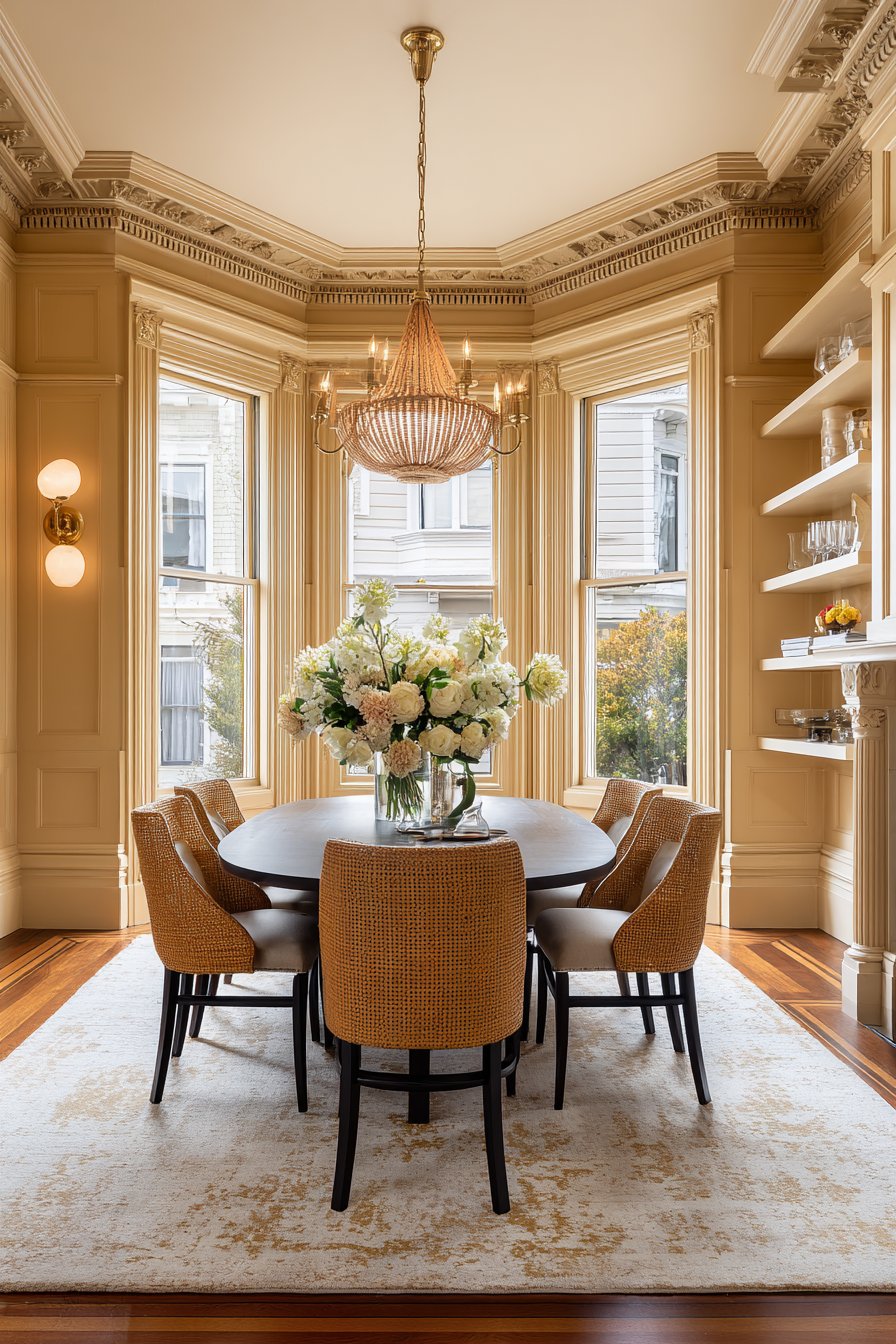
Proper illumination dramatically affects how spacious a room feels. Layered lighting creates depth and dimension while eliminating dark corners that make spaces feel smaller. The right lighting scheme can visually expand any dining area.
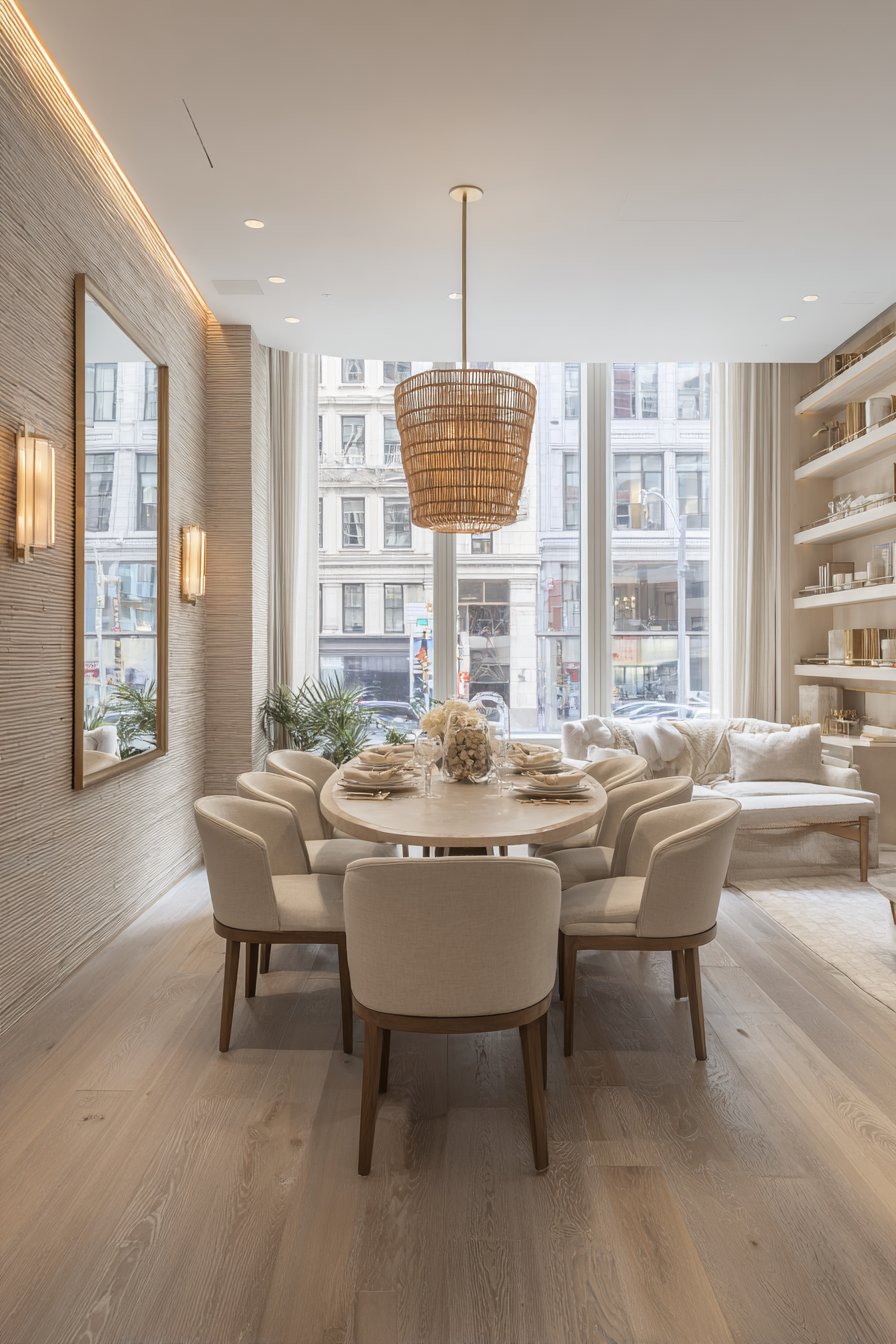
Install a statement chandelier or pendant light as your primary source. Size it appropriately—the fixture’s diameter should be one-half to two-thirds the table’s width. This proportional approach prevents overwhelming the space while providing adequate illumination.
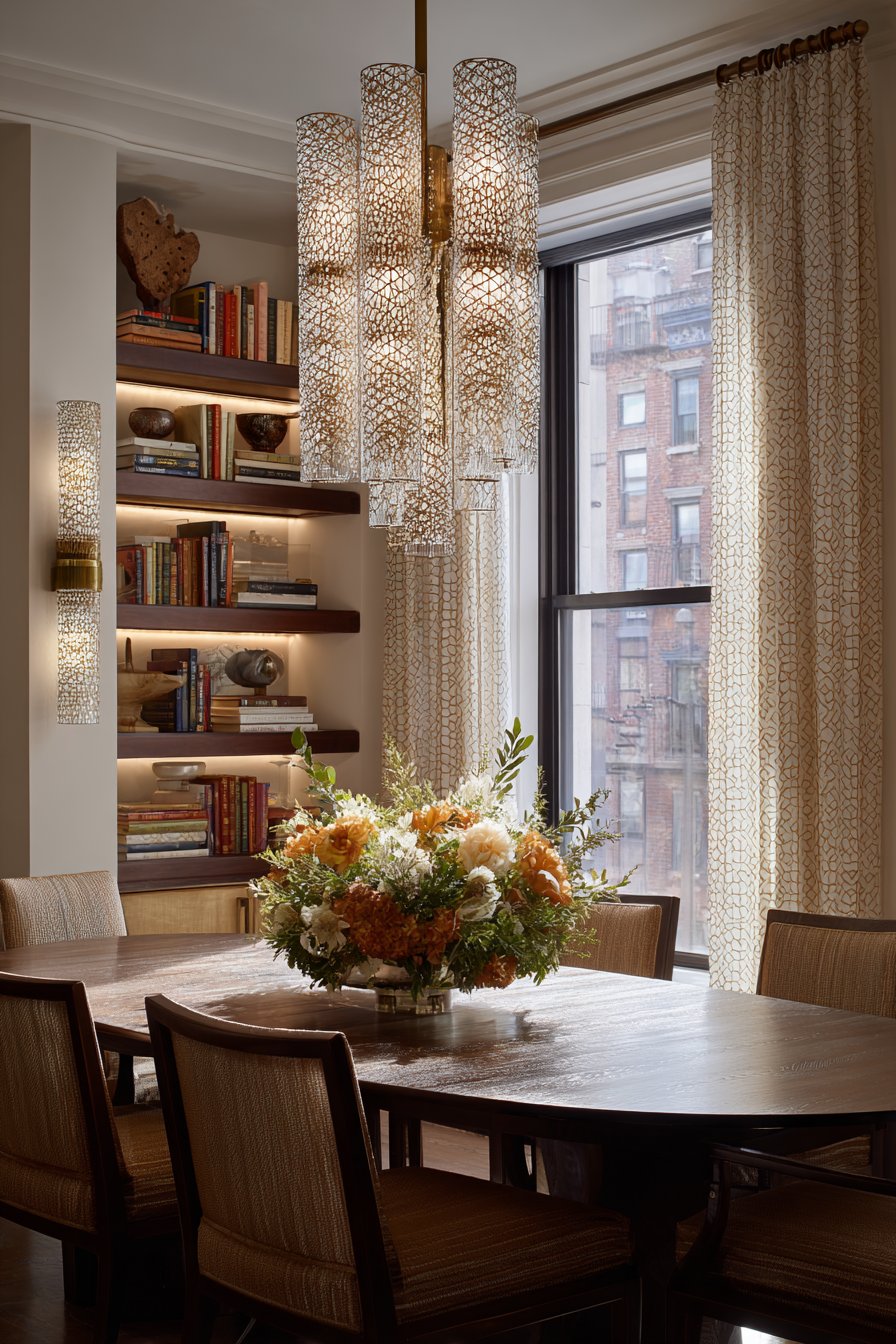
Add supplementary lighting through wall sconces, picture lights, or LED strips. Multiple light sources eliminate harsh shadows and create ambient warmth. Dimmer switches offer flexibility to adjust brightness for different occasions and moods.
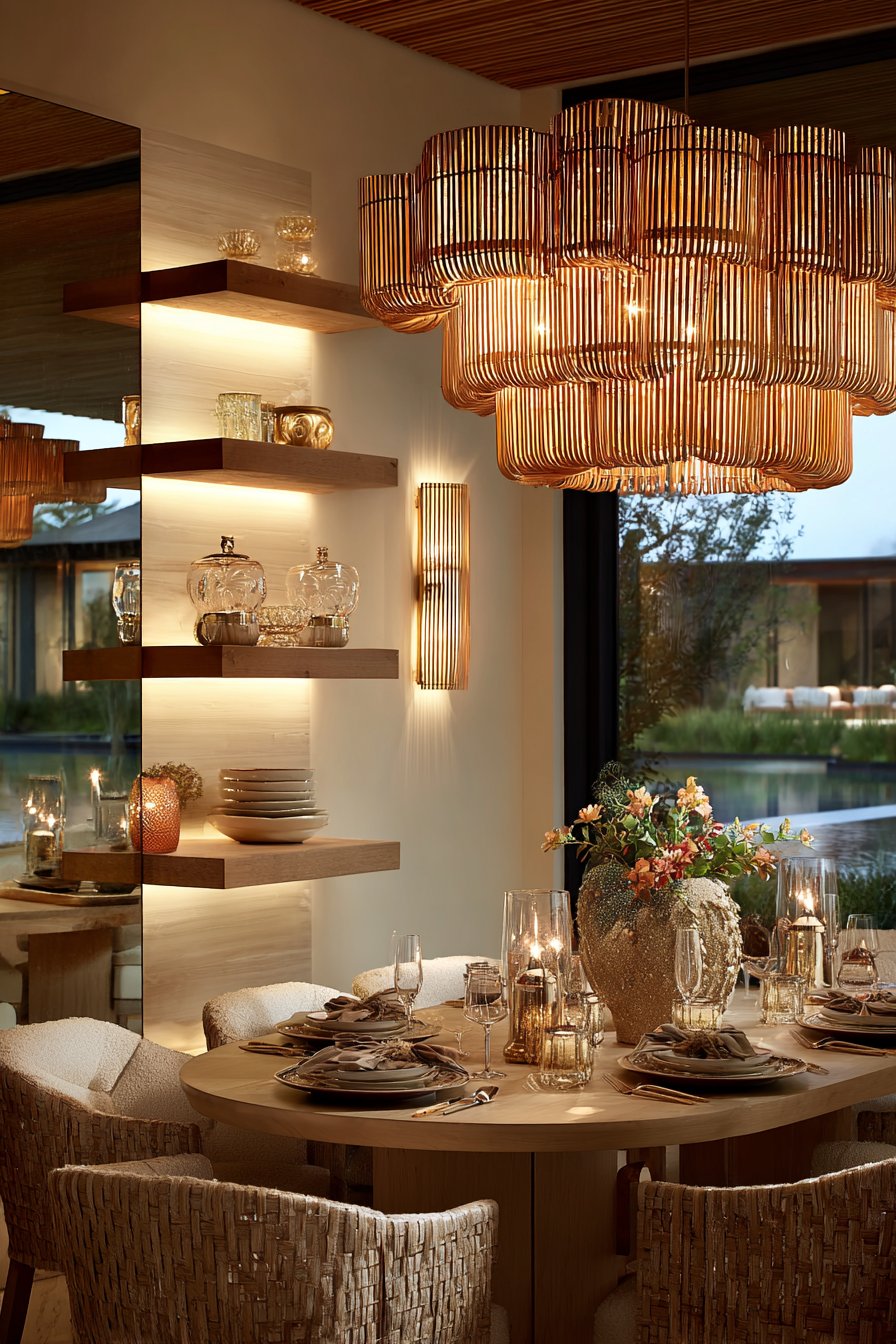
- Choose a chandelier that’s proportionate to your table size
- Install dimmer switches for adjustable ambiance
- Add wall sconces to eliminate dark corners
- Use LED strip lighting under floating shelves
- Maximize natural light by keeping windows unobstructed
- Consider pendant lights with glass or open designs
5. Minimize Window Treatments
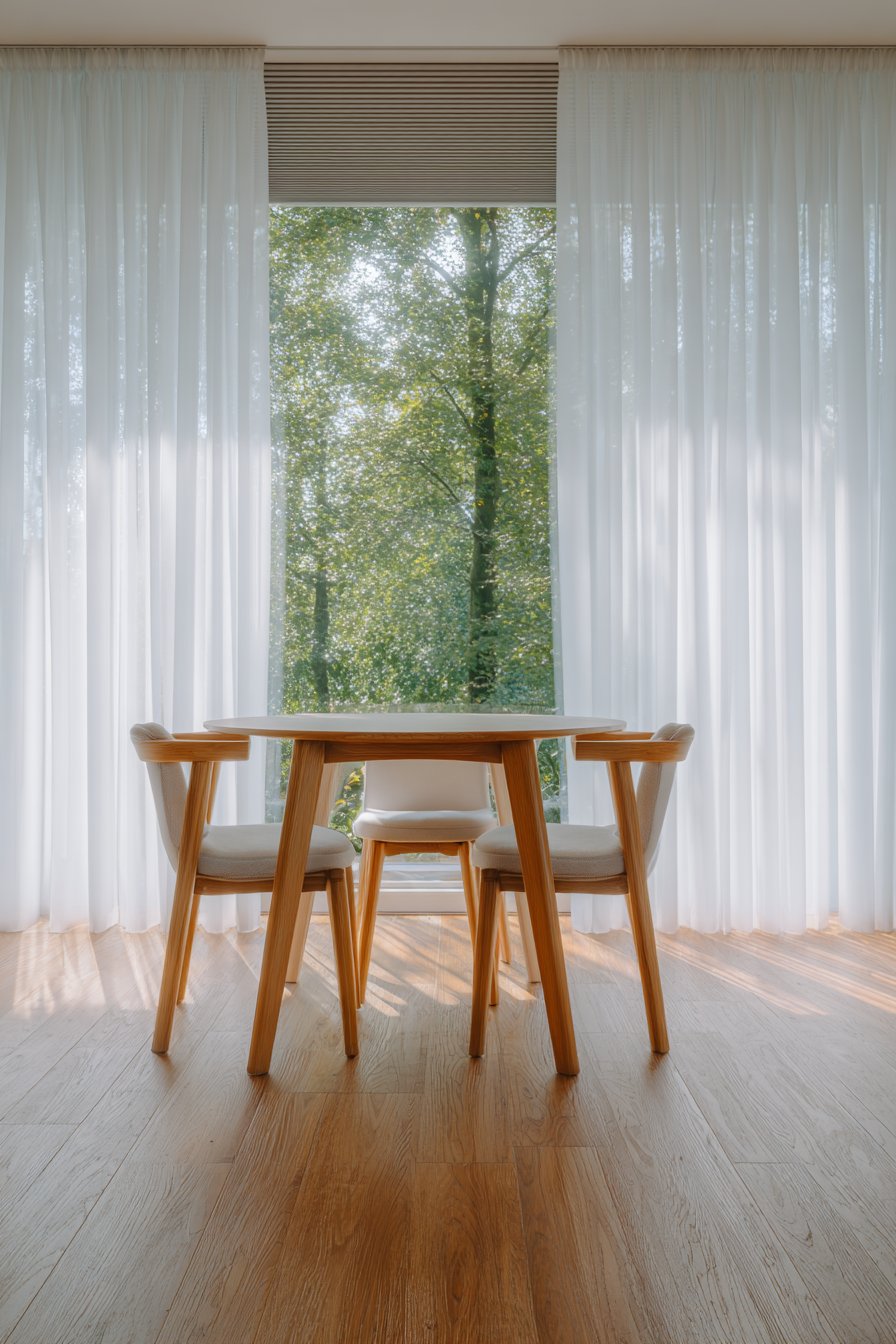
Heavy drapes and elaborate window treatments consume precious visual space. Minimal window dressing allows maximum natural light penetration while maintaining clean lines. This approach creates an uncluttered aesthetic that enhances spaciousness.
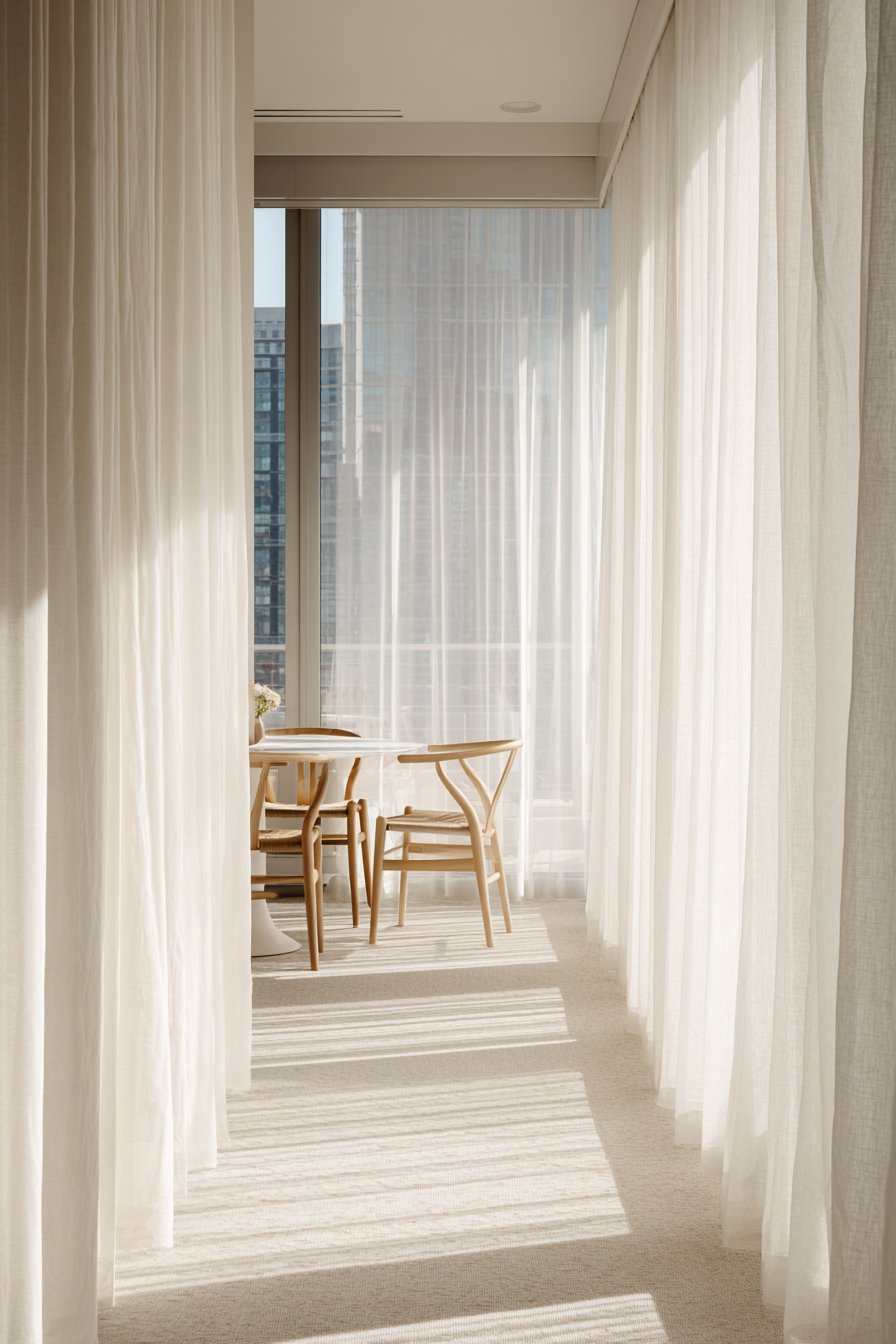
Choose sheer curtains or simple roller shades instead of heavy fabric panels. These lightweight options provide privacy without blocking light or creating visual bulk. When possible, leave windows completely bare for an open, modern look.
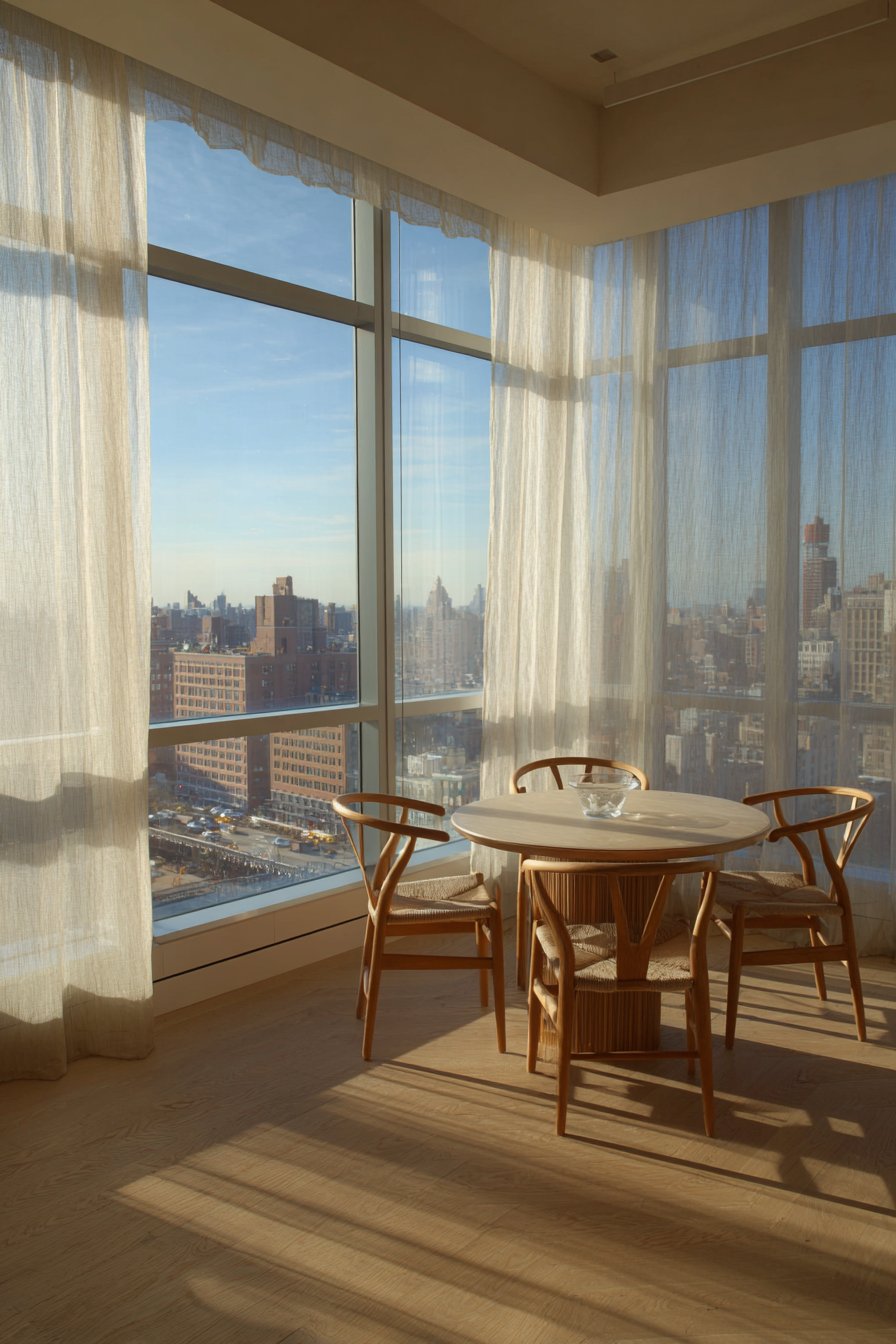
Mount curtain rods close to the ceiling and extend them beyond window frames. This ceiling-to-floor installation makes windows appear larger and ceilings higher. Select curtains in the same color as walls to create seamless visual flow.
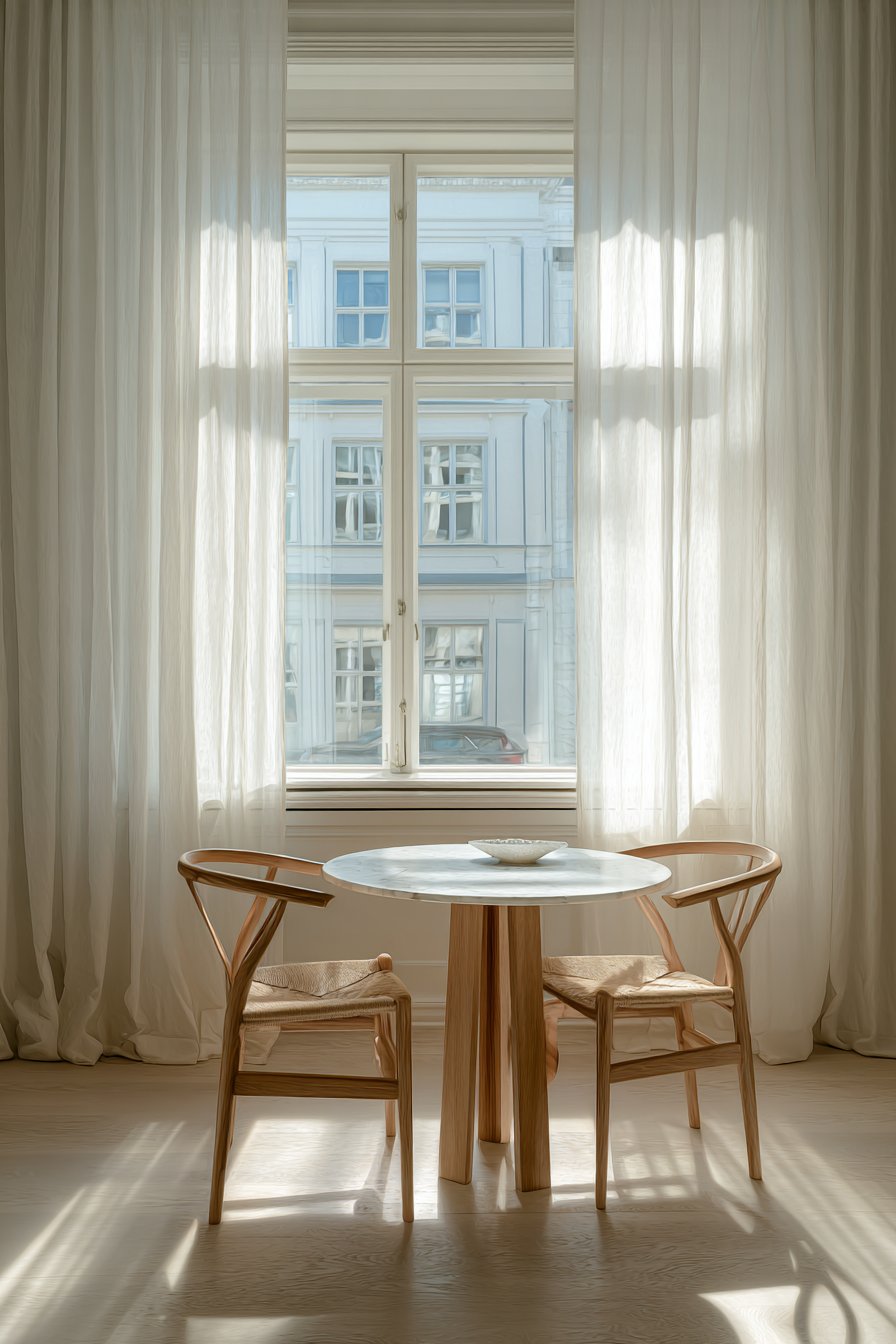
- Opt for sheer fabrics that filter light without blocking it
- Install curtain rods at ceiling height for vertical emphasis
- Choose simple roller or Roman shades over heavy drapes
- Match window treatment colors to wall colors
- Consider leaving windows bare in private areas
- Use inside-mount blinds to save space
6. Adopt a Minimalist Approach
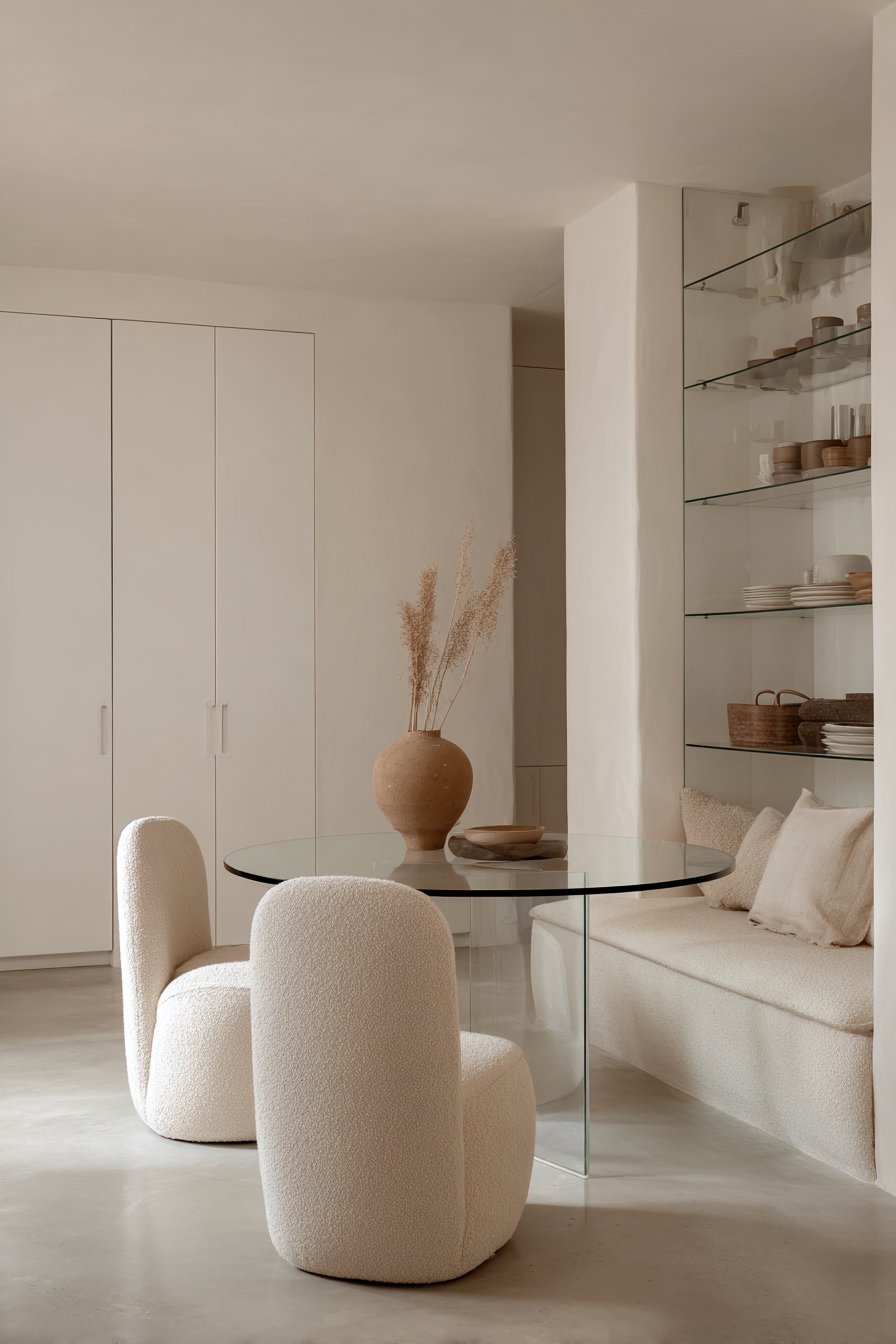
Clutter is the enemy of spaciousness in small dining rooms. A minimalist philosophy emphasizes quality over quantity, creating breathing room for both eyes and movement. Strategic editing of possessions makes dramatic spatial improvements.
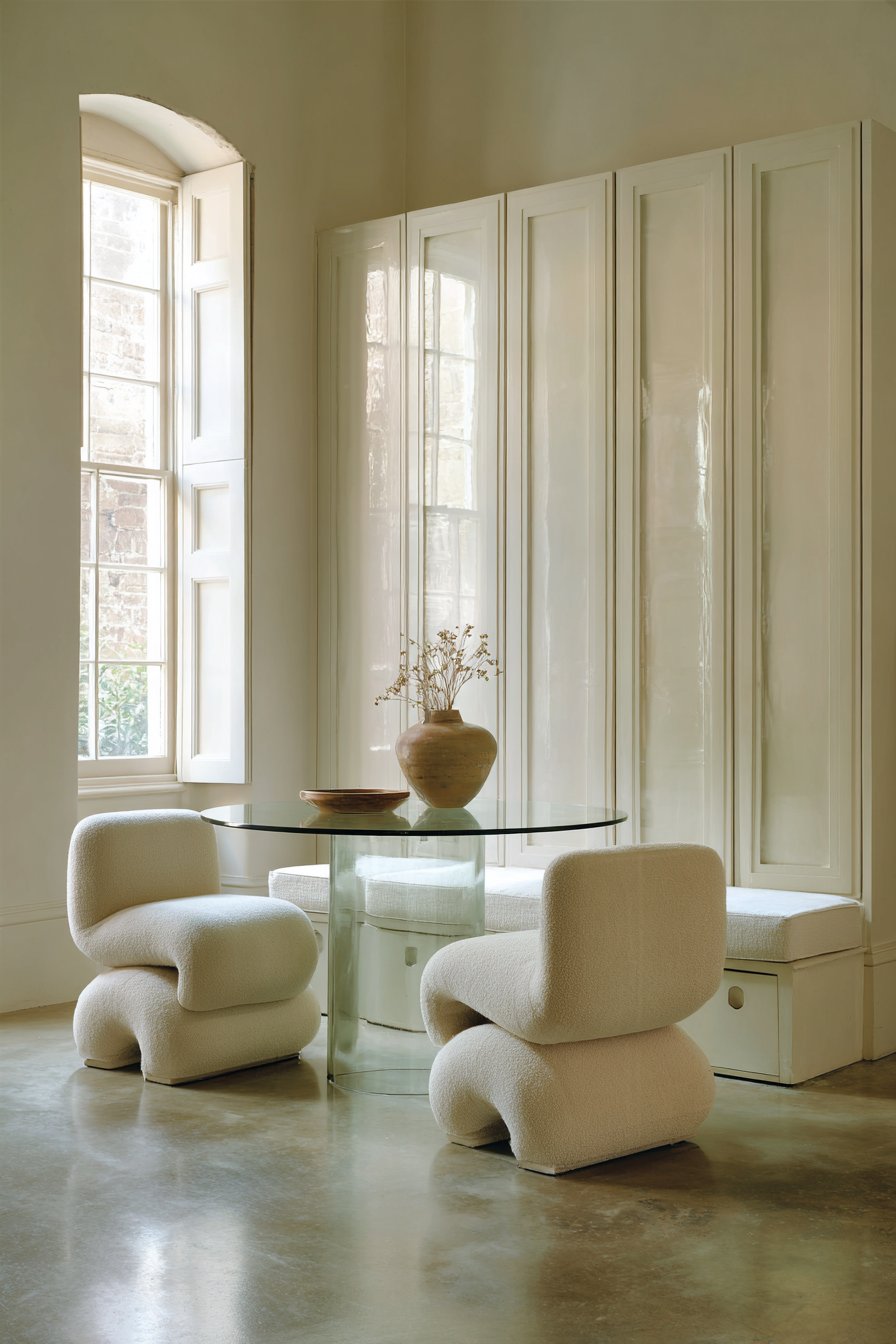
Display only essential items on surfaces and walls. Each decorative piece should earn its place through beauty or function. Curated collections of a few special items create more impact than crowded displays of many objects.
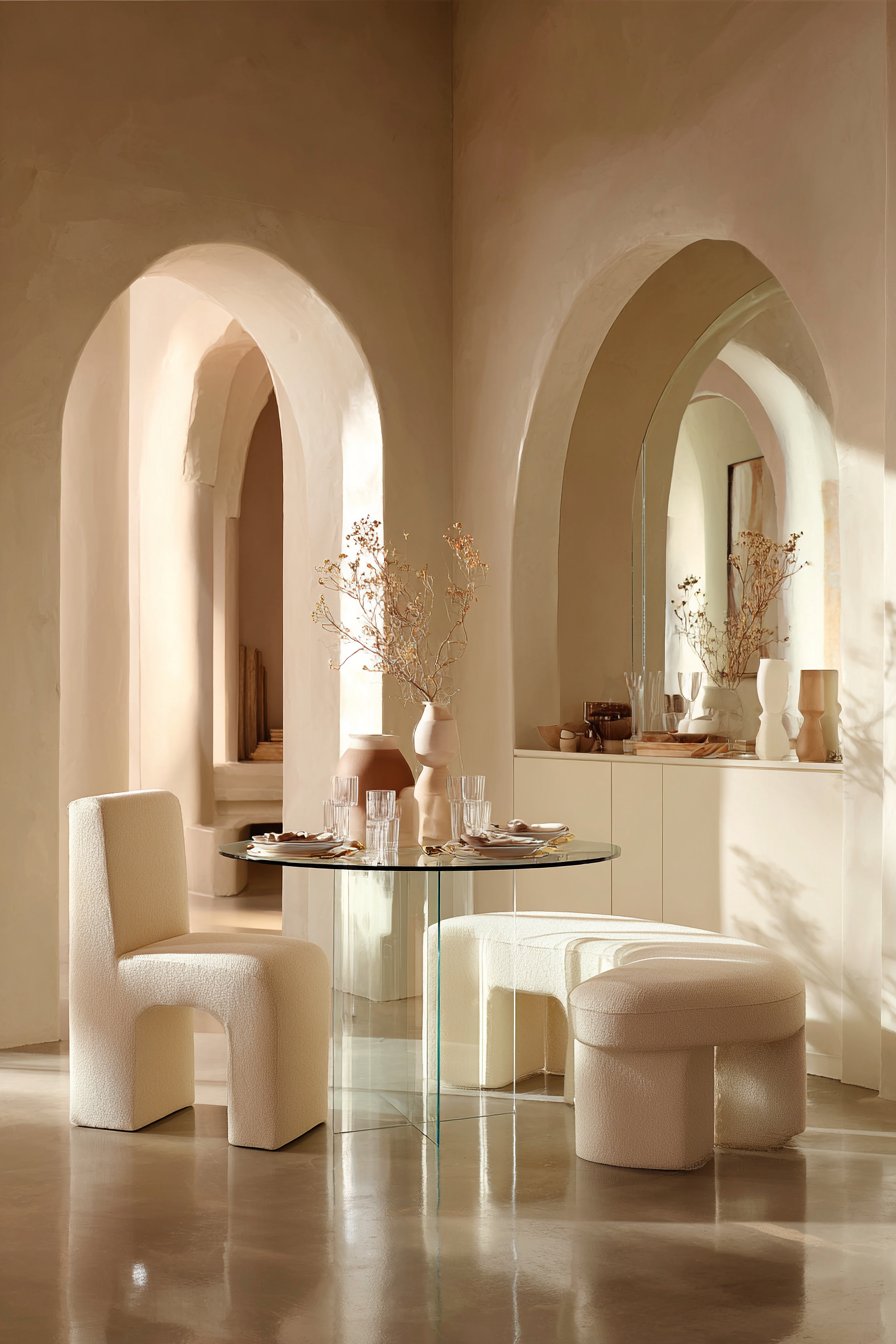
Invest in multi-functional furniture that serves multiple purposes. Storage benches, buffets with drawers, and nesting tables maximize utility without requiring extra space. Keep countertops and table surfaces clear except during meals.
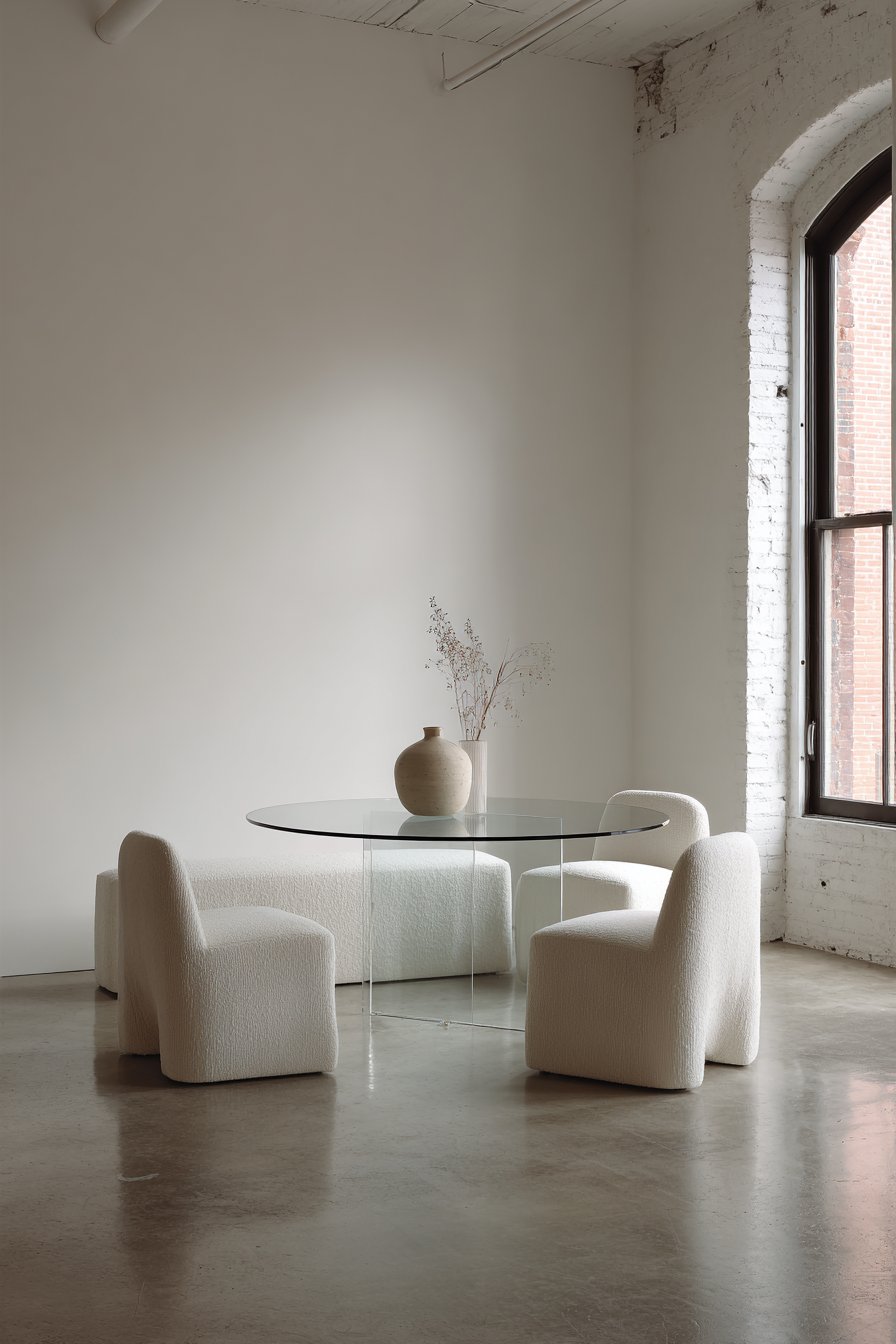
- Limit decorative objects to meaningful, high-quality pieces
- Use built-in storage to hide dining essentials
- Keep table surfaces clear when not in use
- Choose furniture with hidden storage compartments
- Rotate seasonal decorations rather than displaying everything
- Embrace negative space as a design element
Conclusion
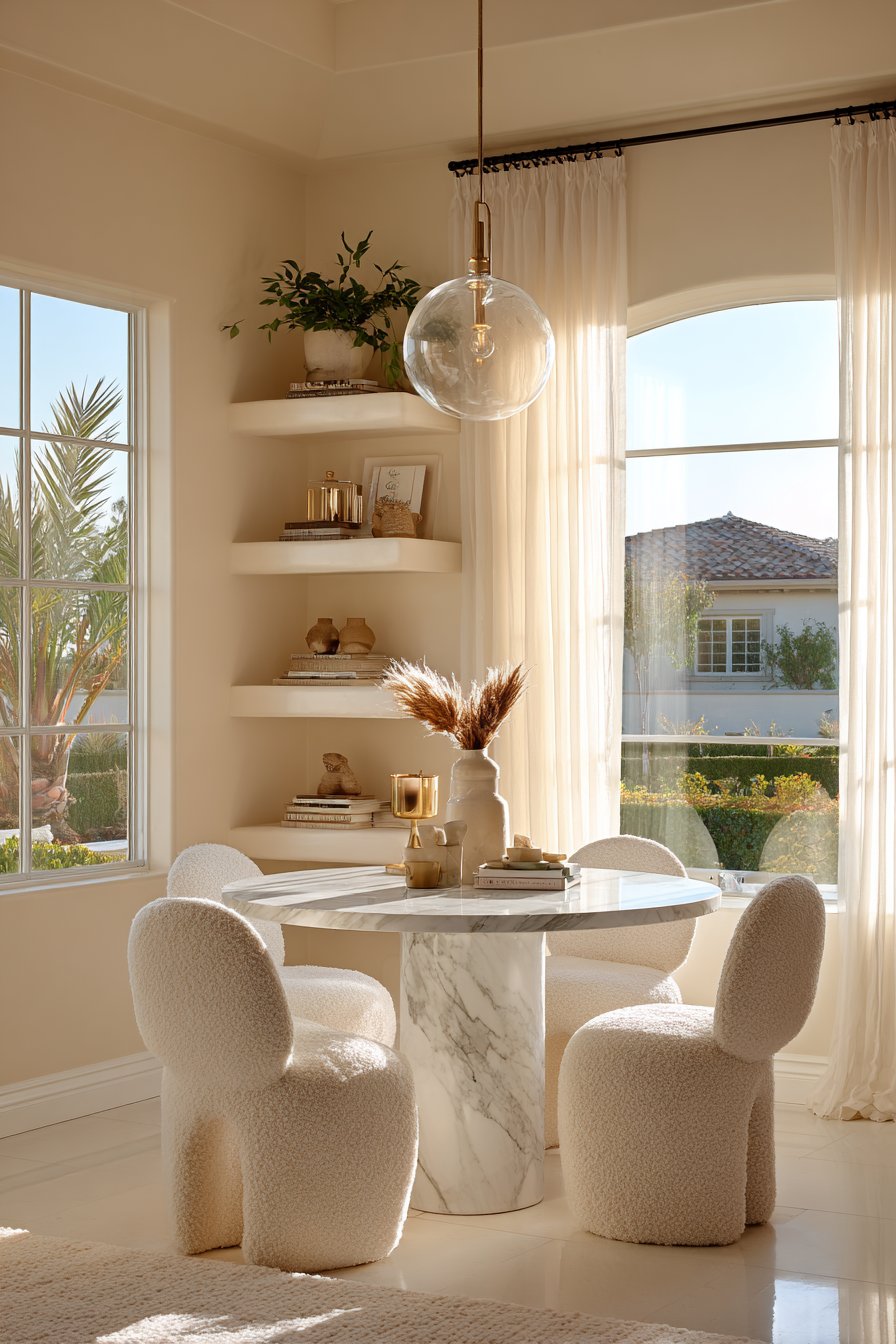
Transforming a small dining room into a spacious-feeling retreat requires intentional design choices. Each strategy—from furniture scale to color selection—works together to maximize your space’s potential. These techniques prove that square footage doesn’t determine comfort or style.
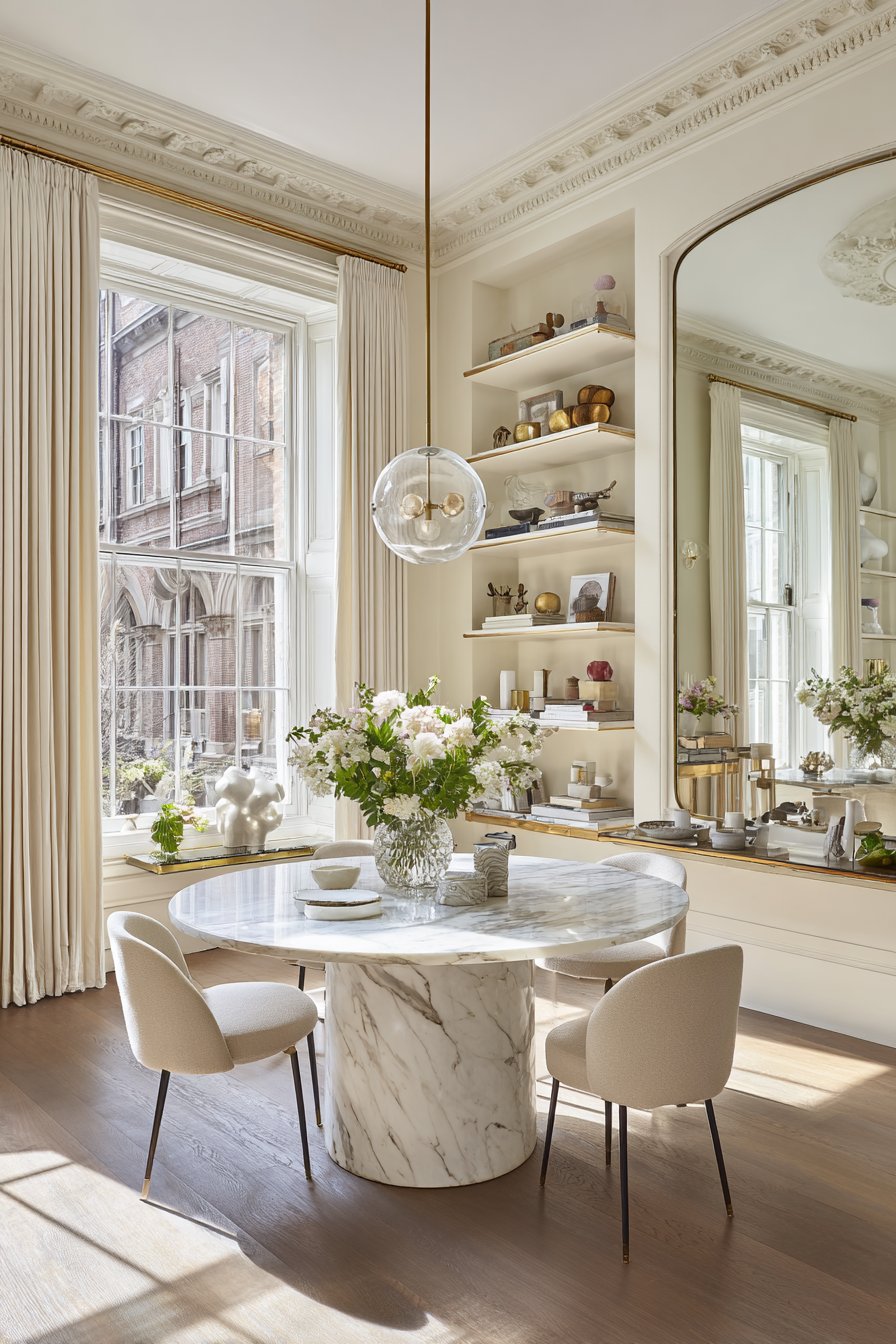
The key is implementing changes gradually and thoughtfully. Start with one or two strategies that resonate most with your style and needs. Remember that less is truly more in compact spaces—every element should contribute to openness and functionality. With these professional design principles, your small dining room can become a bright, welcoming space where memorable meals happen.
