


Scandinavian living rooms have captured hearts worldwide with their effortless blend of simplicity and warmth. These spaces feel like a breath of fresh air, combining minimalist principles with cozy elements that make you want to curl up with a good book. The magic lies in their ability to create environments that are both visually stunning and incredibly comfortable.
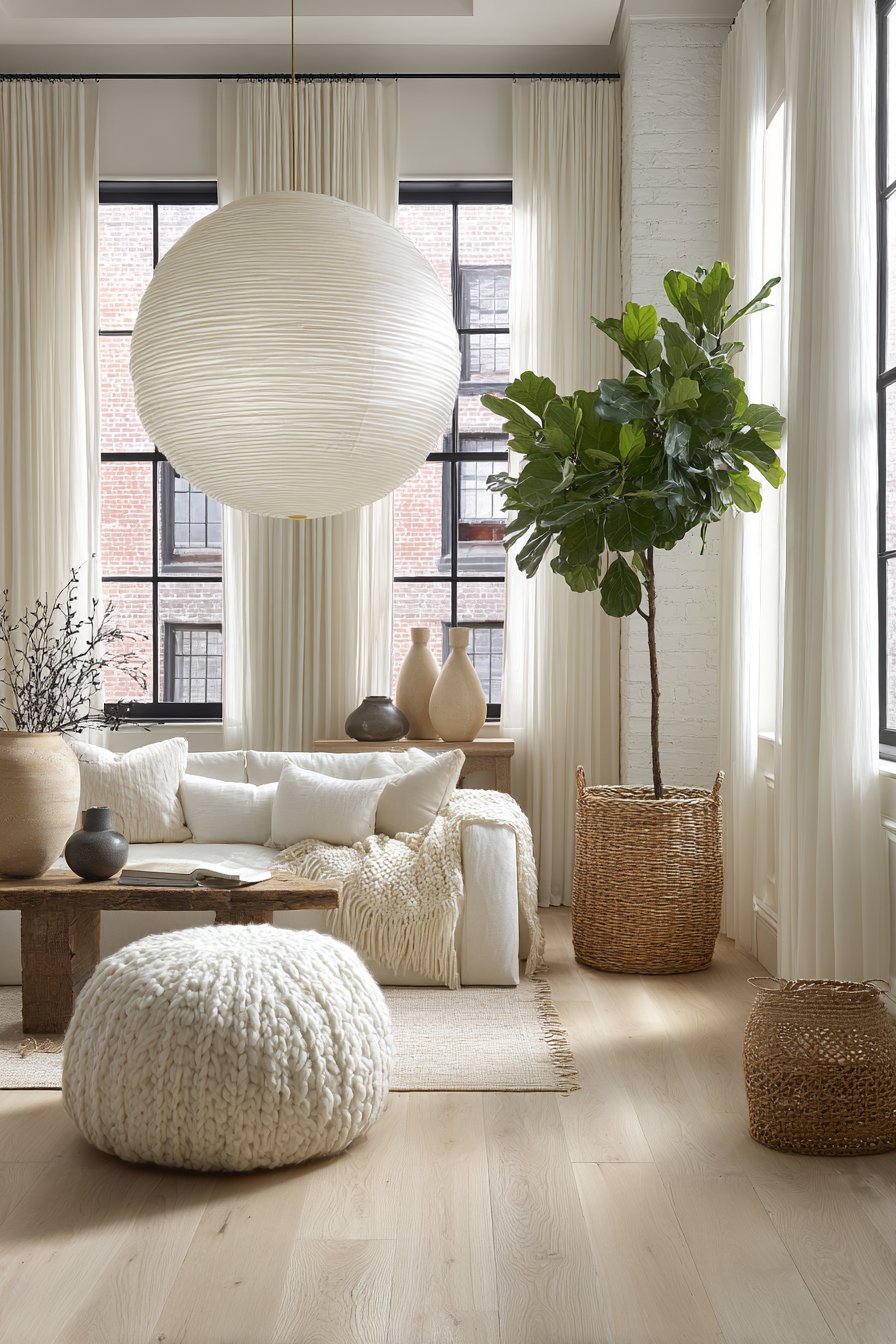
Thoughtful interior design transforms houses into homes, and the Scandinavian approach exemplifies this philosophy perfectly. It’s not about following rigid rules or spending fortunes on designer pieces. Instead, it focuses on intentional choices that enhance daily living. This Nordic-inspired style caters to those who appreciate clean lines, natural materials, and functional beauty without sacrificing comfort.
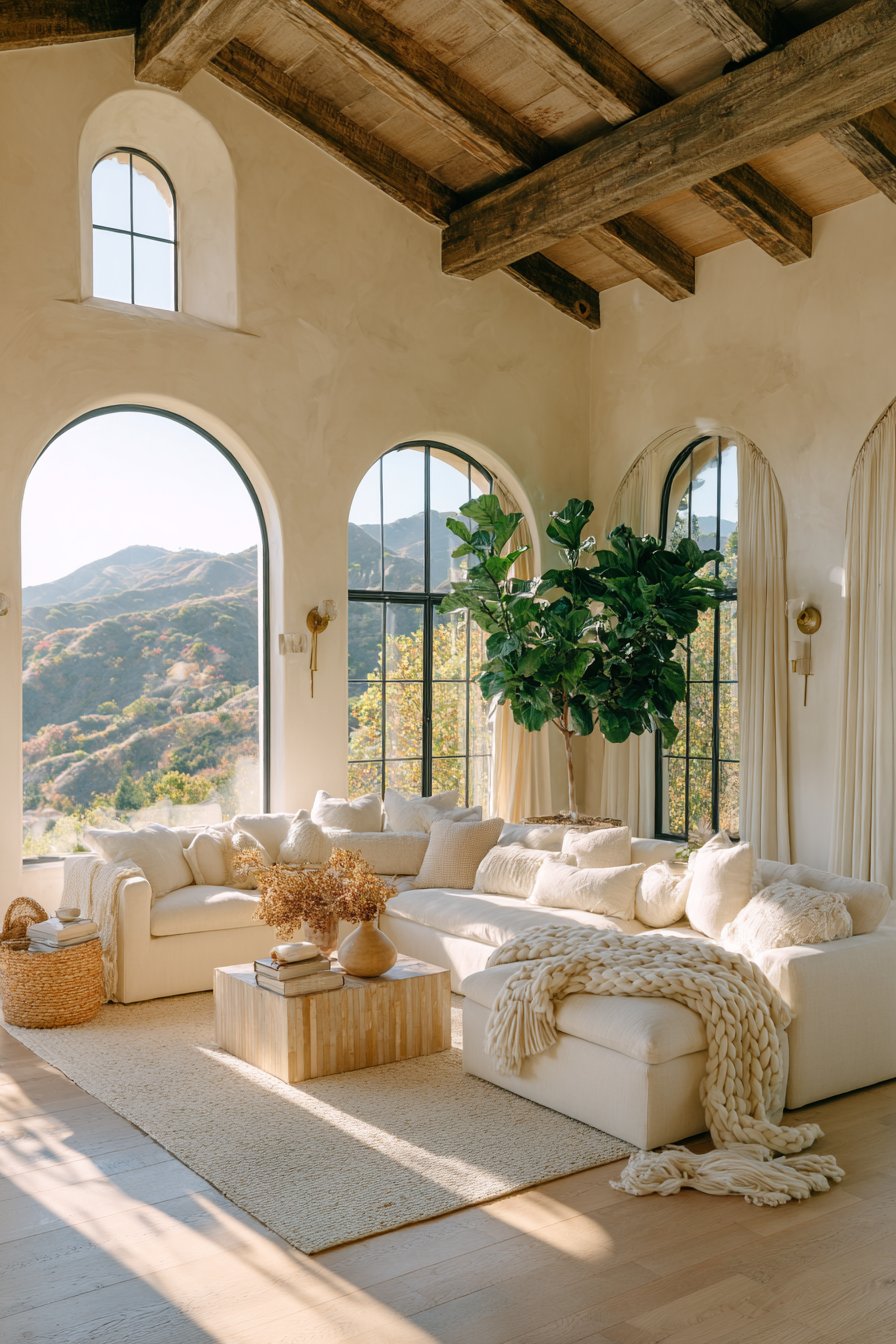
The inviting nature of Scandinavian living rooms stems from several key elements that work harmoniously together. From the careful selection of neutral color palettes to the strategic use of natural light, each component serves a purpose. This article explores six essential aspects that make these spaces so appealing, offering practical insights you can apply to your own home regardless of your budget or space constraints.
1. The Foundation of Light and Airiness
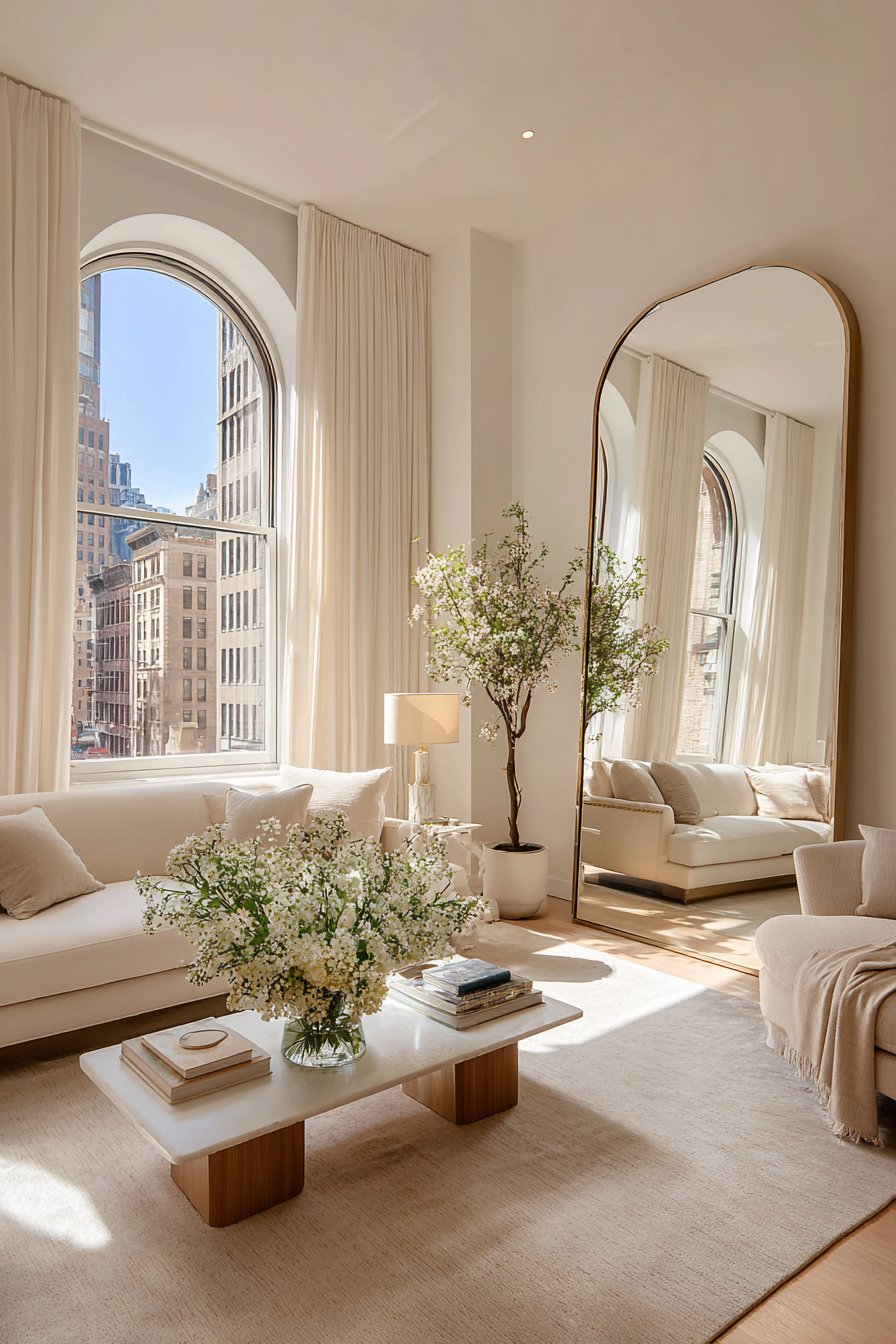
Scandinavian living rooms prioritize natural light above almost everything else. This obsession with brightness stems from the long, dark winters in Nordic countries. Large windows remain unobstructed, allowing maximum sunlight to flood interior spaces. The result is a room that feels spacious, energizing, and connected to the outdoors.
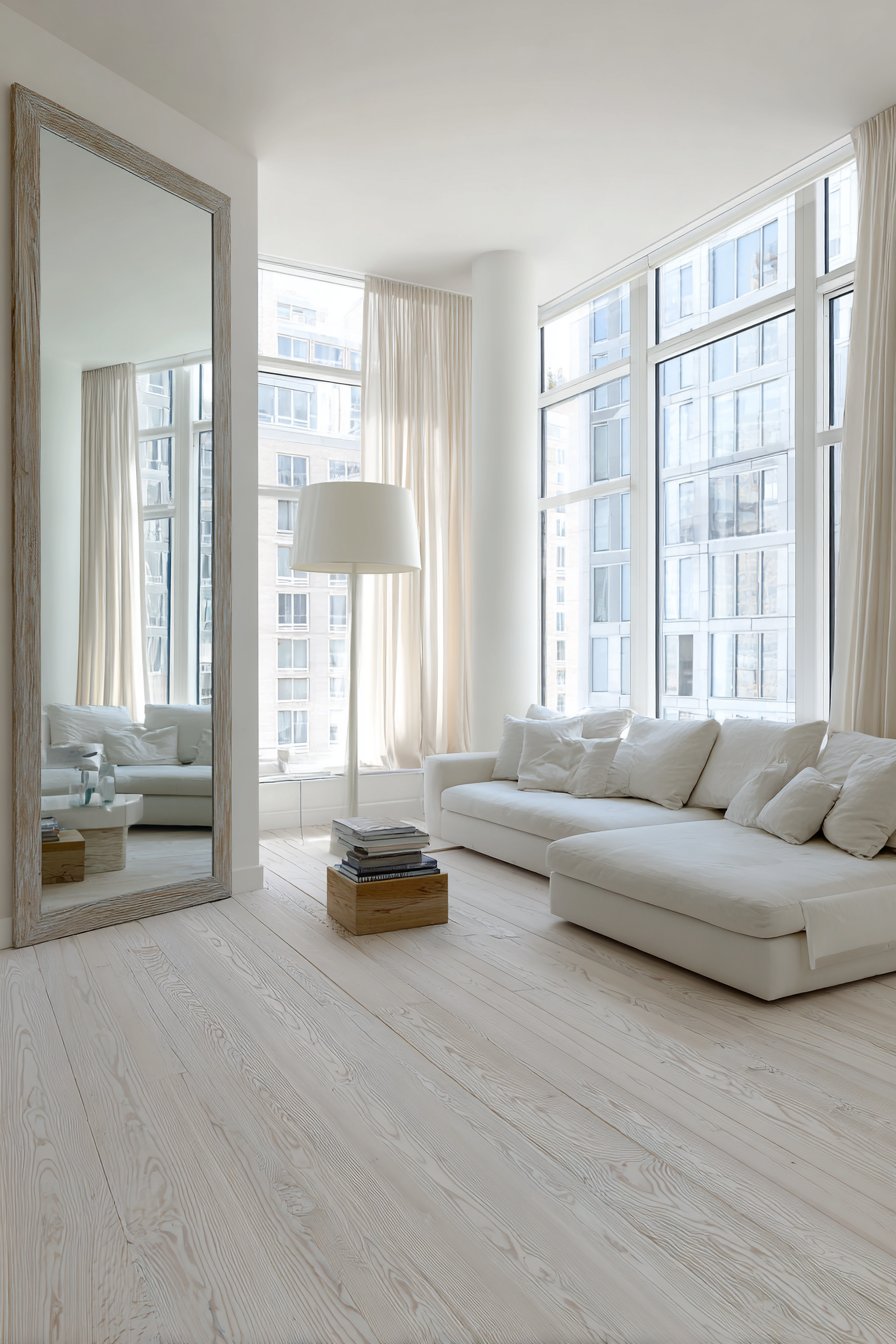
White and light gray walls act as reflective surfaces that bounce light throughout the room. These neutral backgrounds create a canvas that makes spaces appear larger than their actual dimensions. The absence of heavy, dark colors prevents rooms from feeling cramped or oppressive. Smart homeowners choose paint with slight warm undertones to avoid sterile, cold-looking spaces.
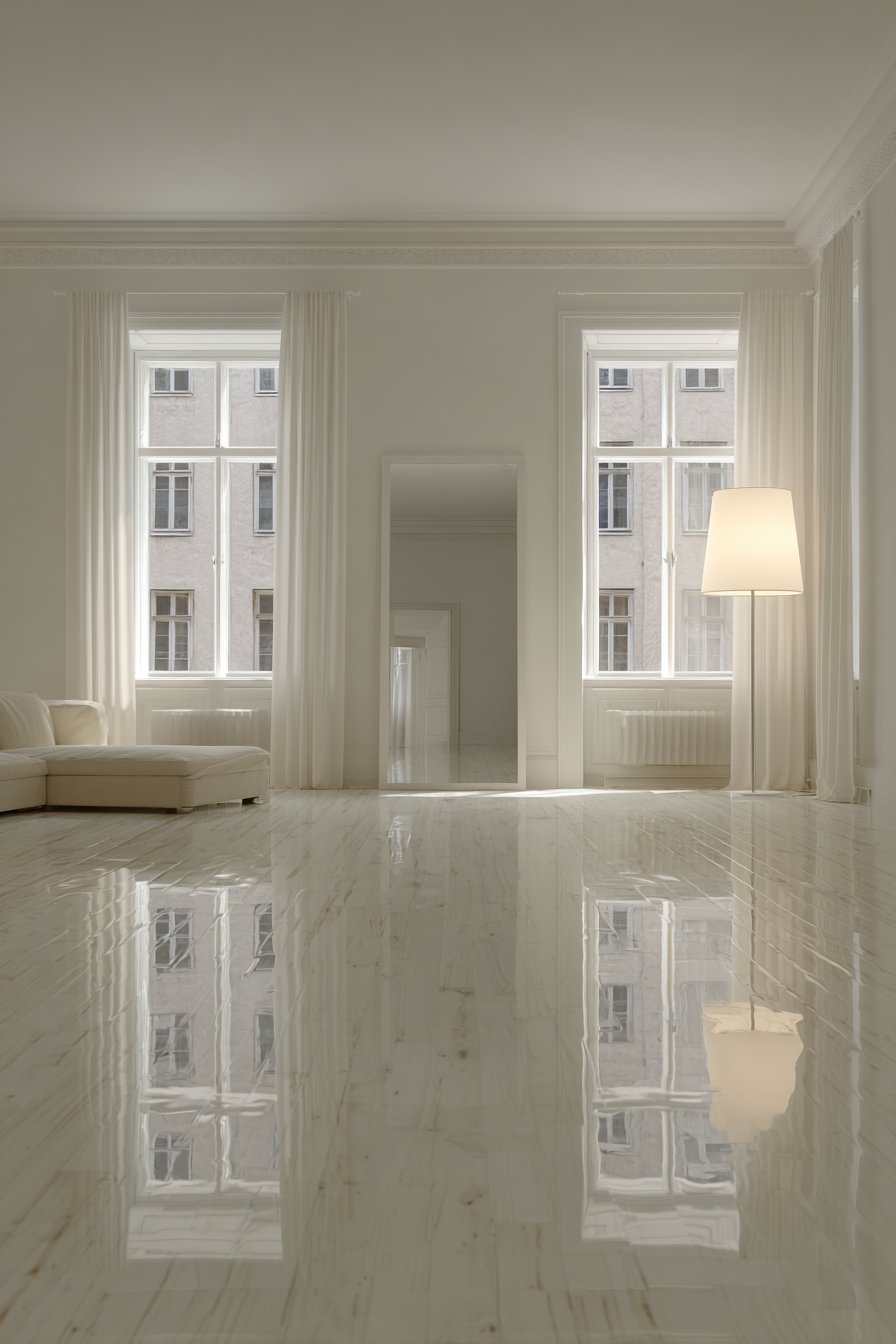
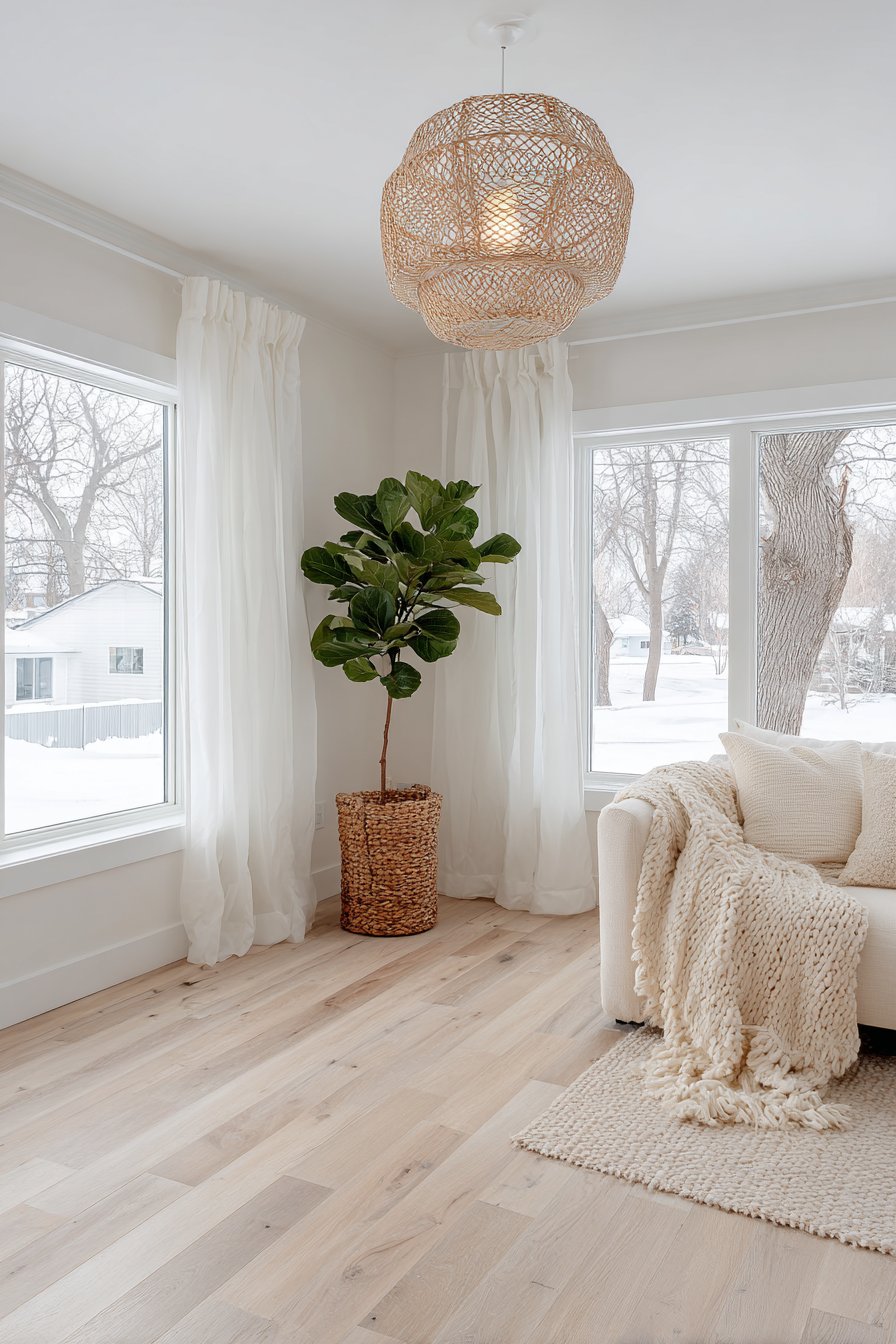
Mirrors strategically placed opposite windows amplify the light-enhancing effect dramatically. Sheer curtains or no window treatments at all allow unfiltered daylight to enter freely. When artificial lighting is needed, layered options including floor lamps, table lamps, and pendant lights create warm ambiance without harsh shadows.
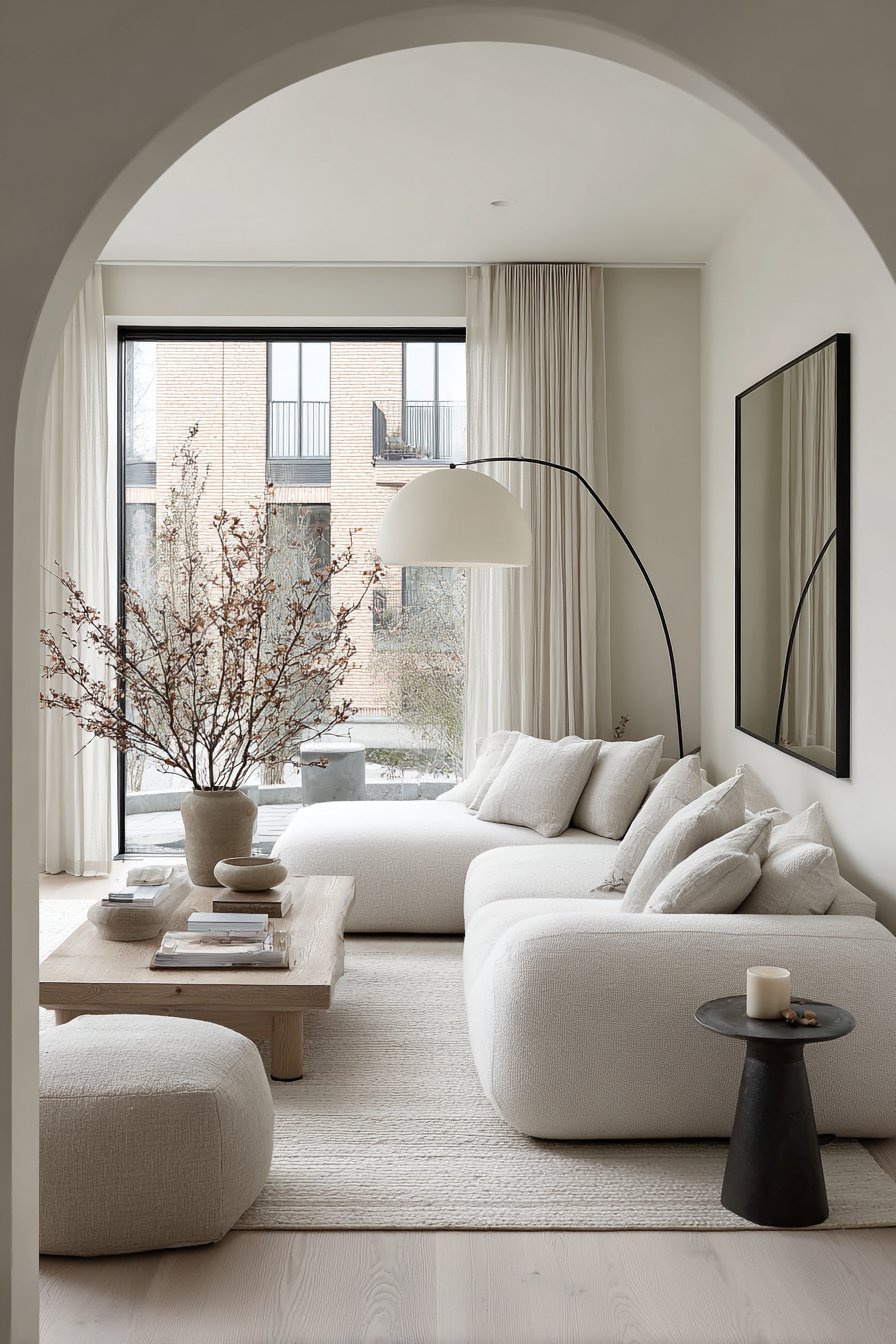
- Position mirrors to reflect windows and maximize natural light distribution
- Choose white or off-white paint with warm undertones like cream or ivory
- Install sheer linen curtains that filter light without blocking it completely
- Add multiple light sources at different heights for evening ambiance
- Keep window sills clear of clutter to maximize light penetration
- Consider light wood flooring that reflects rather than absorbs brightness
2. The Warmth of Natural Materials
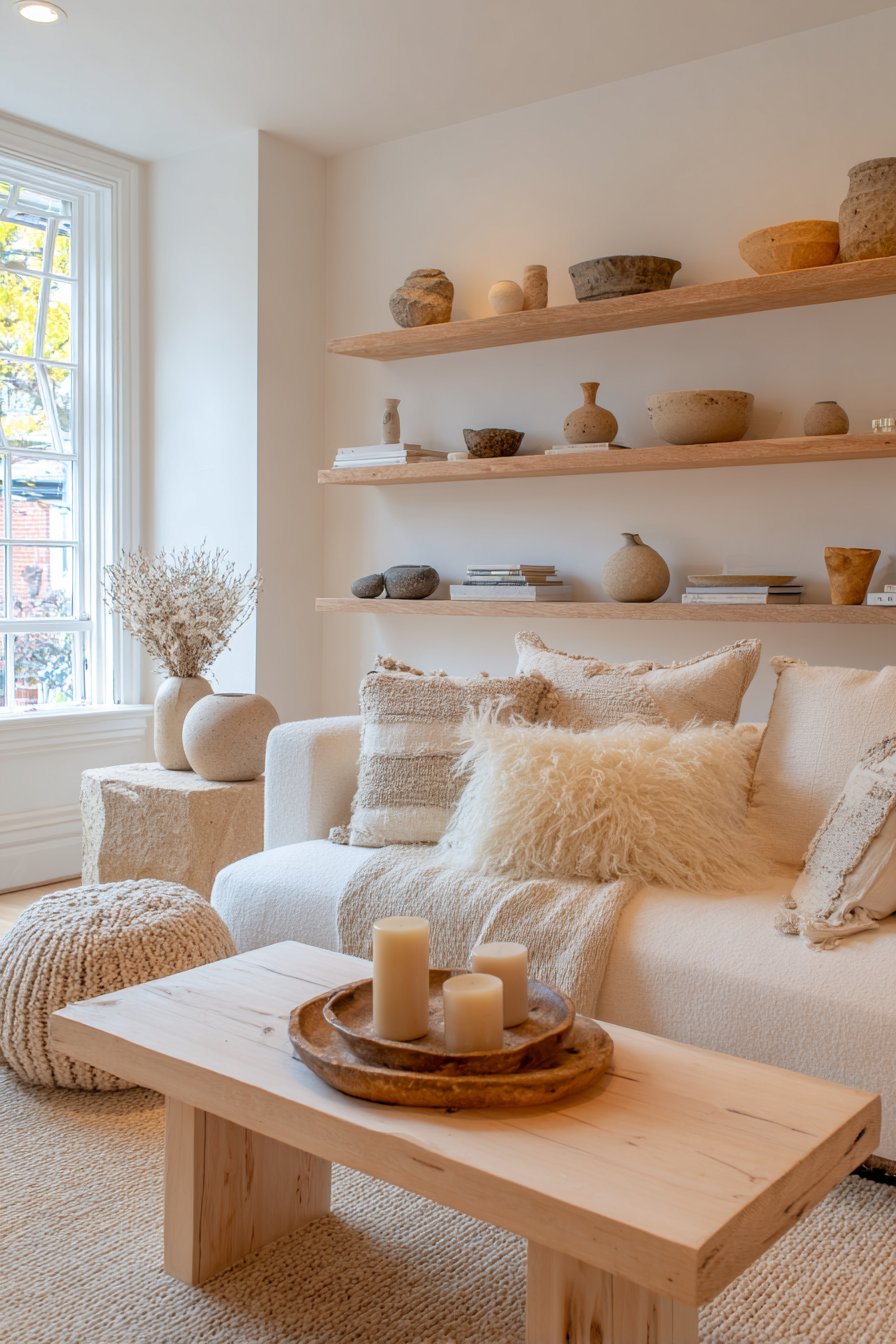
Wood elements bring essential warmth that prevents Scandinavian rooms from feeling cold or austere. Light-toned woods like birch, pine, and ash appear throughout these spaces in flooring, furniture, and accessories. The natural grain patterns add visual interest while maintaining the minimalist aesthetic that defines Nordic design.
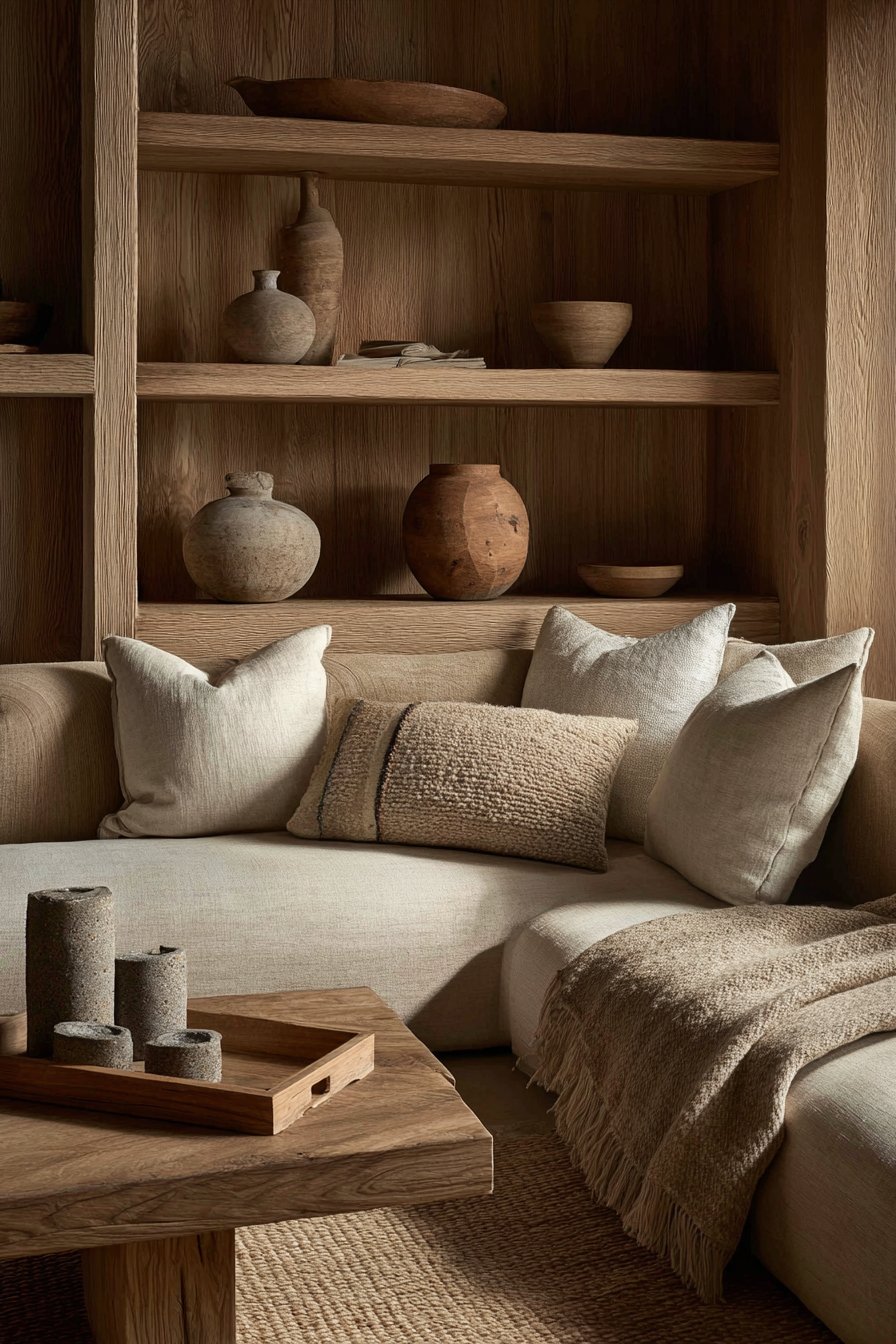
Textiles introduce tactile comfort that invites touch and relaxation. Wool throws, linen cushions, and cotton rugs layer softness into otherwise spare environments. These natural fabrics age beautifully and improve with use, unlike synthetic materials. The texture variation creates depth without relying on bold patterns or colors.
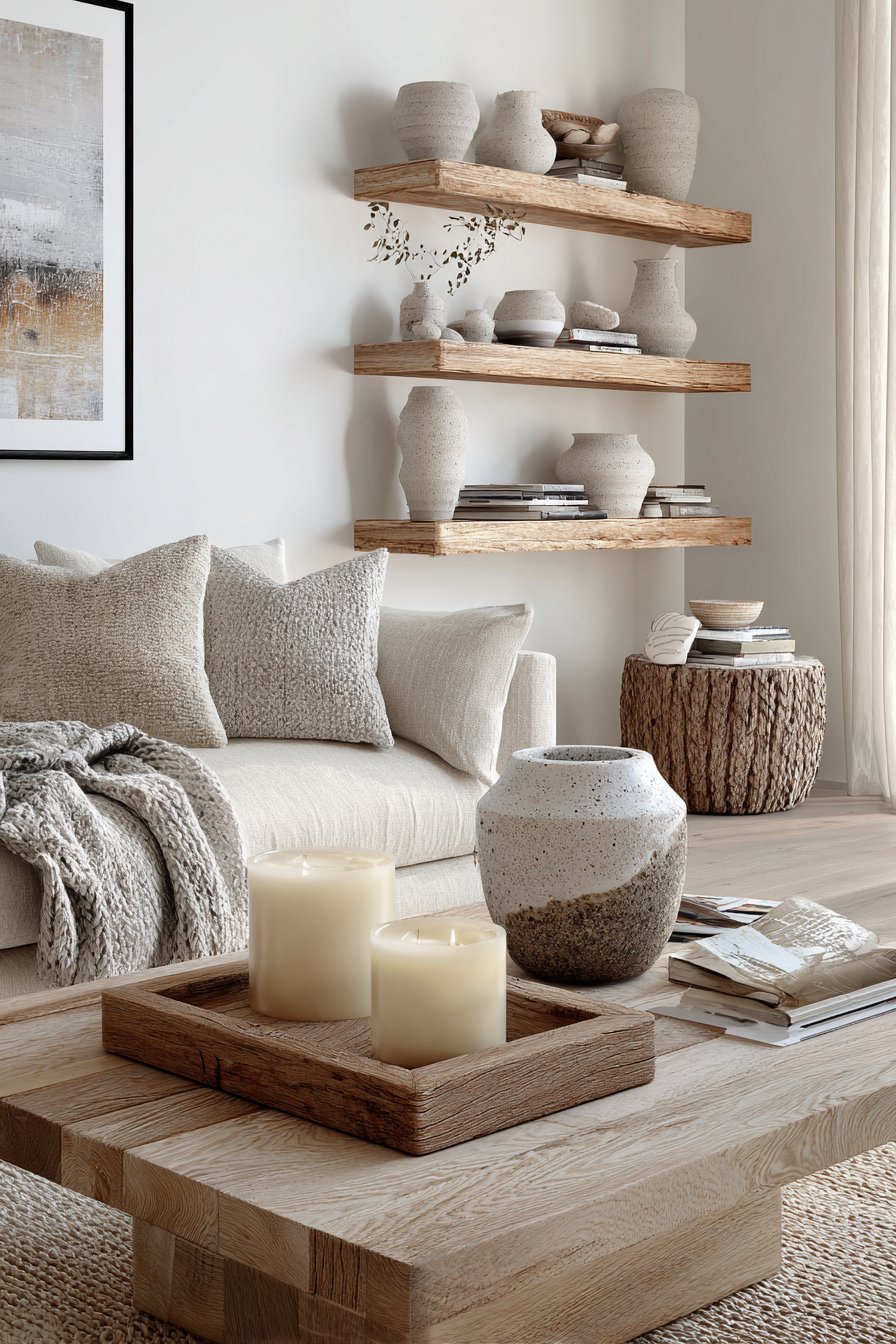
Stone and ceramic accents provide grounding contrast to the predominant wood and fabric elements. A simple vase, a sculptural bowl, or stone candleholders add weight and permanence. These organic materials connect the interior to nature, reinforcing the Scandinavian philosophy of bringing the outdoors inside through thoughtful material choices.
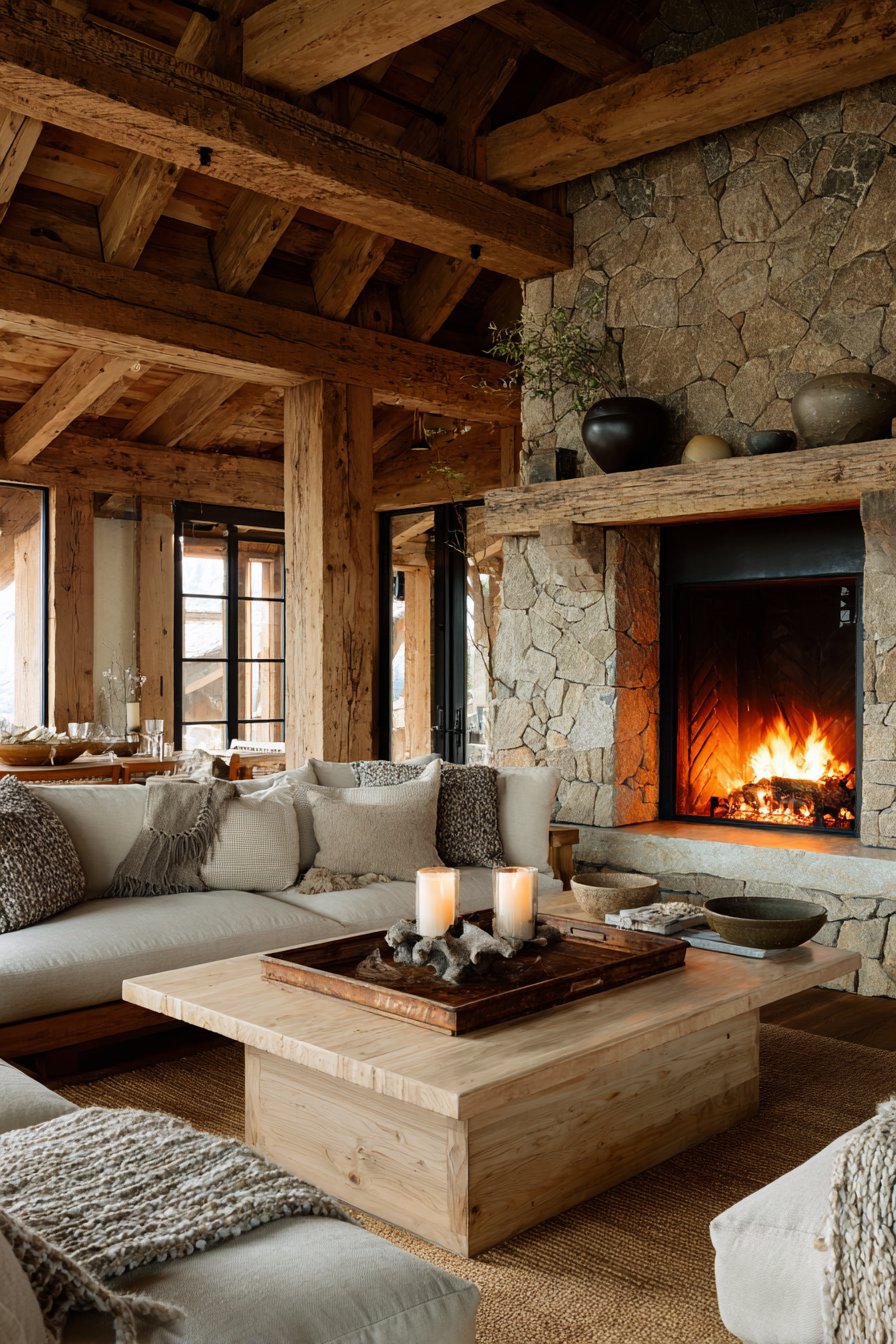
- Select furniture with visible wood grain for added character and warmth
- Layer multiple textile textures like chunky knits with smooth linens
- Choose natural fiber rugs in jute, wool, or cotton for authenticity
- Add ceramic or stoneware pieces in neutral tones for visual interest
- Incorporate wooden accessories like trays, bowls, and picture frames
- Avoid plastic or synthetic materials that clash with the natural aesthetic
3. The Power of Functional Minimalism
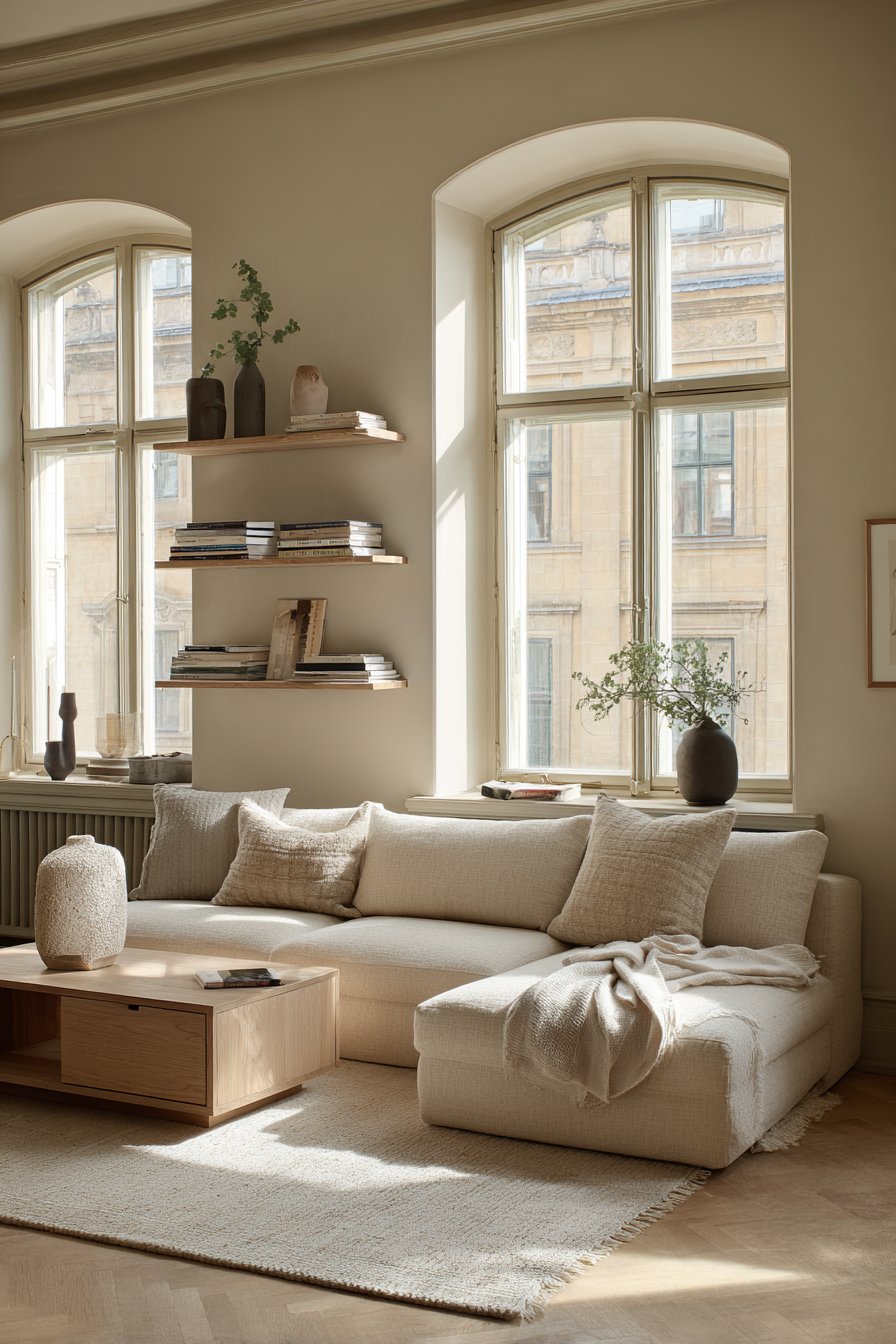
Clutter-free spaces define the Scandinavian approach to living room design. Every item serves a purpose, whether functional or bringing genuine joy to occupants. This intentional curation creates peaceful environments where the mind can rest. The absence of unnecessary objects allows the beautiful pieces you do have to shine.
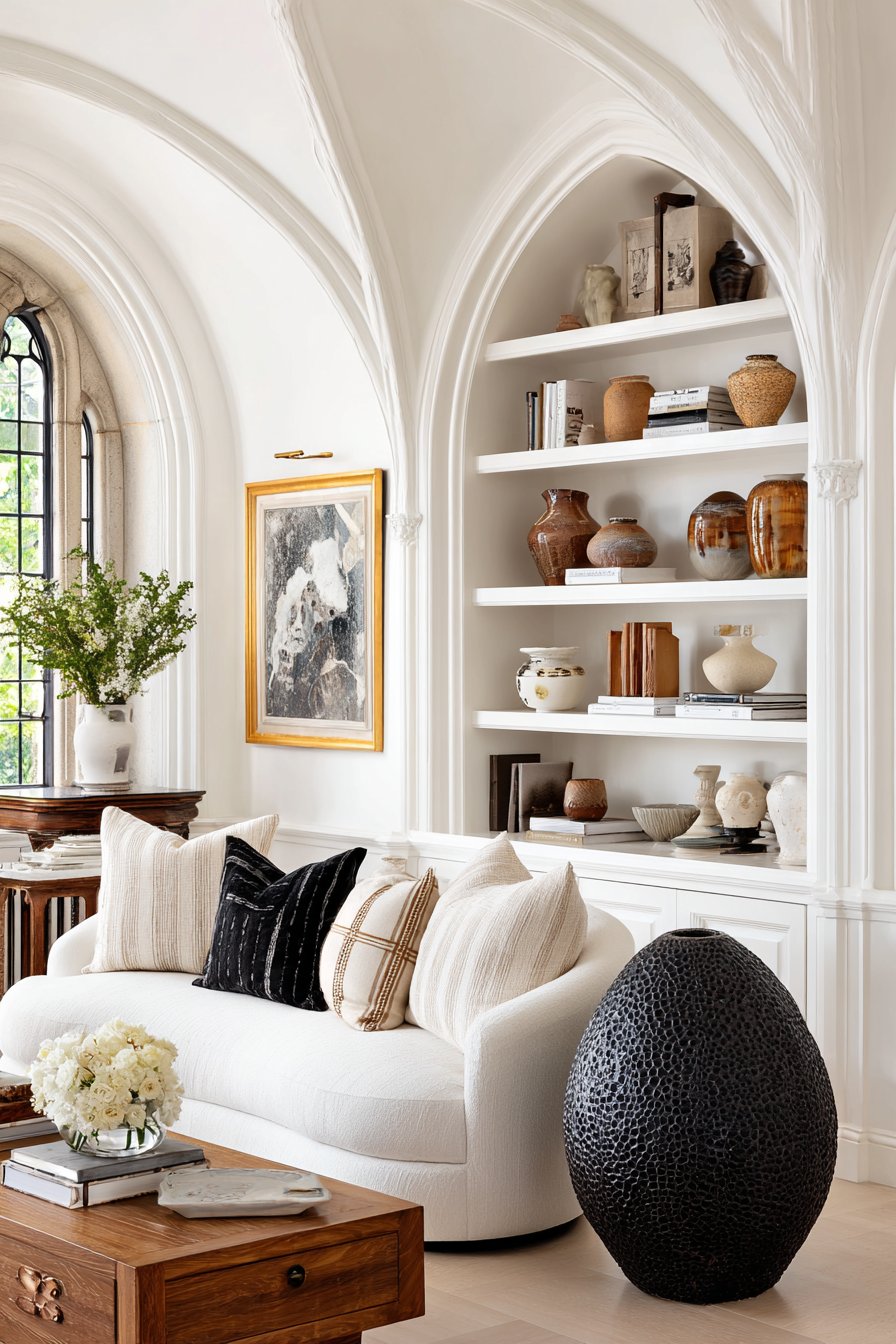
Built-in storage solutions maintain the clean lines while hiding everyday necessities. Floating shelves, concealed cabinets, and multi-functional furniture keep items organized without visual chaos. A sofa with hidden storage or a coffee table with drawers proves that minimalism doesn’t mean sacrificing practicality.
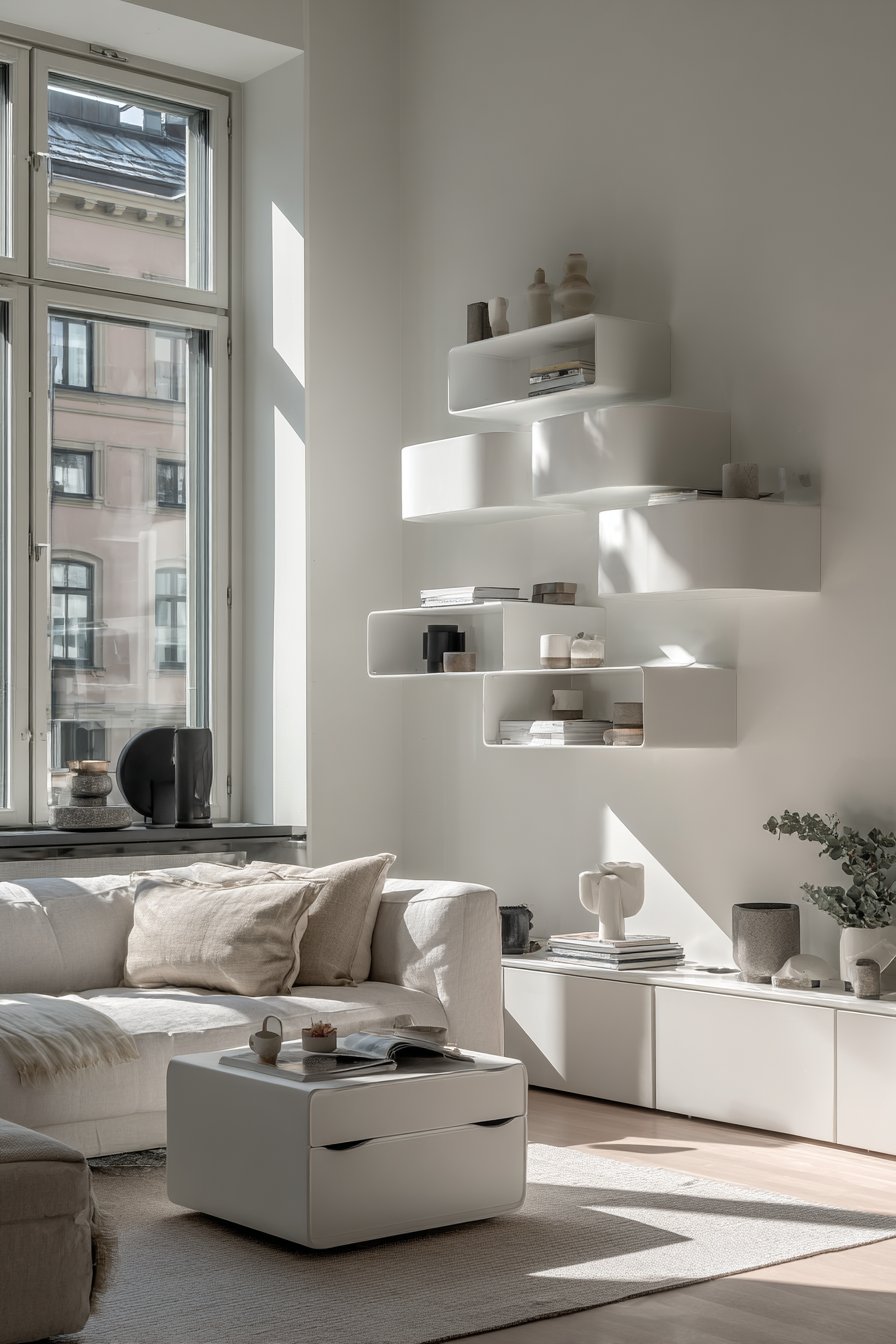
Quality over quantity guides furniture selection in these purposeful spaces. A well-made sofa in a timeless design outlasts trendy pieces that quickly feel dated. Investing in fewer, better items ultimately saves money and creates more cohesive, sophisticated rooms. Each piece should earn its place through both beauty and utility.
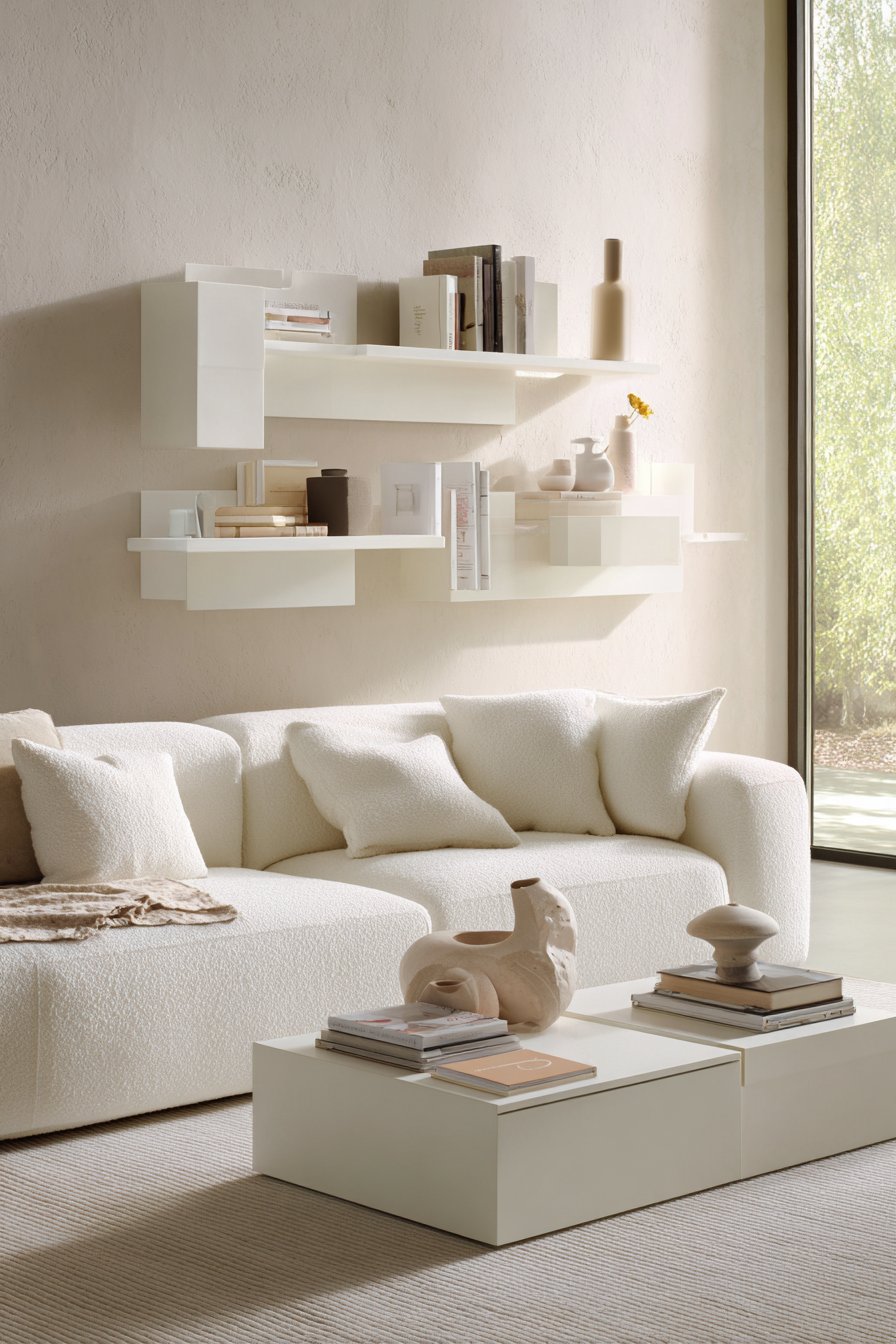
- Implement a one-in-one-out rule to prevent accumulation of unnecessary items
- Choose furniture with hidden storage compartments for functional minimalism
- Display only meaningful decorative objects that bring you genuine joy
- Use vertical storage solutions to maximize floor space and reduce clutter
- Select timeless furniture designs that won’t feel dated in five years
- Keep surfaces mostly clear with just one or two curated accessories
4. The Embrace of Hygge Elements
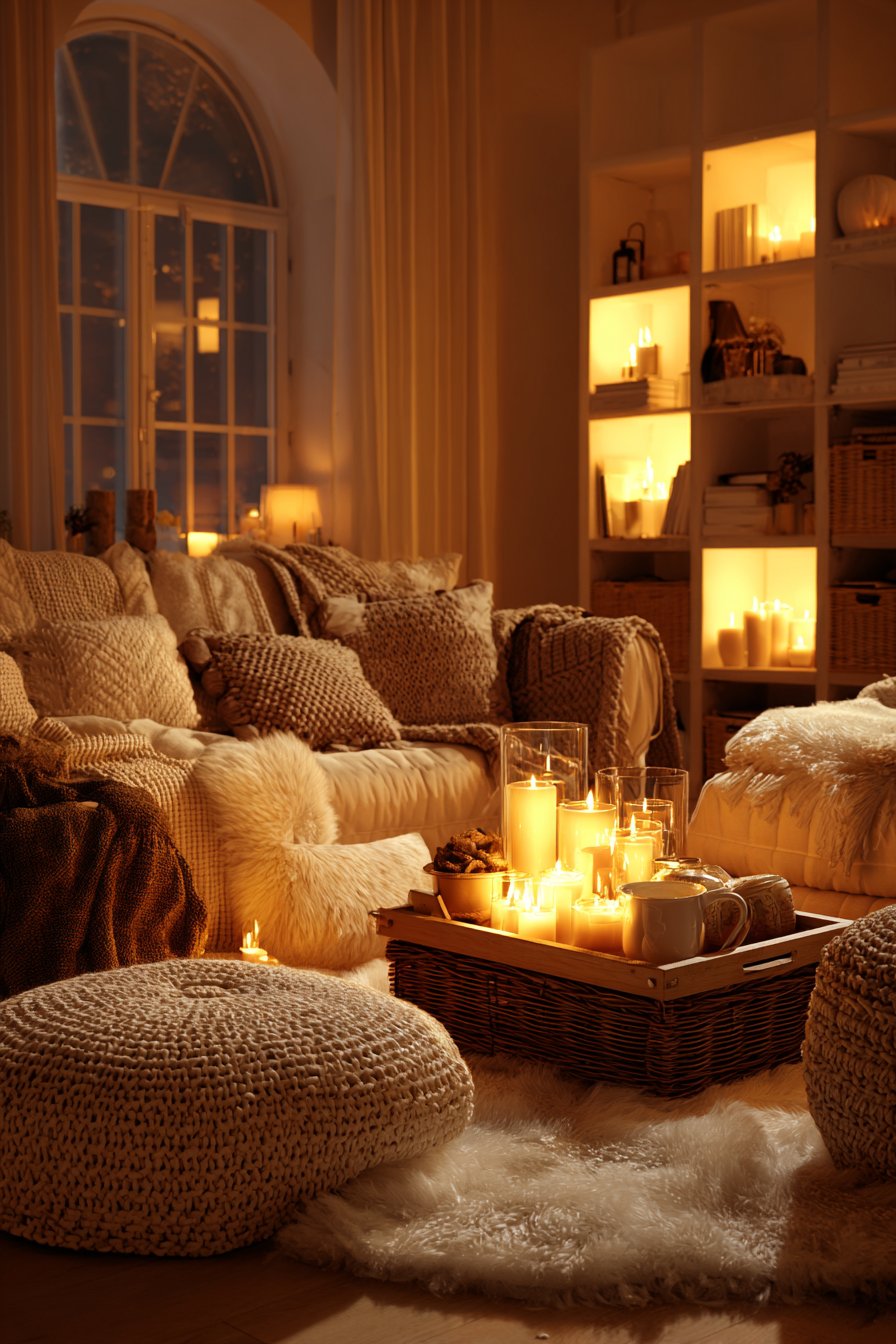
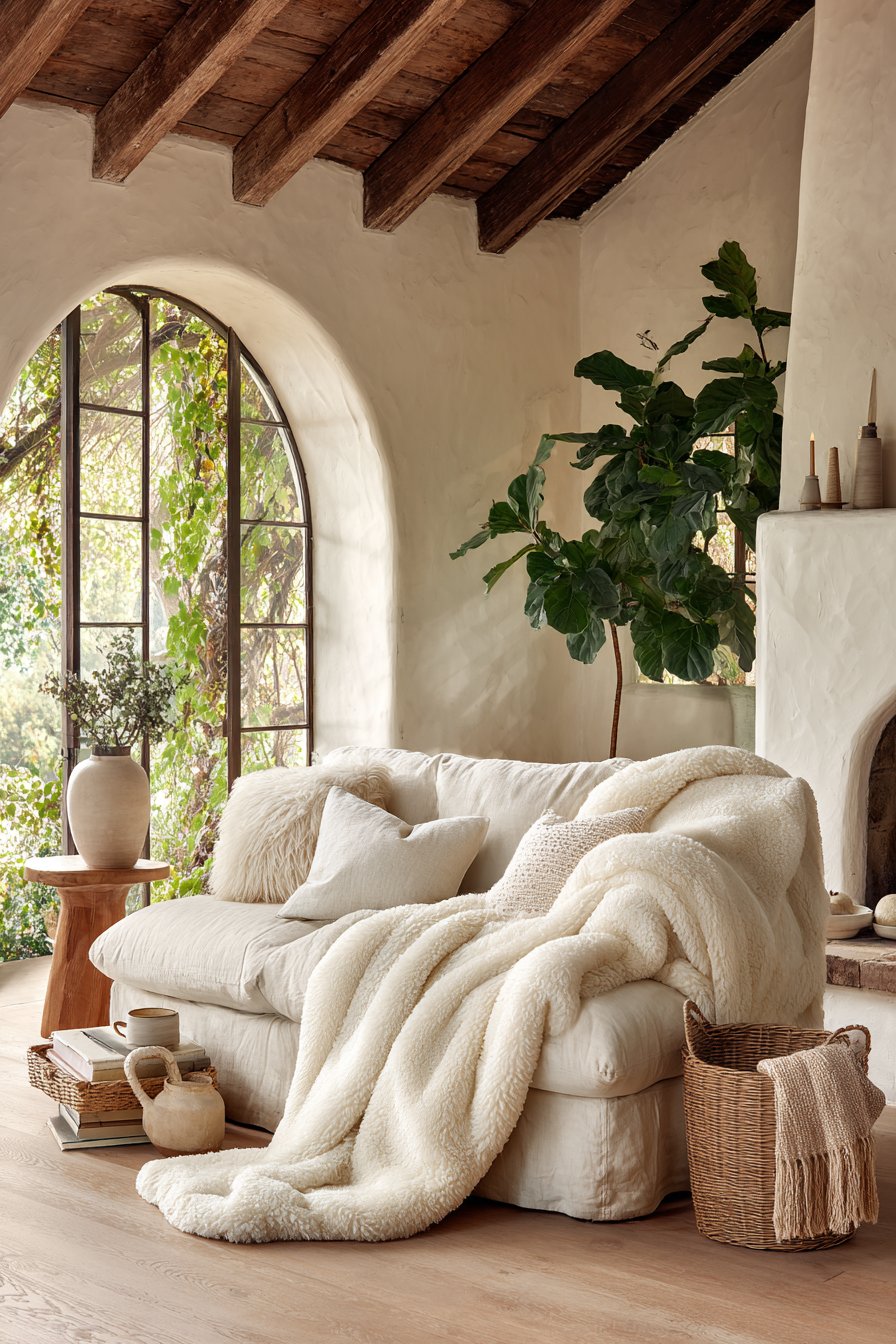
Cozy textiles transform minimalist spaces into inviting sanctuaries perfect for relaxation. Oversized throw blankets draped over sofas and sheepskin rugs on floors add layers of comfort. These soft elements invite you to settle in and stay awhile. The tactile experience of wrapping yourself in quality fabrics enhances the hygge feeling central to Scandinavian living.
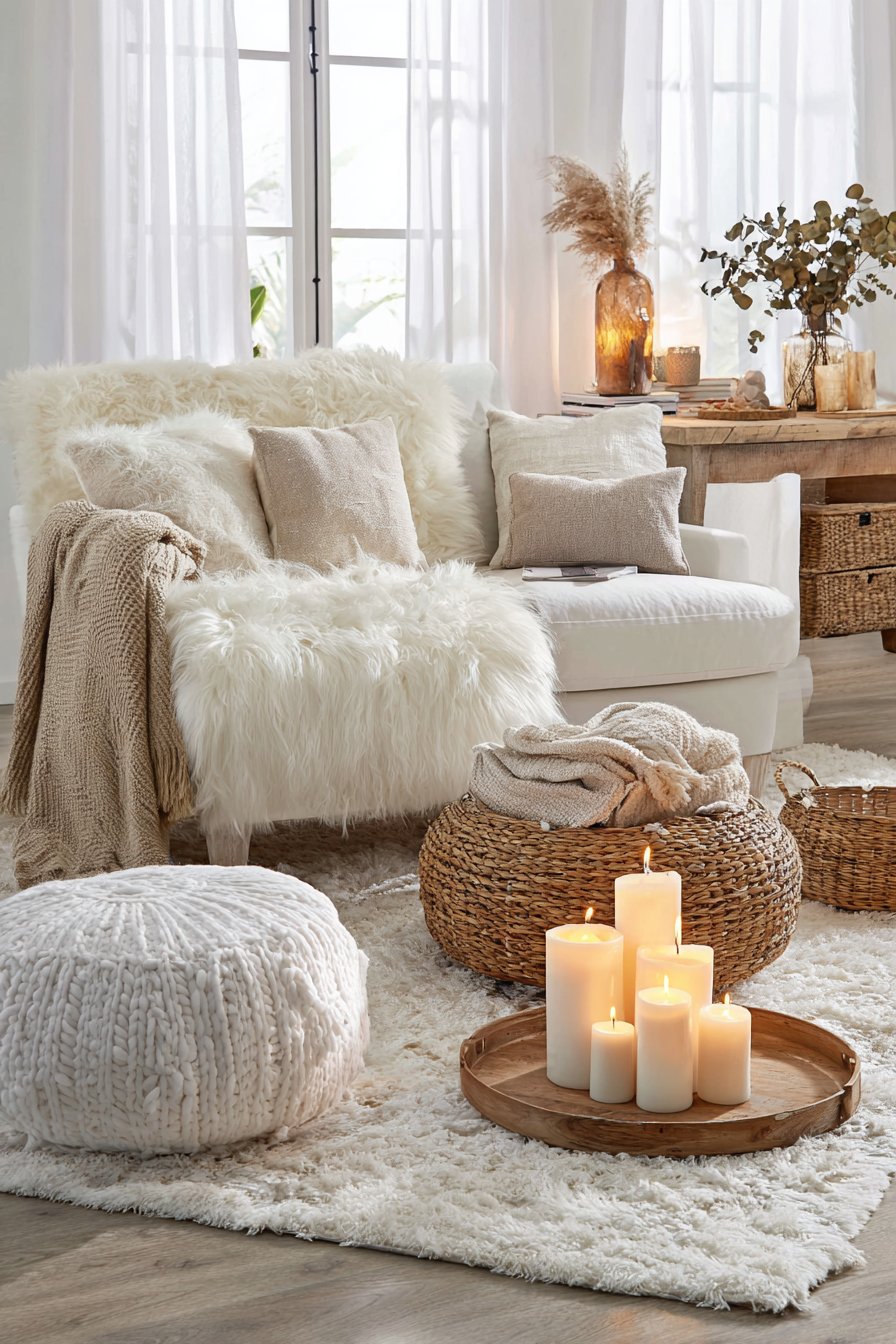
Candlelight creates ambiance that electric lighting simply cannot replicate in these serene spaces. Multiple candles in varying heights and sizes add warmth and movement through flickering flames. The soft glow creates intimate atmosphere during dark winter evenings. Unscented candles work best to avoid overwhelming the space with competing fragrances.
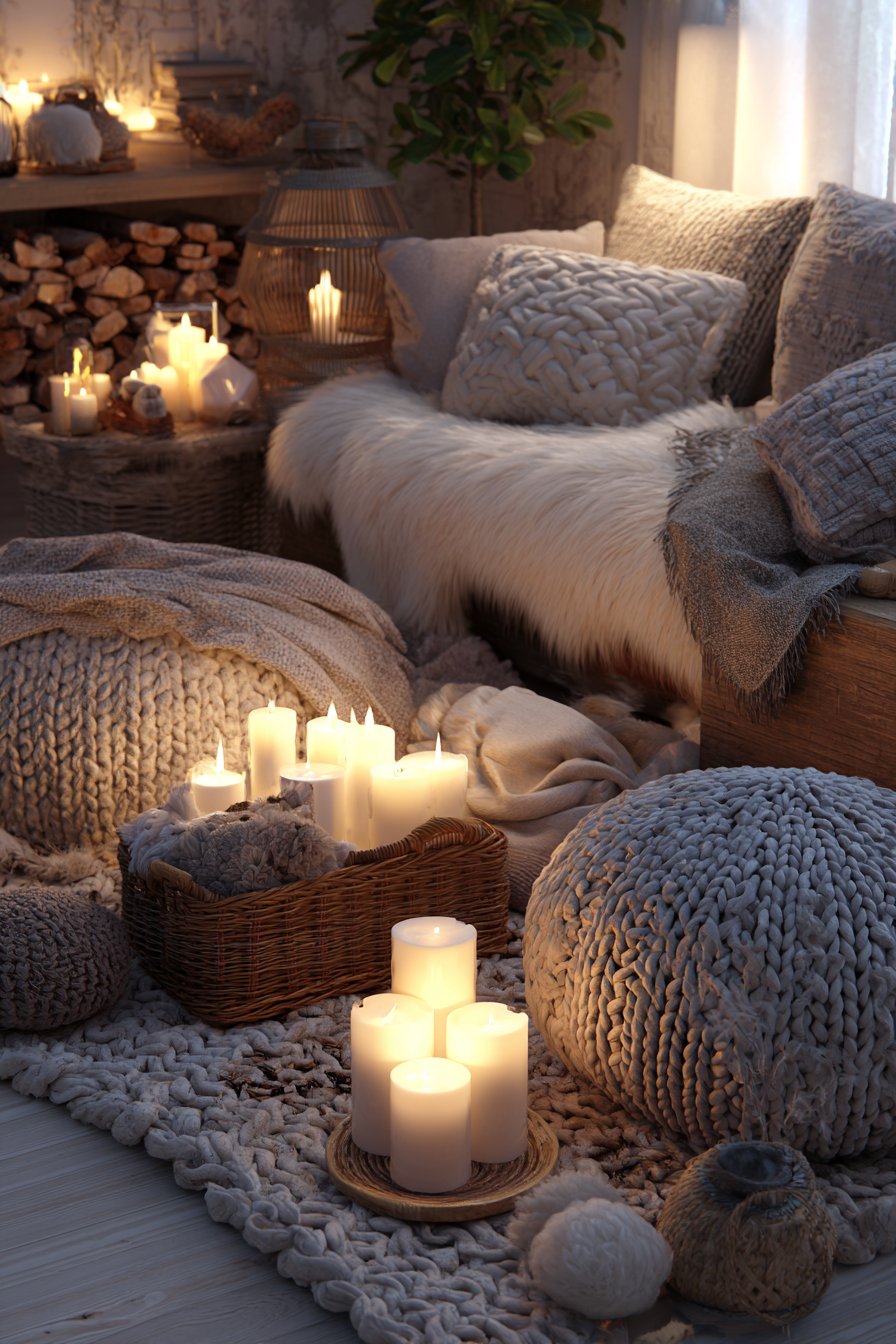
Comfortable seating arrangements encourage gathering and conversation without formal stuffiness. Deep sofas with plush cushions invite lounging, while additional seating options like poufs or floor cushions accommodate guests casually. The furniture arrangement promotes face-to-face interaction rather than everyone facing a television screen exclusively.
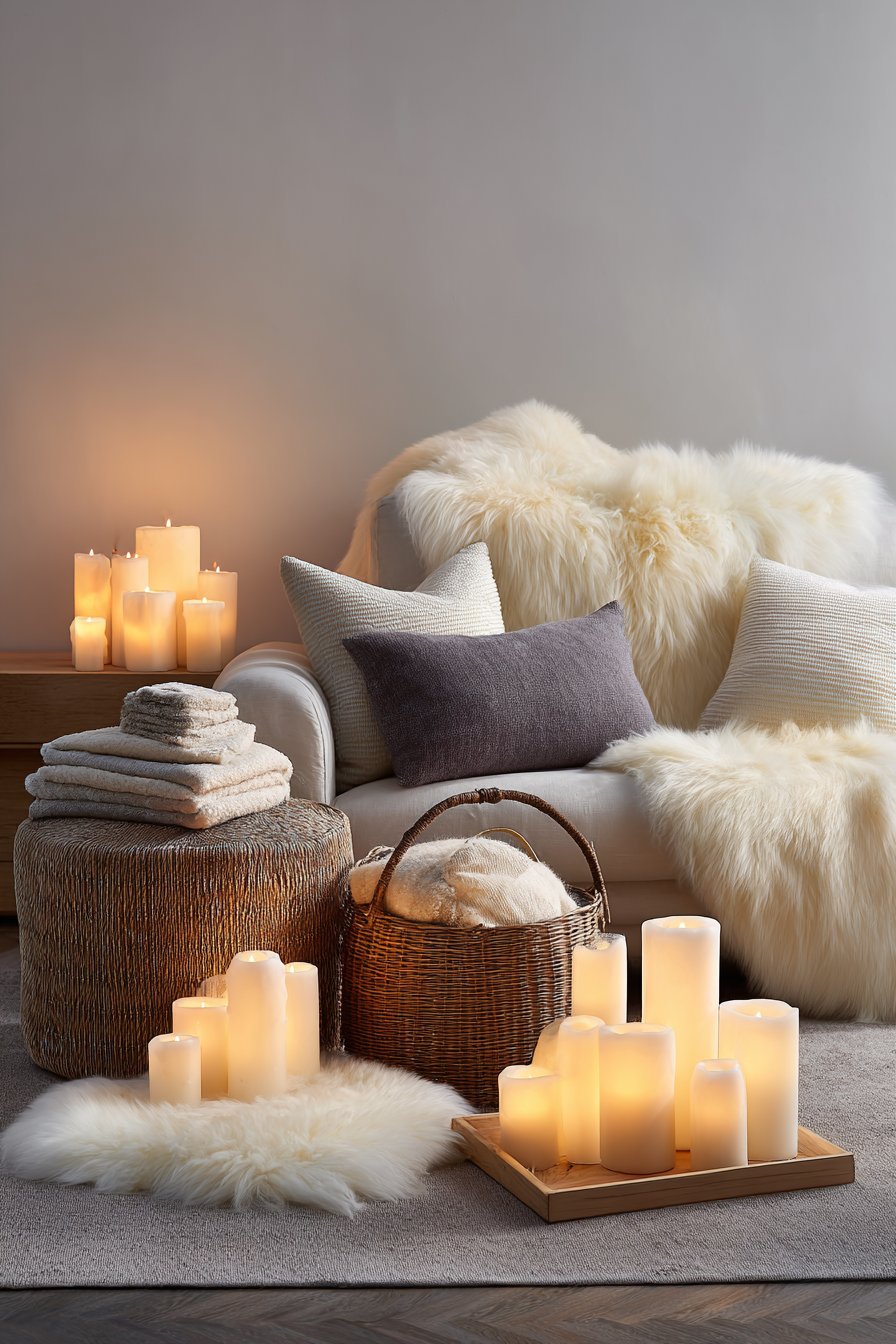
- Layer throws and cushions in complementary neutral tones for depth
- Group candles on trays for safe, cohesive display with maximum impact
- Choose sofas deep enough to curl up comfortably with your legs tucked
- Add a sheepskin rug over a chair for instant textural warmth
- Position seating to encourage conversation rather than just facing the TV
- Keep extra blankets in a decorative basket for guests and chilly evenings
5. The Simplicity of Neutral Color Schemes
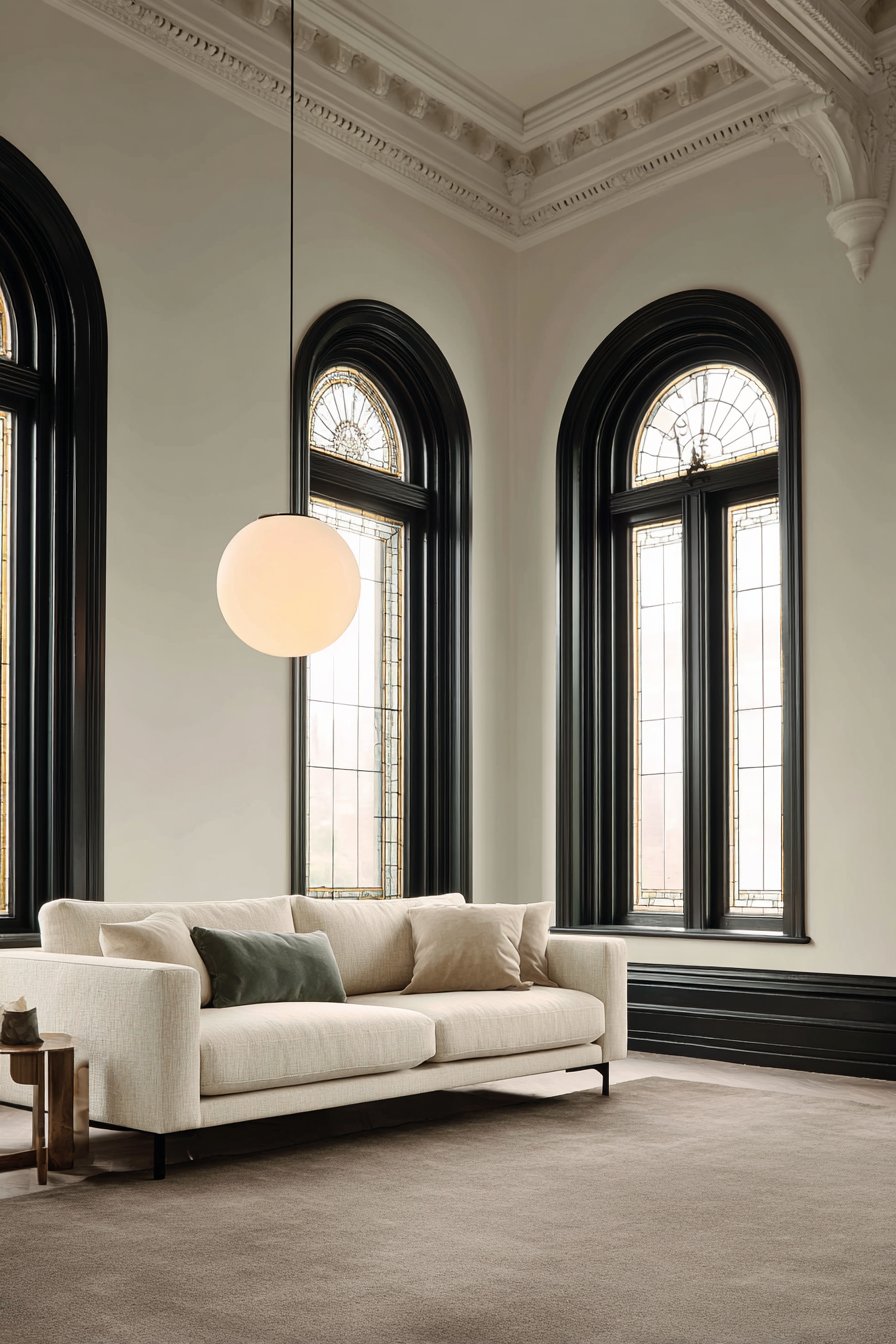
Monochromatic palettes create sophisticated, calming environments that never feel boring or flat. Whites, grays, beiges, and taupes layer together to build depth through subtle variations. This approach allows architectural features and natural materials to take center stage. The restraint in color creates timeless elegance that transcends passing trends.
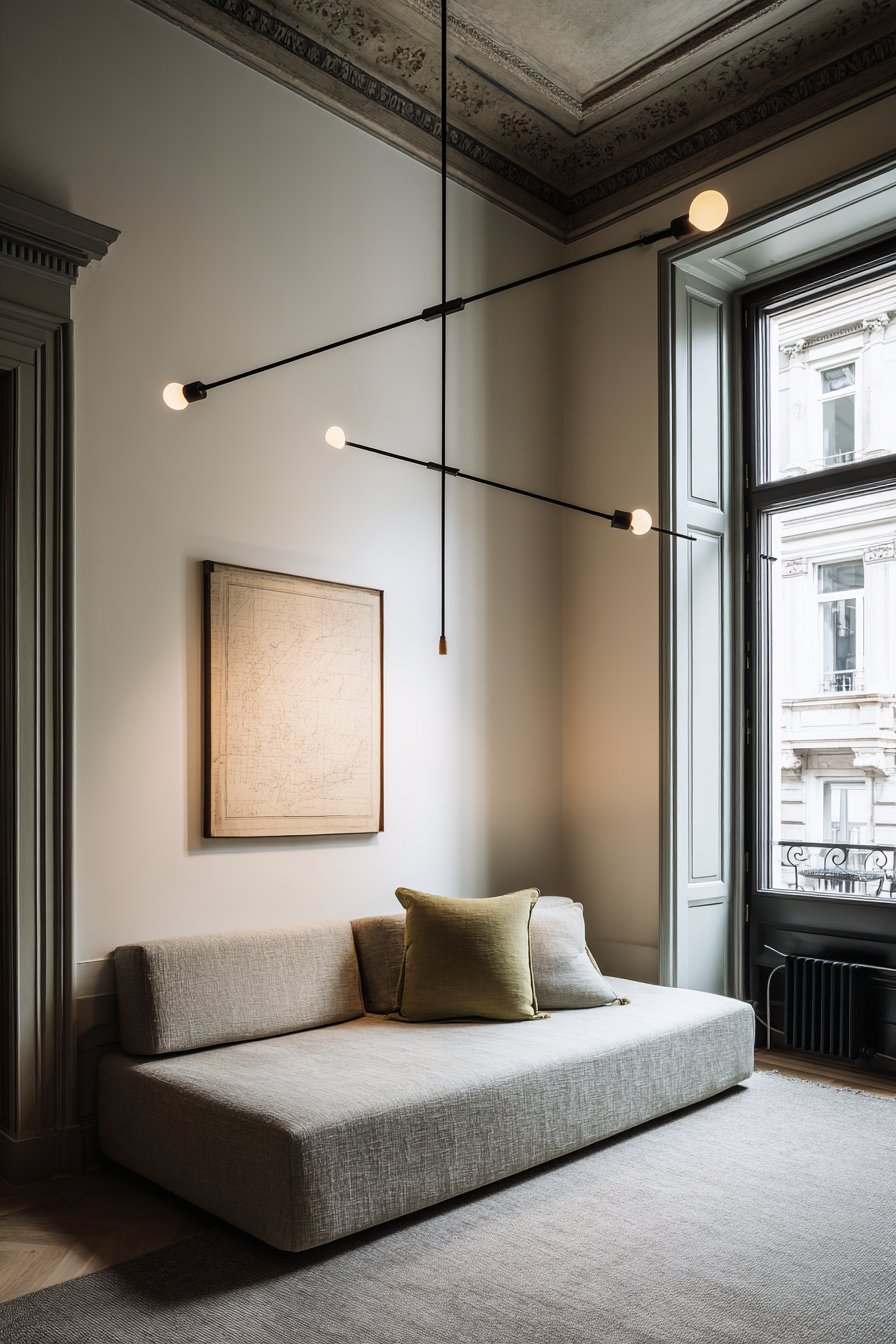
Strategic pops of black anchor neutral schemes and prevent spaces from appearing washed out. Black window frames, light fixtures, or furniture legs provide crucial contrast and definition. These dark accents create visual boundaries that help the eye navigate and appreciate the space. The high contrast adds sophistication without introducing actual color.
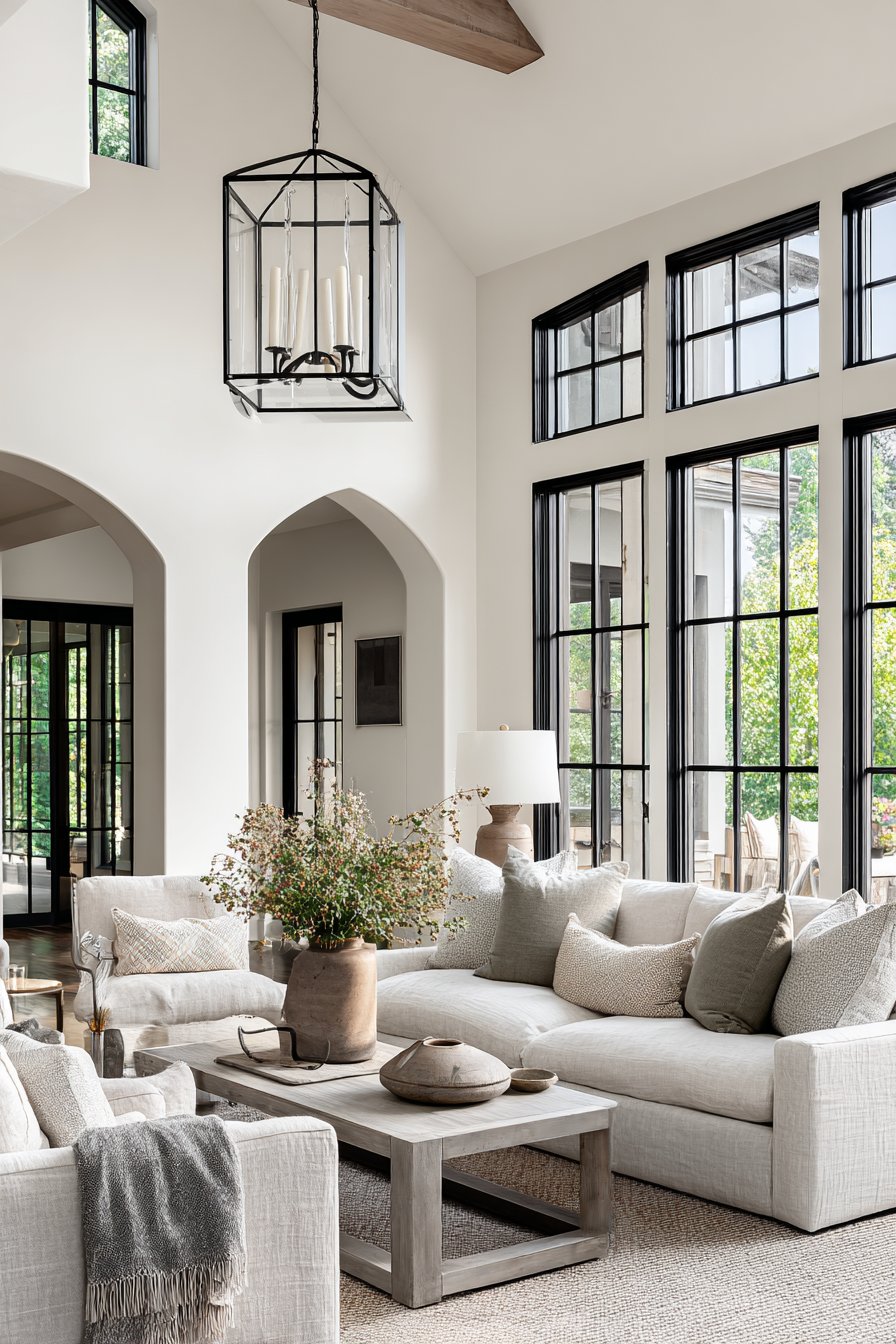
Introducing muted earth tones like terracotta, sage green, or dusty blue adds personality without overwhelming. These soft colors appear in small doses through cushions, artwork, or a single accent chair. The key is keeping saturation low so colors feel harmonious rather than jarring. Nature-inspired hues reinforce the organic aesthetic fundamental to Scandinavian design.
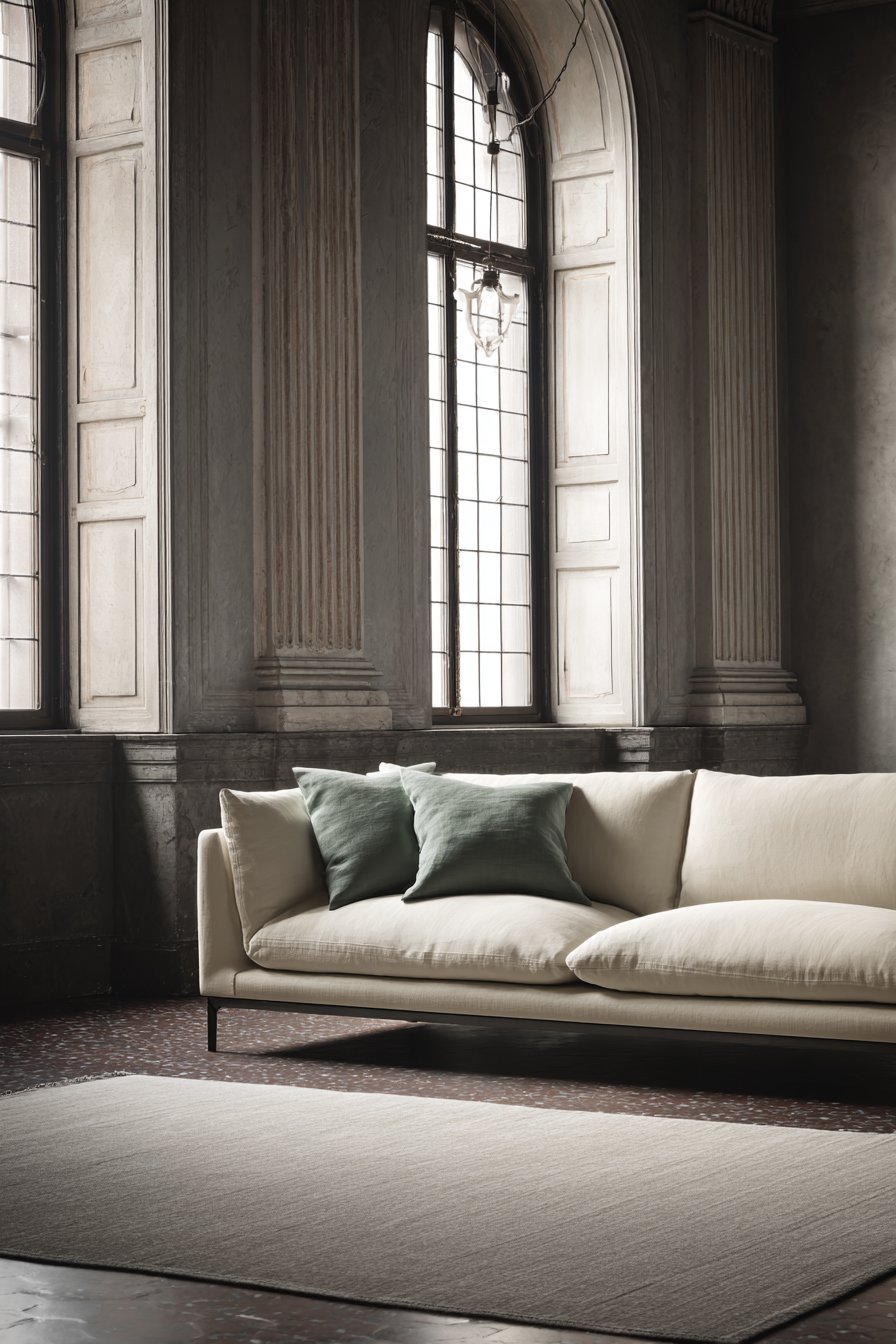
- Build your palette starting with warm white walls as your foundation
- Add three to four shades of gray and beige in varying tones
- Use black sparingly in small doses for maximum impact and definition
- Introduce one muted accent color through easily changeable accessories
- Maintain at least 70% neutral tones to preserve the calming effect
- Test paint and fabric samples in your actual room lighting before committing
6. The Connection to Nature
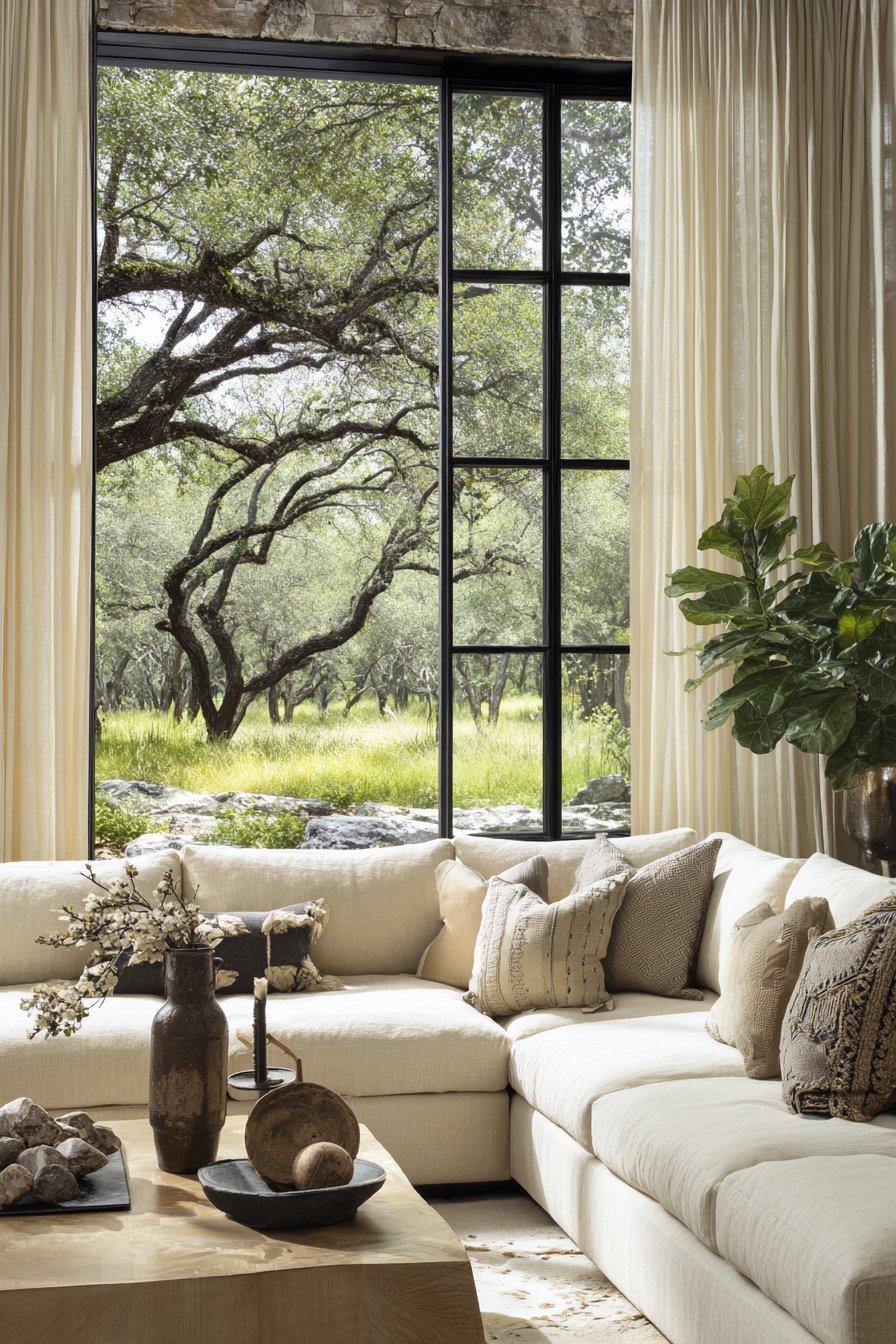
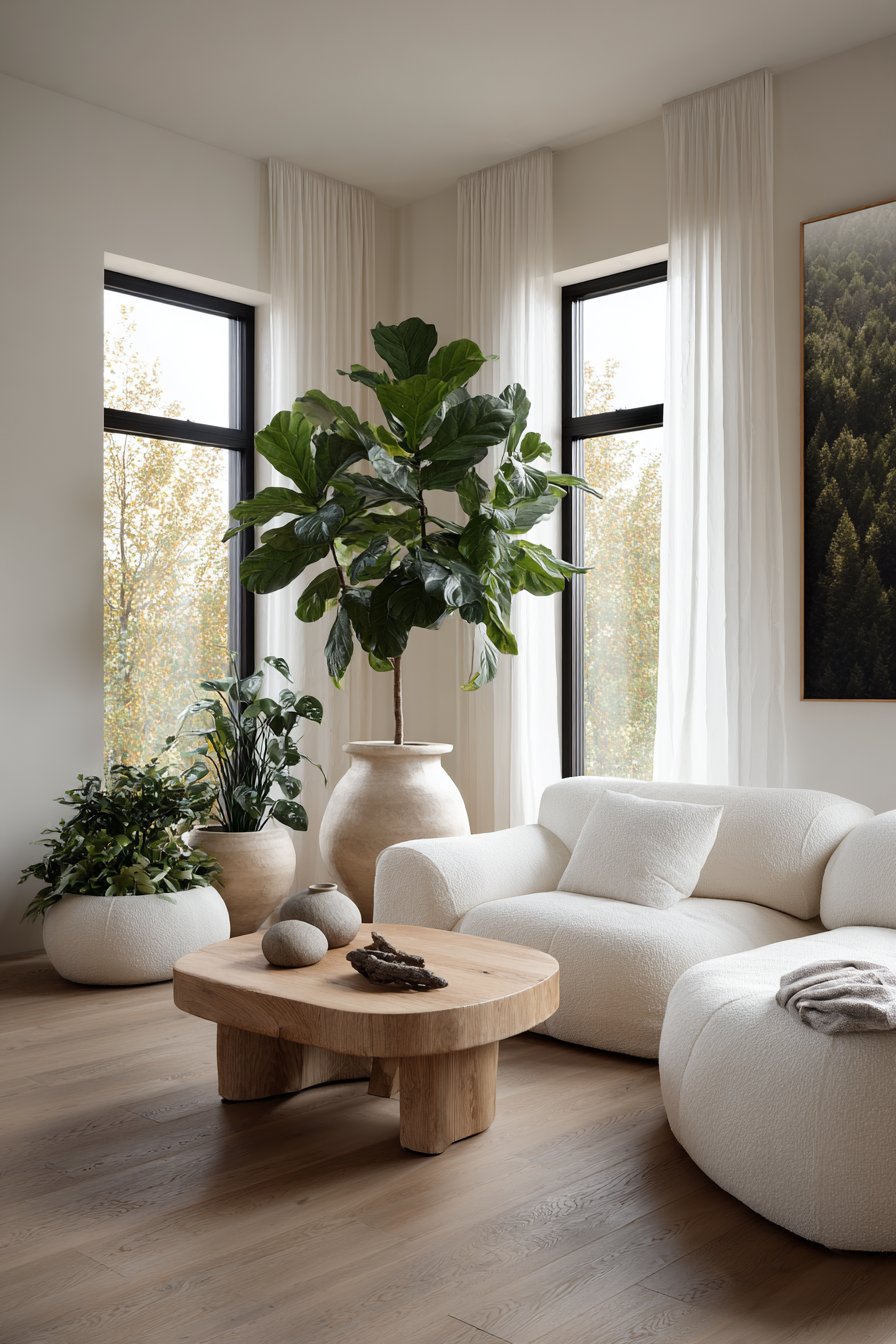
Indoor plants bring life and freshness to Scandinavian living rooms year-round. Large-leafed varieties like fiddle leaf figs or monstera add dramatic natural sculpture. Smaller plants grouped together on shelves or windowsills create green moments throughout the space. The living elements improve air quality while connecting inhabitants to growing, changing nature even indoors.
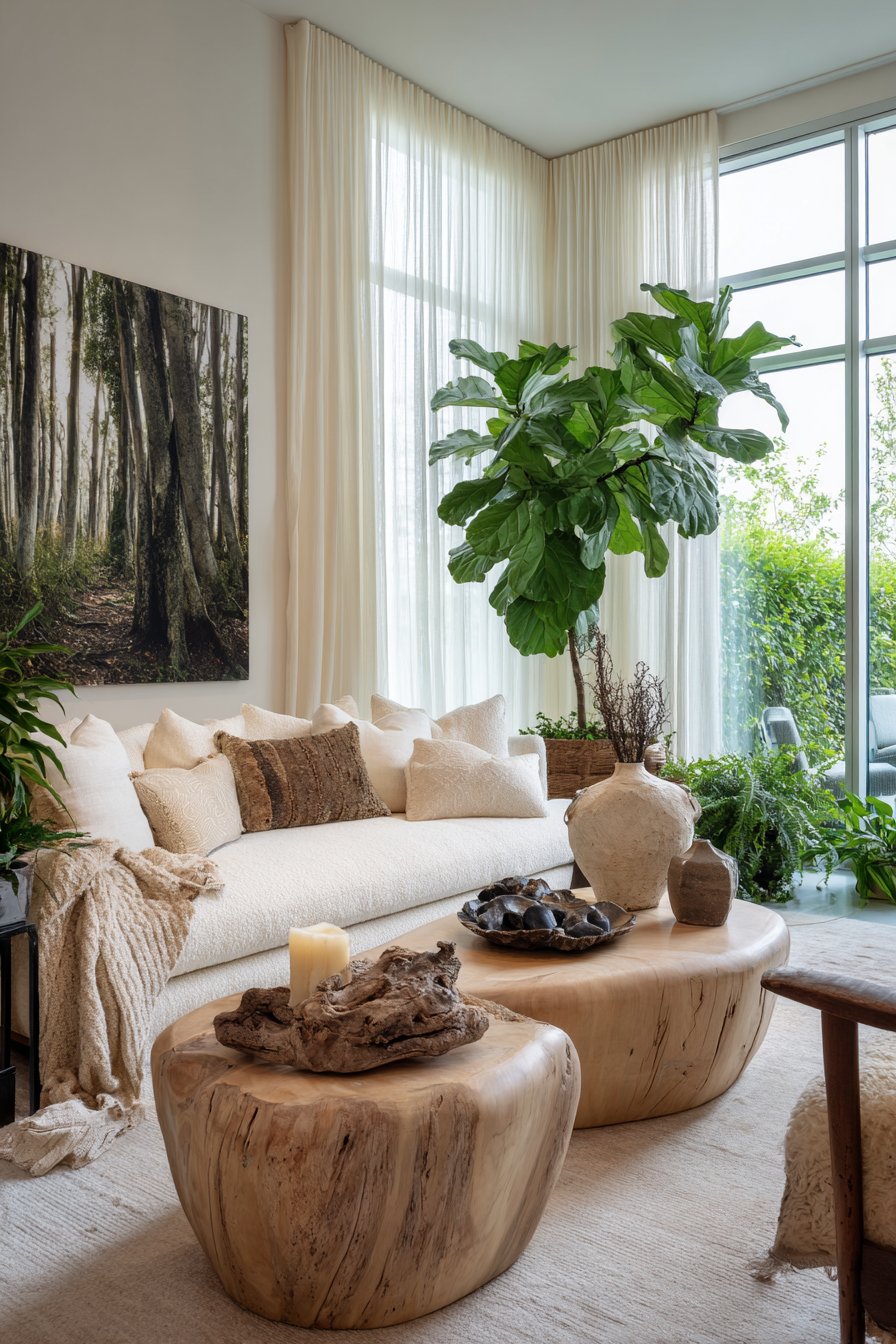
Natural views receive emphasis through thoughtful furniture placement and window treatments. Sofas positioned to face gardens or natural landscapes make the outdoors an integral part of the room’s design. When views are less inspiring, nature-inspired artwork featuring forests, mountains, or seascapes brings the outside in through visual representation.
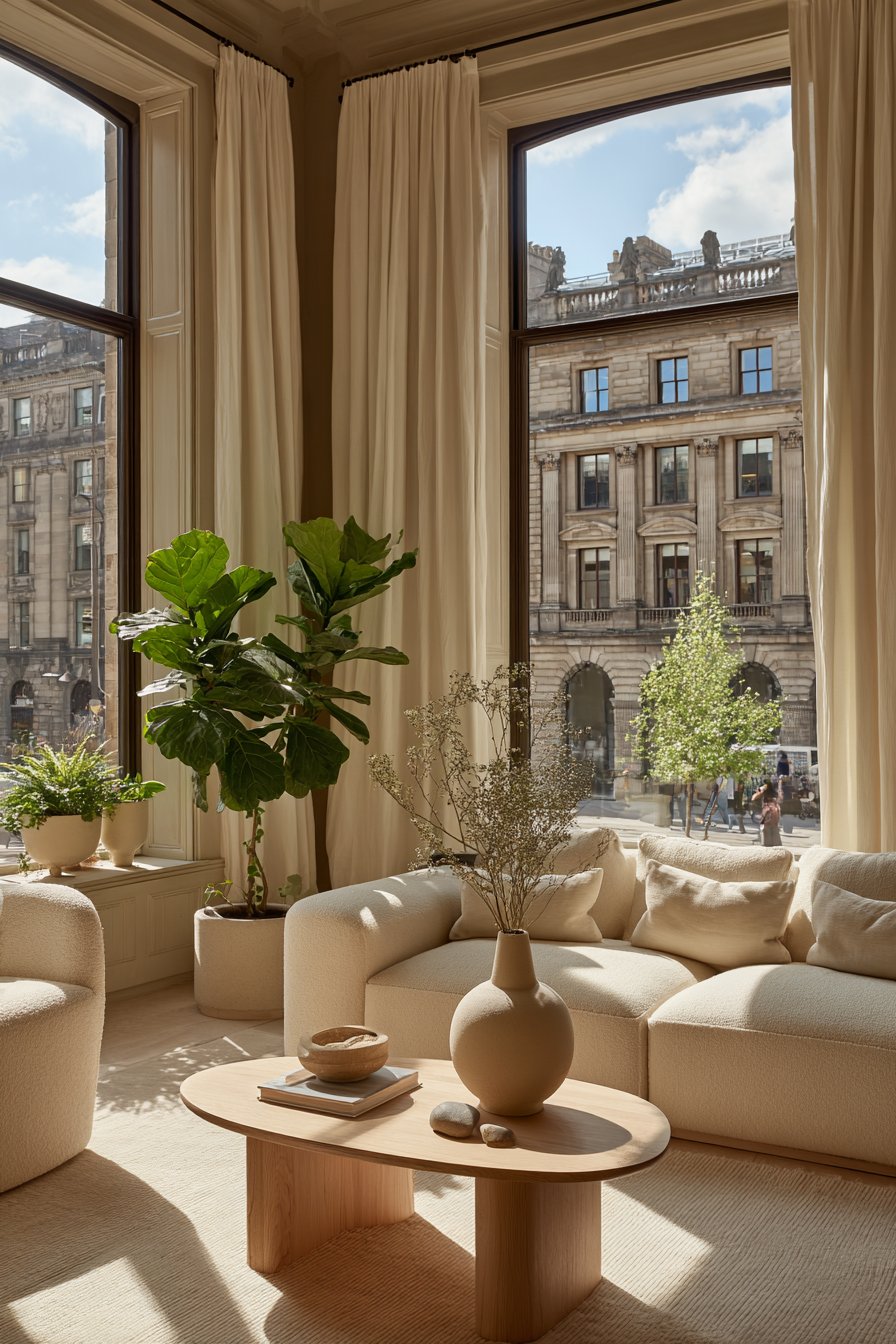
Organic shapes in furniture and accessories soften the clean lines typical of Scandinavian design. Rounded coffee tables, curved light fixtures, and sculptural vases echo forms found in nature. These gentle contours create visual balance against the predominantly straight lines and right angles. The subtle curves add approachability and comfort to minimalist spaces.
- Choose low-maintenance plants like pothos, snake plants, or rubber trees for beginners
- Position seating to take advantage of any natural views available
- Hang large-scale nature photography or landscape paintings as focal points
- Select at least one piece of furniture with curved or rounded edges
- Group plants in odd numbers (three or five) for pleasing visual arrangements
- Bring in natural elements like branches, stones, or driftwood as free decor
Conclusion
Scandinavian living rooms succeed because they prioritize human comfort alongside aesthetic beauty. The combination of natural light, quality materials, and intentional simplicity creates spaces that nurture rather than overwhelm. These rooms prove that minimalism doesn’t mean cold or unwelcoming when balanced with hygge-inspired warmth.
Start incorporating these principles gradually in your own home. Perhaps begin with decluttering and adding more lighting, then slowly introduce natural materials and neutral tones. The beauty of Scandinavian design lies in its accessibility—you don’t need expensive renovations or designer budgets to create inviting, peaceful spaces. Let these ideas inspire you to craft a living room that truly feels like home, where simplicity and comfort coexist in perfect harmony.
