


Choosing the right dining table can transform a cramped eating area into a welcoming gathering spot. The shape of your dining table impacts not just aesthetics but also functionality and flow in your home. When square footage is limited, every design decision matters significantly.
Round dining tables have emerged as a smart solution for compact living spaces across apartments, condos, and cozy homes. Unlike their rectangular counterparts, circular tables offer unique advantages that make small rooms feel more spacious and inviting. Understanding these benefits helps homeowners make informed furniture choices that enhance both visual appeal and practicality in their dining areas.
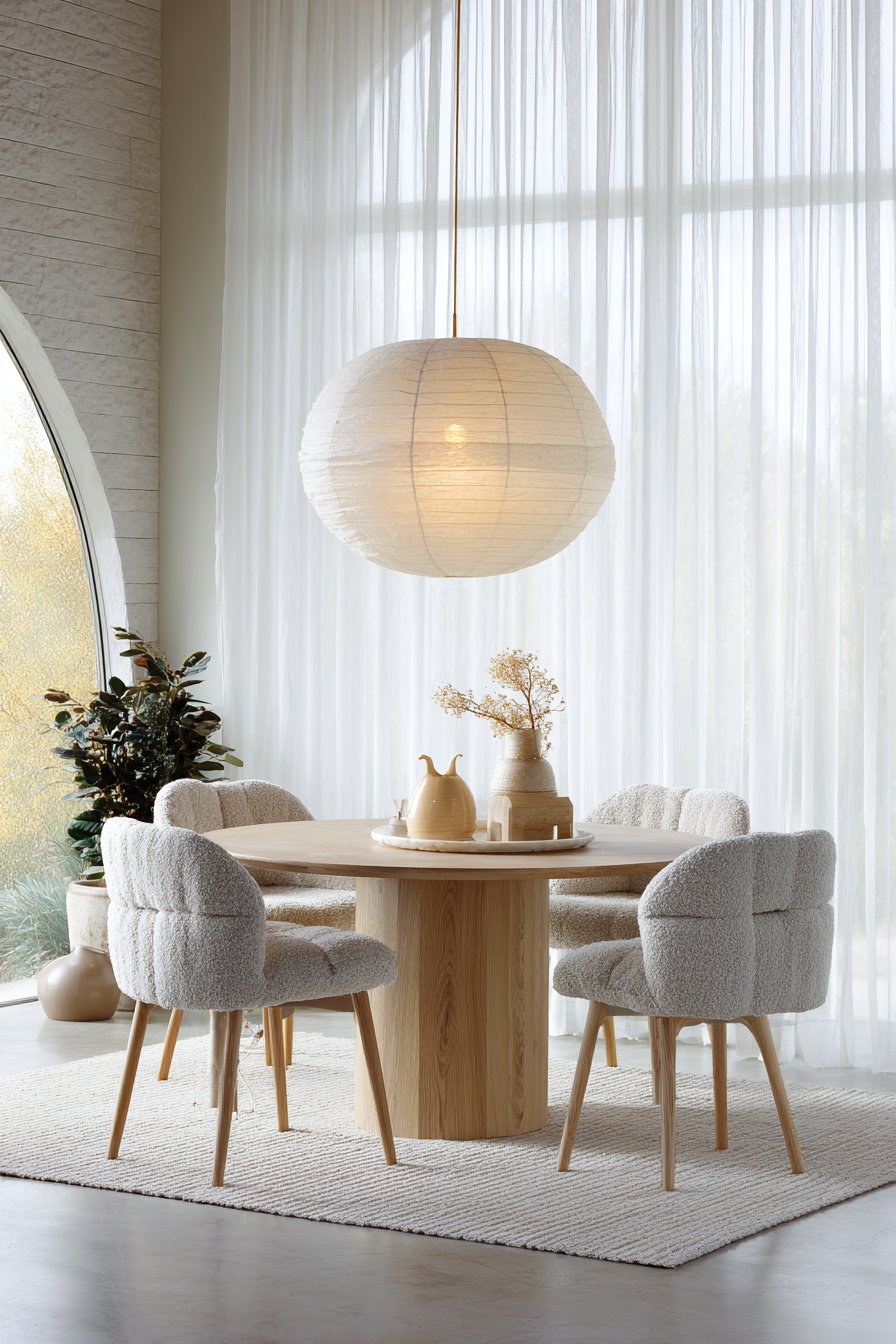
This comprehensive guide explores why round tables excel in tight spaces. We’ll examine how their curved design improves traffic flow, maximizes seating capacity, and creates an intimate dining atmosphere. From space-saving strategies to style considerations, you’ll discover actionable insights for selecting and styling the perfect round table for your compact home.
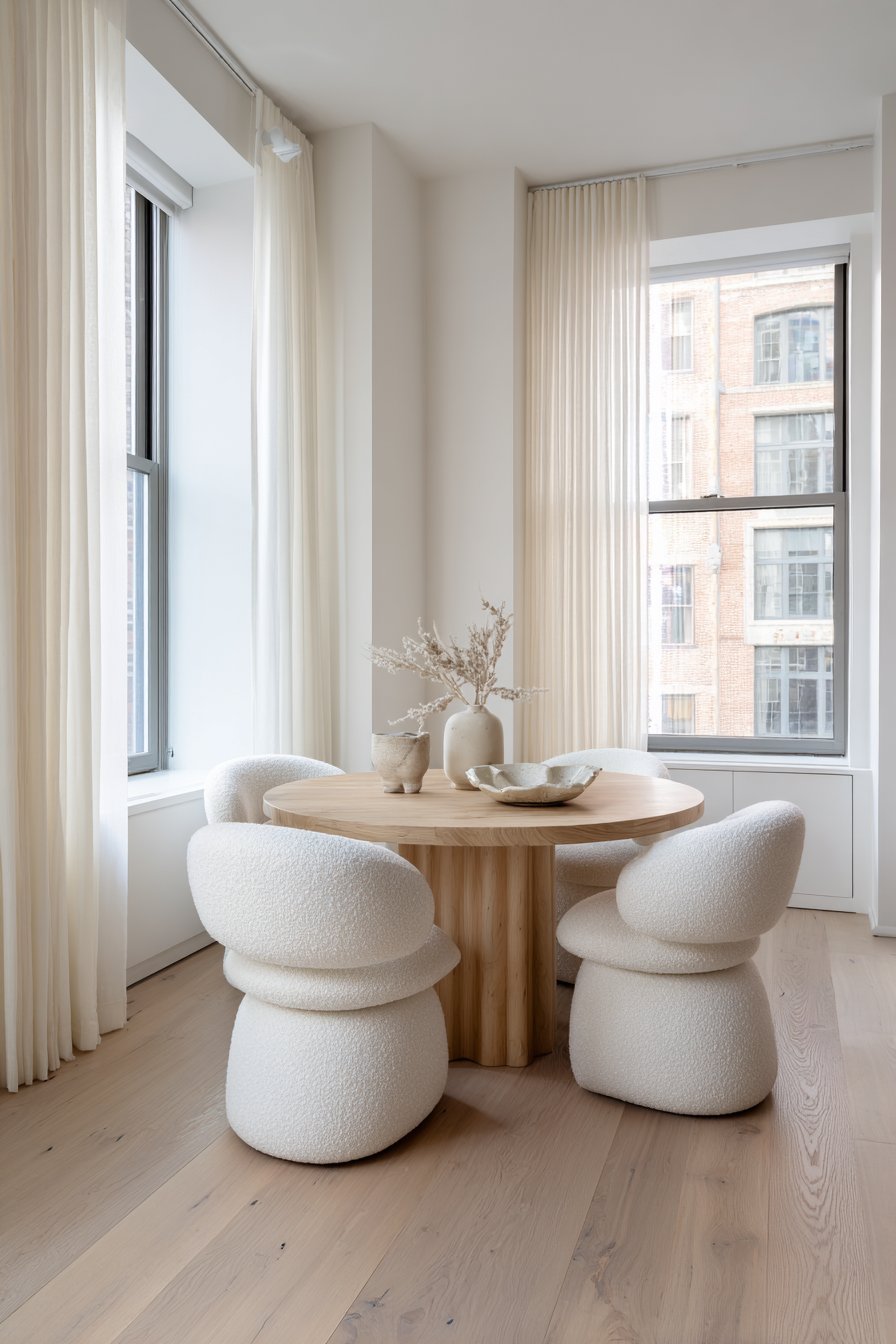
1. Elimination of Sharp Corners Creates Better Traffic Flow
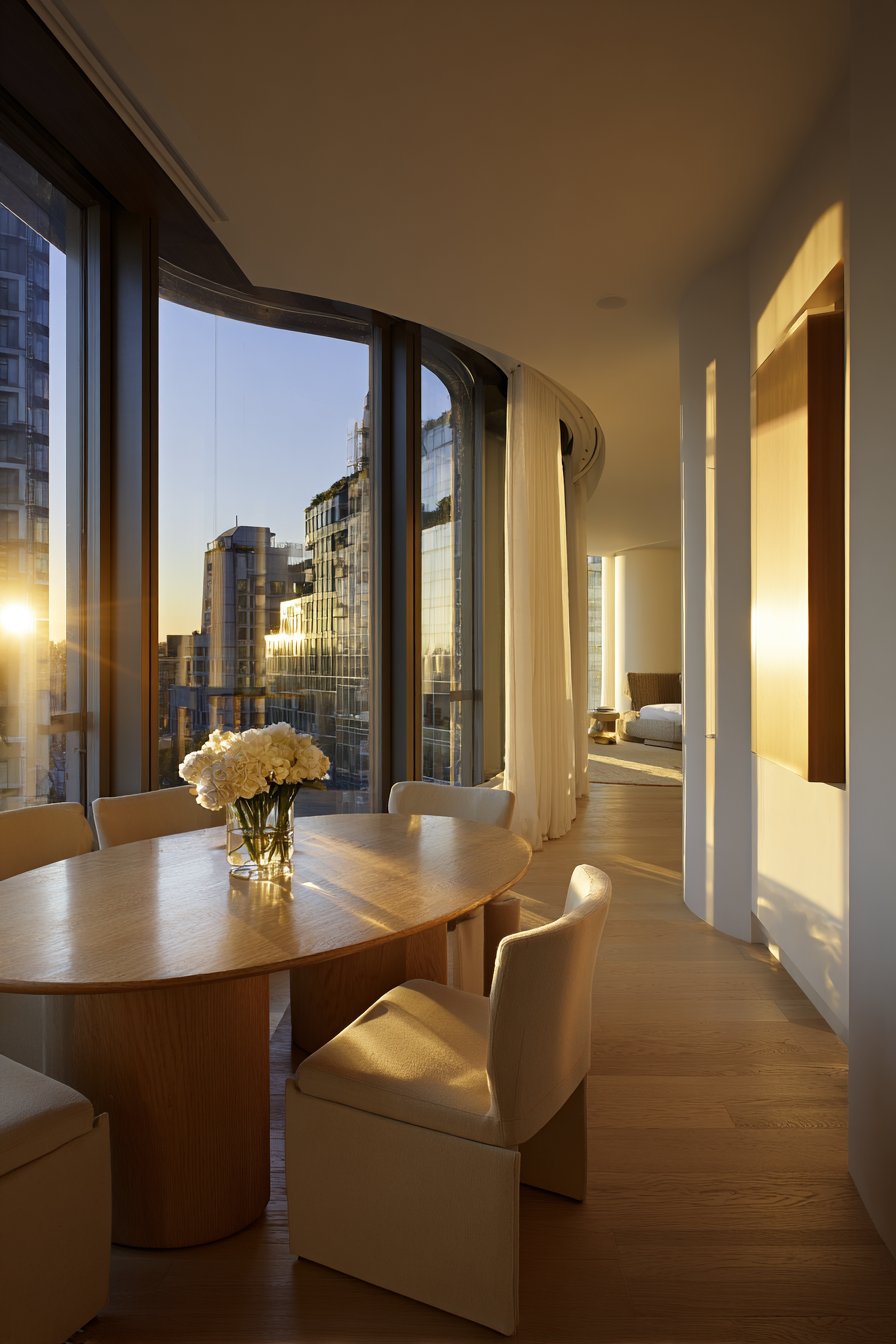
The absence of corners stands as the most obvious yet significant advantage of round dining tables. Sharp edges create obstacle points that interrupt natural movement patterns in small rooms. These corners force people to navigate carefully around furniture, making spaces feel even more constrained than they actually are.
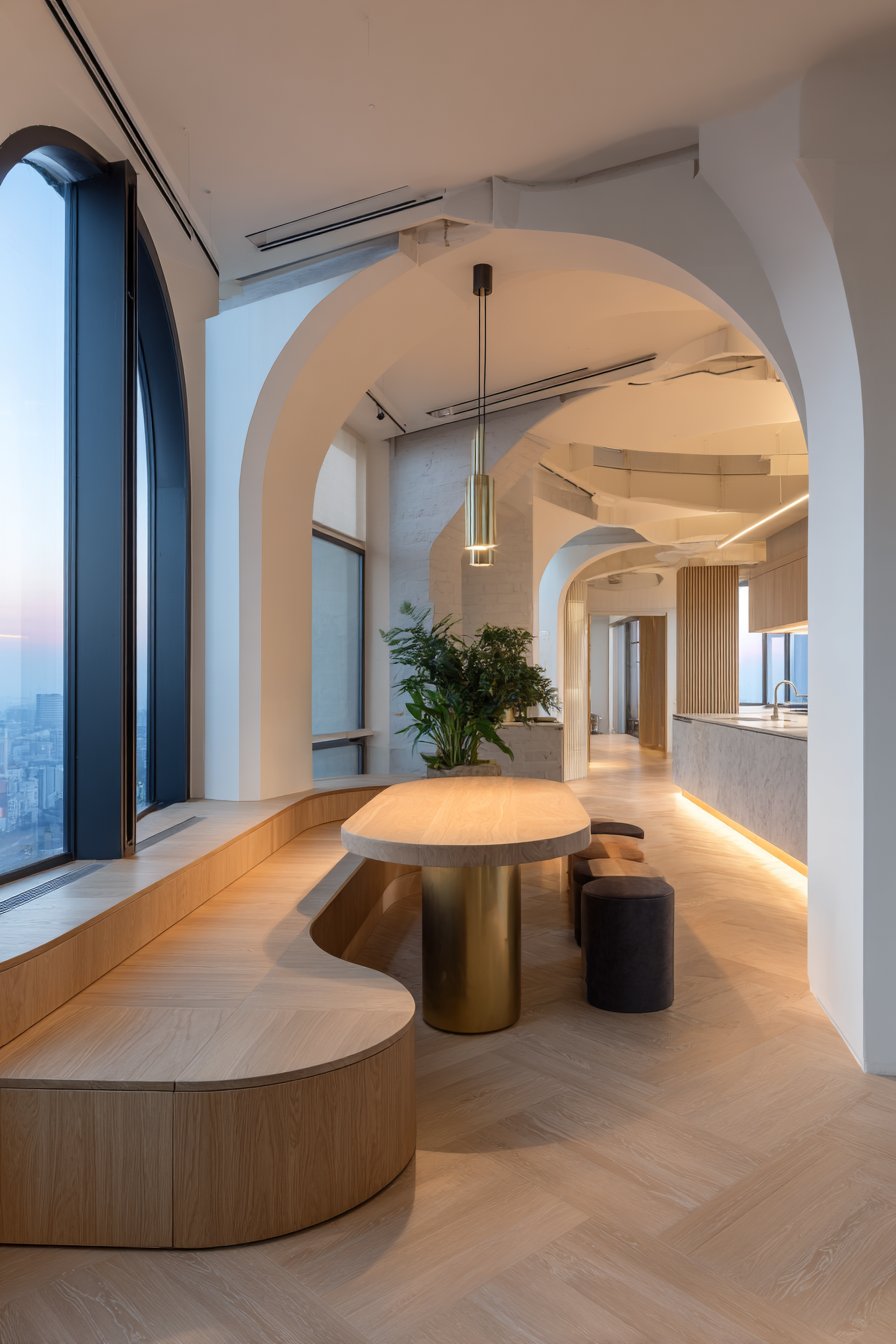
Circular tables allow smooth, unimpeded movement around the entire perimeter. Family members can approach and leave seats from any angle without awkward maneuvering. This 360-degree accessibility proves especially valuable in tight quarters where every inch of walking space counts toward overall comfort.
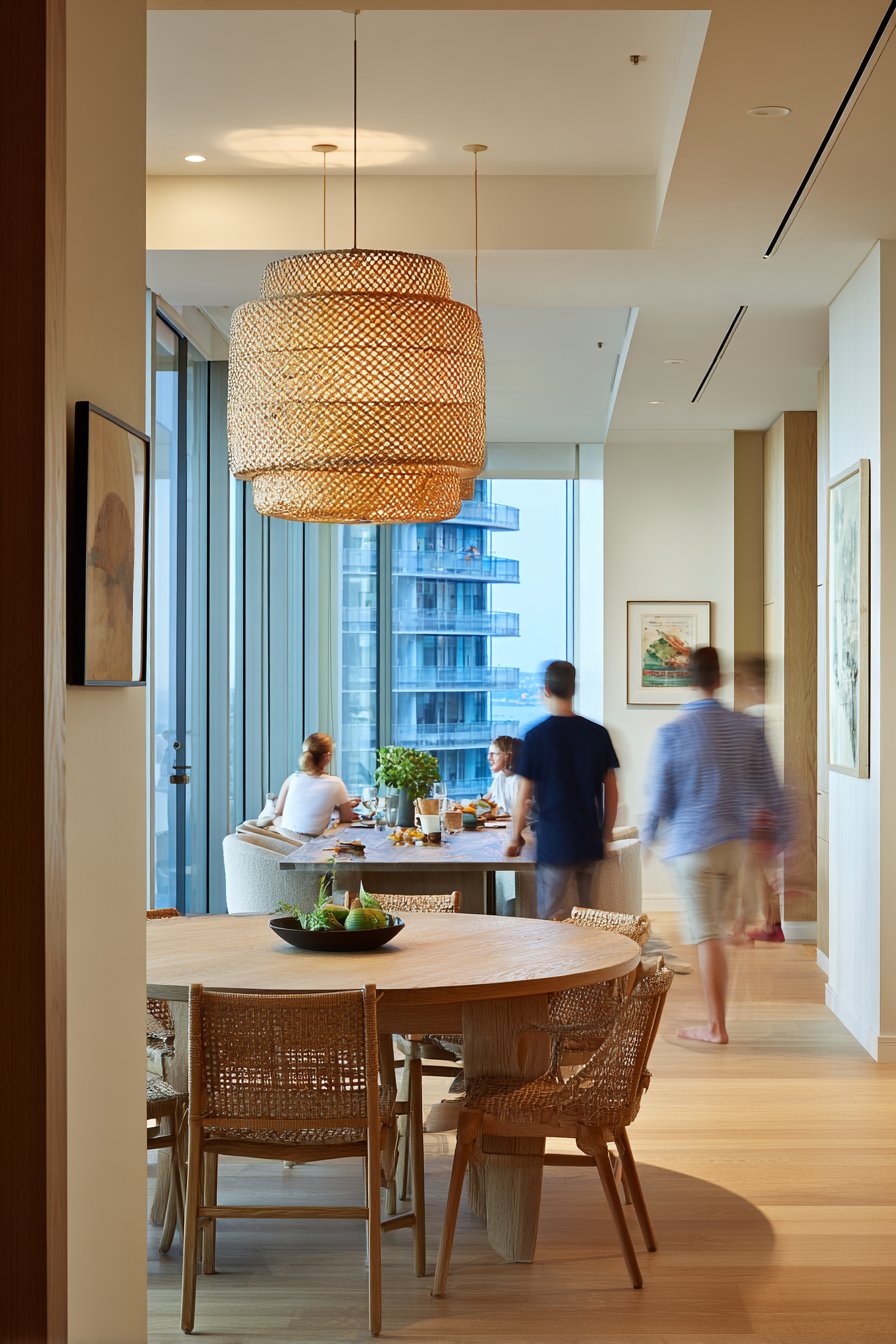
The curved edge also provides safety benefits in homes with children or elderly residents. Eliminating sharp corners reduces the risk of painful bumps and bruising. Parents appreciate this protective feature when toddlers are learning to walk or running through dining areas during active play.
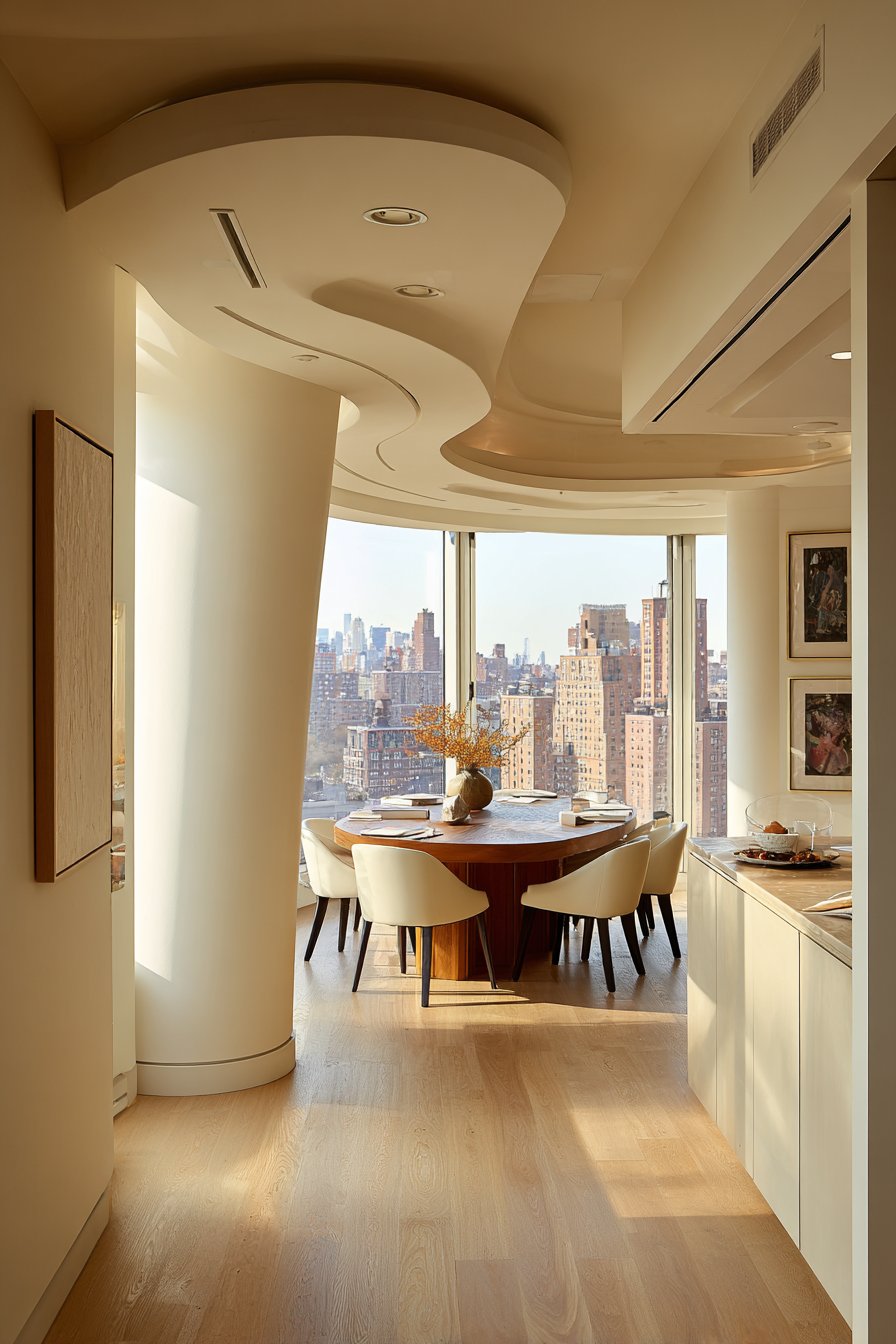
- Position the table centrally to maximize walking space on all sides
- Maintain at least 36 inches of clearance around the table for comfortable movement
- Choose pedestal-base designs to eliminate leg obstacles under the table
- Consider the table’s reach when measuring—remember the curve extends beyond the base
- Place the table away from doorways to prevent blocking natural pathways
- Test the configuration by walking around the space before finalizing placement
2. Efficient Use of Square Footage Maximizes Seating Capacity
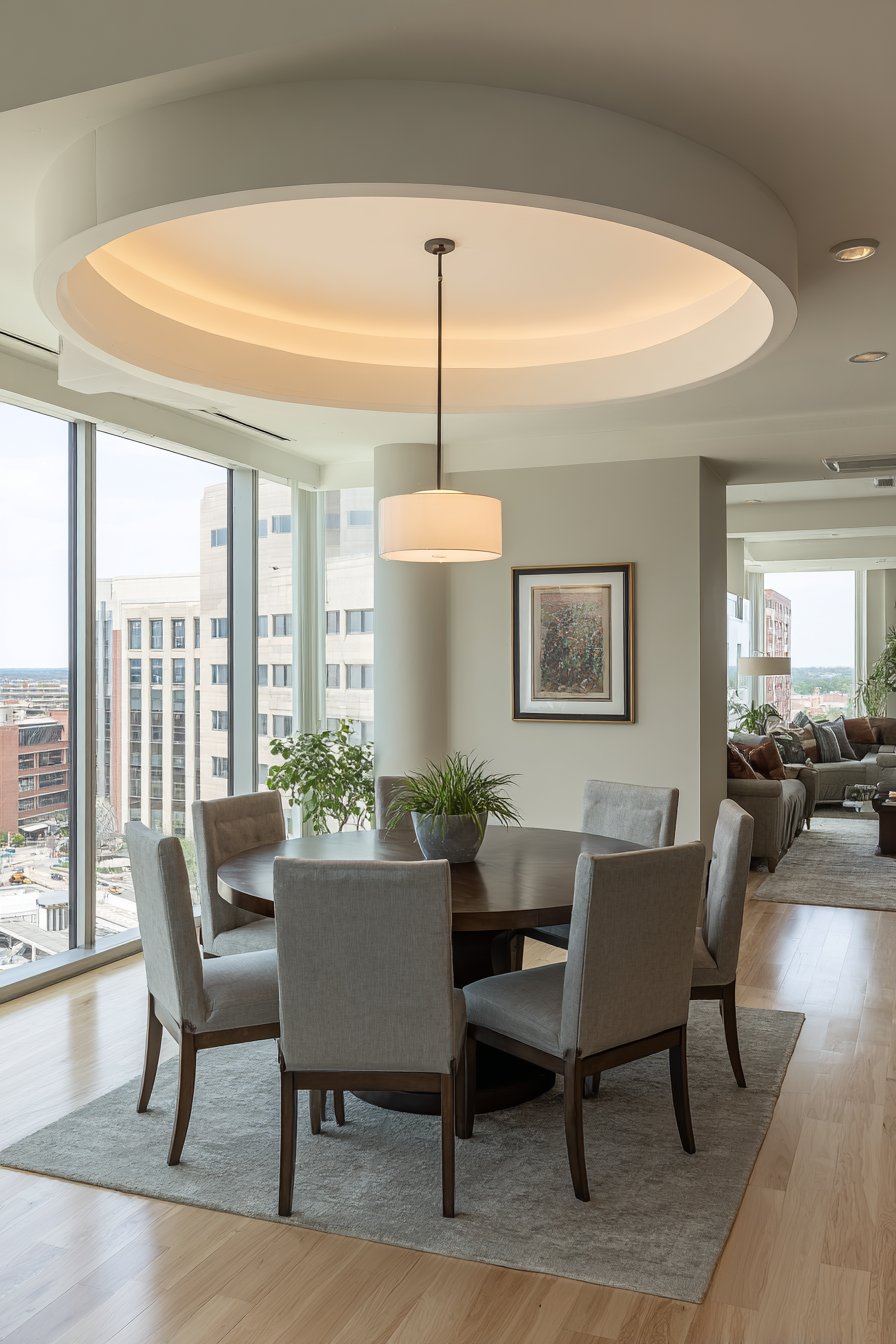
Round tables utilize floor space more efficiently than rectangular alternatives of similar capacity. A circular shape naturally nestles into corners and alcoves without leaving awkward dead zones. This geometric advantage means you can often accommodate the same number of diners while consuming less overall square footage.
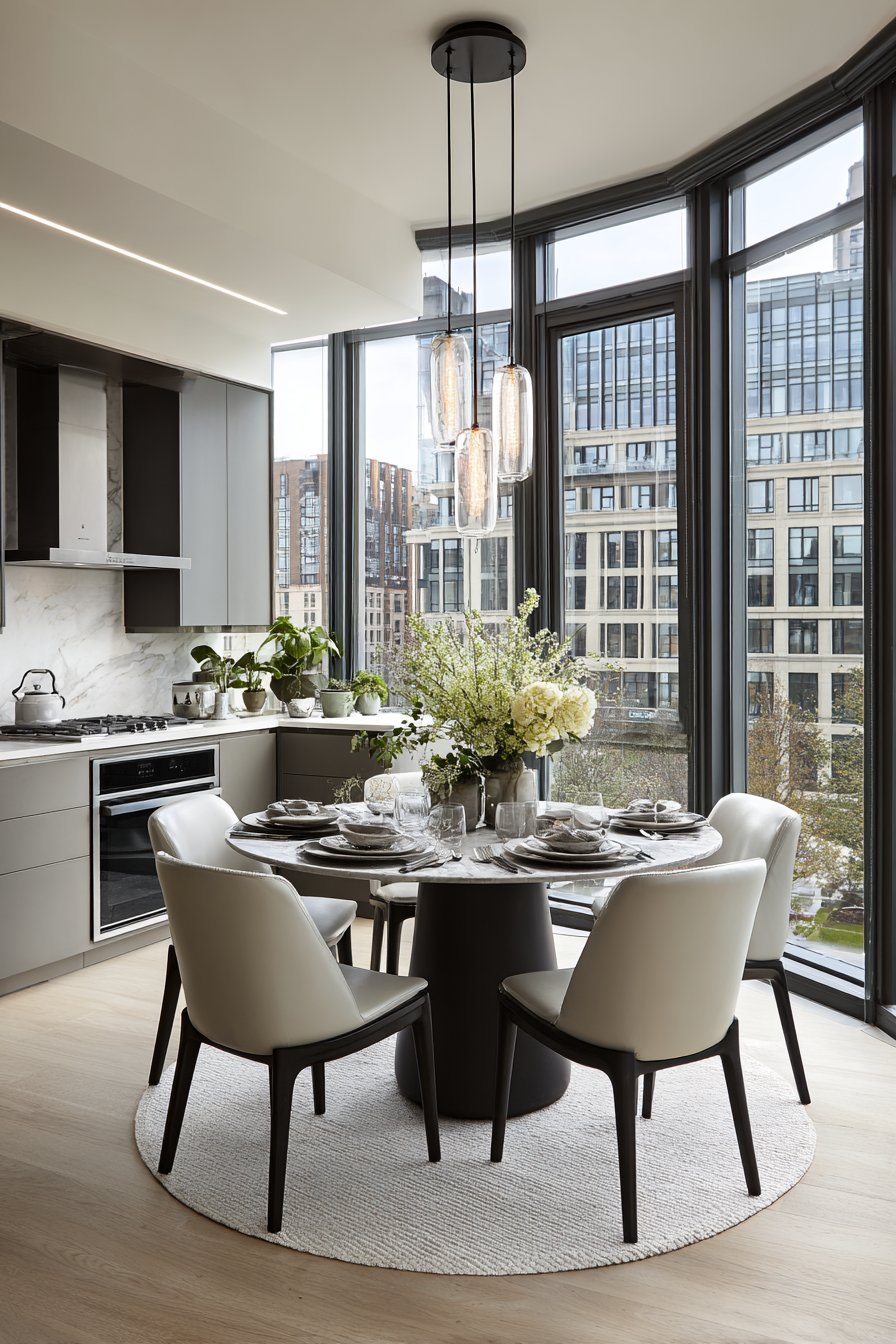
The absence of table ends eliminates wasted space where chairs cannot fit comfortably. Every point along the circumference becomes viable seating territory, allowing for flexible arrangements. You can squeeze in an extra guest by simply adding another chair along the curve without disrupting the table’s balance.
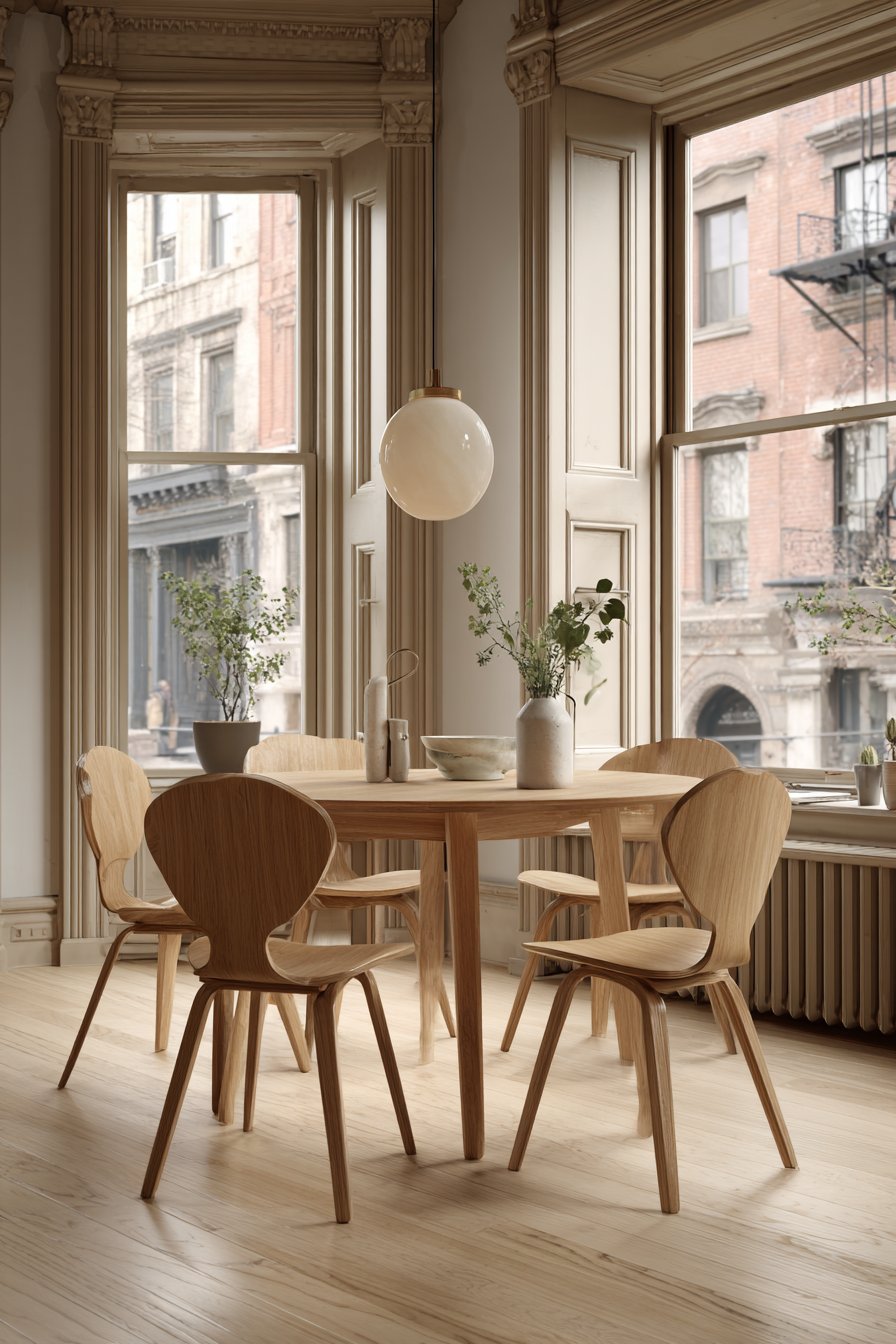
Pedestal bases further enhance this efficiency by removing the leg interference common with four-cornered table supports. Diners enjoy unrestricted legroom regardless of where they sit. This feature proves particularly valuable when hosting larger gatherings in limited square footage.
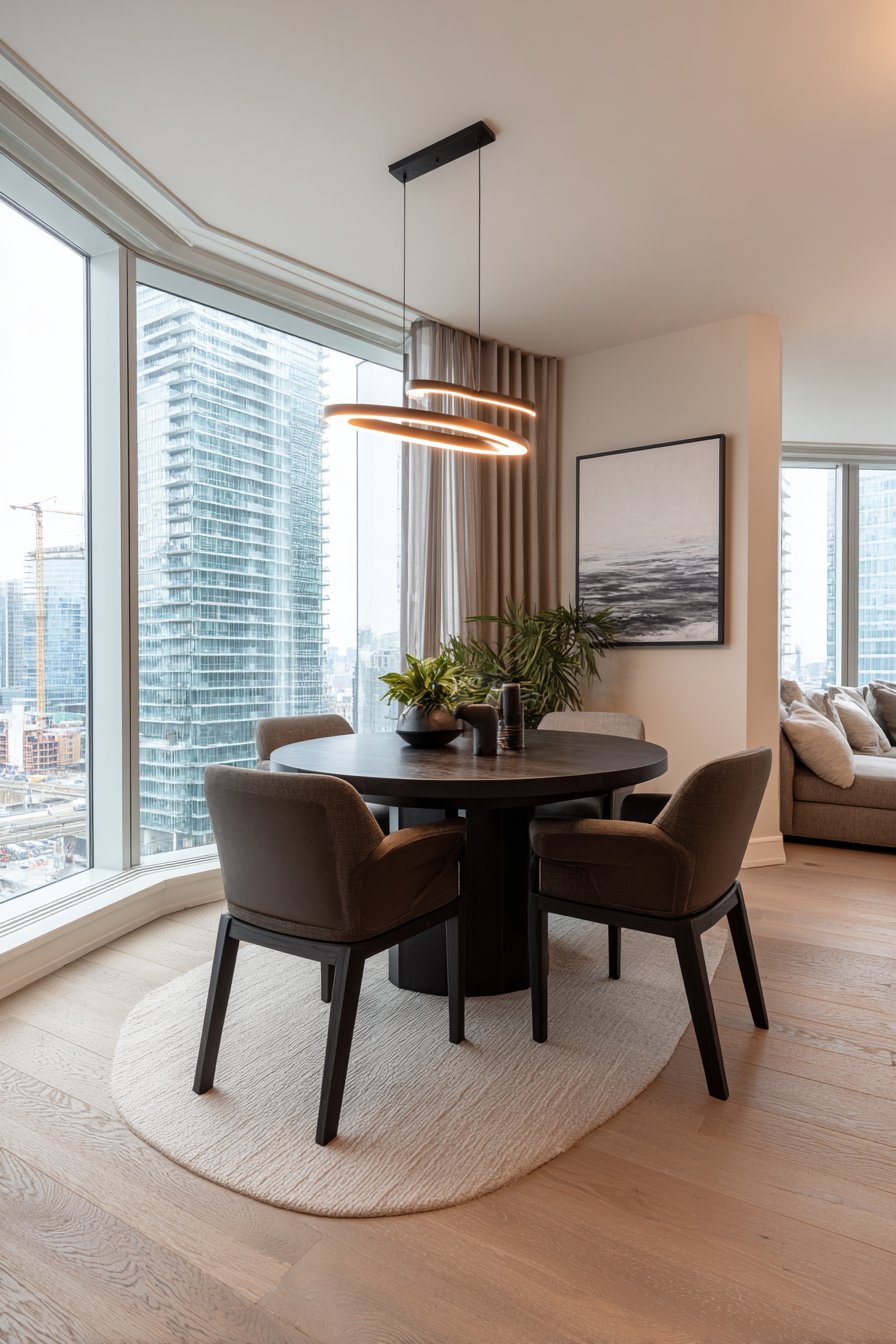
- Measure your room carefully before shopping—allow 36-42 inches of clearance
- Select tables with diameters between 36-48 inches for optimal small-space performance
- Opt for pedestal or single-leg bases to maximize under-table space
- Consider extendable round tables that expand for occasional entertaining
- Use armless chairs or benches to tuck completely under the table when not in use
- Calculate seating by allowing 24-30 inches of circumference per person
3. Visual Softness Makes Rooms Feel More Spacious
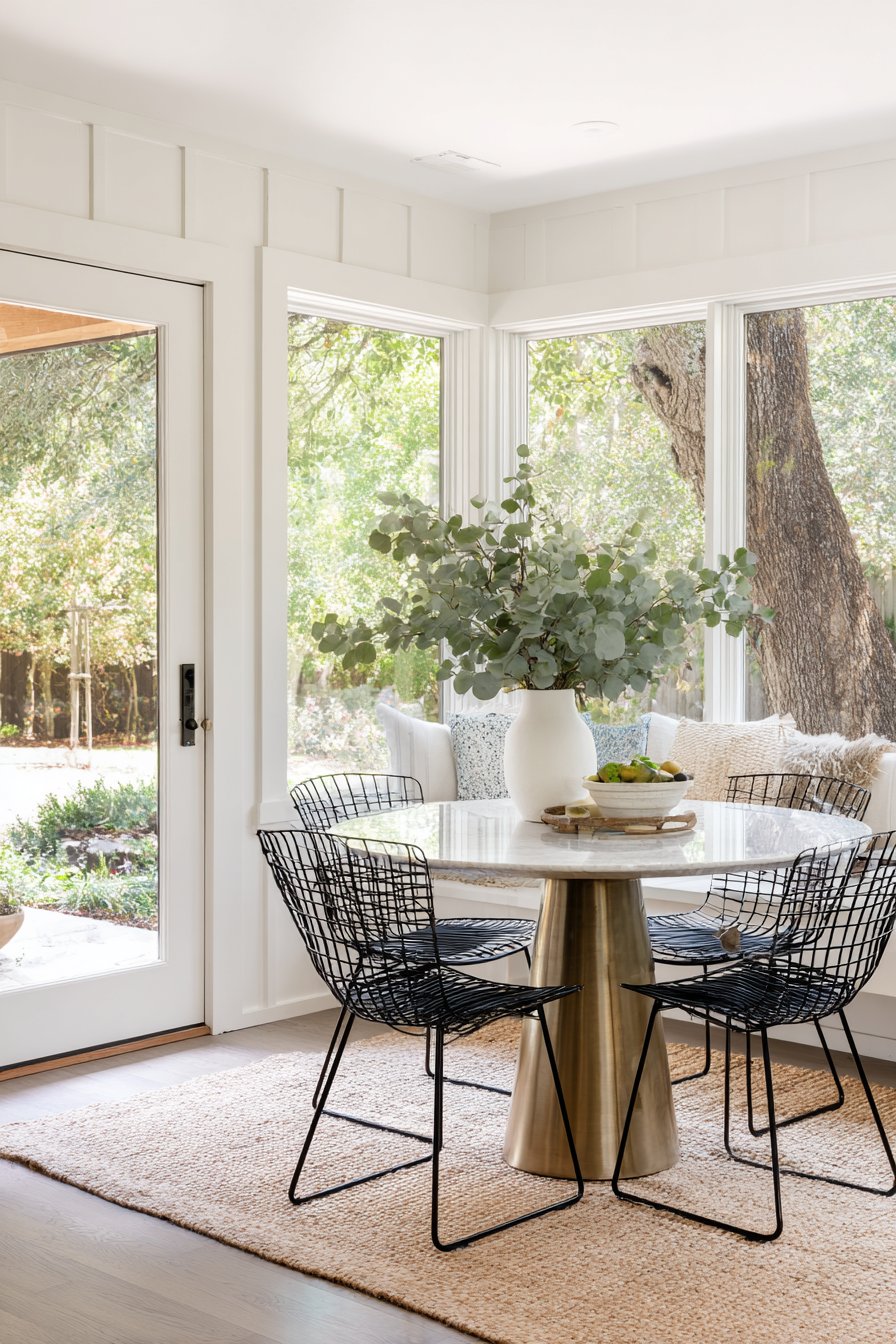
The continuous curve of a round table creates visual gentleness that makes small rooms feel less cluttered and boxed-in. Hard angles and straight lines can make compact spaces appear rigid and confined. Circular shapes introduce organic flow that softens the overall aesthetic and creates psychological breathing room.
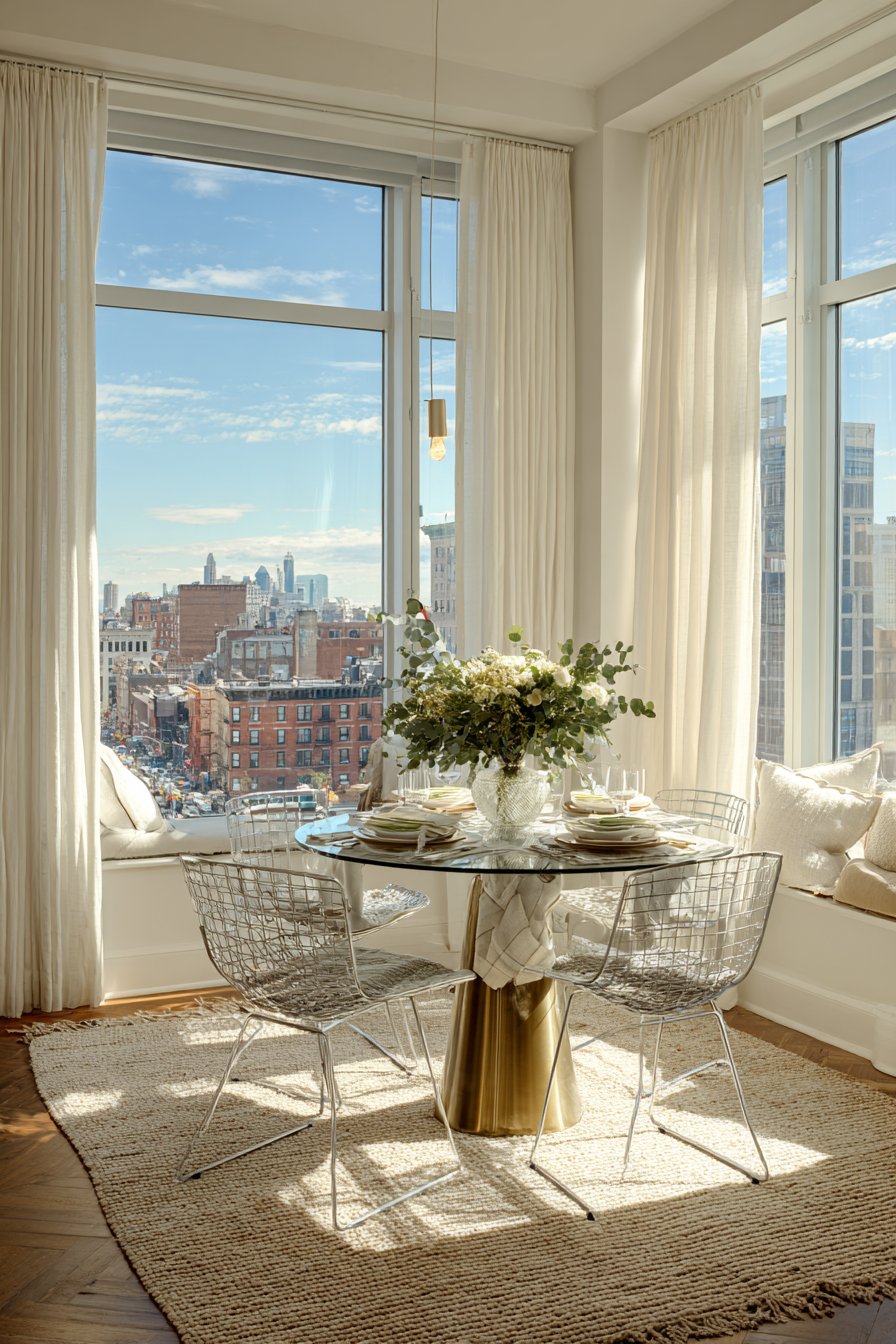
This rounded form serves as a counterpoint to rectangular architecture found in most homes. Walls, windows, and doorways already provide plenty of straight lines. Introducing curved furniture adds variety and visual interest while preventing the space from feeling too geometric and harsh.
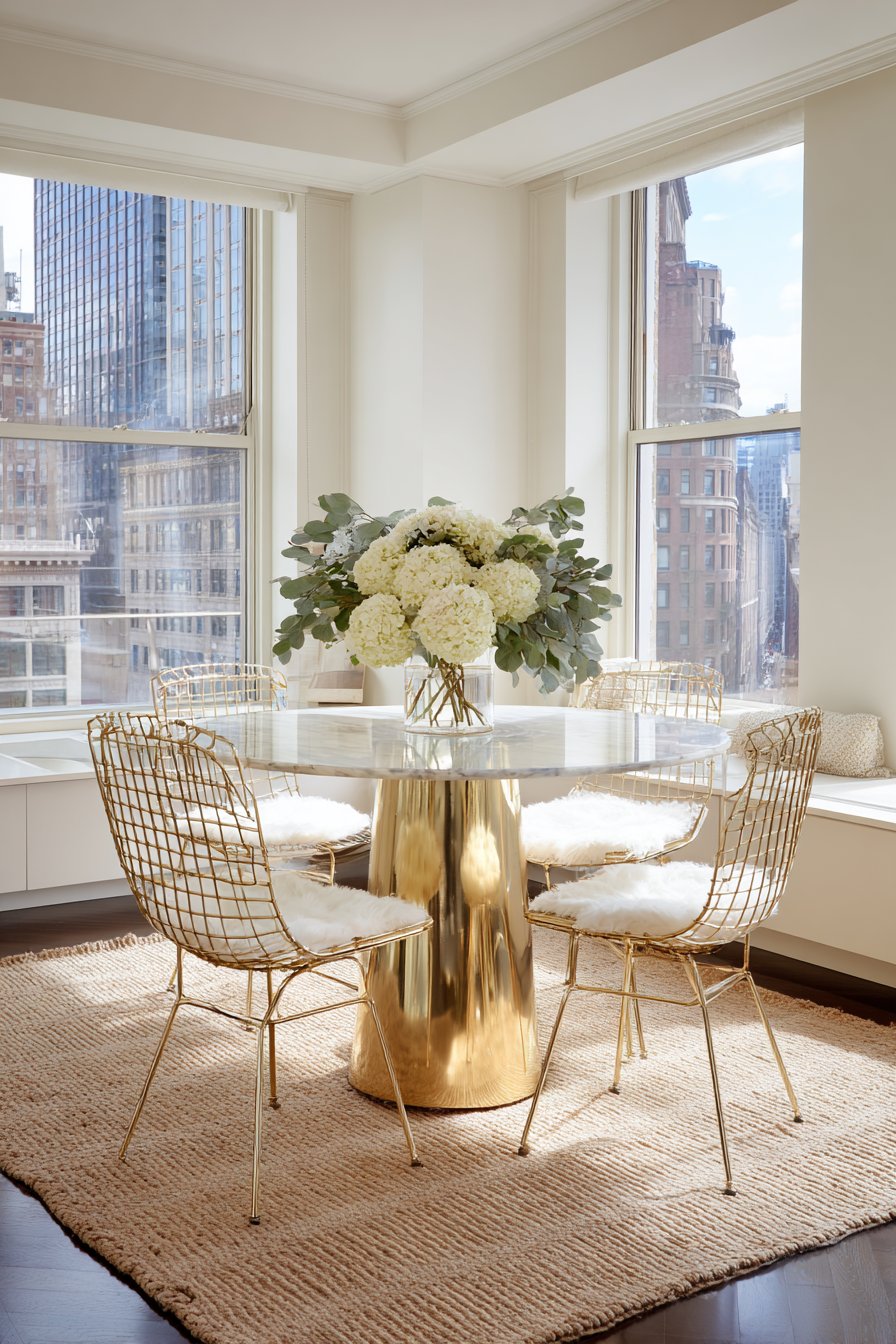
Round tables also appear less massive than rectangular ones of equivalent surface area. The lack of protruding corners reduces the table’s perceived footprint, creating an illusion of more available floor space. This perceptual trick proves valuable when trying to make tight quarters feel comfortable and welcoming.
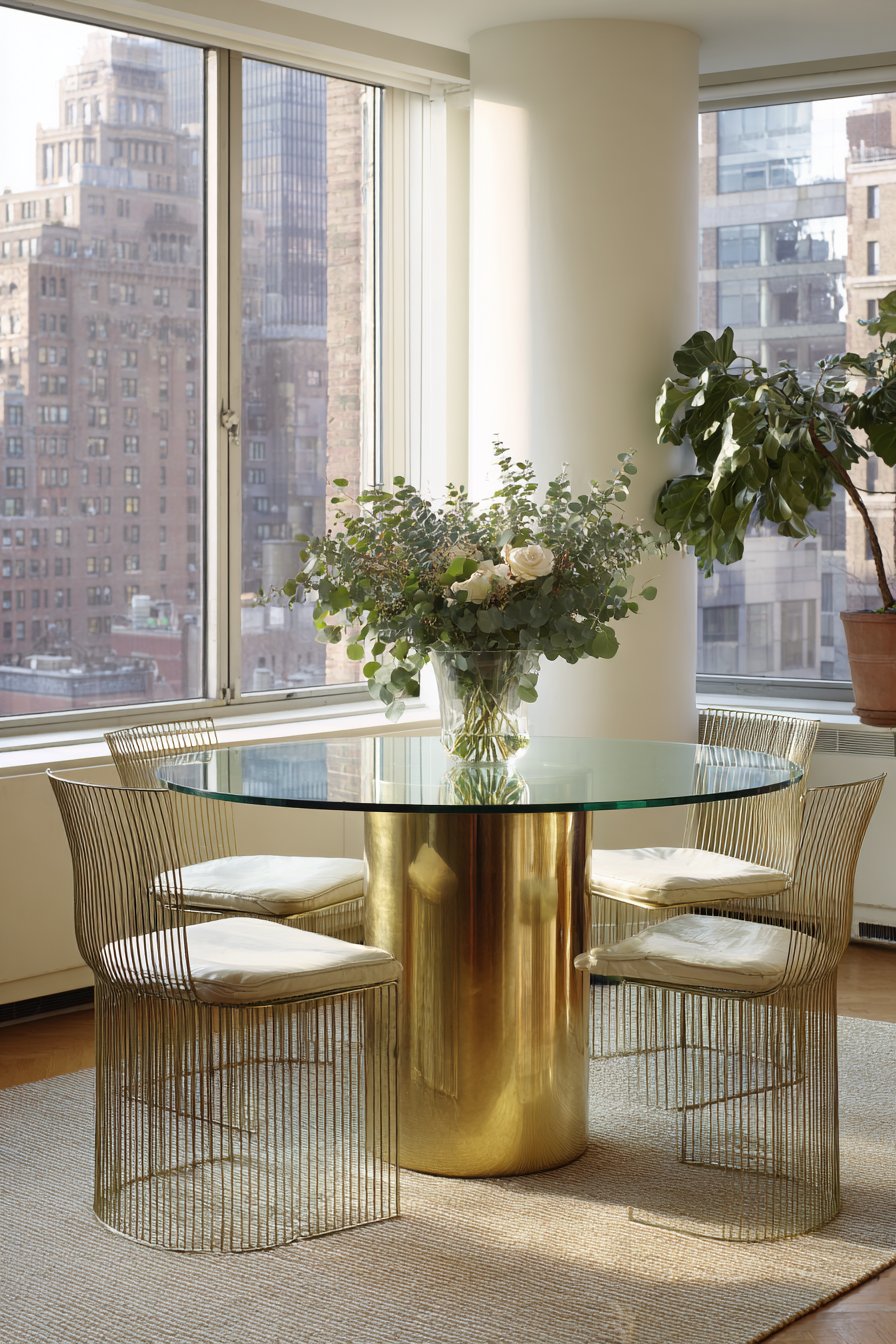
- Pair round tables with rectangular area rugs to define the dining zone
- Choose glass-top round tables to enhance the sense of openness
- Select lighter wood finishes or painted tables to reflect more light
- Position the table near windows to capitalize on natural illumination
- Use a round pendant light above to reinforce the circular theme
- Avoid bulky chairs—select streamlined designs that maintain visual lightness
4. Enhanced Social Interaction Creates Intimate Dining Experiences
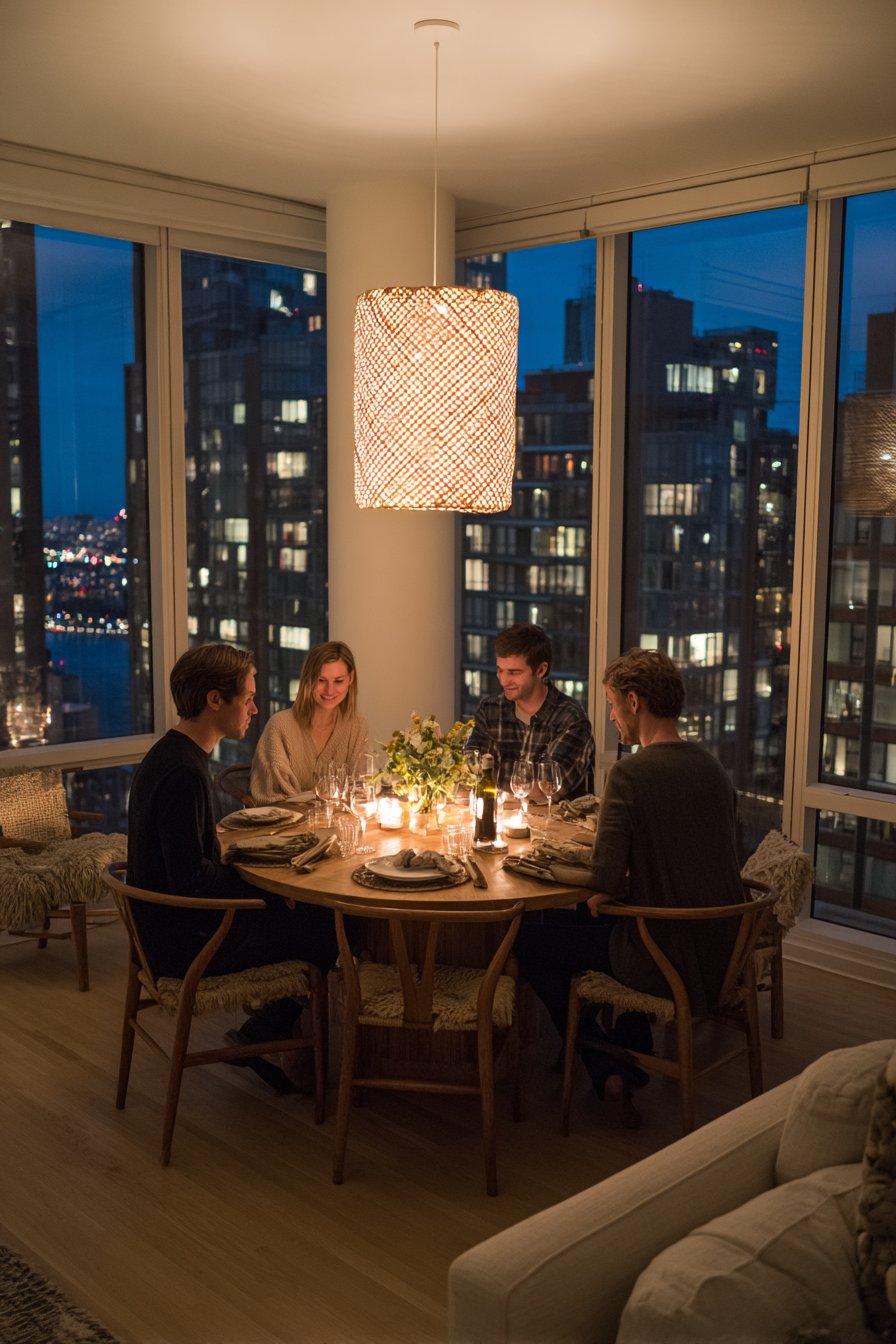
Round tables eliminate the head of the table hierarchy, creating egalitarian seating where everyone feels equally included. No one sits at awkward end positions or gets relegated to less desirable spots. This democratic arrangement encourages conversation flow and makes gatherings feel more cohesive and connected.
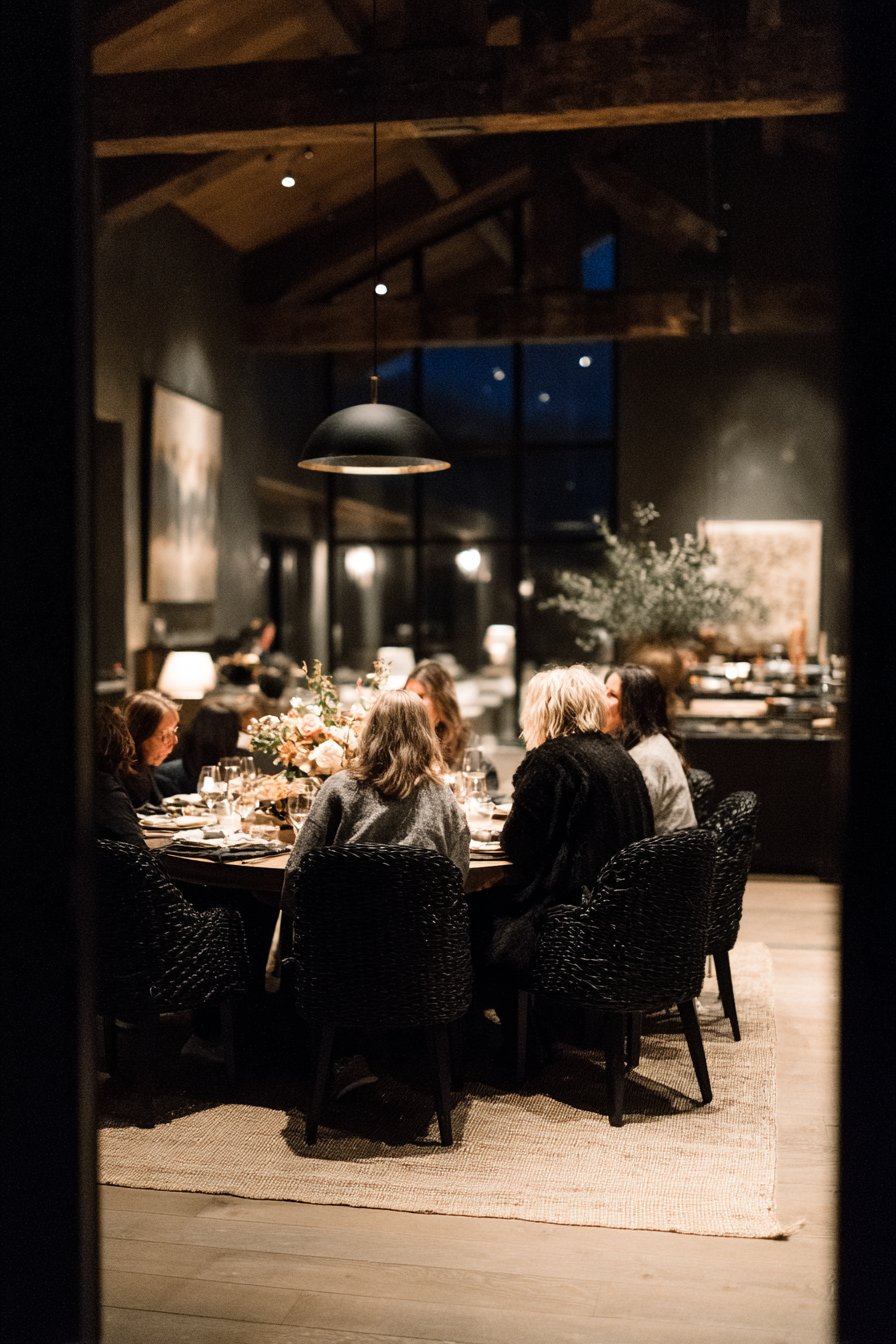
The circular configuration brings diners closer together compared to rectangular arrangements. Everyone sits within easy conversational distance, eliminating the need to raise voices or crane necks. Eye contact becomes natural and effortless, fostering meaningful connections during meals.
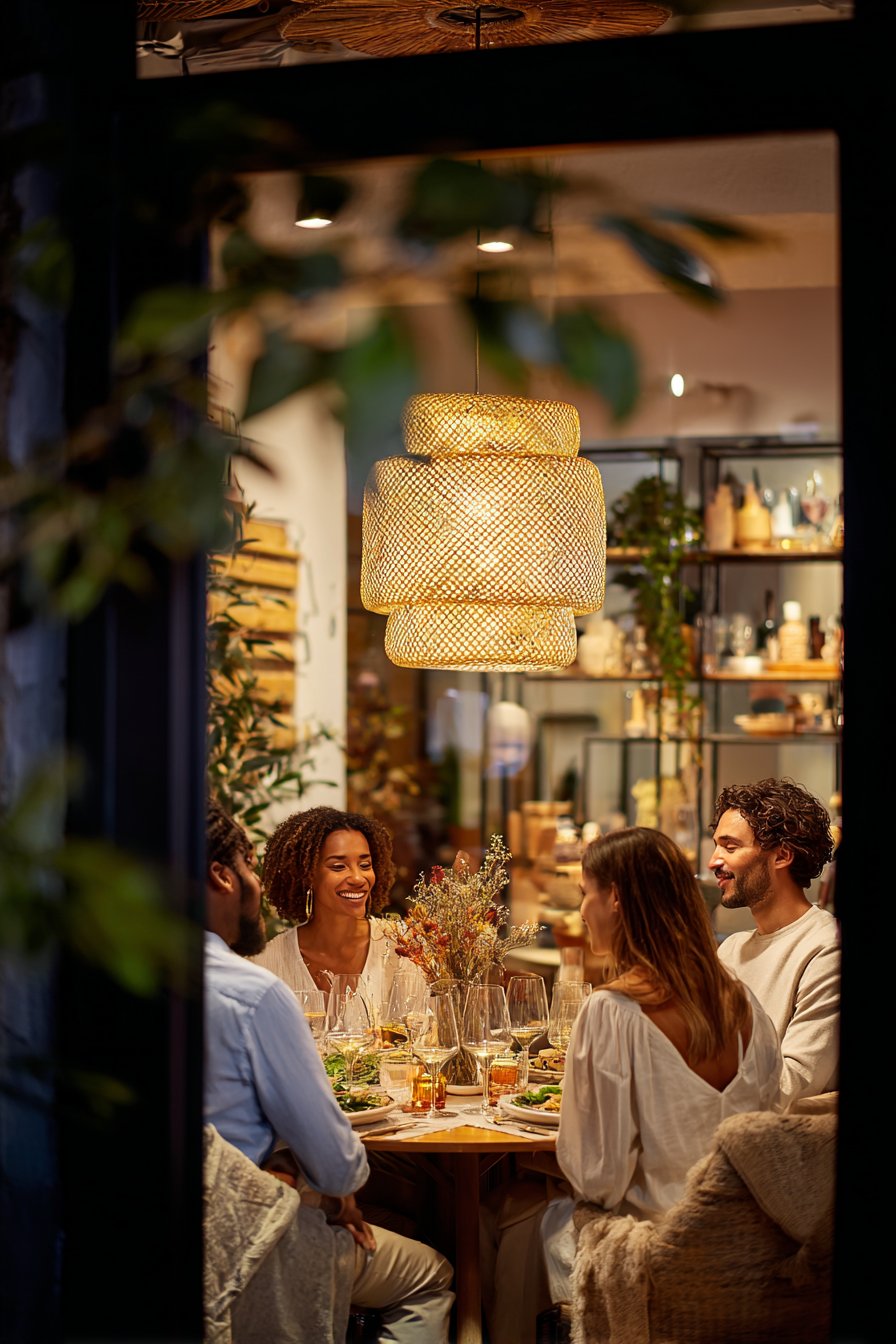
This intimate arrangement proves perfect for small families or couples who prioritize quality time together. The cozy setup transforms everyday meals into special moments. Even solo diners find round tables more inviting than larger rectangular surfaces that emphasize empty space.
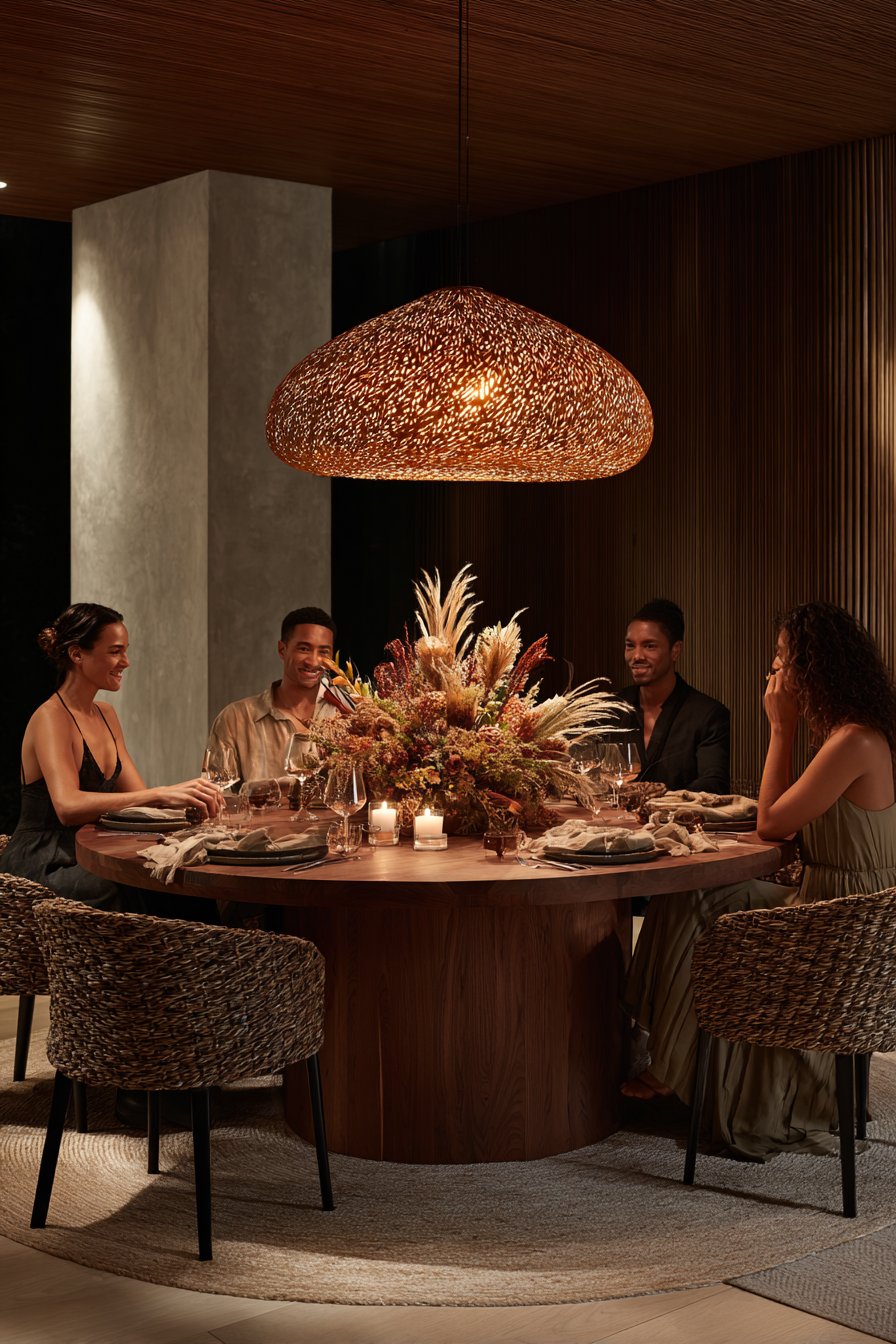
- Choose table diameters that keep diners within 4-6 feet of each other
- Position the table to create a defined dining zone separate from other activities
- Add a centerpiece that doesn’t obstruct sightlines across the table
- Use individual placemats rather than long table runners for better visibility
- Incorporate comfortable seating to encourage lingering after meals
- Install dimmable lighting to create ambiance for different occasions
5. Versatile Styling Options Complement Various Design Aesthetics
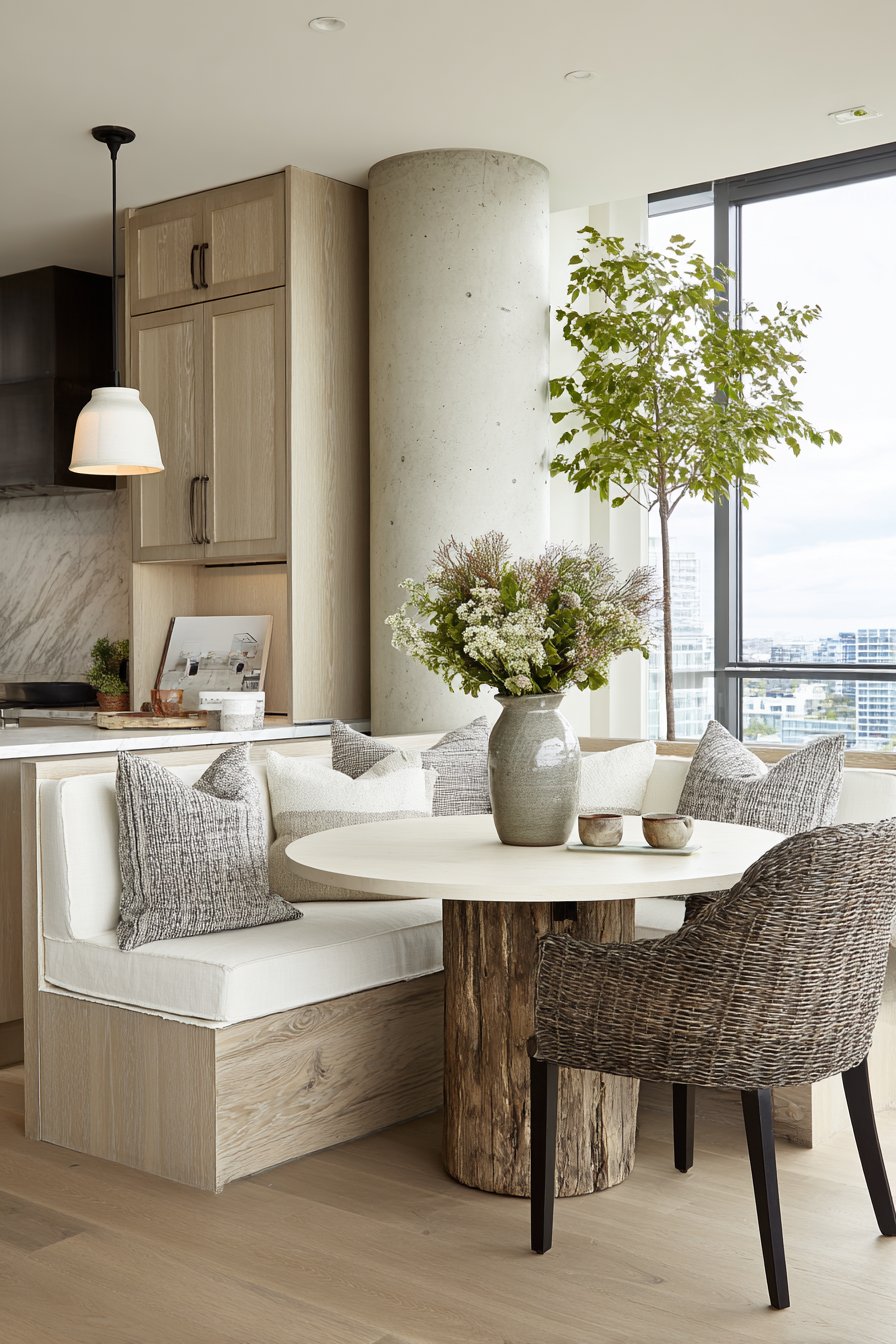
Round tables adapt seamlessly to multiple decorating styles from traditional to contemporary. Their simple geometric form serves as a neutral foundation that doesn’t impose a specific aesthetic. This versatility allows you to change your decor theme without replacing major furniture pieces.
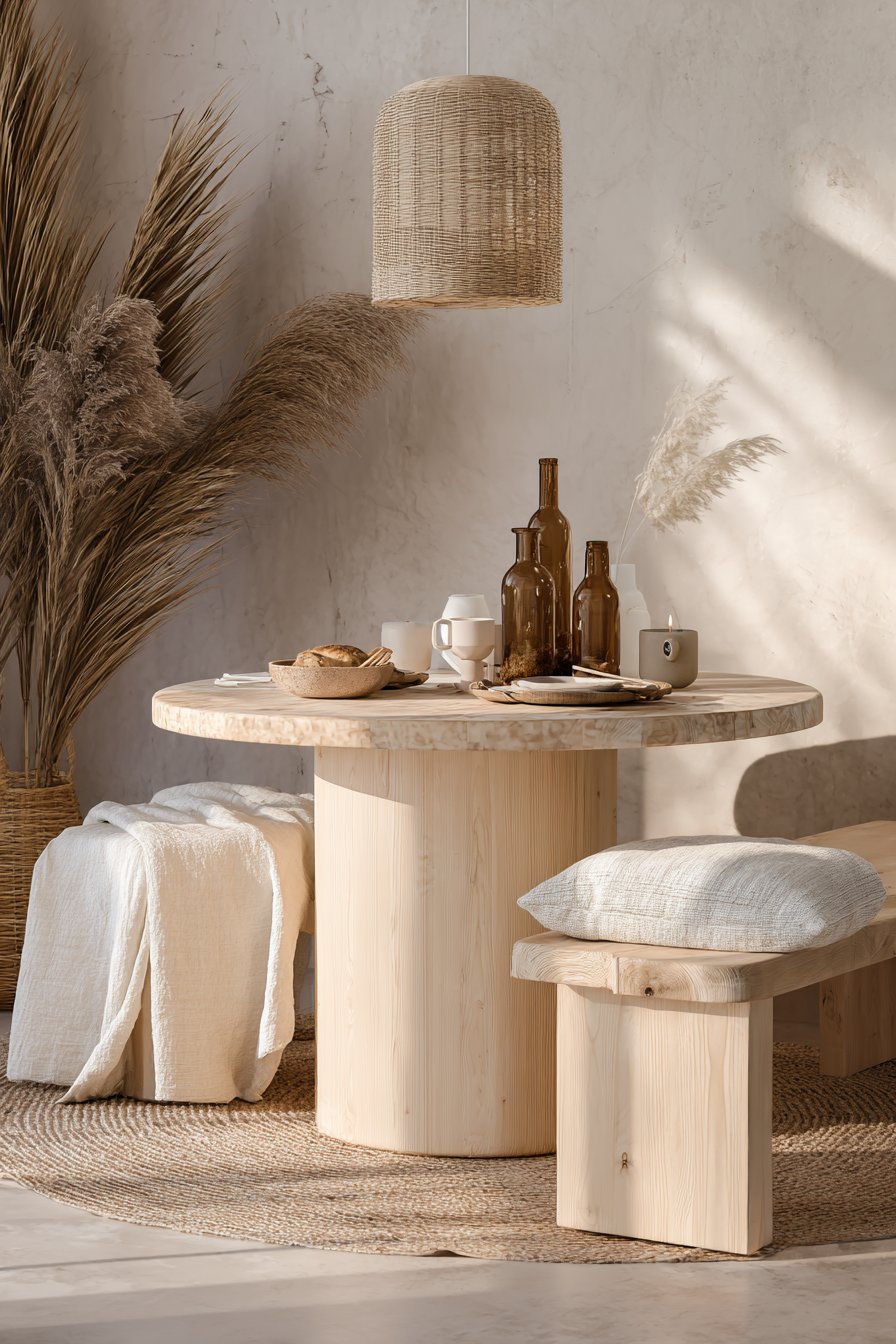
The circular shape works beautifully in both formal and casual settings. A pedestal table with ornate detailing brings elegance to traditional spaces, while a simple Scandinavian design fits minimalist interiors perfectly. Glass tops create modern sophistication, whereas reclaimed wood offers rustic charm.
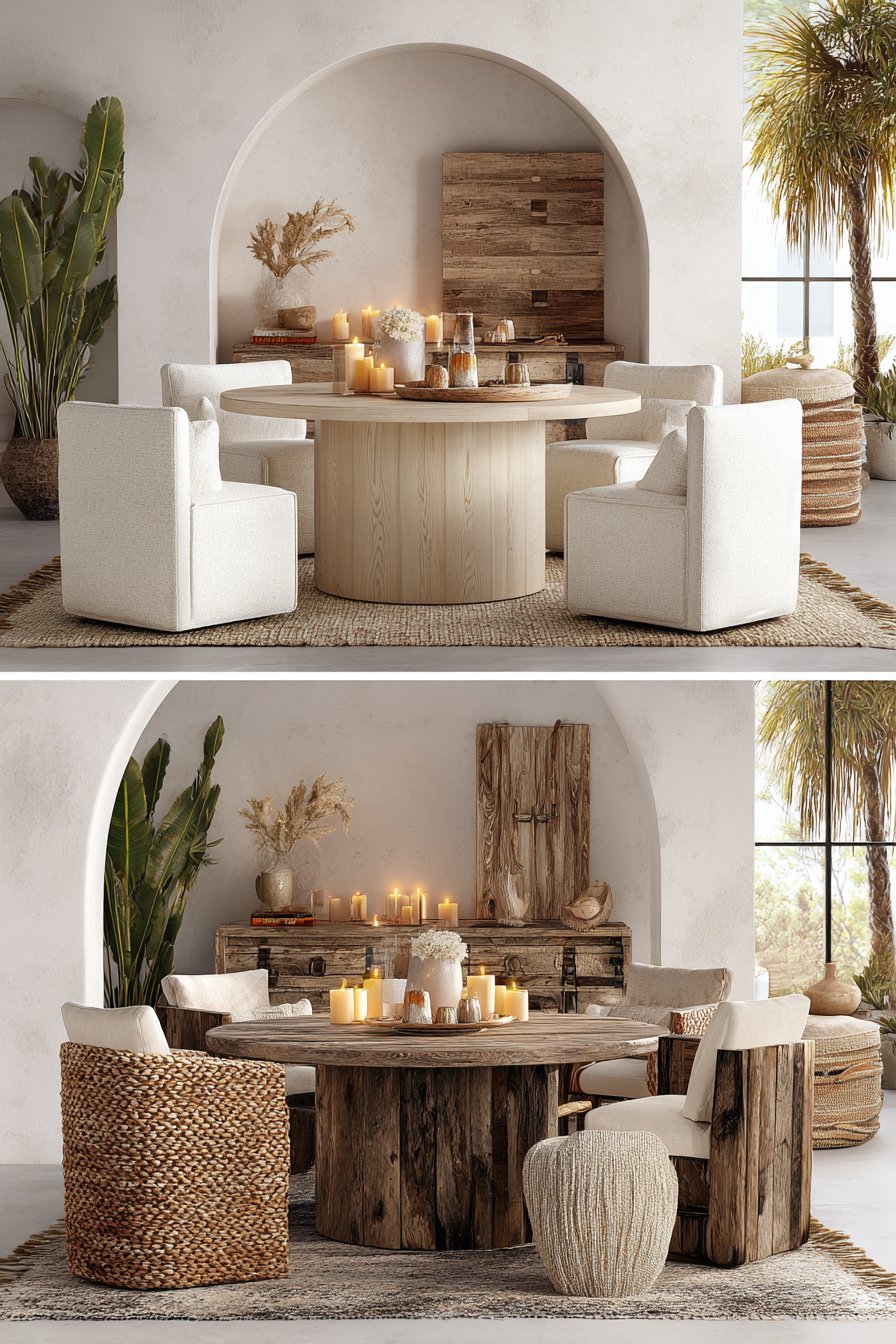
Small round tables also transition effectively between different functional roles in compact homes. A breakfast table can transform into a workspace during the day or a game table in the evening. This multipurpose capability maximizes value in homes where space limitations demand flexible furniture solutions.
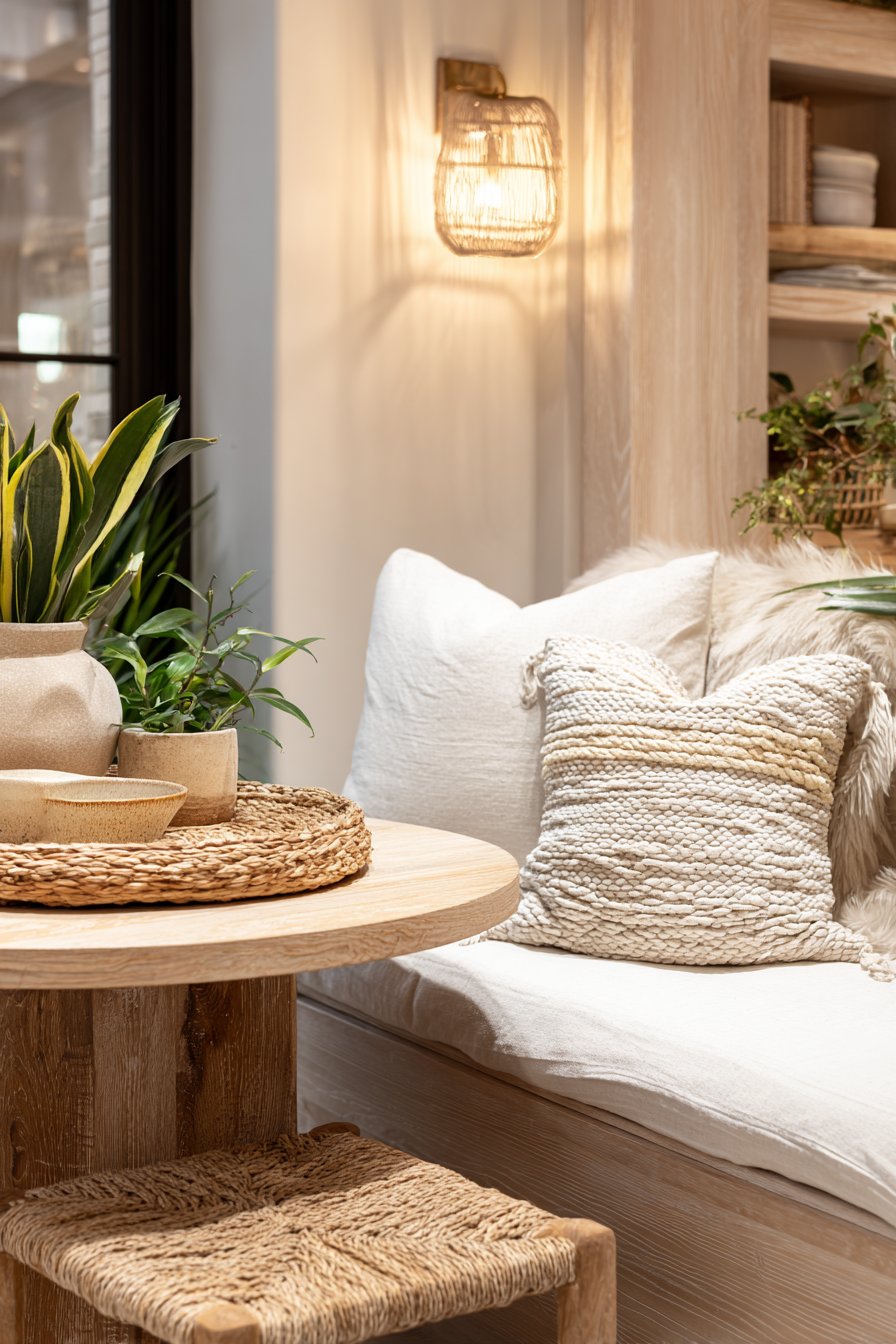
- Match the table base style to your room’s architectural details
- Consider materials that coordinate with existing furniture finishes
- Use table linens to quickly change the look for different occasions
- Select chairs in complementary or contrasting styles for visual interest
- Incorporate mixed seating—combine chairs with a small bench
- Accessorize with centerpieces that scale appropriately to the table size
6. Strategic Placement Options Maximize Room Functionality
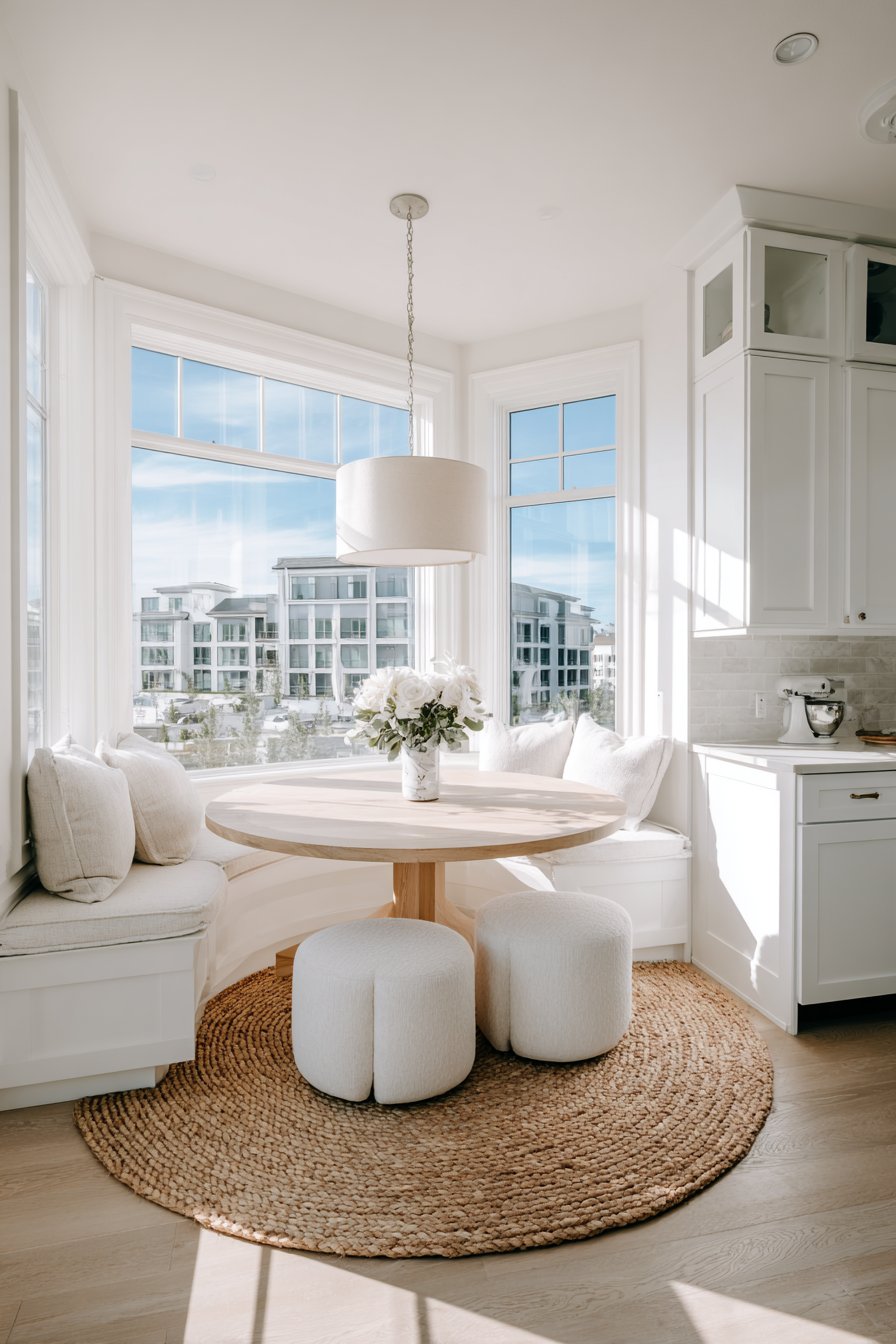
Round tables excel at fitting into unconventional spaces that rectangular tables cannot accommodate effectively. Bay windows, corner nooks, and awkward alcoves become perfect homes for circular dining surfaces. This adaptability helps you utilize every available inch of your compact living area.
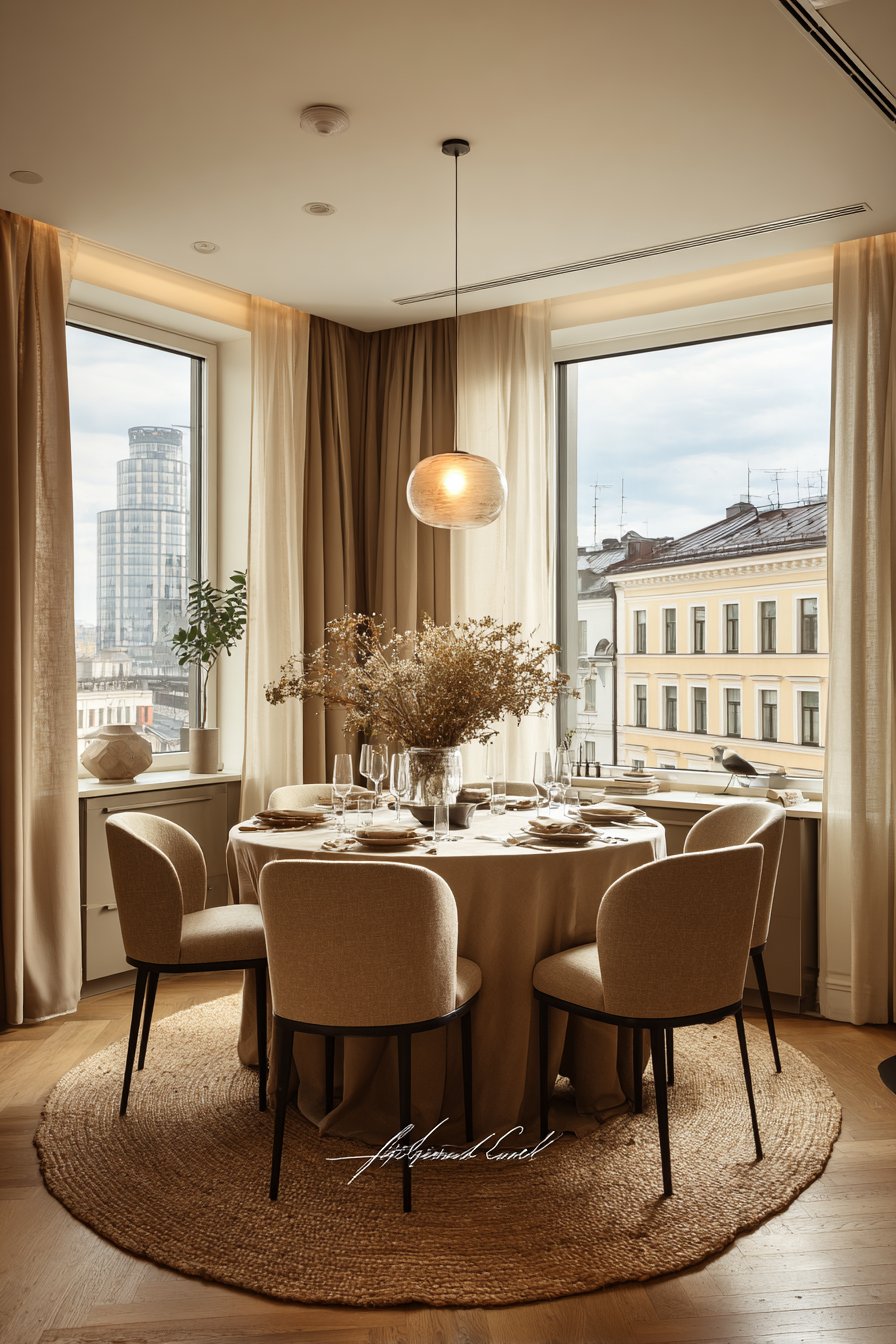
The symmetrical form allows placement anywhere in a room without worrying about orientation. You don’t need to align it parallel to walls or architectural features. This positioning freedom provides more layout options when arranging your space for optimal functionality.
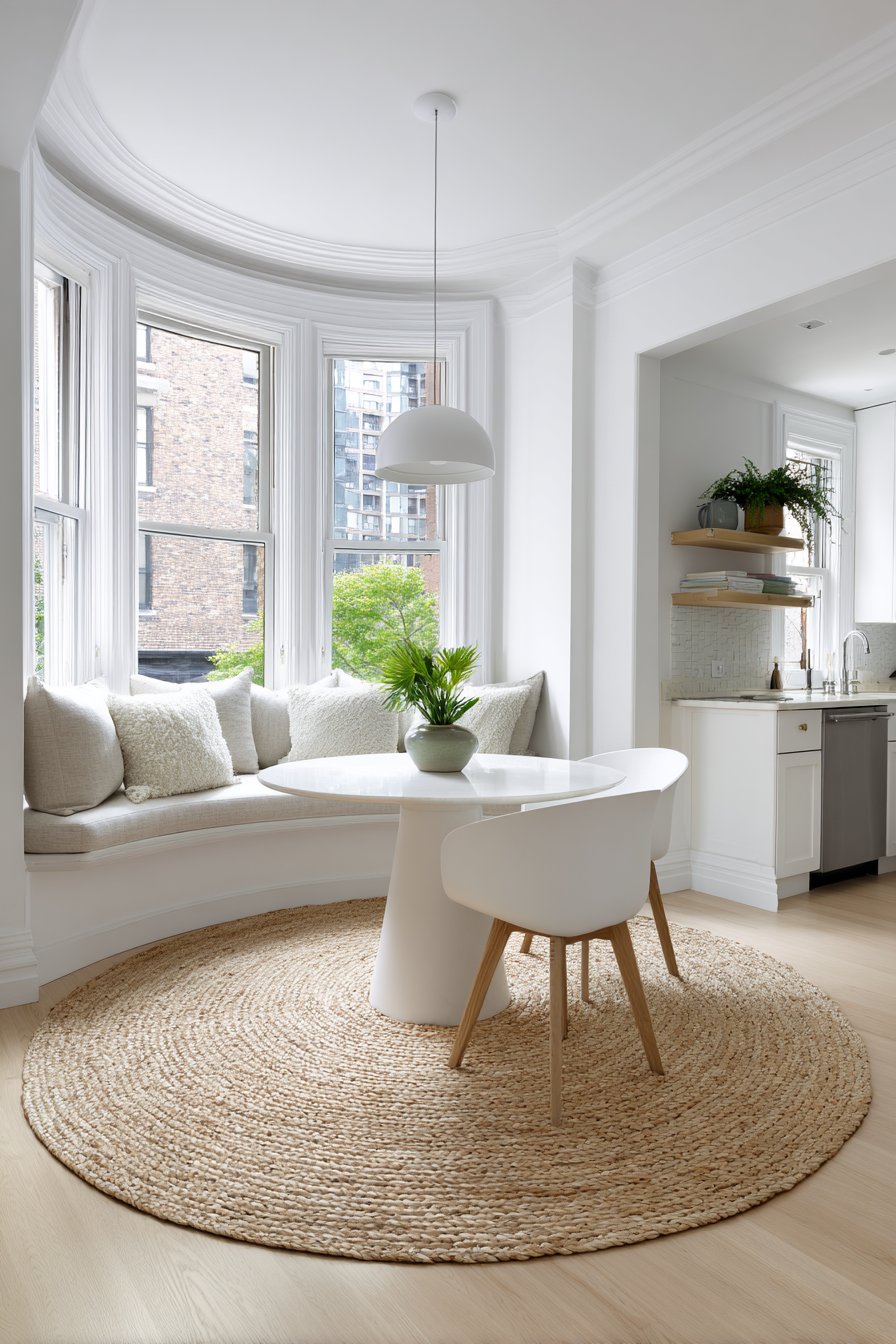
Circular tables also work well in open-concept floor plans where the dining area lacks defined walls. The round shape creates a natural gathering point that doesn’t disrupt traffic flow through adjacent spaces. This quality makes them ideal for studio apartments or loft-style homes with minimal separation between zones.
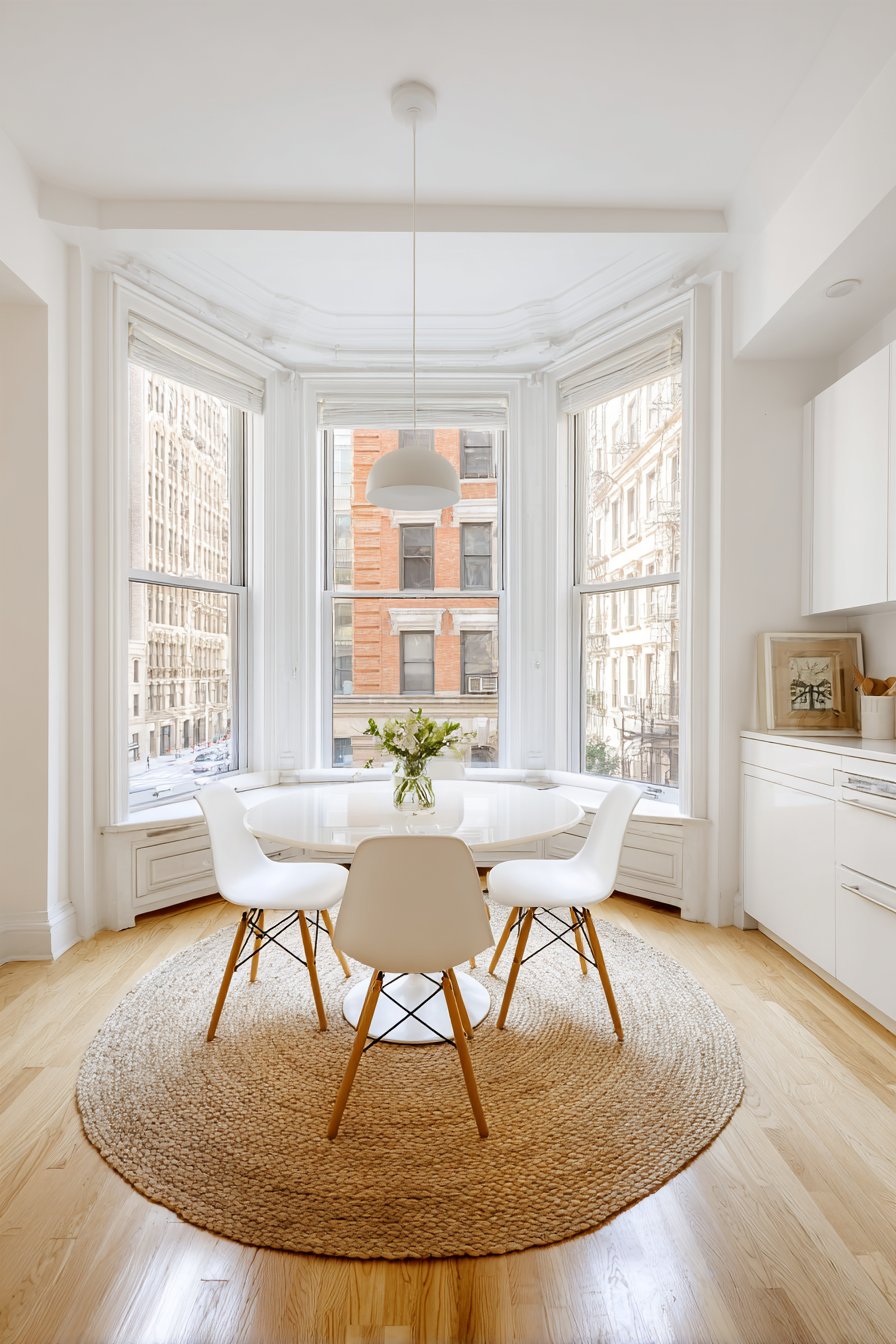
- Place tables near windows to capitalize on natural light and views
- Use area rugs to define dining zones in open-concept layouts
- Consider floating the table away from walls for 360-degree access
- Position tables to avoid blocking main pathways through the space
- Take advantage of corners by centering tables in angular spaces
- Test multiple configurations before committing to permanent placement
Conclusion
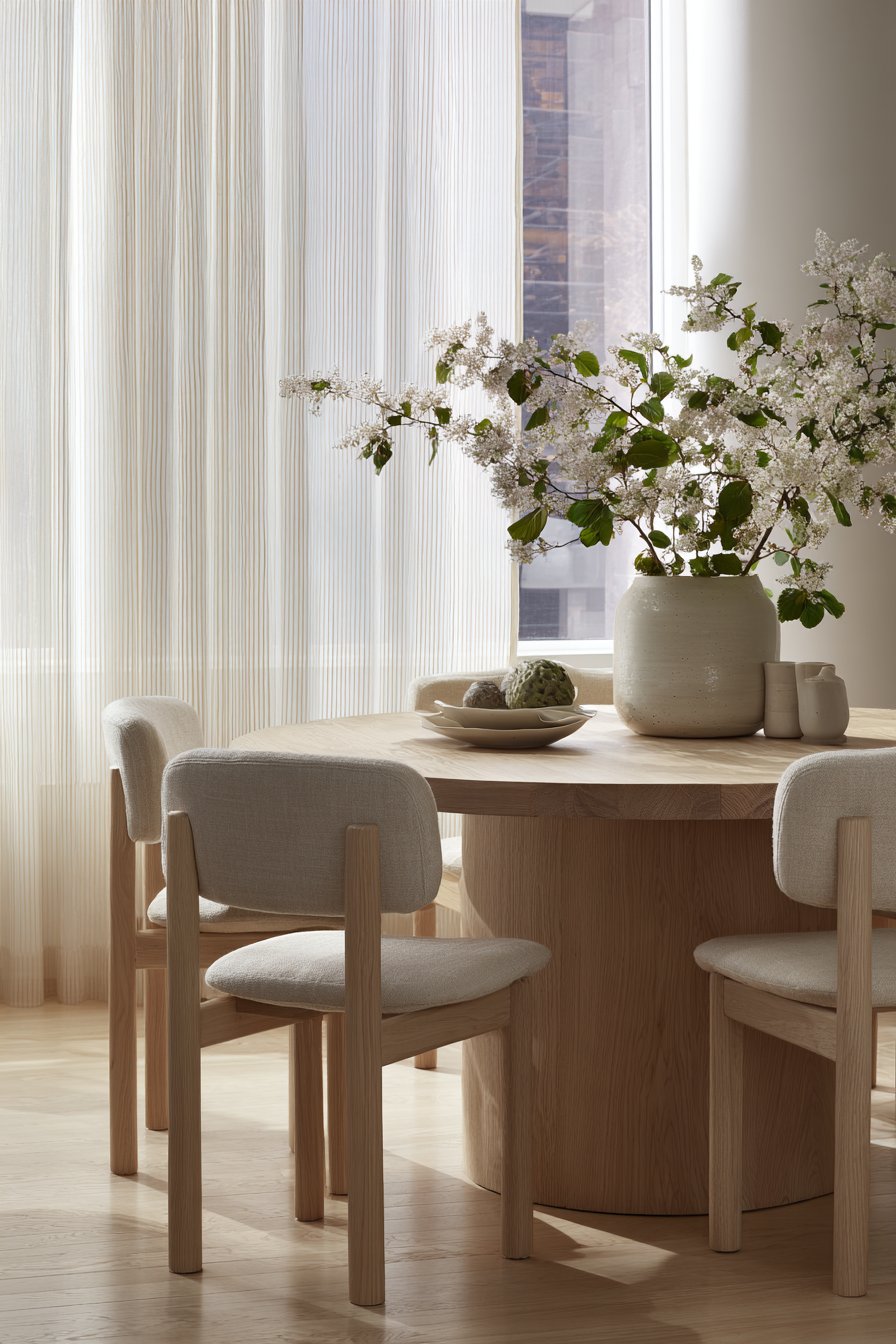
Round dining tables offer compelling advantages for small-space living through their corner-free design and efficient footprint. They maximize seating capacity while maintaining smooth traffic flow and creating intimate dining atmospheres. The visual softness of curved edges makes compact rooms feel more spacious and welcoming.
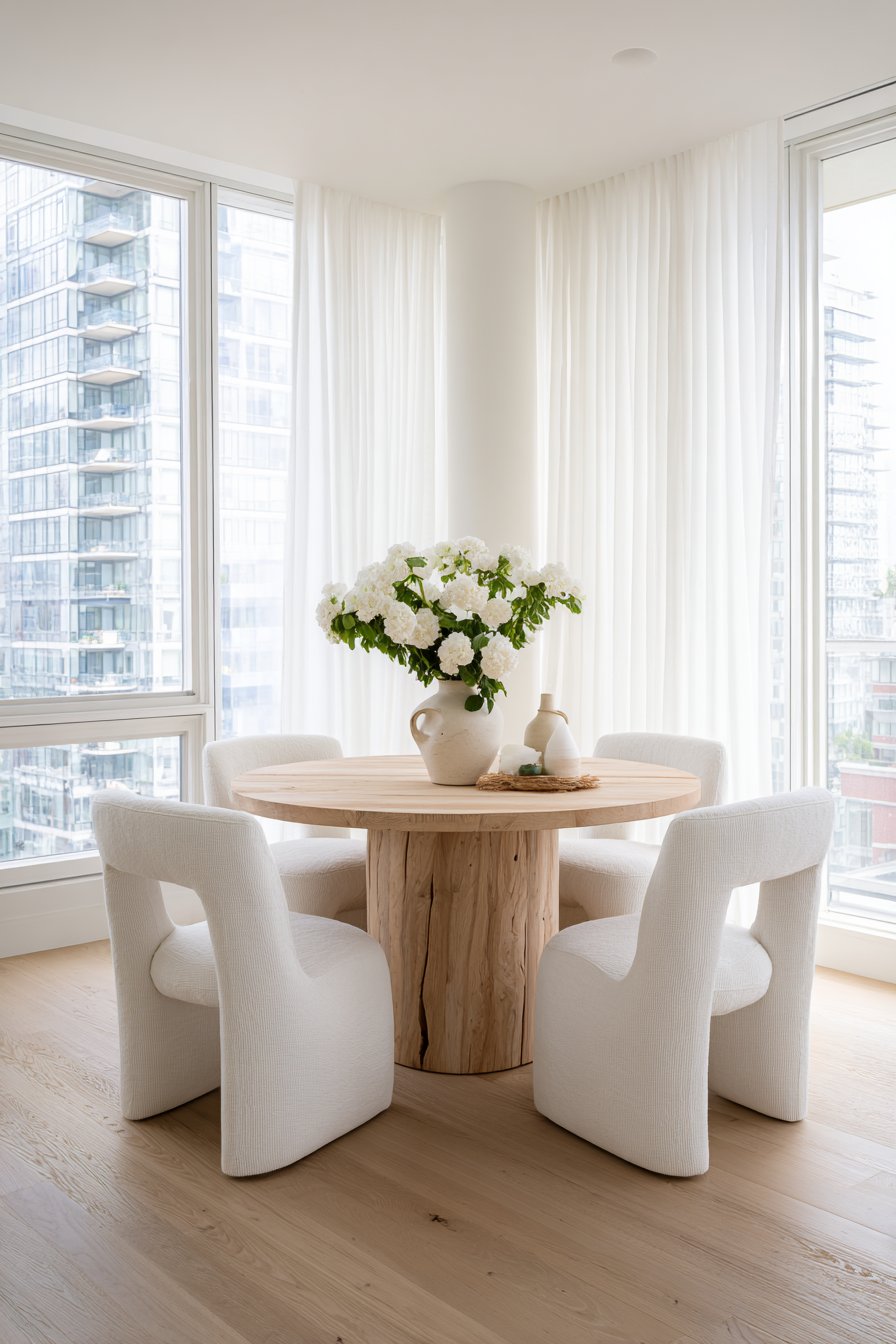
These versatile pieces adapt to various decorating styles and unconventional room layouts with ease. Whether you’re furnishing a cozy apartment or optimizing an eat-in kitchen, a round table deserves serious consideration. Embrace the circular solution and transform your small dining area into a functional, beautiful gathering space that enhances daily life and special occasions alike.
