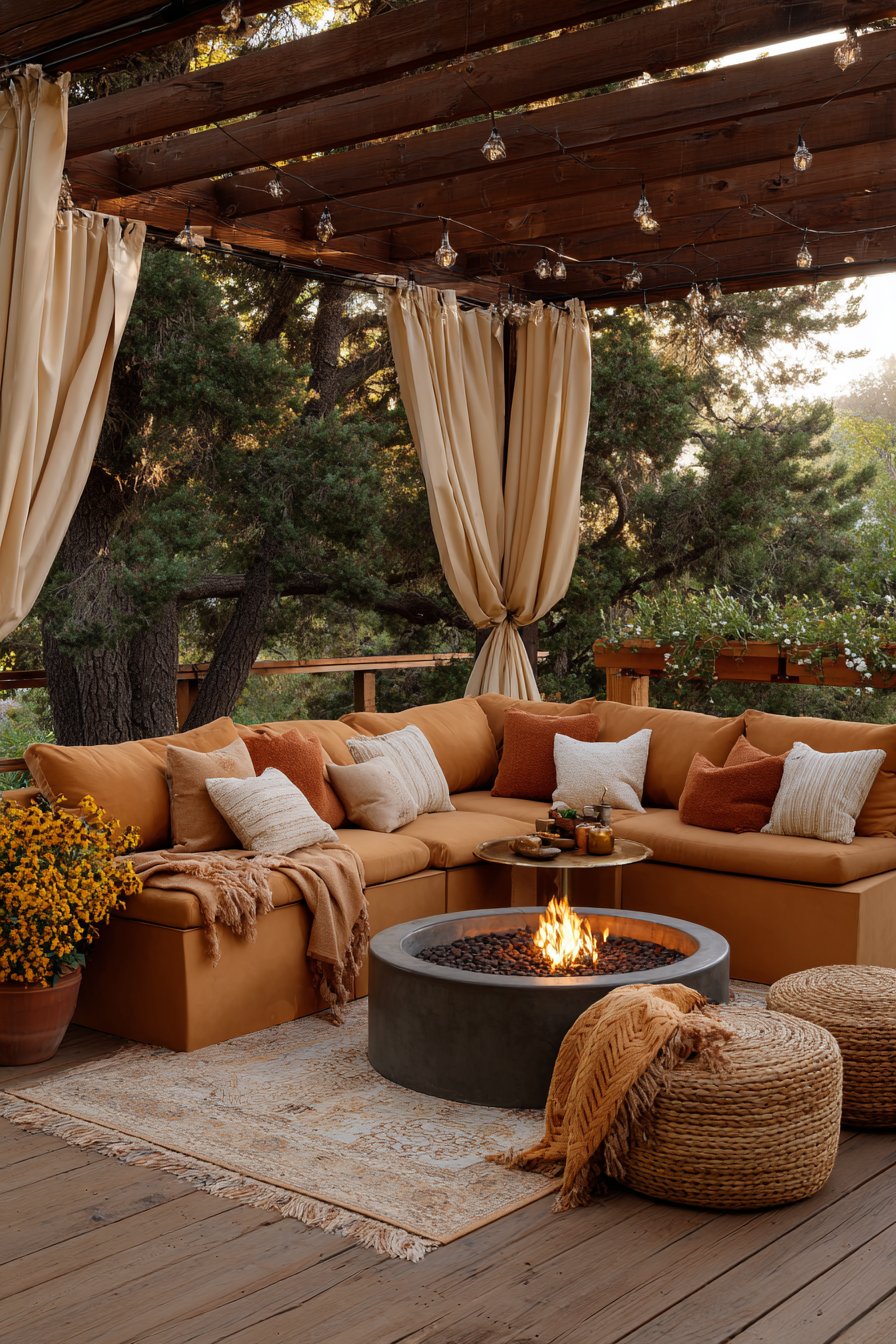


Creating an inviting outdoor sanctuary shouldn’t be limited to warm summer months. With thoughtful design choices and strategic planning, your patio, deck, or garden can become a year-round retreat that beckons you outside regardless of the season. The key lies in understanding how to blend comfort, functionality, and aesthetic appeal while accounting for changing weather conditions.
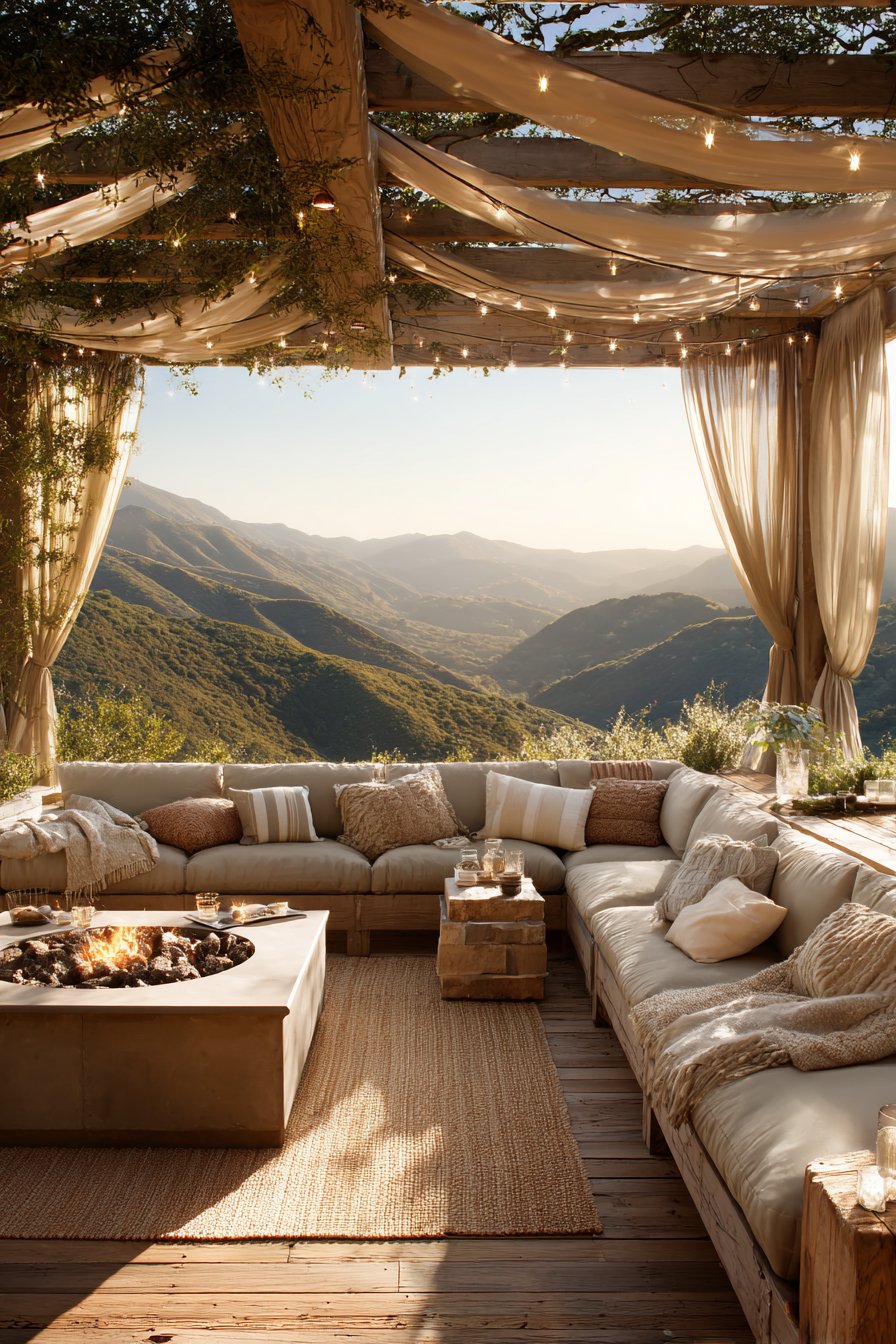
Modern outdoor living has evolved beyond simple patio furniture arrangements. Today’s homeowners seek spaces that offer the same level of comfort and style as their interior rooms. Whether you’re dealing with scorching summers, chilly winters, or unpredictable spring showers, these design strategies will help you create an outdoor oasis that remains welcoming throughout the calendar year. Each approach addresses specific challenges while maintaining the natural beauty that makes outdoor spaces so appealing.
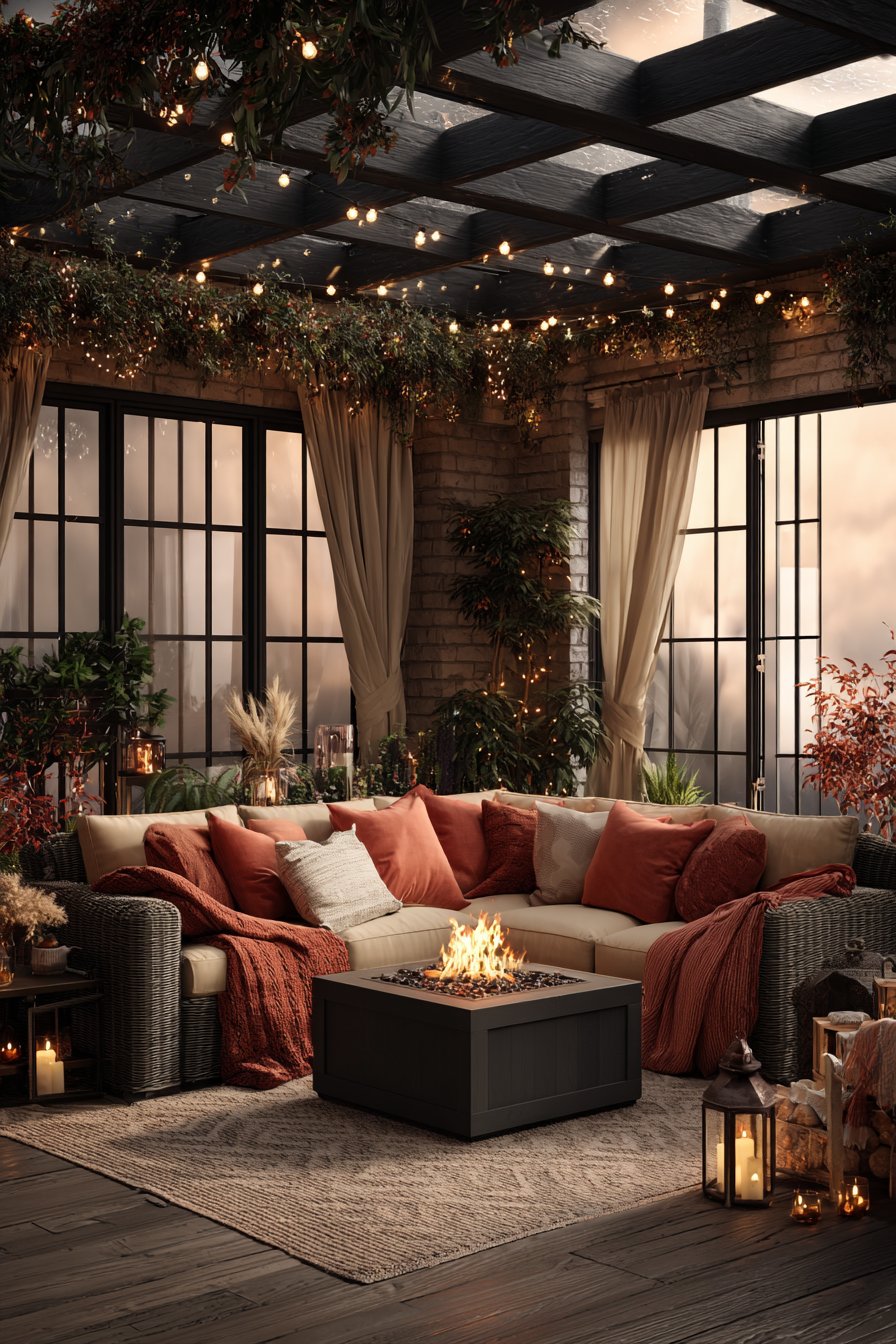
1. Invest in All-Weather Furniture
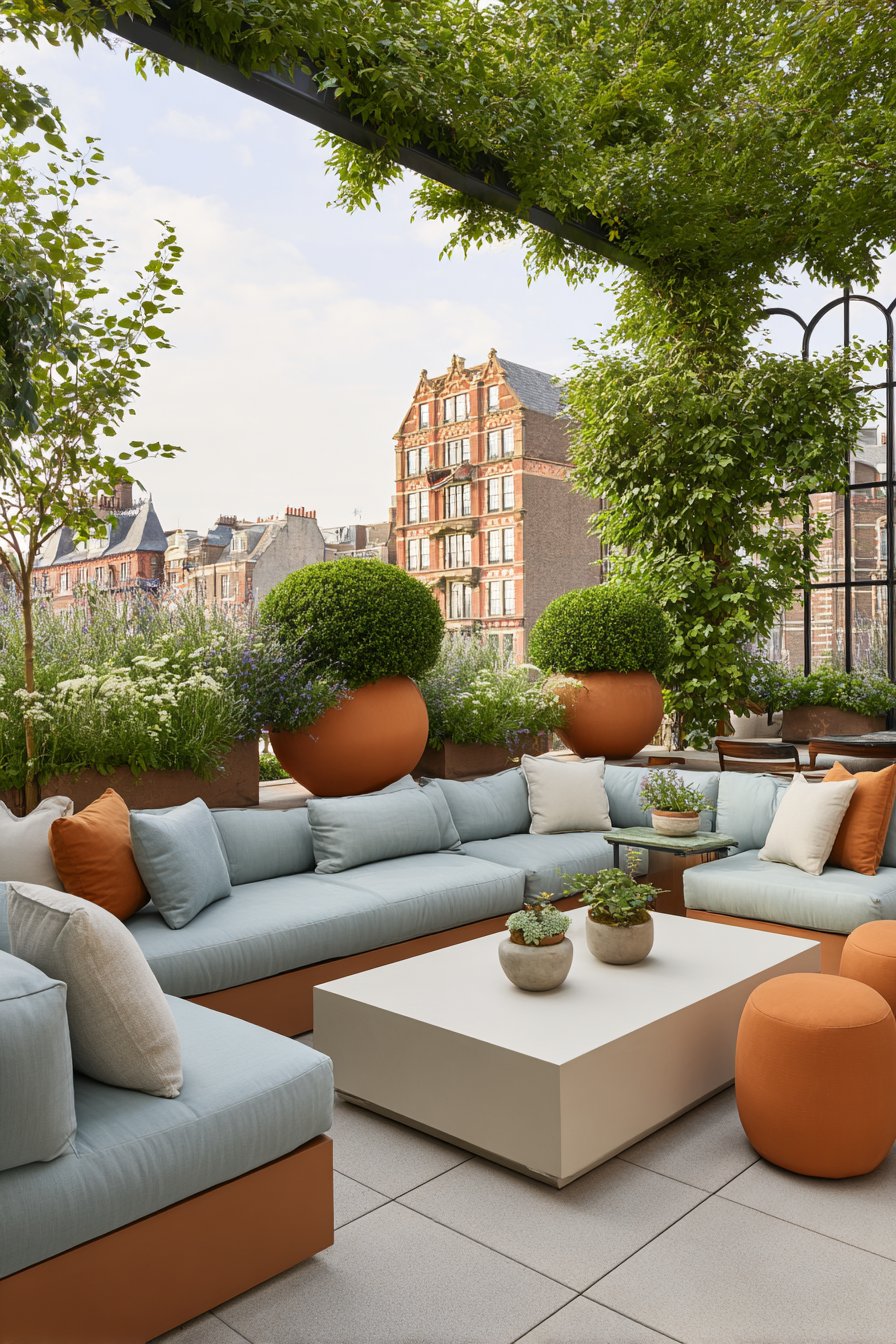
Selecting the right furniture forms the foundation of any year-round outdoor space. Traditional wicker and wood simply cannot withstand constant exposure to rain, snow, and UV rays without significant deterioration. Modern materials like powder-coated aluminum, synthetic resin wicker, and marine-grade fabrics offer exceptional durability while maintaining sophisticated aesthetics.
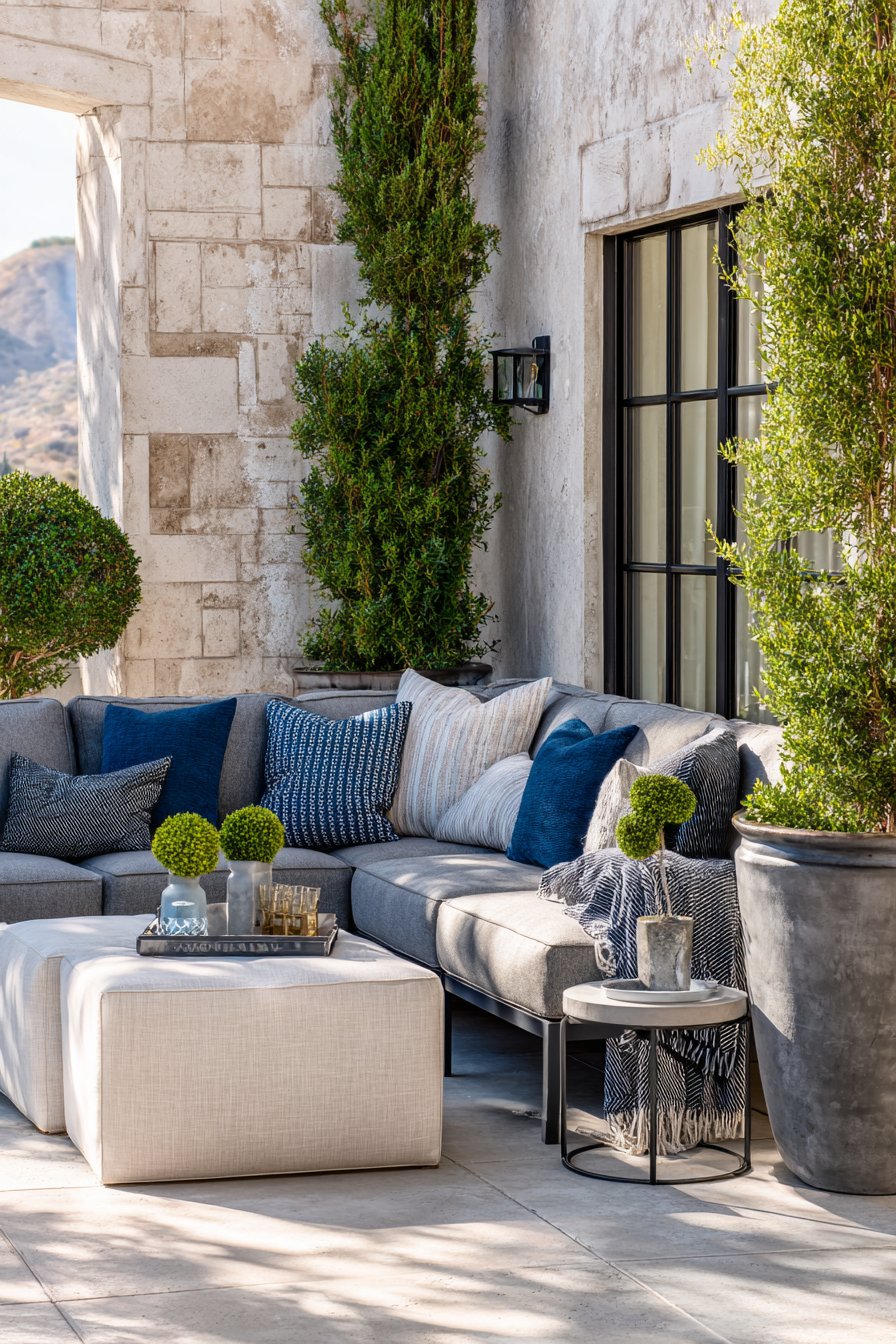
Quality outdoor furniture should combine weather resistance with genuine comfort. Look for pieces with rust-proof frames and quick-drying cushions made from solution-dyed acrylic fabrics. These materials resist fading, mildew, and moisture damage while providing the softness you’d expect from indoor seating. The initial investment pays dividends through extended lifespan and reduced replacement costs.
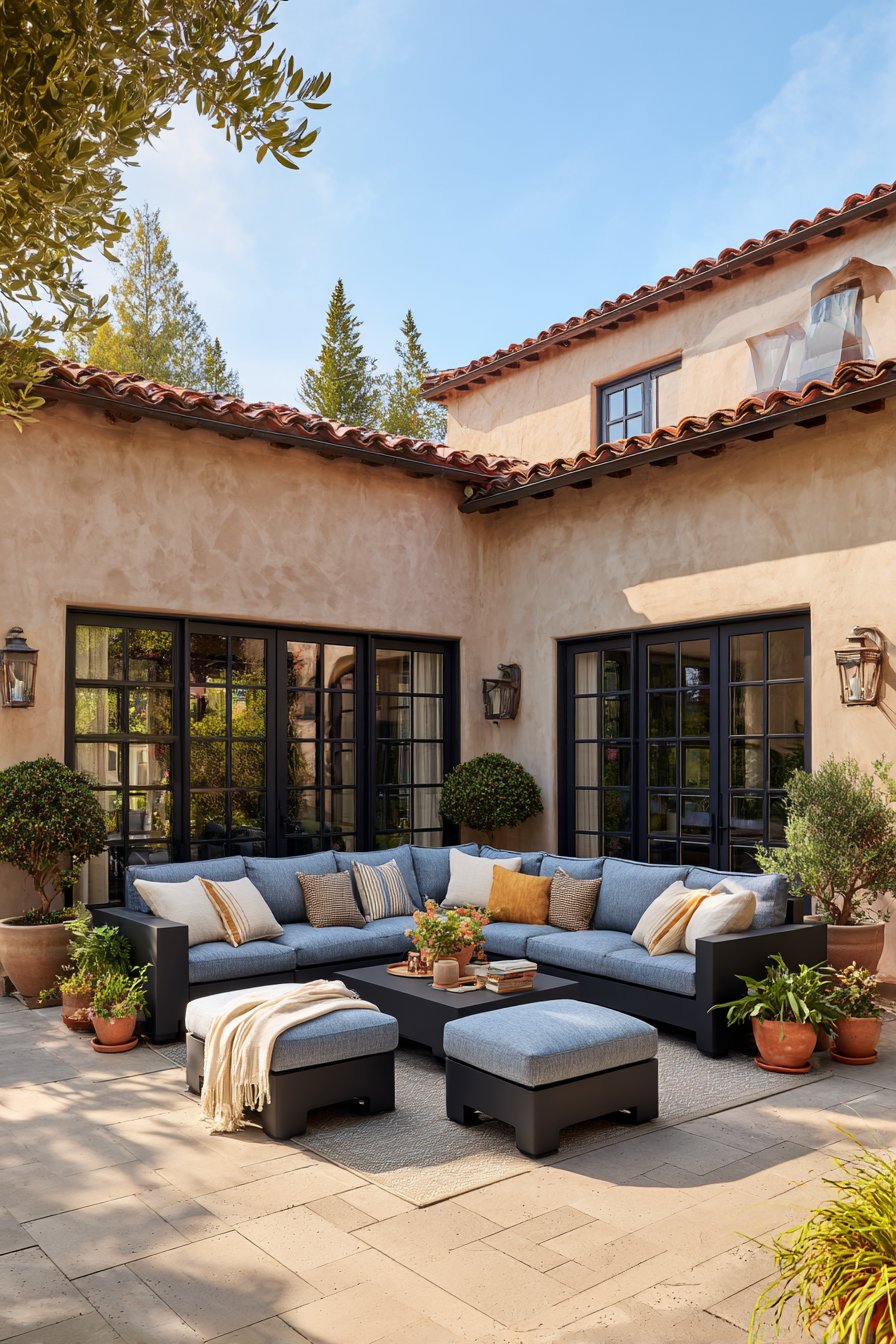
Consider modular furniture systems that adapt to different seasons and occasions. Sectional pieces allow you to reconfigure your layout for intimate gatherings or larger parties. Storage ottomans serve dual purposes by hiding cushions and blankets when not in use. This flexibility ensures your outdoor space remains functional and inviting regardless of the season.
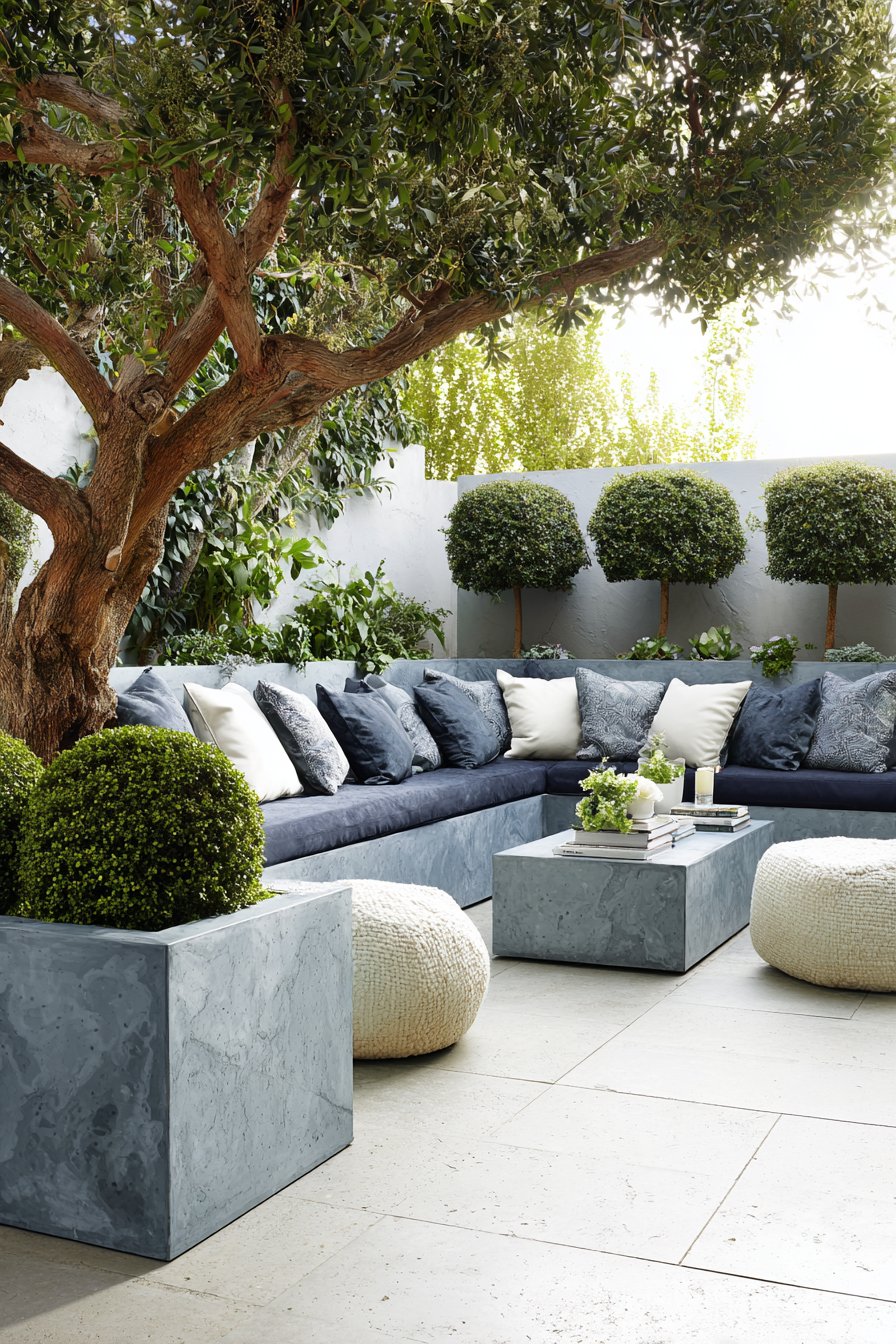
- Choose furniture with aluminum or stainless steel frames for maximum durability
- Select cushions with removable, washable covers in fade-resistant fabrics
- Opt for pieces with built-in storage to protect accessories from weather
- Consider folding or stackable options for easy seasonal rearranging
- Invest in furniture covers for additional protection during harsh conditions
- Look for warranties of at least 3-5 years on frames and fabrics
2. Add Strategic Heating Solutions
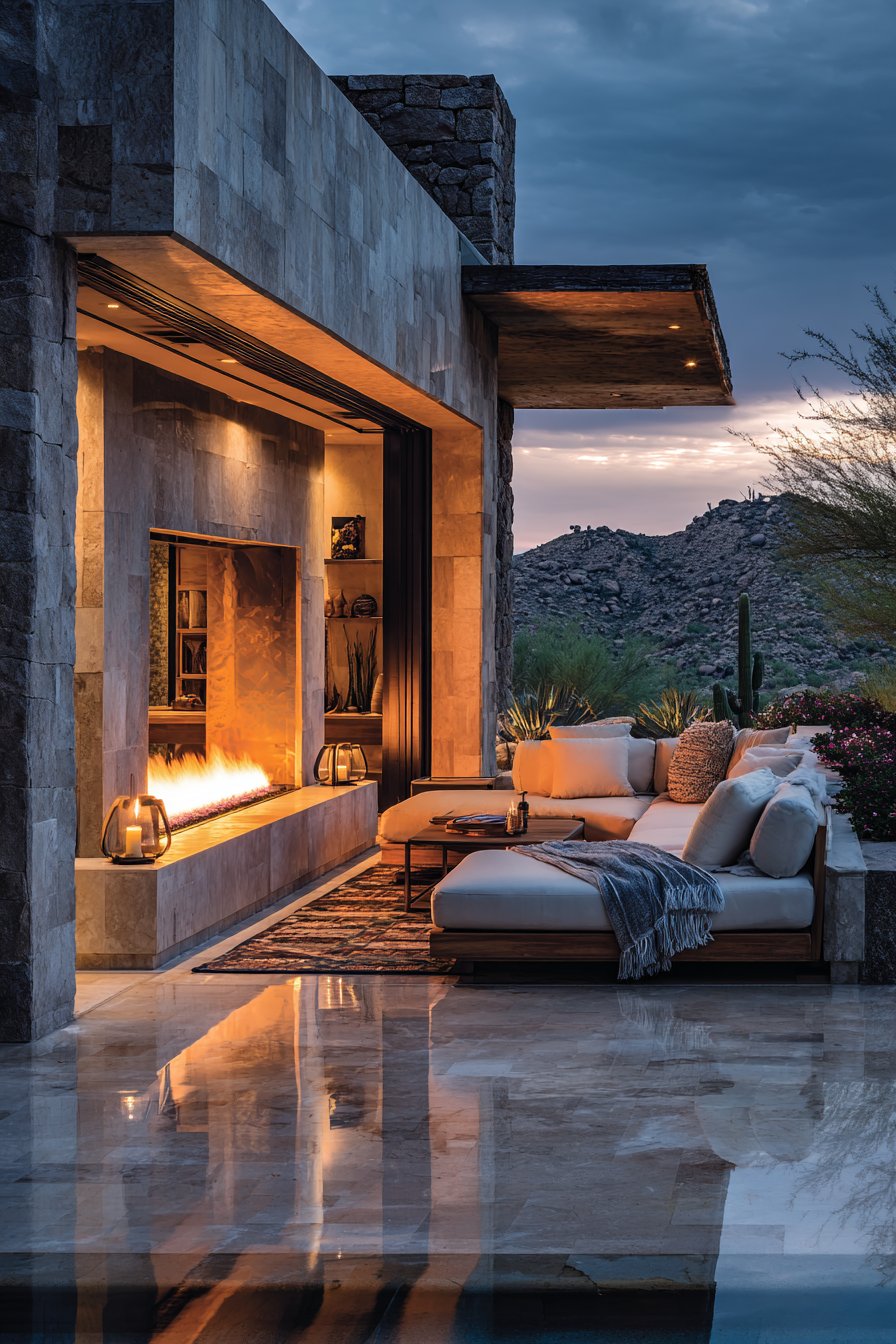
Temperature control transforms outdoor spaces from fair-weather retreats to comfortable year-round destinations. Strategic heating extends your outdoor season by weeks or even months, allowing you to enjoy crisp autumn evenings and mild winter afternoons. The key is selecting heating solutions that match your space size, aesthetic preferences, and budget.
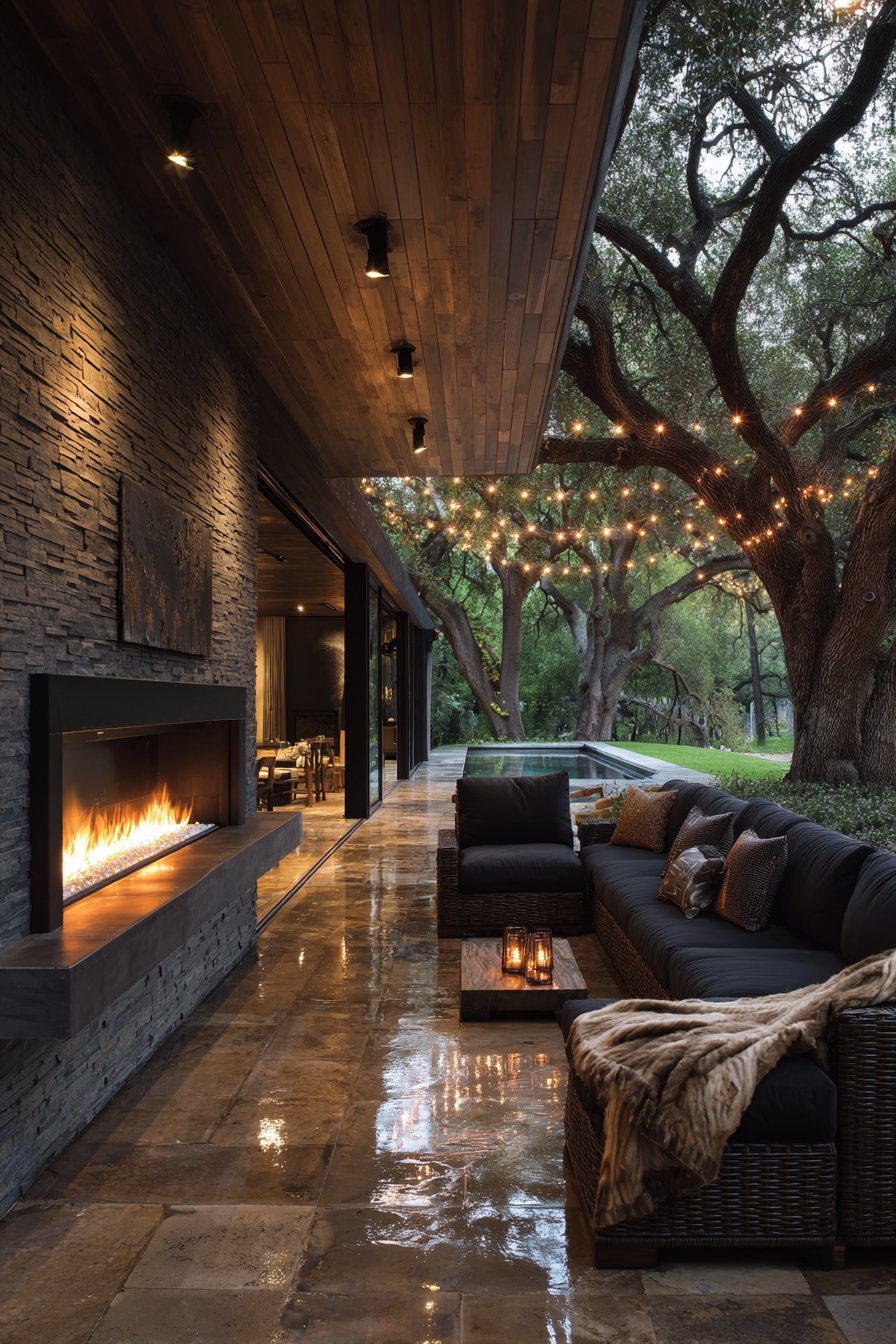
Fire features create both warmth and ambiance while serving as natural gathering points. Fire pits accommodate groups with 360-degree heat distribution, while fireplaces offer directional warmth and architectural interest. Modern options include propane and natural gas models that eliminate smoke and ash while providing consistent, controllable heat. For more flexibility, consider portable fire tables that can be repositioned as needed.
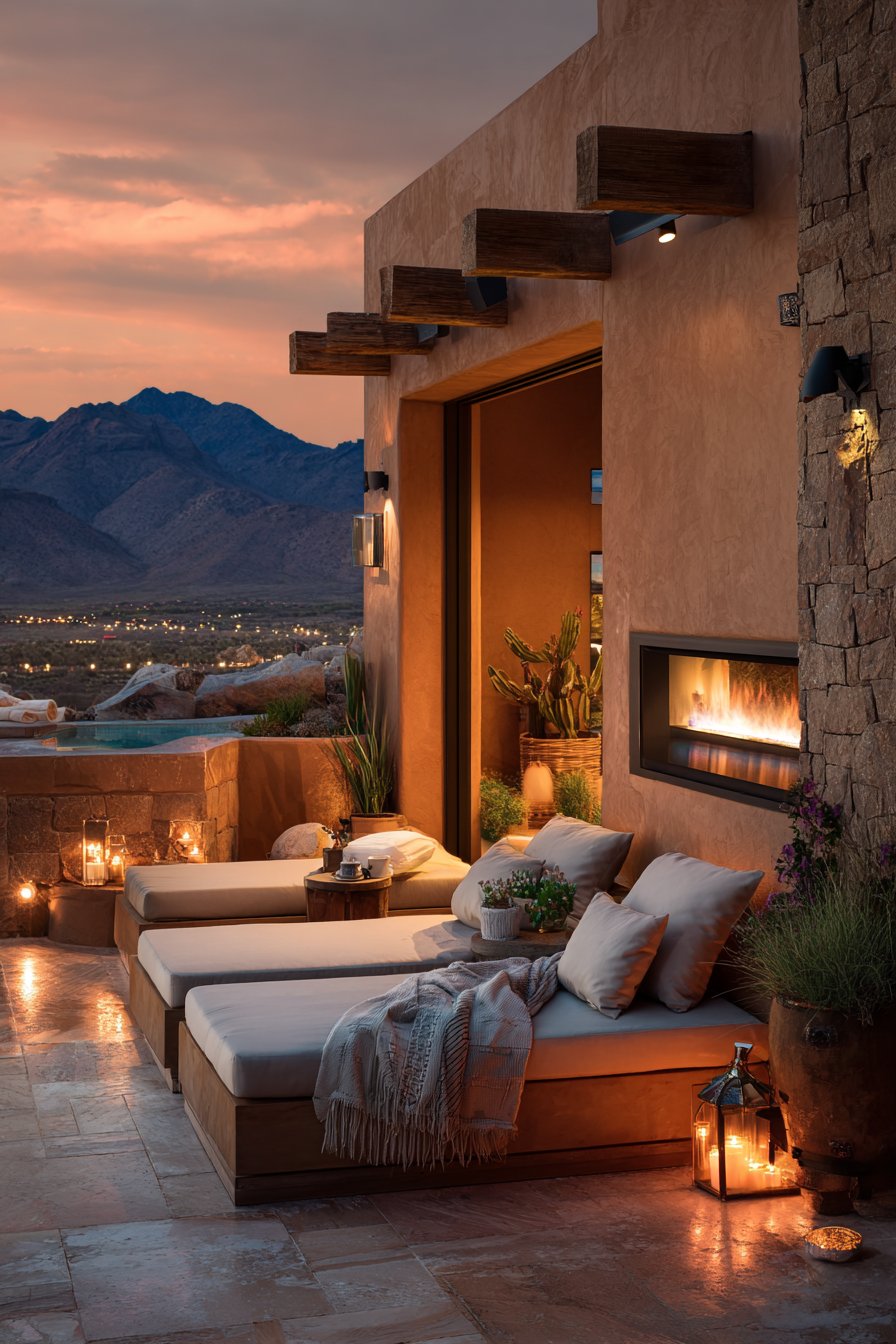
Electric and infrared heaters provide targeted warmth without open flames, making them ideal for covered patios and balconies. Mounted patio heaters direct heat downward, creating warm zones without wasting energy. Infrared models heat people and objects rather than air, offering superior efficiency in breezy conditions. Smart models with timers and remote controls add convenience and energy savings.
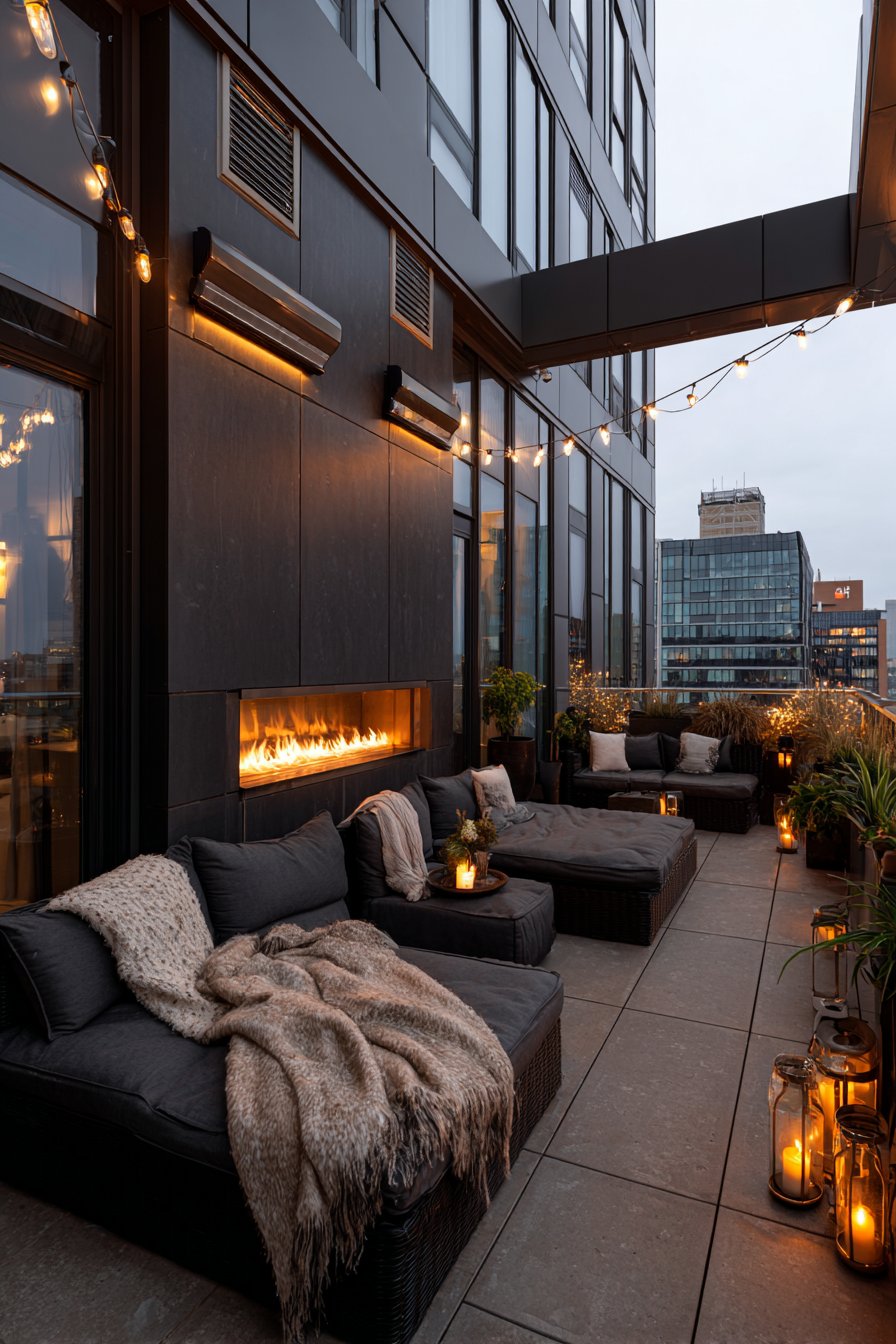
- Install a permanent fire pit or fireplace as a focal point and heat source
- Use portable propane heaters for flexible heat placement
- Consider wall-mounted infrared heaters for covered areas
- Add a chiminea for compact spaces needing supplemental warmth
- Incorporate heated blankets or throws for personal comfort
- Choose wind-resistant heating options for exposed locations
3. Create Weather Protection with Pergolas and Awnings
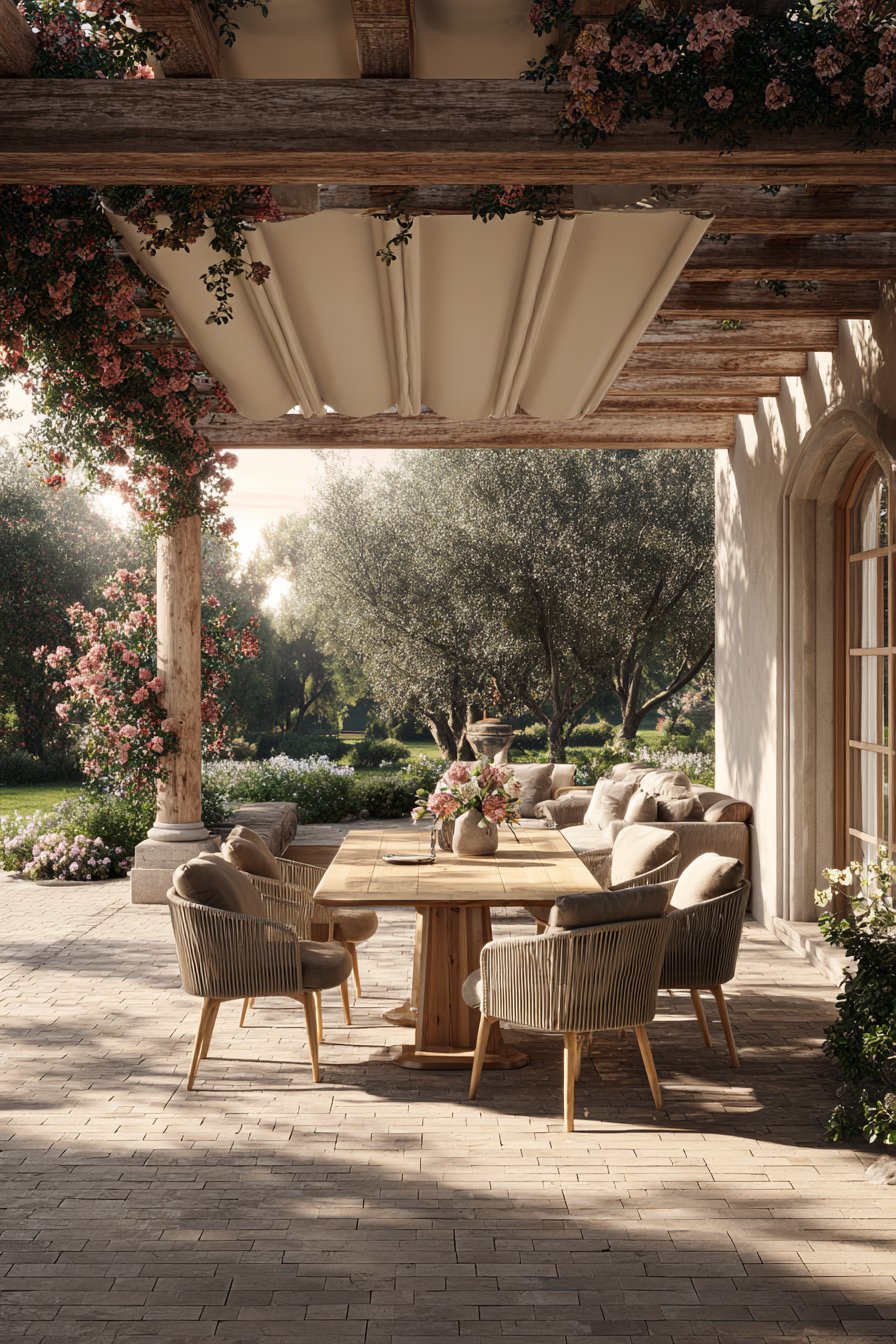
Overhead structures provide essential protection from elements while defining your outdoor living area. A well-designed pergola, awning, or pavilion shields you from intense sun, light rain, and even snow, dramatically expanding usable days throughout the year. These structures also create psychological comfort by establishing clear boundaries between indoor and outdoor spaces.
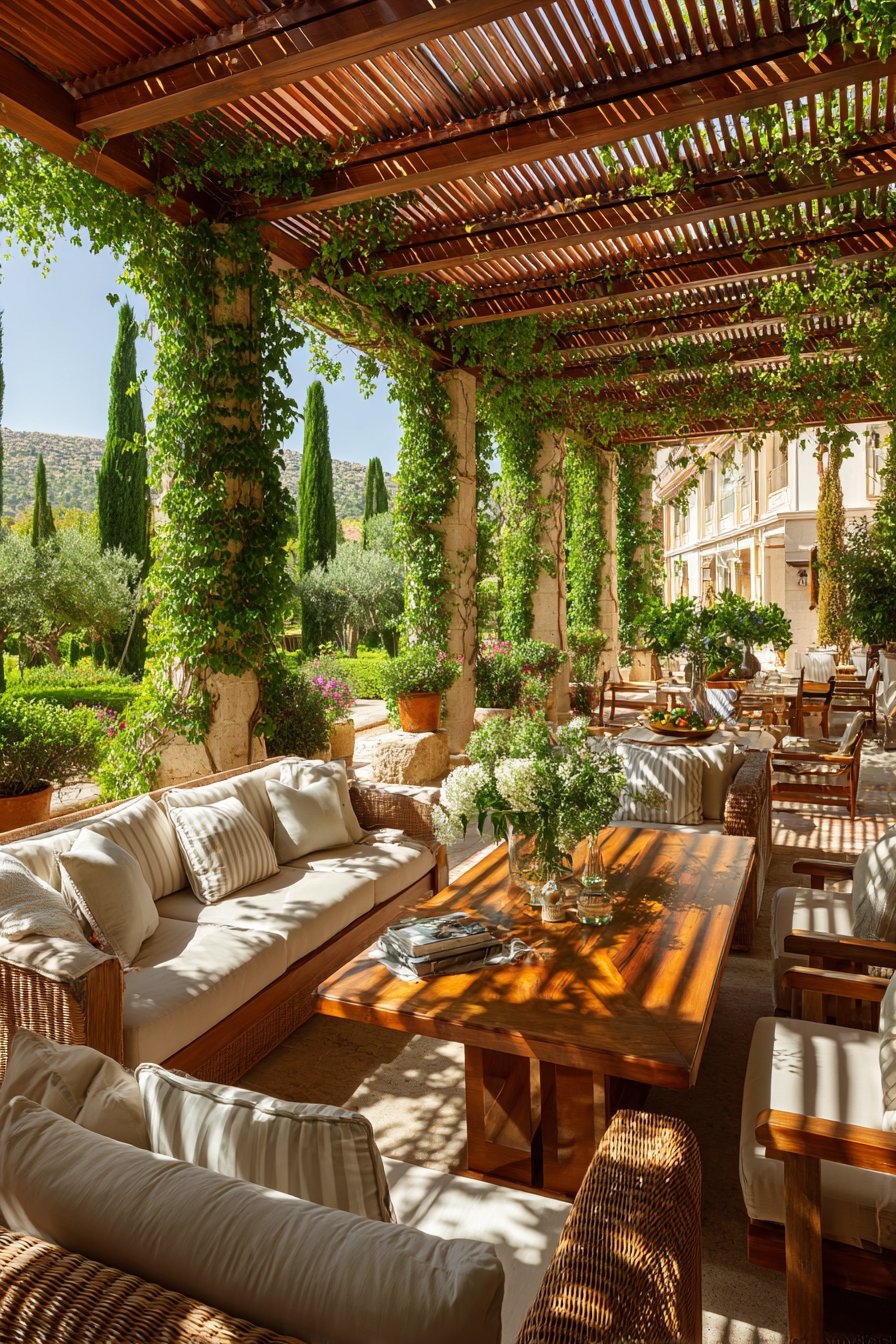
Retractable awnings offer the ultimate flexibility, allowing you to control sun exposure throughout the day and season. Modern motorized systems extend or retract at the touch of a button, some even featuring wind and sun sensors for automatic operation. Choose solution-dyed acrylic fabrics that resist fading and mildew while blocking up to 98% of harmful UV rays.
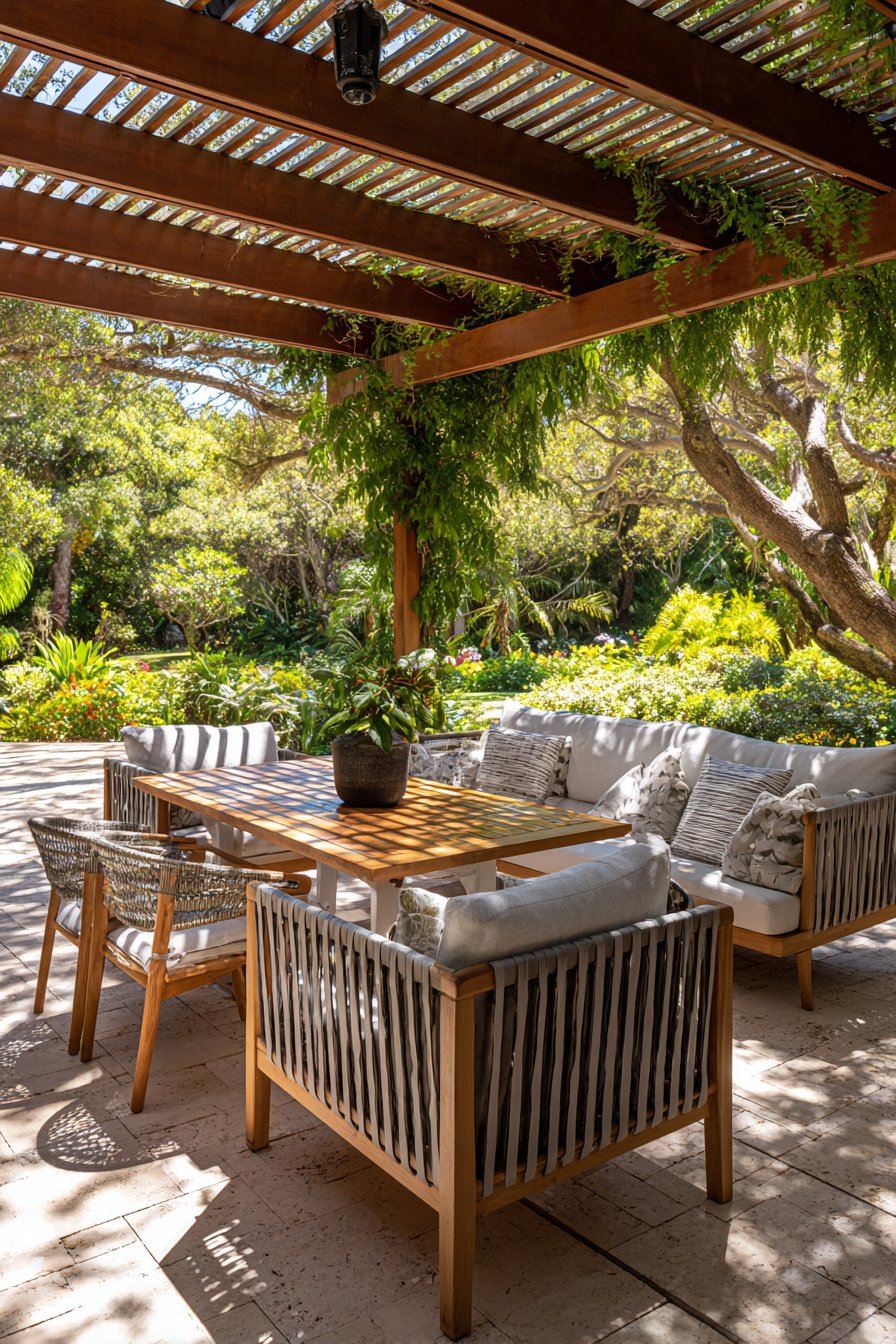
Permanent structures like pergolas and pavilions create architectural interest while supporting additional features. Add removable canvas panels or clear vinyl curtains for enhanced weather protection during challenging seasons. These structures also provide mounting points for lighting, fans, and heating elements. Consider louvered roof systems that allow adjustable airflow and light penetration while maintaining rain protection.
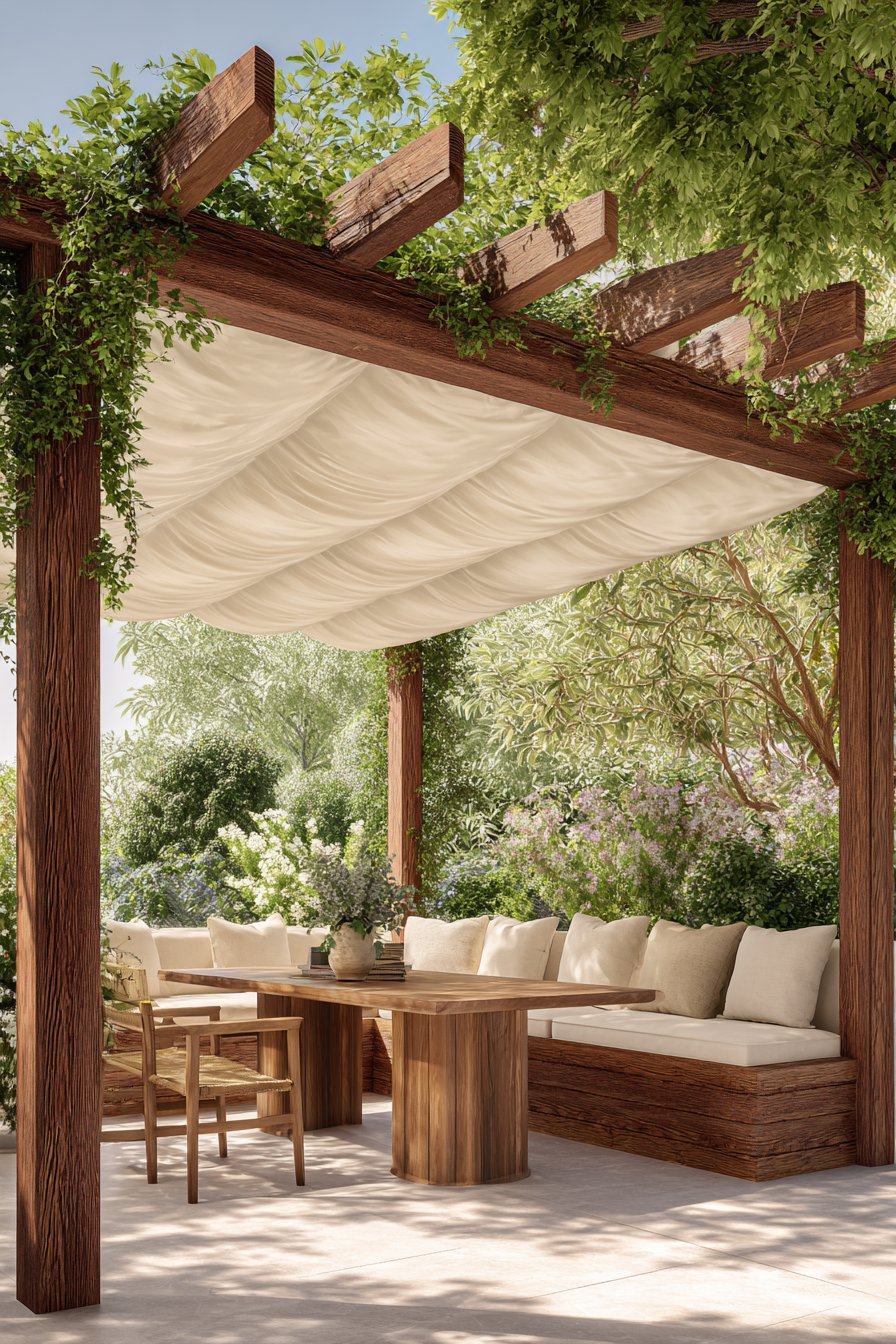
- Install a retractable awning for flexible sun and rain protection
- Build a pergola with a polycarbonate or fabric roof for year-round coverage
- Add removable side panels to block wind and create enclosed spaces
- Consider a pavilion with a solid roof for maximum weather resistance
- Use shade sails for modern aesthetics and UV protection
- Incorporate climbing plants on pergolas for natural seasonal shading
4. Layer Outdoor Textiles for Comfort and Warmth
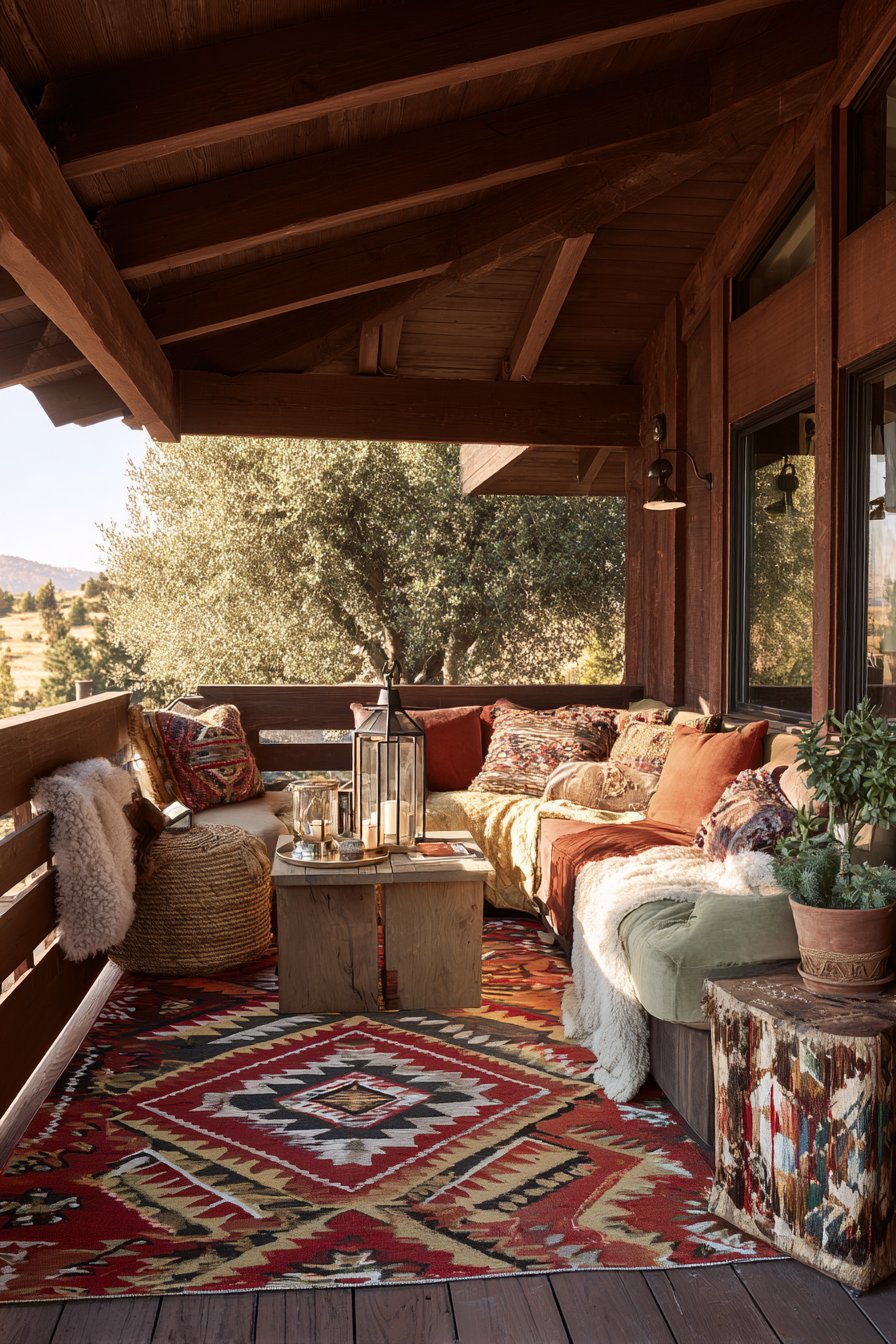
Textiles bring interior comfort to outdoor settings while adding color, pattern, and texture. Strategic layering allows you to adjust comfort levels as temperatures fluctuate throughout the day and season. Weather-resistant fabrics have evolved dramatically, offering the look and feel of indoor textiles with outdoor durability.
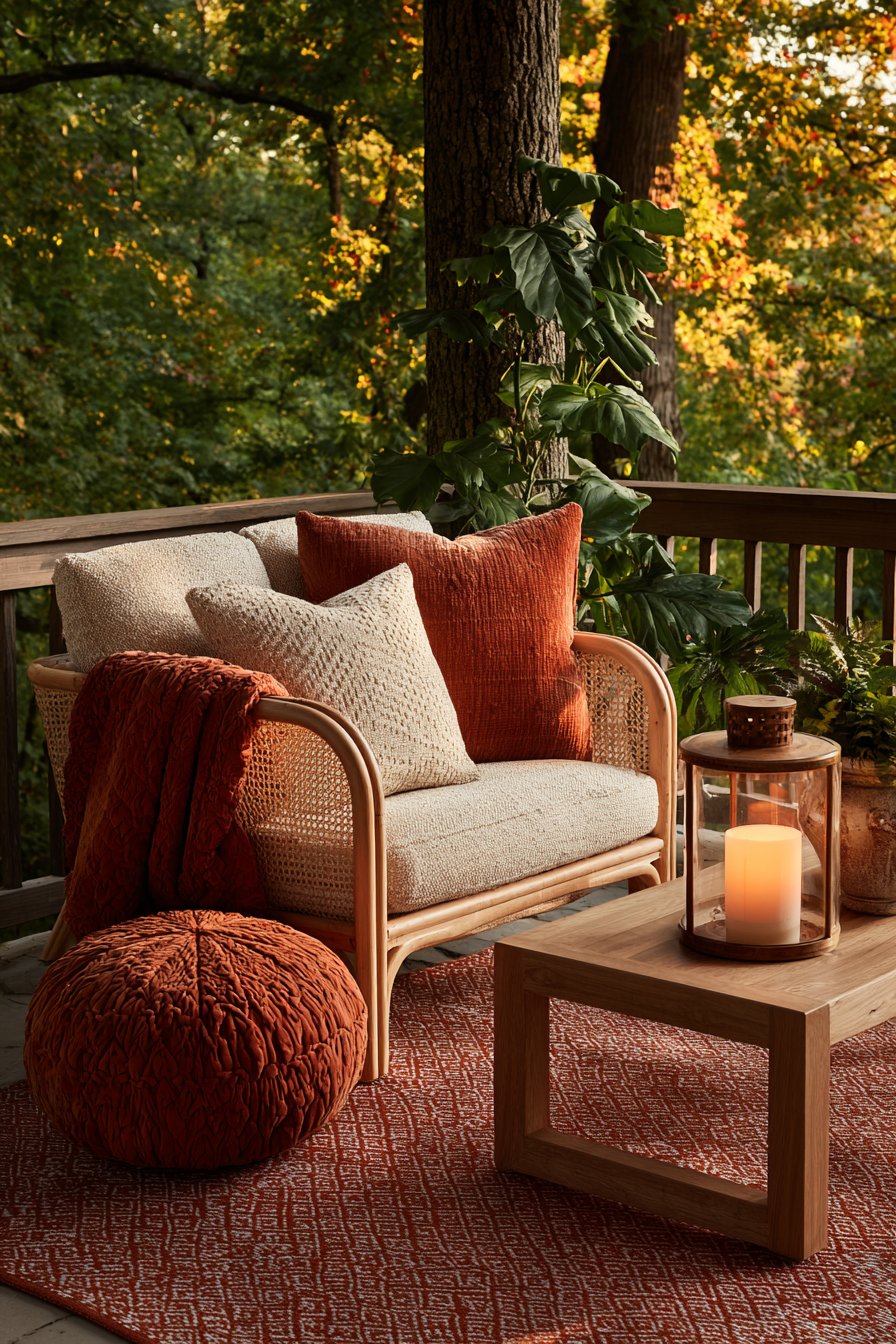
Start with a foundation of all-weather rugs that define seating areas and add warmth underfoot. Polypropylene and recycled plastic rugs resist moisture, fading, and mildew while providing genuine softness. Layer cushions in varying sizes and patterns to create depth and visual interest. Mix solid colors with subtle patterns to maintain sophistication while expressing personality.
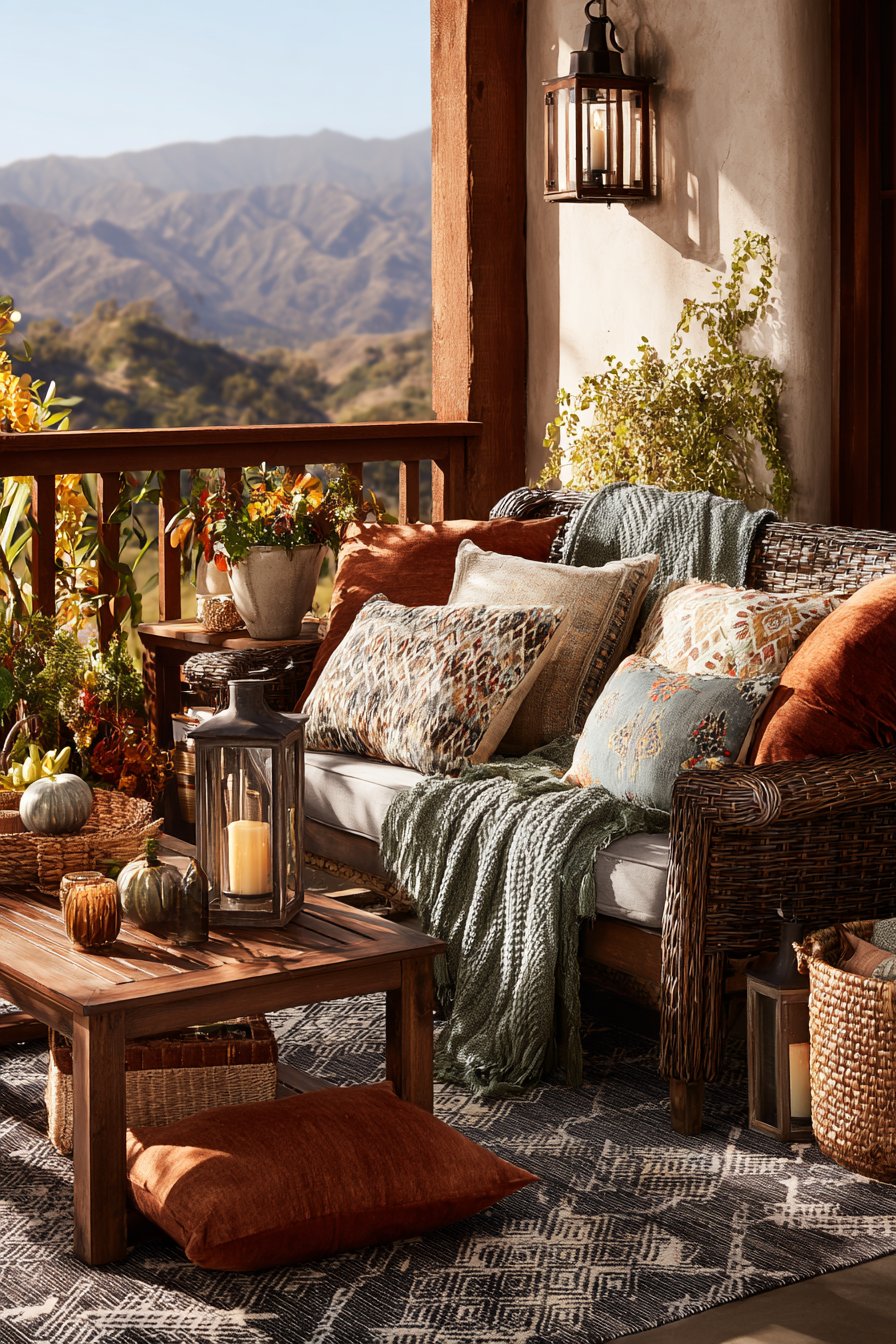
Keep a collection of outdoor throws and blankets readily accessible for cooler evenings. Store them in weatherproof baskets or benches positioned near seating areas. Modern outdoor blankets use fleece and microfiber fabrics that dry quickly if exposed to moisture. Choose colors that coordinate with your overall color scheme while hiding inevitable dirt and stains from outdoor use.
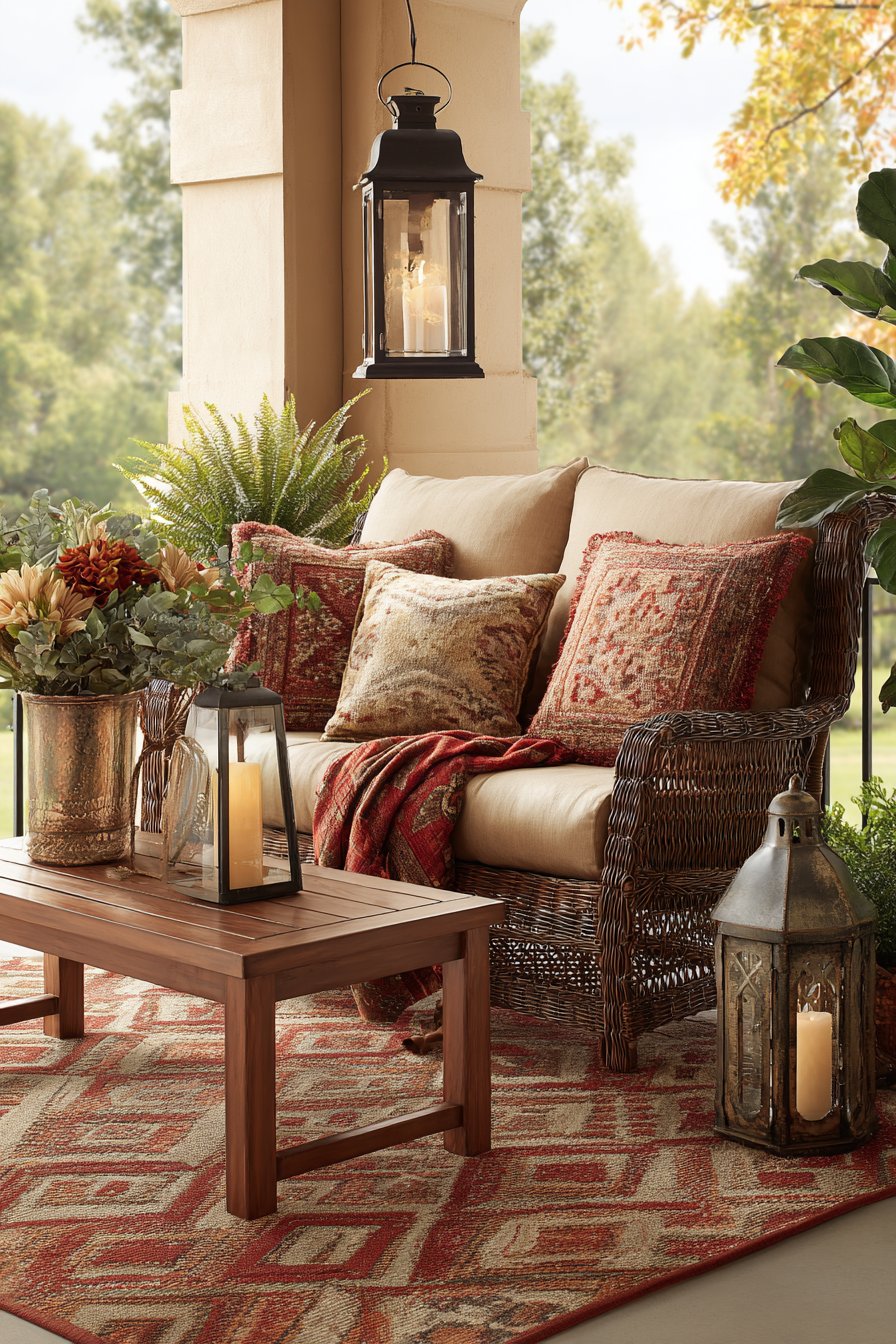
- Select outdoor rugs in sizes that accommodate all furniture legs
- Layer cushions in complementary colors and varied textures
- Store cozy blankets in waterproof storage ottomans or baskets
- Choose pillows with zippered covers for easy washing
- Use tablecloths and runners to soften hard outdoor surfaces
- Rotate textiles seasonally to refresh the space and extend their lifespan
5. Incorporate Versatile Lighting for Ambiance and Function
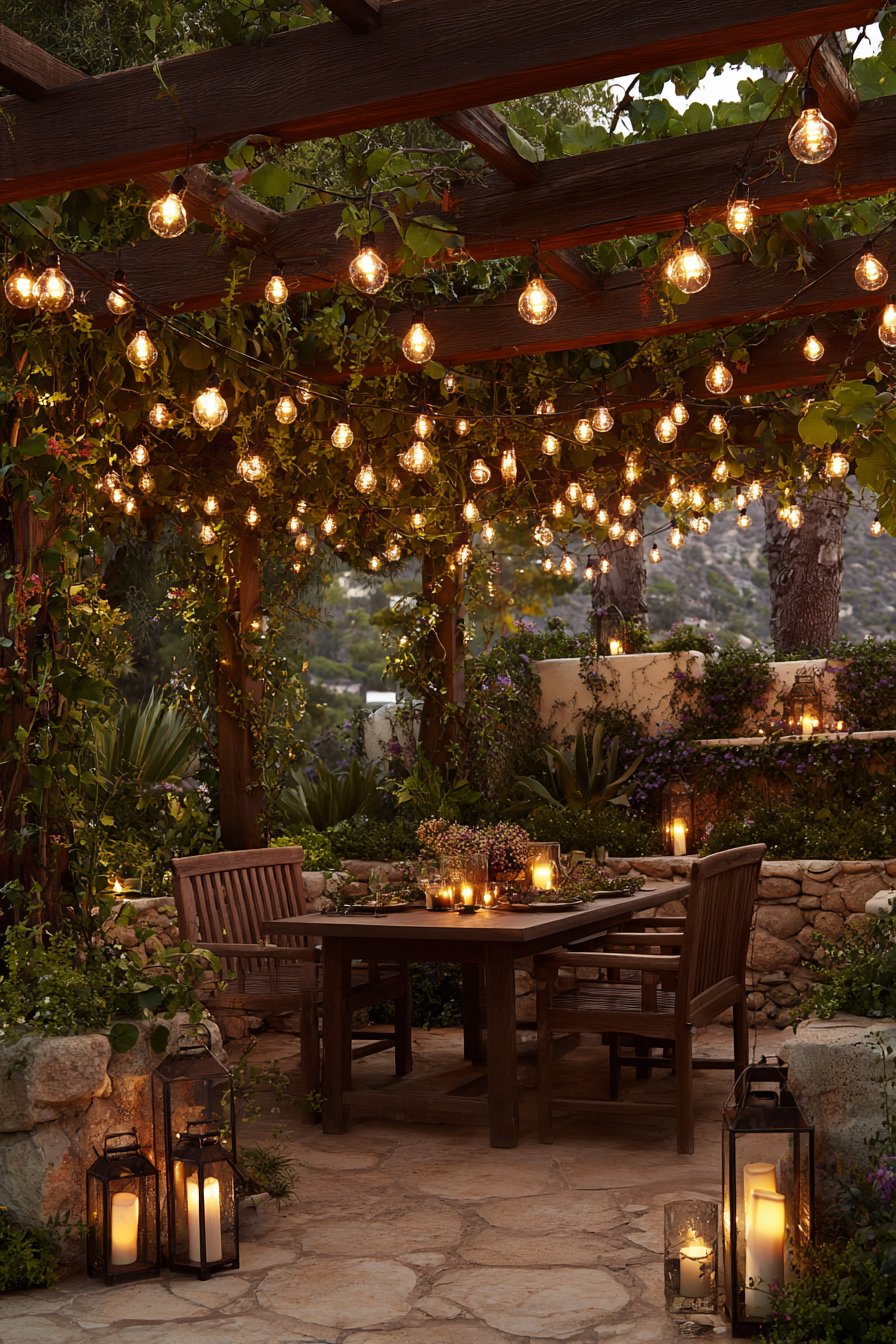
Thoughtful lighting extends outdoor usability into evening hours while creating magical ambiance. A layered lighting approach combines ambient, task, and accent lighting to address different needs and moods. Energy-efficient LED technology has revolutionized outdoor lighting with improved color rendering, dimming capabilities, and minimal maintenance requirements.
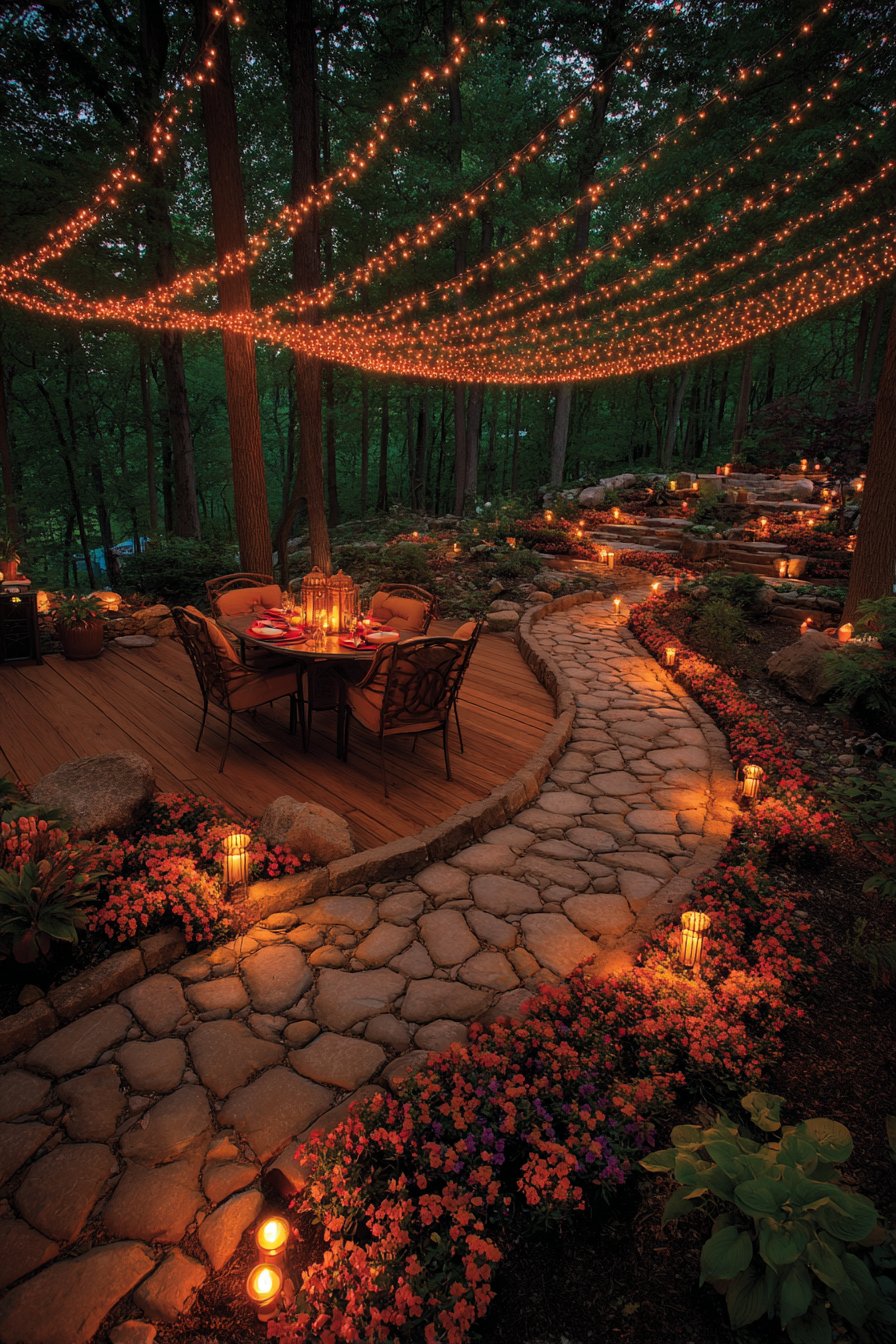
String lights remain the most popular choice for creating warm, welcoming atmosphere. Modern LED versions consume minimal electricity while lasting years longer than traditional bulbs. Drape them overhead in zigzag patterns or outline architectural features for architectural emphasis. Edison-style bulbs add vintage charm, while globe lights create playful energy suited to casual entertaining.
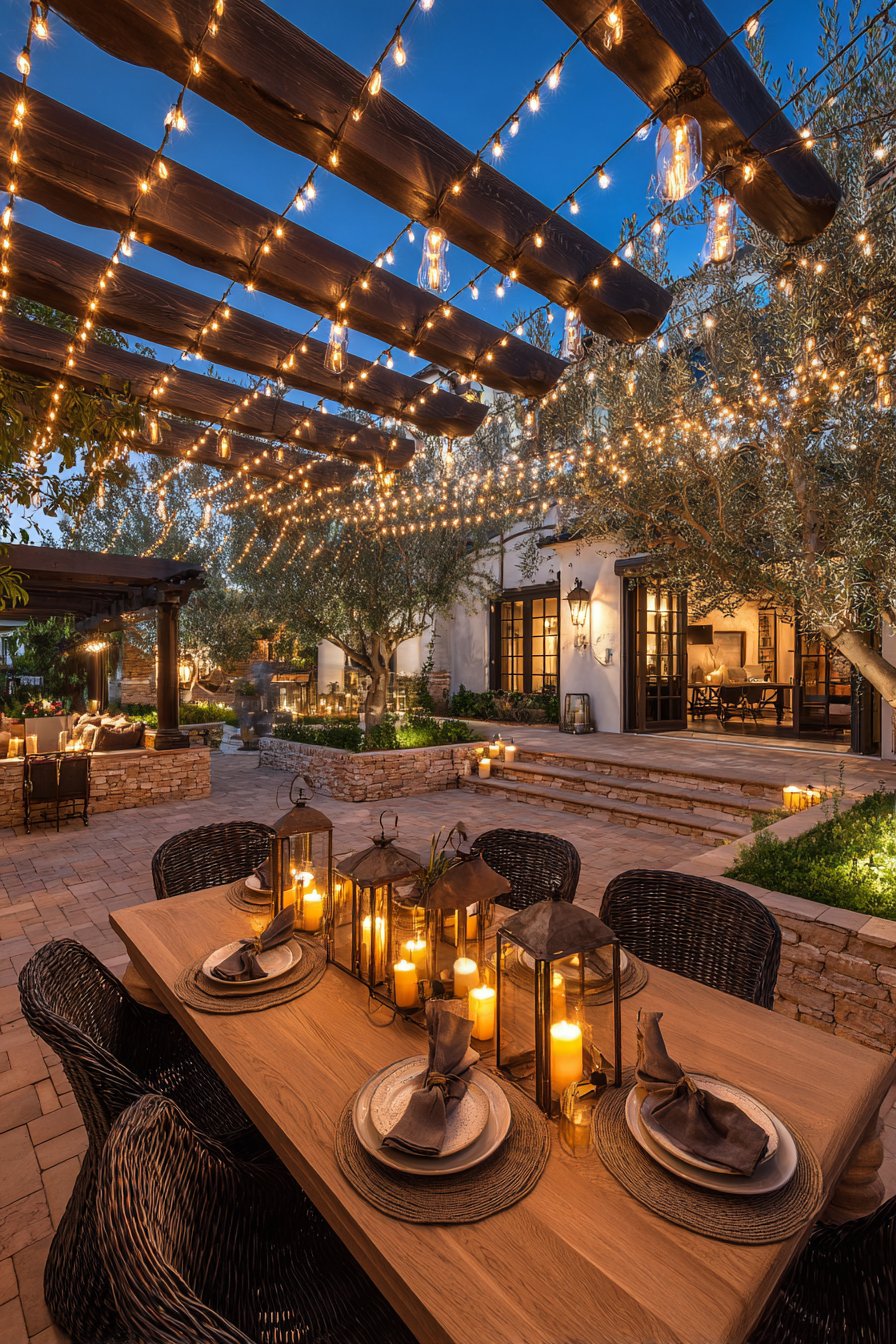
Layered lighting should include practical task lighting for dining, cooking, and navigation. Install dimmable overhead fixtures above dining areas and prep spaces. Solar path lights eliminate wiring while providing safety illumination along walkways. Add battery-powered lanterns and candles for flexibility and romantic ambiance. Smart lighting systems allow you to control brightness and timing from your phone.
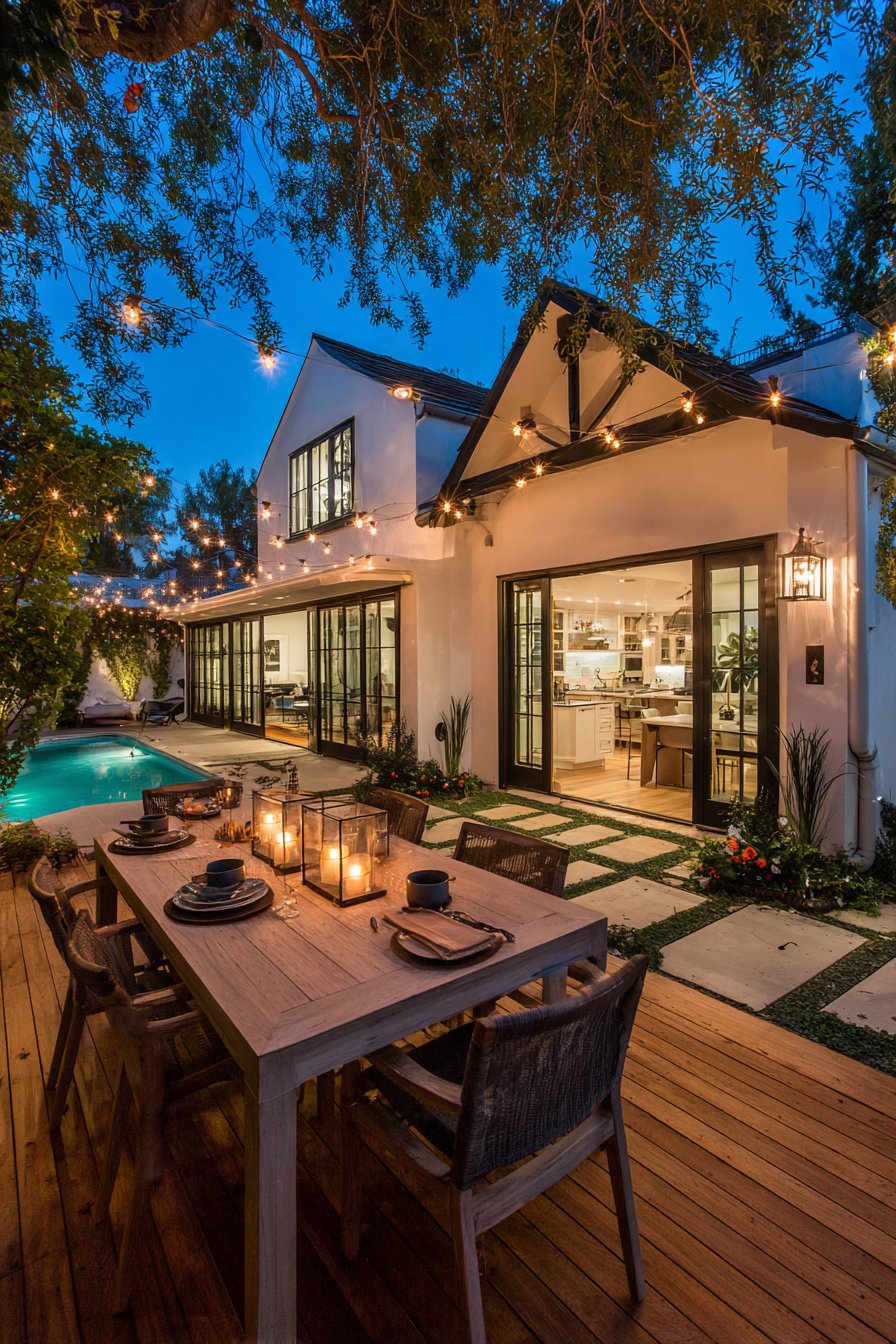
- String café lights overhead for ambient warmth and charm
- Install dimmable ceiling fixtures in covered areas for adjustable brightness
- Place solar path lights along walkways and garden borders
- Use LED candles for flickering ambiance without fire risk
- Add spotlights to highlight architectural features or specimen plants
- Incorporate smart bulbs for programmable schedules and color options
6. Design Windbreaks and Privacy Screens
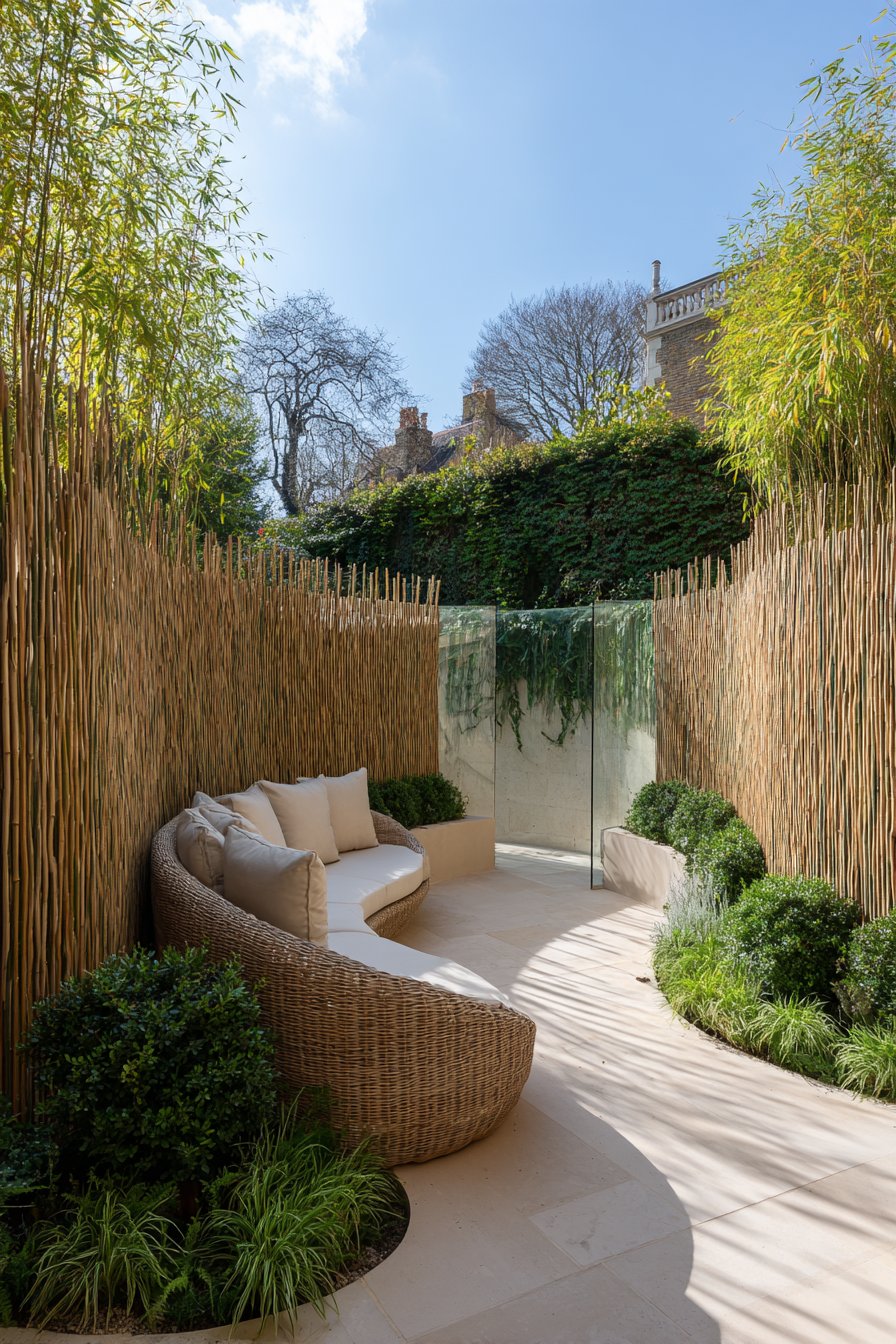
Wind protection dramatically improves outdoor comfort during cooler months while enhancing privacy year-round. Strategic windbreaks can raise the perceived temperature by several degrees, making outdoor spaces usable in conditions that would otherwise feel uncomfortable. The right screening solutions also create intimate atmospheres that encourage relaxation and conversation.
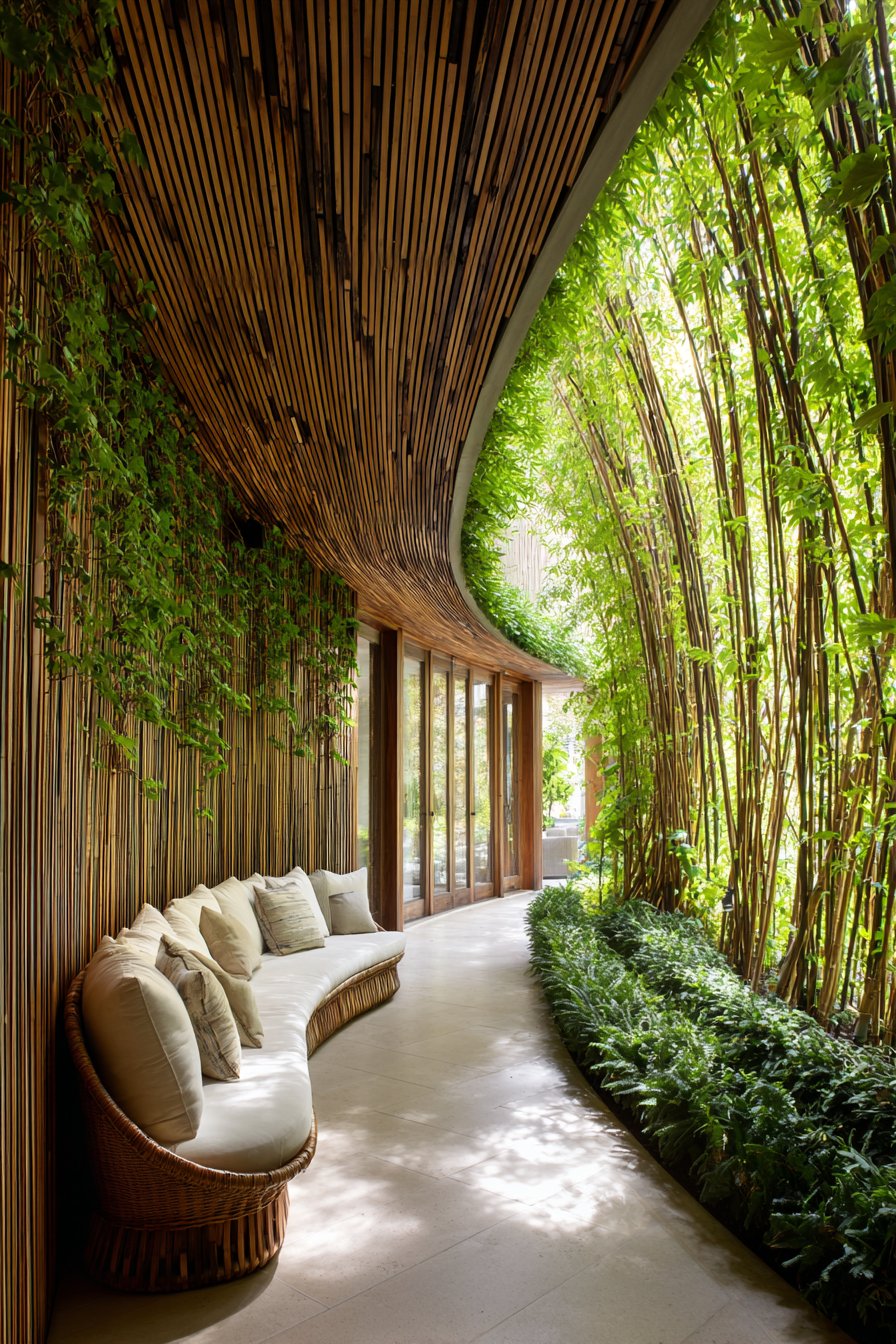
Living windbreaks using evergreen hedges or bamboo screens provide natural beauty while blocking wind and creating privacy. Evergreens like arborvitae, holly, and boxwood maintain their foliage year-round, offering consistent protection. Bamboo grows quickly and creates tropical ambiance while tolerating various climates. These living walls also absorb noise and improve air quality.
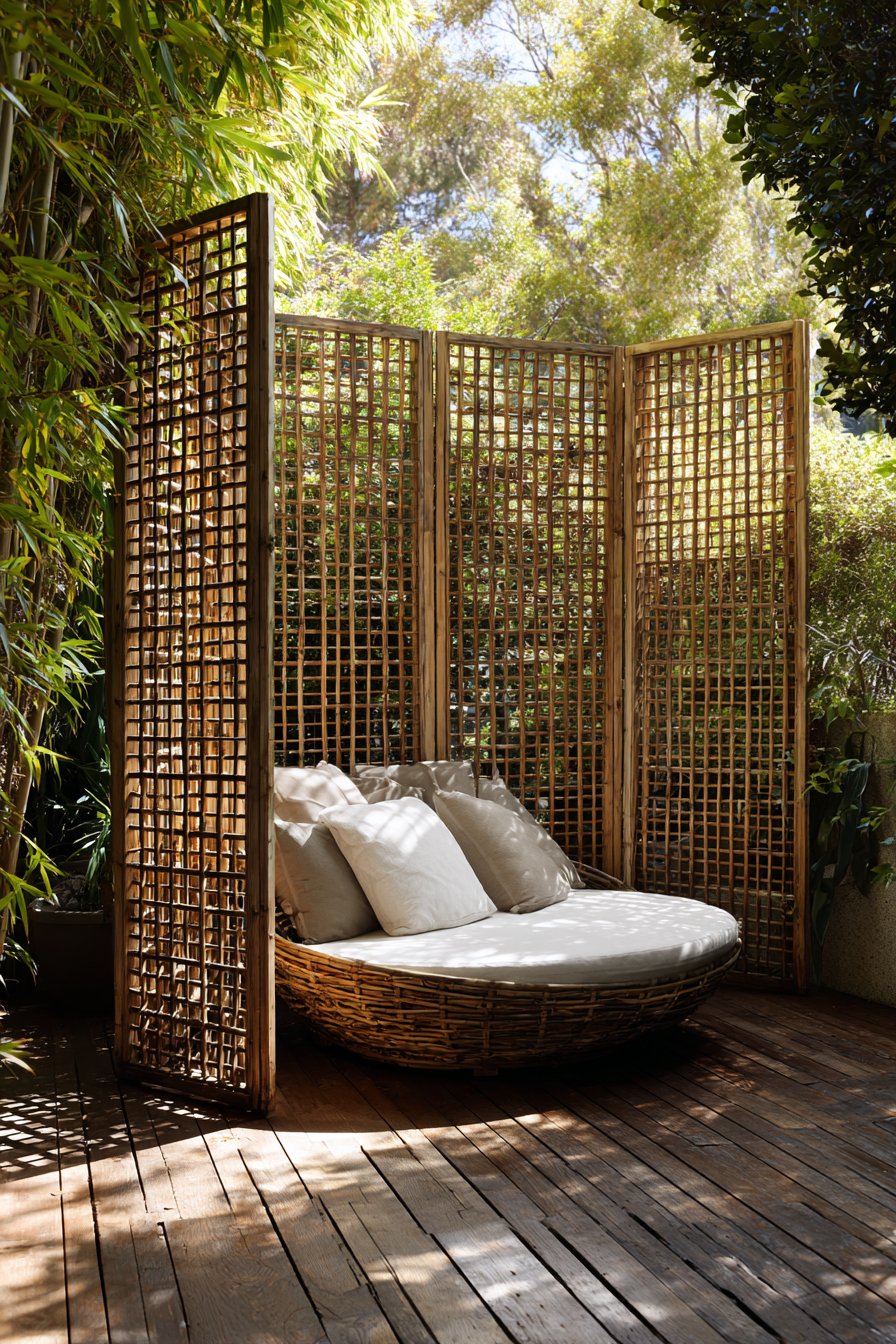
Architectural screens offer immediate wind reduction without waiting for plants to mature. Slatted wood or composite panels create visual interest while allowing filtered light and air circulation. Glass panels maintain views while blocking wind completely, ideal for balconies and rooftops. Outdoor curtains on tracks provide flexible protection that can be opened during calm weather and closed when wind picks up.
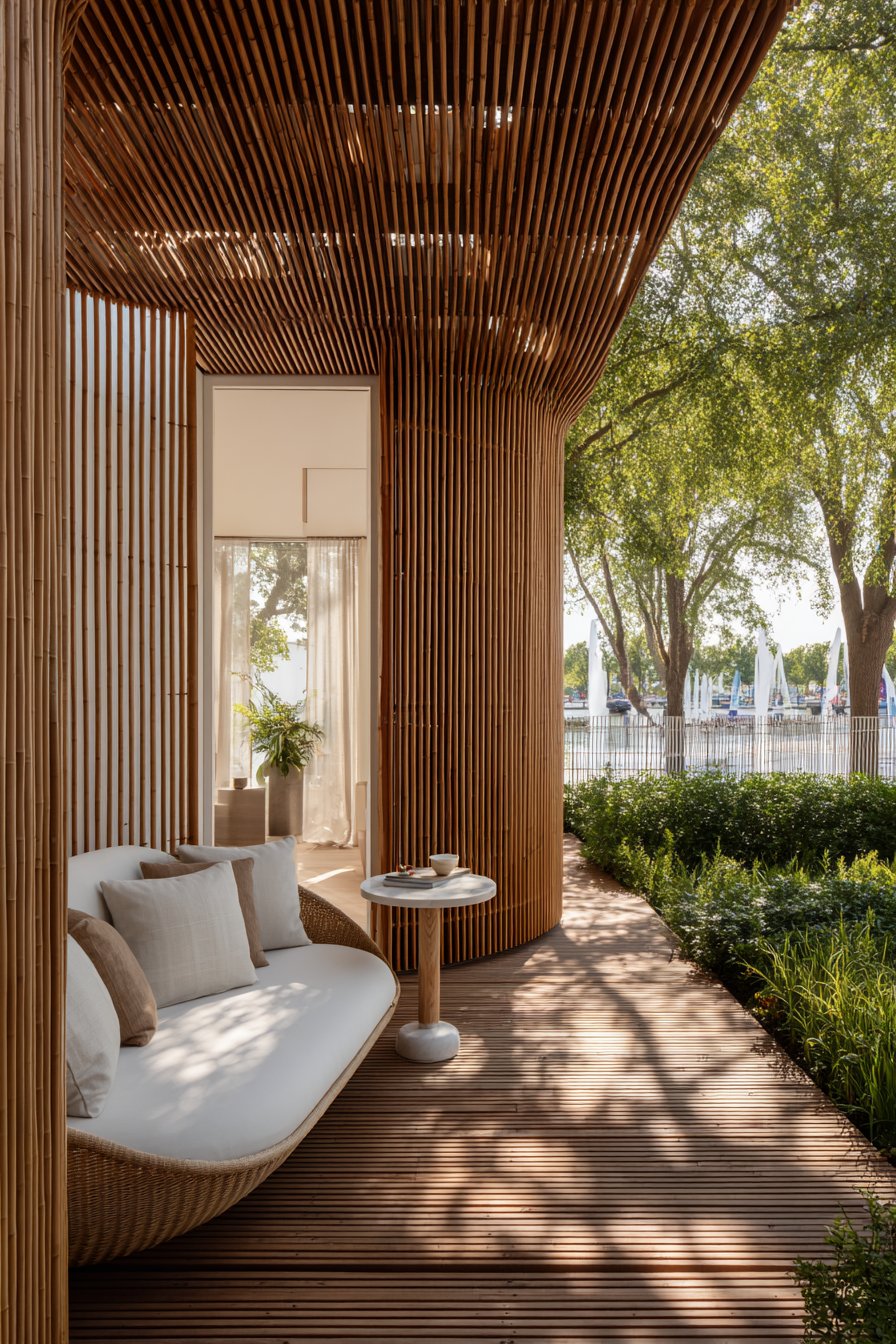
- Plant evergreen hedges for year-round natural windbreaks
- Install slatted privacy screens that block wind while maintaining airflow
- Use outdoor curtains on cable systems for adjustable protection
- Add bamboo screens for fast-growing natural barriers
- Consider tempered glass panels for unobstructed views with wind protection
- Position furniture strategically to create protected microclimates
7. Establish Designated Activity Zones
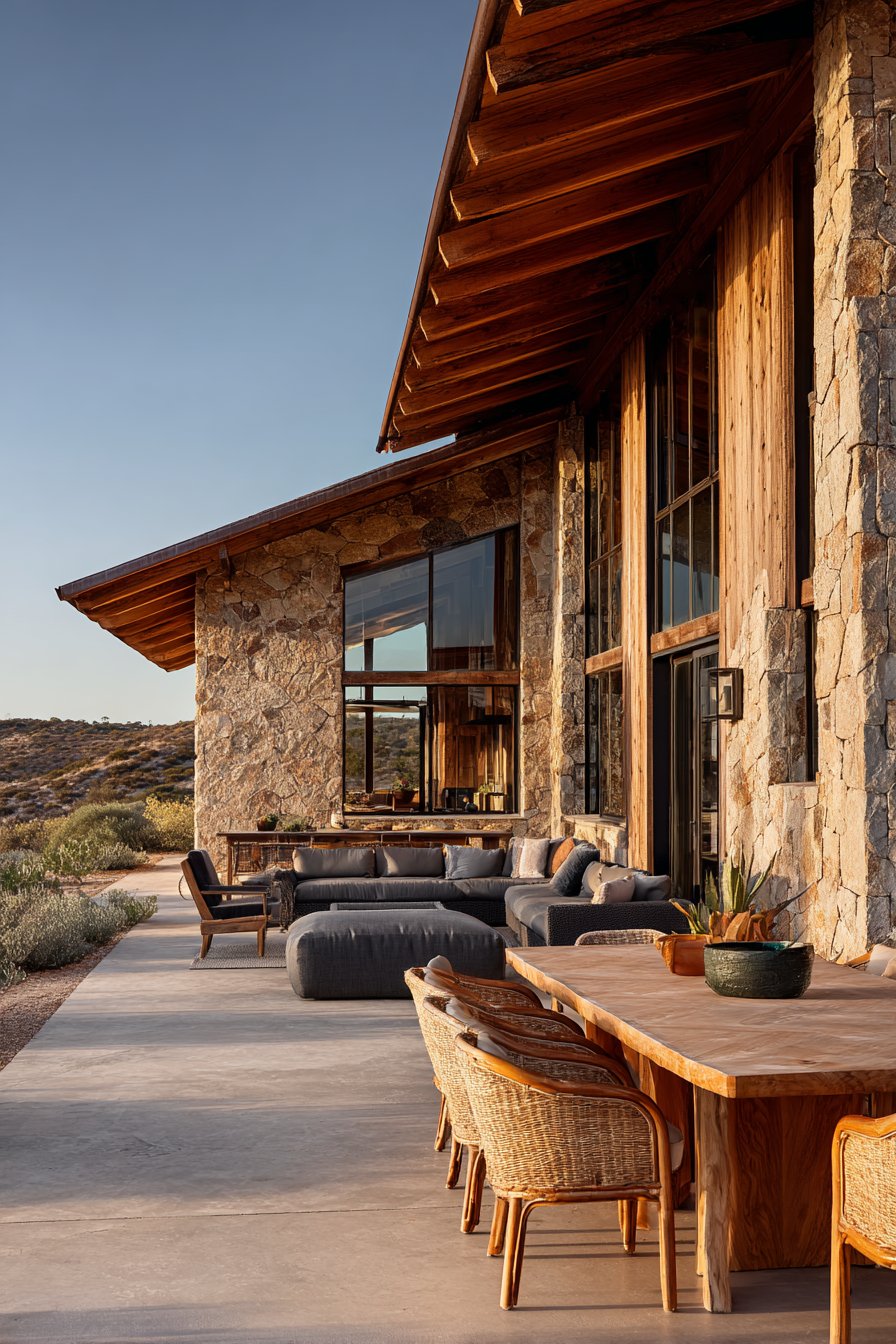
Creating purpose-specific zones maximizes functionality and encourages year-round use of outdoor spaces. Different activities have varying weather tolerance and comfort requirements. By designating areas for dining, lounging, cooking, and entertaining, you create flexible spaces that accommodate changing seasons and occasions.
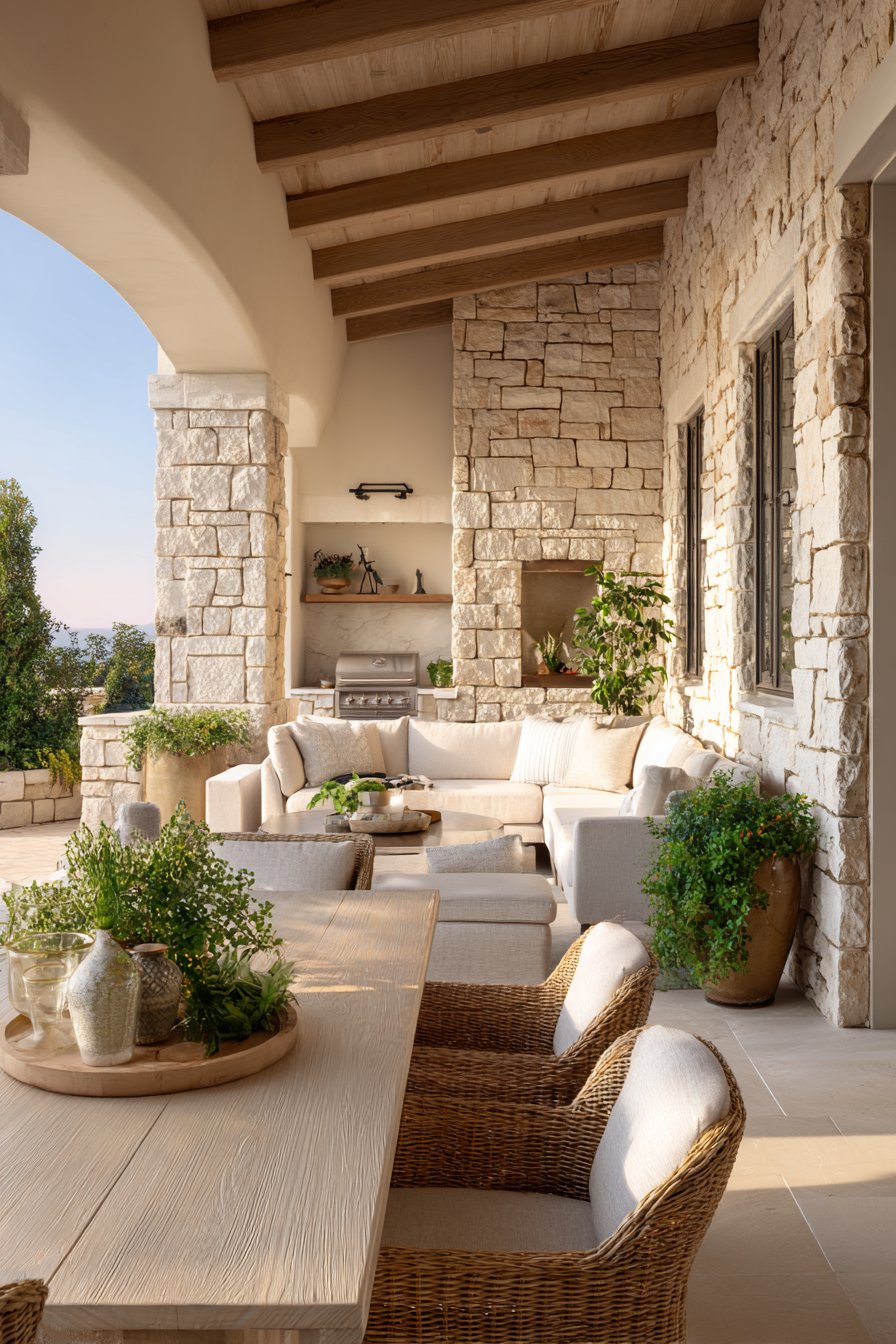
A well-designed outdoor kitchen encourages cooking and gathering even during cooler months. Position it under a covered area to protect equipment and cooks from precipitation. Include counter space, storage, and heating elements to create a self-contained zone that doesn’t require constant trips indoors. Built-in grills, pizza ovens, and warming drawers extend cooking possibilities beyond basic grilling.
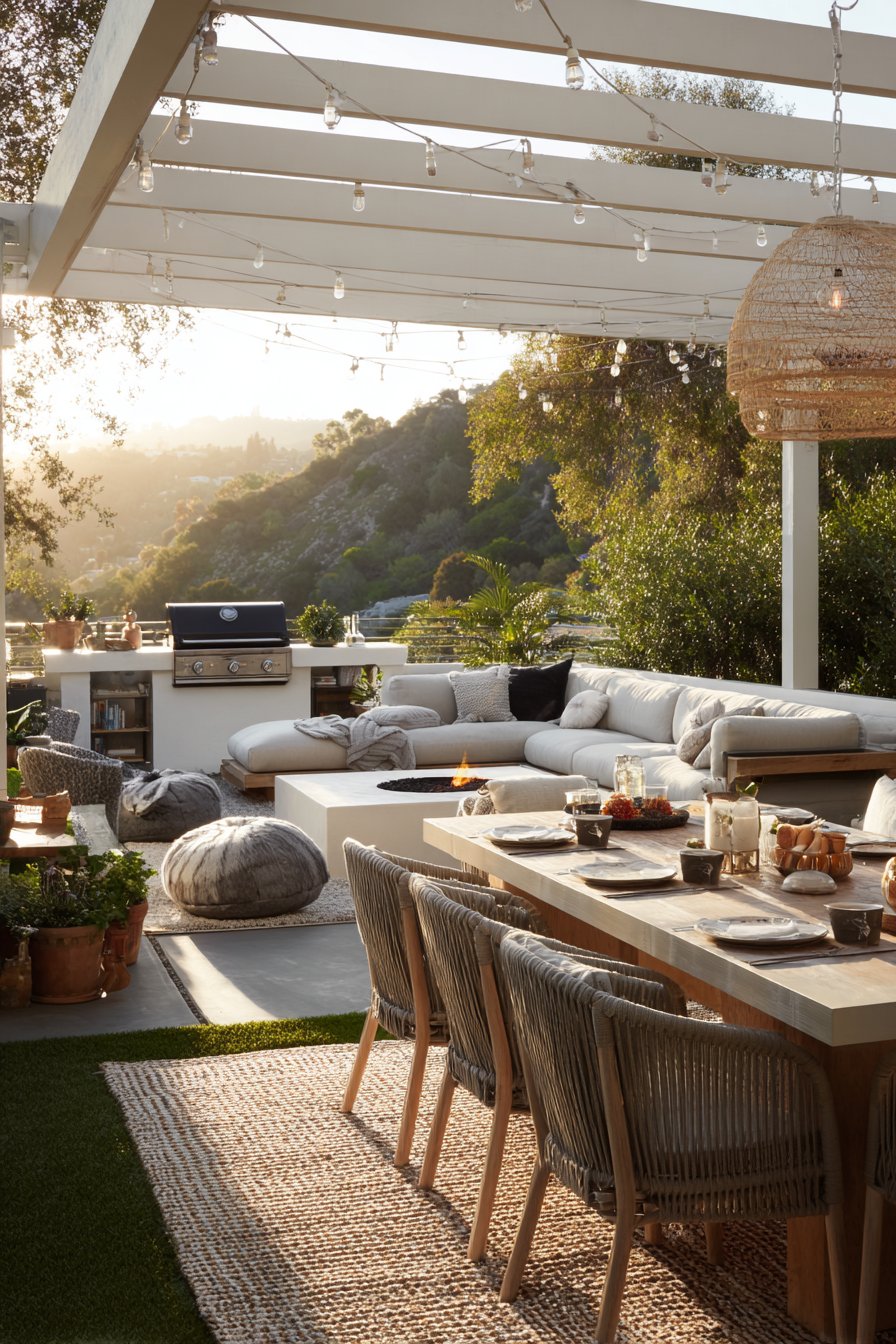
Separate your lounging area from more active zones to create peaceful retreats. Position comfortable seating in spots that capture winter sun while offering summer shade. Add side tables, good lighting, and nearby storage for books, devices, and beverages. This dedicated relaxation zone becomes your outdoor living room, perfect for morning coffee or evening stargazing regardless of season.
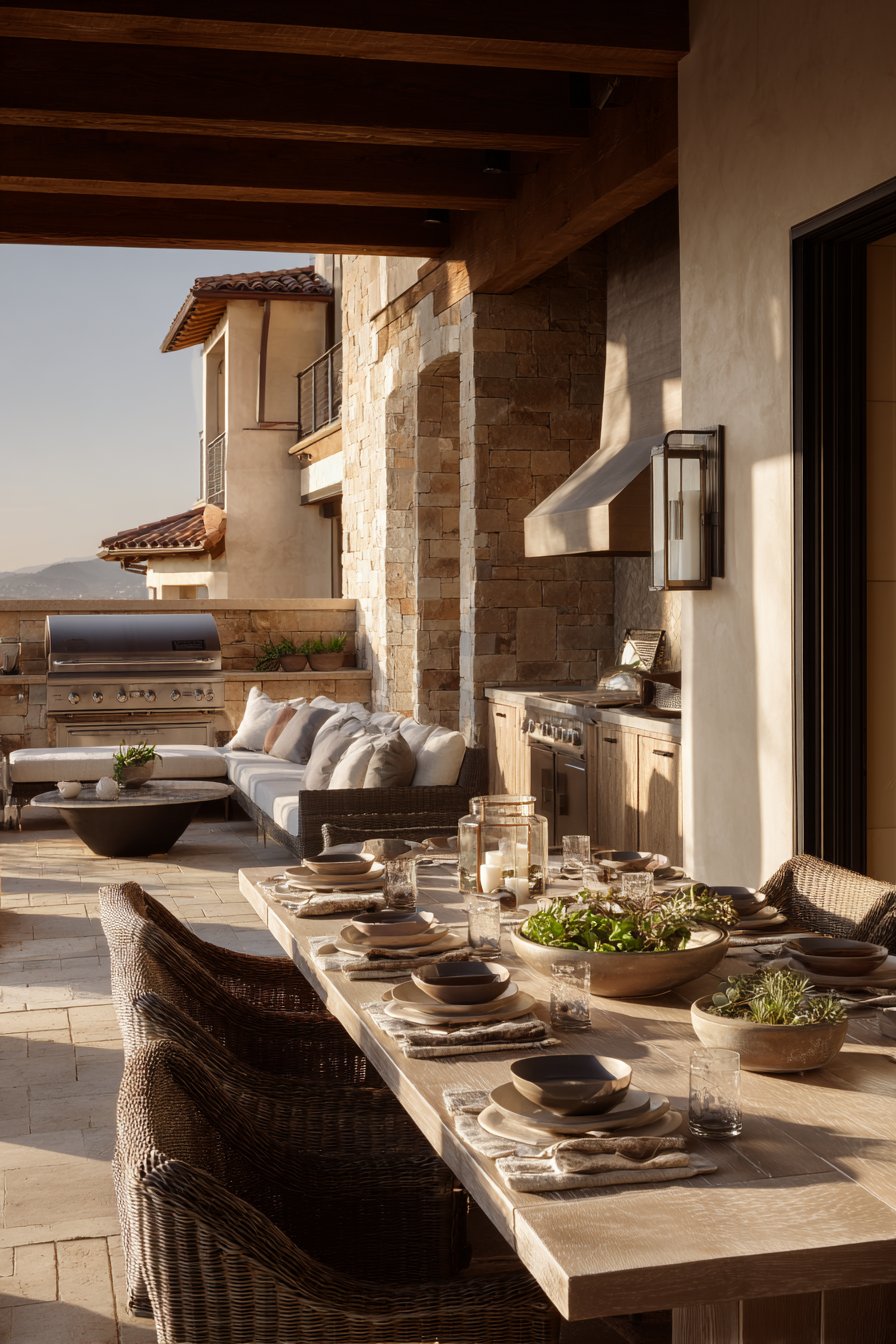
- Create a covered dining zone with a table that seats your regular group size
- Establish a lounging area with comfortable seating and side tables
- Designate a cooking zone with weather-protected appliances and prep space
- Add a fire pit area with surrounding seating for cool-weather gathering
- Include a gardening or potting station for plant-related activities
- Consider a play zone for children with weather-appropriate equipment
8. Incorporate Water-Resistant Storage Solutions
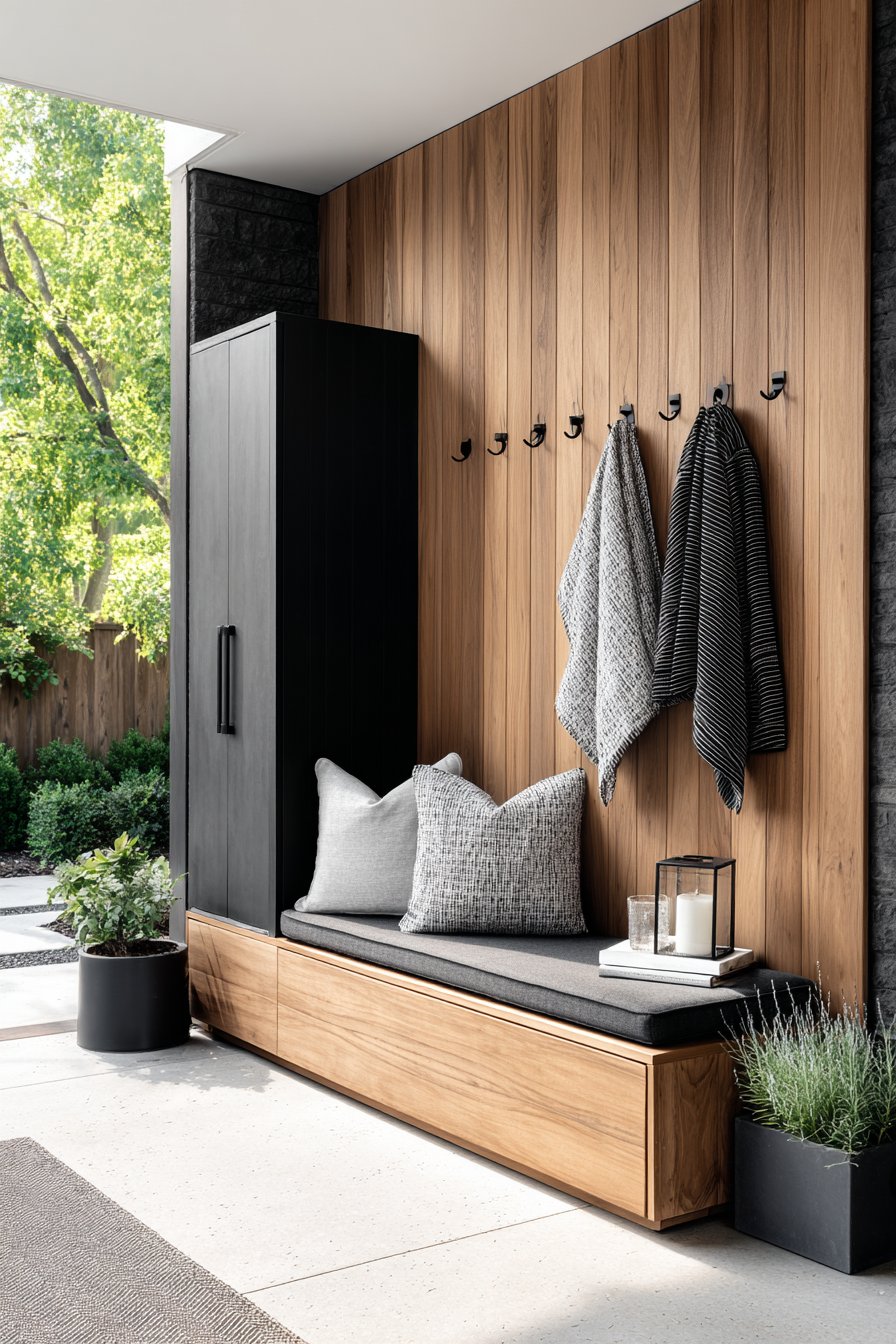
Organized storage keeps your outdoor space tidy while protecting cushions, blankets, and accessories from weather damage. Smart storage solutions should blend seamlessly with your design aesthetic while providing easy access to frequently used items. The right storage keeps everything you need within reach while maintaining visual appeal.
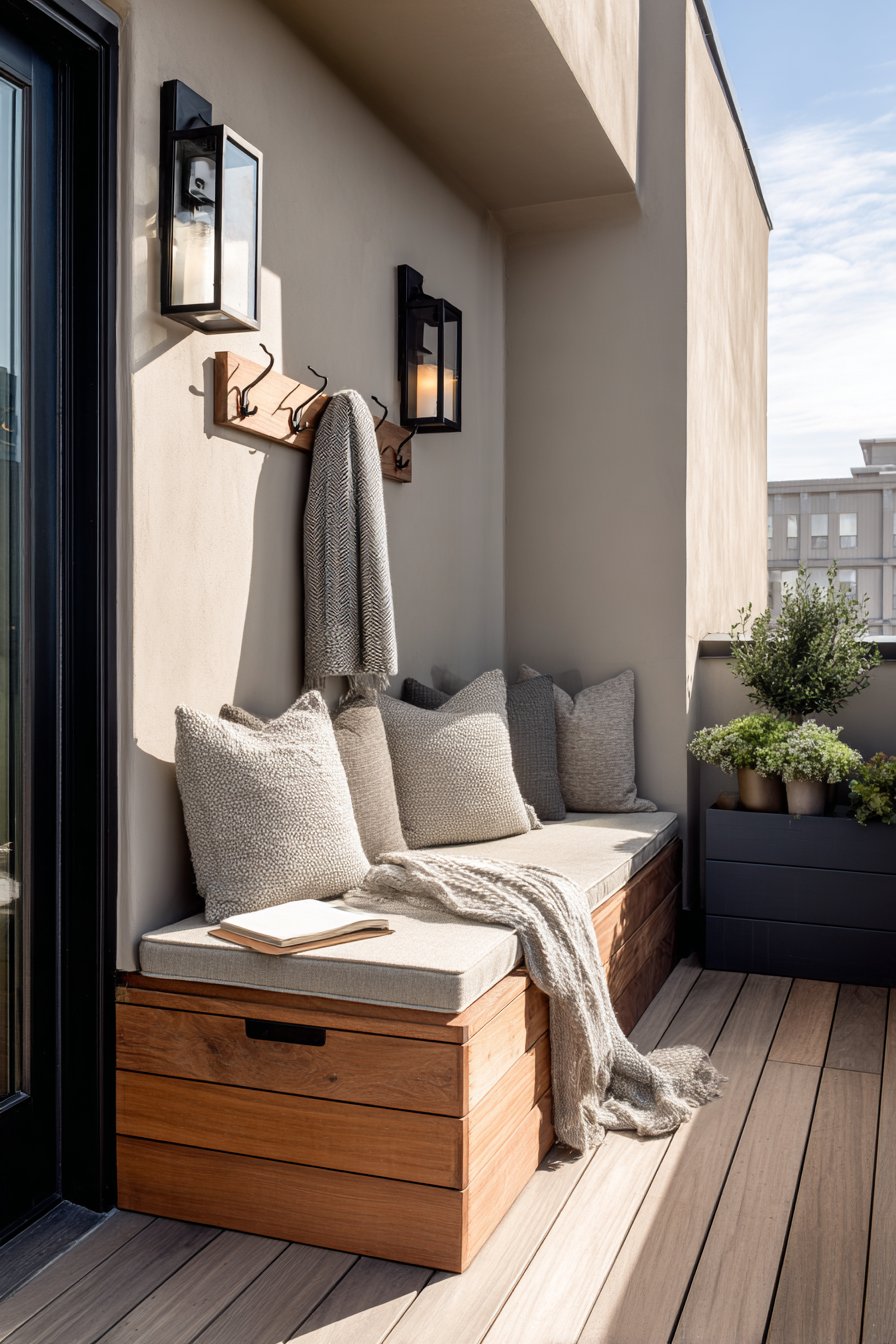
Built-in benches with hidden storage compartments serve double duty as seating and organization. These multipurpose pieces maximize space efficiency, particularly valuable in smaller outdoor areas. Choose models with waterproof interiors and gas-lift hinges for easy access. Cedar or composite construction ensures the exterior withstands weather while protecting contents from moisture.
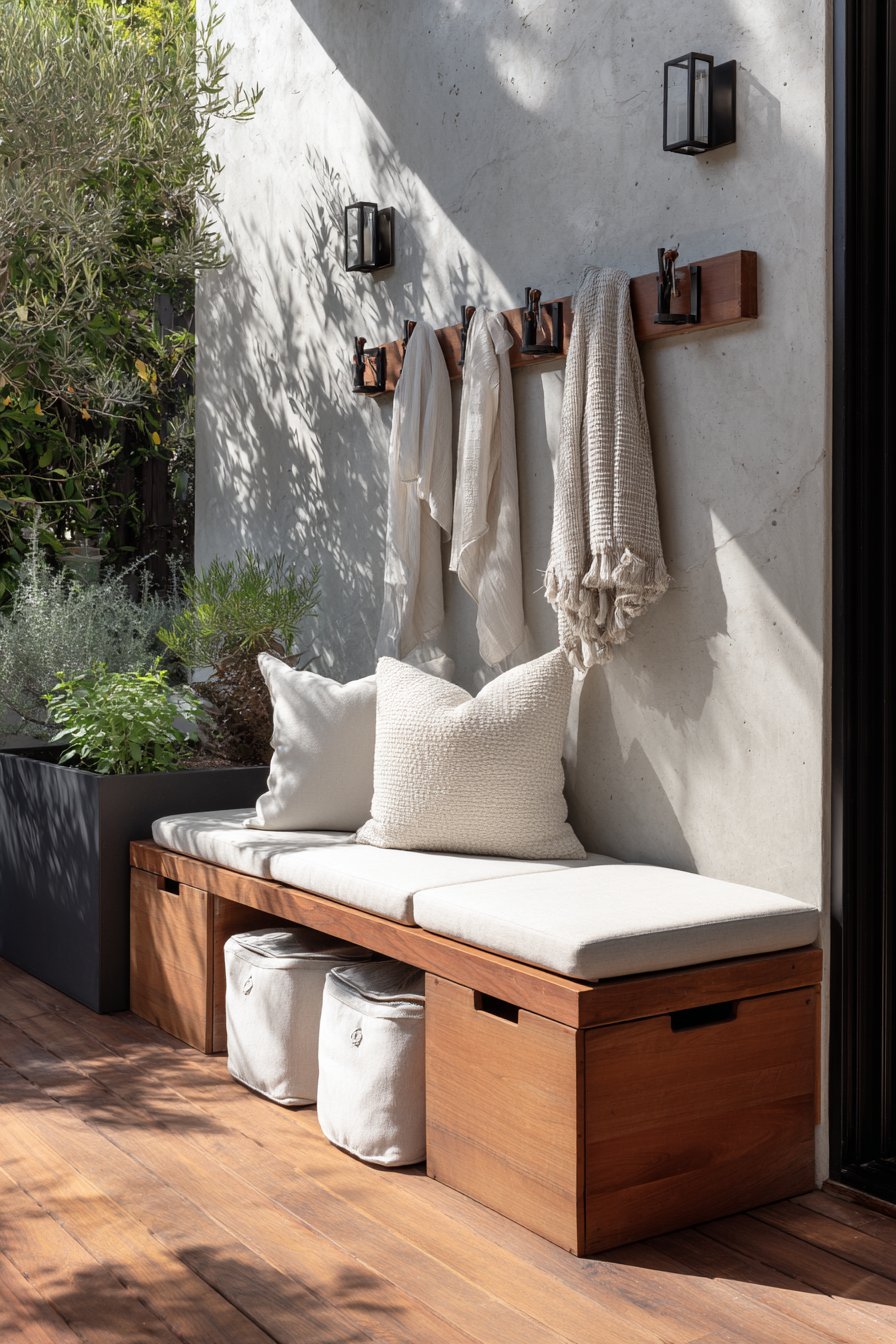
Freestanding storage boxes and cabinets offer flexibility to move and rearrange as needs change. Look for resin or metal construction that won’t warp, rust, or deteriorate. Lockable options provide security for valuable items and keep curious children safe from tools or chemicals. Include storage for seasonal items like extra cushions, gardening supplies, and outdoor games to keep everything organized and protected.
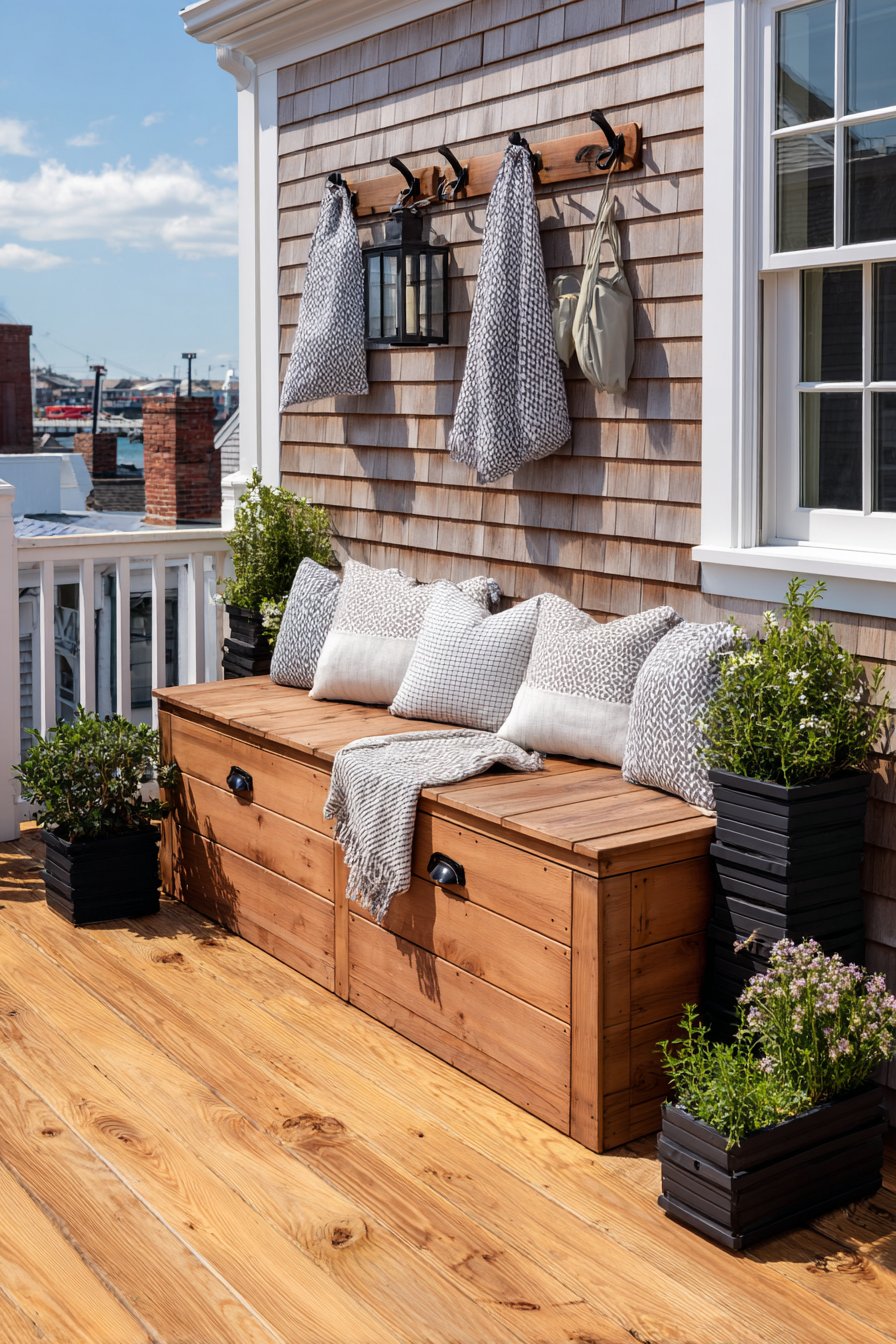
- Install built-in bench seating with waterproof storage underneath
- Add weatherproof deck boxes for cushions and outdoor accessories
- Use vertical storage cabinets for tools and cleaning supplies
- Include hooks and hanging storage for frequently used items
- Choose storage ottomans that double as extra seating or footrests
- Label storage containers to maintain organization throughout the year
Creating a cozy outdoor space that functions year-round requires thoughtful planning and quality investments. By implementing these eight strategies, you’ll transform your patio, deck, or garden into an extension of your home that welcomes you regardless of the season. Remember that successful outdoor design balances aesthetics with functionality while accounting for your specific climate and lifestyle needs.
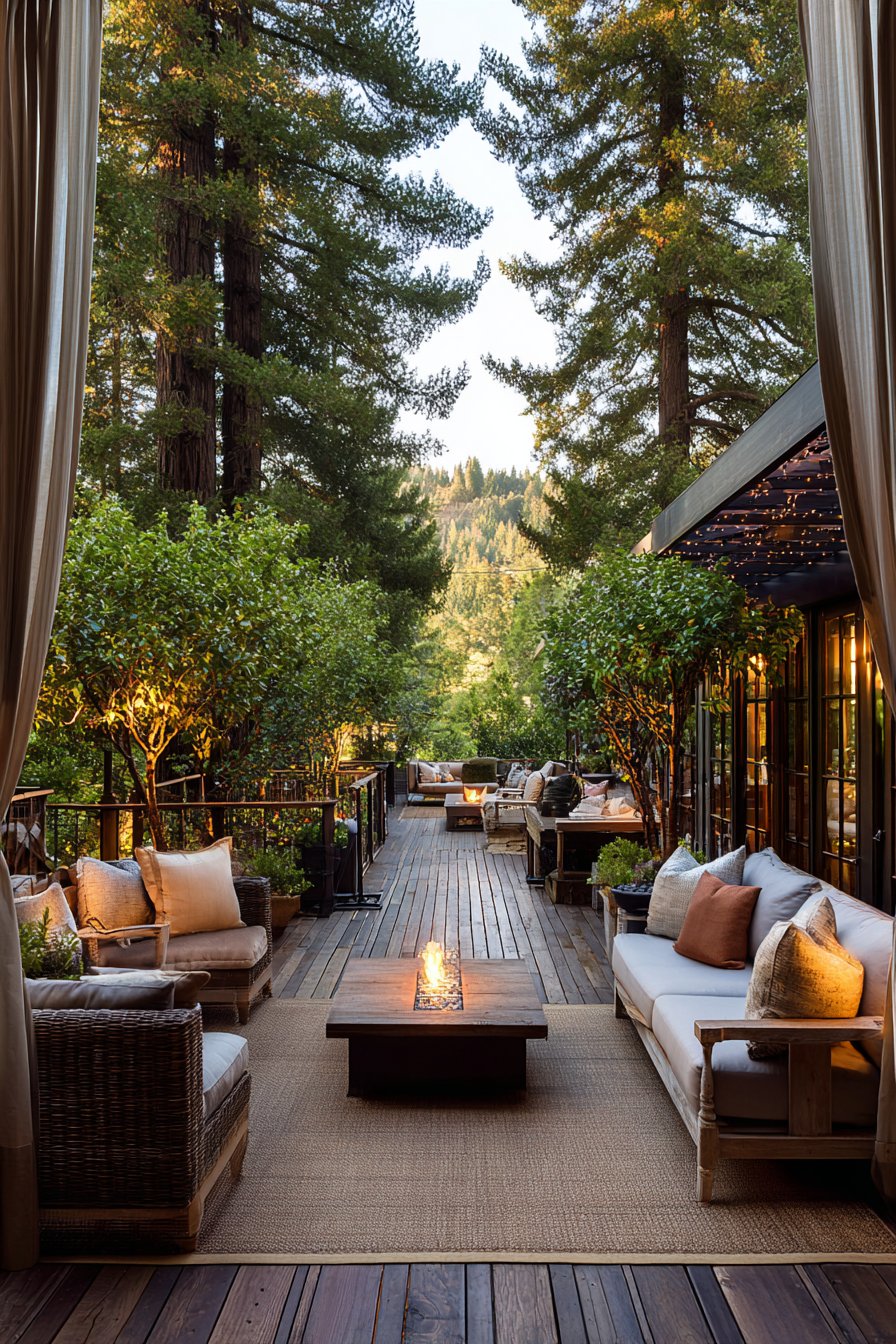
Start with one or two improvements that address your most pressing challenges, then build upon your foundation over time. The beauty of outdoor design lies in its flexibility and evolution. Experiment with different arrangements, textiles, and lighting to discover what works best for your space. Your outdoor sanctuary awaits—make it a place you’ll cherish every day of the year.