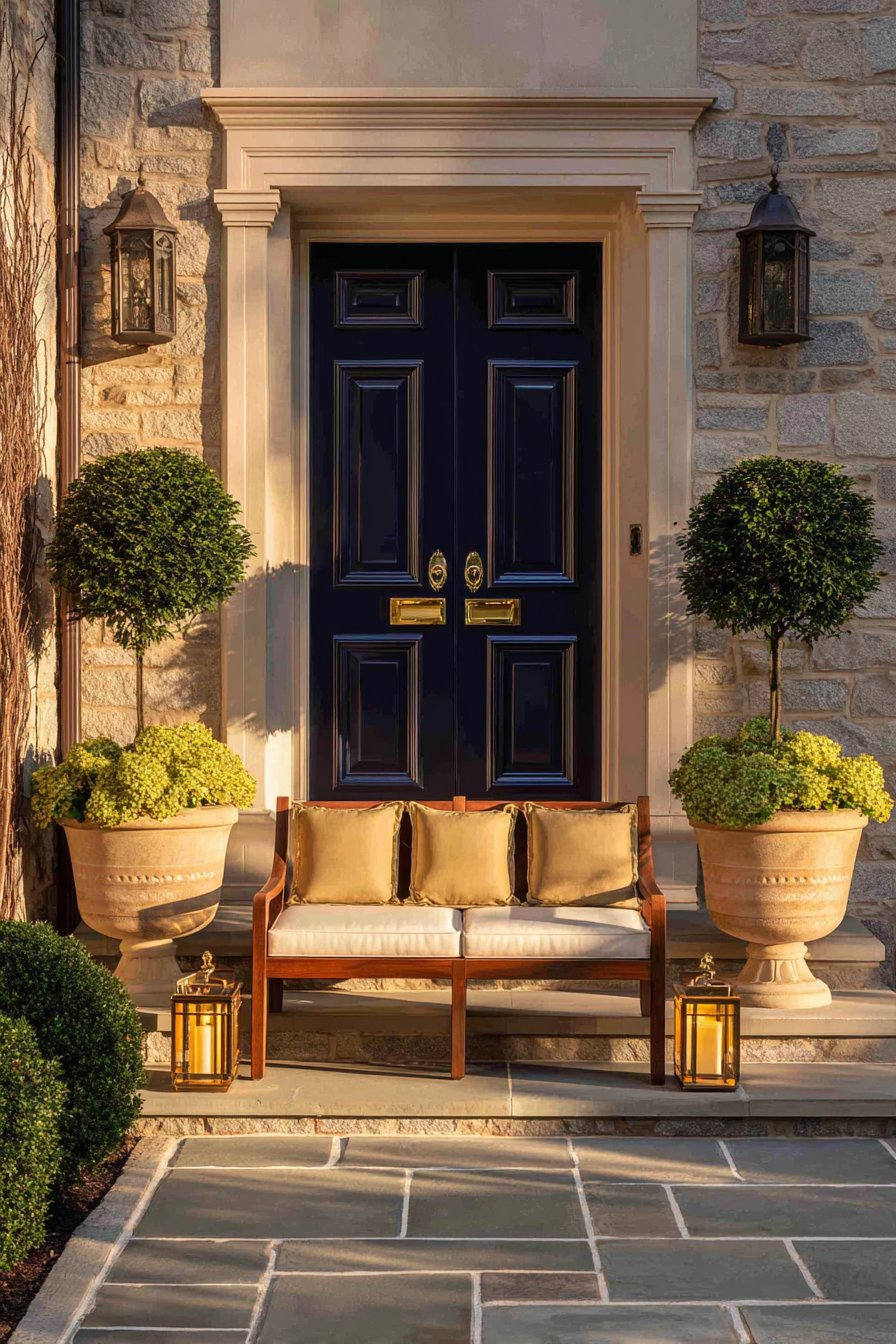


Your outdoor entryway serves as the first impression of your home, setting the tone for what visitors can expect inside. A well-designed entrance creates an immediate sense of warmth and welcome while reflecting your personal style. Whether you have a sprawling front porch or a modest stoop, thoughtful design choices can transform this transitional space into an inviting focal point.
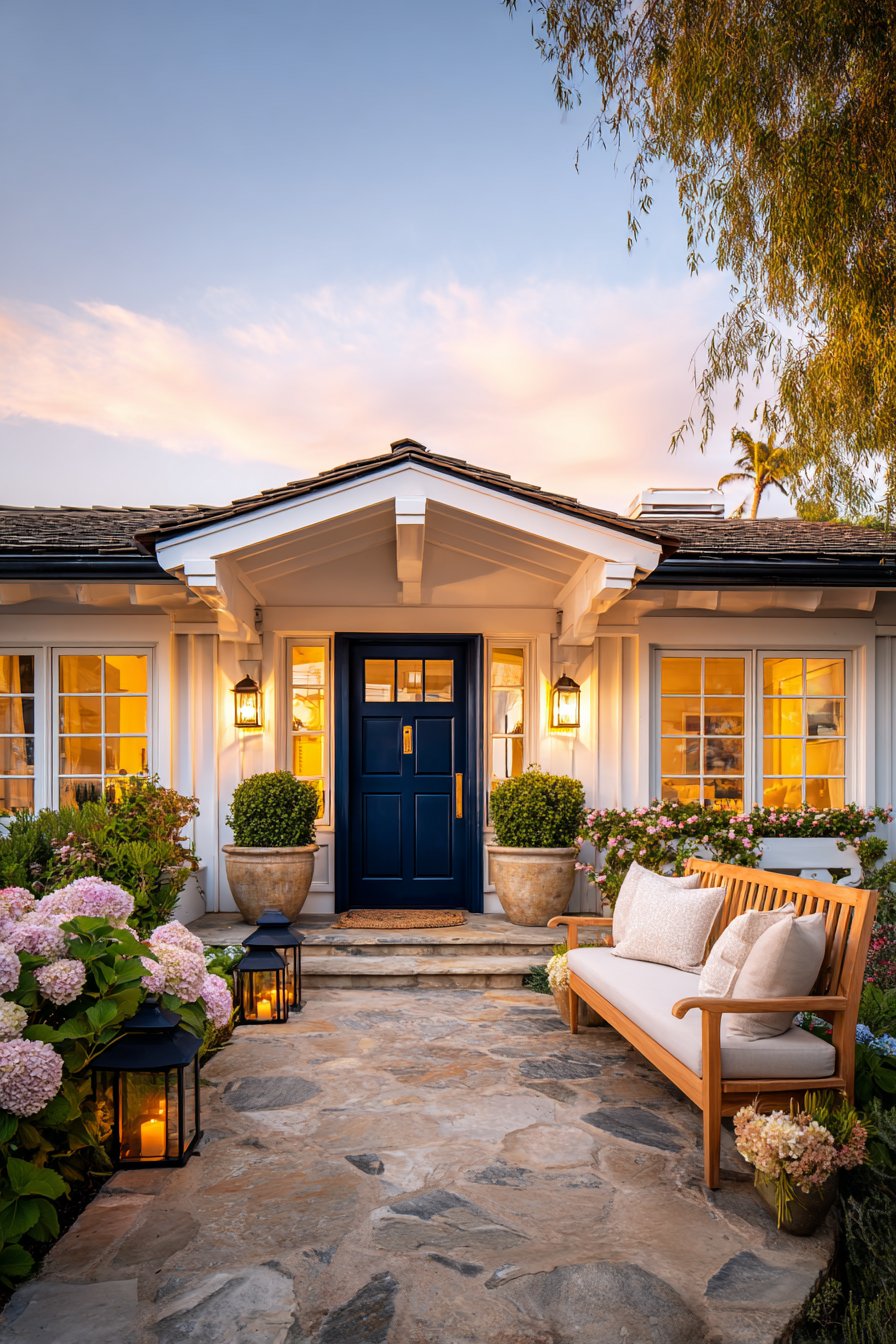
The art of creating an exceptional outdoor entryway goes beyond simply placing a doormat at your threshold. It involves careful consideration of architectural elements, landscaping, lighting, and decorative accents that work together harmoniously. Each component plays a vital role in establishing curb appeal and making guests feel genuinely welcomed. From strategic seating arrangements to carefully chosen plantings, every detail contributes to the overall atmosphere.
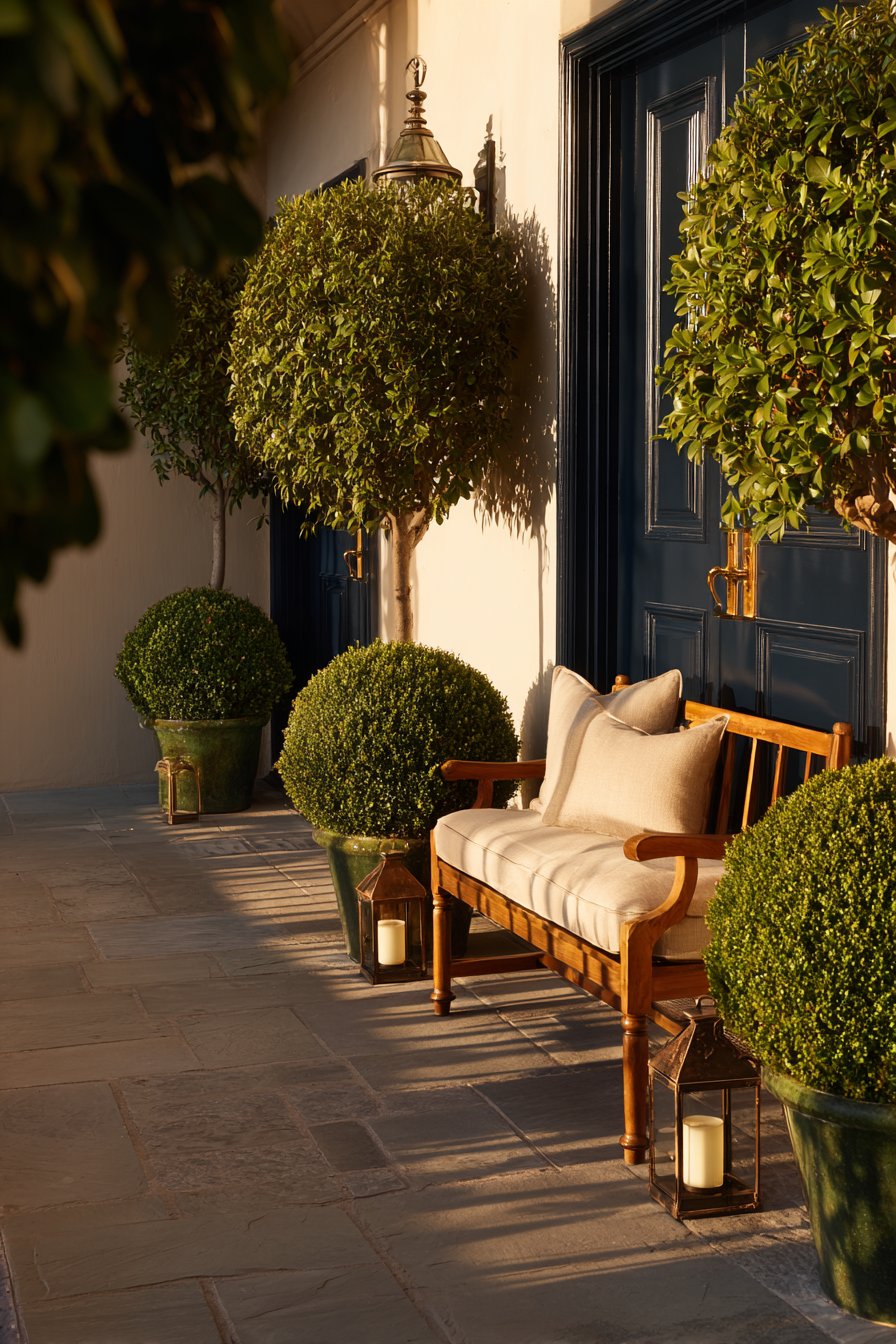
This comprehensive guide explores six essential strategies for designing an outdoor entryway that captivates and charms. These proven techniques cater to various architectural styles, budgets, and spatial constraints. By implementing these design principles, you’ll create an entrance that not only enhances your home’s exterior but also reflects your unique personality and hospitality.
1. Strategic Lighting Design
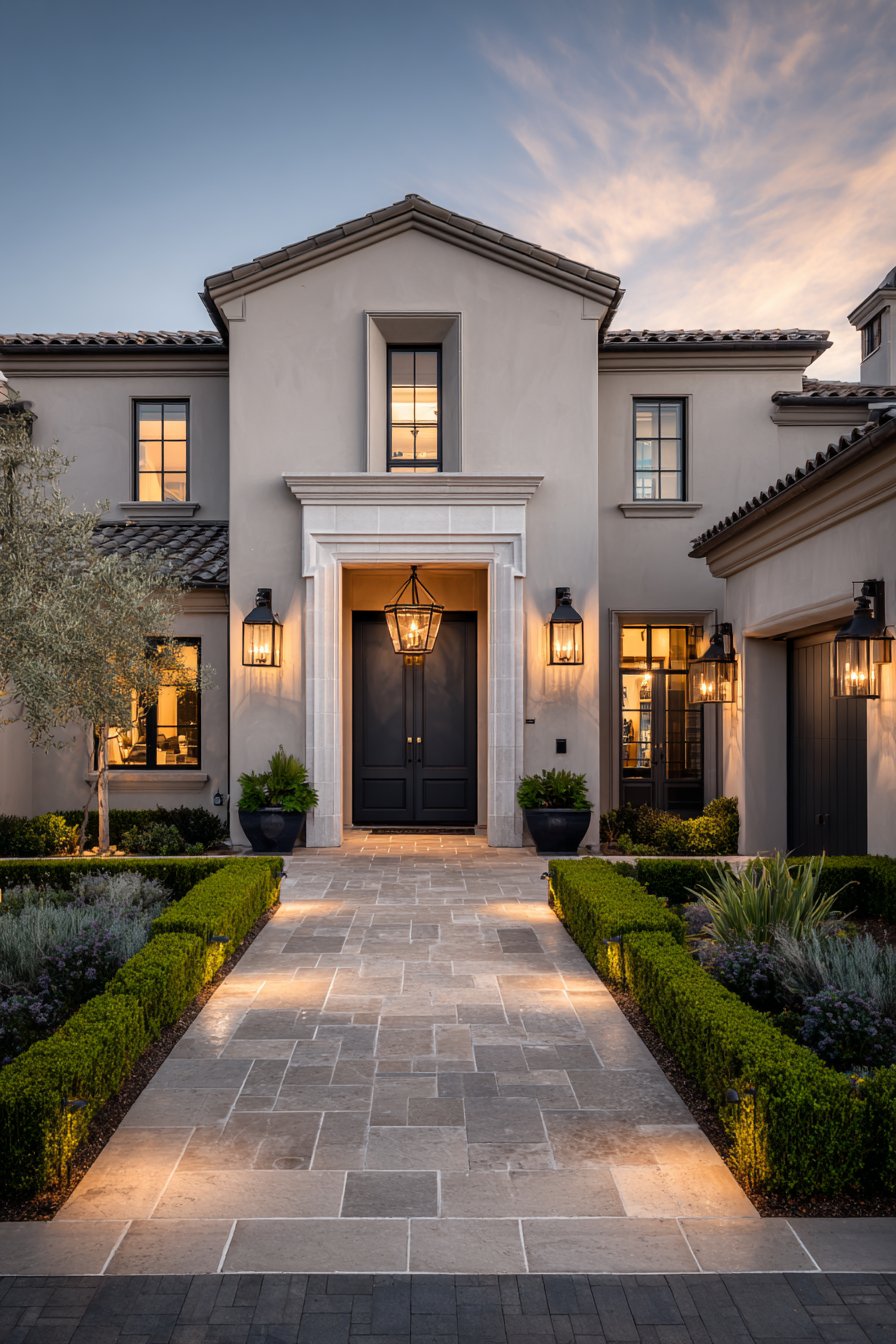
Proper illumination transforms your entryway from ordinary to extraordinary while serving essential safety and security functions. Layered lighting creates depth and visual interest, guiding visitors safely to your door even after sunset. The right fixtures can highlight architectural features, illuminate pathways, and create a warm, welcoming ambiance that makes your home stand out.
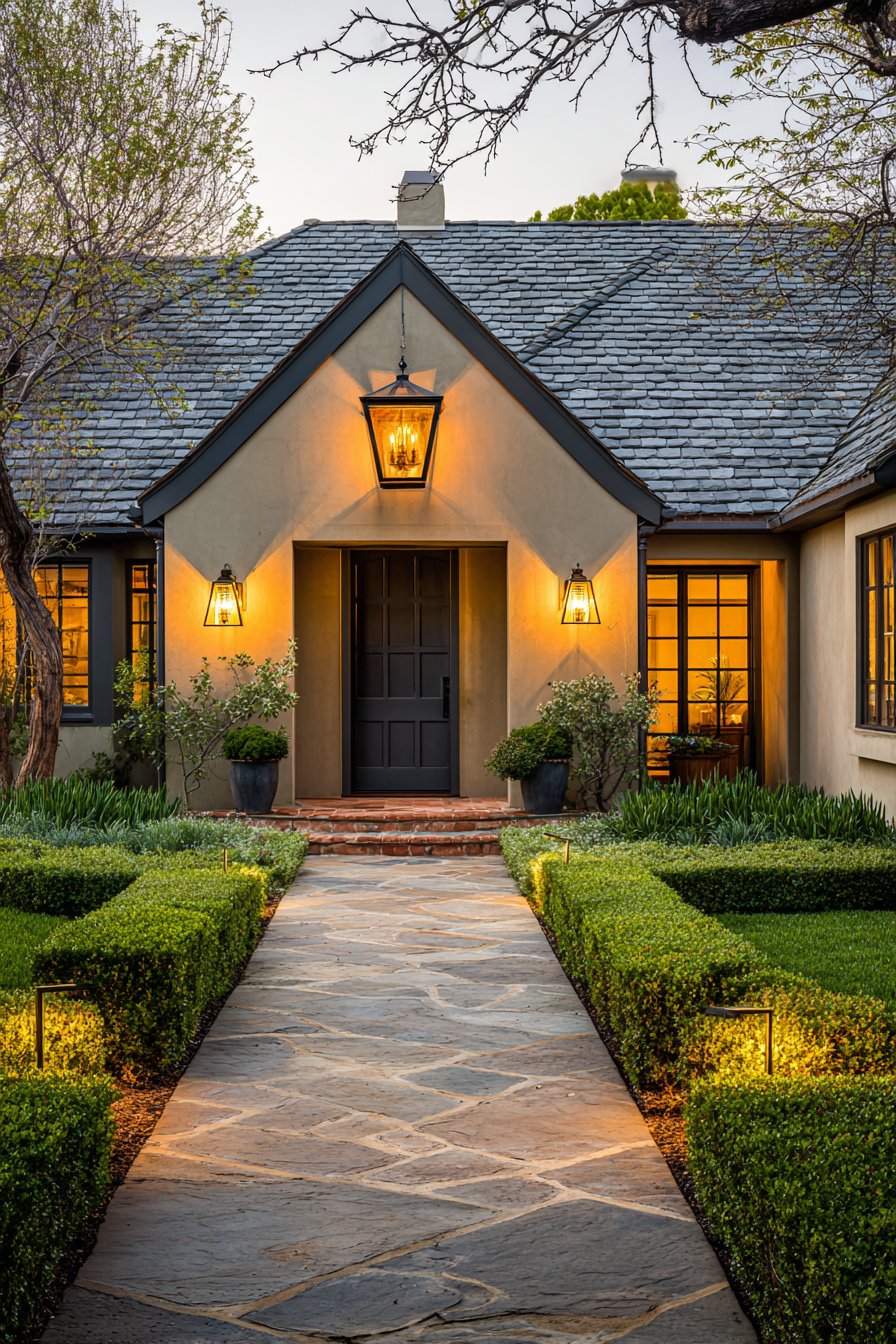
Consider combining multiple light sources at varying heights to achieve optimal coverage and aesthetic appeal. Wall-mounted sconces flanking your door provide symmetrical elegance and task lighting. Overhead pendant lights or lanterns add dramatic flair while illuminating the immediate entry area. Path lights guide visitors along walkways, while uplighting can showcase beautiful trees or architectural details.
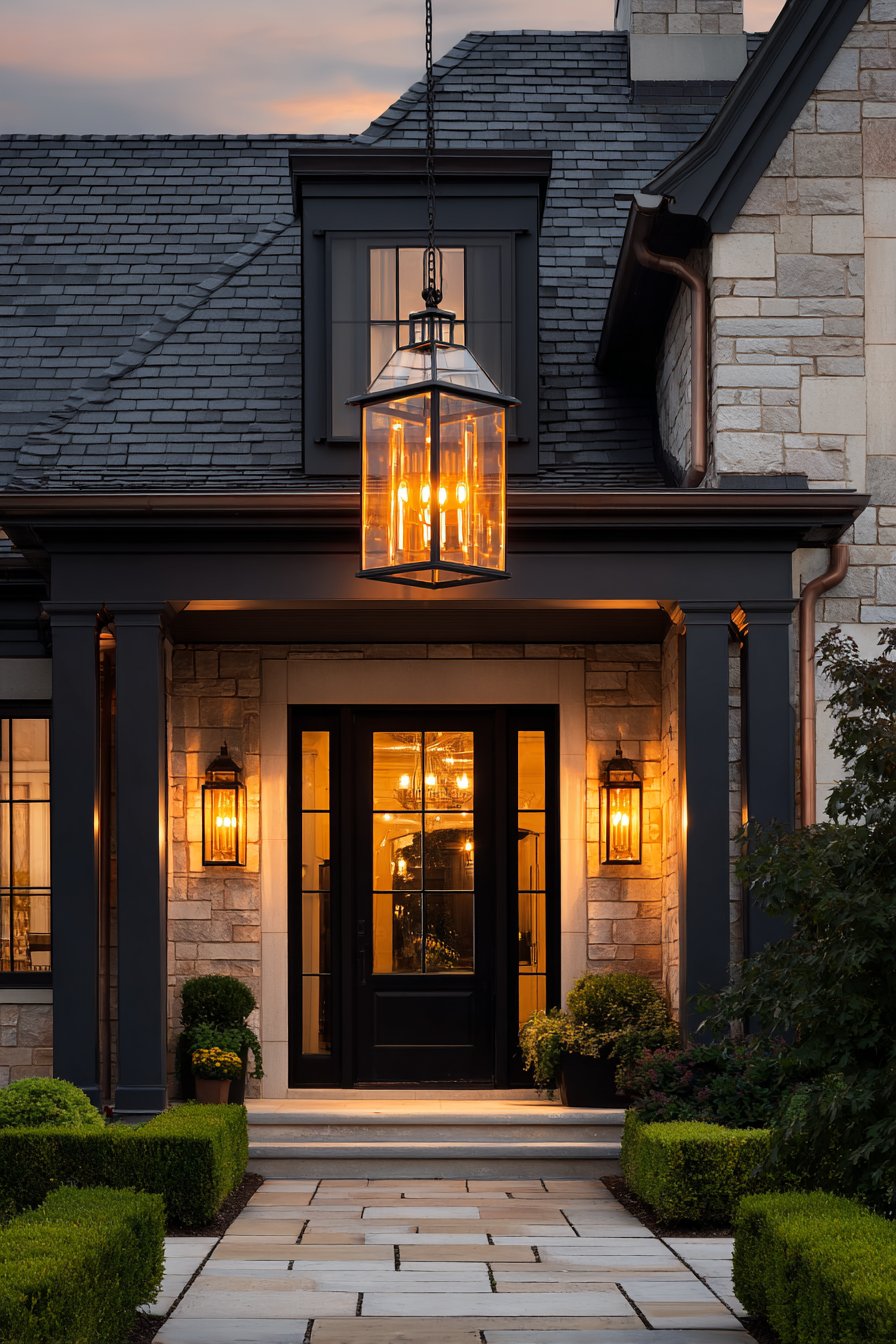
Choose fixtures that complement your home’s architectural style and withstand outdoor elements. Modern homes benefit from sleek, minimalist designs, while traditional architecture pairs beautifully with classic lantern styles. Ensure all fixtures are rated for outdoor use and consider energy-efficient LED options that provide excellent illumination while reducing electricity costs.
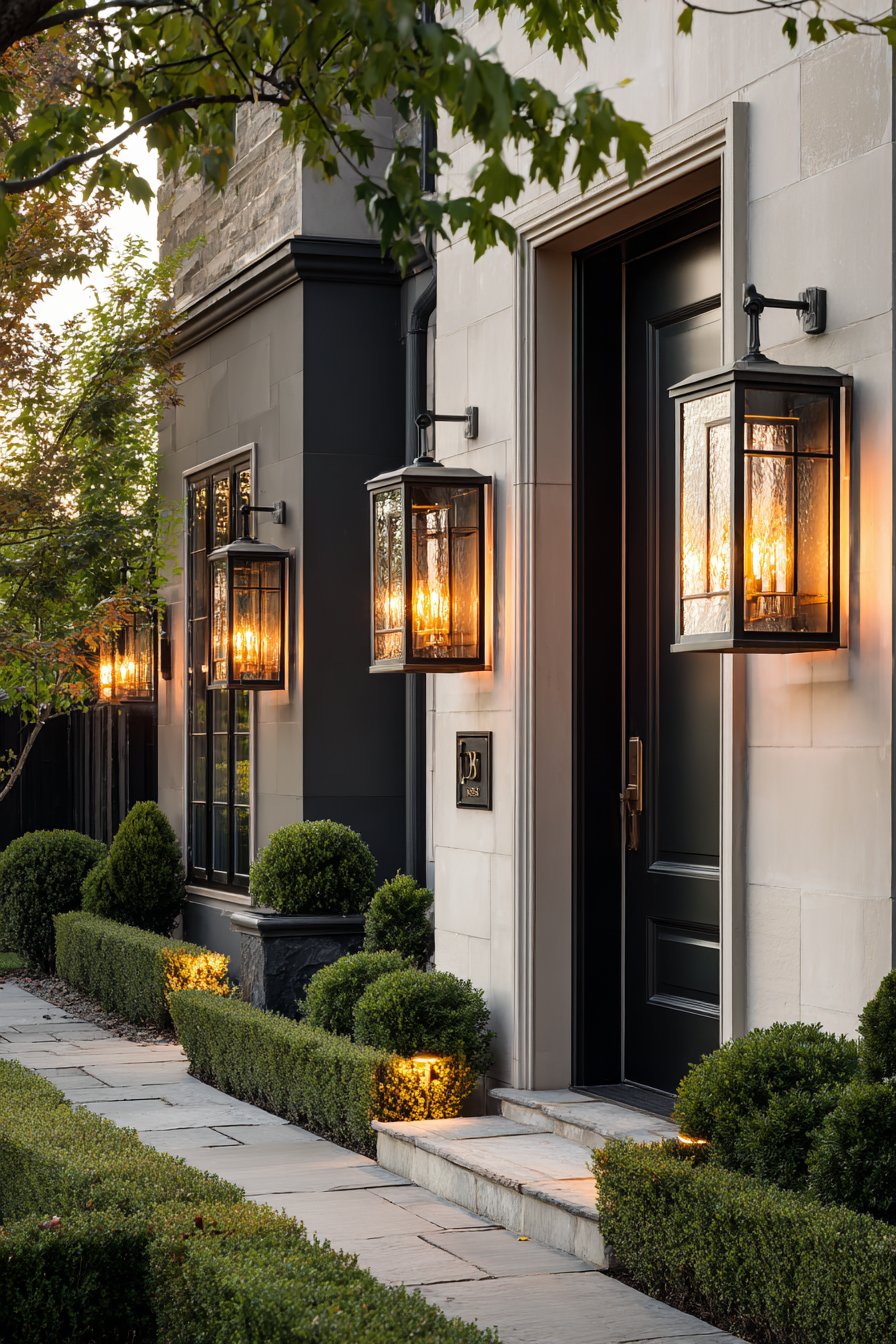
- Install dimmer switches to adjust ambiance for different occasions and times of day
- Use warm white bulbs (2700-3000K) to create inviting, cozy atmosphere
- Position lights to eliminate dark corners and shadowy areas near the entrance
- Consider motion-sensor lights for added security and convenience
- Layer ambient, task, and accent lighting for professional-looking results
- Ensure fixtures are proportional to your home’s scale and entryway size
2. Welcoming Seating Arrangements
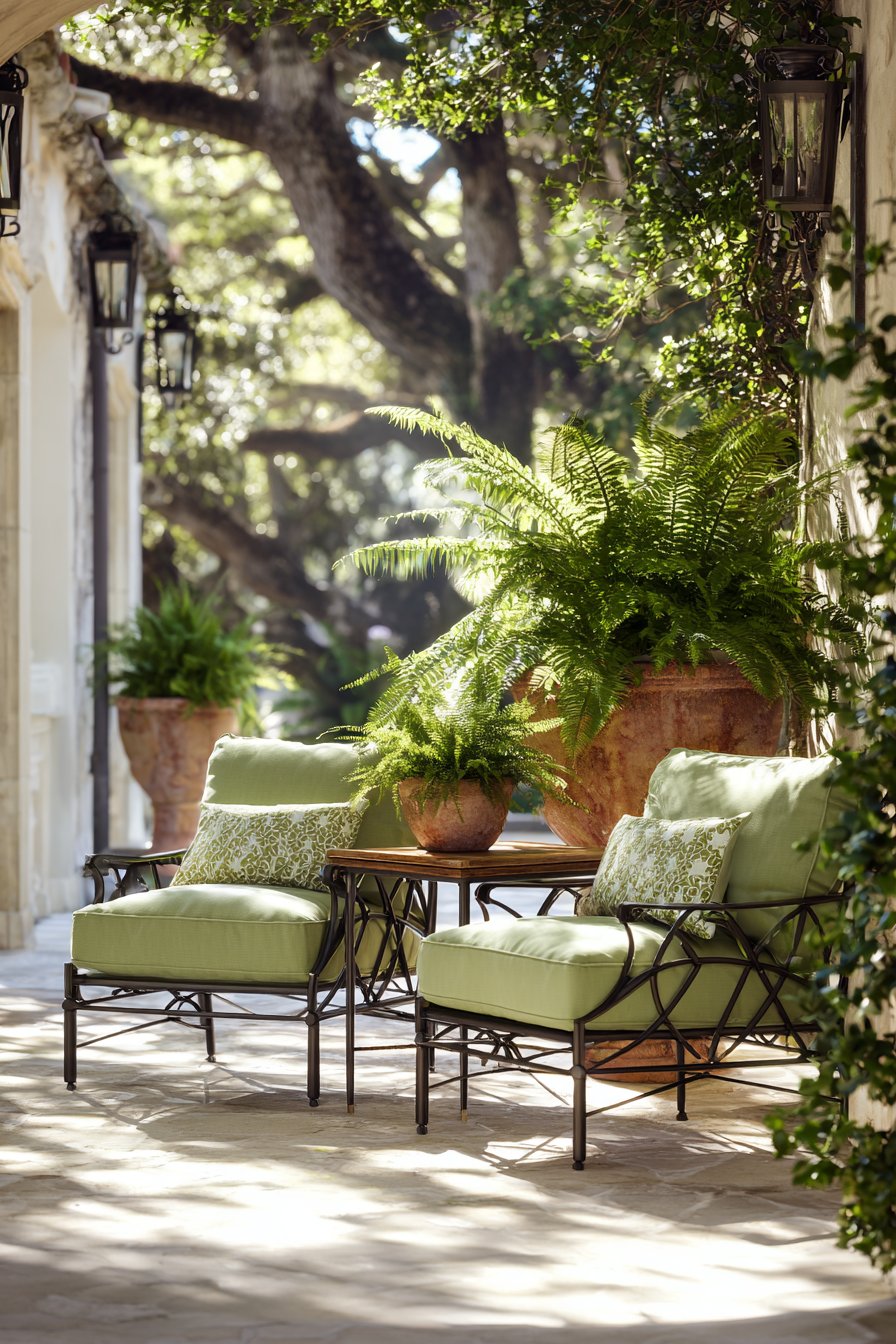
Incorporating seating into your outdoor entryway creates an instant sense of hospitality and transforms the space into a functional outdoor room. Even a simple bench or pair of chairs signals to visitors that your home is a place of comfort and relaxation. This design element adds character while providing practical benefits for you and your guests.
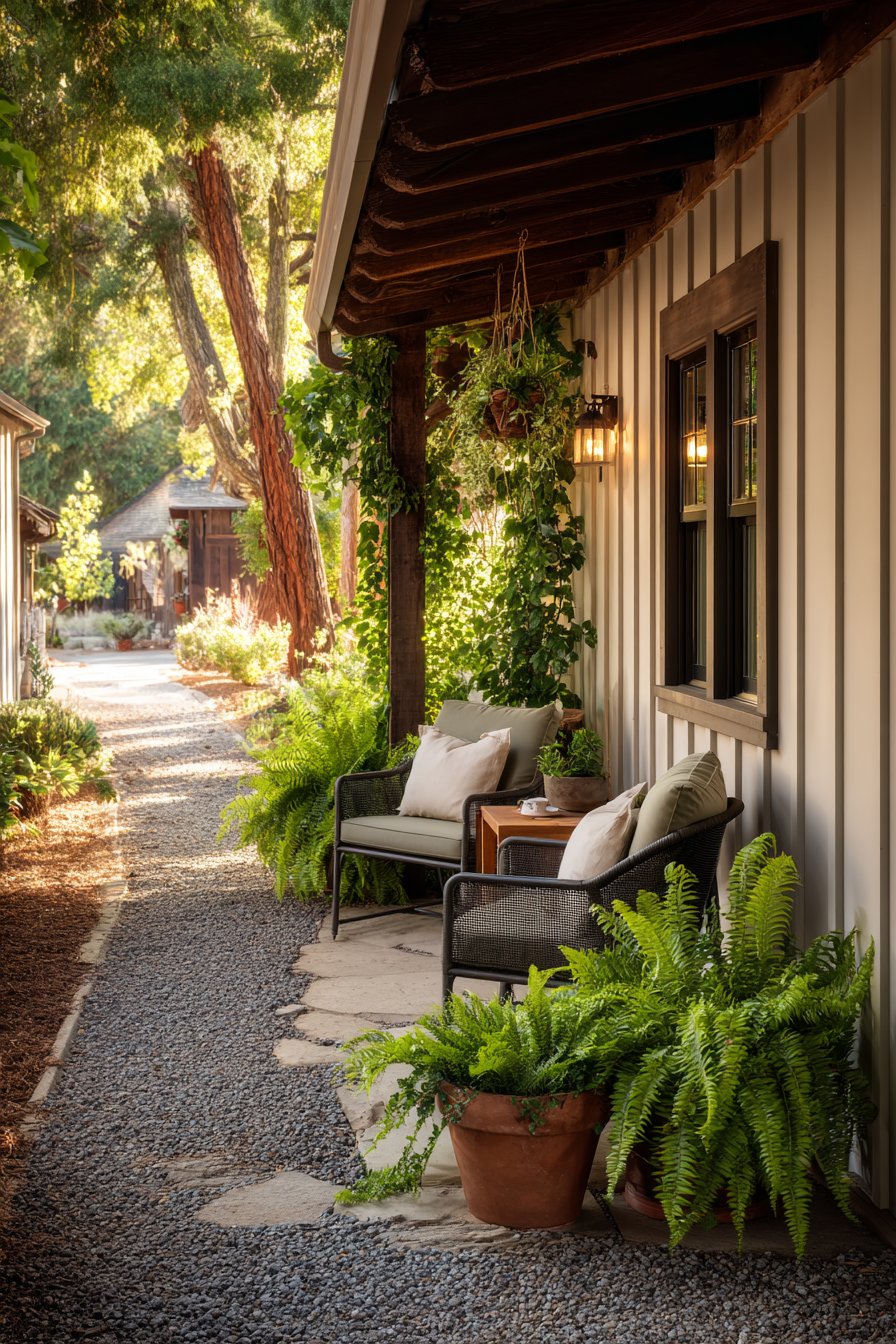
Select furniture that withstands weather conditions while maintaining visual appeal throughout the seasons. Weather-resistant materials like teak, wrought iron, powder-coated aluminum, or all-weather wicker ensure longevity. Add cushions in outdoor fabrics for comfort and color, choosing patterns that complement your home’s exterior palette. Remember to bring cushions inside during harsh weather to extend their lifespan.
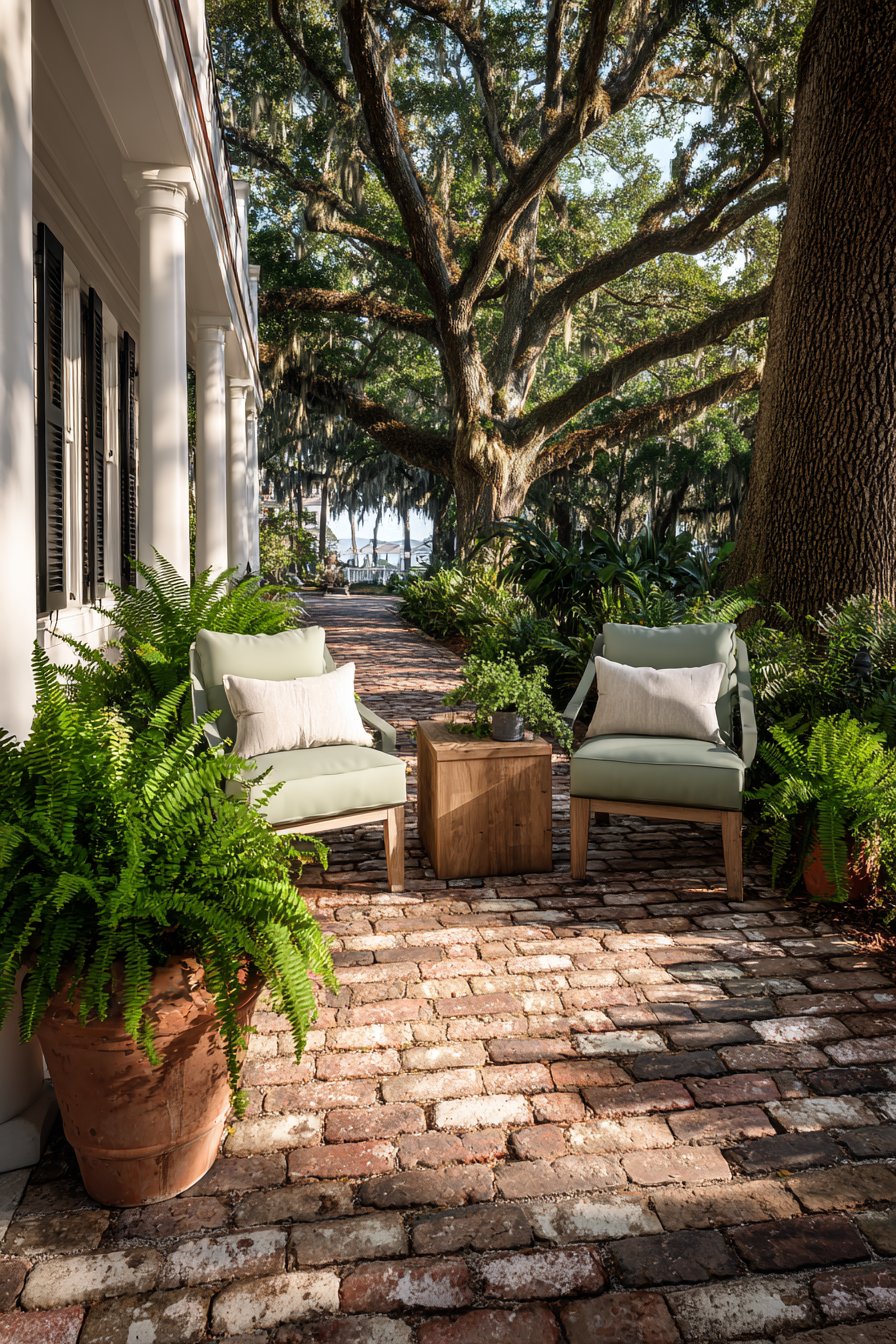
Scale your seating appropriately to your available space without overwhelming the entryway. A petite porch might accommodate a single bench, while larger spaces can feature a pair of armchairs or a small seating grouping. Ensure adequate clearance for foot traffic and door operation, typically maintaining at least 36 inches of pathway width.
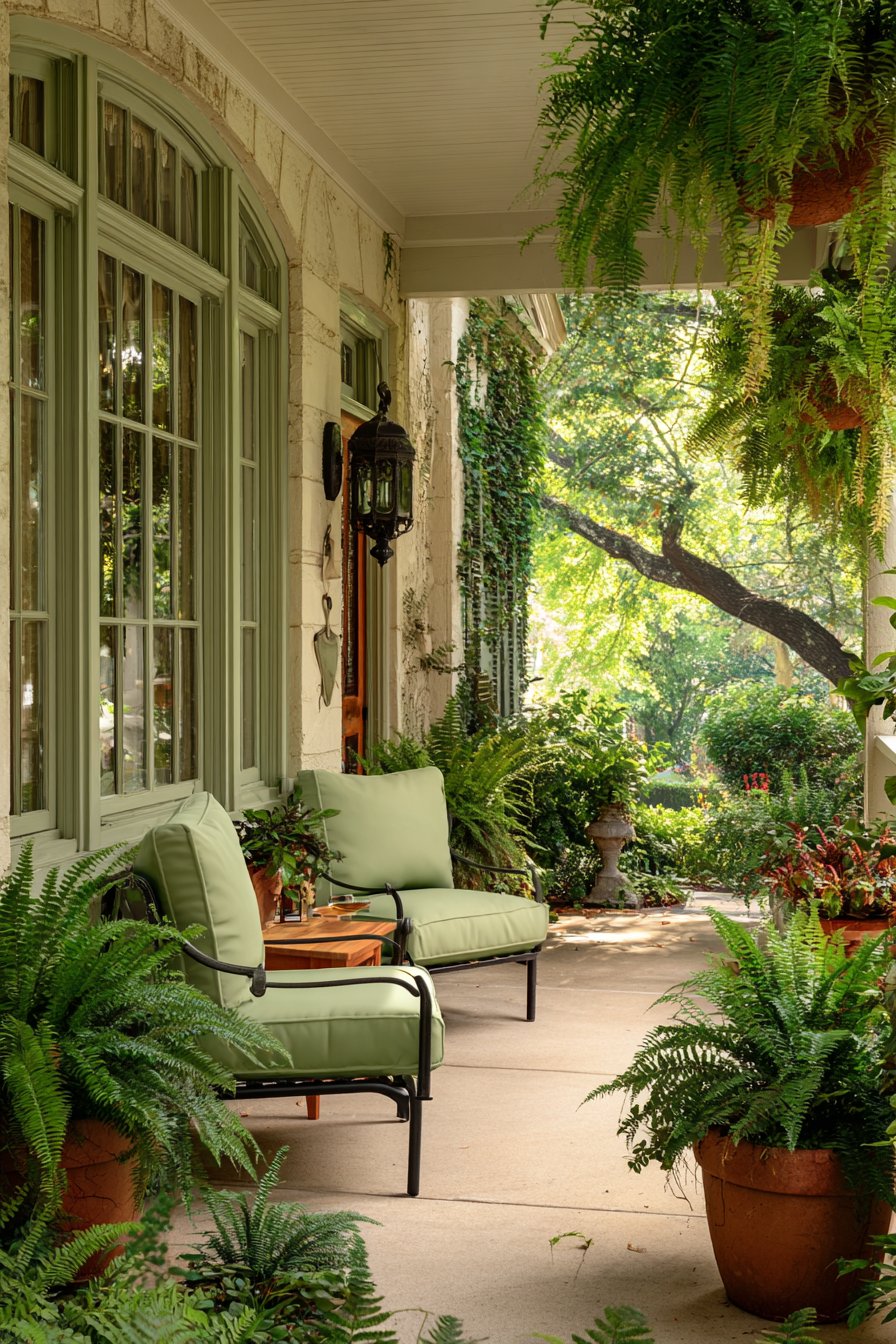
- Choose furniture with built-in storage to house outdoor cushions or garden tools
- Position seating to facilitate conversation while maintaining clear pathways
- Add small side tables for setting down packages or beverages
- Select pieces that complement your home’s architectural style and color scheme
- Consider folding or stackable options for flexibility in smaller spaces
- Include weatherproof covers to protect furniture during off-seasons
3. Lush Greenery and Plantings
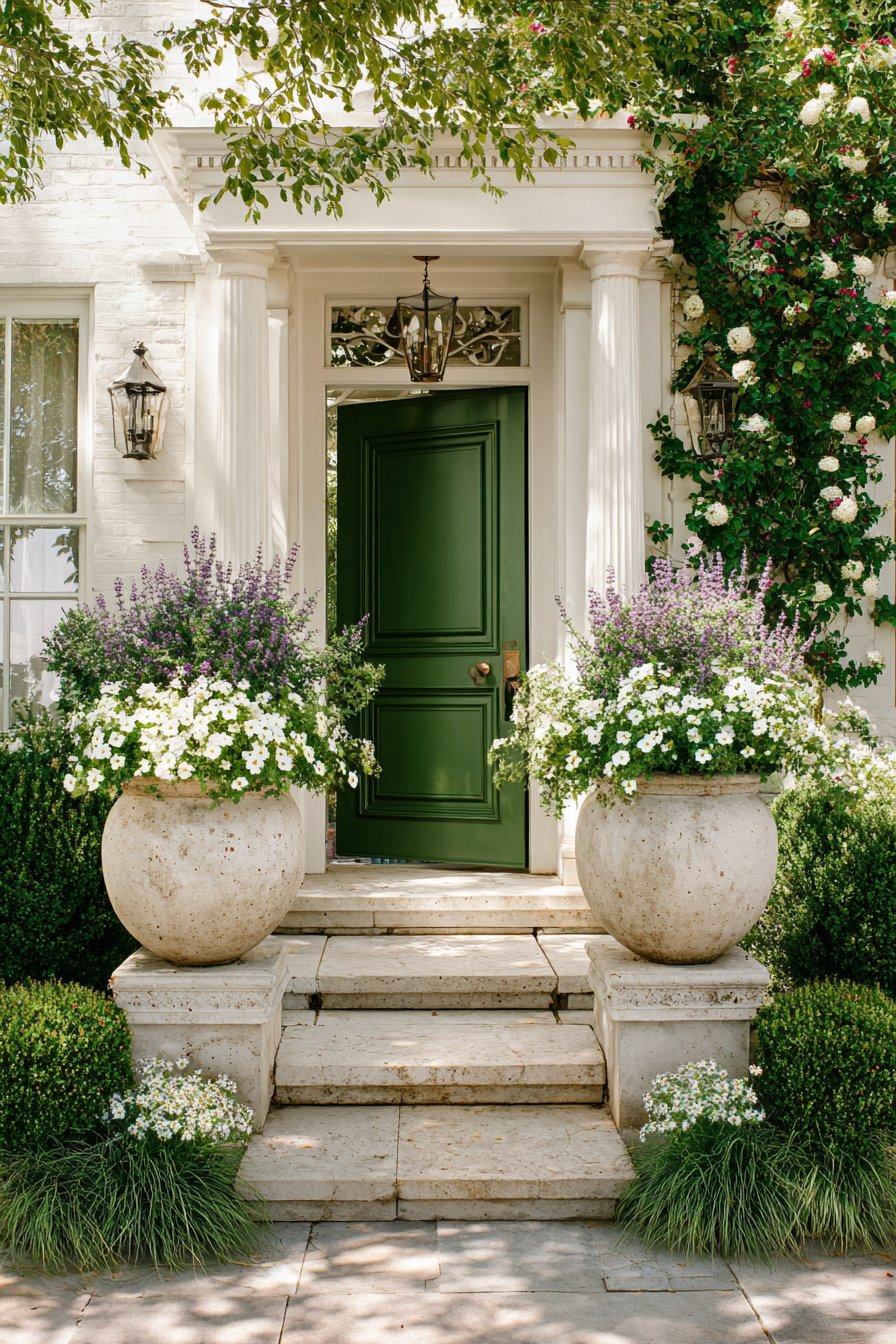
Strategic plant placement brings life and vibrancy to your outdoor entryway while softening hard architectural lines. Greenery creates a natural transition between your home and the surrounding landscape. The right plantings add seasonal color, delightful fragrance, and year-round visual interest that evolves with the changing seasons.
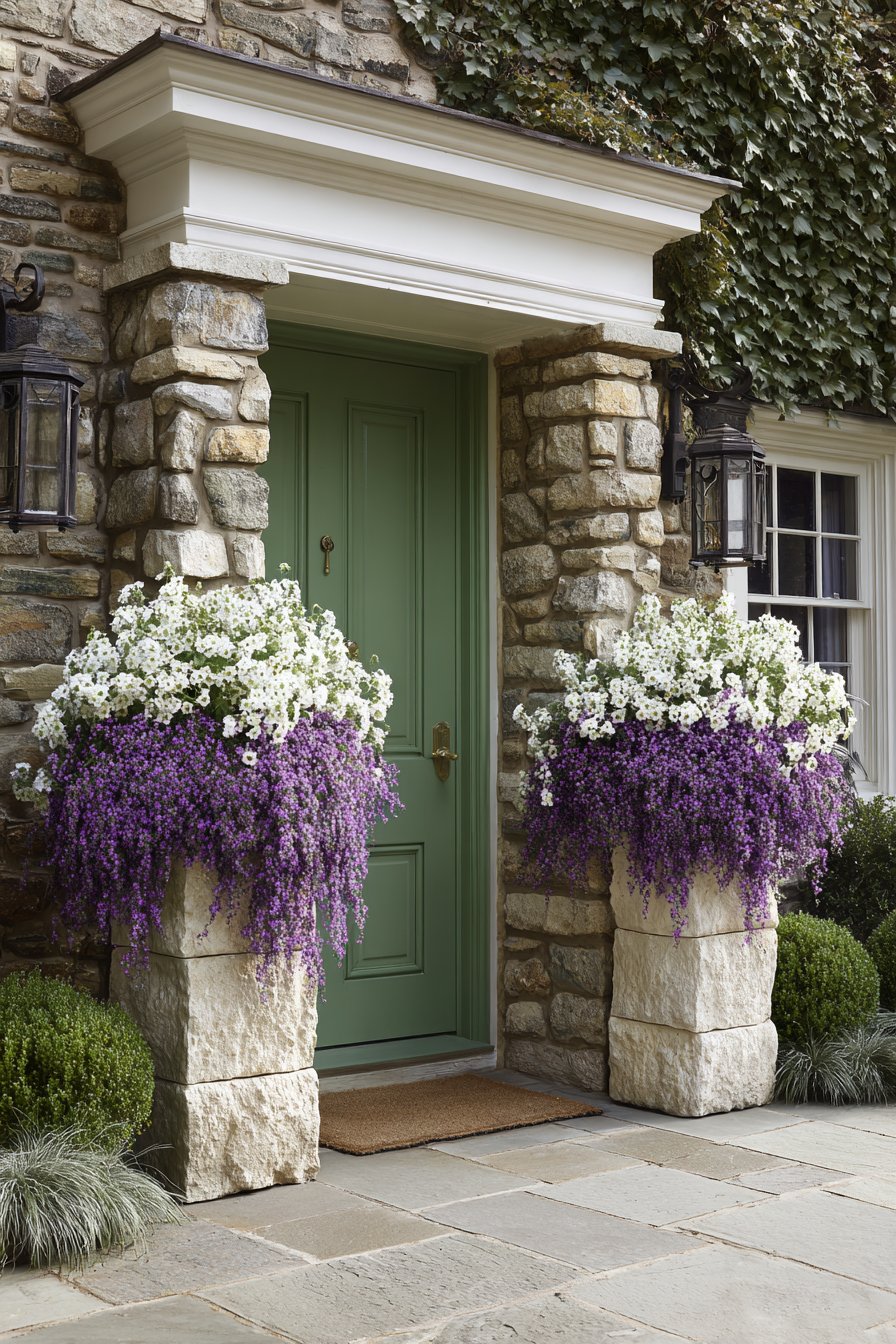
Frame your entrance with symmetrical plantings for a formal, balanced appearance, or opt for asymmetrical arrangements for a more relaxed, cottage-style feel. Large planters flanking the door create immediate impact and can be easily refreshed with seasonal blooms. Consider evergreen foundation plantings for consistent structure, supplemented with seasonal flowers for pops of color throughout the year.
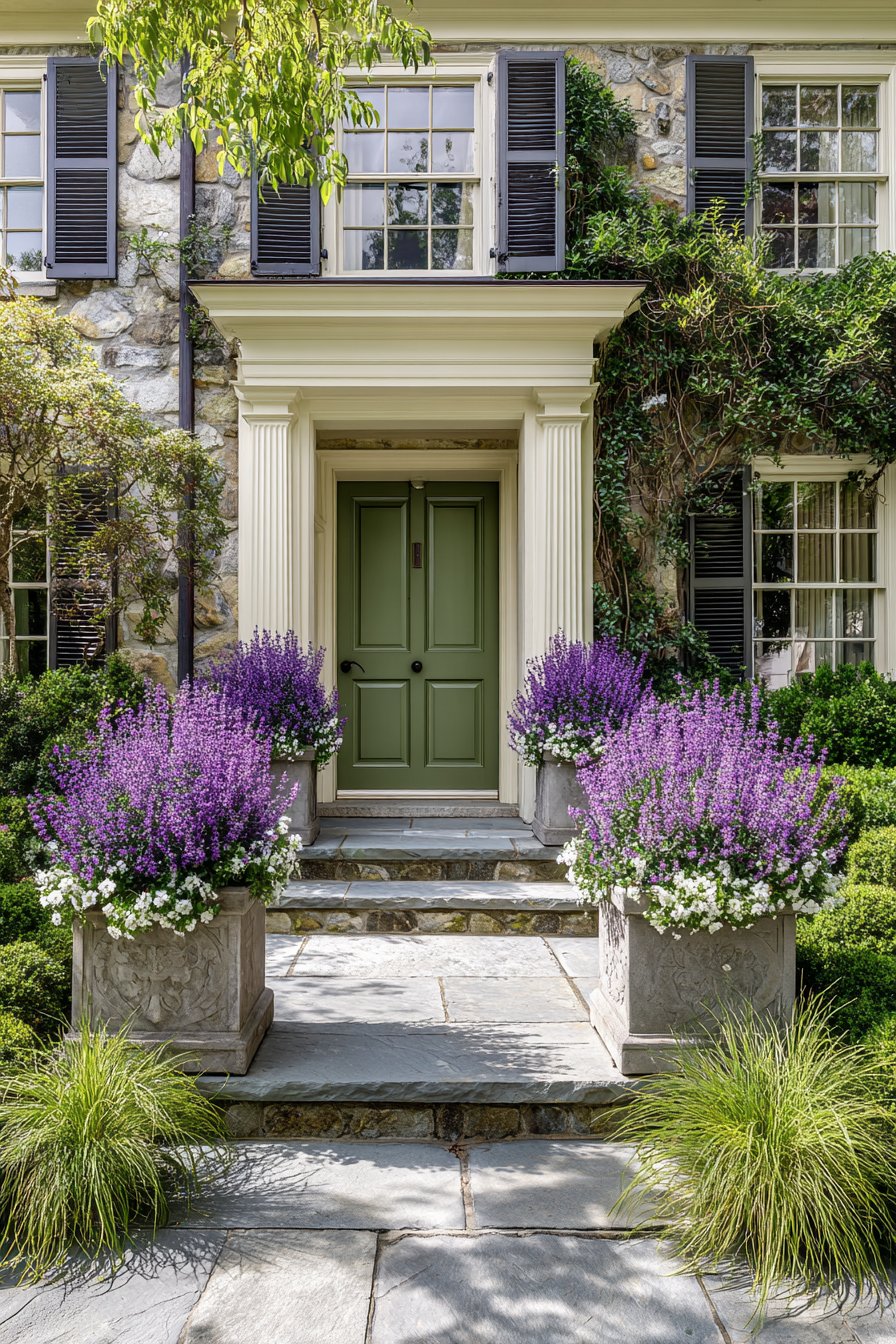
Choose plants appropriate for your climate and light conditions to ensure they thrive with minimal maintenance. Sun-loving options like geraniums, petunias, and lavender flourish in bright locations, while hostas, ferns, and impatiens prefer shadier spots. Incorporate plants with varying heights, textures, and bloom times for continuous interest and dynamic compositions.
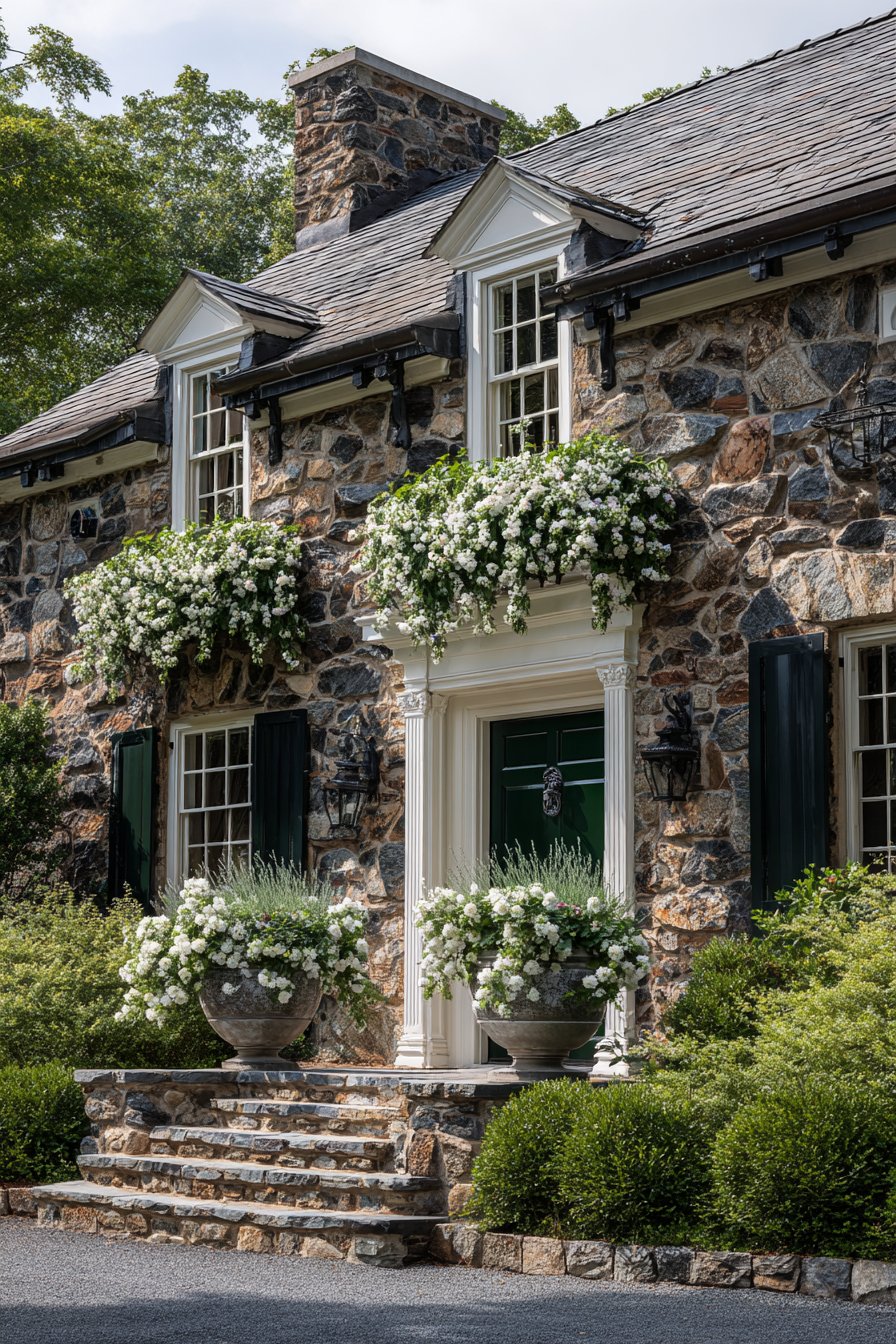
- Select containers that complement your home’s style and are properly sized for plant roots
- Ensure adequate drainage in all planters to prevent root rot and plant death
- Group odd numbers of plants (3, 5, 7) for the most visually pleasing arrangements
- Include fragrant varieties like jasmine or gardenia near seating areas
- Add trailing plants to soften container edges and create fullness
- Maintain consistent watering schedules and deadhead spent blooms regularly
4. Eye-Catching Door and Hardware
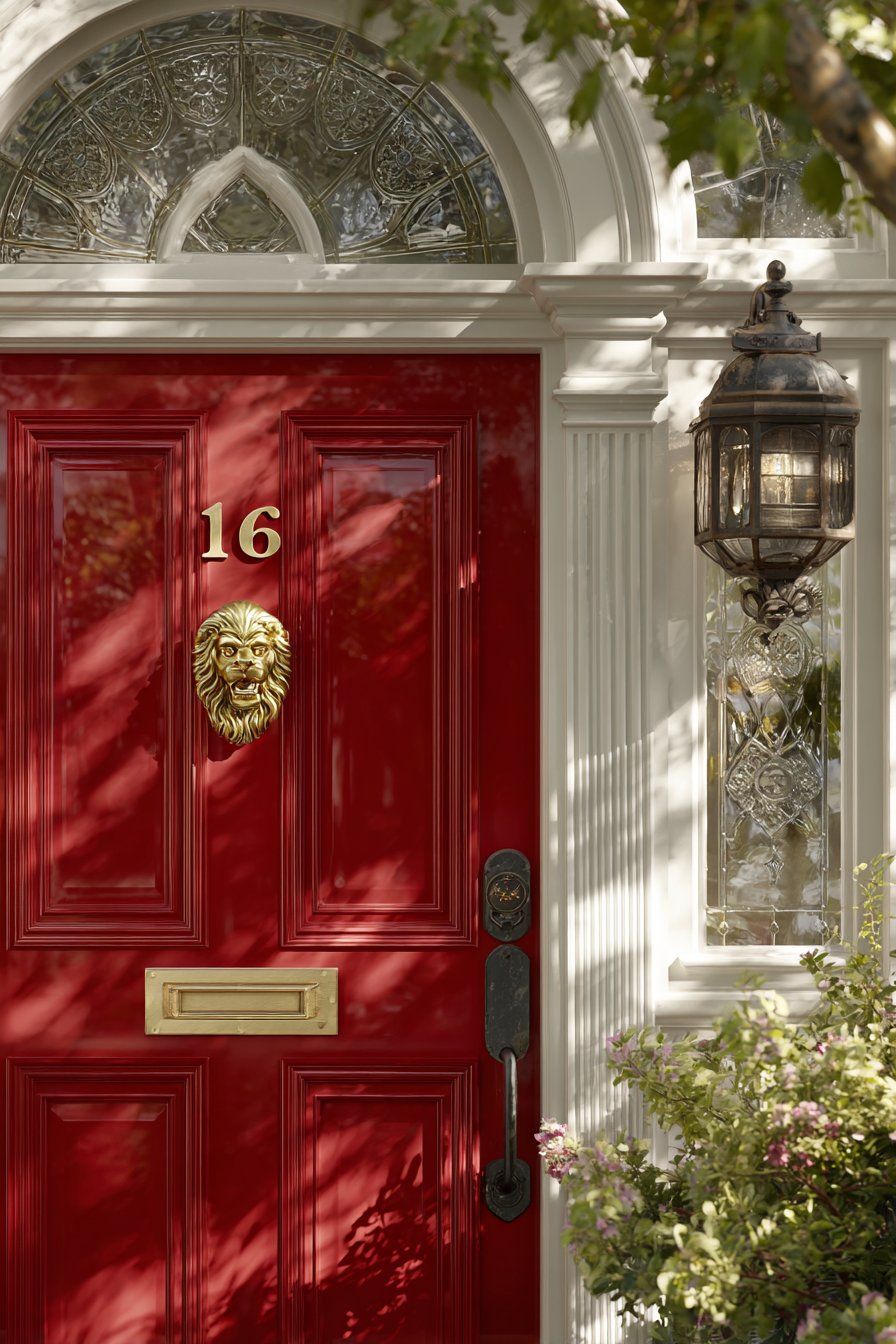
Your front door serves as the architectural focal point of your entryway and deserves special attention. A beautifully maintained or newly updated door makes a powerful statement about your home’s character. The right color choice, combined with polished hardware, creates an immediate impression of care and attention to detail.
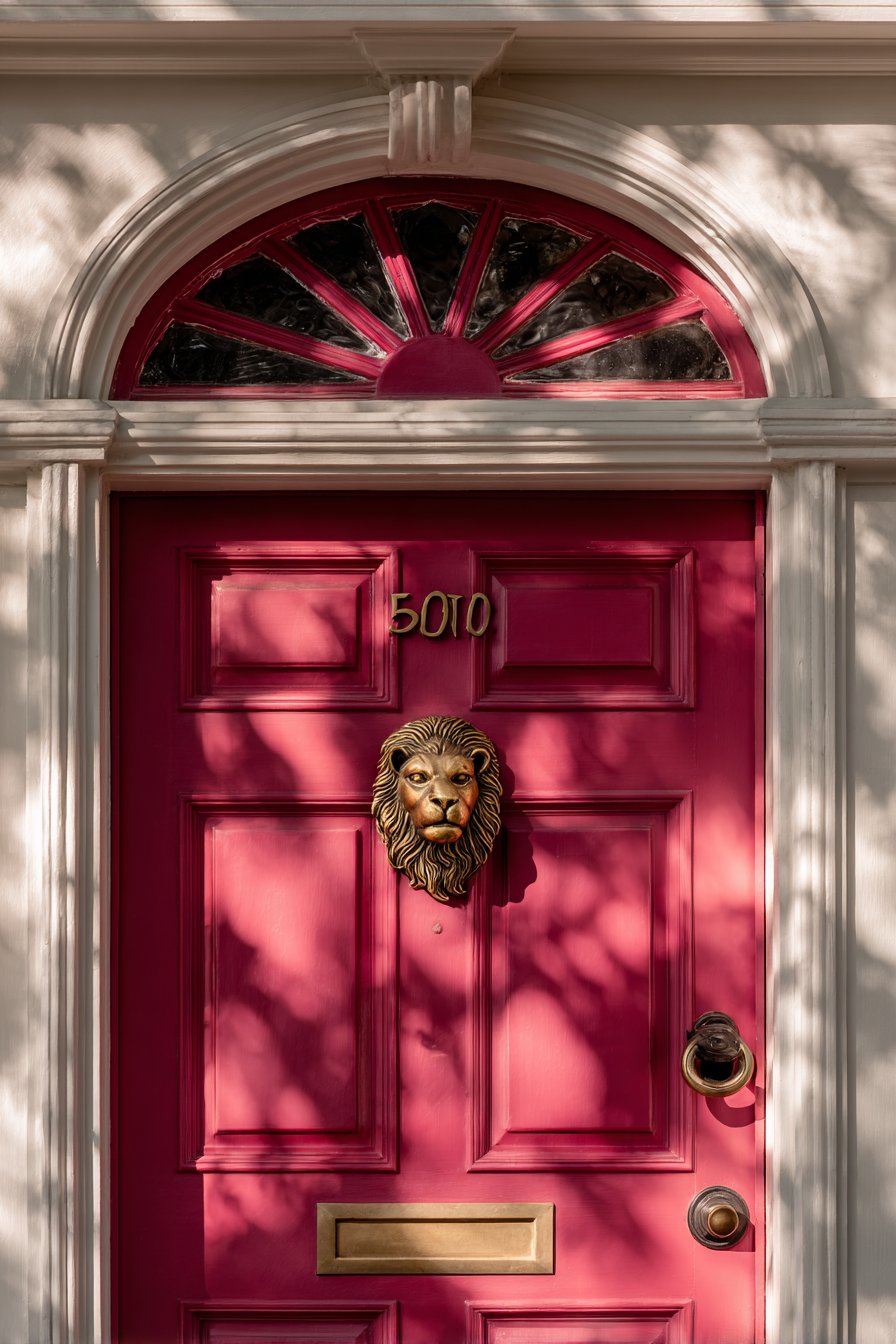
Consider painting your door in a bold, contrasting color that complements your home’s exterior while expressing your personality. Classic choices like navy blue, forest green, or charcoal gray offer timeless sophistication, while cheerful yellow, vibrant red, or turquoise create energetic welcome statements. Test paint samples in different lighting conditions before committing to ensure the color works throughout the day.
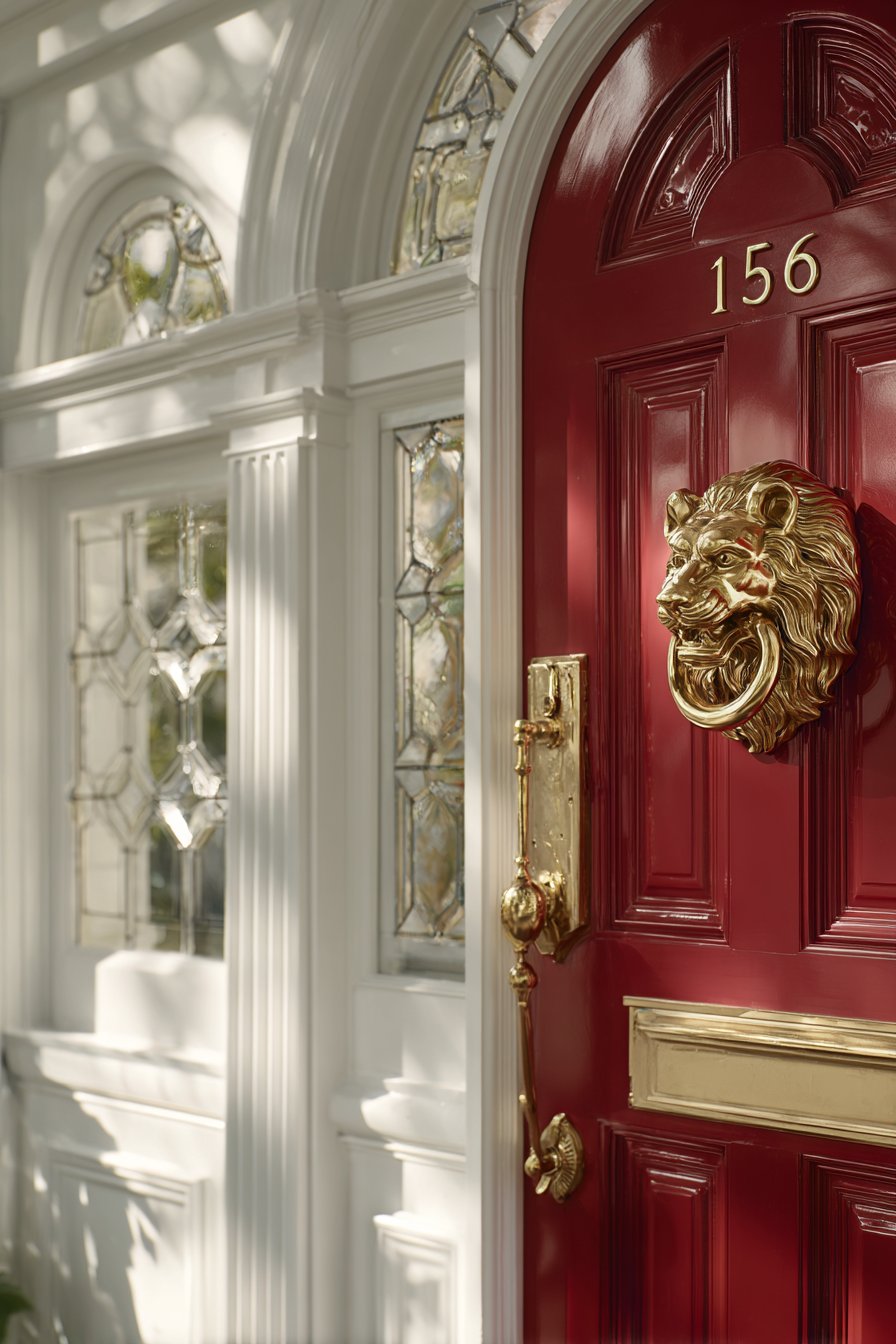
Upgrade door hardware to create a polished, cohesive look that elevates the entire entrance. Replace dated fixtures with high-quality options in finishes like brushed nickel, oil-rubbed bronze, or matte black. Ensure all hardware elements—handle, deadbolt, knocker, house numbers, and mail slot—coordinate in both finish and style for a unified, professional appearance.
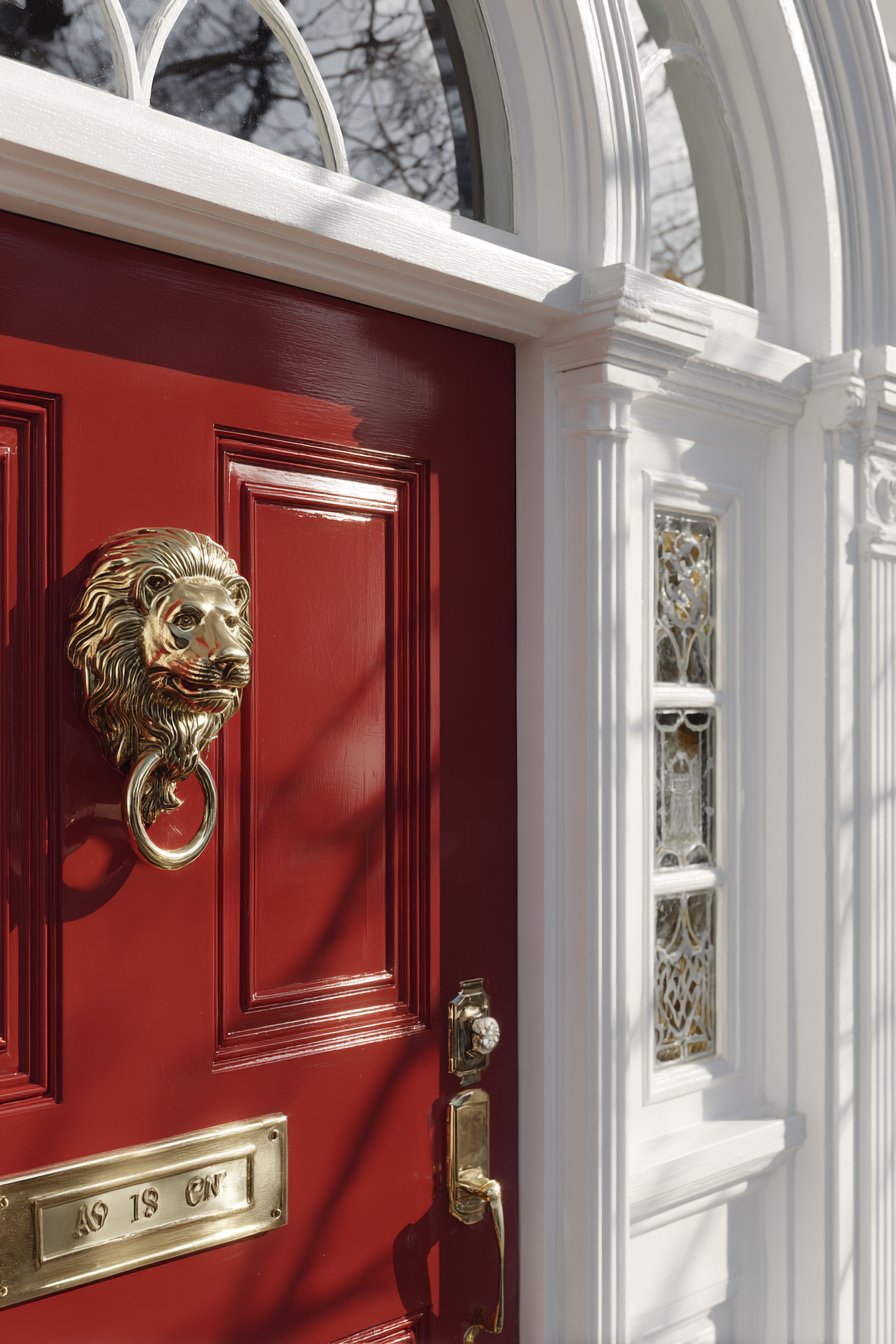
- Clean and repair door surface thoroughly before painting for best adhesion
- Choose front door paint specifically formulated for exterior use and durability
- Add decorative glass inserts to bring natural light into your entryway
- Install a statement door knocker or unique house numbers as jewelry for your entrance
- Consider a fresh coat of stain for wood doors to highlight natural grain
- Replace worn weatherstripping to improve energy efficiency and door operation
5. Defined Pathways and Hardscaping
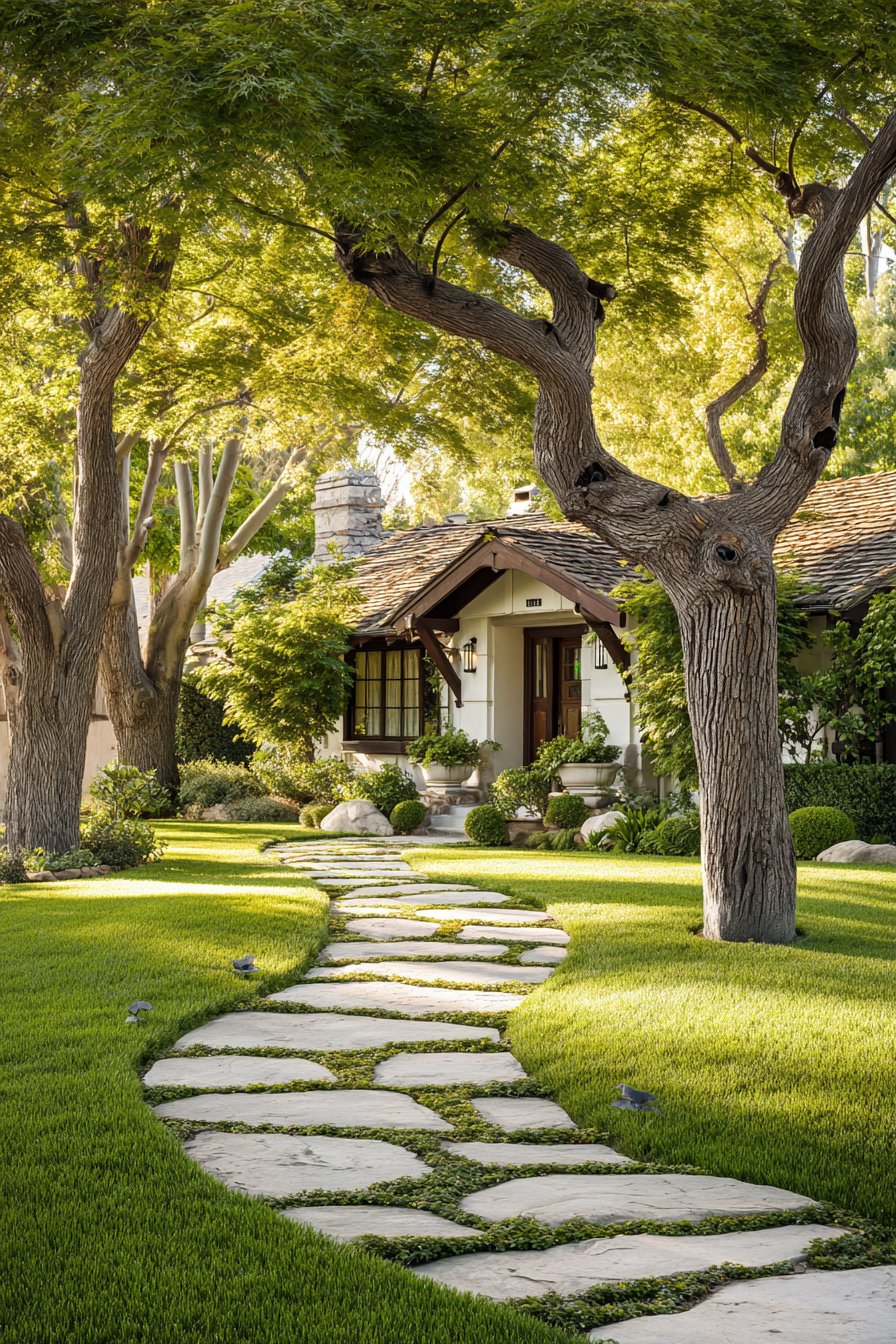
Well-designed pathways create visual guidance that naturally draws visitors toward your entrance while enhancing overall curb appeal. The materials, pattern, and condition of your walkway significantly impact the first impression your home makes. A thoughtfully designed path provides safe passage while contributing to your home’s aesthetic character.
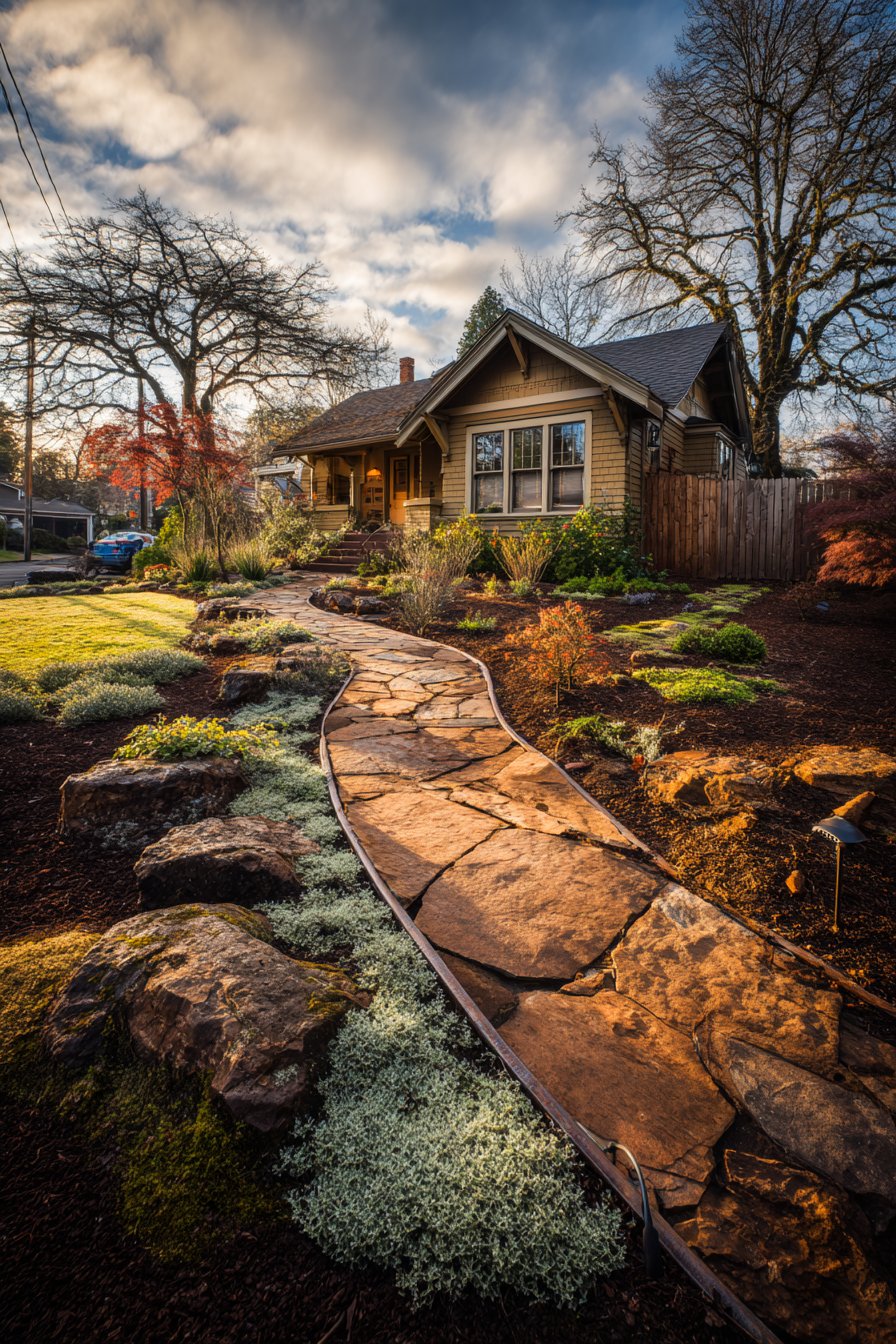
Select hardscaping materials that complement your home’s architecture and coordinate with existing exterior elements. Natural stone, brick pavers, concrete, or decorative gravel each offer distinct aesthetic qualities and maintenance requirements. Consider the formality of your home when choosing materials—formal homes pair well with symmetrical brick or stone, while cottage styles embrace irregular flagstone or stepping stones through plantings.
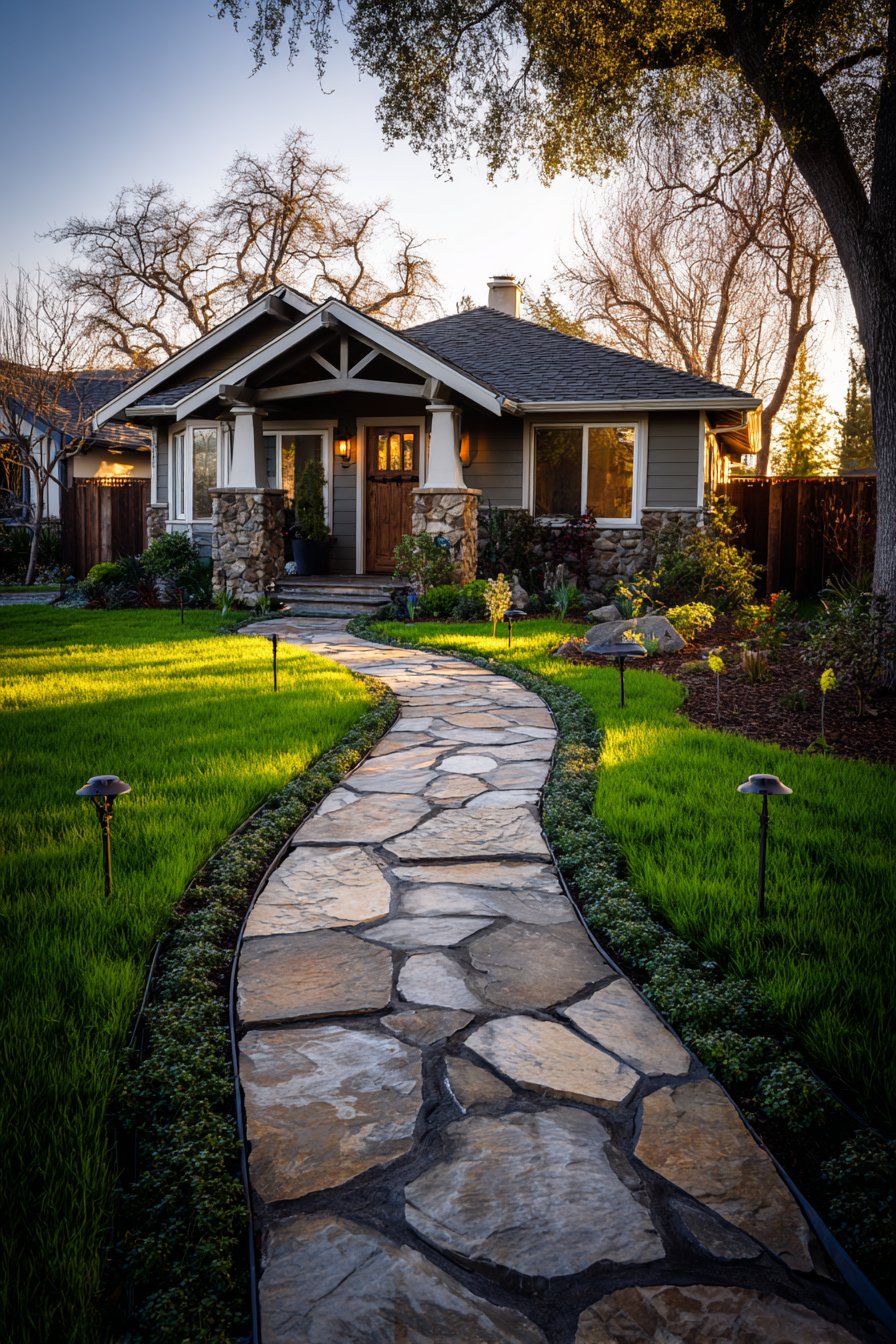
Ensure pathways maintain adequate width and proper illumination for safe navigation in all conditions. A minimum width of 36 to 48 inches accommodates comfortable passage for two people walking side by side. Edge pathways with low-growing plants, decorative borders, or landscape lighting to define boundaries and prevent missteps in low-light conditions.
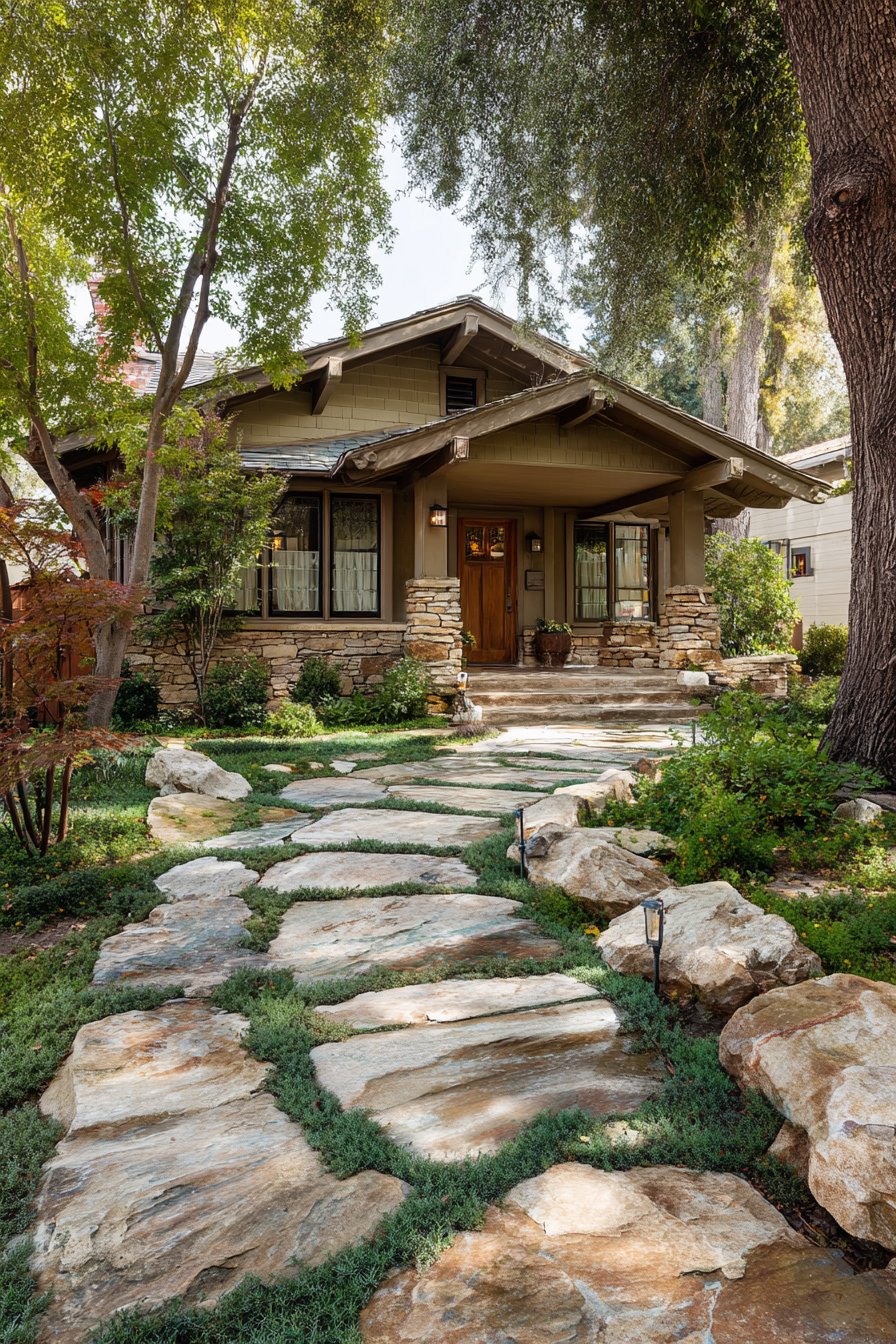
- Keep pathways free from debris, moss, and trip hazards through regular maintenance
- Add curves to straight walkways to create visual interest and slow approach
- Incorporate permeable paving options to improve drainage and environmental sustainability
- Define edges with contrasting materials like metal edging or planted borders
- Repair cracks and uneven sections promptly to prevent accidents and deterioration
- Consider heated walkway systems in cold climates to eliminate ice and snow
6. Decorative Accents and Personal Touches
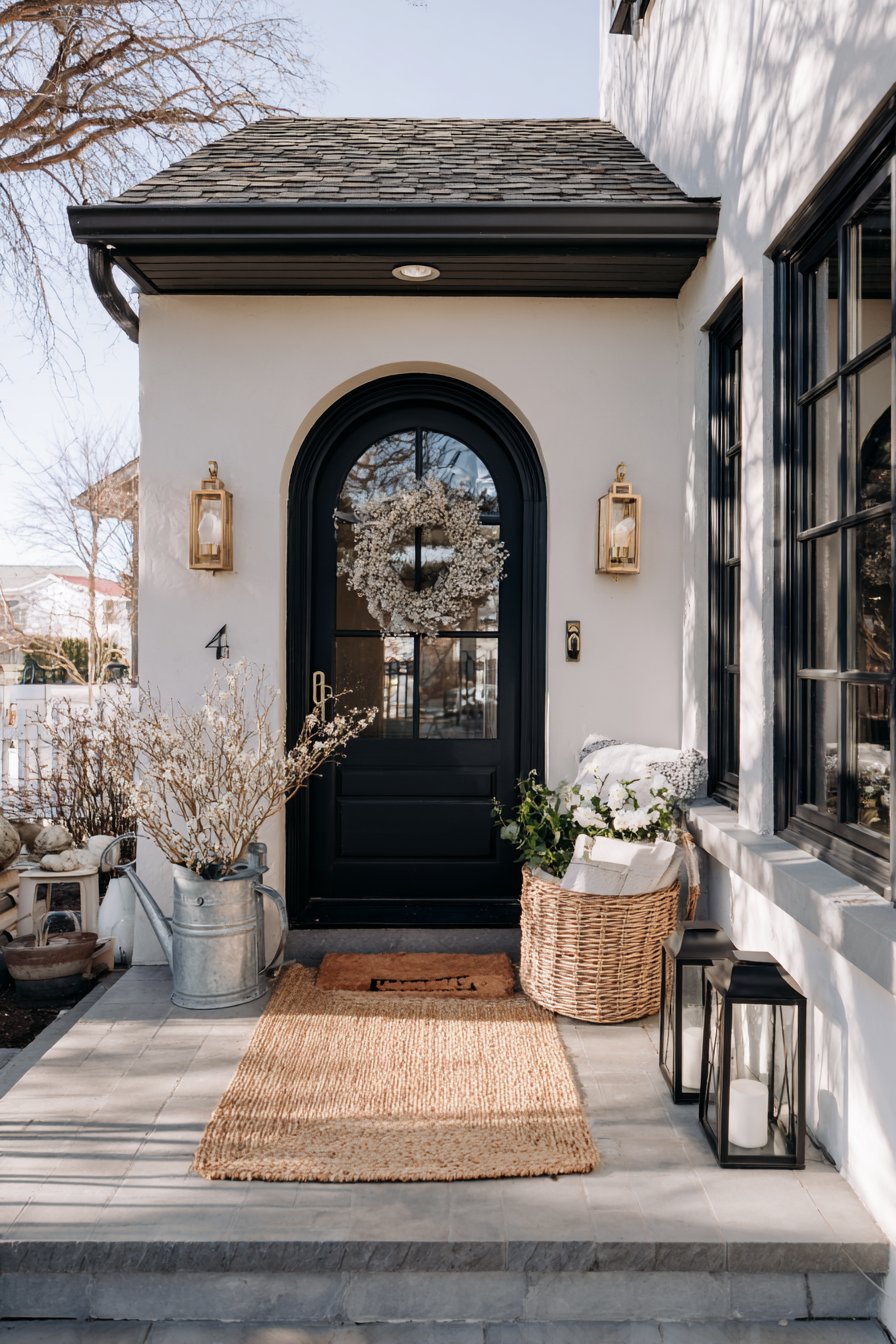
Carefully selected accessories add personality and charm while completing your outdoor entryway design. These finishing touches transform a functional space into a true extension of your home’s interior style. Decorative elements allow you to express creativity and hospitality while adapting your entrance to seasons, holidays, and changing tastes.
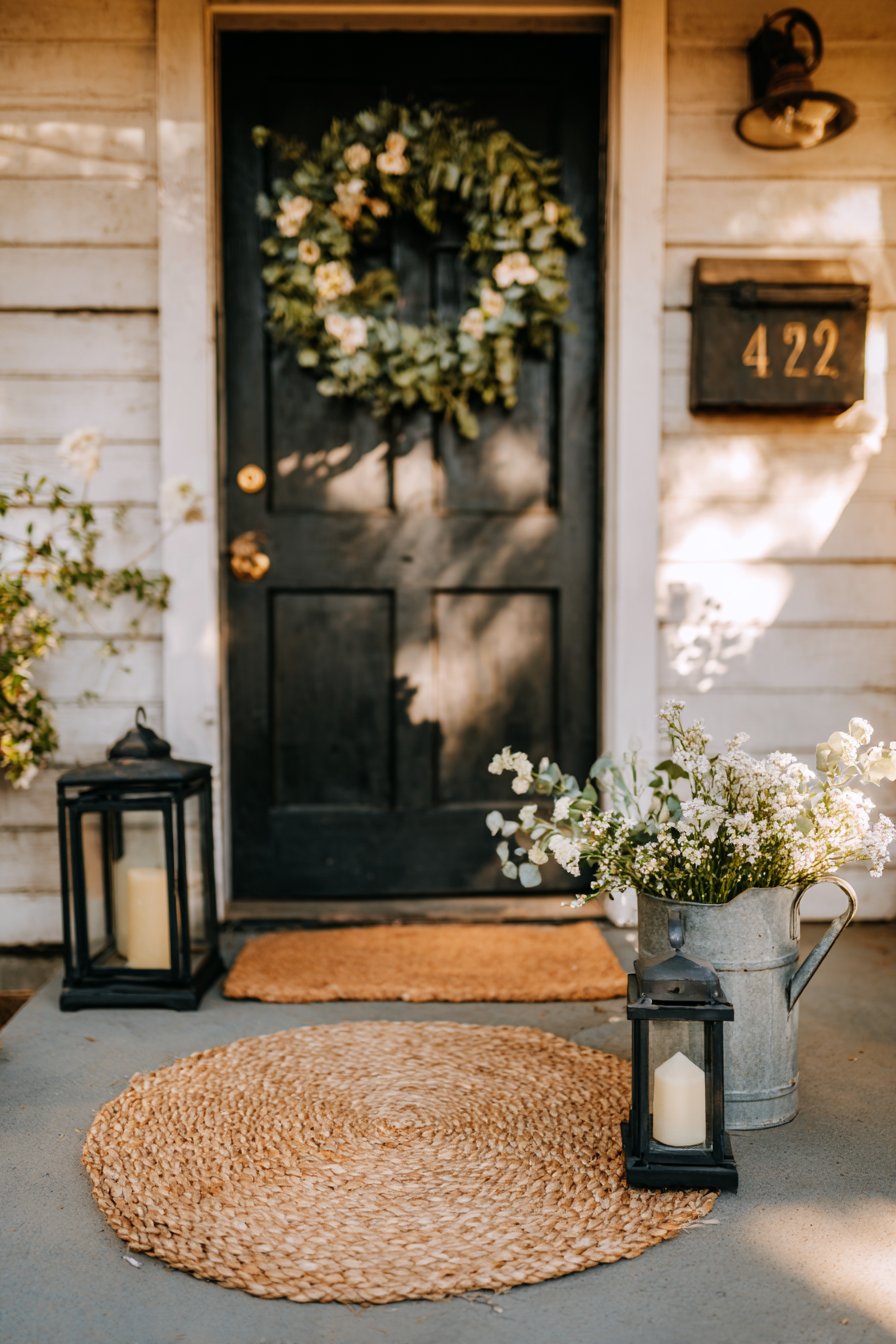
Incorporate a high-quality doormat that serves both functional and aesthetic purposes. Choose one that effectively traps dirt and moisture while complementing your design scheme. Natural coir mats offer durability and classic appeal, while rubber-backed options provide stability and come in countless patterns and colors. Ensure the mat is proportionally sized to your door and entryway.
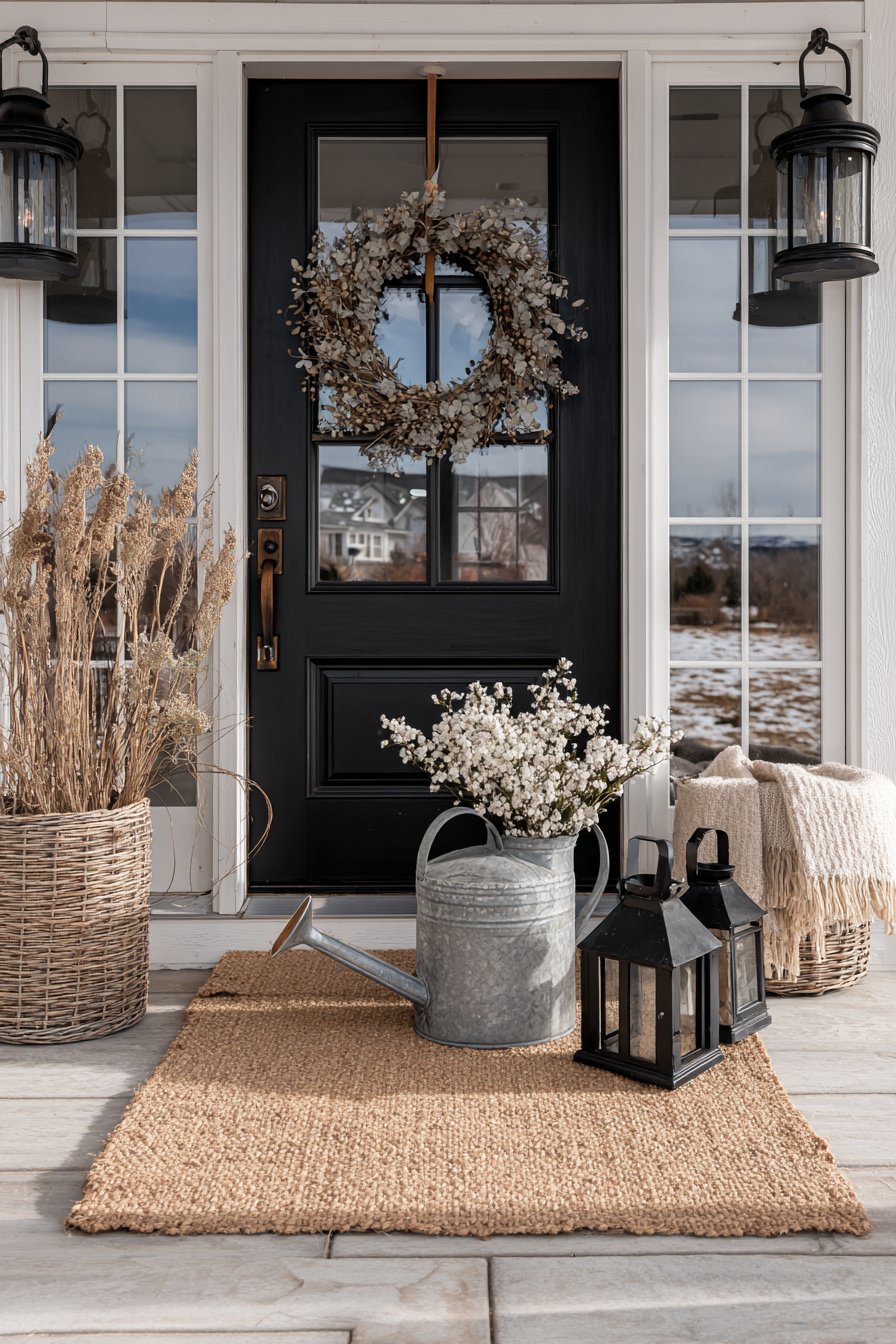
Add seasonal decorations and personal touches that reflect your style without creating clutter. A tasteful wreath on the door, attractive house numbers, a vintage watering can with flowers, or a curated collection of lanterns adds character. Rotate accessories seasonally to keep your entrance feeling fresh and current while avoiding a cluttered, overdone appearance.
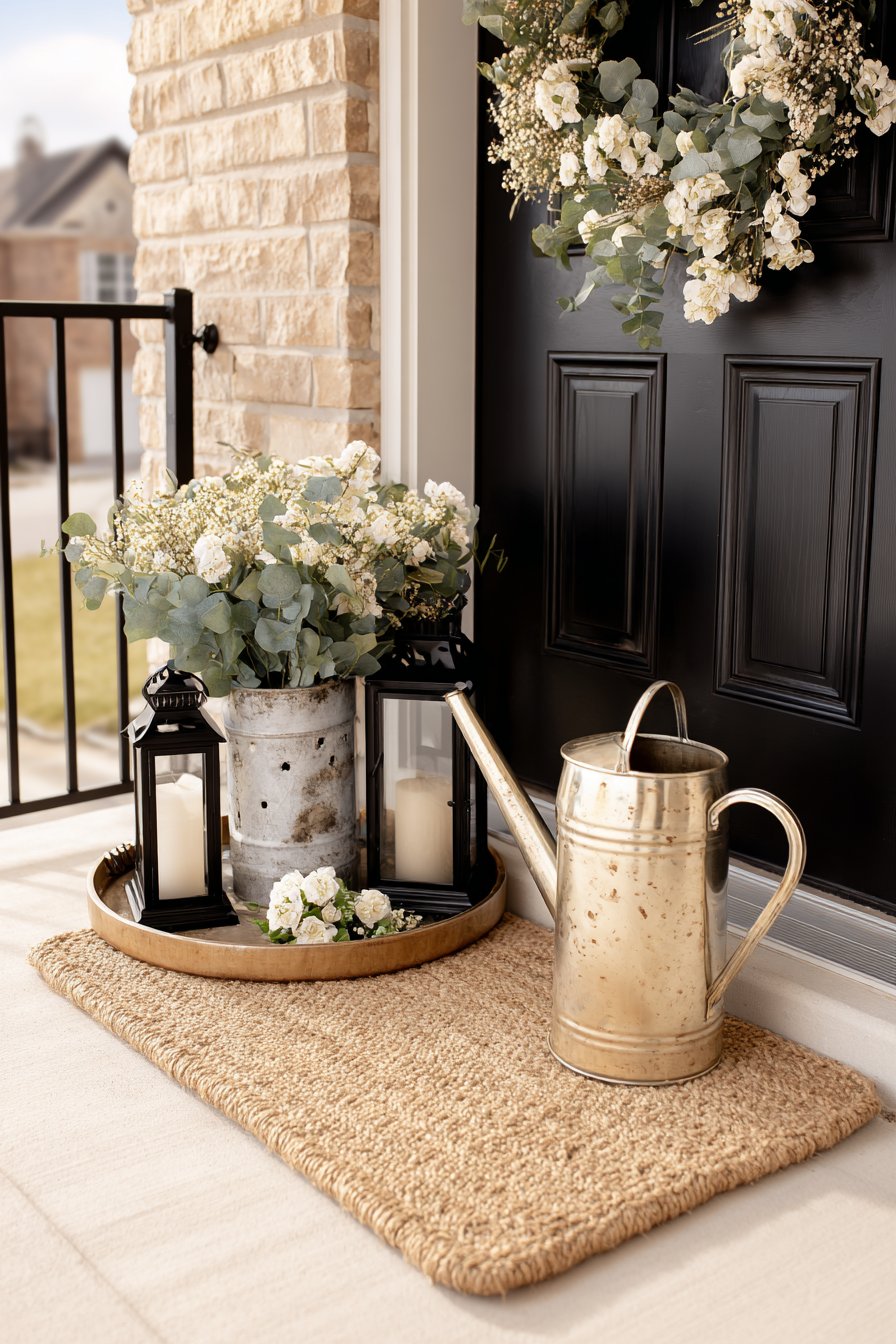
- Limit decorative items to 3-5 pieces to maintain clean, uncluttered appearance
- Choose weather-resistant materials for all outdoor decorative elements
- Coordinate colors and styles with your overall exterior palette
- Add a small outdoor rug to define the space and add softness underfoot
- Include house numbers that are visible from the street for easy identification
- Replace worn or faded items promptly to maintain polished appearance
Conclusion
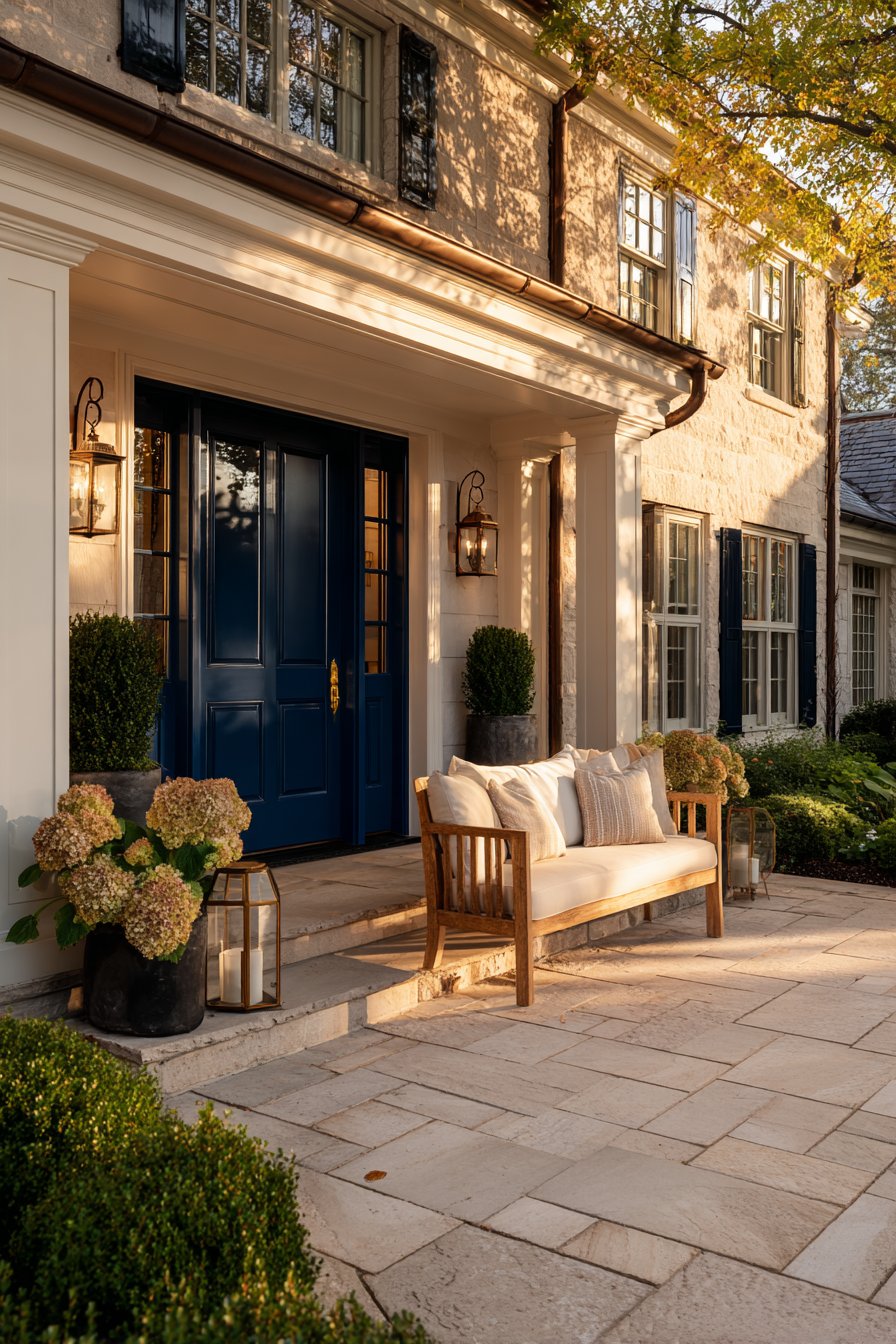
Creating an inviting outdoor entryway requires thoughtful attention to multiple design elements working together harmoniously. By implementing strategic lighting, comfortable seating, lush plantings, an eye-catching door, well-defined pathways, and carefully chosen accents, you transform your entrance into a welcoming space that truly represents your home and hospitality. Each component contributes to the overall impression while serving practical functions that enhance daily living.
Remember that your outdoor entryway is a dynamic space that can evolve with the seasons and your changing tastes. Start with foundational elements like lighting and hardscaping, then layer in plantings and accessories over time. Don’t hesitate to experiment with different combinations until you achieve a look that feels authentically you. Your entryway sets the stage for every homecoming and guest arrival—make it memorable, welcoming, and uniquely yours.