


Your outdoor living spaces deserve the same care and attention as your interior rooms. However, exterior elements face constant challenges from rain, wind, sun, and temperature fluctuations. Weatherproofing your outdoor decor isn’t just about protection; it’s about preserving your investment while maintaining aesthetic appeal throughout changing seasons.
Creating beautiful outdoor spaces requires strategic planning and proper maintenance. The key to longevity lies in selecting weather-resistant materials and implementing protective measures before damage occurs. Whether you’re decorating a sprawling patio or a cozy balcony, understanding weatherproofing techniques ensures your outdoor sanctuary remains inviting year-round.
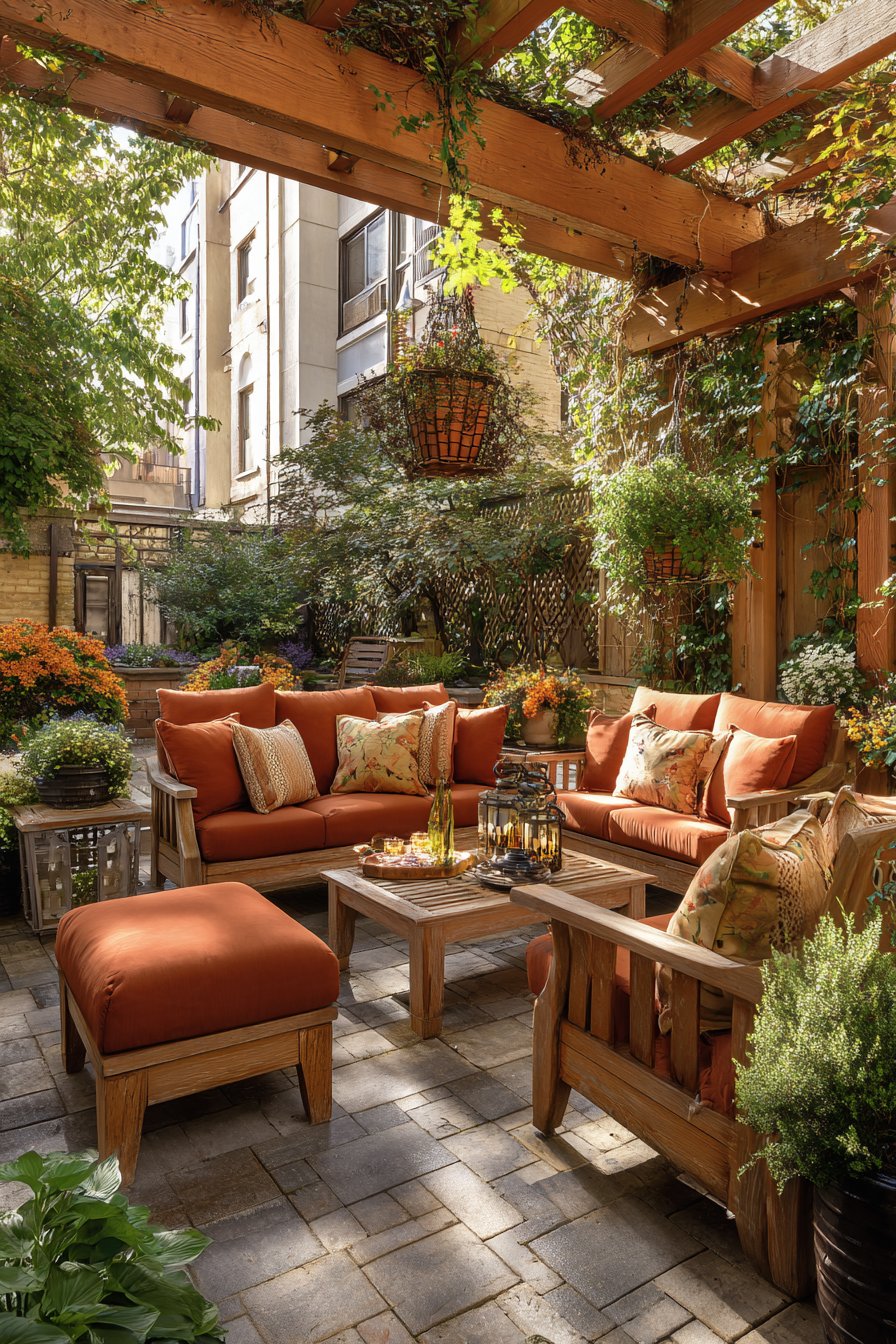
This comprehensive guide explores essential strategies for protecting your outdoor furnishings, textiles, and decorative elements. From choosing the right materials to seasonal maintenance routines, you’ll discover practical solutions that keep your exterior spaces looking fresh and vibrant despite Mother Nature’s best efforts.
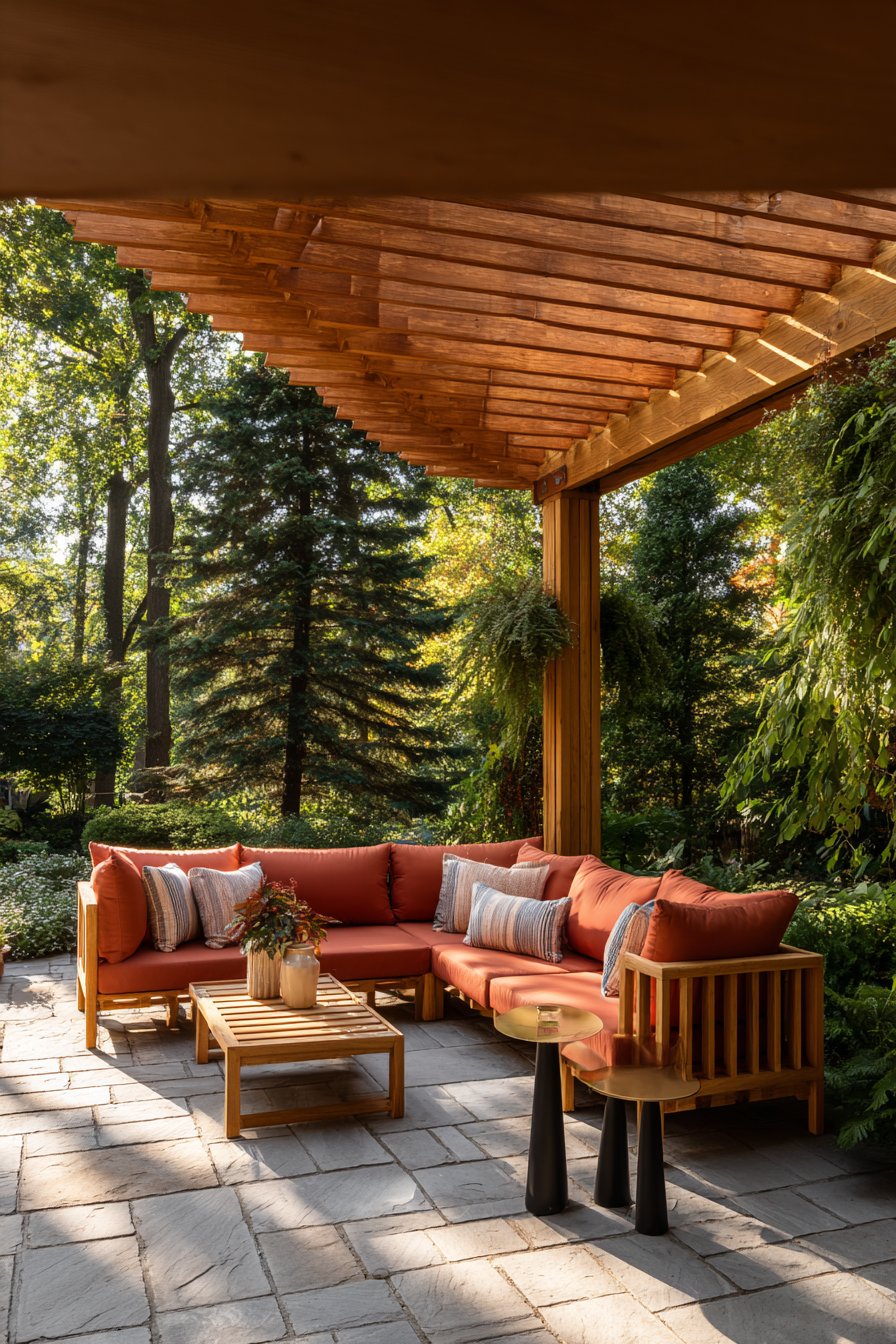
1. Choose Weather-Resistant Materials from the Start
The foundation of successful outdoor decor begins with material selection. Investing in weather-resistant options saves money and frustration over time. Natural materials like teak, cedar, and eucalyptus contain oils that naturally repel moisture and resist rot. These woods develop a beautiful patina while maintaining structural integrity through seasons of exposure.

Synthetic materials offer equally impressive durability with minimal maintenance requirements. Powder-coated aluminum resists rust and corrosion while remaining lightweight and easy to move. Resin wicker provides the charm of traditional wicker without the vulnerability to moisture damage. High-density polyethylene (HDPE) withstands UV rays without fading or cracking, making it ideal for sunny locations.
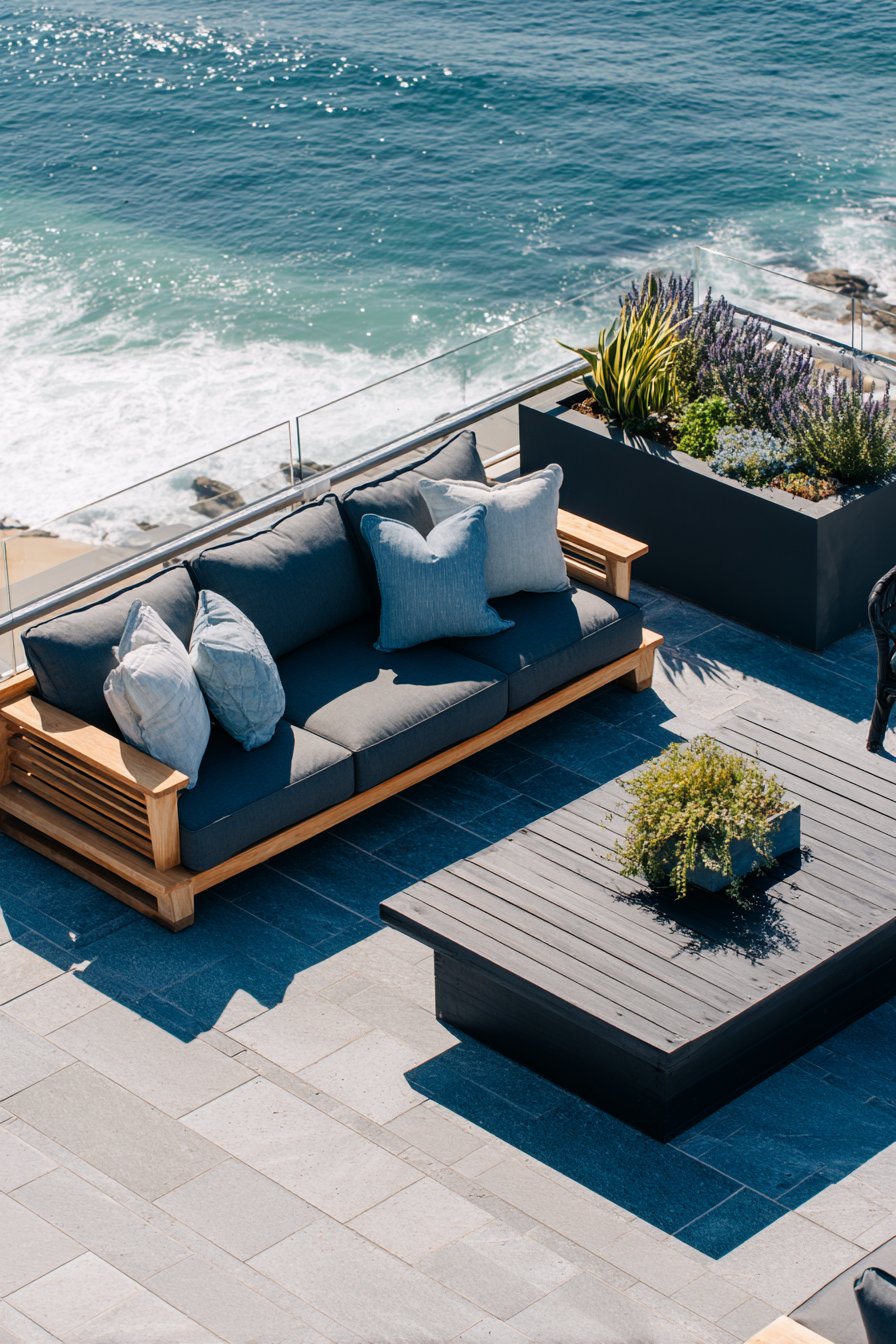
Metal furniture requires special consideration when selecting for outdoor use. Stainless steel offers superior corrosion resistance, especially in coastal environments where salt air accelerates deterioration. Wrought iron brings classic elegance but needs protective coatings to prevent rust. Consider the climate in your area when choosing between different metal options for optimal performance.
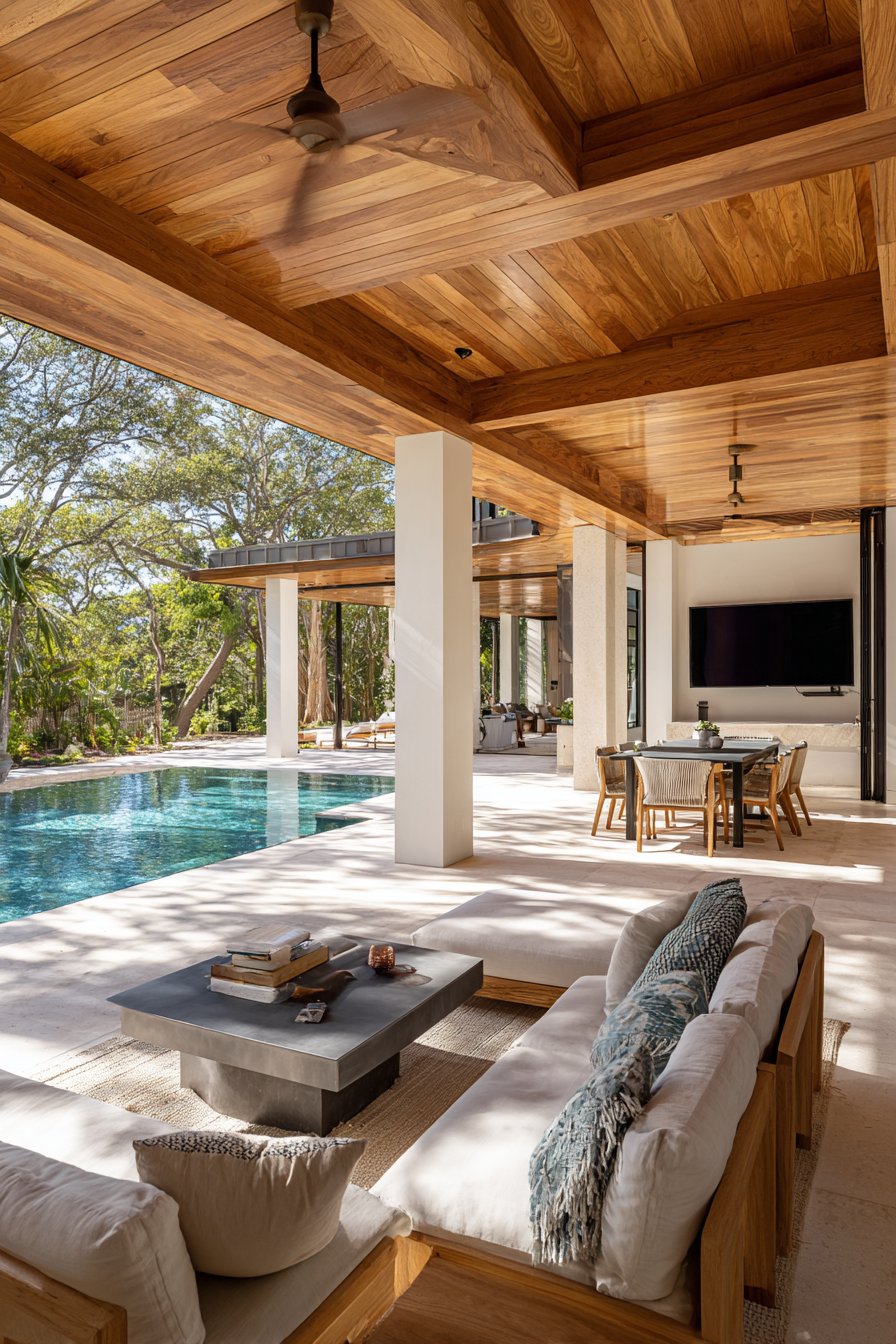
- Select hardwoods like teak or acacia for natural water resistance
- Choose powder-coated metals over bare finishes for rust prevention
- Opt for synthetic wickers that mimic natural fibers without moisture damage
- Consider all-weather wicker with UV-resistant coating for sun exposure
- Invest in marine-grade stainless steel for coastal locations
- Verify manufacturer warranties that cover weather-related damage
2. Apply Protective Sealants and Finishes
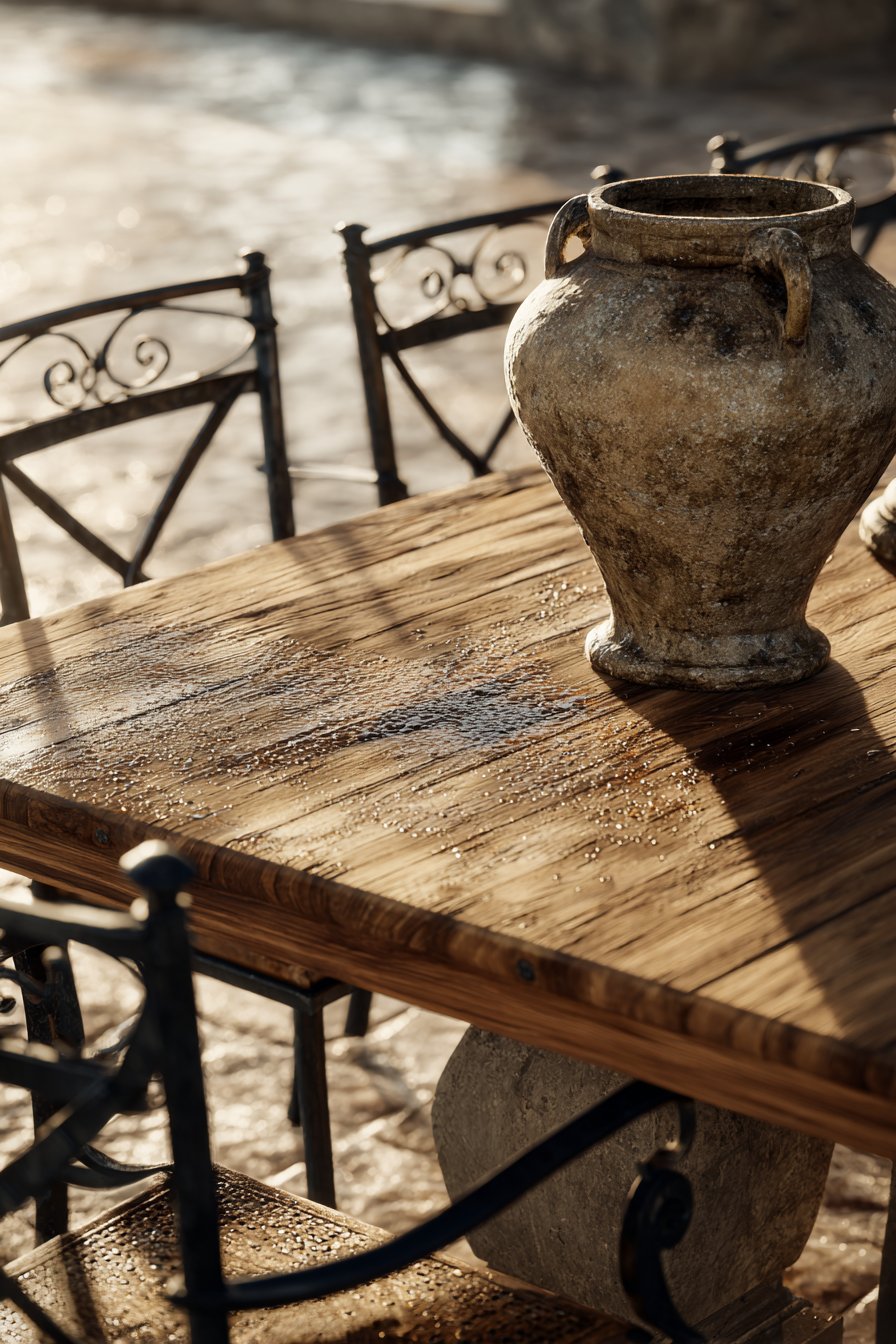
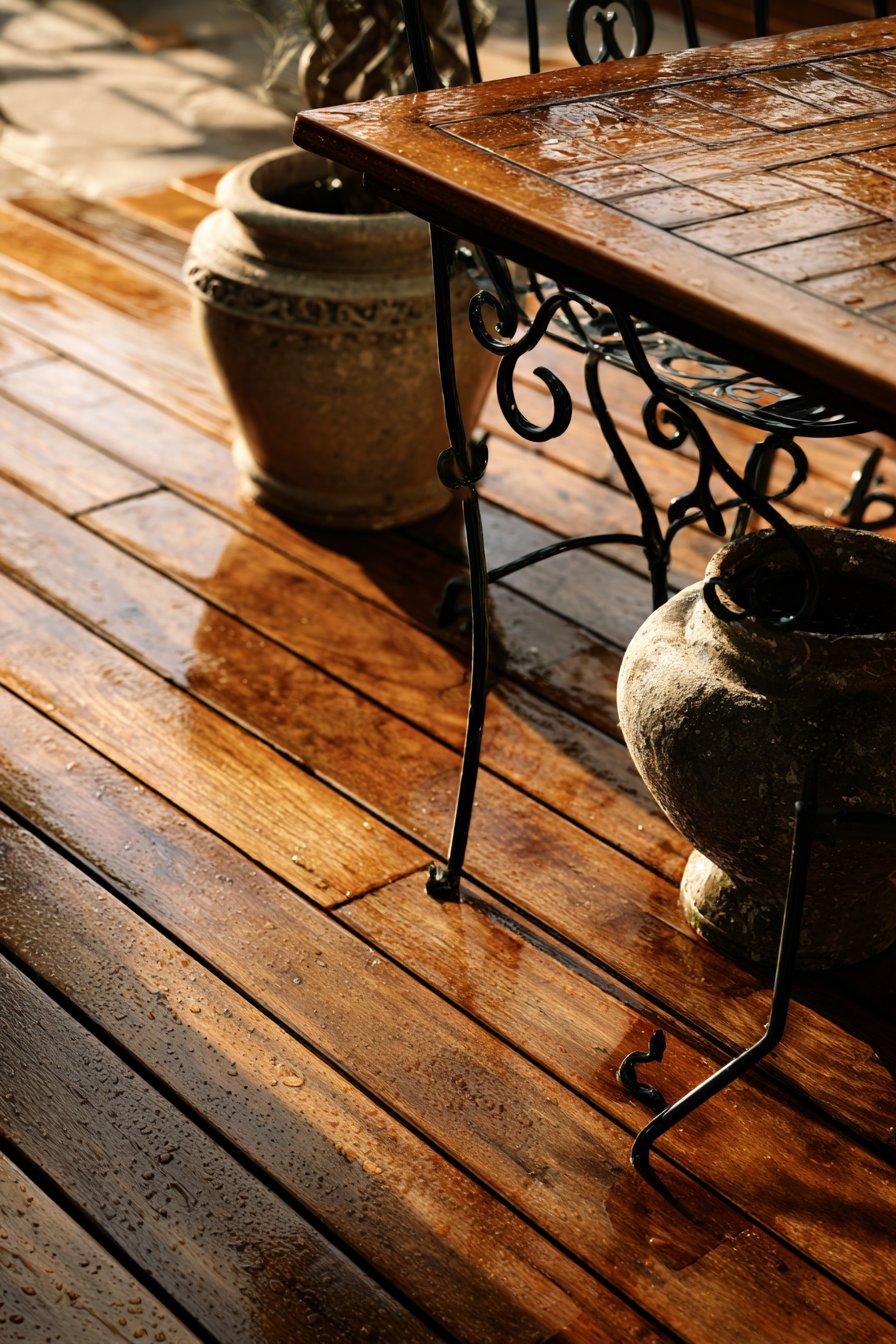
Even weather-resistant materials benefit from protective treatments that enhance durability. Sealants create a barrier against moisture, preventing water absorption that leads to warping, cracking, and mildew growth. Wood furniture needs annual sealing with marine-grade varnish or specialized outdoor sealants that penetrate deep into the grain.
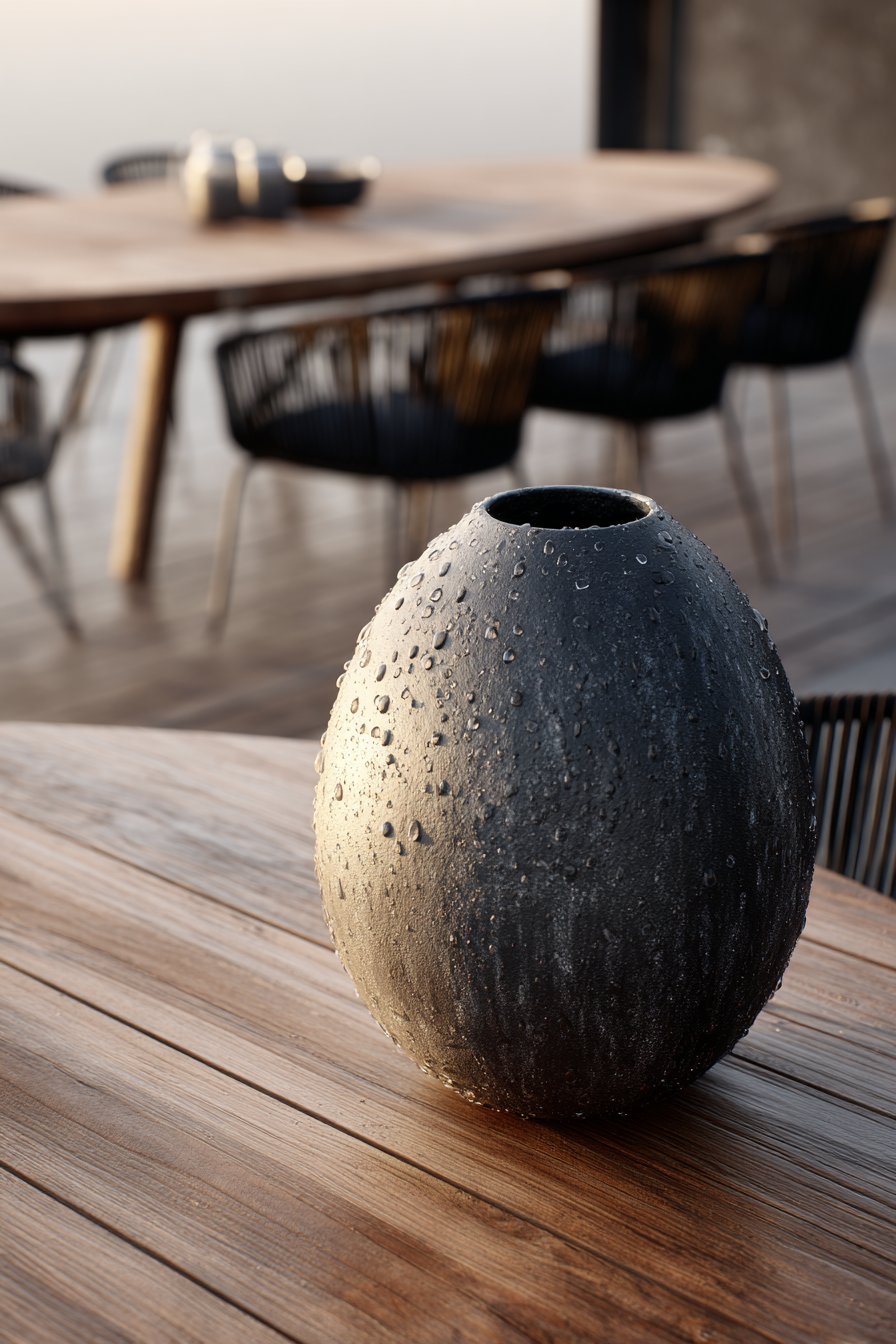
Metal pieces require different protection strategies depending on their composition. Apply rust-inhibiting primers before painting iron or steel furniture, then finish with exterior-grade paint formulated to withstand UV exposure. For aluminum, a protective wax coating adds an extra layer of defense against oxidation while maintaining the metal’s natural sheen.
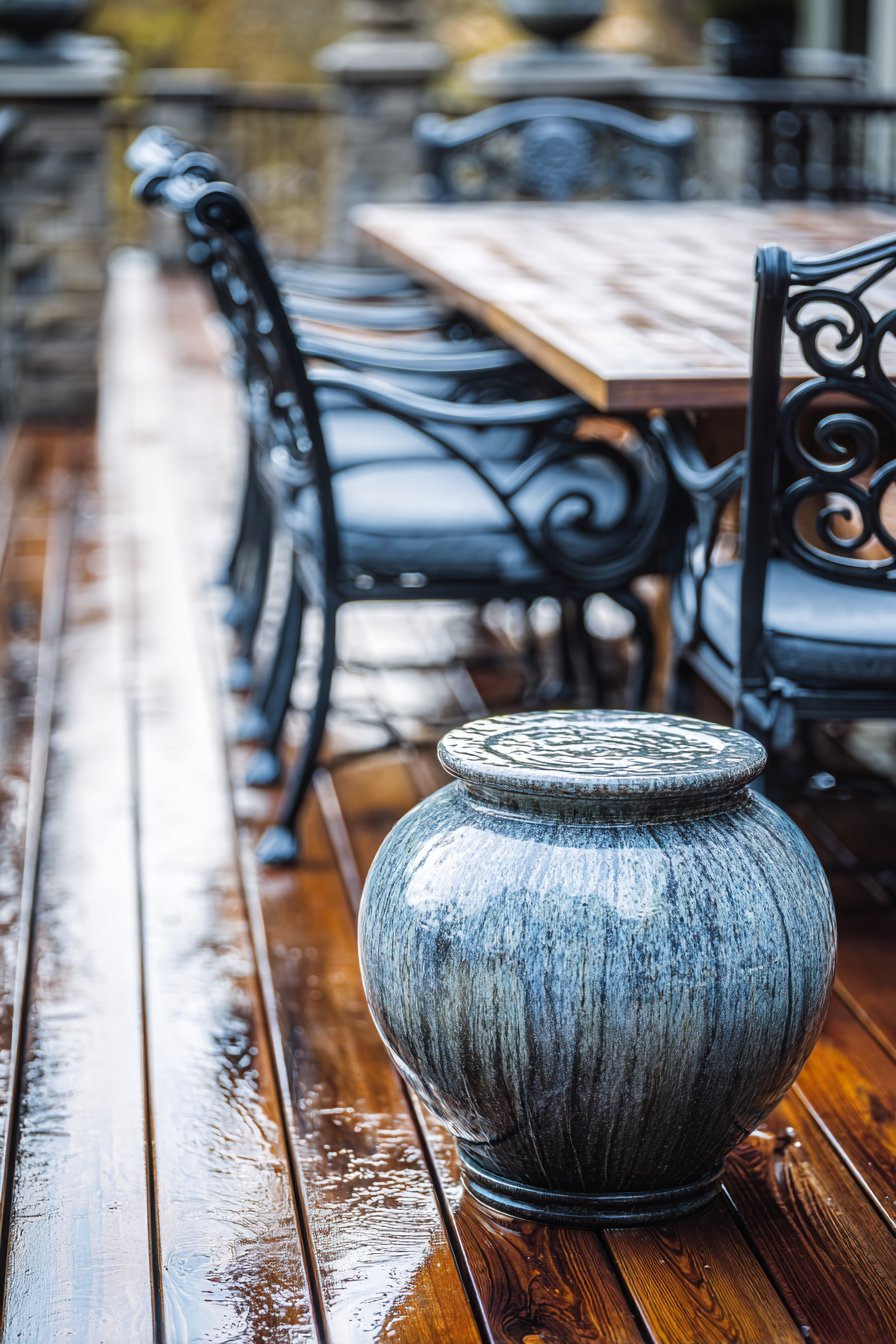
Stone and concrete decorative elements also need sealing to prevent moisture penetration and freeze-thaw damage. Penetrating sealers work best for porous materials, allowing them to breathe while blocking water absorption. Reapply sealants every one to two years, or more frequently in harsh climates with extreme temperature fluctuations.
- Clean surfaces thoroughly before applying any sealant or finish
- Use marine-grade products for maximum weather protection
- Apply multiple thin coats rather than one thick layer
- Seal wood furniture before the rainy season begins
- Test sealants on small, inconspicuous areas first
- Keep records of application dates for maintenance scheduling
3. Invest in Quality Outdoor Fabrics
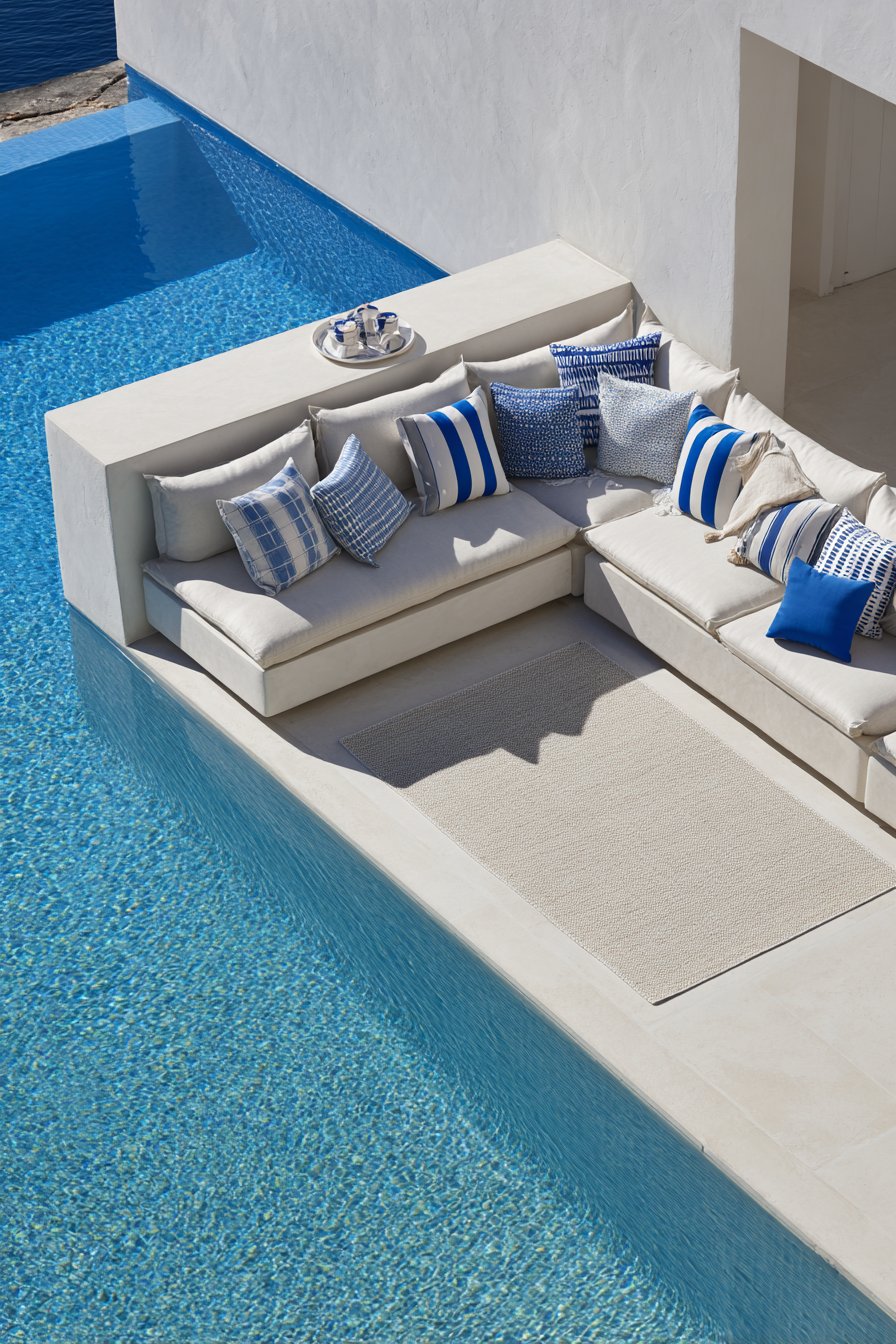
Outdoor textiles face intense challenges from UV radiation and moisture exposure. Solution-dyed acrylic fabrics resist fading better than conventionally dyed materials because color is added during fiber production. These fabrics maintain vibrant hues even after years of sun exposure, making them ideal for cushions and pillows.
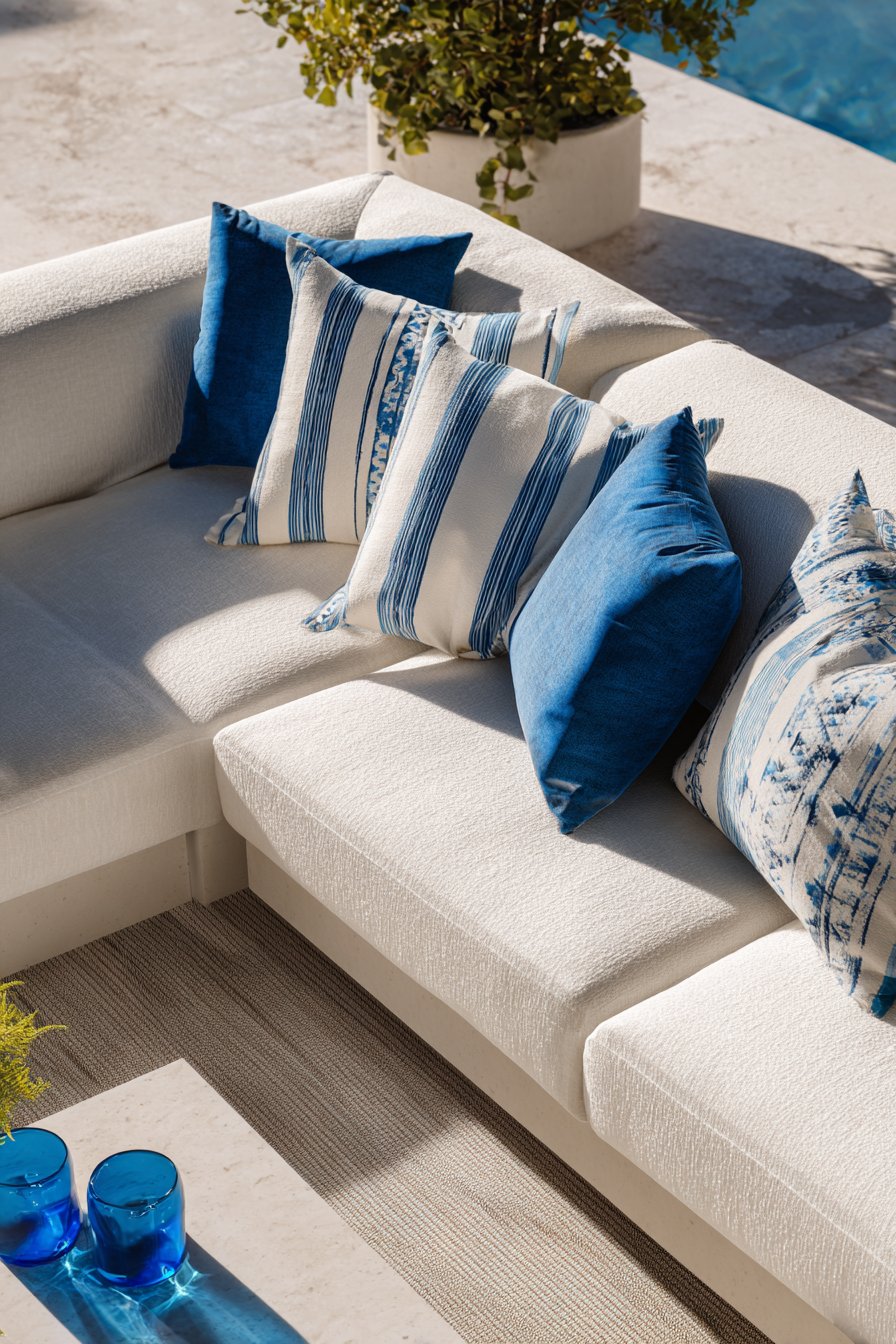
Water-resistant doesn’t mean waterproof, and understanding this distinction helps set proper expectations. Water-resistant fabrics repel light moisture but need removal during heavy rain or snow. Waterproof options with sealed seams provide complete protection but may sacrifice breathability. Choose based on your storage capabilities and typical weather patterns.
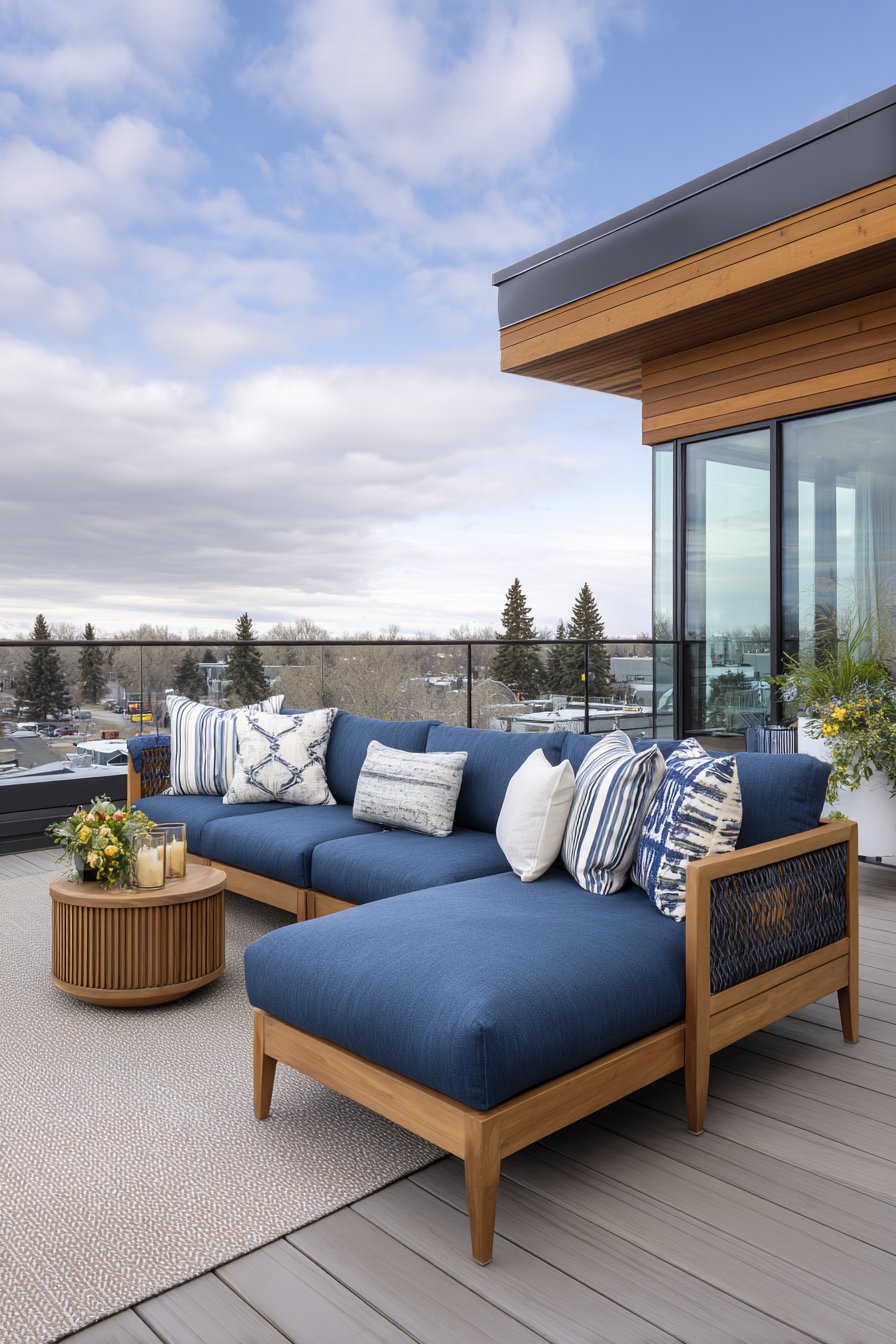
Performance fabrics engineered specifically for outdoor use combine multiple protective features. Mildew-resistant treatments prevent fungal growth in humid conditions, while stain-resistant coatings make cleanup effortless. Look for fabrics rated for outdoor use with warranties of three to five years to ensure you’re getting quality materials worth the investment.
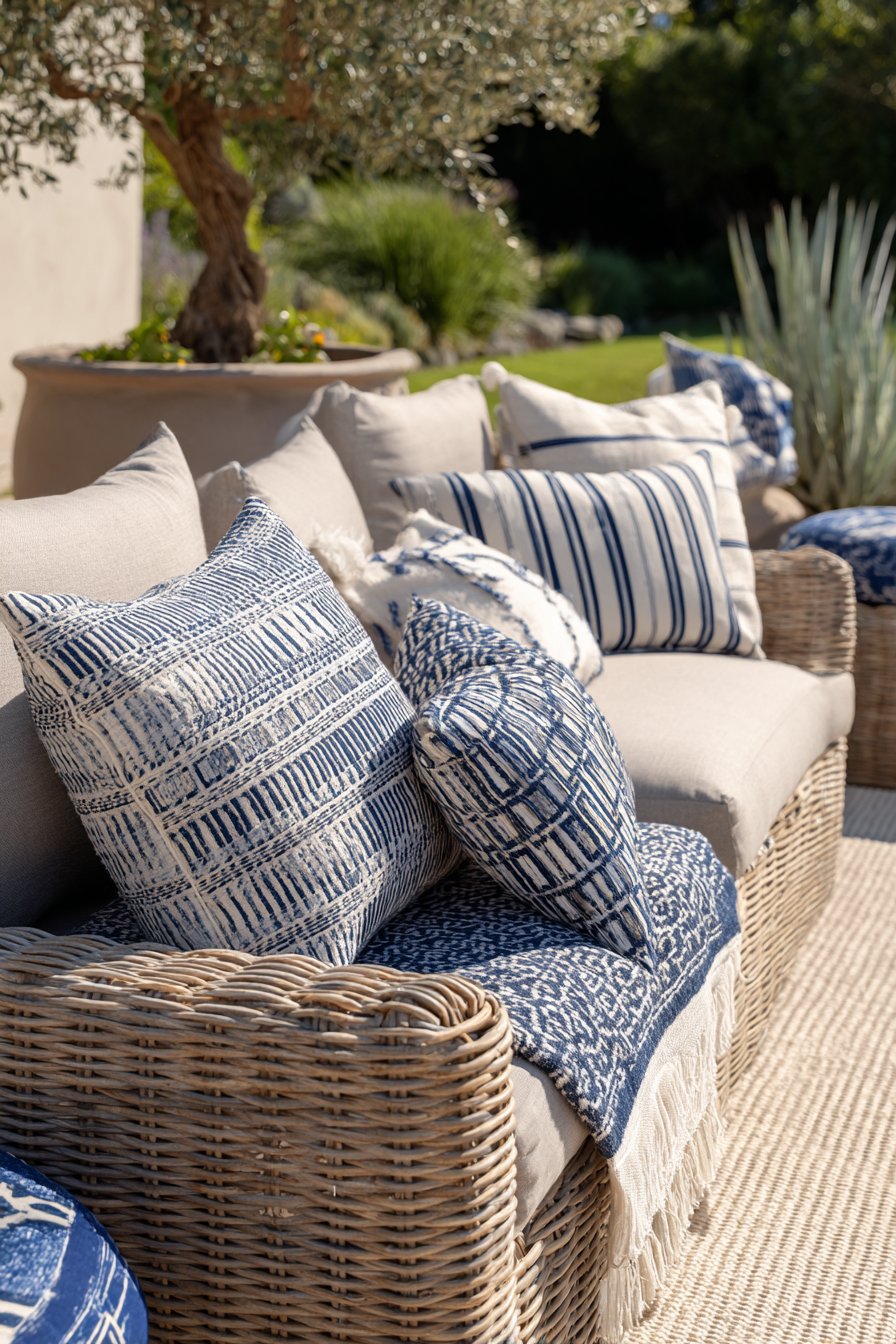
- Select solution-dyed acrylic for fade resistance and durability
- Choose quick-drying fabrics that don’t retain moisture
- Look for mildew and stain-resistant treatment certifications
- Verify UV protection ratings of at least 500 hours
- Store cushions indoors during extreme weather conditions
- Wash outdoor fabrics according to manufacturer instructions
4. Implement Proper Storage Solutions
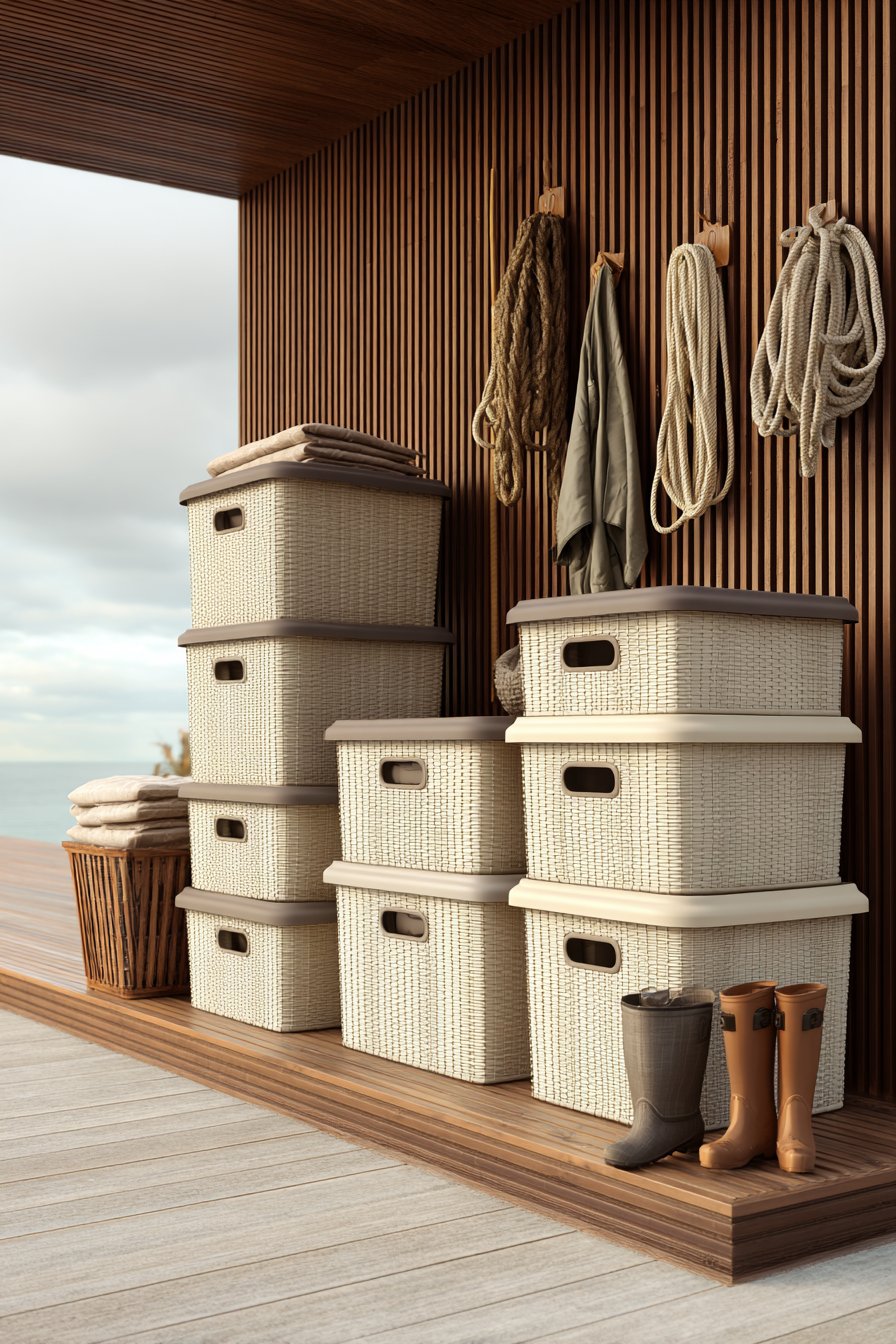
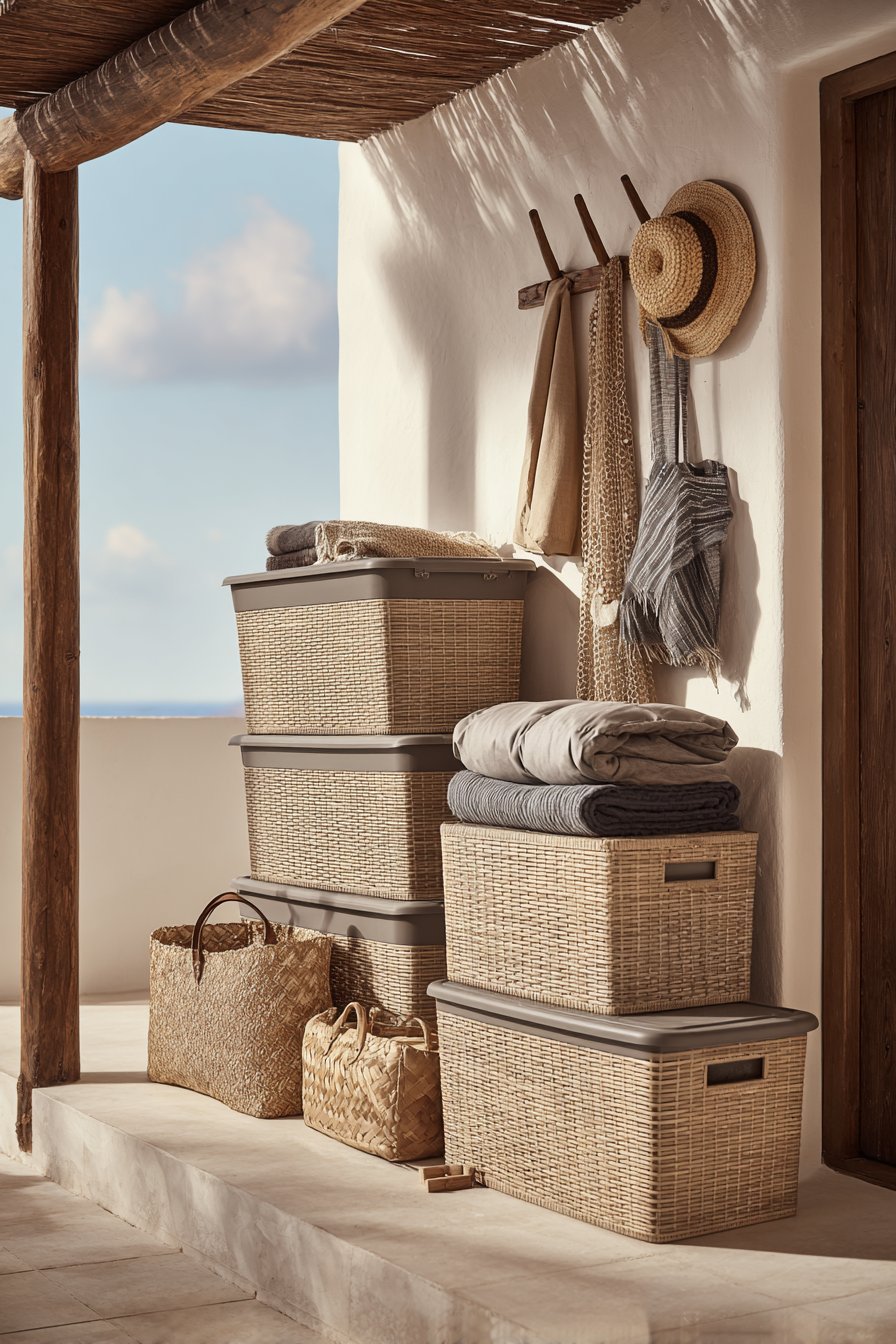
Strategic storage extends the life of outdoor decor significantly. Weatherproof storage bins protect items during off-season months while keeping them organized and accessible. Choose bins with tight-sealing lids that prevent moisture infiltration and pest intrusion. Elevated storage keeps items off the ground, reducing exposure to standing water.
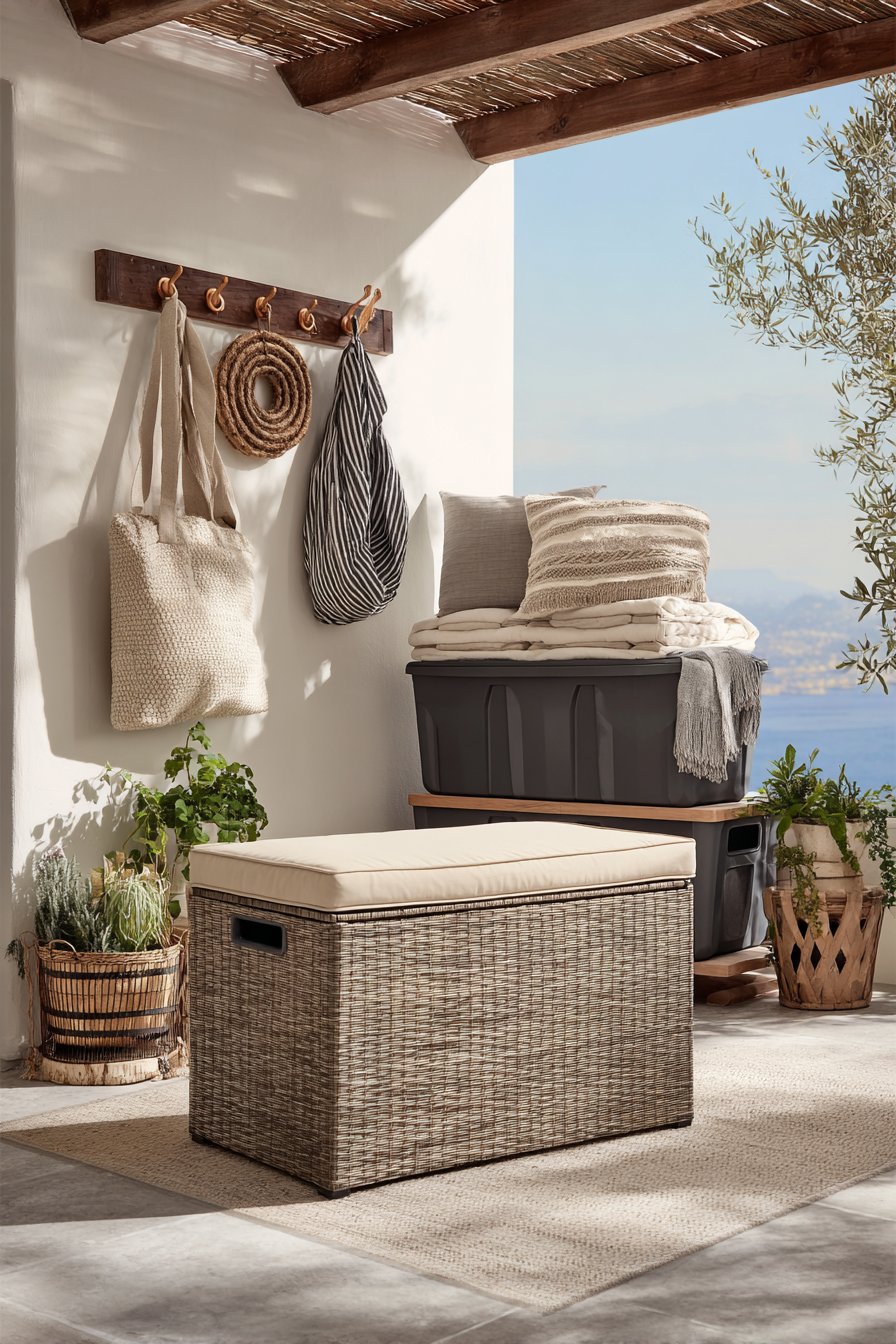
Furniture covers provide convenient protection when full storage isn’t feasible. Quality covers feature breathable fabrics that prevent condensation buildup while blocking rain and snow. Ensure covers fit properly without excessive material that can catch wind and blow away. Secure them with adjustable straps or tie-downs rated for outdoor use.
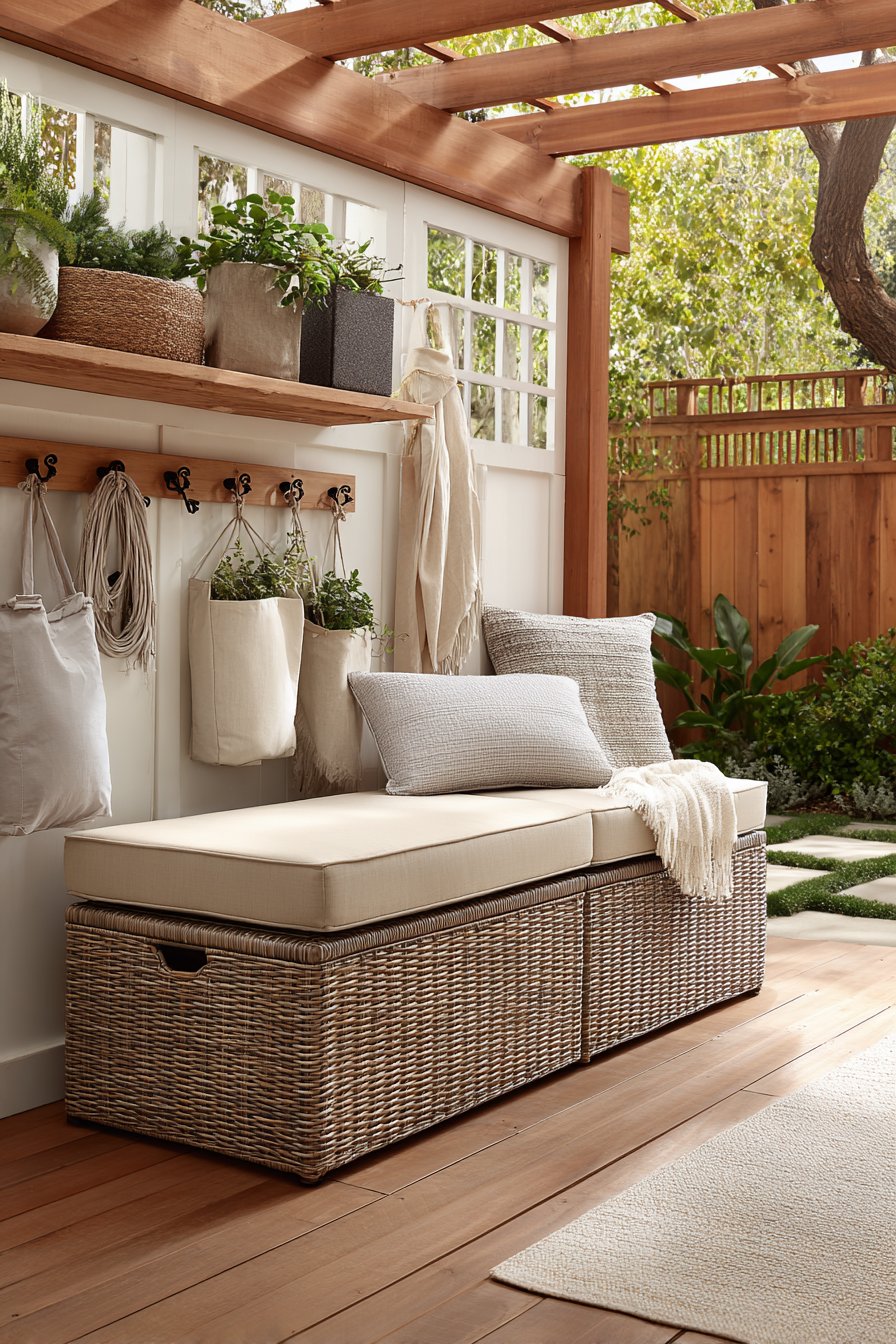
Creating dedicated storage areas protects decorative elements from damage. A weatherproof shed or storage bench serves dual purposes, providing seating while housing cushions and accessories. Wall-mounted hooks and shelves keep items organized and off the floor. Consider climate-controlled storage for valuable pieces in regions with extreme temperatures.
- Invest in waterproof storage containers with lockable lids
- Use furniture covers designed specifically for each piece’s dimensions
- Store cushions and fabrics in breathable bags to prevent mildew
- Create a covered storage area for frequently used items
- Label storage bins for easy identification during seasonal changes
- Elevate stored items at least six inches off the ground
5. Establish Regular Maintenance Routines
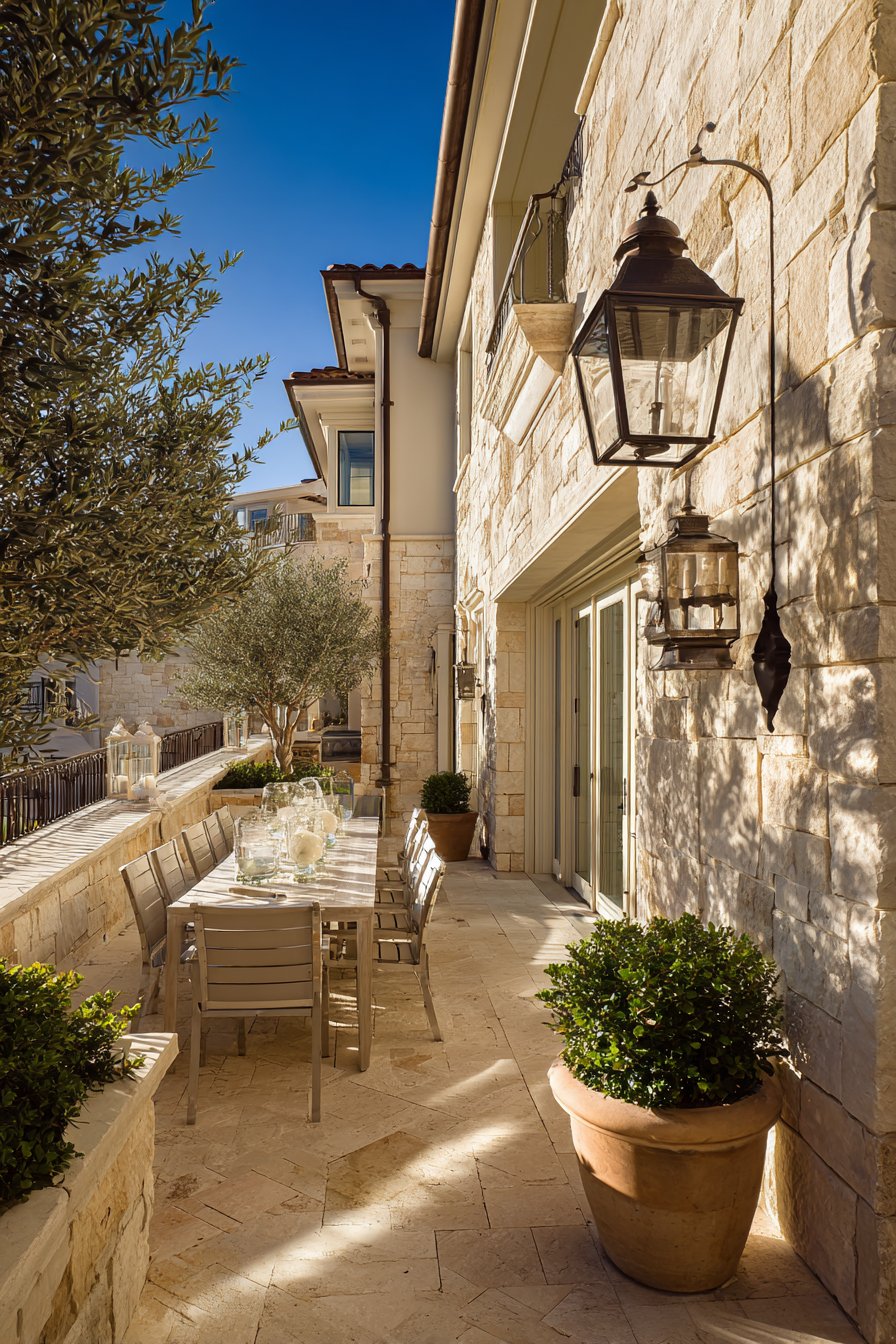
Consistent maintenance prevents minor issues from becoming major problems. Weekly cleaning removes dirt, pollen, and debris that can stain or damage surfaces over time. A simple rinse with mild soap and water handles most routine cleaning tasks without harsh chemicals that might degrade protective finishes.
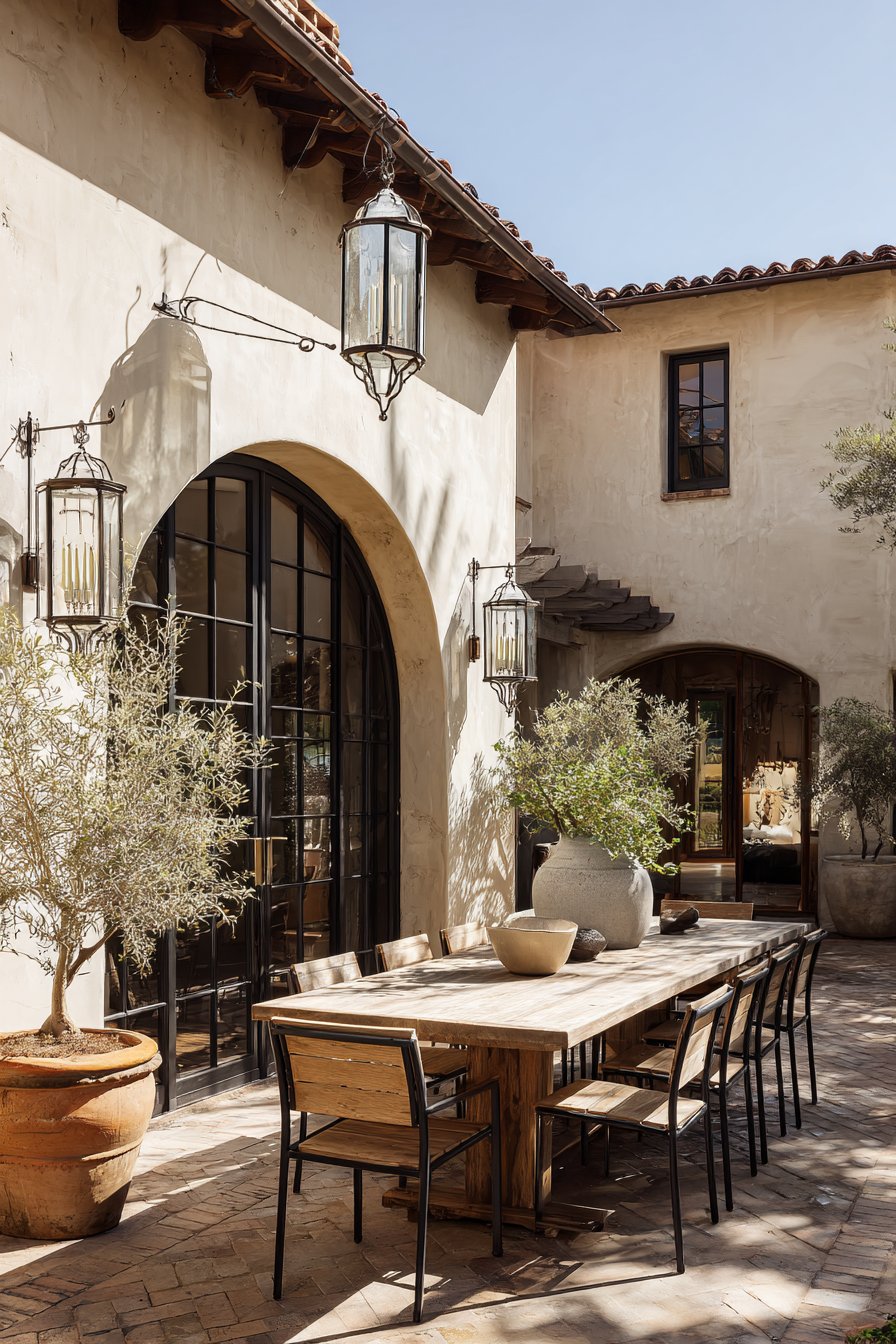
Seasonal deep cleaning addresses accumulated grime and prepares decor for changing weather conditions. Power washing works well for hard surfaces but requires careful pressure adjustment to avoid damage. Inspect all pieces during cleaning sessions for signs of wear, rust, or deterioration that need immediate attention before problems worsen.
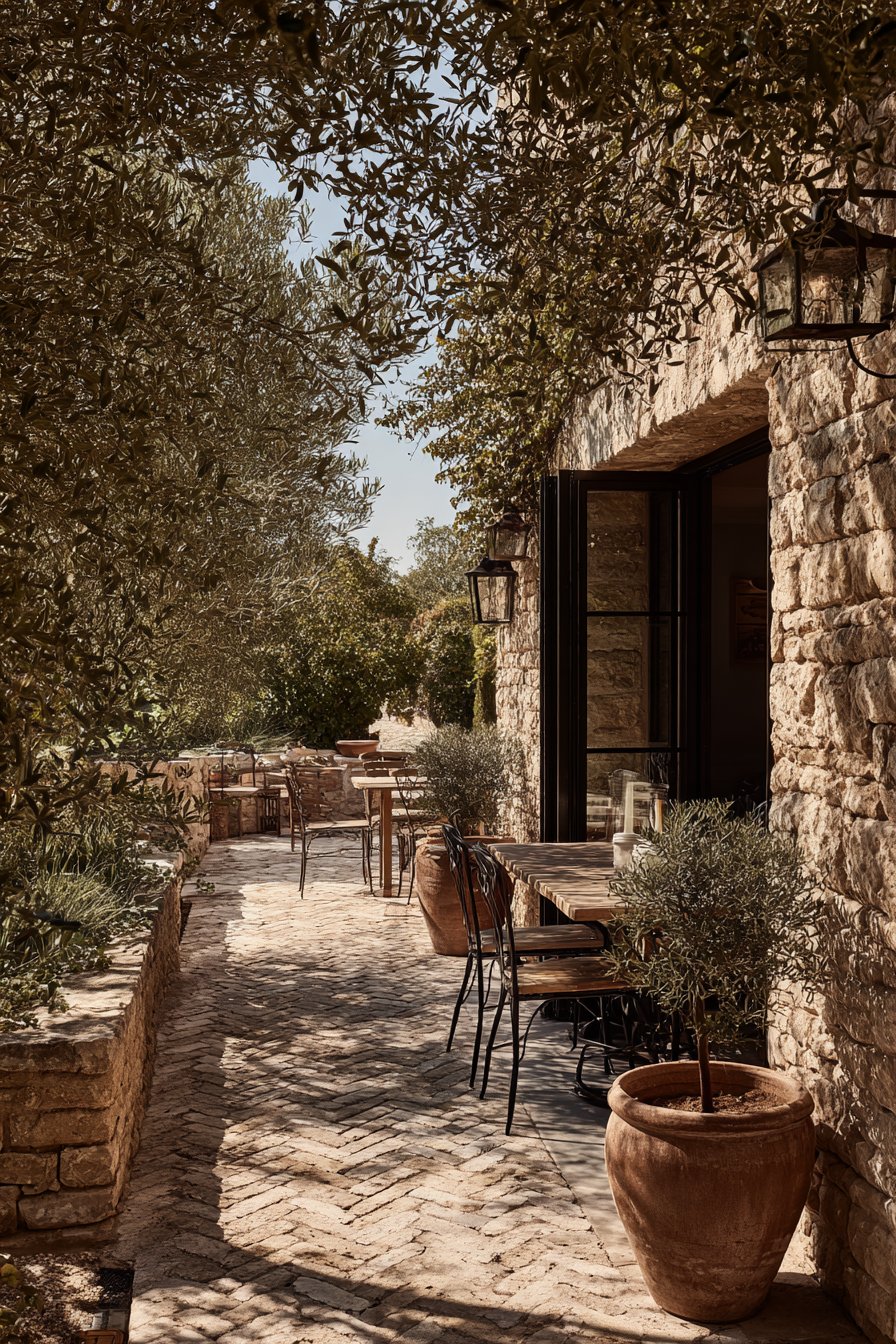
Winterization routines protect investments during harsh cold months. Apply protective sprays before the first freeze to prevent moisture damage. Move potted plants to sheltered locations and drain water features completely to prevent freeze damage. Document maintenance tasks and create schedules that align with your local climate patterns.
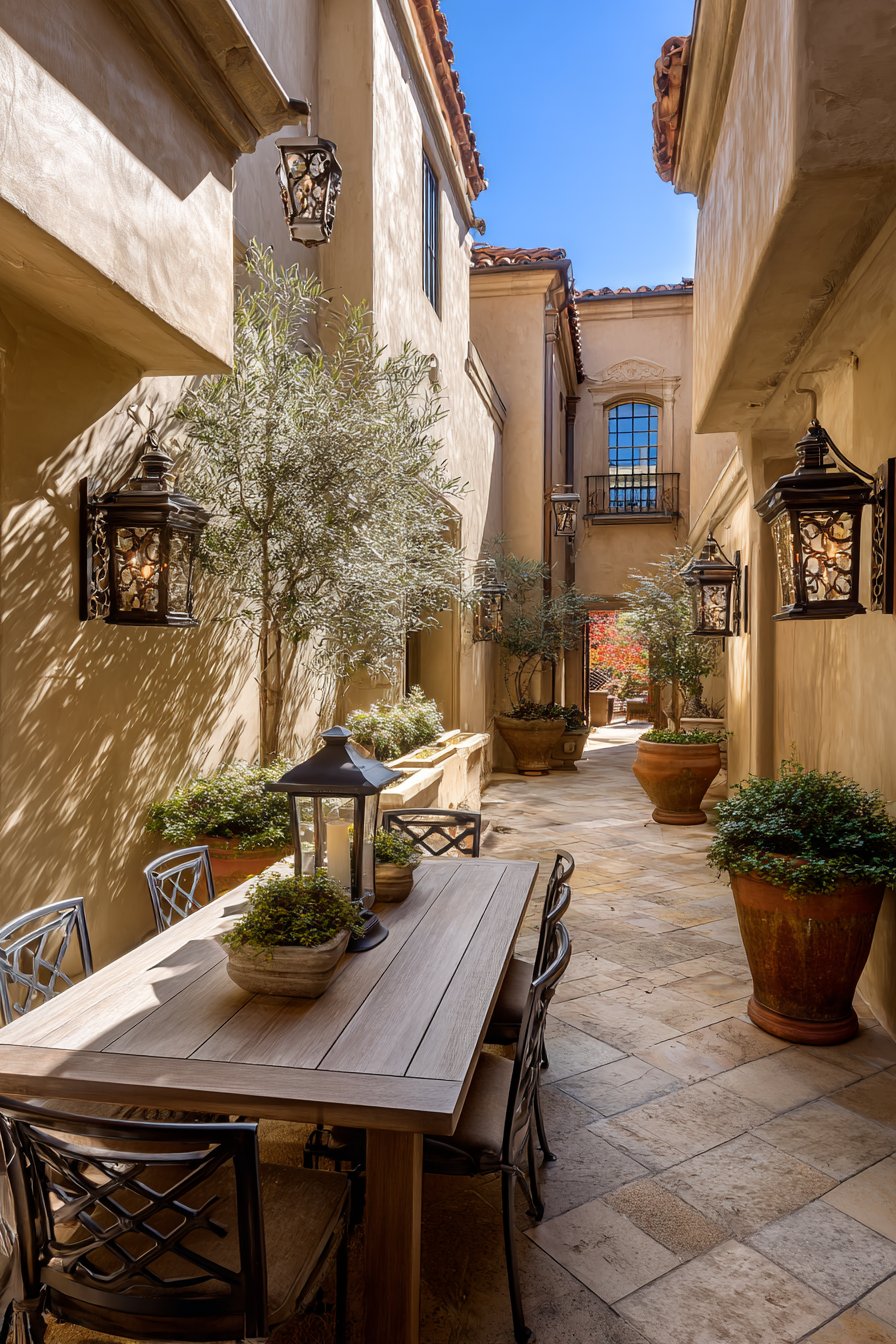
- Clean outdoor furniture every one to two weeks during active seasons
- Inspect protective finishes quarterly and reapply as needed
- Tighten loose bolts and hardware before winter storage
- Remove organic debris that can trap moisture and cause staining
- Apply protective treatments before extreme weather events
- Keep maintenance supplies readily accessible for quick touch-ups
6. Design with Drainage and Airflow in Mind
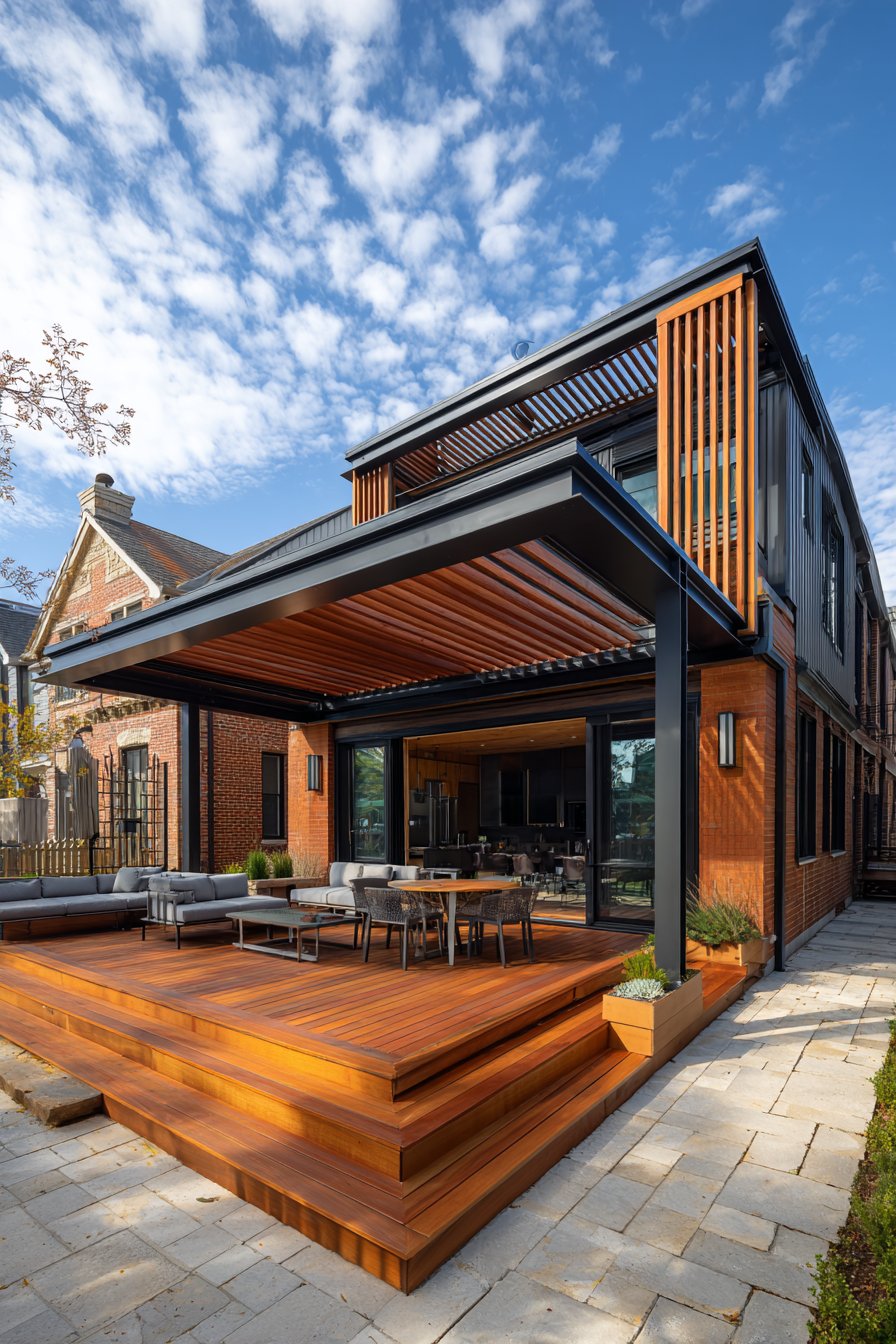
Proper placement prevents water accumulation that accelerates weathering and damage. Position furniture on well-drained surfaces rather than areas prone to puddles. Elevate pieces using furniture pads or feet that promote airflow underneath, preventing moisture buildup that leads to mold and mildew.
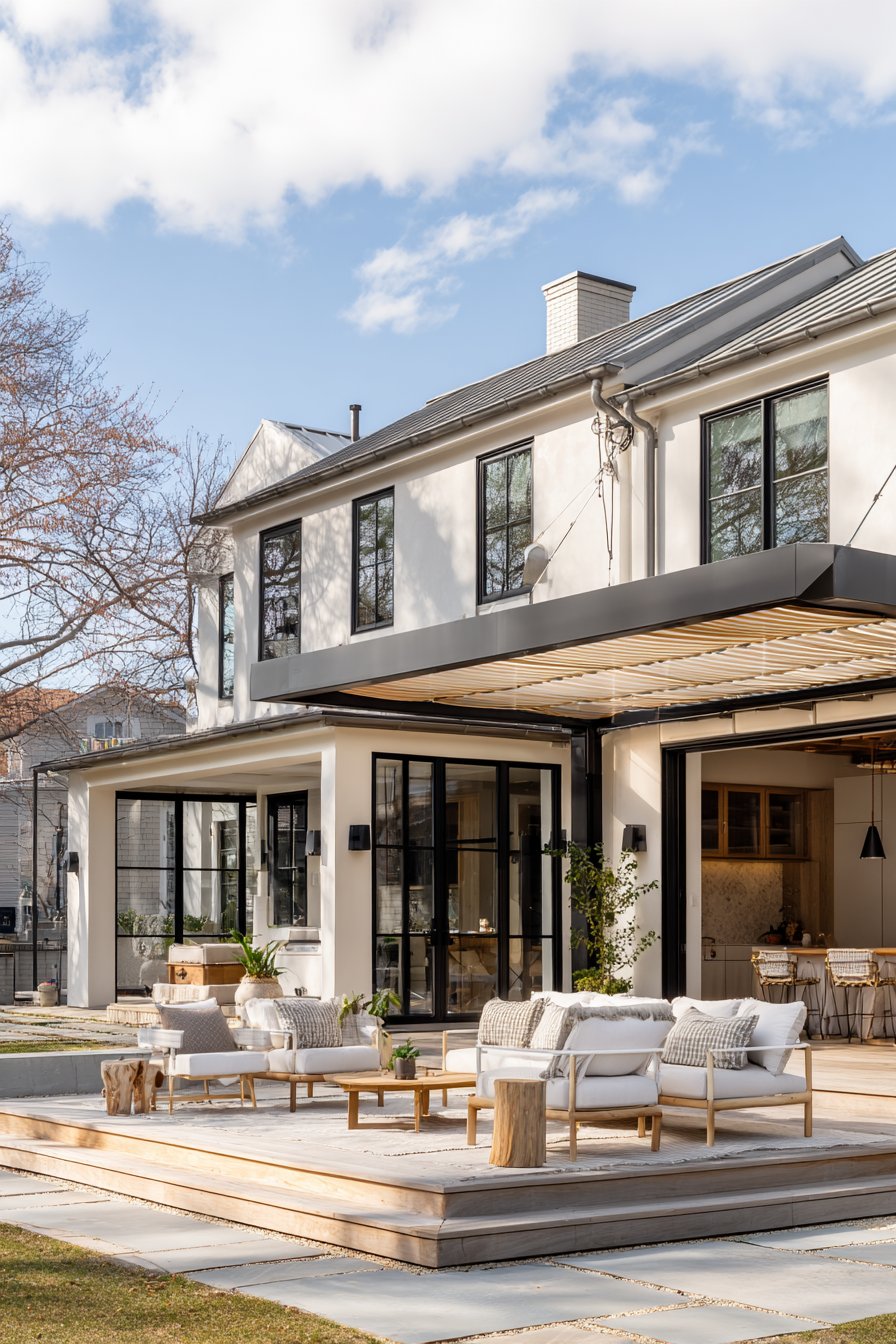
Arrange decorative elements to encourage air circulation around all sides. Avoid pushing furniture directly against walls or fences where trapped moisture can cause problems. Leave gaps between cushions and frames to allow water to drain and air to flow. Strategic spacing also makes cleaning easier and more effective.
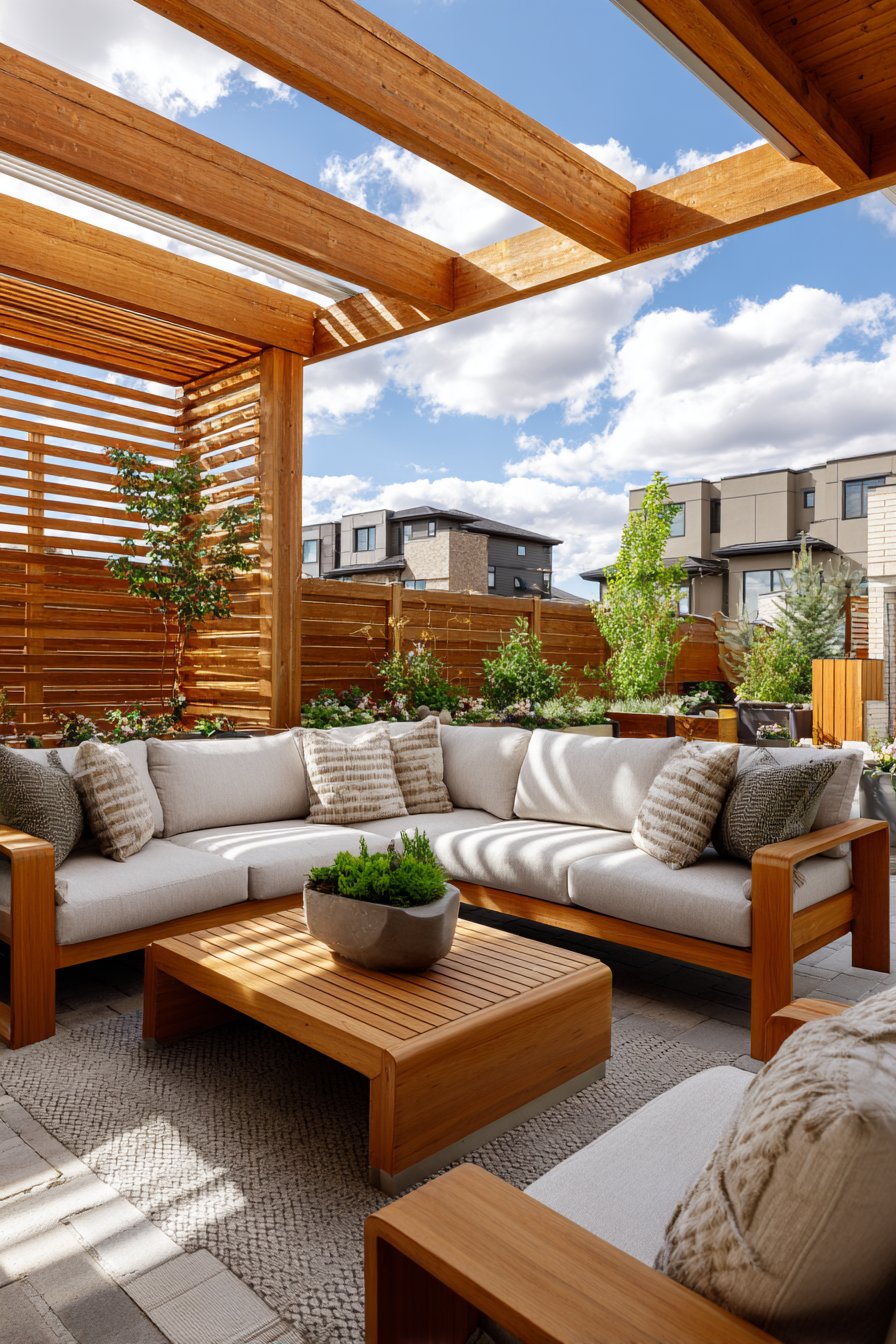
Consider architectural features that provide natural protection without compromising aesthetics. Covered patios or pergolas shelter furniture from direct rain while allowing enjoyable outdoor living. Retractable awnings offer flexible protection, extending during inclement weather and retracting for maximum sun exposure on beautiful days.
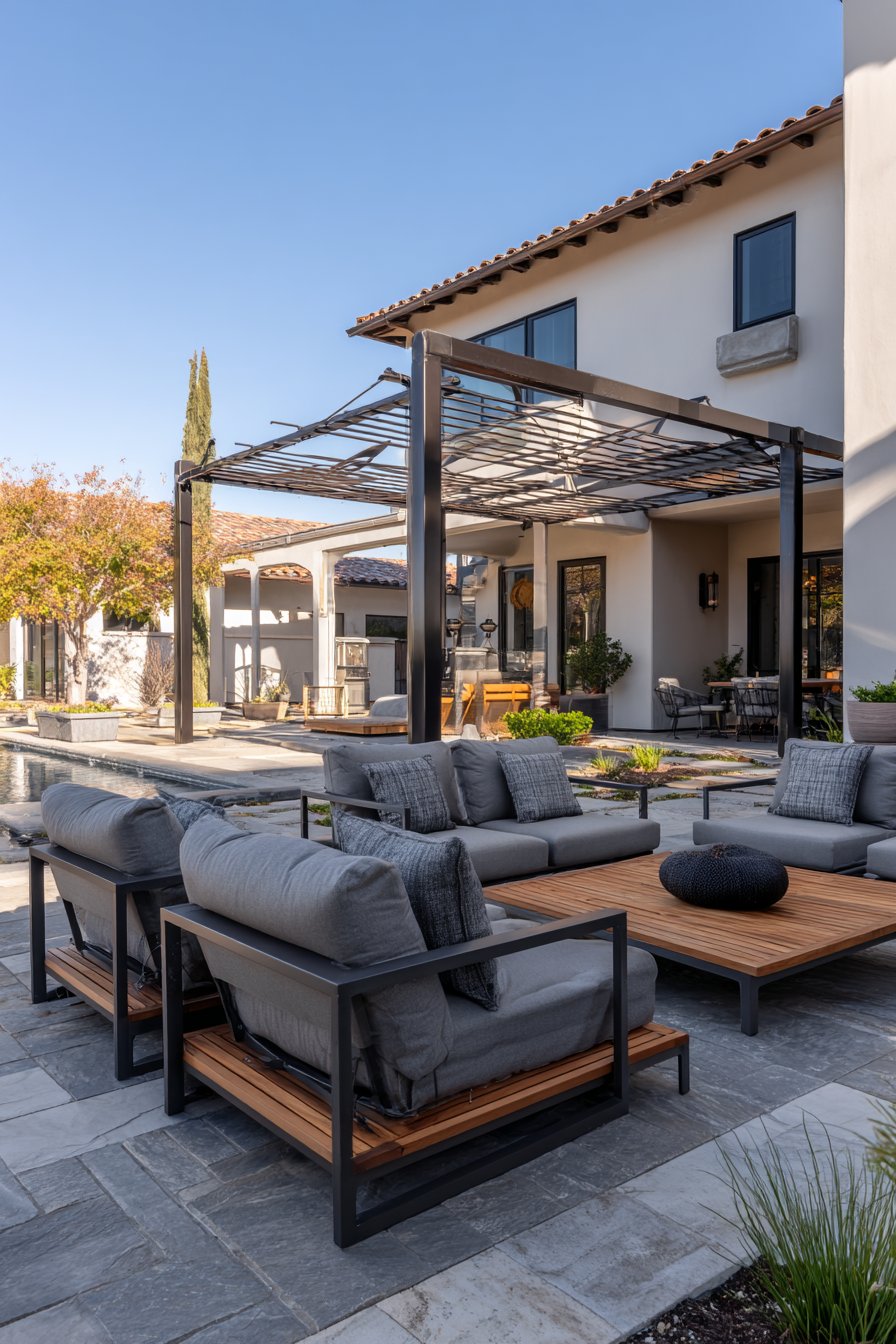
- Ensure patio surfaces slope away from structures for proper drainage
- Use furniture risers to elevate pieces above moisture-prone areas
- Position seating areas under natural cover when possible
- Avoid placing furniture in low-lying areas that collect water
- Create pathways that direct water away from decorated spaces
- Install drainage solutions in chronically wet areas
Conclusion
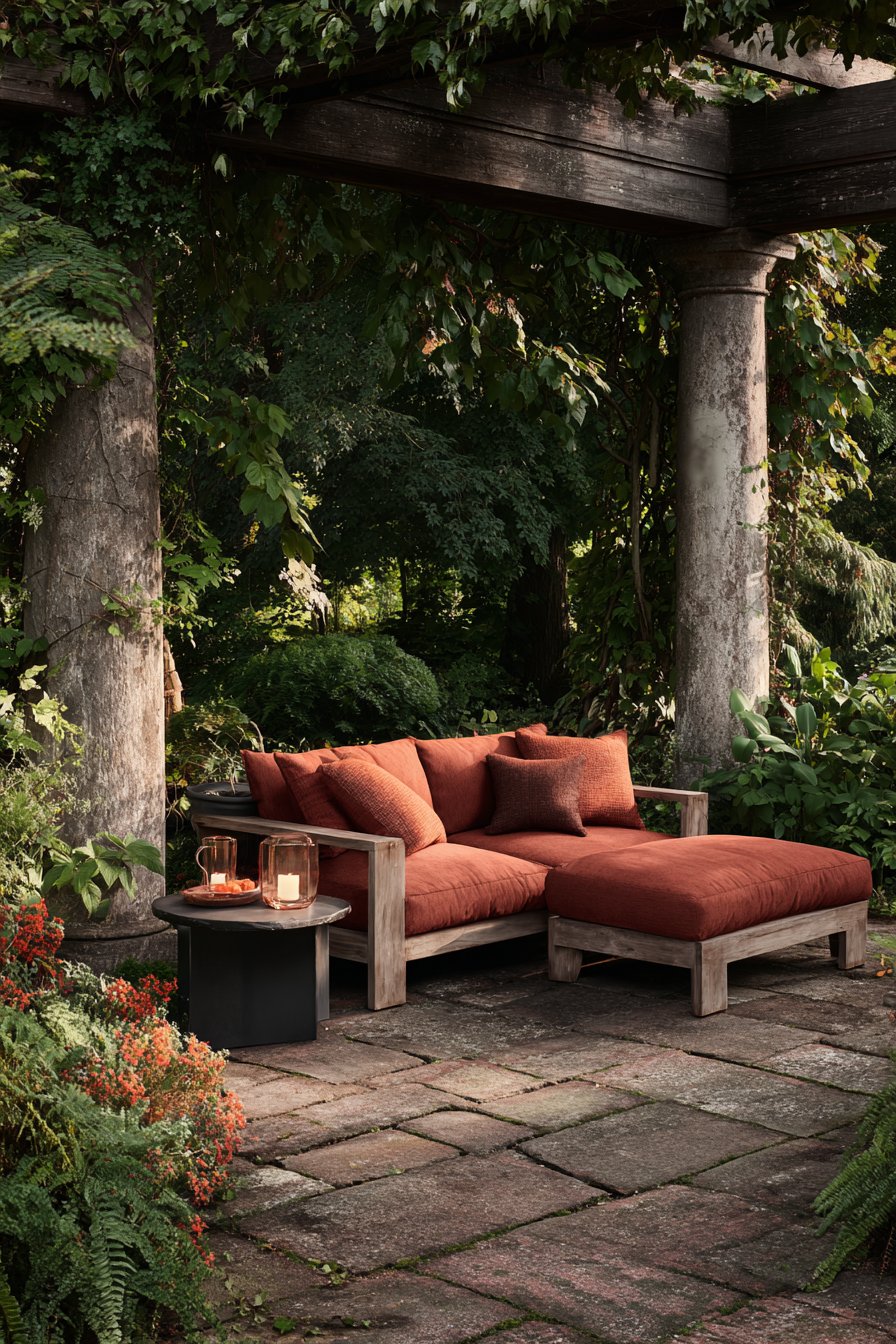
Weatherproofing outdoor decor requires thoughtful planning, quality materials, and consistent maintenance. By implementing these protective strategies, you’ll preserve the beauty and functionality of your exterior spaces for years to come. Remember that prevention is always easier and more cost-effective than repair or replacement.
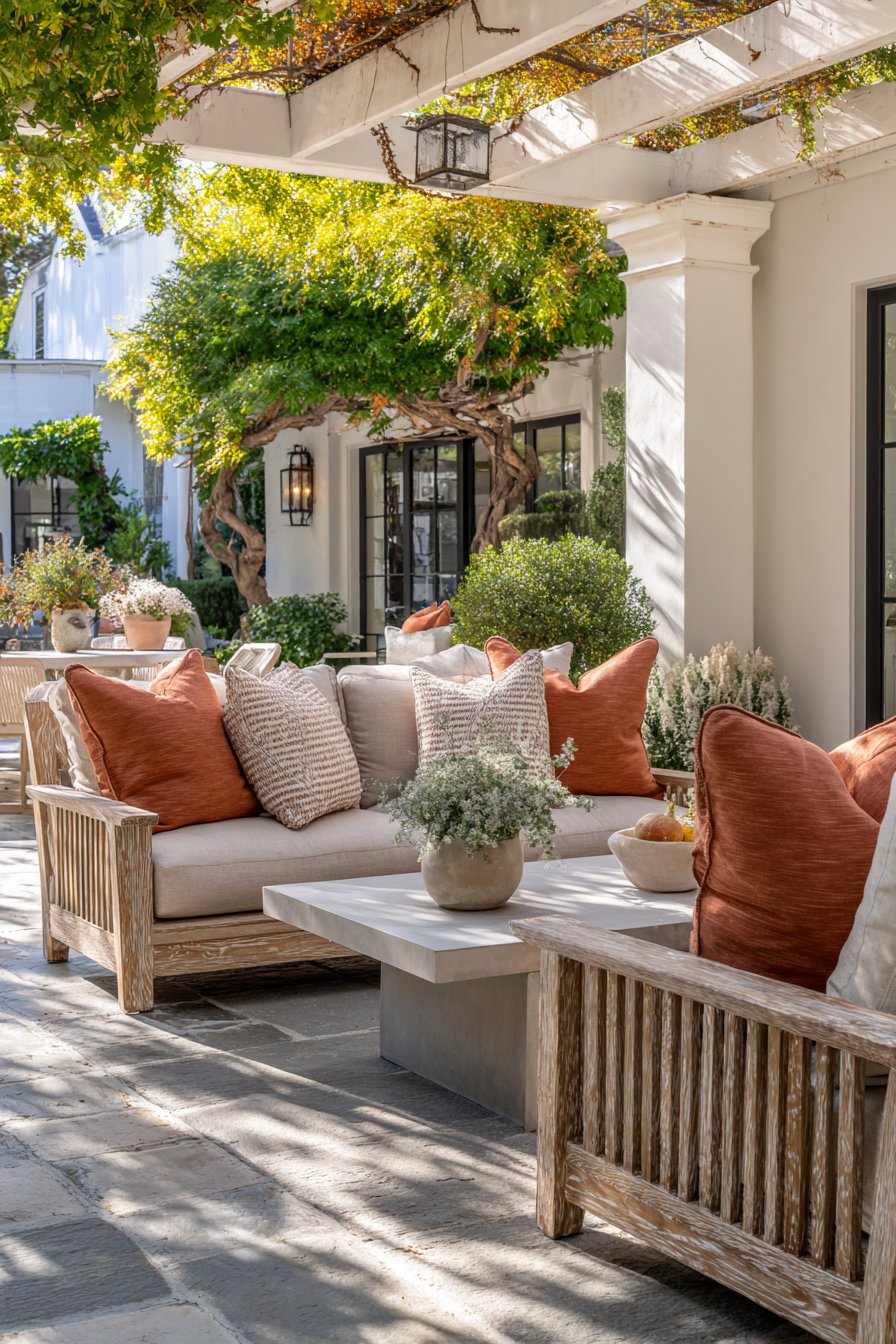
Start with weather-resistant materials, enhance them with protective treatments, and maintain regular care routines. Your outdoor sanctuary deserves the same attention as your interior rooms. With these techniques, you’ll create lasting outdoor spaces that withstand the elements while providing comfort and style throughout every season.
