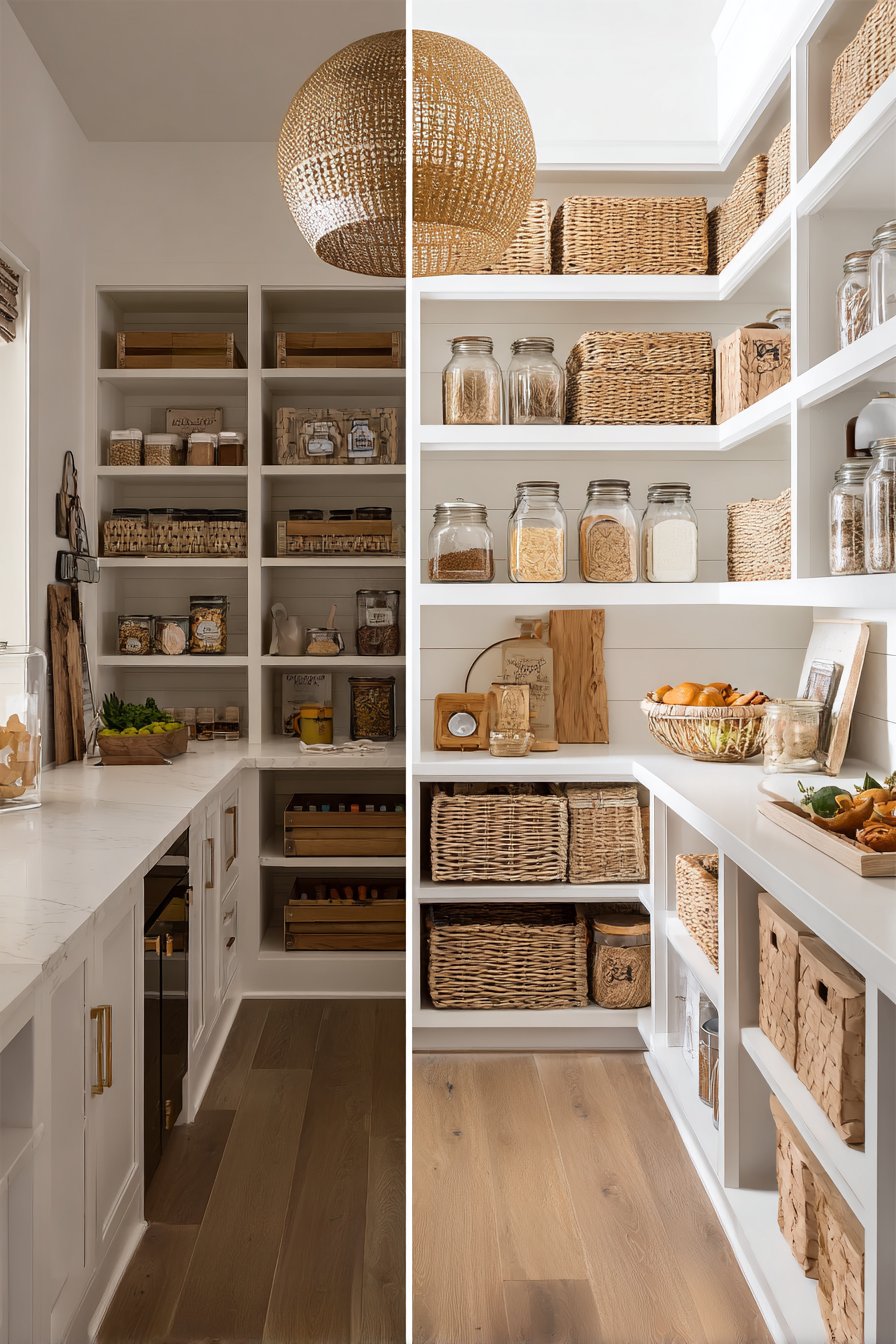


The pantry serves as the organizational backbone of any modern kitchen. Choosing between an L-shaped and U-shaped configuration can dramatically impact your storage capacity and daily workflow. These two popular layouts each offer distinct advantages for different spatial requirements and lifestyle needs.
Understanding pantry design goes beyond simple shelf placement. The right layout transforms a cluttered storage space into an efficient, accessible system that streamlines meal preparation and grocery organization. Whether you’re renovating an existing kitchen or planning a new build, the decision between L-shaped and U-shaped pantries deserves careful consideration based on your available space and storage priorities.
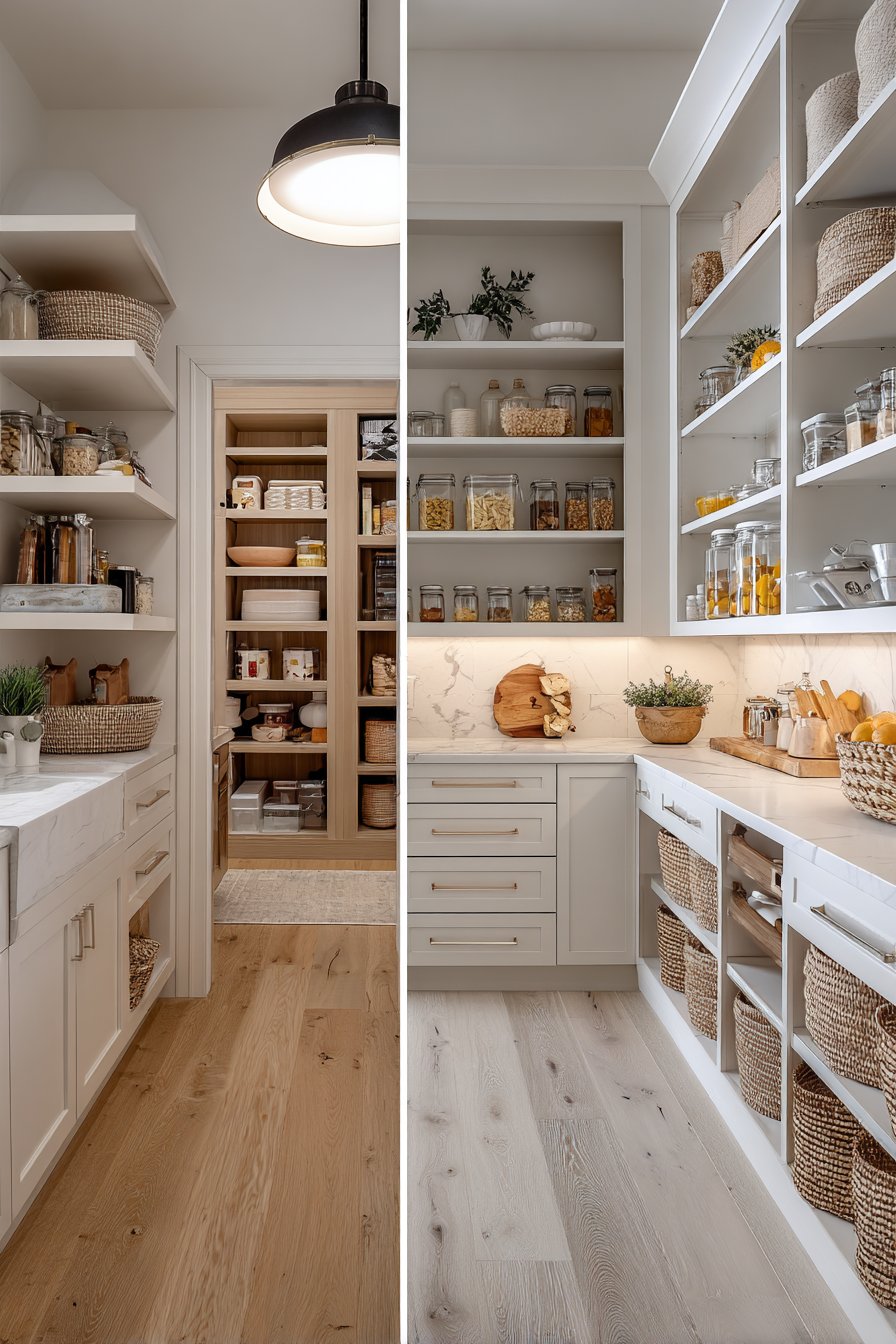
This comprehensive guide explores both pantry configurations in detail. We’ll examine the unique benefits of each layout, discuss ideal room dimensions, and provide actionable tips for maximizing every square inch of storage space.
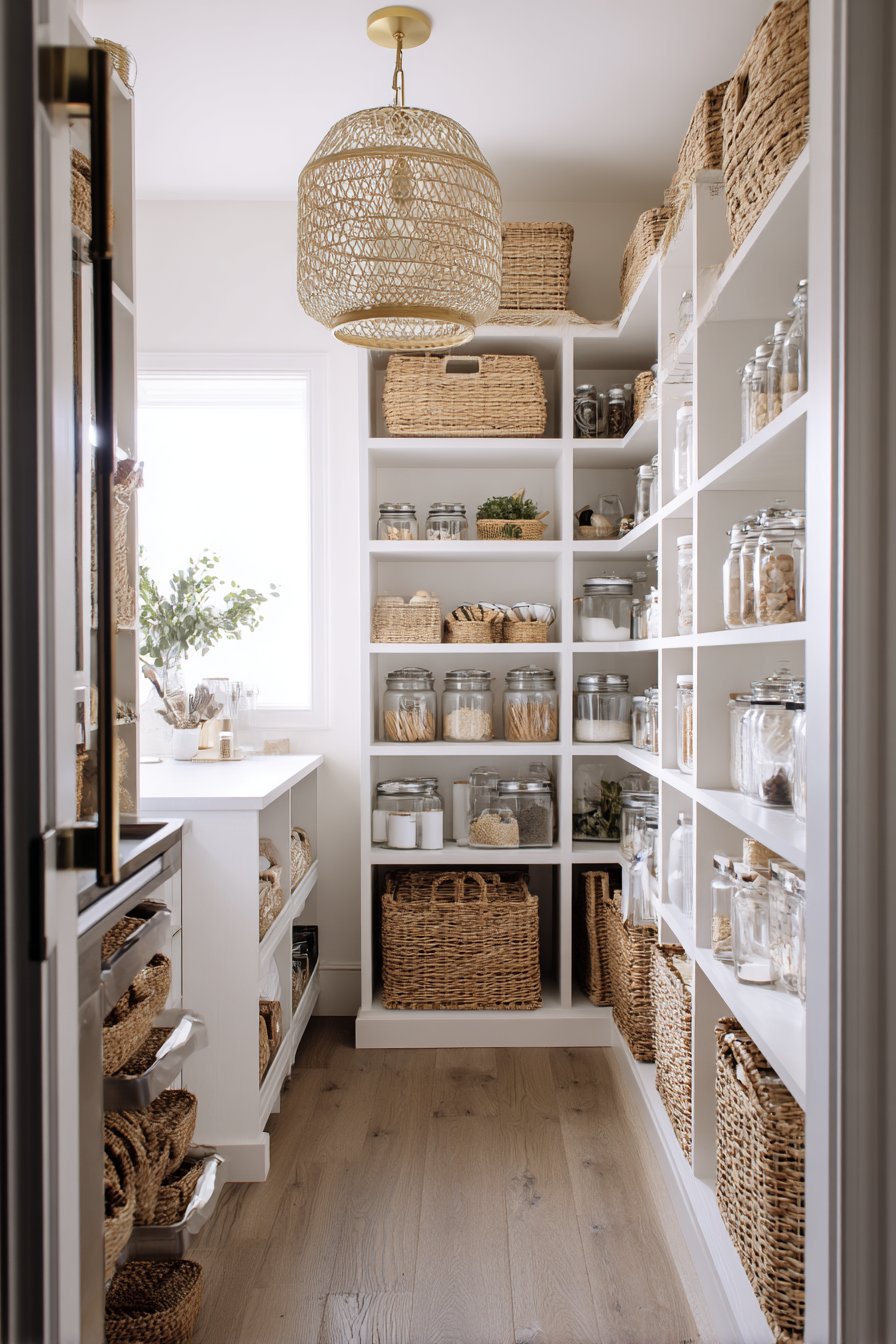
1. Understanding L-Shaped Pantry Fundamentals
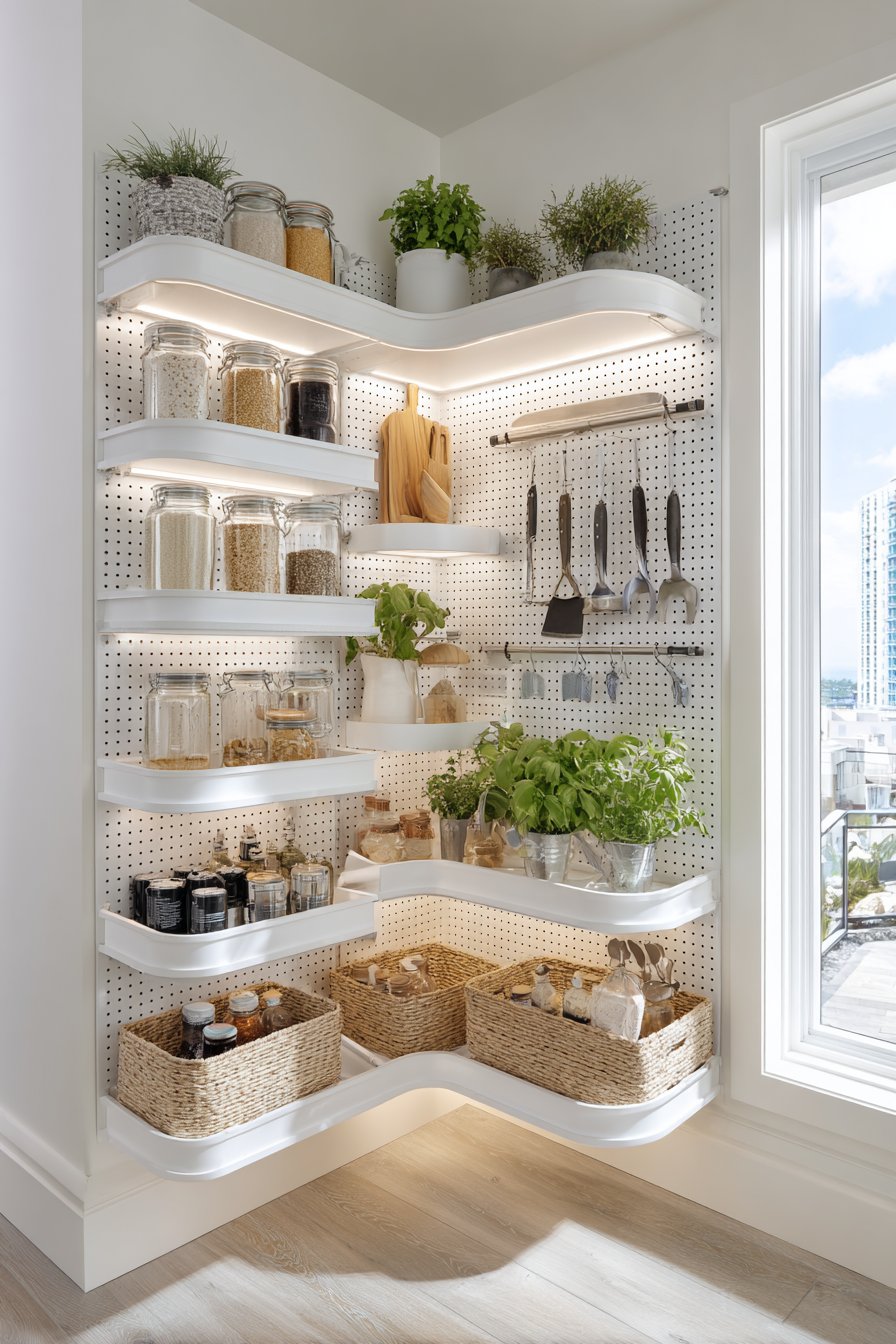
The L-shaped pantry utilizes two adjacent walls to create a corner storage solution. This configuration works exceptionally well in smaller homes where dedicated pantry space is limited. The design maximizes vertical storage potential while maintaining an open, accessible feel that prevents the claustrophobic sensation of fully enclosed spaces.
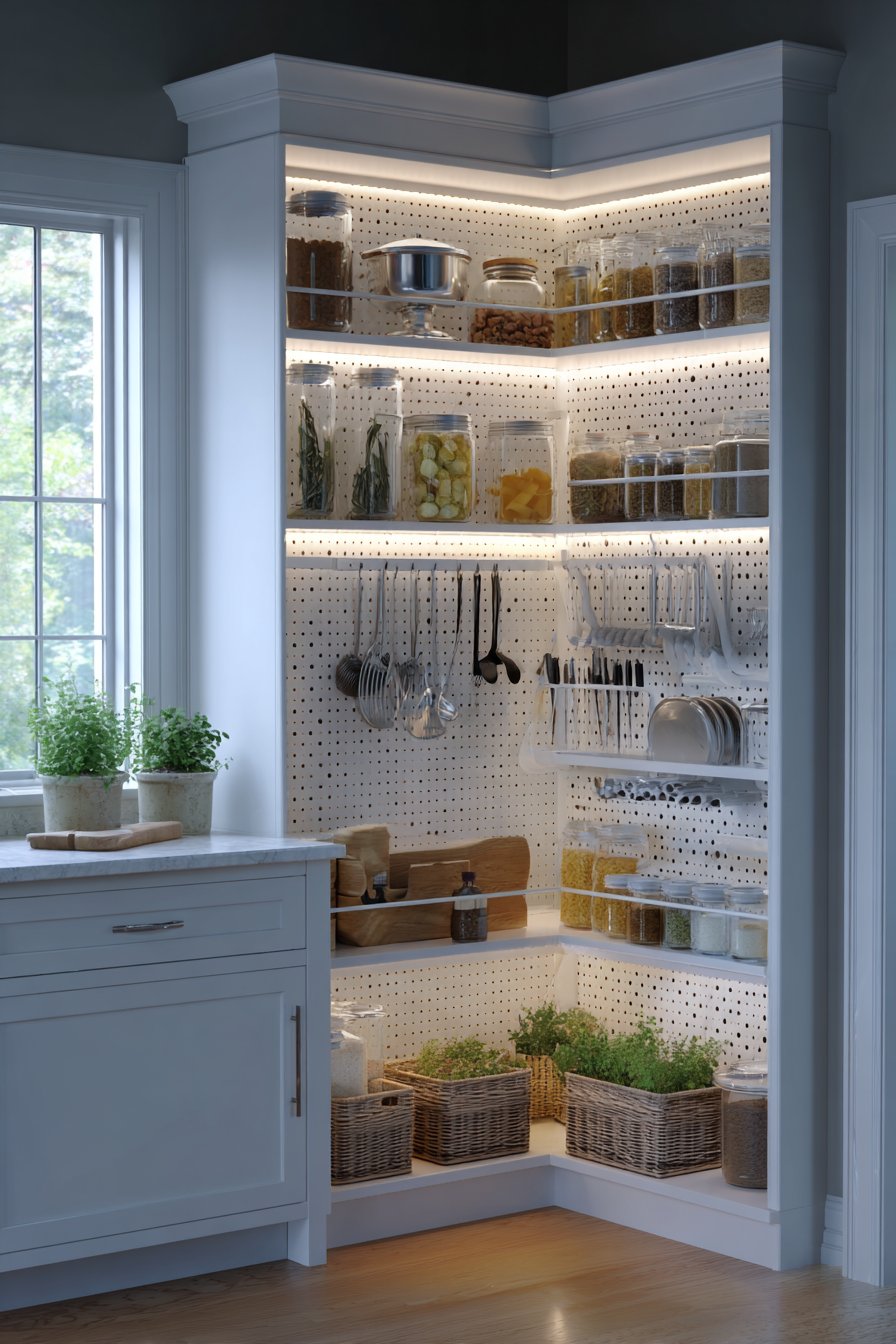
Most L-shaped pantries measure between 4 to 6 feet along each wall. This compact footprint makes them ideal for apartments, condos, or homes where square footage comes at a premium. The corner junction creates a natural focal point for frequently accessed items, keeping everyday essentials within easy reach.
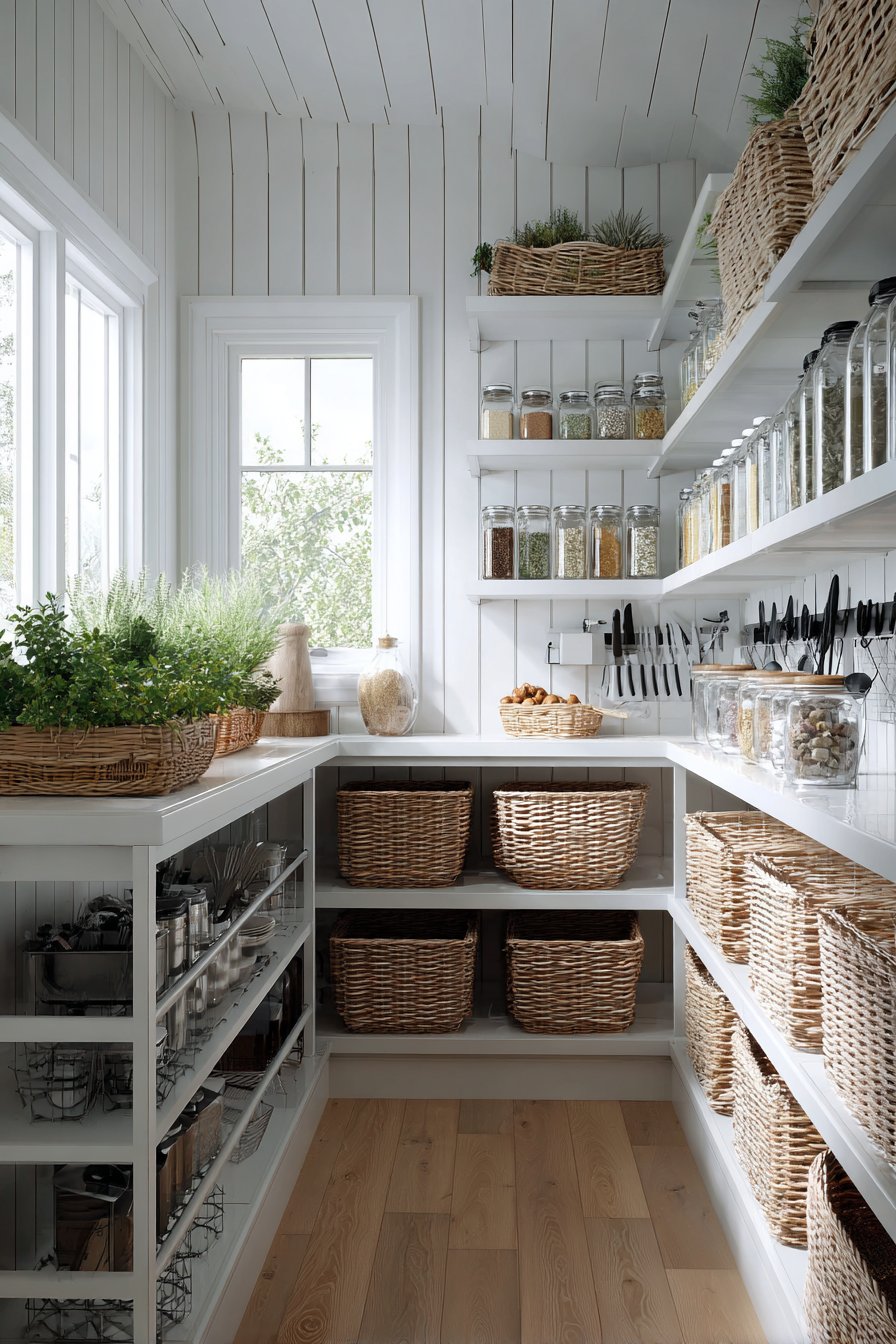
The open-ended design allows for seamless traffic flow in and out of the pantry. You can quickly grab ingredients without navigating tight spaces or moving around obstacles. This accessibility proves especially valuable during busy meal preparation when efficiency matters most.
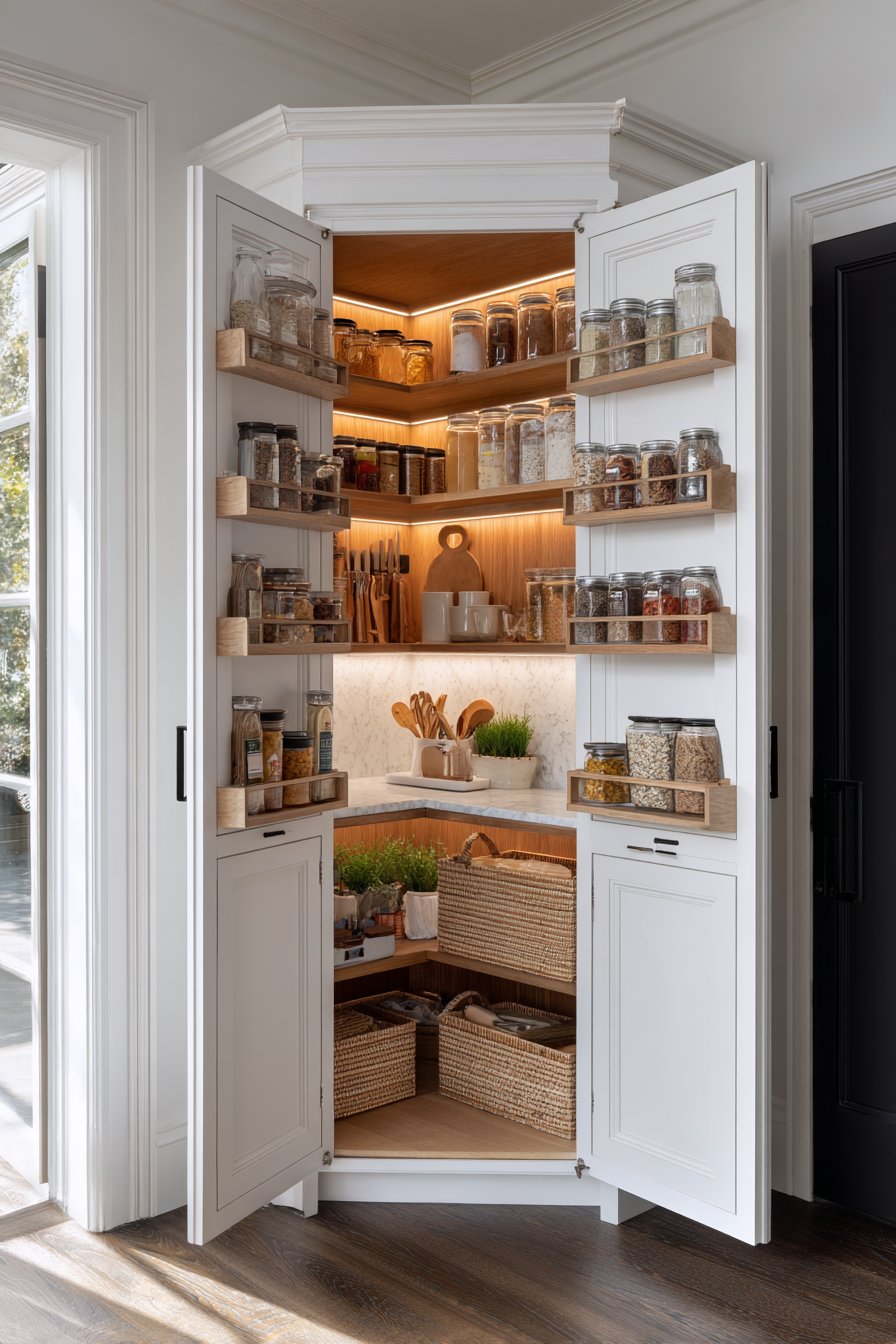
- Install pull-out corner shelves to eliminate dead space in the junction area
- Use the taller wall section for storing bulk items and seasonal supplies
- Place frequently used ingredients at eye level on both walls
- Add lighting under each shelf section for improved visibility
- Consider adjustable shelving to accommodate items of varying heights
- Mount a pegboard on one wall for hanging utensils and small tools
2. Exploring U-Shaped Pantry Advantages
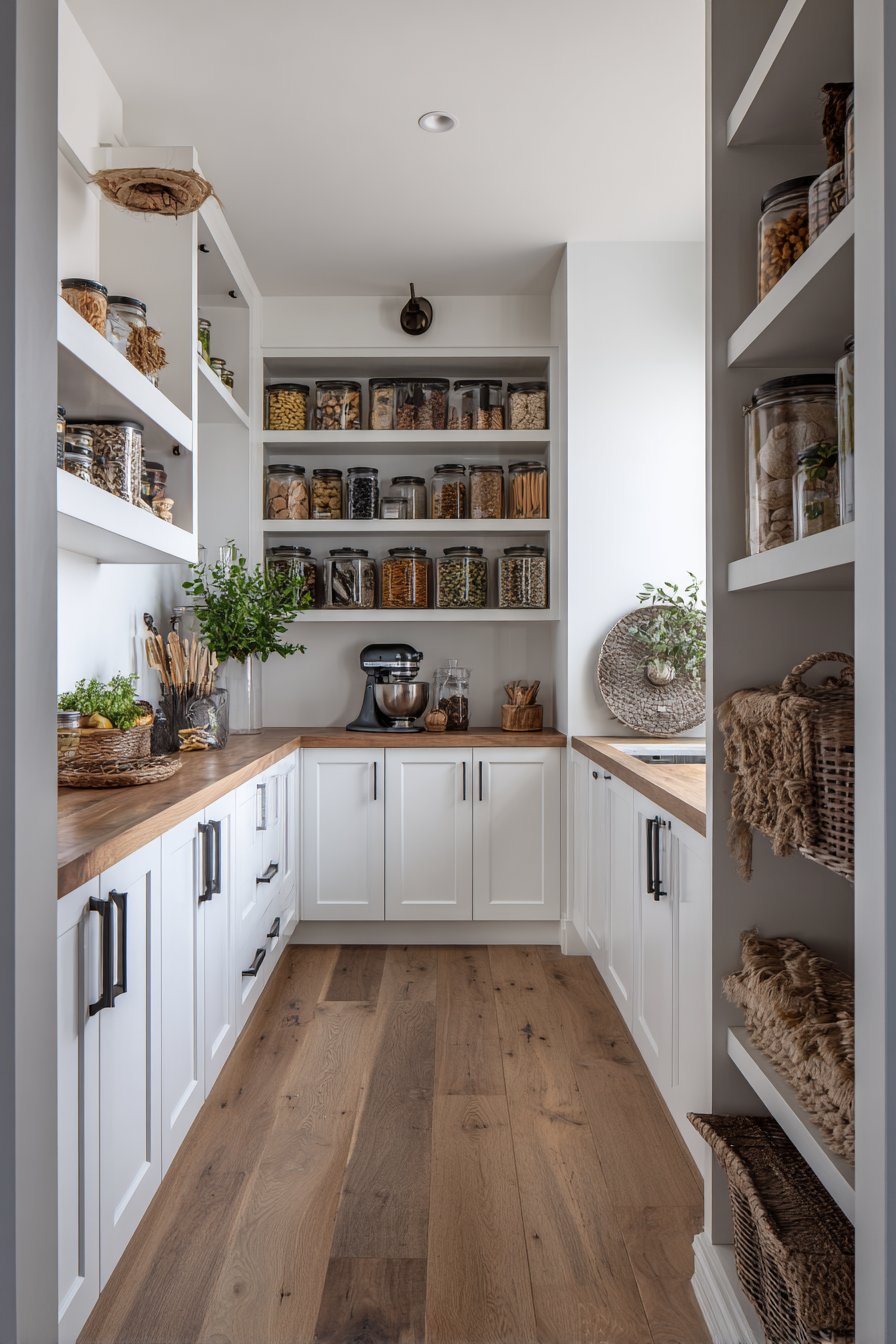
The U-shaped pantry incorporates three connected walls for maximum storage density. This configuration creates an enclosed workspace that can hold significantly more items than its L-shaped counterpart. The design works best in homes with dedicated pantry rooms measuring at least 5 feet by 7 feet.
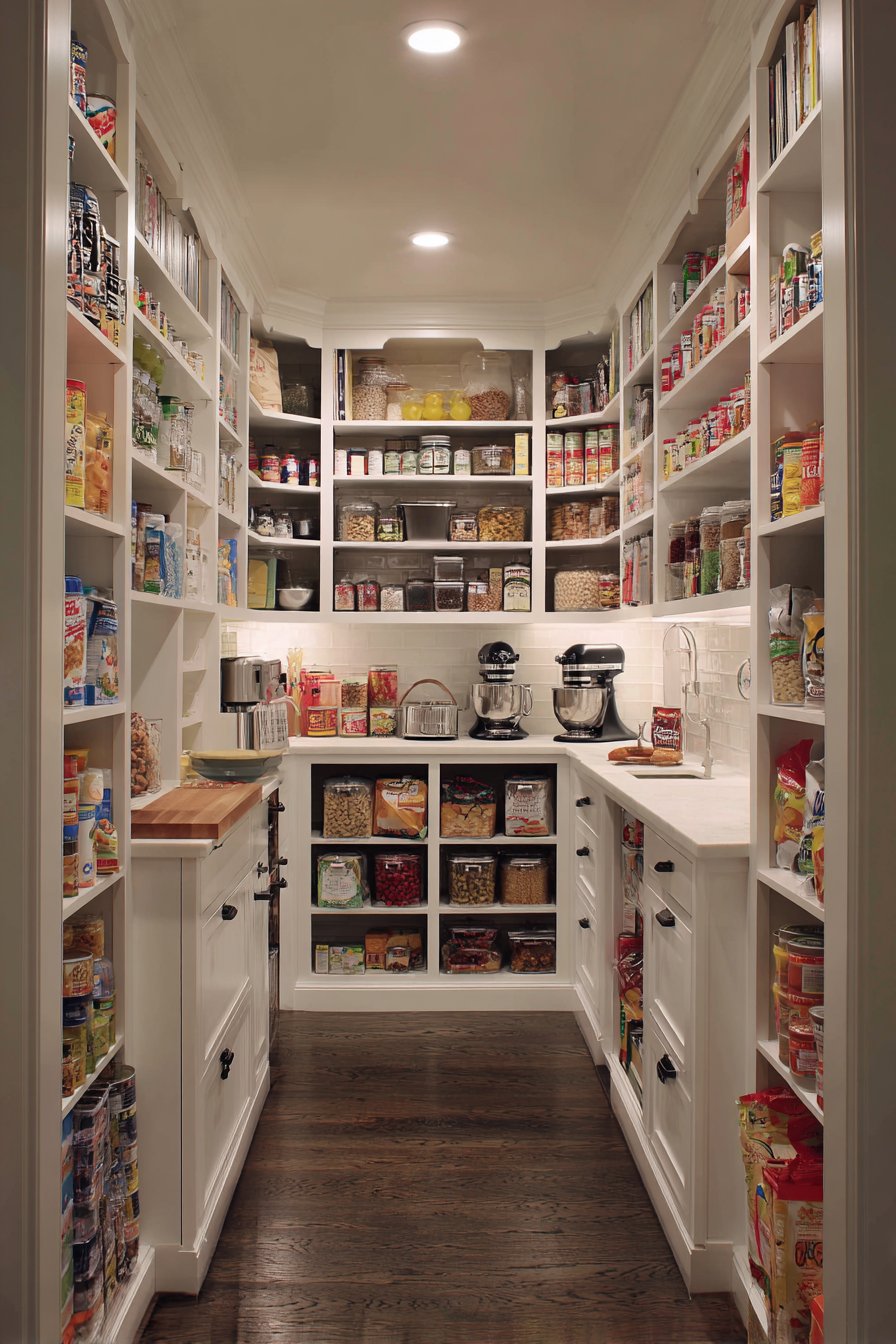
With shelving on three sides, U-shaped pantries offer triple the storage capacity of single-wall designs. The enclosed nature creates distinct zones for different categories like baking supplies, canned goods, and snacks. This organizational potential helps families maintain order even with extensive grocery stockpiles.
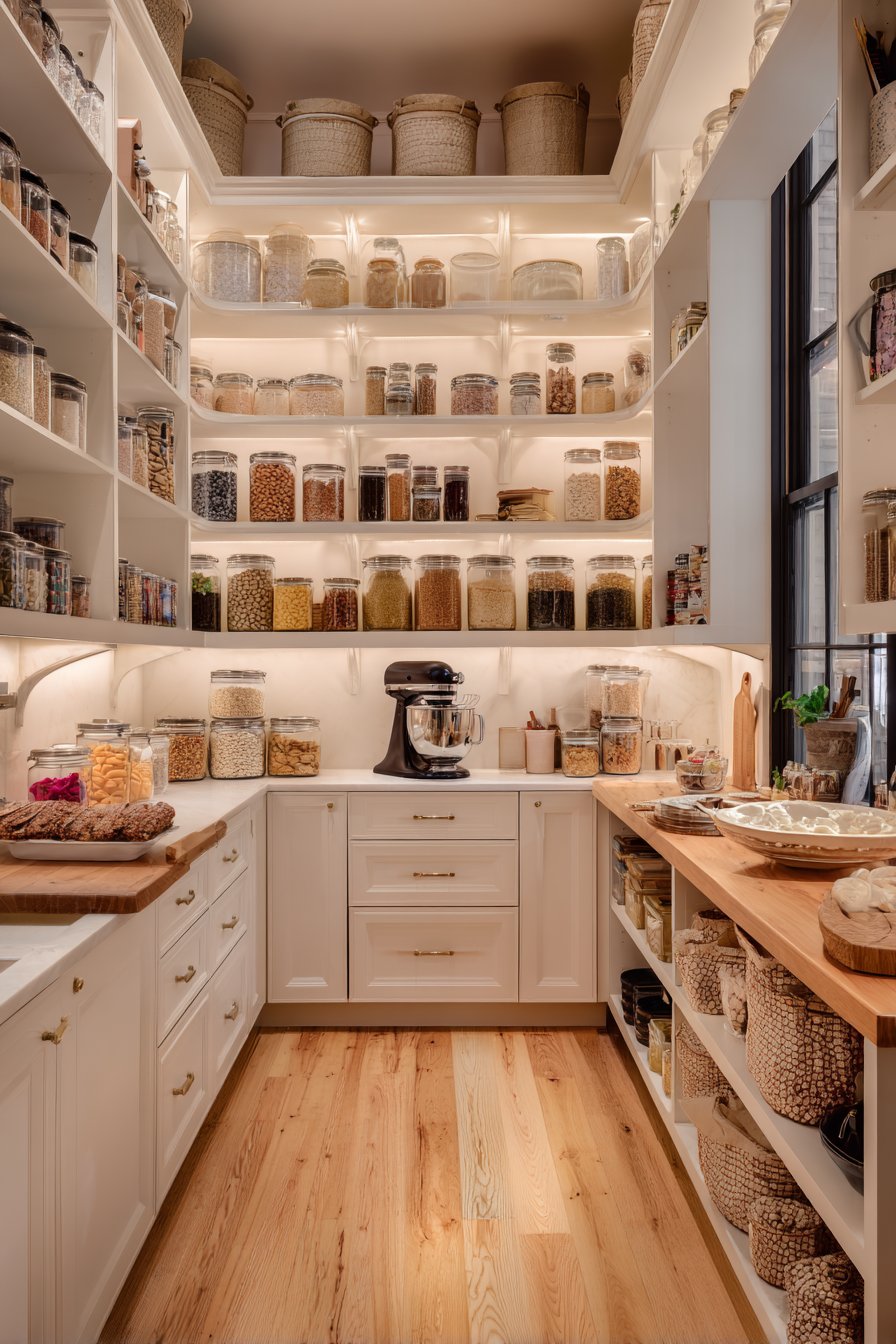
The central floor space in U-shaped pantries provides work area flexibility that L-shaped designs cannot match. You can add a small counter for meal prep, install a beverage station, or use the space for appliance storage like stand mixers and food processors.
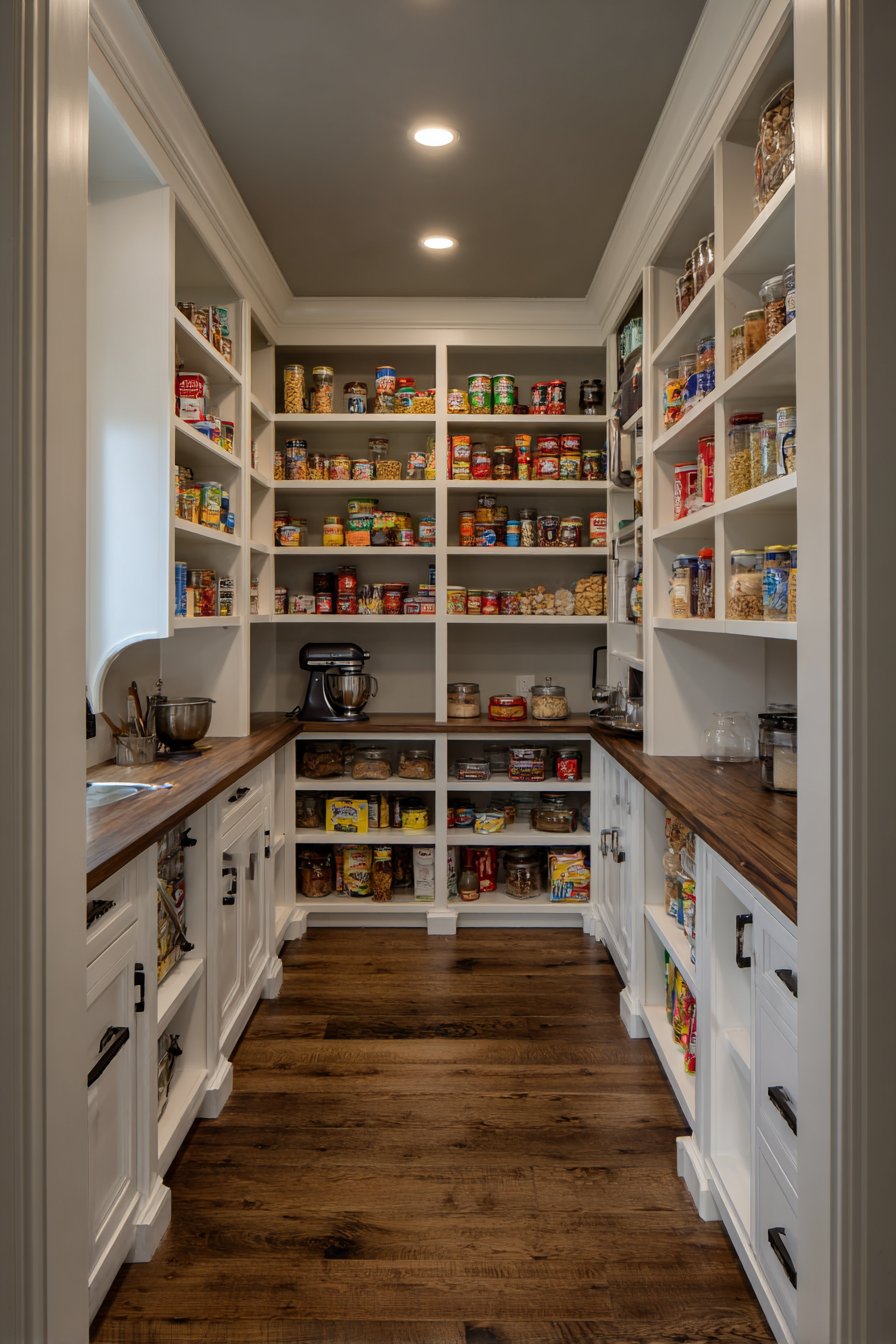
- Designate each wall for specific food categories to streamline organization
- Install deeper shelves on the back wall for bulky items
- Use the side walls for narrow items like spice bottles and condiments
- Add a step stool for safely accessing upper shelves
- Consider motion-sensor lighting to illuminate all three walls automatically
- Install a countertop on one section for a functional workspace
3. Space Requirements and Room Dimensions
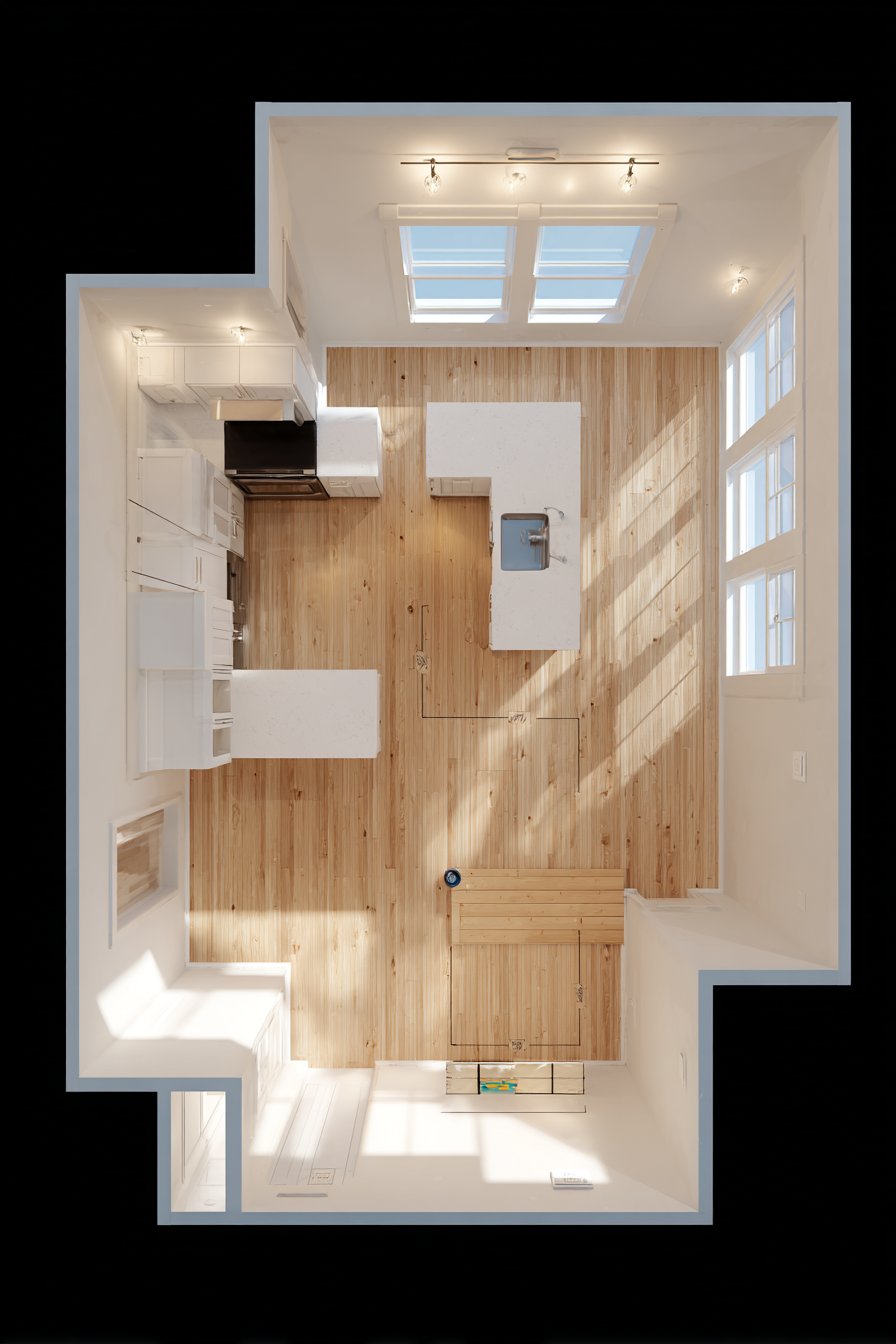
L-shaped pantries require a minimum footprint of approximately 3 feet by 4 feet. This modest size makes them suitable for butler’s pantries, converted closets, or carved-out kitchen alcoves. The configuration needs only two clear walls, which simplifies installation in existing homes without major structural modifications.
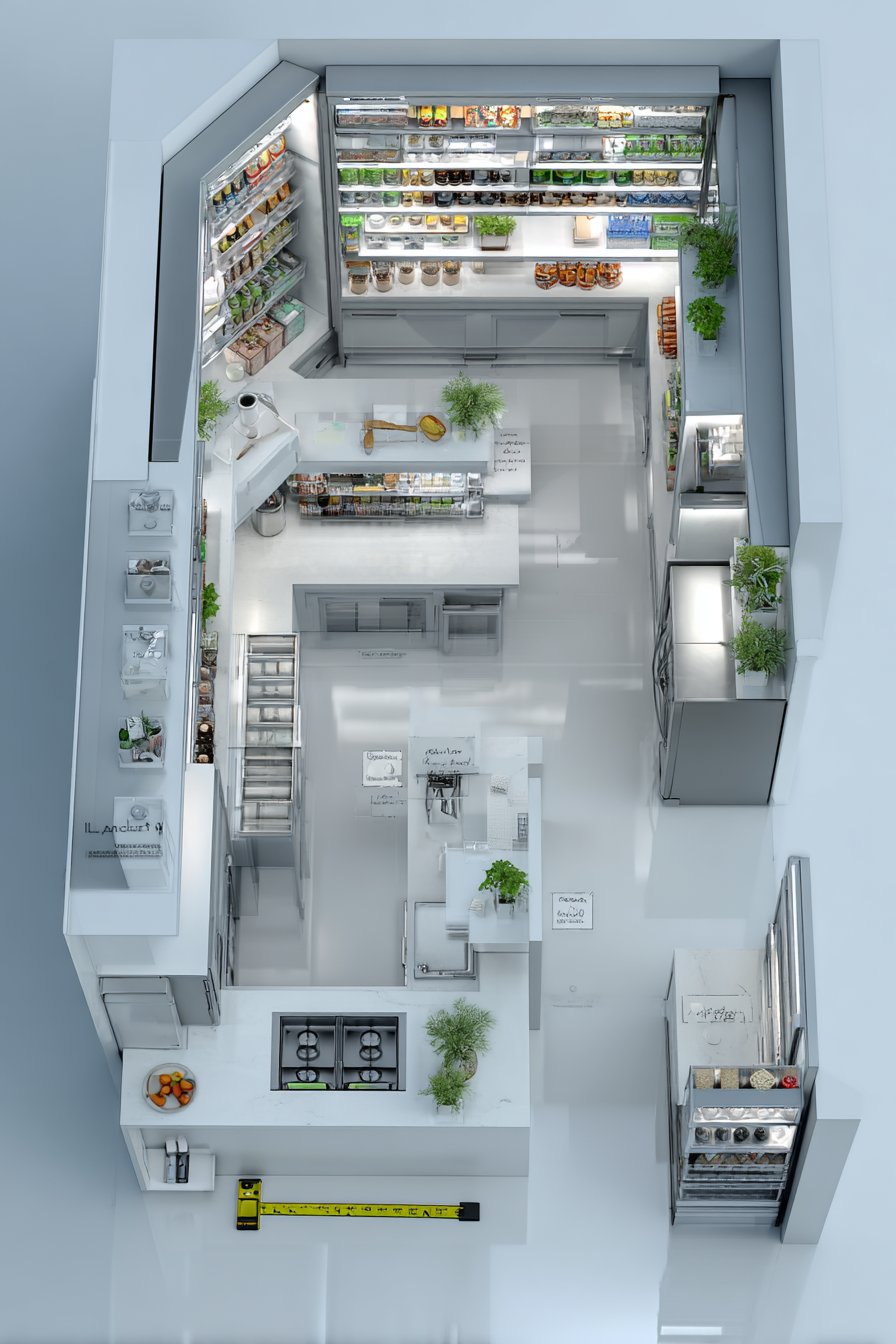
U-shaped pantries demand more substantial real estate. The ideal dimensions start at 5 feet wide by 7 feet deep to allow comfortable movement between shelves. Narrower configurations create cramped conditions that make accessing items difficult and increase the risk of knocking over containers.
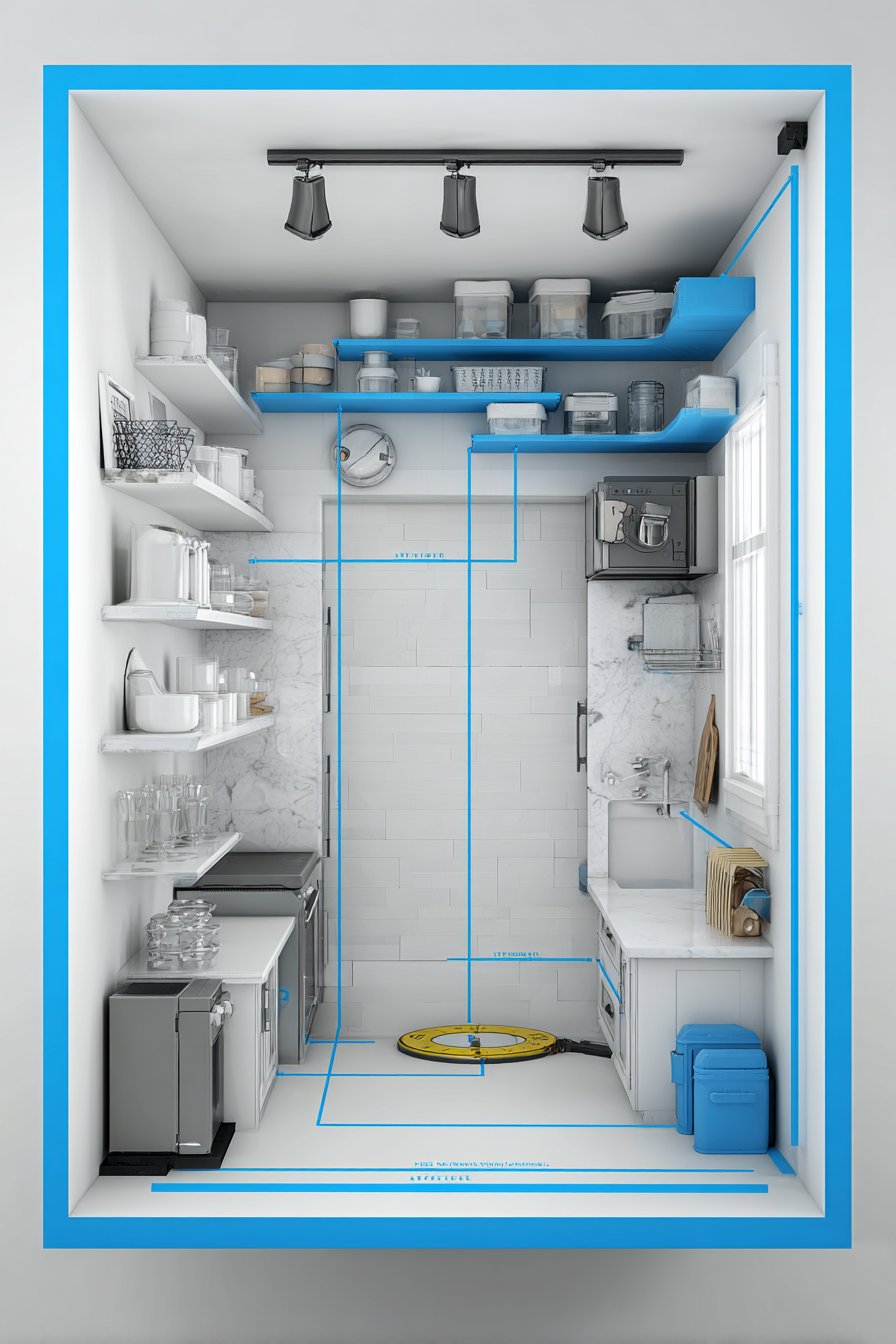
Consider your walking clearance carefully for both layouts. L-shaped designs need at least 36 inches of clearance in front of the shelves. U-shaped pantries require 42 to 48 inches of central space to accommodate bending, reaching, and moving without bumping into opposite shelving units.
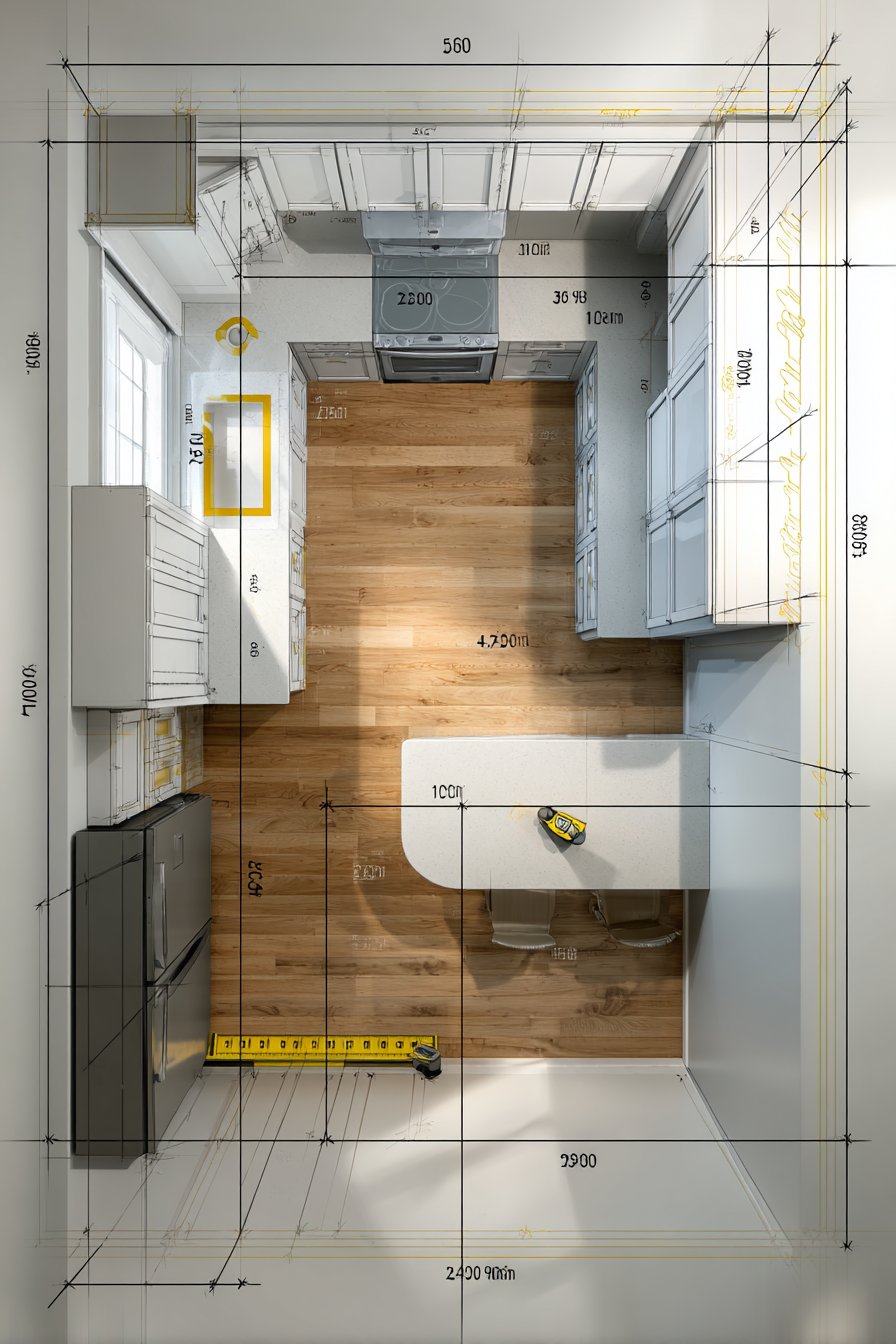
- Measure your available space before committing to either layout
- Account for door swing clearance in your dimension calculations
- Ensure wheelchair accessibility if needed with 60-inch turning radius
- Plan for future storage needs by slightly oversizing if possible
- Consider ceiling height for maximizing vertical storage potential
- Leave room for ventilation to prevent moisture and odor buildup
4. Storage Capacity and Organization Efficiency
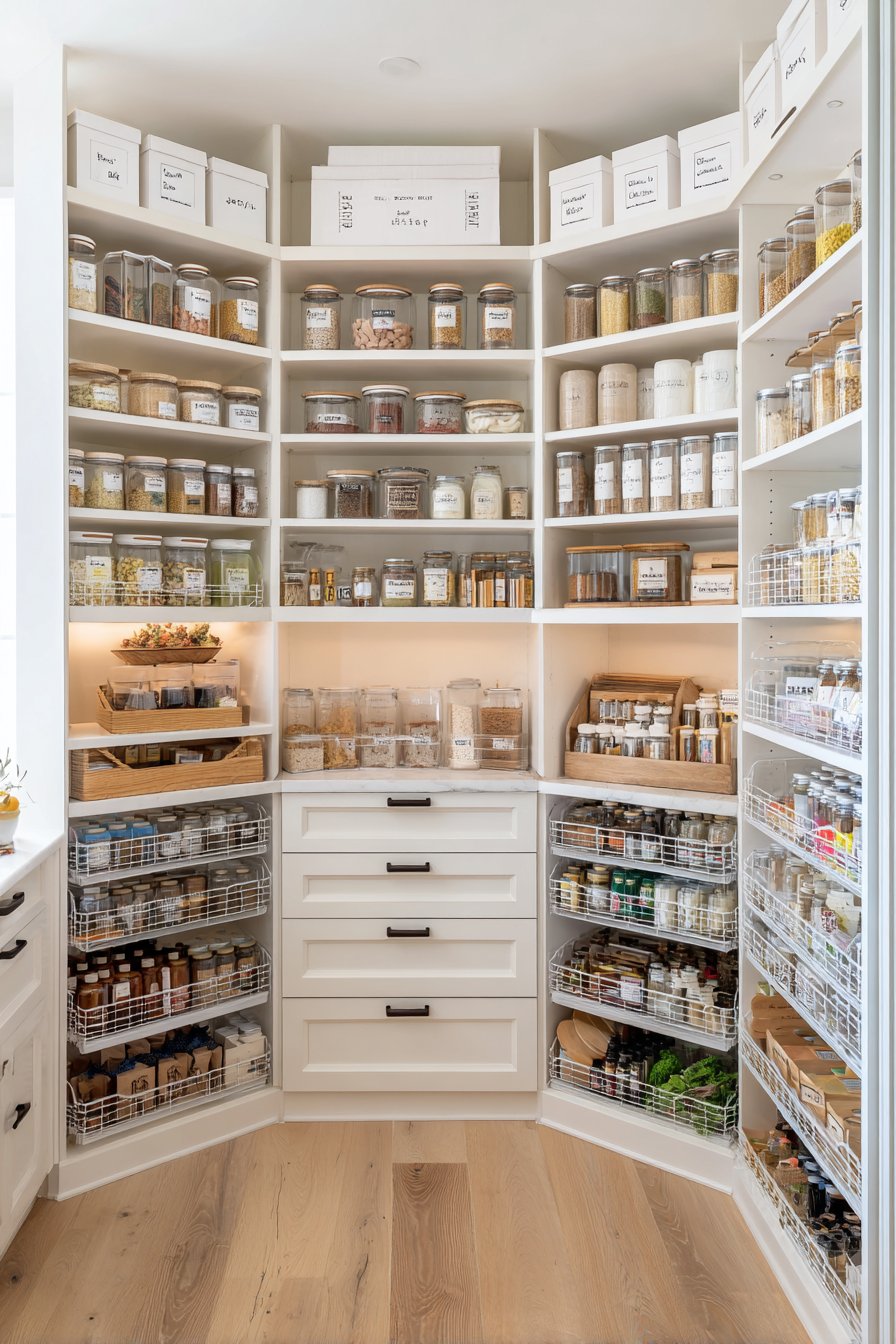
L-shaped pantries typically provide 30 to 50 linear feet of shelving depending on wall height and shelf spacing. This capacity suits households of two to four people with moderate grocery shopping habits. The limited shelf depth on two walls means you’ll need to prioritize items and rotate stock regularly.
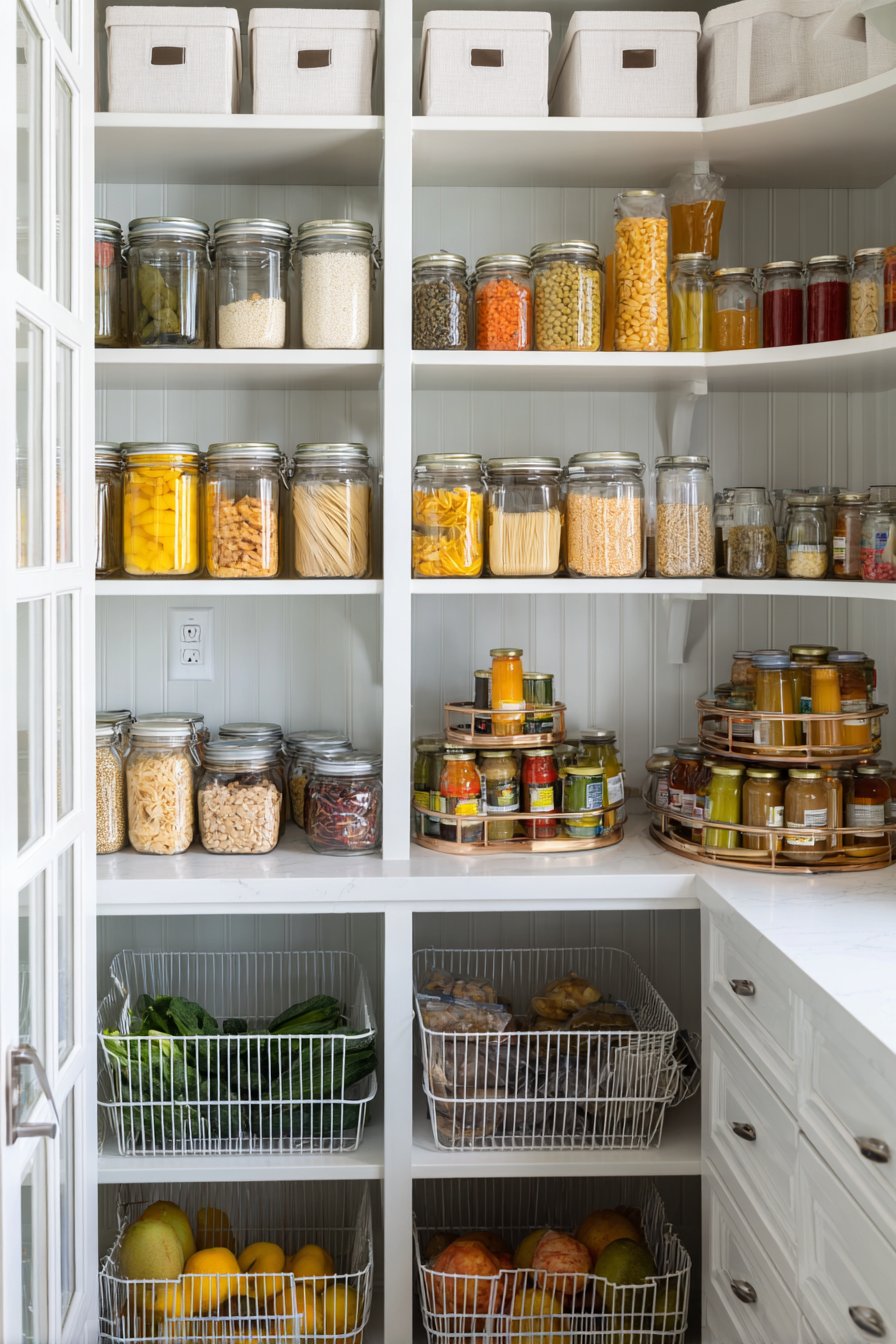
U-shaped configurations deliver 60 to 80 linear feet of storage space. This expanded capacity accommodates larger families, bulk shoppers, or households that prefer extensive meal planning and preparation. The additional wall allows for specialized storage zones that keep similar items grouped together logically.
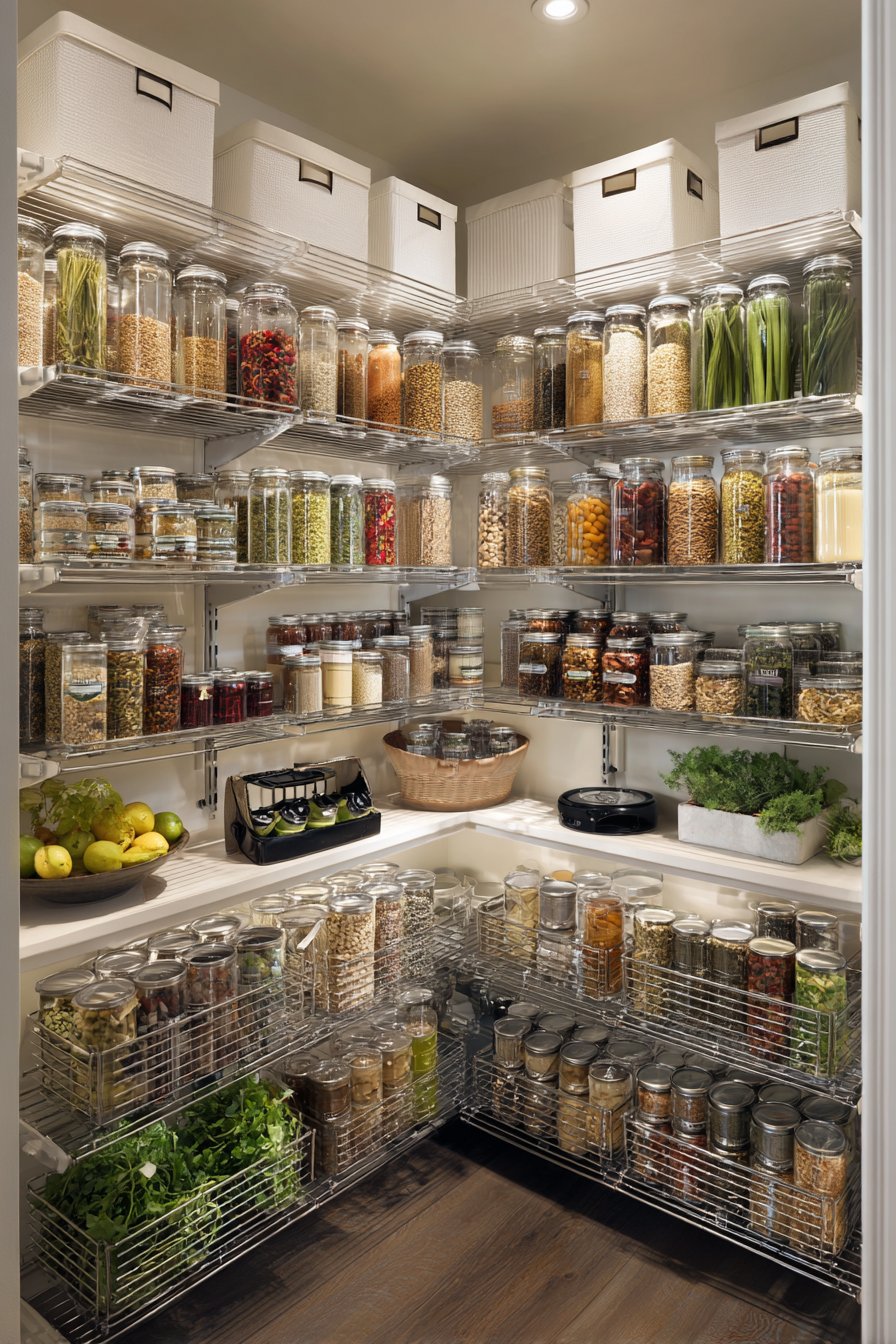
Organization systems work differently in each layout. L-shaped pantries benefit from clear containers that maximize visibility across shorter distances. U-shaped designs can utilize deeper organization with categorized zones since you have distinct wall sections for different purposes.
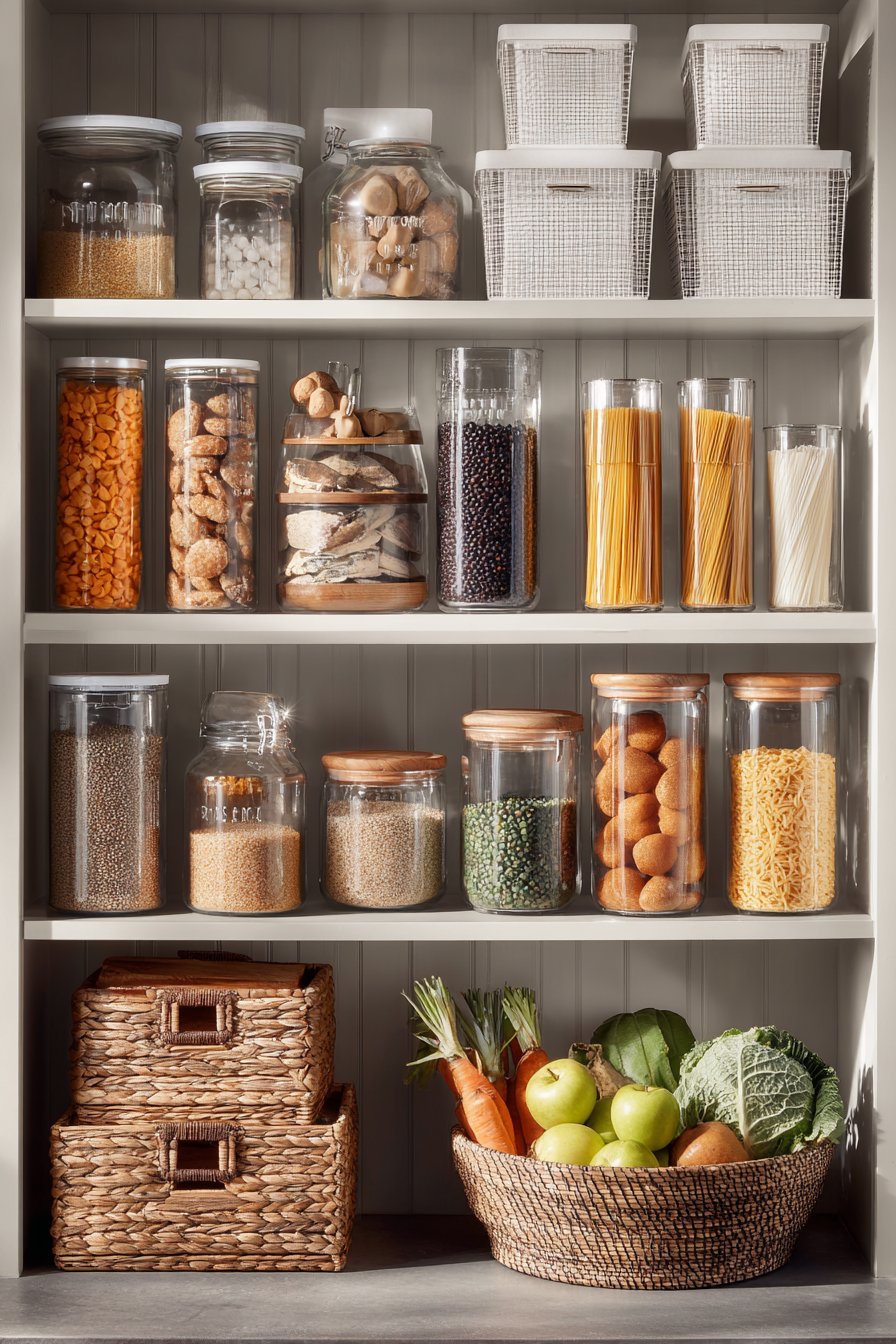
- Use uniform containers to maximize space efficiency in either layout
- Label all shelves and containers for quick identification
- Implement the FIFO method by placing new items behind older stock
- Install wire baskets for produce items that need air circulation
- Add drawer units for small items like seasoning packets
- Use lazy Susans in L-shaped corners to access hard-to-reach areas
5. Cost Considerations and Installation Complexity
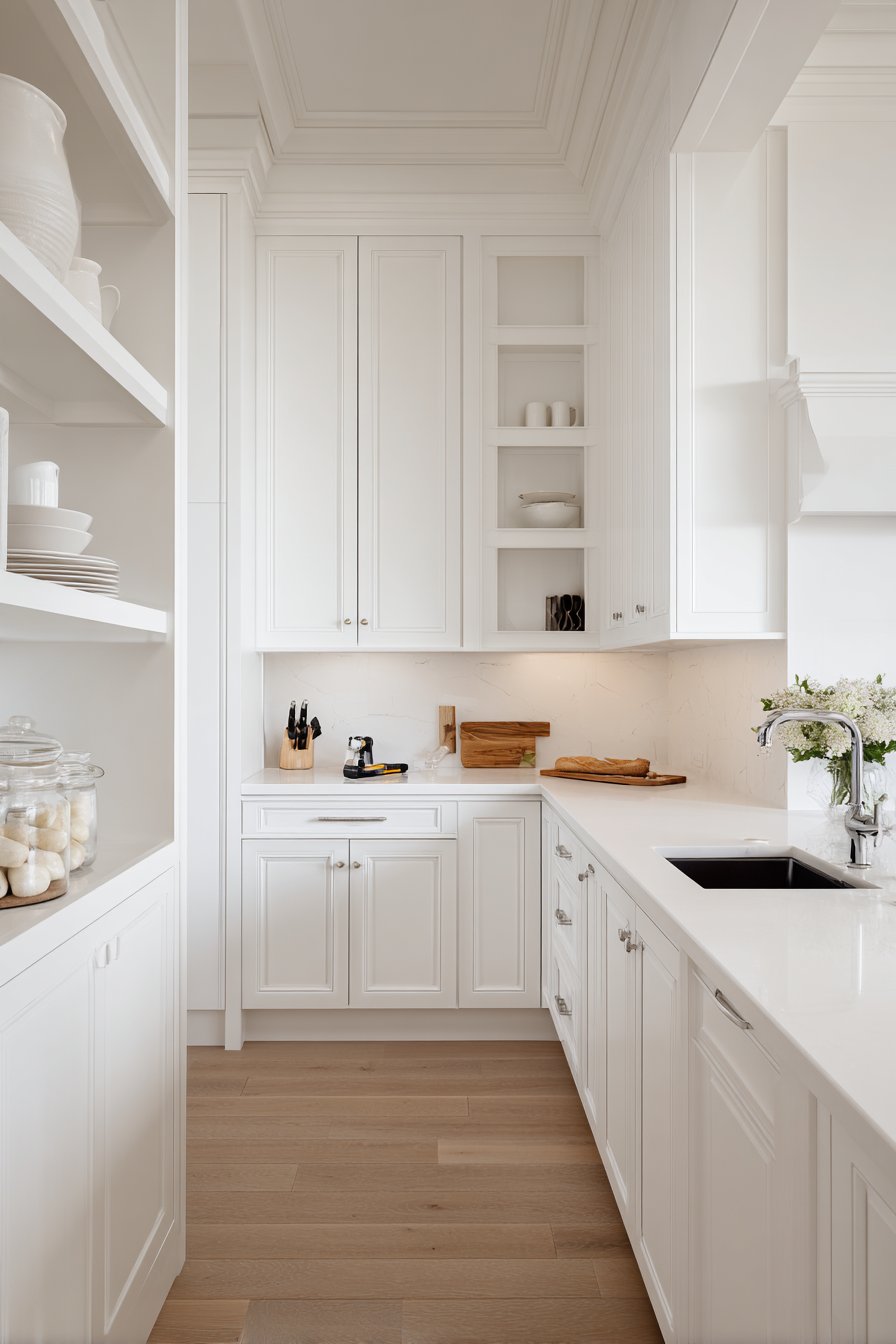
L-shaped pantries present the more budget-friendly option for most homeowners. Material costs typically range from $800 to $2,500 depending on shelving quality and customization level. The simpler design requires fewer materials and less installation time, reducing labor expenses significantly.
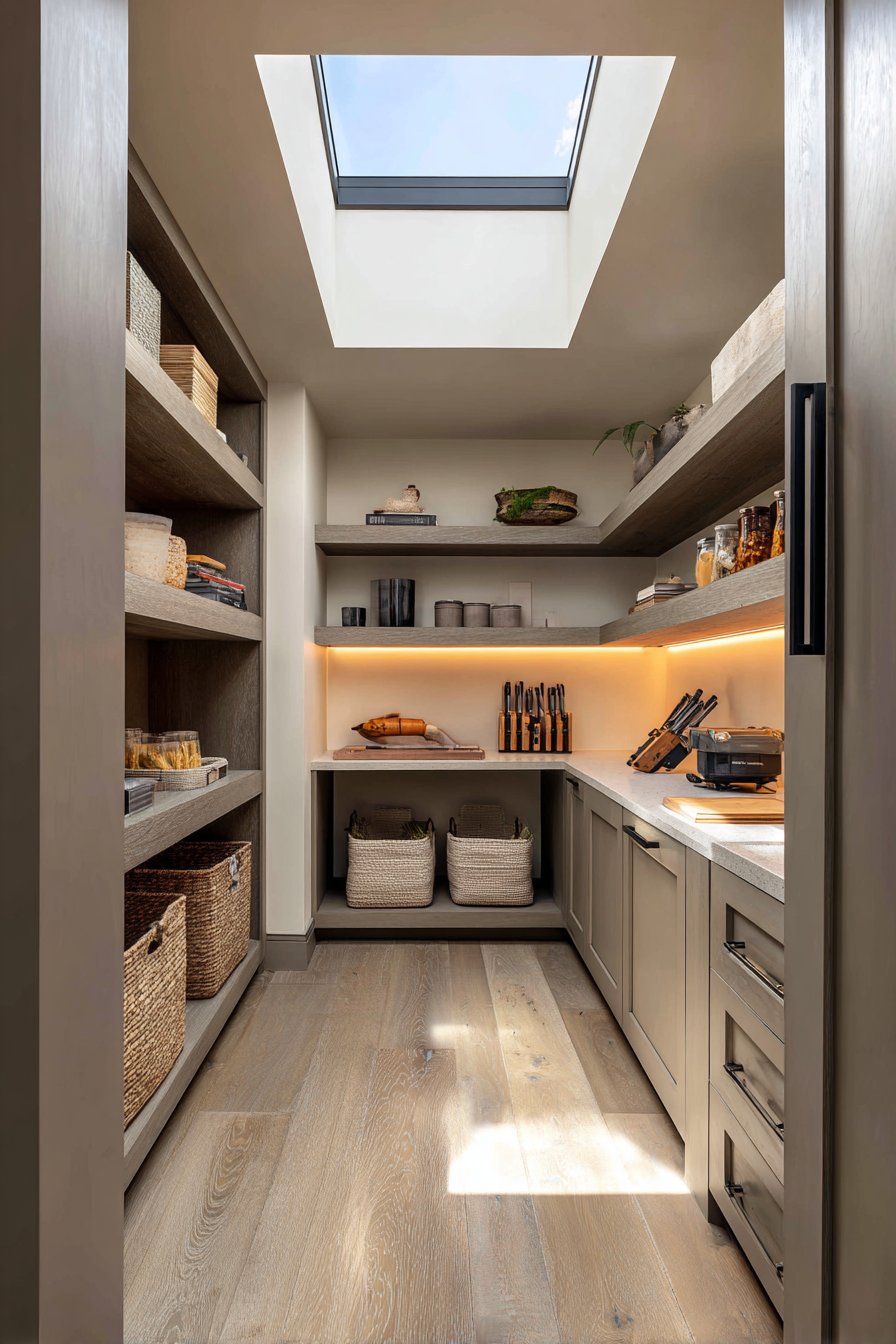
U-shaped pantries involve higher investment due to increased materials and complexity. Expect costs between $1,800 to $5,000 for professional installation. The additional wall of shelving, extra lighting, and potential ventilation needs contribute to the elevated price point.
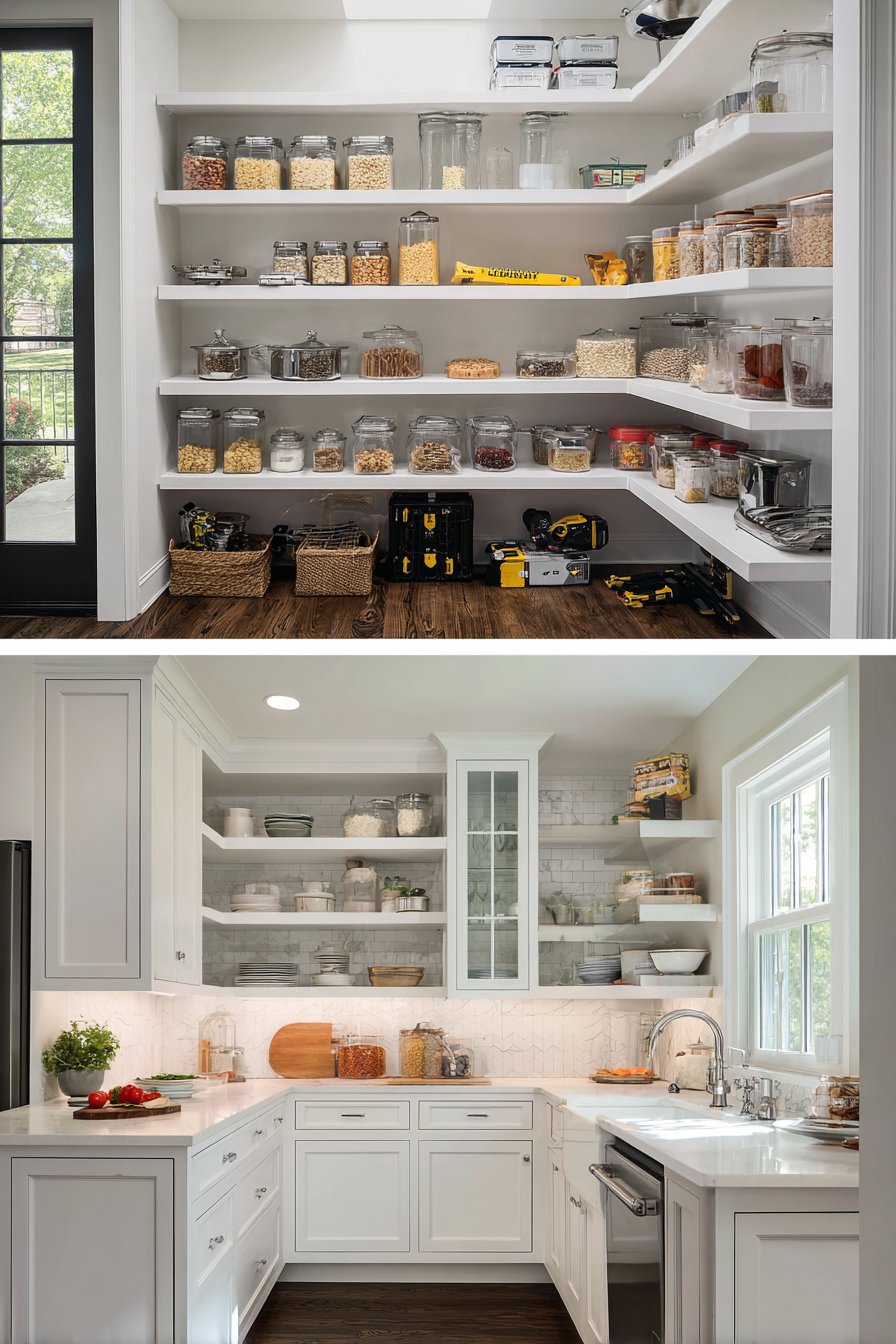
DIY installation favors L-shaped designs for homeowners with basic carpentry skills. The straightforward corner junction requires standard tools and techniques. U-shaped pantries present greater challenges with precise measurements needed to ensure all three walls align properly and maintain consistent spacing.
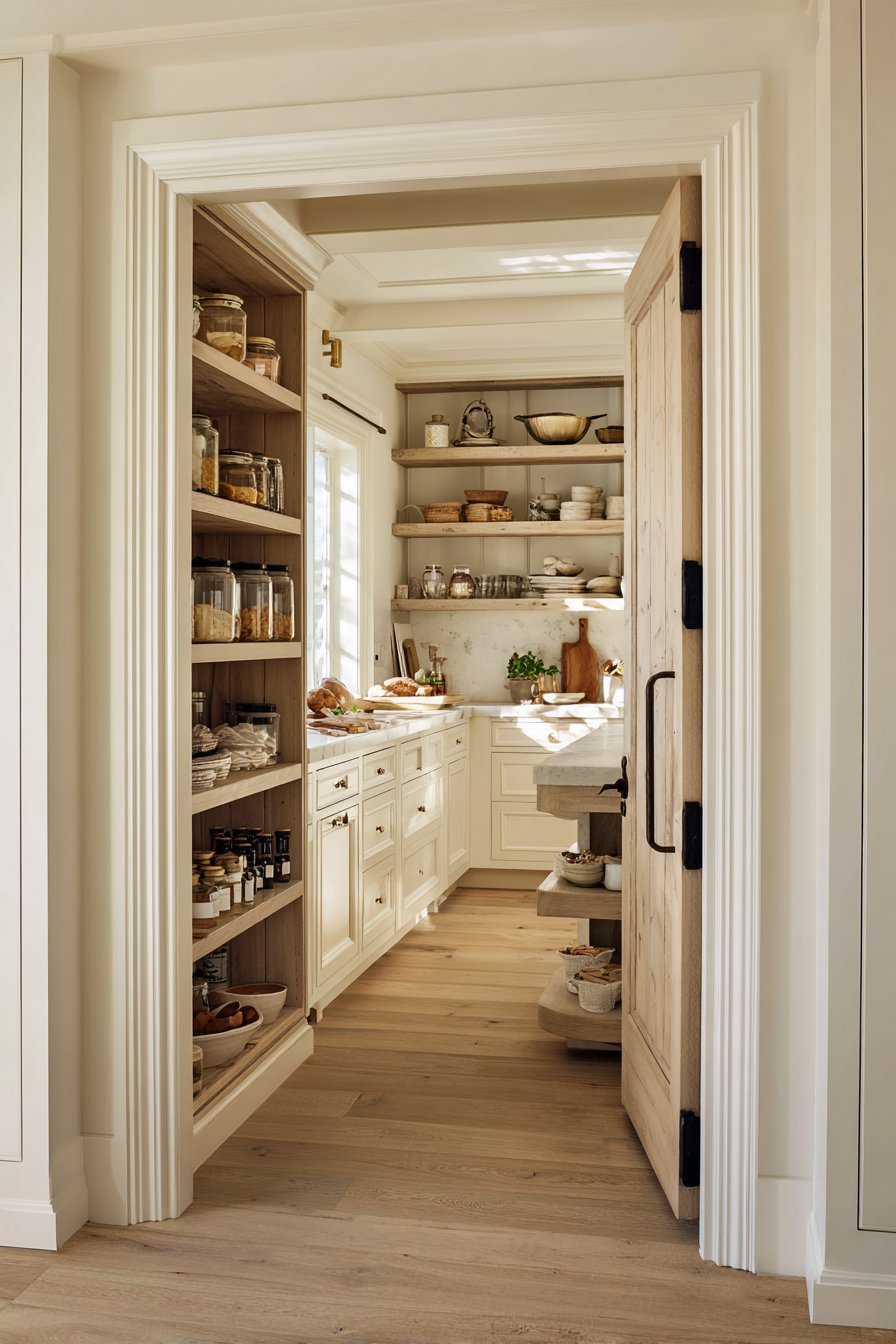
- Get multiple quotes from contractors before committing to installation
- Consider pre-fabricated systems to reduce custom carpentry costs
- Purchase materials during seasonal sales for significant savings
- Start with basic shelving and upgrade gradually over time
- Invest in quality anchors and supports for long-term durability
- Factor in electrical costs if adding dedicated pantry lighting
6. Making the Right Choice for Your Home
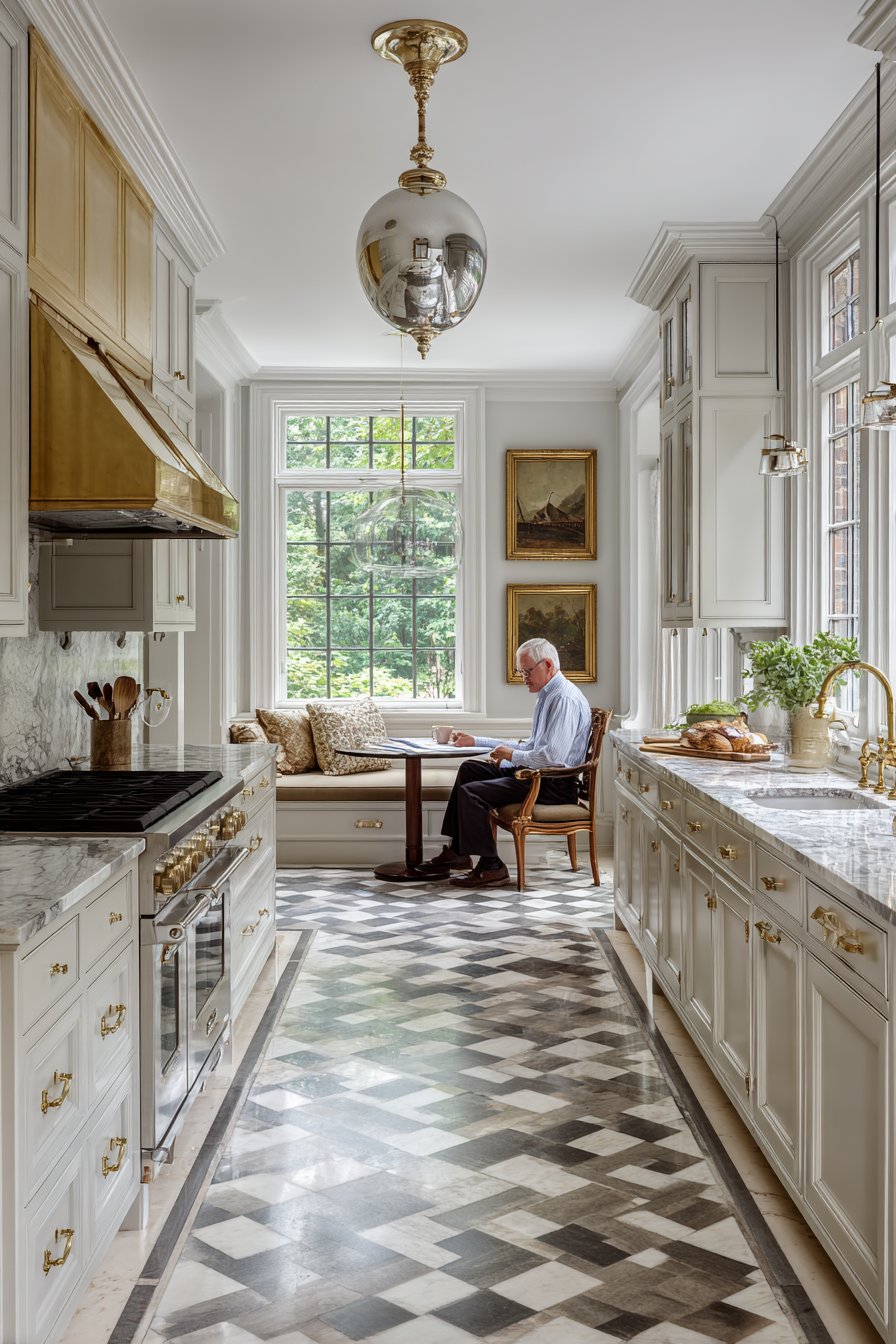
Your household size and shopping habits should guide your layout decision. Families with four or more members who buy in bulk typically benefit from the expanded storage of U-shaped pantries. Smaller households or those with limited space find L-shaped designs perfectly adequate for their needs.
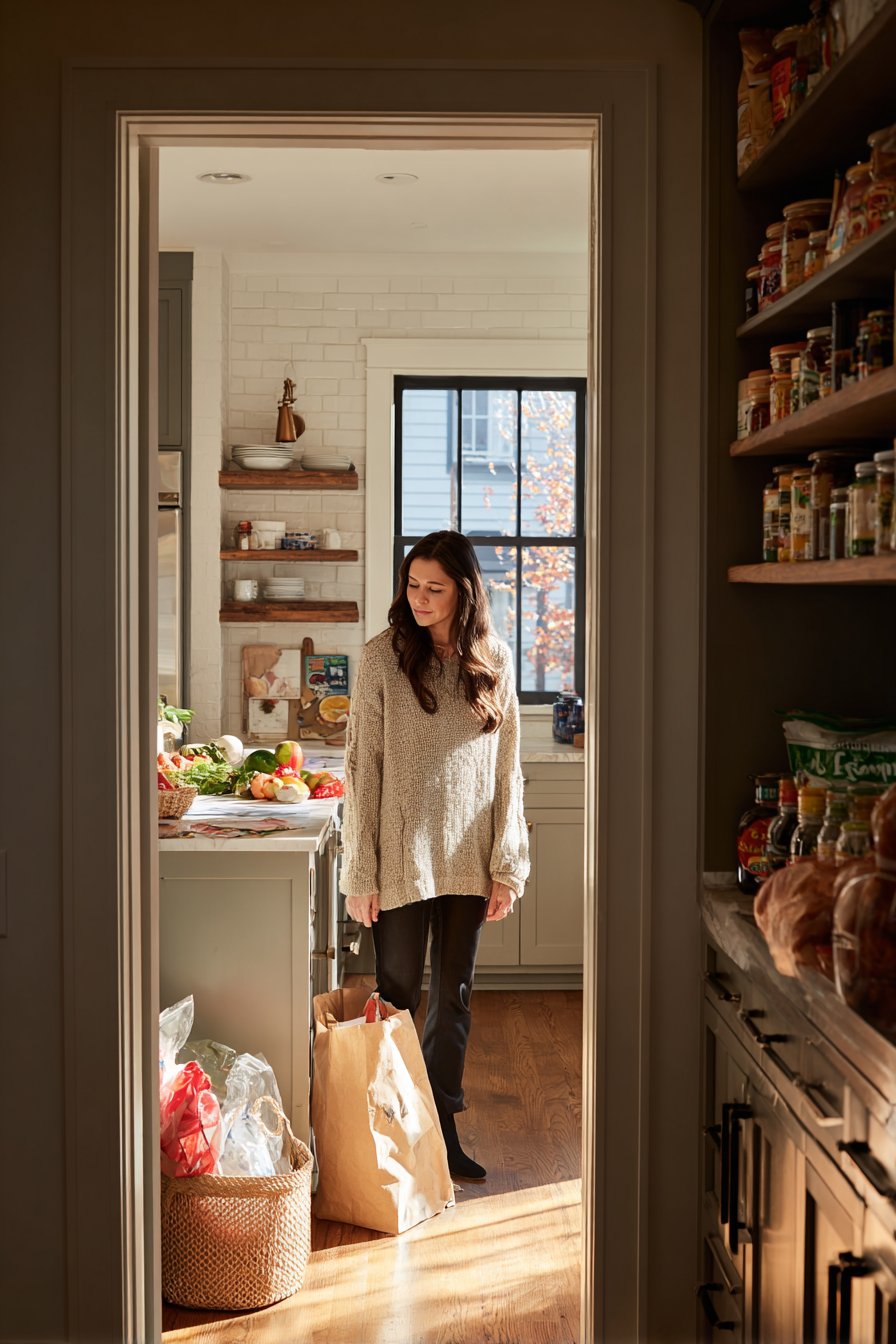
Available square footage ultimately determines what’s physically possible in your home. Don’t force a U-shaped pantry into insufficient space just for extra storage. A well-designed L-shaped layout that allows comfortable movement beats a cramped U-shaped configuration every time.
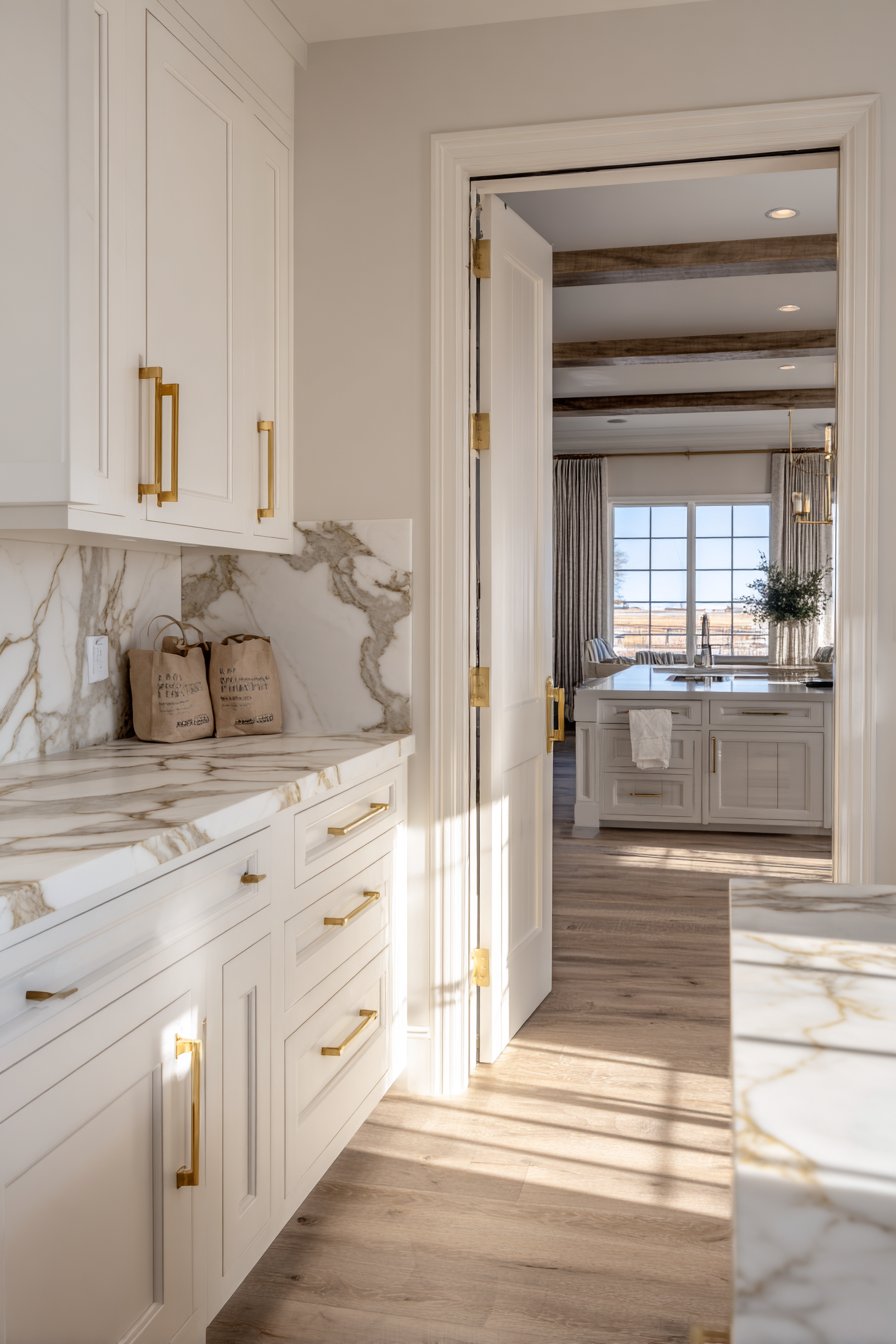
Consider your long-term plans before making final decisions. If you might expand your family or change shopping habits, build extra capacity now. The upfront investment in a larger pantry pays dividends over years of use compared to future renovation costs.
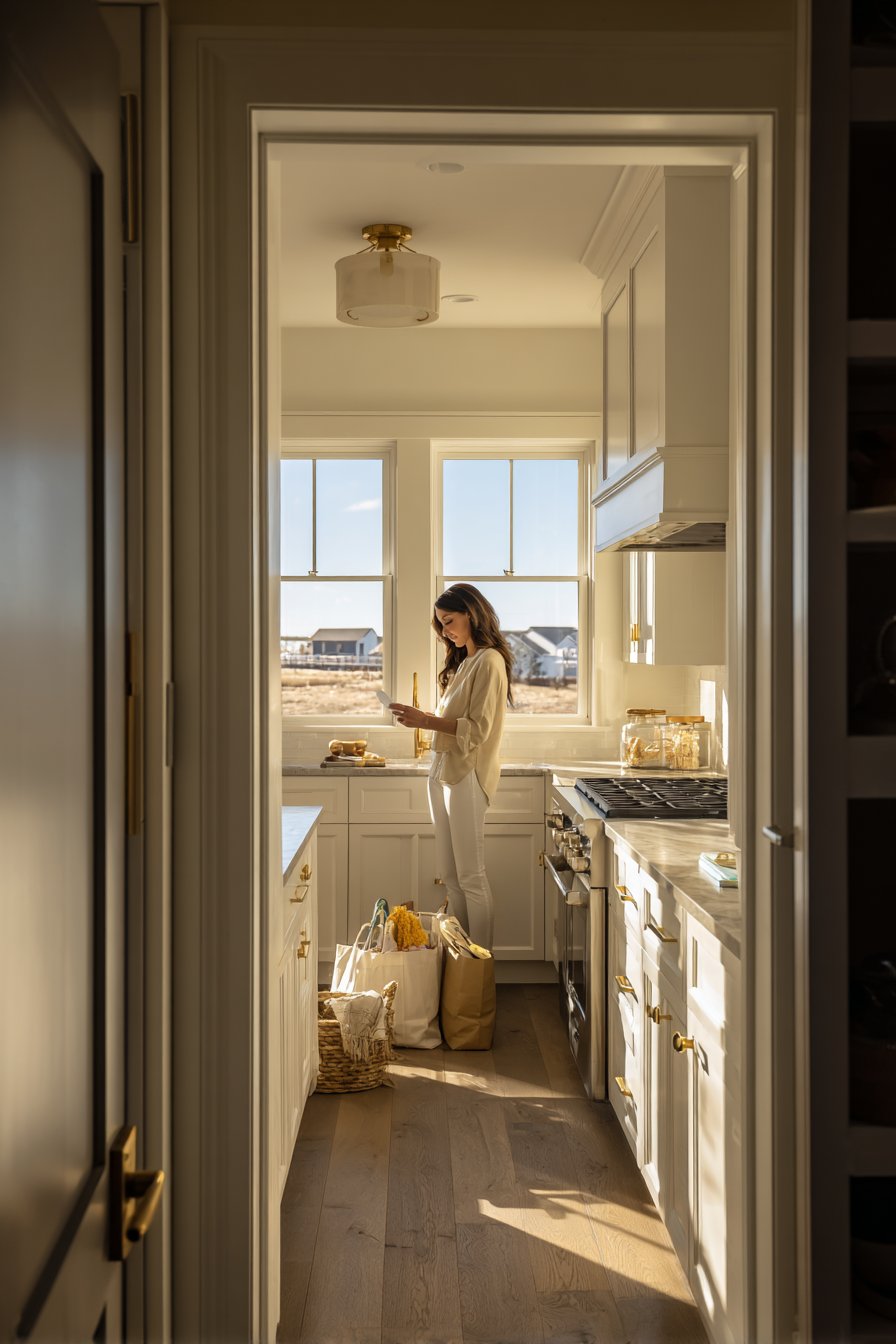
- Assess your current storage needs honestly before choosing
- Visit homes with both layouts to experience them firsthand
- Sketch your space with furniture and shelf dimensions included
- Think about accessibility needs for all household members
- Consider resale value if planning to sell within five years
- Consult a professional designer for complex spaces or unique requirements
Conclusion
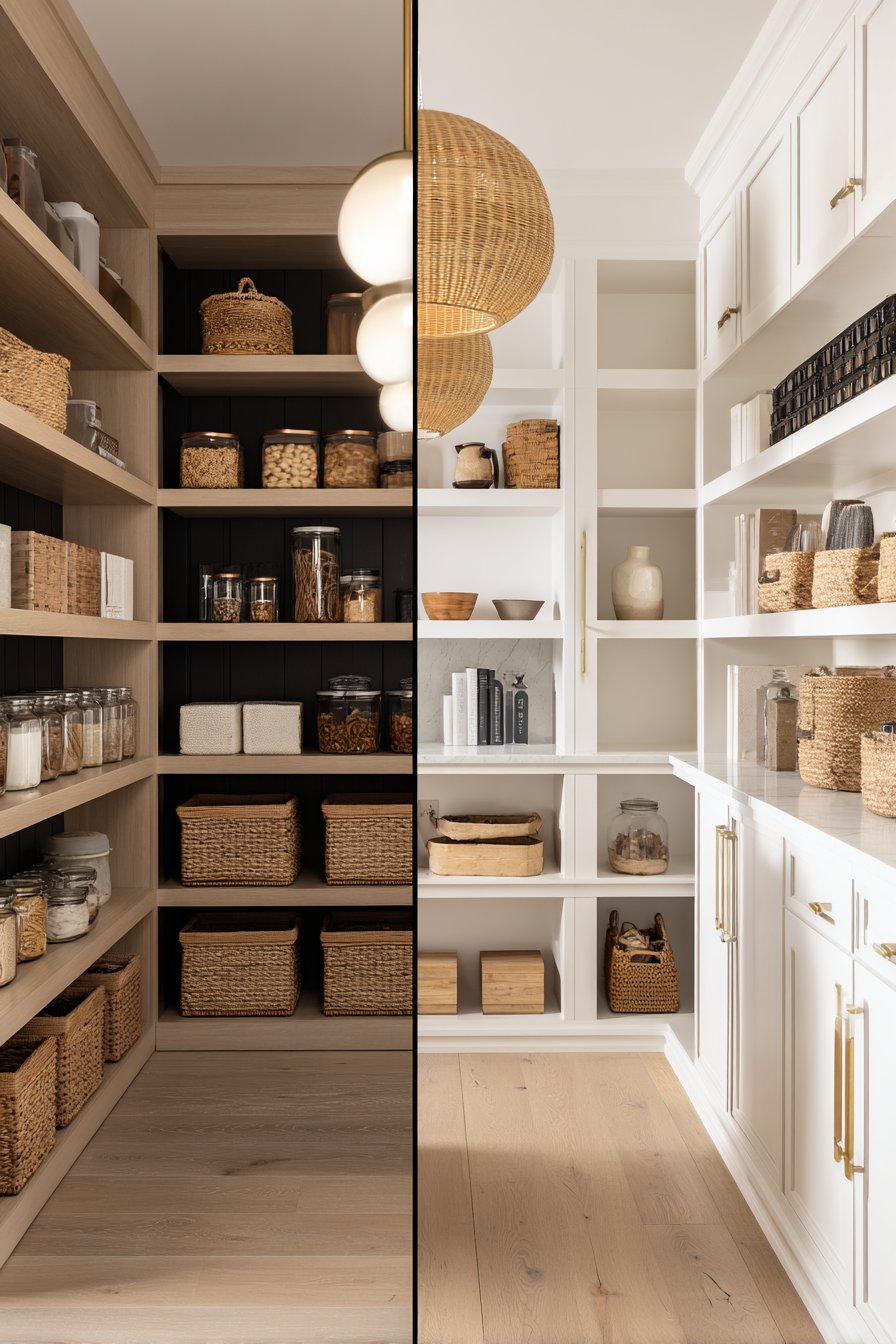
Both L-shaped and U-shaped pantries offer valuable solutions for kitchen organization challenges. The L-shaped design excels in compact spaces where efficiency and accessibility matter most. The U-shaped configuration provides unmatched storage capacity for families who need extensive pantry space.
Your final choice should reflect your specific needs, available space, and budget constraints. Don’t hesitate to customize either layout with creative storage solutions that match your lifestyle. With thoughtful planning and proper organization, both configurations can transform your kitchen workflow and bring lasting satisfaction to your daily routines.