


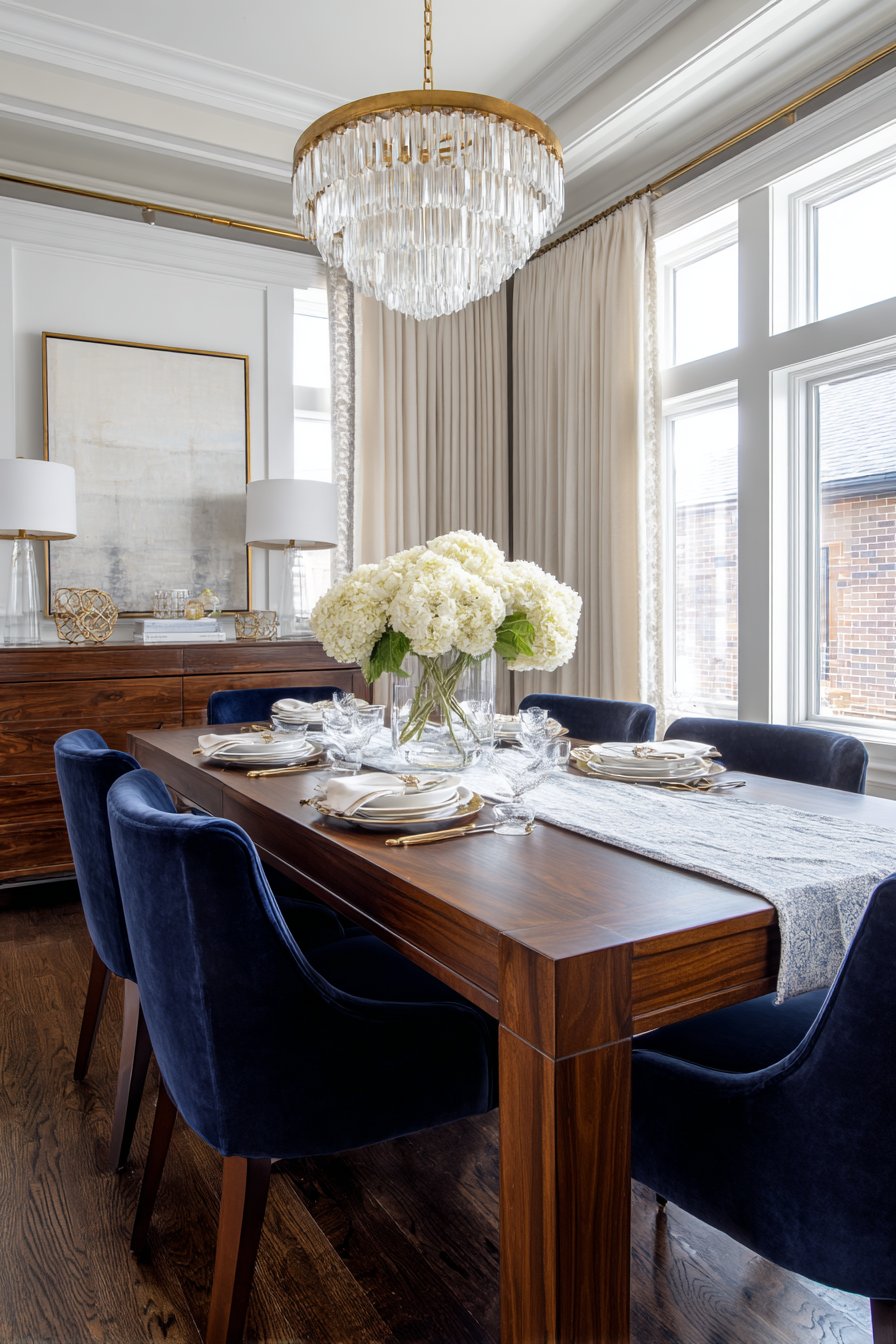
The dining room serves as more than just a space for meals. It’s where families gather, celebrations unfold, and memories are created. Creating an elegant atmosphere in this essential room requires thoughtful planning and attention to detail. The right combination of lighting, furniture, and decorative elements can transform an ordinary dining area into a sophisticated space.
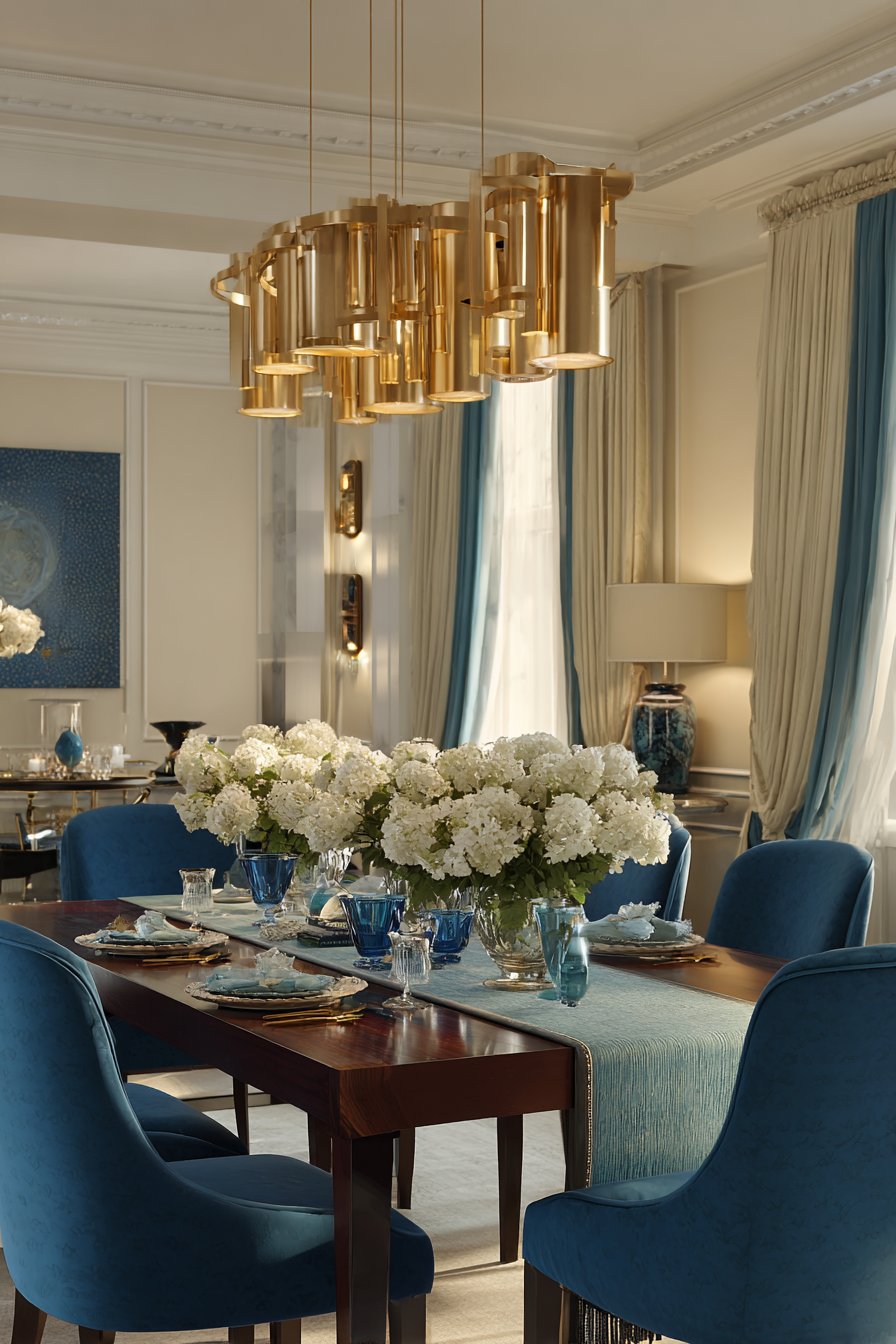
Thoughtful interior design plays a crucial role in crafting functional and inspiring dining environments. Different design approaches cater to diverse personalities and lifestyles, from traditional formal settings to contemporary casual spaces. This article explores six essential tips for developing an elegant dining room atmosphere that reflects your personal style while maintaining timeless appeal. Each recommendation offers practical guidance and actionable steps to help you create a dining space worthy of your most cherished gatherings.
1. Master the Art of Lighting Design
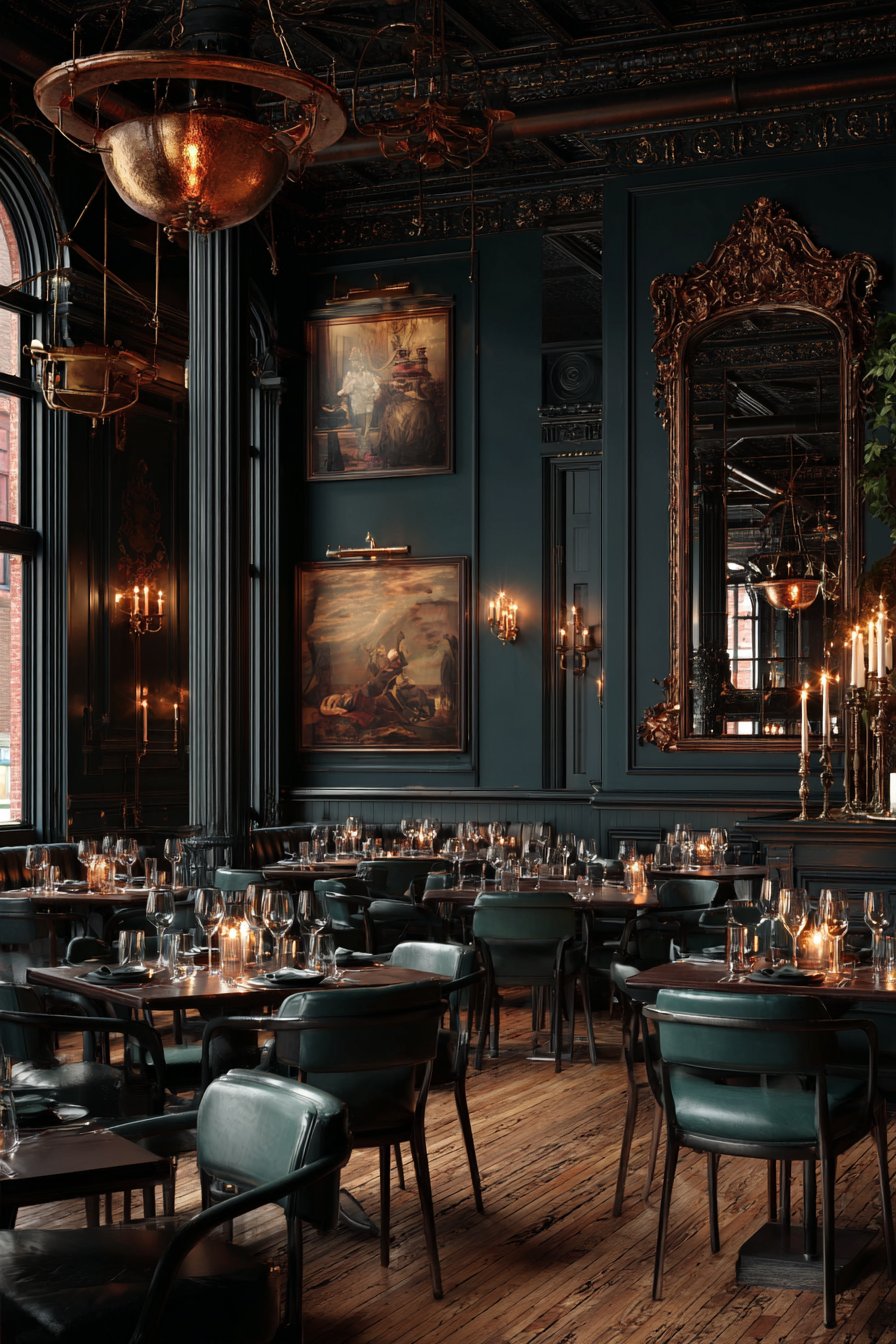
Lighting sets the foundation for any elegant dining room. The right illumination creates mood and ambiance while ensuring functionality for various occasions. A well-designed lighting scheme combines multiple sources to achieve the perfect balance. Layered lighting transforms the space from bright and energetic during family dinners to soft and romantic for intimate gatherings.
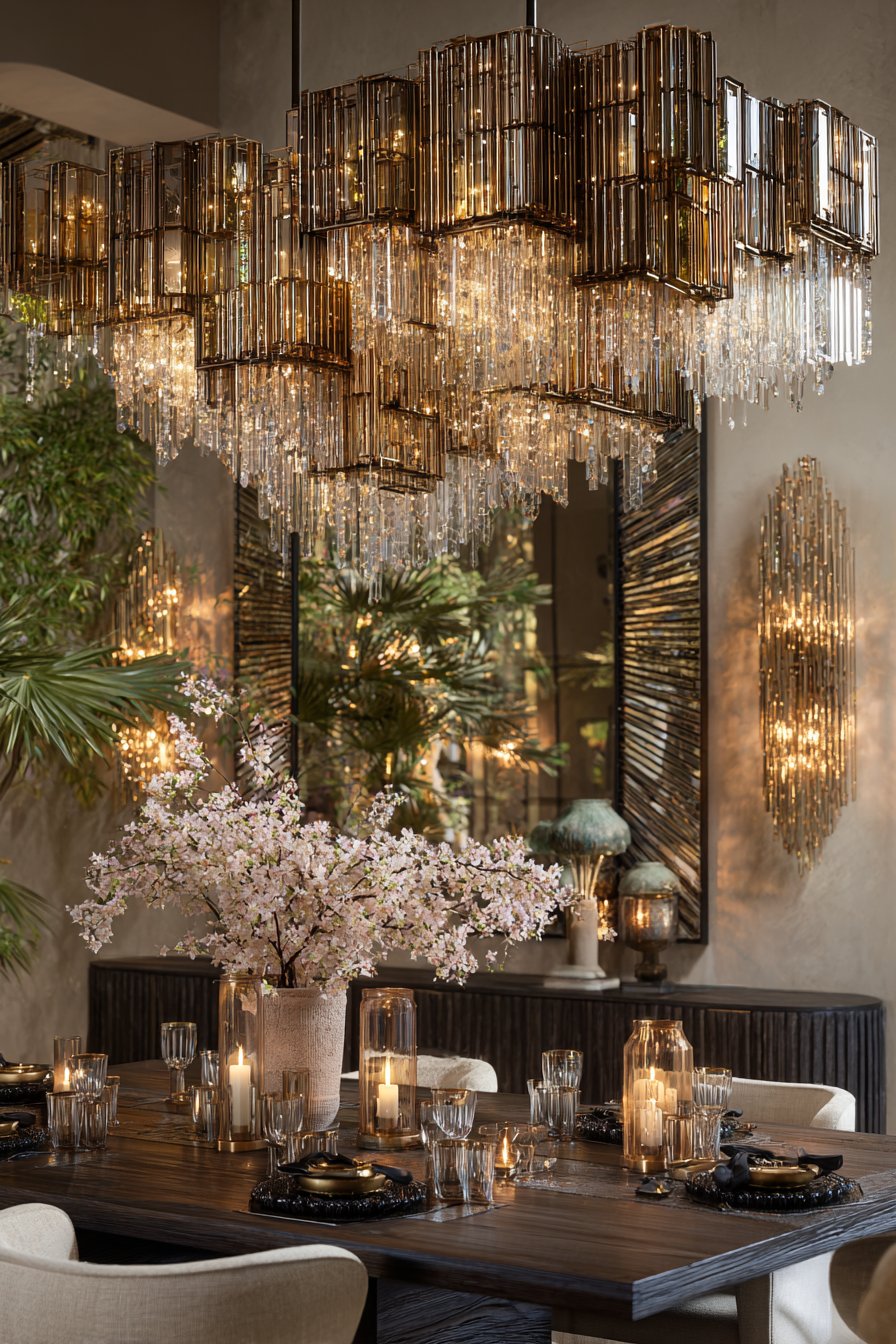
The centerpiece of dining room lighting typically features a statement chandelier or pendant fixture. This focal point should hang approximately 30 to 36 inches above the table surface. Consider the scale carefully – the fixture diameter should measure roughly half to two-thirds the table width. This proportion ensures visual harmony without overwhelming the space or obstructing sightlines across the table.
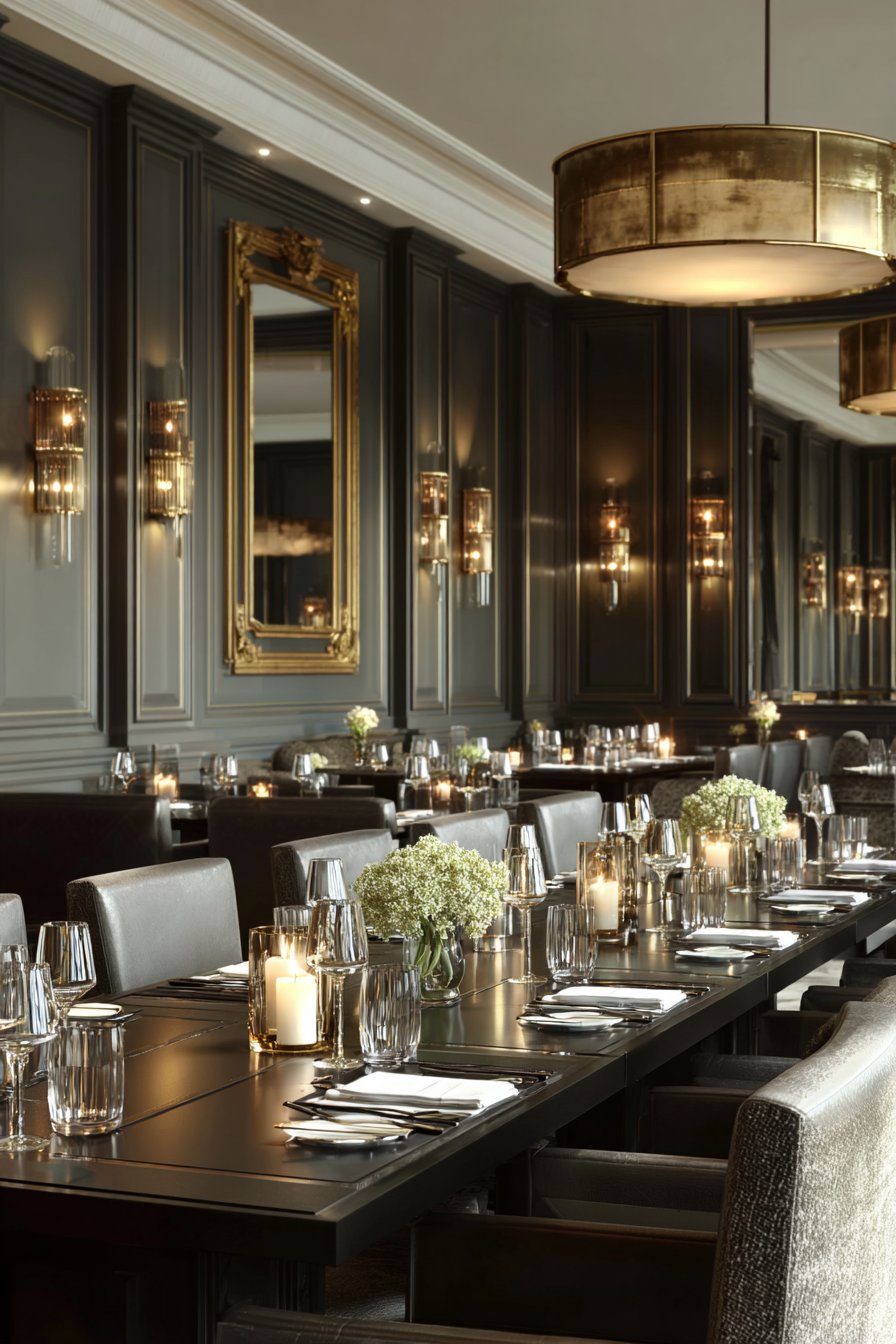
Dimmer switches provide essential control over your dining room’s atmosphere. They allow you to adjust light intensity based on the time of day and occasion. Complement overhead lighting with wall sconces or buffet lamps to eliminate harsh shadows and create a welcoming glow throughout the room.
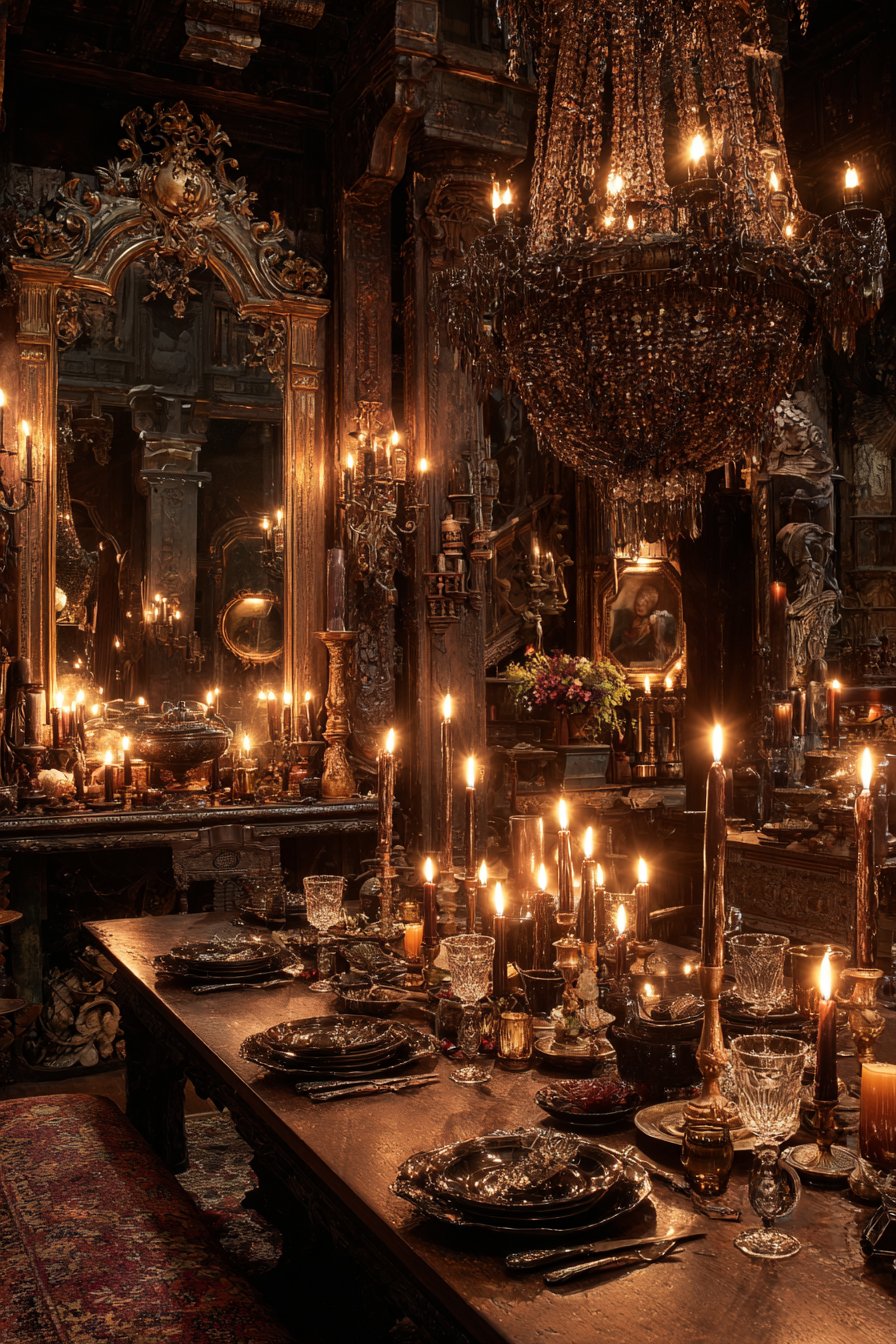
- Install a statement chandelier sized proportionally to your dining table
- Add dimmer switches to all lighting fixtures for versatility
- Include wall sconces for ambient illumination and visual interest
- Consider LED bulbs in warm tones (2700K-3000K) for inviting ambiance
- Position task lighting over sideboards or buffets for functionality
- Use candles as supplementary lighting for special occasions
2. Choose Quality Furniture with Timeless Appeal
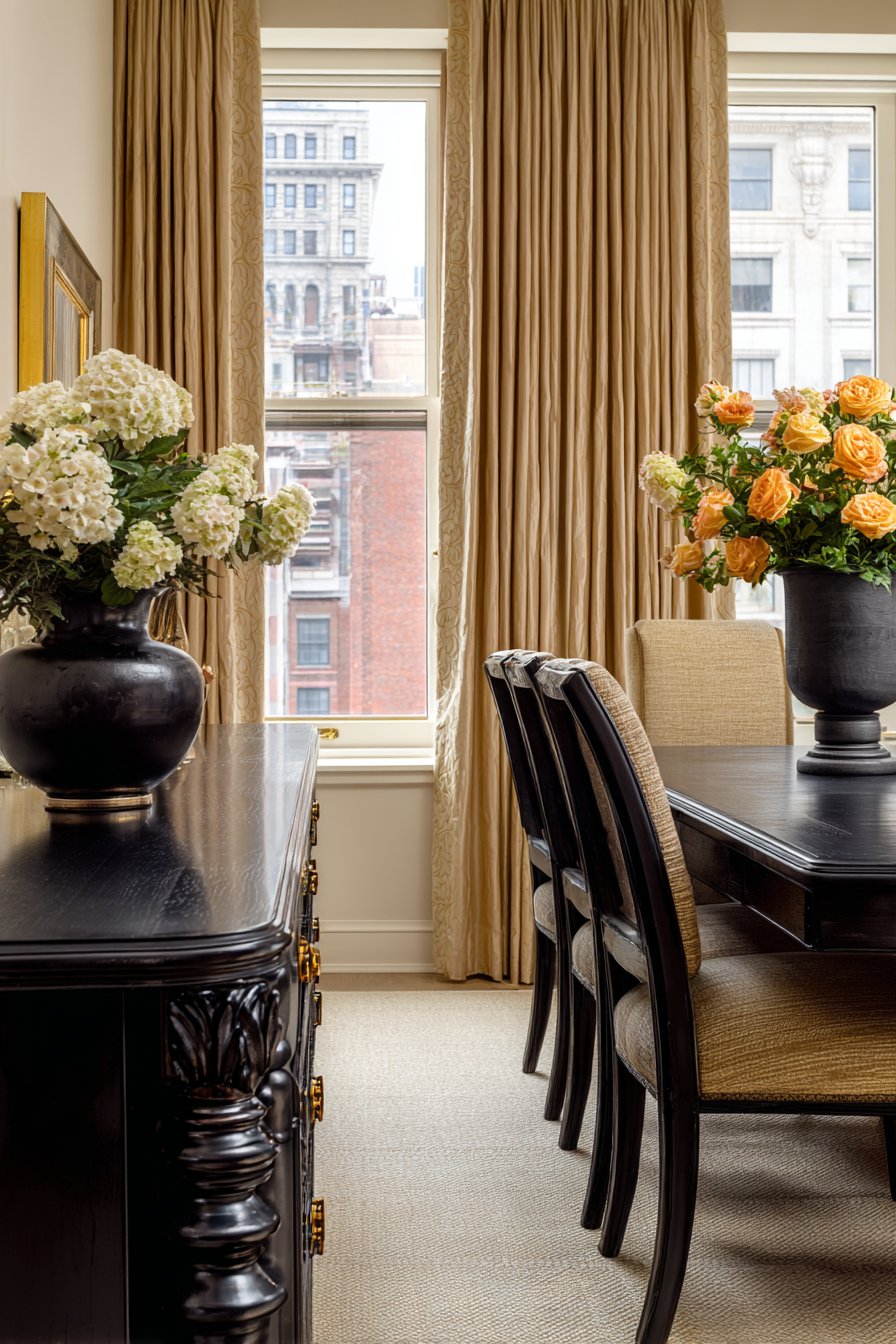
Furniture selection defines the character and functionality of your dining room. Investing in high-quality pieces ensures longevity and maintains elegance over time. The dining table serves as the room’s anchor, so choose materials and finishes that align with your overall design vision. Solid wood tables offer durability and classic beauty that transcends fleeting trends.
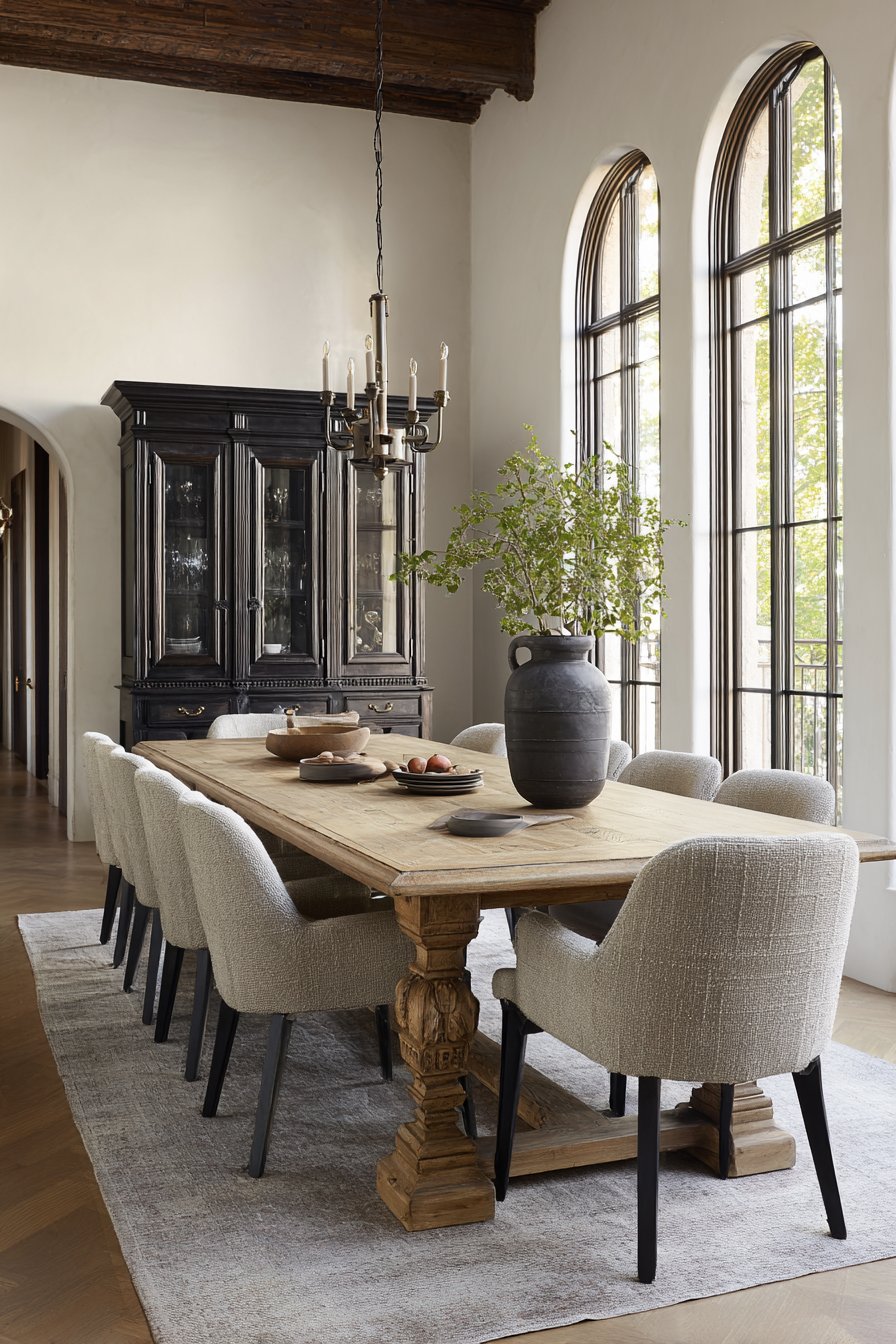
Seating comfort directly impacts the dining experience and atmosphere. Upholstered chairs with supportive backs encourage guests to linger and enjoy conversation. Consider a mix of host chairs at table ends and side chairs for visual interest. The upholstery fabric should balance elegance with practicality – performance fabrics resist stains while maintaining sophisticated appearance.
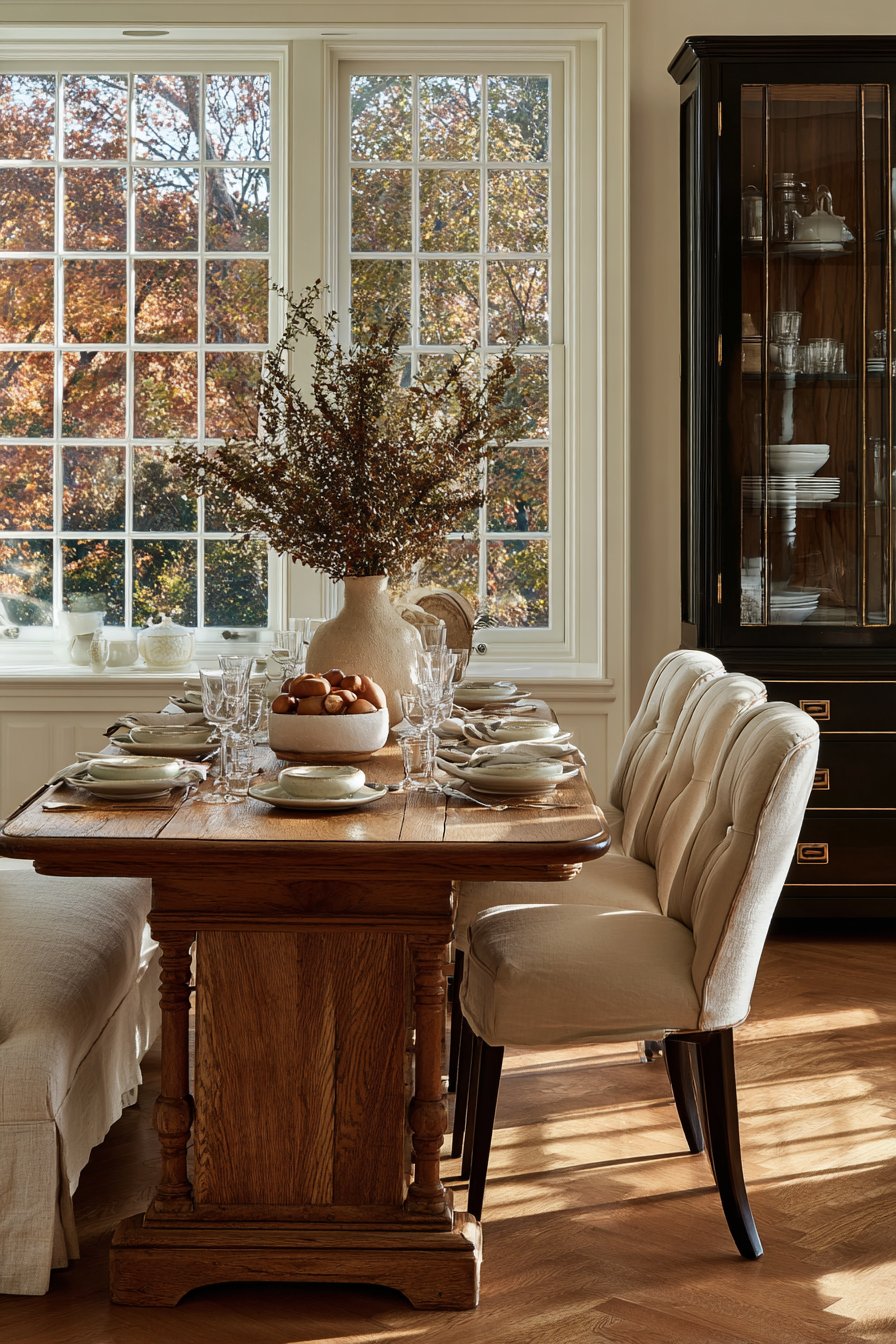
Storage furniture like credenzas or china cabinets adds functionality without sacrificing style. These pieces provide space for dinnerware and linens while serving as surfaces for decorative displays. Choose designs that complement your table while adding architectural interest to the room.
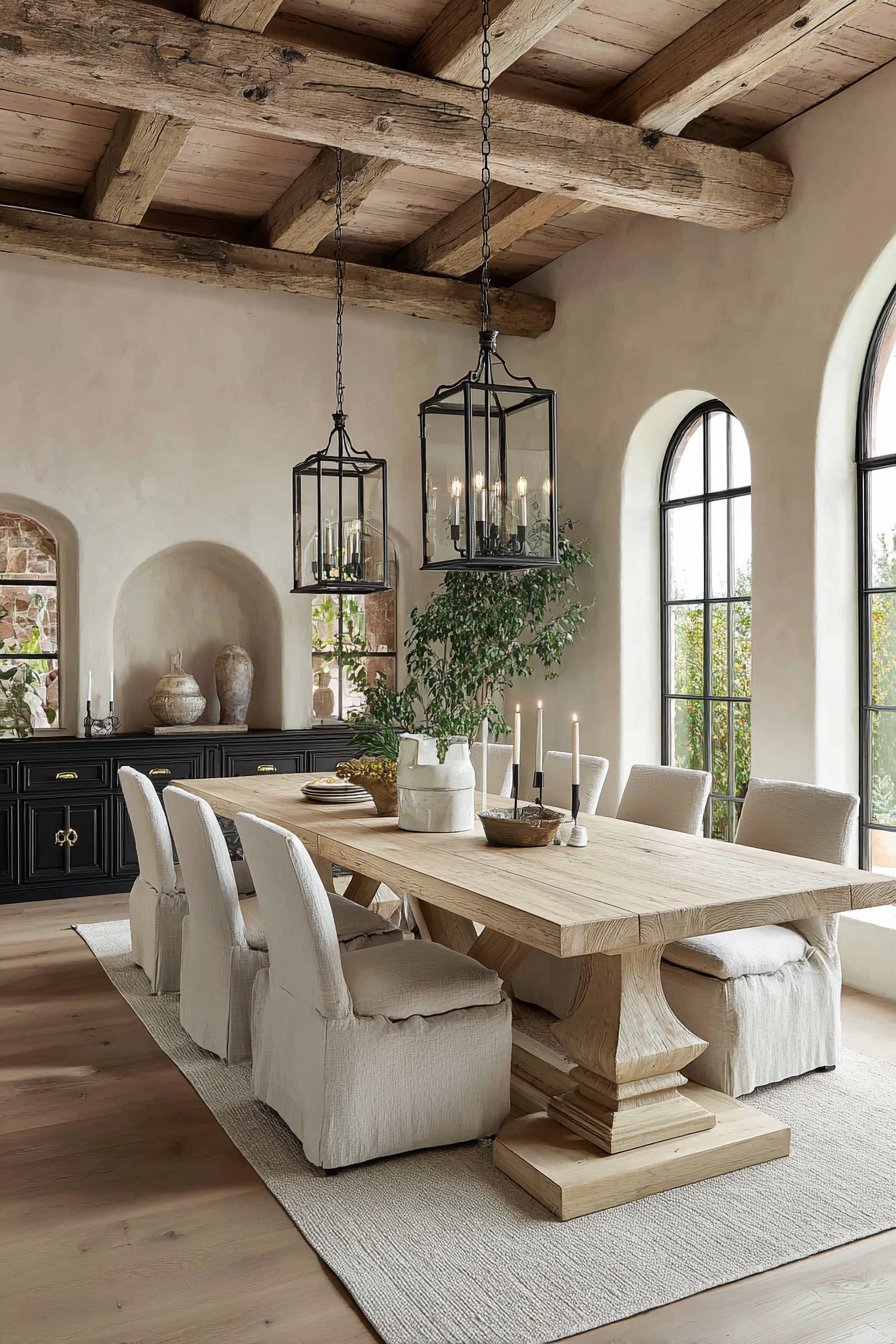
- Select a dining table with proportions suited to your room size
- Invest in comfortable, well-constructed seating with quality upholstery
- Mix materials like wood, metal, and glass for sophisticated contrast
- Ensure adequate clearance (36-48 inches) around the table for movement
- Choose furniture finishes that coordinate with other room elements
- Consider extendable tables for flexibility when entertaining
3. Develop a Cohesive Color Palette
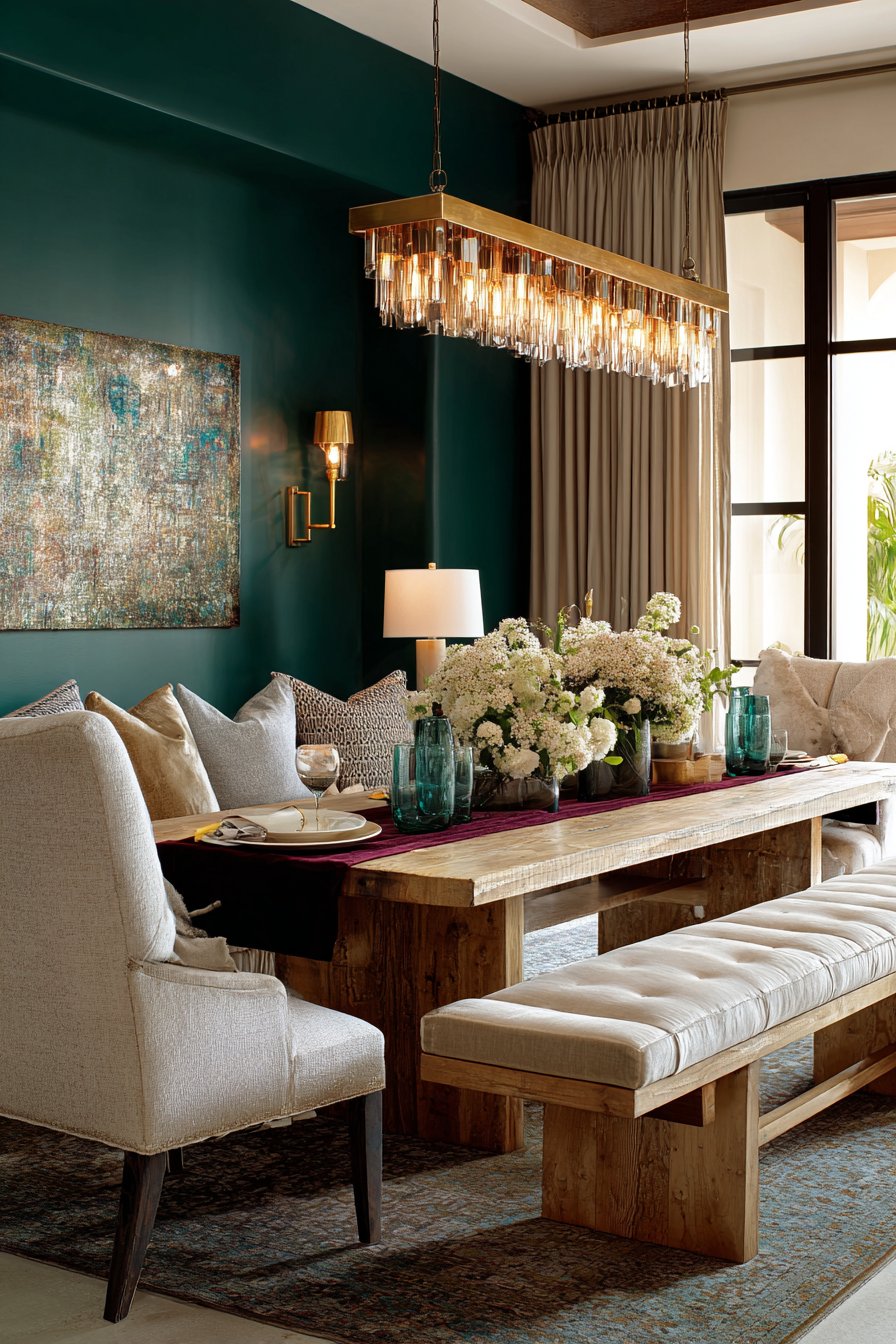
Color creates emotional impact and establishes the dining room’s overall mood. A sophisticated color scheme typically features three to five complementary hues used in varying proportions. Neutral foundations like cream, taupe, or soft gray provide versatility and timeless elegance. These serve as the backdrop for accent colors that add personality and depth.
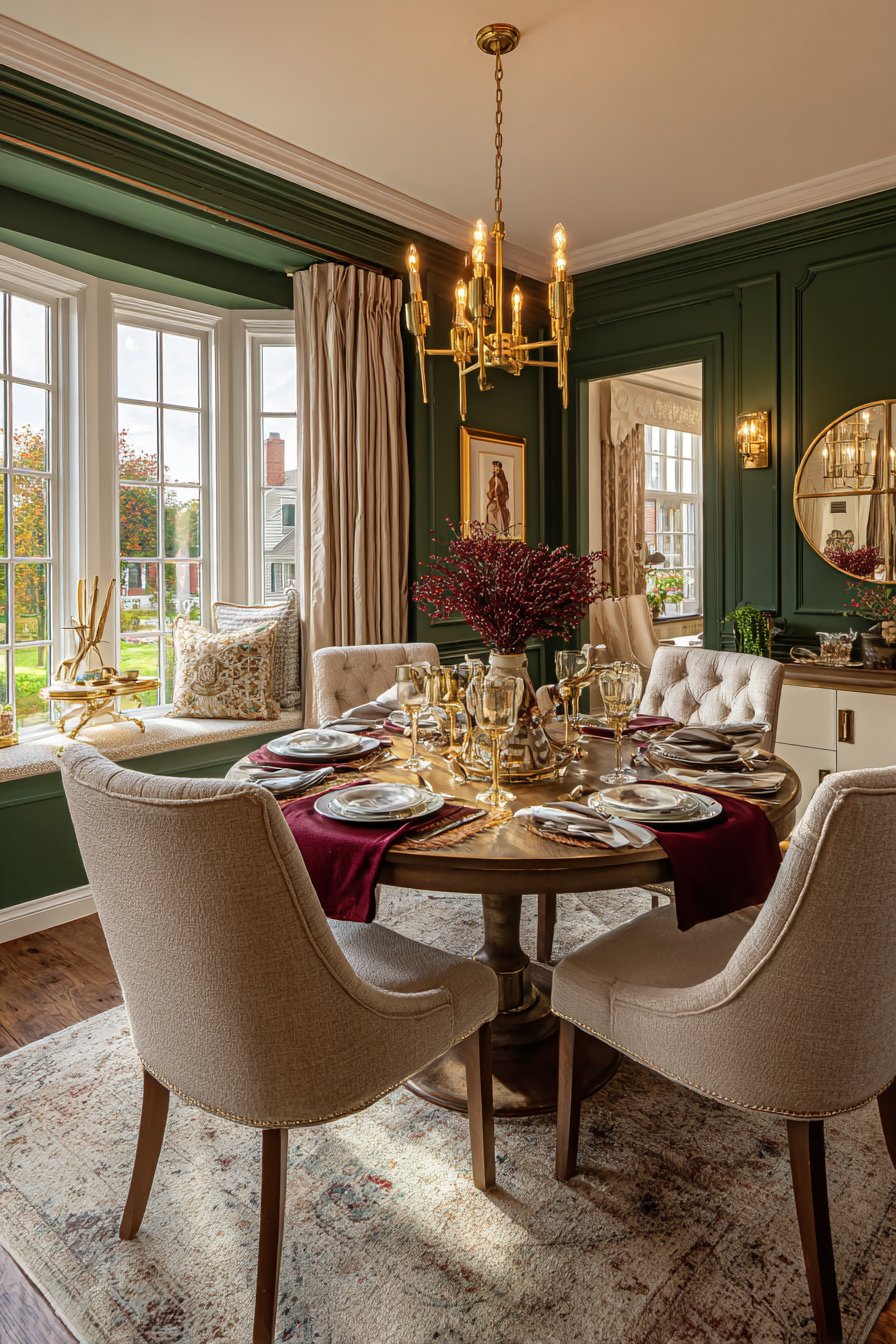
Wall color significantly influences the room’s atmosphere and perceived size. Deeper tones like navy, charcoal, or forest green create intimate, cocooning environments perfect for evening dining. Lighter shades expand small spaces and reflect natural light. Consider the room’s orientation and natural light exposure when selecting wall colors.
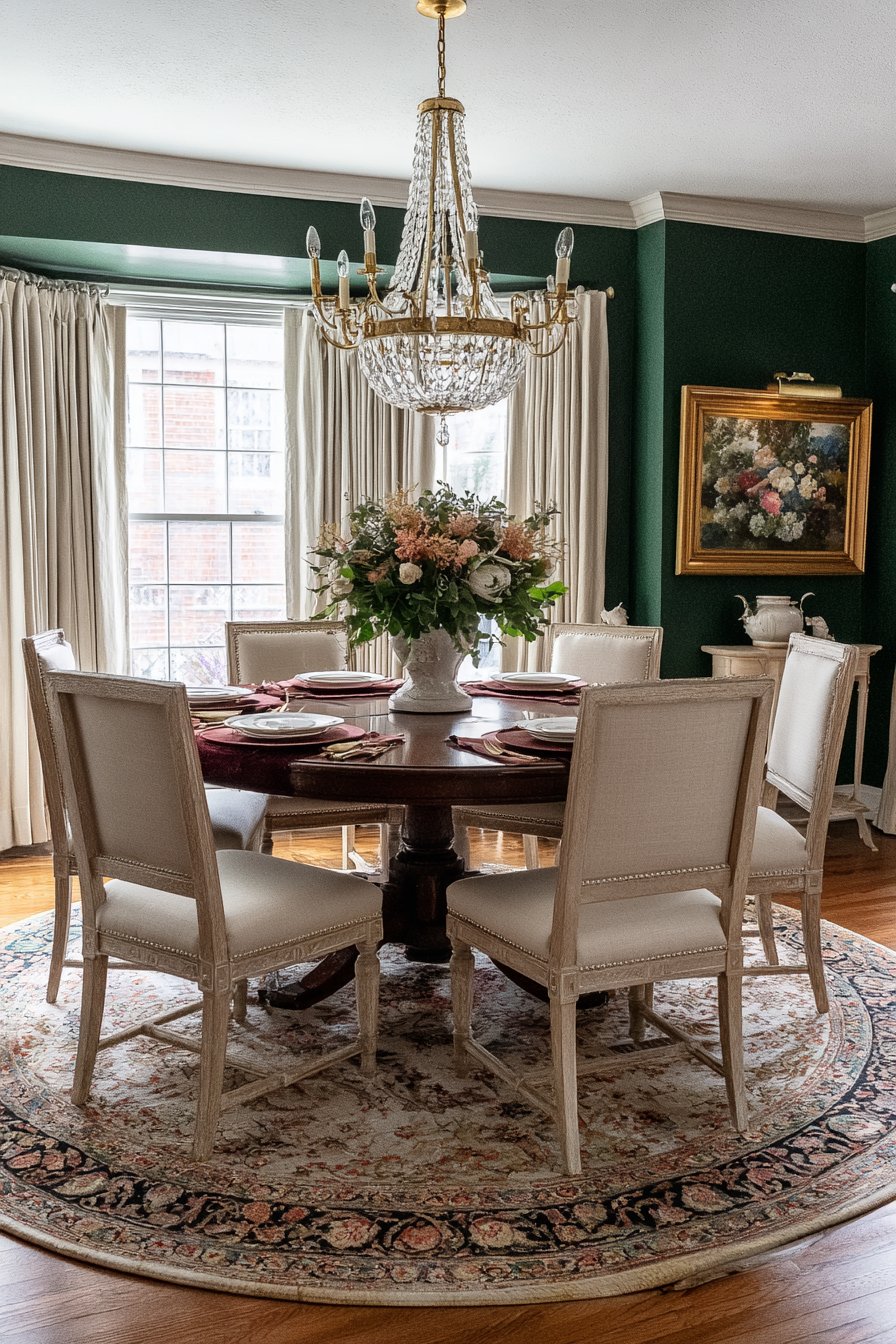
Accent colors introduce through textiles, artwork, and accessories should enhance rather than overwhelm. The 60-30-10 rule guides balanced distribution: 60% dominant color, 30% secondary color, and 10% accent color. This proportion creates visual harmony while maintaining interest throughout the space.
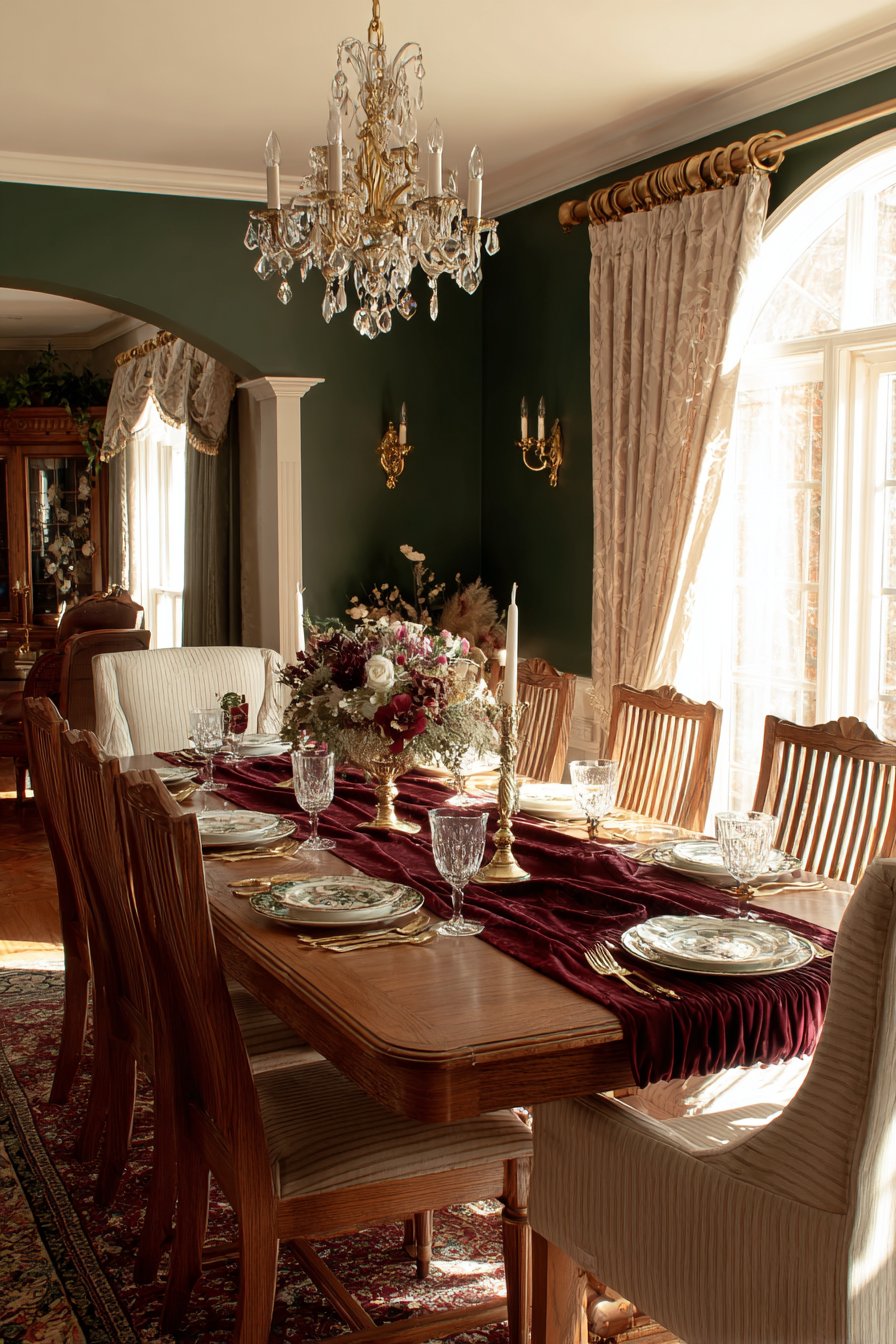
- Start with a neutral base color for walls and large furniture pieces
- Introduce accent colors through changeable elements like pillows and art
- Consider the psychological effects of colors on appetite and mood
- Test paint samples in different lighting conditions before committing
- Coordinate window treatments with your overall color scheme
- Use metallics like brass or silver as sophisticated accent touches
4. Layer Textures for Visual Depth
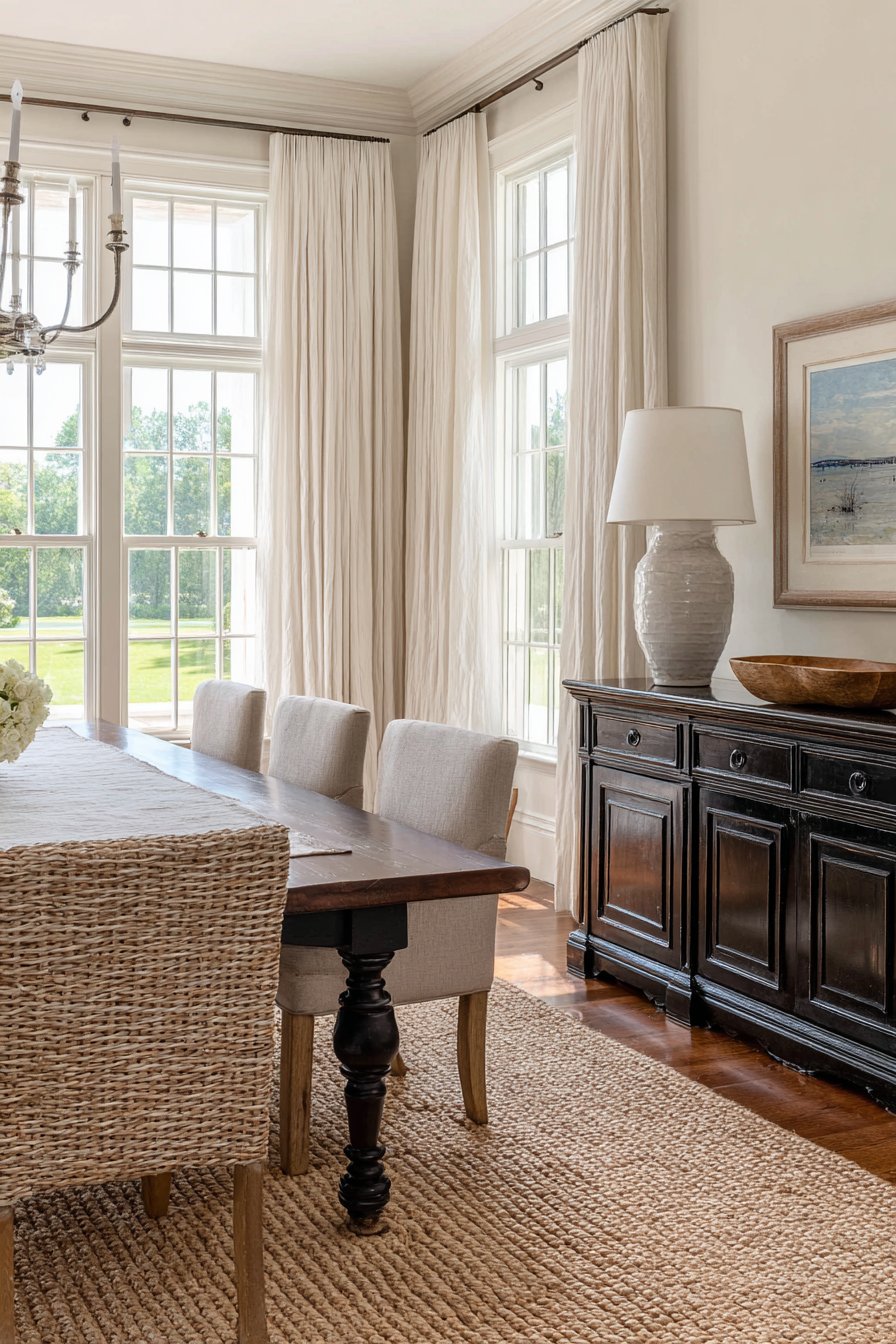
Texture adds dimension and sophistication to dining room design without introducing additional colors. Varied textures create visual interest and tactile appeal that elevates the space beyond flat, one-dimensional design. Combining smooth and rough, soft and hard, matte and glossy surfaces generates dynamic contrast that catches the eye and adds elegance.
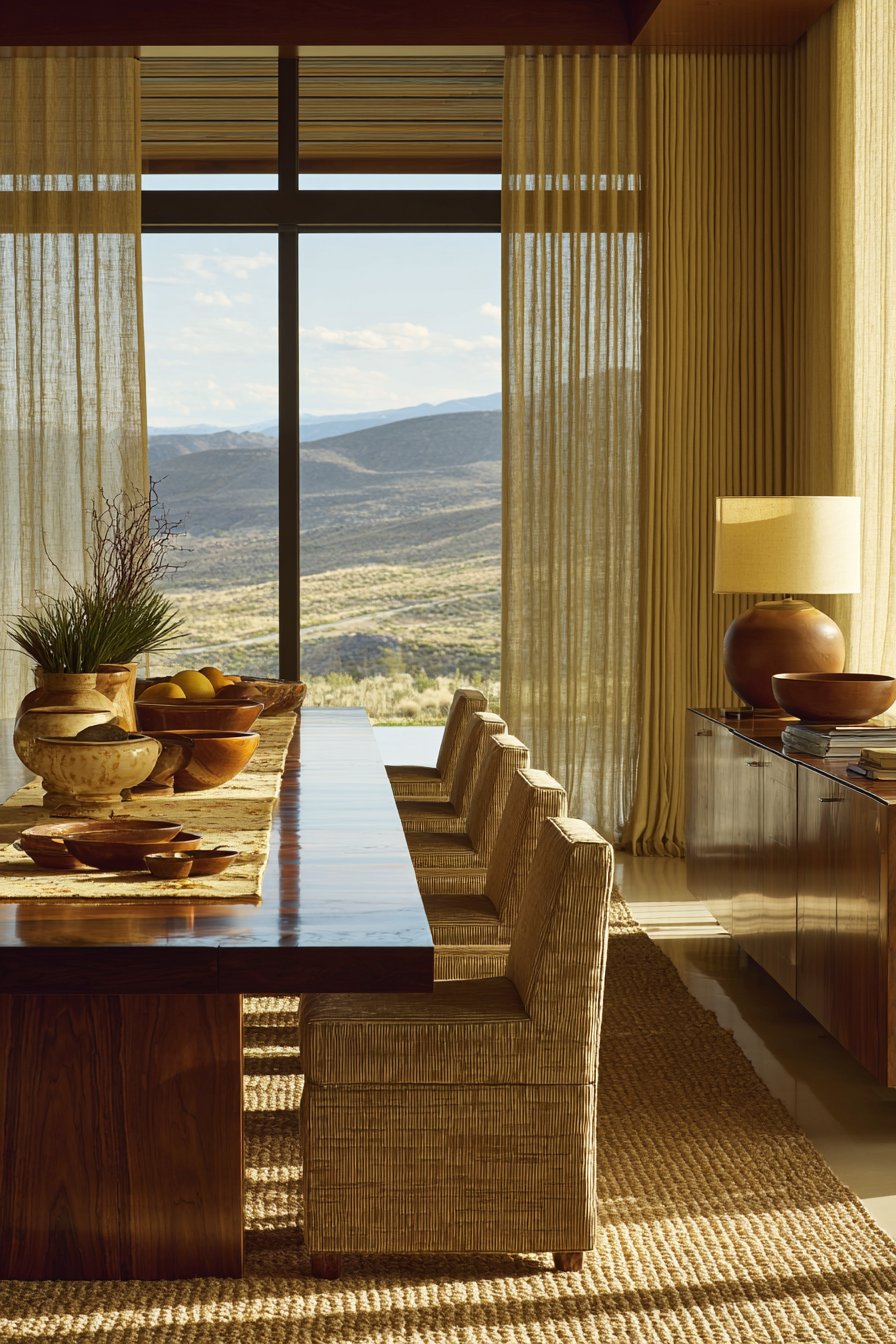
Table linens offer an easy way to introduce luxurious texture. Linen tablecloths provide casual elegance with their natural texture and relaxed drape. Velvet or silk table runners add richness for formal occasions. Layer placemats under dinner plates for additional dimension and protection for your table surface.
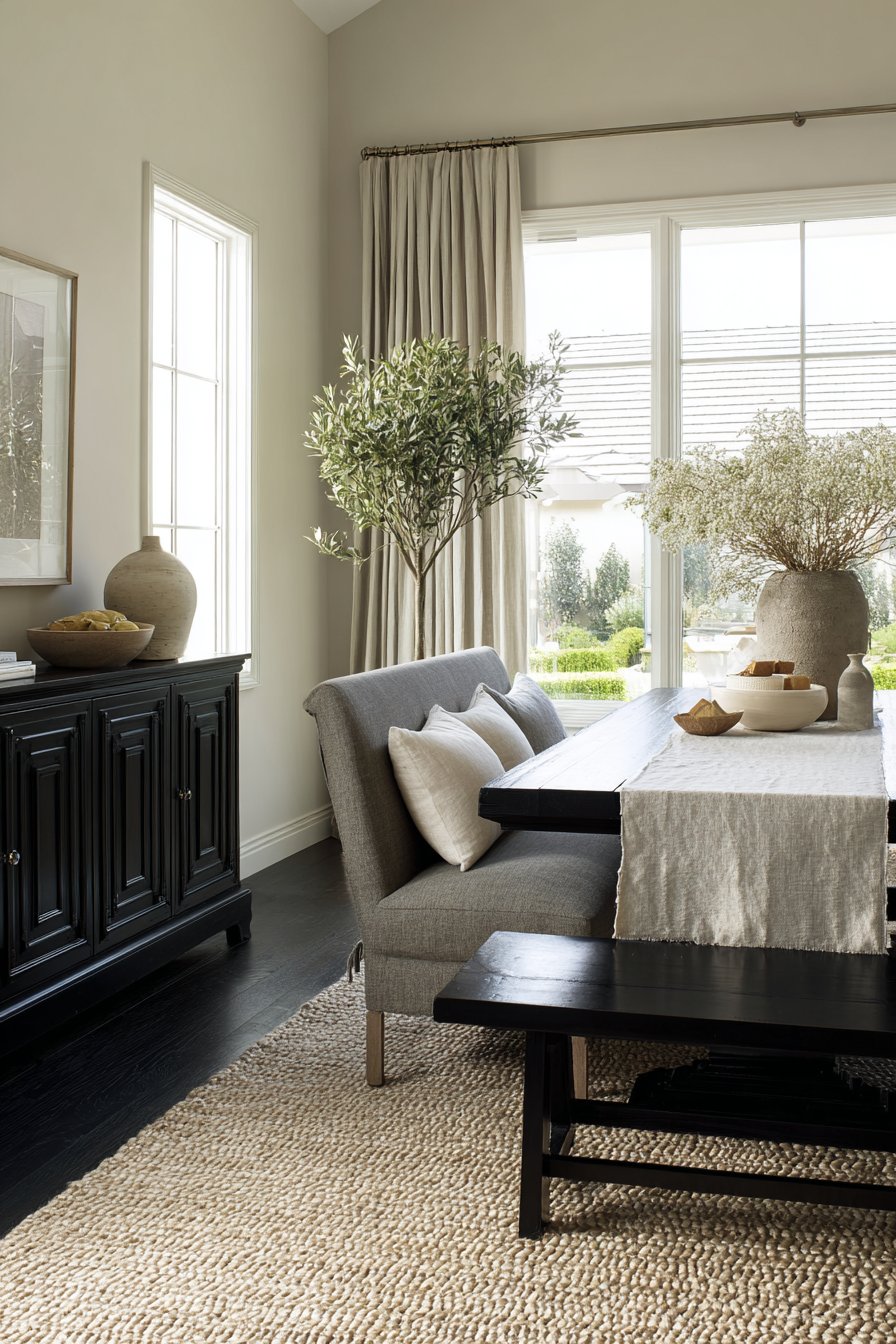
Window treatments, rugs, and upholstery contribute significant textural elements. Natural fibers like jute or sisal ground the space while silk or velvet drapes introduce softness. Mix materials thoughtfully to avoid overwhelming the senses while creating a rich, layered environment that feels intentionally designed.
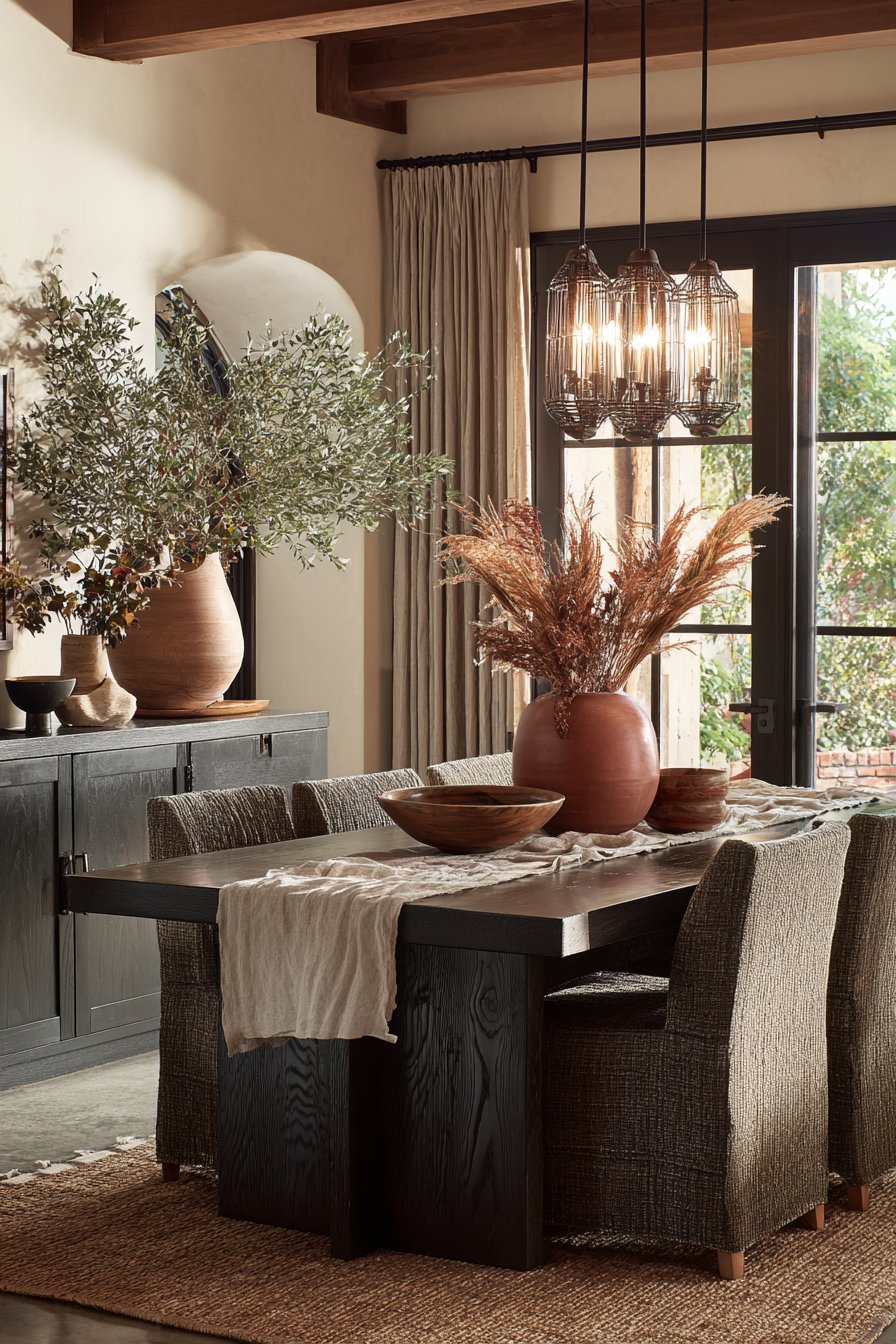
- Mix smooth wood surfaces with textured upholstery fabrics
- Layer rugs in natural fibers under the dining table
- Add texture through woven baskets, ceramic vases, or wooden bowls
- Choose window treatments with interesting weaves or patterns
- Include metallic finishes on hardware and light fixtures
- Balance rough textures with smooth, polished surfaces
5. Curate Meaningful Artwork and Accessories
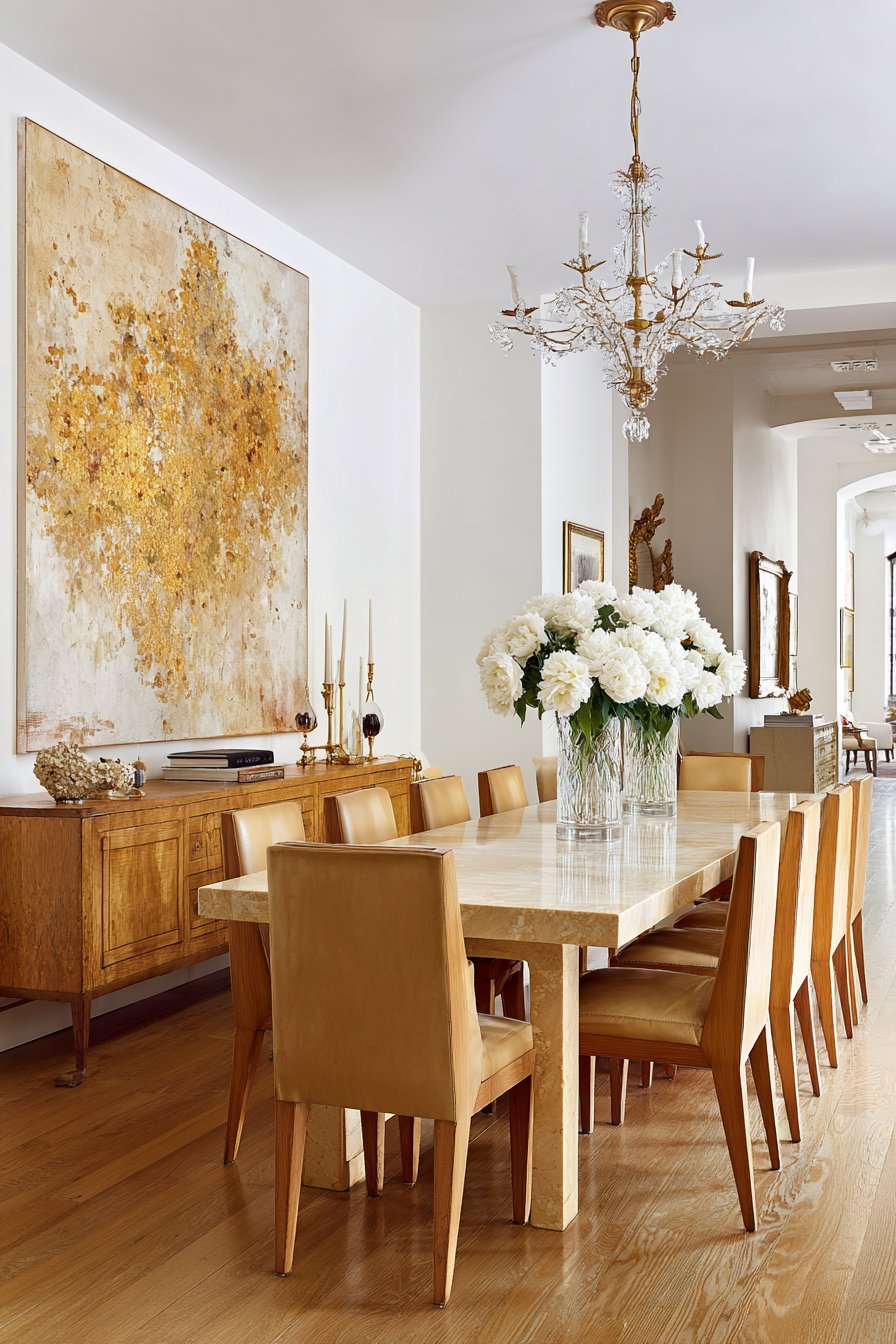
Artwork and accessories personalize your dining room and reflect your unique taste. Thoughtfully chosen pieces transform walls and surfaces from empty spaces into conversation starters. A large-scale piece of artwork above a sideboard or centered on a focal wall creates immediate visual impact. The artwork should relate to the room’s scale and proportions – too small appears insignificant while oversized overwhelms.
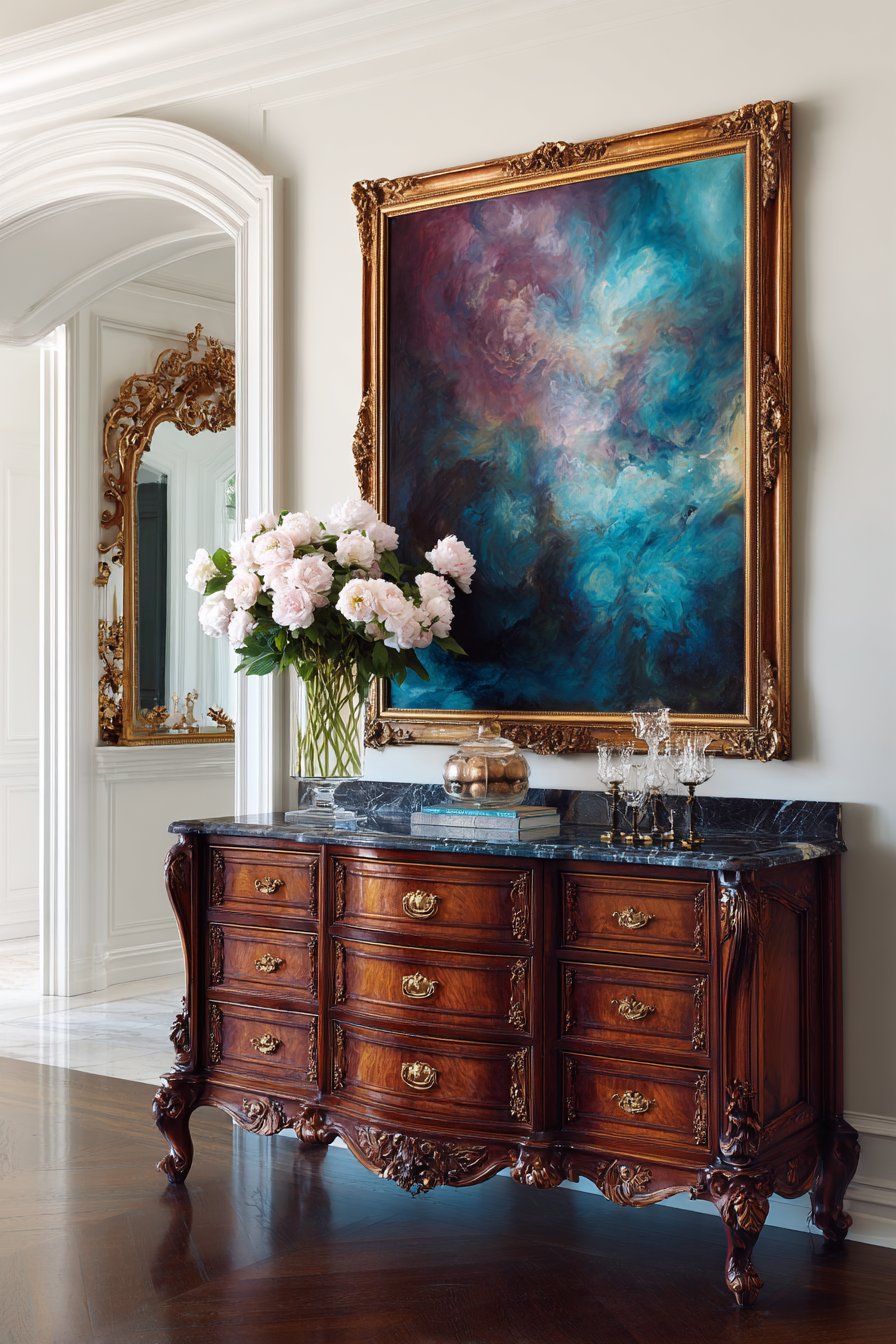
Mirrors strategically placed in dining rooms enhance light and create the illusion of expanded space. An ornate mirror above a buffet adds elegance while reflecting candlelight during evening meals. Position mirrors to reflect beautiful views or interesting architectural details rather than directly facing the dining table.
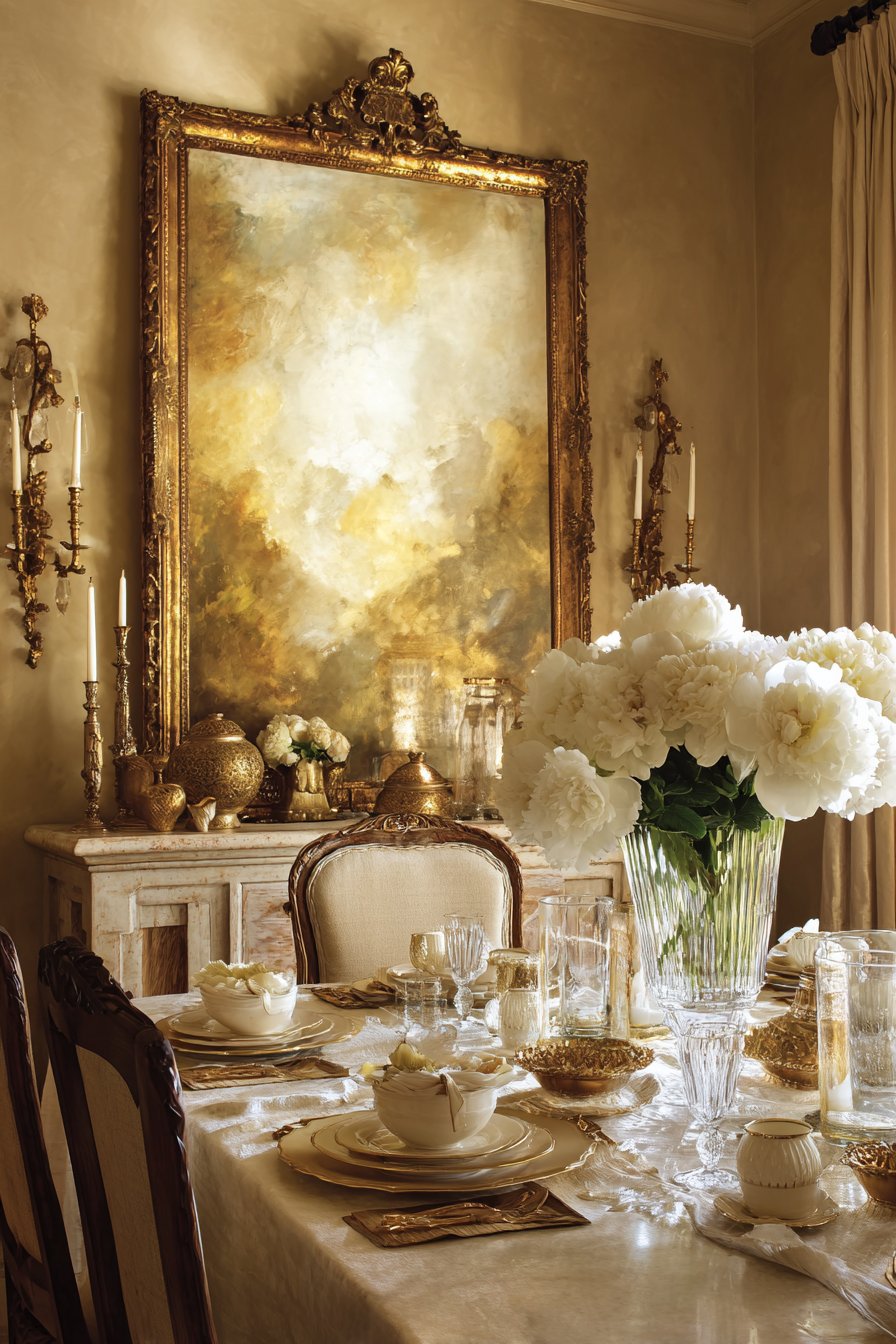
Decorative accessories should be displayed with intention rather than cluttering surfaces. Edit your collection to showcase only pieces that add value and meaning. Group items in odd numbers and vary heights for visual appeal. Fresh flowers or greenery bring life and natural elegance to the dining room.
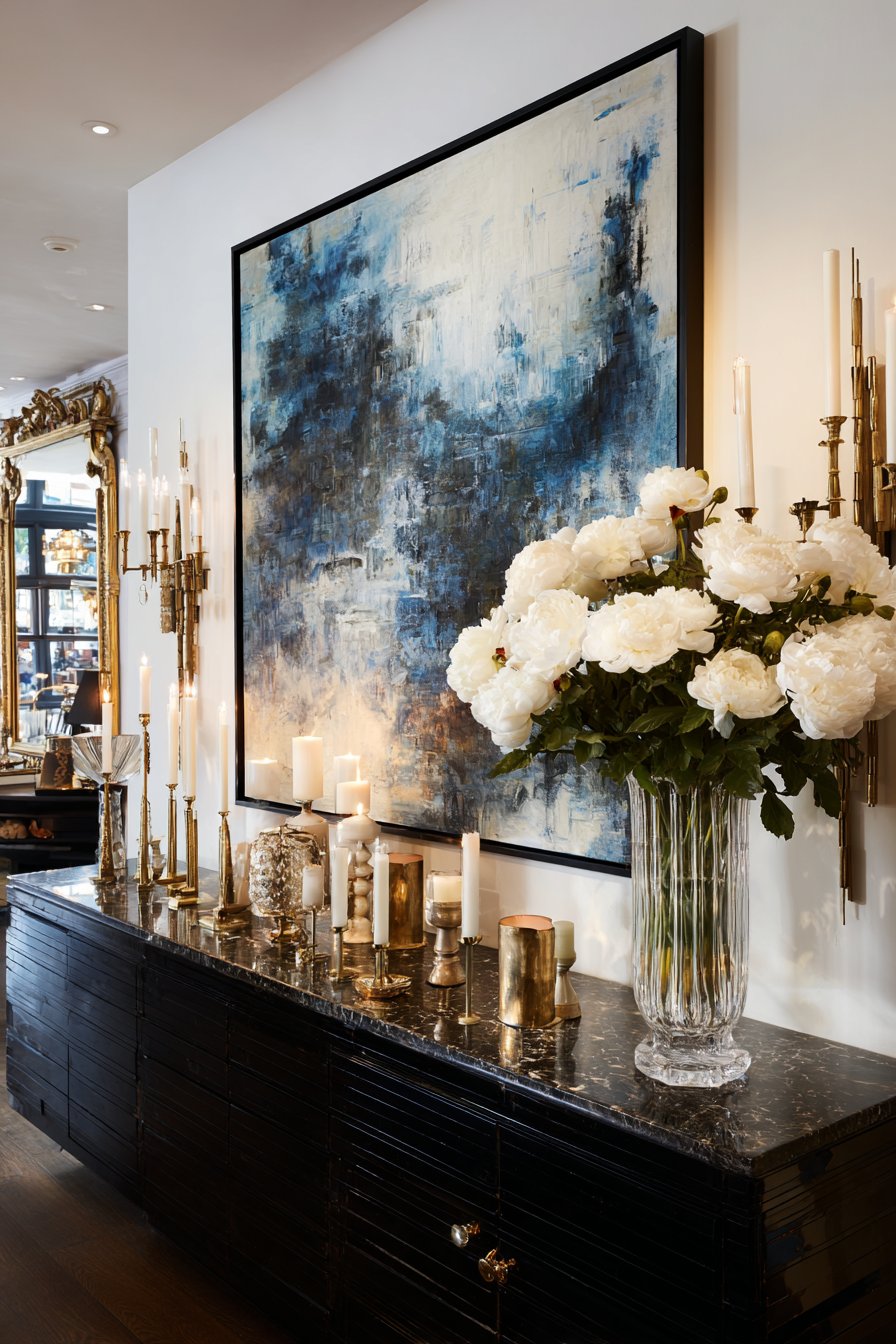
- Display artwork at eye level (approximately 57-60 inches center height)
- Use mirrors to amplify natural light and create spatial depth
- Rotate seasonal accessories to keep the room feeling fresh
- Invest in quality serving pieces that double as decorative elements
- Include fresh flowers or plants for organic beauty
- Edit accessories regularly to maintain a curated, uncluttered look
6. Perfect the Table Setting Details
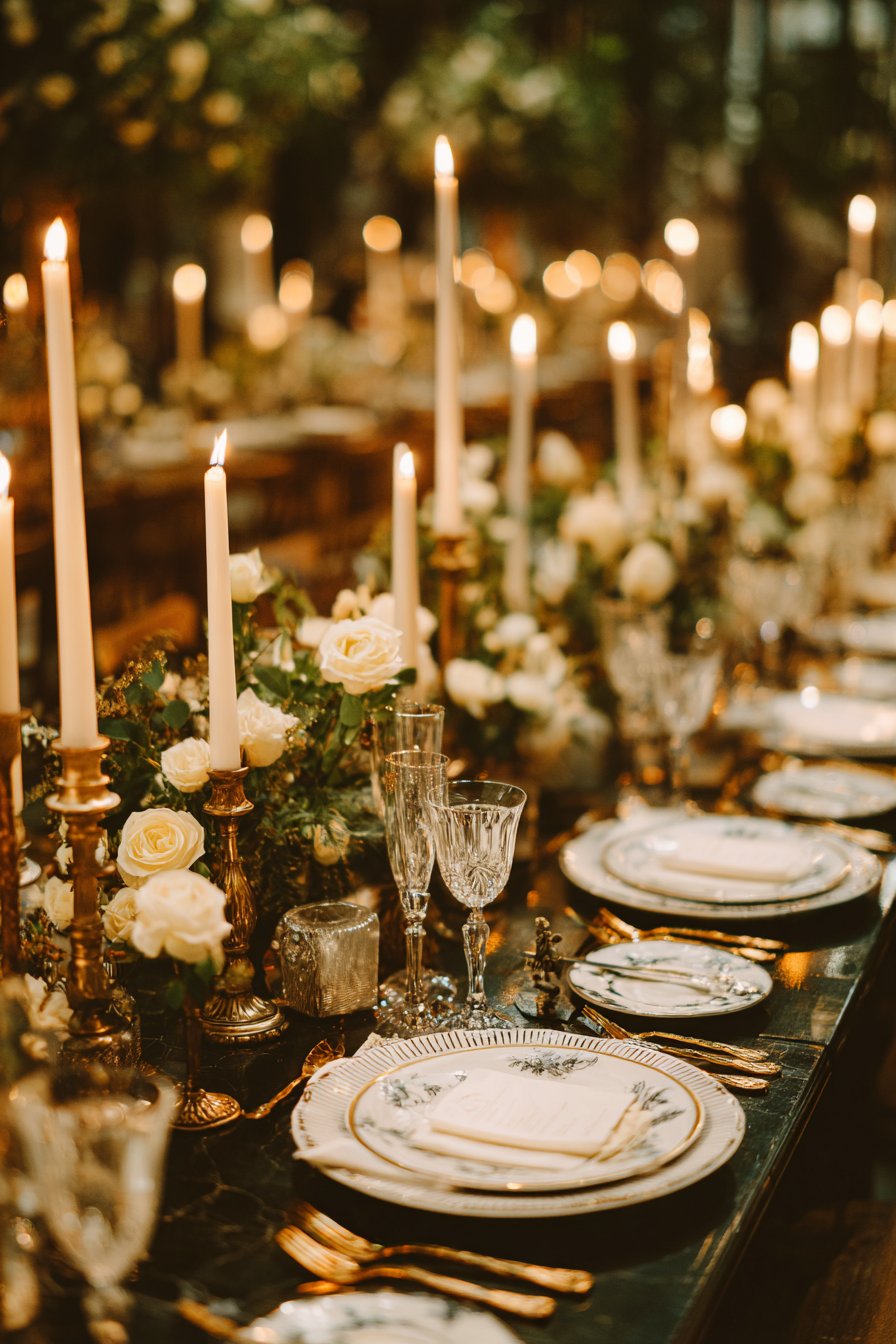
The table itself presents the ultimate opportunity for creating elegance. A beautifully set table demonstrates hospitality and attention to detail. Quality dinnerware in classic patterns transcends trends and adapts to various occasions. White or neutral plates provide versatility and allow food presentation to shine while coordinating with any table linen or decorative theme.
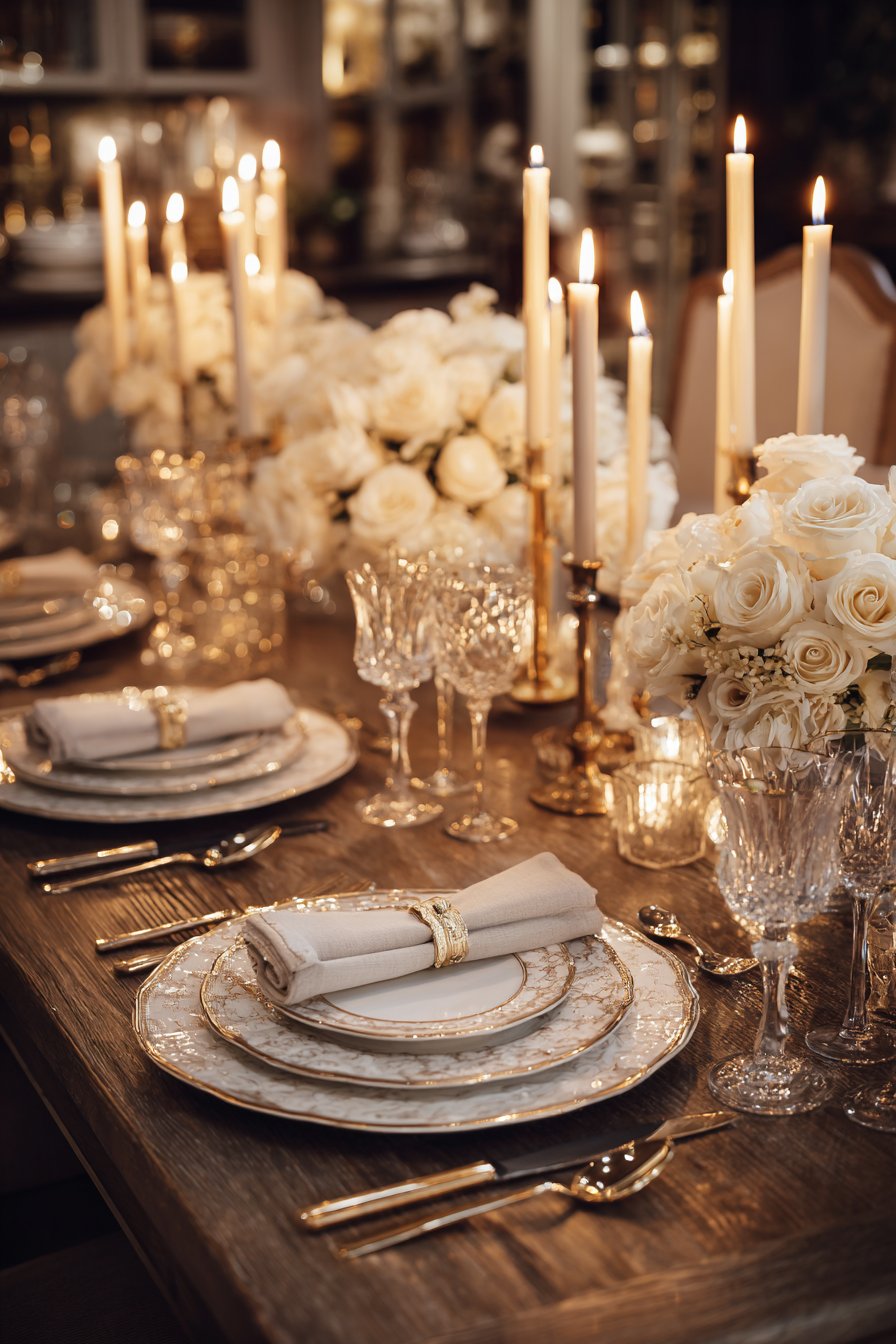
Flatware and glassware contribute significantly to the table’s elegance. Invest in substantial silverware that feels good in the hand and maintains its finish over time. Crystal or quality glass stemware adds sparkle and refinement. Polish all pieces before setting the table to ensure they gleam under the lighting.
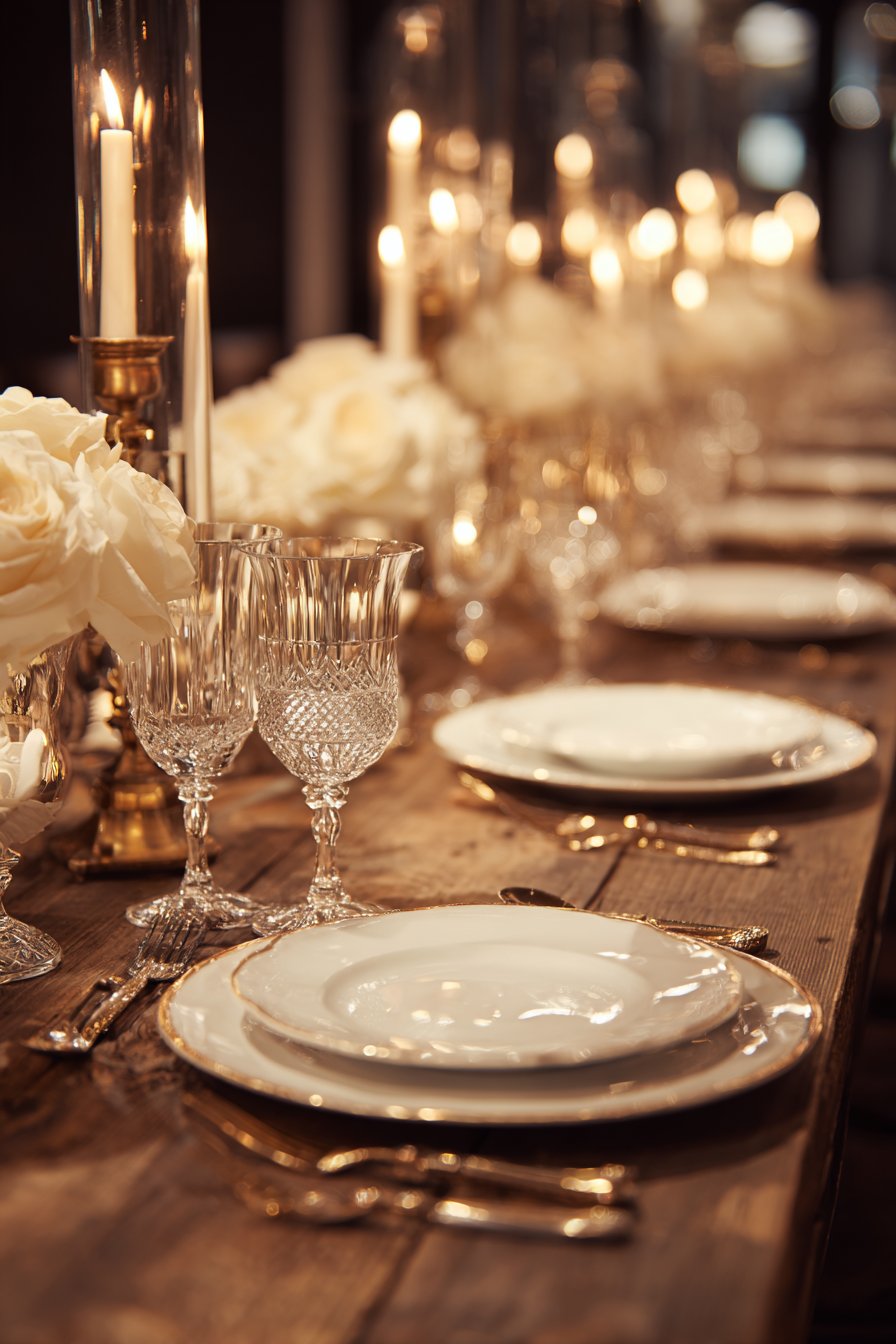
Centerpieces should enhance rather than obstruct conversation across the table. Keep arrangements low and linear or use tall, slender vessels that don’t block sightlines. Fresh flowers, candles in varying heights, or seasonal natural elements create beautiful focal points. Remember that the centerpiece serves the gathering, not the other way around.
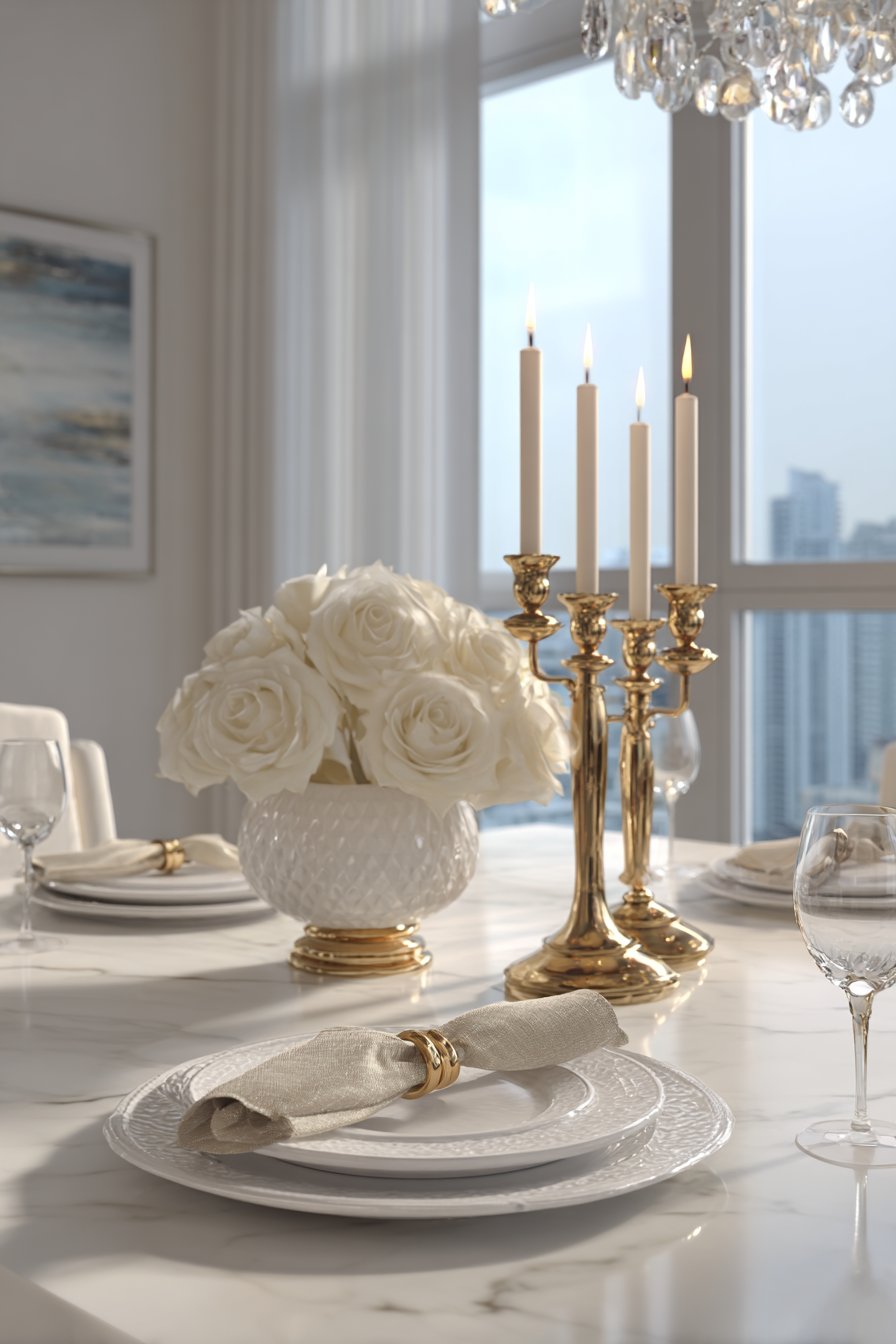
- Invest in quality, classic dinnerware that suits multiple occasions
- Layer chargers under dinner plates for added elegance
- Use cloth napkins with simple folds or decorative rings
- Keep centerpieces below eye level or extremely tall and narrow
- Coordinate table linens with the room’s color palette
- Polish silverware and glassware before each special occasion
Conclusion
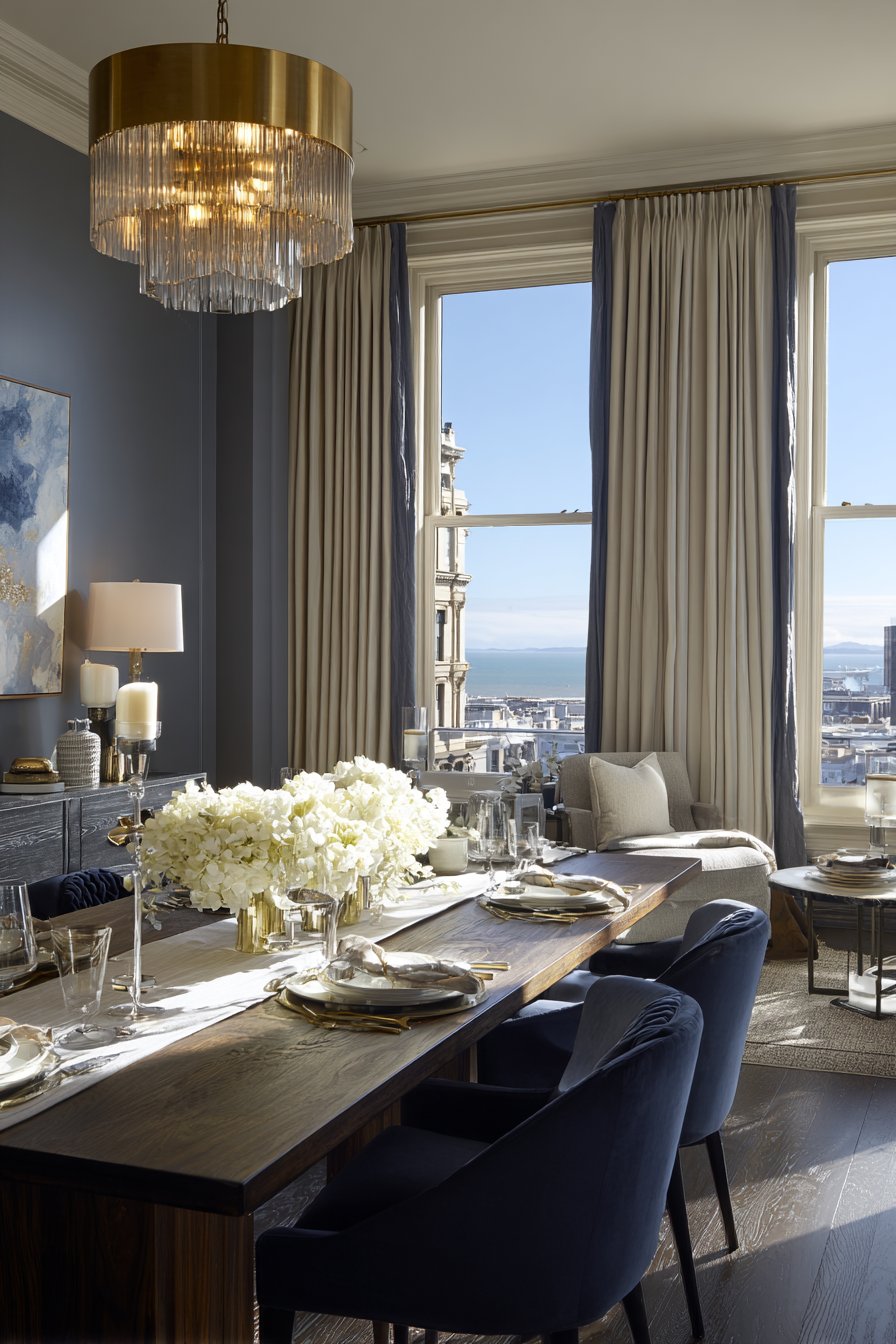
Creating an elegant dining room atmosphere requires attention to multiple design elements working in harmony. From strategic lighting choices to carefully curated accessories, each decision contributes to the overall ambiance. The six tips outlined here provide a comprehensive framework for developing a sophisticated dining space that serves both everyday meals and special celebrations.
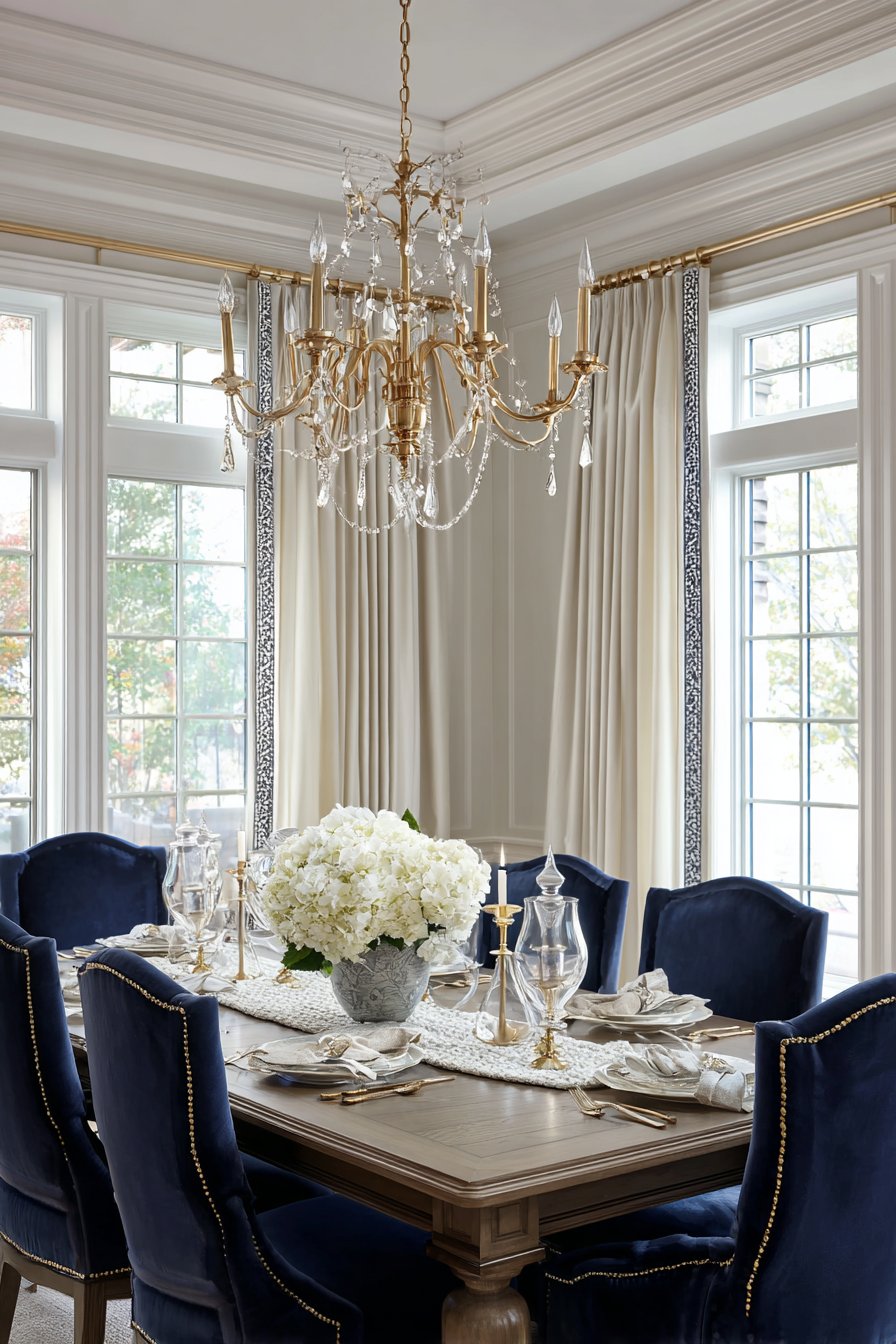
Remember that true elegance comes from intentional design choices rather than expensive price tags. Start with quality foundational pieces, then layer in personal touches that reflect your style and values. Your dining room should feel welcoming and comfortable while maintaining the refined atmosphere that makes every meal feel special. Embrace these principles and experiment with combinations that resonate with your vision for the perfect elegant dining environment.
