


Dark bedrooms can feel cramped, unwelcoming, and even affect your mood and energy levels. Whether you’re dealing with limited natural light, north-facing windows, or small spaces, transforming a dim bedroom into a bright sanctuary is entirely achievable. The right combination of design strategies and thoughtful choices can dramatically change how light interacts with your space.
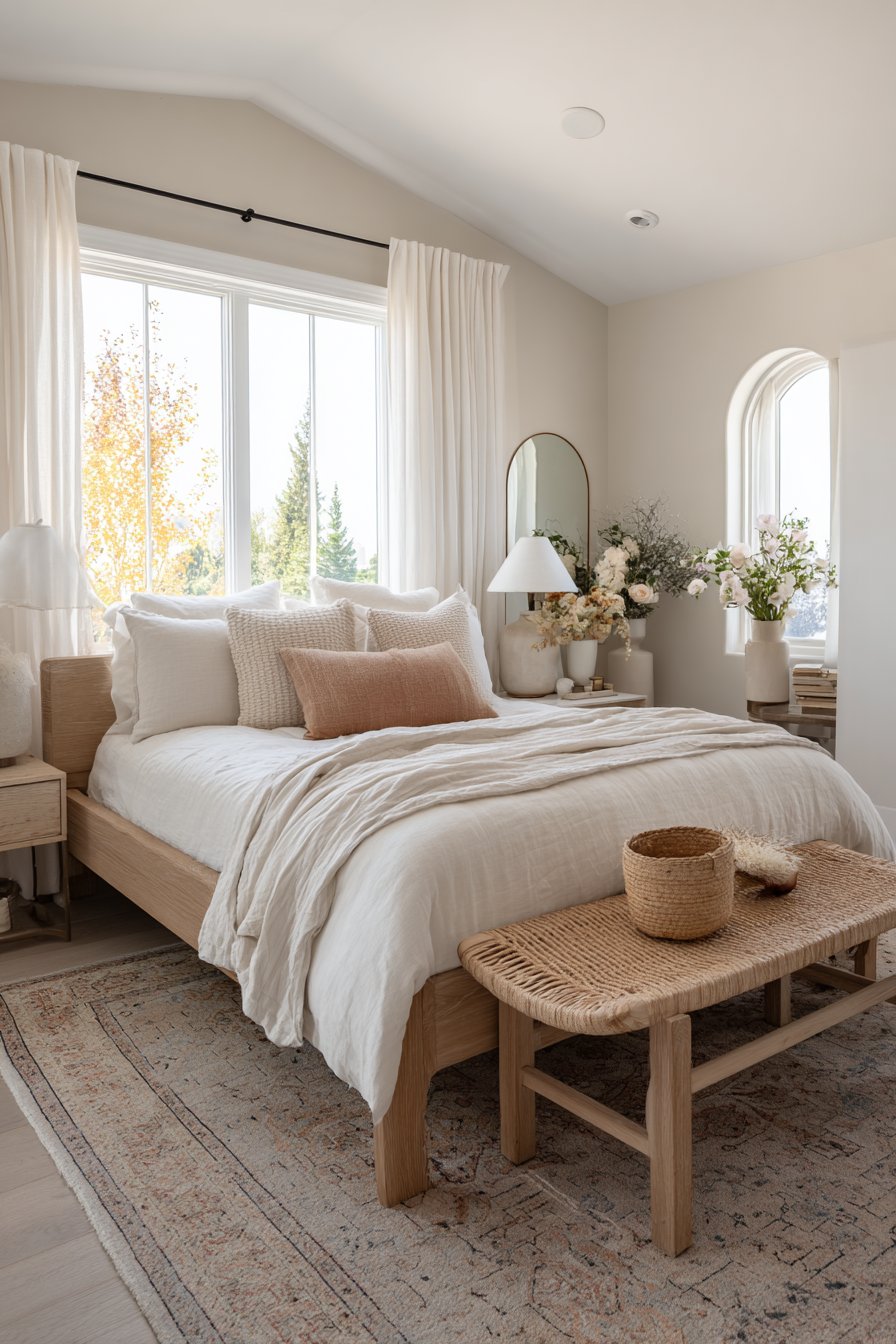
Interior design isn’t just about aesthetics—it’s about creating environments that enhance our daily lives and well-being. A bright, airy bedroom promotes better sleep quality, improves morning routines, and creates a positive atmosphere throughout the day. The strategies we’ll explore cater to various budgets, room sizes, and design preferences, ensuring everyone can find solutions that work for their unique space.
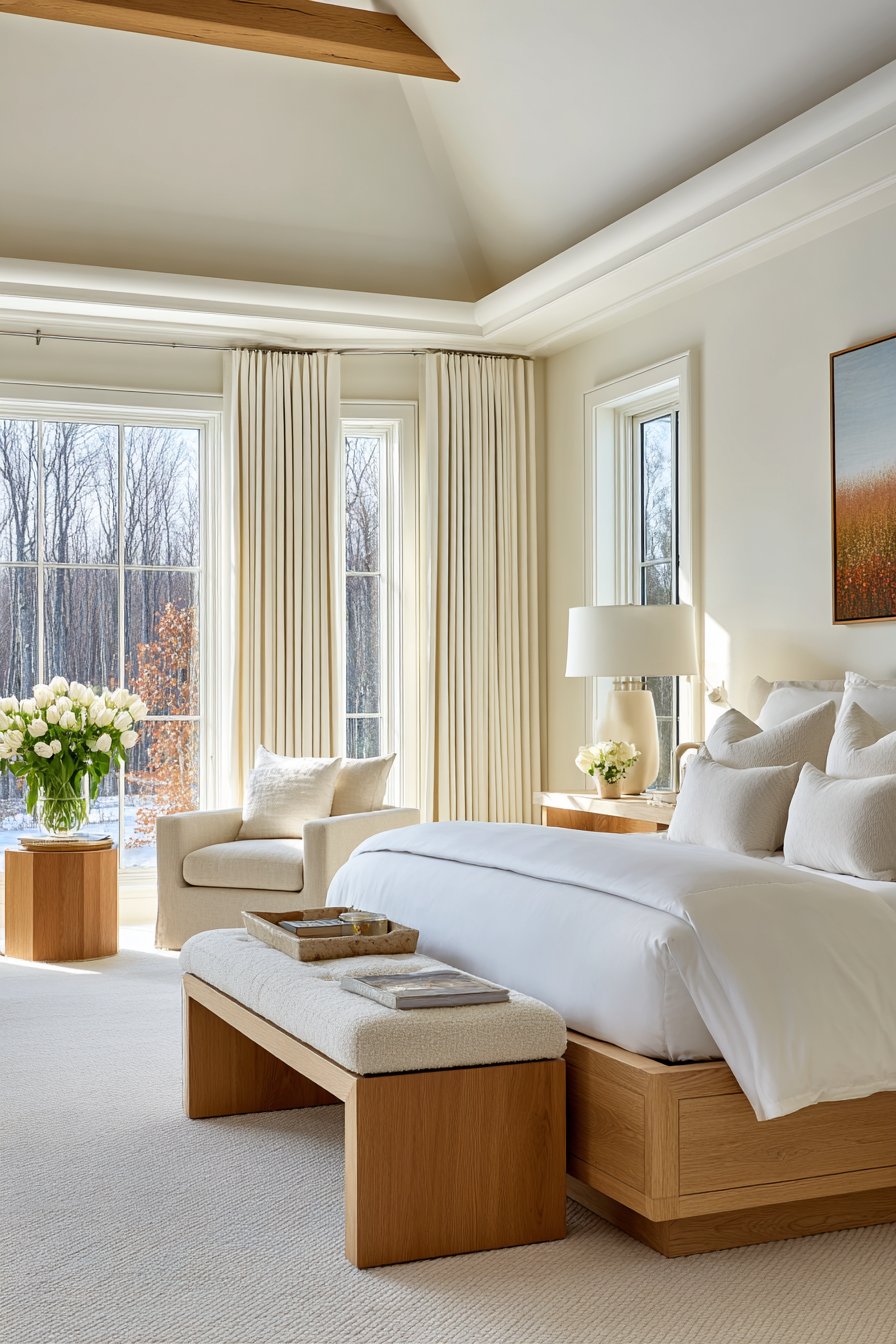
From strategic color choices to clever furniture placement, these six proven methods will help you maximize existing light and create the illusion of brightness. Each approach offers practical benefits that go beyond mere appearance, contributing to a healthier, more inviting bedroom environment you’ll love spending time in.
1. Paint with Light-Reflecting Colors
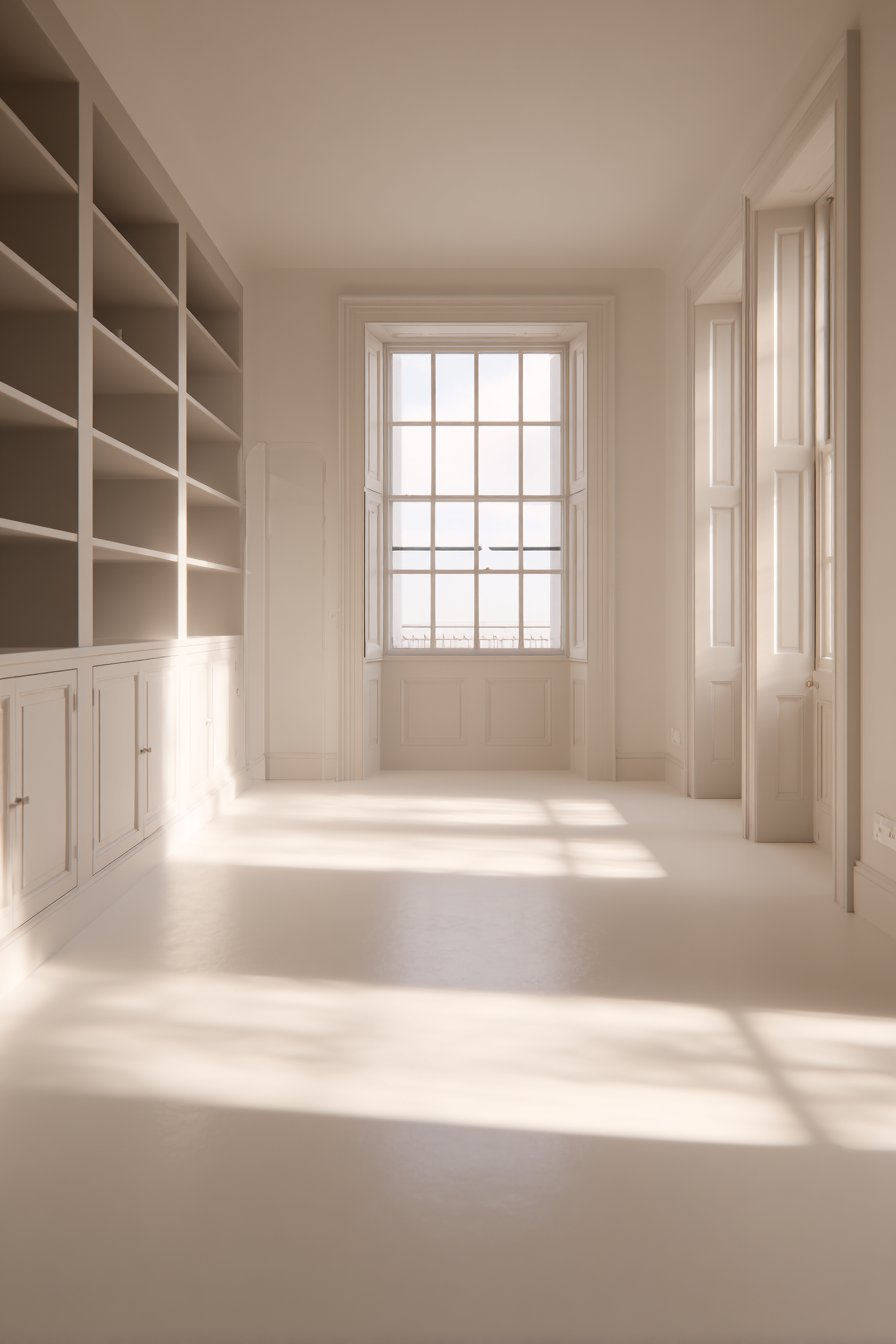
The most impactful transformation for dark bedrooms starts with wall color selection. Light, neutral colors reflect natural and artificial light far more effectively than darker shades. White, cream, pale gray, and soft pastels can increase light reflection by up to 80%, making rooms feel exponentially brighter and more spacious.
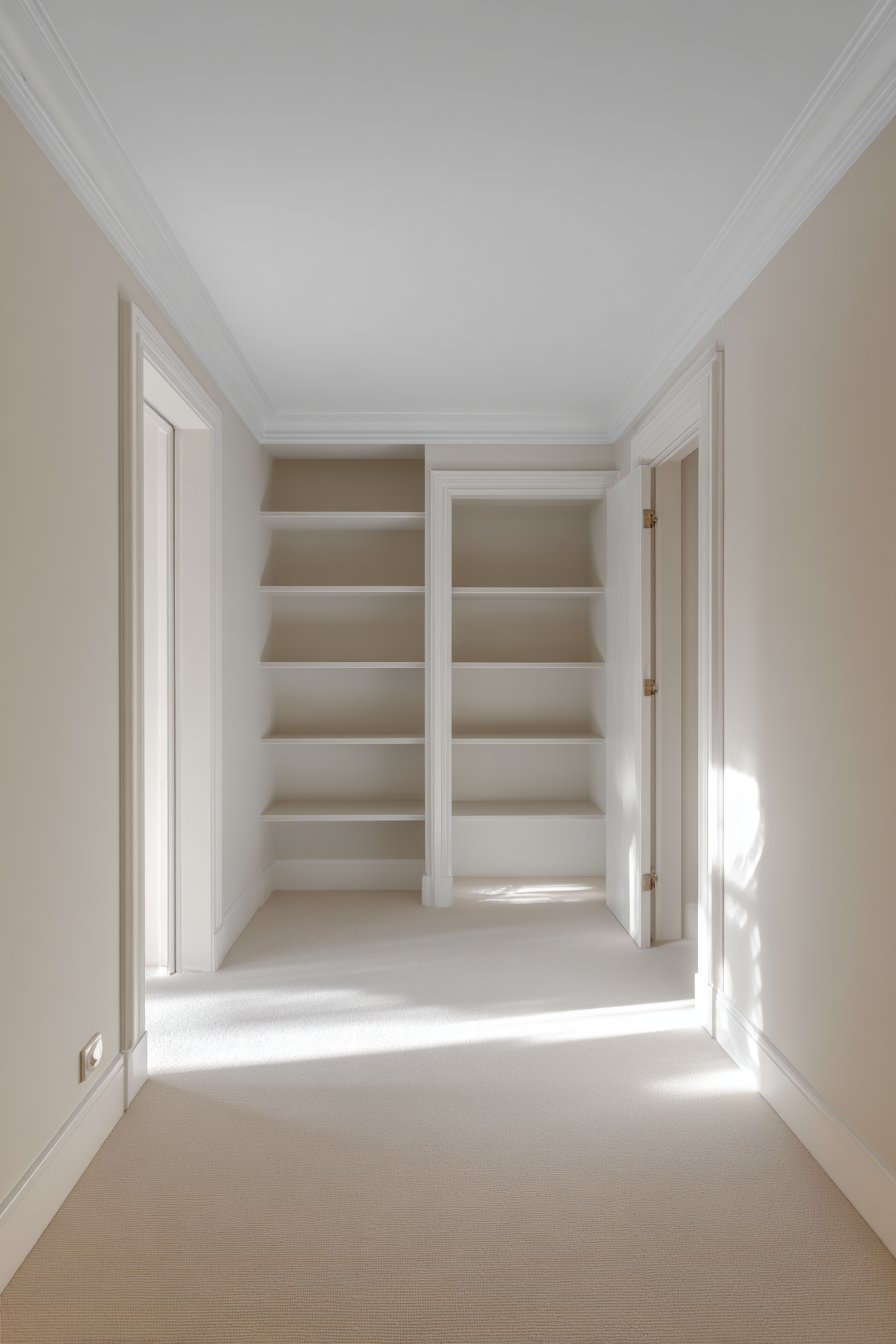
Consider the undertones carefully when selecting paint. Cool whites with blue undertones work beautifully in rooms with warm light sources, while warm whites complement cooler lighting. Matte finishes absorb light, so opt for eggshell or satin finishes that gently bounce light around the room without creating unwanted glare.
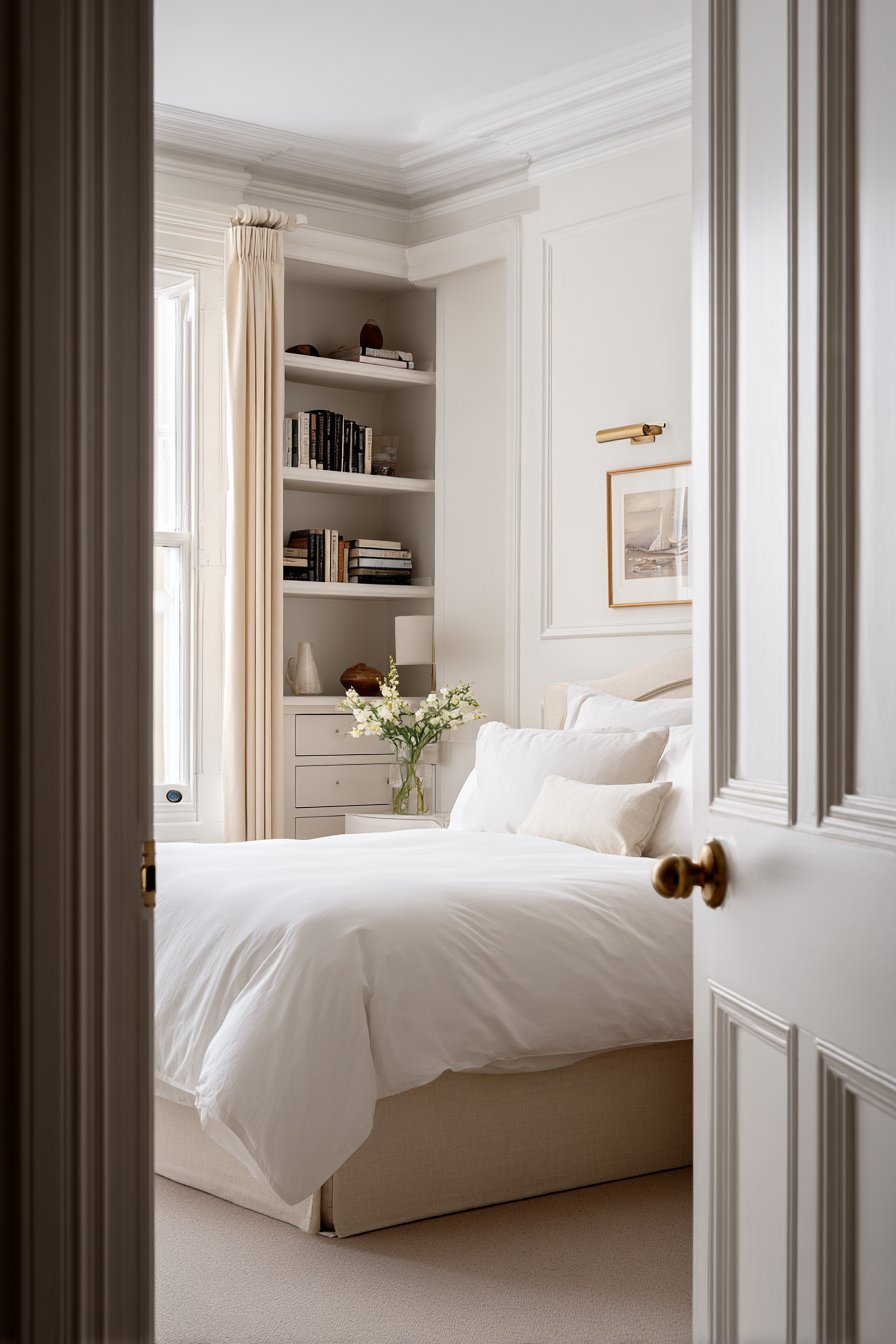
Don’t stop at walls—paint your ceiling a bright white shade to maximize vertical light reflection. Ceilings often go overlooked, yet they represent significant surface area that can either absorb or reflect precious light. Extending light colors to trim, molding, and door frames creates seamless visual continuity that enhances the overall brightness effect.
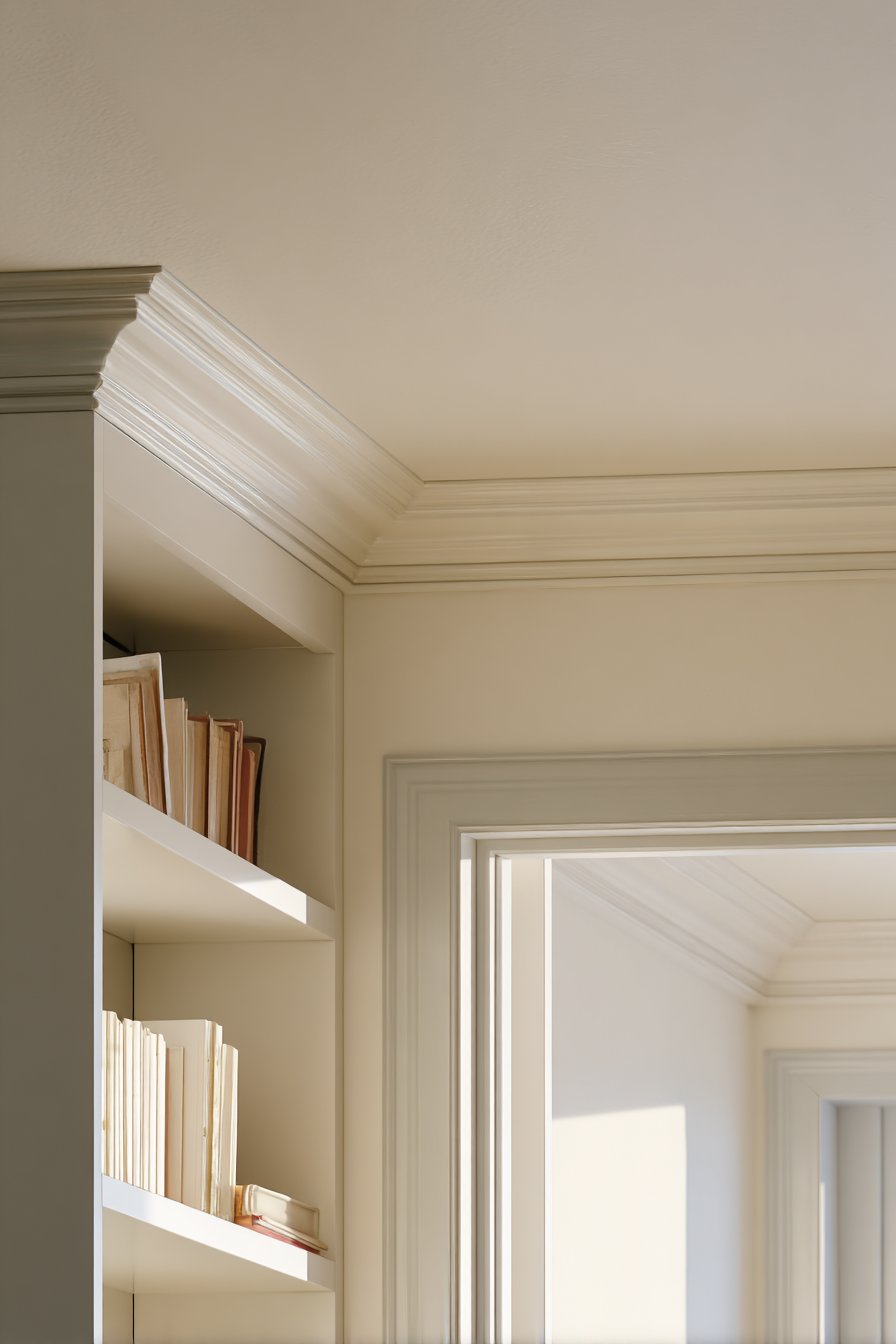
- Choose whites with slight warm undertones for north-facing rooms
- Test paint samples in different lighting conditions before committing
- Paint ceilings one or two shades lighter than walls
- Consider semi-gloss finish for trim to maximize reflection
- Use light colors on built-in furniture and shelving units
- Repaint every 3-5 years to maintain brightness and freshness
2. Maximize Mirror Placement and Reflective Surfaces
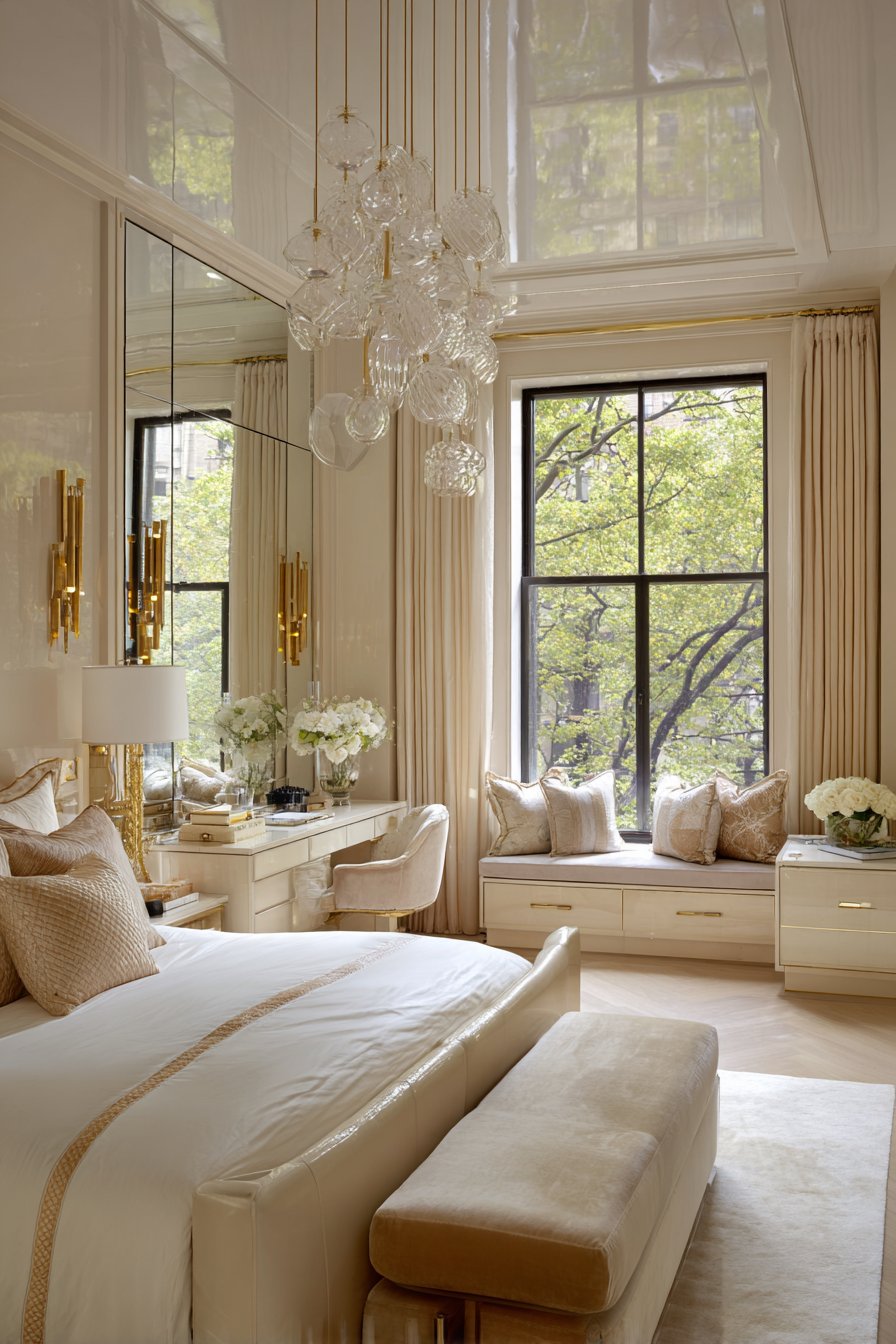
Mirrors are interior design magic when it comes to amplifying light in dark spaces. A strategically placed mirror can double the perceived light by reflecting both natural sunlight and artificial sources. Position mirrors directly across from windows to capture and distribute incoming light throughout the room.
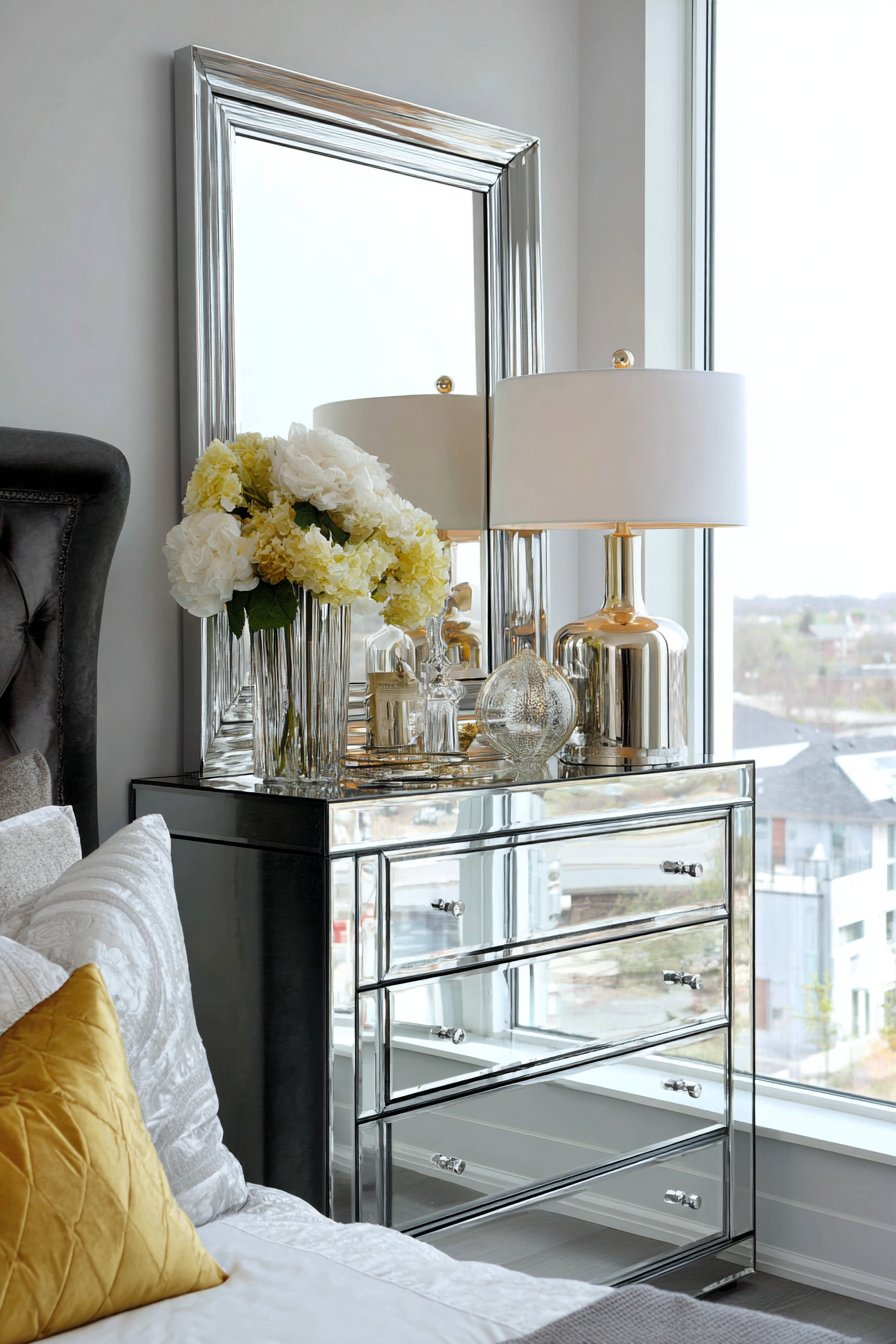
Large statement mirrors create dramatic impact, but multiple smaller mirrors can be equally effective. Reflective surfaces extend beyond traditional mirrors—glass furniture, metallic accents, and glossy finishes all contribute to enhanced brightness. Consider mirrored nightstands, chrome light fixtures, or furniture with high-gloss lacquer finishes.
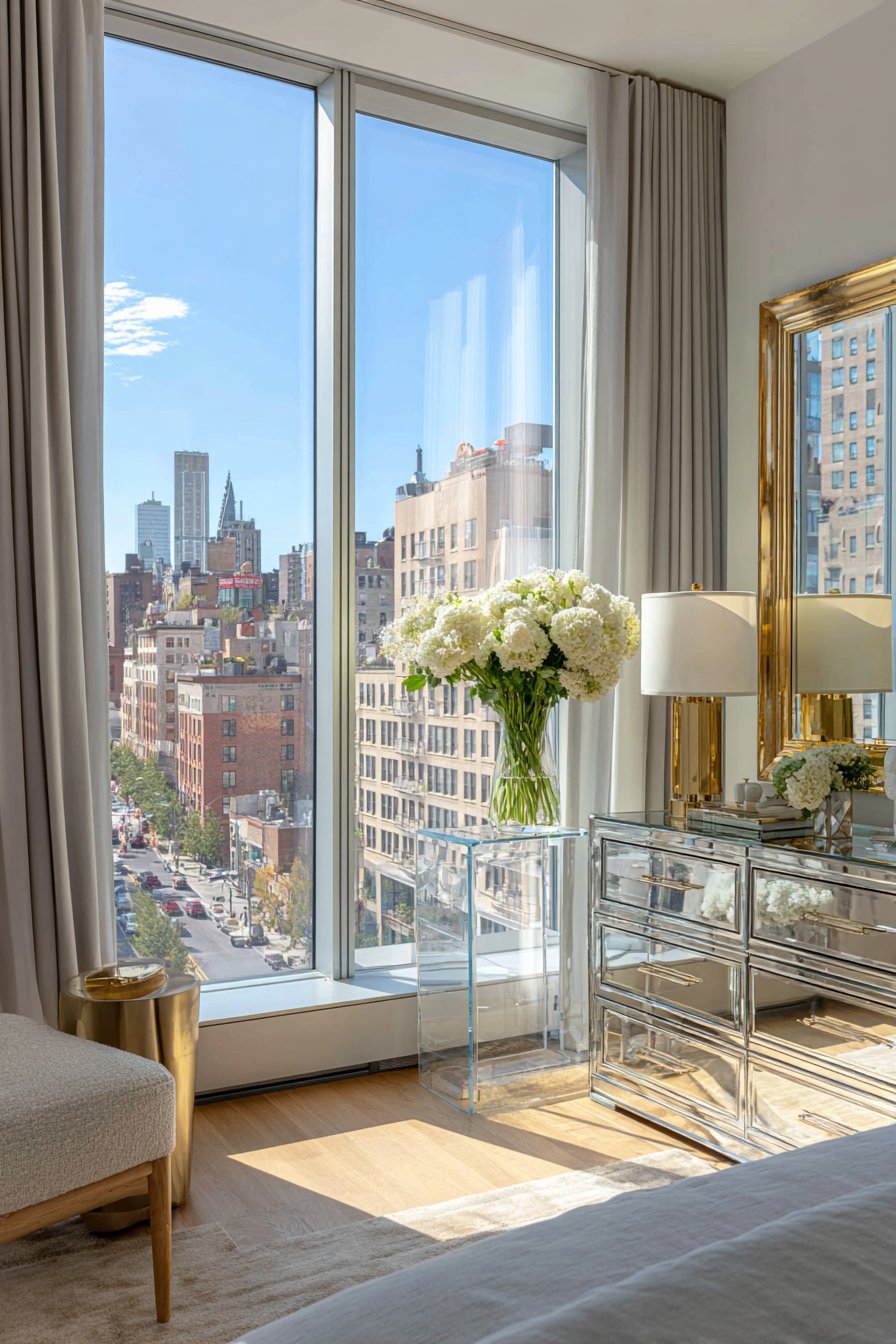
The frame style matters less than the mirror’s reflective quality and placement. Avoid positioning mirrors where they’ll reflect clutter or dark corners, as this multiplies darkness rather than light. Instead, angle mirrors to capture window light or bright walls, creating an infinite loop of luminosity that transforms the entire space.
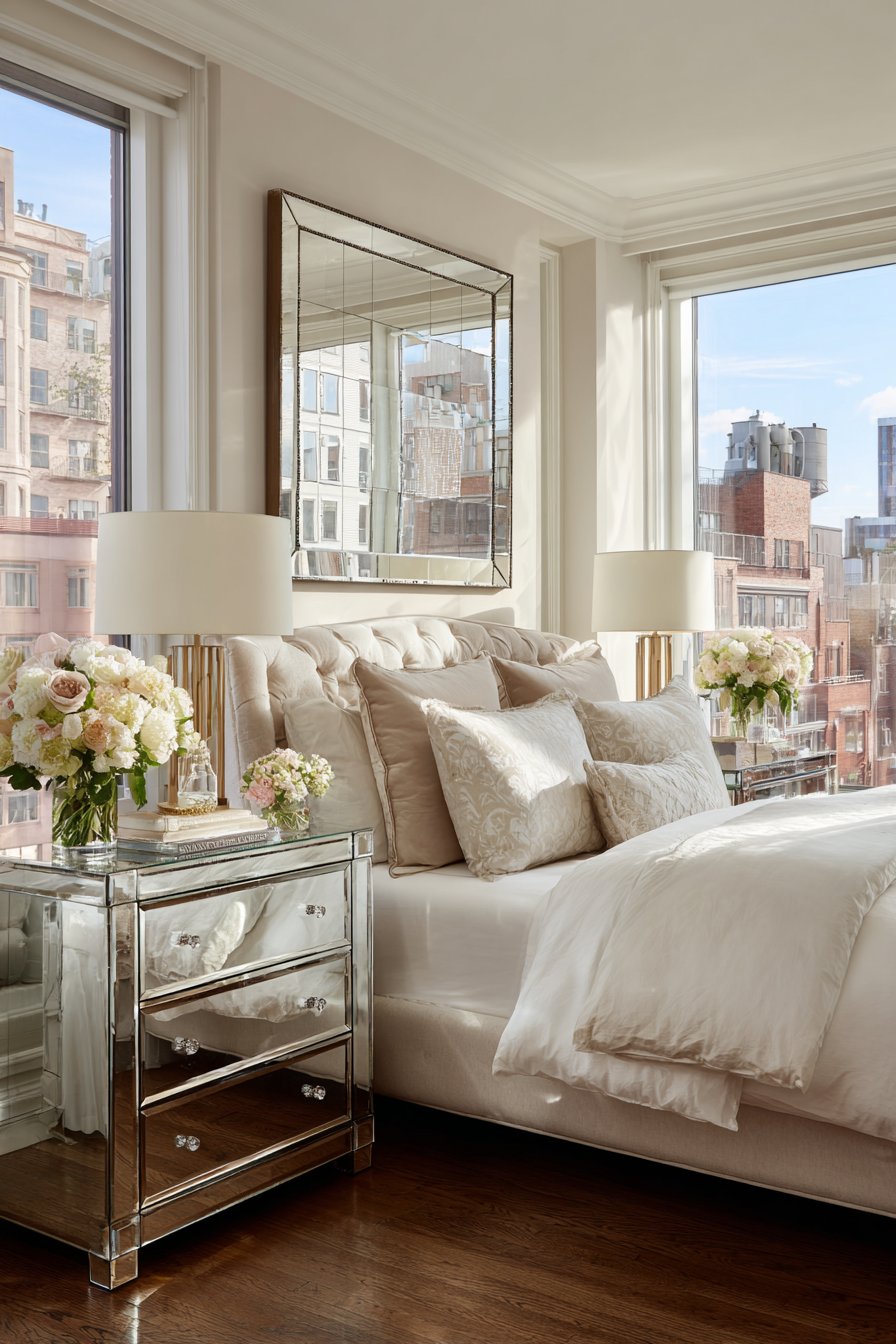
- Hang large mirrors opposite windows for maximum light reflection
- Use mirrored closet doors to double visual space and brightness
- Position table mirrors to reflect lamp light across surfaces
- Choose furniture with glass tops or metallic hardware
- Clean mirrors regularly to maintain optimal reflective properties
- Layer multiple reflective elements for cumulative effect
3. Upgrade Window Treatments for Light Control
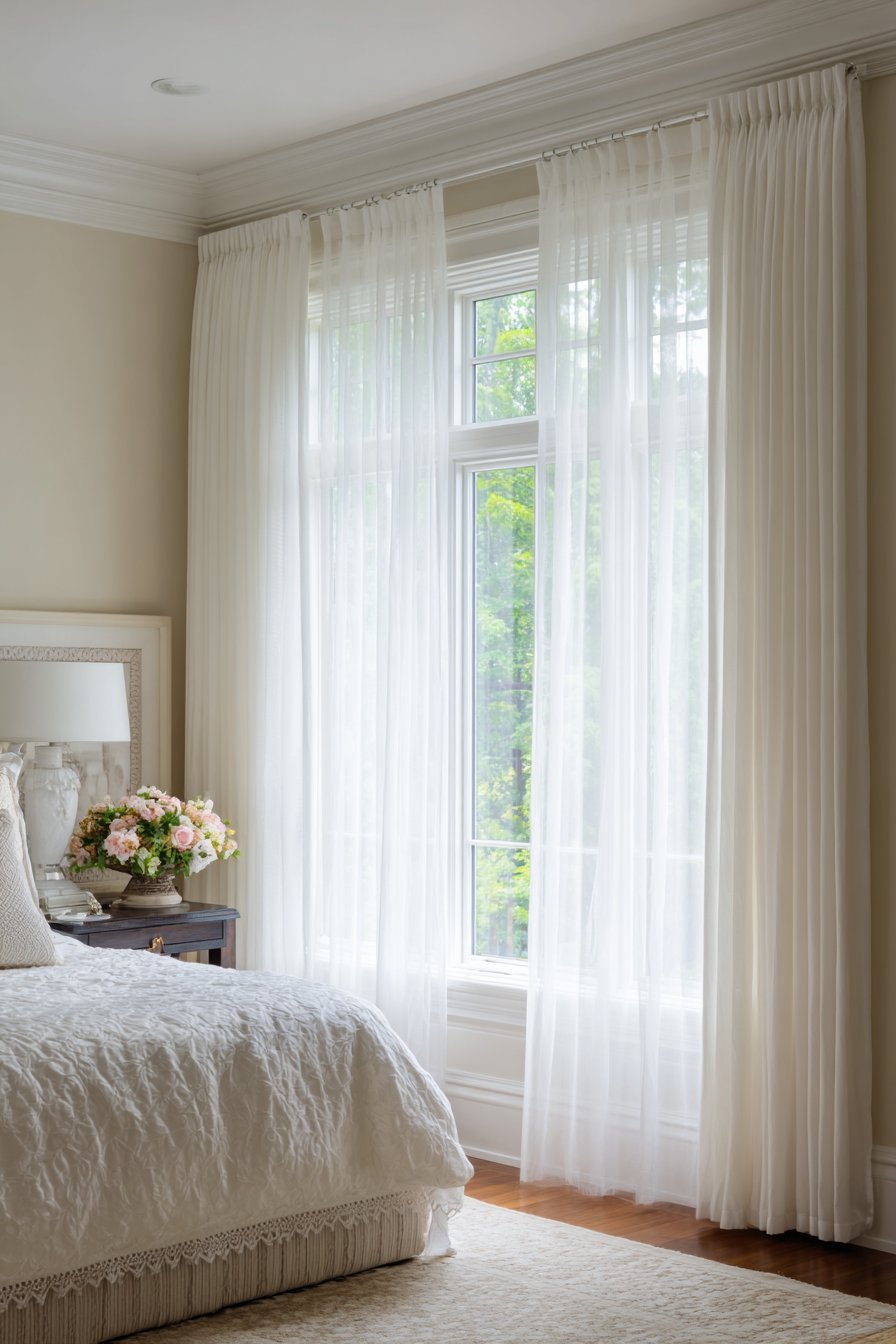
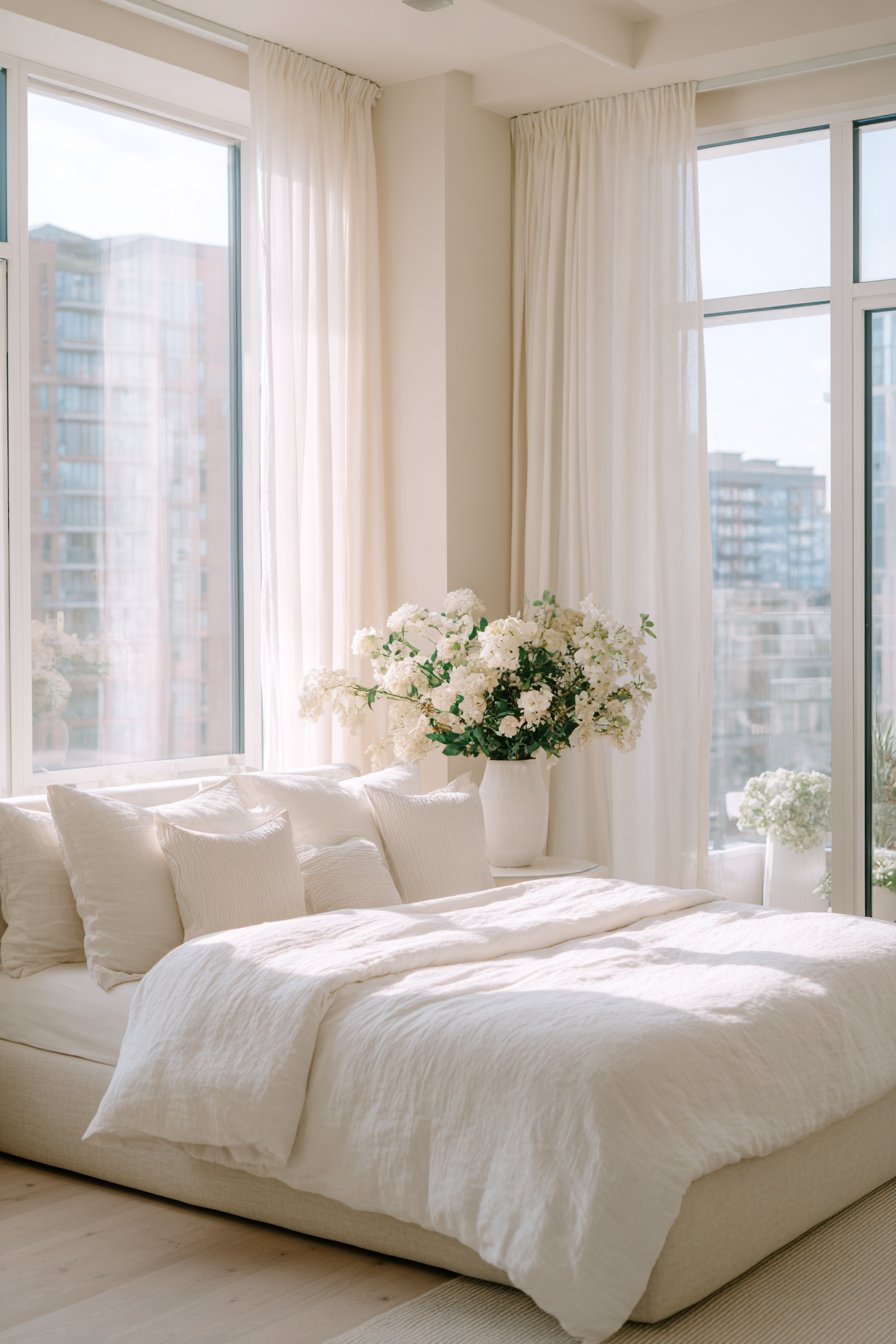
Heavy, dark curtains can transform even sunny rooms into caves. Replacing them with sheer fabrics or light-filtering materials allows maximum natural light while maintaining privacy. White, cream, or pale neutral curtains reflect light back into the room rather than absorbing it.
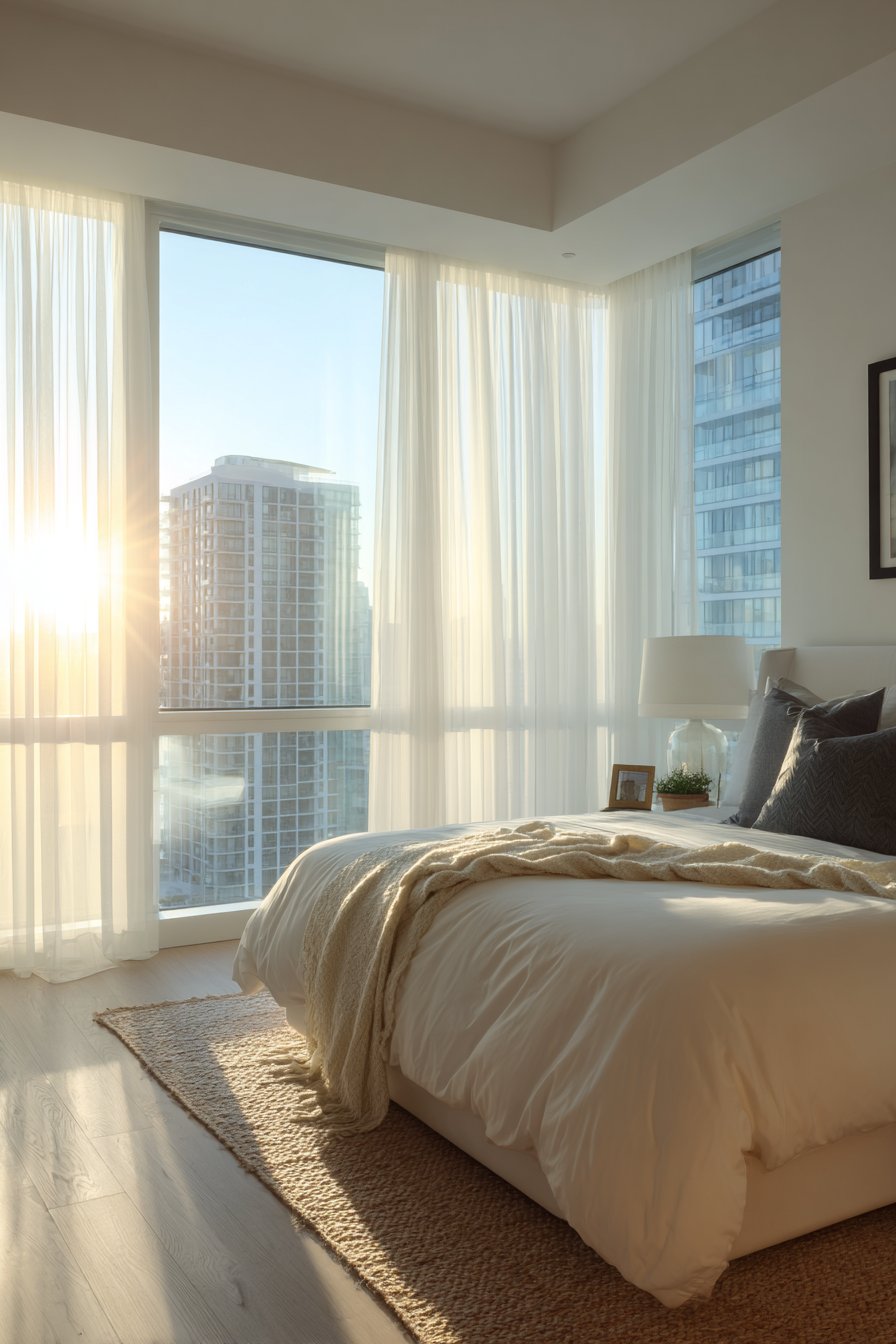
Consider installing curtains higher and wider than the actual window frame—this technique called “oversizing” makes windows appear larger and admits more light. Mount rods close to the ceiling and extend them 8-12 inches beyond each side of the window. When curtains are open, they frame rather than cover the window, maximizing light penetration.
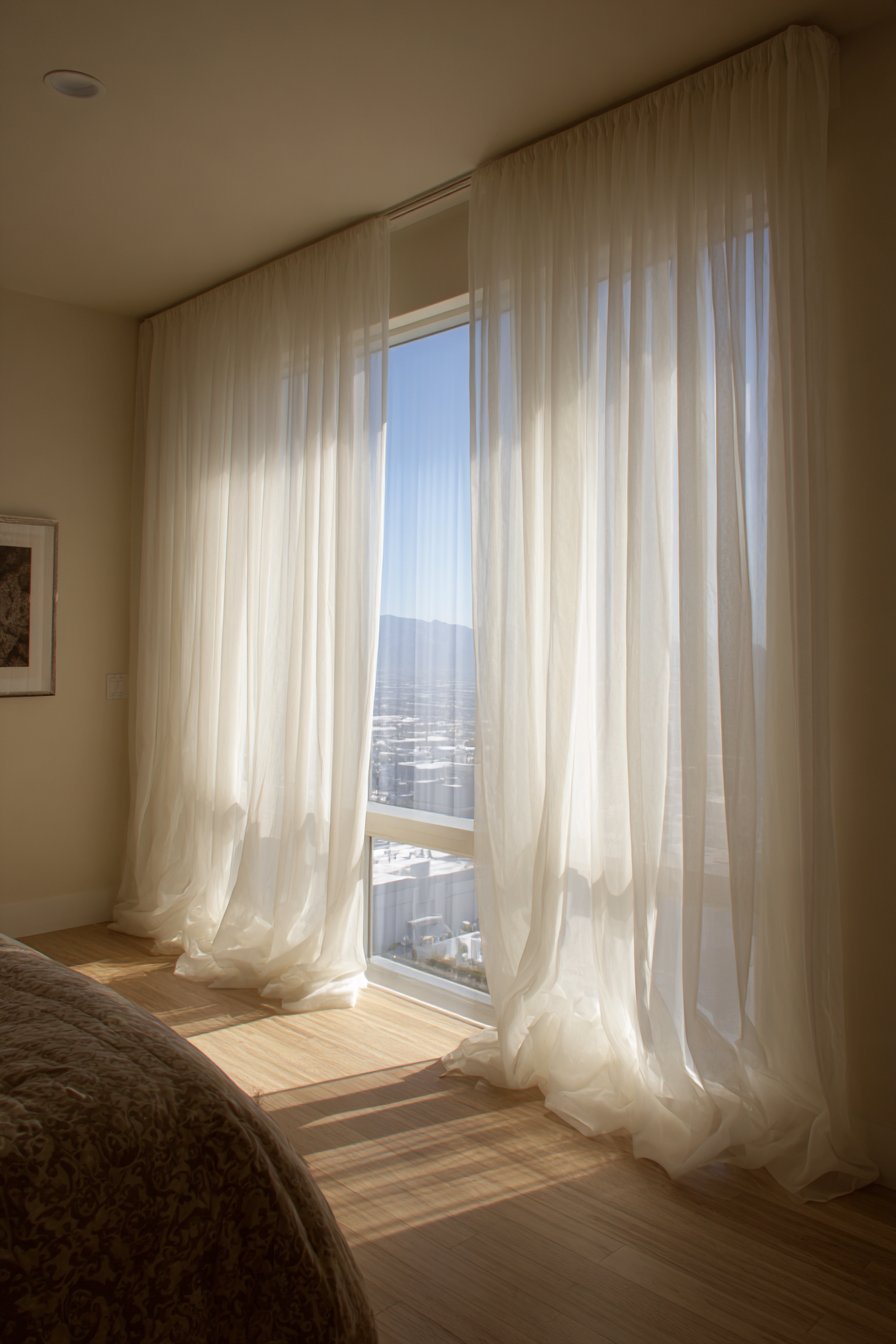
Layering is key for balancing privacy with brightness. Use sheer curtains for daytime light filtering and add cellular shades or roller blinds for nighttime privacy. Choose top-down bottom-up shades that allow light from above while maintaining lower privacy. During daylight hours, keep treatments fully open to capitalize on every ray of available sunshine.
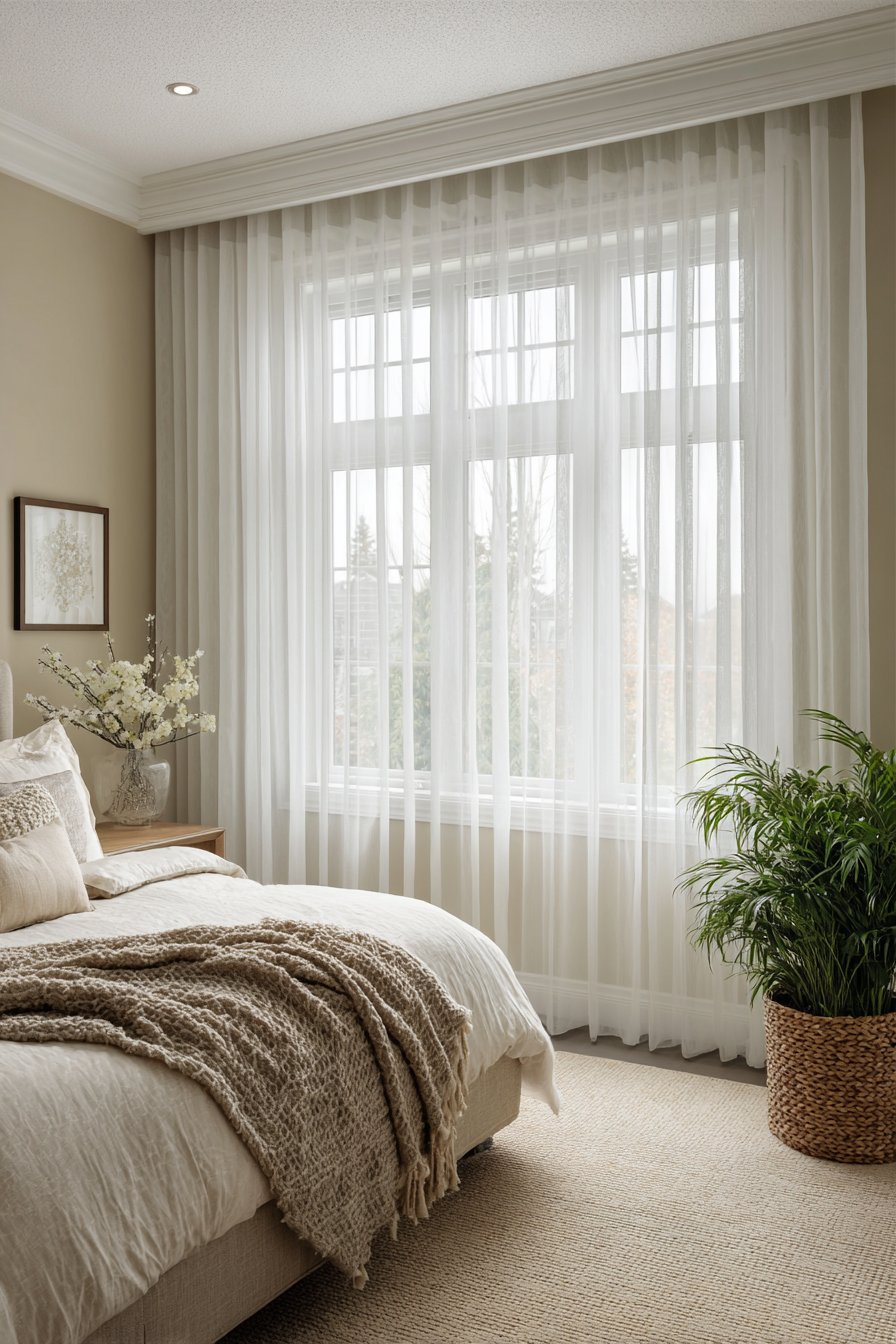
- Replace heavy drapes with lightweight linen or cotton sheers
- Choose white or cream curtains over colored or patterned options
- Install curtain rods at ceiling height to elongate windows visually
- Use tension rods for sheer panels that stay permanently open
- Clean window treatments quarterly to remove dust that blocks light
- Remove window treatments entirely if privacy isn’t a concern
4. Implement Layered Lighting Design
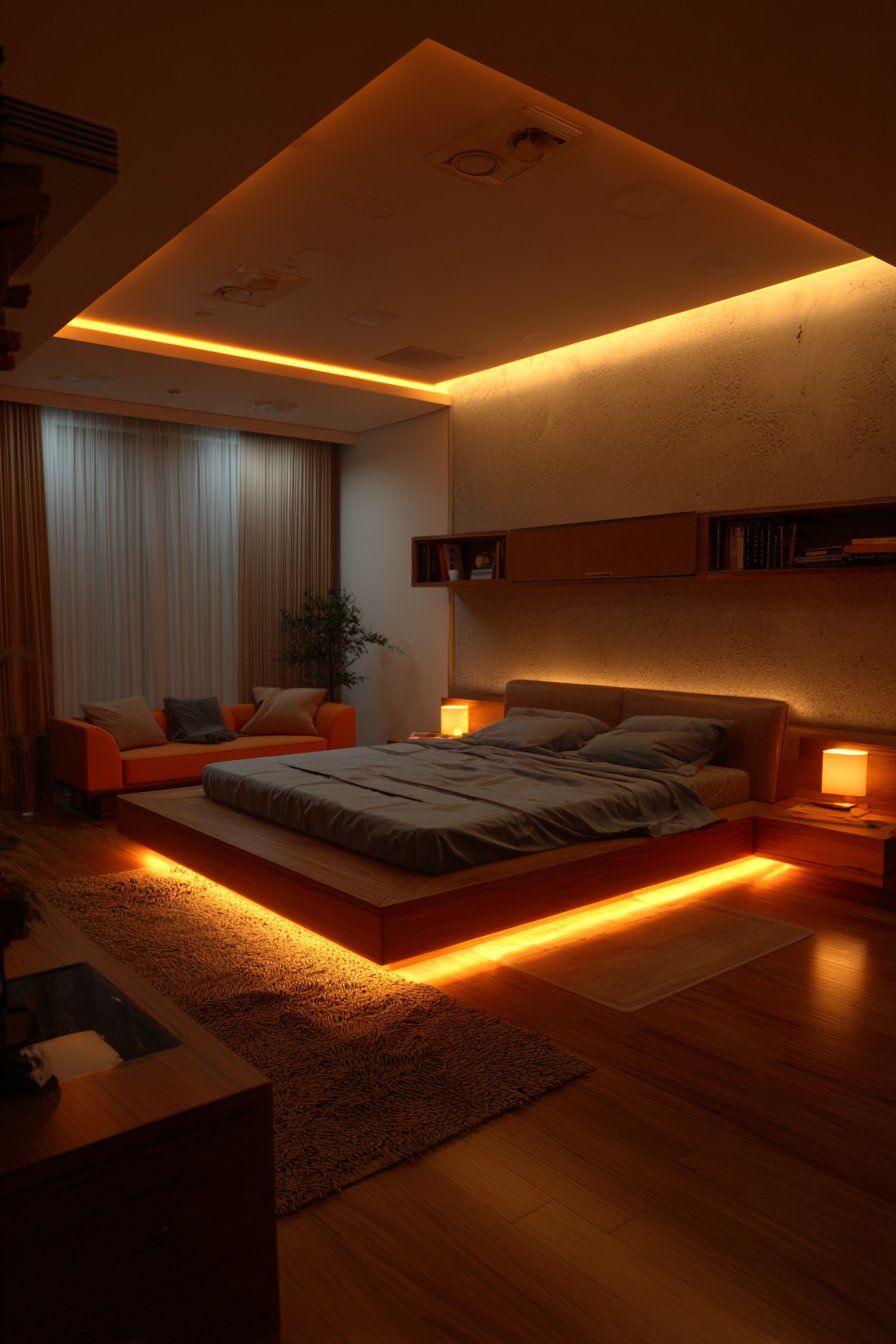
Relying solely on overhead lighting creates harsh shadows and dark corners. Layered lighting combines ambient, task, and accent lighting to eliminate darkness and create customizable brightness levels. This approach allows you to adjust lighting based on time of day and activity.
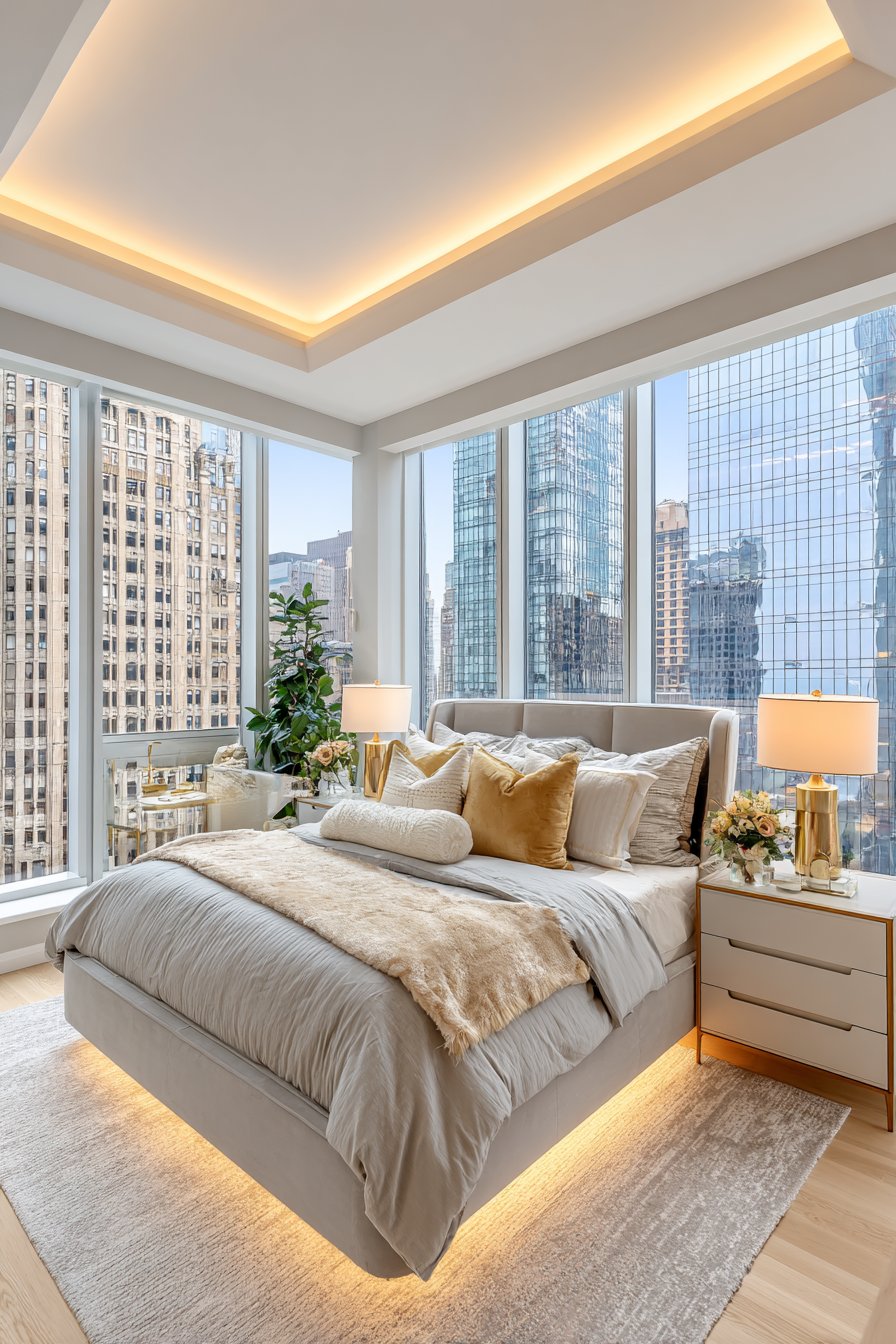
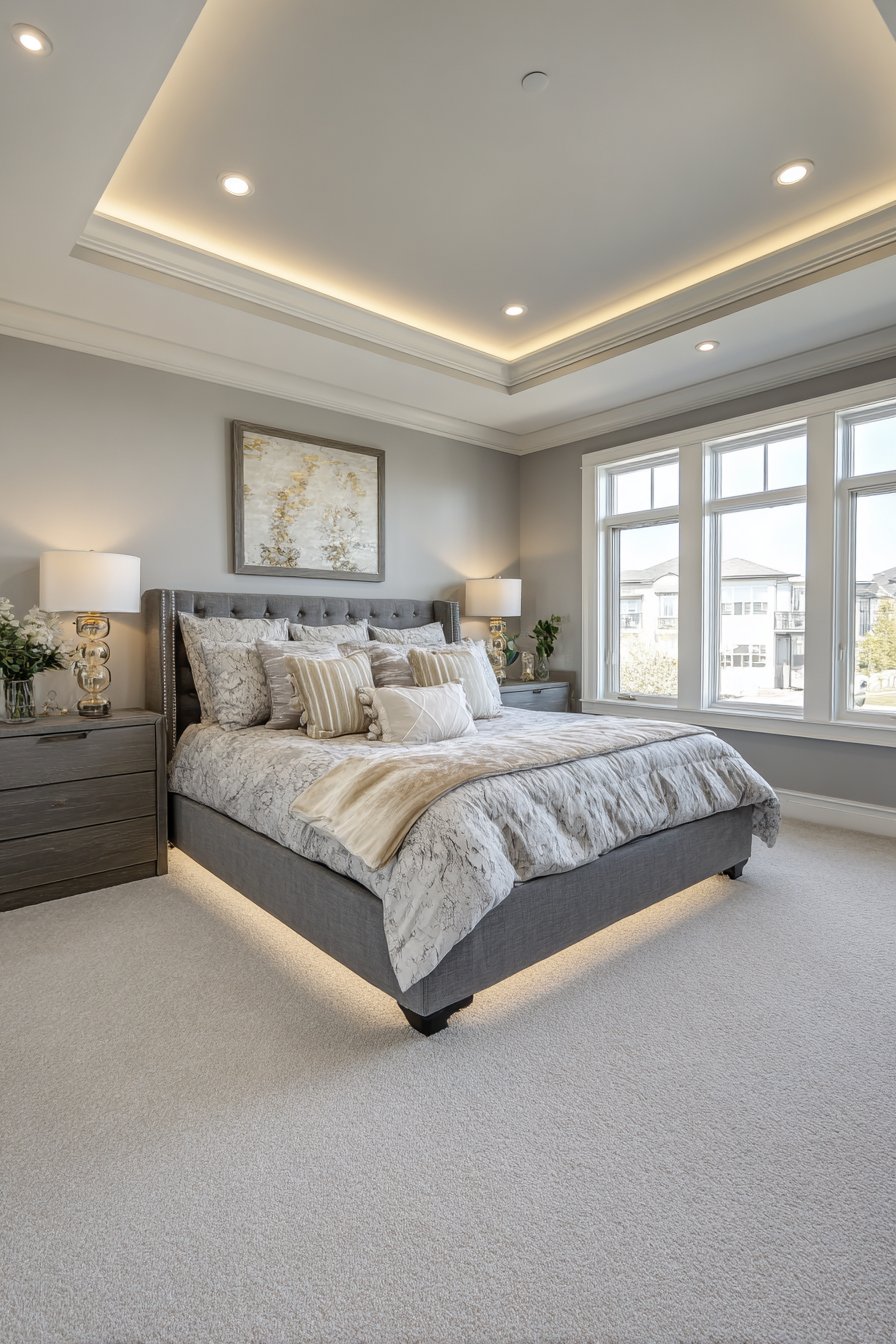
Start with ambient lighting—ceiling fixtures, recessed lights, or track lighting that provides overall illumination. Add task lighting through bedside lamps, reading lights, or desk lamps positioned where you need focused brightness. Accent lighting highlights architectural features or artwork while adding depth and dimension to flat spaces.
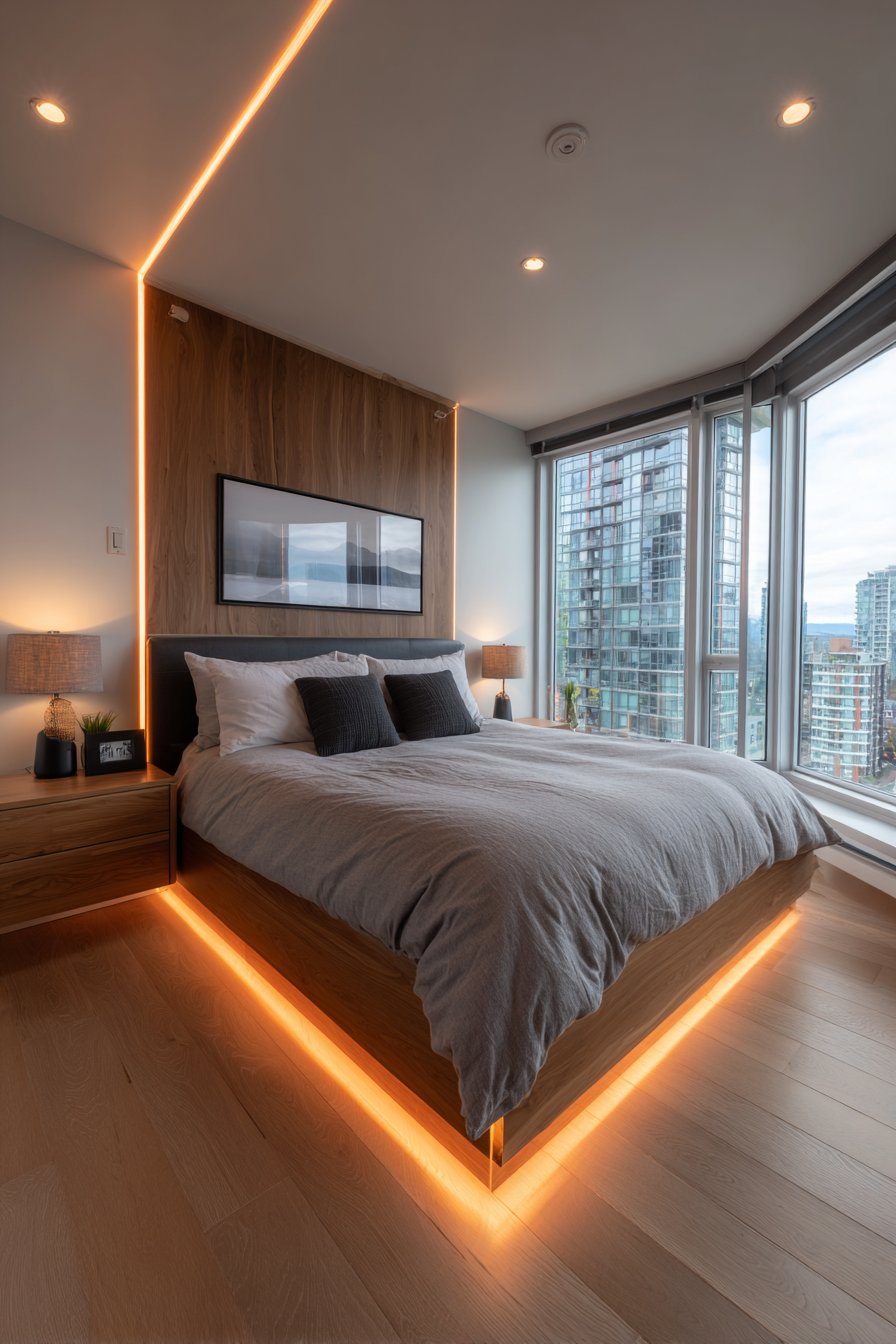
Choose bulbs with higher lumens and cooler color temperatures (4000K-5000K) to simulate daylight and enhance alertness during morning hours. Install dimmer switches on all light sources for evening flexibility. LED strips under beds or along baseboards create ambient glow that prevents complete darkness while consuming minimal energy.
- Install three different light sources minimum per bedroom
- Use daylight-spectrum bulbs rated 800+ lumens for main fixtures
- Position table lamps on both nightstands for balanced illumination
- Add floor lamps in dark corners to eliminate shadows
- Install wall sconces to free up surface space while adding light
- Use smart bulbs for programmable brightness schedules
5. Choose Light-Colored and Minimalist Furniture
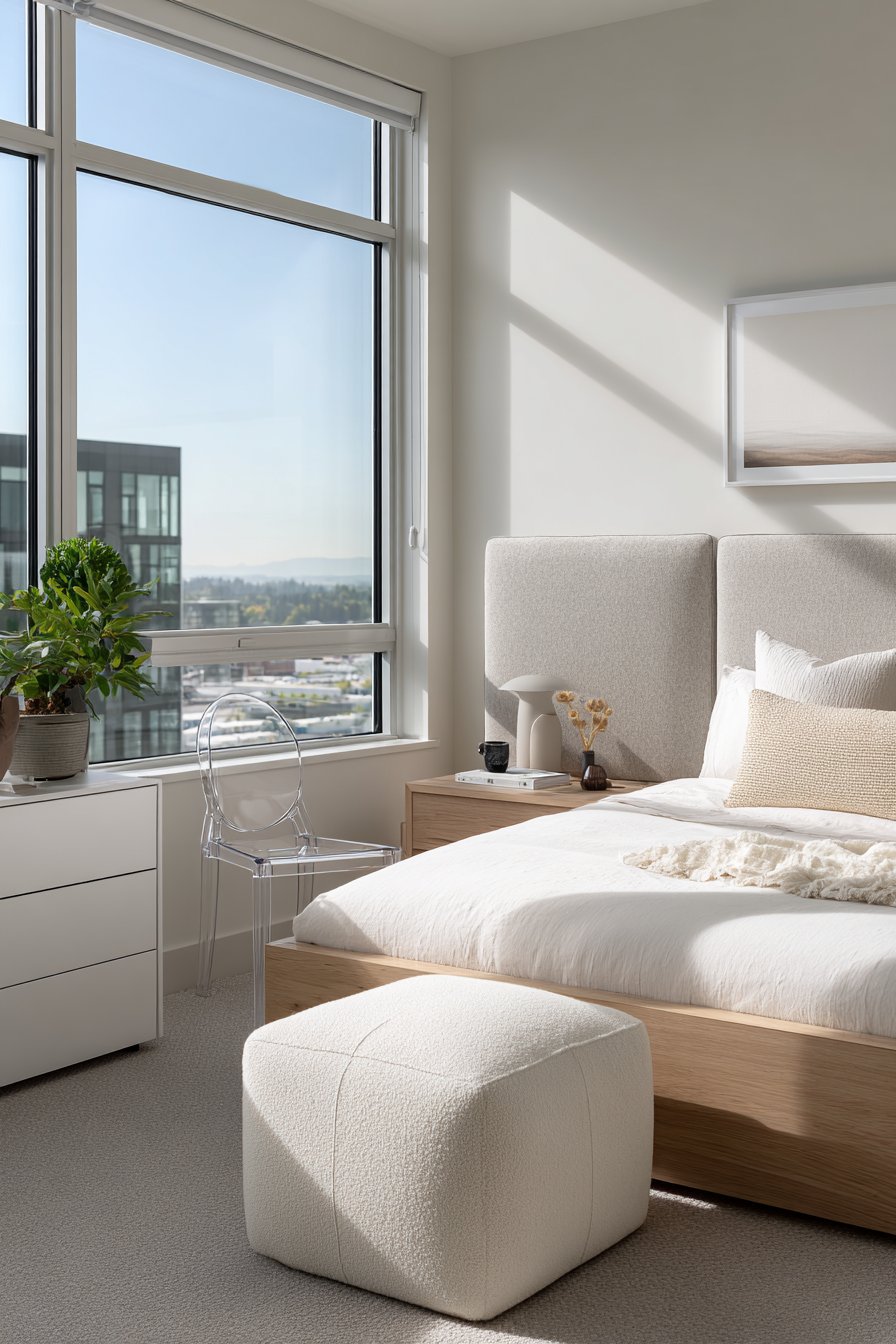
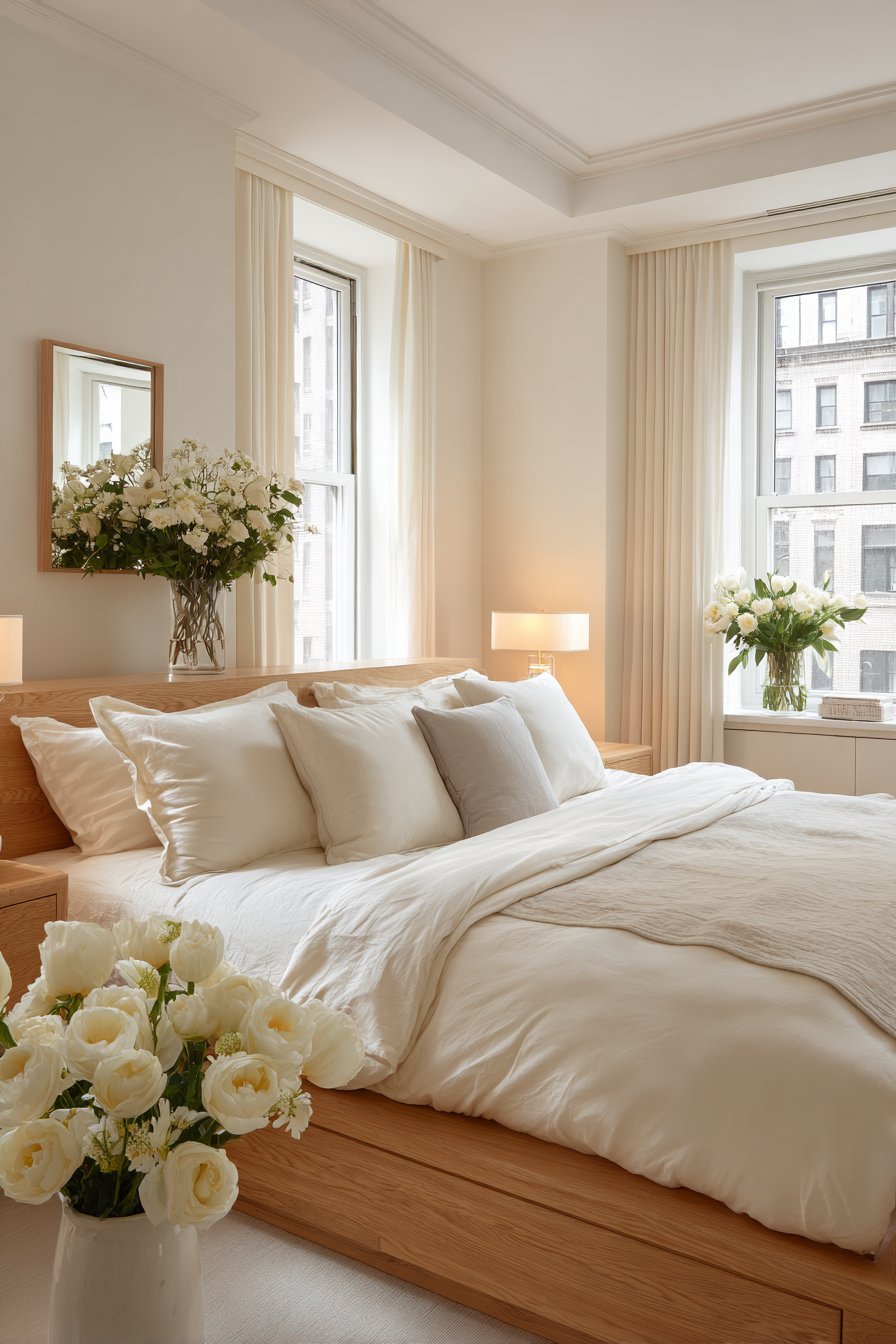
Dark, heavy furniture absorbs light and makes spaces feel smaller and gloomier. Switching to light-colored furniture in white, cream, light wood tones, or pale gray reflects light and creates visual airiness. Furniture color has surprising impact on overall room brightness.
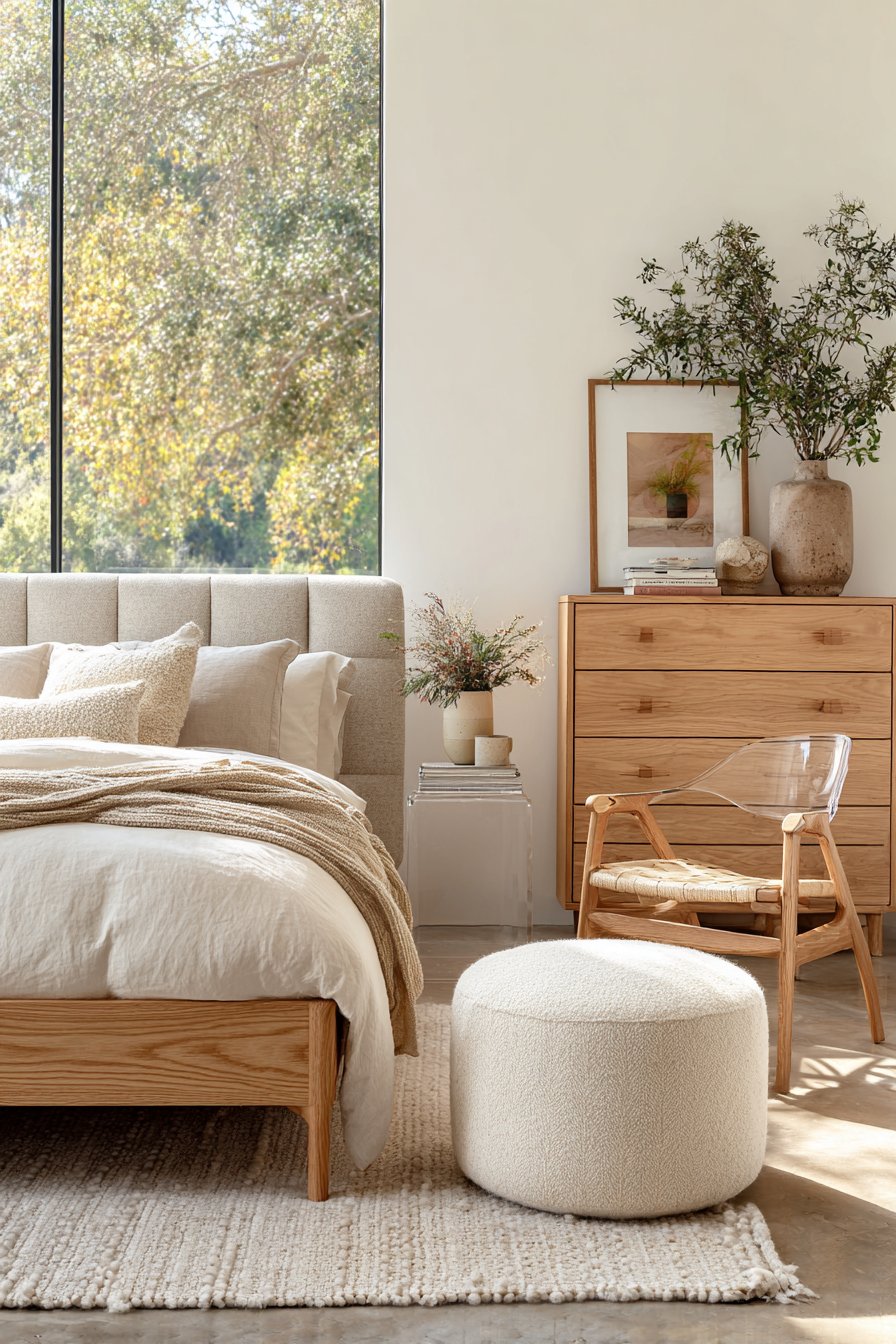
The furniture style matters too—choose pieces with exposed legs rather than solid bases that touch the floor. This allows light to flow underneath, creating the illusion of floating furniture and increased space. Glass-topped tables, acrylic chairs, and furniture with metallic accents all contribute to enhanced light reflection throughout the room.
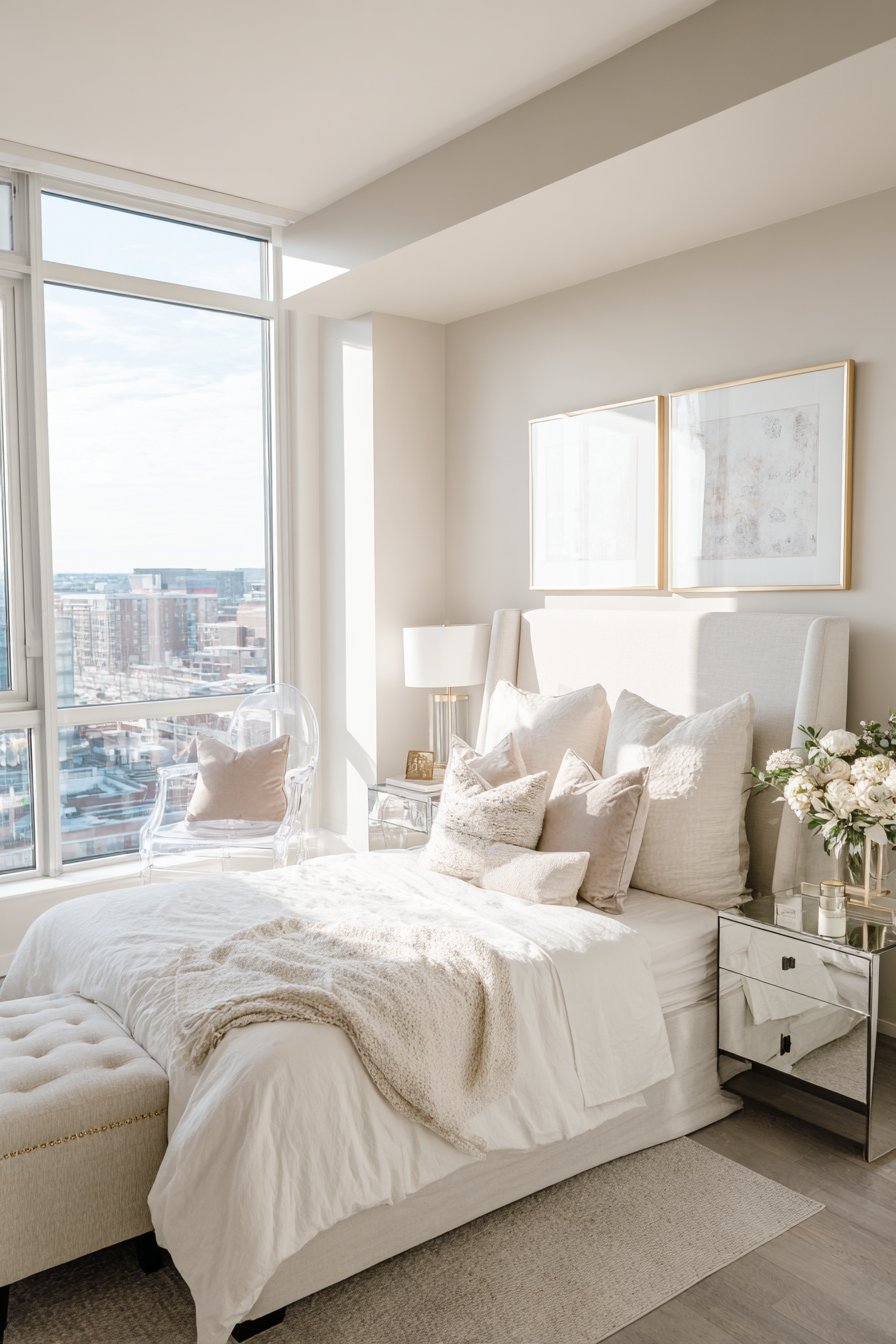
Minimize furniture quantity to reduce light-absorbing surfaces. Each additional piece creates shadows and blocks light pathways. Embrace multifunctional furniture like storage beds or ottomans that serve multiple purposes without cluttering the space. The principle of “less is more” applies perfectly when maximizing brightness in challenging spaces.
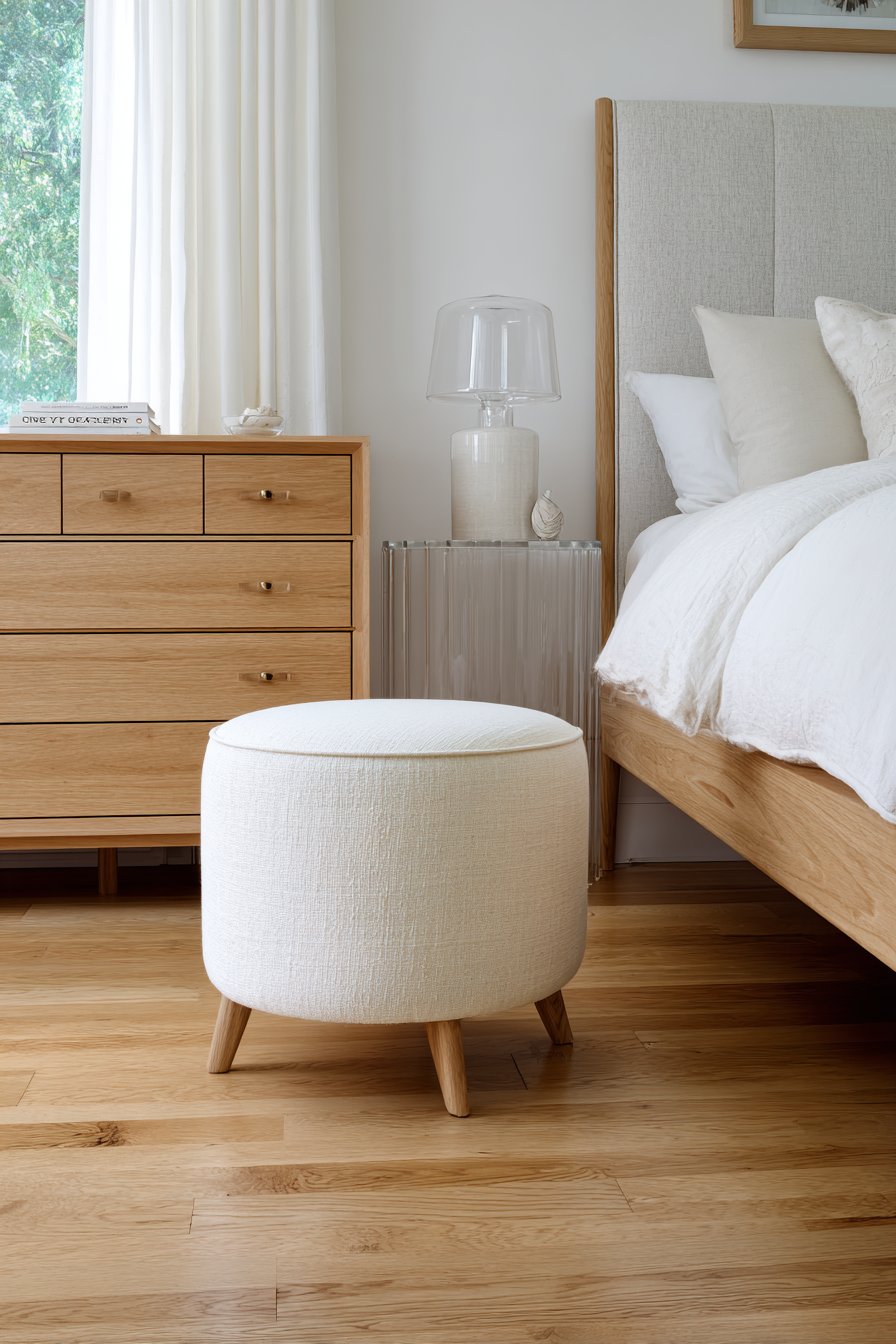
- Select bed frames in white, natural wood, or upholstered in light fabrics
- Choose furniture with slim profiles and elevated legs
- Replace dark wood pieces with painted or whitewashed alternatives
- Use lucite or glass accent tables instead of solid wood
- Limit furniture to essential pieces only to maximize open floor space
- Arrange furniture to avoid blocking windows or light pathways
6. Incorporate Strategic Decor and Accessories
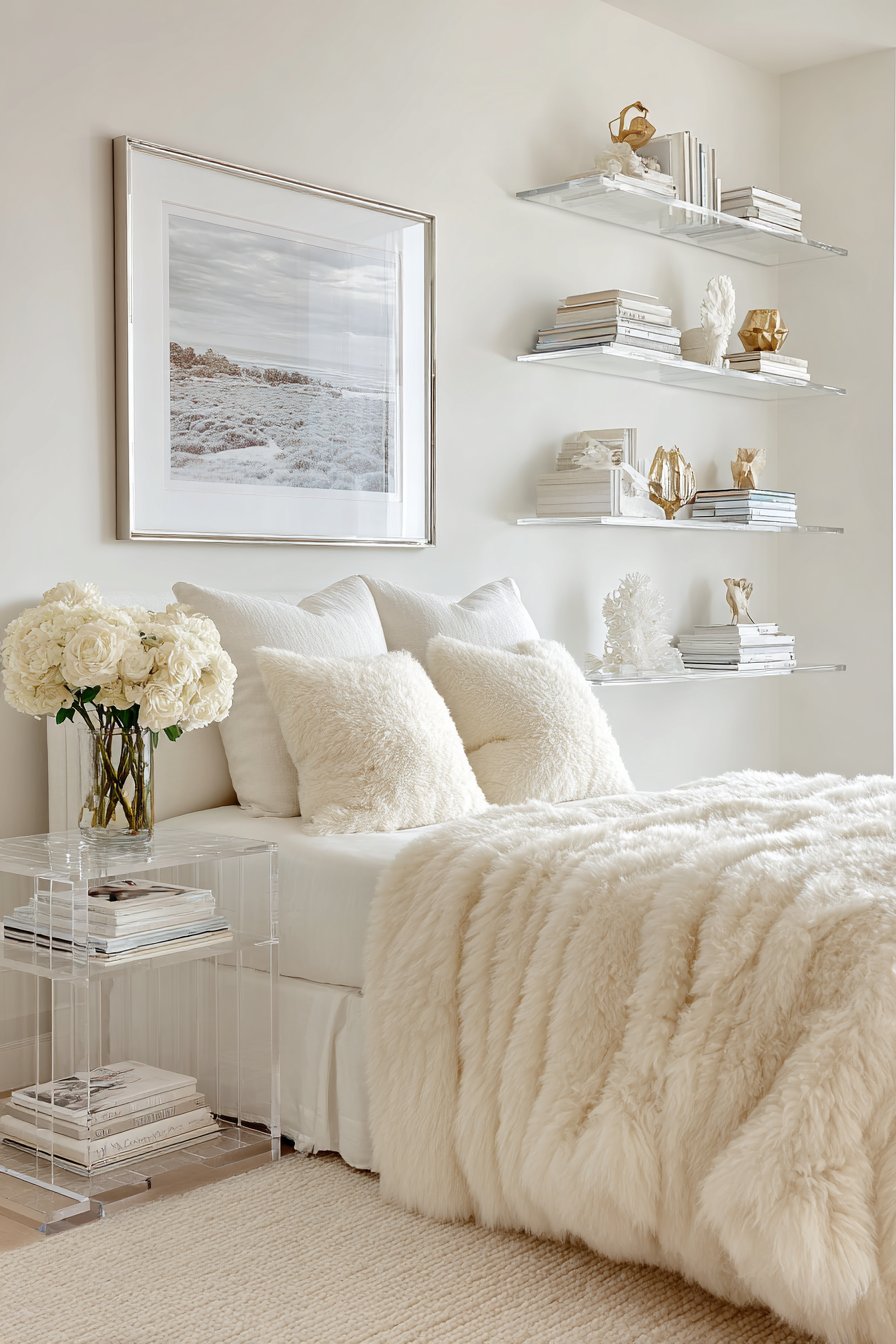
The final layer of brightness comes from thoughtful accessory selection. Light-colored bedding in white, cream, or pale pastels reflects light and creates a fresh, clean atmosphere. Avoid dark or heavily patterned bedspreads that absorb light and create visual heaviness.
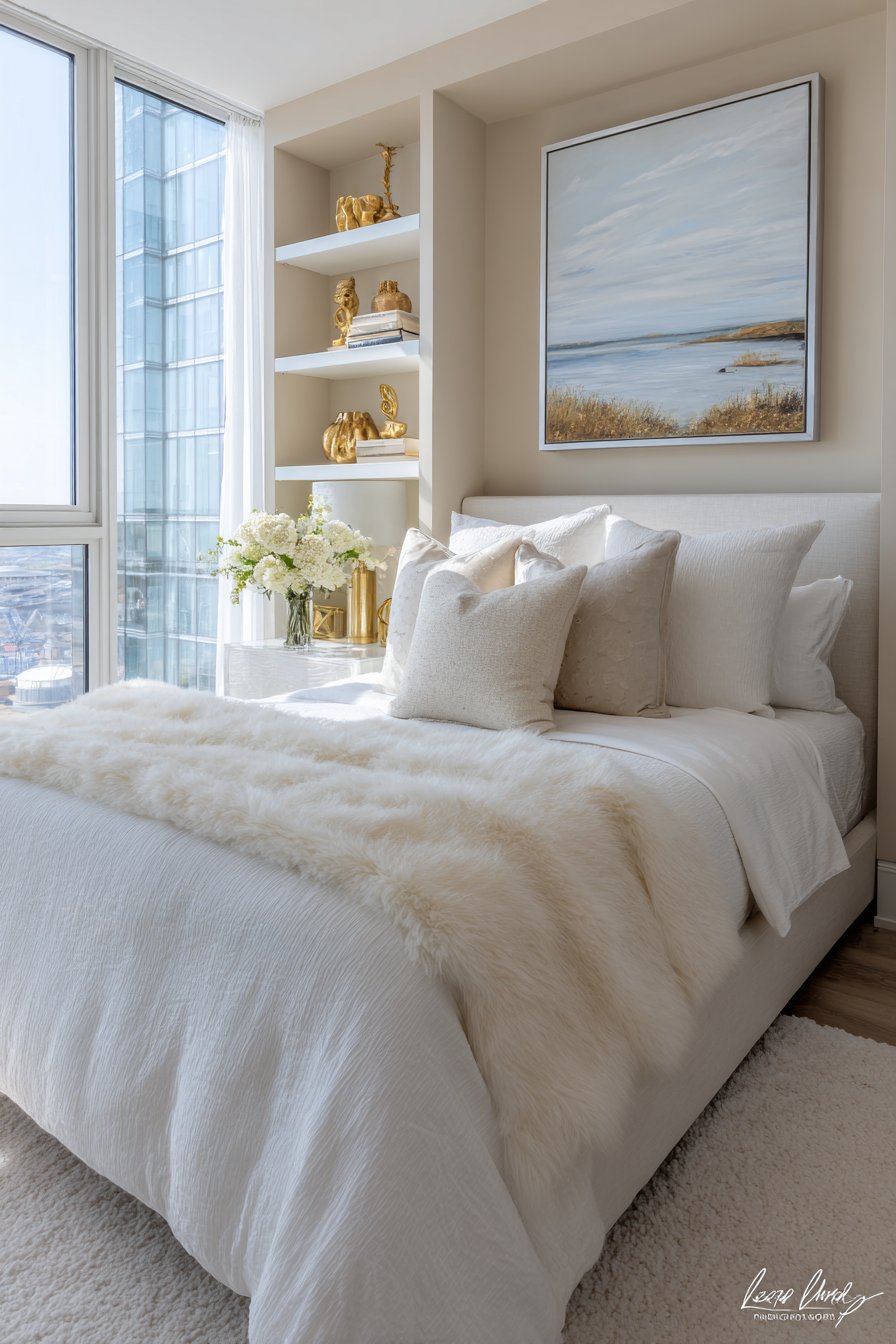
Wall art with light colors or metallic frames adds brightness rather than darkness. Choose pieces featuring bright subjects—landscapes with sky, beach scenes, or abstract art in light tones. Avoid large dark paintings or photographs that create black holes on walls. Keep frames simple in white, gold, or silver finishes.
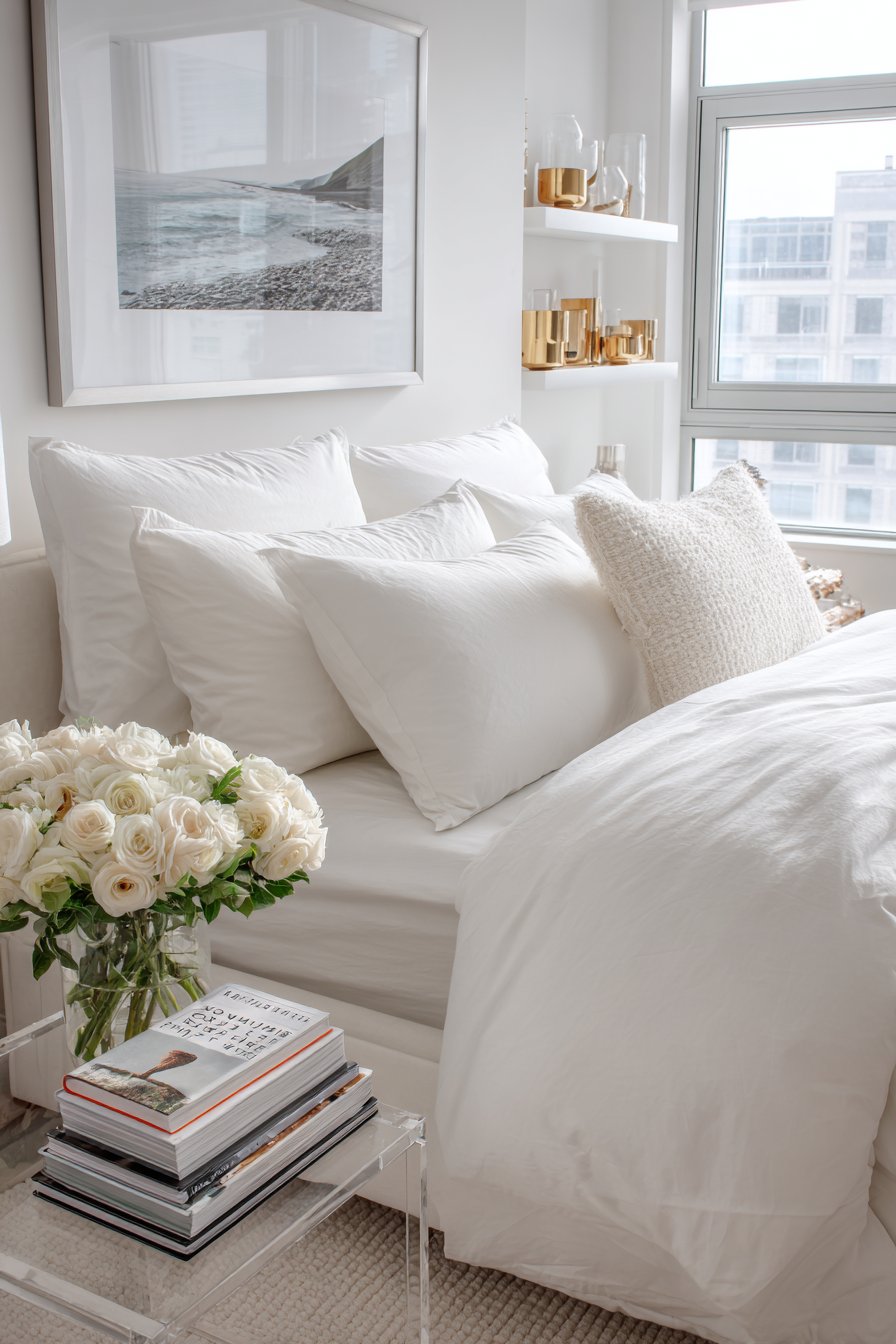
Fresh flowers, plants in white planters, and light-colored decorative objects continue the brightness theme. Even small touches like white picture frames, light-colored books, and metallic accessories contribute to cumulative brightness. Be selective—every item you add should either reflect light or stay neutral rather than absorbing precious illumination.
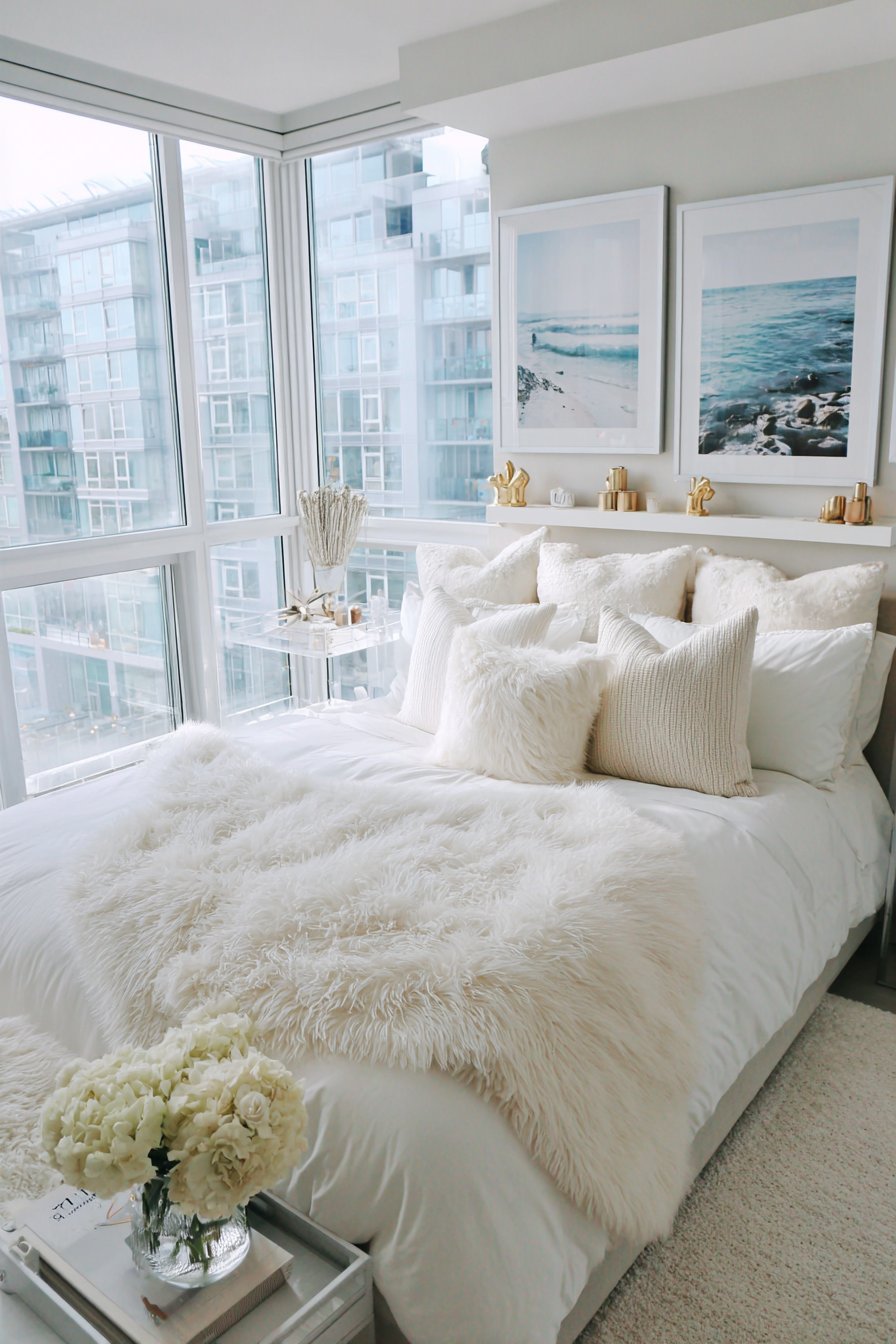
- Use all-white or light neutral bedding and throw pillows
- Display metallic or light-colored decorative objects on surfaces
- Choose light-colored area rugs in cream, beige, or pale gray
- Hang artwork with white mats and light-colored frames
- Use glass or clear acrylic decorative items instead of dark ceramics
- Keep surfaces relatively clear to maximize light reflection
Conclusion
Transforming a dark bedroom into a bright, inviting sanctuary requires combining multiple strategies for maximum impact. By implementing light-reflecting colors, strategic mirror placement, appropriate window treatments, layered lighting, light furniture choices, and thoughtful accessories, you can dramatically improve your bedroom’s brightness regardless of natural light limitations.
Start with one or two changes and gradually incorporate additional techniques as budget and time allow. The cumulative effect of these design strategies creates spaces that feel larger, more welcoming, and genuinely energizing. Your bedroom should be a place of rest and rejuvenation—and proper brightness plays a crucial role in achieving that goal. Embrace these approaches and watch your dark bedroom transform into the bright retreat you deserve.
