


Modern living often disconnects us from the natural world, confining us within concrete walls and artificial environments. Yet our innate need to connect with nature remains deeply embedded in our psyche. This is where biophilic design emerges as a transformative approach to interior spaces.
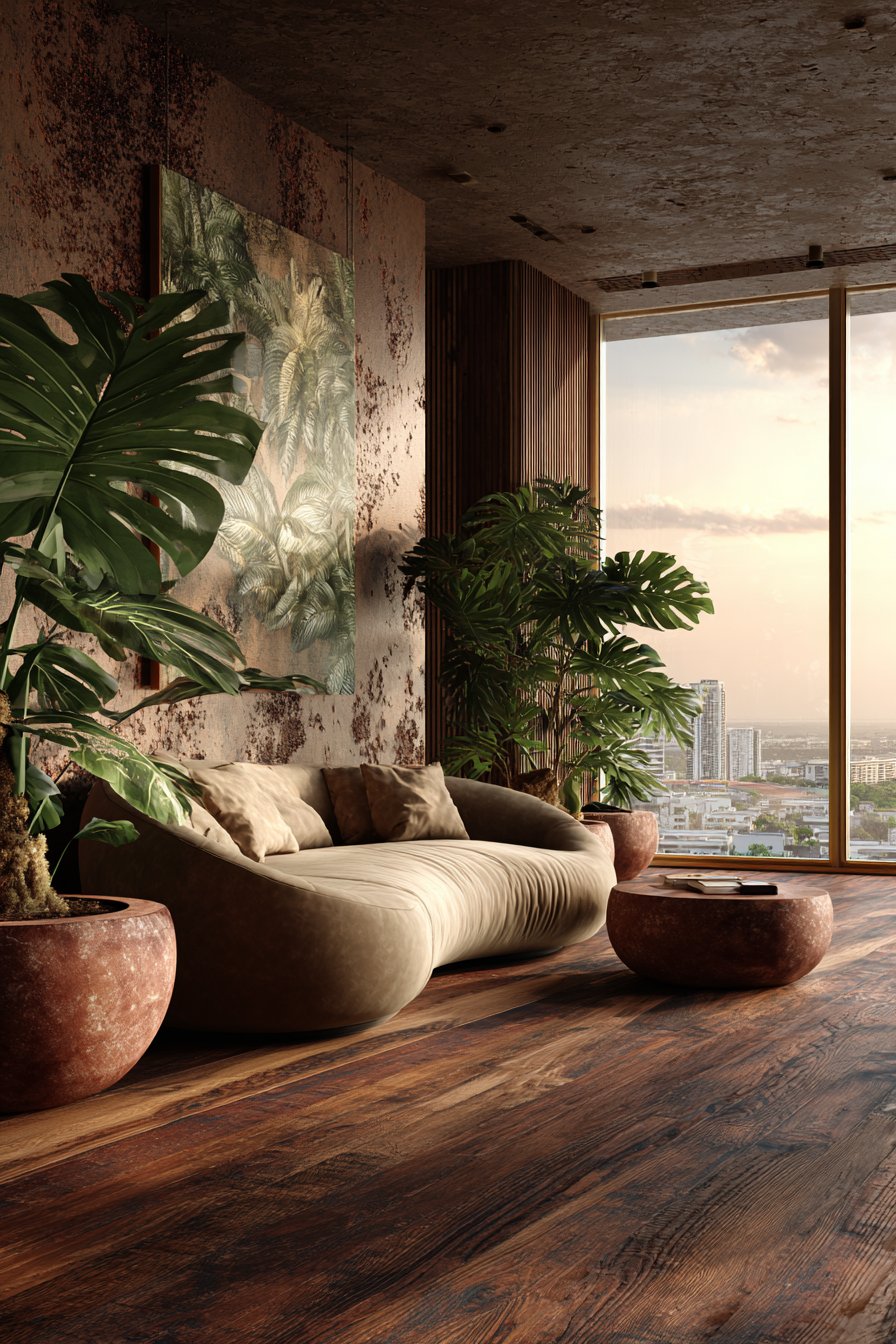
Biophilic design represents more than just adding houseplants to your living room. It’s a comprehensive philosophy that integrates natural elements into built environments, fostering wellness, productivity, and emotional balance. Research consistently shows that spaces incorporating nature-inspired elements reduce stress levels and enhance cognitive function. This design approach appeals to anyone seeking to create healthier, more harmonious living spaces.
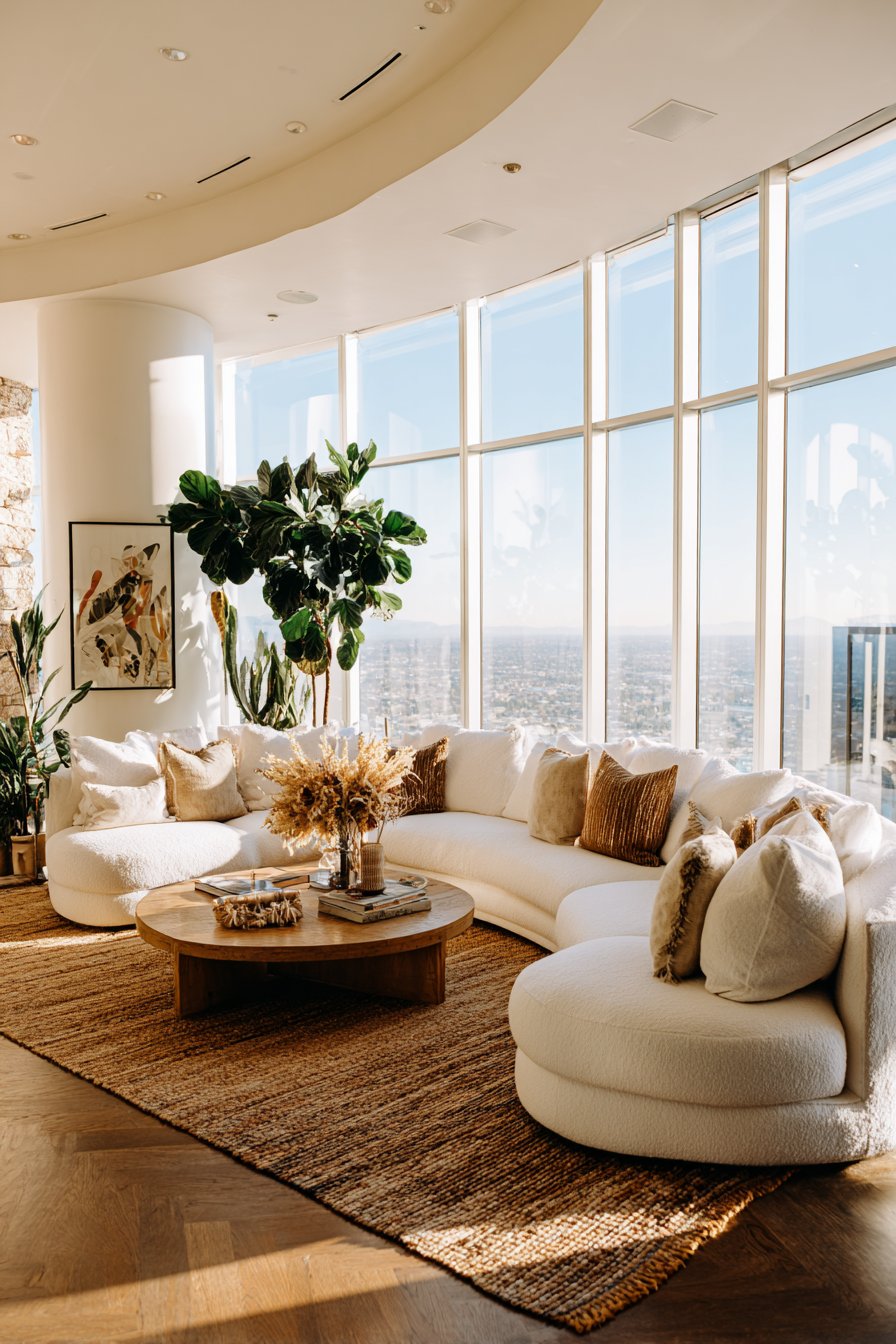
Throughout this article, we’ll explore six fundamental aspects of bringing nature indoors. From incorporating living greenery to maximizing natural light, each concept offers practical strategies for transforming your home. Whether you’re redesigning a single room or reimagining your entire living space, these principles will guide you toward creating environments that nurture both body and mind.
1. Living Plants as Design Anchors
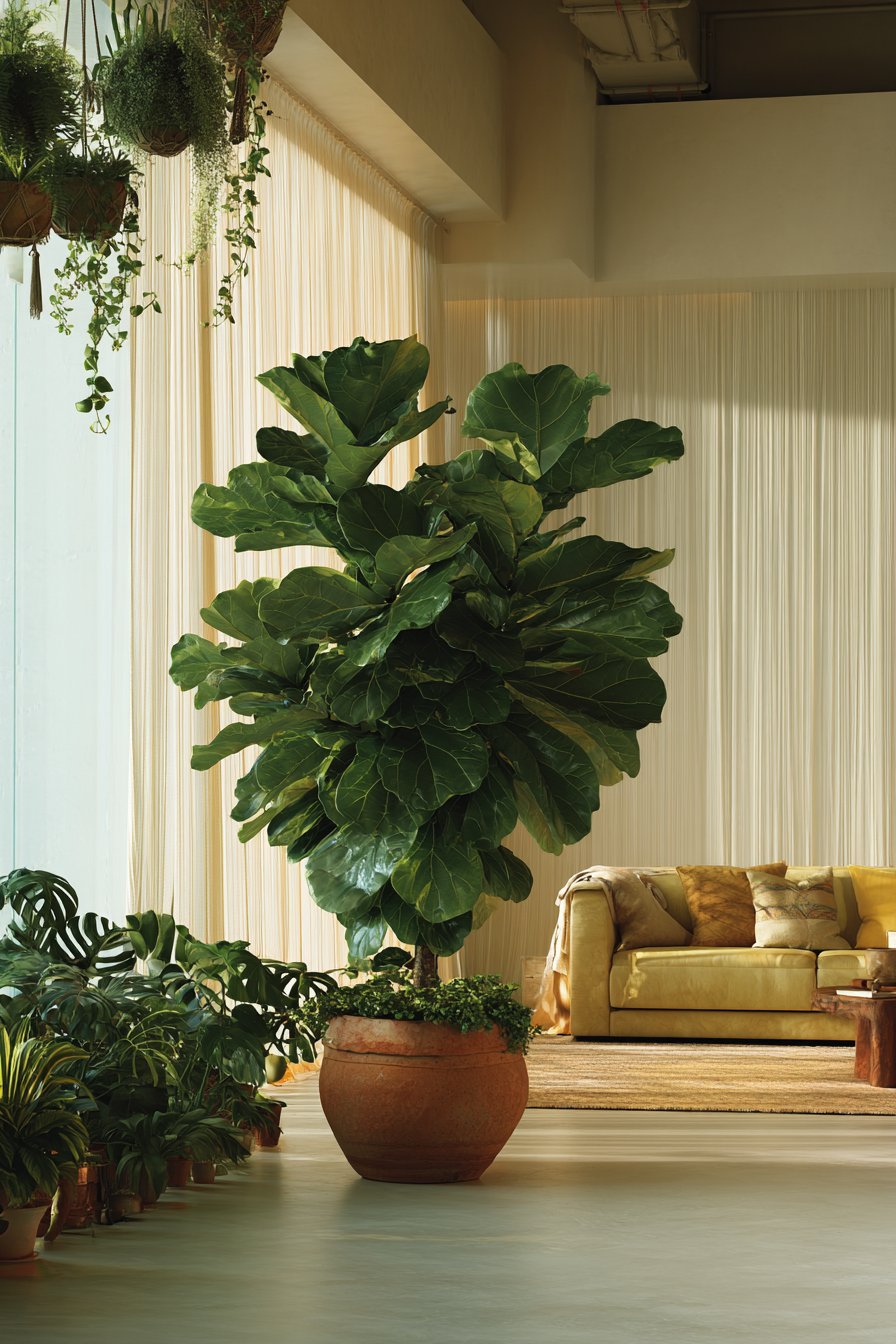
Plants serve as the most obvious yet profoundly impactful element of biophilic interiors. They purify indoor air, regulate humidity, and create visual focal points that draw the eye naturally. Beyond aesthetics, living greenery establishes a dynamic quality that evolves with seasons and care. The presence of thriving plant life transforms static spaces into living, breathing environments.
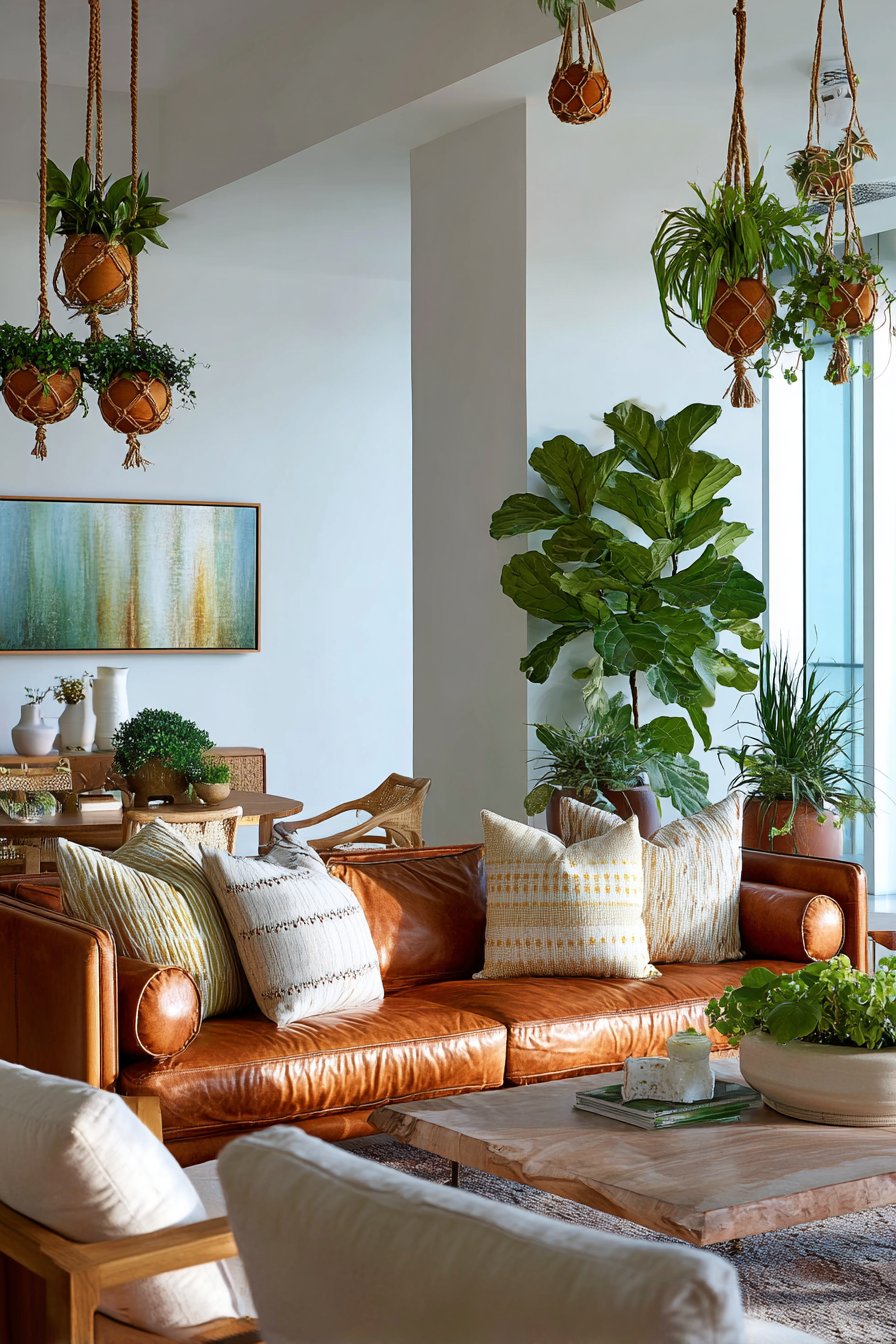
Strategic plant placement amplifies their benefits throughout your home. Large statement plants like fiddle leaf figs or monstera deliciosa create dramatic vertical interest in empty corners. Mid-sized plants work beautifully on shelving units, side tables, and windowsills, adding layers of texture. The key is selecting varieties that match your home’s light conditions and your maintenance capacity.
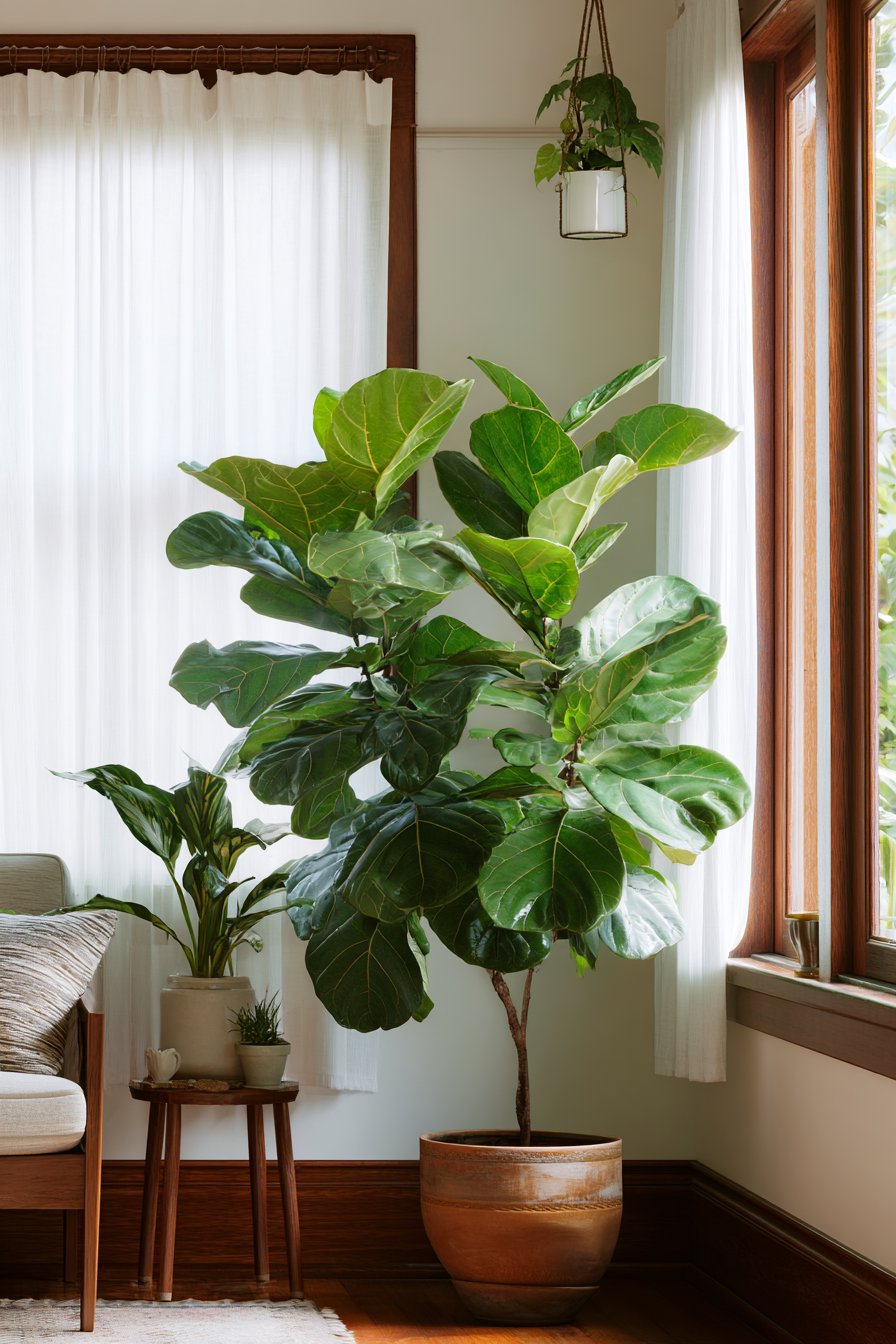
Different rooms call for different plant strategies based on function and environment. Bathrooms benefit from humidity-loving ferns and pothos varieties that thrive in moisture-rich conditions. Bedrooms become serene sanctuaries with air-purifying snake plants or peace lilies positioned near sleeping areas. Kitchen herb gardens provide both visual appeal and culinary functionality, engaging multiple senses simultaneously.
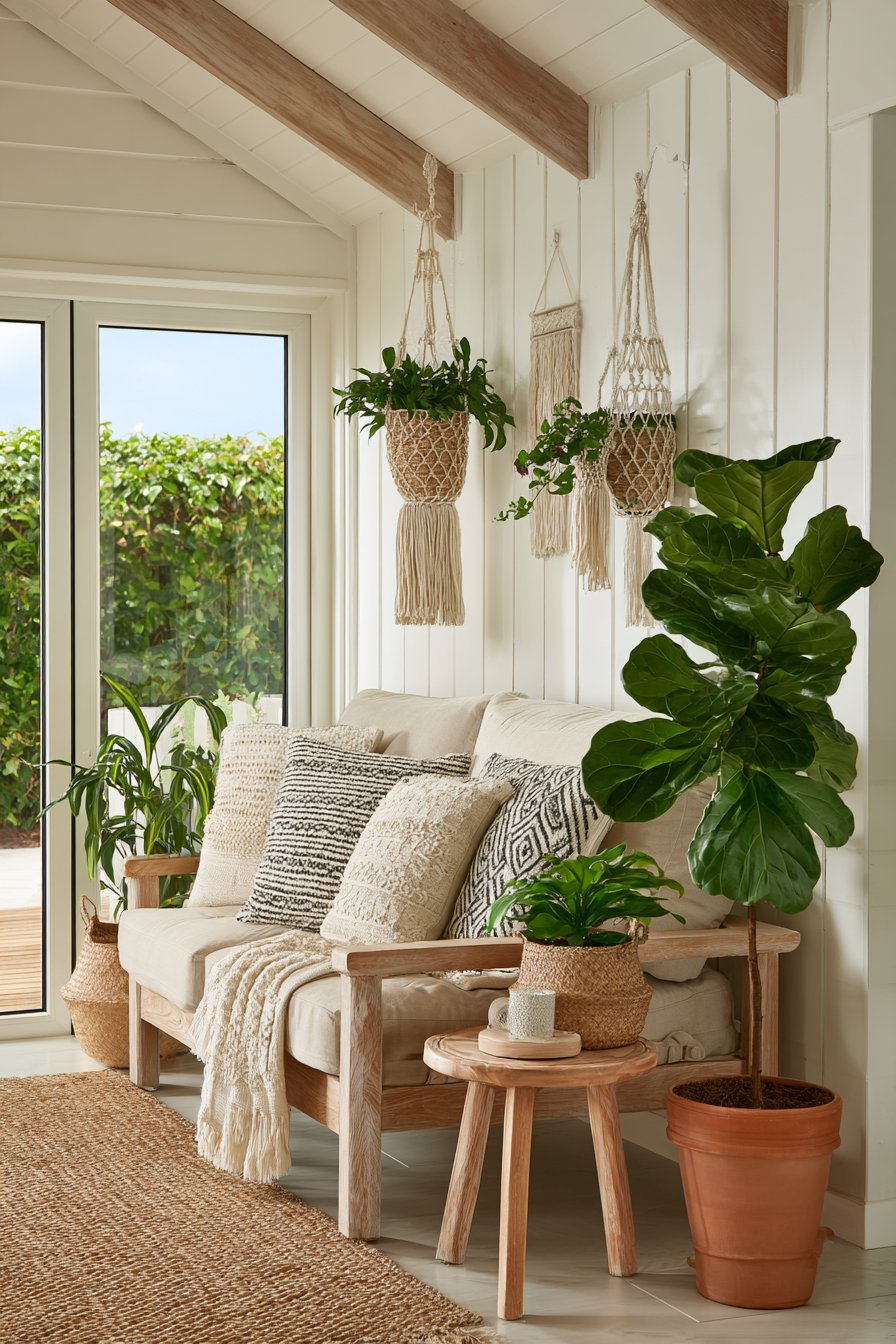
- Choose low-maintenance varieties like pothos or snake plants for beginners
- Group plants in odd numbers for more natural, visually pleasing arrangements
- Use varied pot heights and textures to create depth and dimension
- Research light requirements before purchasing to ensure plant survival
- Consider hanging planters to maximize vertical space in smaller rooms
- Rotate plants periodically to ensure even growth and prevent lopsided development
2. Natural Light Optimization
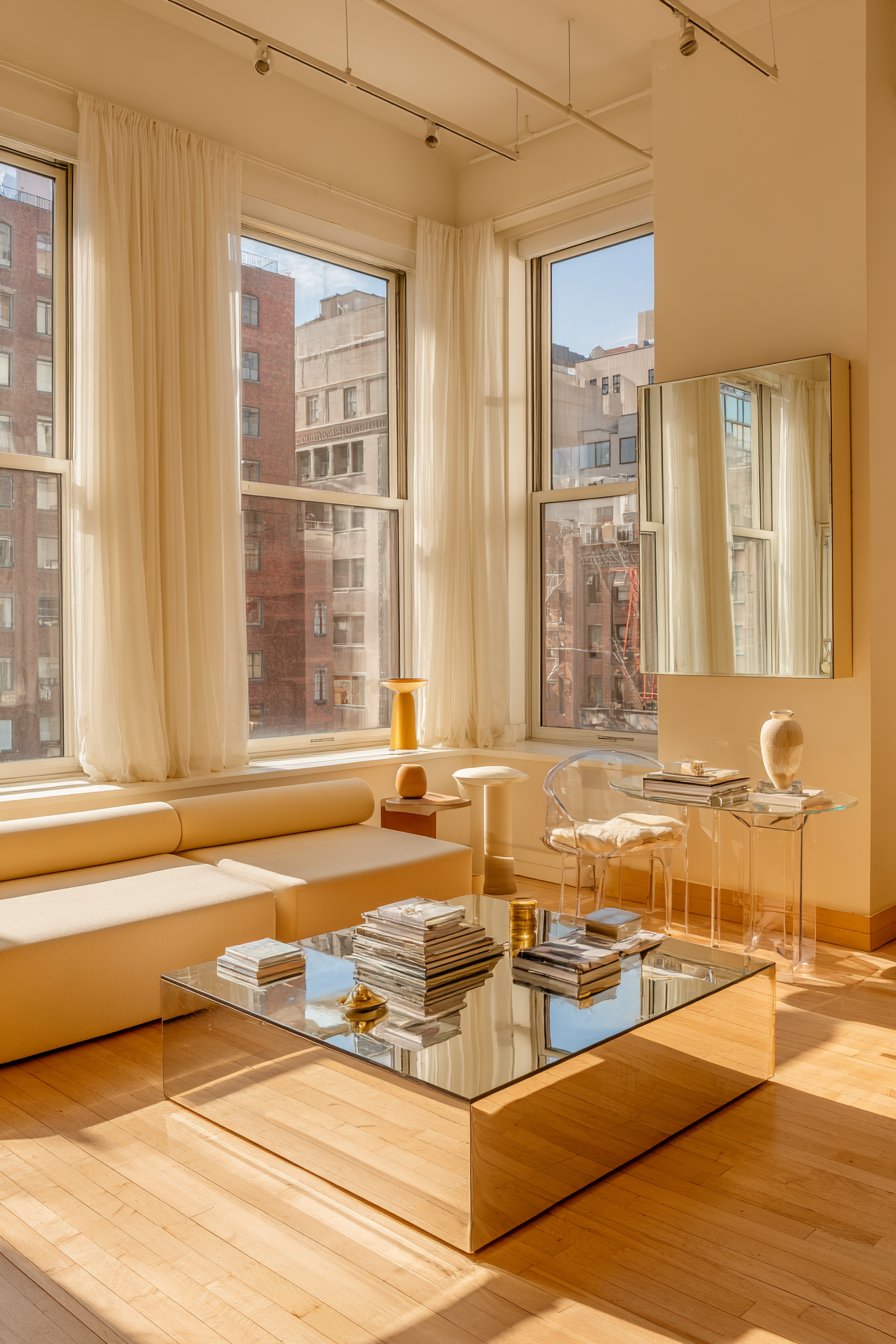
Sunlight remains the most powerful connection to the natural world within our homes. Maximizing natural light affects our circadian rhythms, mood regulation, and overall energy levels throughout the day. Spaces flooded with daylight feel more spacious, welcoming, and alive compared to artificially lit environments. The quality and quantity of natural light fundamentally shapes how we experience indoor spaces.
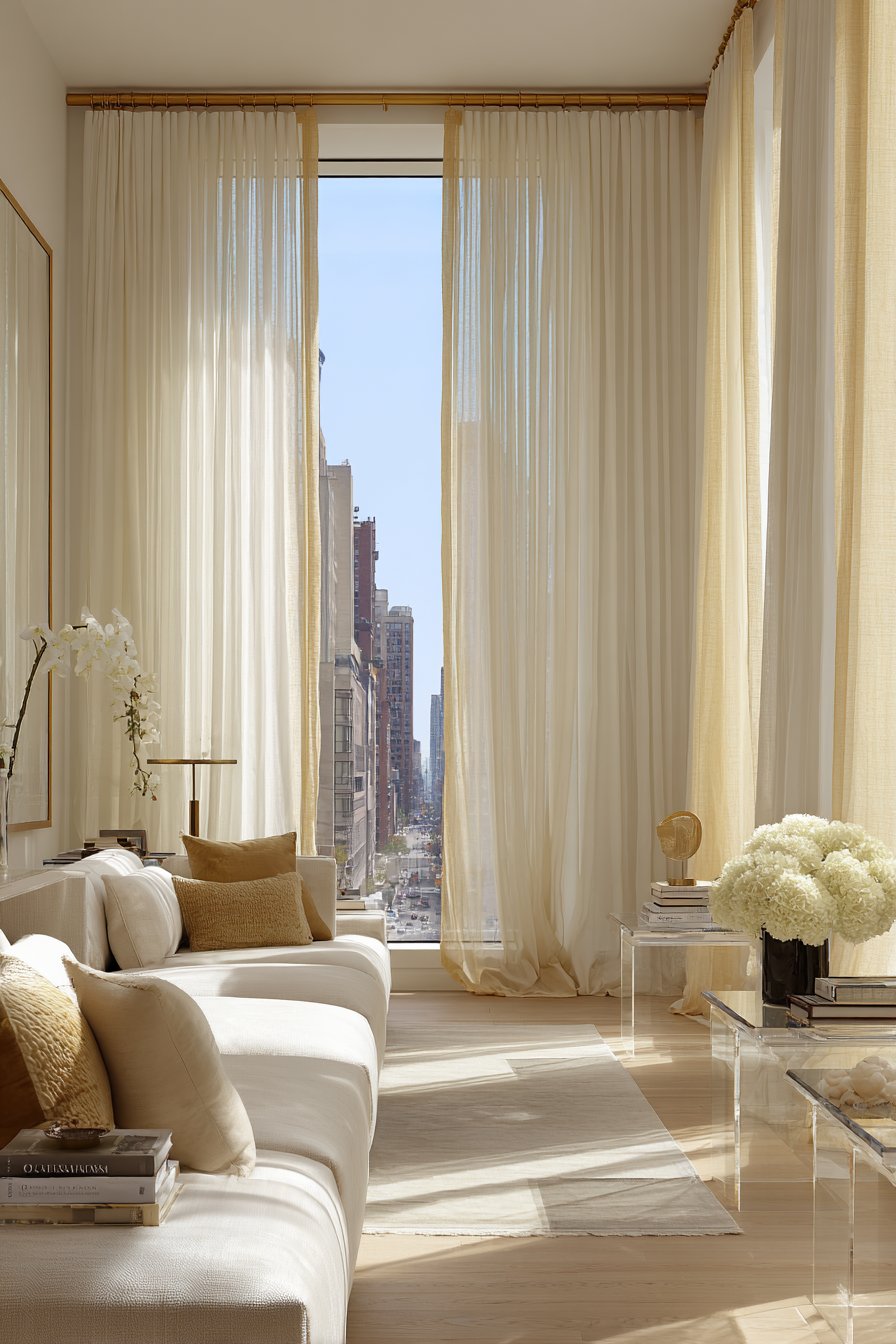
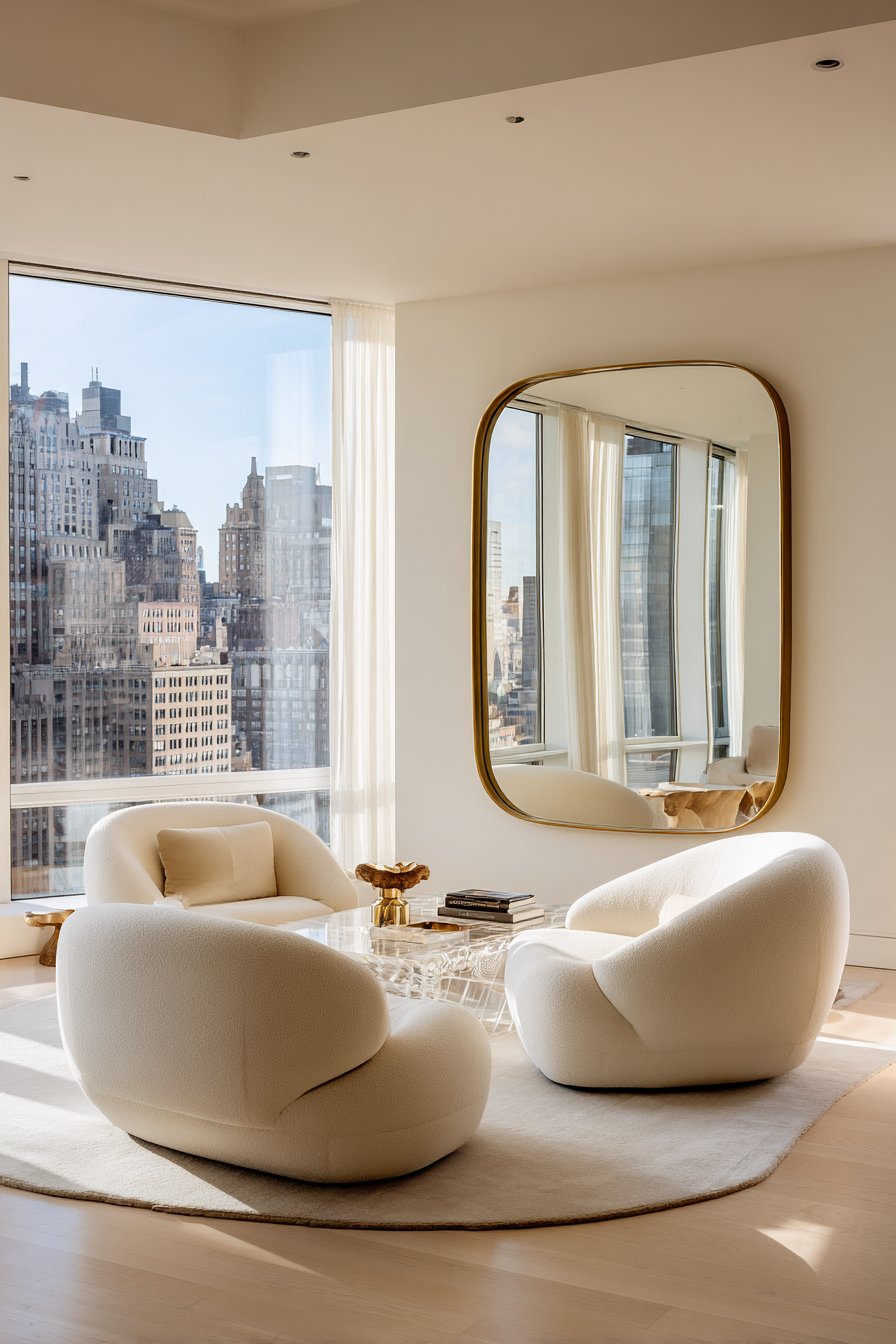
Window treatments play a crucial role in controlling and distributing natural illumination. Replace heavy drapes with sheer curtains or light-filtering blinds that maintain privacy while allowing sunlight penetration. Strategic mirror placement opposite windows doubles the impact of available light, bouncing it deeper into rooms. Light-colored walls and reflective surfaces amplify this effect, creating brighter, more open atmospheres.
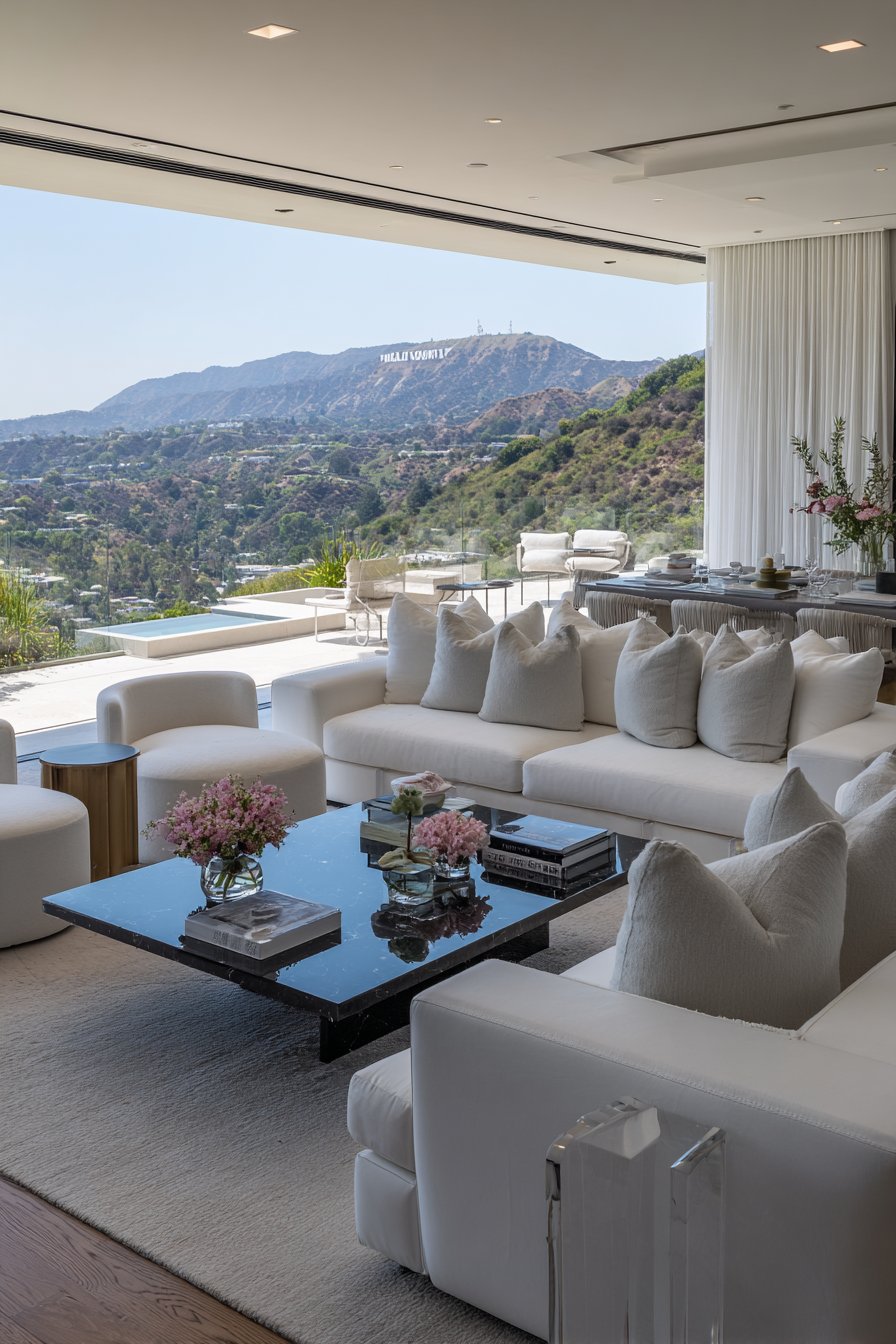
Architectural modifications, though more involved, dramatically transform light dynamics in your home. Consider installing skylights or solar tubes in darker areas like hallways or interior bathrooms. Glass doors between rooms maintain visual connectivity while preserving individual space definition. Even removing or replacing solid cabinet doors with glass-fronted alternatives introduces lightness into kitchen designs.
- Clean windows regularly to maximize light transmission through glass
- Paint walls in light, reflective colors like soft whites or pale neutrals
- Position mirrors strategically across from windows to bounce light around
- Remove heavy furniture blocking window access and natural light flow
- Install light-colored flooring materials that reflect rather than absorb light
- Use glass or lucite furniture pieces that don’t obstruct light pathways
3. Natural Materials and Textures
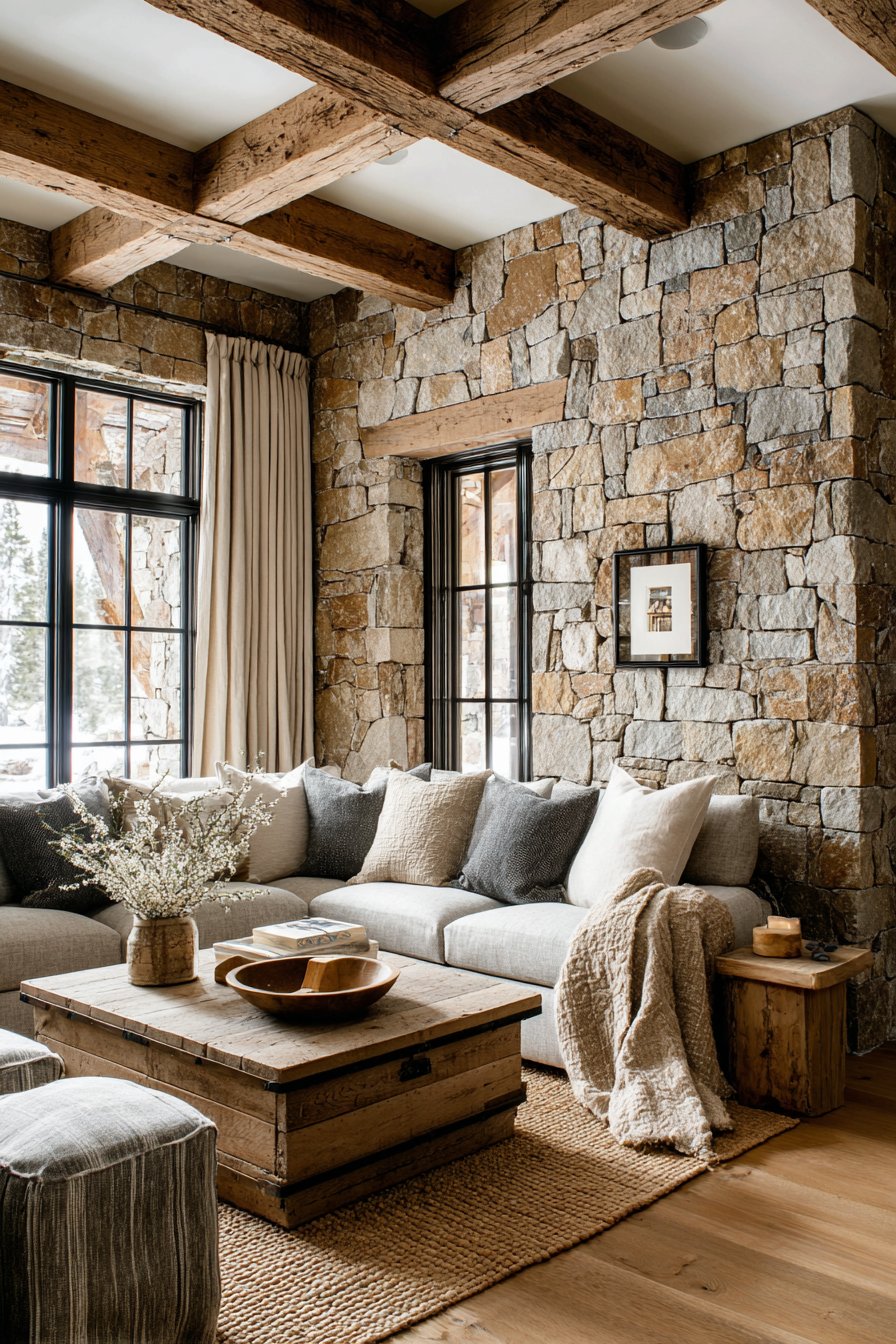
Incorporating organic materials creates tactile connections to the natural world that synthetic alternatives cannot replicate. Wood, stone, bamboo, and natural fibers engage our senses in ways that feel instinctively comforting. These materials age gracefully, developing character and patina that tell stories over time. The authenticity of genuine natural materials provides depth and warmth that elevates any interior.
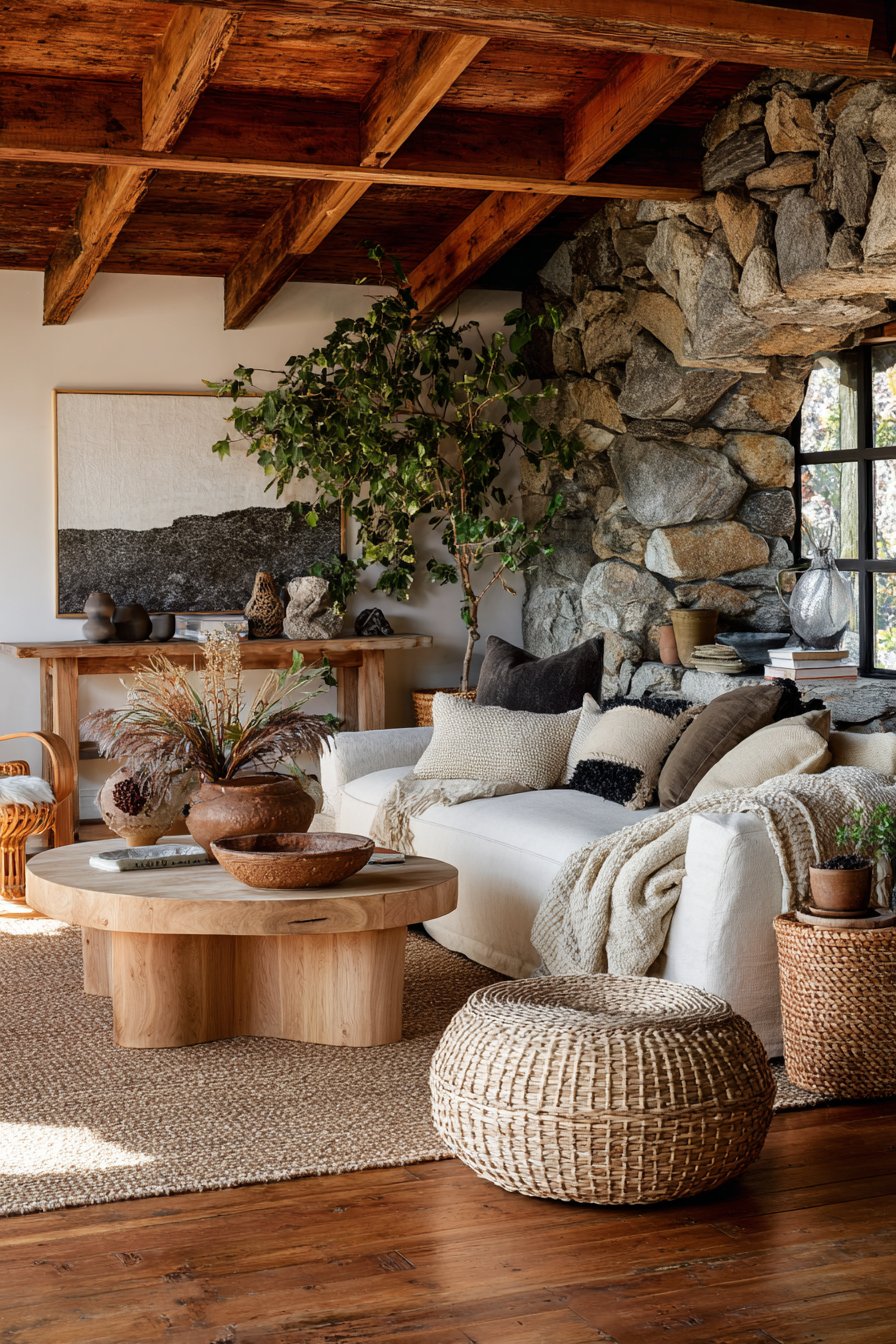
Wood introduces unparalleled versatility across design styles, from rustic farmhouse to modern minimalist aesthetics. Exposed wooden beams create architectural interest and visual warmth in living spaces. Hardwood flooring provides timeless appeal while offering durability for high-traffic areas. Even smaller touches like wooden cutting boards, bowls, or picture frames contribute to the overall biophilic effect.
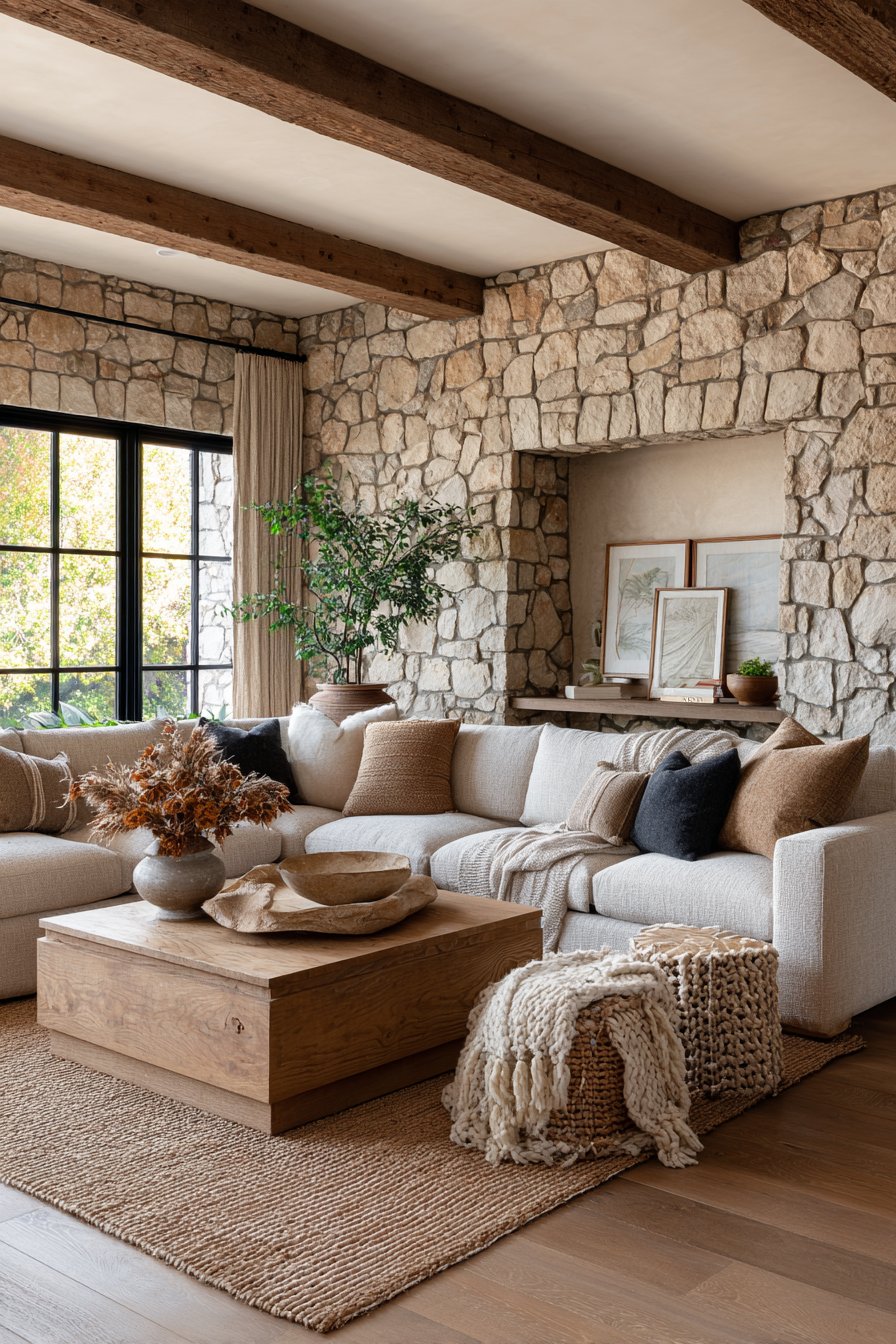
Stone and natural fibers add complementary textures that complete nature-inspired interiors. Incorporate stone elements through countertops, backsplashes, or decorative accent walls that showcase natural variation. Jute rugs, linen curtains, and cotton throws introduce soft, breathable textures throughout living spaces. These materials regulate temperature naturally, contributing to comfort beyond their visual appeal.
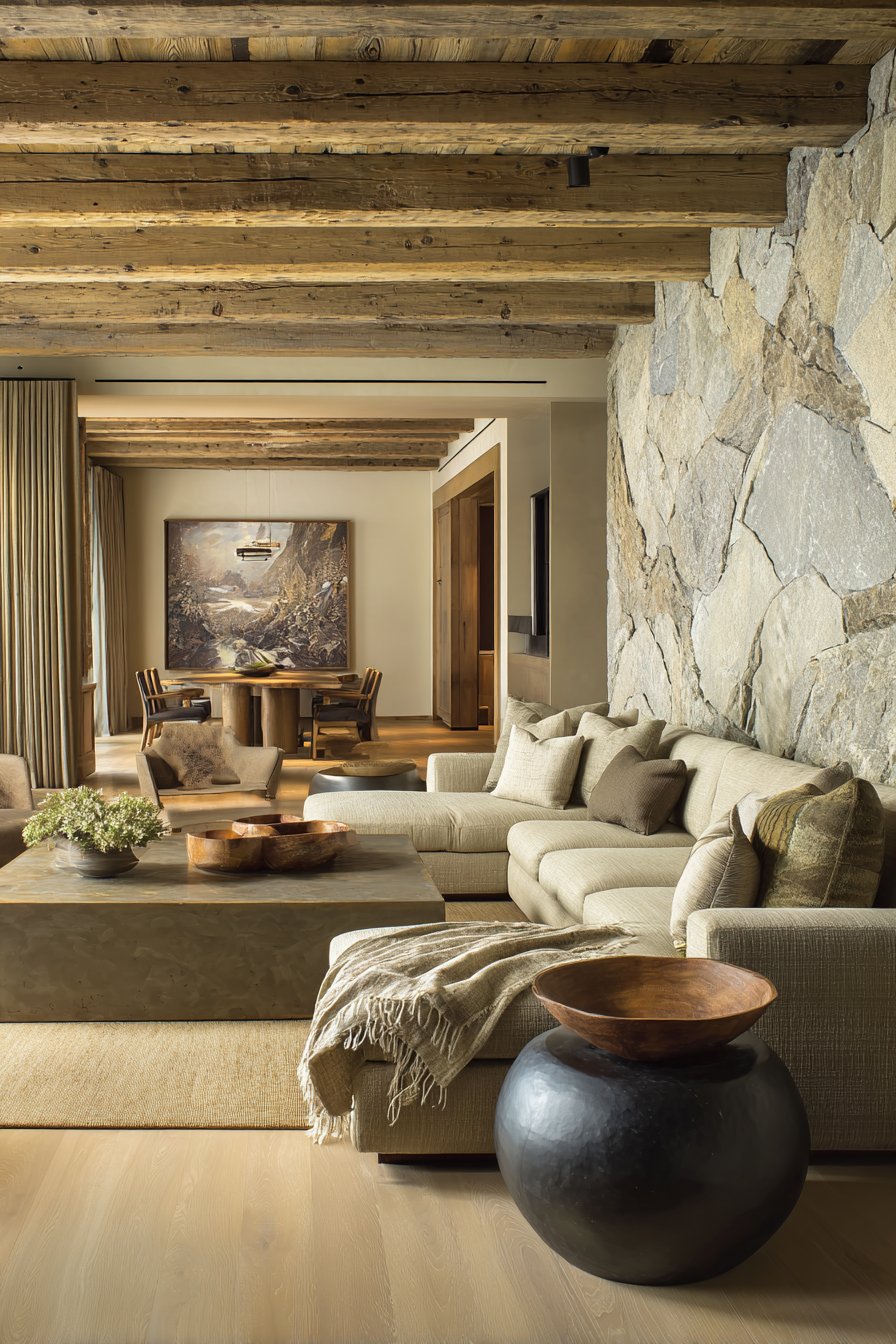
- Source reclaimed wood for sustainable, character-rich furniture and accents
- Mix different wood tones thoughtfully to avoid monotonous appearances
- Incorporate natural stone in bathrooms through vessel sinks or shower surrounds
- Layer natural fiber textiles for depth, warmth, and tactile interest
- Choose furniture with visible wood grain rather than painted finishes
- Balance hard stone surfaces with soft textile elements for comfort
4. Water Features and Elements
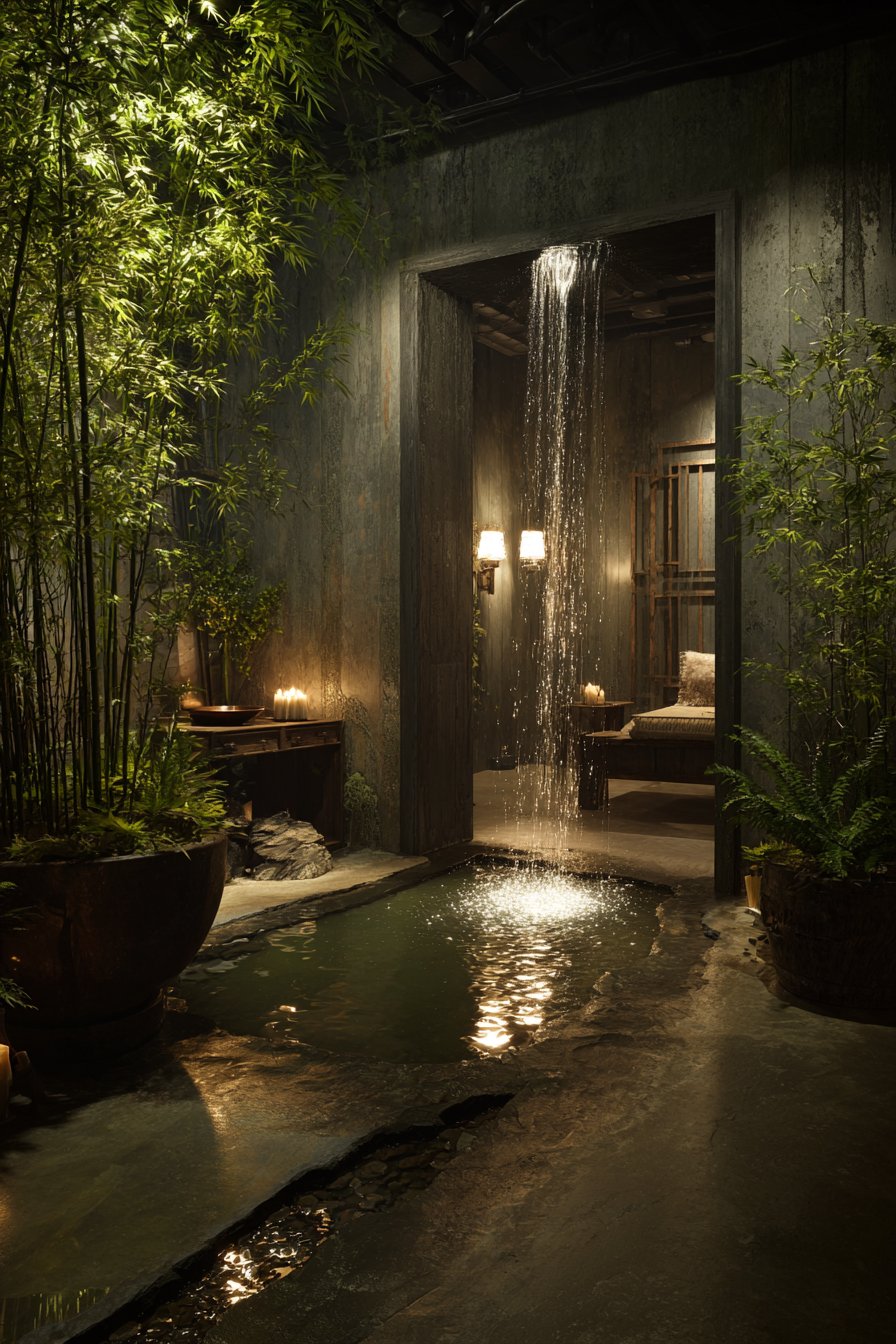
The sound and movement of water creates immediate tranquility in interior environments. Water features engage auditory senses while providing visual interest through reflection and motion. Even small-scale installations produce measurable impacts on stress reduction and mental clarity. The presence of water elements taps into our primordial connections to this life-sustaining resource.
Tabletop fountains offer accessible entry points into incorporating water features at home. These compact designs fit seamlessly on side tables, shelves, or office desks without requiring extensive installation. The gentle trickling sound masks disruptive background noise while creating meditative focal points. Battery-operated or USB-powered options eliminate the need for nearby electrical outlets.
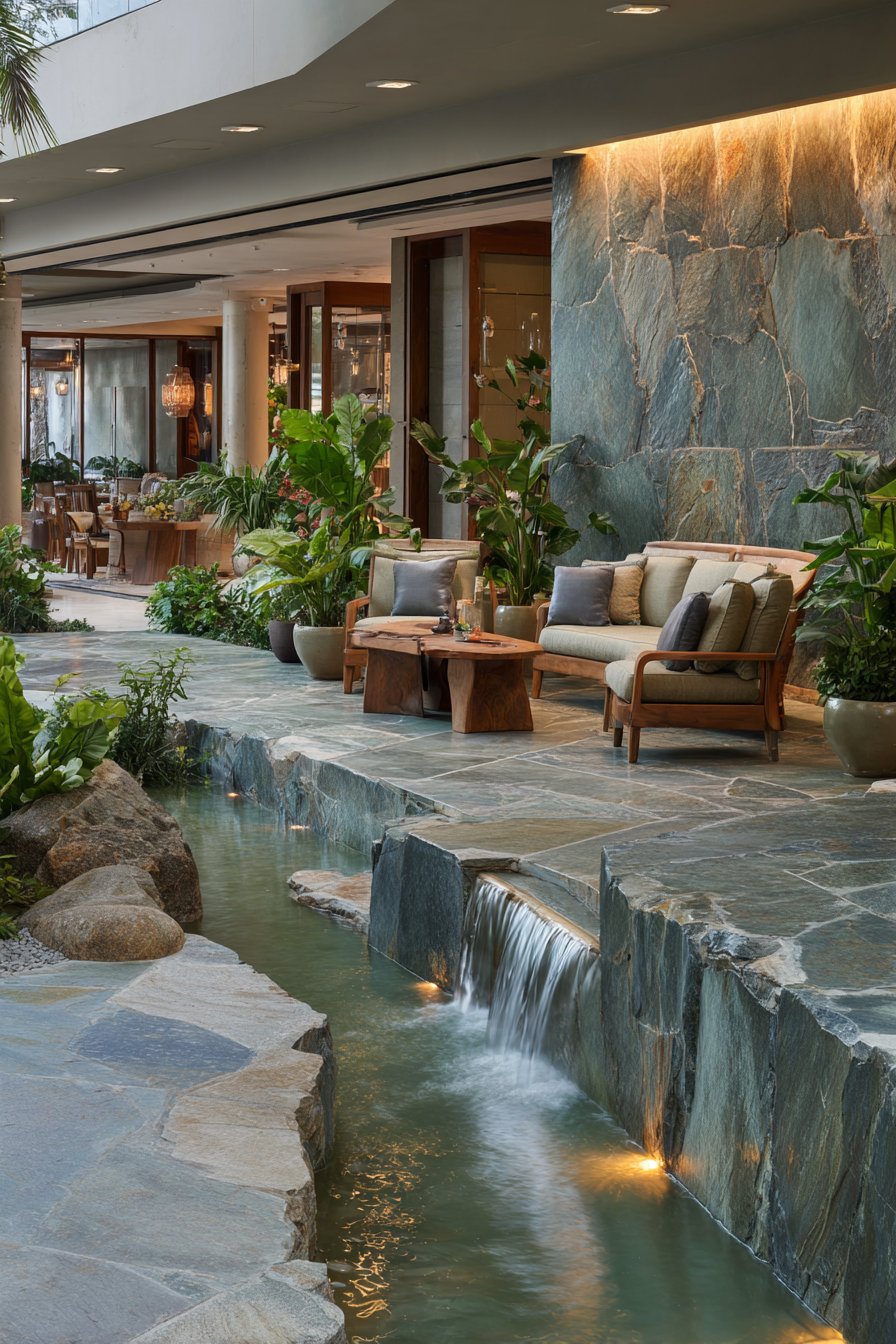
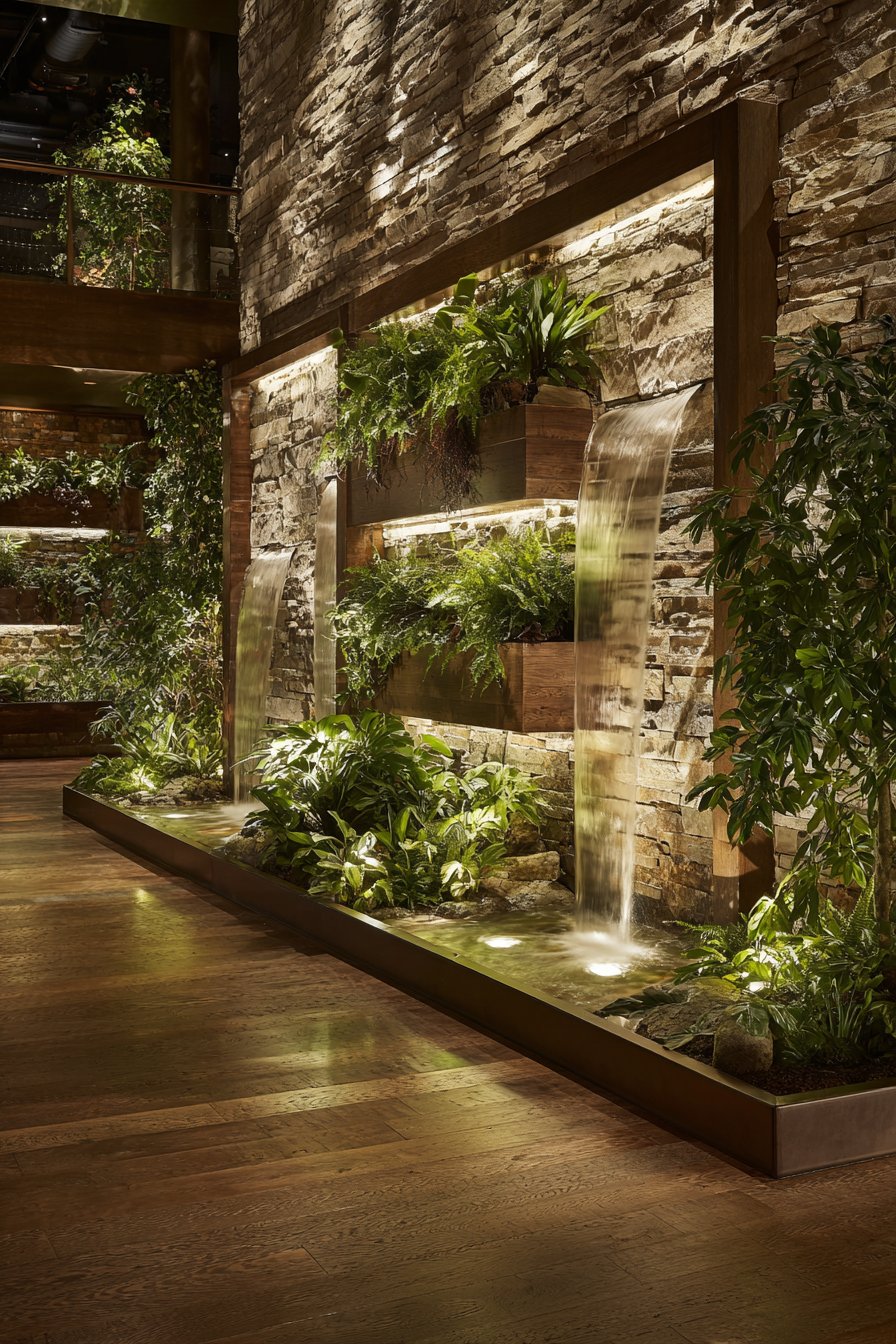
For larger commitments, wall-mounted waterfalls or floor-standing features create stunning architectural statements. Aquariums combine water elements with living organisms, introducing dynamic movement and vibrant colors into rooms. Even simpler approaches like decorative bowls filled with water and floating candles evoke natural water bodies. The key is selecting features that match your space scale and maintenance preferences.
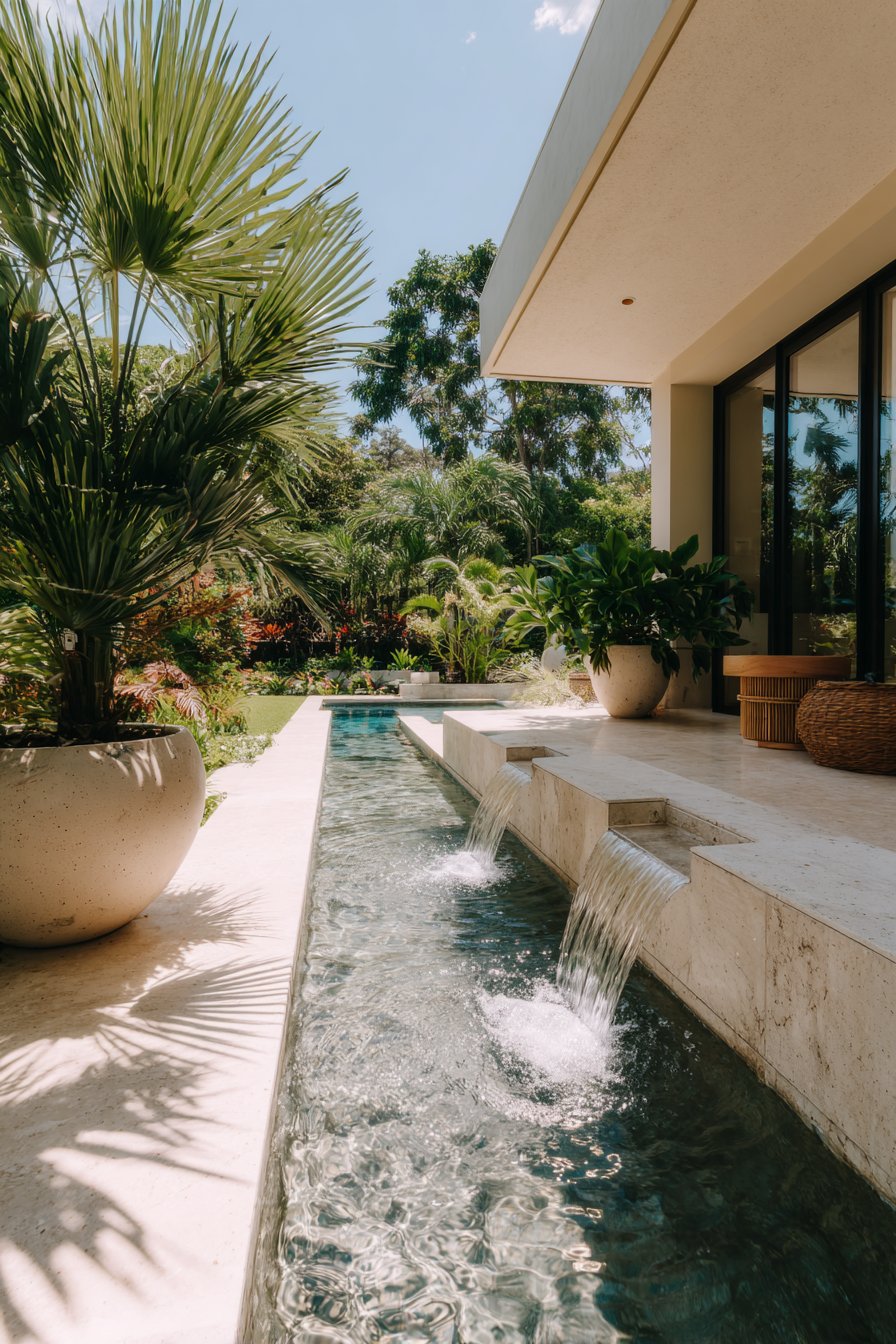
- Start with small, low-maintenance tabletop fountains before larger investments
- Position water features away from electronics to prevent damage from splashing
- Use distilled water to prevent mineral buildup and extend fountain lifespan
- Clean water features regularly to prevent algae growth and maintain clarity
- Consider the sound level carefully to ensure it enhances rather than distracts
- Incorporate live aquatic plants in aquariums for additional biophilic benefits
5. Natural Color Palettes
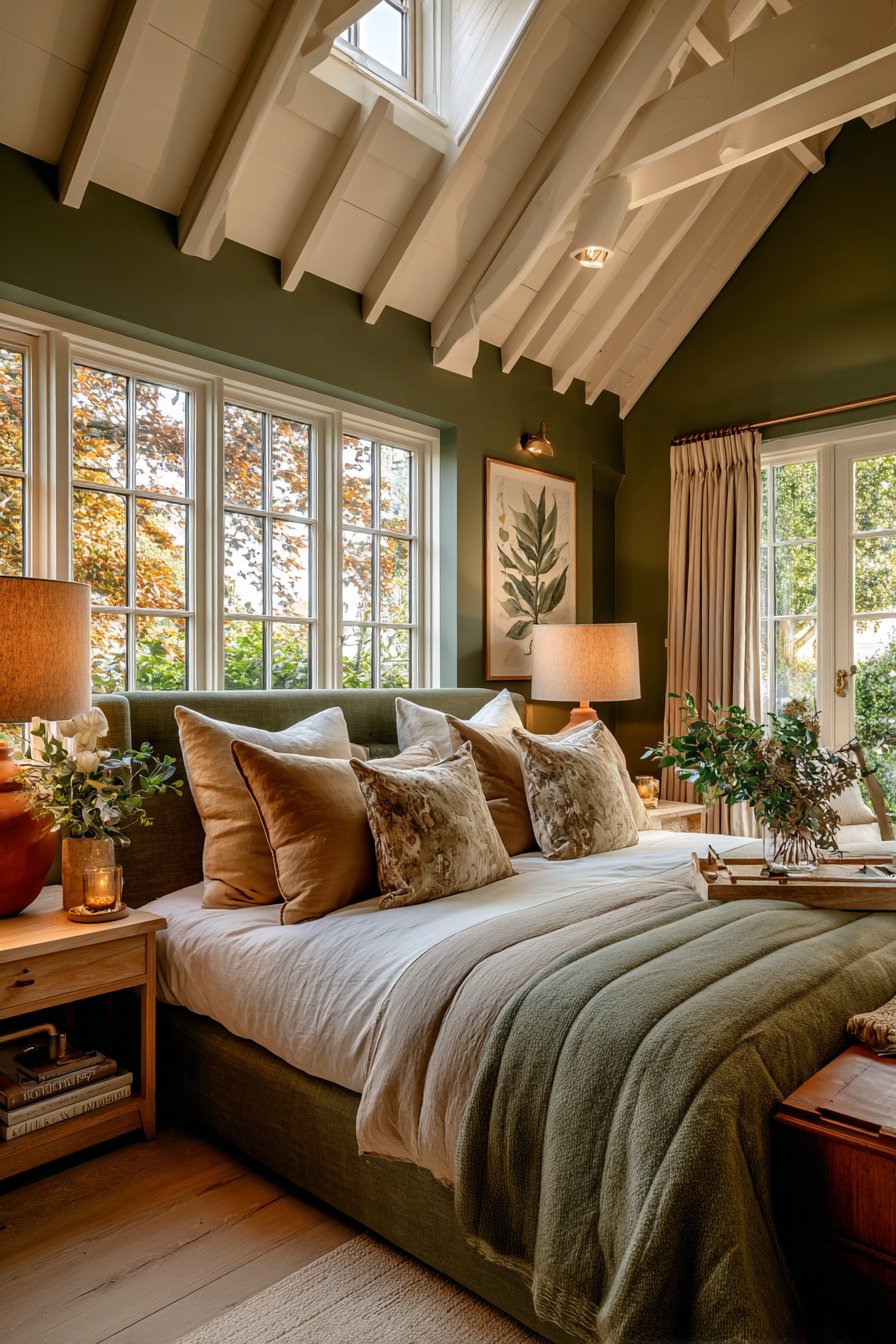
Nature’s color schemes provide endless inspiration for harmonious interior palettes. Earth tones, forest greens, sky blues, and sandy neutrals create cohesive environments that feel inherently balanced. These colors reduce visual stress and promote psychological comfort in ways that vibrant, artificial hues often cannot. Working with nature-inspired colors ensures timeless appeal that transcends fleeting design trends.
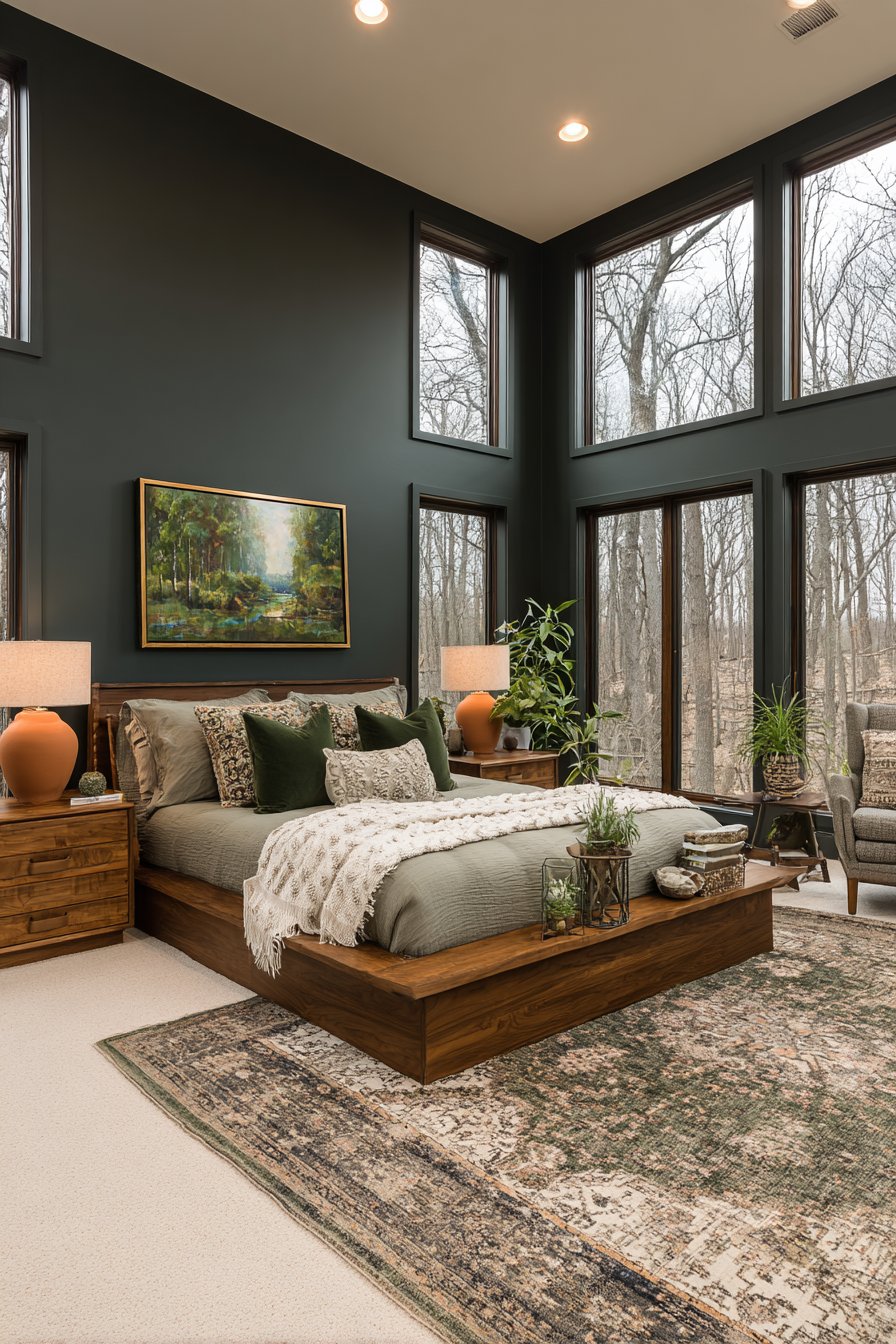
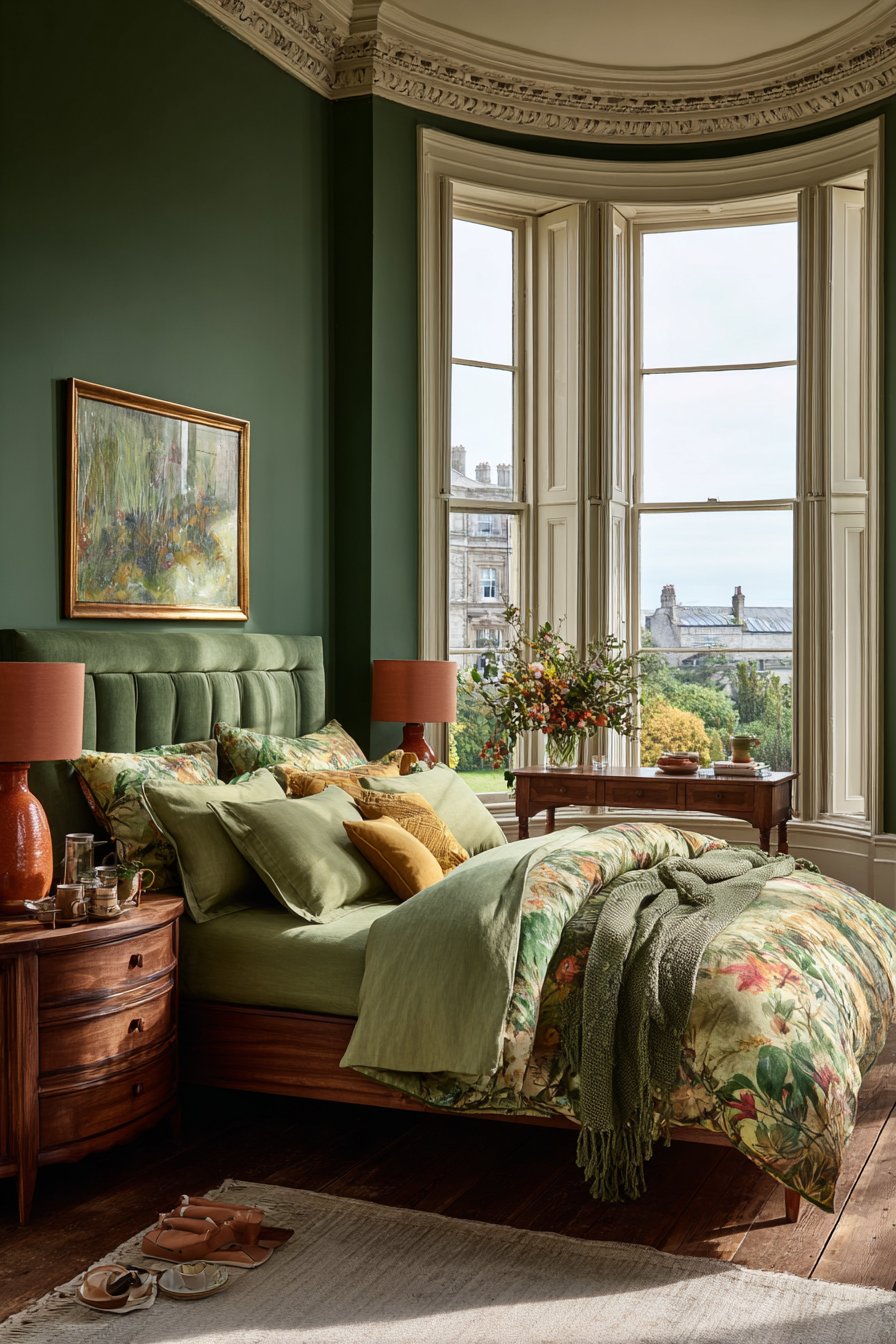
Green serves as the cornerstone of biophilic color strategies, available in countless variations. Deep forest greens create sophisticated, grounding environments in living rooms and bedrooms. Sage and olive tones offer softer alternatives that pair beautifully with natural wood and stone. Mint and seafoam greens bring freshness to bathrooms and kitchens without overwhelming smaller spaces.
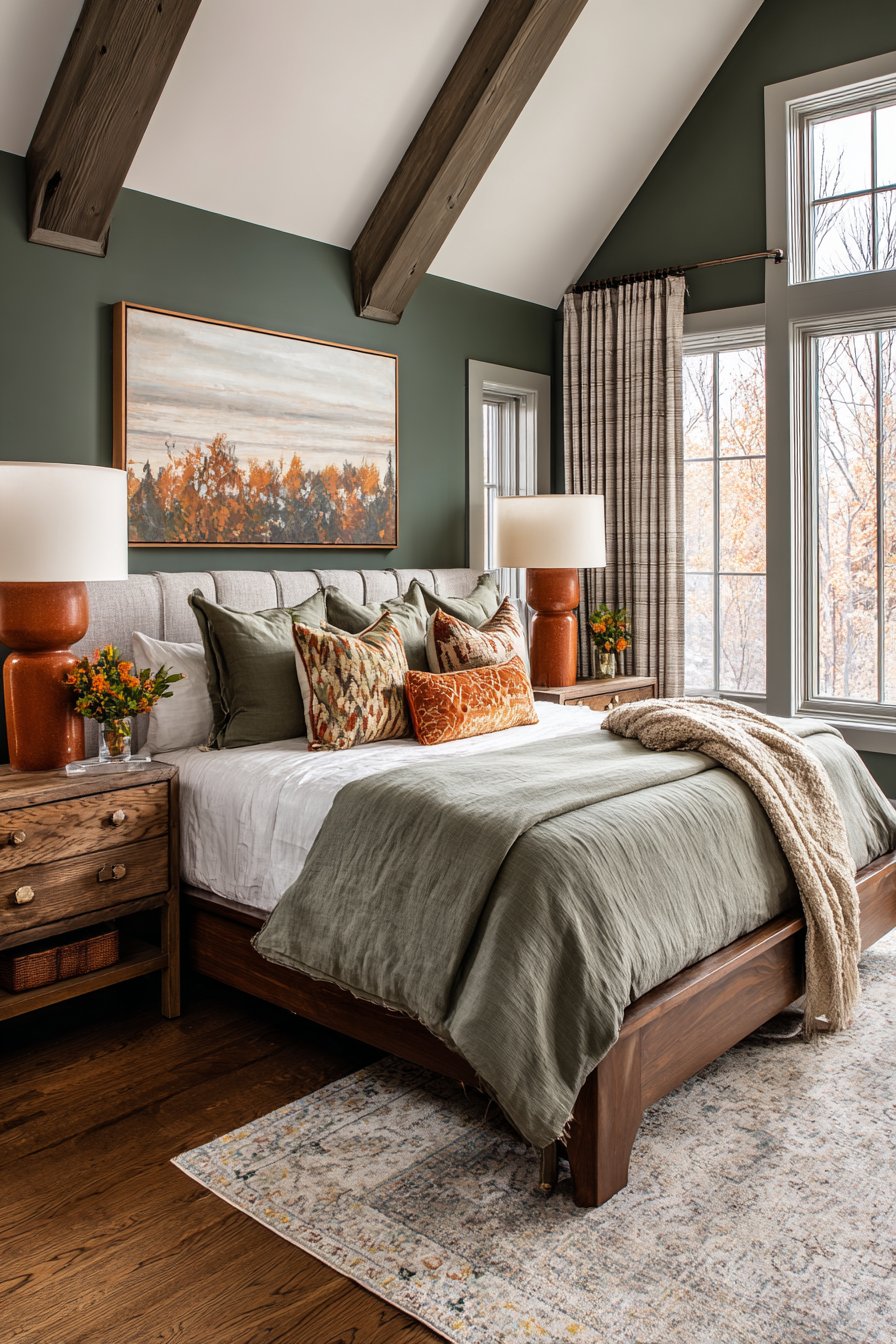
Complement greens with earthy browns, warm terracottas, and calming blues for layered complexity. These secondary colors anchor spaces while maintaining the natural aesthetic. Neutrals like cream, beige, and taupe provide breathing room between bolder nature-inspired accents. The goal is creating palettes that mirror outdoor environments where multiple hues coexist harmoniously.
- Use paint samples in actual room lighting before committing to wall colors
- Layer different shades of the same color family for sophisticated depth
- Introduce color through easily changeable elements like pillows and throws
- Balance cool and warm tones to prevent spaces feeling sterile or overwhelming
- Draw inspiration from specific natural settings like forests, beaches, or deserts
- Allow one color to dominate while others serve as supporting accents
6. Organic Shapes and Patterns
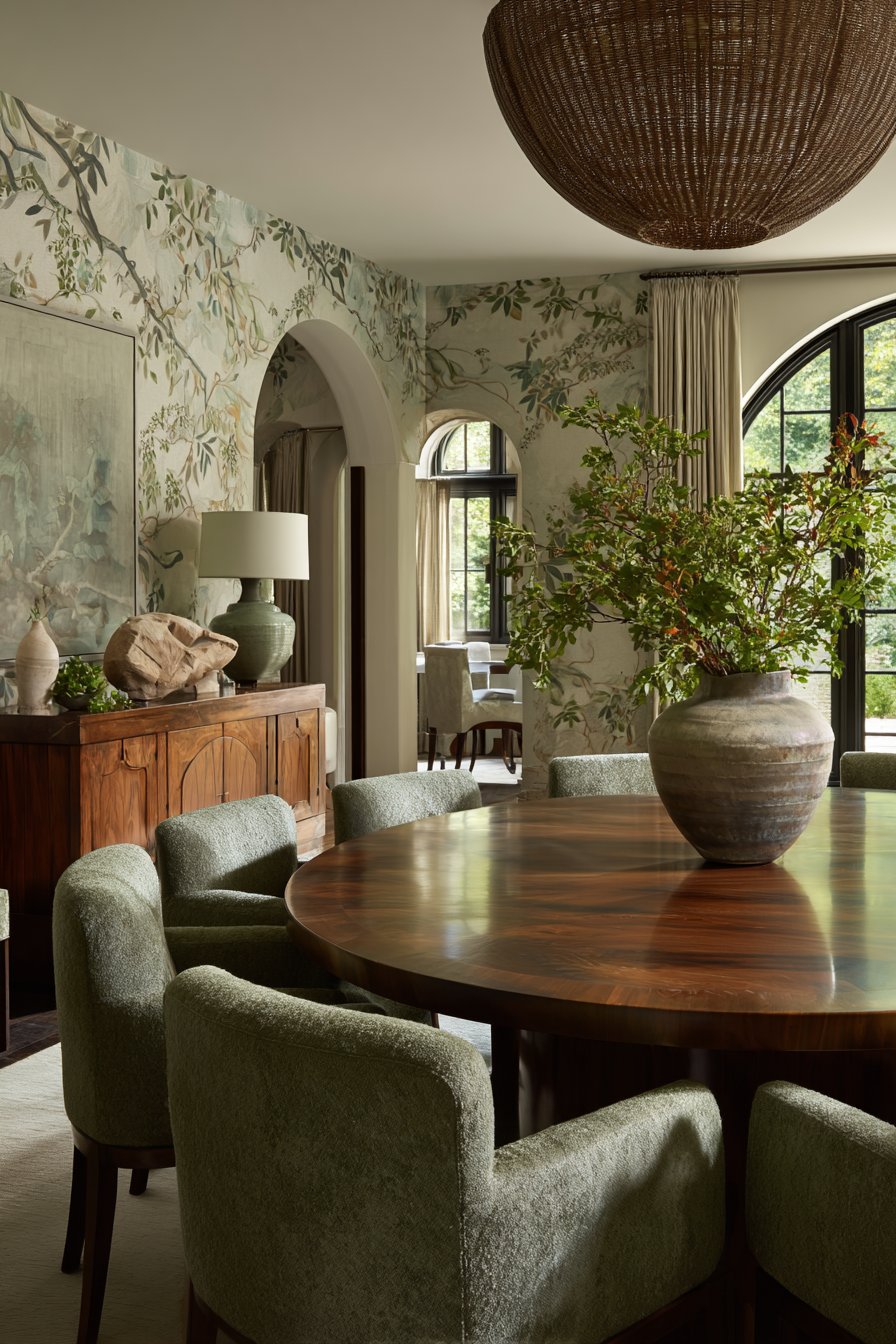
Rigid geometry dominates conventional architecture, but nature rarely operates in straight lines. Incorporating curved forms and organic patterns softens harsh architectural elements, creating more welcoming spaces. These shapes feel instinctively comfortable because they mirror forms we encounter in natural environments. The introduction of fluid, irregular lines balances the rectilinear nature of most building structures.
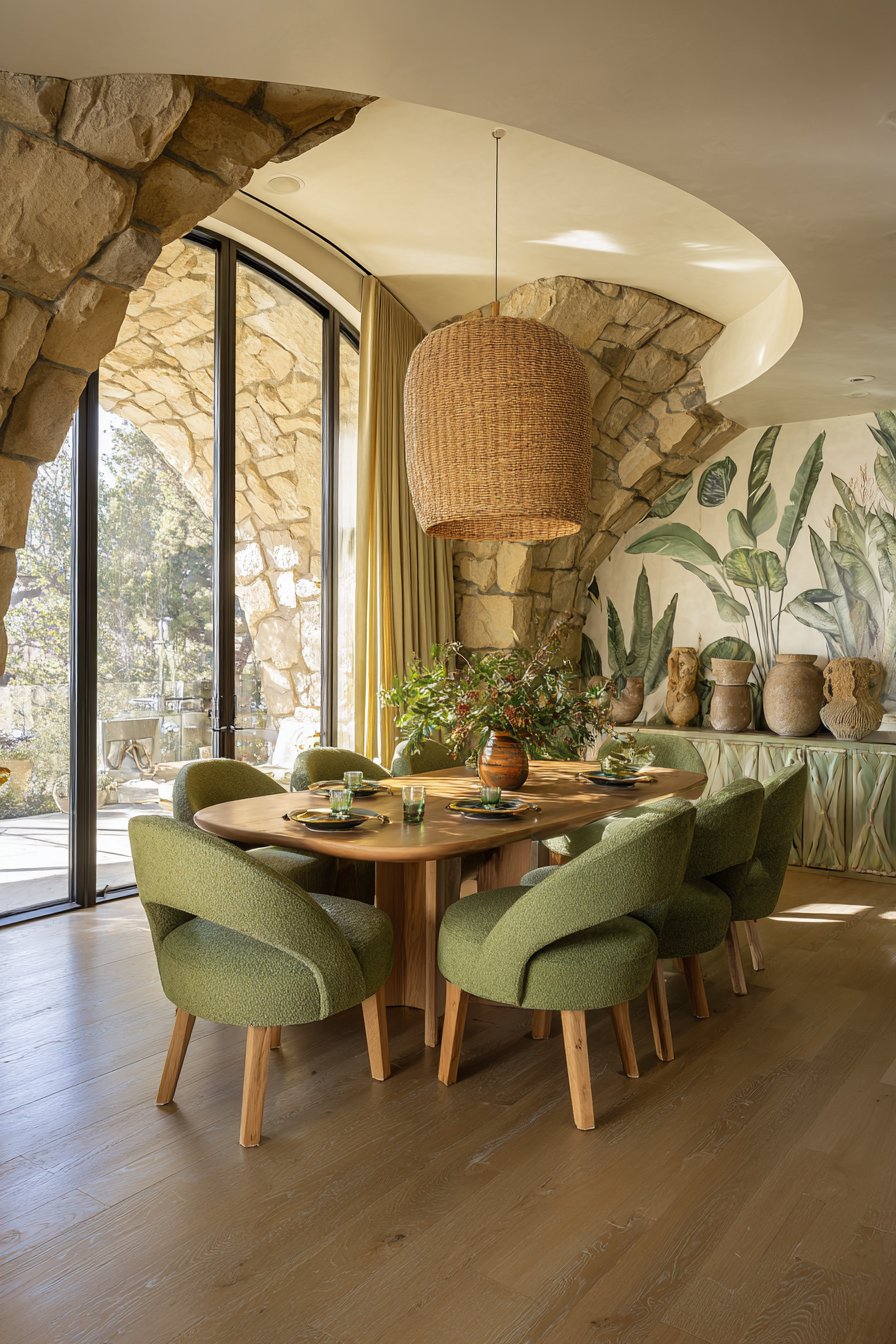
Furniture selection offers prime opportunities for introducing organic shapes into your design. Choose pieces with rounded edges rather than sharp corners for a gentler visual impact. Oval dining tables, curved sofas, and circular mirrors break up the monotony of rectangular rooms. Even details like arched doorways or rounded window treatments contribute to the overall biophilic effect.
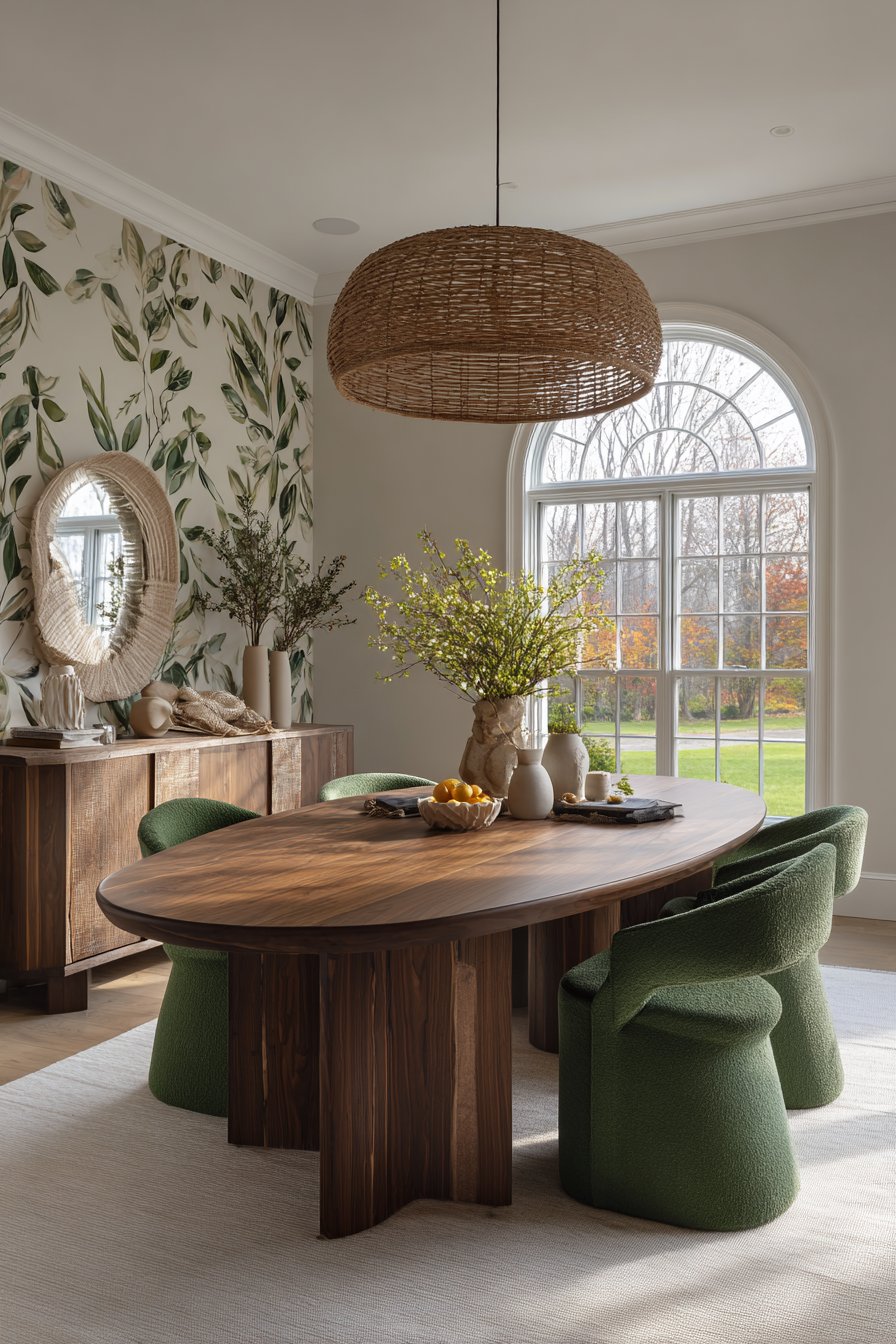
Patterns inspired by nature create visual interest without feeling forced or artificial. Incorporate botanical prints, leaf motifs, or water-inspired patterns through wallpaper, textiles, or artwork. Wood grain itself provides endless organic patterning through its natural variation. Stone surfaces offer unique veining and color patterns that make each installation genuinely one-of-kind.
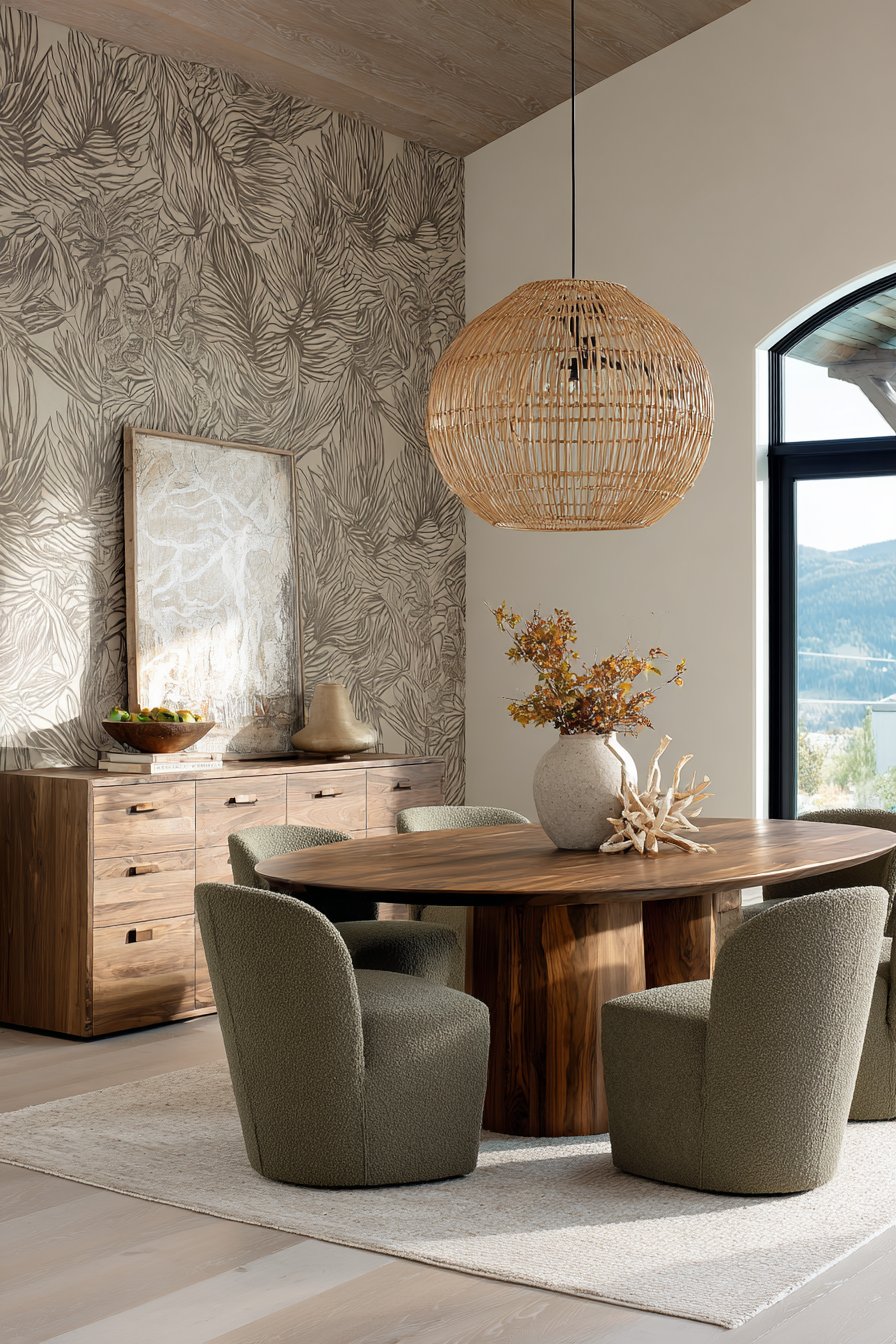
- Select statement furniture pieces with organic silhouettes as focal points
- Use botanical wallpaper on accent walls for maximum impact with minimal commitment
- Incorporate nature photography or artwork featuring landscapes and organic forms
- Choose rugs with irregular, flowing patterns rather than geometric designs
- Add decorative objects like driftwood, stones, or shells for authentic organic shapes
- Balance organic curves with enough structure to maintain visual stability
Conclusion
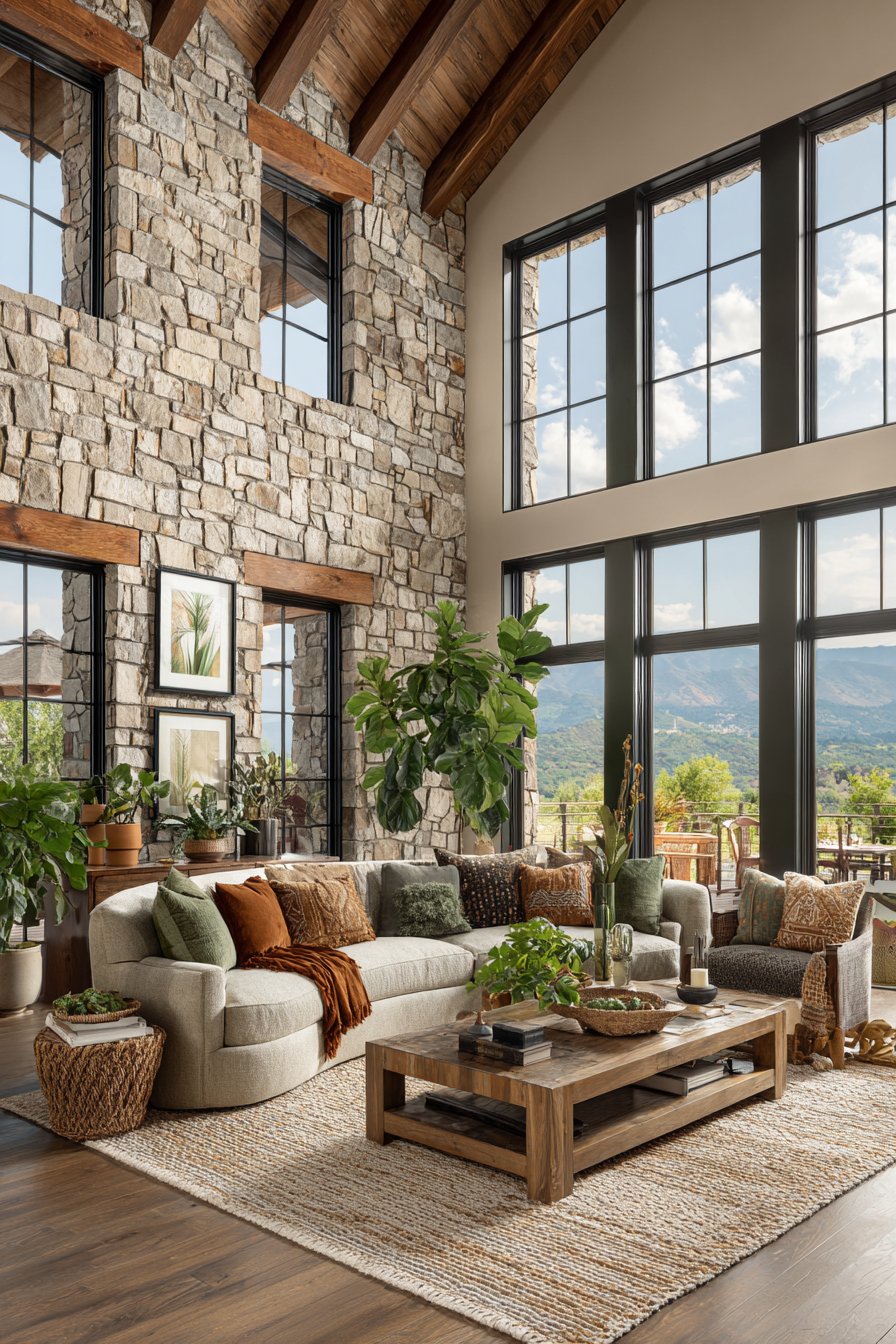
Biophilic design offers a pathway to reconnecting with nature despite our increasingly urbanized lifestyles. By thoughtfully incorporating living plants, natural materials, optimal lighting, and nature-inspired elements, we create spaces that nurture our wellbeing. These strategies don’t require complete renovations; even small changes produce meaningful impacts on how we experience our homes.
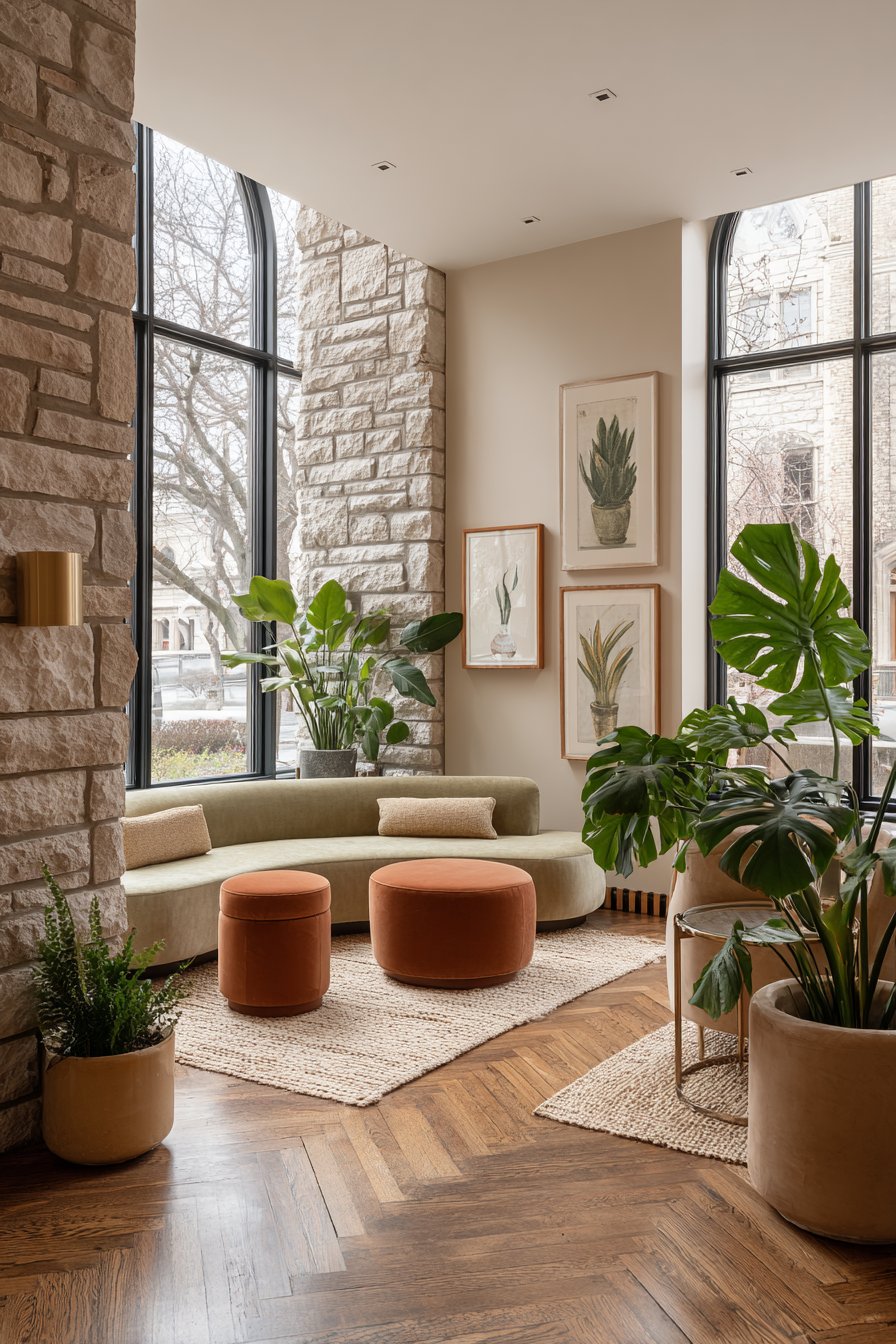
Begin your biophilic journey with one element that resonates most strongly with your vision and lifestyle. Perhaps it’s introducing a collection of air-purifying plants or replacing synthetic textiles with natural fibers. As you witness the transformative effects, you’ll naturally expand these principles throughout your living space. Remember that the goal isn’t perfection but rather creating environments where nature and daily life coexist harmoniously, supporting your health, happiness, and connection to the living world around you.
