


Creating a stunning birthday dinner table is more than just arranging plates and napkins. It’s about crafting an immersive experience that celebrates the guest of honor while delighting everyone at the gathering. A thoughtfully styled table sets the tone for the entire celebration, transforming an ordinary meal into an extraordinary memory.
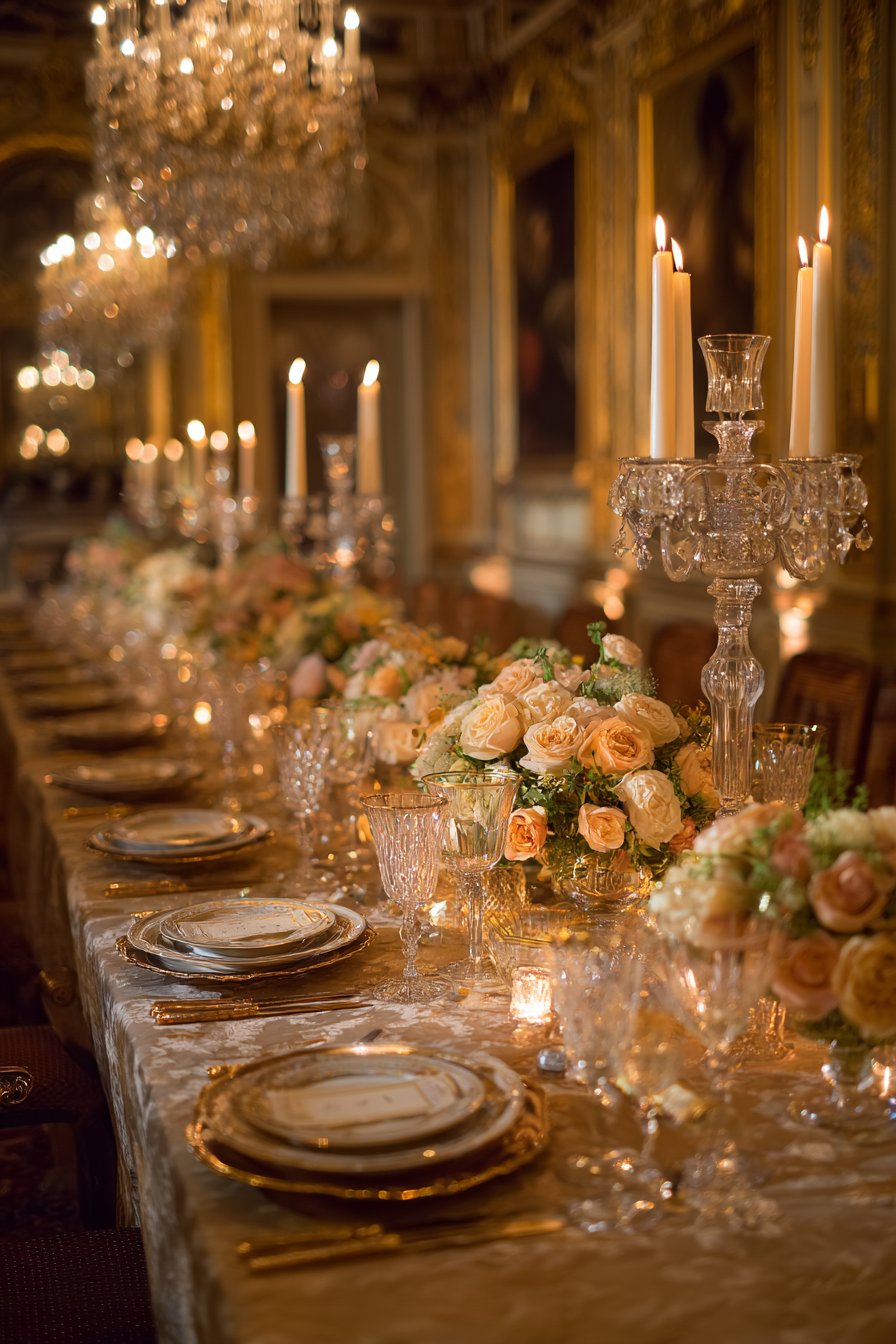
The art of table styling combines elements of interior design, color theory, and spatial composition to create visual harmony. Whether you’re planning an intimate gathering for close friends or a larger family celebration, these proven techniques will help you design a tablescape that impresses. From selecting the perfect color palette to incorporating personalized touches, each secret builds upon the last to create a cohesive and beautiful presentation.
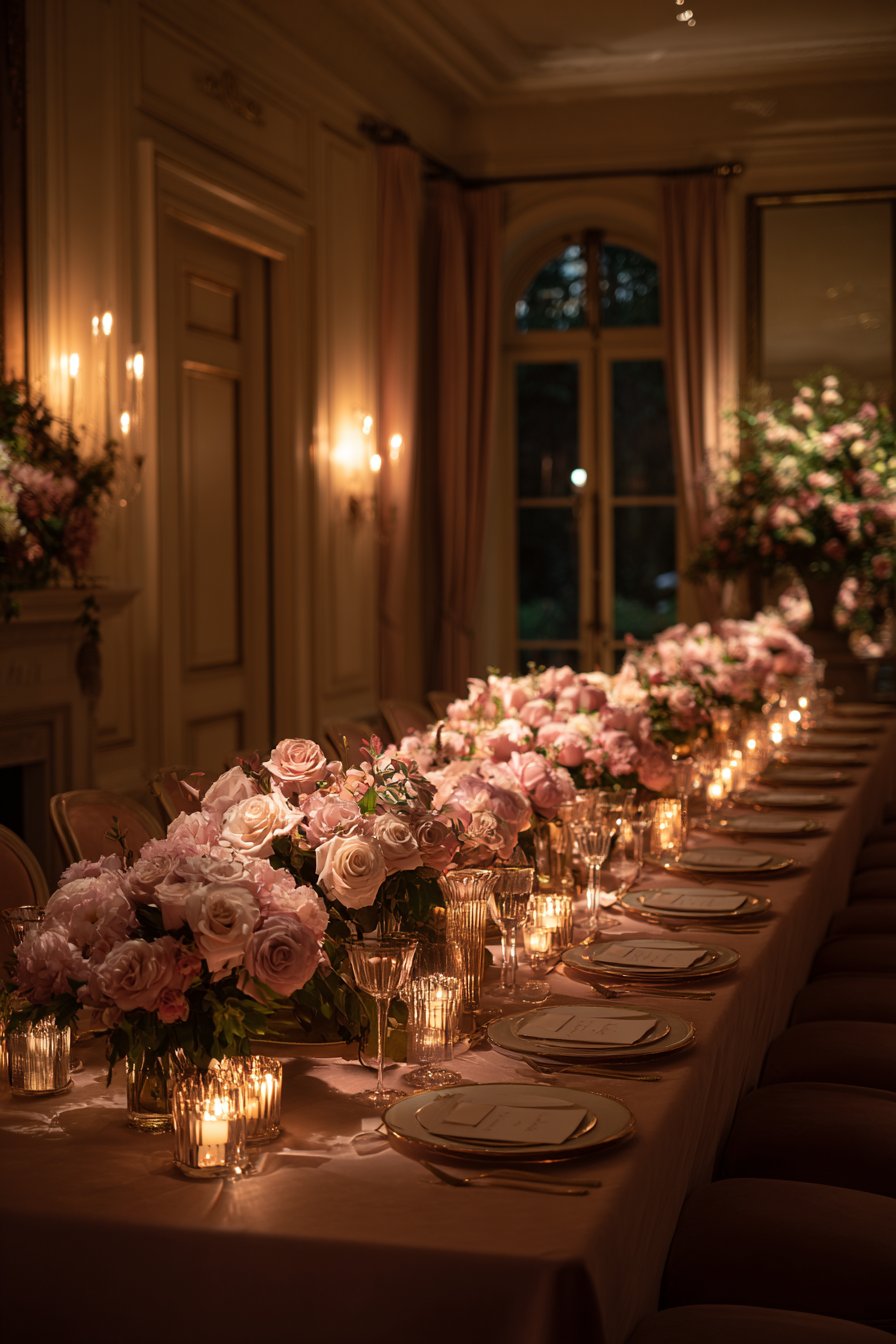
Modern table styling embraces both classic elegance and contemporary creativity. The following eight secrets represent timeless principles adapted for today’s diverse aesthetic preferences. These approaches work for various budgets, dining spaces, and celebration styles, ensuring that anyone can create a birthday table worthy of the special occasion and the beloved birthday person.
1. Choose a Cohesive Color Palette
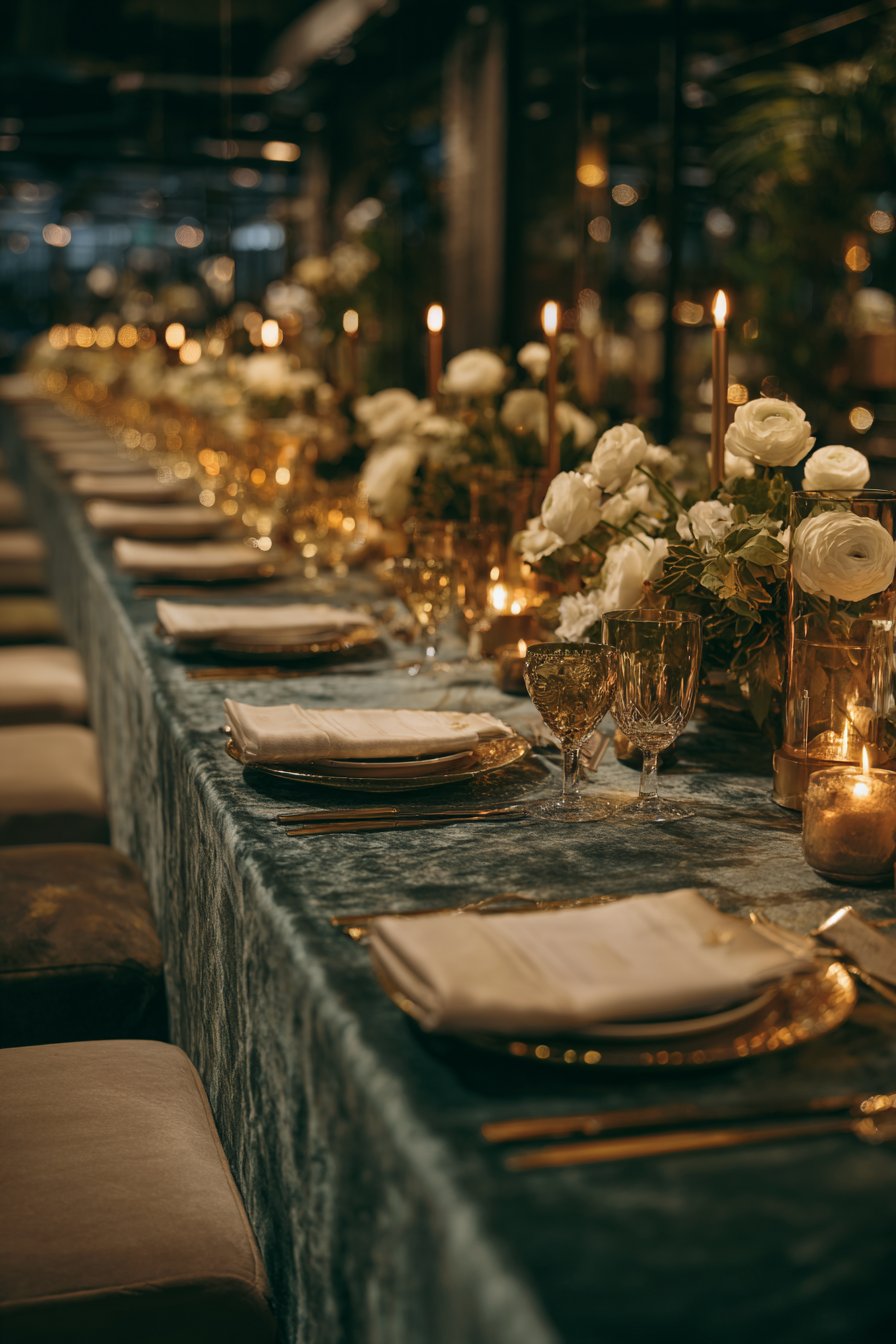
Your color scheme serves as the foundation for the entire tablescape design. A well-planned palette creates visual unity and establishes the celebration’s mood instantly. The most successful birthday tables typically feature three to four complementary colors that reflect the honoree’s personality or the party theme.
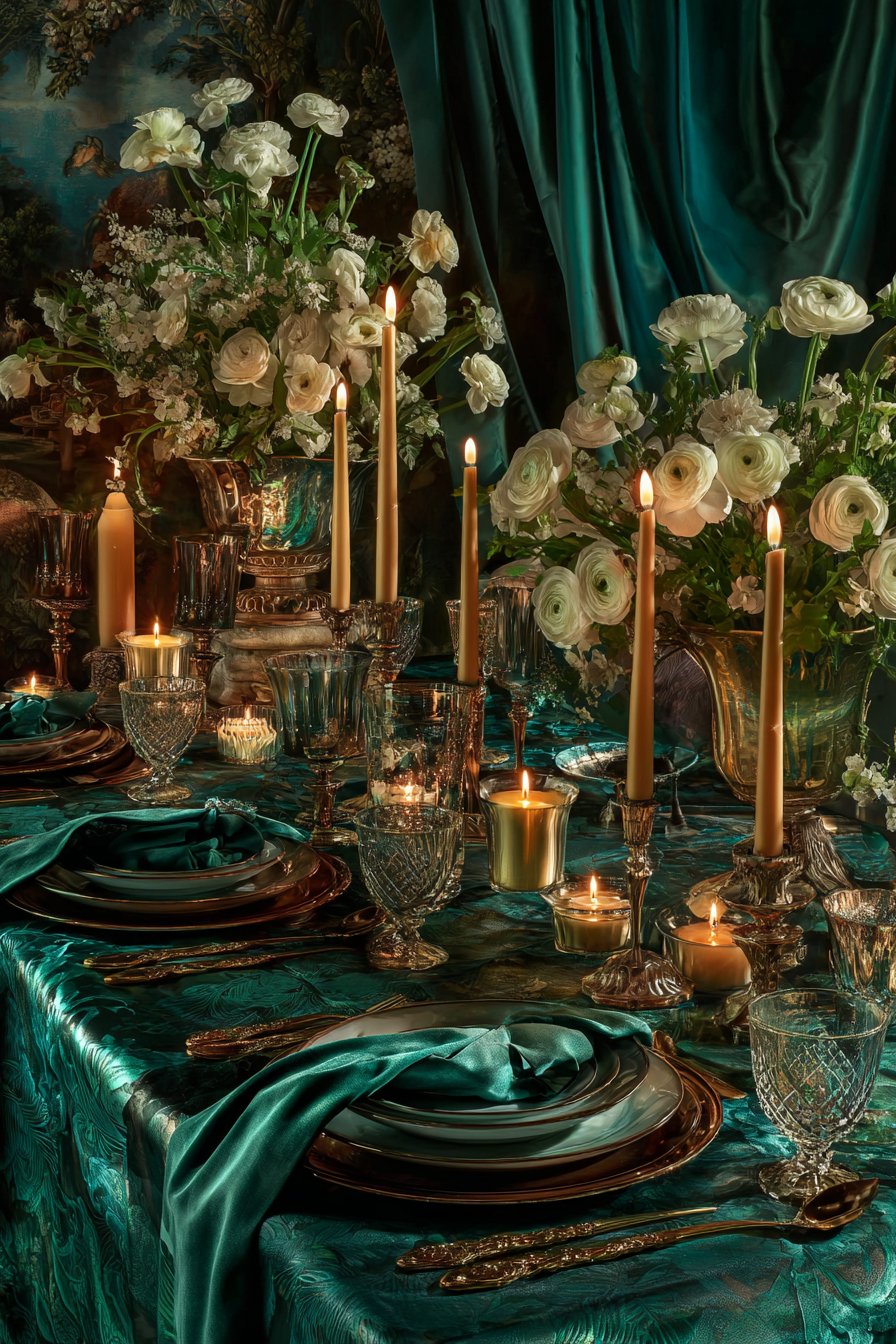
Begin by selecting one dominant color that will occupy approximately sixty percent of your table’s visual space. This might appear in your tablecloth, charger plates, or napkins. Add a secondary color for thirty percent coverage through flowers, candles, or smaller decorative elements. Use accent colors sparingly for that final ten percent pop that adds excitement and visual interest.
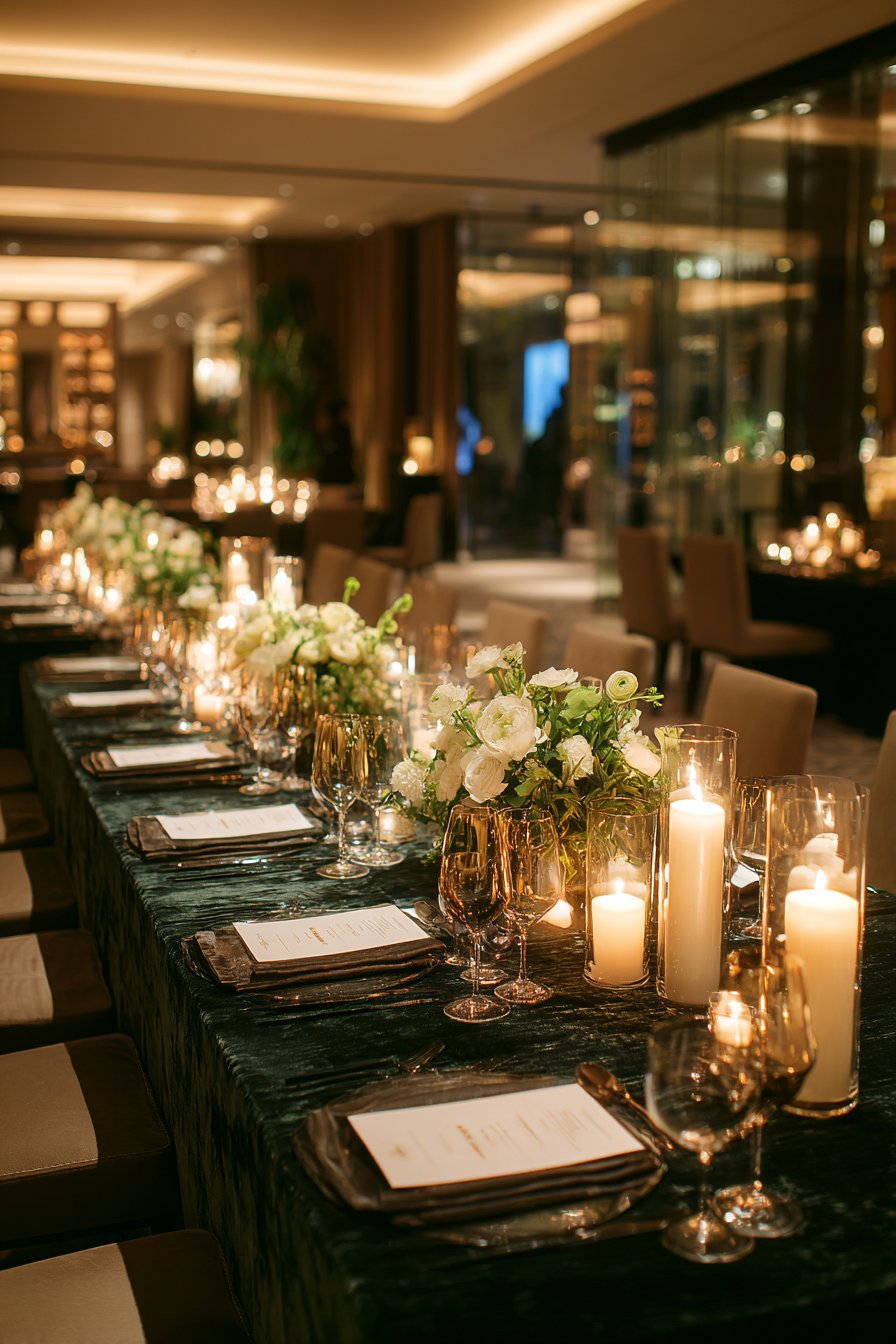
Consider the psychological impact of your chosen hues when making selections. Warm tones like coral, gold, and blush create inviting warmth, while cool blues and greens offer sophistication and calm. Metallics such as rose gold or silver add celebratory glamour without overwhelming the senses. Test your palette beforehand by arranging sample items together in natural lighting.
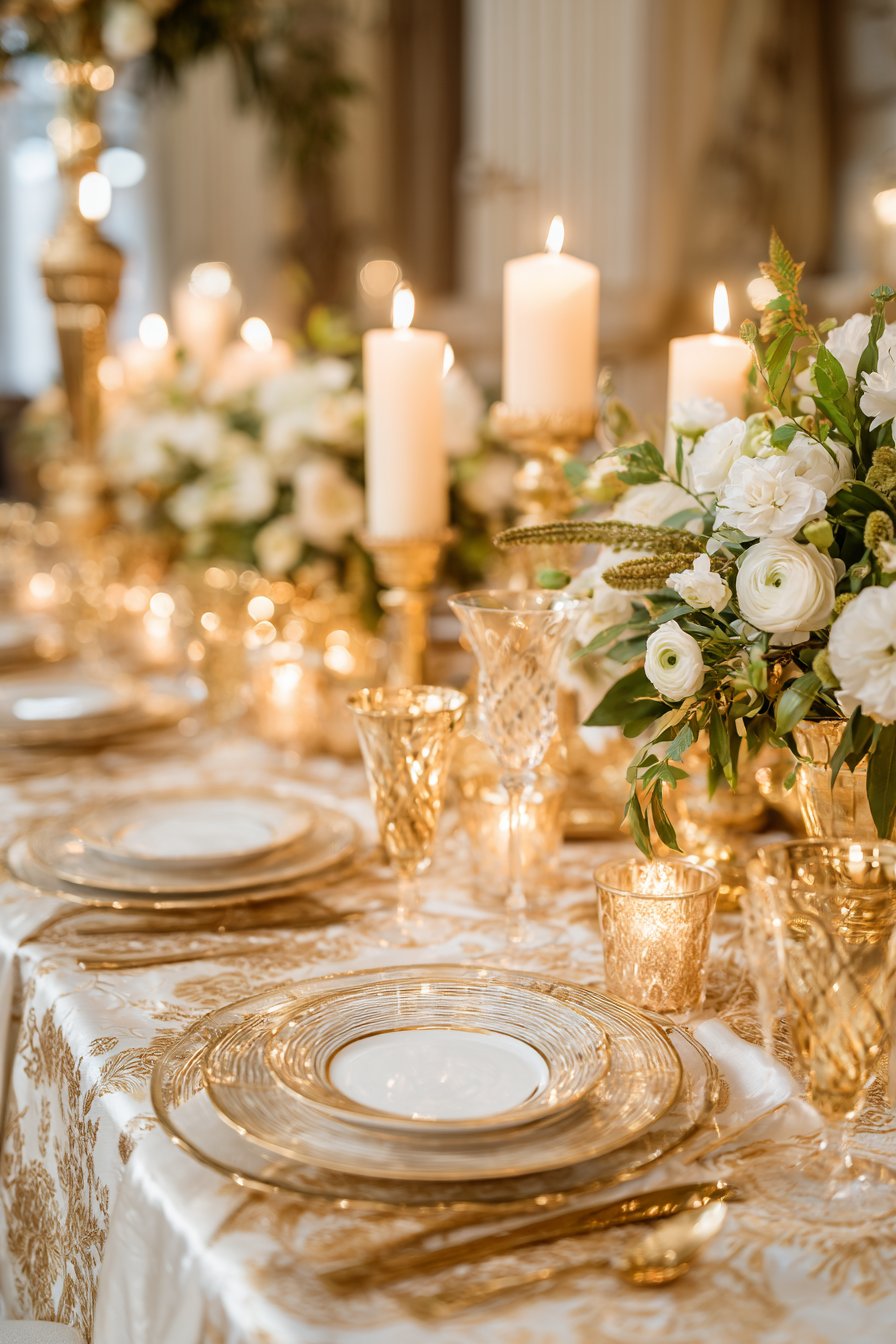
- Select colors that complement your existing dinnerware and dining room
- Use color theory principles: complementary, analogous, or monochromatic schemes
- Consider the birthday person’s favorite colors as your starting point
- Match the season with appropriate color temperatures and intensities
- Keep patterns to two maximum to avoid visual chaos
- Use the 60-30-10 rule for balanced color distribution
2. Layer Textures for Visual Depth
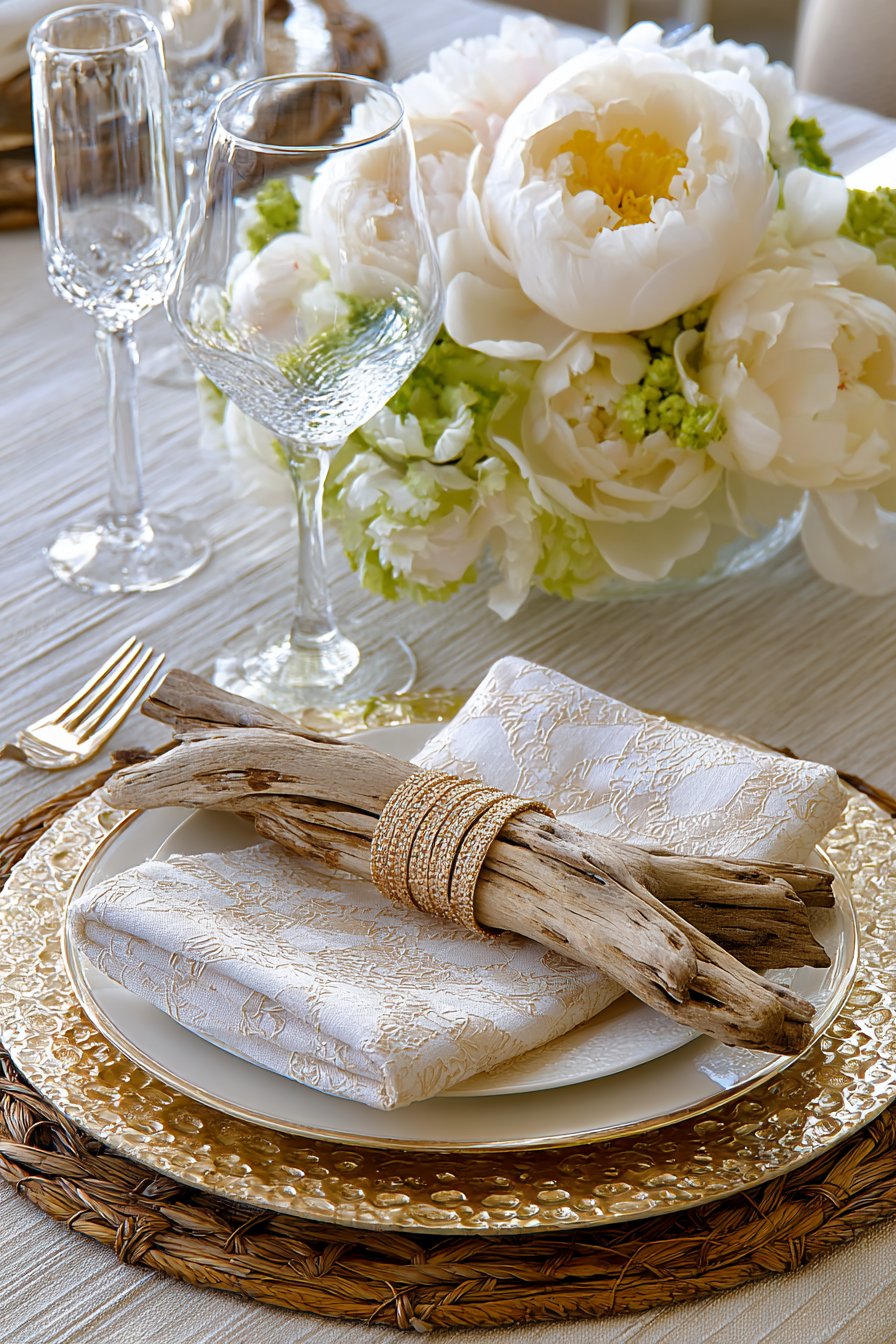
Texture transforms a flat table setting into a dimensional experience that engages multiple senses. The interplay between smooth ceramics, soft linens, and natural materials creates tactile interest that photographs beautifully and feels luxurious. This layering technique is what separates amateur tables from professionally styled designs.
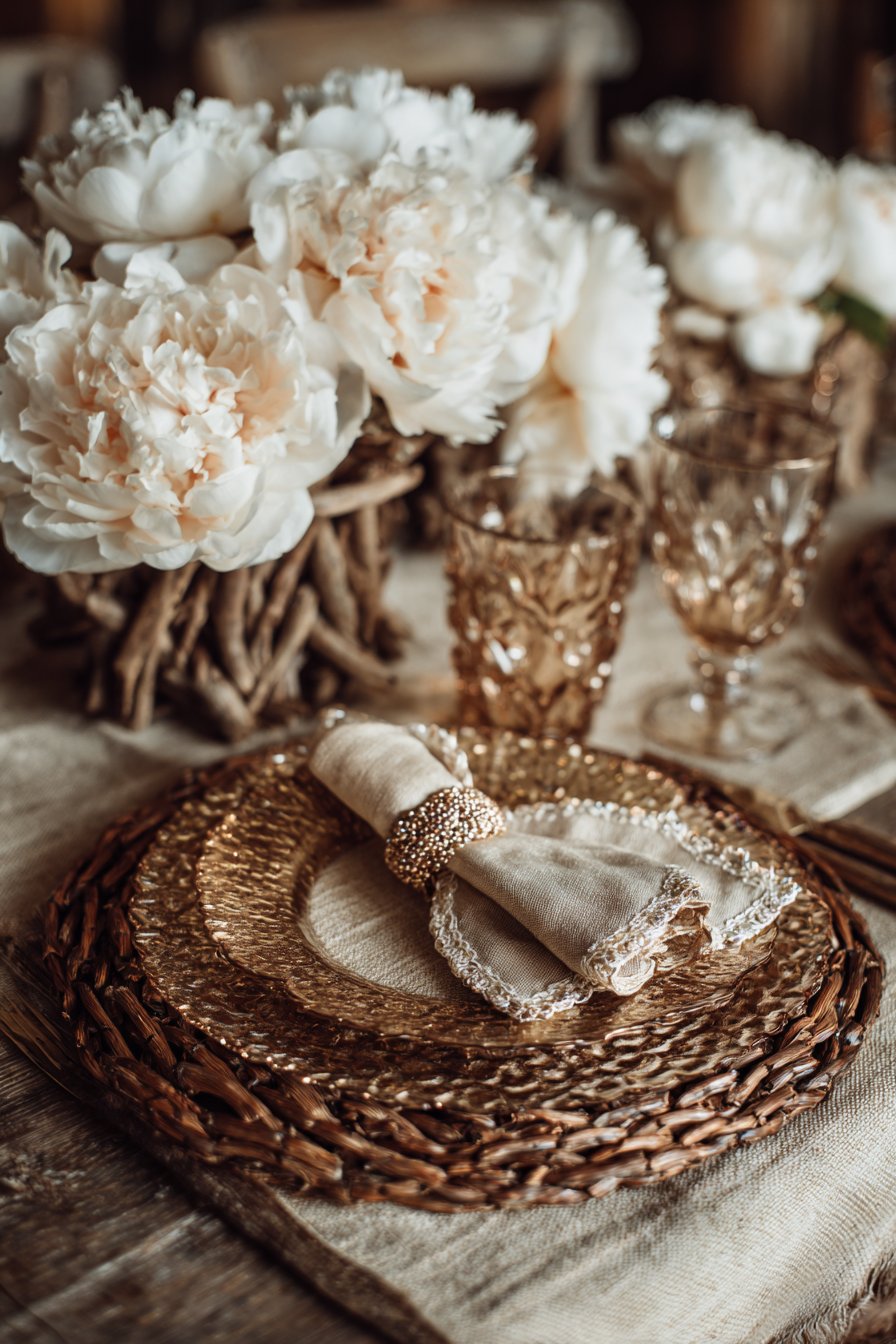
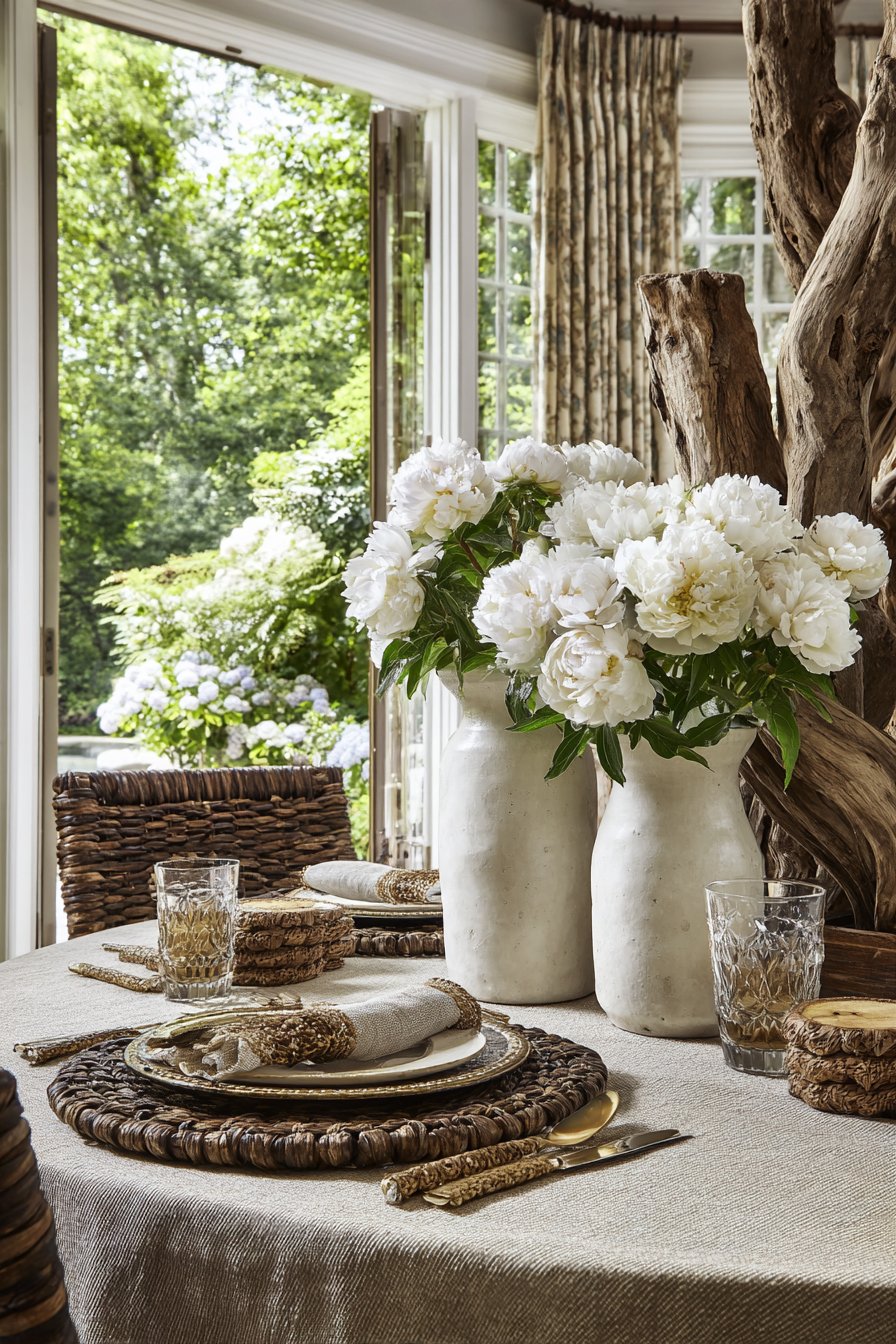
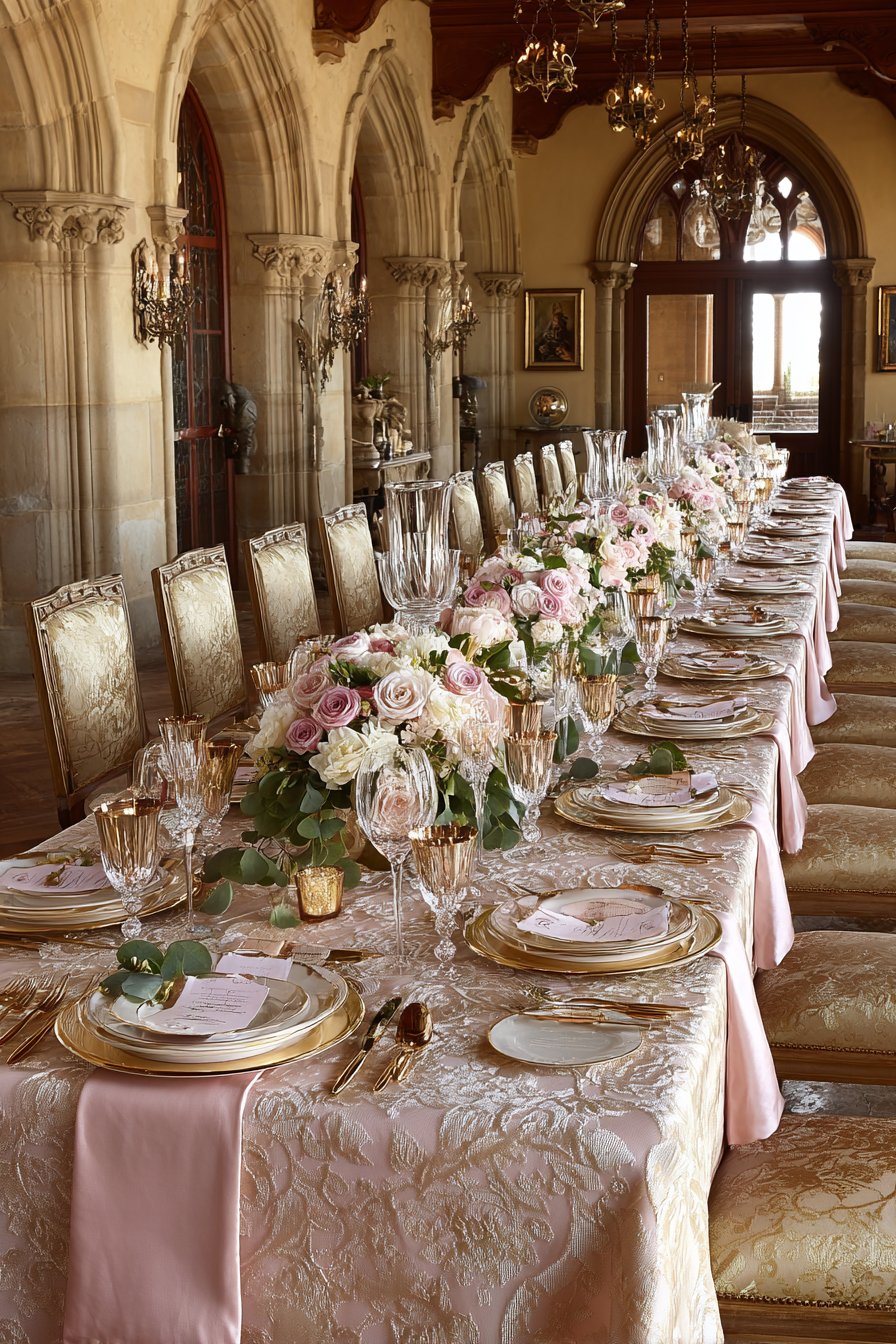
Start with your foundational layer using a quality tablecloth or runner in your chosen fabric. Add charger plates beneath dinner plates to create elevation and frame each place setting. Incorporate varied napkin textures through linen, cotton, or even velvet depending on your theme. Natural elements like wooden serving boards or woven placemats introduce organic texture that grounds the design.
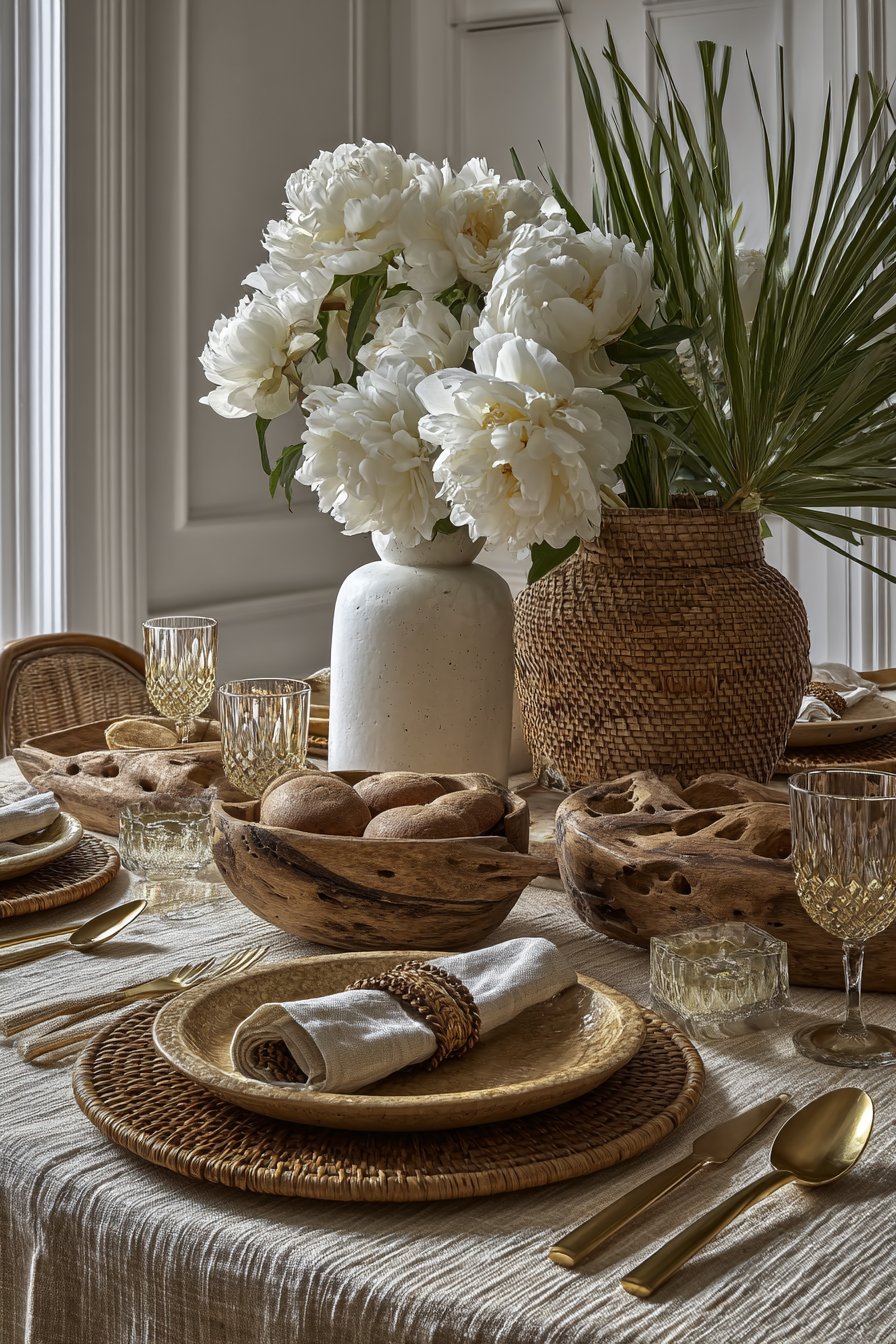
Don’t overlook the importance of glassware and metallic elements in your texture story. Crystal stemware catches light differently than matte ceramics, while hammered metal candleholders add artisanal character. Even your centerpiece should feature textural variety through smooth vases, rough bark, or delicate flower petals. The goal is creating a rich sensory landscape without cluttering the table.
- Mix matte and glossy finishes for dynamic contrast
- Combine natural materials like wood, stone, and fresh greenery
- Layer linens with runners over tablecloths for added dimension
- Choose napkins with interesting weaves or embroidered details
- Add textured elements through beaded napkin rings or woven chargers
- Balance rough and smooth surfaces throughout the table
3. Create a Stunning Centerpiece
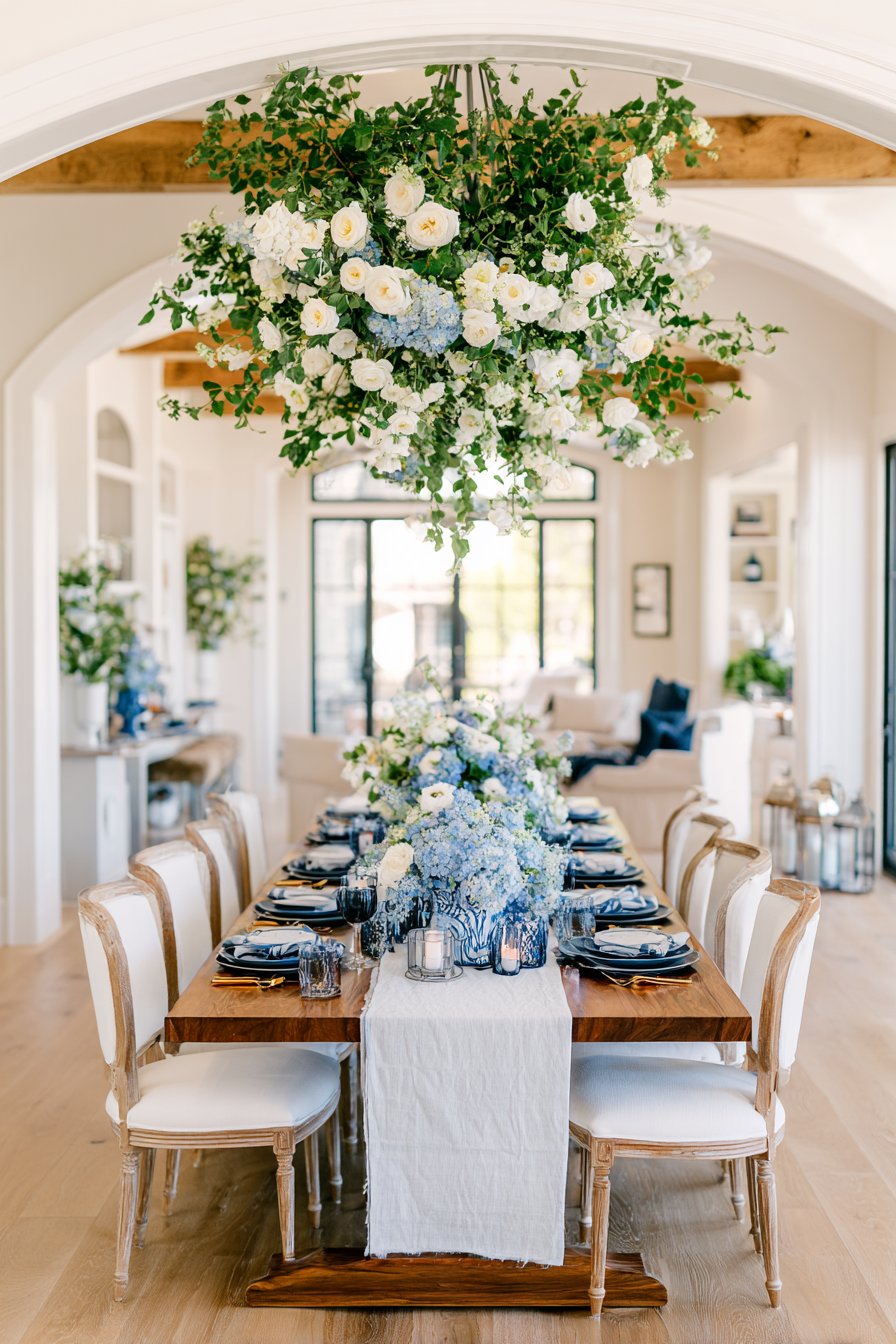
The centerpiece commands attention and anchors your entire table design. An effective centerpiece celebrates the birthday theme while maintaining appropriate scale and proportion. Remember that this focal point should enhance conversation, not obstruct it, so keep height under fourteen inches for comfortable guest interaction.
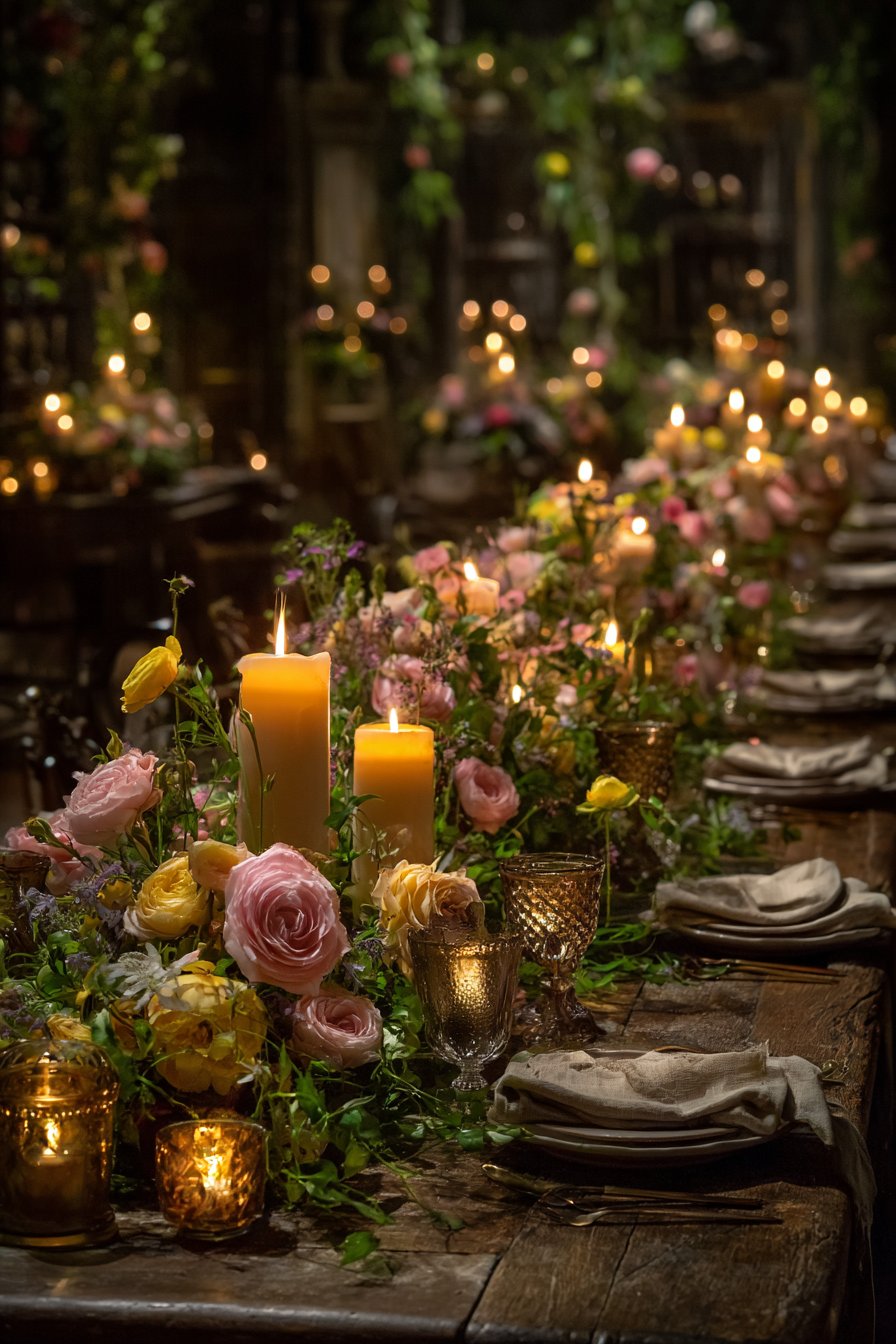
Floral arrangements remain the most popular centerpiece choice for their natural beauty and versatility. Select flowers that complement your color palette and match the formality level of your celebration. Alternatively, consider non-floral options like grouped candles at varying heights, decorative fruit displays, or themed objects that reflect the honoree’s interests and personal style.
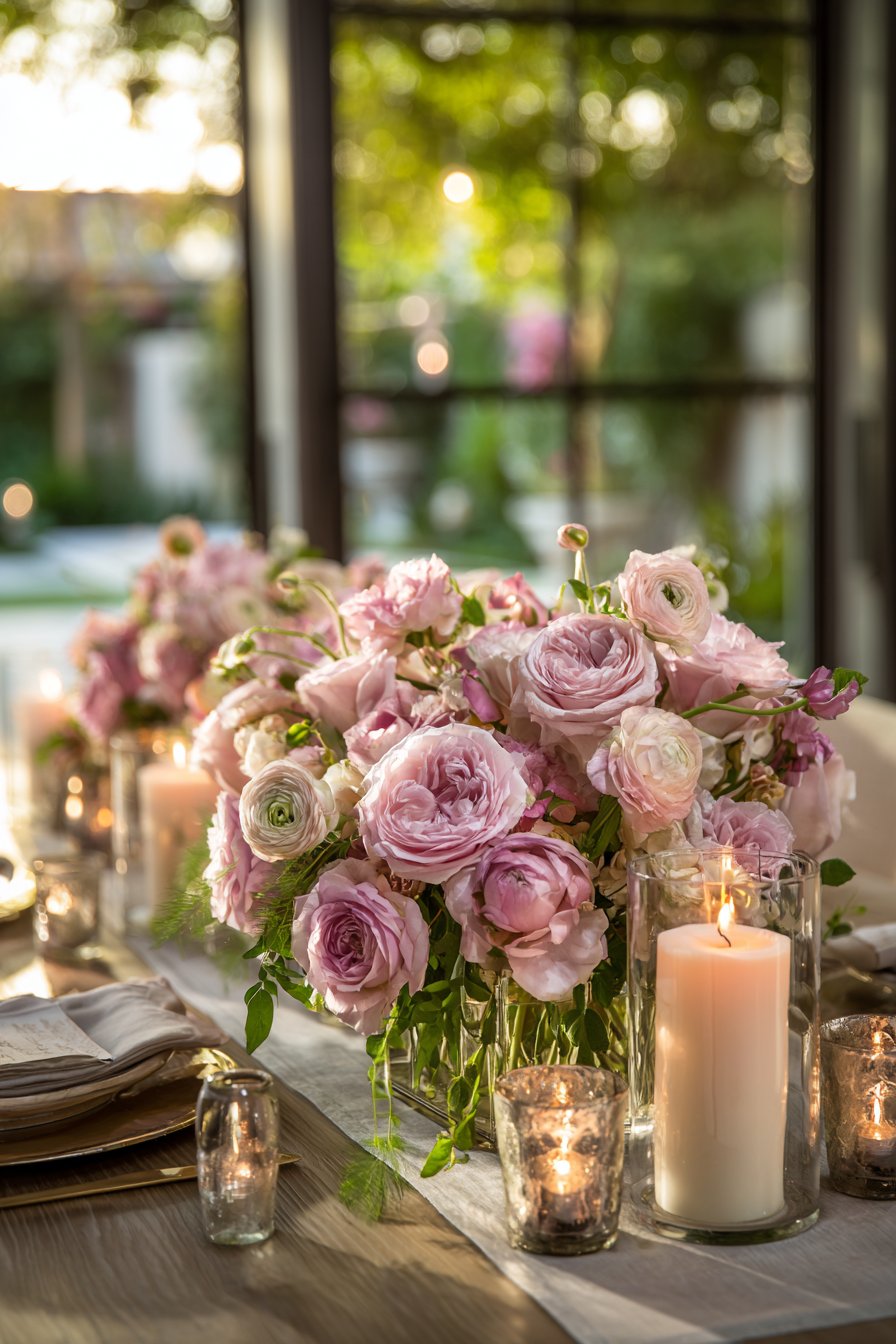
The rule of three applies perfectly to centerpiece design for visual appeal. Group elements in odd numbers and vary heights to create dynamic movement. For longer tables, consider multiple smaller arrangements rather than one large piece. This approach allows for better conversation flow while maintaining visual continuity throughout the table length.
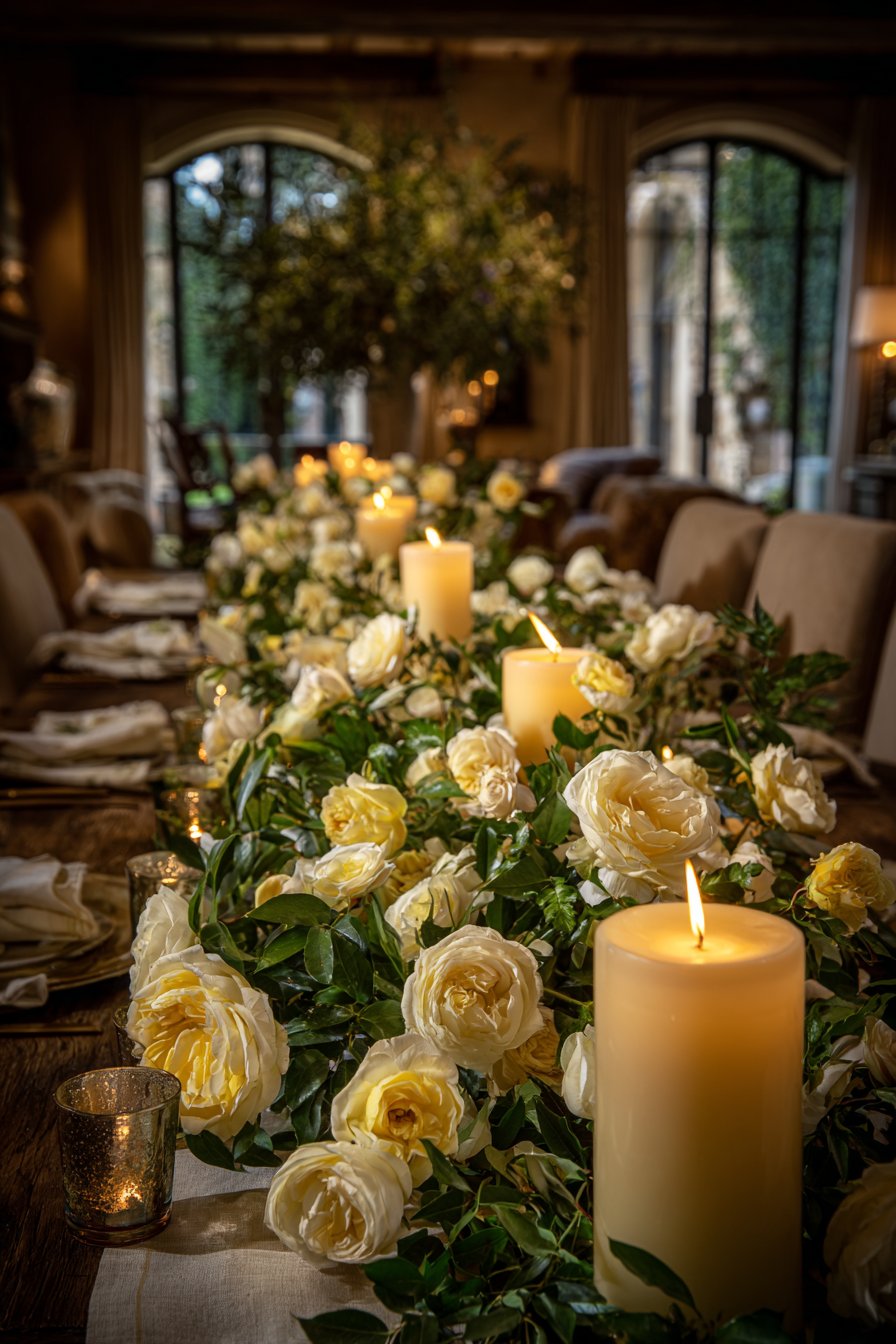
- Keep centerpieces below eye level when guests are seated
- Use odd numbers of elements for naturally pleasing arrangements
- Incorporate birthday candles creatively within the centerpiece design
- Choose flowers with pleasant but not overwhelming fragrances
- Consider the table shape when planning centerpiece placement
- Add personal elements like photos or memorabilia tastefully
4. Master the Art of Place Settings
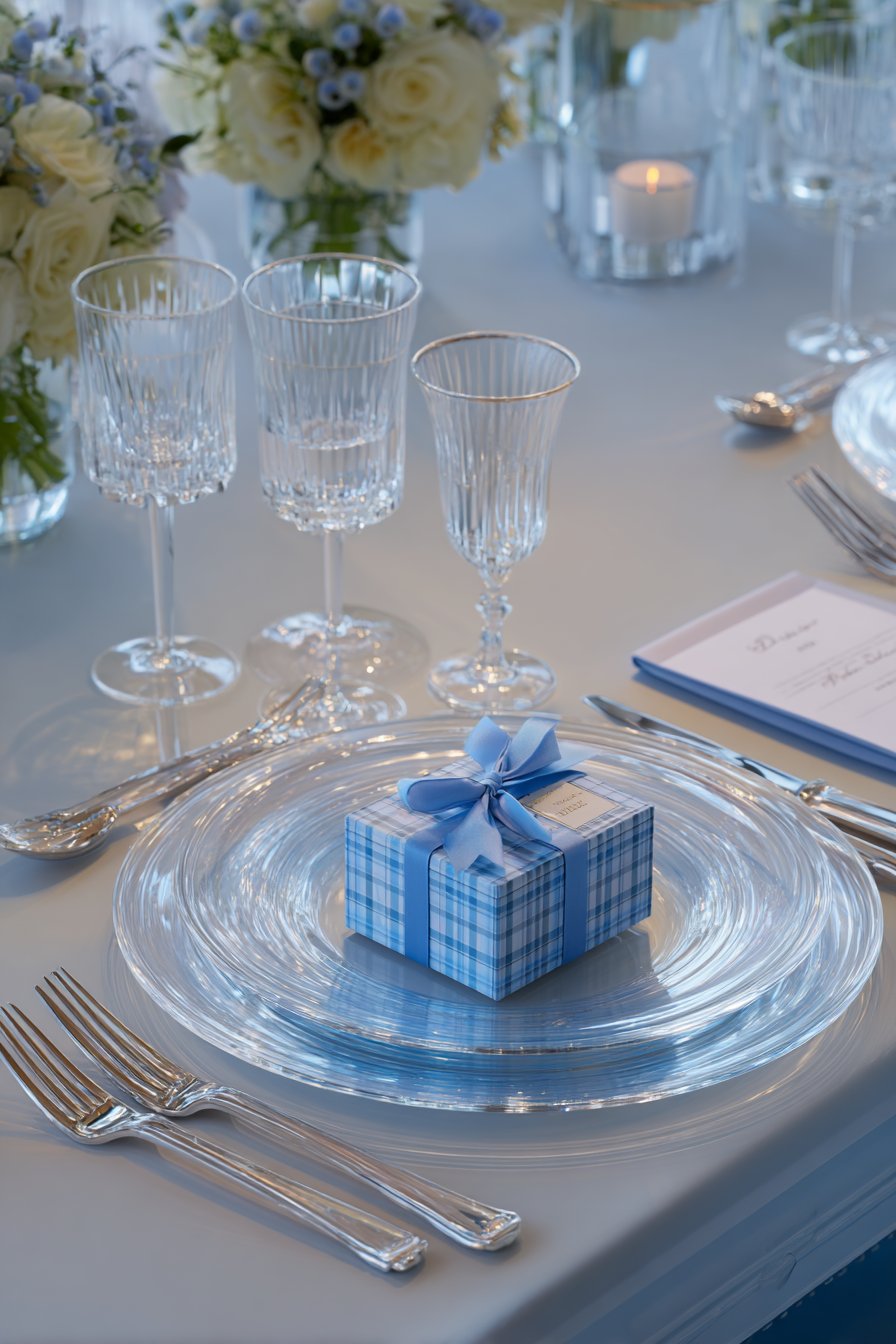
Proper place setting arrangement demonstrates attention to detail and creates an organized dining experience. Each element should be positioned with purpose, following traditional etiquette while allowing room for modern interpretation. A beautifully set place makes guests feel valued and sets expectations for the meal.
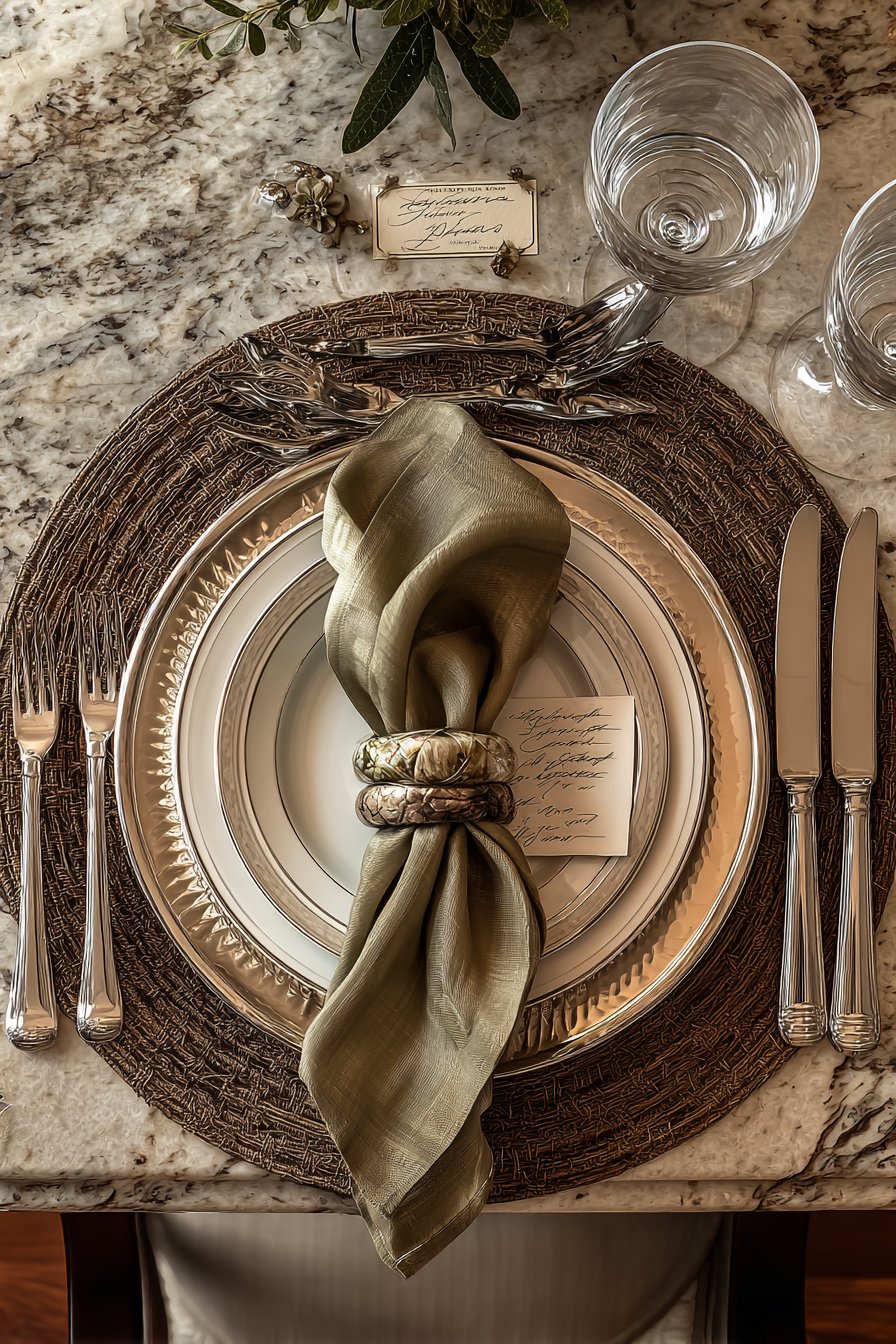
The basic formula positions the dinner plate one inch from the table edge, with forks to the left and knives and spoons to the right. Blade edges face inward toward the plate always. The water glass sits above the knife at approximately one o’clock position, with wine glasses positioned to its right. Napkins can rest on the plate, to the left of forks, or creatively folded in the glass.
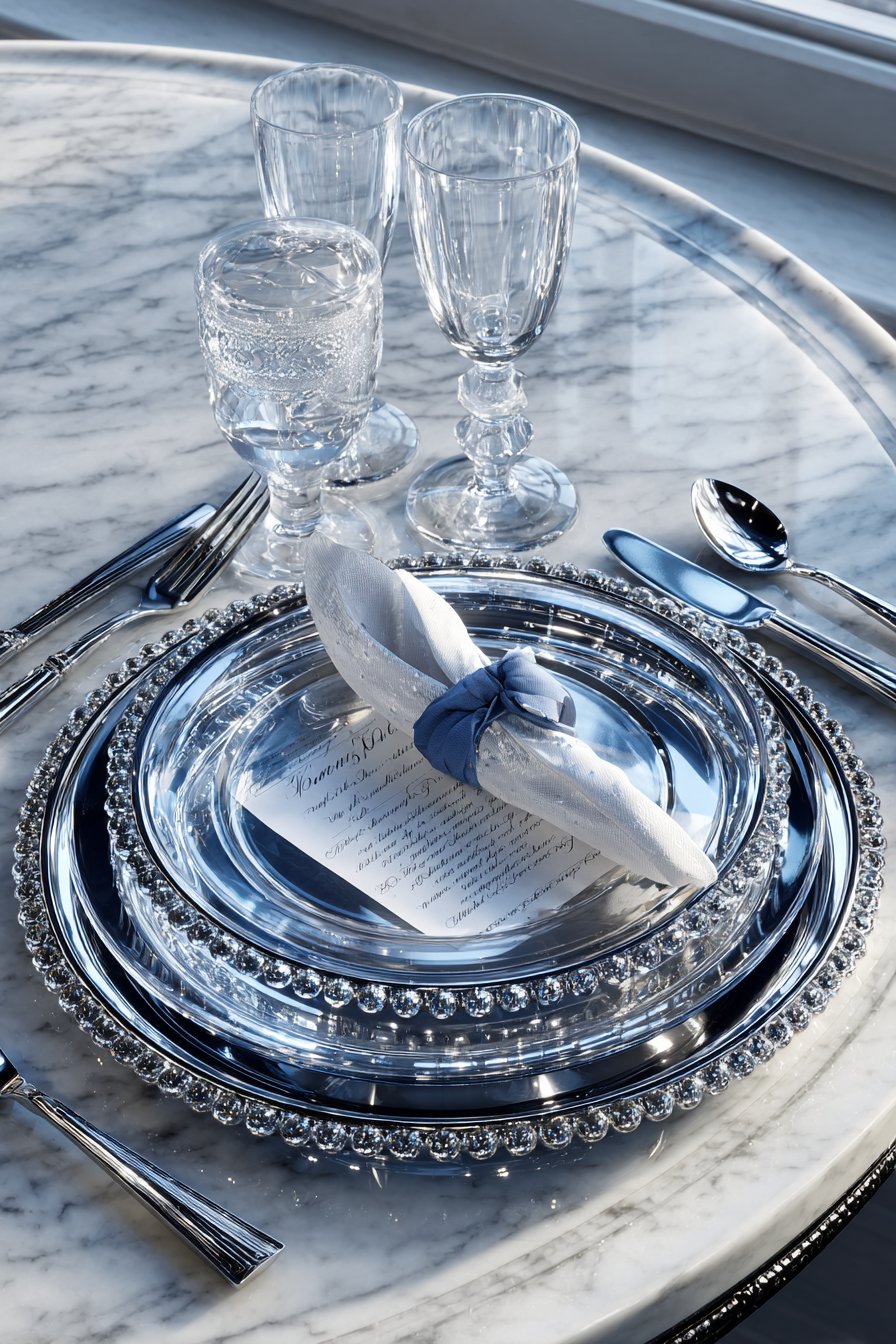
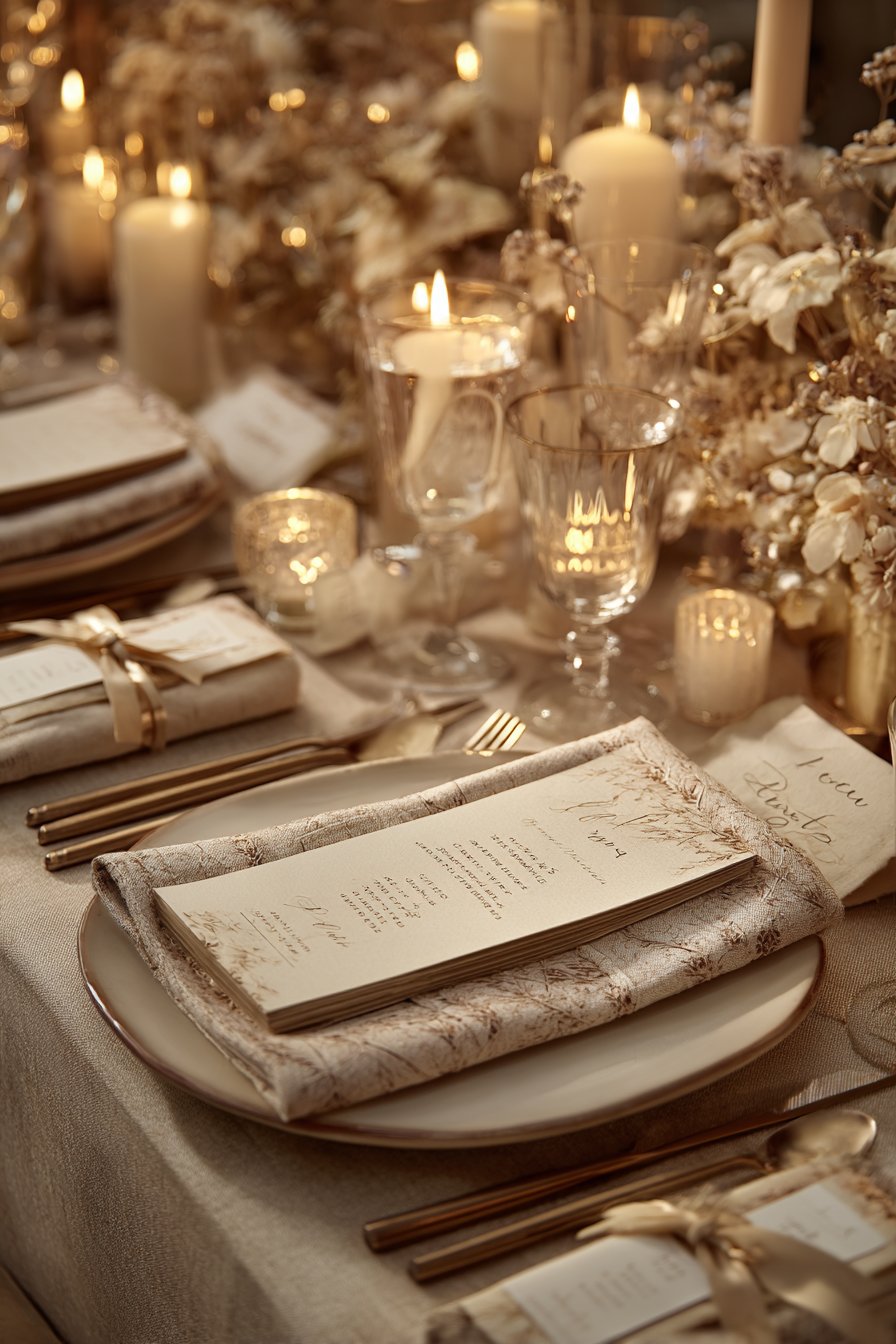
Layer your place setting by starting with chargers, adding dinner plates, and topping with salad or appetizer plates. This vertical stacking creates sophistication and properly sequences the meal service. Don’t forget the finishing touches like place cards, small favors, or decorative napkin treatments that personalize each setting and make guests feel special.
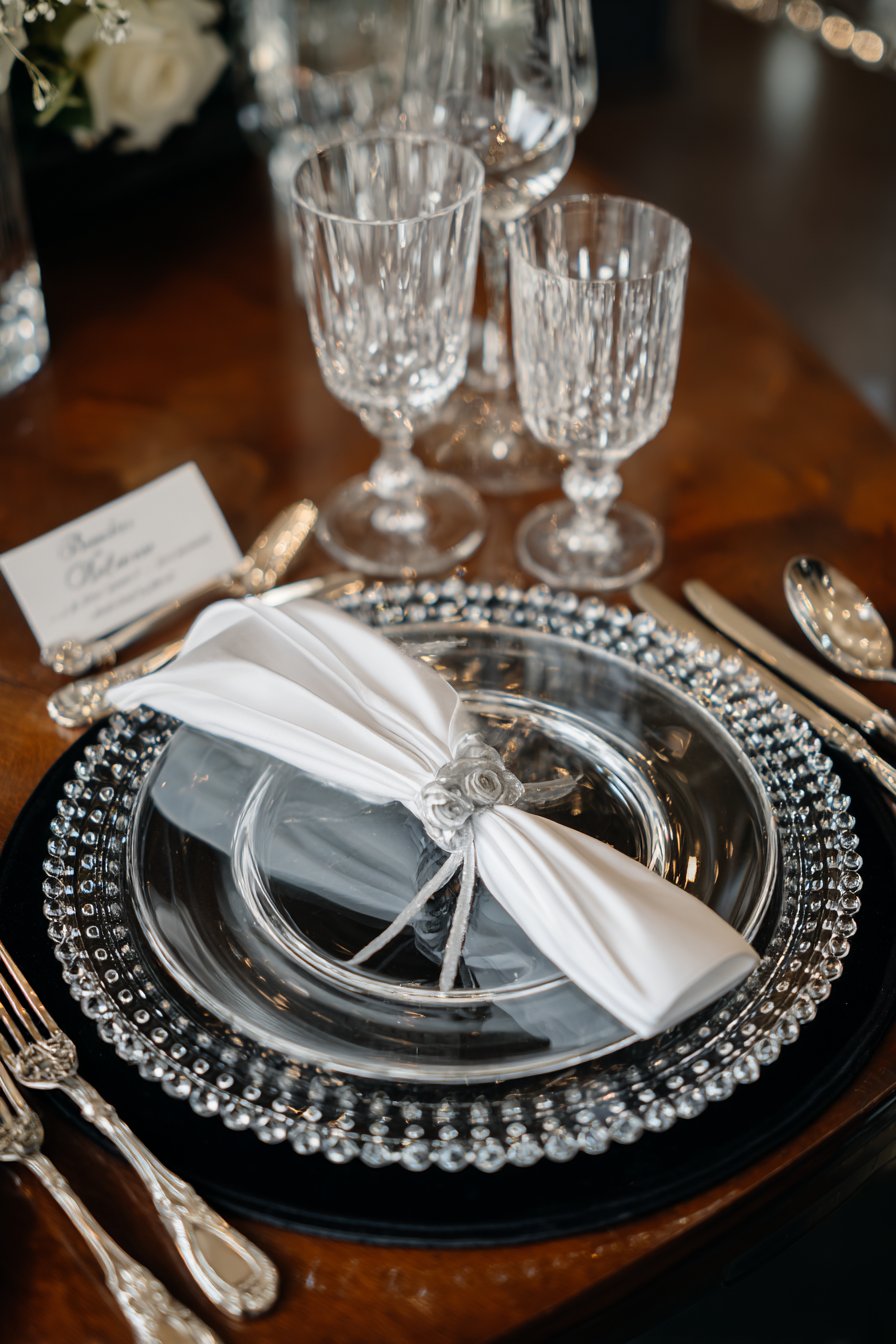
- Maintain consistent spacing between place settings (24-30 inches ideal)
- Align all plate bottoms and silverware for visual harmony
- Use charger plates to add color and frame the setting
- Position bread plates to the upper left of the forks
- Include only silverware that will be used during the meal
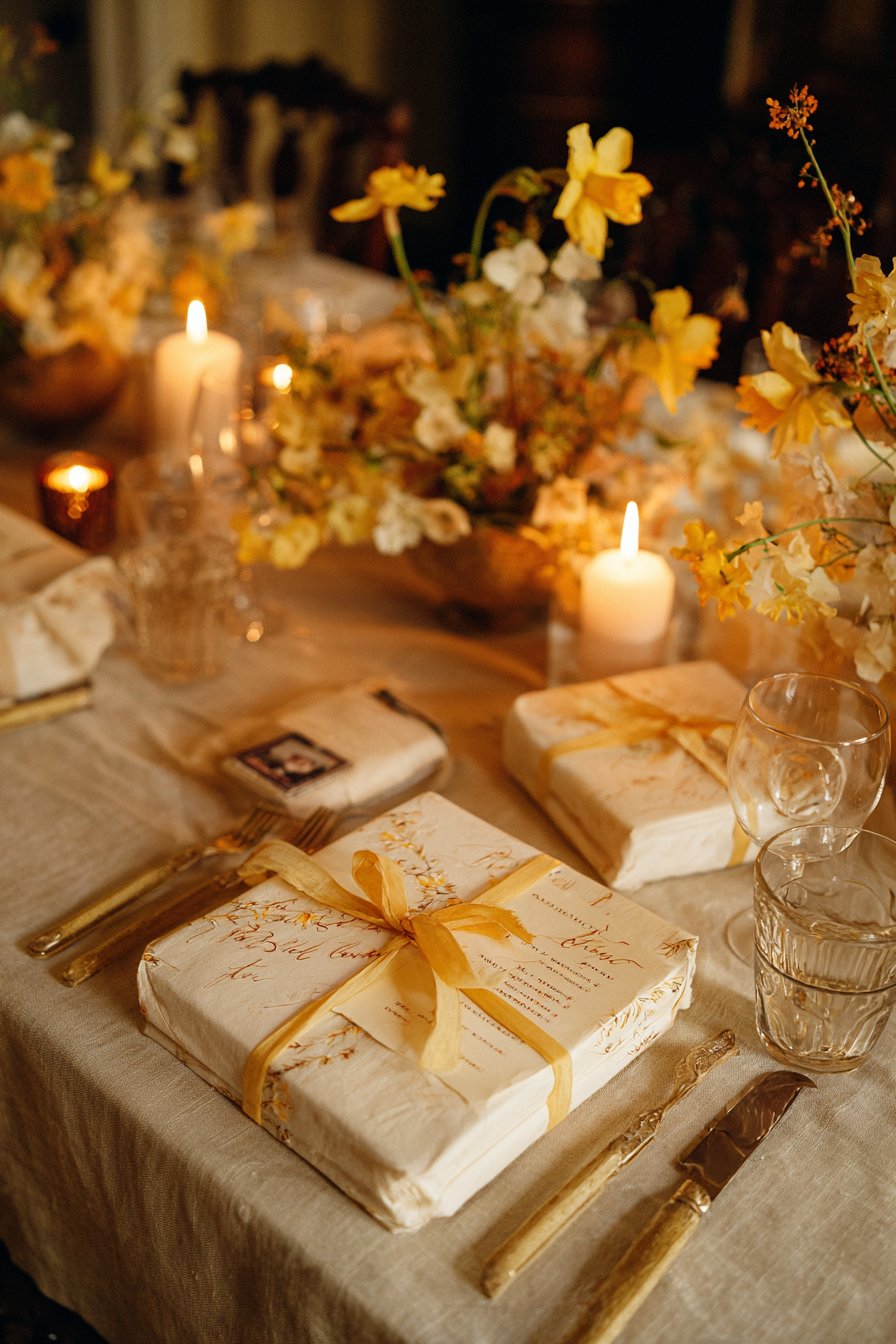
- Add personal touches like handwritten place cards or small gifts
5. Illuminate with Strategic Lighting
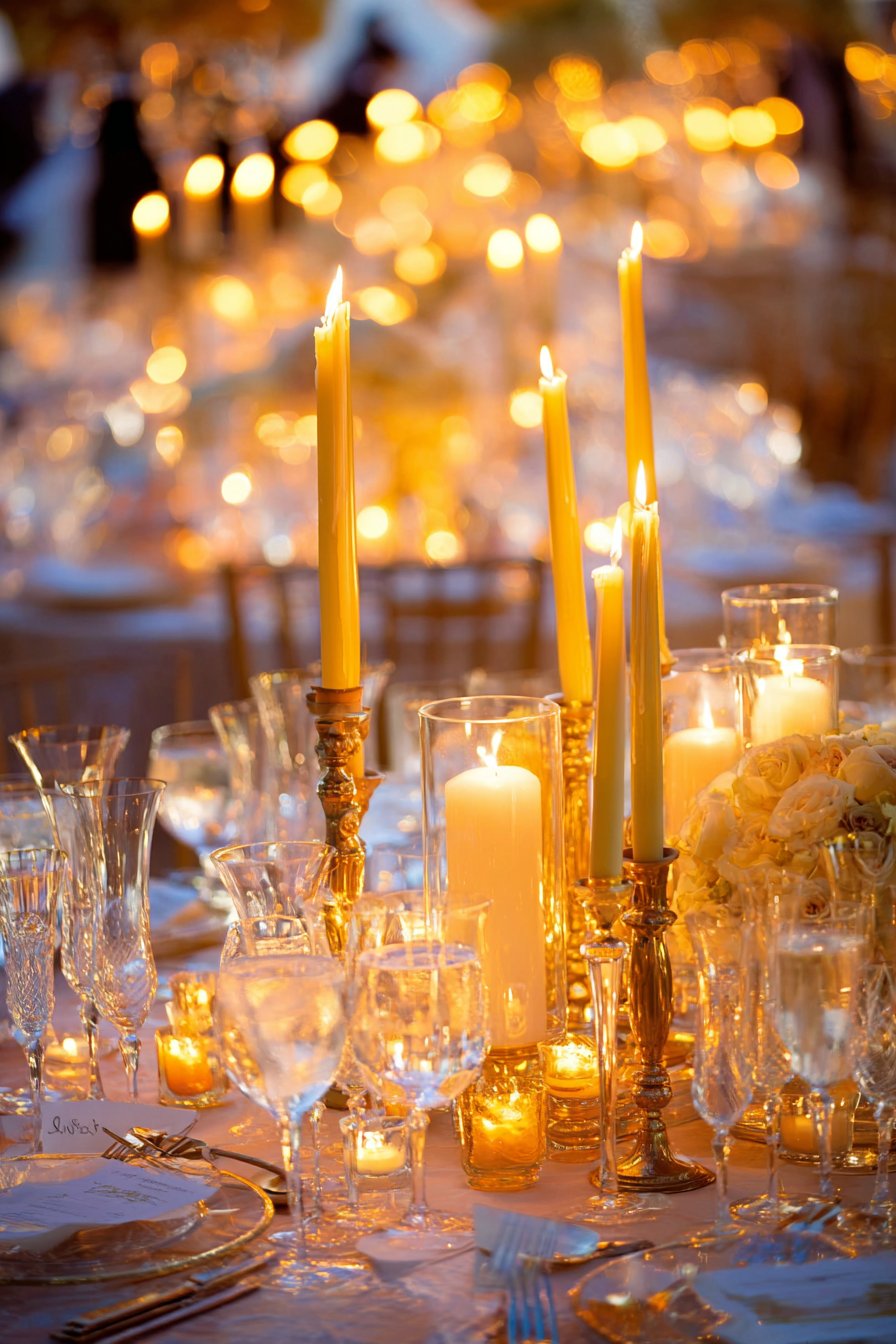
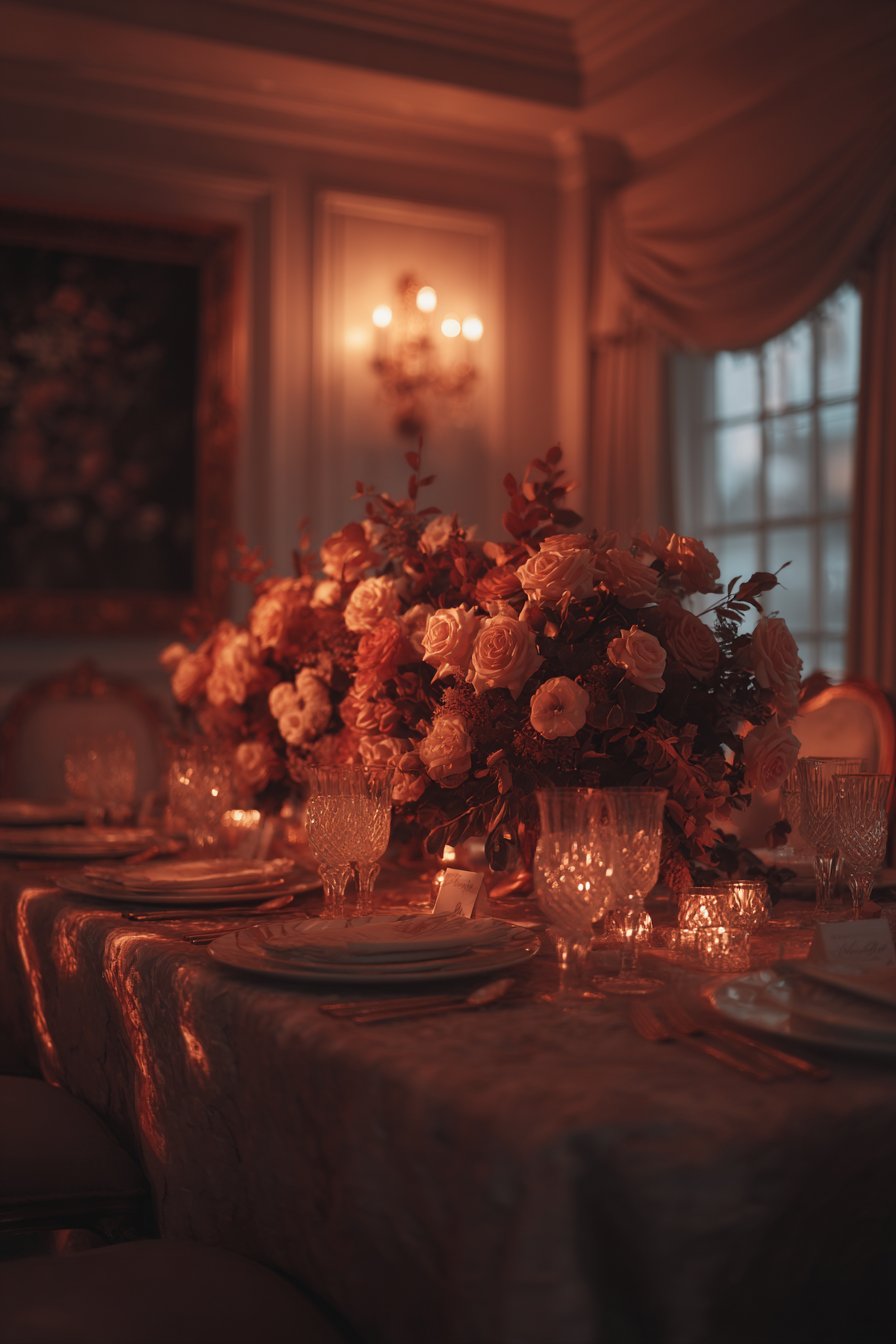
Lighting dramatically affects the ambiance and mood of your birthday celebration. The right illumination makes food look appetizing, creates flattering shadows, and adds romantic atmosphere to the gathering. Candlelight remains the gold standard for dinner parties, offering warmth that overhead fixtures cannot replicate.
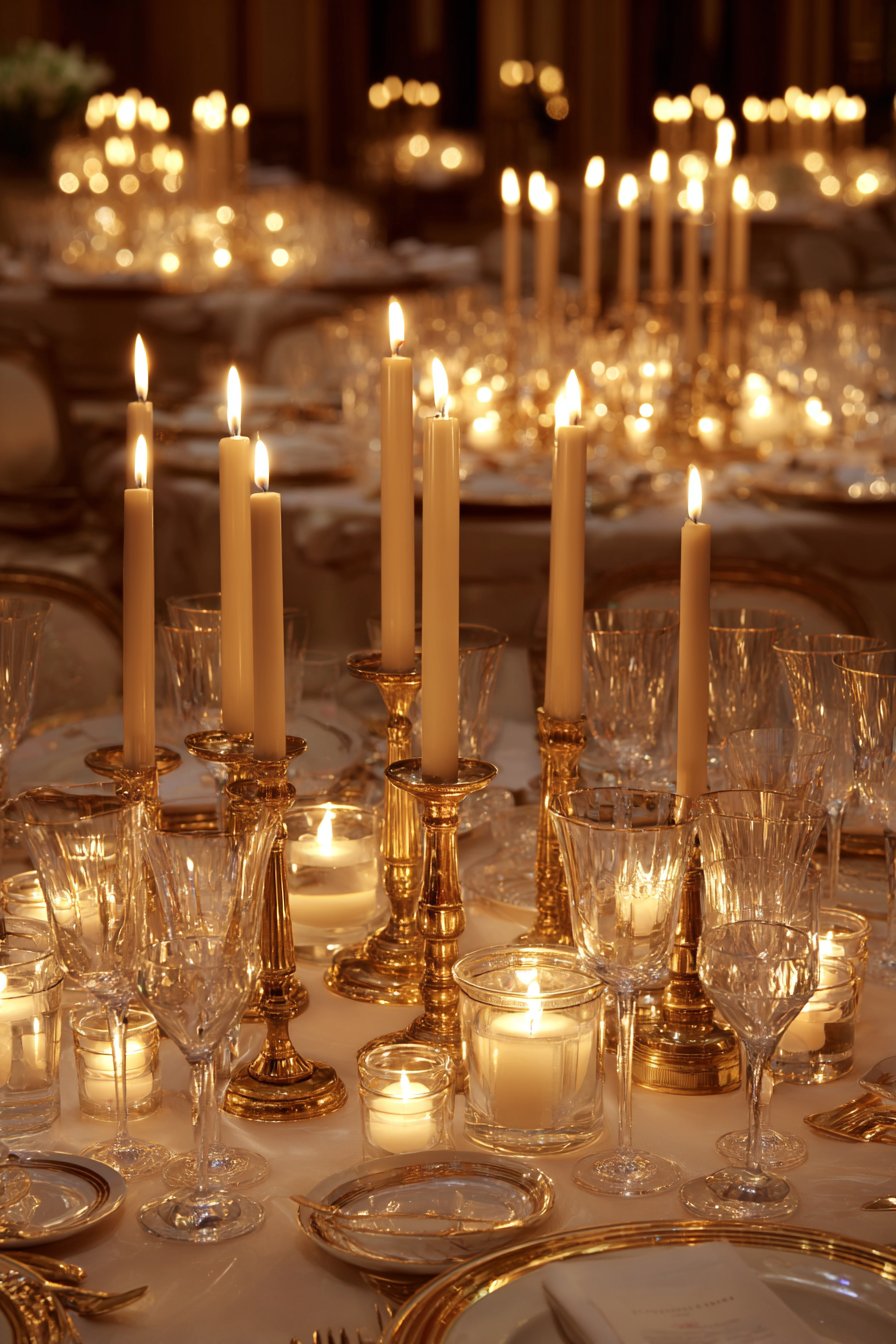
Layer your lighting by combining ambient, task, and accent sources throughout the space. Dim overhead lights to about thirty percent of full brightness, then supplement with candles at varying heights across the table. Taper candles add elegant verticality, while votives and tea lights create intimate glow when clustered together in groups.
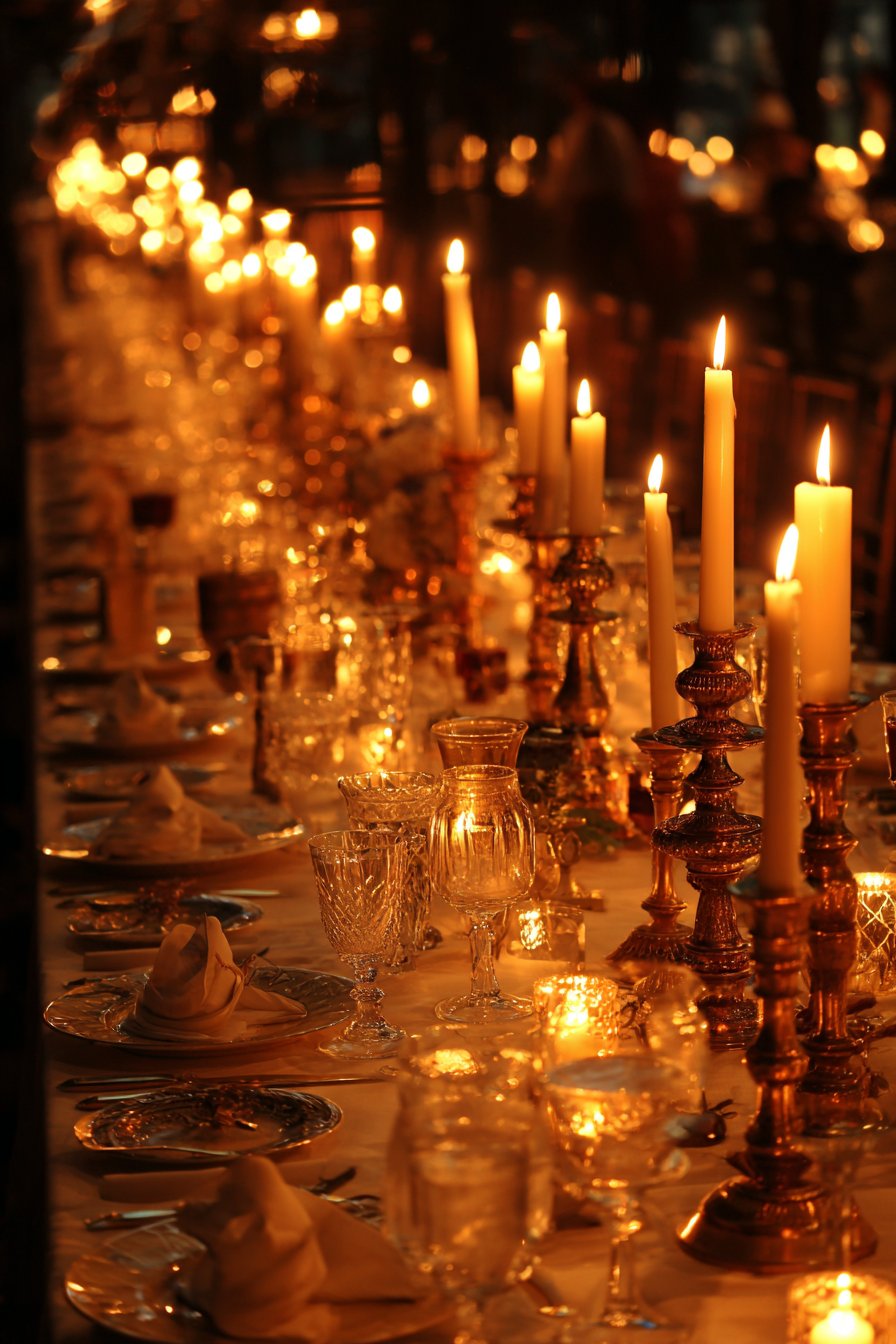
Consider the timing of your celebration when planning illumination strategy. Evening parties benefit from abundant candlelight, while afternoon gatherings need less supplemental lighting. Use candles in your color palette’s accent tones to reinforce the design theme. Always ensure candle flames sit above or below eye level to avoid obstructing views and conversation.
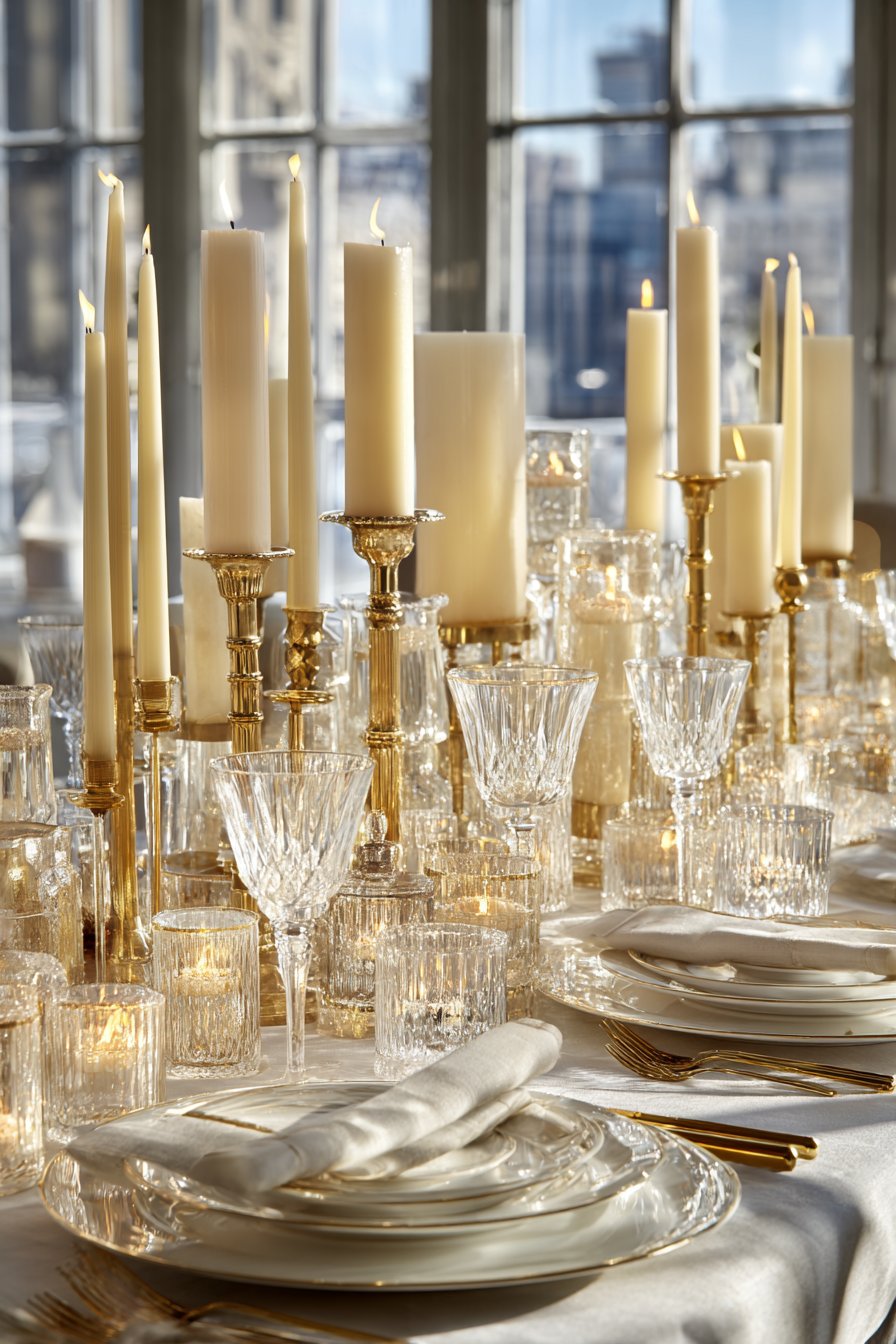
- Use unscented candles to avoid competing with food aromas
- Position candles safely away from flammable decorations and reaching hands
- Create depth with candles at three different height levels
- Add string lights or fairy lights for whimsical celebrations
- Use candlestick holders that complement your table’s style
- Test your lighting setup before guests arrive to adjust intensity
6. Incorporate Personalized Details
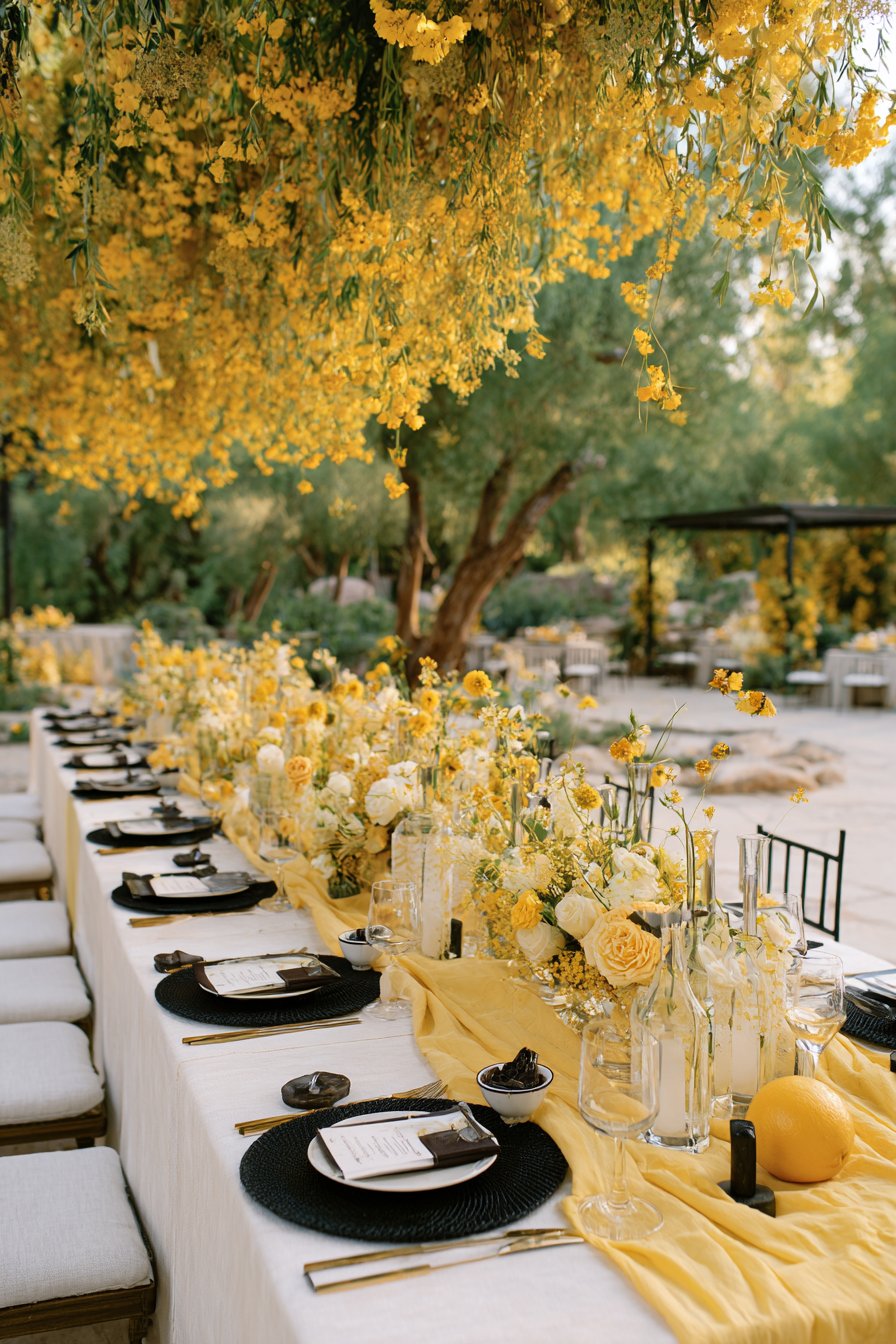
Personal touches transform a beautiful table into a meaningful celebration of the birthday honoree. These customized elements tell a story and create emotional connection for both the guest of honor and attendees. Small details make the biggest impact when they reflect genuine thoughtfulness and care.
Start with personalized place cards featuring guests’ names in beautiful calligraphy or creative materials that match your theme. Add small favors at each setting that relate to the birthday person’s interests, hobbies, or inside jokes with friends. Menu cards describing the meal elevate the dining experience and create restaurant-quality sophistication at home.
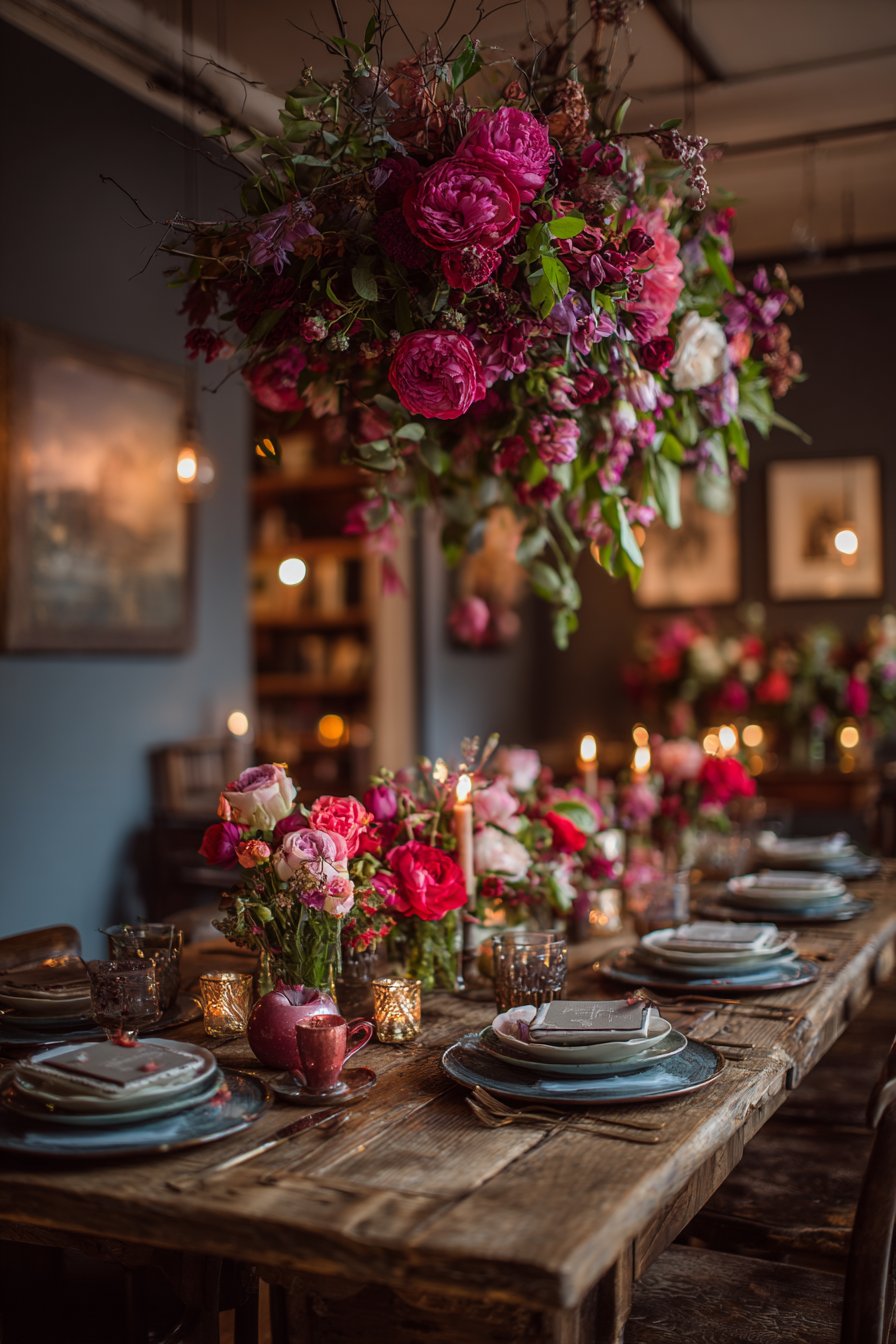
Consider incorporating photos, meaningful quotes, or milestone numbers throughout your table design. For significant birthdays like thirtieth or fiftieth celebrations, use the number as a decorative element in centerpieces or place settings. Display childhood photos of the honoree or create a memory lane table runner with printed images. These personal touches spark conversation and celebrate the journey.
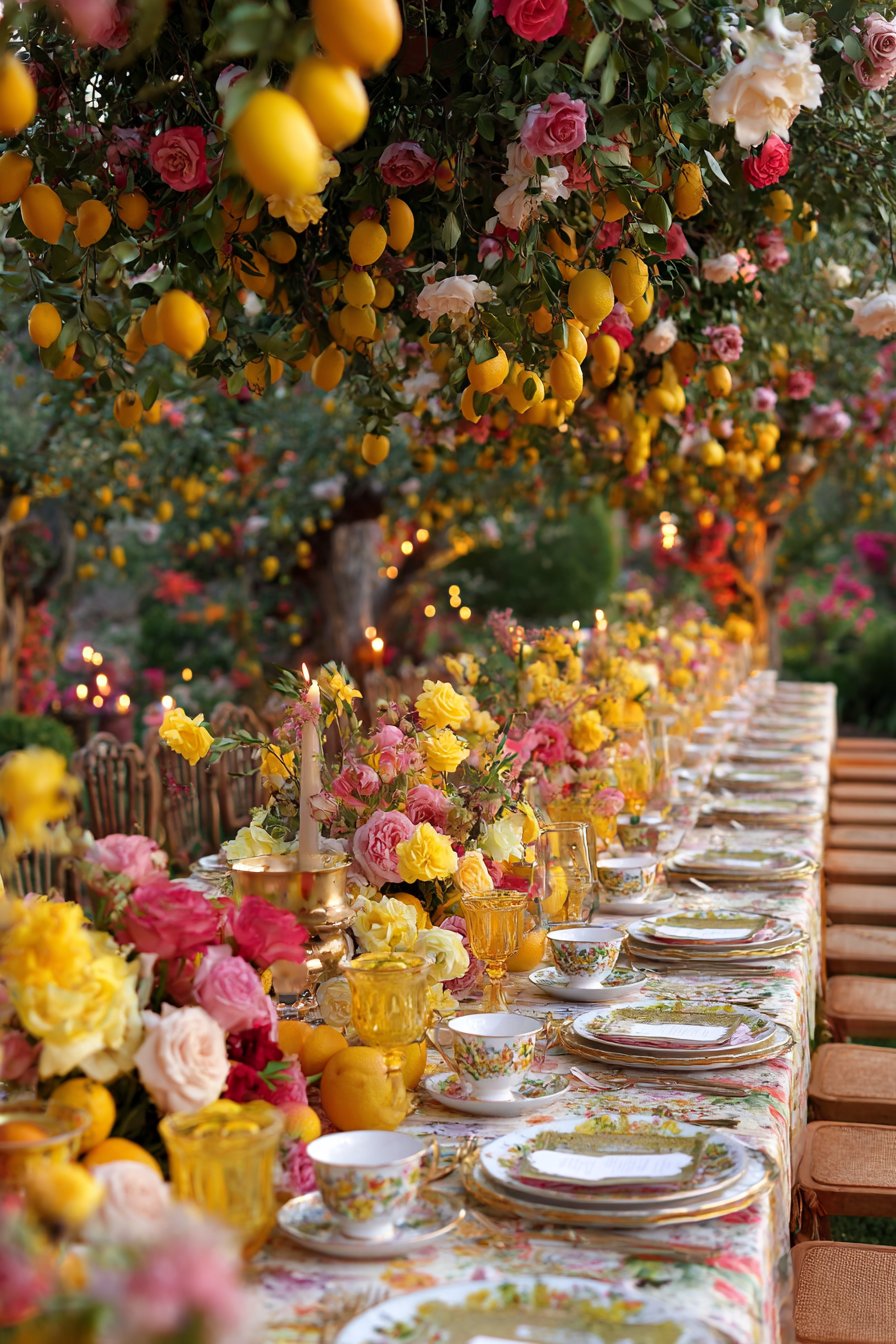
- Create custom menu cards describing each course served
- Use photos as place card holders or conversation starters
- Select favors that guests will actually use or enjoy
- Incorporate the honoree’s hobbies into decorative elements
- Display meaningful quotes or song lyrics that resonate
- Add the birthday person’s favorite flowers or colors prominently
7. Balance Functionality with Beauty
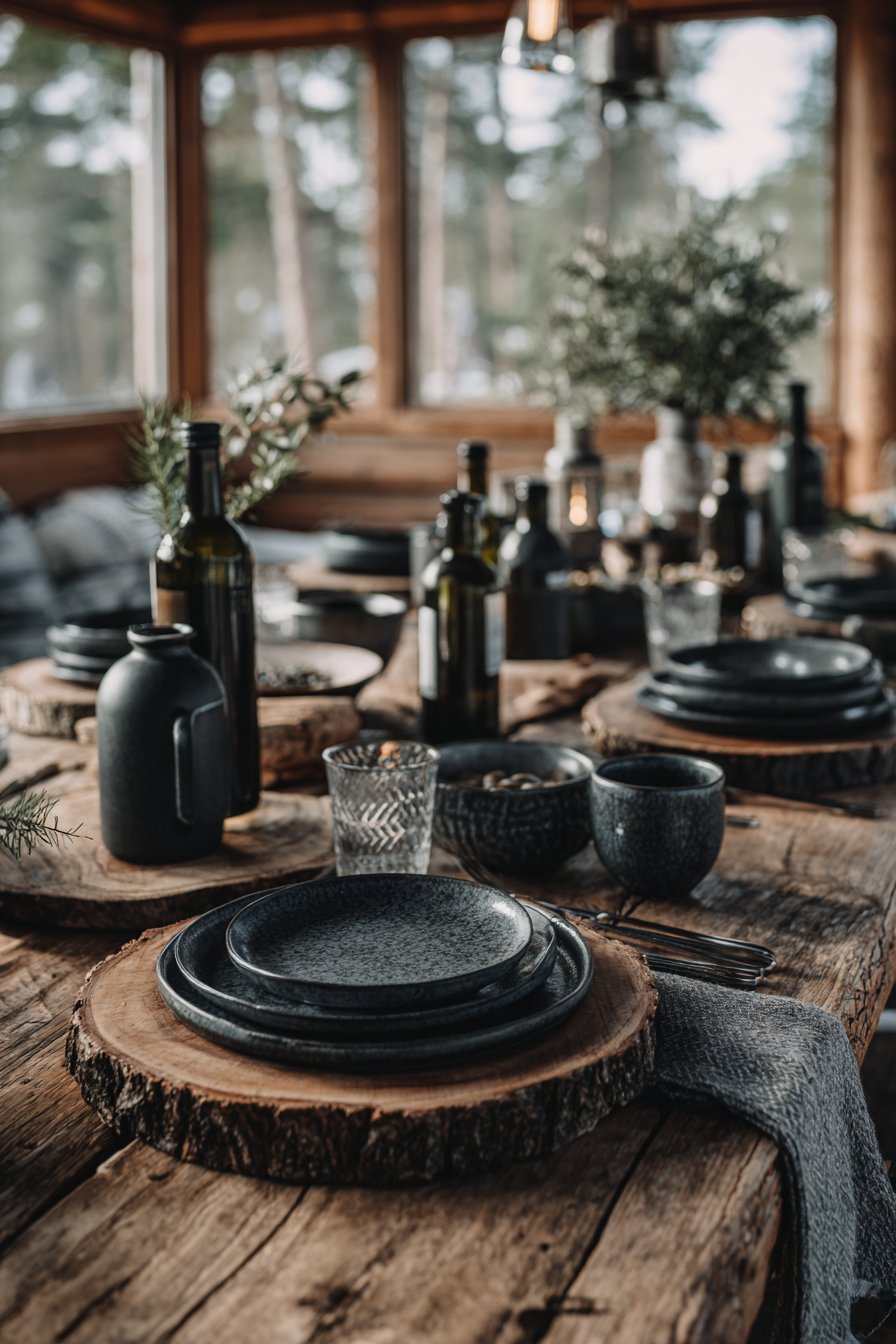
A stunning table must also serve its practical purpose efficiently. The most beautiful tablescape fails if guests cannot comfortably navigate their meal or conversation. Strategic planning ensures your design enhances rather than hinders the dining experience for everyone present.
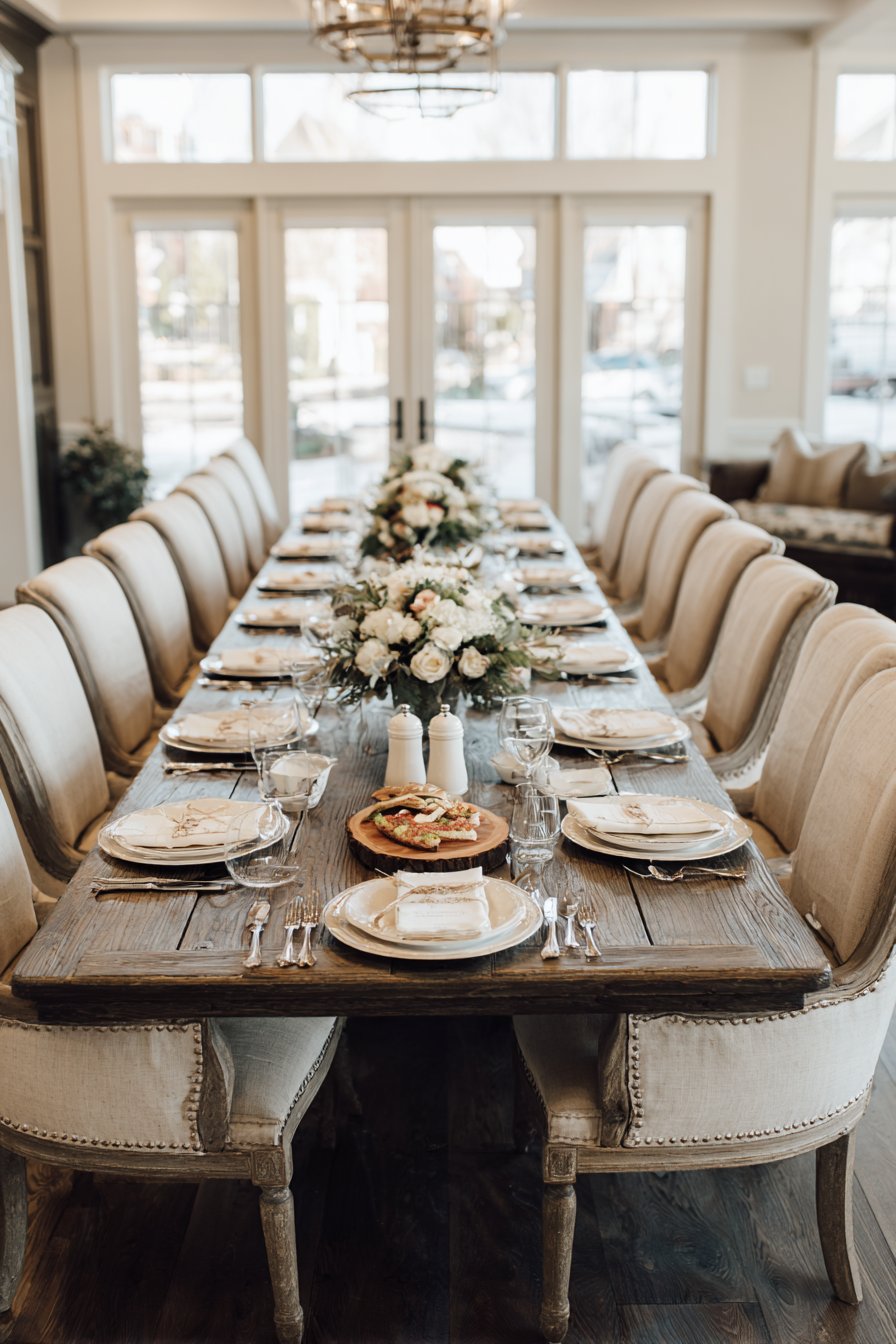
Leave adequate space between place settings for elbow room and service. Each guest needs approximately twenty-four inches of table width for comfortable dining. Ensure centerpieces don’t obstruct sightlines across the table or make passing dishes difficult. All necessary items like salt, pepper, and butter should be easily accessible without disrupting the aesthetic.
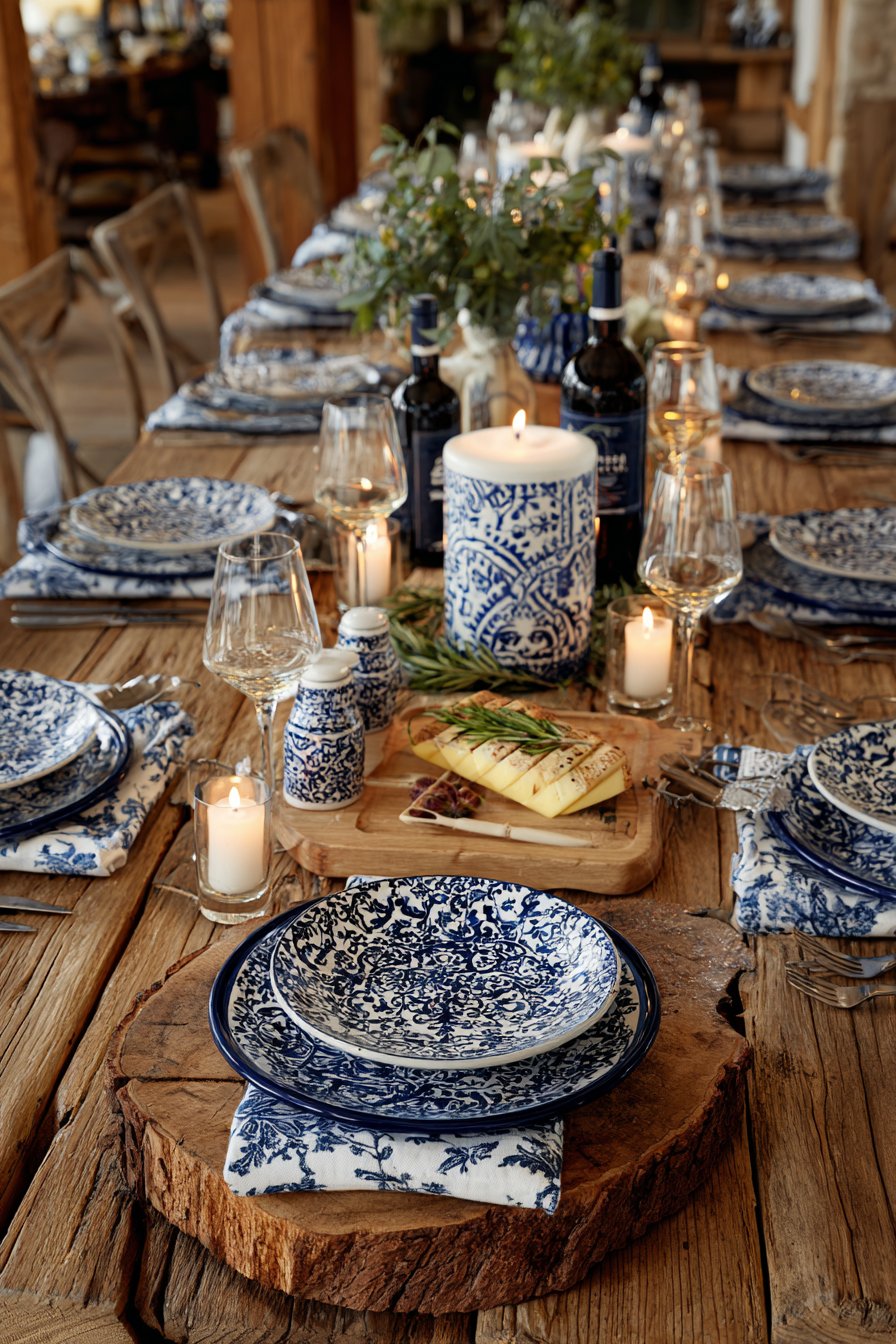
Plan your serving style before finalizing decorations and layout decisions. Family-style service requires platter space on the table, while plated service allows more elaborate centerpieces. Consider where hot dishes will rest and protect your table with appropriate trivets that blend into your design. Beautiful functionality means anticipating needs before they arise.
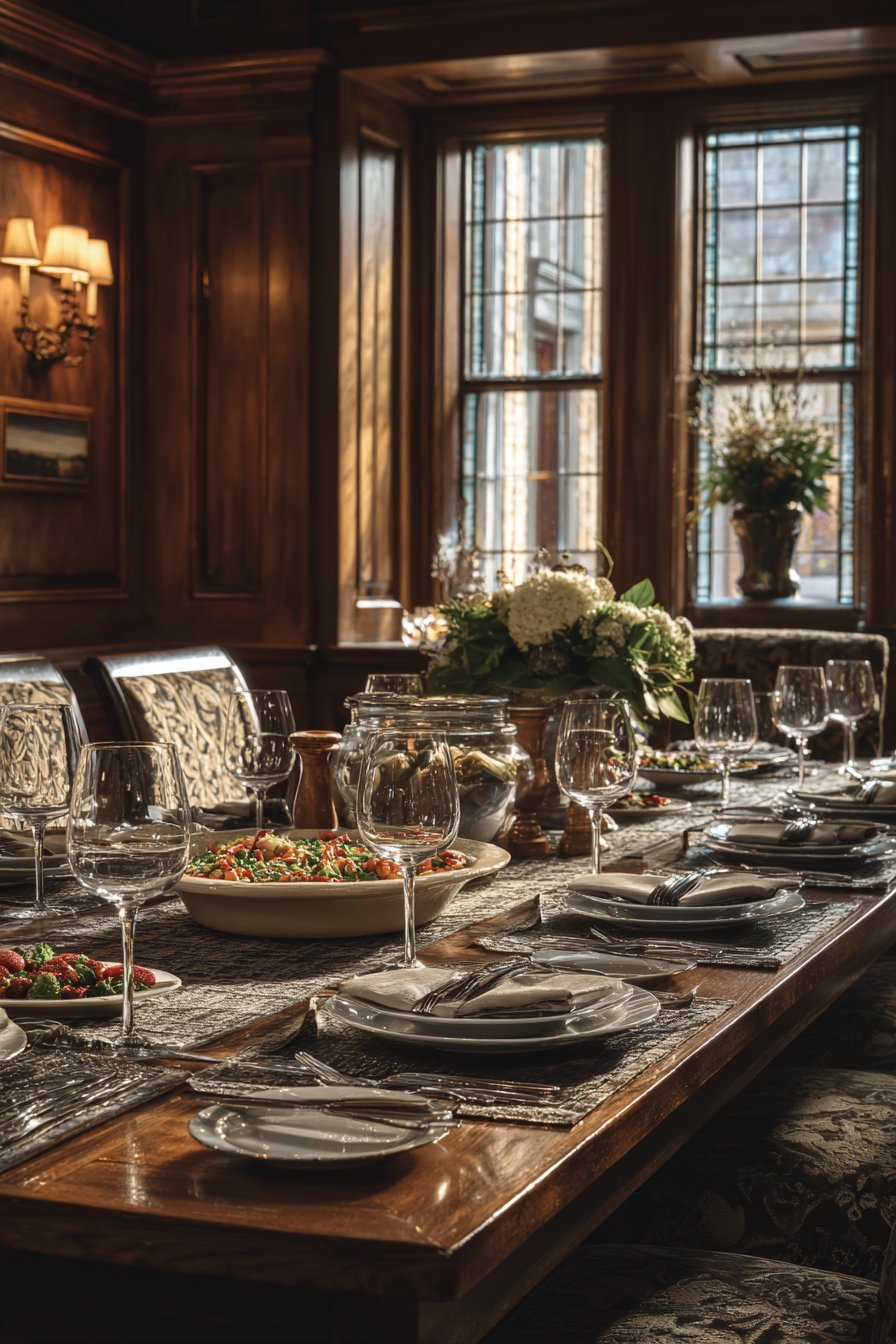
- Test the table setup by sitting at each place beforehand
- Ensure centerpieces allow eye contact across the table
- Keep essential condiments accessible without cluttering settings
- Plan space for serving dishes if using family-style service
- Have backup seating space if guest count increases
- Coordinate serving pieces to match your overall design aesthetic
8. Add Unexpected Elements for Wow Factor
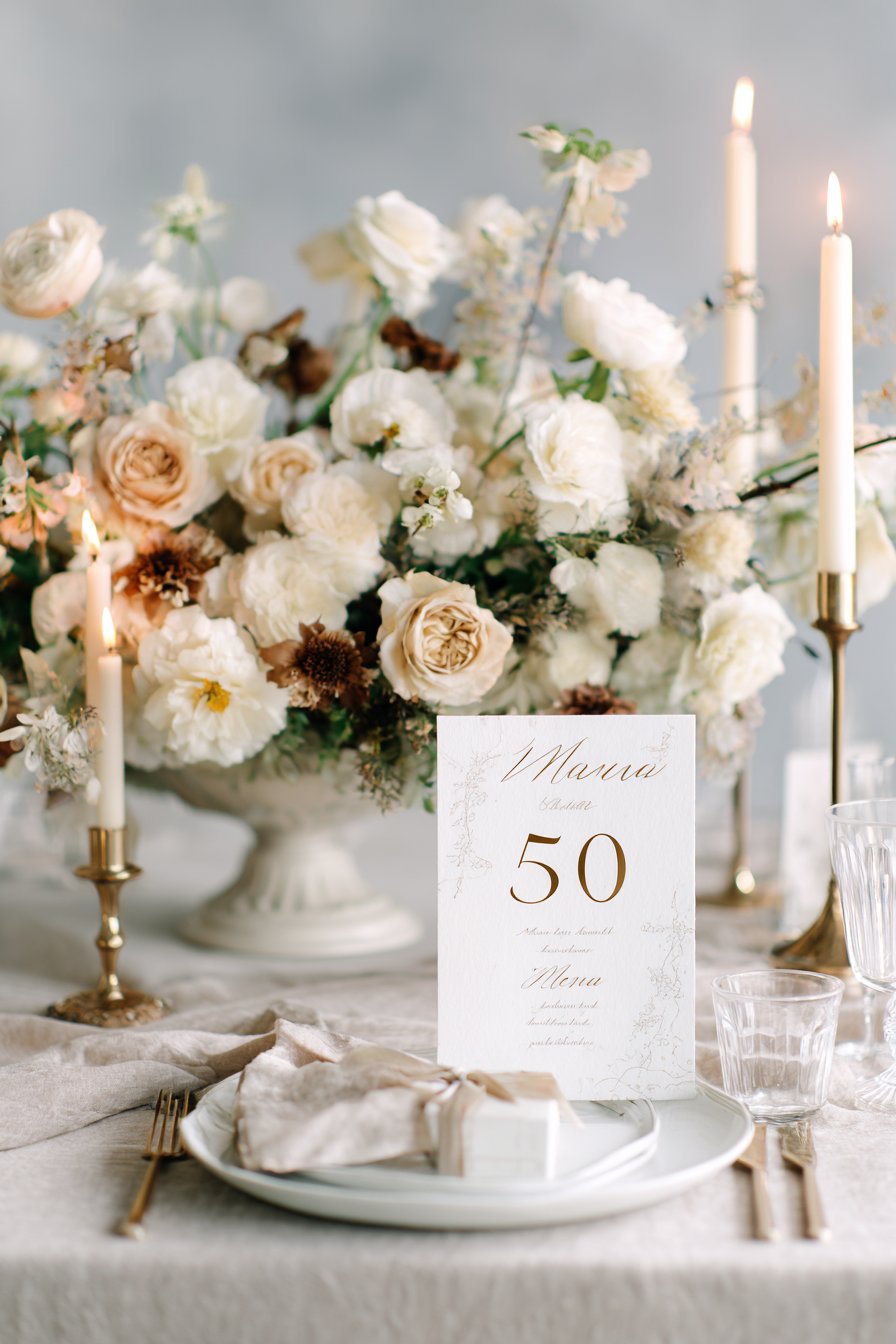
The difference between a nice table and an unforgettable one lies in surprising details that delight guests. These unexpected elements showcase creativity and extra effort that make the celebration truly special. Think beyond traditional table styling to incorporate unique touches that guests will remember.
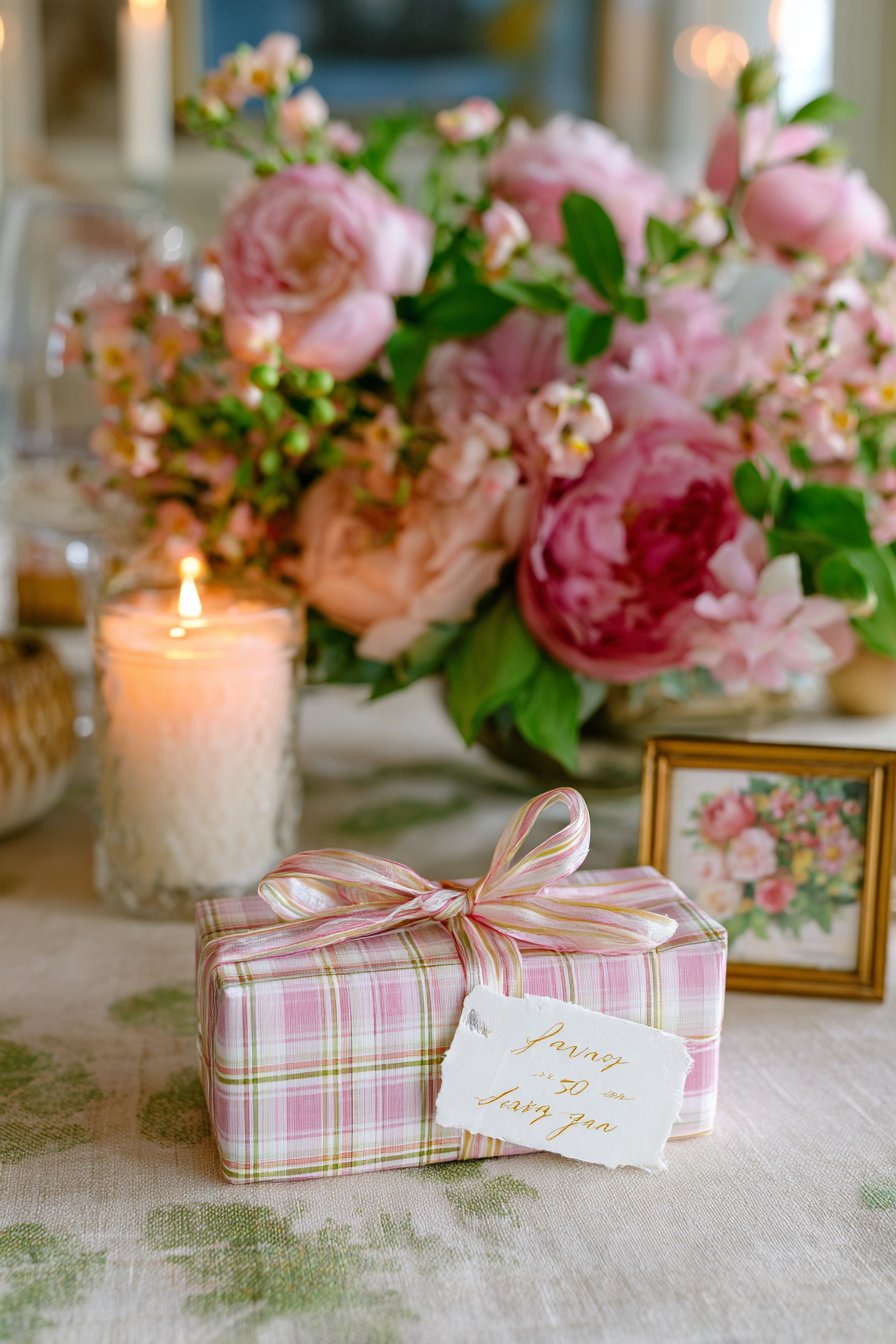
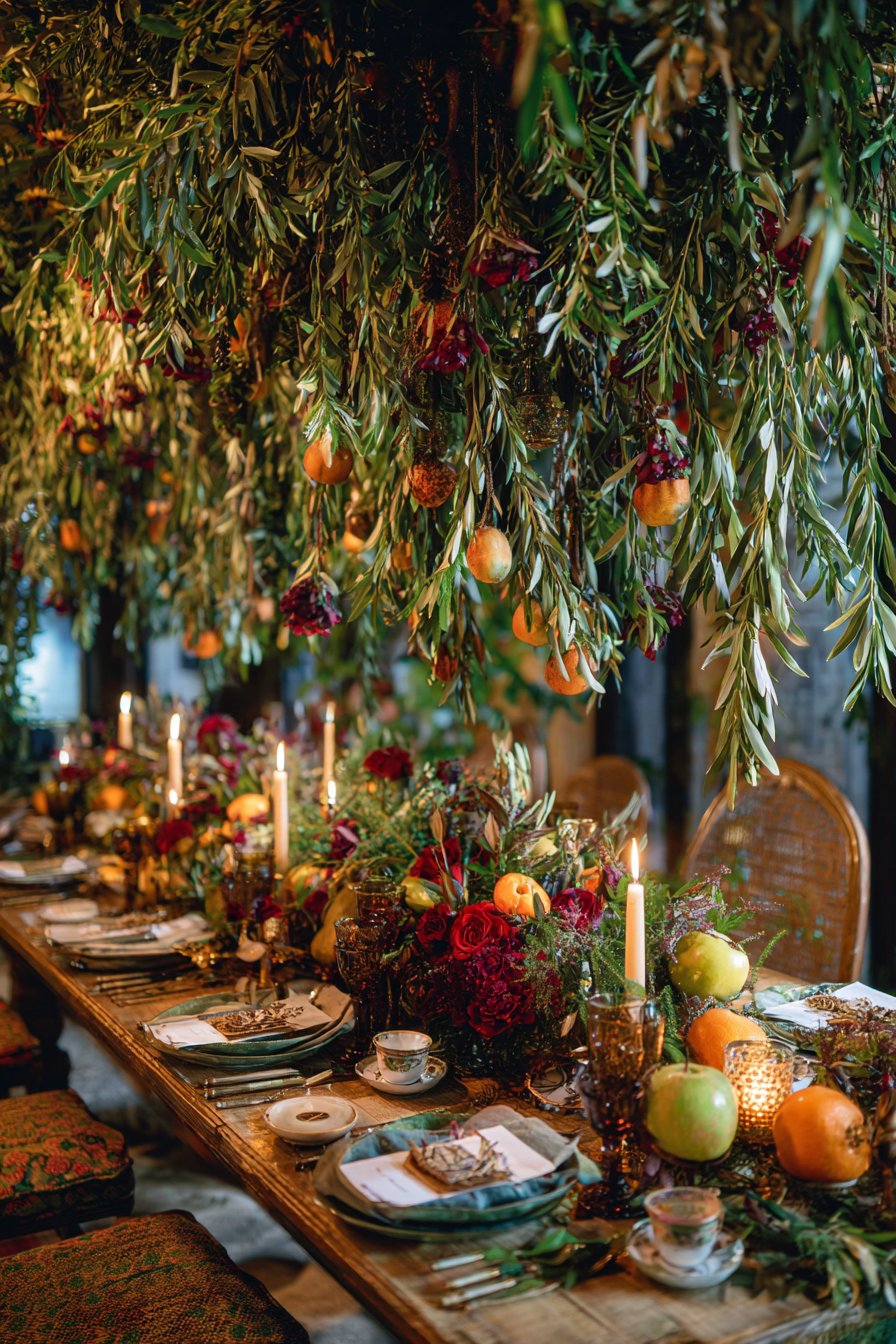
Consider non-traditional centerpiece options like terrariums, vintage books, or sculptural objects that reflect the birthday person’s passions. Hang elements above the table like floral chandeliers or suspended decorations that add vertical interest. Use unconventional vessels for flowers such as vintage teacups, painted bottles, or hollowed fruits for whimsical charm.
Incorporate interactive elements that engage guests throughout the meal. Place conversation starter cards at each setting, create a toast prompt system, or include small games or activities between courses. Edible decorations like chocolate place cards or cookie favors blur the line between décor and dessert. These memorable touches create stories guests will share long after the celebration ends.
- Suspend decorative elements from above for three-dimensional design
- Use unexpected vessels like teapots or baskets for floral arrangements
- Incorporate edible flowers or herbs that serve dual purposes
- Add scented elements like eucalyptus or lavender strategically
- Include interactive elements like wish cards or memory prompts
- Break traditional rules creatively while maintaining overall cohesion
Conclusion
Styling a beautiful birthday dinner table combines artistic vision with thoughtful planning and attention to detail. These eight secrets provide a framework for creating memorable celebrations that honor the guest while impressing all attendees. From cohesive color palettes to unexpected wow factors, each element contributes to the overall celebratory atmosphere.
Remember that the most successful tables reflect the personality and preferences of the birthday person rather than following rigid design rules. Use these principles as guidance while allowing creativity and personal style to shine through. With careful planning and genuine enthusiasm, you’ll create a birthday tablescape that becomes the perfect backdrop for making cherished memories with loved ones.
