


In recent years, interior design has evolved beyond mere aesthetics to embrace the profound connection between our spaces and mental wellbeing. Dopamine decor represents a revolutionary approach to home styling that prioritizes joy, positivity, and emotional uplift through intentional design choices. This movement recognizes that our living environments directly impact our mood, productivity, and overall happiness.
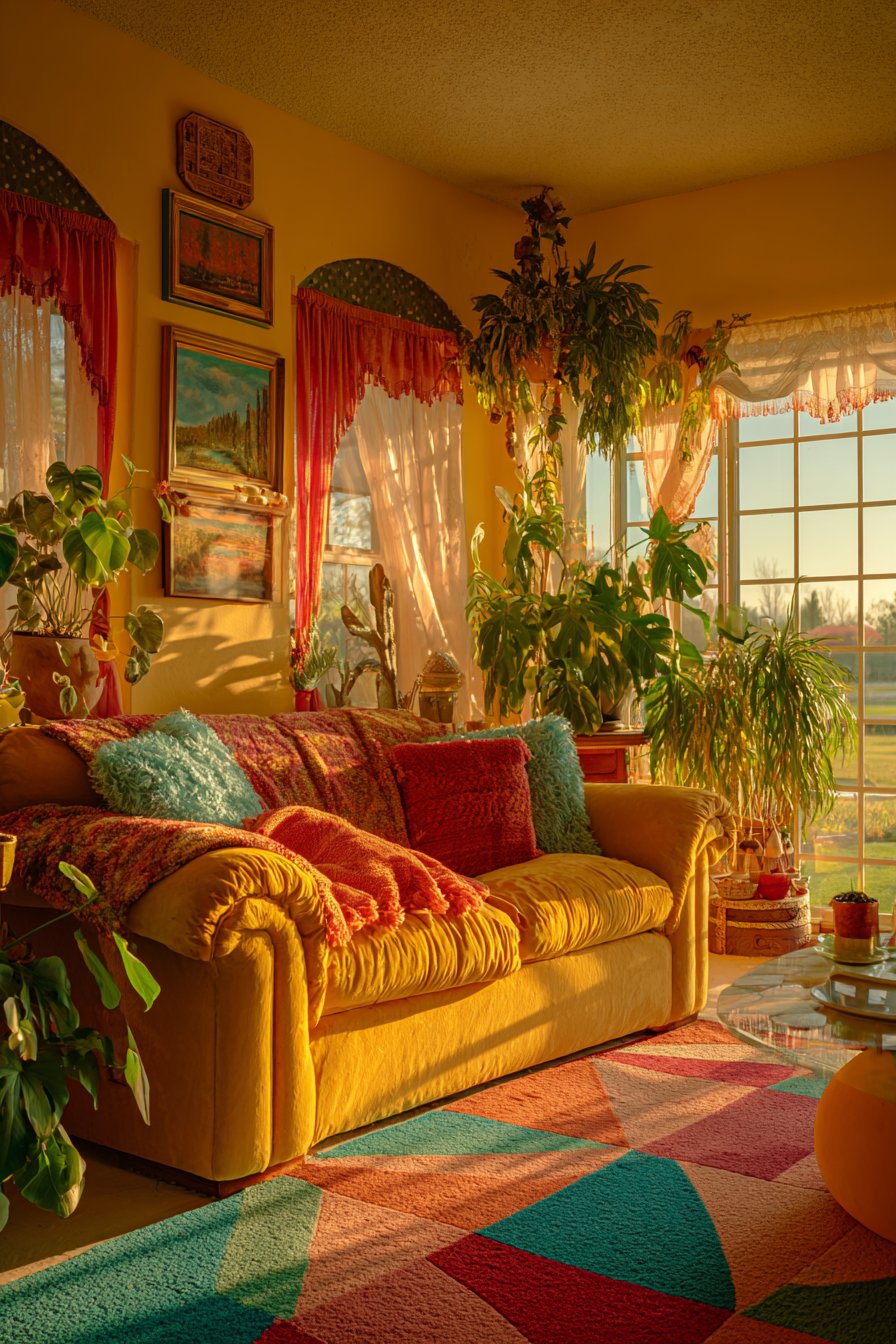
The beauty of dopamine decor lies in its accessibility and personal nature. Unlike rigid design rules, this approach encourages homeowners to curate spaces filled with items, colors, and arrangements that spark genuine delight. Whether you’re drawn to vibrant color palettes, nostalgic collectibles, or whimsical art pieces, dopamine decor celebrates individual taste while promoting mental wellness. This article explores the essential elements of creating a happy home through strategic design decisions that boost your mood every single day.
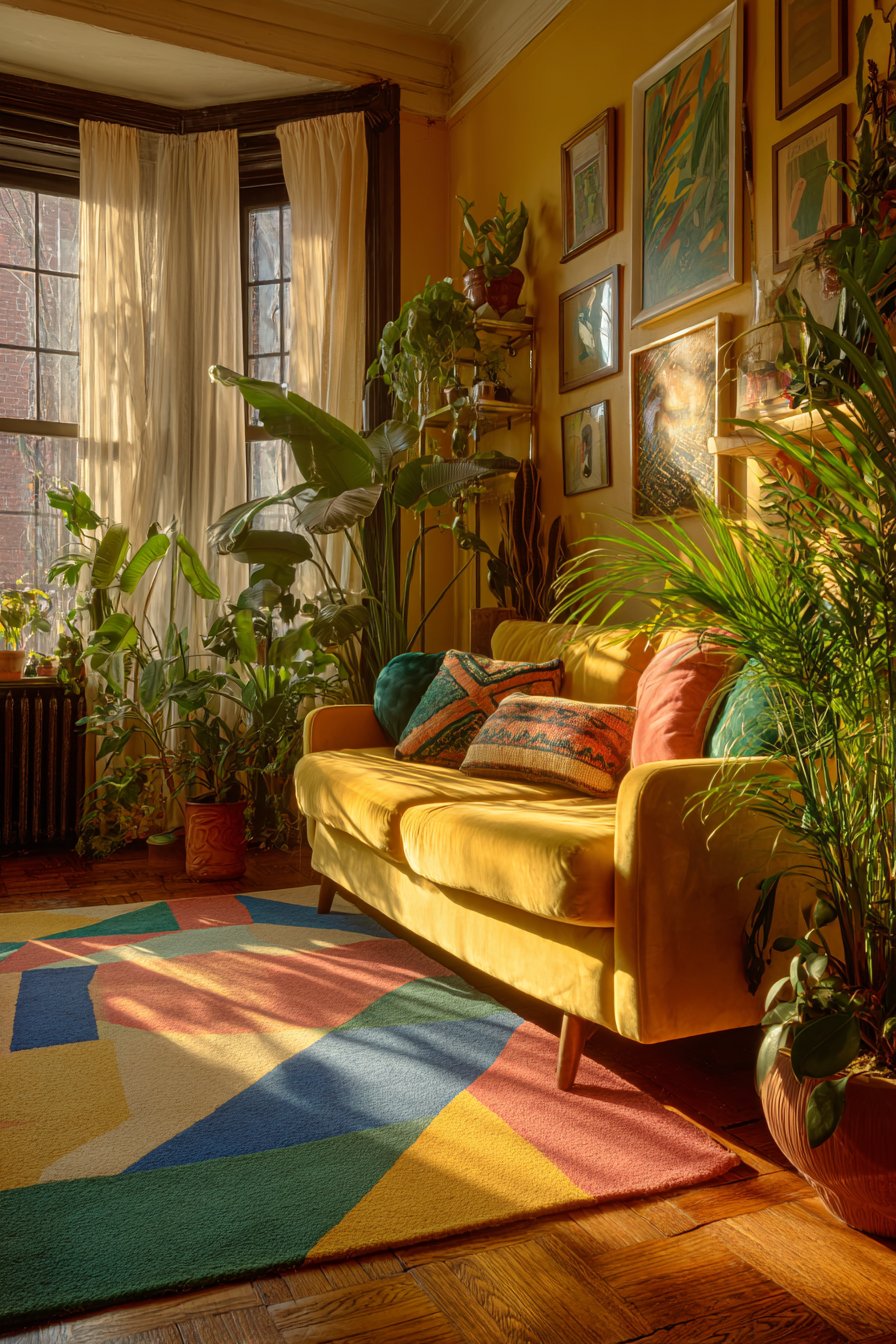
Thoughtful interior design creates functional spaces that inspire and energize. Different styles cater to diverse personalities and lifestyles, from minimalists to maximalists. This guide covers unique themes and practical tips for transforming your home into a dopamine-boosting sanctuary that reflects your authentic self while nurturing emotional wellbeing.
1. Understanding the Science Behind Dopamine Decor
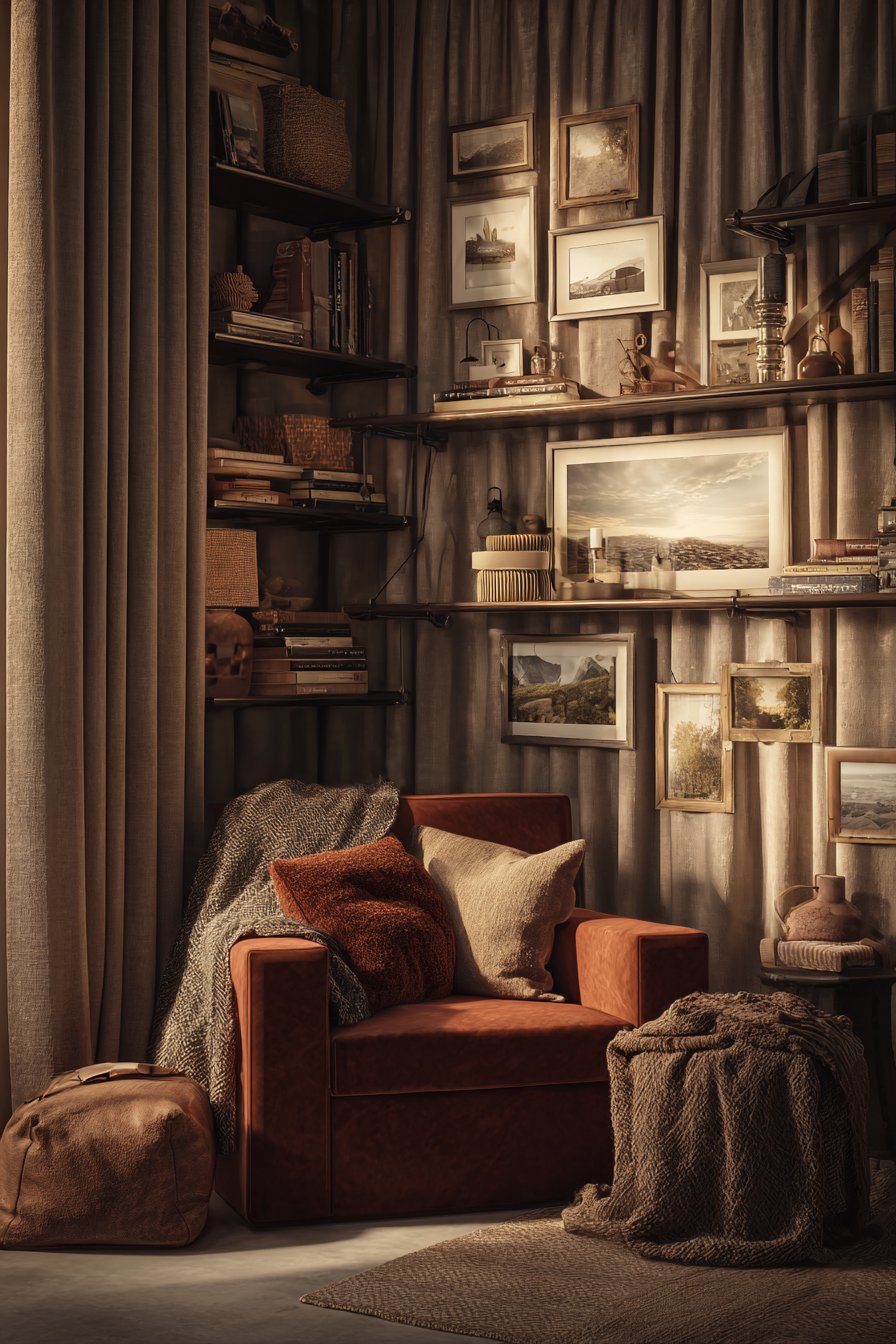
Dopamine is a neurotransmitter associated with pleasure, motivation, and reward. When we encounter things that bring us joy, our brains release this feel-good chemical, creating positive associations with our environment. Dopamine decor intentionally incorporates elements that trigger these pleasant responses, making your home a constant source of happiness rather than just shelter.
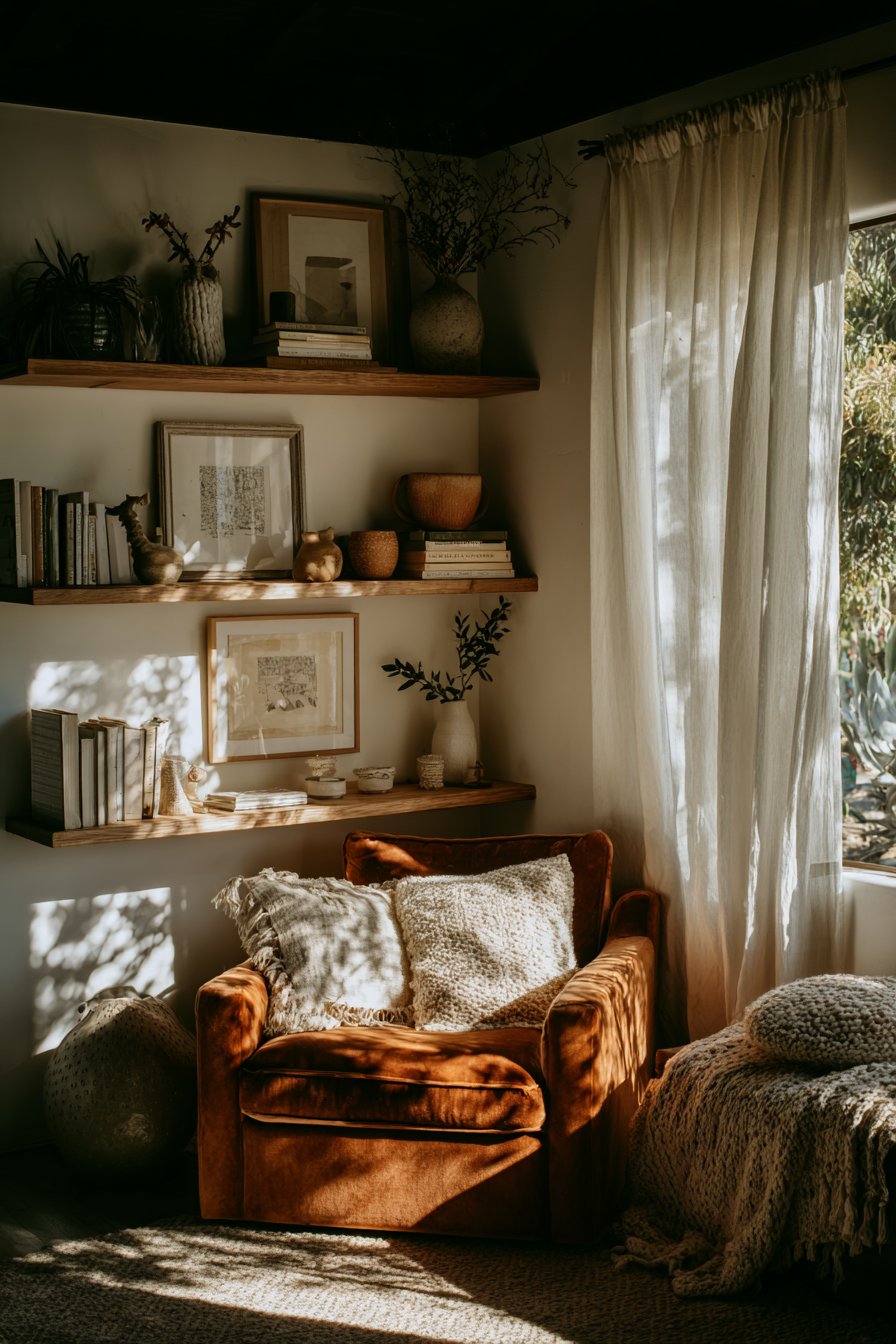
The psychological impact of our surroundings cannot be overstated. Research shows that personalized spaces significantly improve mood, reduce stress, and enhance overall quality of life. By surrounding yourself with objects and colors that resonate emotionally, you create a supportive environment that promotes mental health. This approach contrasts sharply with trend-driven design that may look stylish but feels disconnected from your authentic preferences.
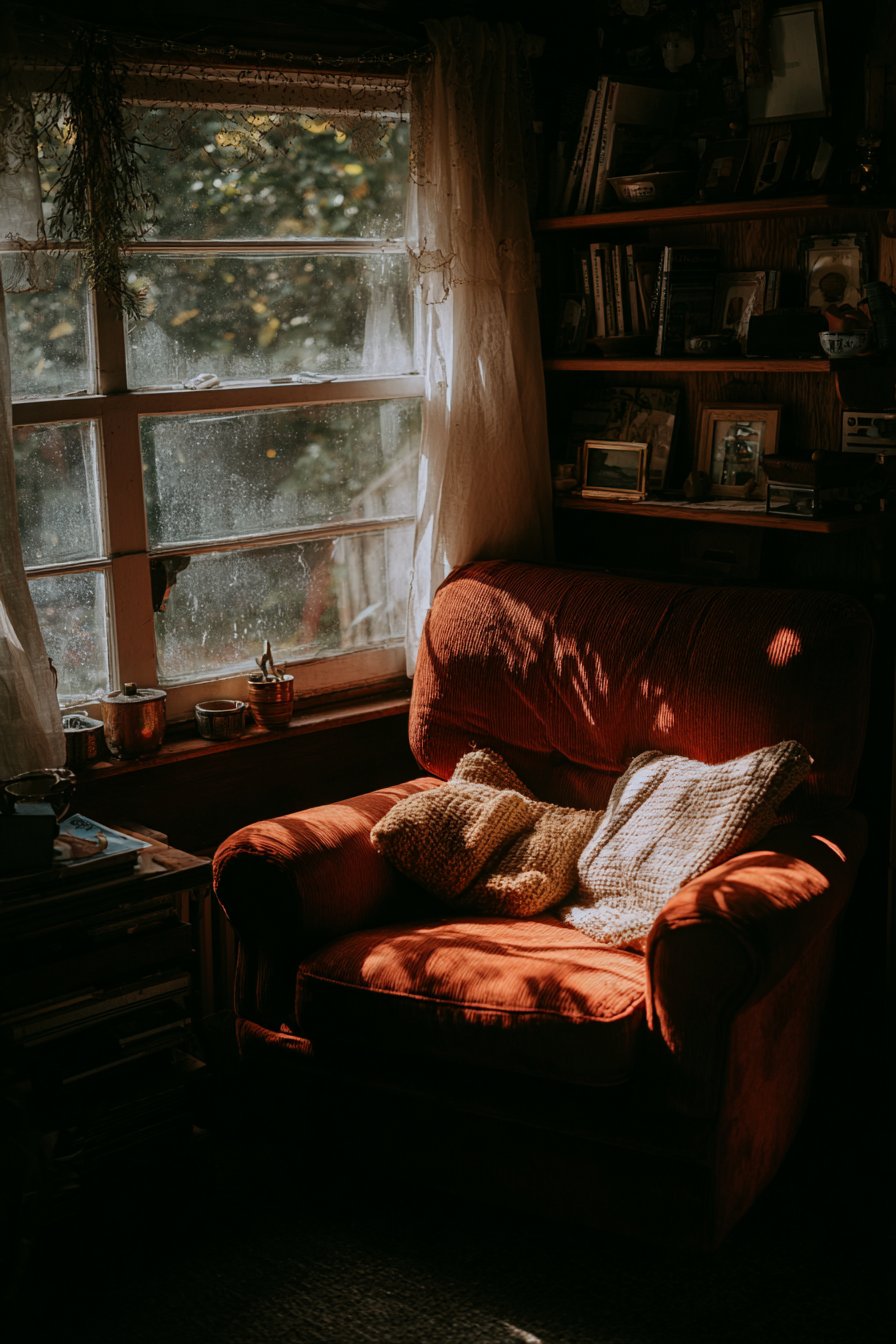
Creating a dopamine-rich environment means prioritizing personal meaning over perfection. Display cherished photographs, showcase hobby-related items, or incorporate sentimental treasures that tell your story. The goal is cultivating spaces that make you smile spontaneously, not impressing others with designer labels or expensive furnishings.
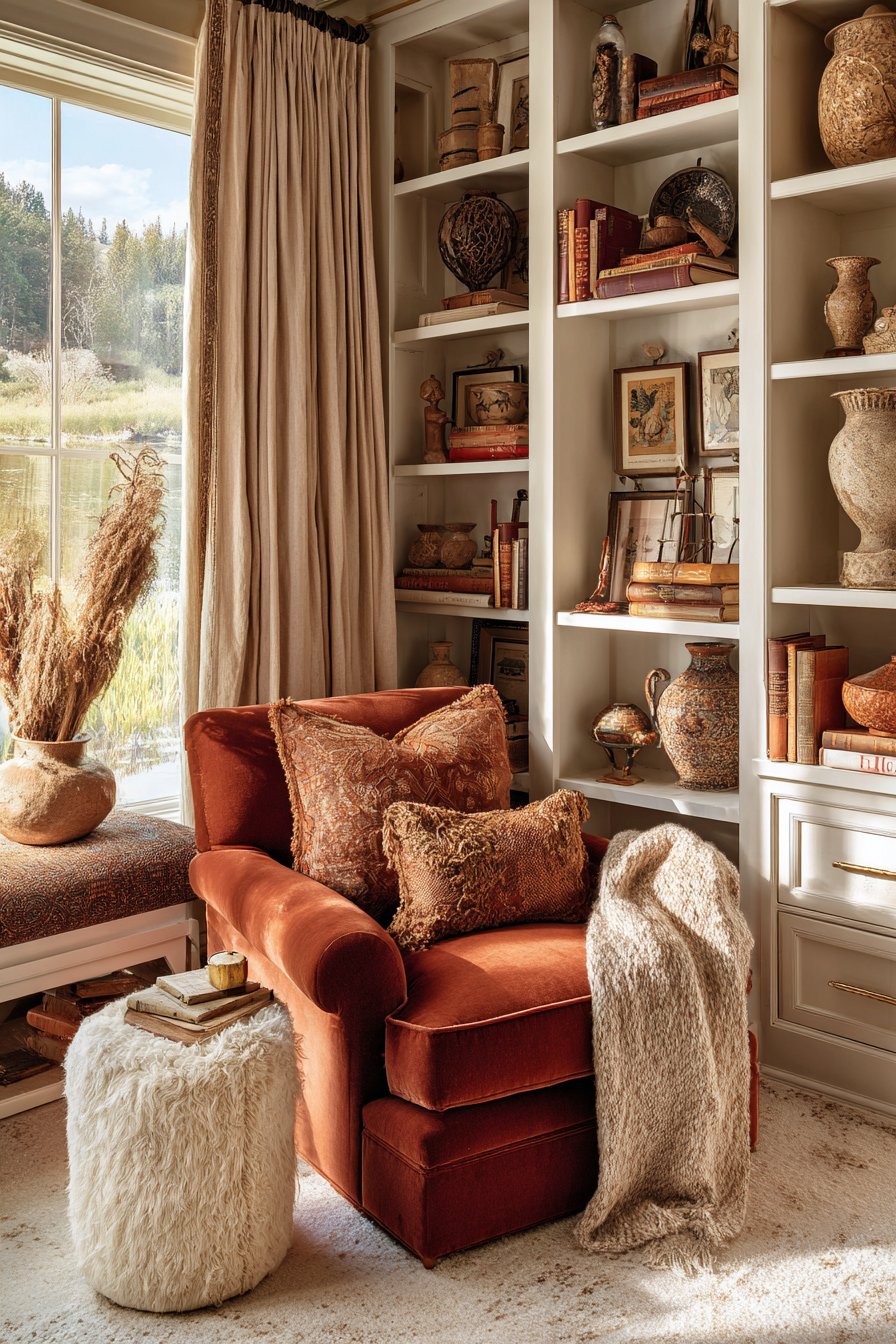
- Choose decor items that trigger positive memories or associations
- Display collections that reflect your passions and interests
- Incorporate textures and materials that feel pleasant to touch
- Create visual focal points that draw your eye and lift spirits
- Remove items that create negative feelings or stress
- Regularly refresh displays to maintain novelty and interest
2. Color Psychology and Mood-Boosting Palettes
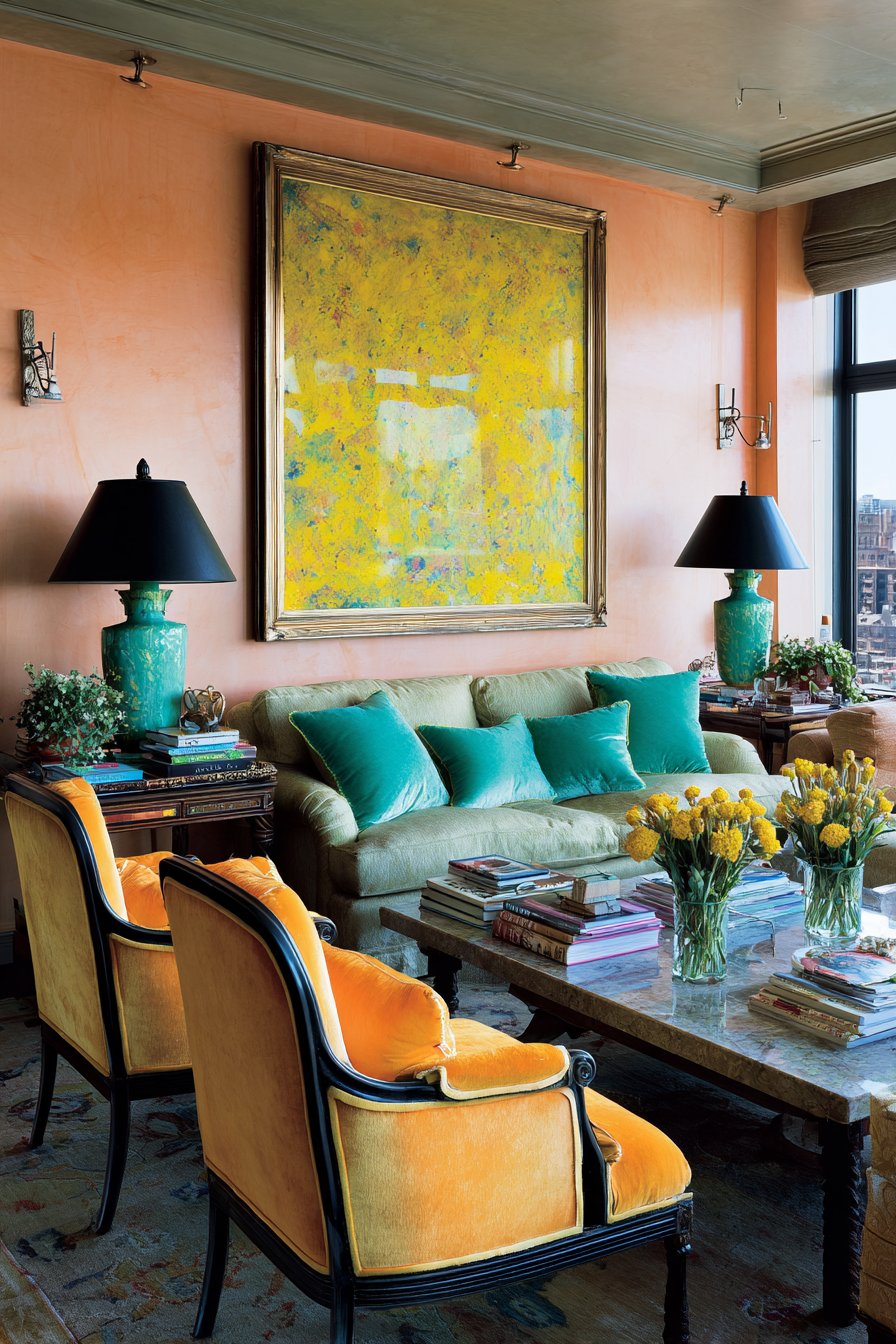
Color profoundly influences emotional states and energy levels. Vibrant hues like coral, yellow, and turquoise are hallmarks of dopamine decor, chosen specifically for their uplifting properties. These shades stimulate positive emotions and create dynamic, energizing spaces that combat dullness and monotony in daily life.
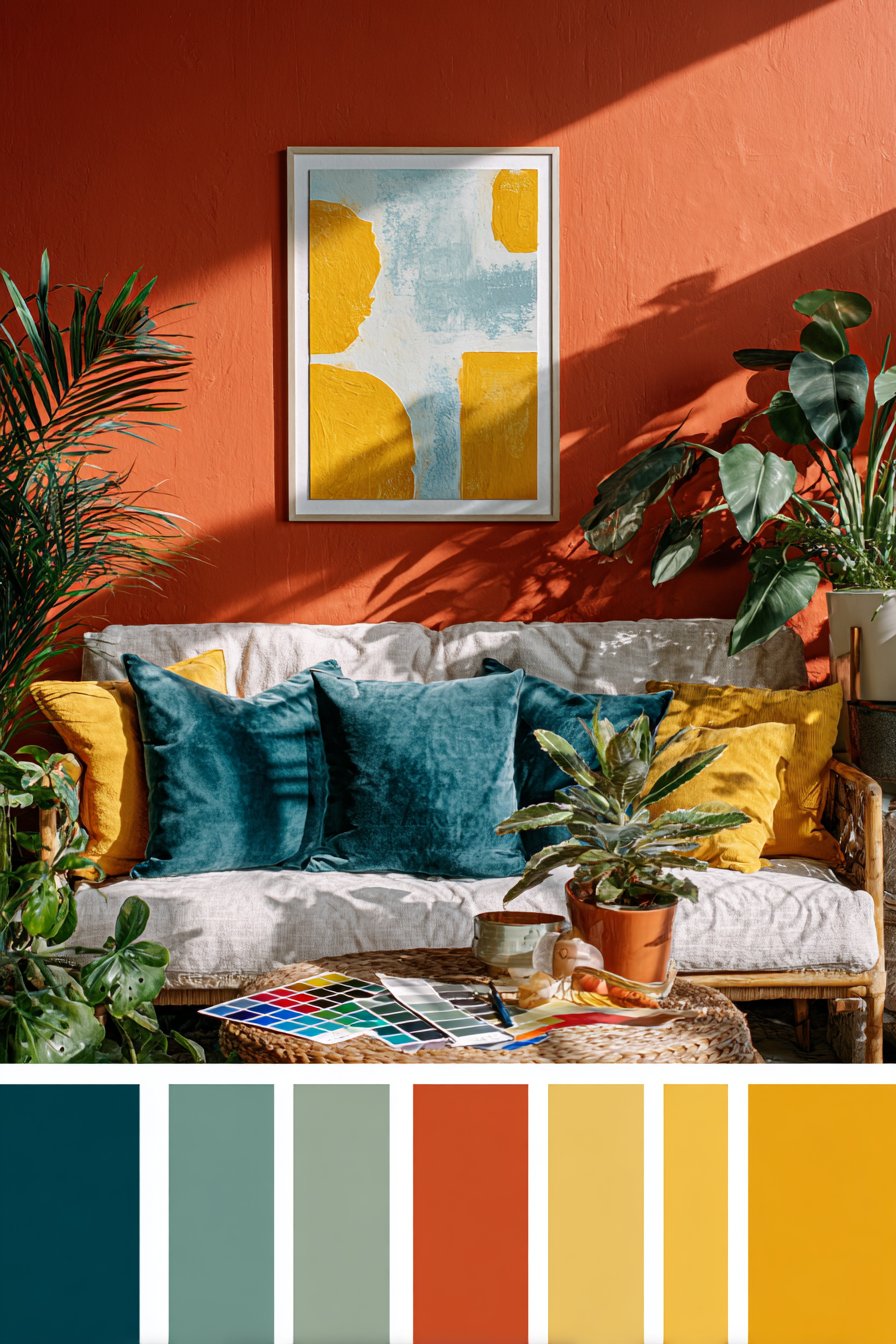
However, dopamine decor isn’t exclusively about bright colors. The key is selecting shades that personally resonate and bring joy. Some find happiness in soft pastels or jewel tones, while others prefer bold primaries. Your perfect palette depends on individual preferences, natural light availability, and the mood you want to cultivate in each room.
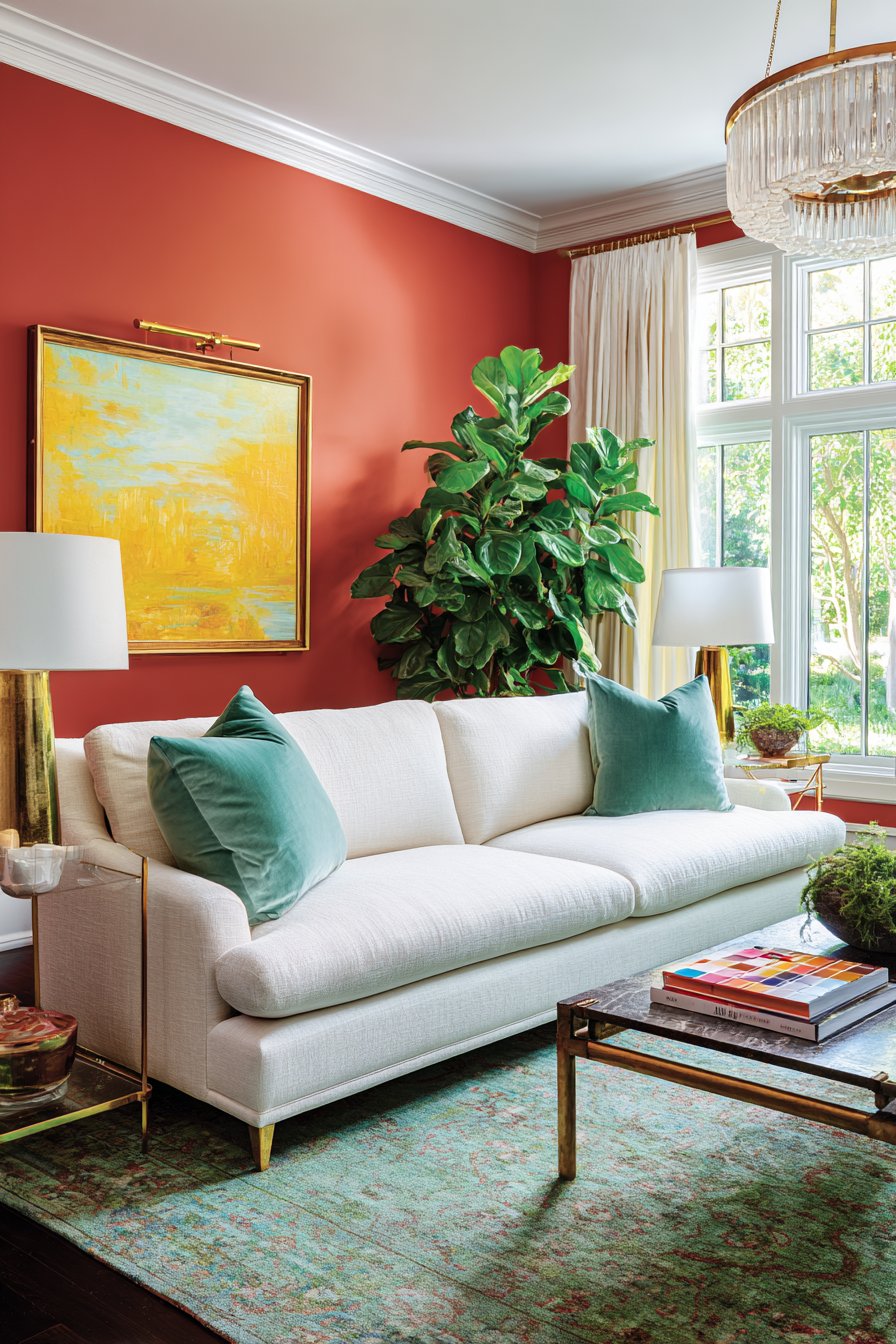
Layering colors strategically maximizes their mood-boosting potential. Start with neutral bases and introduce colorful accents through pillows, artwork, and accessories. This approach allows flexibility and prevents overwhelming spaces with too much intensity. Consider how colors interact throughout the day as lighting changes, ensuring your choices remain uplifting from morning through evening.
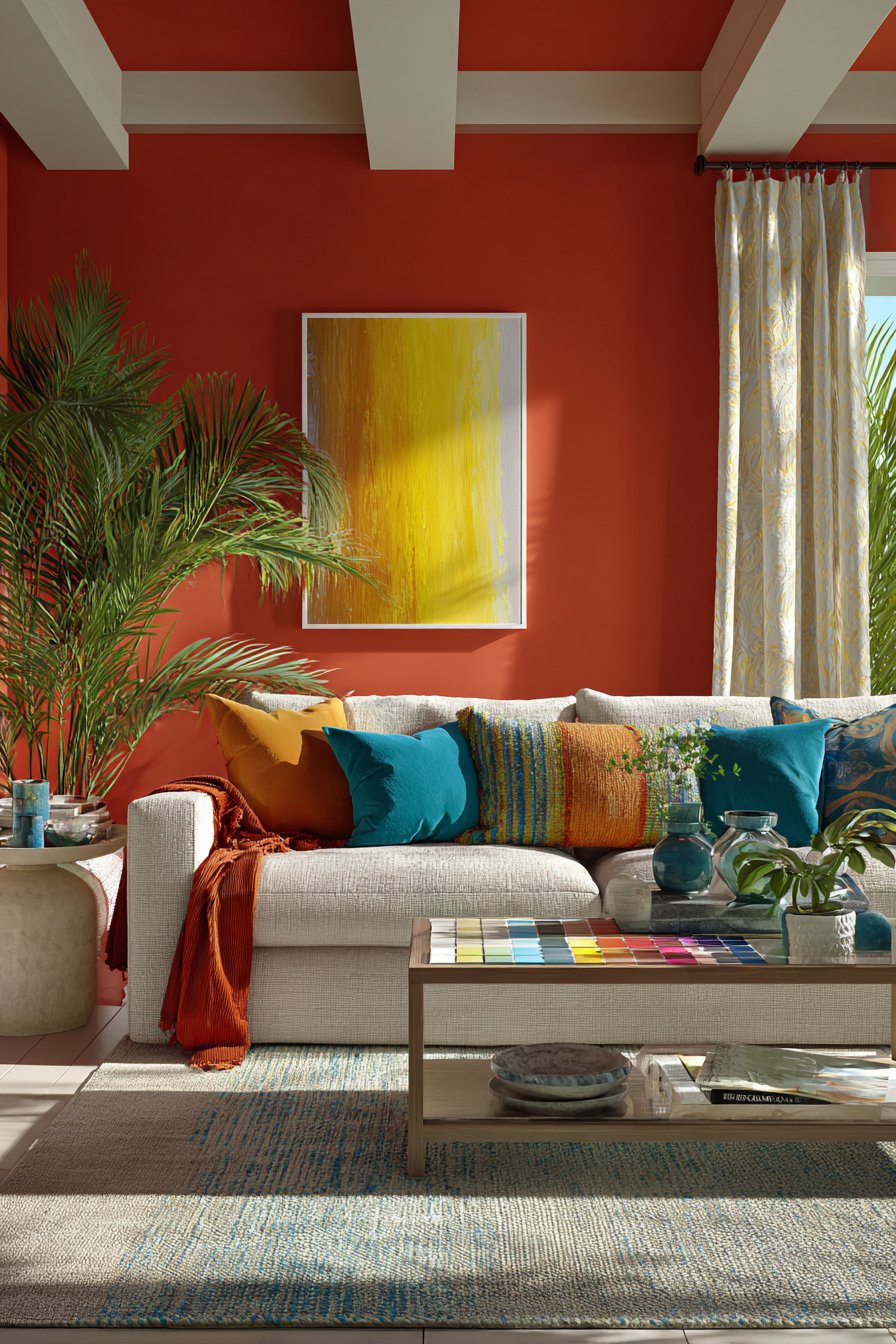
- Test paint samples in different lighting conditions before committing
- Use the 60-30-10 rule: 60% dominant color, 30% secondary, 10% accent
- Incorporate unexpected color combinations that spark curiosity
- Balance energizing bright tones with calming neutral elements
- Add color through easily changeable items like textiles and art
- Consider color temperature’s impact on perceived room warmth
3. Maximizing Natural Light and Illumination
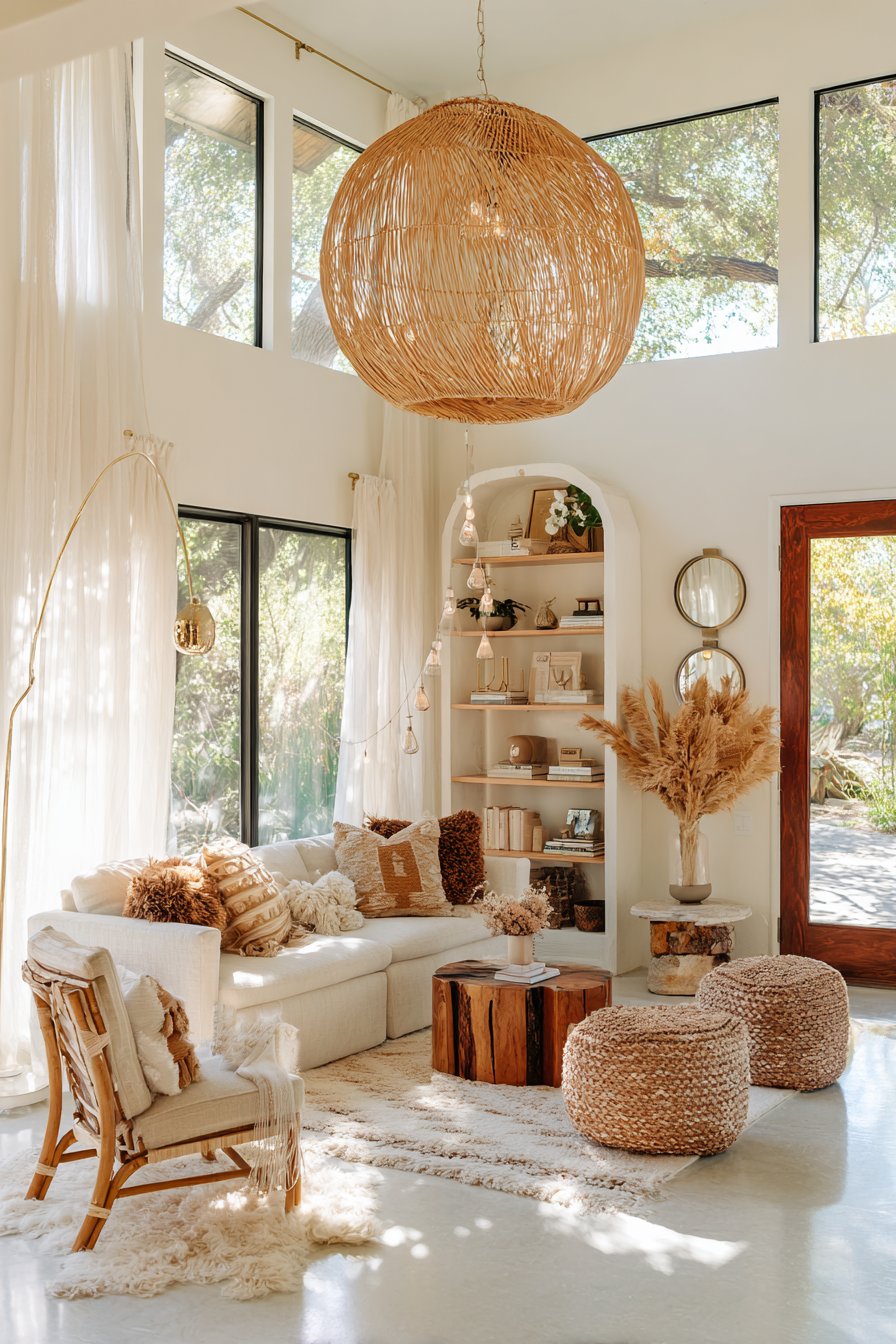
Natural light is perhaps the most powerful mood enhancer available in interior design. Sunlight regulates circadian rhythms, boosts vitamin D production, and creates welcoming atmospheres. Dopamine decor prioritizes maximizing natural illumination through strategic window treatments, mirror placement, and thoughtful furniture arrangement that doesn’t block precious sunlight.
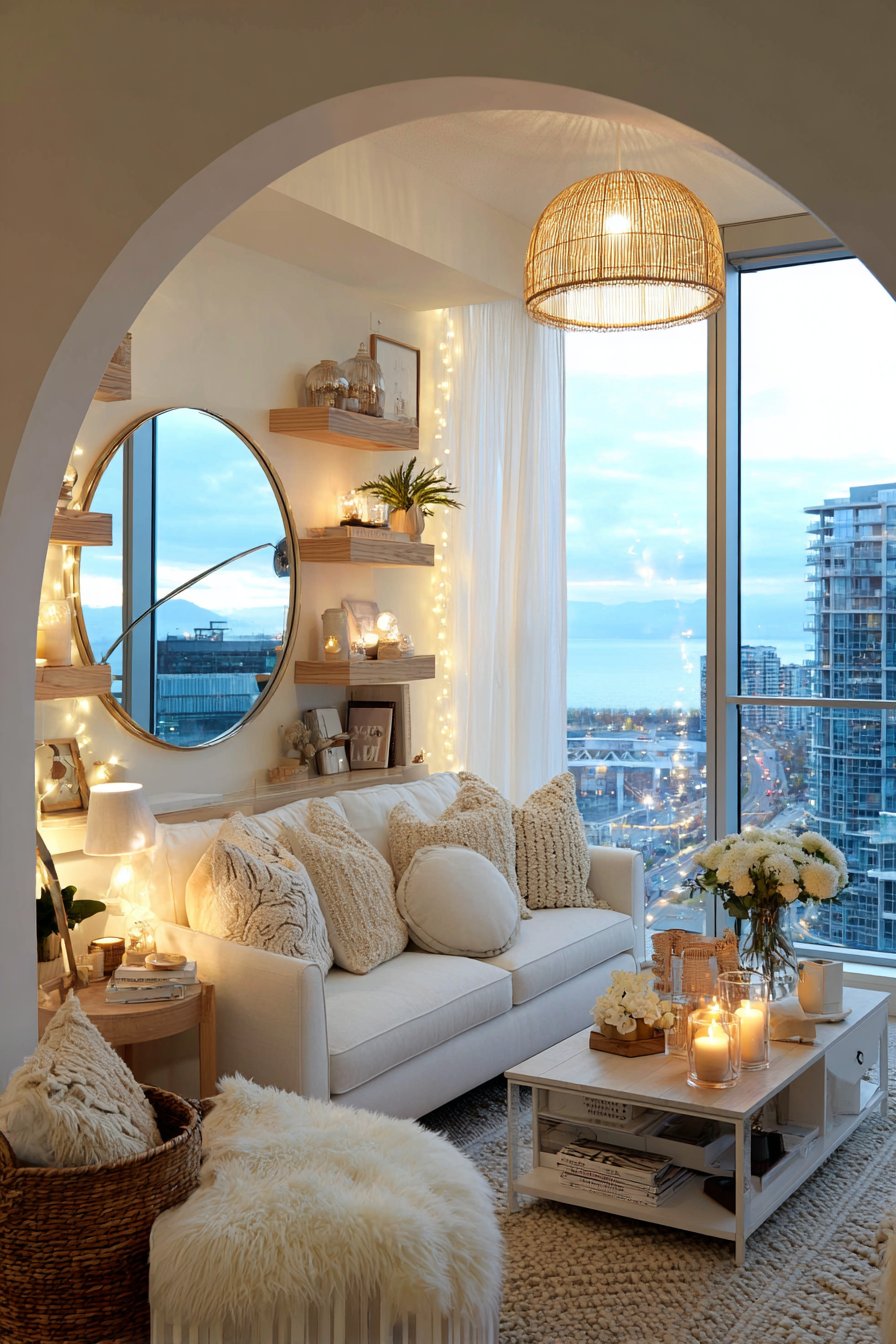
When natural light is limited, layered artificial lighting becomes essential. Combine ambient, task, and accent lighting to create flexible, mood-responsive environments. Warm-toned bulbs typically feel more inviting than cool fluorescents, though personal preference should guide choices. Dimmers allow adjustment based on time of day and desired atmosphere.
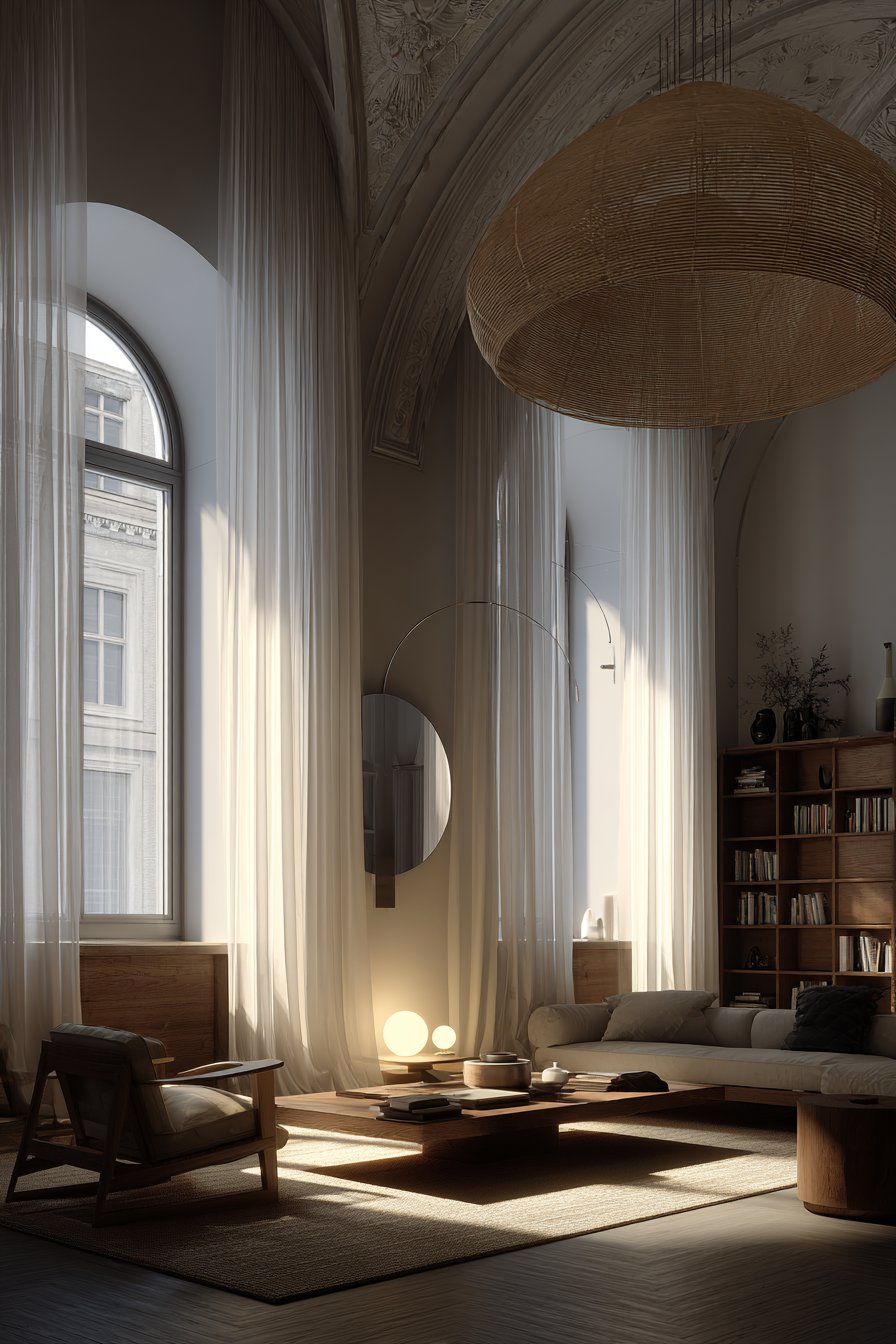
Creative lighting solutions add personality while serving functional purposes. String lights, decorative lamps, and LED strips introduce playful elements that contribute to joyful spaces. Consider lighting as both practical necessity and decorative opportunity, selecting fixtures that bring aesthetic pleasure beyond mere illumination.
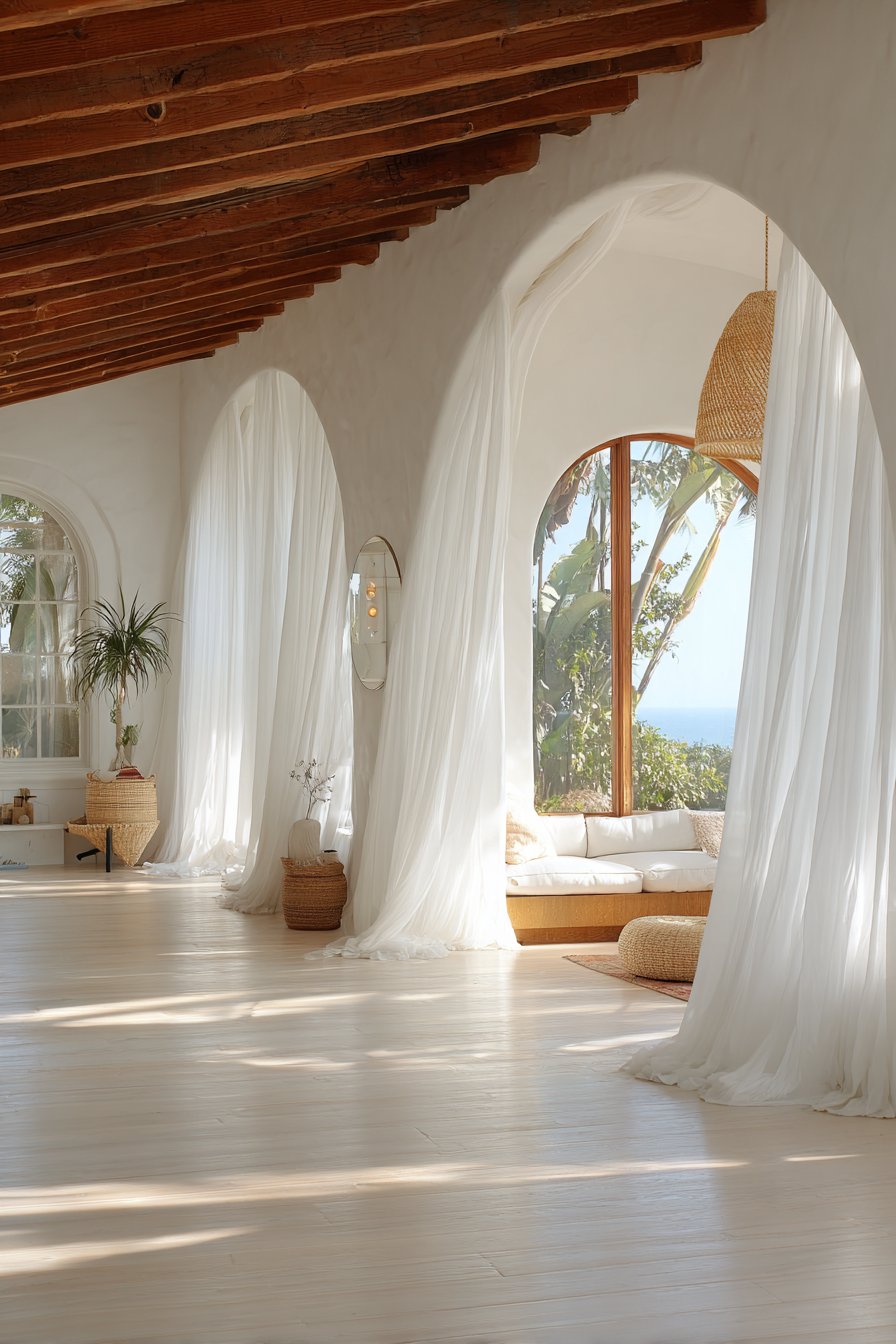
- Replace heavy curtains with sheer or light-filtering options
- Position mirrors opposite windows to amplify natural light
- Keep windows clean and unobstructed for maximum brightness
- Install dimmer switches for customizable lighting moods
- Use multiple light sources rather than single overhead fixtures
- Incorporate statement lamps that double as sculptural art pieces
4. Curating Personal Collections and Meaningful Objects
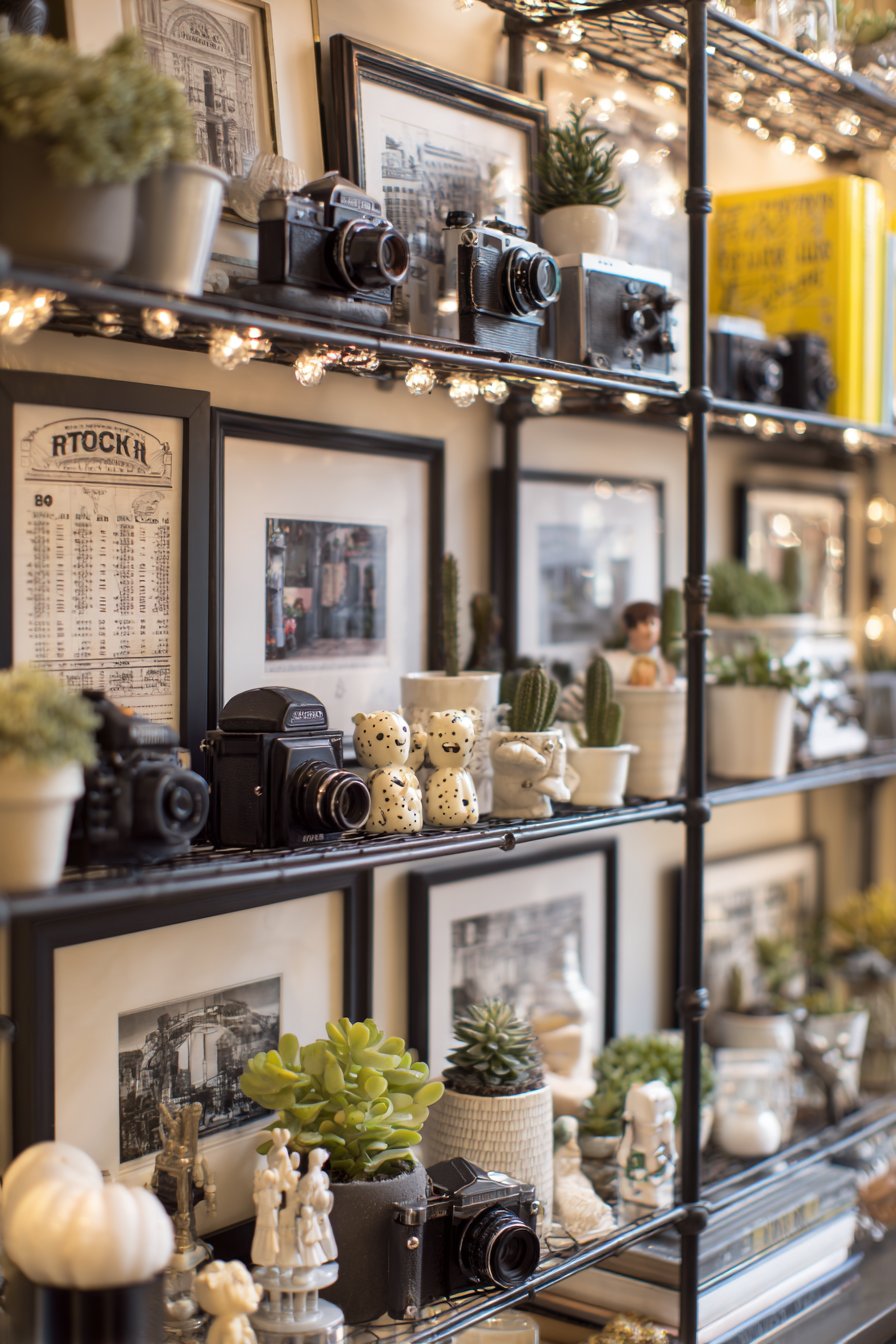
Dopamine decor celebrates the personal narrative embedded in collections and cherished objects. Rather than hiding away beloved items, this approach encourages thoughtful display of things that spark joy. Whether vintage cameras, ceramic figurines, or travel souvenirs, these collections tell your unique story and trigger positive memories each time you see them.
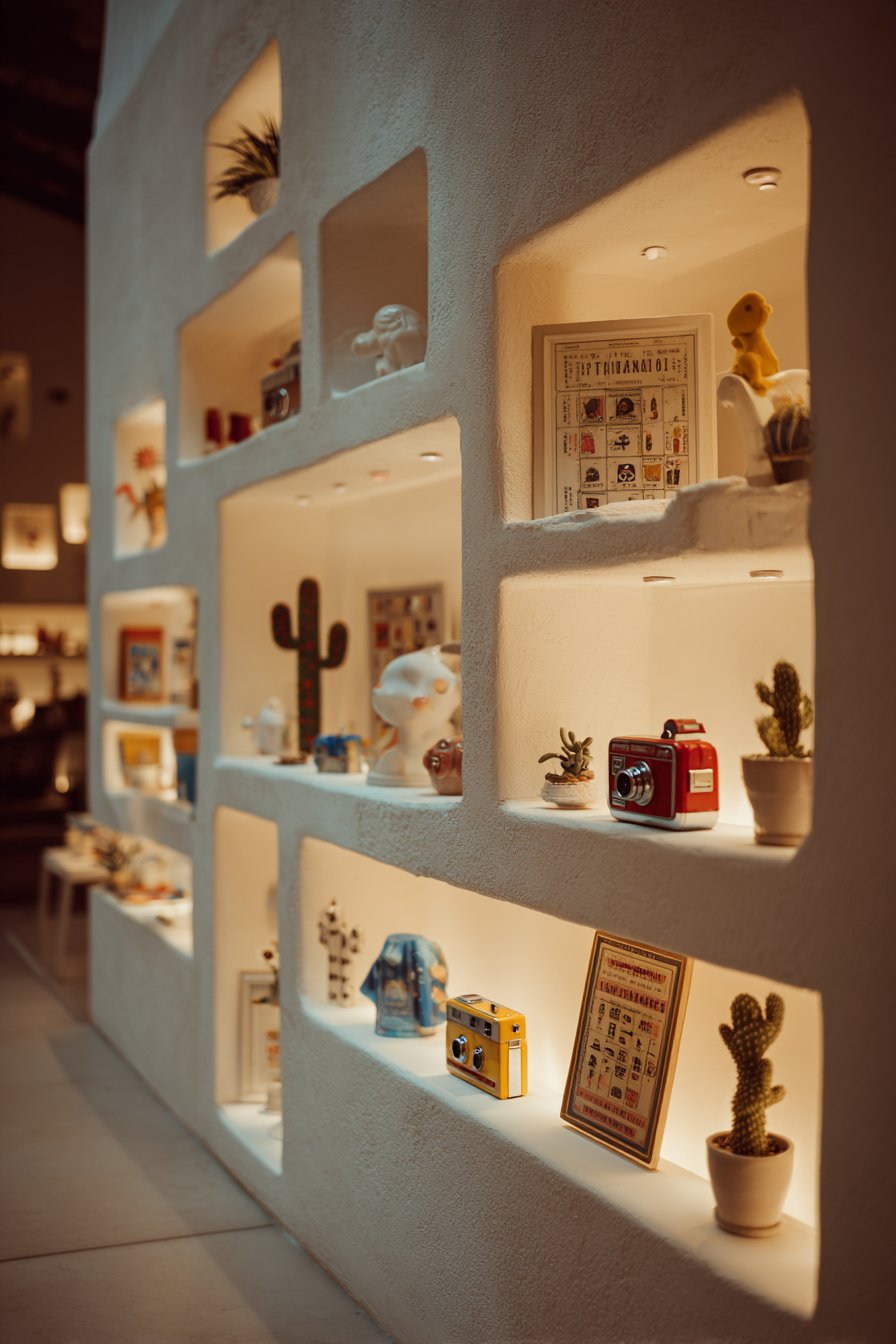
The art of displaying collections lies in intentional curation rather than cluttered accumulation. Create dedicated gallery shelves or shadow boxes that showcase items attractively while protecting them. Group similar objects together for visual cohesion, but don’t overthink organization—authenticity matters more than perfection in dopamine-focused spaces.
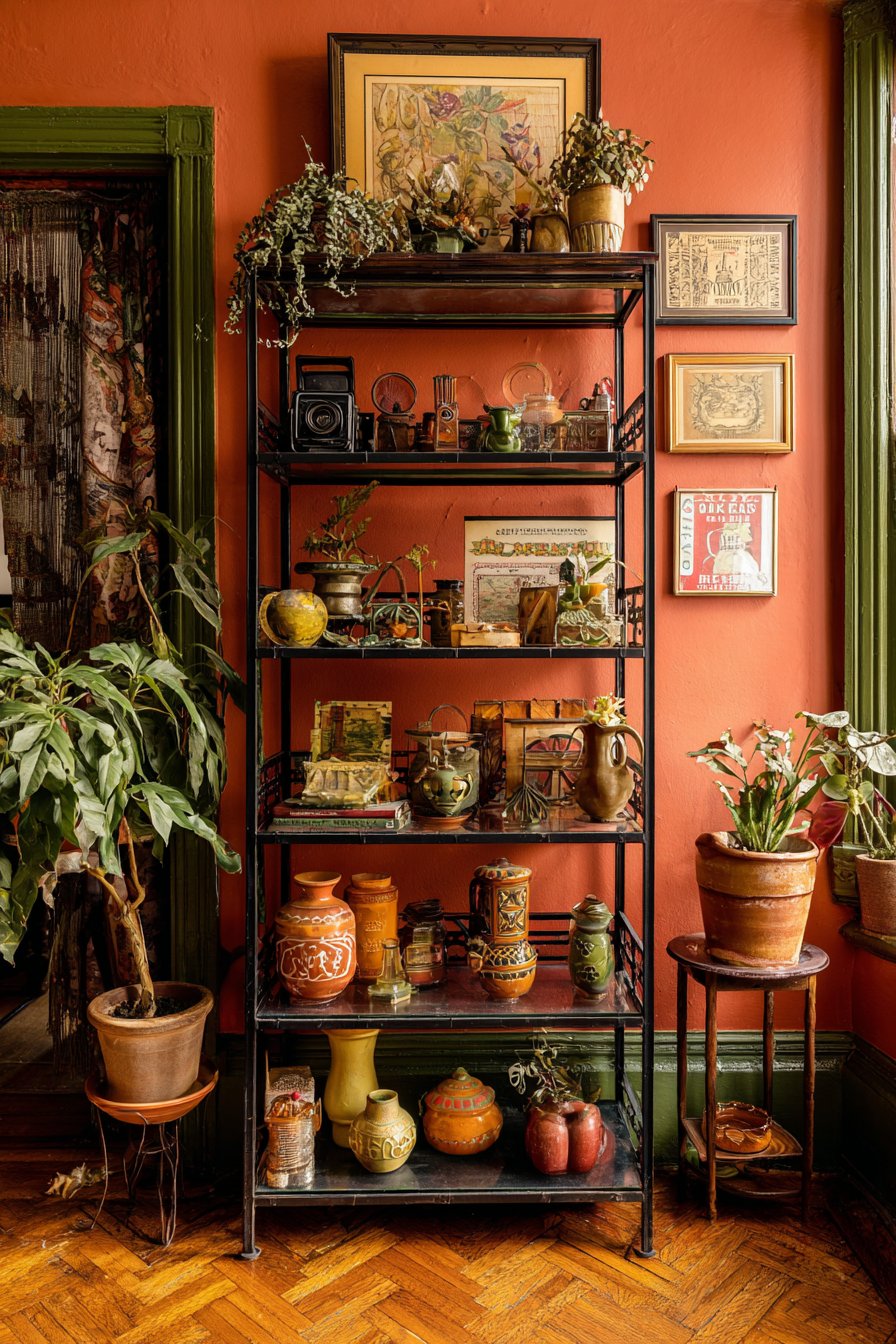
Rotating displays keeps collections feeling fresh and maintains the novelty factor that triggers dopamine release. Store some items away and periodically swap them with displayed pieces. This practice prevents visual fatigue while allowing you to appreciate different treasures throughout the year, sustaining ongoing joy from your possessions.
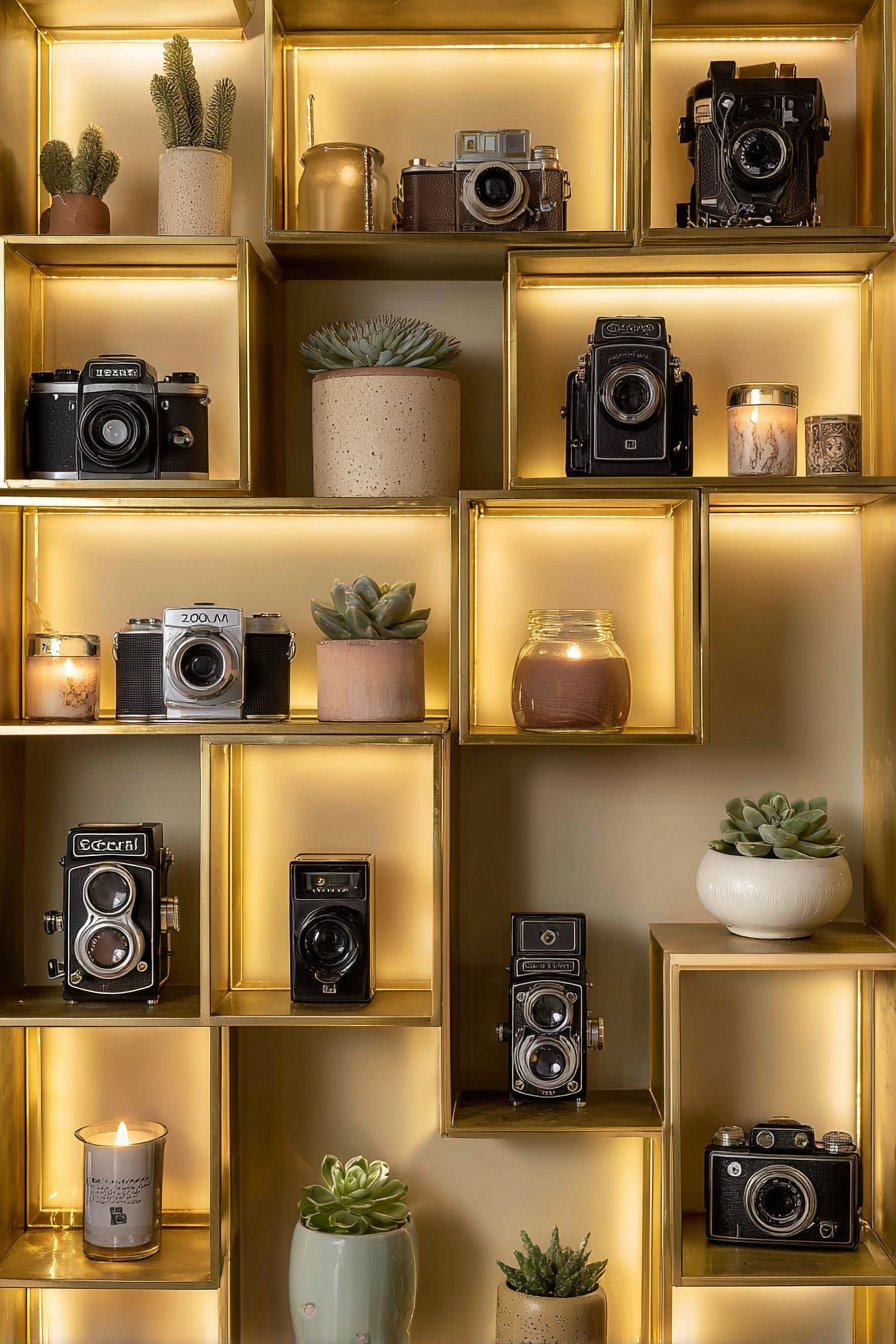
- Use floating shelves to create museum-style displays
- Group collections by color, theme, or material for visual impact
- Incorporate proper lighting to highlight special pieces
- Frame meaningful ephemera like concert tickets or postcards
- Display items at eye level for maximum engagement
- Leave negative space around objects to prevent overwhelming viewers
5. Incorporating Playful Patterns and Textures
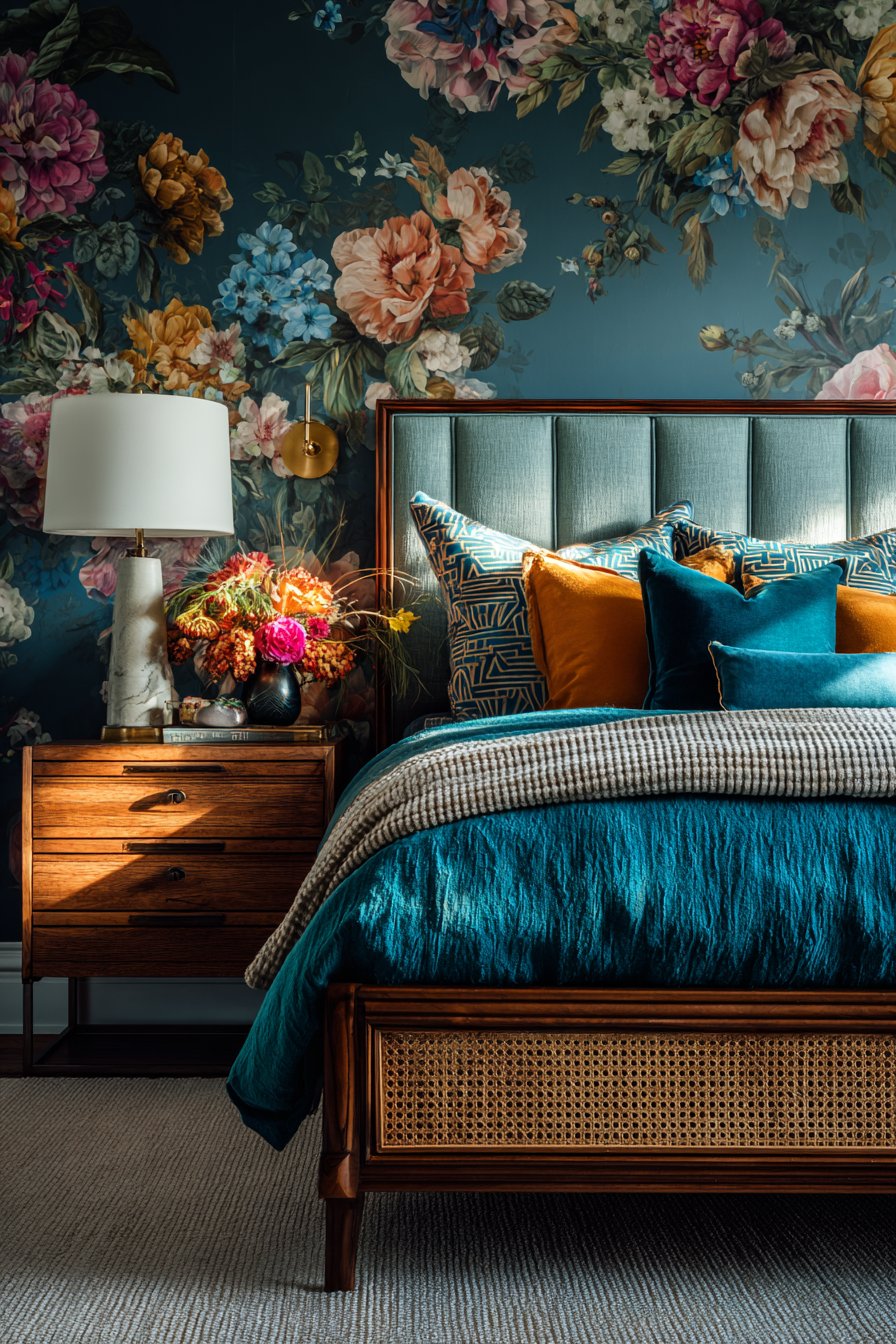
Patterns inject energy and personality into spaces while stimulating visual interest. Bold prints—florals, geometrics, stripes, or abstract designs—characterize dopamine decor’s fearless approach to pattern mixing. Don’t shy away from combining different patterns in one room; confident mixing creates dynamic, joyful environments that reflect creative spirit.
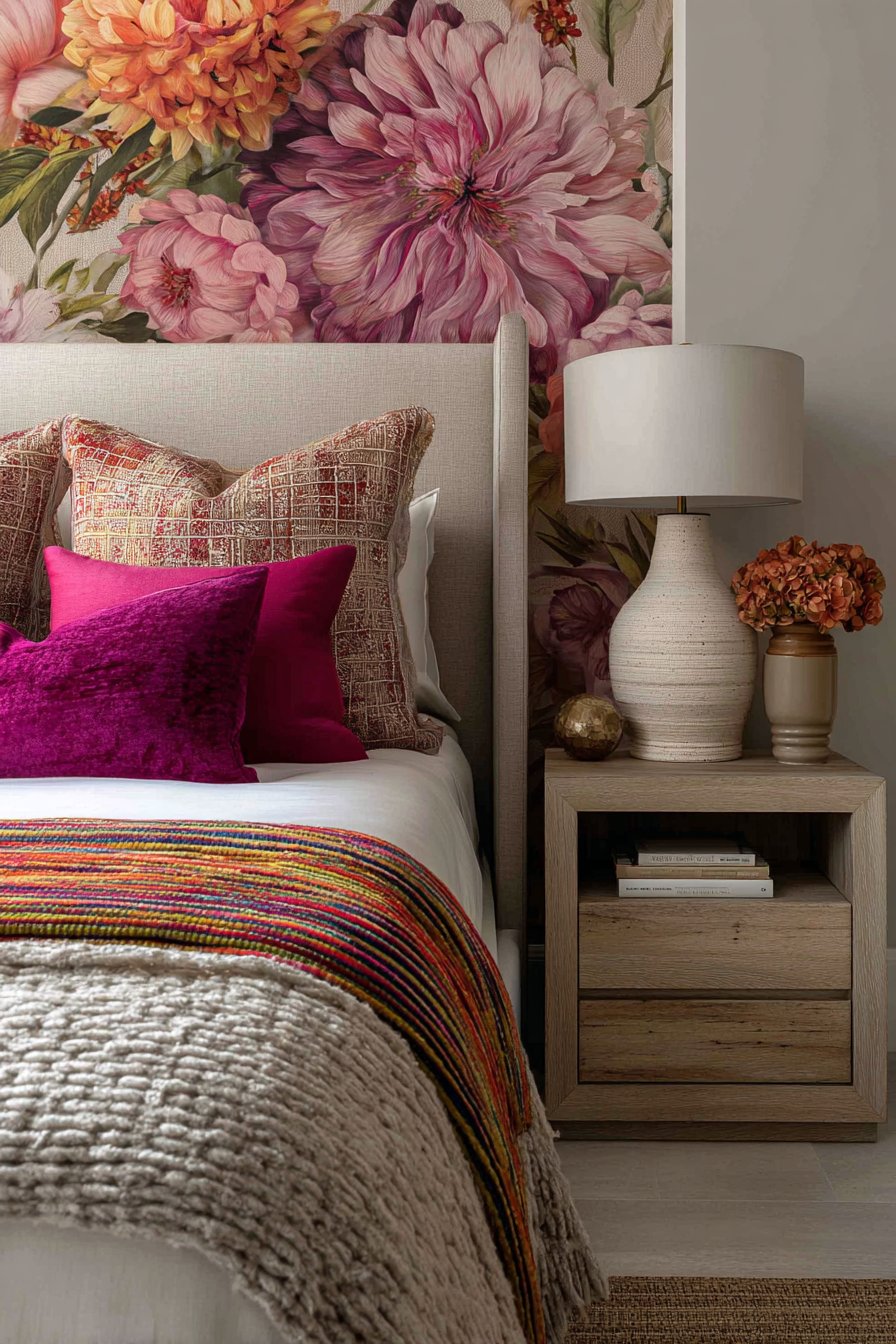
Texture adds crucial dimension that elevates spaces from flat to engaging. Incorporate various tactile elements like velvet cushions, chunky knit throws, smooth ceramics, and rough natural fibers. These textural contrasts create sensory richness that makes rooms more inviting and pleasurable to inhabit, engaging multiple senses beyond just vision.
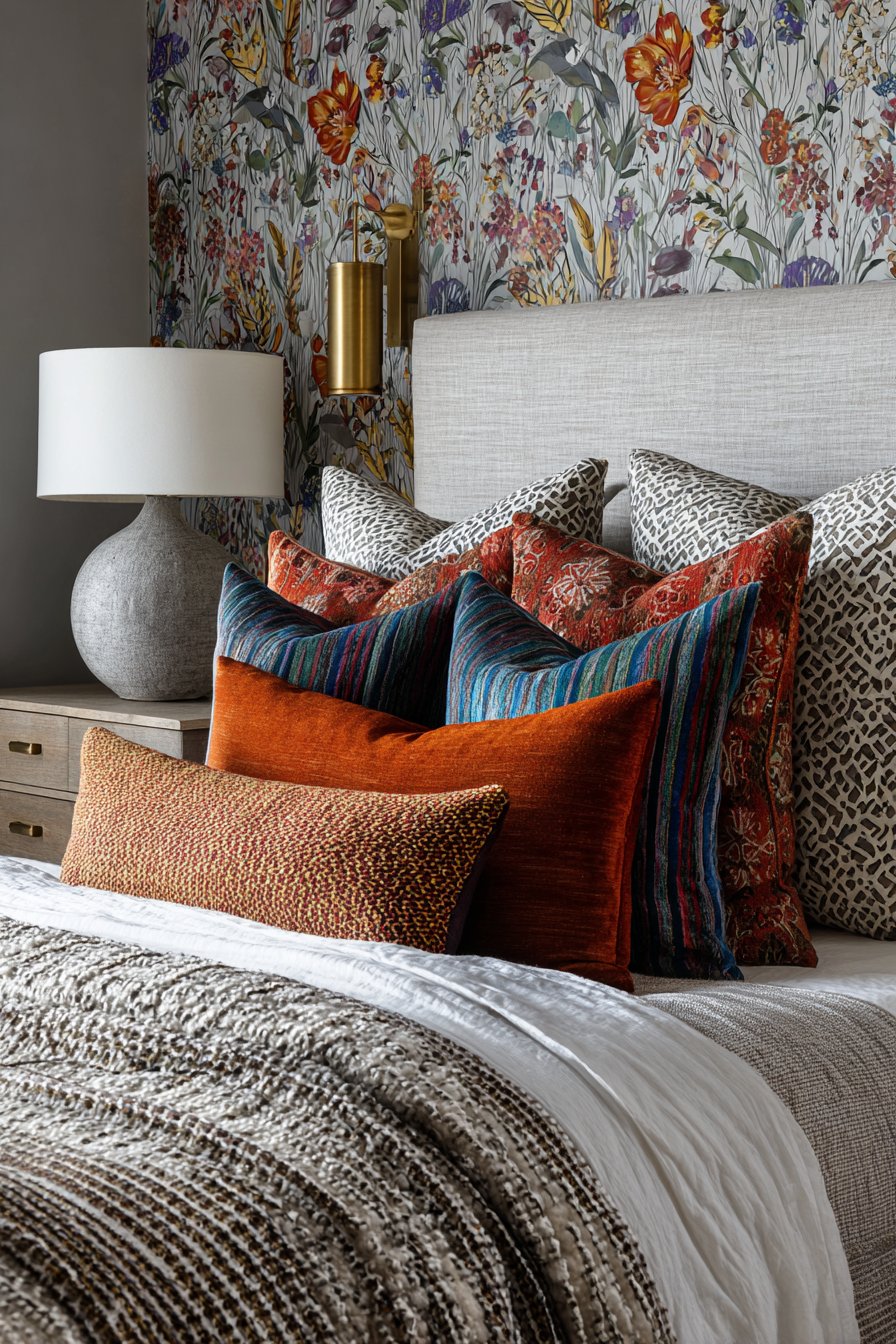
Successful pattern and texture combination requires balancing scale and intensity. Pair large-scale patterns with smaller prints, and mix busy designs with solid colors. Similarly, contrast smooth and rough textures to create interesting juxtapositions. This balanced approach prevents chaos while maintaining the playful energy central to dopamine-boosting design.
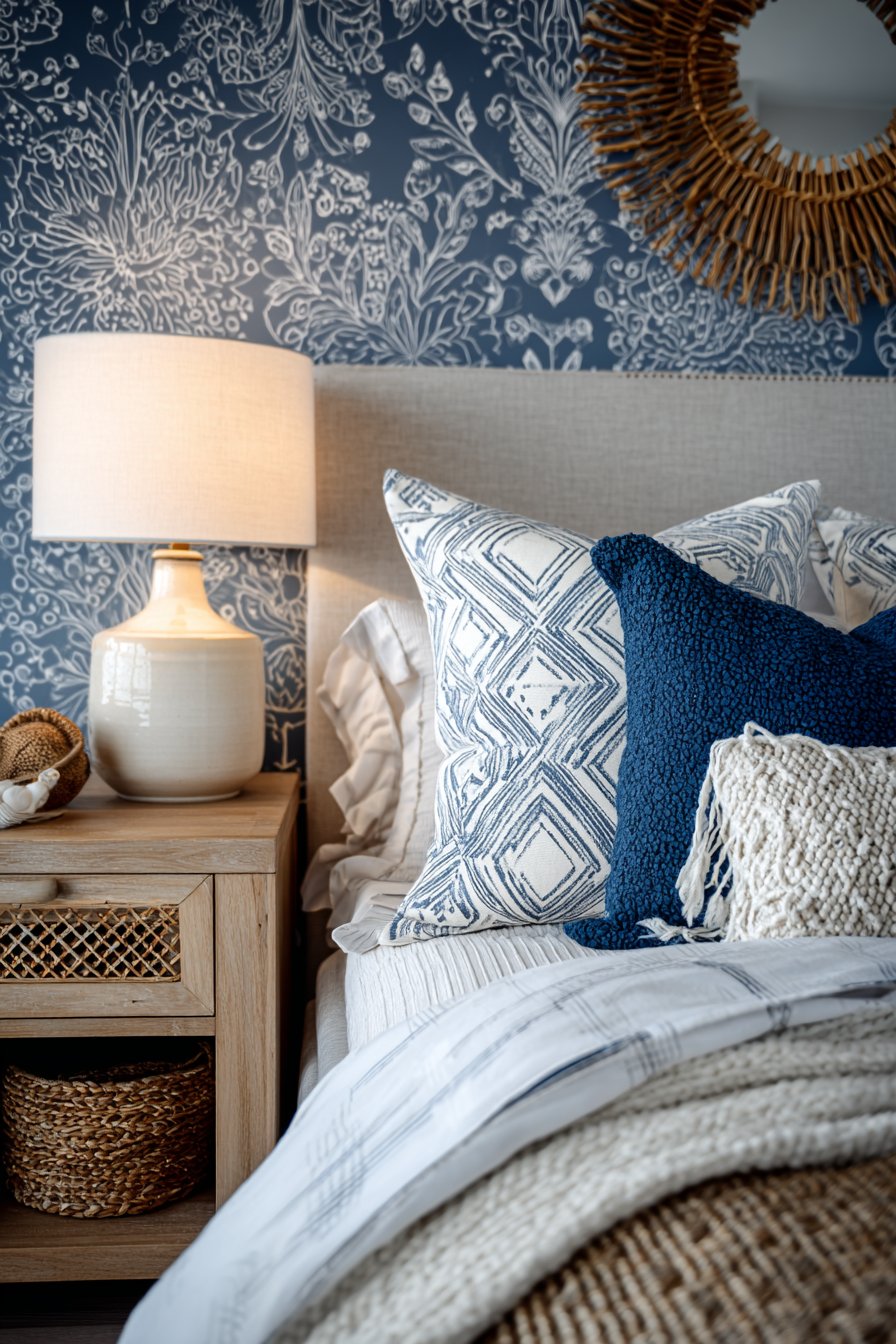
- Start with one dominant pattern and add complementary prints
- Vary pattern scales to avoid visual competition
- Use solid colors as breathing space between patterns
- Layer different textile textures on furniture and beds
- Incorporate natural materials like wood, stone, and plants
- Don’t forget wall textures through wallpaper or dimensional treatments
6. Creating Flexible Spaces That Evolve With You
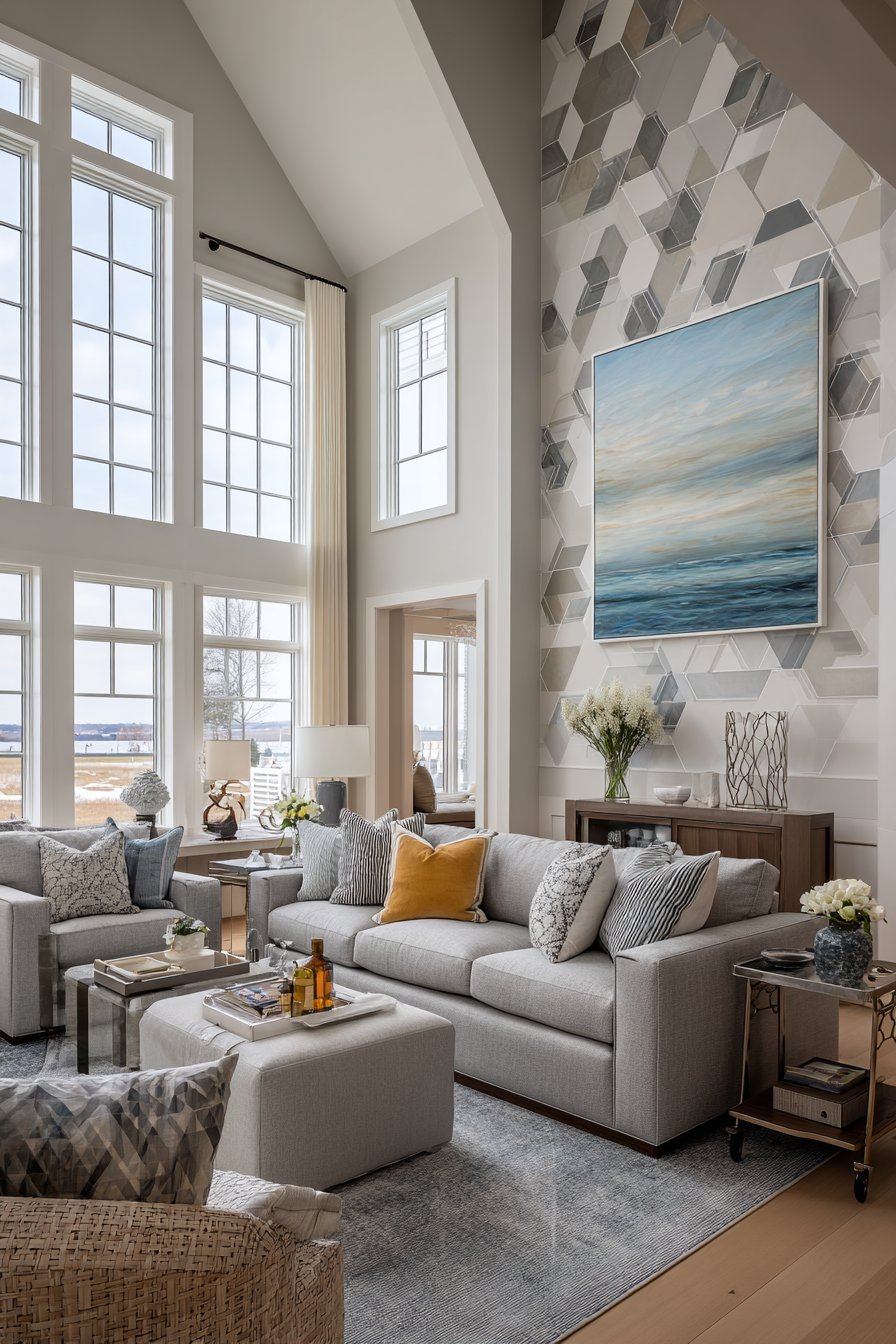
Dopamine decor embraces change and personal growth through adaptable design. Rather than committing to permanent, expensive installations, focus on flexible arrangements that evolve as your needs and preferences shift. This approach reduces pressure to achieve perfection while maintaining freshness that continuously stimulates positive feelings.
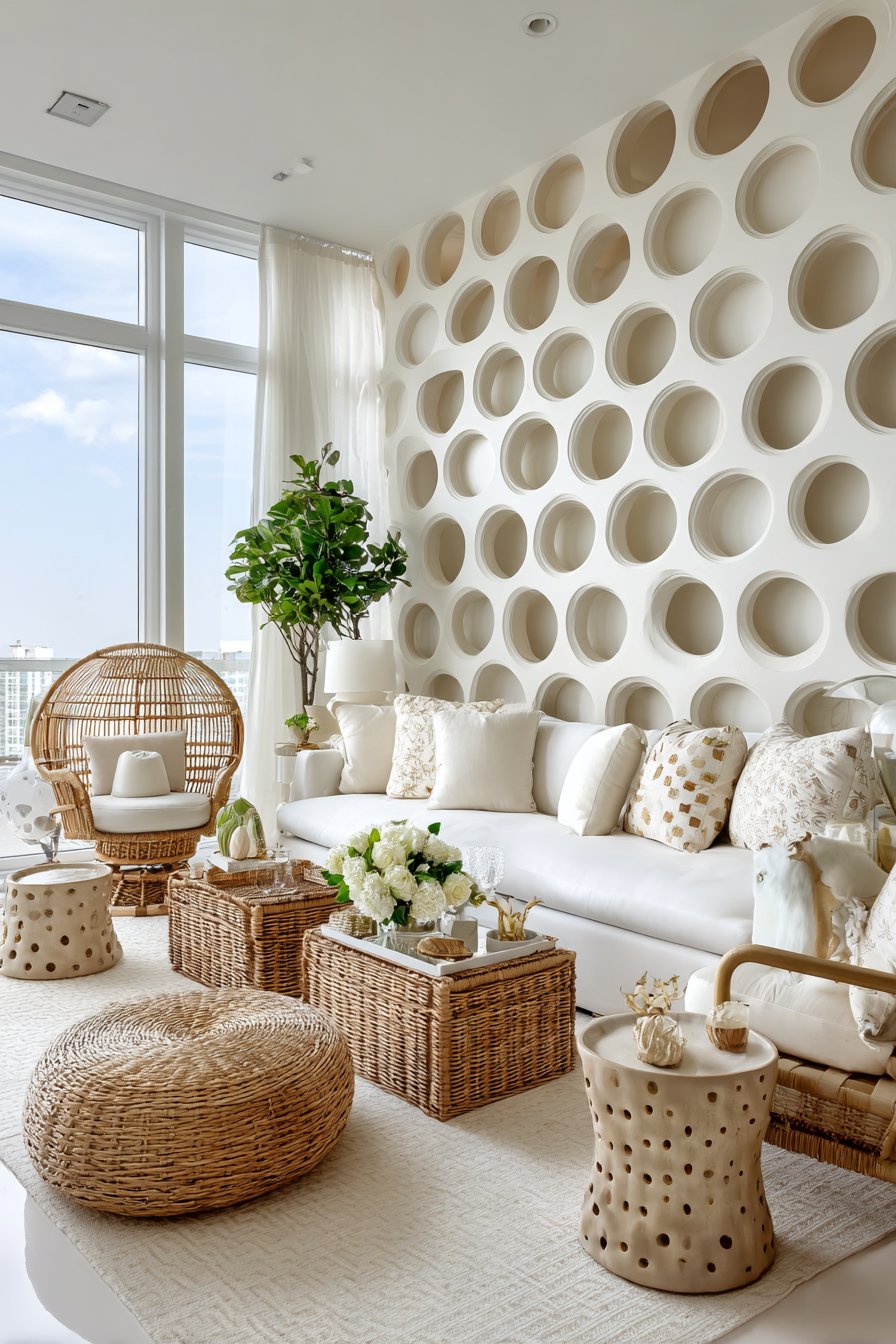
Modular furniture and movable elements support this flexibility beautifully. Multi-functional pieces like storage ottomans, nesting tables, and wheeled carts allow reconfiguration without major investment. This adaptability ensures spaces remain relevant and joy-inducing as life circumstances change, preventing the stagnation that dampens dopamine responses.
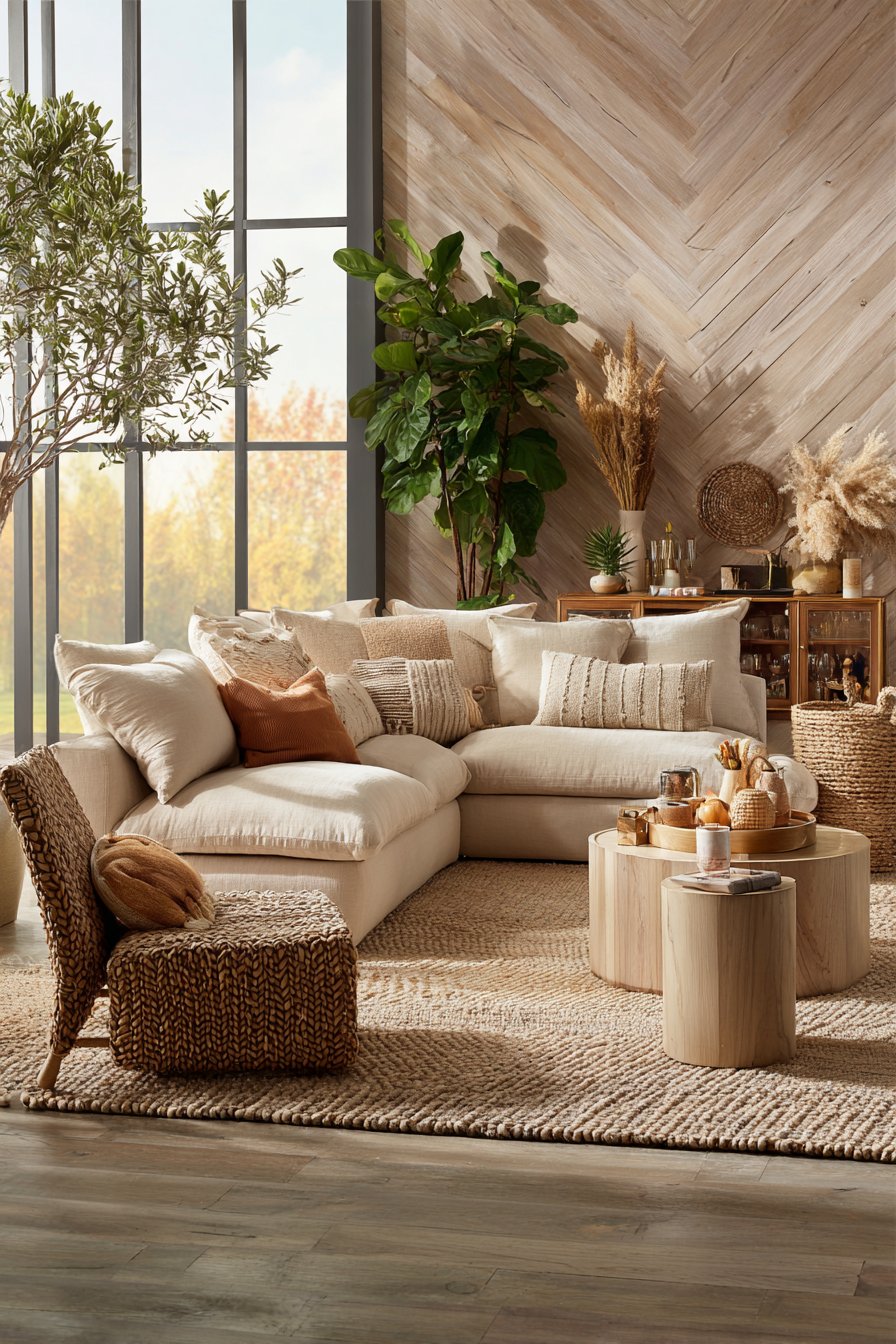
Regular refreshes maintain the novelty factor essential to sustained happiness. Small changes—rearranging artwork, swapping throw pillow covers, or introducing seasonal accents—keep spaces feeling new without major overhauls. This practice acknowledges that what brings joy today might feel tired tomorrow, honoring the natural evolution of personal taste.
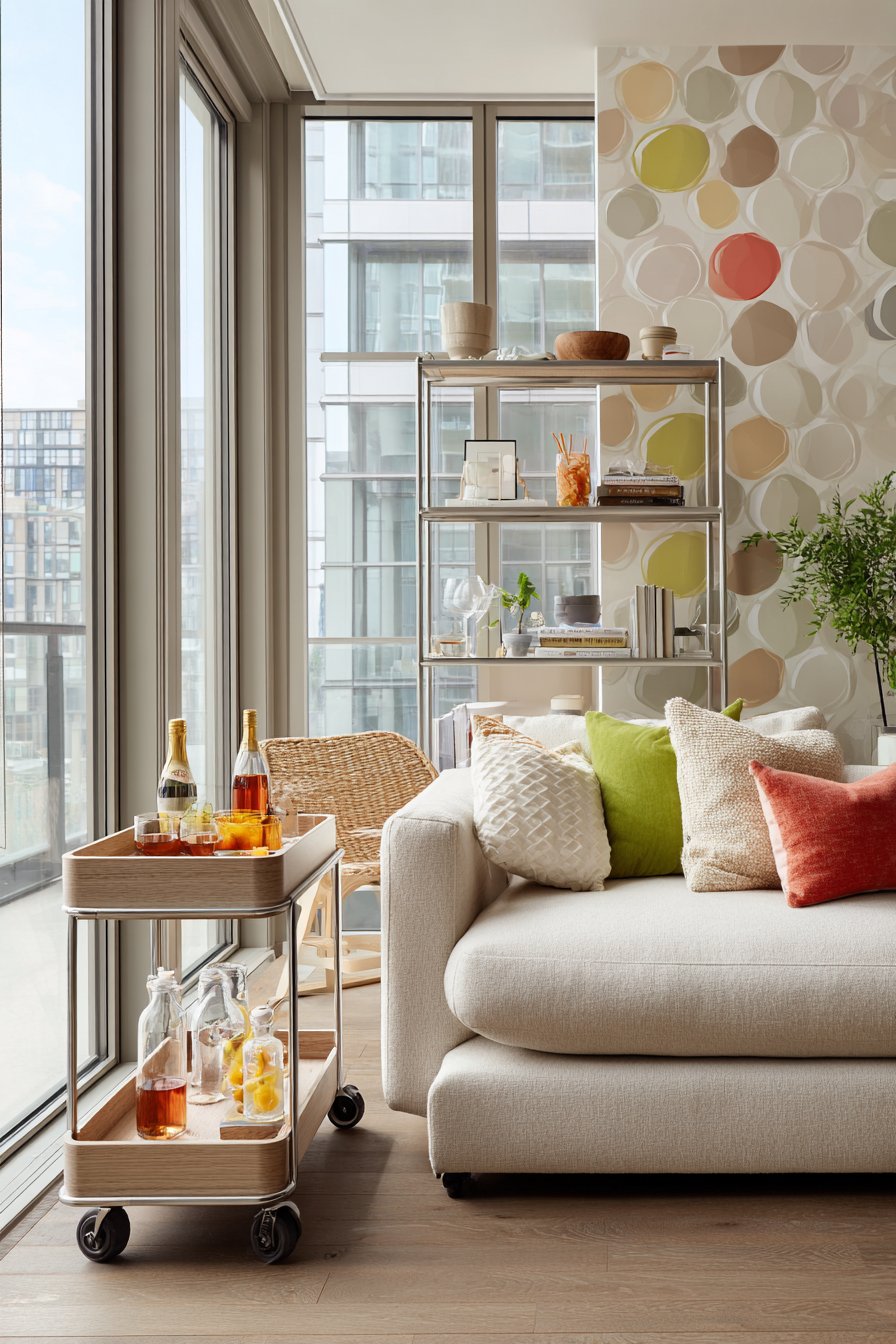
- Invest in neutral foundation pieces that work with changing accents
- Use removable wallpaper or decals for commitment-free pattern
- Choose lightweight furniture that’s easy to rearrange
- Create zones with area rugs that can be moved or replaced
- Stock interchangeable decor items for quick seasonal updates
- Embrace impermanence and experimentation over rigid perfection
Conclusion
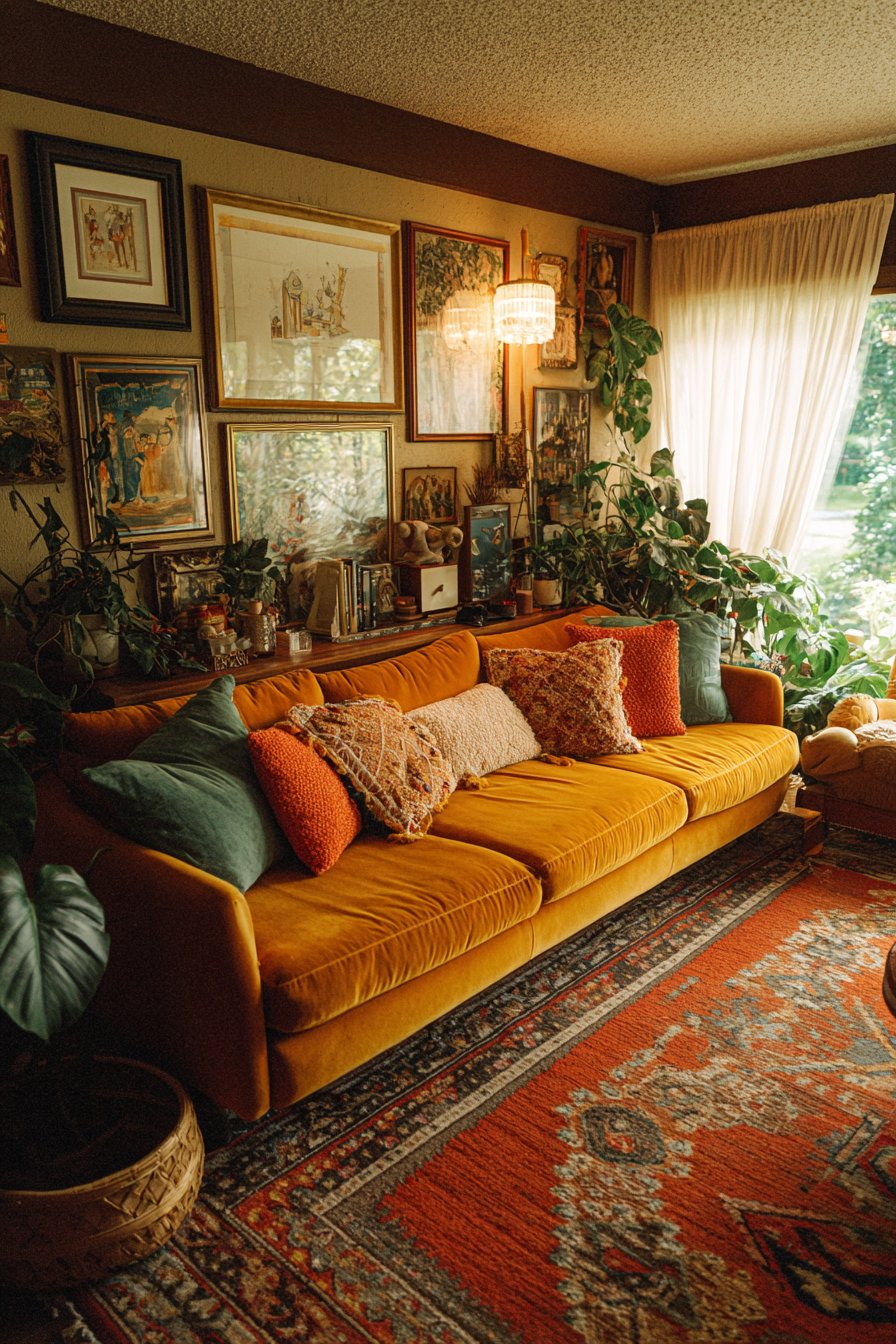
Dopamine decor represents a profound shift toward designing homes that actively support mental wellbeing and daily happiness. By prioritizing personal joy over design rules, incorporating mood-boosting colors, maximizing natural light, displaying meaningful collections, embracing playful patterns, and maintaining flexibility, you create spaces that nurture your emotional health. This movement reminds us that the best design isn’t about expensive furnishings or trendy aesthetics—it’s about crafting environments that make you genuinely happy.
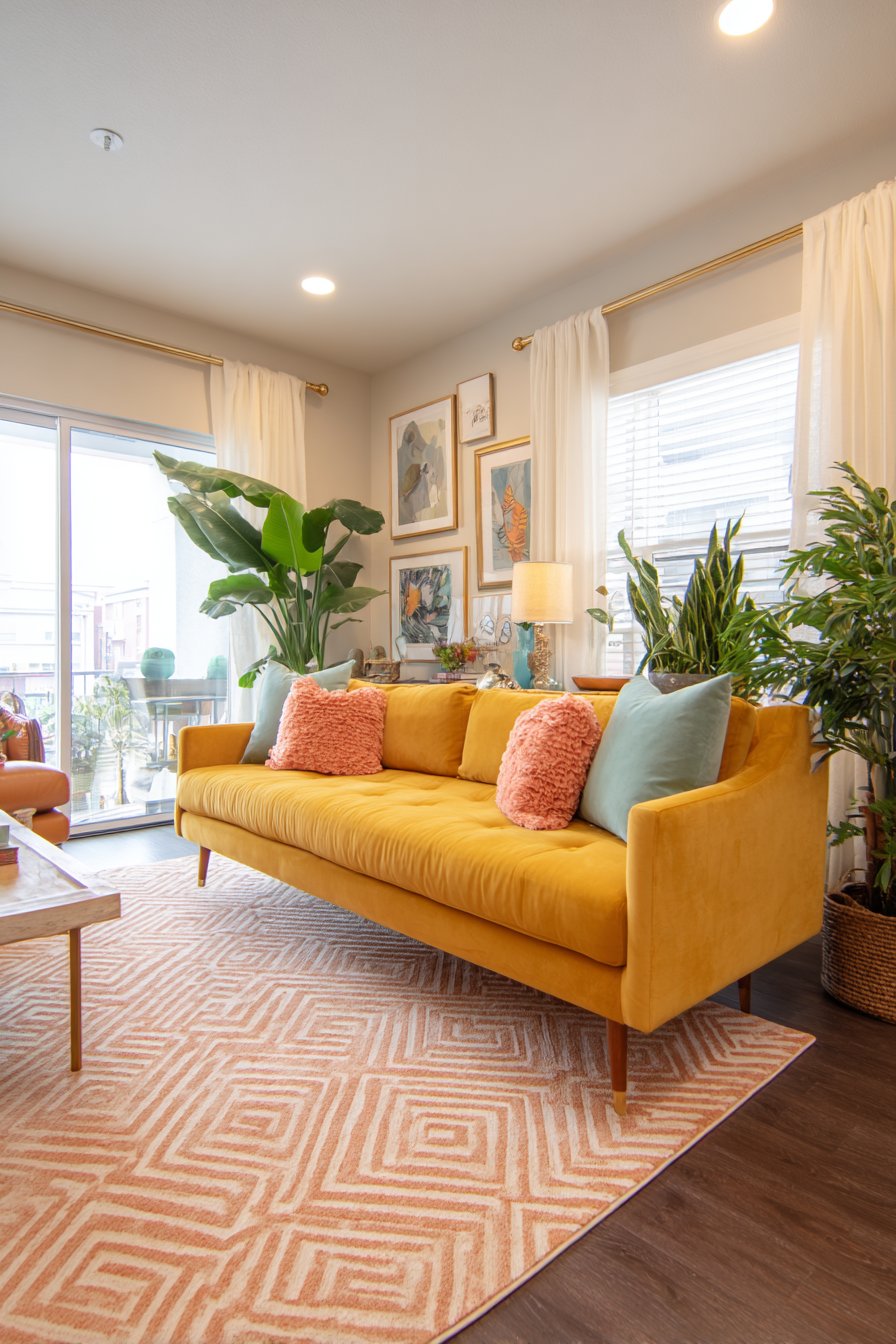
Start small by adding one dopamine-boosting element to your space today. Whether that’s a colorful throw pillow, displayed collection, or rearranged furniture, each intentional choice builds toward a home that truly supports your wellbeing. Remember, your space should reflect who you are and what brings you joy—there’s no wrong way to create your own happy home sanctuary.
