


The enduring appeal of modern farmhouse design continues to captivate homeowners and interior designers alike. This distinctive style seamlessly blends rustic charm with contemporary sophistication, creating spaces that feel both timeless and fresh. As we navigate an era where comfort meets functionality, the modern farmhouse aesthetic offers a perfect sanctuary from our fast-paced digital lives.
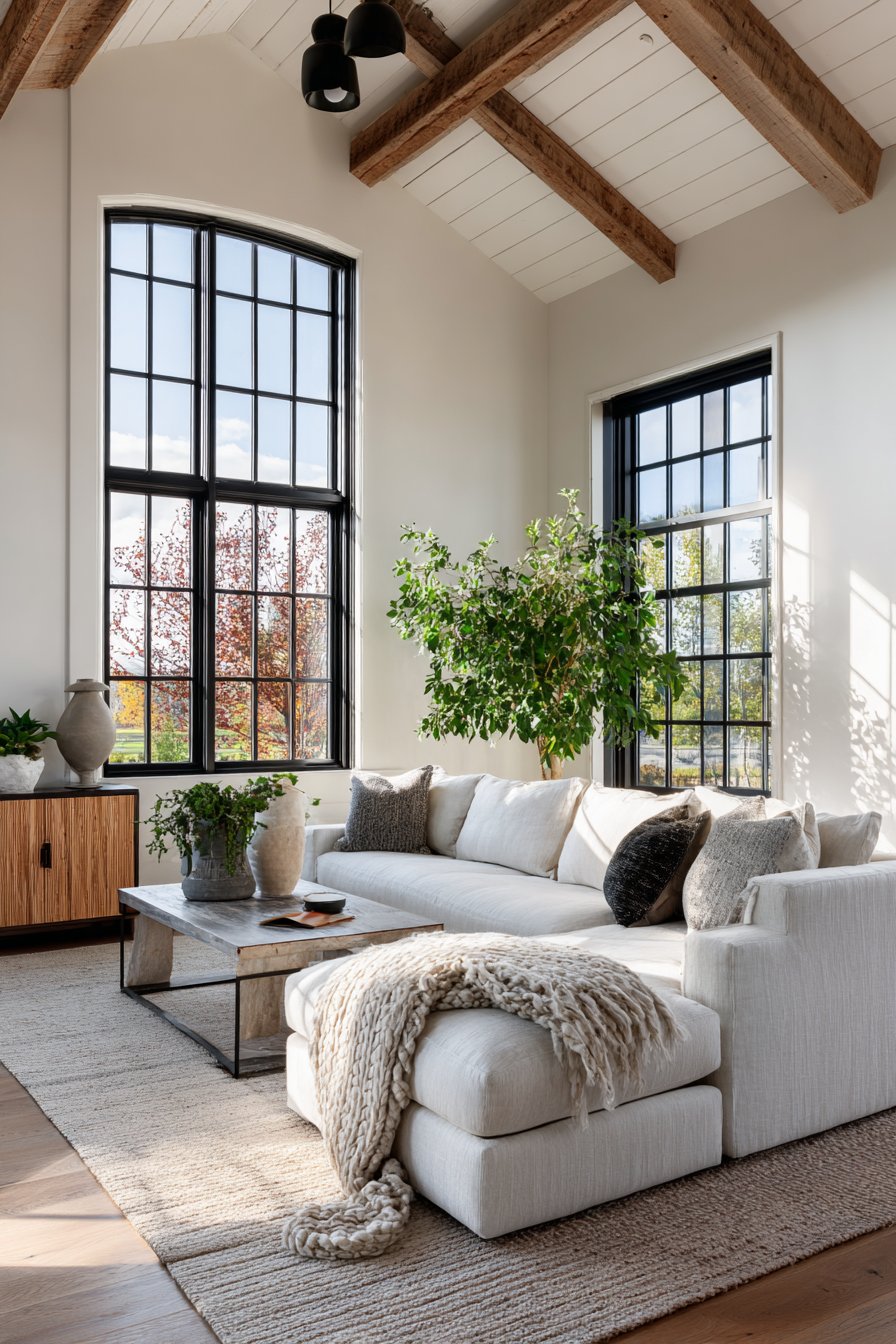
Thoughtful interior design transforms houses into homes by reflecting our values and lifestyles. The modern farmhouse style resonates deeply because it prioritizes warmth and authenticity while maintaining clean, uncluttered spaces. This design philosophy celebrates natural materials, neutral color palettes, and architectural elements that tell a story. Whether you’re drawn to shiplap walls, reclaimed wood accents, or the perfect balance of old and new, understanding what makes this style endure can help you create your own inspiring space.
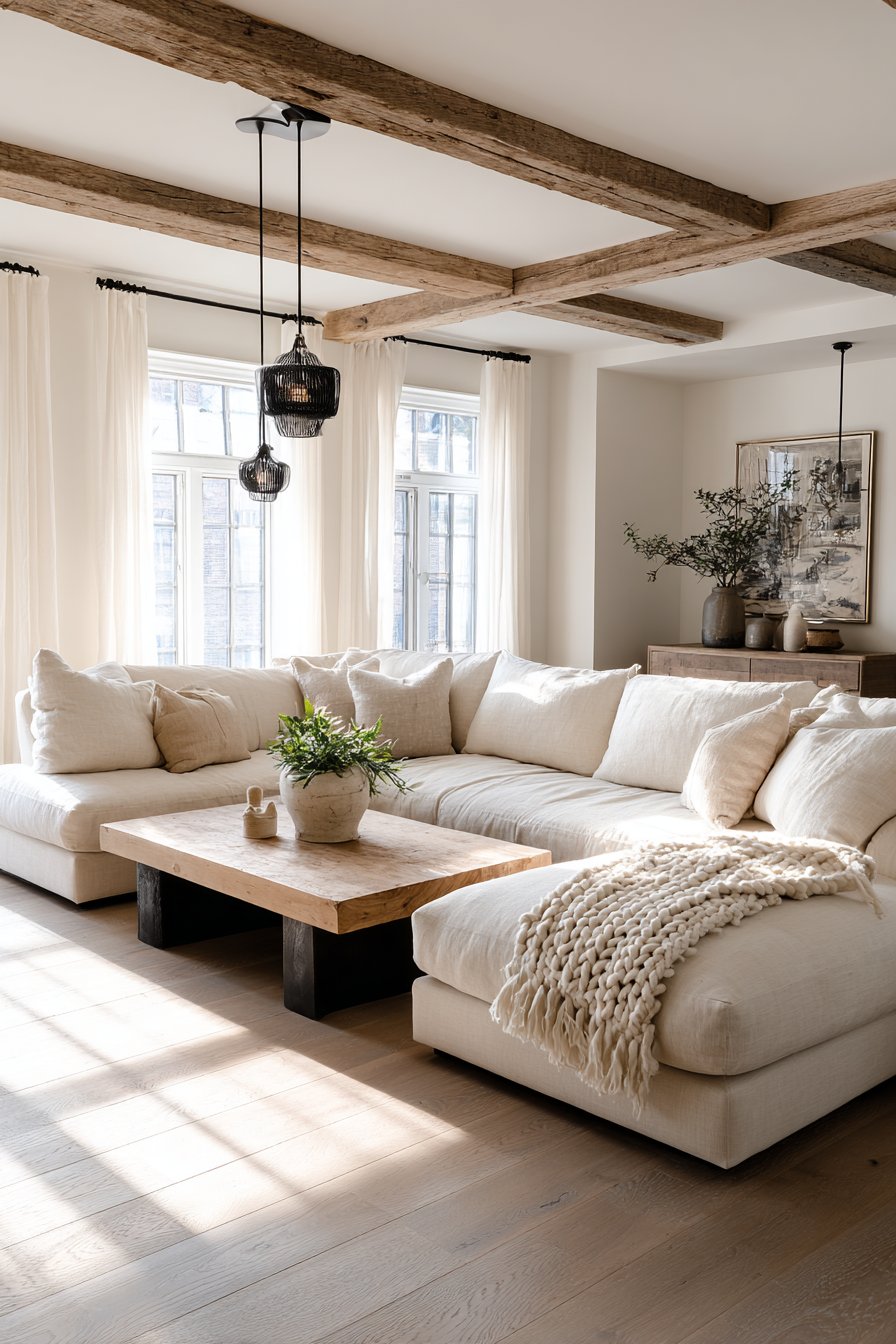
Throughout this article, we’ll explore six key elements that explain why modern farmhouse design remains a dominant force in interior design. From its emphasis on natural textures to its celebration of handcrafted details, each aspect contributes to a style that feels simultaneously nostalgic and contemporary. These timeless principles offer practical guidance for anyone looking to embrace this beloved aesthetic in their own home.
1. The Perfect Balance of Rustic and Contemporary
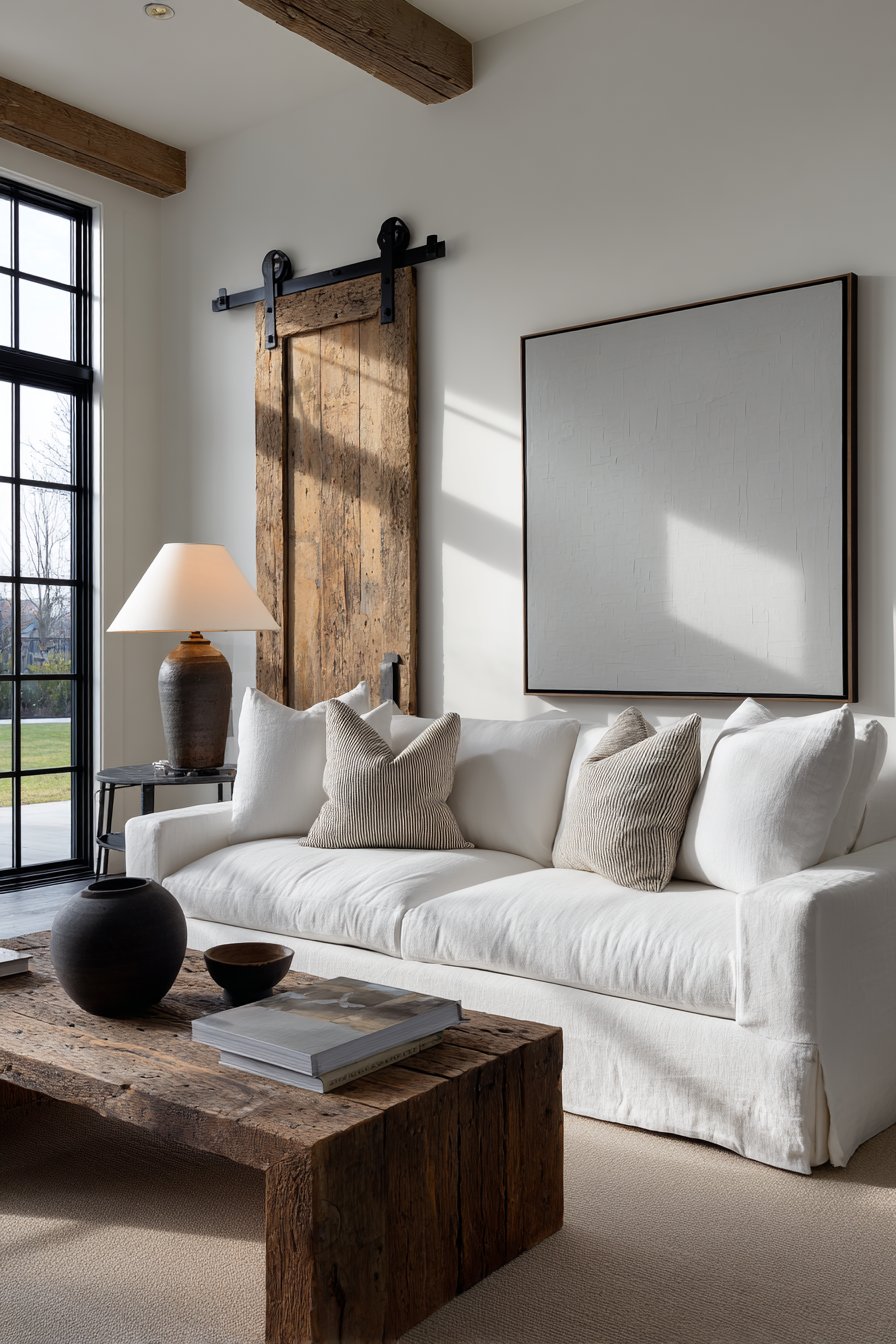
Modern farmhouse design thrives on the delicate equilibrium between old-world charm and sleek modernity. This style doesn’t force you to choose between grandmother’s vintage credenza and a minimalist sofa. Instead, it celebrates how these contrasting elements can coexist harmoniously. The key lies in proportion and intentionality when mixing design eras.
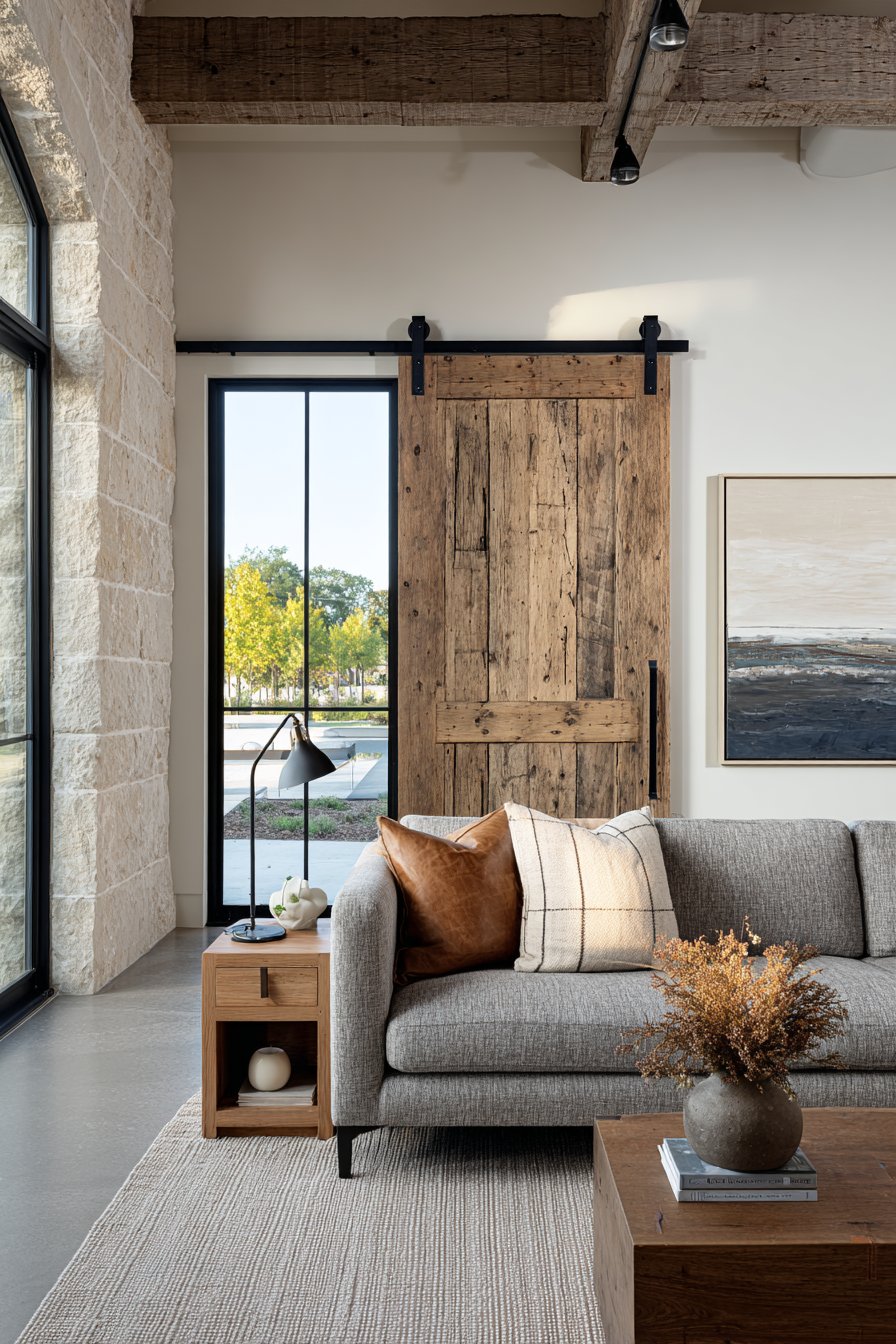
The beauty of this balanced approach is its inherent flexibility and personal expression. You might pair reclaimed barn doors with contemporary lighting fixtures, creating visual interest through contrast. Industrial metal accents complement weathered wood surfaces, while modern appliances nestle comfortably in traditional cabinetry. This juxtaposition prevents spaces from feeling like museum pieces or cold showrooms.
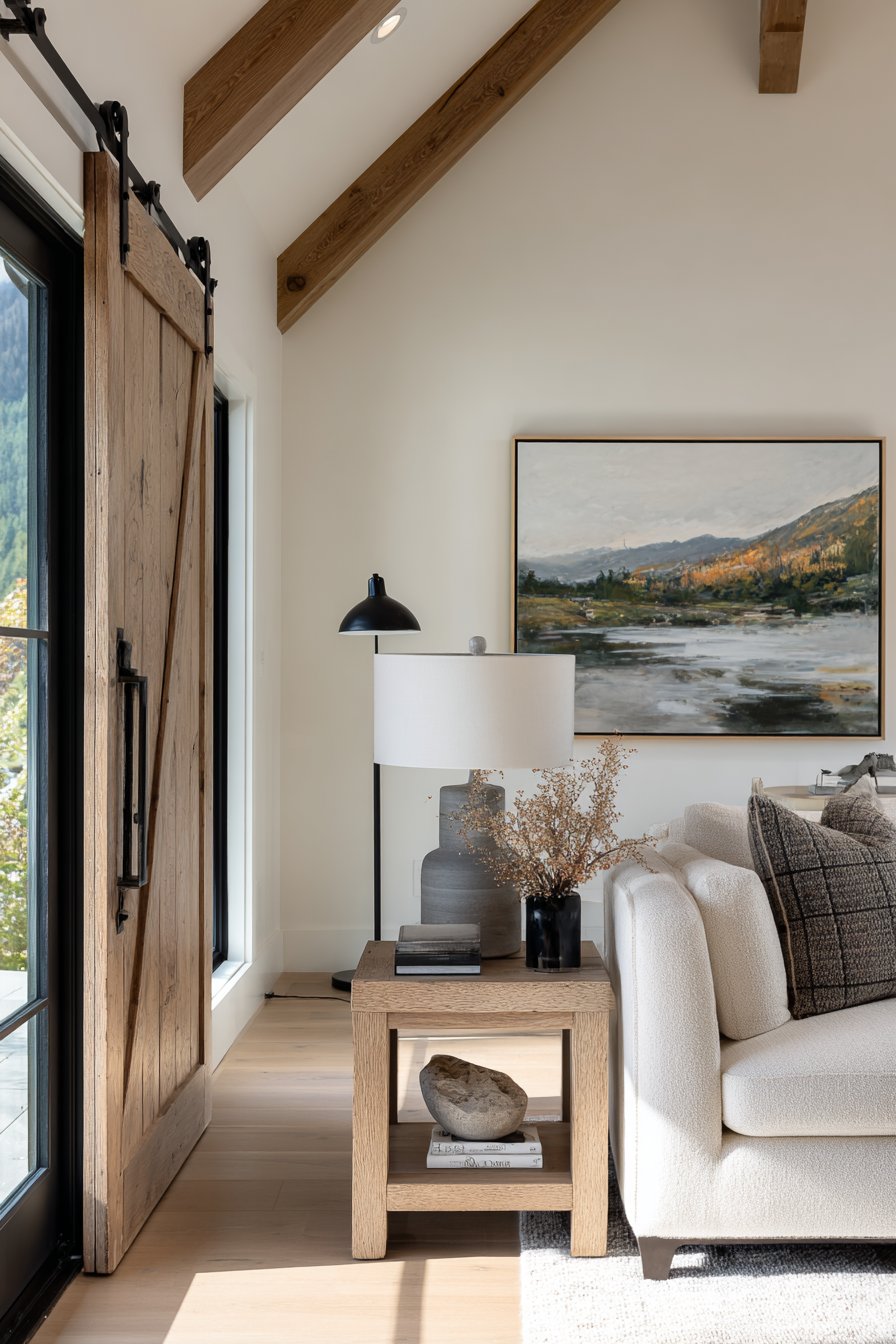
Successfully achieving this balance requires understanding scale and proportion. Oversized modern artwork can anchor a room filled with vintage furniture, while contemporary window treatments soften rustic exposed beams. The result is a collected, lived-in aesthetic that feels authentic rather than staged.
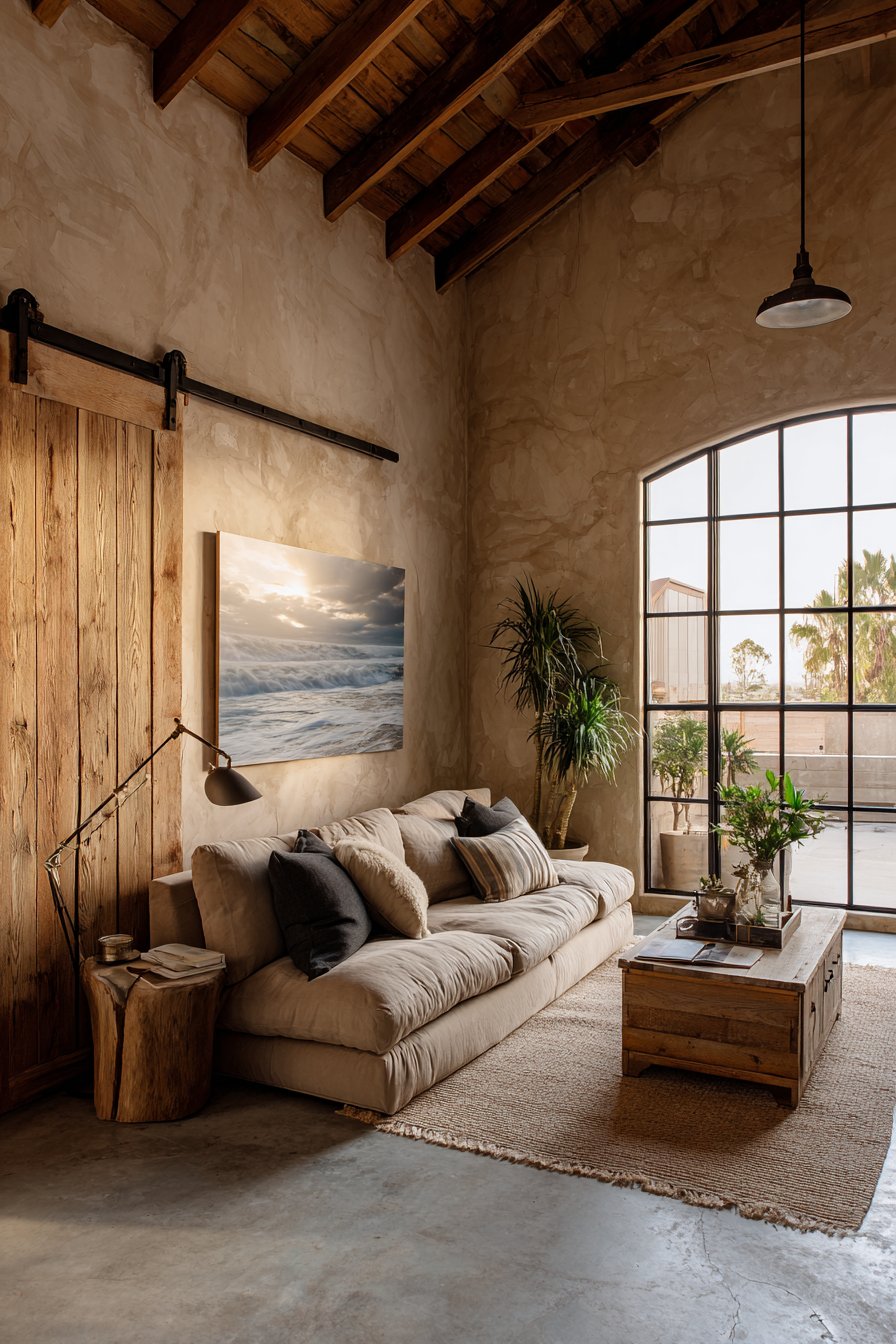
- Mix furniture from different eras but maintain a consistent color palette
- Pair one statement rustic piece with several streamlined modern elements
- Use contemporary lighting to update traditional architectural features
- Balance rough textures with smooth, polished surfaces
- Incorporate modern technology discreetly within rustic frameworks
- Let one design style dominate slightly while the other provides accent
2. Neutral Color Palettes That Stand the Test of Time
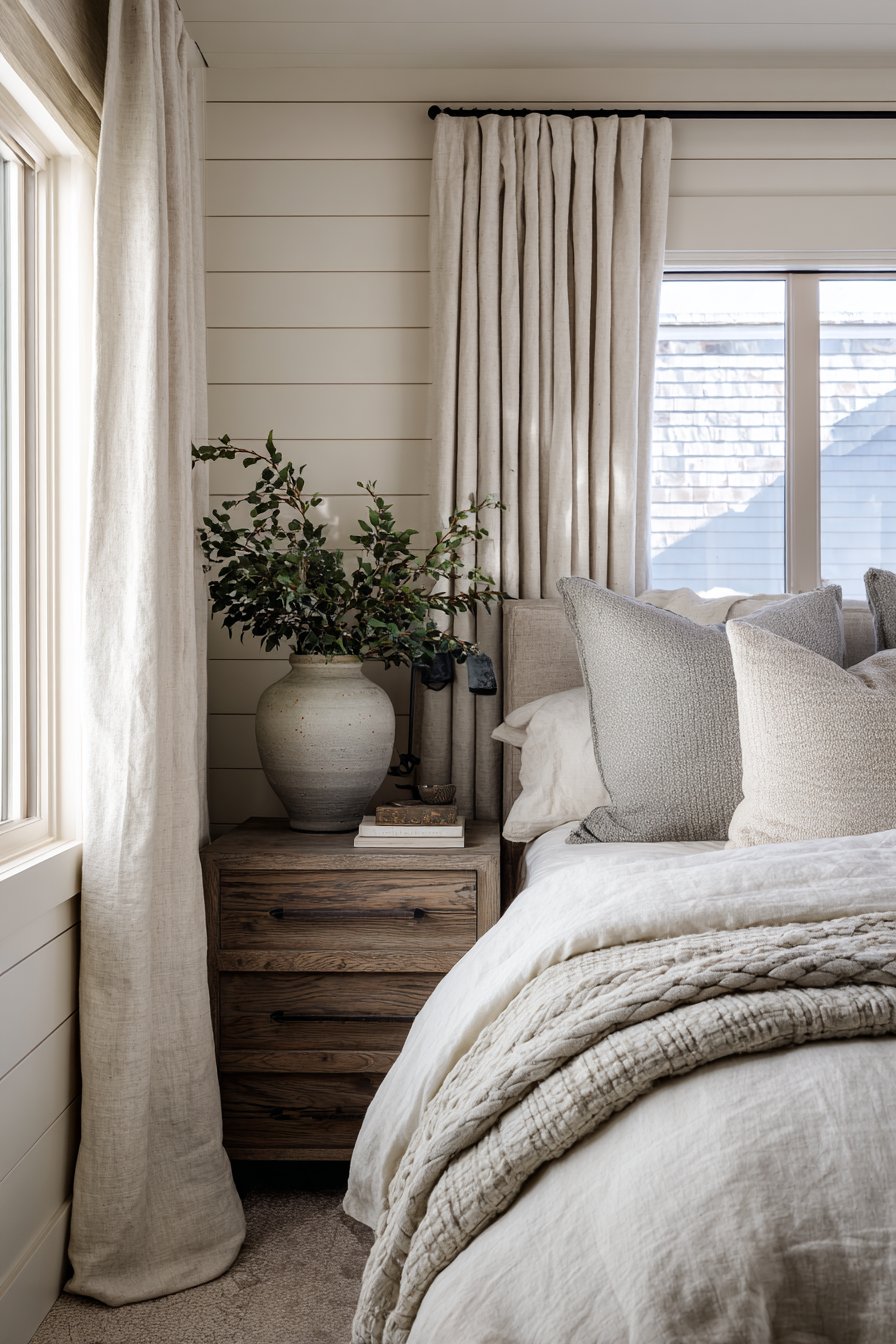
The modern farmhouse style champions neutral color schemes that create serene, cohesive environments. Whites, creams, grays, and warm beiges form the foundation, allowing architectural details and textures to take center stage. This restrained palette prevents visual overwhelm while providing endless versatility for seasonal updates and personal touches.
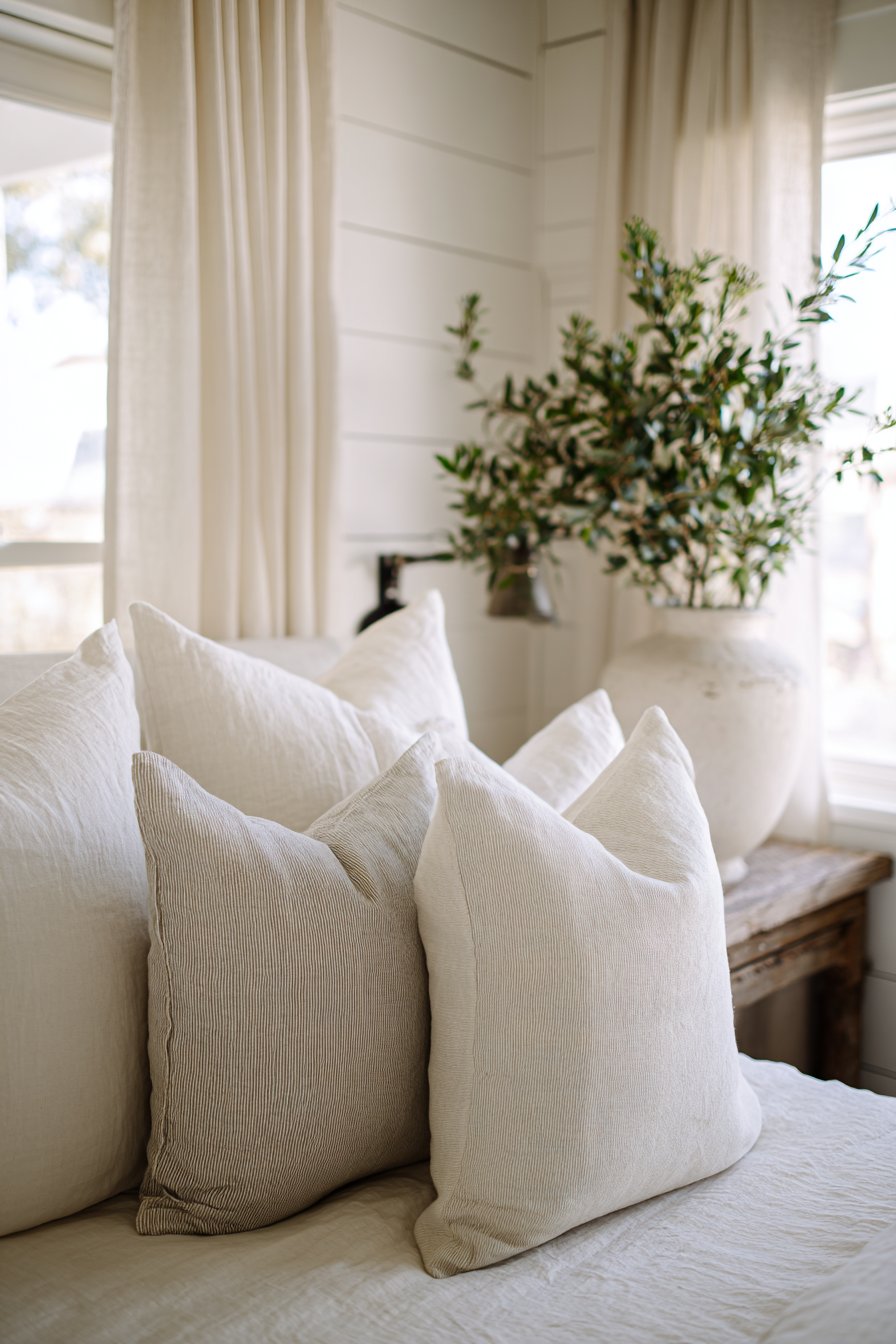
These timeless neutrals possess remarkable staying power in an ever-changing design landscape. Unlike trendy colors that date quickly, soft whites and greiges maintain their relevance year after year. They serve as the perfect backdrop for natural wood tones, greenery, and carefully curated accessories. The palette’s simplicity also makes rooms feel larger and brighter.
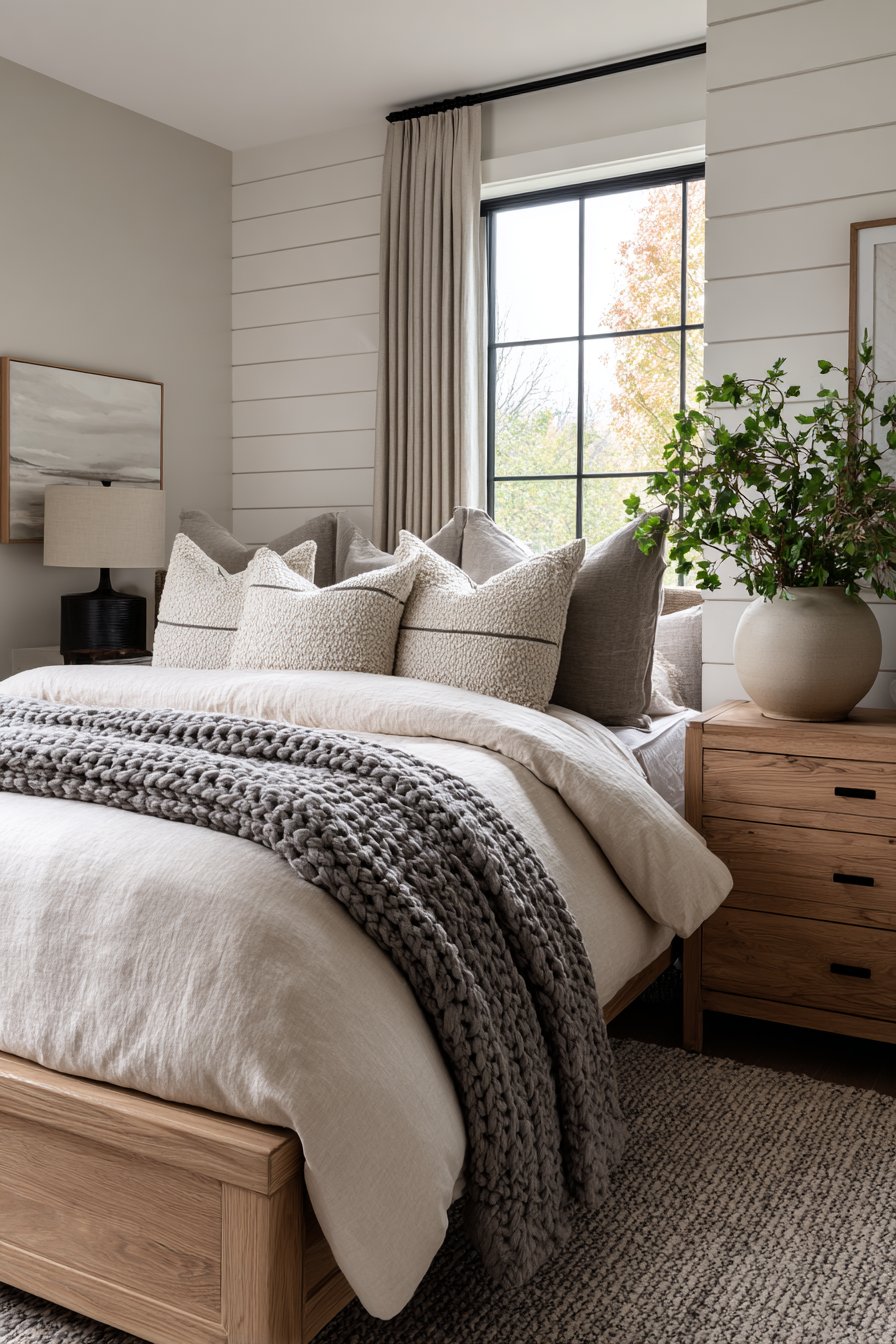
Layering different shades within the neutral spectrum adds depth and sophistication without introducing jarring color contrasts. Warm whites on walls can pair with cooler gray accents, while creamy textiles soften the overall scheme. This nuanced approach to neutrals creates visual interest through subtle variation rather than bold statements.
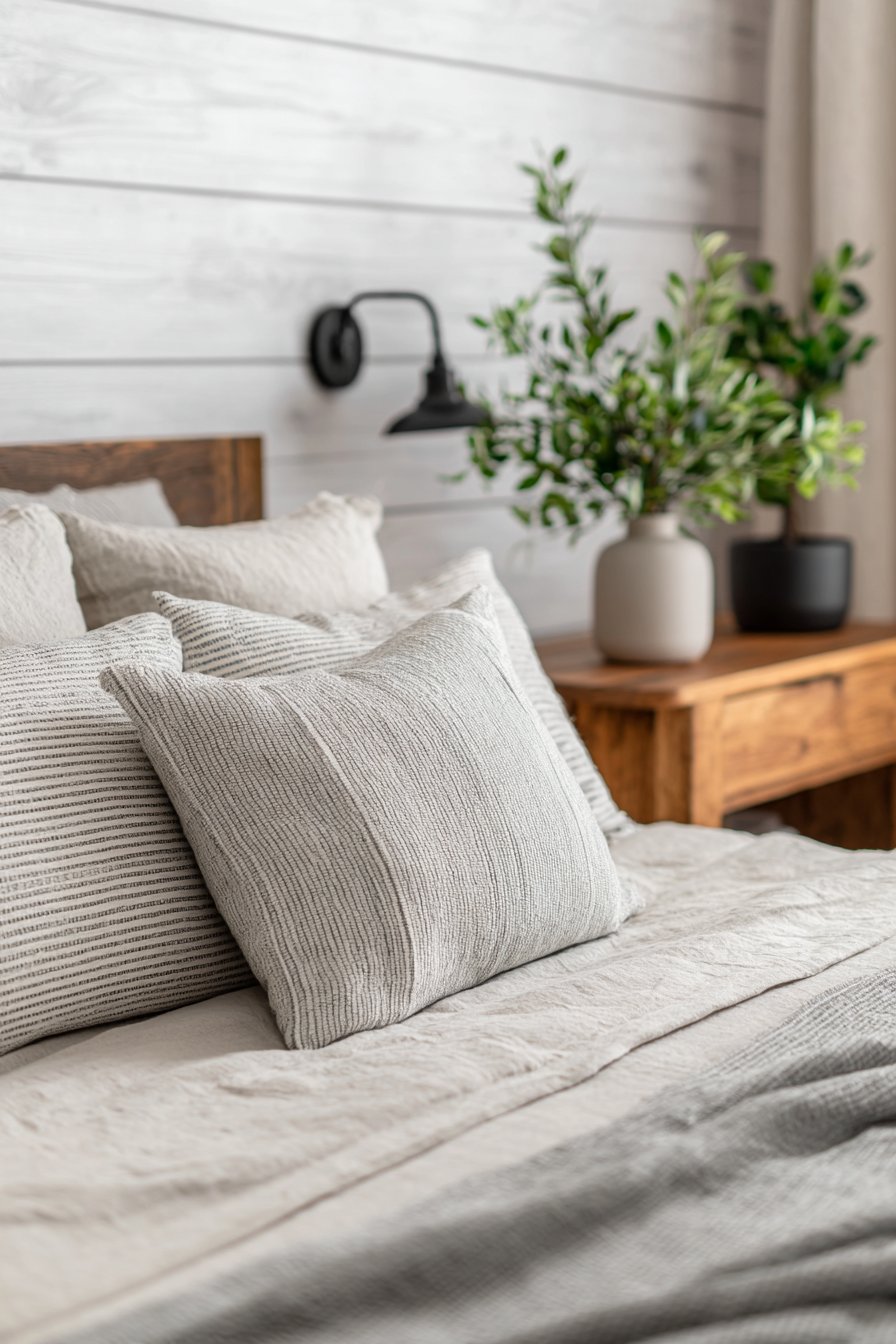
- Start with warm white as your base and layer in complementary neutrals
- Use varying shades of the same color family for depth
- Add black accents sparingly for definition and contrast
- Incorporate natural wood tones to warm up cool grays
- Choose matte finishes over glossy for authentic farmhouse appeal
- Test paint samples in different lighting conditions before committing
3. Emphasis on Natural Materials and Textures
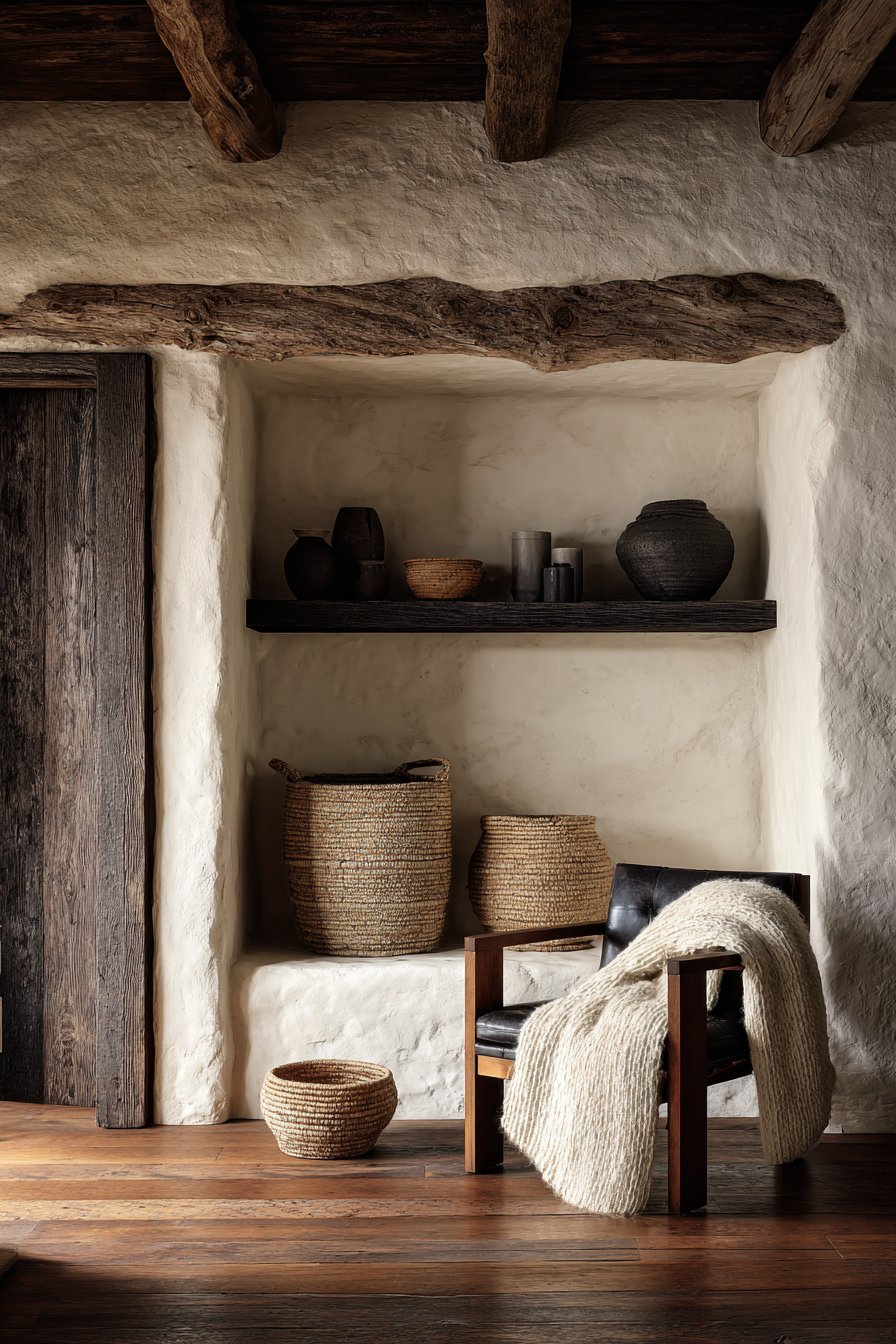
Modern farmhouse interiors celebrate authentic materials that connect us to nature and craftsmanship. Wood remains the undisputed hero, appearing in everything from exposed ceiling beams to wide-plank flooring. These organic elements bring warmth and character that synthetic alternatives simply cannot replicate. The visible grain patterns and natural imperfections tell stories of age and authenticity.
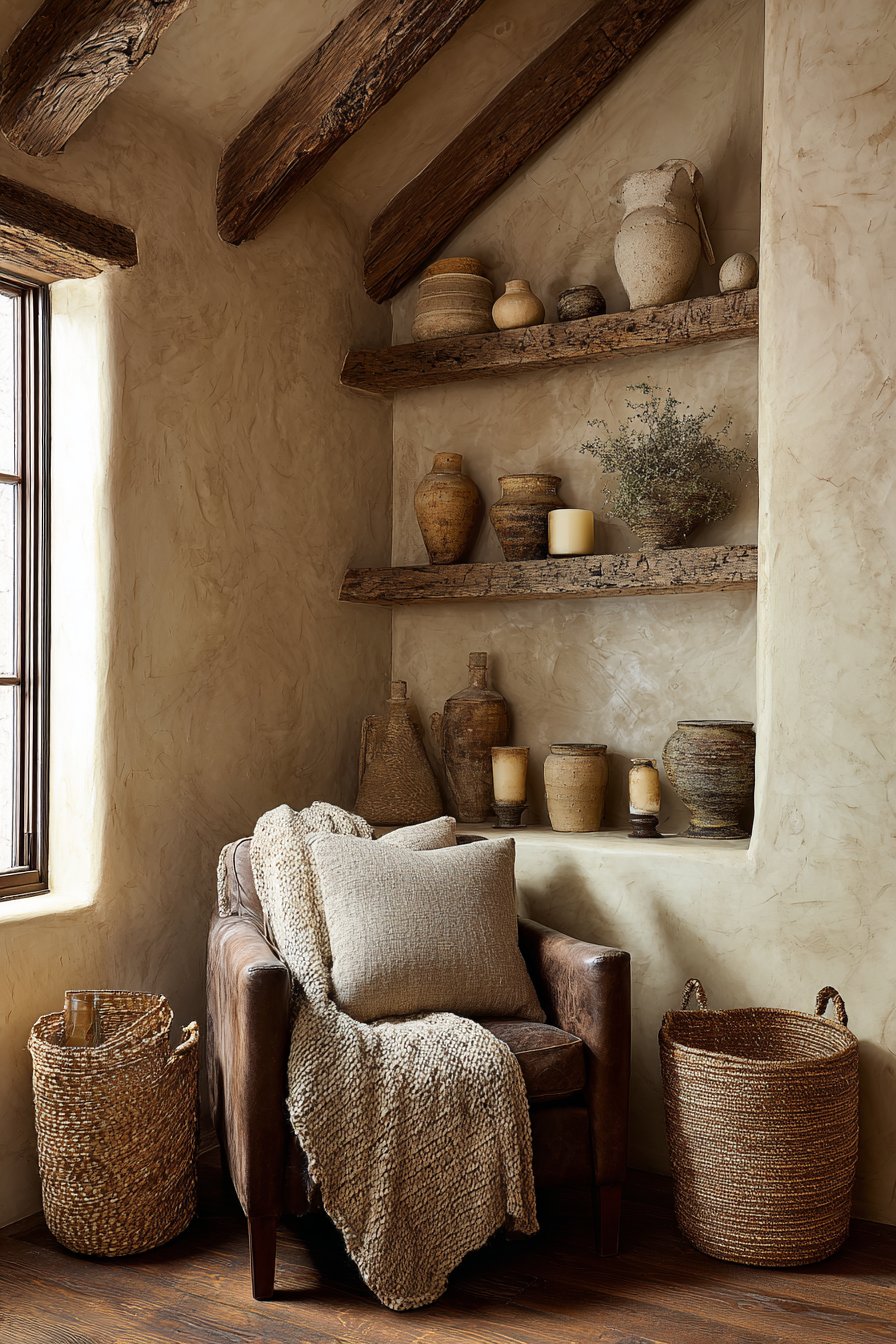
Beyond wood, the style incorporates stone, metal, linen, and cotton to create rich textural landscapes. A chunky knit throw draped over a leather sofa, rough-hewn wooden beams contrasting with smooth plaster walls—these combinations engage multiple senses. Natural materials also age gracefully, developing patinas that enhance rather than diminish their beauty over time.
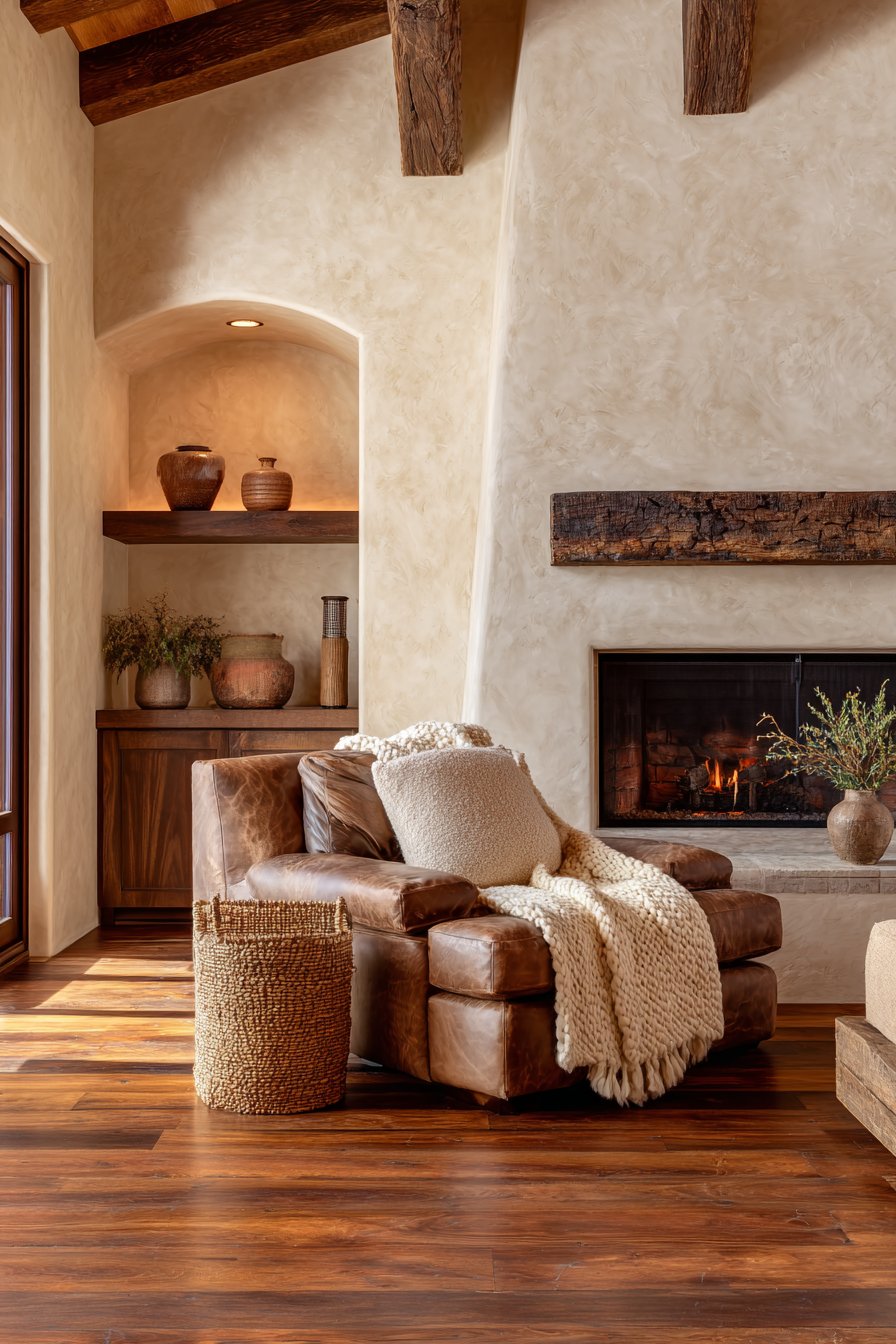
The emphasis on natural textures extends to tactile experiences throughout the home. Woven baskets, ceramic vessels, and metal fixtures invite touch while serving functional purposes. This sensory richness makes spaces feel grounded and inviting, countering the sterile perfection often seen in purely contemporary designs.
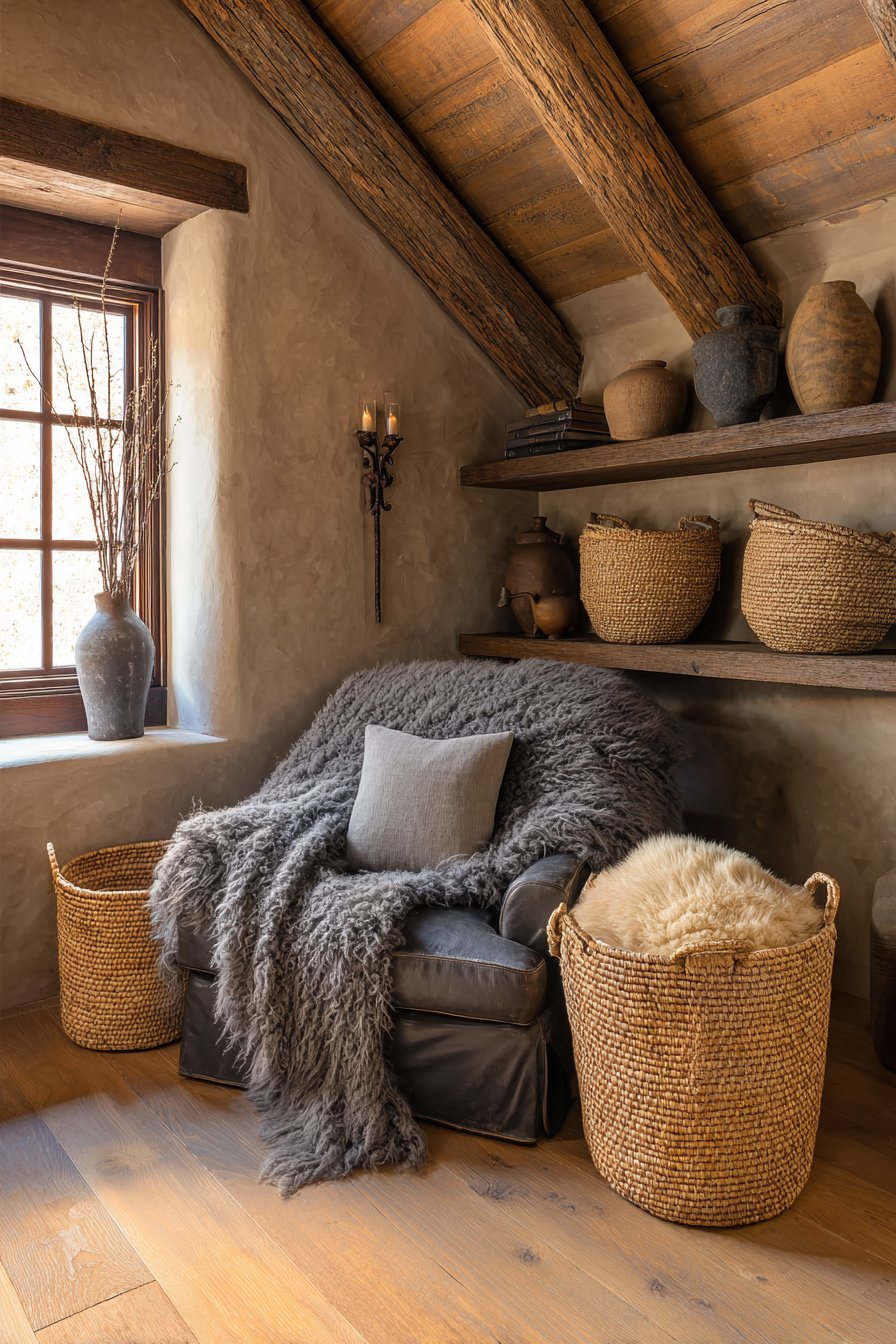
- Source reclaimed wood for instant character and sustainability
- Mix matte and textured finishes rather than high-gloss surfaces
- Layer different natural textiles in similar neutral tones
- Incorporate stone elements through countertops or fireplace surrounds
- Choose handcrafted pieces over mass-produced alternatives when possible
- Allow natural materials to show wear and patina authentically
4. Open, Functional Floor Plans for Modern Living
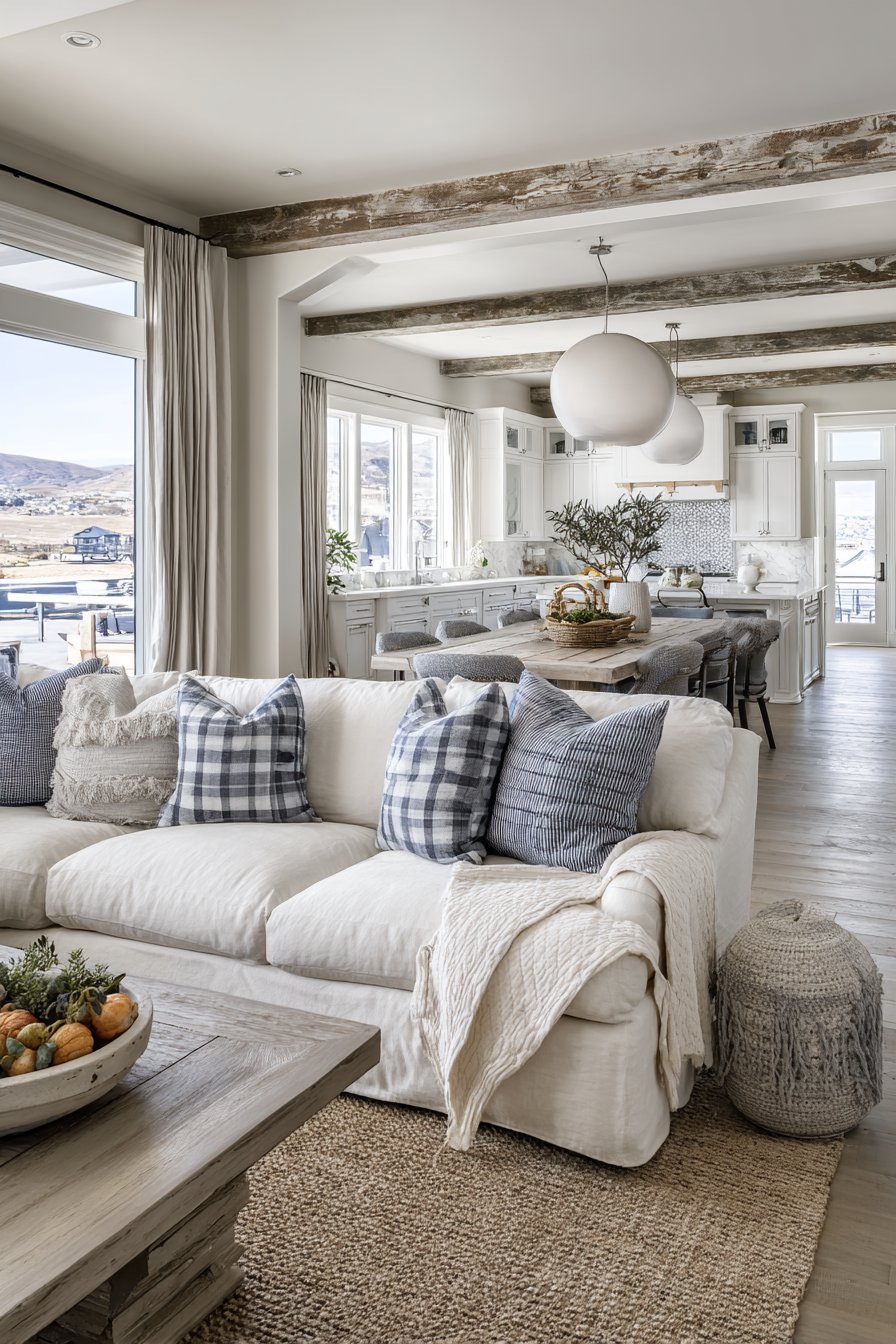
The modern farmhouse aesthetic embraces open-concept layouts that facilitate contemporary family life. These flowing spaces remove unnecessary walls, allowing natural light to penetrate deeply while encouraging social interaction and connectivity. The great room concept, combining kitchen, dining, and living areas, reflects how we actually use our homes today.
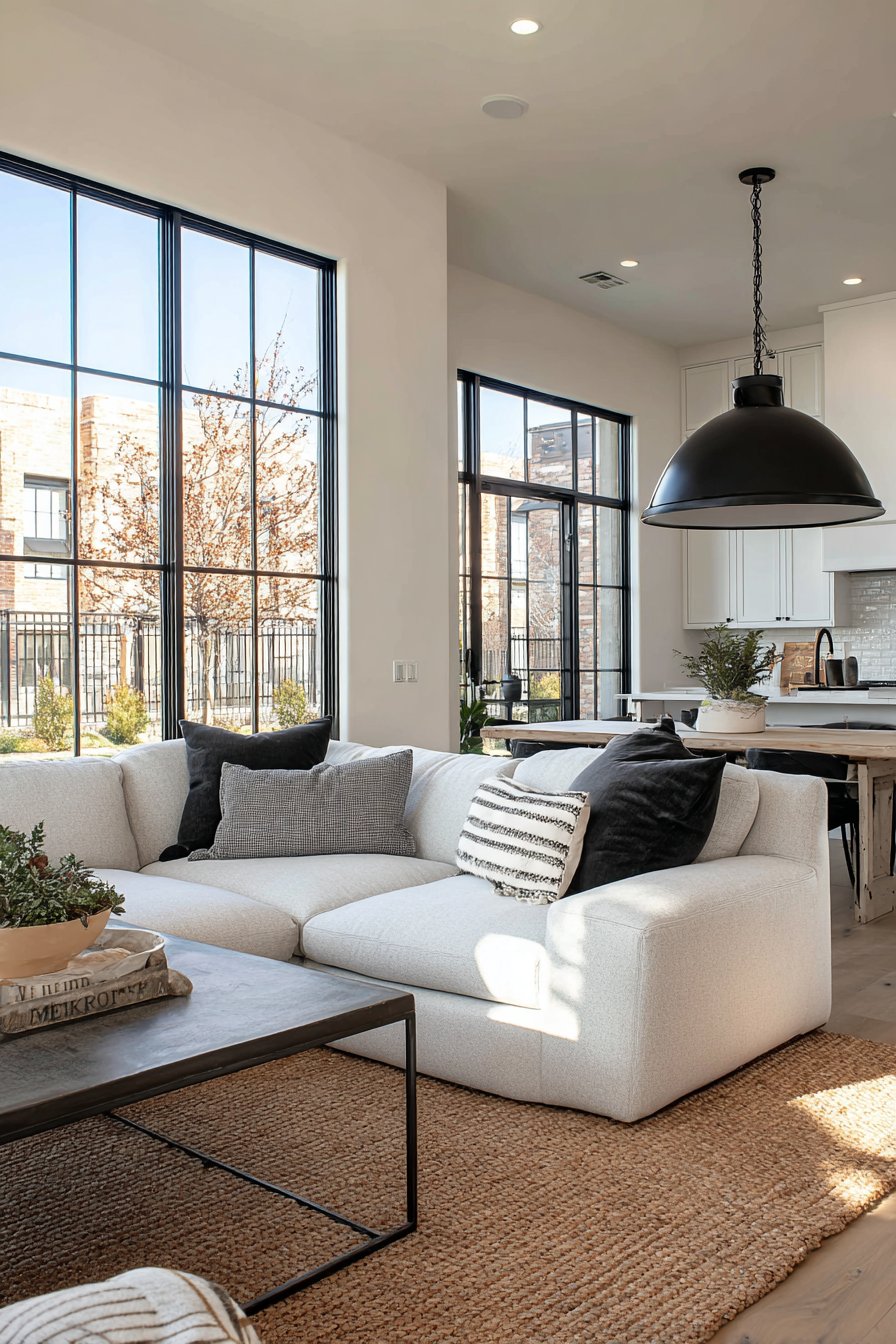
This openness doesn’t mean sacrificing definition or purpose within spaces. Strategic furniture placement, area rugs, and lighting zones create distinct areas without physical barriers. A large farmhouse table might anchor the dining zone, while a sectional sofa defines the living area. This approach maintains visual continuity while providing functional separation for different activities.
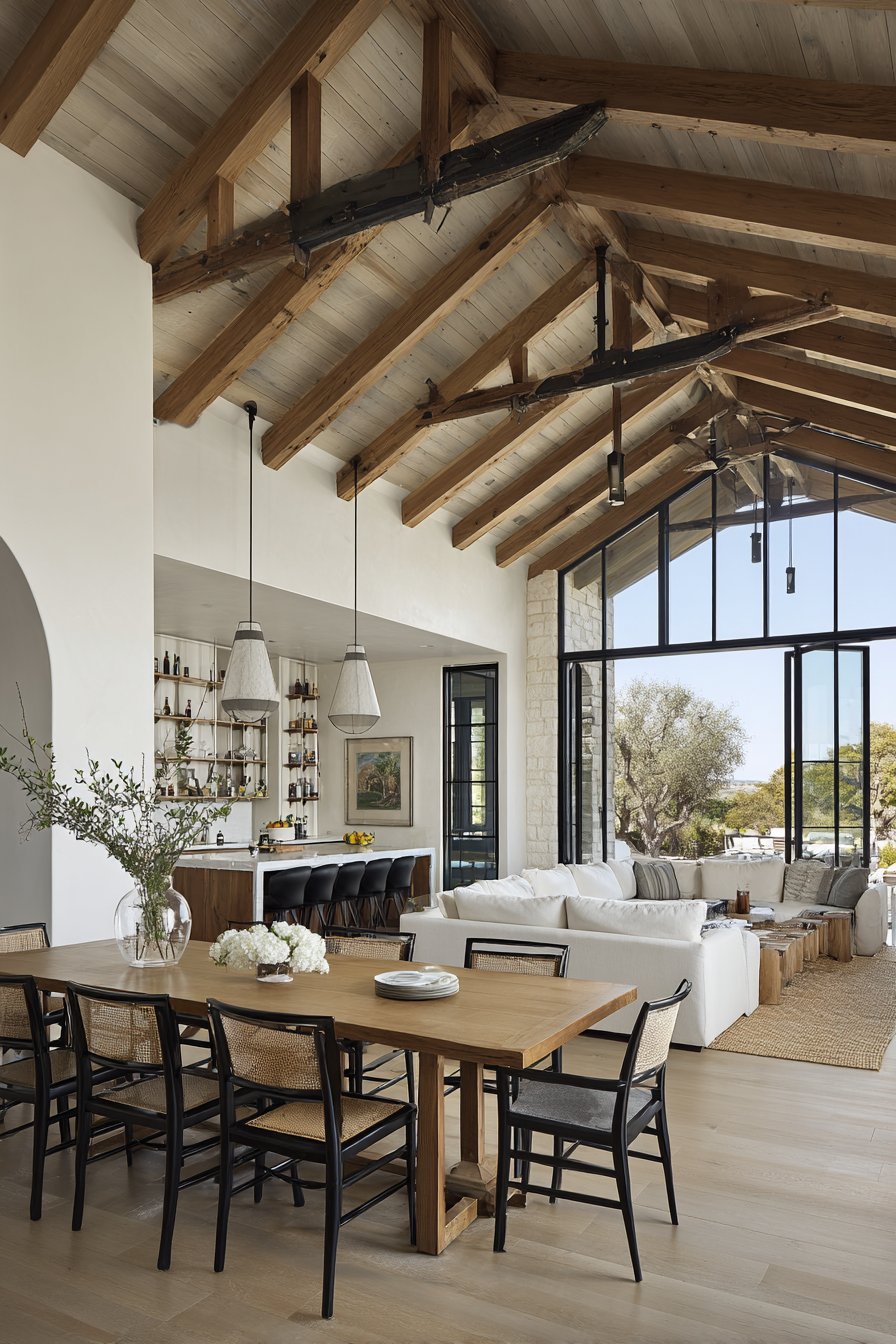
Open floor plans also align with the farmhouse tradition of gathering and hospitality. Cooks can engage with guests while preparing meals, parents can supervise children’s homework while cooking dinner, and natural sightlines keep families connected. This practical layout supports modern lifestyles while honoring the farmhouse value of togetherness and community.
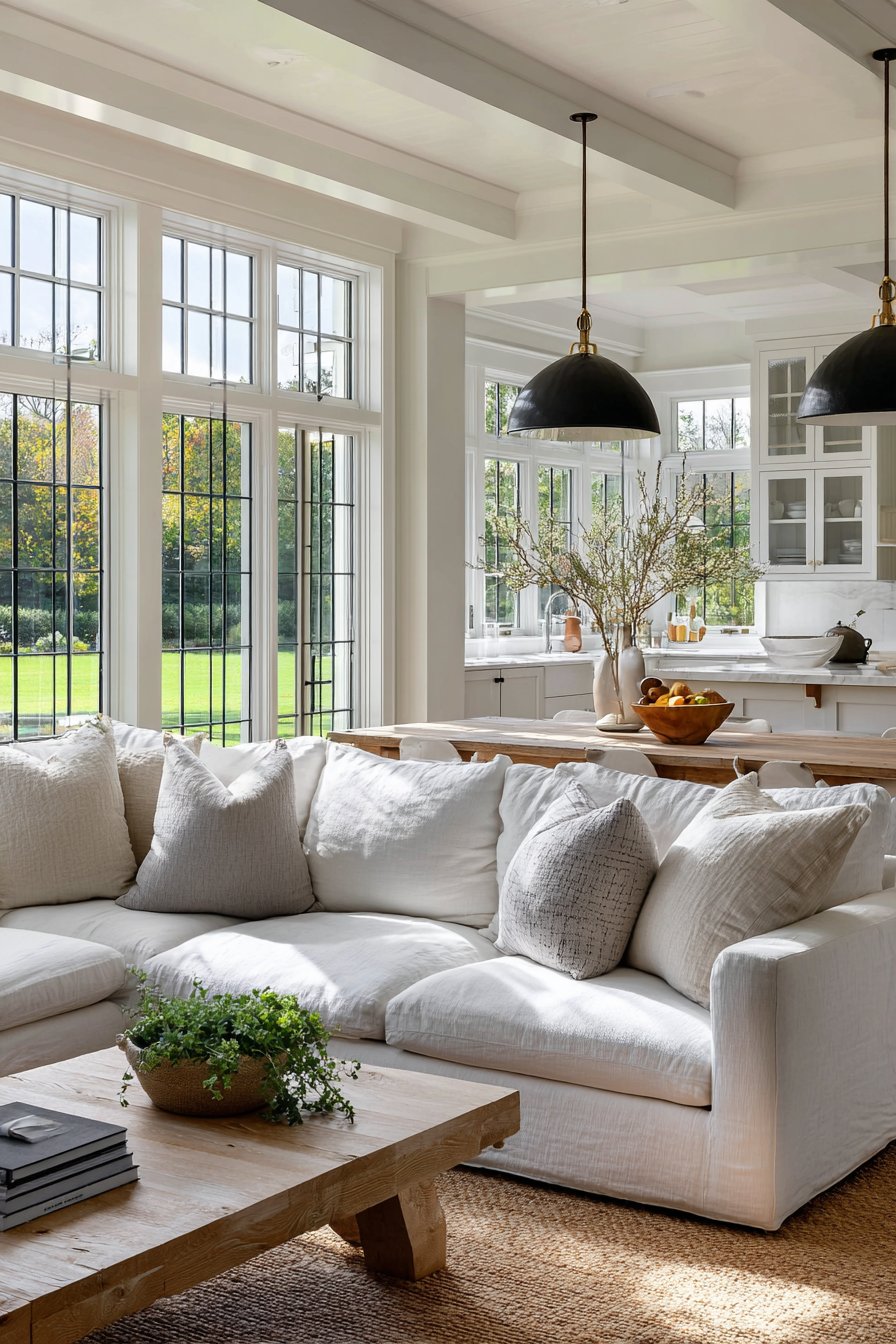
- Use large area rugs to define separate zones within open spaces
- Position furniture to create natural traffic flow patterns
- Install consistent flooring throughout to enhance the sense of space
- Use pendant lighting at different heights to define areas
- Maintain clear sightlines to maximize natural light distribution
- Consider portable room dividers for occasional privacy needs
5. Architectural Details That Add Character
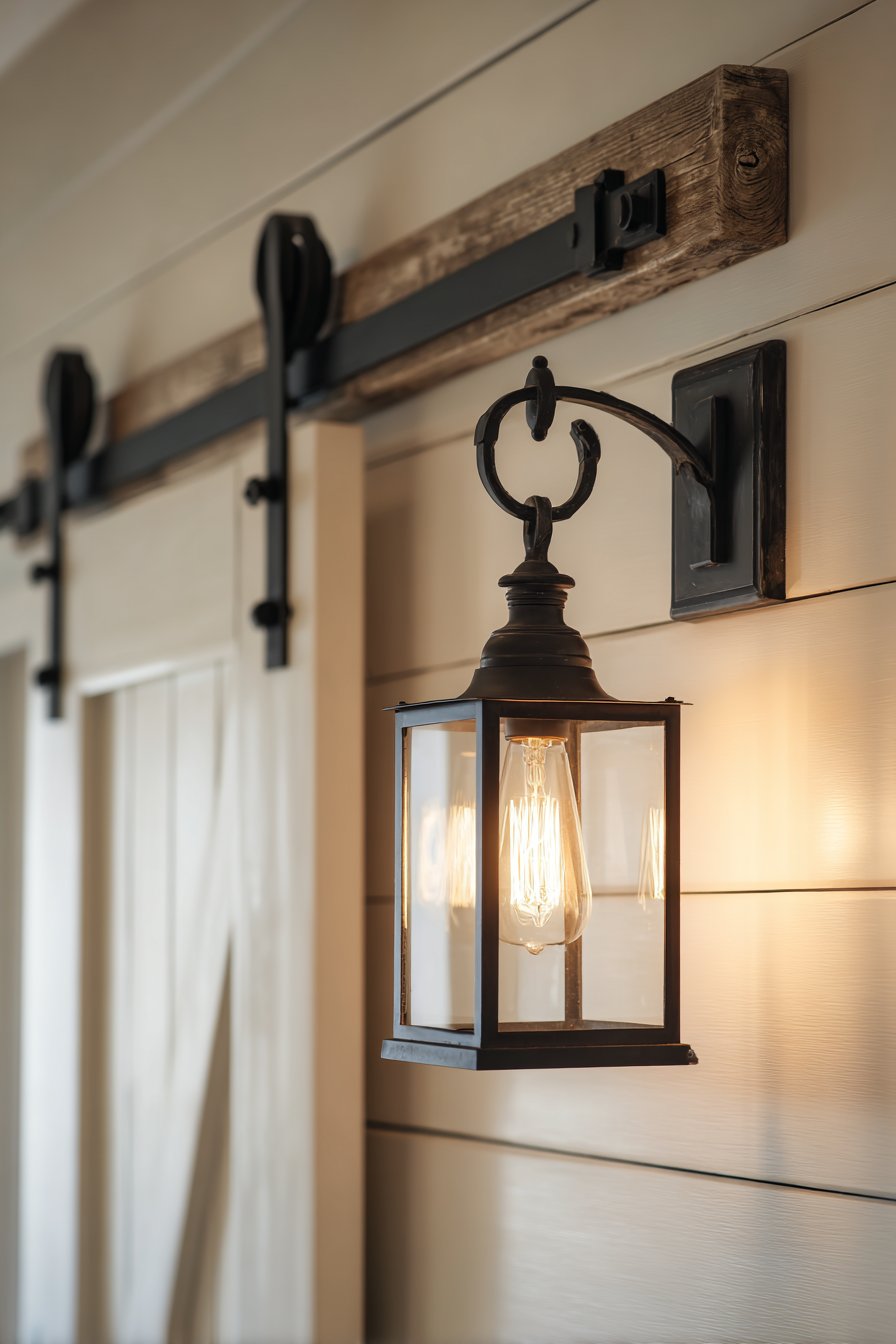
Distinctive architectural elements give modern farmhouse interiors their signature personality and visual interest. Shiplap walls, exposed wooden beams, and board-and-batten treatments transform ordinary rooms into spaces with historical resonance and depth. These features reference agricultural buildings and rural vernacular architecture while feeling perfectly at home in contemporary settings.
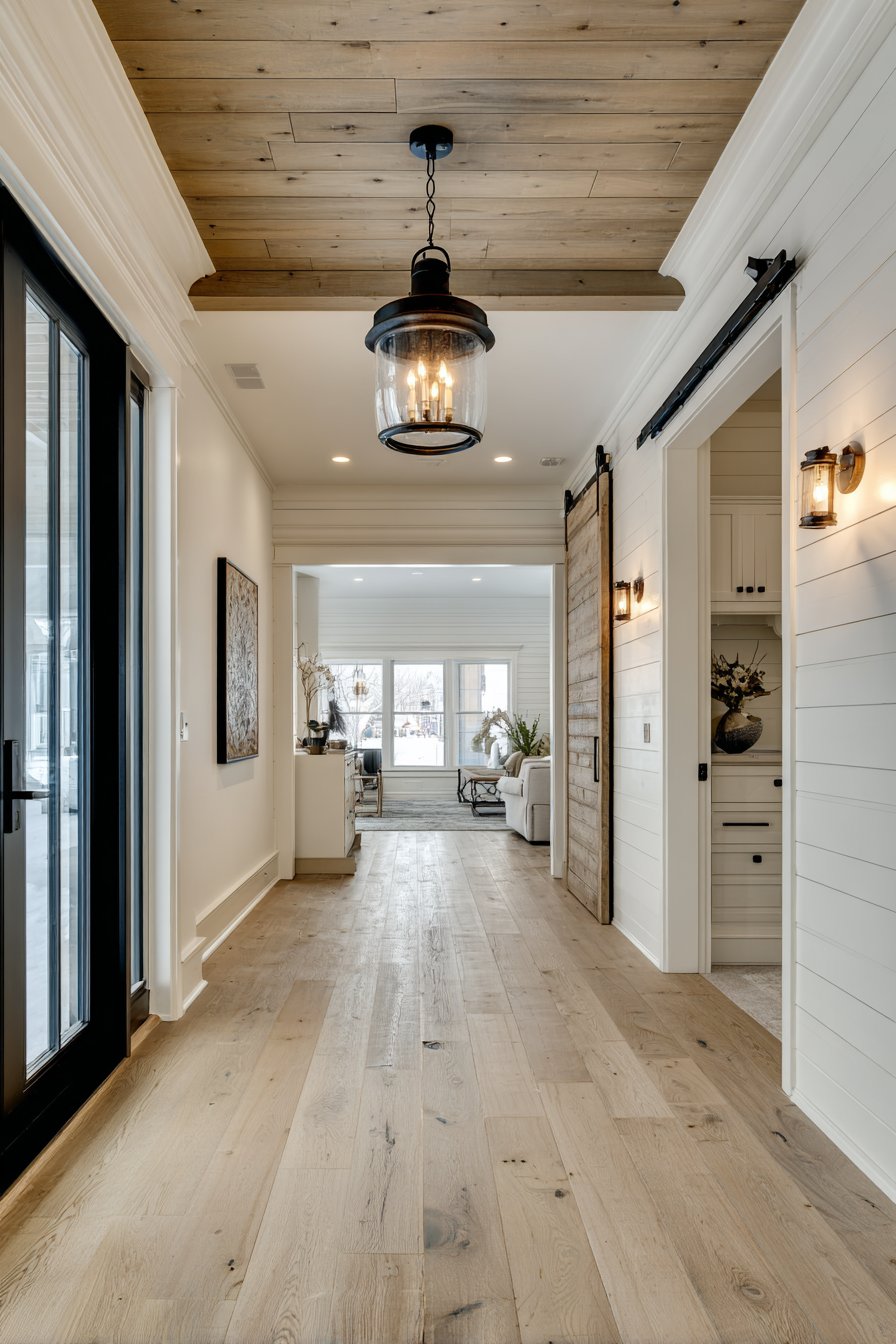
These details work because they’re both decorative and structural, avoiding the superficial quality of purely ornamental additions. Ceiling beams might be load-bearing or purely aesthetic, but they always draw the eye upward and add dimension. Barn doors slide on industrial hardware, combining form and function in a way that feels authentic and purposeful.
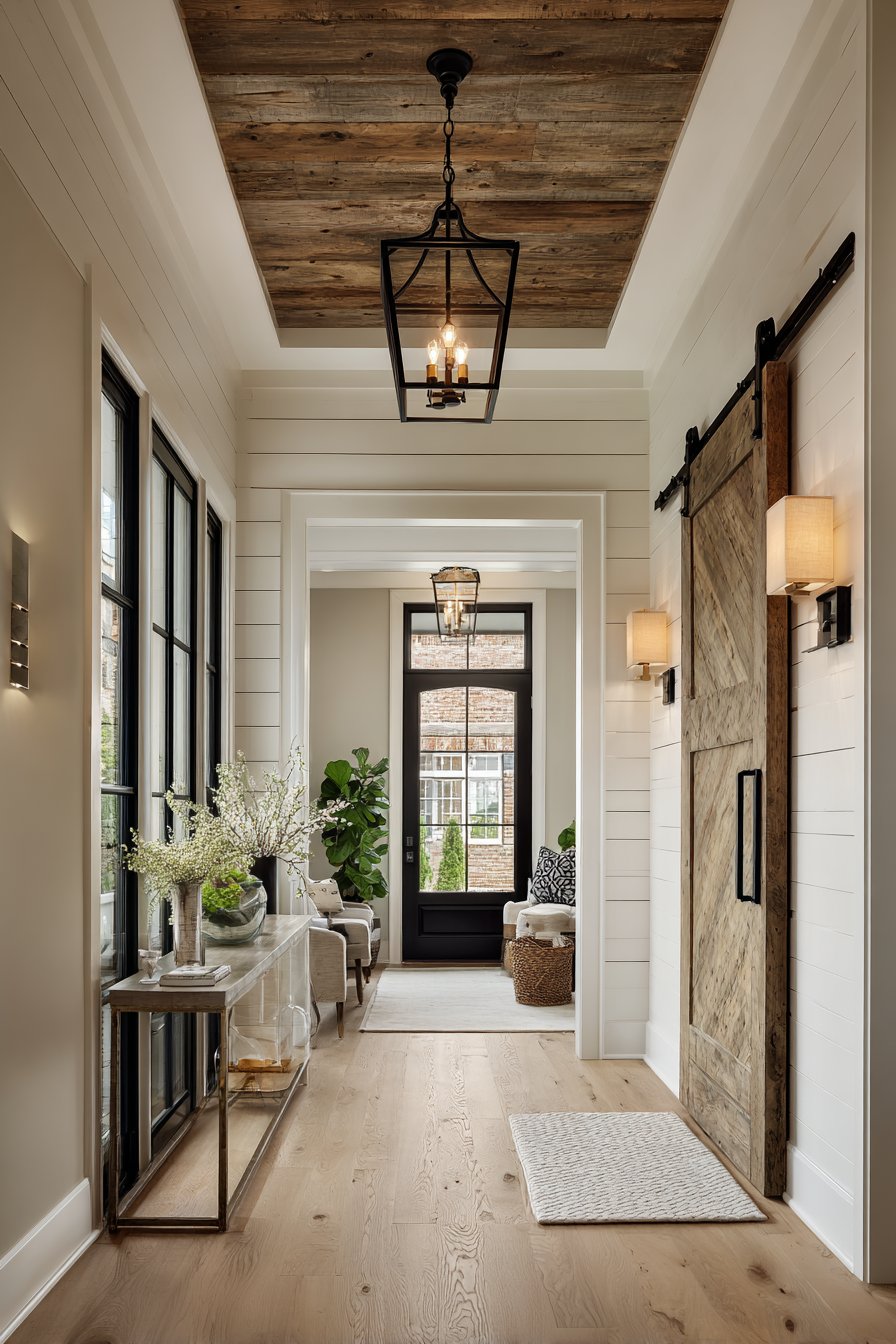
Incorporating architectural character doesn’t require historic home bones or extensive renovation. Adding trim work, installing beadboard ceilings, or simply painting existing woodwork in contrasting colors can dramatically enhance a space. These modifications create focal points and visual rhythm that give newer construction the soul of older homes.
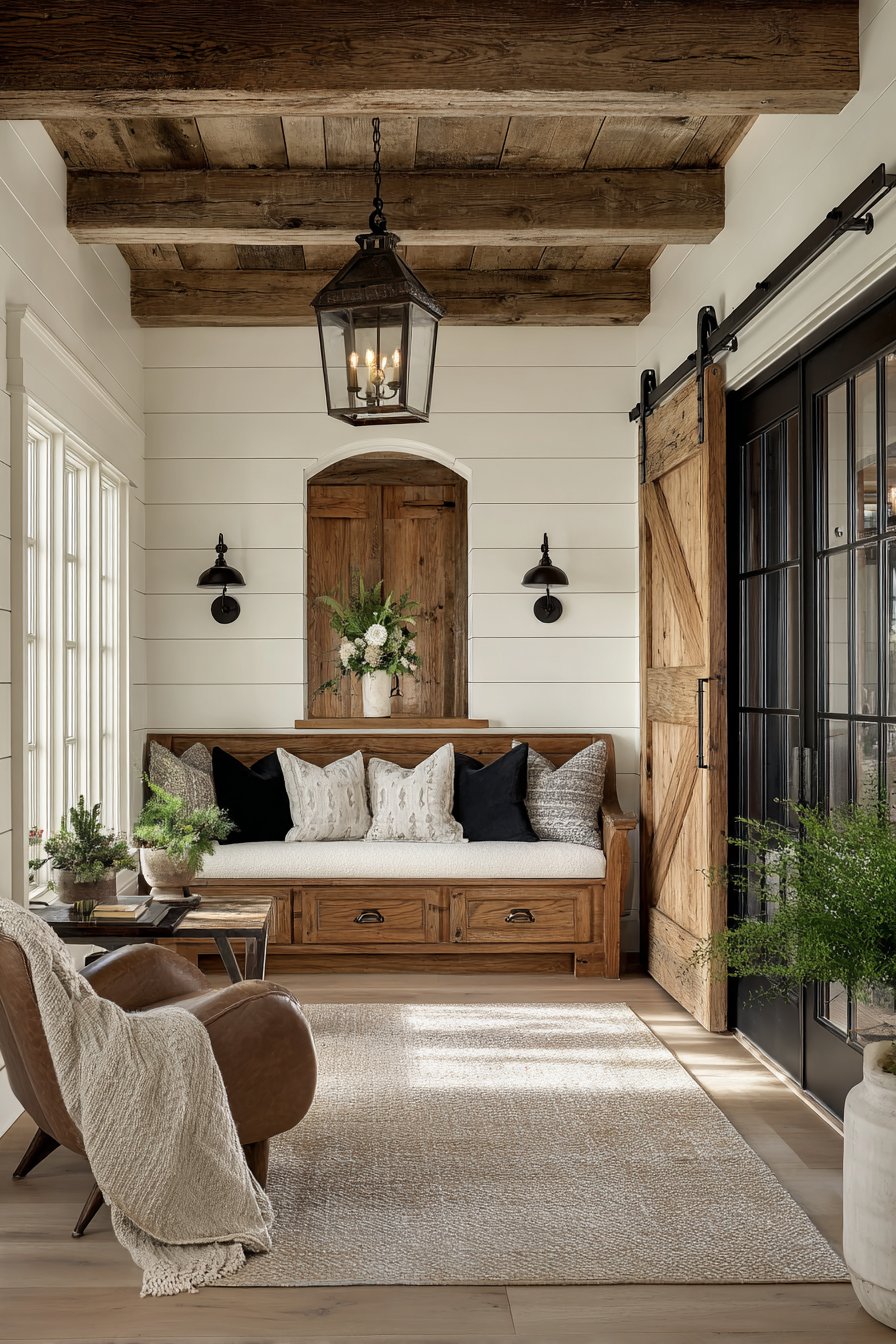
- Install shiplap horizontally for traditional appeal or vertically for modern twist
- Add crown molding and baseboards for refined architectural definition
- Consider ceiling treatments like exposed beams or tongue-and-groove planking
- Use board-and-batten on accent walls for texture and dimension
- Incorporate arched doorways or windows for soft architectural interest
- Paint trim in contrasting colors to highlight architectural features
6. Comfortable, Lived-In Aesthetic Over Perfection
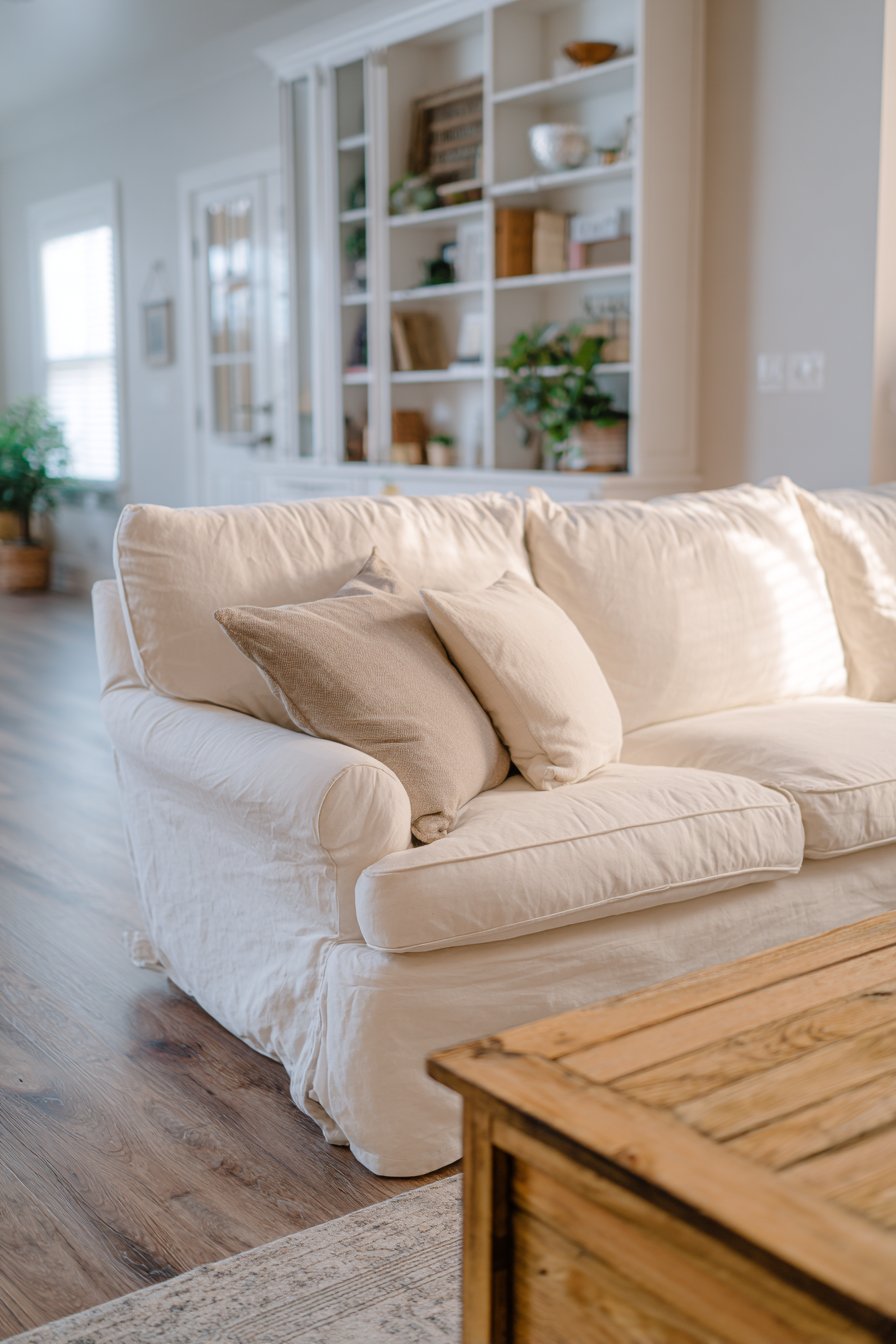
Modern farmhouse design prioritizes comfort and livability above pristine showroom perfection. This style welcomes the beautiful imperfections of daily life—the worn spot on a favorite chair, the patina on copper fixtures, the gentle distressing of a vintage table. These elements contribute to an aesthetic that feels collected over time rather than purchased all at once.
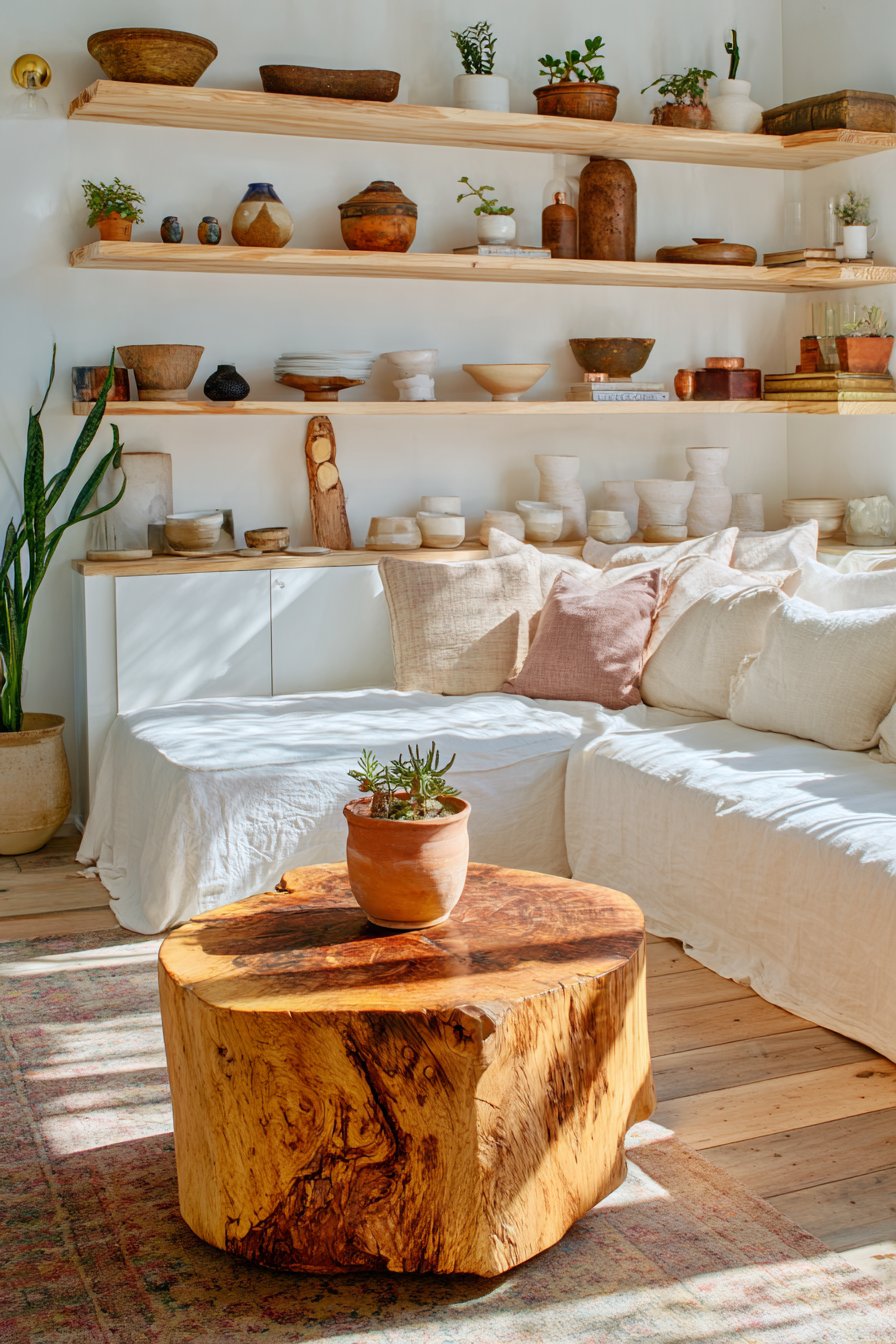
This approach resonates with homeowners tired of maintaining magazine-perfect interiors that don’t accommodate real life. Slipcover sofas can be washed, wood floors gain character from scratches, and open shelving displays everyday dishes alongside decorative objects. The style celebrates functionality and practicality without sacrificing beauty or style.
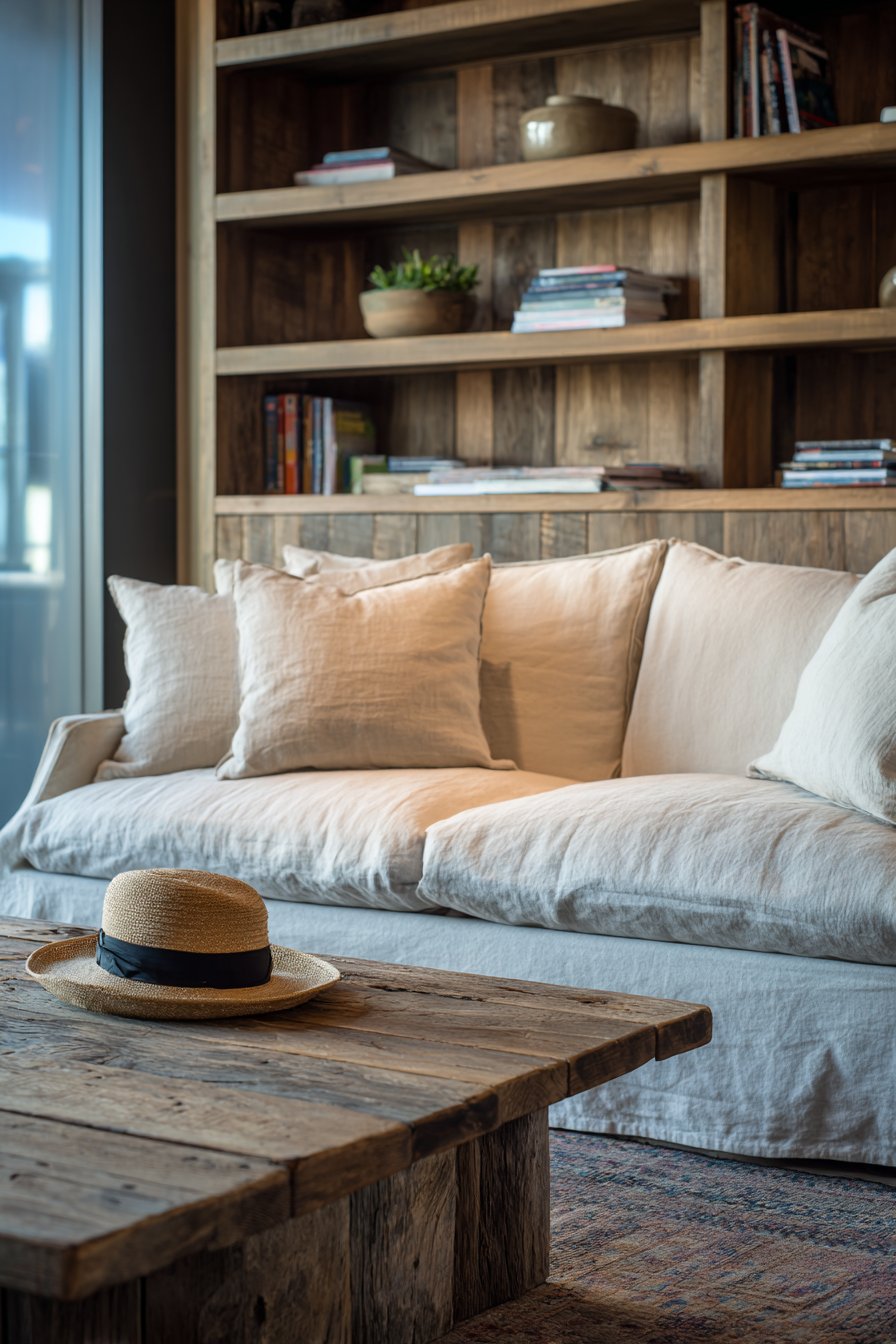
The lived-in quality also creates emotional warmth and authenticity that makes guests feel immediately welcome. There’s an inherent honesty in spaces that show their use and history. This comfortable aesthetic acknowledges that homes are meant for living, not for maintaining as untouchable displays of design perfection.
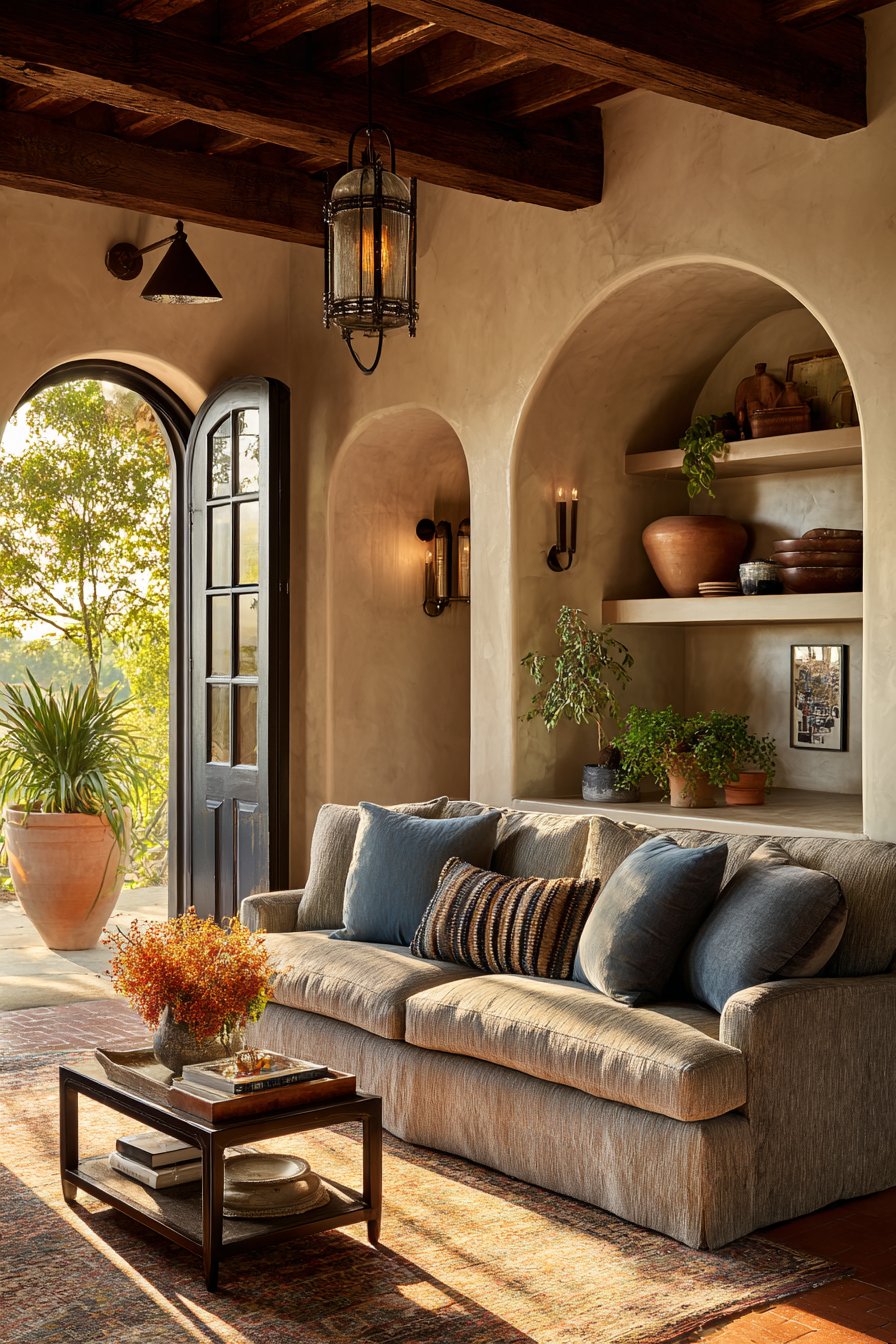
- Choose durable fabrics that age gracefully and withstand daily use
- Embrace natural wear on furniture as part of its character
- Display everyday items alongside decorative objects on open shelving
- Select washable slipcovers for high-use furniture pieces
- Incorporate vintage pieces with existing patina and history
- Avoid overly precious or delicate materials in high-traffic areas
Conclusion
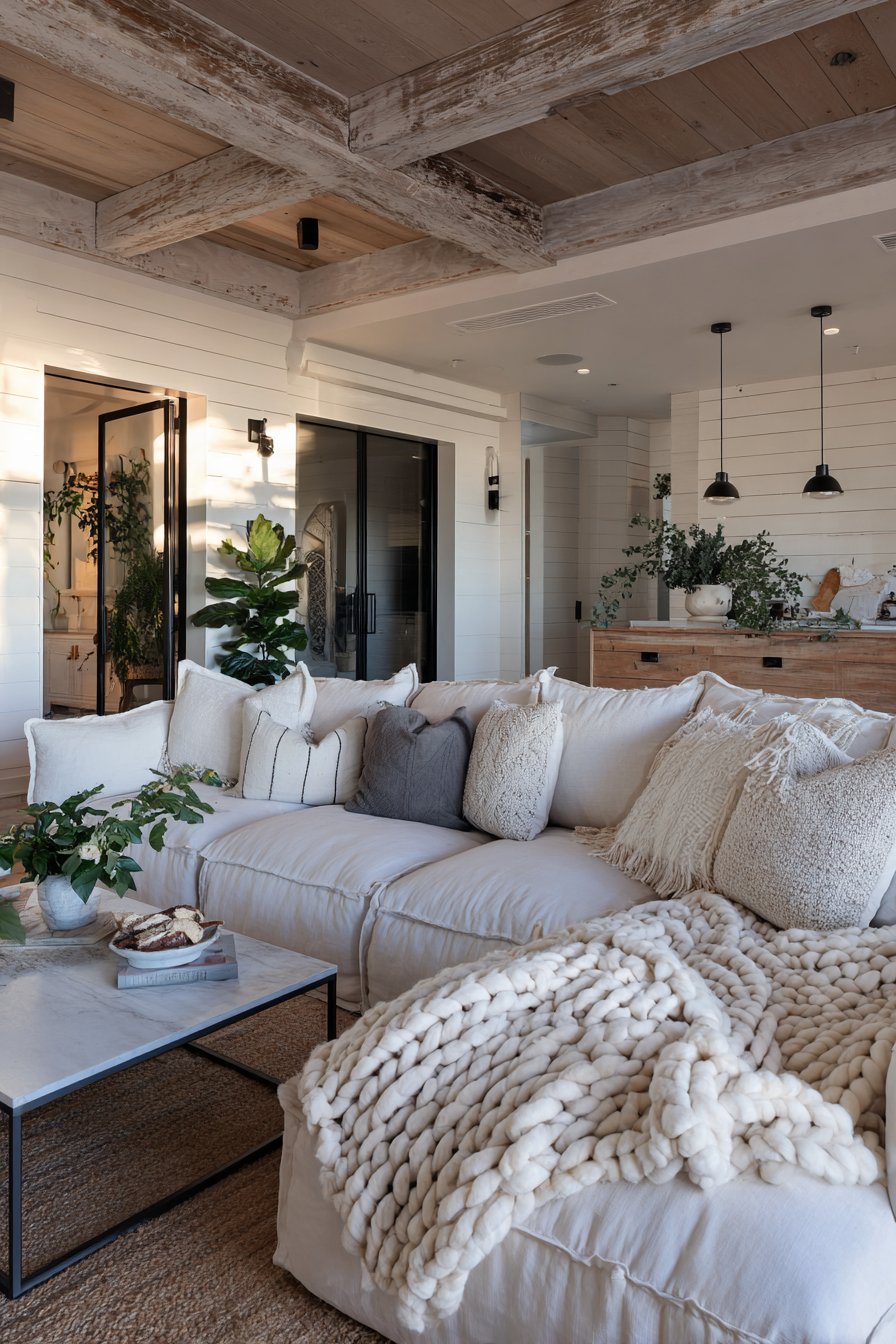
Modern farmhouse design endures because it addresses fundamental human needs for comfort, authenticity, and connection. This style successfully bridges past and present, honoring traditional craftsmanship while embracing contemporary functionality. Its neutral palettes, natural materials, and emphasis on livability create spaces that feel both timeless and current.
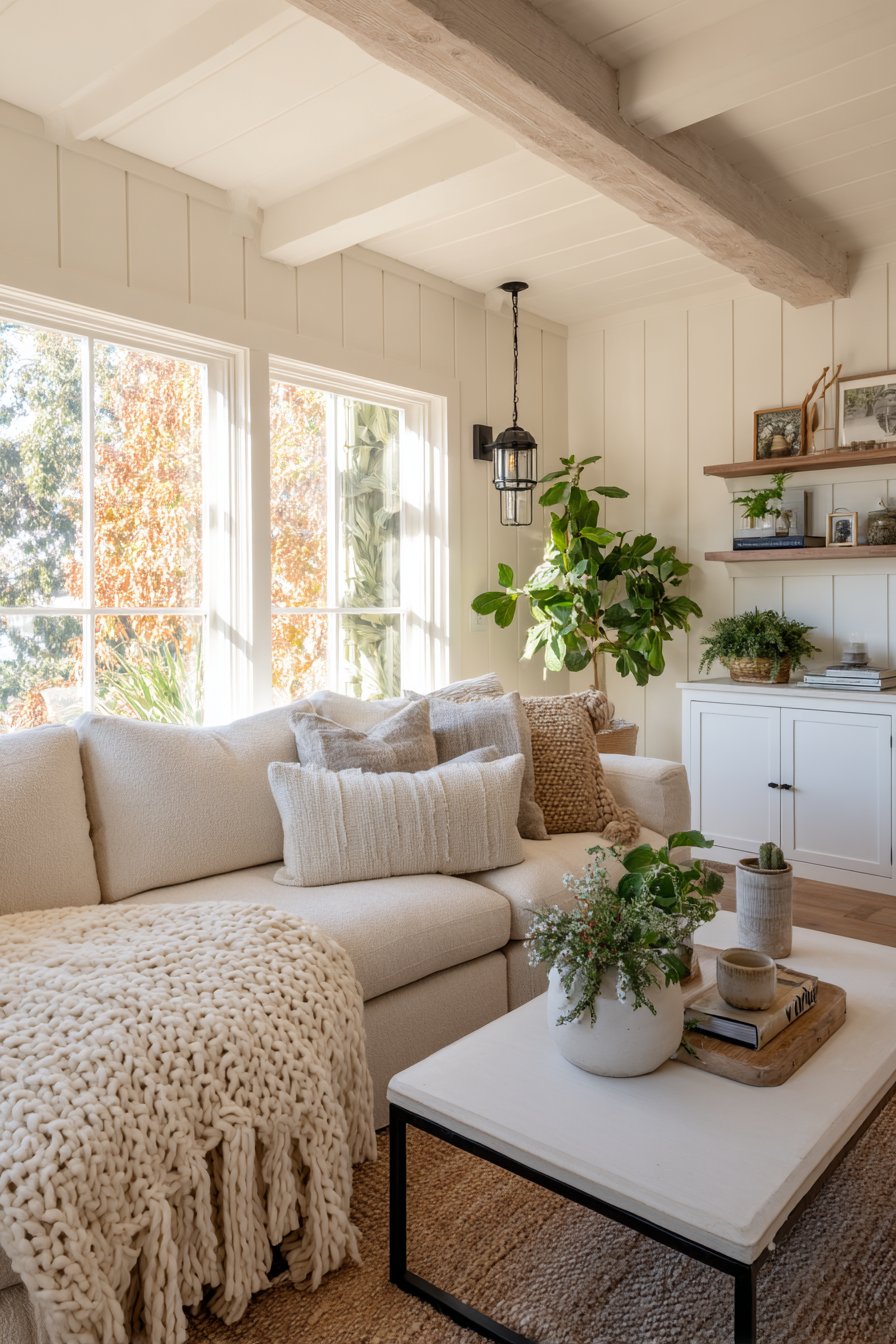
As you incorporate these principles into your own home, remember that the best interiors reflect personal stories and evolving lifestyles. Start with elements that resonate most deeply with you, whether that’s architectural details, natural textures, or simply creating a more open and welcoming space. The modern farmhouse aesthetic isn’t about rigid rules—it’s about creating a warm, authentic home where life unfolds beautifully.
