


The dining room has evolved from a formal, rarely-used space into the heart of modern homes. As we move into 2026, this transformation continues with exciting new trends that blend functionality with aesthetic appeal. Today’s dining spaces serve multiple purposes, from casual family meals to remote work sessions and social gatherings.
Thoughtful interior design in dining rooms creates environments that inspire connection and conversation. The right combination of furniture, lighting, and décor transforms ordinary meals into memorable experiences. Whether you prefer minimalist elegance or bold, eclectic styles, 2026’s emerging trends offer something for every taste and lifestyle.
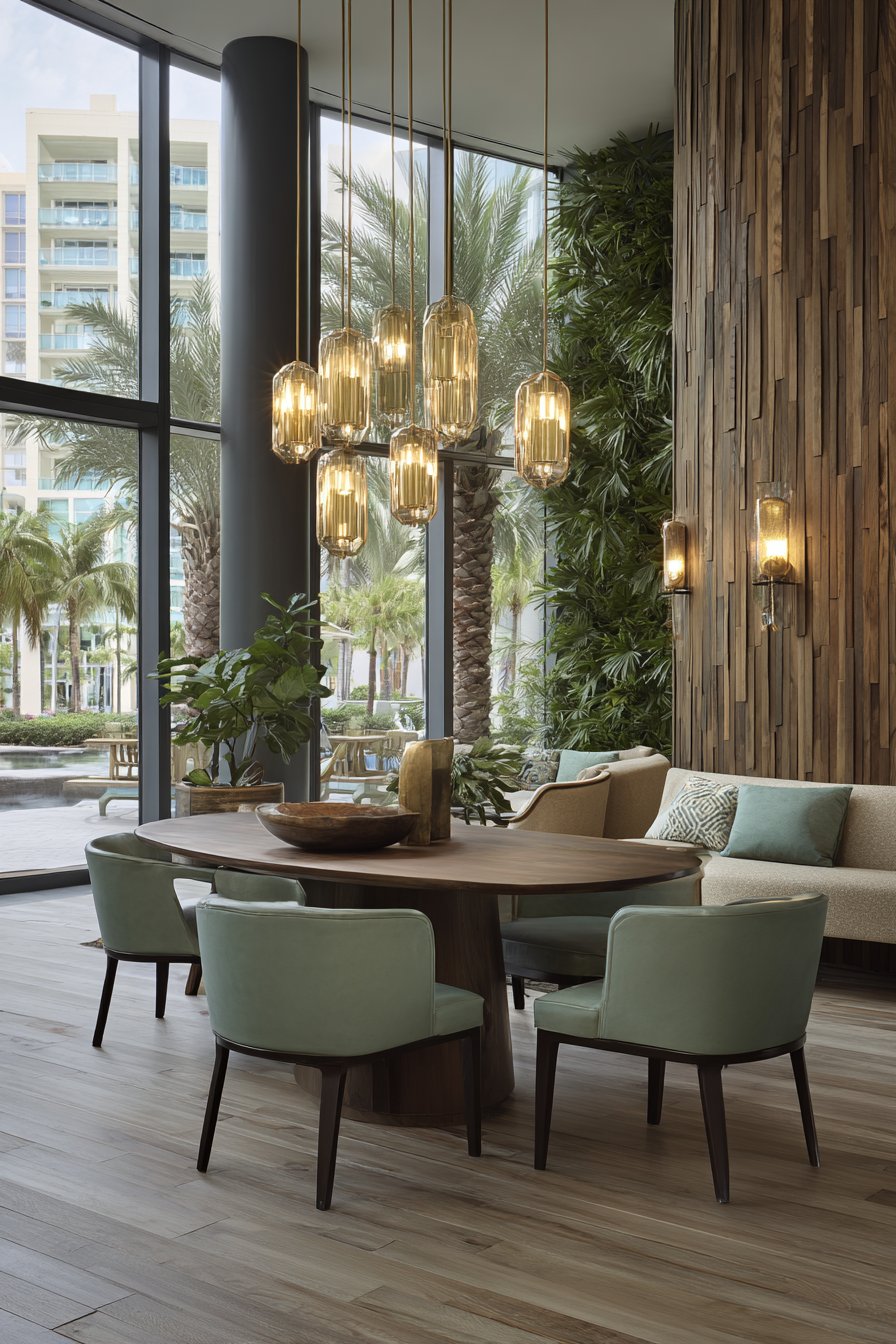
This article explores six groundbreaking dining room trends that are reshaping how we design and experience these essential spaces. From sustainable materials to tech-integrated furniture, these ideas reflect our changing priorities around wellness, flexibility, and environmental consciousness. Let’s dive into the trends that will define dining room design in the coming year.
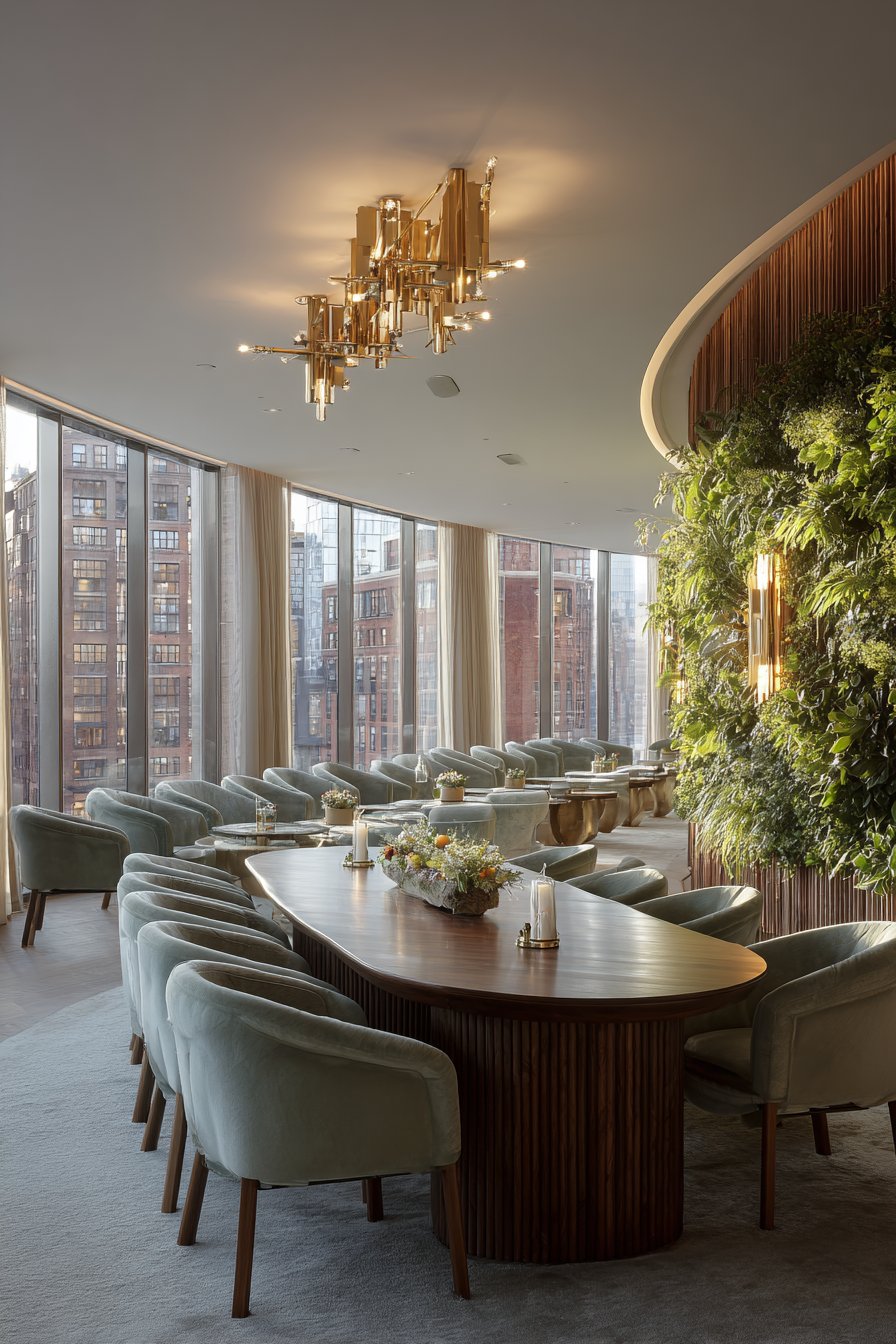
1. Biophilic Design Integration
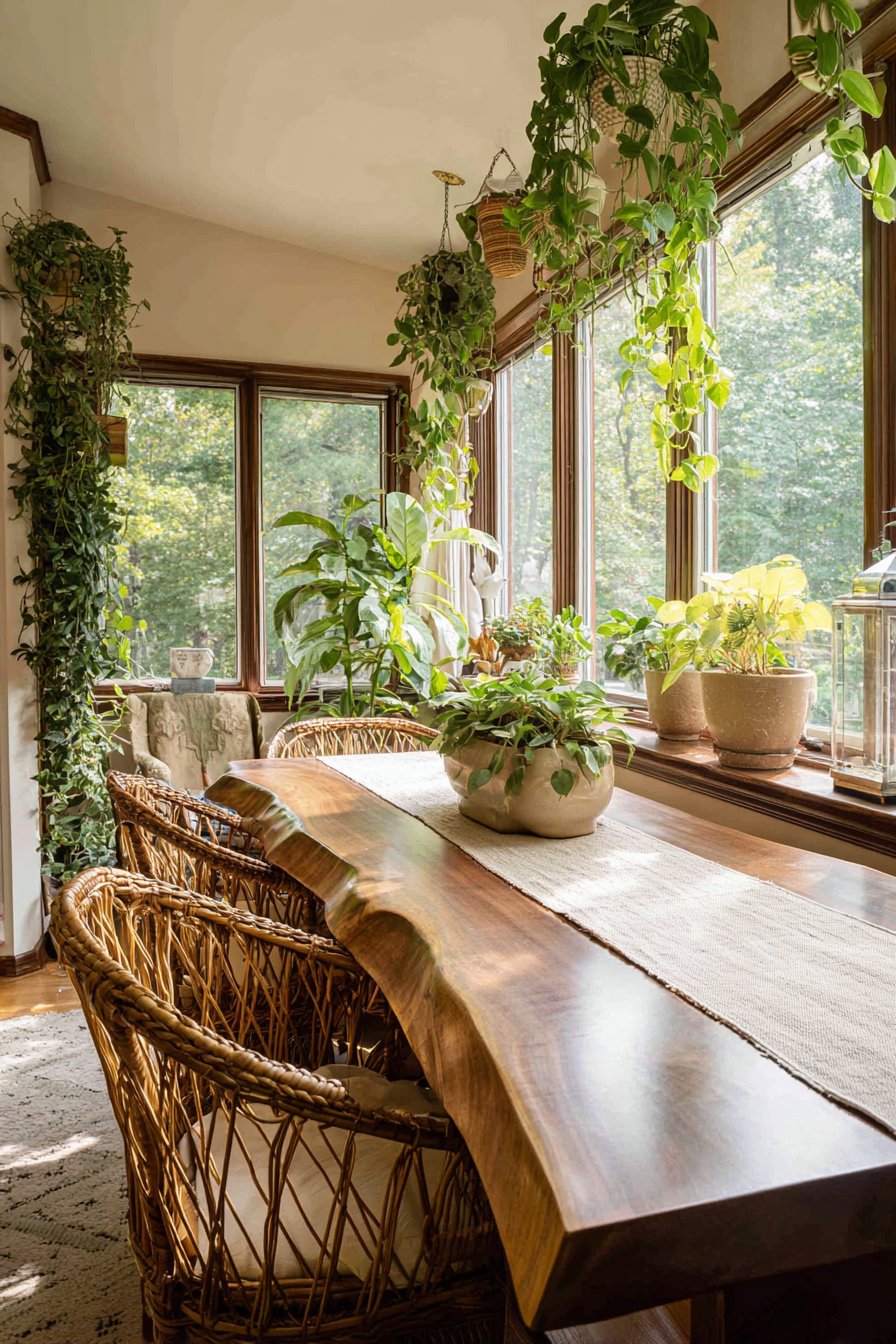
Biophilic design brings nature indoors through strategic use of plants, natural materials, and organic shapes. This trend addresses our innate need to connect with the natural world, especially in urban environments. Studies show that spaces incorporating natural elements reduce stress and improve overall wellbeing.
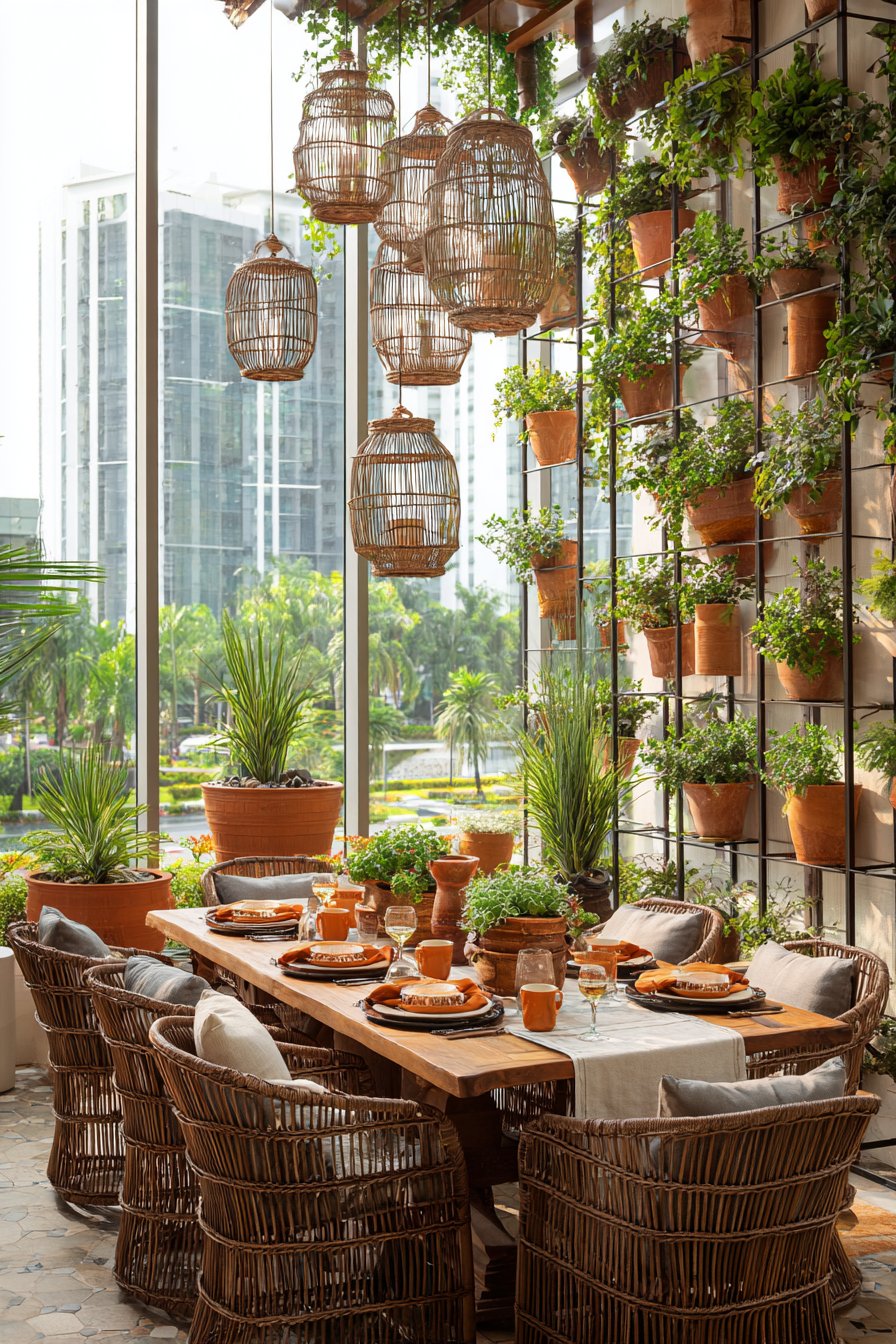
The modern biophilic dining room features living walls, abundant greenery, and materials like reclaimed wood and natural stone. Large windows maximize natural light exposure while framing outdoor views as living artwork. These elements create a calming atmosphere that makes every meal feel like a retreat. The key is achieving balance without overwhelming the space.
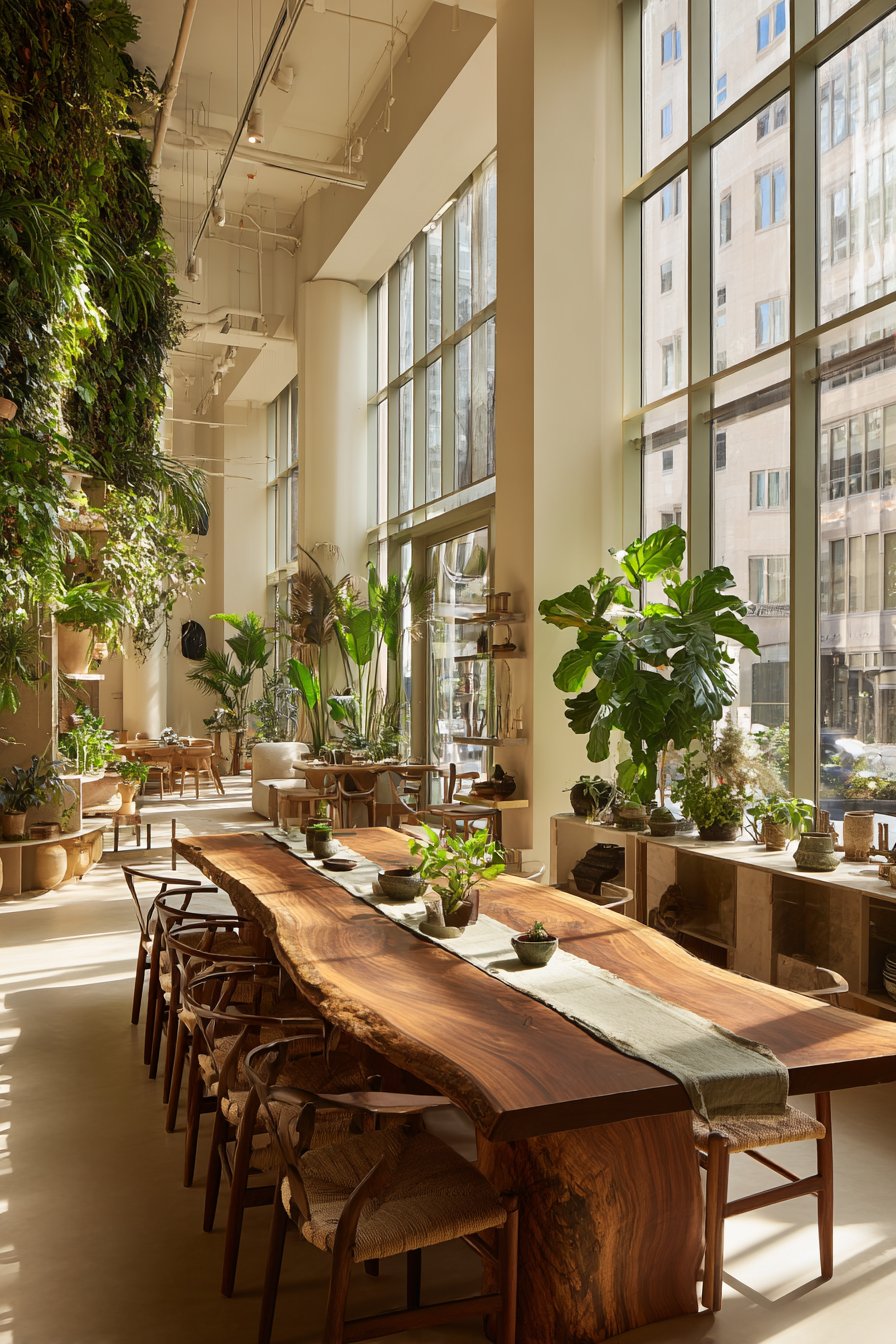
Color palettes draw inspiration from nature, featuring earthy tones like terracotta, sage green, and warm neutrals. Textured fabrics mimicking natural fibers add depth and tactile interest. Even small touches like wooden serving boards or ceramic planters contribute to the overall organic aesthetic.
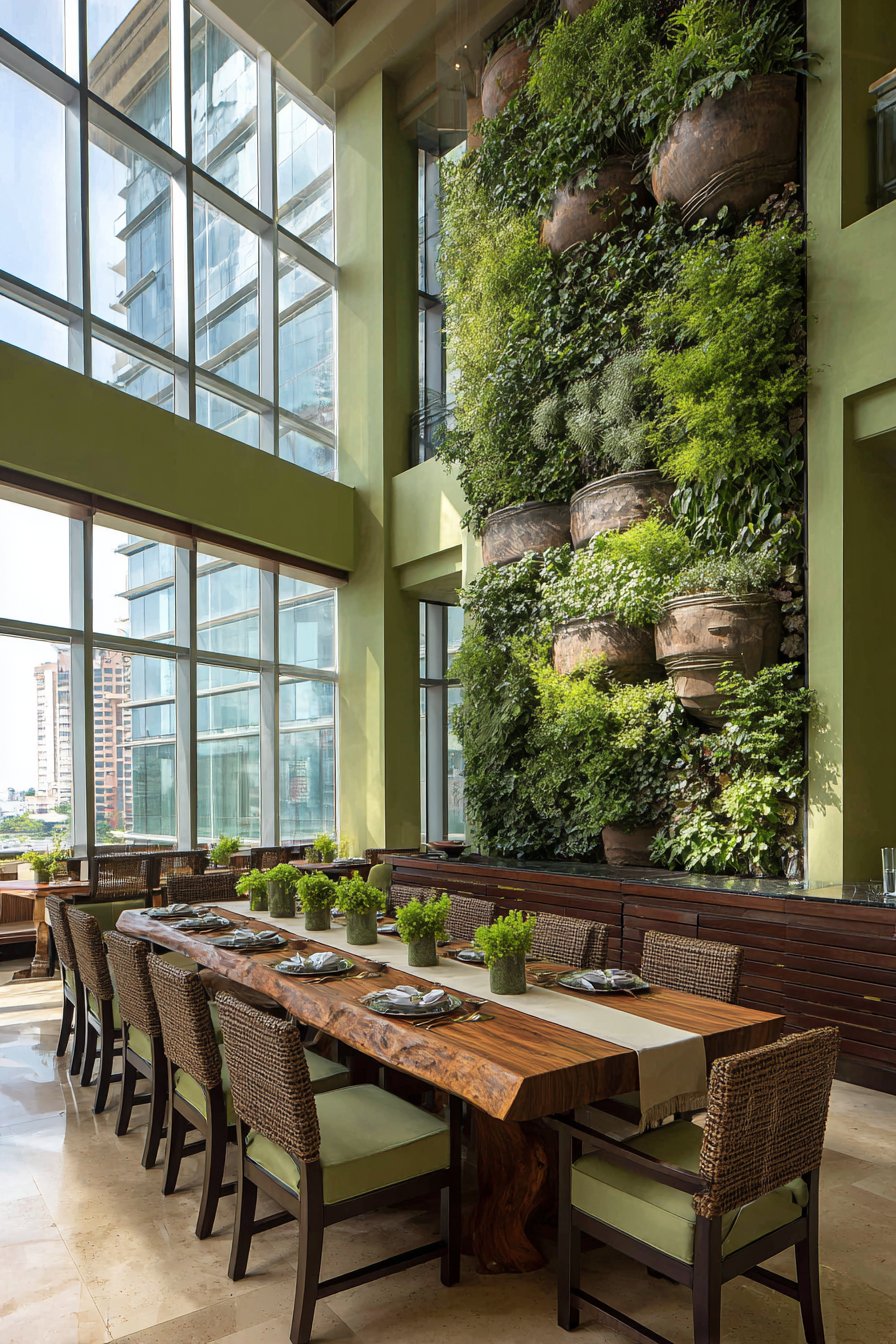
- Install a vertical garden or herb wall for fresh ingredients and visual appeal
- Choose dining tables made from live edge wood or natural stone
- Add potted plants at varying heights to create dimensional interest
- Use rattan or wicker chairs for lightweight, sustainable seating
- Incorporate water features or nature-inspired artwork for ambiance
- Select organic cotton or linen table linens in neutral earth tones
2. Multifunctional Dining Spaces
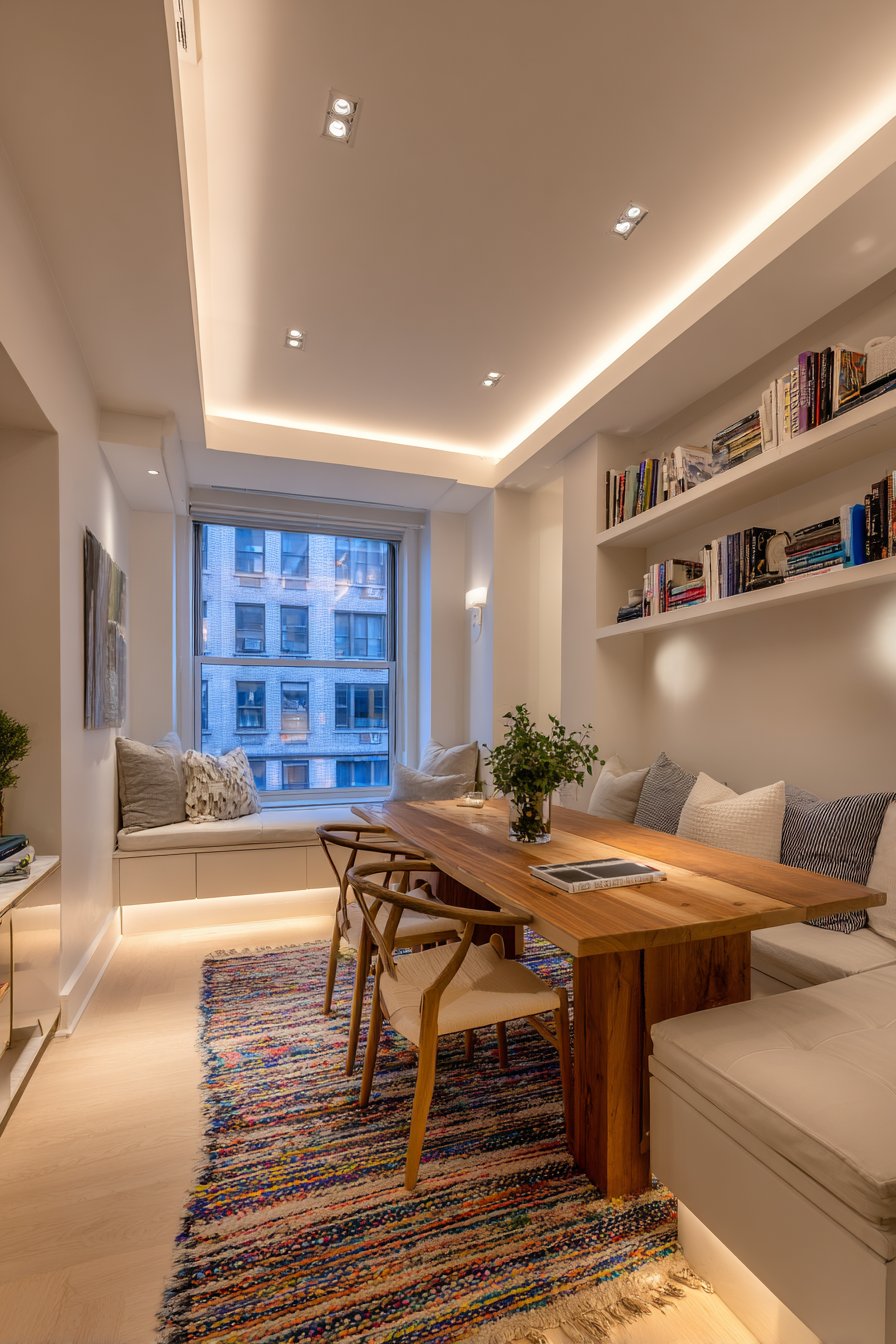
The traditional single-purpose dining room is becoming obsolete as homeowners demand maximum versatility from every square foot. Multifunctional dining spaces seamlessly transition between meals, work, crafts, and entertaining. This trend reflects changing lifestyles where flexibility trumps formality.
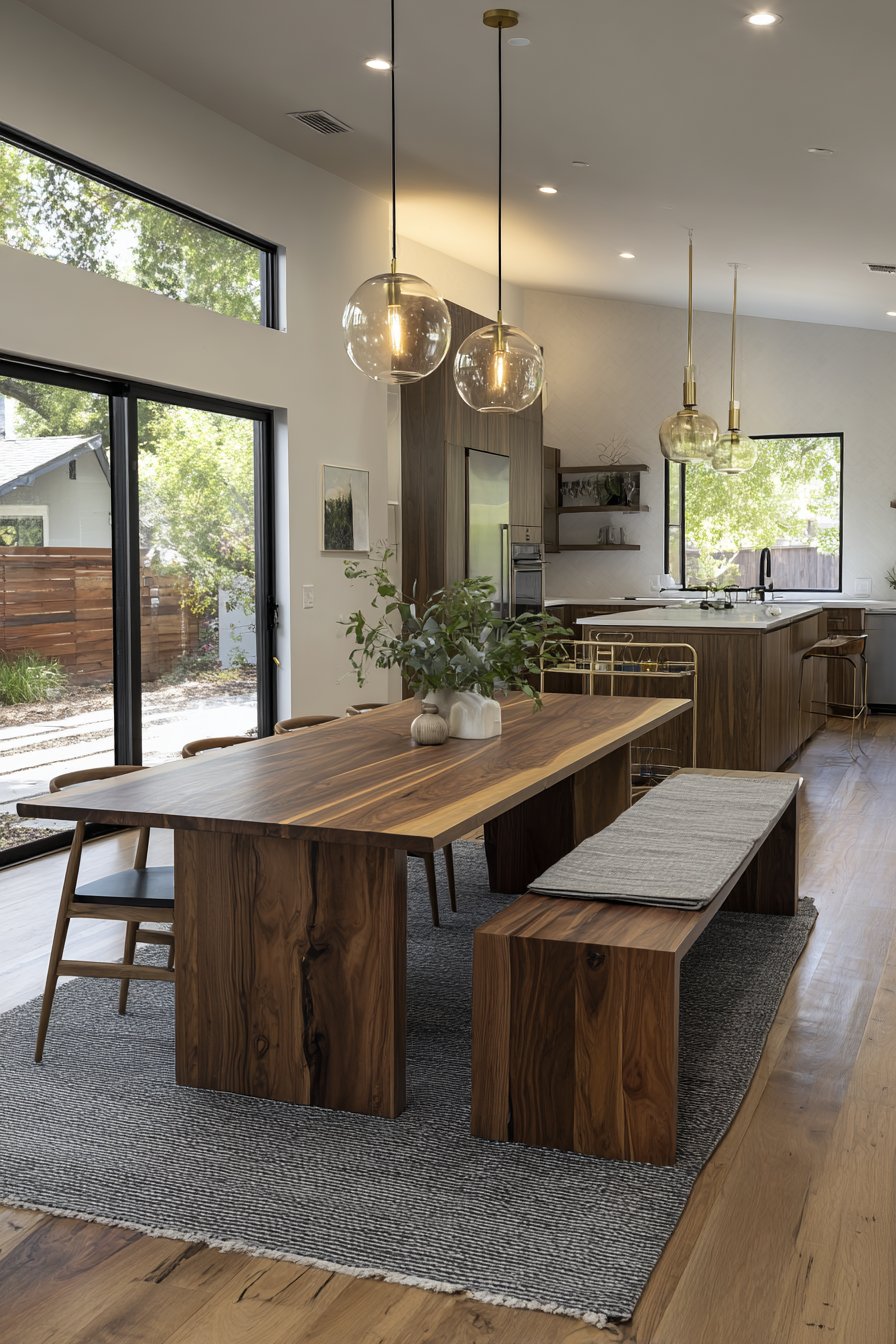
Space-saving furniture leads this revolution, with extendable tables, stackable chairs, and built-in storage solutions. Drop-leaf tables expand for dinner parties then contract for daily use. Benches with hidden compartments store table linens, while modular shelving displays décor and holds work supplies. These innovations maintain clean aesthetics while maximizing utility.
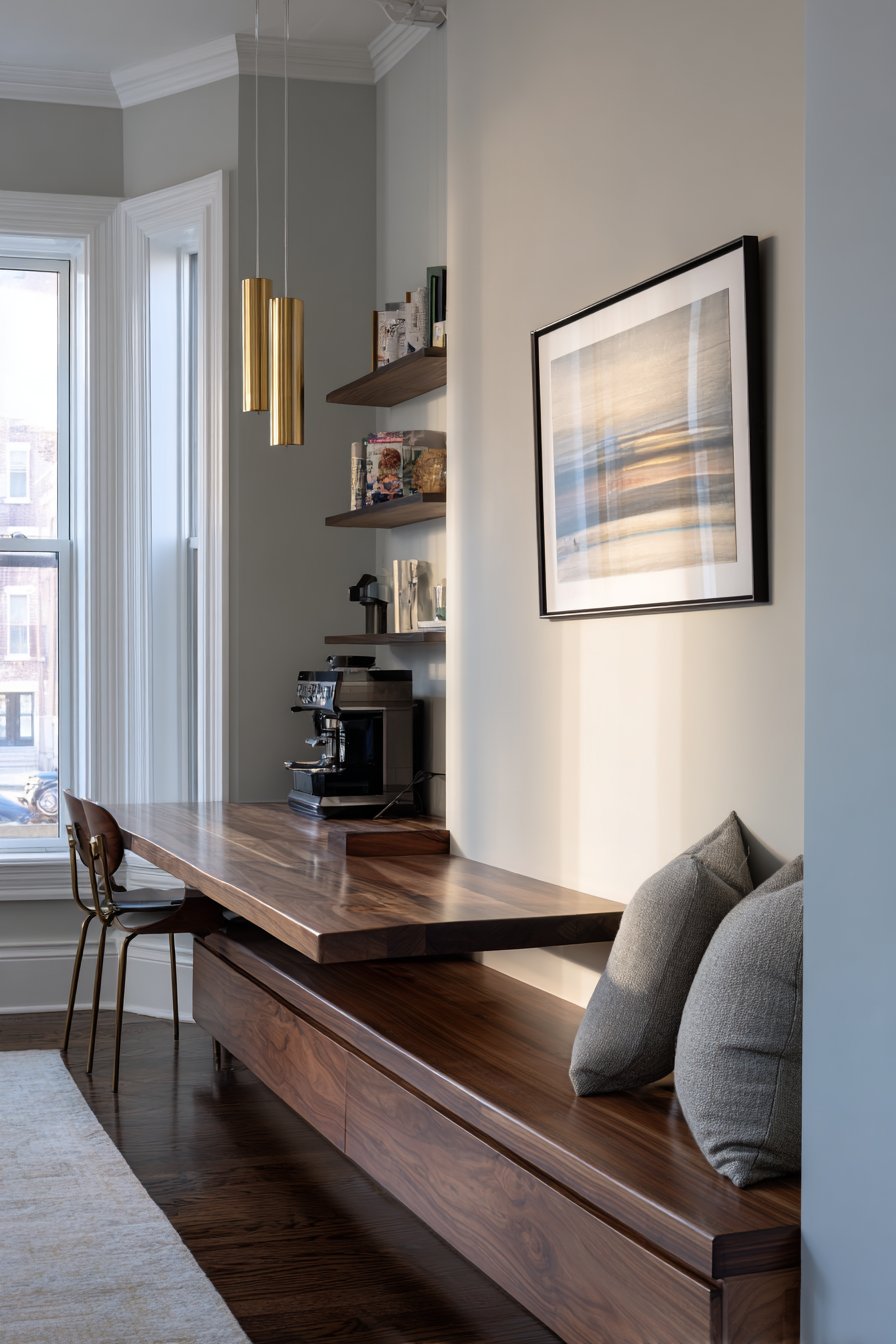
Thoughtful zoning separates different activities without physical barriers. Area rugs define the dining zone, while pendant lighting creates distinct atmospheres for various functions. Smart organization ensures the space adapts quickly to different needs throughout the day. Technology integration with charging stations and cable management keeps the area clutter-free.
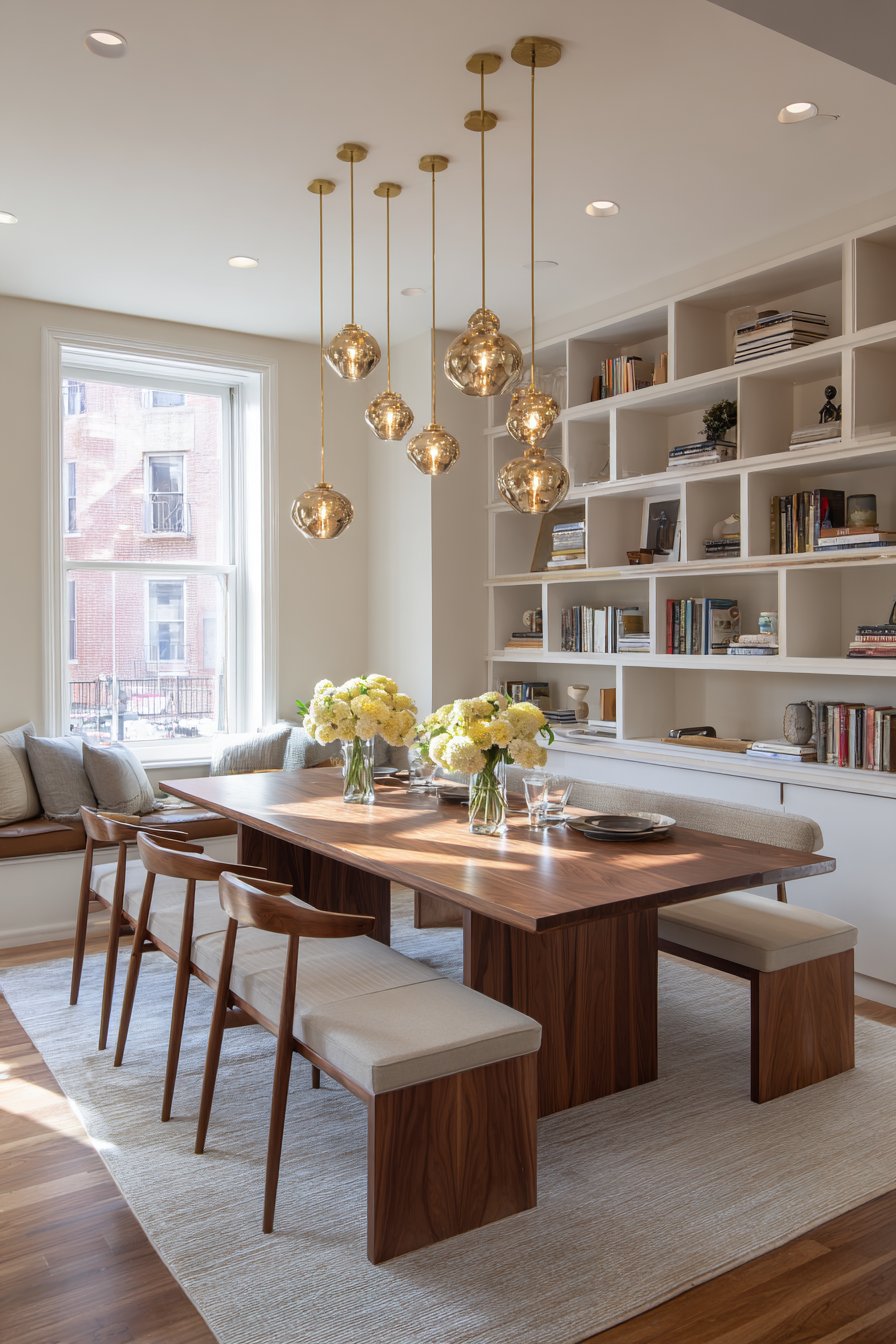
- Invest in an extendable dining table that accommodates different group sizes
- Choose chairs that stack or fold for easy storage when not needed
- Install adjustable lighting with dimmer switches for activity-specific ambiance
- Add a rolling bar cart for flexible serving and storage options
- Create designated storage zones for different activities and supplies
- Use furniture with hidden compartments to maintain a tidy appearance
3. Warm Metallic Accents
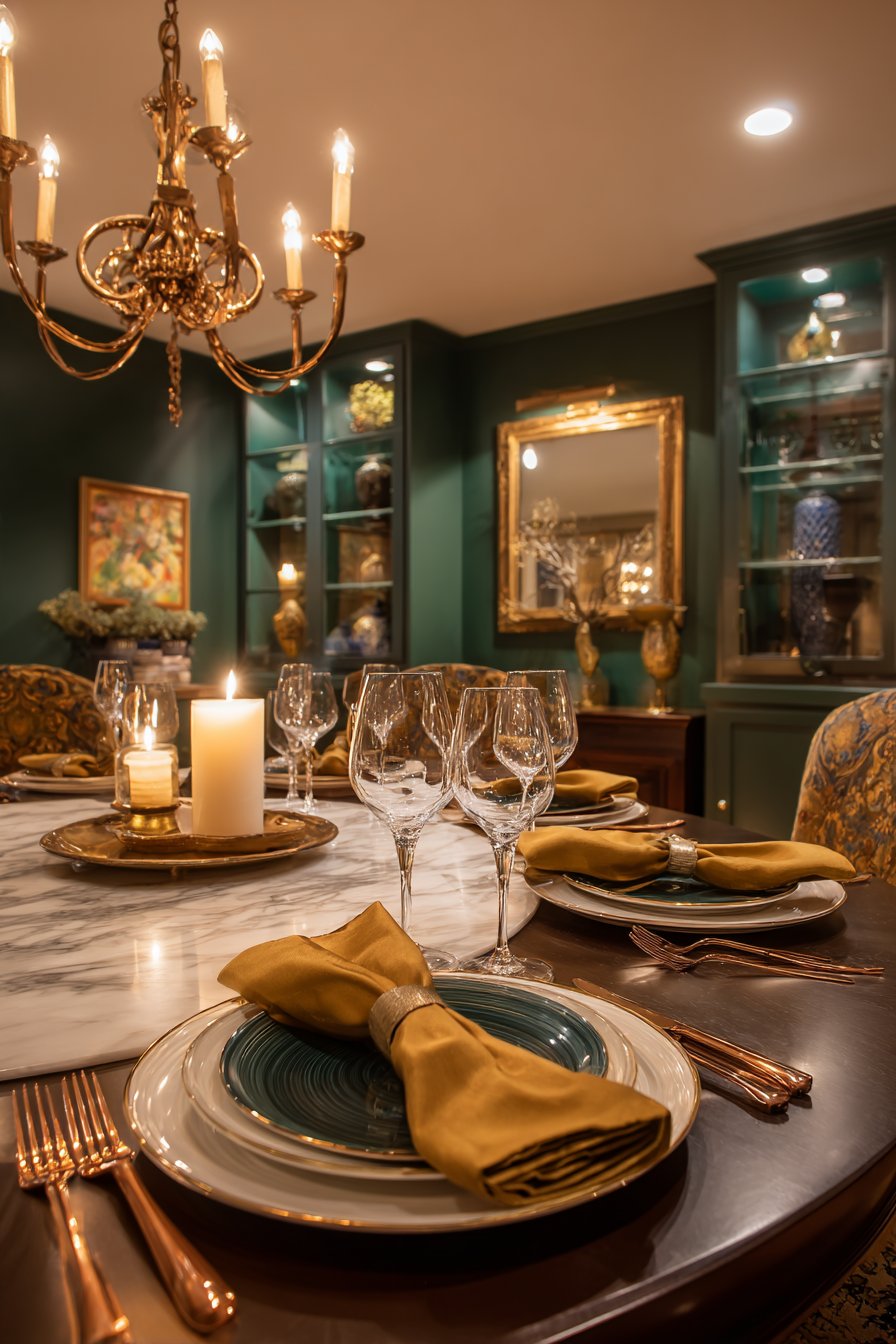
Gold, brass, and copper are replacing cool-toned metals as the preferred finish for dining room fixtures and accessories. These warm metallics add instant sophistication and create inviting, luxurious atmospheres. The trend moves away from stark modern aesthetics toward cozy elegance that feels both contemporary and timeless.
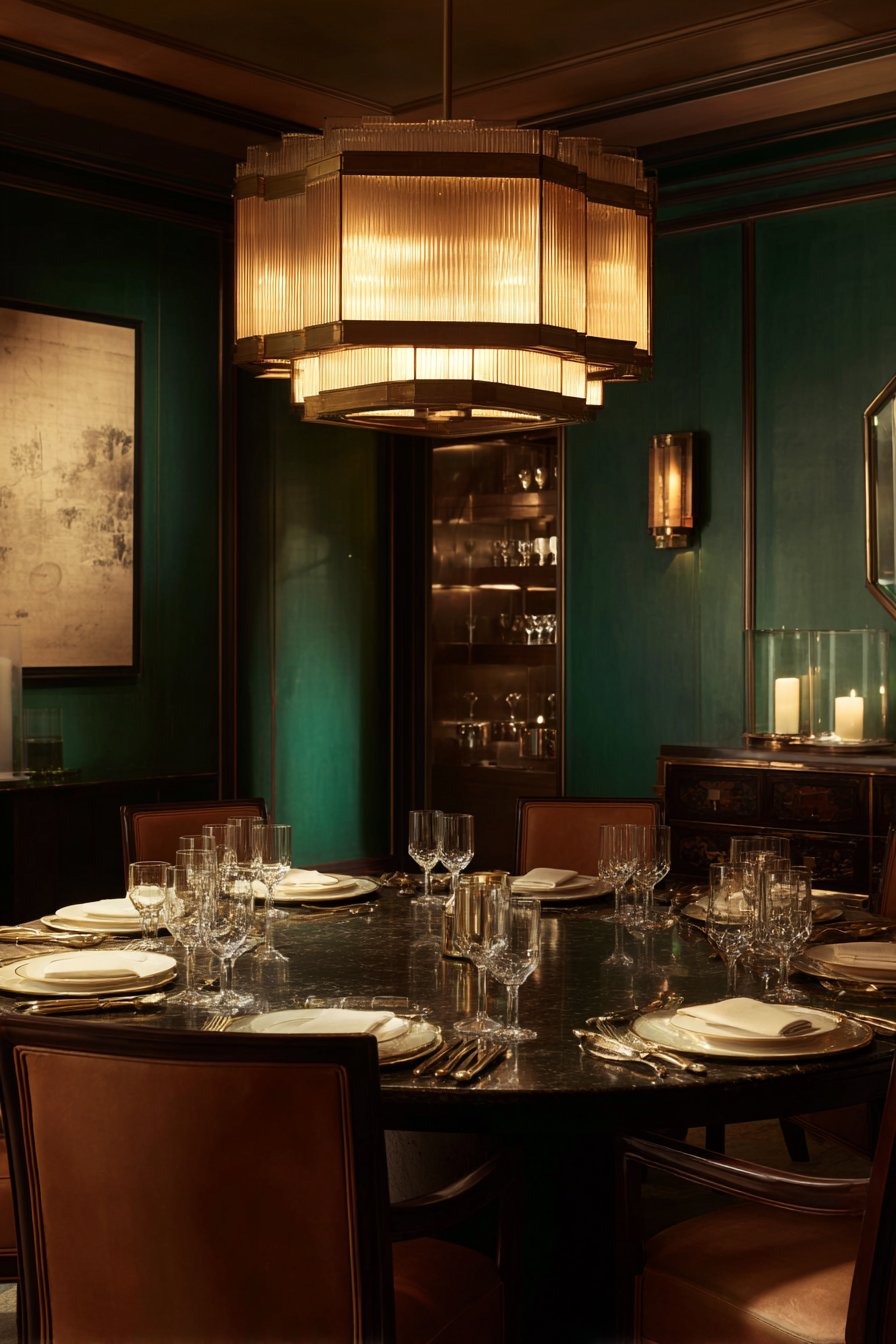
Lighting fixtures showcase these finishes most prominently, with brass chandeliers and copper pendant lights becoming focal points. Cabinet hardware, mirror frames, and decorative objects echo these tones throughout the space. The warmth complements various color schemes, from deep jewel tones to soft pastels. Mixing metals thoughtfully adds depth and prevents monotony.
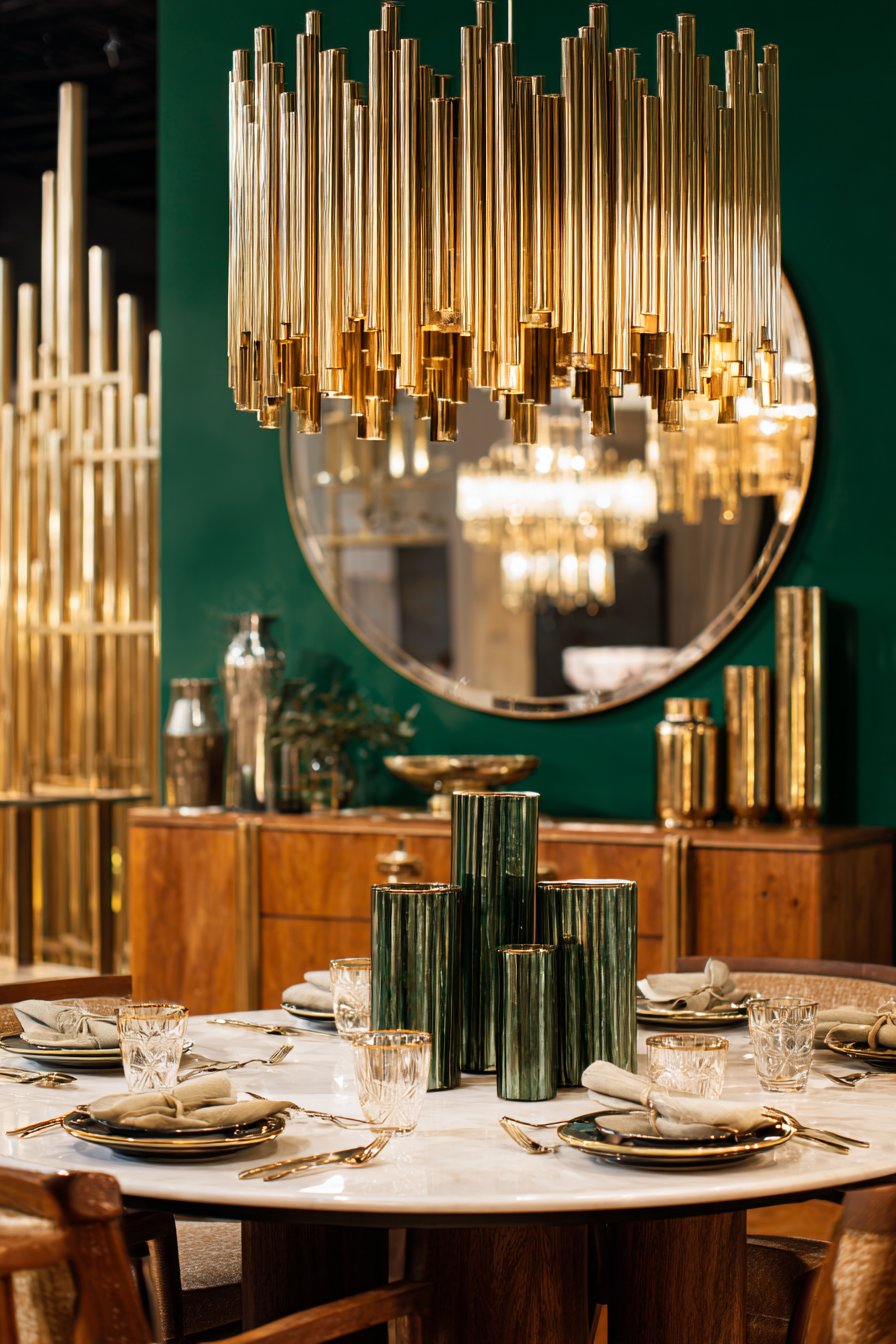
The key to success lies in strategic placement rather than overwhelming the space. Three to five metallic elements create cohesion without excess. Brushed and antiqued finishes offer more subtlety than high-polish options. These metals develop beautiful patinas over time, adding character and lived-in charm to dining spaces.
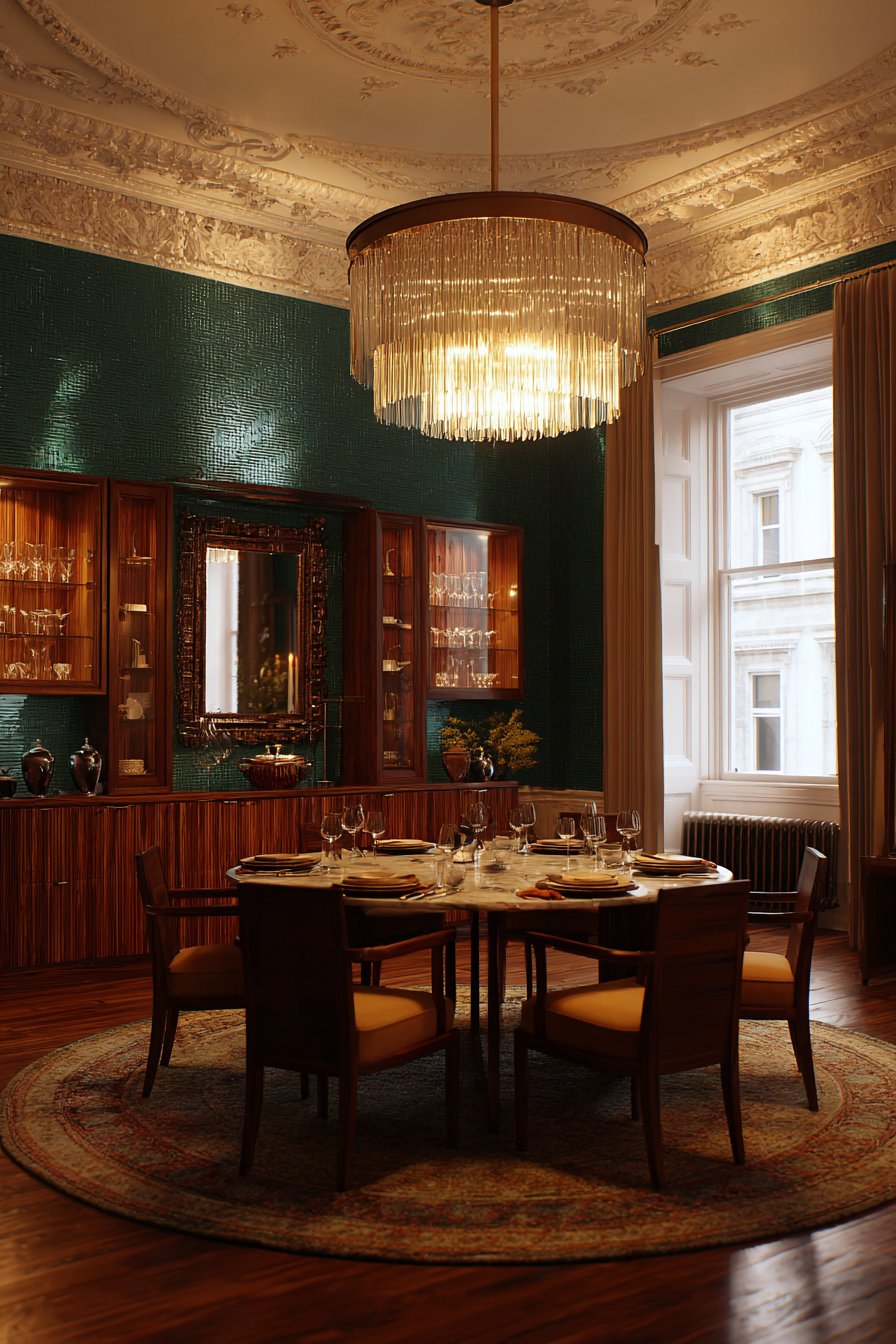
- Select a statement chandelier in warm brass or antique gold finish
- Replace standard cabinet pulls with copper or rose gold hardware
- Add metallic-framed mirrors to reflect light and expand visual space
- Choose flatware and serving pieces with warm metal handles
- Incorporate metallic thread in textiles like napkins or table runners
- Use metal candlesticks or vases as centerpiece elements
4. Curved and Organic Furniture Silhouettes
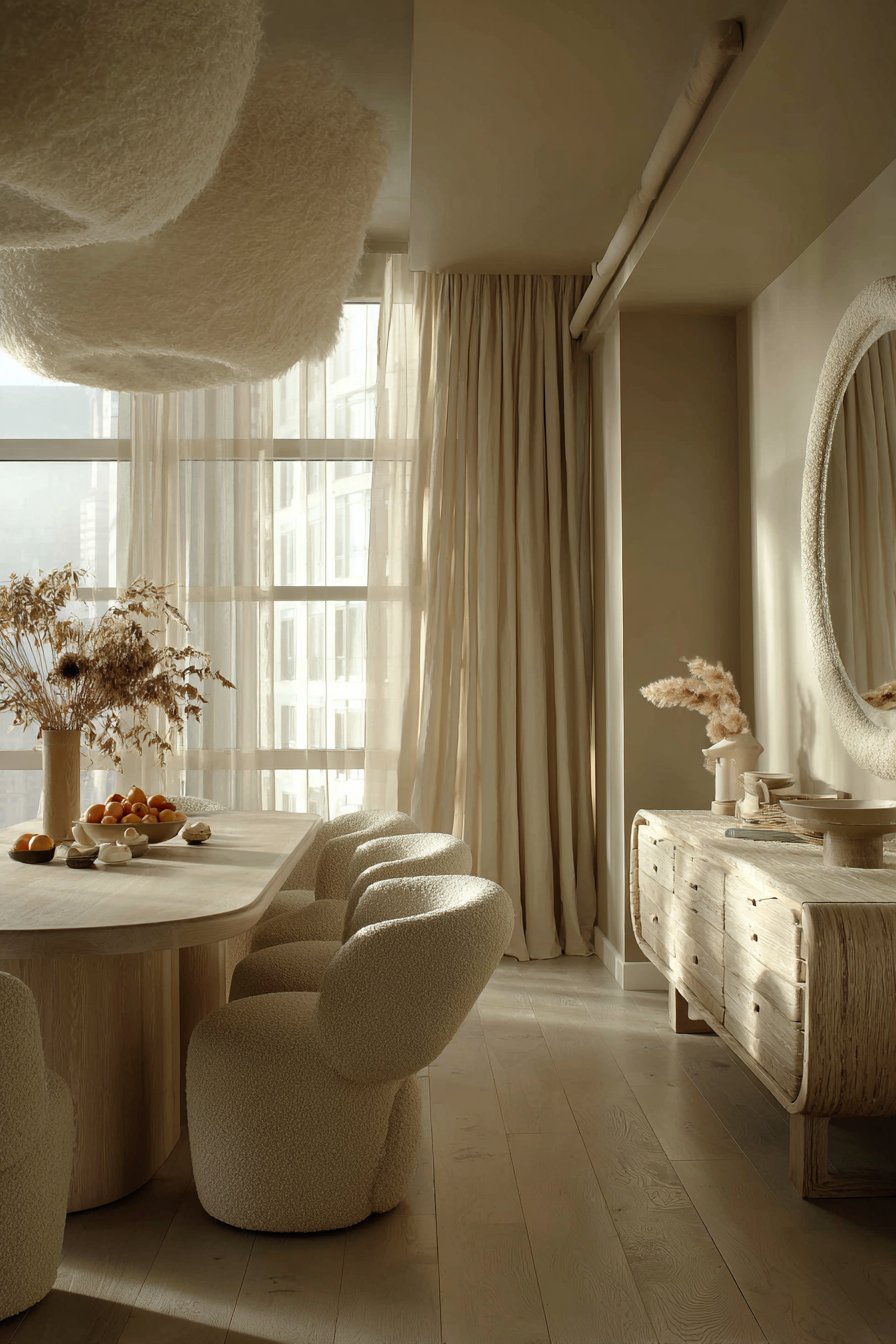
Sharp angles and rigid lines are giving way to soft curves and organic shapes that create more welcoming dining environments. This trend embraces flowing forms that feel approachable and comfortable. Rounded edges also improve safety in homes with children while adding sculptural interest to the room.
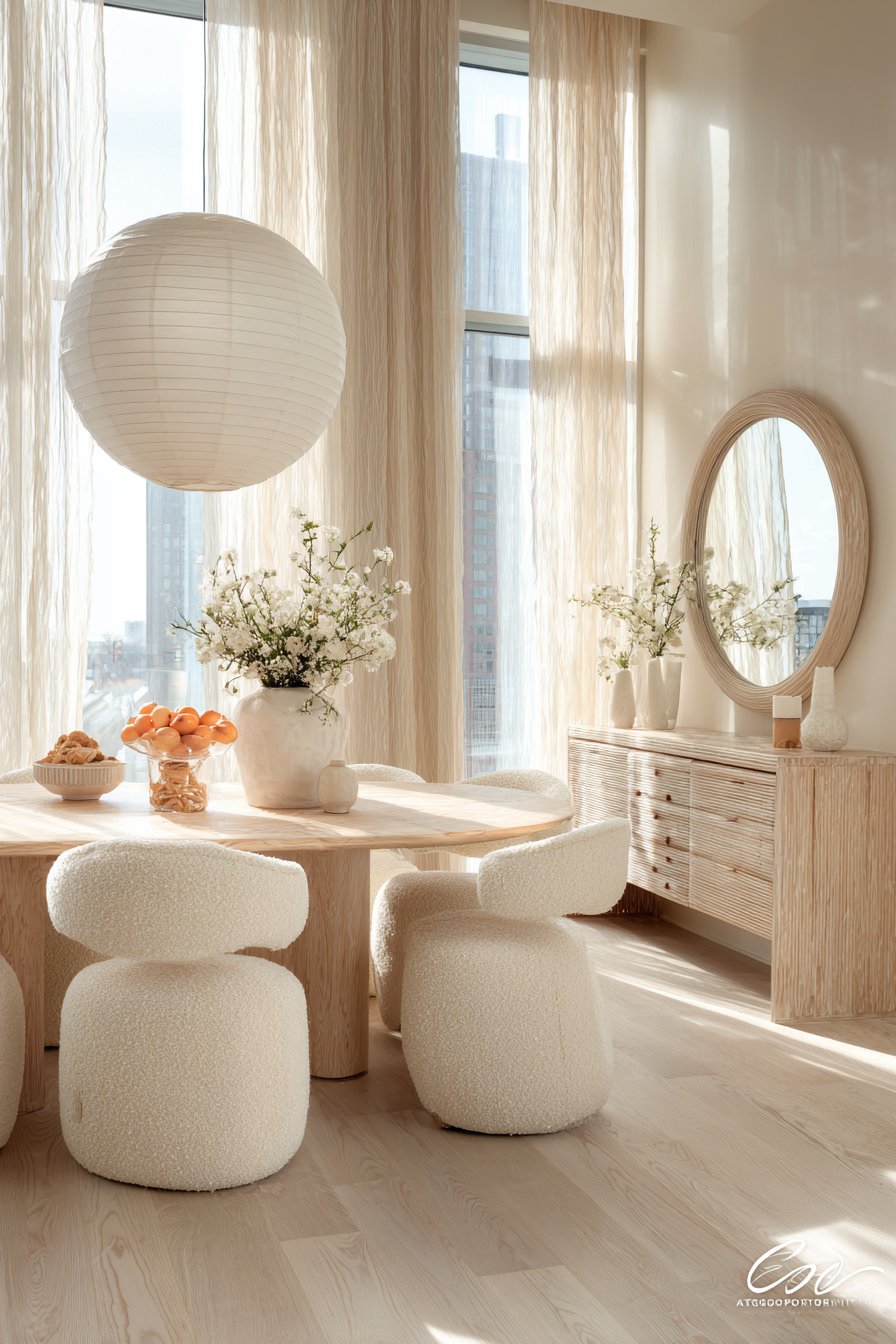
Oval and round dining tables dominate 2026 trends, encouraging better conversation flow and social connection. Curved-back chairs provide superior comfort for extended meals and gatherings. Even sideboards and storage pieces feature rounded corners and wave-like designs. These organic silhouettes soften the overall aesthetic while maintaining contemporary appeal.
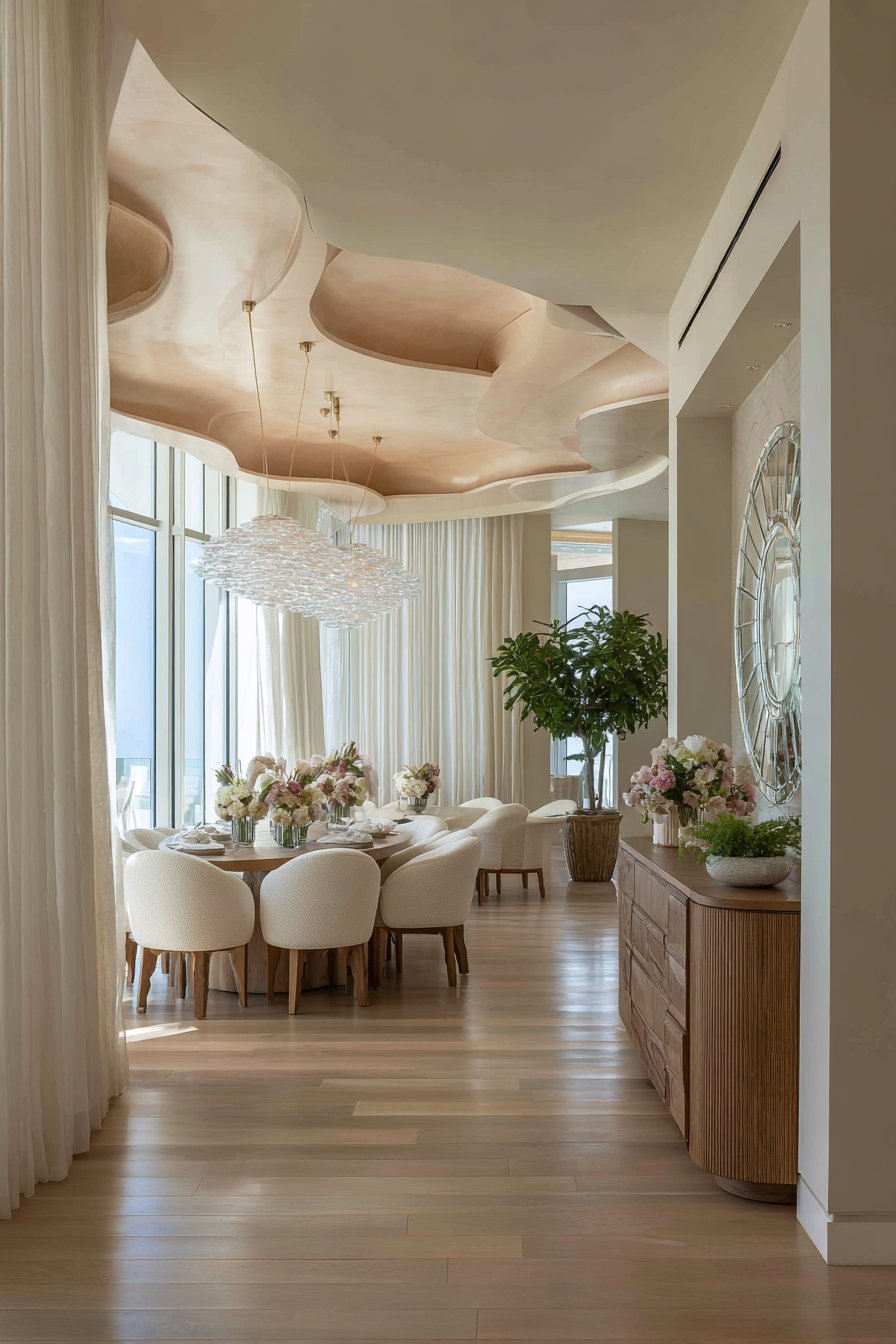
The psychology behind this trend is significant—curved lines reduce visual tension and create calming atmospheres. Furniture with organic shapes works beautifully in various design styles, from mid-century modern to contemporary minimalist. Mixing curved furniture with angular architecture creates dynamic visual contrast that adds depth to dining spaces.
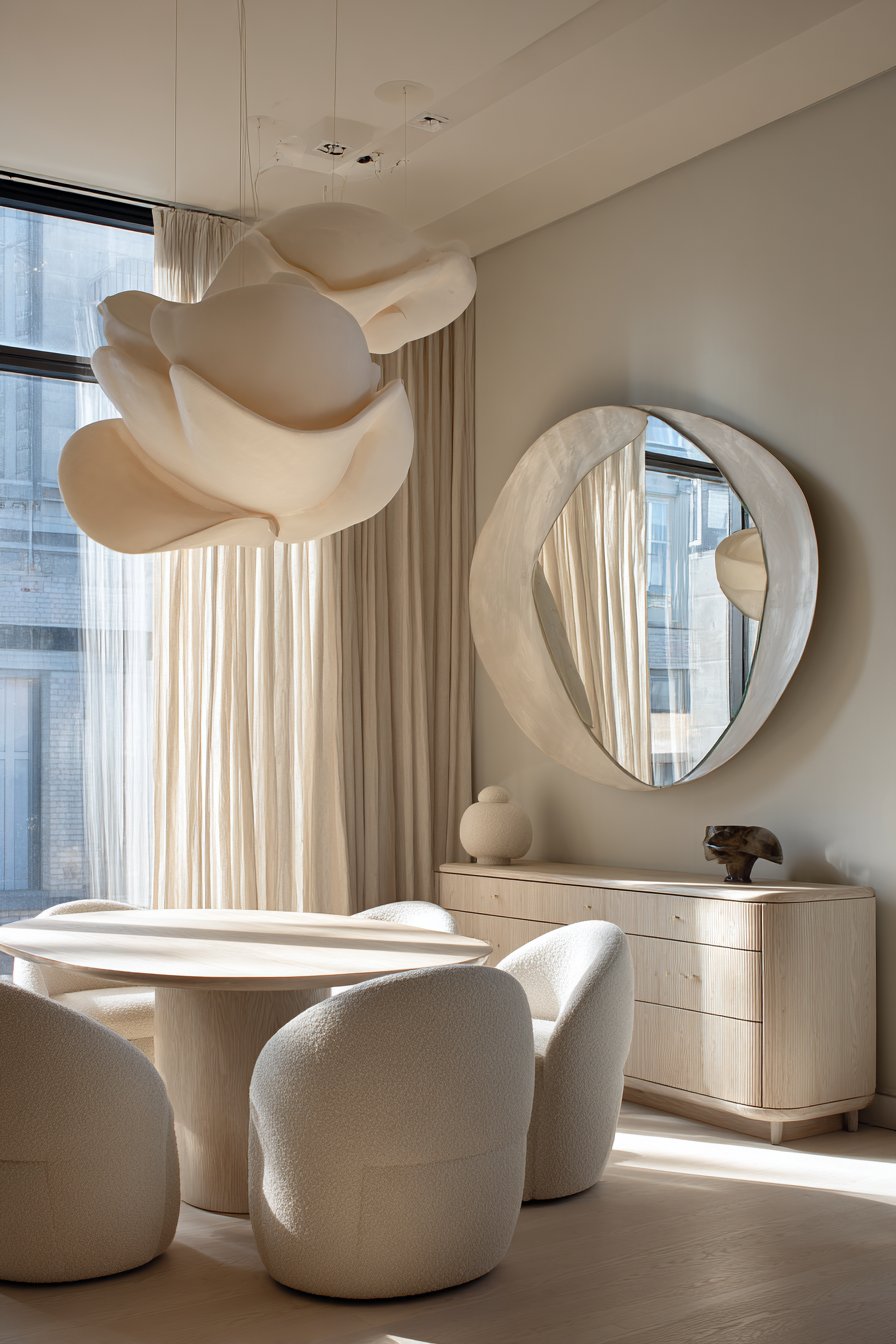
- Choose an oval or round table to promote inclusive conversation
- Select upholstered chairs with curved backs for optimal comfort
- Add a curved bench along one side for flexible seating
- Look for sideboards with rounded edges and organic drawer pulls
- Incorporate circular mirrors or artwork to echo furniture shapes
- Balance curved furniture with one or two angular accent pieces
5. Sustainable and Reclaimed Materials
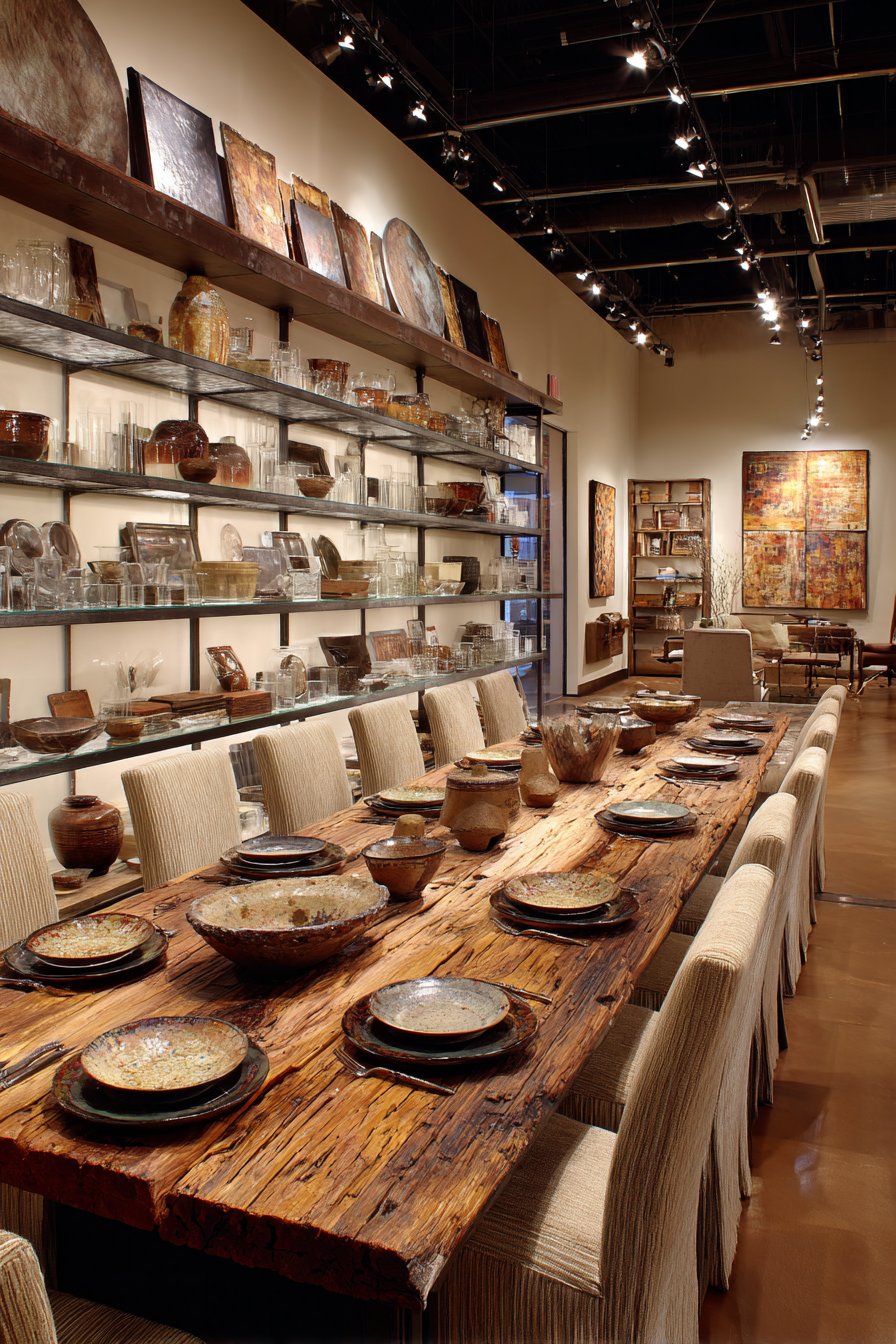
Environmental consciousness drives the growing preference for sustainable materials and reclaimed furnishings in dining room design. Consumers increasingly value pieces with minimal environmental impact and authentic stories. This trend combines ethical consumption with unique aesthetic appeal that mass-produced items cannot replicate.
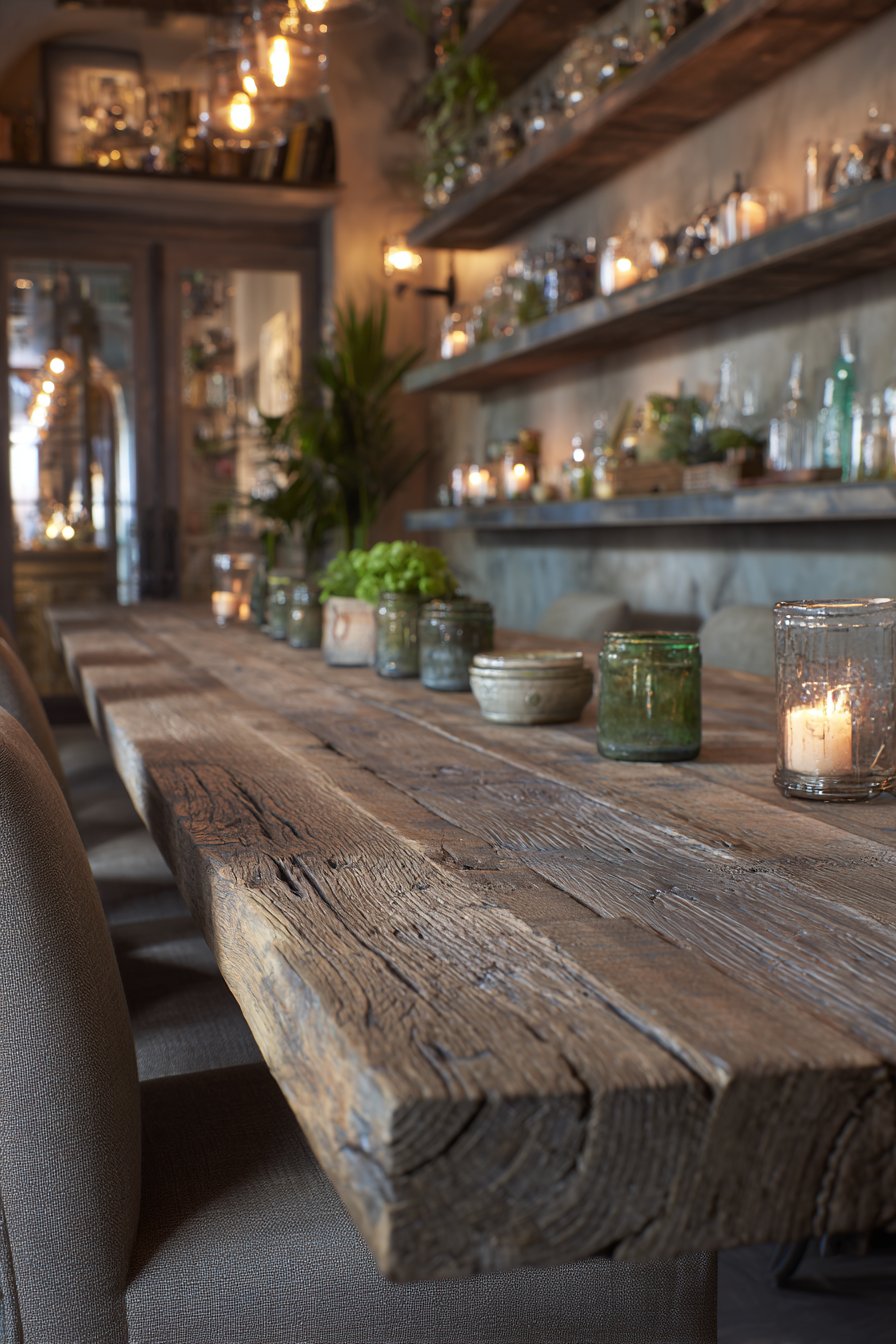
Reclaimed wood tables showcase beautiful weathering and patinas earned through previous lives. Vintage chairs gain new purpose through reupholstering with eco-friendly fabrics. Even flooring and wall treatments incorporate salvaged materials like barn wood or industrial metal. Each piece contributes to a narrative of sustainability and thoughtful curation.
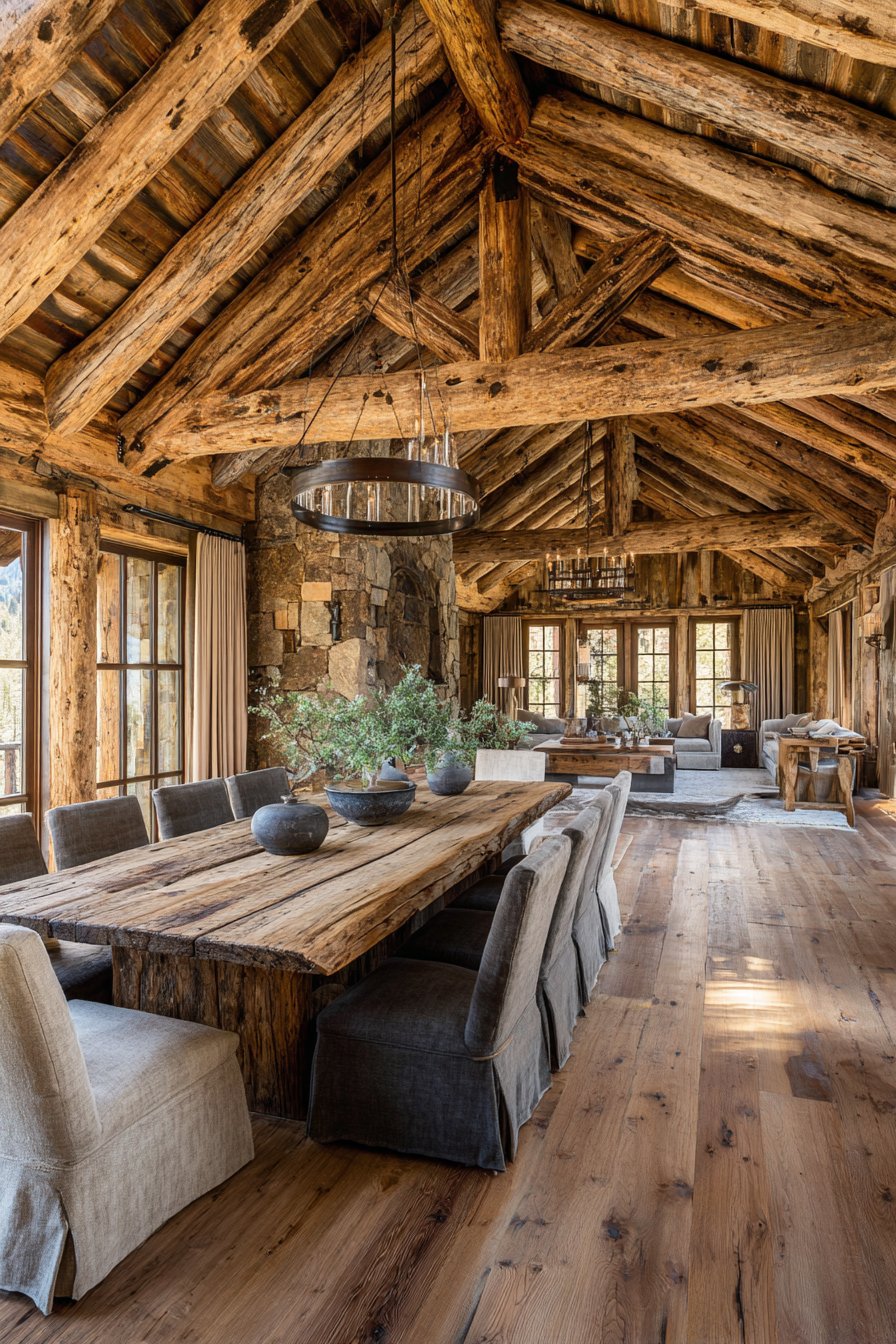
Beyond reclaimed items, new sustainable materials like bamboo, cork, and recycled glass gain prominence. FSC-certified wood ensures responsible forestry practices, while low-VOC finishes protect indoor air quality. The aesthetic remains refined and sophisticated, proving that environmental responsibility enhances rather than limits design possibilities.
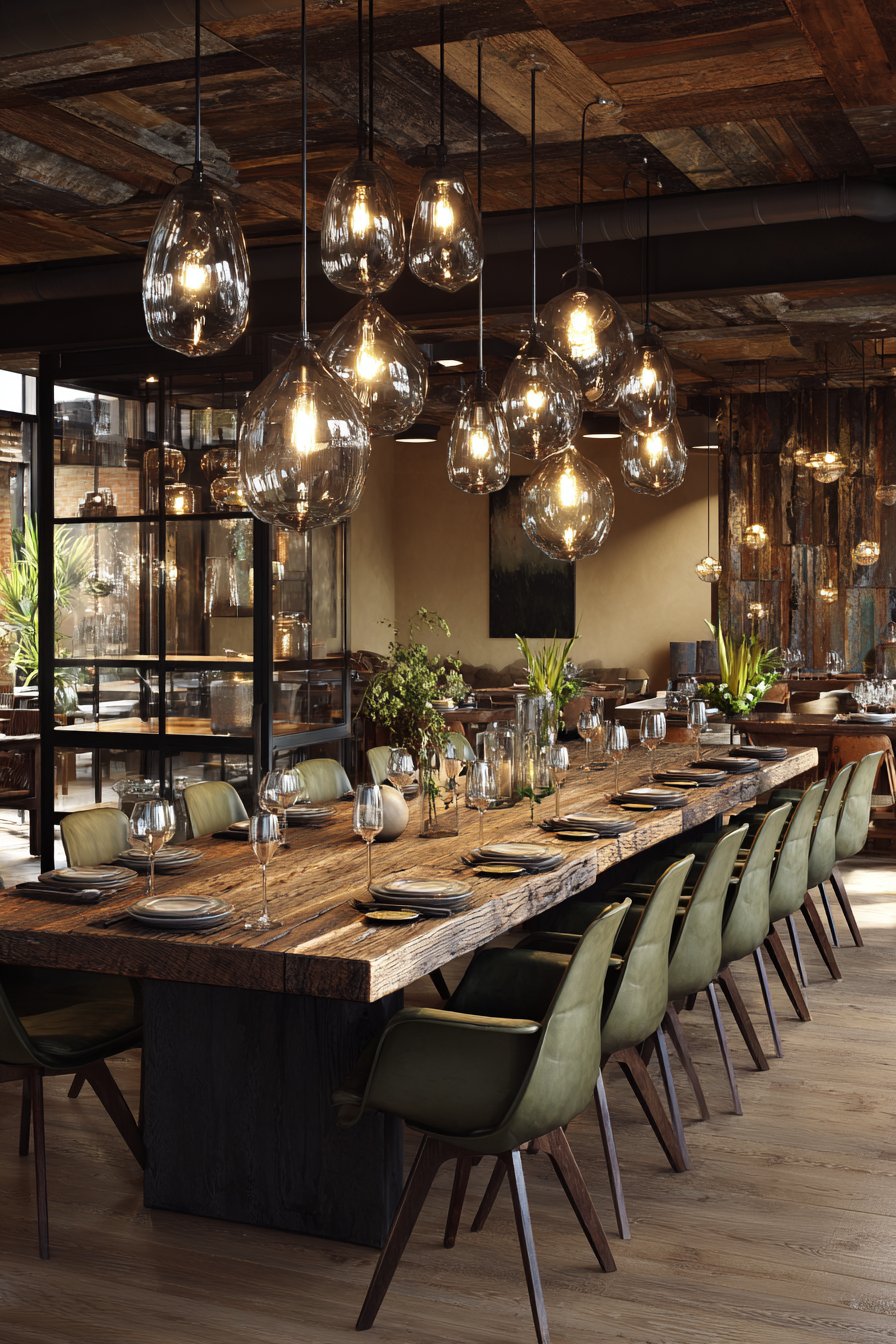
- Source dining tables made from reclaimed barn wood or salvaged timber
- Reupholster vintage chairs with organic cotton or hemp fabrics
- Choose bamboo or cork flooring for durability and sustainability
- Select handmade ceramics and glassware from local artisans
- Install reclaimed wood accent walls or ceiling treatments
- Purchase from companies with transparent sustainability certifications
6. Statement Lighting as Art
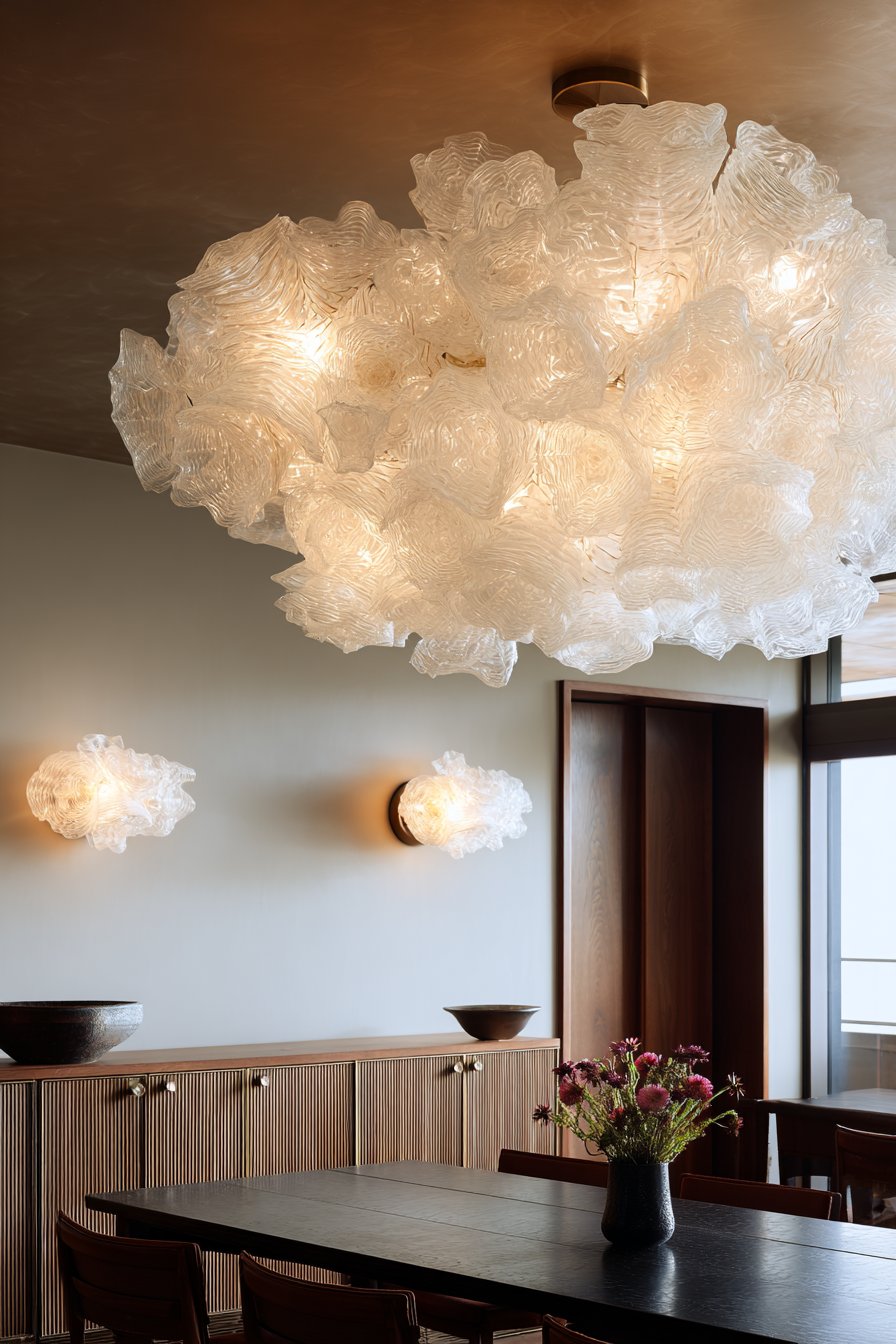
Lighting transcends its functional role to become the primary design statement in 2026 dining rooms. Sculptural chandeliers and artistic pendants serve as focal points that define the entire space. This trend recognizes that lighting dramatically affects mood, ambiance, and the overall dining experience.
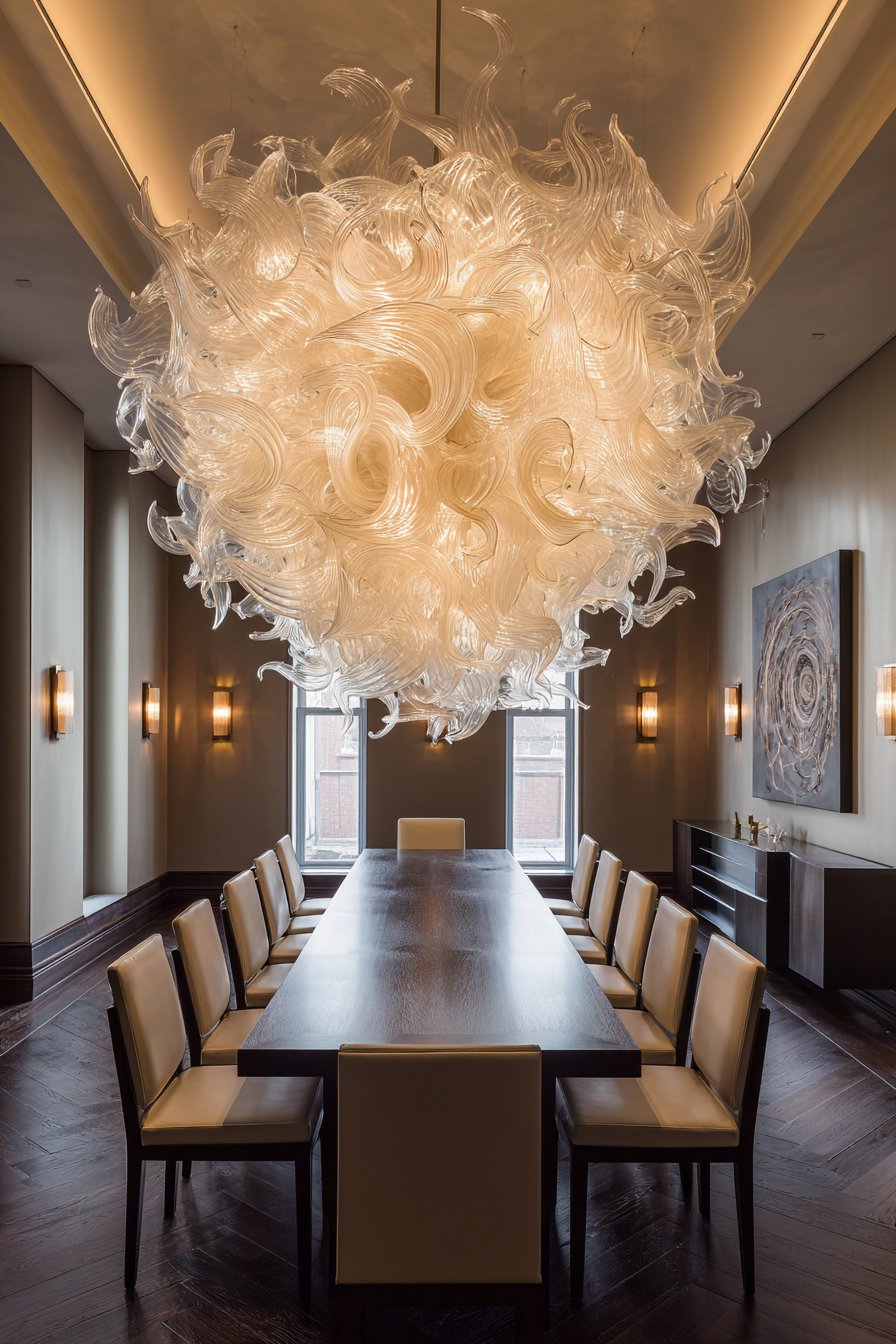
Oversized fixtures with bold designs command attention without overwhelming the room when properly scaled. Layered lighting combines statement pieces with subtle ambient and task lighting for versatility. Dimmer switches allow adjustment from bright family dinners to intimate romantic settings. The fixture becomes conversation-worthy art that reflects personal style.
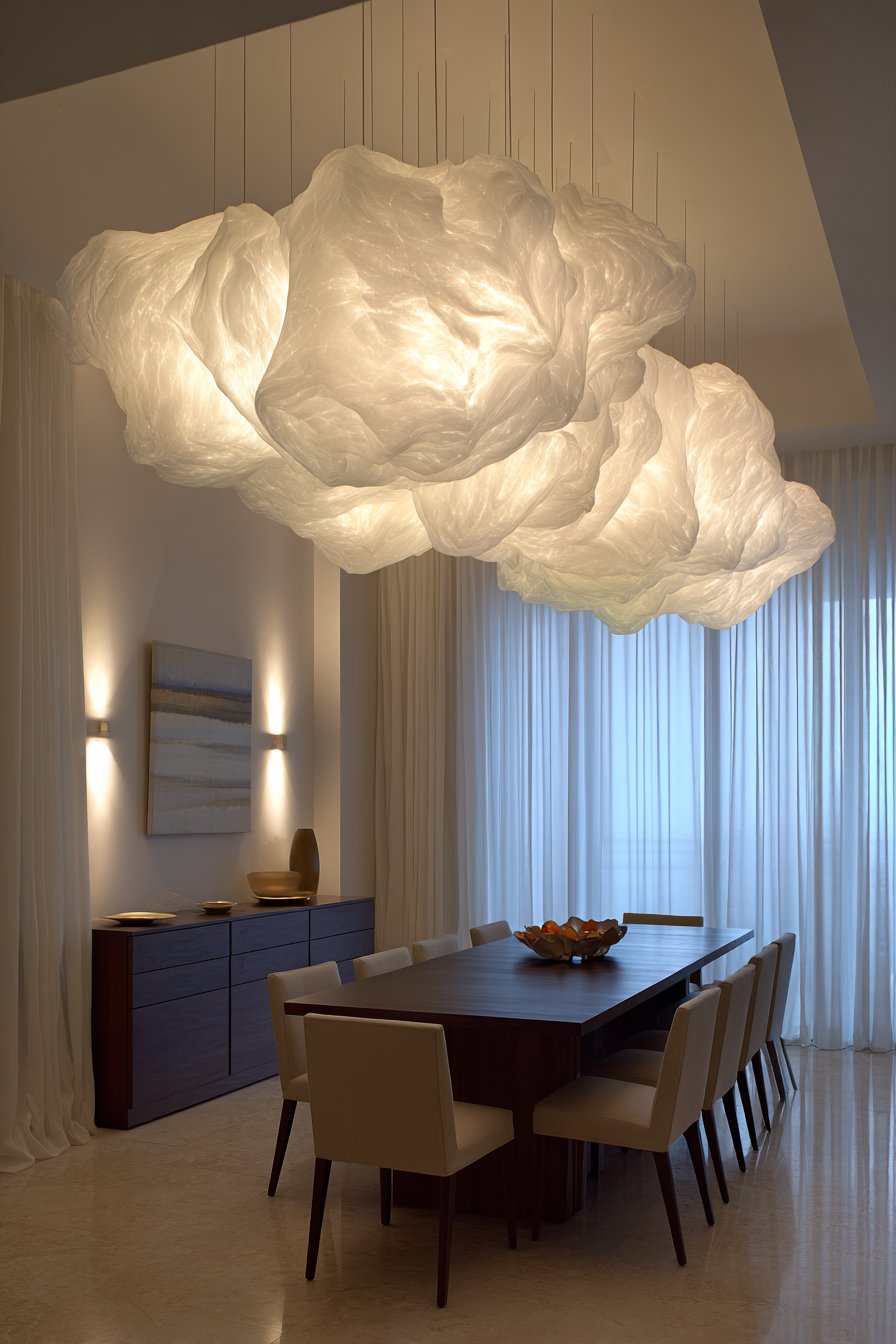
Materials range from hand-blown glass to woven natural fibers and geometric metals. Asymmetrical designs and unexpected shapes add contemporary edge, while vintage-inspired Edison bulbs offer nostalgic warmth. The right lighting fixture elevates even simple furniture and creates unforgettable visual impact.
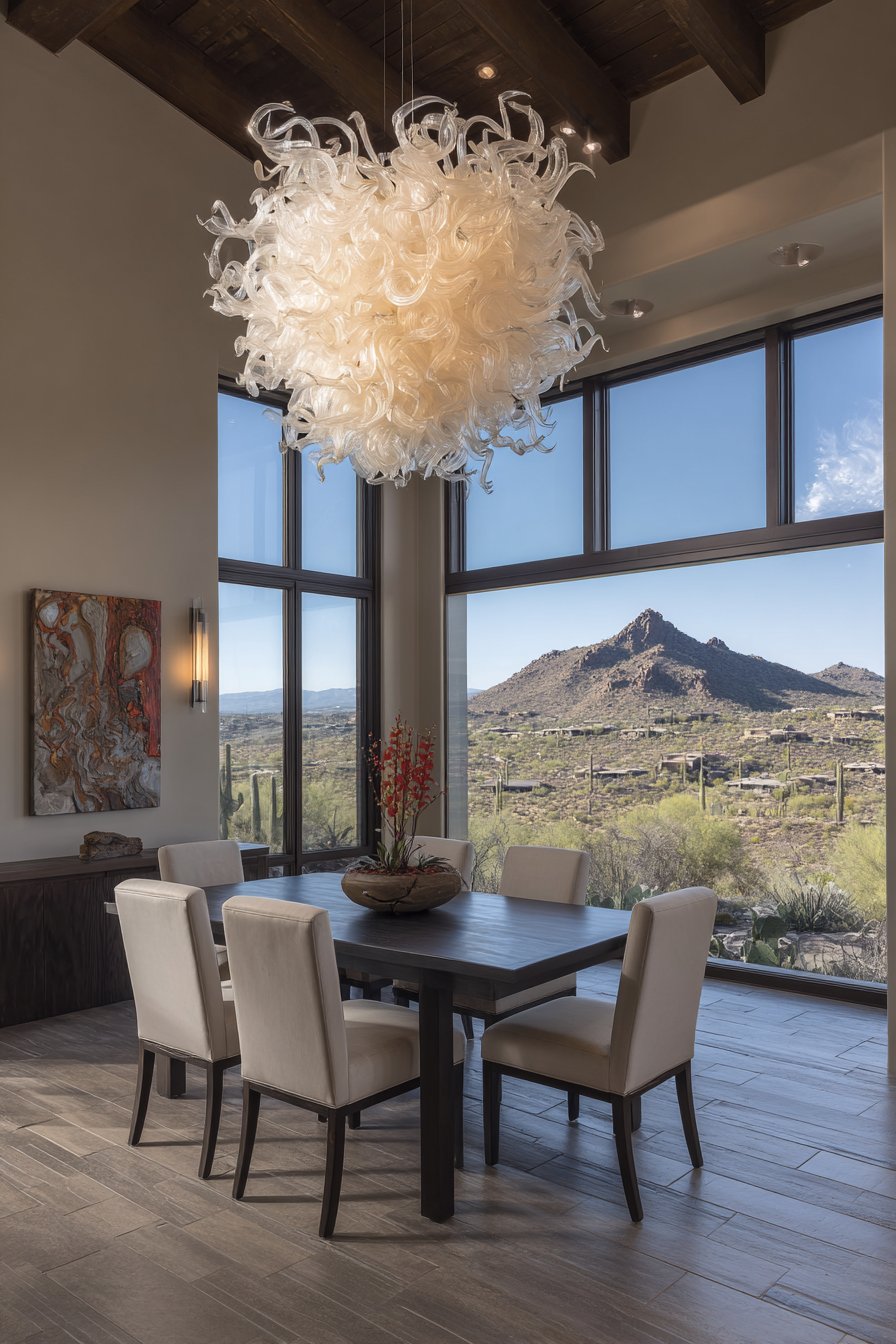
- Select a chandelier scaled appropriately—roughly 12 inches narrower than the table
- Install dimmer switches for adjustable ambiance and energy efficiency
- Layer statement overhead lighting with wall sconces or buffet lamps
- Choose fixtures with interesting shadows or light patterns
- Consider adjustable pendant heights for flexibility and visual interest
- Match fixture finish to other metallic accents for cohesive design
Conclusion
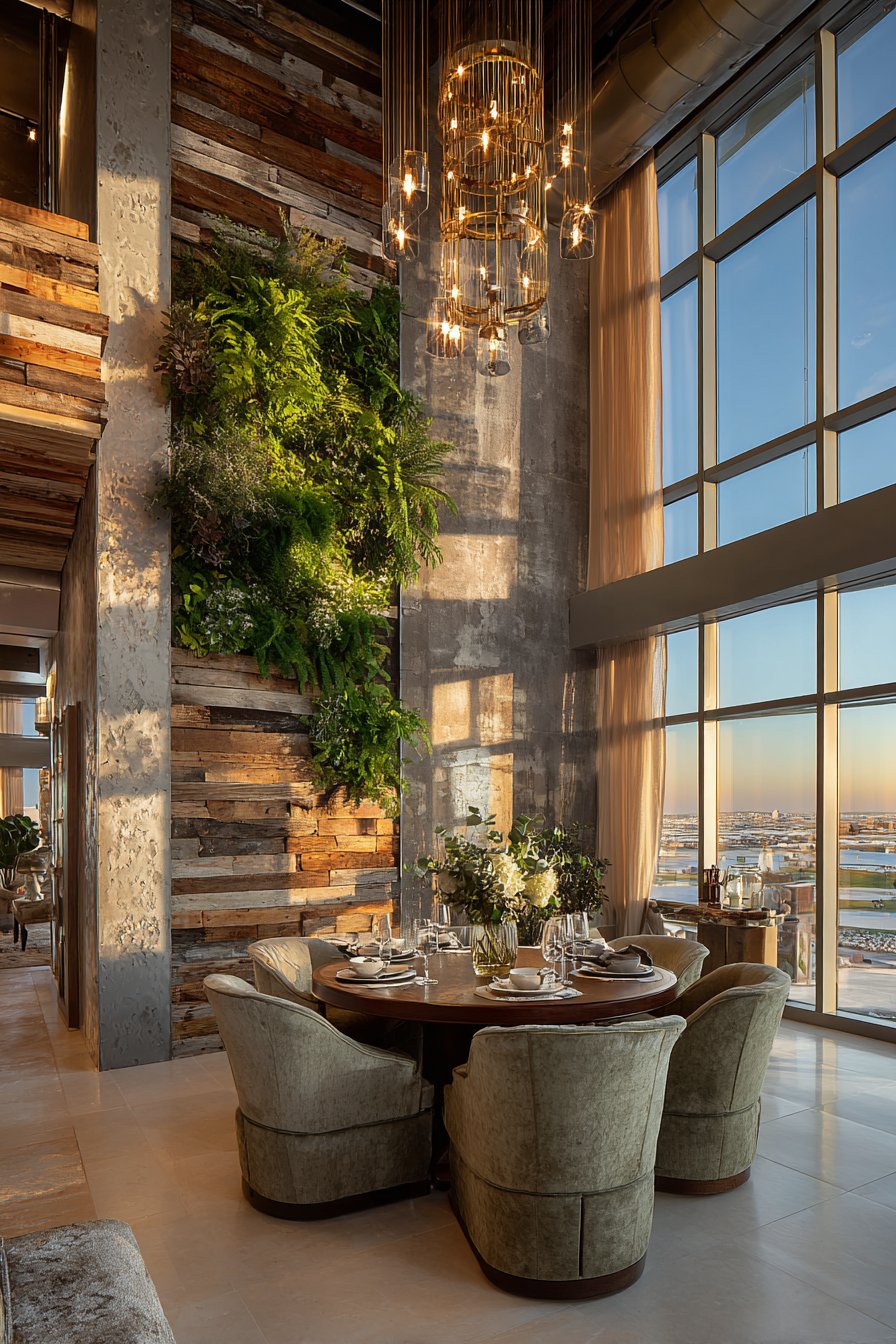
The dining room trends emerging in 2026 reflect our evolving relationship with home spaces and changing lifestyle priorities. From biophilic elements that nurture wellbeing to multifunctional designs that maximize utility, these trends offer practical solutions wrapped in stunning aesthetics. Sustainable materials and curved furniture demonstrate growing environmental consciousness and desire for comforting spaces.
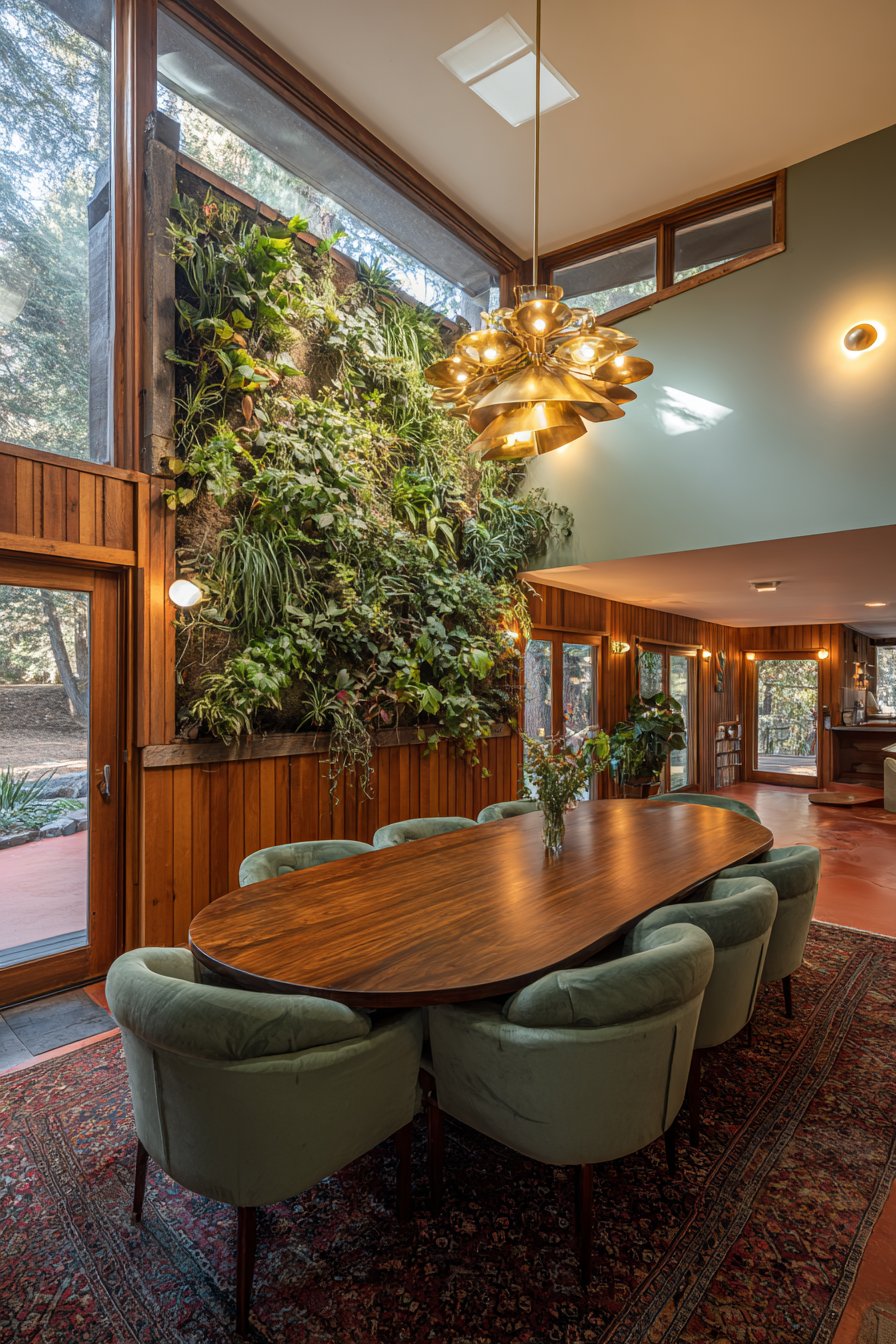
Don’t feel pressured to adopt every trend—instead, select elements that resonate with your personal style and functional needs. Start with one or two changes that excite you most, whether that’s introducing warm metallics or investing in statement lighting. Your dining room should reflect your unique personality while creating a welcoming environment where memories are made. Embrace these trends as inspiration to craft a dining space that you and your loved ones will enjoy for years to come.
