


The kitchen has evolved from a purely functional space into the heart of the home, where families gather, entertain, and create lasting memories. As we navigate through 2026, innovative design trends are reshaping how we think about this essential room. These transformations blend cutting-edge technology with timeless aesthetics, creating spaces that are both beautiful and highly functional.
Modern homeowners are seeking kitchens that reflect their personal style while accommodating the demands of contemporary living. Whether you’re planning a complete renovation or simply looking to refresh your space, understanding current trends can help you make informed decisions. The eight transformative trends we’ll explore represent the perfect marriage of form and function, offering solutions for every lifestyle and budget.
From sustainable materials to smart technology integration, these trends are revolutionizing kitchen design across the globe. Each concept addresses specific needs while contributing to a cohesive, inspiring environment. Let’s explore how these innovations can transform your kitchen into a space that truly works for you.
1. Smart Kitchen Integration
The connected kitchen is no longer a futuristic concept but a present-day reality that’s transforming how we cook, store food, and manage our homes. Smart appliances now communicate with each other, creating an ecosystem that anticipates your needs and streamlines daily tasks. From refrigerators that track inventory to ovens you can control remotely, technology is making kitchens more efficient than ever.
Voice-activated assistants have become kitchen command centers, allowing you to set timers, convert measurements, or pull up recipes hands-free while cooking. Smart lighting systems adjust automatically based on time of day or activity, creating the perfect ambiance for cooking or entertaining. These innovations aren’t just convenient—they’re reshaping daily routines and making kitchen tasks more enjoyable.
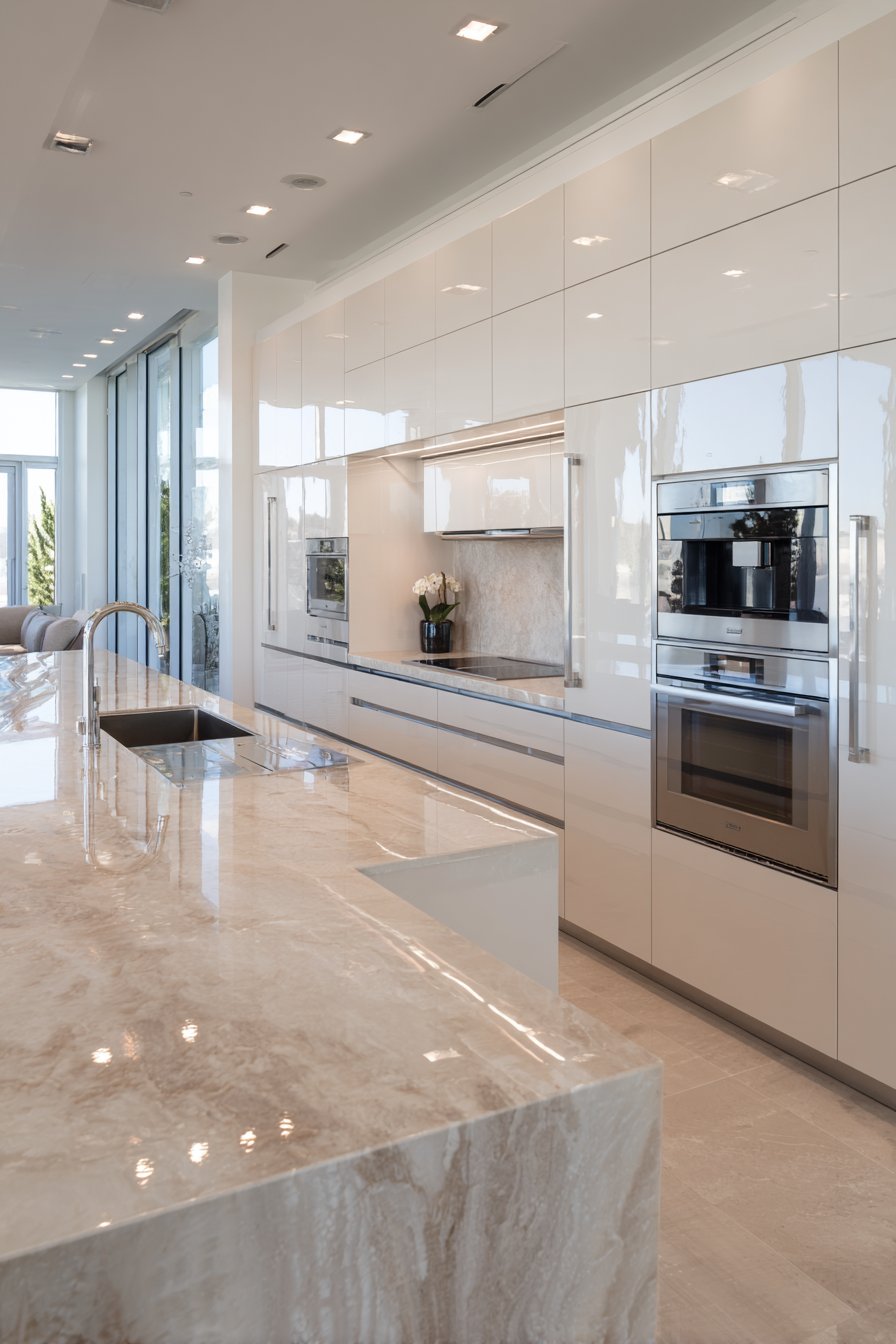
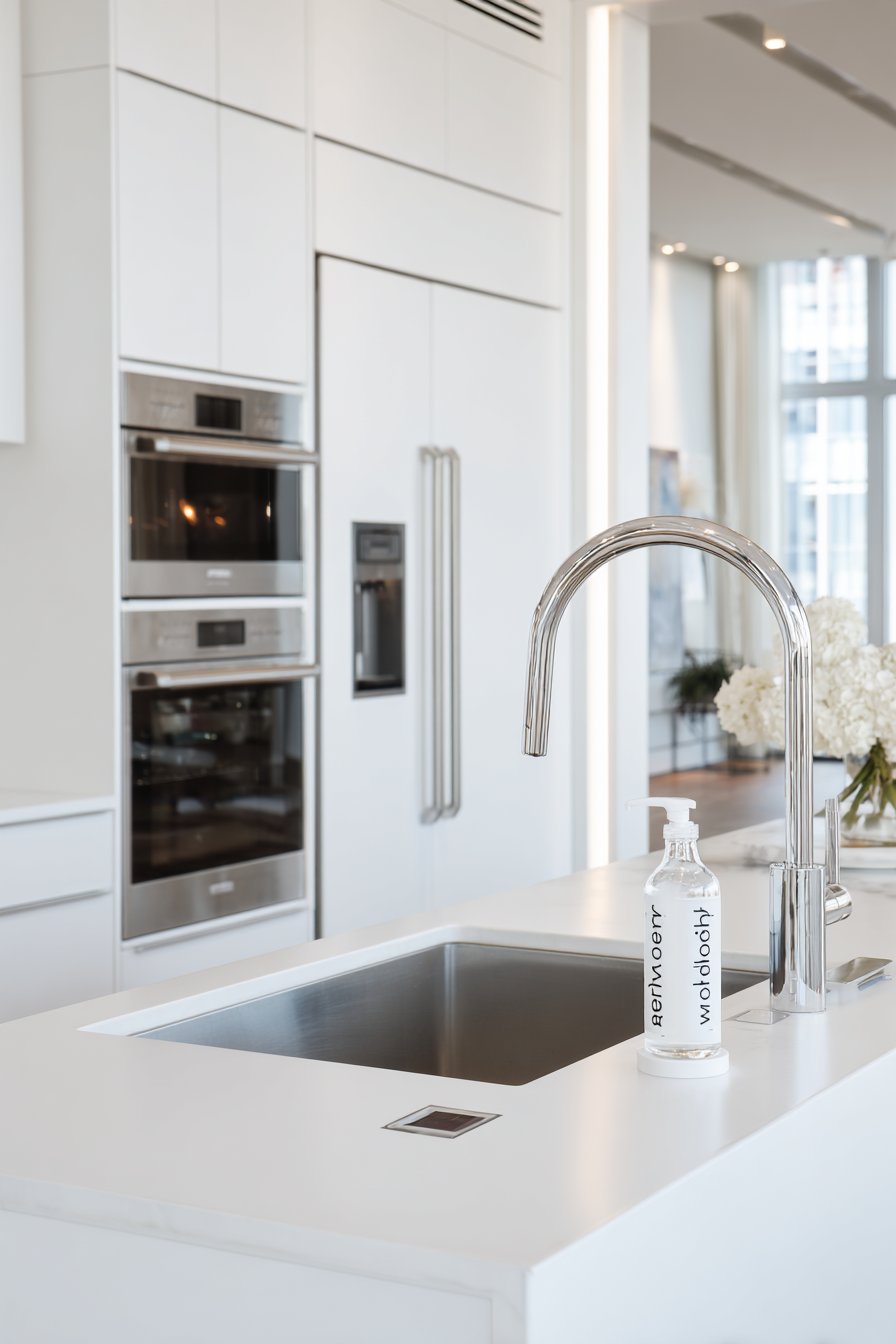
The integration of app-controlled appliances means you can preheat your oven on your commute home or receive alerts when your dishwasher cycle completes. Smart faucets with touchless operation reduce water waste while improving hygiene. Investment in smart technology pays dividends through energy savings and increased home value.
- Install smart plugs to upgrade existing appliances affordably
- Choose appliances that integrate with your preferred voice assistant platform
- Prioritize energy-efficient smart devices with Energy Star certification
- Consider smart lighting with dimming capabilities for versatility
- Research compatibility before purchasing to ensure seamless integration
- Start small with one or two devices before committing to full automation
2. Sustainable and Eco-Friendly Materials
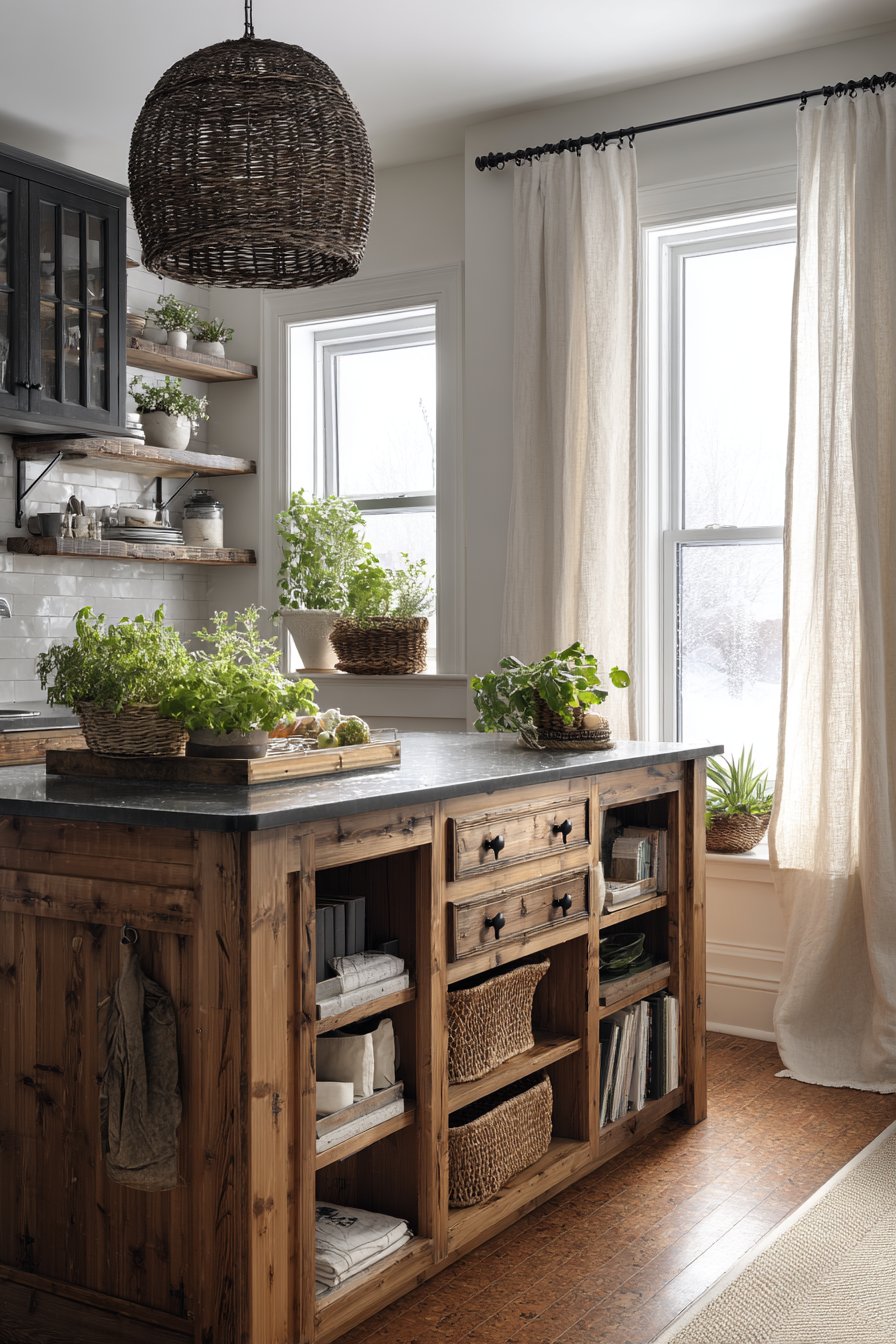
Environmental consciousness is driving kitchen design choices as homeowners embrace sustainable materials that reduce environmental impact without compromising style. Reclaimed wood, recycled glass countertops, and bamboo cabinetry are becoming mainstream options. These materials tell a story while contributing to a healthier planet and often offer unique aesthetic qualities that mass-produced alternatives cannot match.
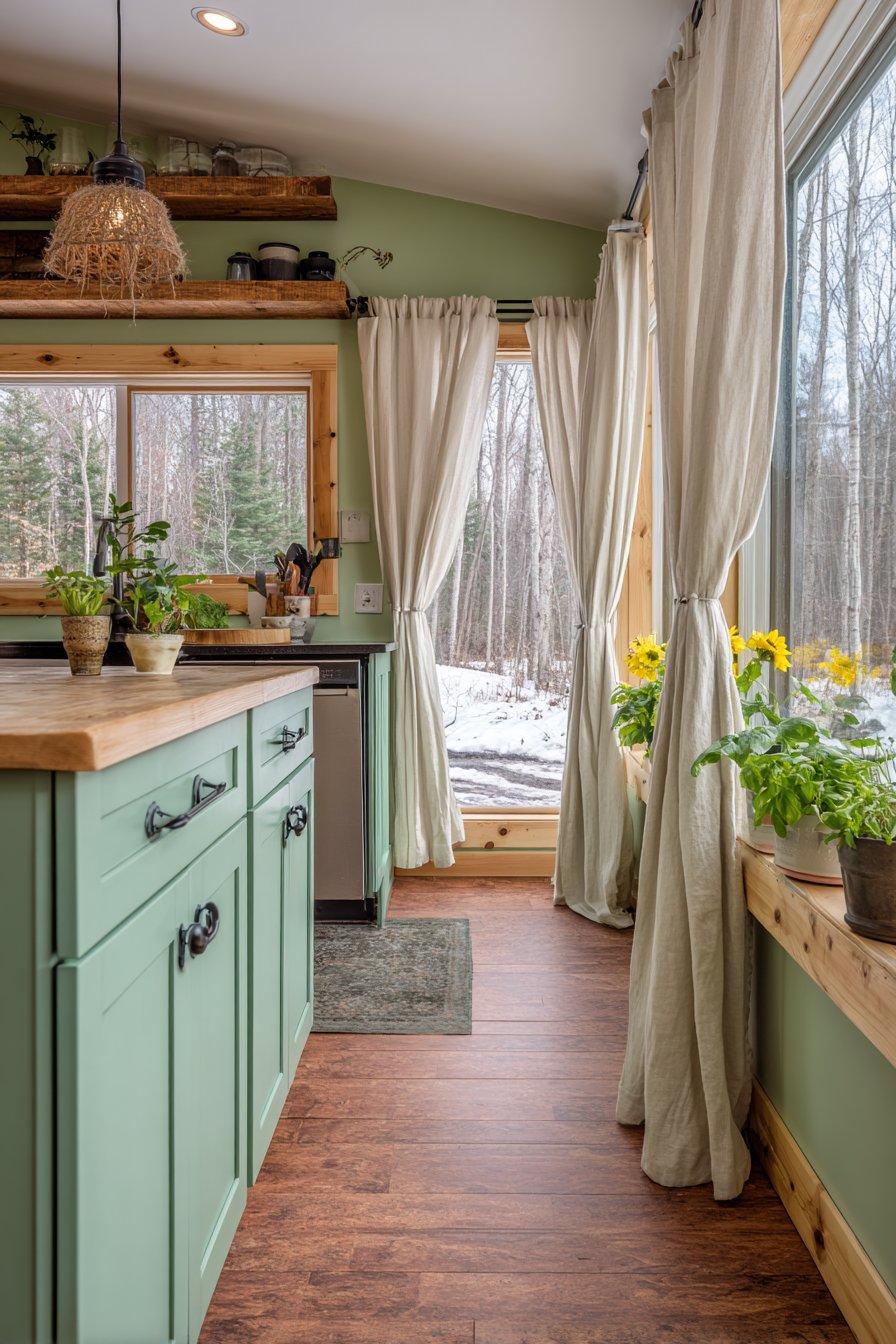
Low-VOC paints and finishes are now standard considerations, improving indoor air quality and creating safer environments for families. Countertops made from recycled materials like paper composite or glass offer durability and beauty while diverting waste from landfills. Cork flooring provides warmth underfoot and excellent sound absorption, all while being rapidly renewable and biodegradable.
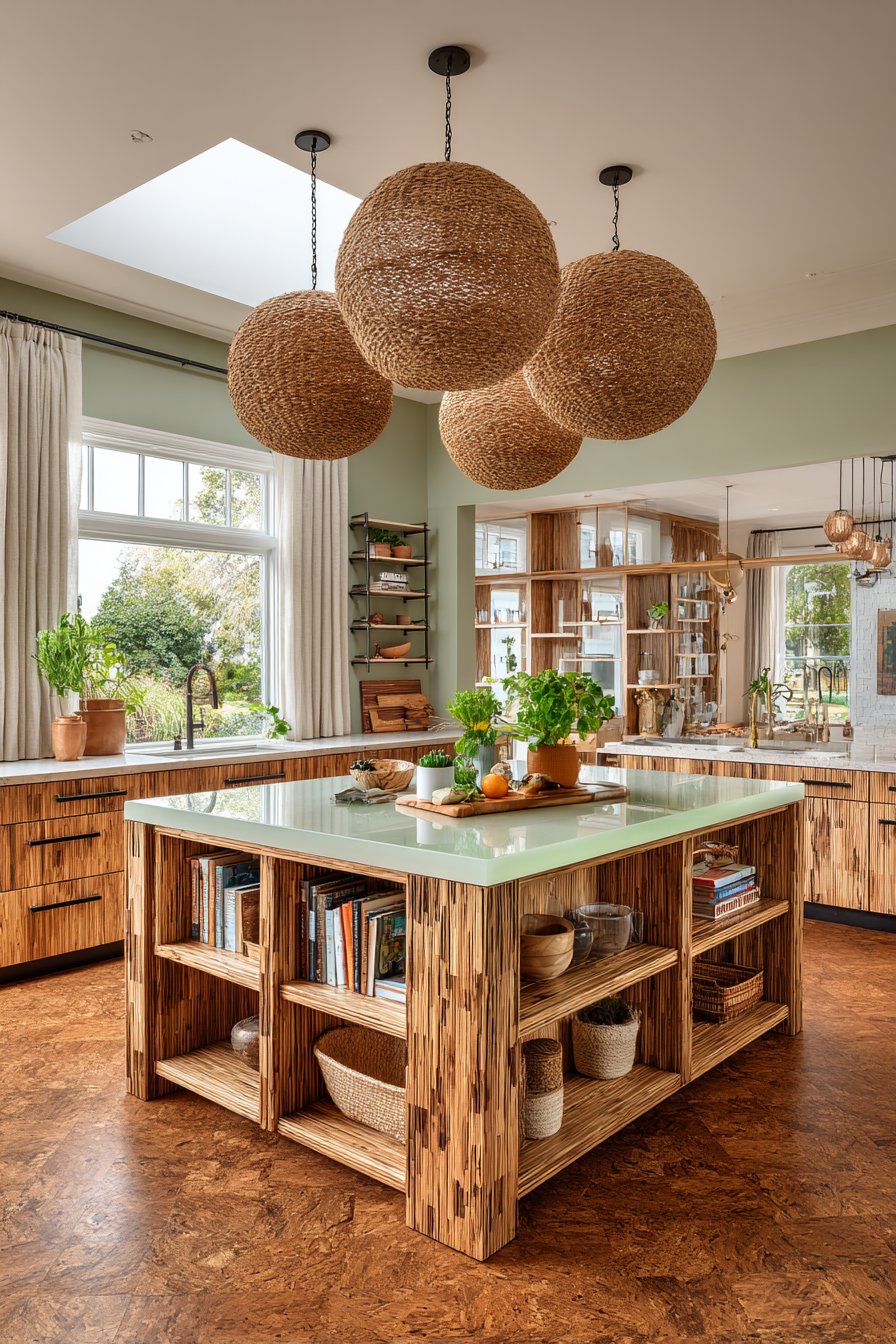
Water-saving fixtures and energy-efficient appliances complement sustainable material choices, creating kitchens that are eco-conscious from every angle. LED lighting reduces energy consumption dramatically while providing superior illumination. These choices demonstrate that environmental responsibility and stunning design can coexist beautifully.
- Source locally-made materials to reduce transportation carbon footprint
- Choose FSC-certified wood products for cabinets and flooring
- Install water-filtration systems to reduce plastic bottle waste
- Select countertops made from at least 75% recycled content
- Opt for formaldehyde-free cabinets and low-emission adhesives
- Consider composting systems integrated into your kitchen design
3. Bold Color Schemes and Statement Cabinetry
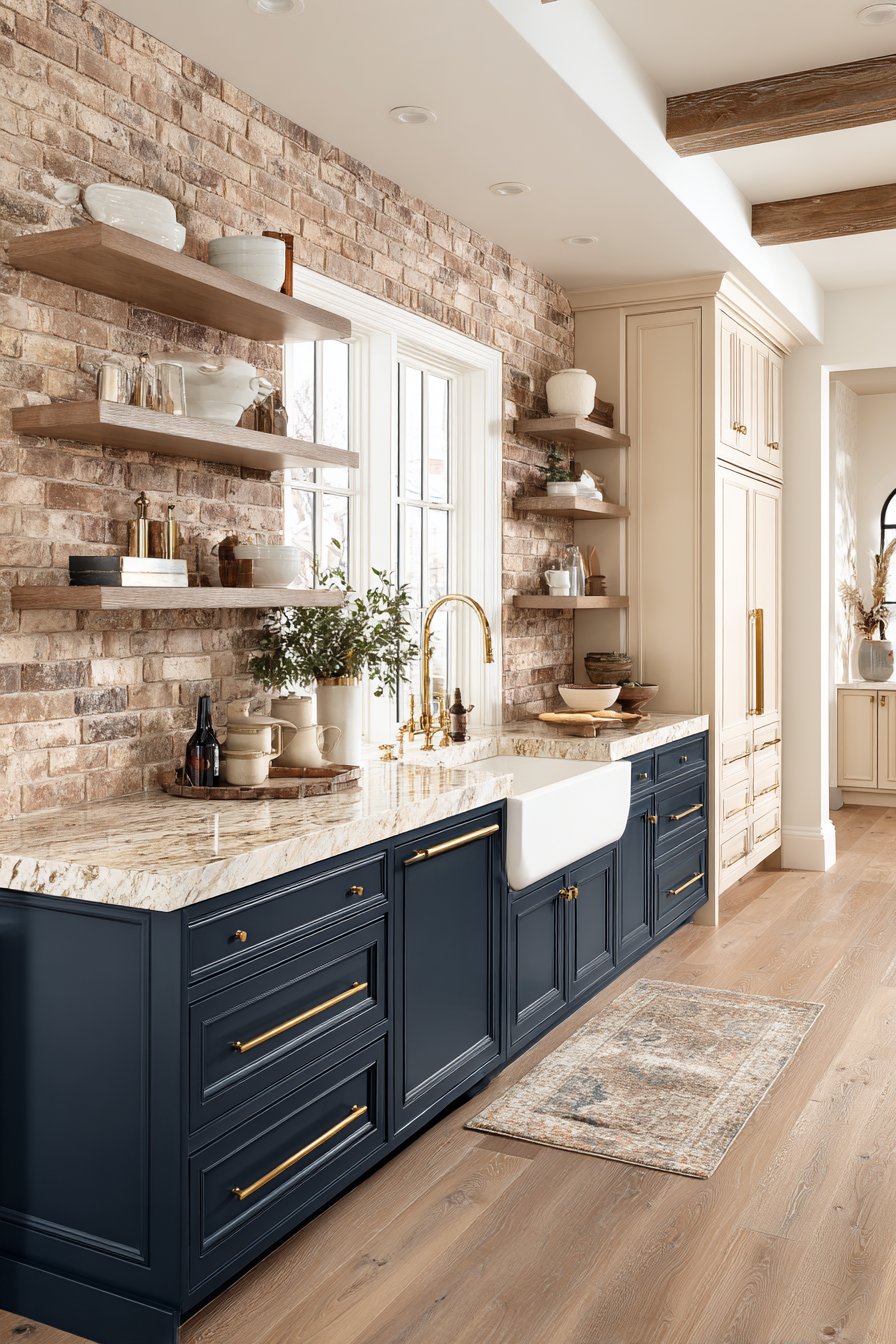
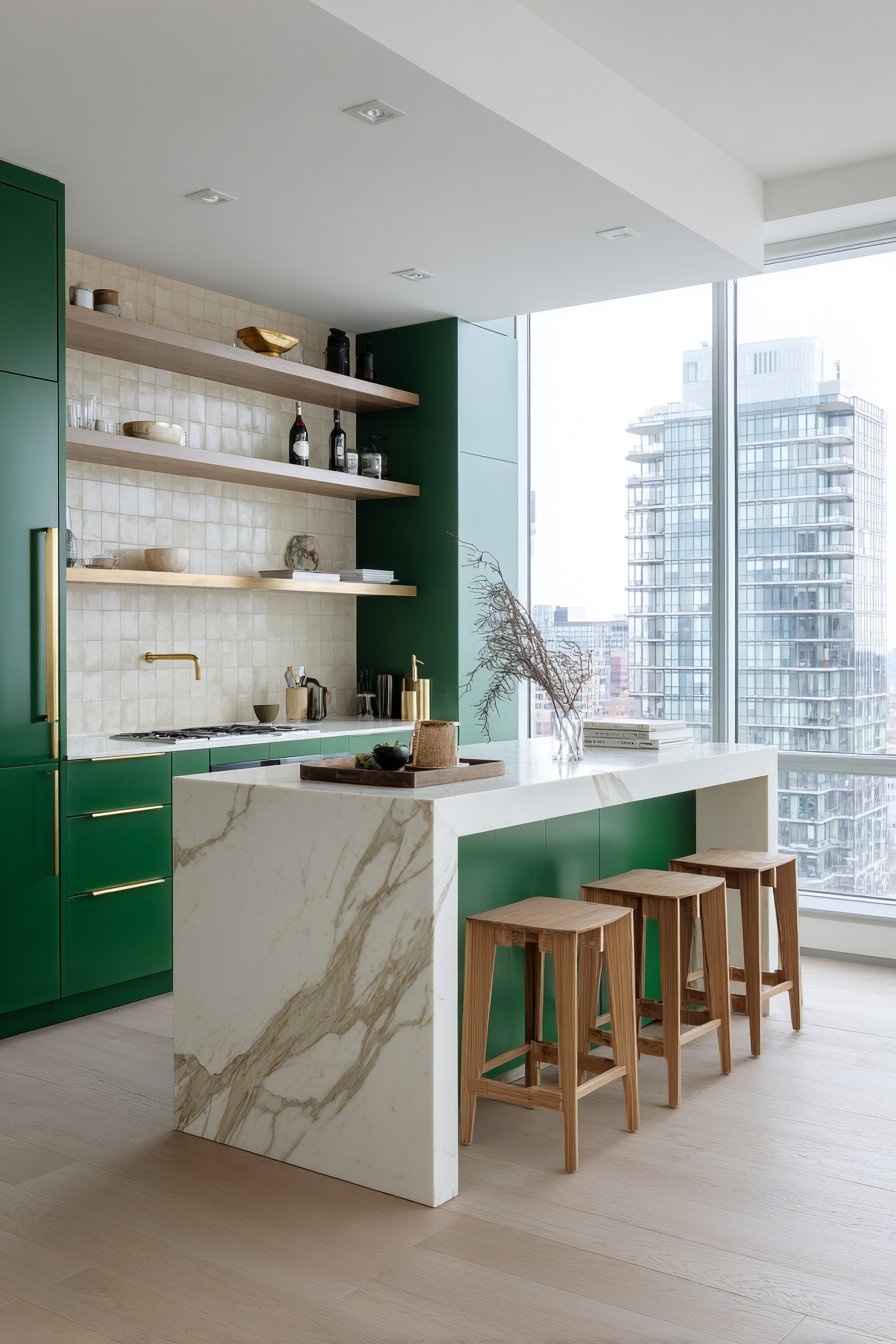
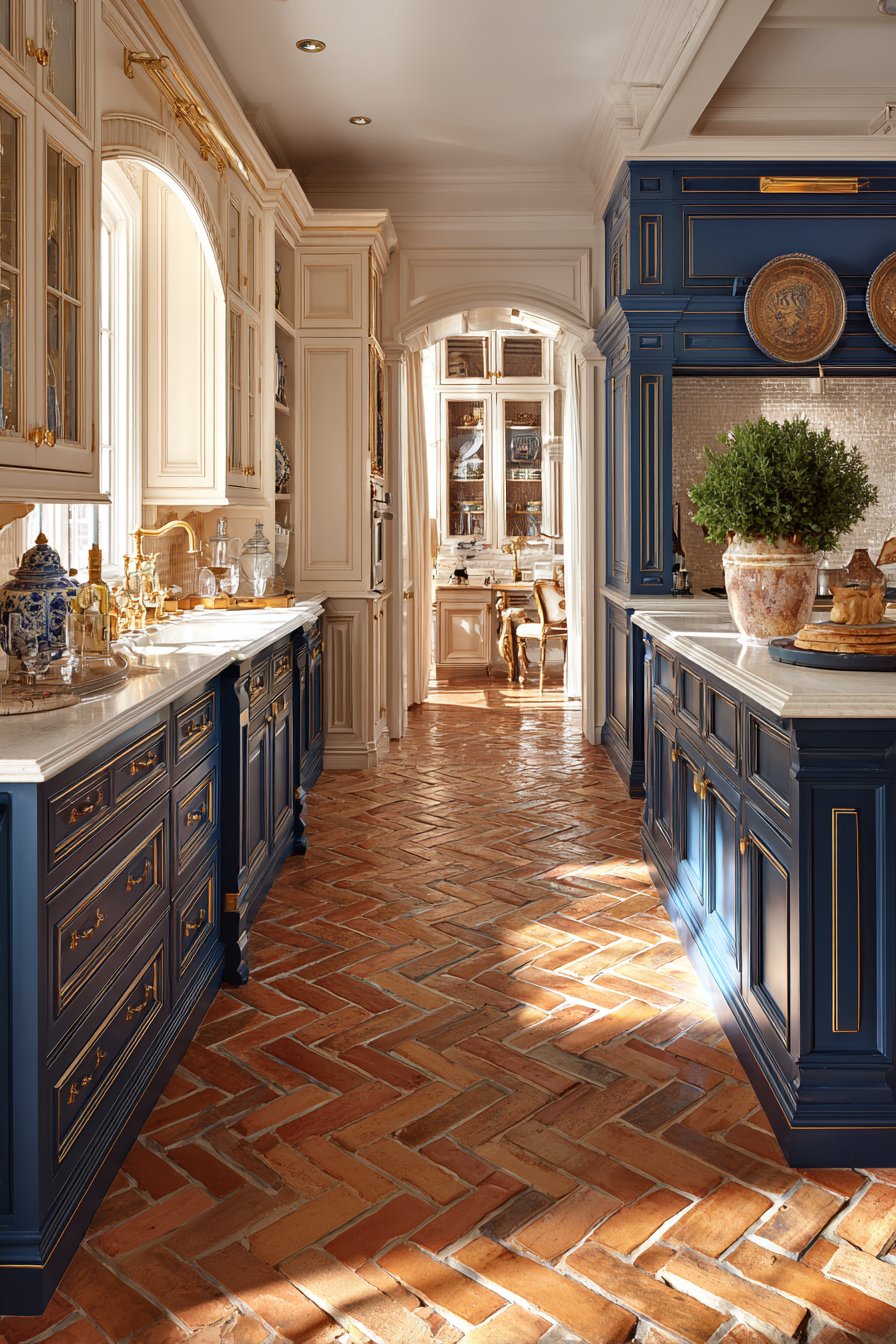
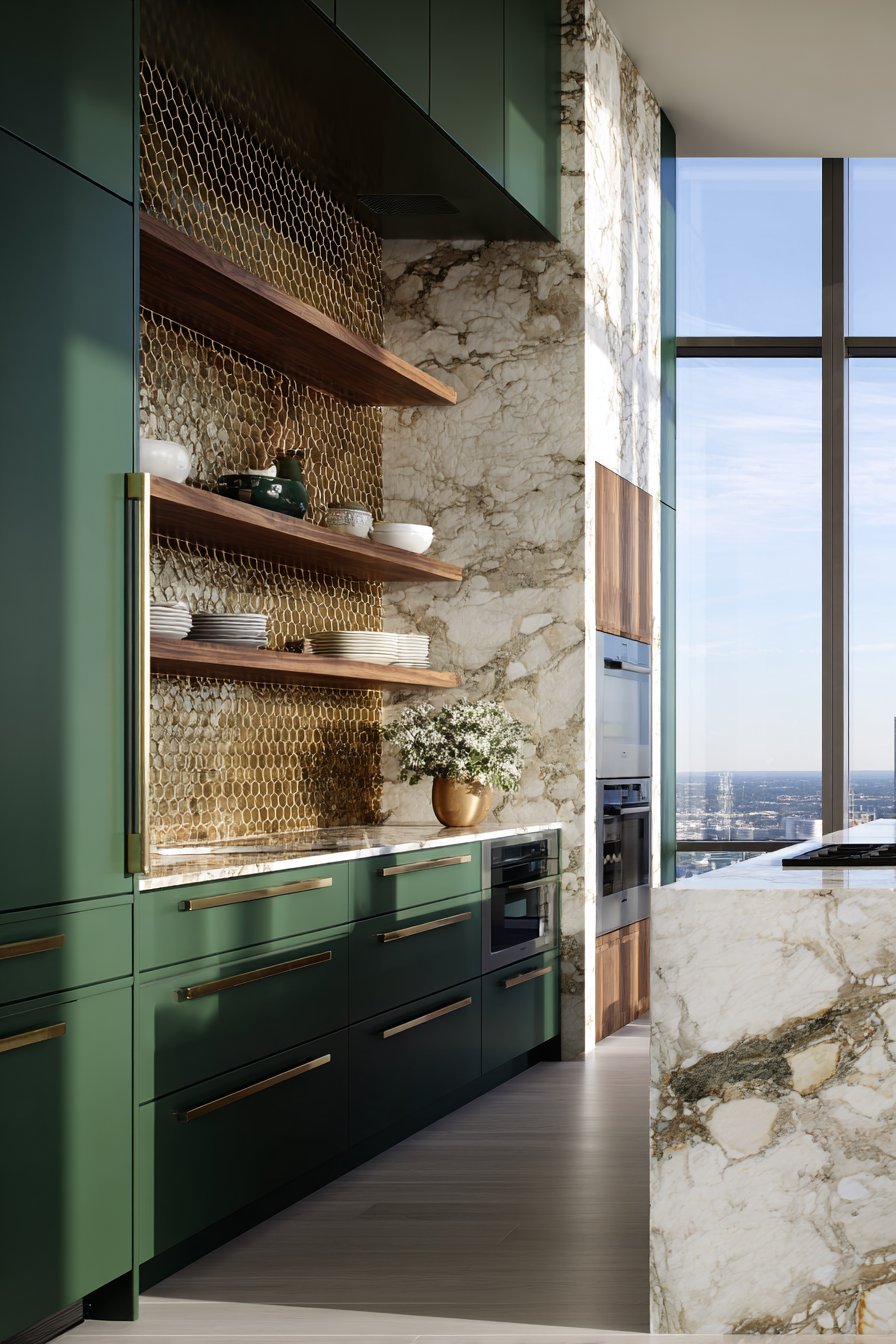
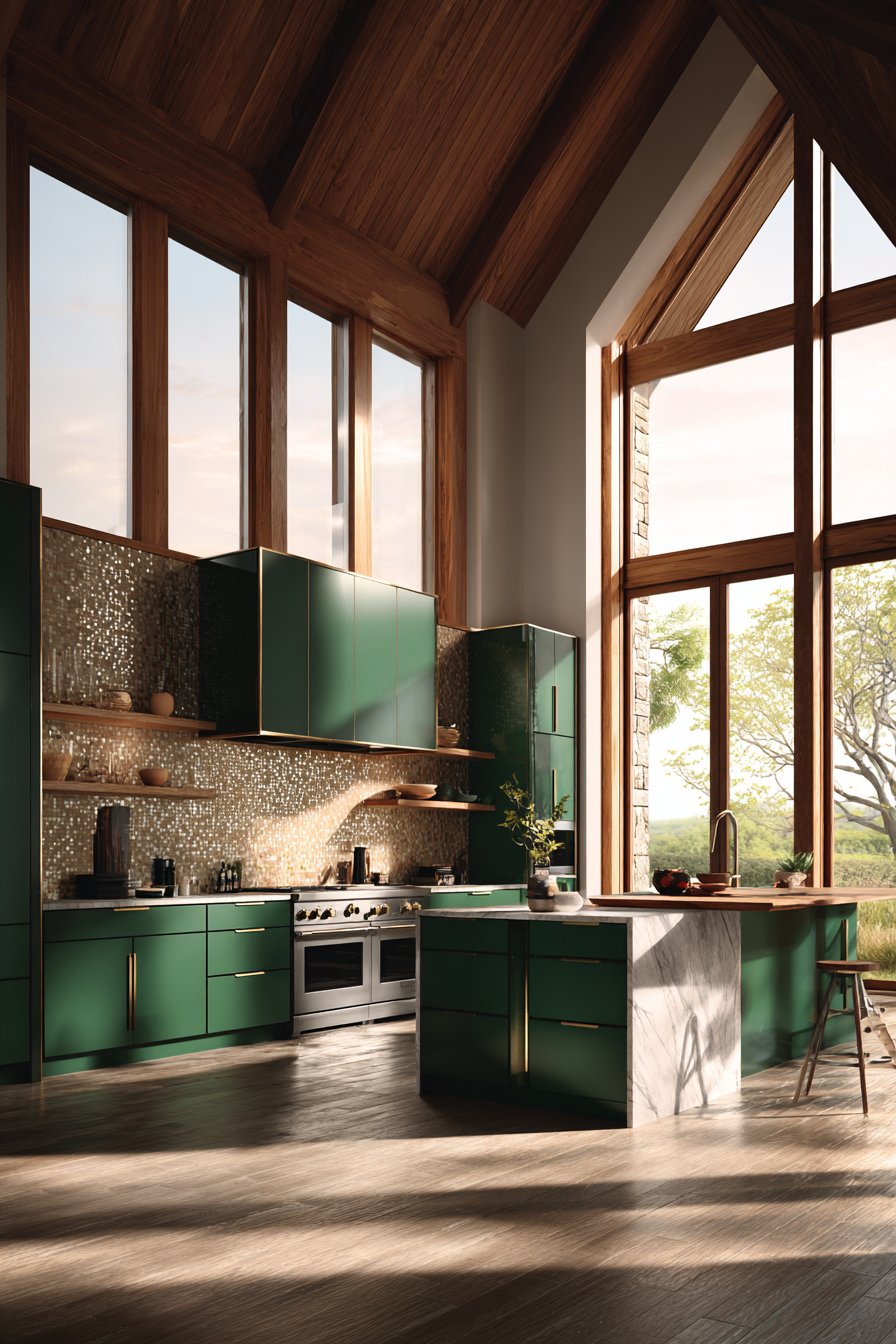
The era of all-white kitchens is giving way to bold color choices that inject personality and warmth into these essential spaces. Deep jewel tones like emerald green, navy blue, and rich burgundy are making dramatic statements on cabinetry. These saturated colors create visual depth and serve as stunning backdrops for metallic accents and natural materials.
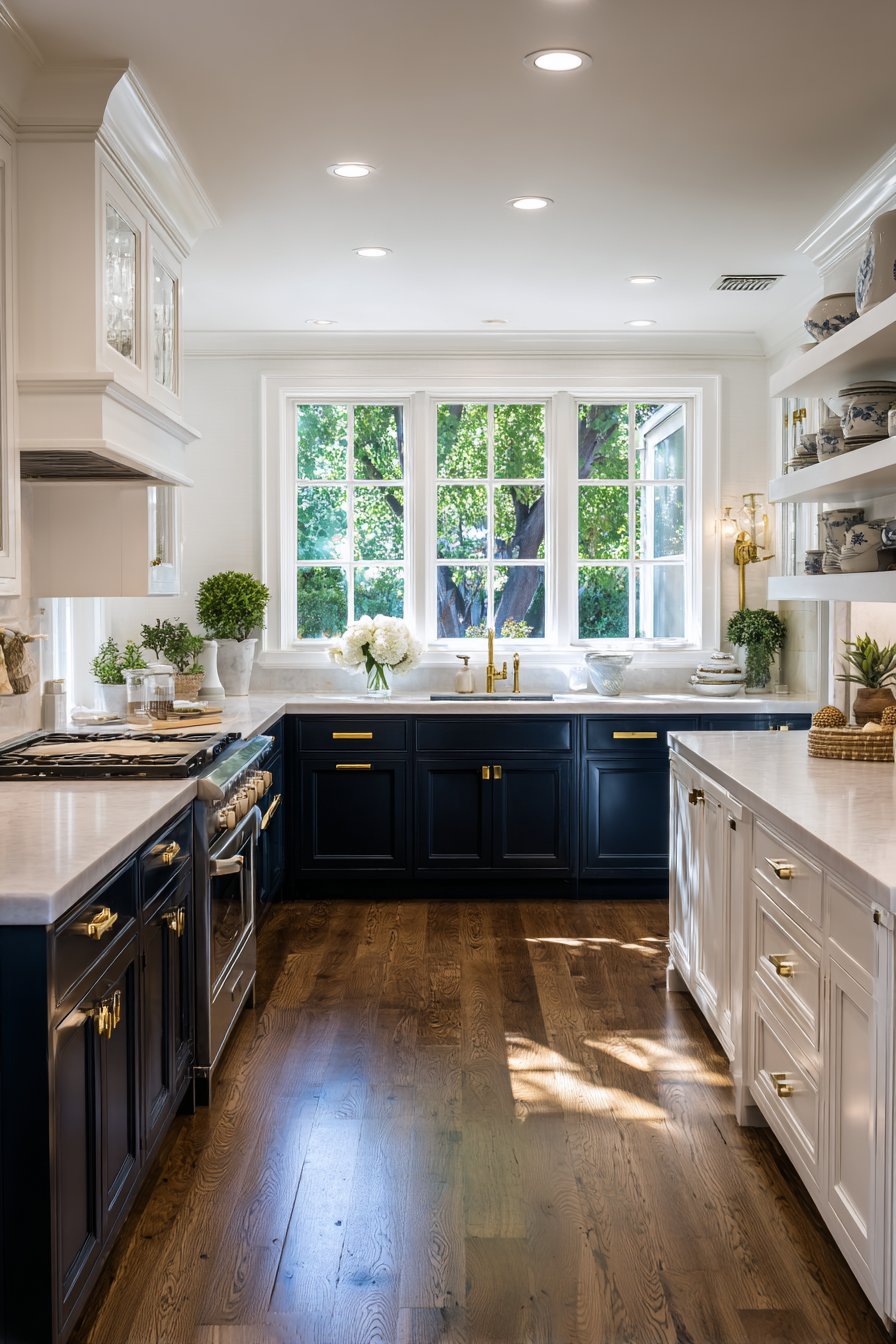
Two-tone cabinetry has emerged as a sophisticated approach, pairing darker lower cabinets with lighter uppers to create visual interest while maintaining balance. This technique can make ceilings appear higher and spaces feel larger. Color-drenched kitchens where walls, cabinets, and even ceilings share the same hue create enveloping environments that feel intentional and curated.
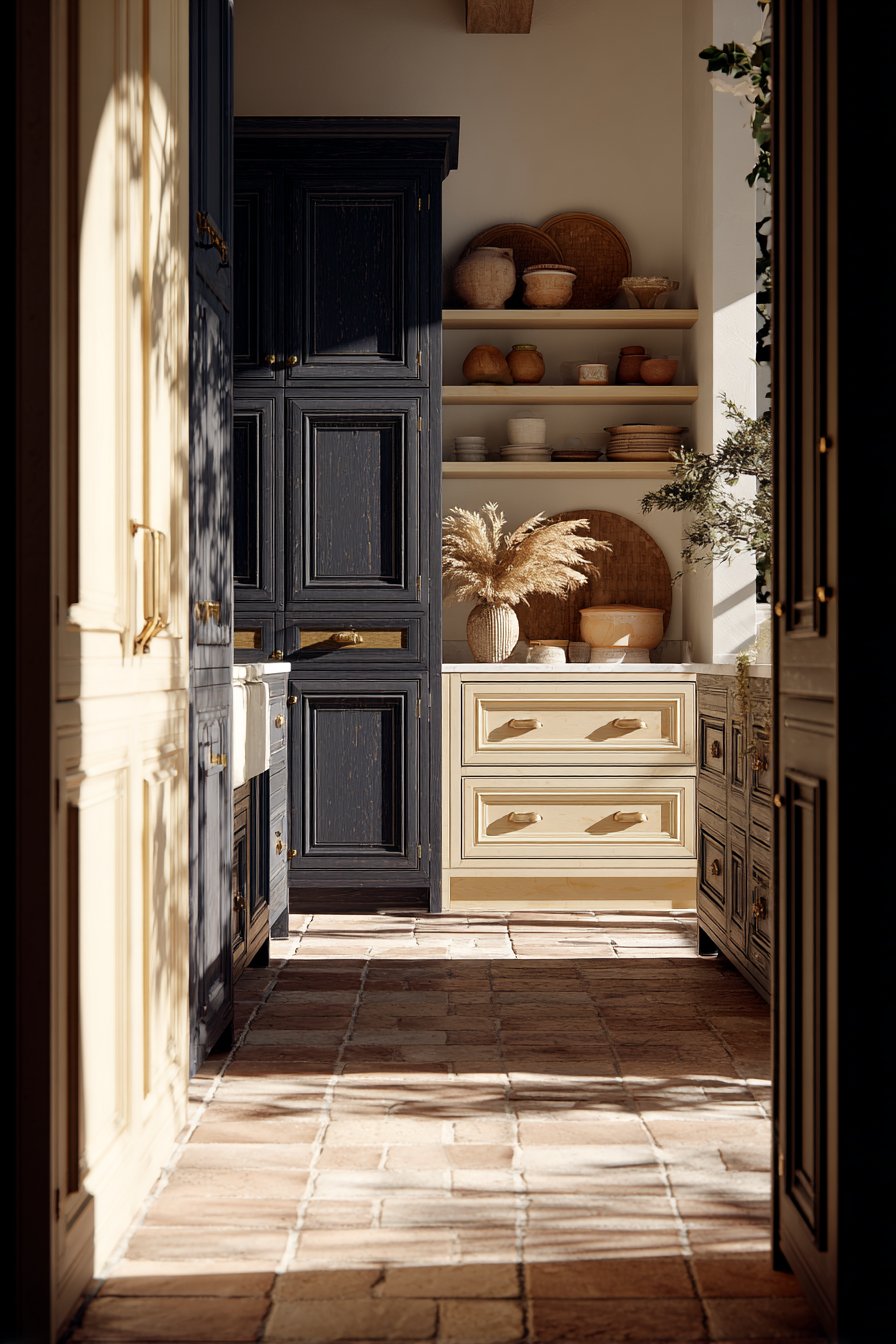
Unexpected color combinations are challenging traditional palettes, with designers pairing warm terracotta with cool sage or combining muted pastels with dramatic blacks. These choices reflect individual personalities and create memorable spaces. Hardware in mixed metals adds another layer of interest, complementing statement colors beautifully.
- Test paint samples in different lighting conditions before committing
- Balance bold cabinet colors with neutral countertops and backsplashes
- Consider removable options like painted cabinet inserts for flexibility
- Use color to define different kitchen zones or work areas
- Incorporate open shelving in contrasting colors for added dimension
- Start with a single bold element if full color commitment feels overwhelming
4. Multifunctional Kitchen Islands
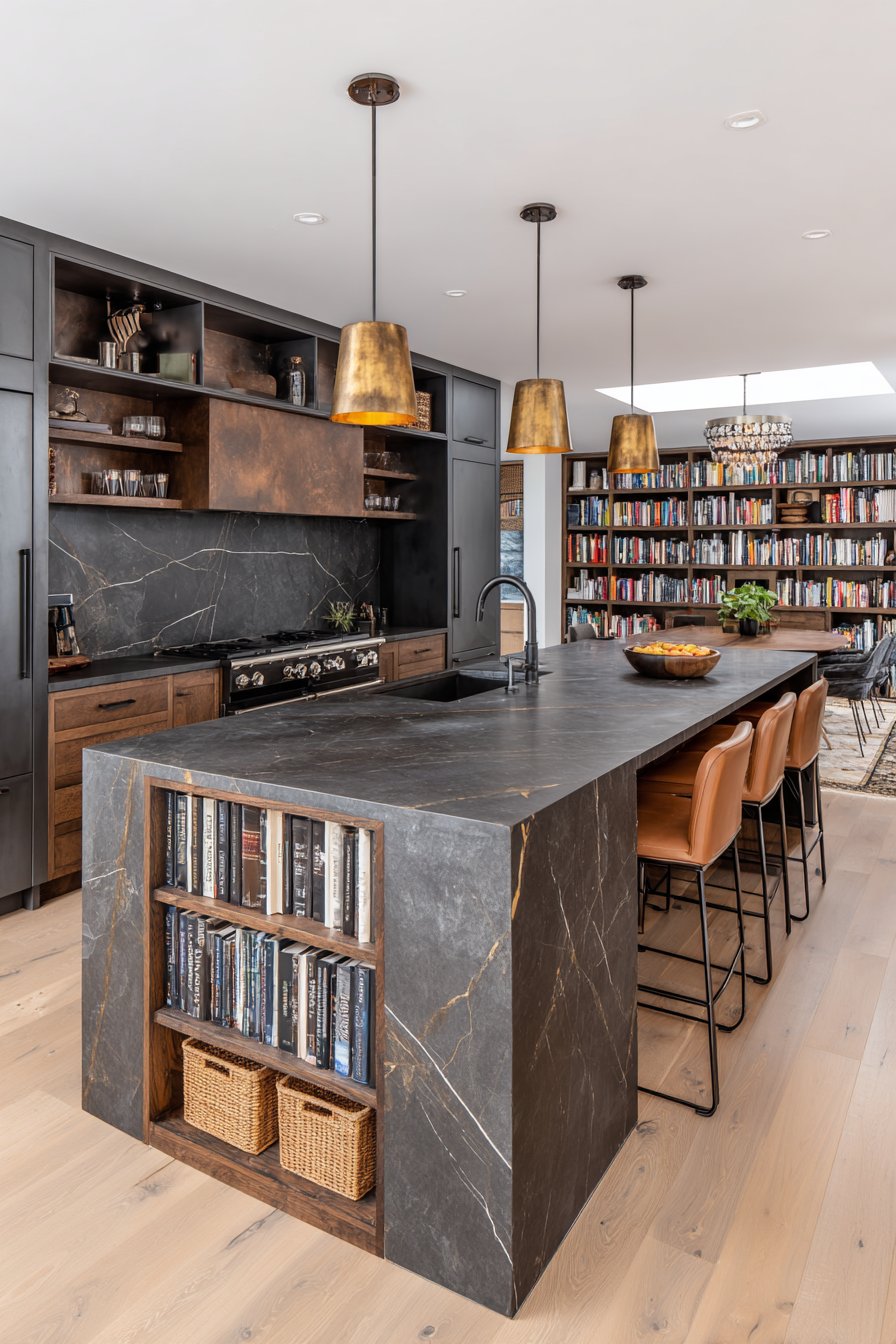
Kitchen islands have evolved into multitasking powerhouses that serve as prep areas, dining spaces, storage solutions, and social hubs. These versatile centerpieces often feature multiple levels to accommodate different activities simultaneously. A raised section can hide cooking mess while providing casual seating, while lower sections offer ample workspace for meal preparation.
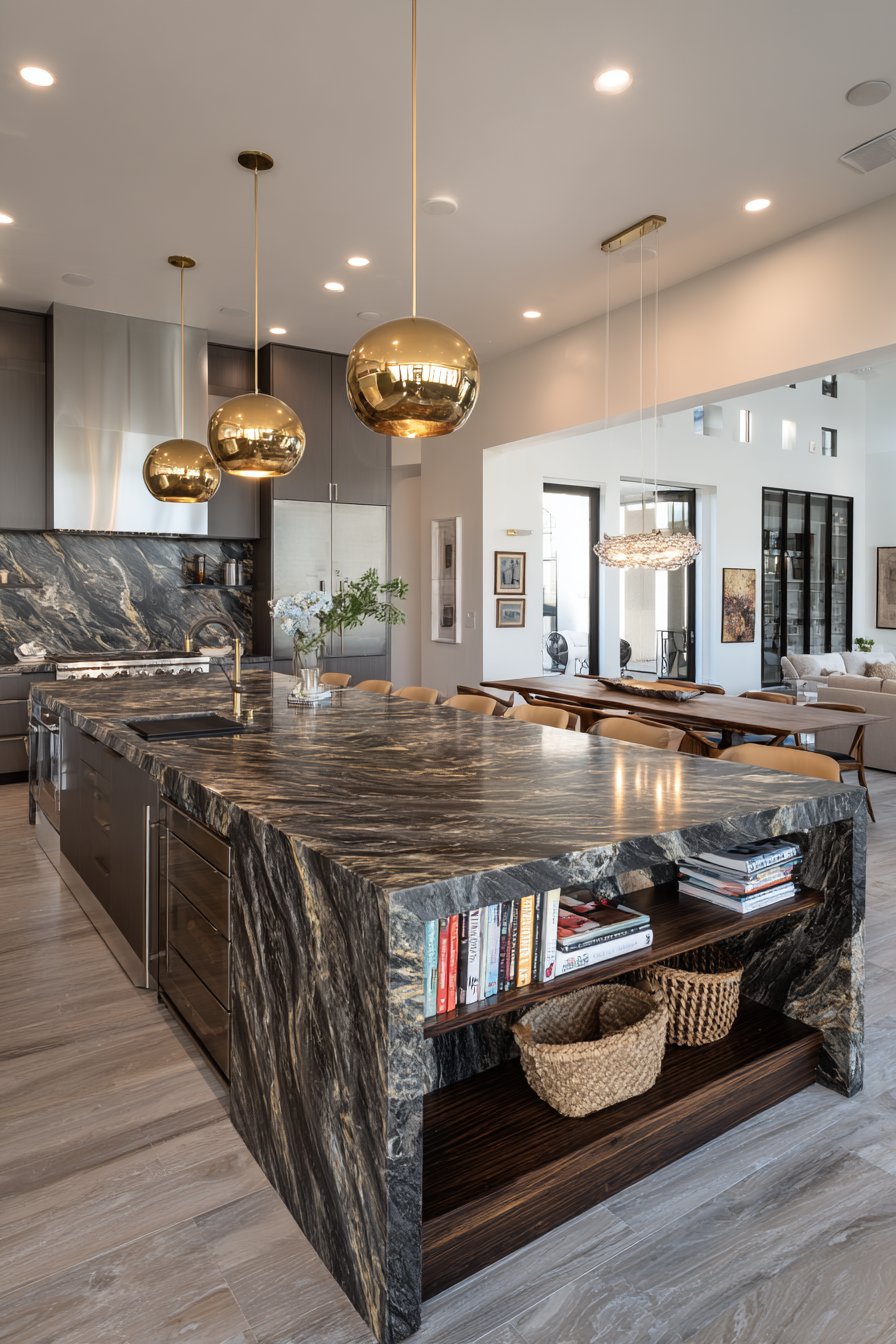
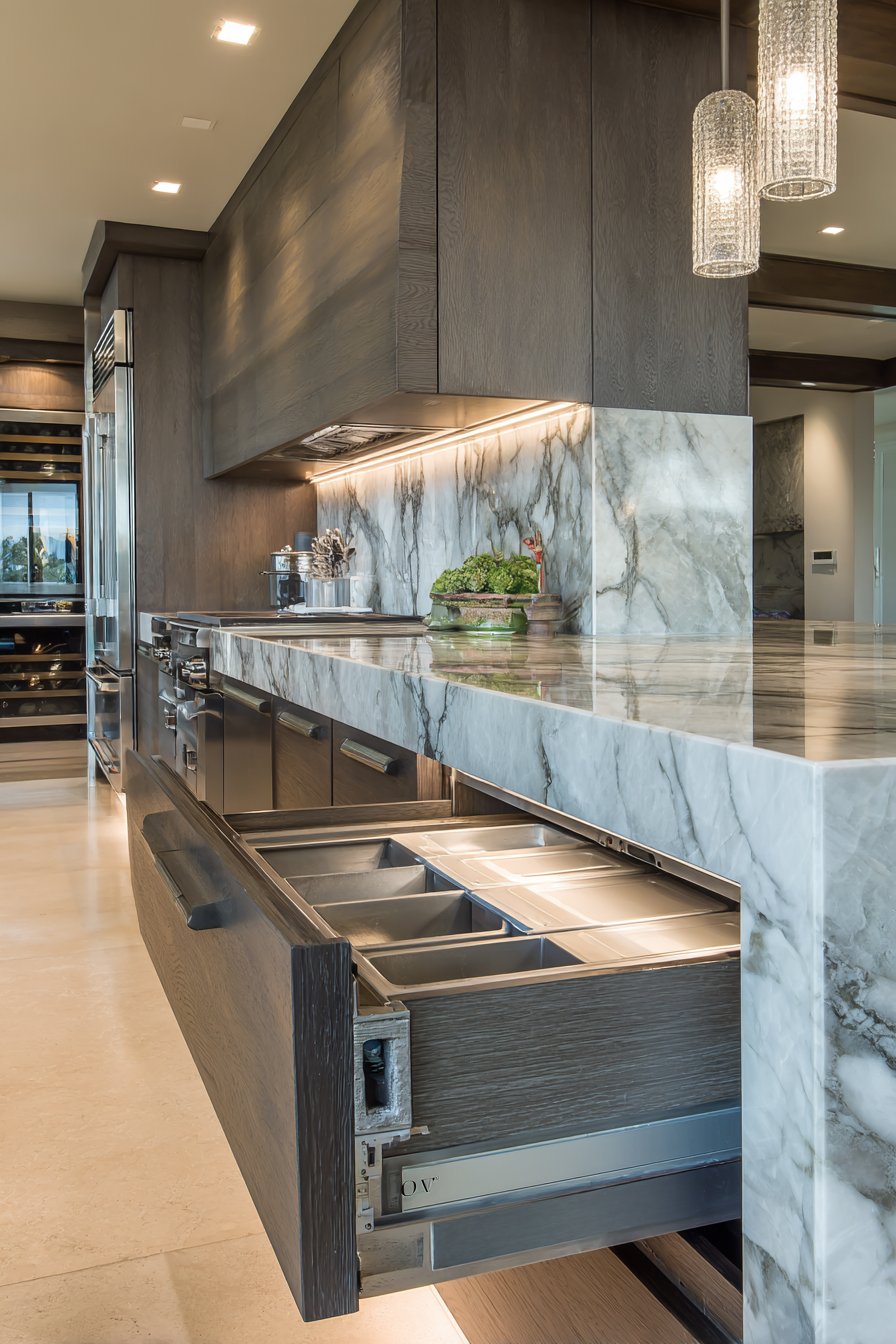
Integrated appliances transform islands into complete cooking stations, with built-in cooktops, wine refrigerators, or warming drawers maximizing functionality. Storage solutions beneath islands now include everything from pull-out trash compartments to specialized organizers for spices, utensils, and small appliances. This centralized storage keeps essentials within arm’s reach while maintaining clean countertops.
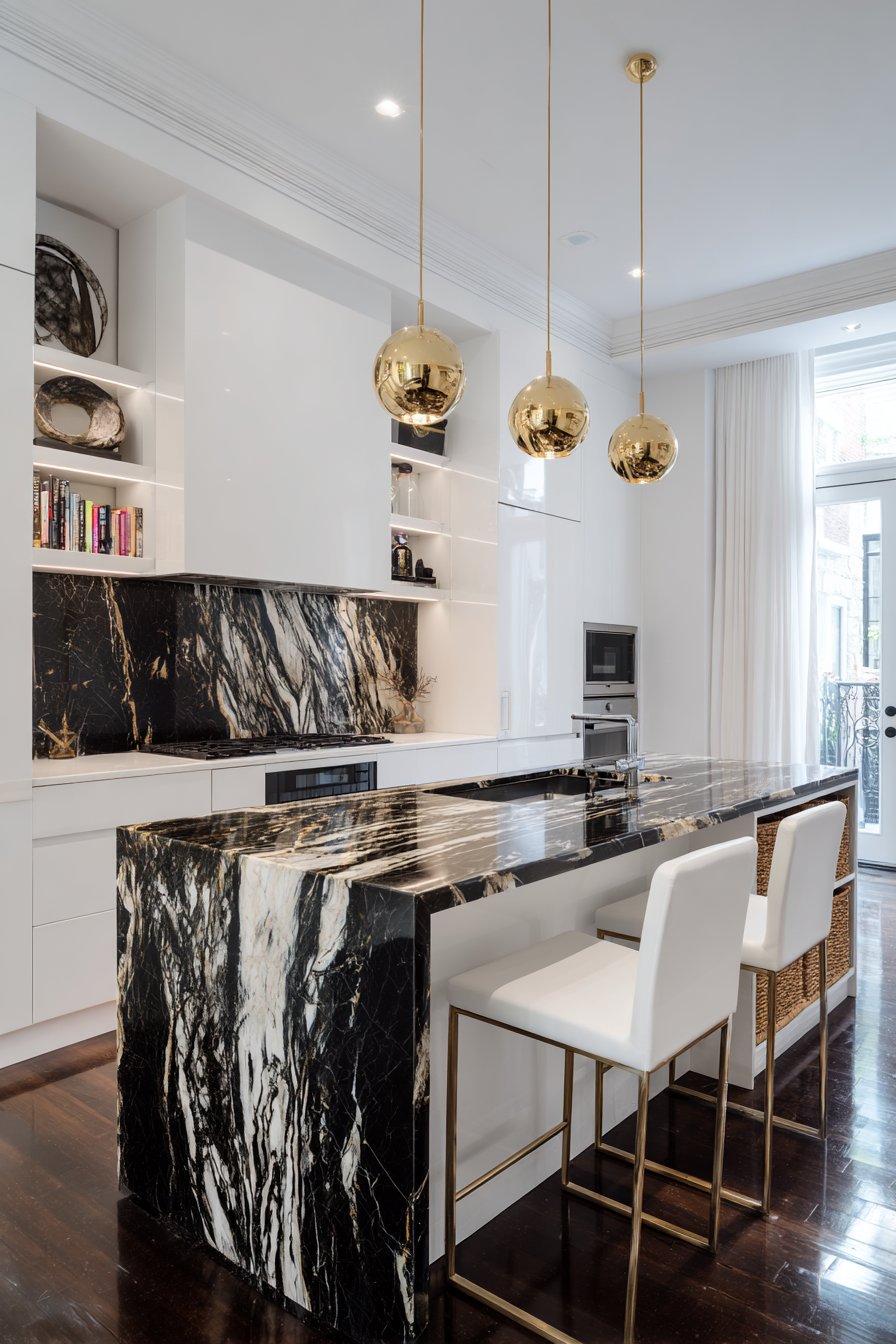
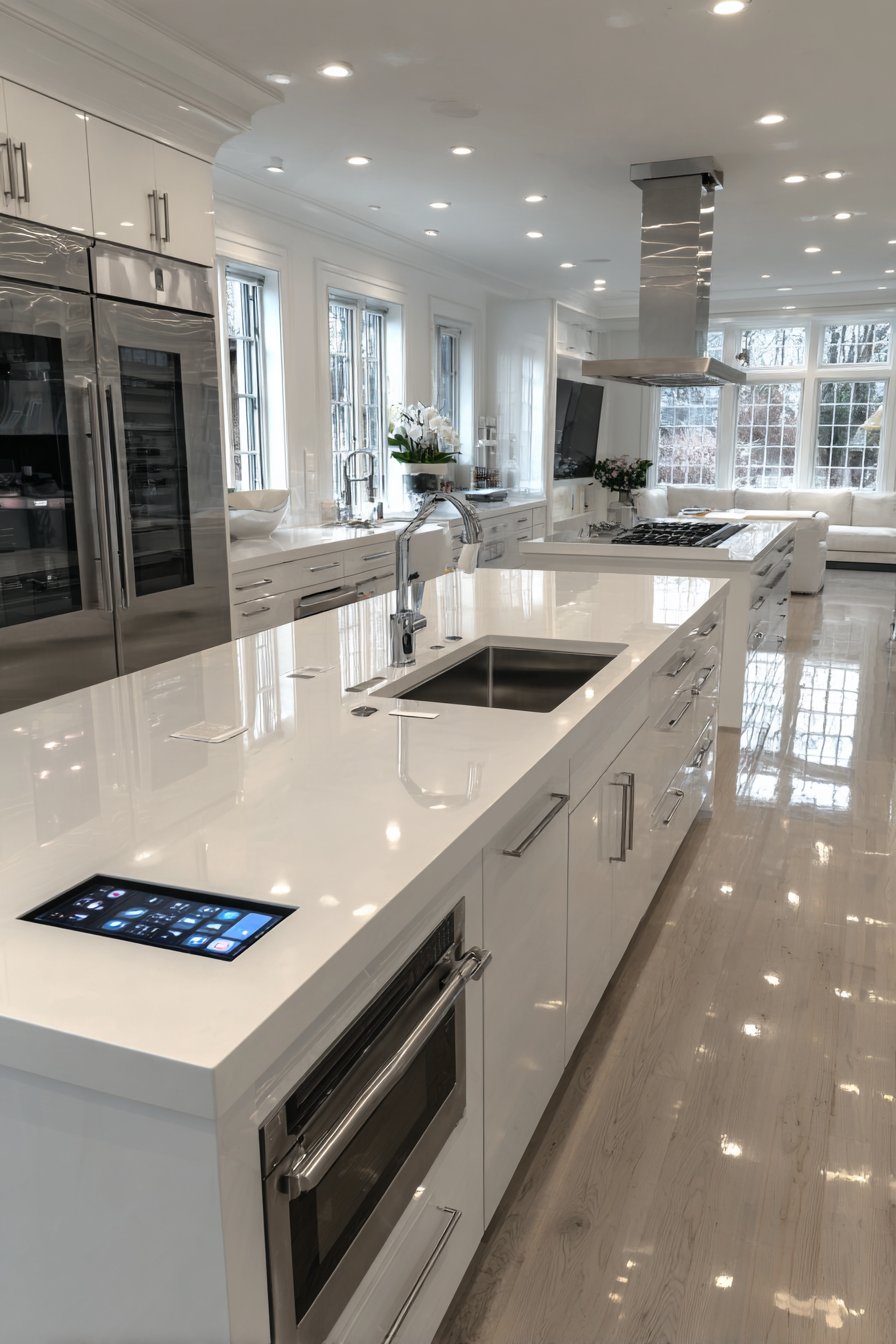
Mobile islands on casters offer flexibility for smaller kitchens or those who entertain frequently, allowing you to reconfigure your space as needed. Waterfall edges on islands create a sculptural element that elevates the design while protecting cabinet ends. Smart islands now incorporate charging stations, USB ports, and even pop-up outlets hidden within the surface.
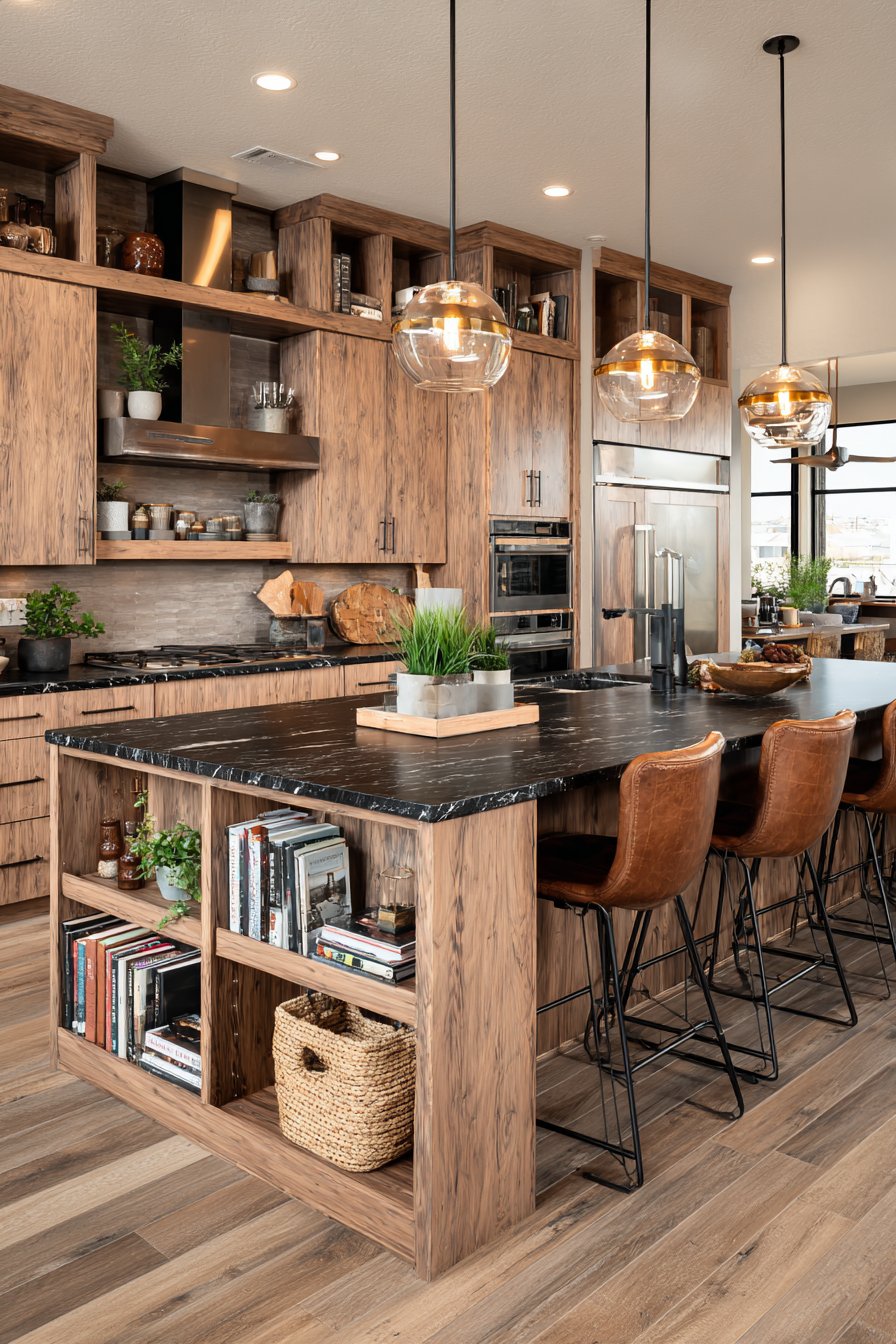
- Ensure at least 36 inches of clearance around all island sides
- Include a mix of closed cabinets and open shelving for varied storage
- Position seating to allow comfortable legroom of at least 15 inches
- Choose durable countertop materials that can withstand heavy daily use
- Install task lighting directly above the island for optimal visibility
- Consider contrasting the island color or material from perimeter cabinets
5. Textured and Artistic Backsplashes
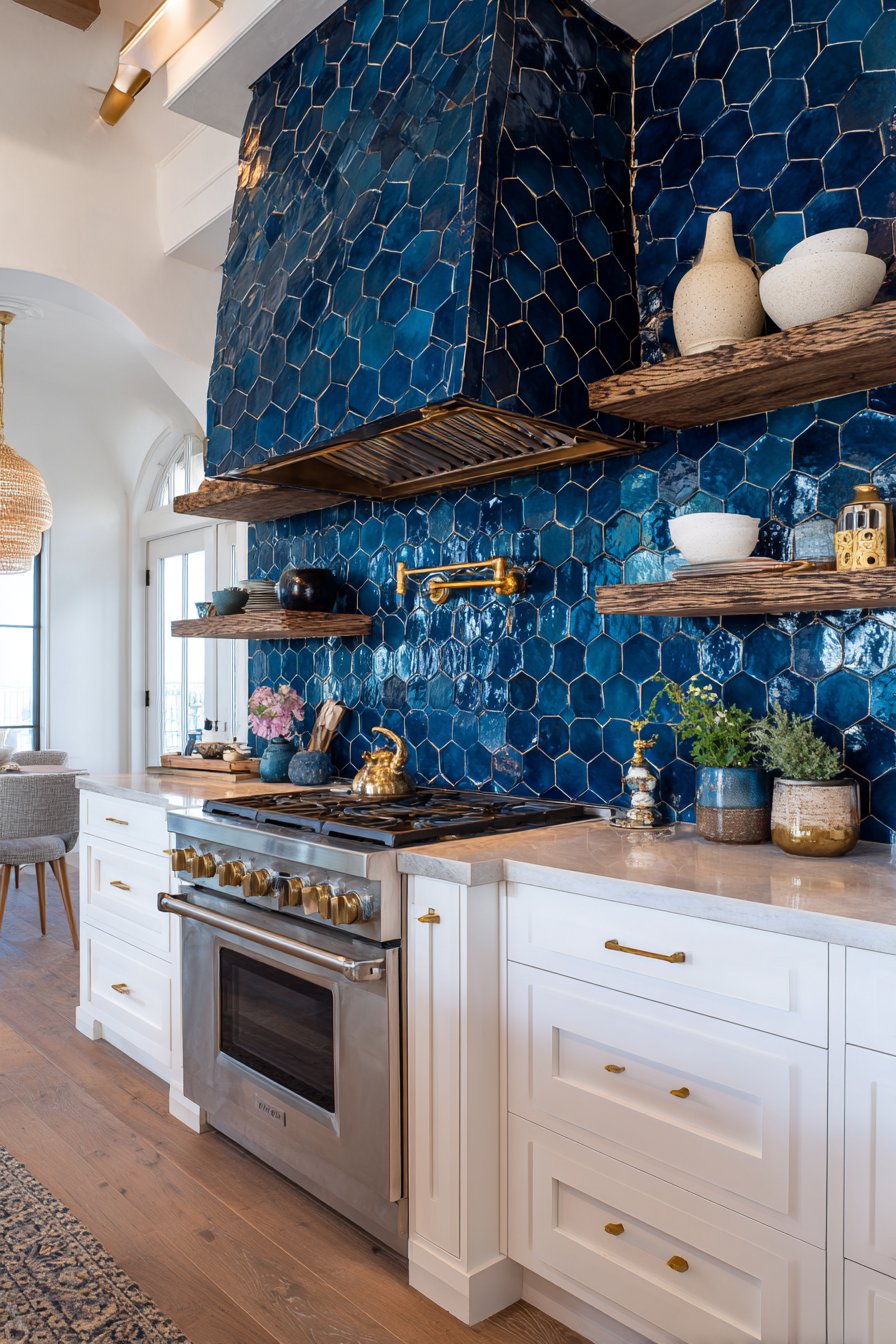
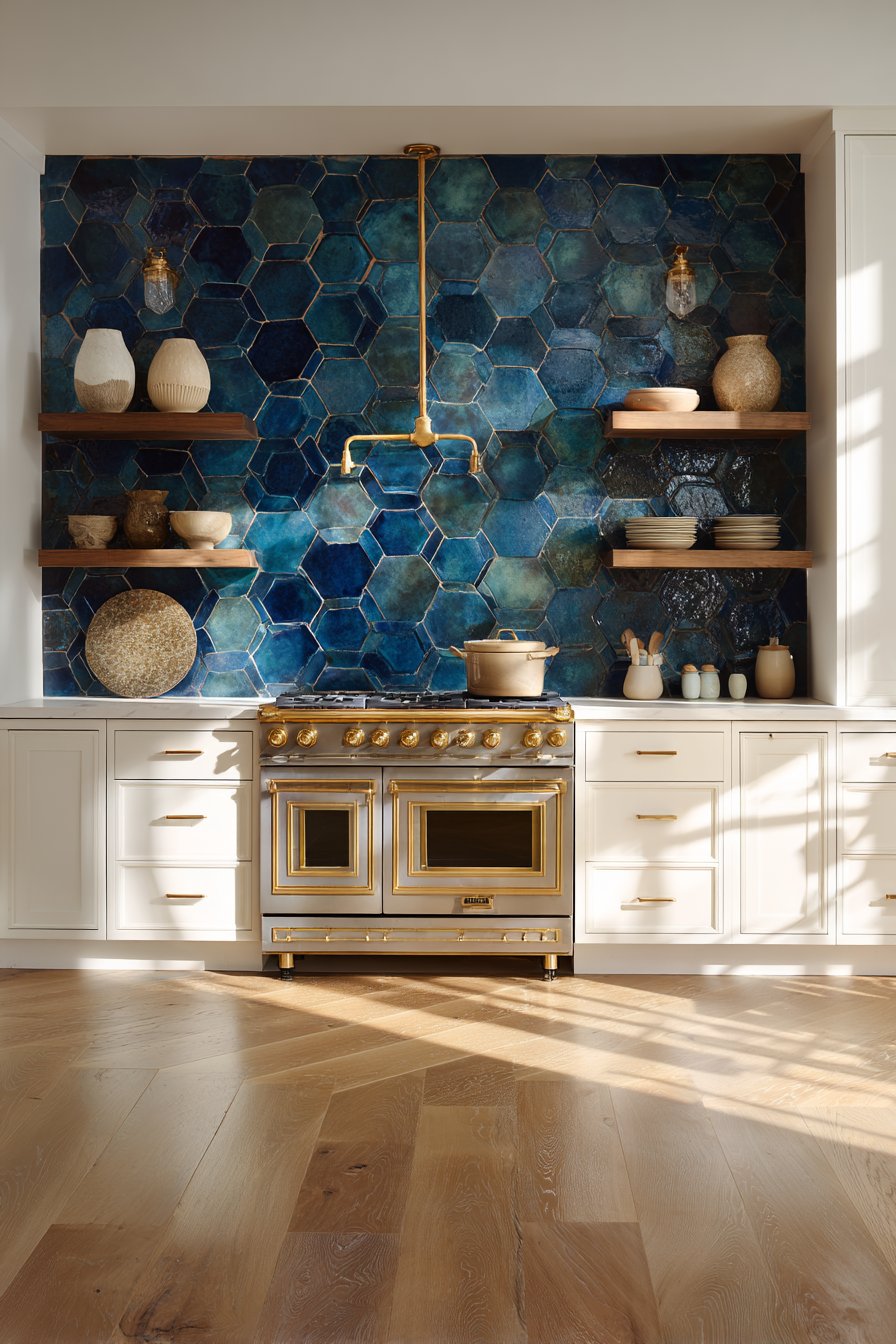
Backsplashes have transcended their protective function to become artistic focal points that define kitchen character. Three-dimensional tiles with geometric patterns or organic textures add tactile interest and create dynamic light play throughout the day. These surfaces transform walls into sculptural elements that captivate attention and elevate the entire space.
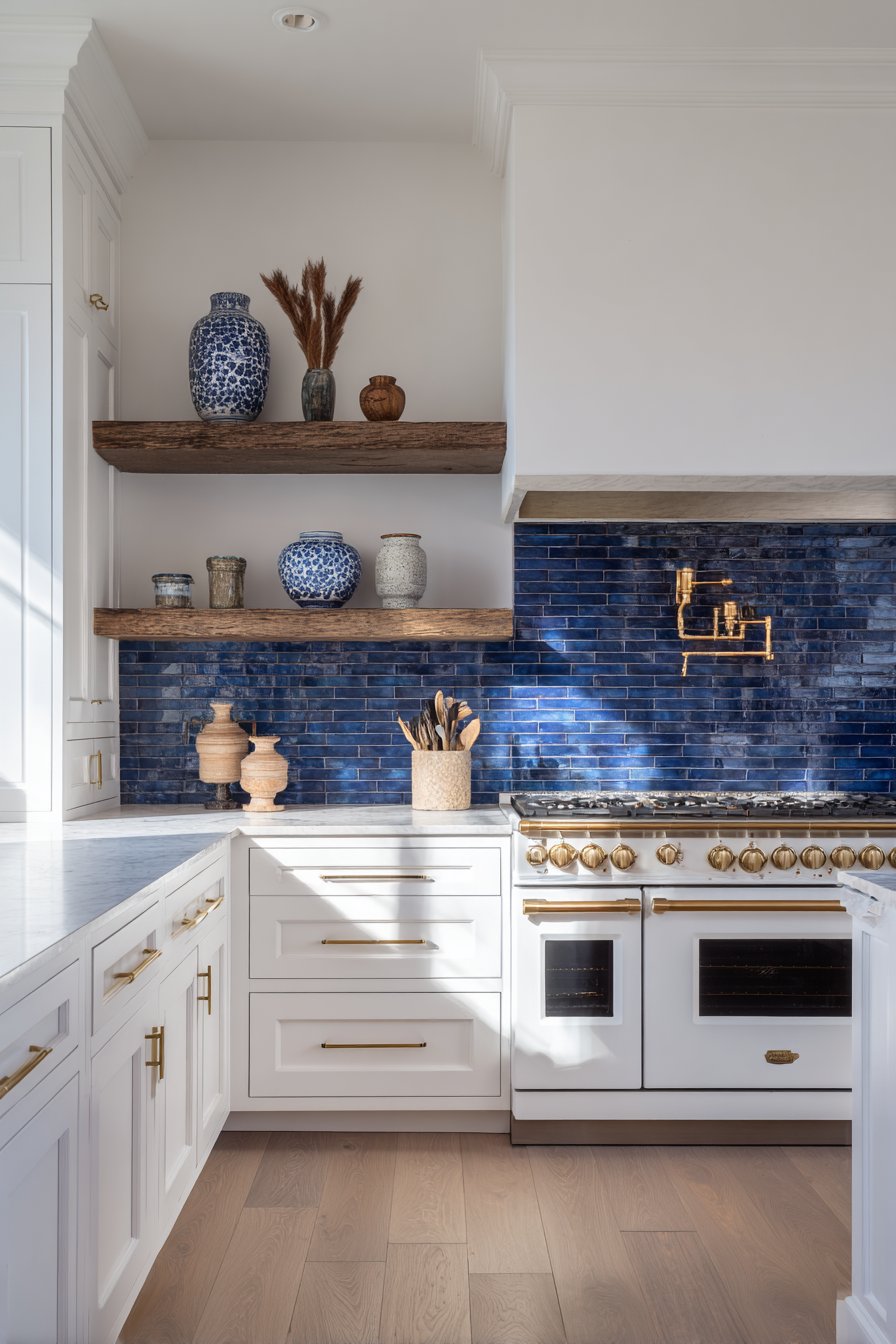
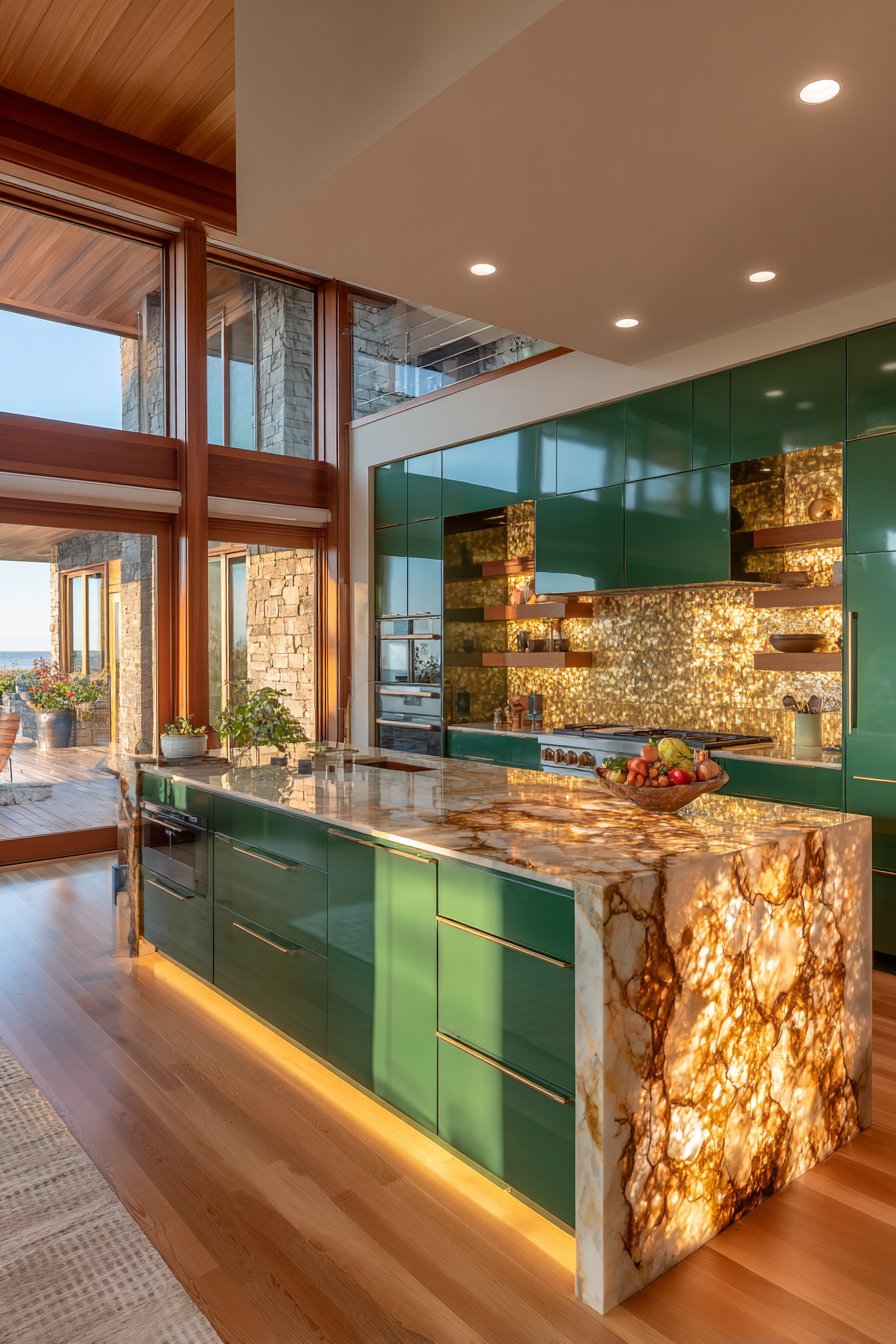
Natural stone slabs used as full-height backsplashes create seamless drama behind ranges or sinks, showcasing unique veining and patterns. Handcrafted tiles from artisan makers bring authentic character and support small businesses while ensuring your backsplash is truly one-of-a-kind. Mixed materials combining wood, metal, and ceramic create unexpected combinations that reflect personal style.
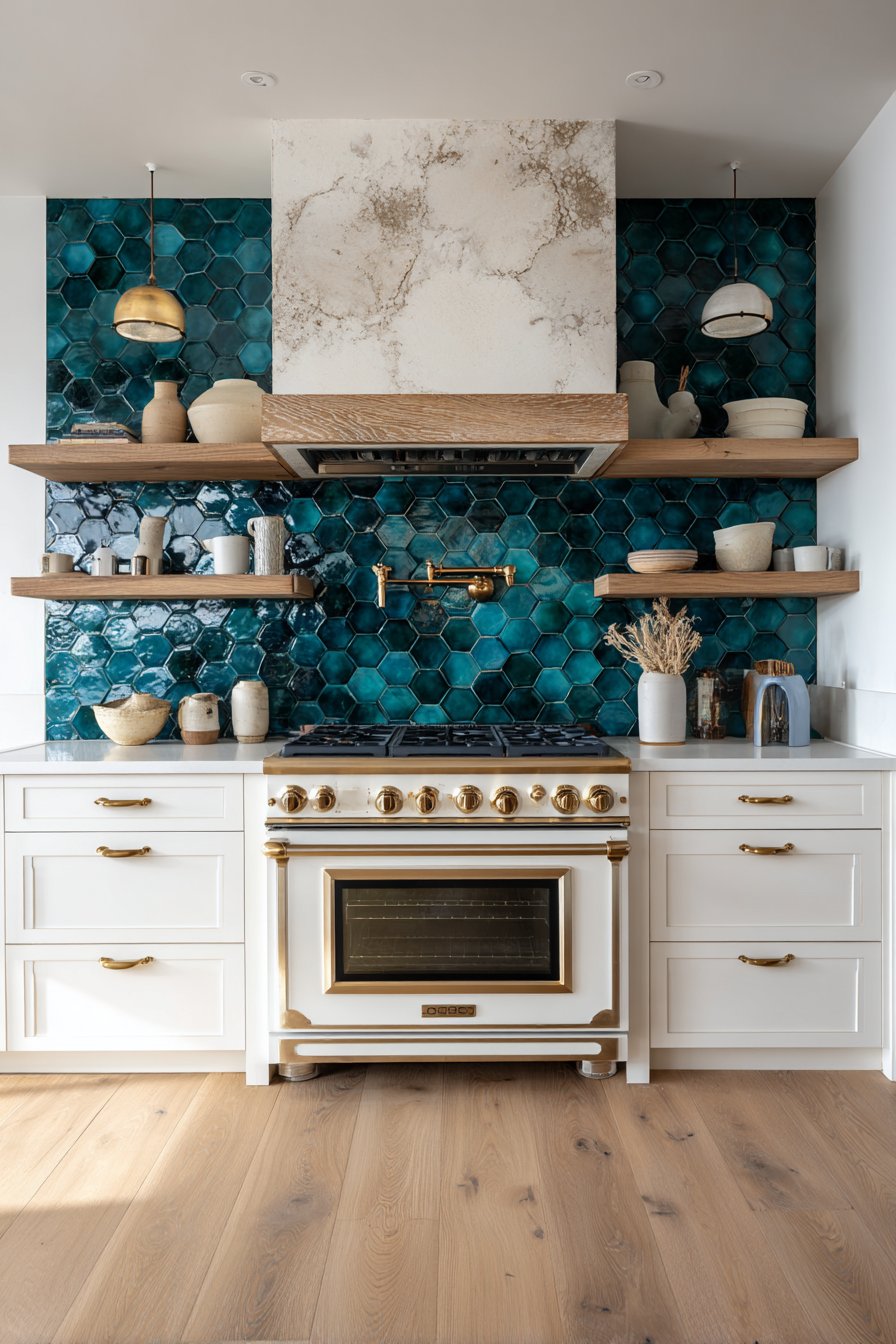
Bold patterns including Moroccan-inspired zellige tiles or encaustic cement tiles infuse kitchens with global influences and rich cultural heritage. Metallic finishes in brass, copper, or stainless steel add reflective surfaces that amplify light and create warmth. These choices allow homeowners to express creativity while maintaining practical durability.
- Extend backsplash to the ceiling for dramatic impact in small kitchens
- Choose materials rated for kitchen use with proper water resistance
- Mix tile shapes like hexagons with subway tiles for custom patterns
- Consider contrasting grout colors to emphasize tile patterns
- Protect artistic backsplashes with proper sealants for longevity
- Budget carefully as custom or artisan tiles carry premium pricing
6. Open Shelving and Glass-Front Cabinets
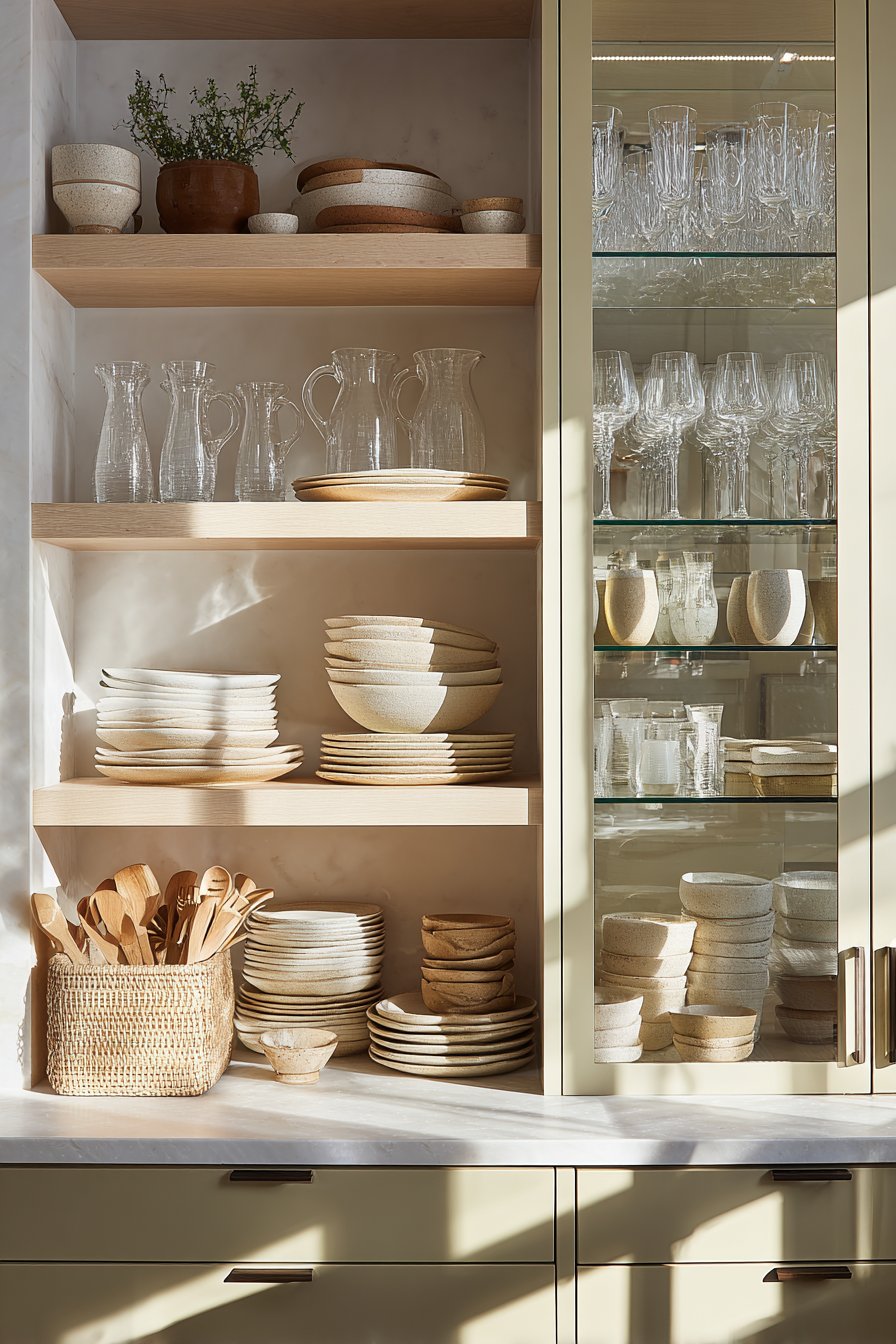
The movement toward open storage solutions reflects a desire for accessibility and visual lightness in kitchen design. Floating shelves create opportunities to display curated collections of dishes, glassware, or decorative objects while keeping frequently used items within easy reach. This approach forces intentional organization and adds personality through the items displayed.
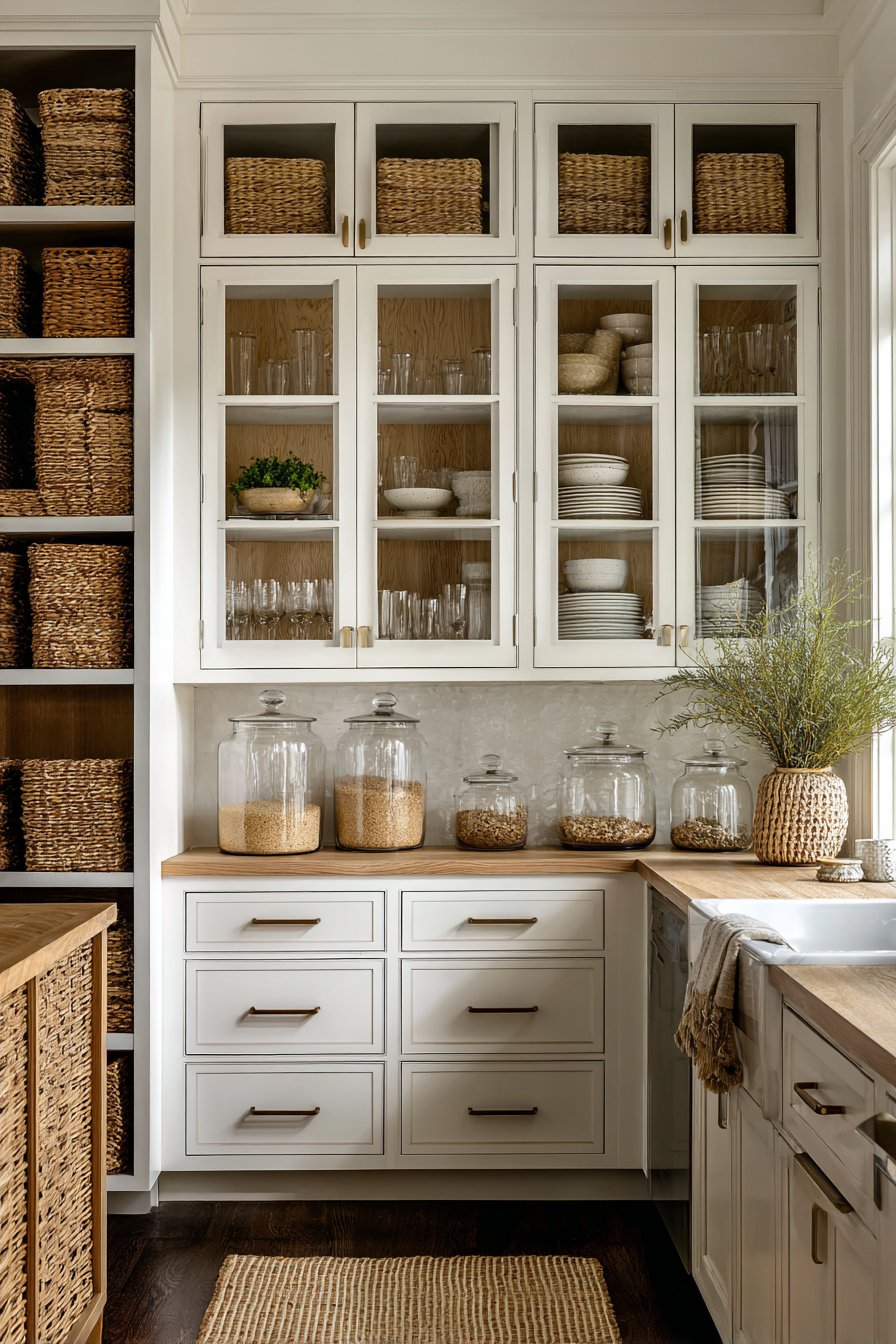
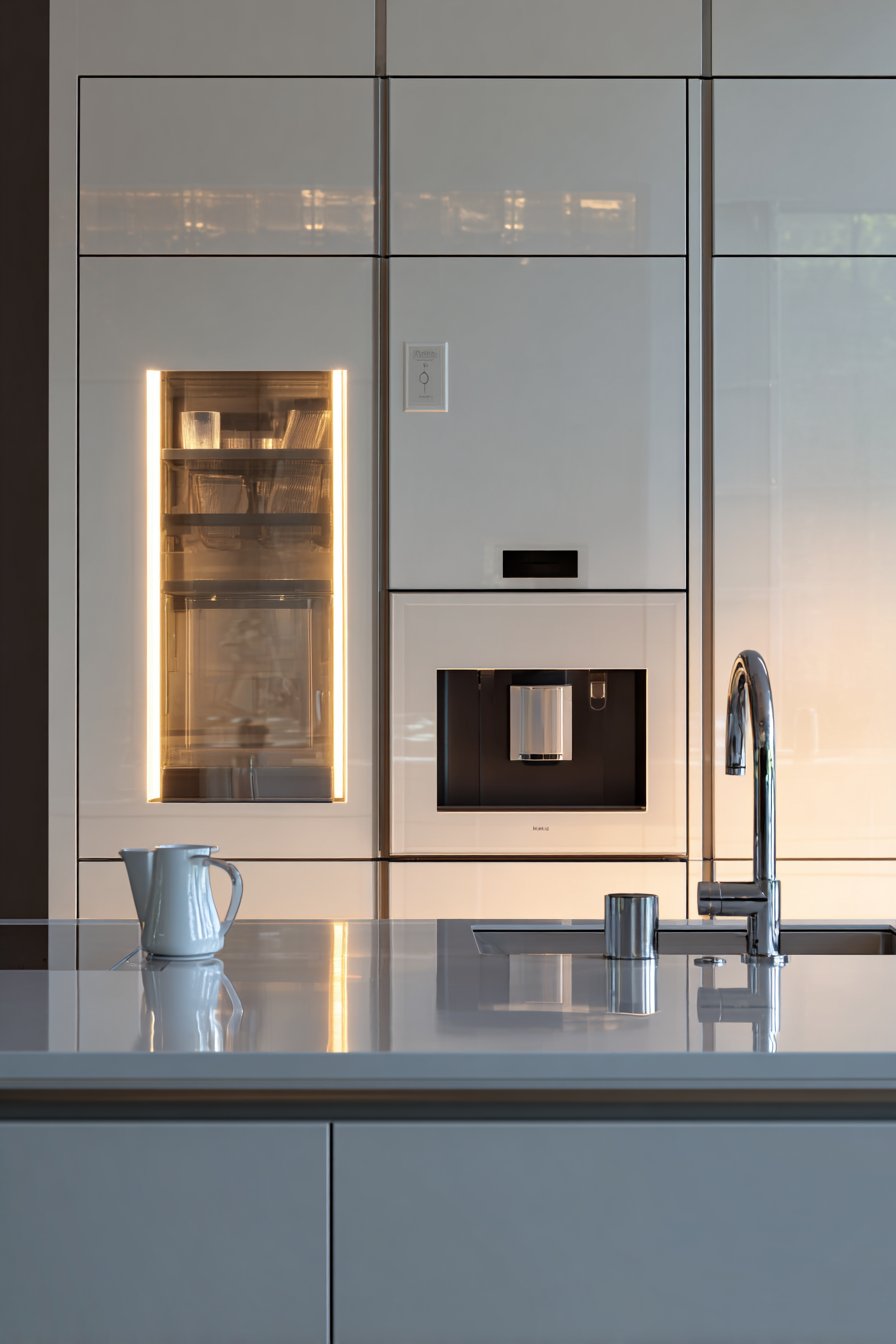
Glass-front upper cabinets offer a middle ground, providing dust protection while maintaining visual openness that prevents kitchens from feeling closed-in or cave-like. Interior cabinet lighting behind glass fronts transforms storage into display opportunities, highlighting beautiful dishware or glassware collections. This combination of form and function has become increasingly popular in contemporary kitchens.
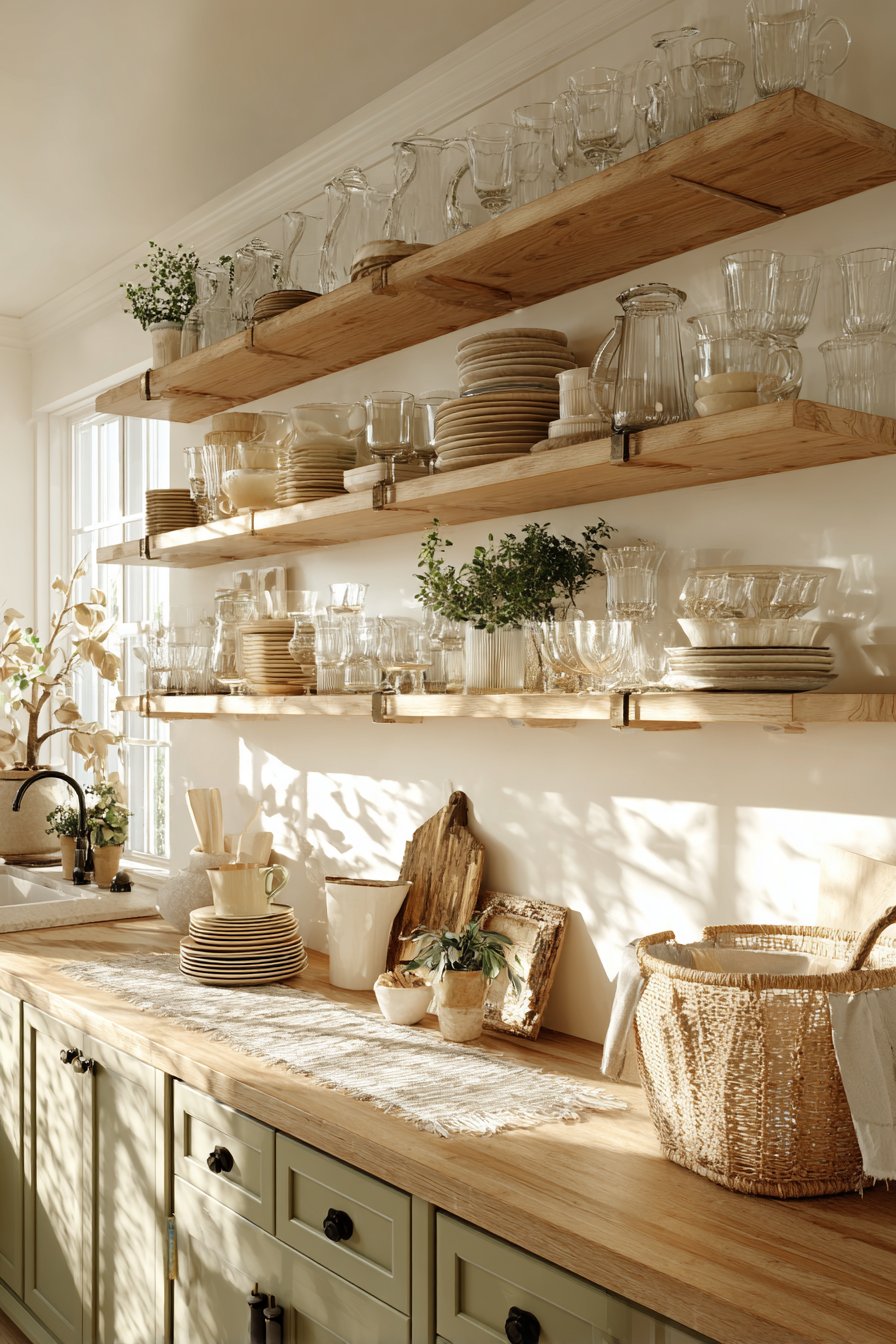
Mixed cabinetry combining closed lower cabinets with open uppers creates balanced storage that addresses both practical needs and aesthetic desires. Strategic placement of open shelving near cooking zones keeps essential items accessible while reducing cabinet door traffic. The key is maintaining organization so open storage enhances rather than clutters the space.
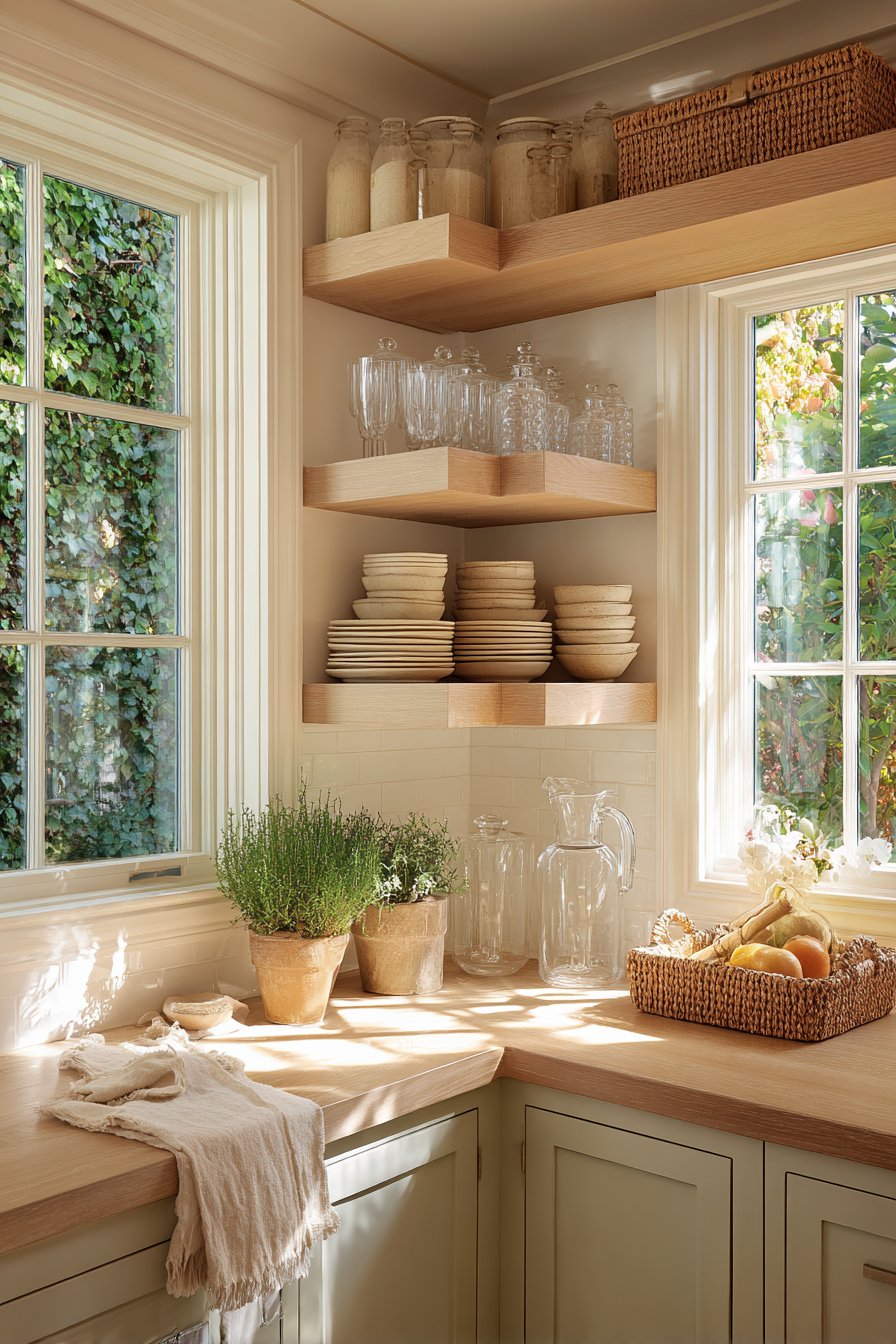
- Limit open shelving to 20-30% of total storage to avoid overwhelm
- Group displayed items by color or size for cohesive visual impact
- Install sturdy brackets rated for at least double the anticipated weight
- Keep daily-use items on lower shelves for easy access
- Style shelves with a mix of functional and decorative pieces
- Commit to regular cleaning as open storage shows dust quickly
7. Integrated Appliances and Hidden Technology
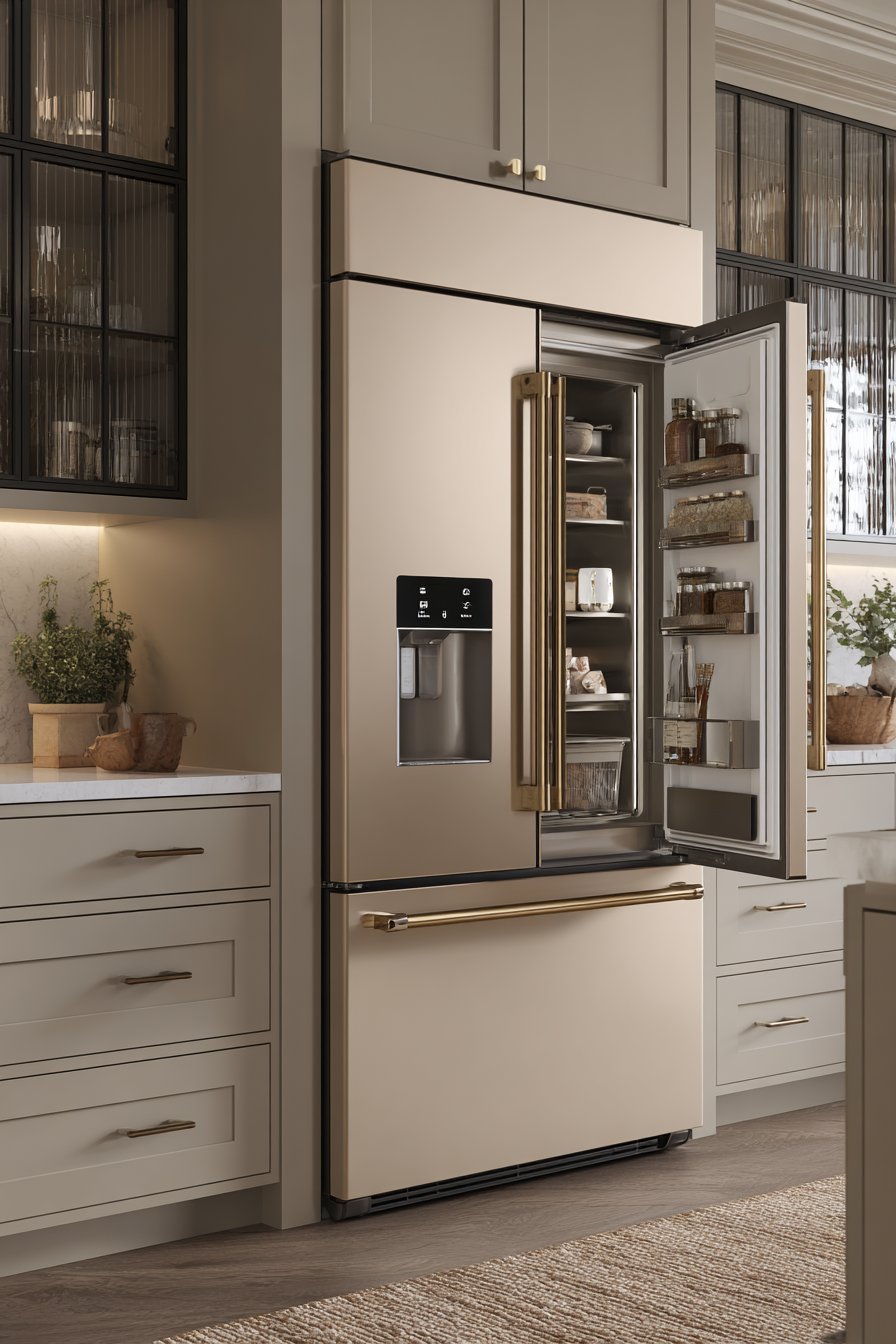
The seamless aesthetic achieved through integrated appliances creates sophisticated, uninterrupted design that prioritizes visual calm. Panel-ready refrigerators, dishwashers, and even range hoods disappear behind cabinetry, maintaining consistent lines throughout the kitchen. This approach creates a furniture-like quality that feels custom and intentional.
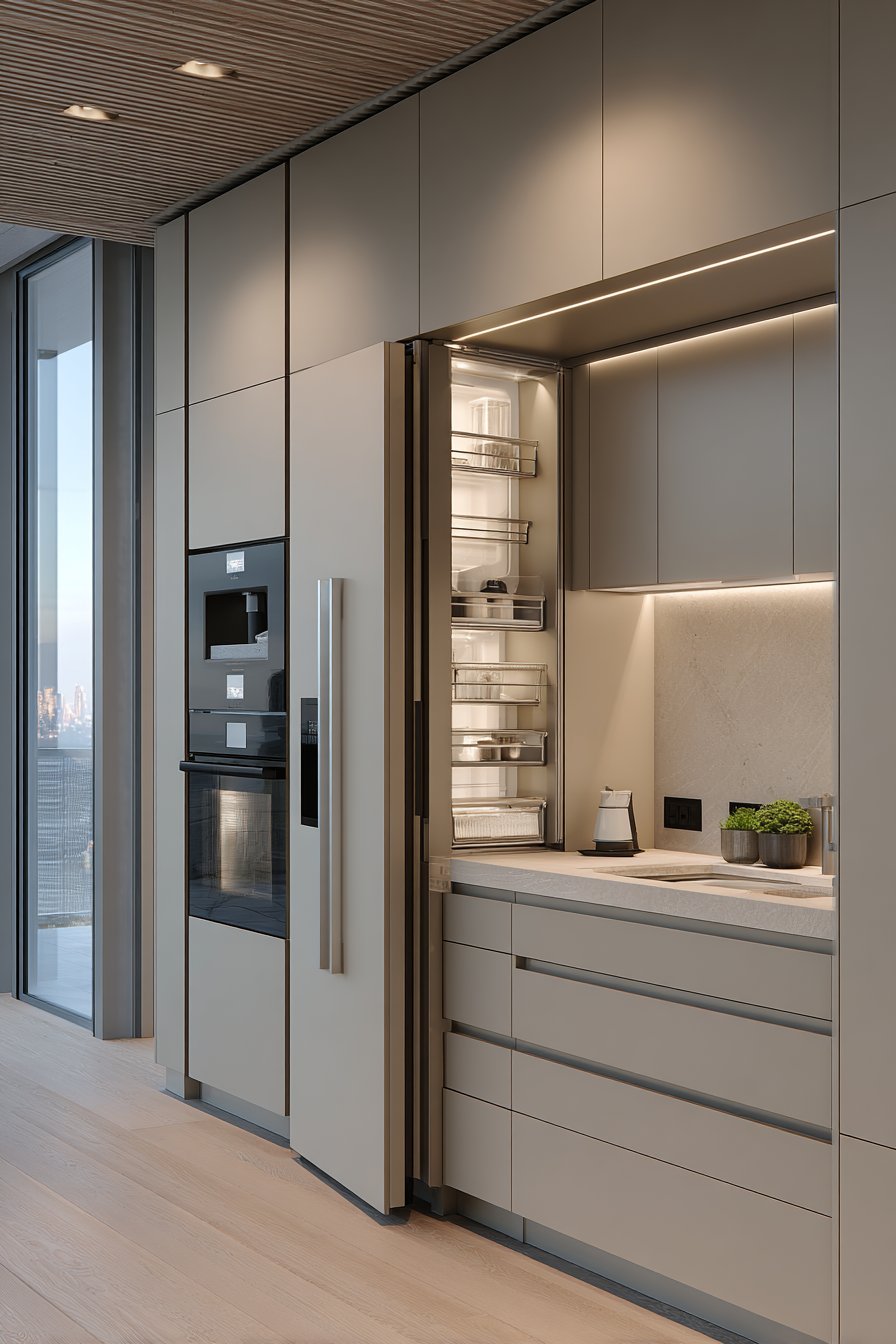
Drawer-style appliances including refrigerator drawers and dishwasher drawers offer flexibility in placement and improve ergonomics by reducing bending. These solutions work particularly well in multifunctional islands or secondary prep areas. Hidden charging stations tucked into drawers keep devices powered without visible cords cluttering countertops.
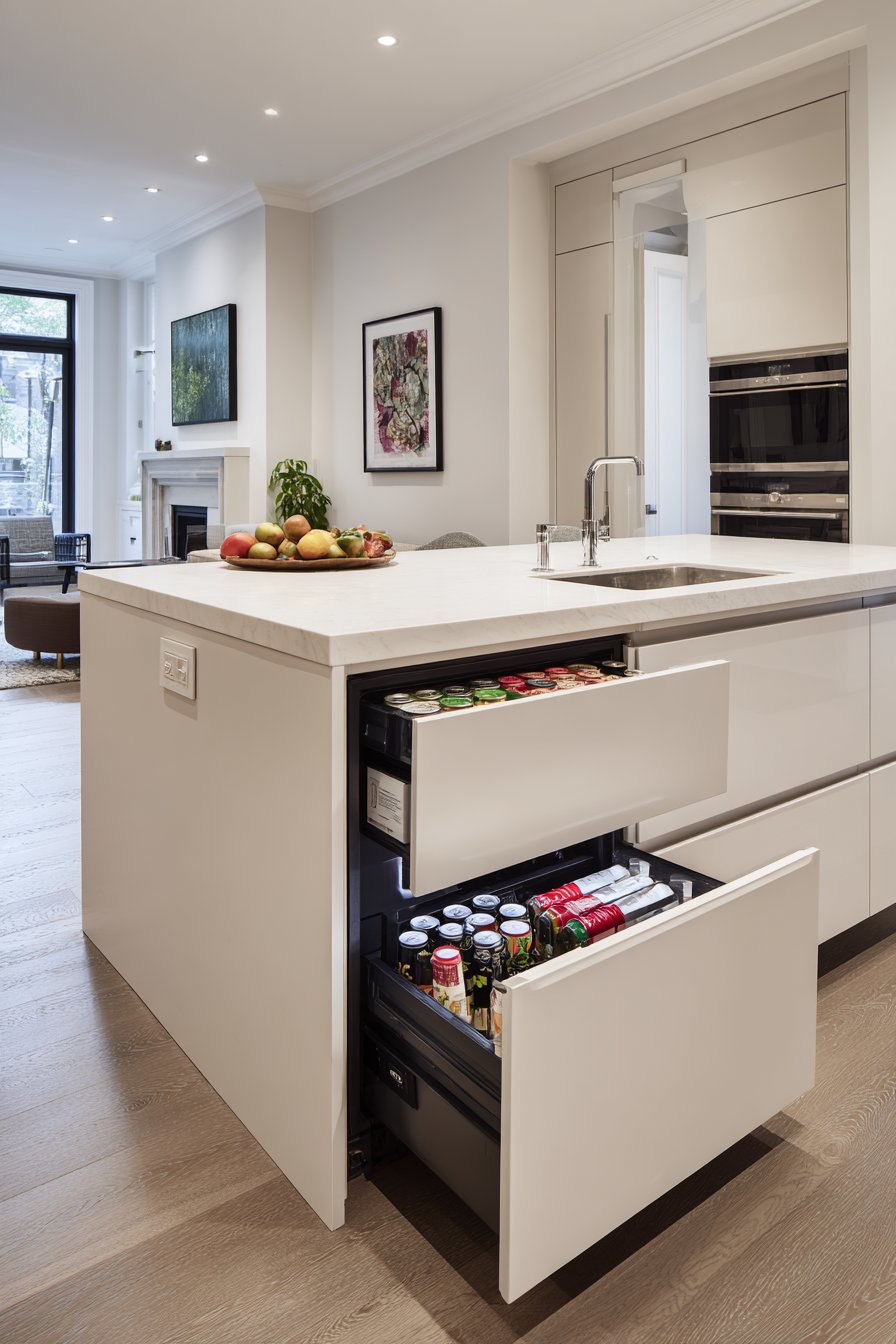
Pop-up outlets and retractable power strips integrated into countertops or islands provide electricity exactly where needed without permanent visual impact. Toe-kick drawers maximize every inch of space, utilizing typically wasted areas beneath base cabinets. These clever solutions demonstrate how technology can enhance function while maintaining clean aesthetics.
- Plan electrical locations during design phase to avoid visible cords
- Choose appliances with custom panel options from manufacturers
- Consider appliance placement carefully as integrated models require adequate ventilation
- Budget for professional installation as panel-ready appliances need precise fitting
- Ensure integrated appliances match cabinet depth for truly seamless appearance
- Explore touch-latch mechanisms to eliminate hardware on panel-front appliances
8. Natural Materials and Organic Elements
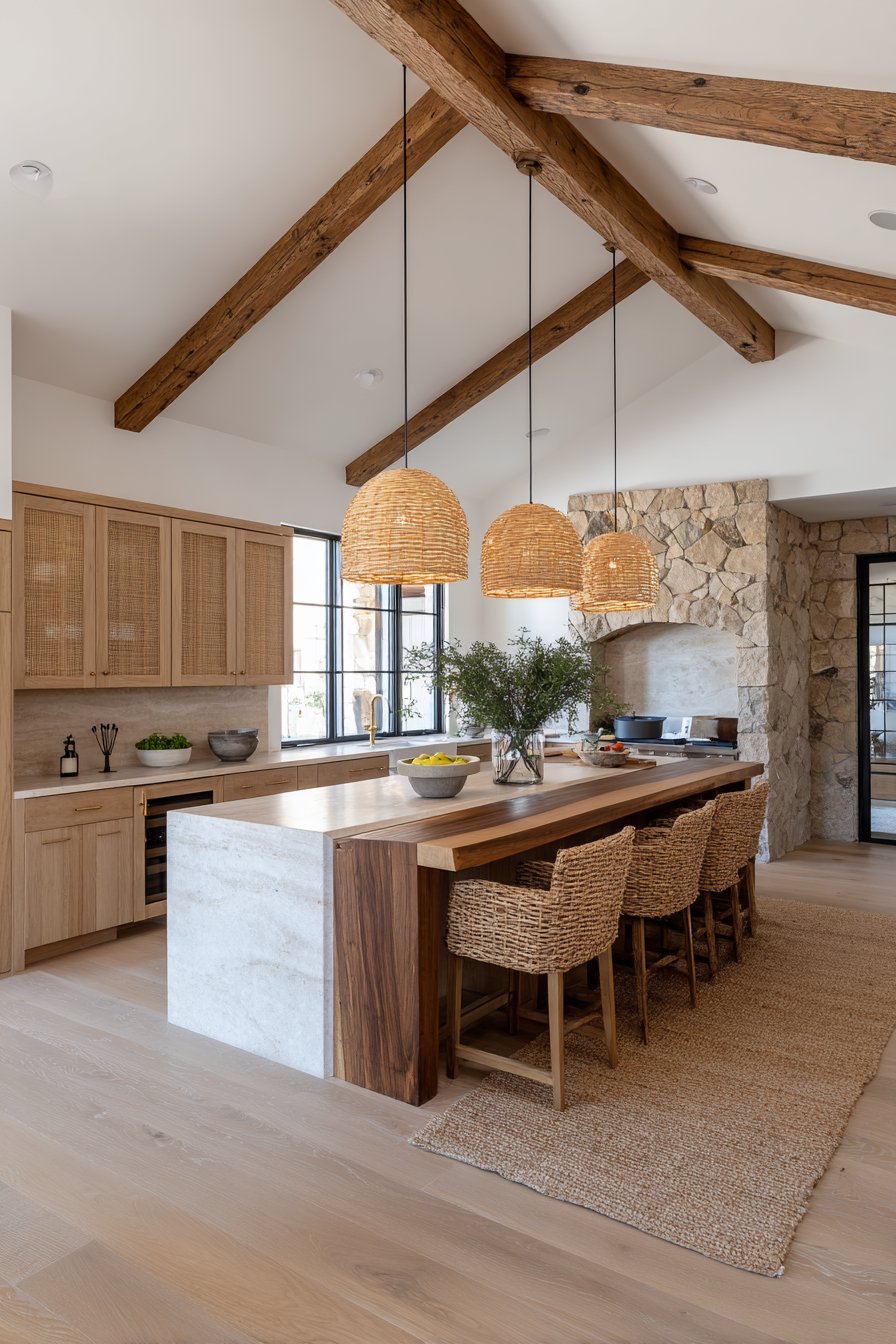
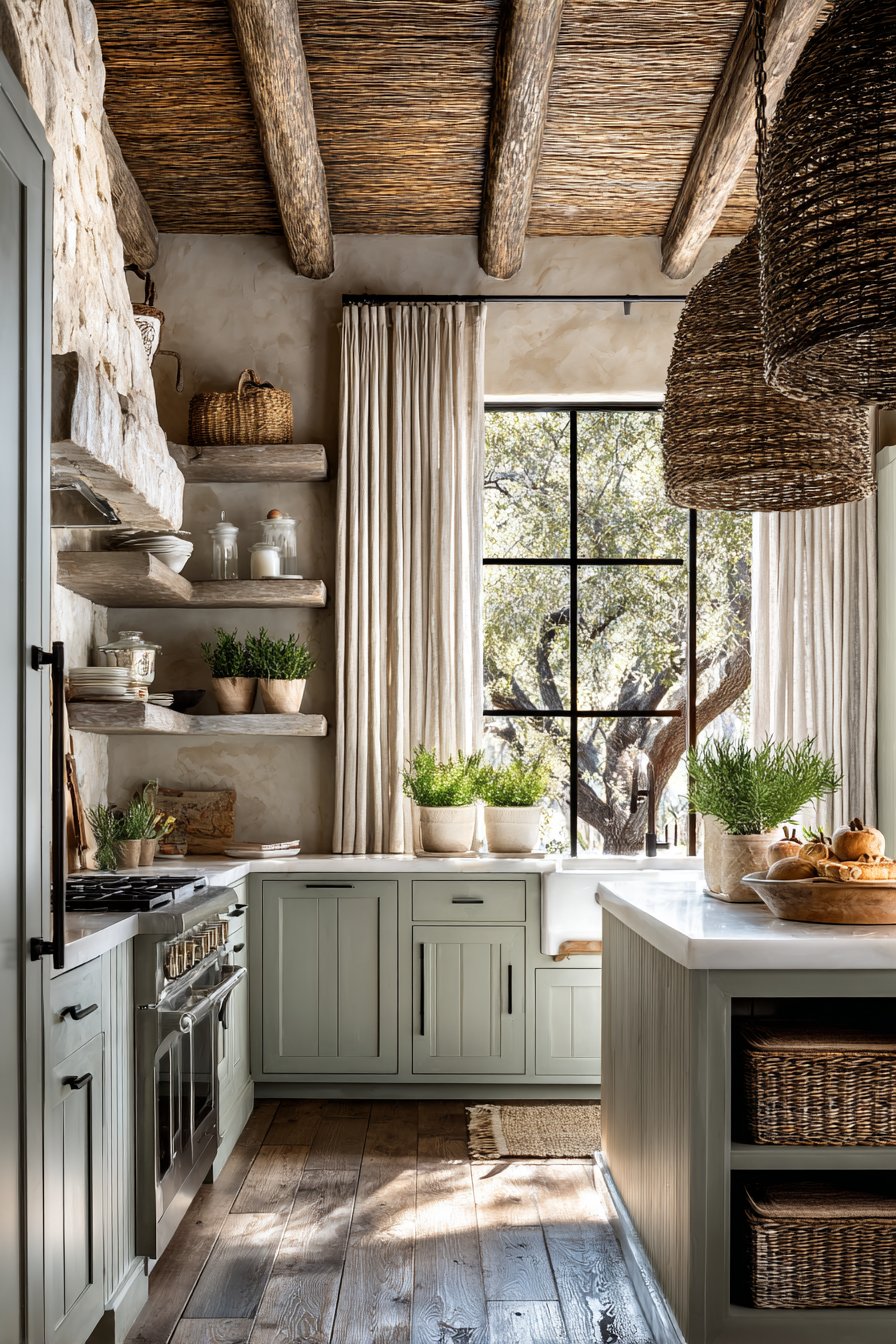
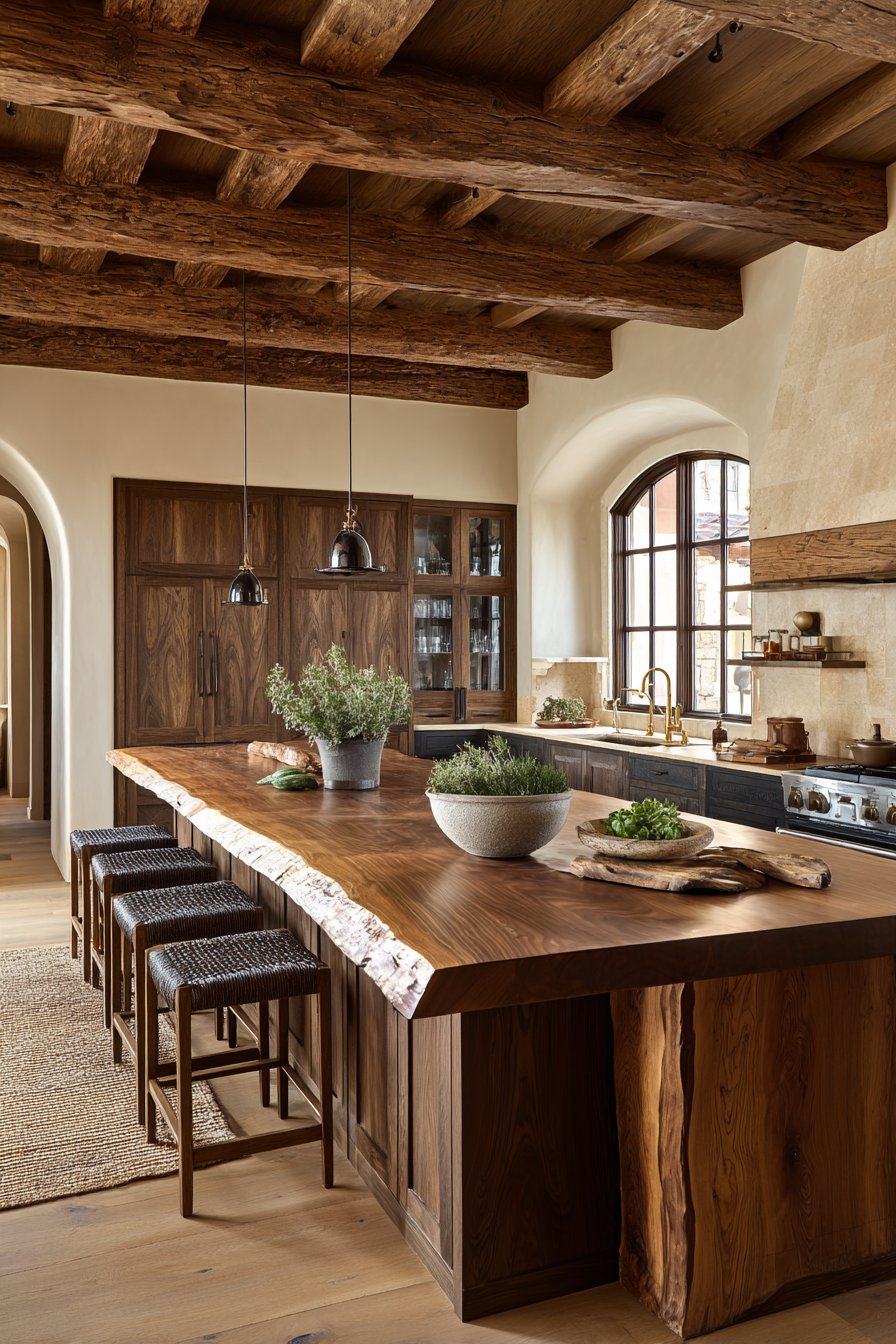
The incorporation of natural materials brings warmth, texture, and connection to nature into kitchen spaces. Wide-plank wood flooring, live-edge countertops, and stone surfaces introduce organic irregularities that feel authentic and grounding. These materials age beautifully, developing character over time rather than showing wear.
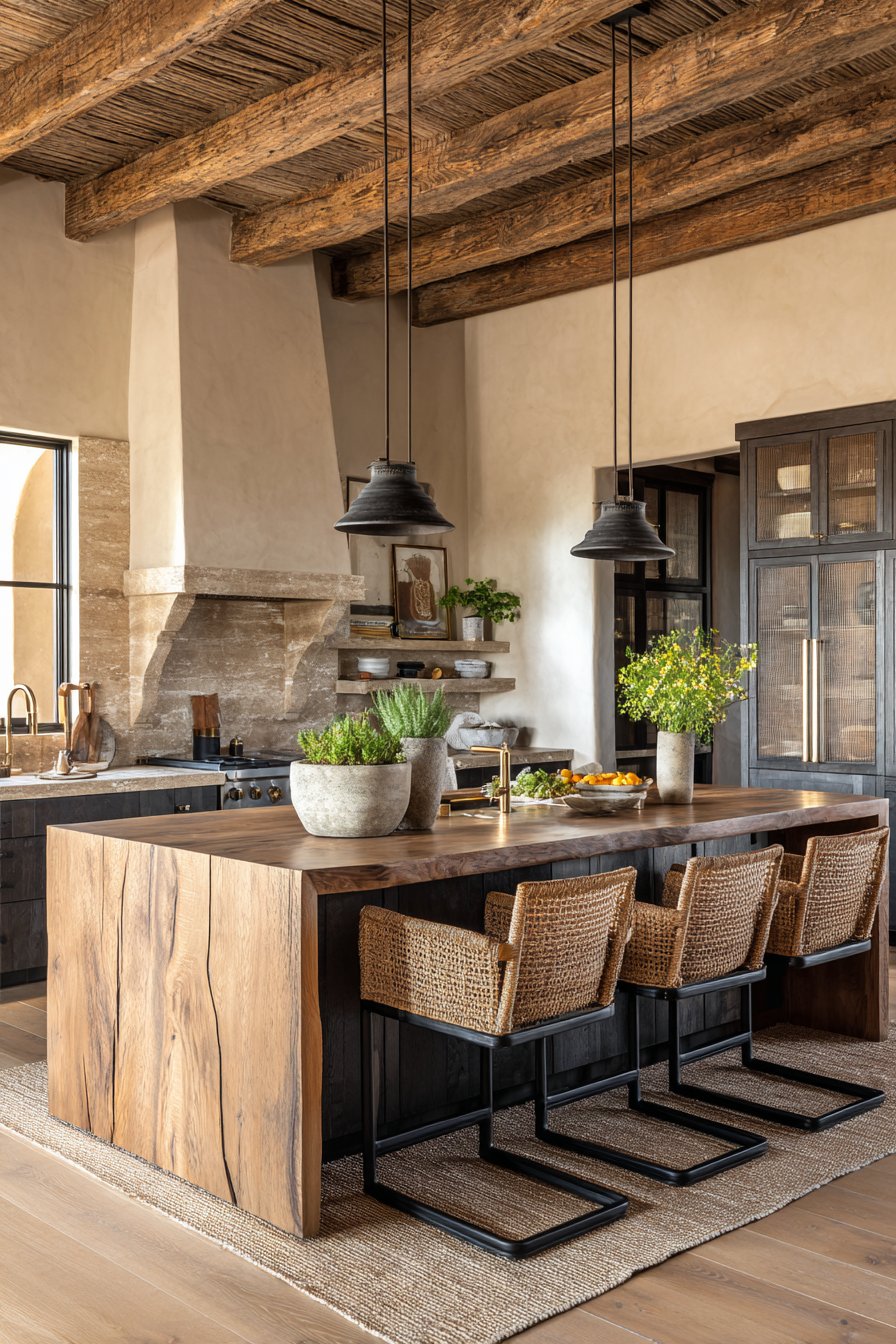
Rattan, wicker, and cane detailing on cabinet doors or bar stools add tactile interest and lighten visual weight in kitchens. Natural fiber rugs and woven light fixtures continue the organic theme while providing practical benefits like sound absorption. The use of unlacquered brass or bronze hardware develops a natural patina that tells the story of your kitchen’s use.
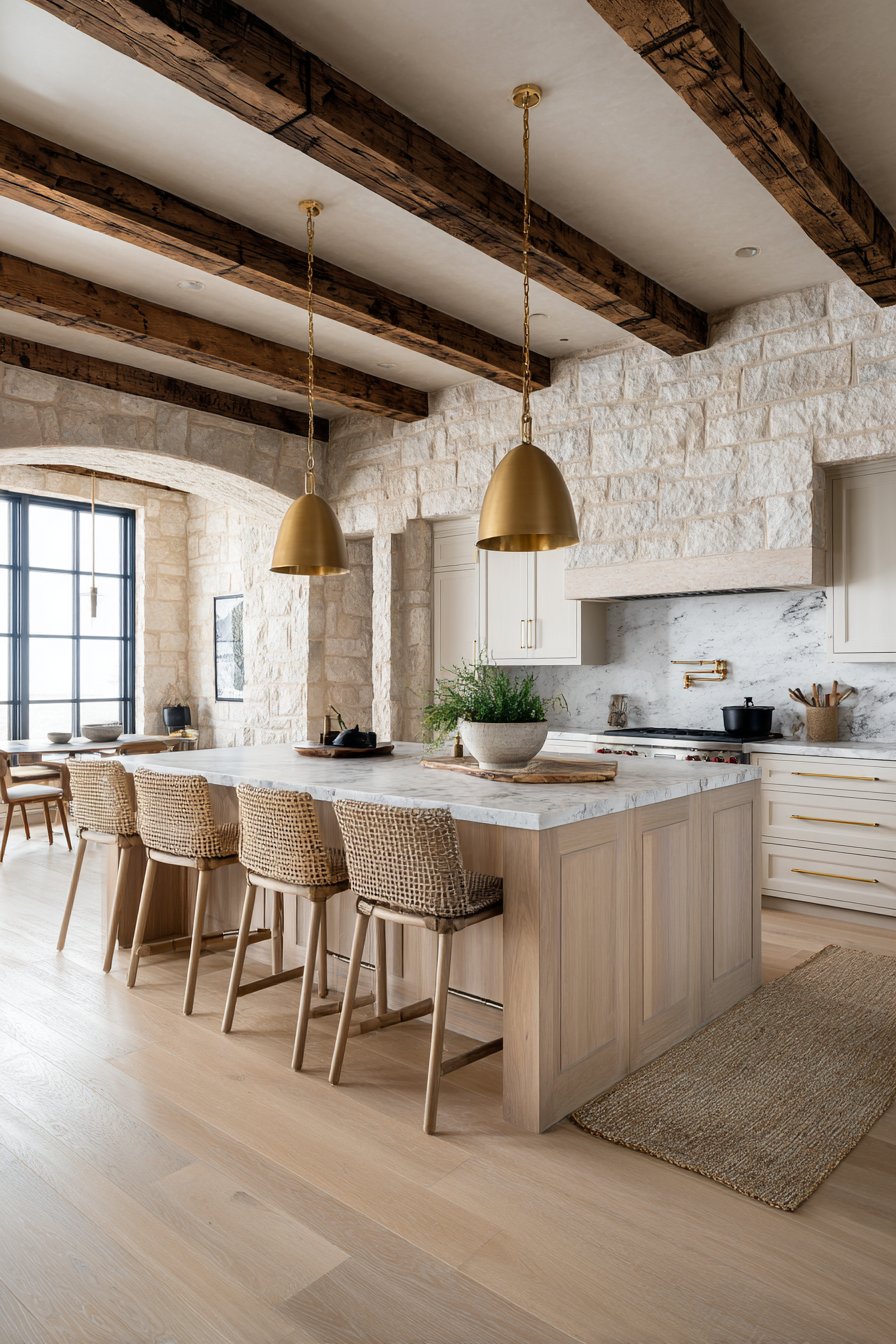
Stone countertops in honed or leathered finishes offer subtle texture that feels more relaxed than polished surfaces while hiding fingerprints and water spots better. Wood beams, whether structural or decorative, add architectural interest and draw the eye upward. These natural elements create kitchens that feel lived-in and welcoming from day one.
- Seal wood and stone properly to protect against moisture and staining
- Mix warm and cool natural materials for depth and balance
- Choose sustainably harvested wood certified by responsible forestry organizations
- Embrace natural variations in materials rather than seeking perfect uniformity
- Layer multiple natural textures for rich, complex design
- Maintain natural materials appropriately to ensure longevity and beauty
Conclusion
The kitchen trends transforming homes in 2026 reflect our evolving needs for sustainable living, enhanced functionality, and personal expression. These eight innovations offer pathways to create spaces that are uniquely yours while embracing forward-thinking design. Whether you implement one trend or combine several, each choice contributes to a kitchen that better serves your lifestyle.
Remember that the best kitchen design balances timeless elements with contemporary touches, ensuring your space remains relevant and beloved for years to come. Start with the trends that resonate most strongly with your needs and aesthetic preferences. Your kitchen should be a place of joy and inspiration, reflecting who you are while supporting how you live.
