


The world of interior design constantly evolves, yet sometimes the most compelling trends emerge from looking backward. Grandmillennial style represents a fascinating rebellion against minimalism and stark modernism. This aesthetic celebrates the charm of traditional design elements reimagined for contemporary living. Young homeowners are embracing chintz, needlepoint, and heirloom pieces with unexpected enthusiasm.
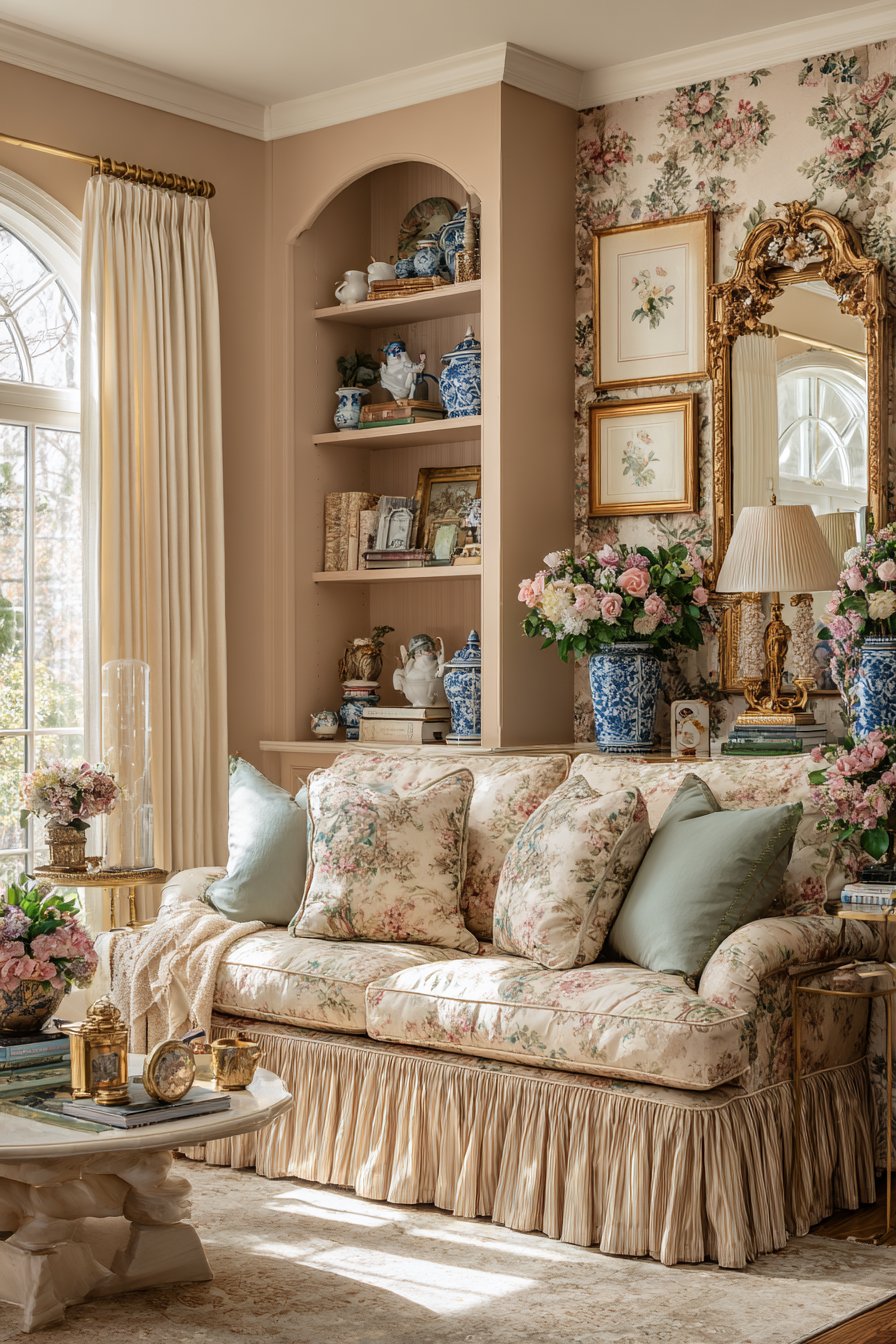
Thoughtful interior design transforms houses into homes that reflect personality and heritage. The grandmillennial movement proves that comfort and elegance need not be mutually exclusive. This style caters to those who appreciate craftsmanship, pattern mixing, and the warmth of lived-in spaces. Whether you’re drawn to vintage finds or classic furniture, this approach offers endless possibilities.
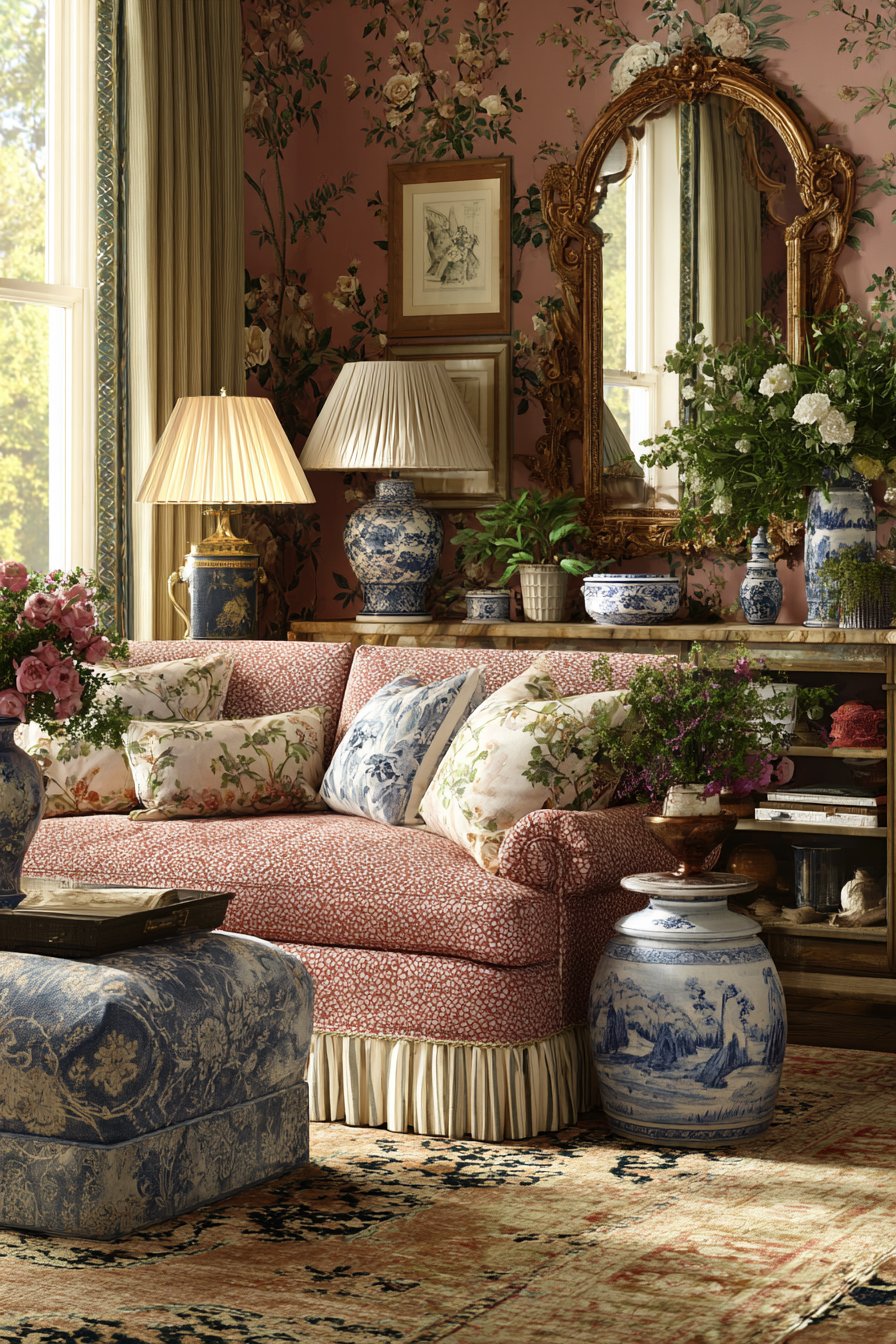
This article explores the defining characteristics of grandmillennial design and practical implementation strategies. We’ll examine pattern coordination, furniture selection, color palettes, and styling techniques that honor tradition. You’ll discover how to balance nostalgic elements with modern functionality for spaces that feel timeless yet fresh.
1. Understanding the Grandmillennial Aesthetic
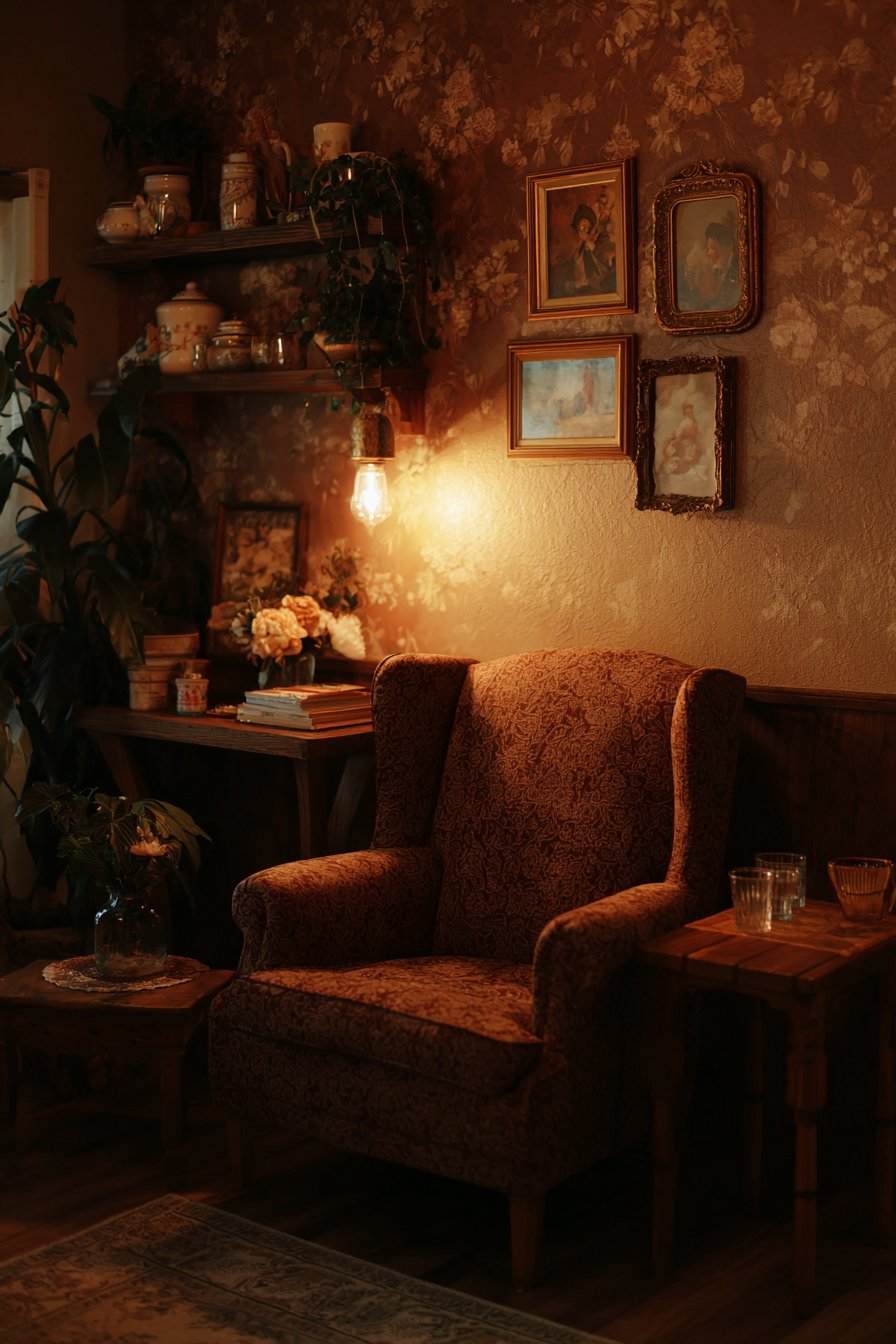
Grandmillennial style, often called “granny chic,” emerged as millennials began appreciating traditional home decor. This movement rejects the cold minimalism dominating recent years. Instead, it celebrates the warmth and character found in grandmother’s homes. The aesthetic values quality craftsmanship, sentimental objects, and patterns that previous generations cherished.
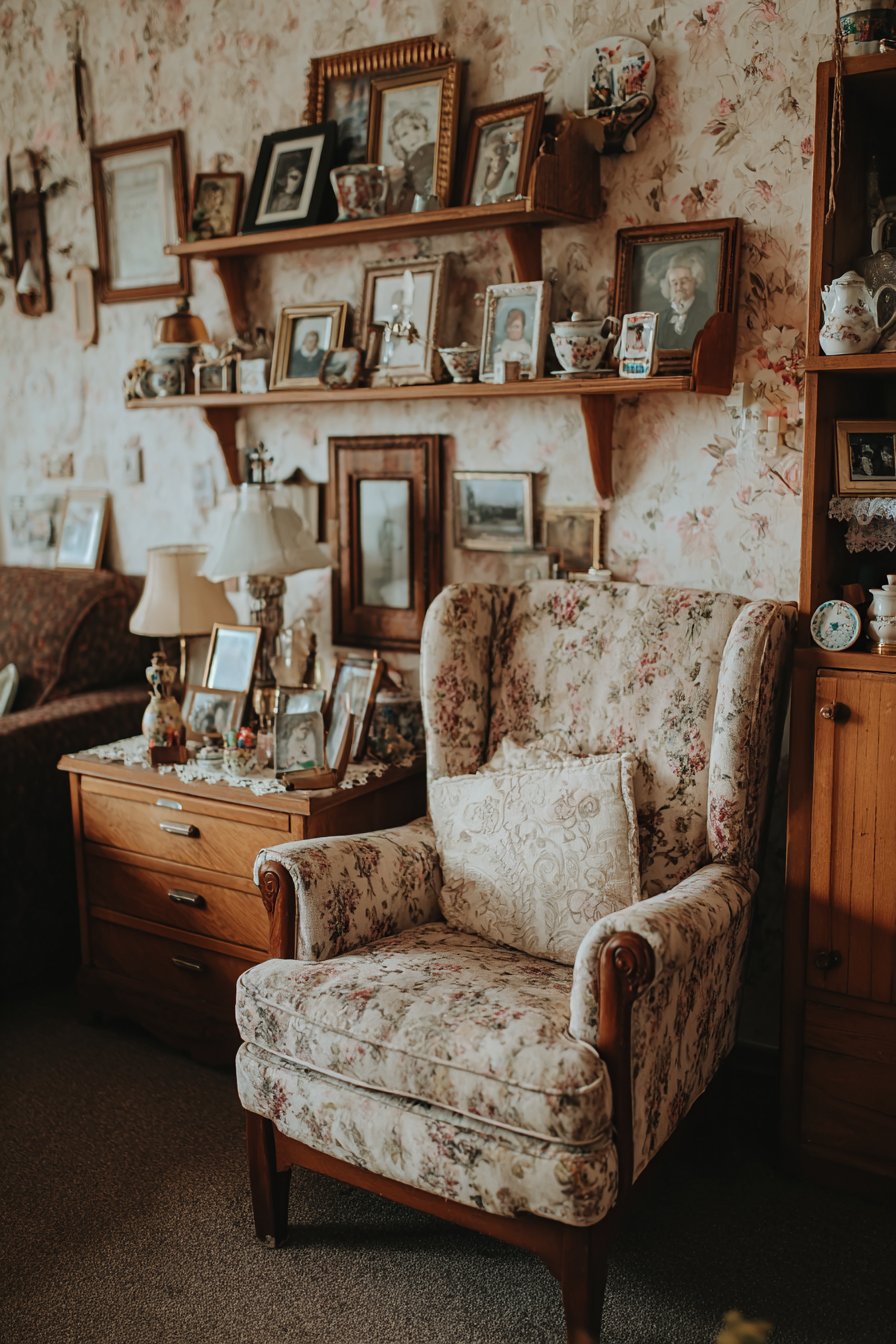
This design philosophy embraces maximalism with intention and sophistication. Unlike cluttered spaces, grandmillennial interiors feature curated collections of meaningful items. Floral wallpapers, ruffled lampshades, and needlepoint pillows create layered, inviting environments. The style honors heritage while adapting classic elements for modern lifestyles and sensibilities.
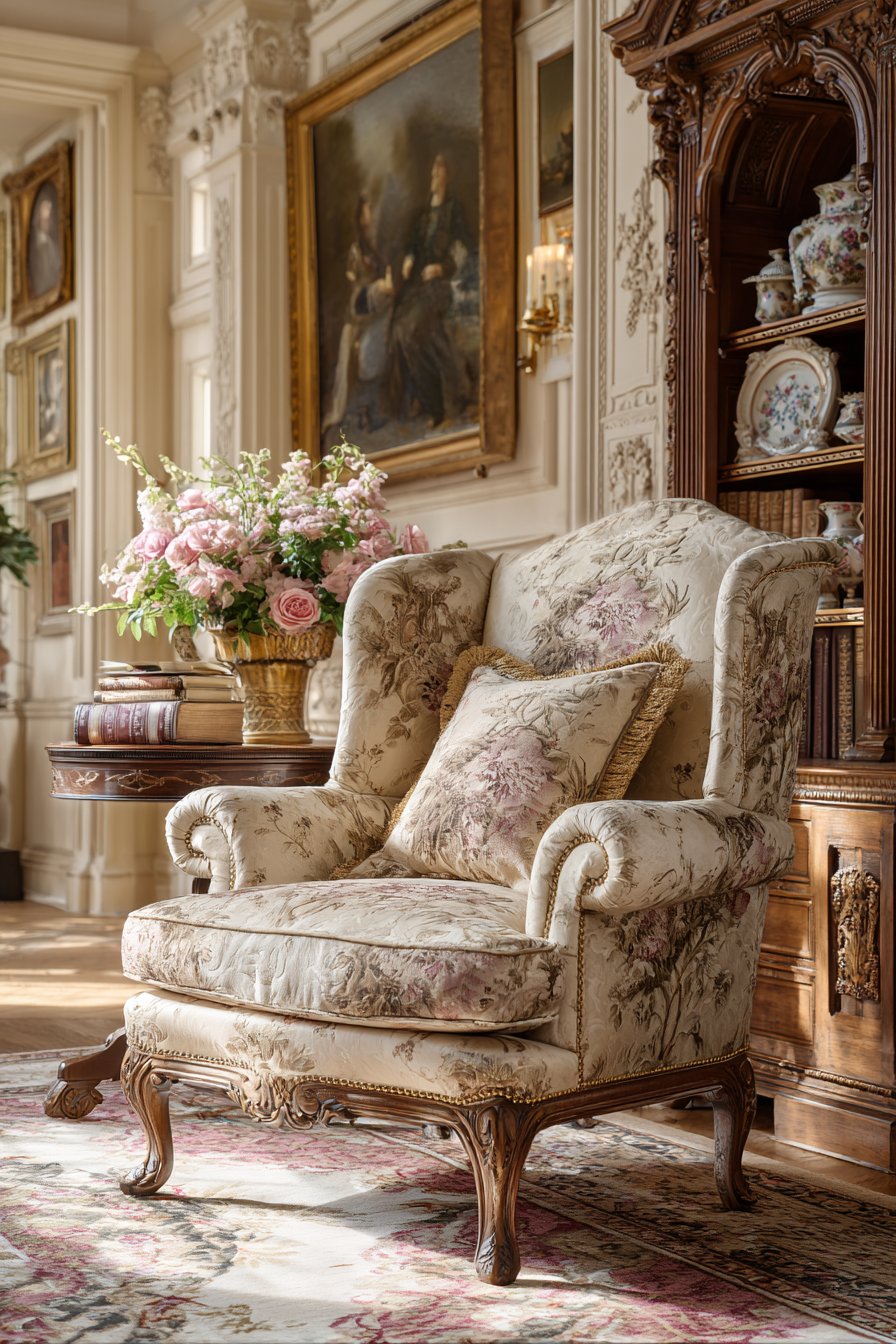
The appeal lies in creating spaces that feel established and lived-in rather than staged. Grandmillennial design provides an emotional connection to the past without feeling dated. This approach particularly resonates with those seeking authenticity in an increasingly digital world. Homes become repositories of stories, memories, and timeless beauty that transcend fleeting trends.
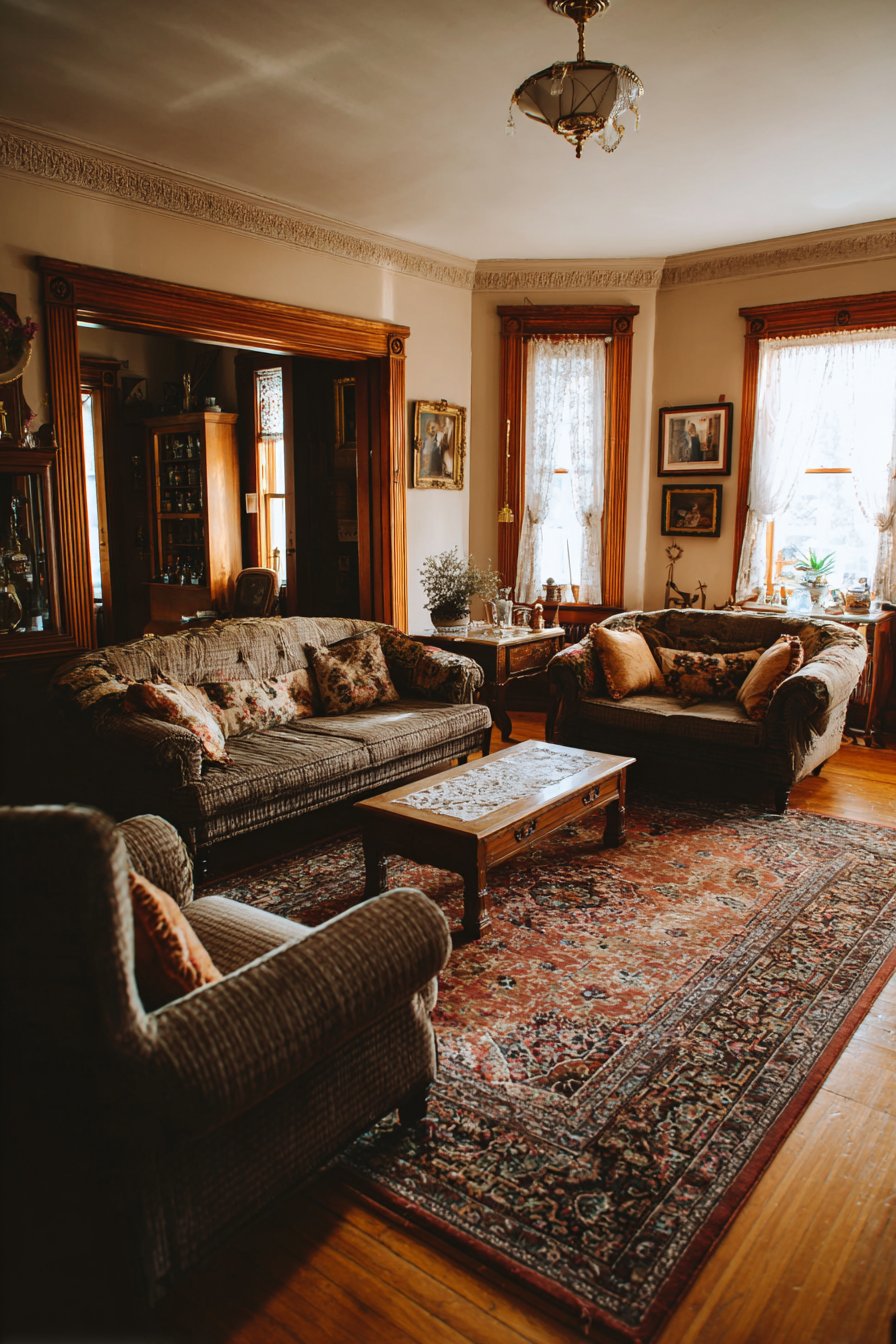
- Incorporate heirloom furniture pieces or antique finds as focal points
- Mix traditional patterns like chintz, toile, and damask confidently
- Display collections of vintage items on open shelving or mantels
- Choose furniture with classic silhouettes and quality construction
- Add personal touches through family photos in ornate frames
- Embrace imperfection and patina as markers of authenticity
2. Mastering Pattern and Print Coordination
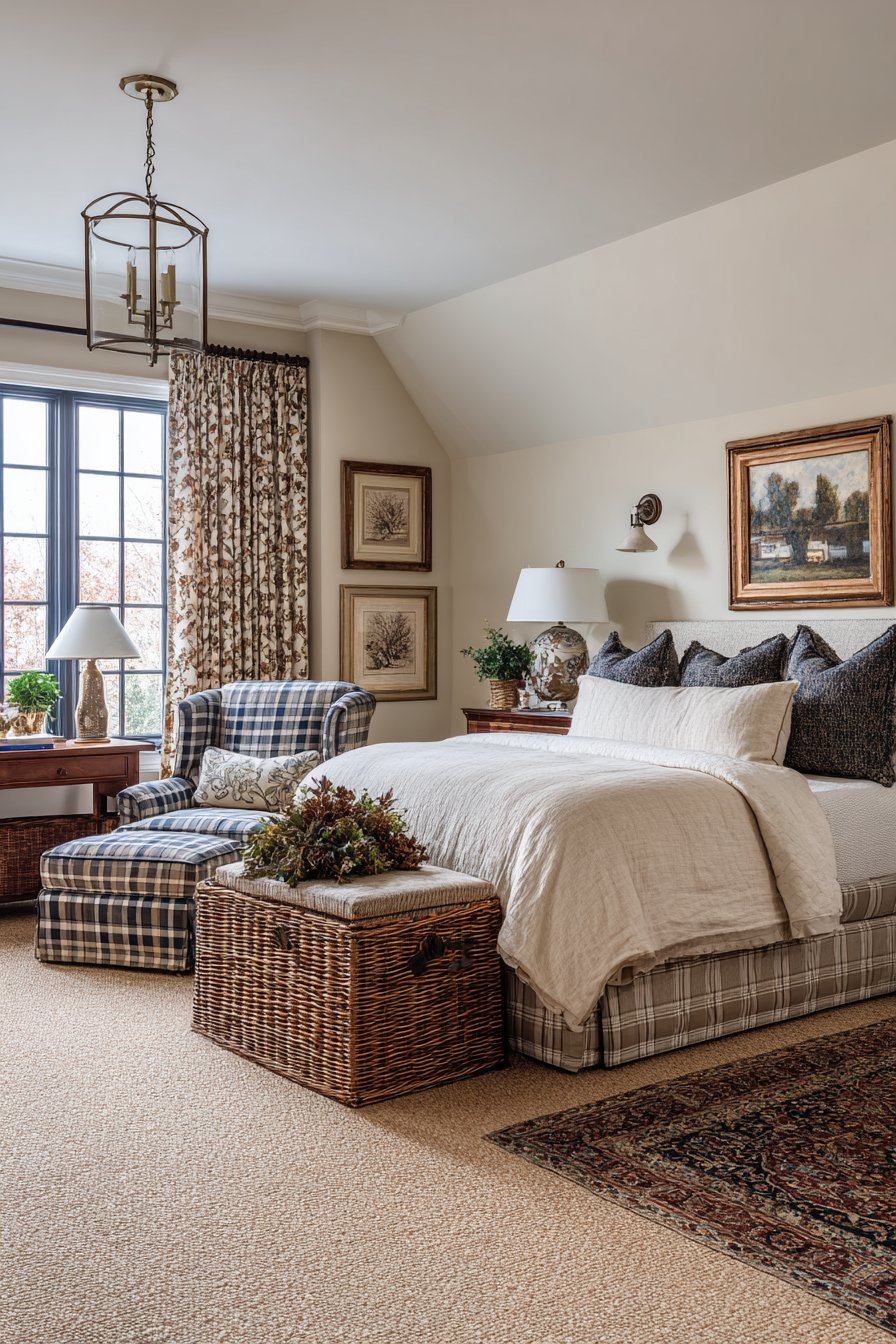
Pattern mixing defines grandmillennial interiors and distinguishes them from safe, monochromatic schemes. The key involves selecting prints that share a common color palette. Florals, stripes, plaids, and geometrics coexist harmoniously when properly coordinated. This layered approach creates visual interest without overwhelming the senses or appearing chaotic.
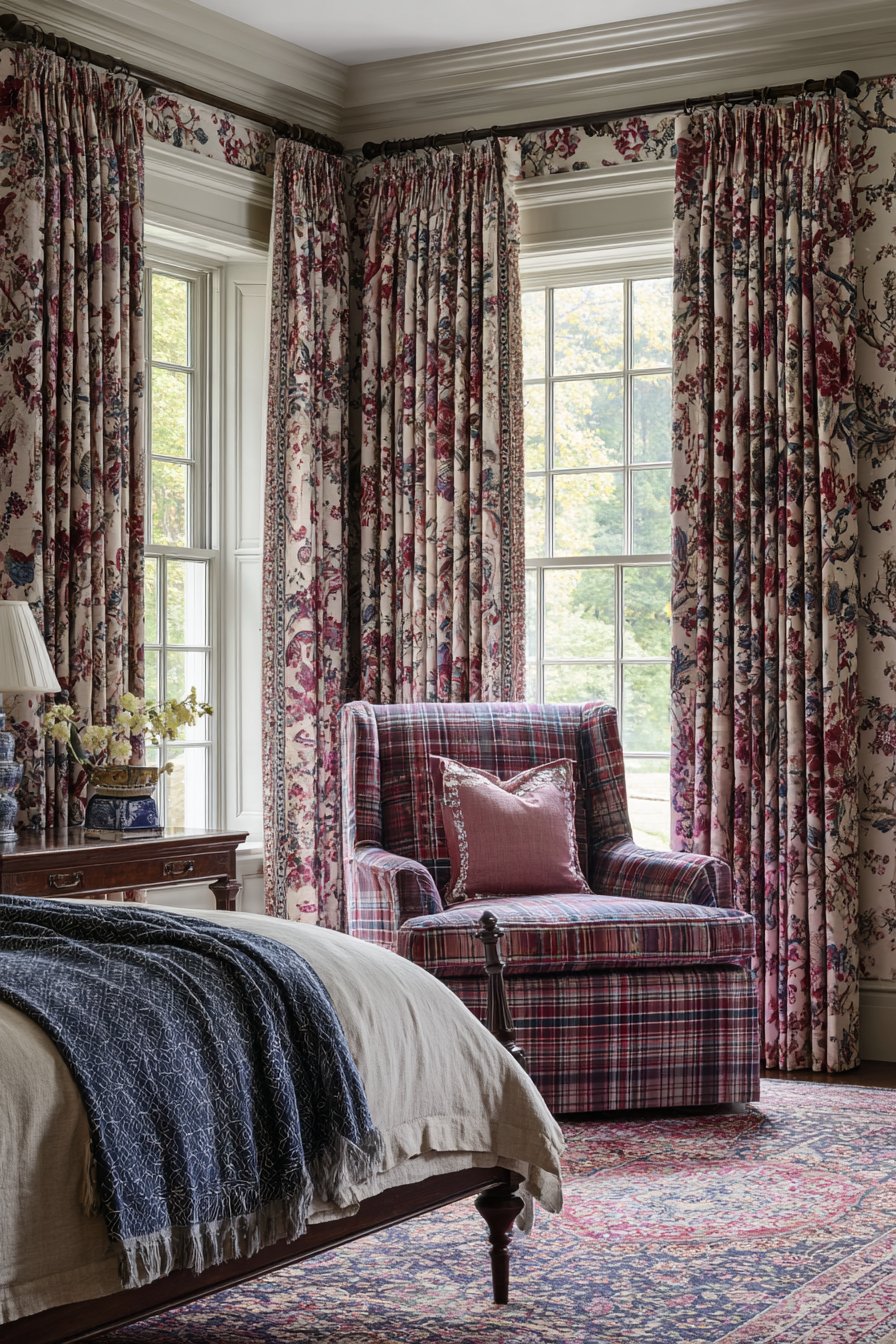
Start with a dominant pattern that sets the room’s tone and color direction. This might be bold floral wallpaper or a chintz sofa fabric that anchors the space. Secondary patterns should complement in smaller doses through pillows, curtains, or accent chairs. Varying the scale of patterns prevents visual competition and creates sophisticated depth throughout the room.
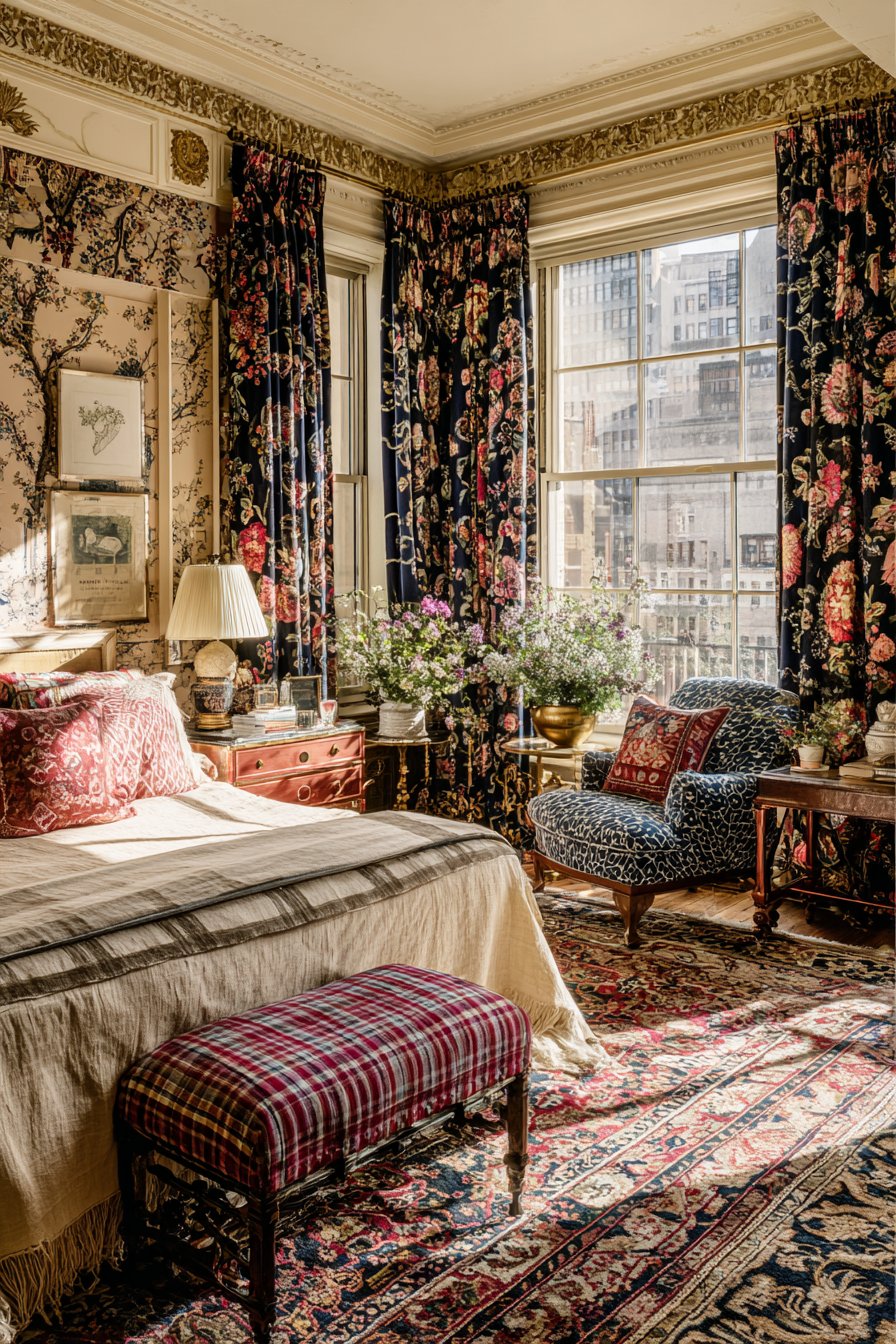
Balance busy patterns with solid colors and textured neutrals for breathing room. White or cream linen fabrics provide relief between patterned pieces. Traditional oriental rugs often serve as unifying elements that tie disparate patterns together. The goal is achieving a collected-over-time appearance rather than perfectly matched sets from a single retailer.
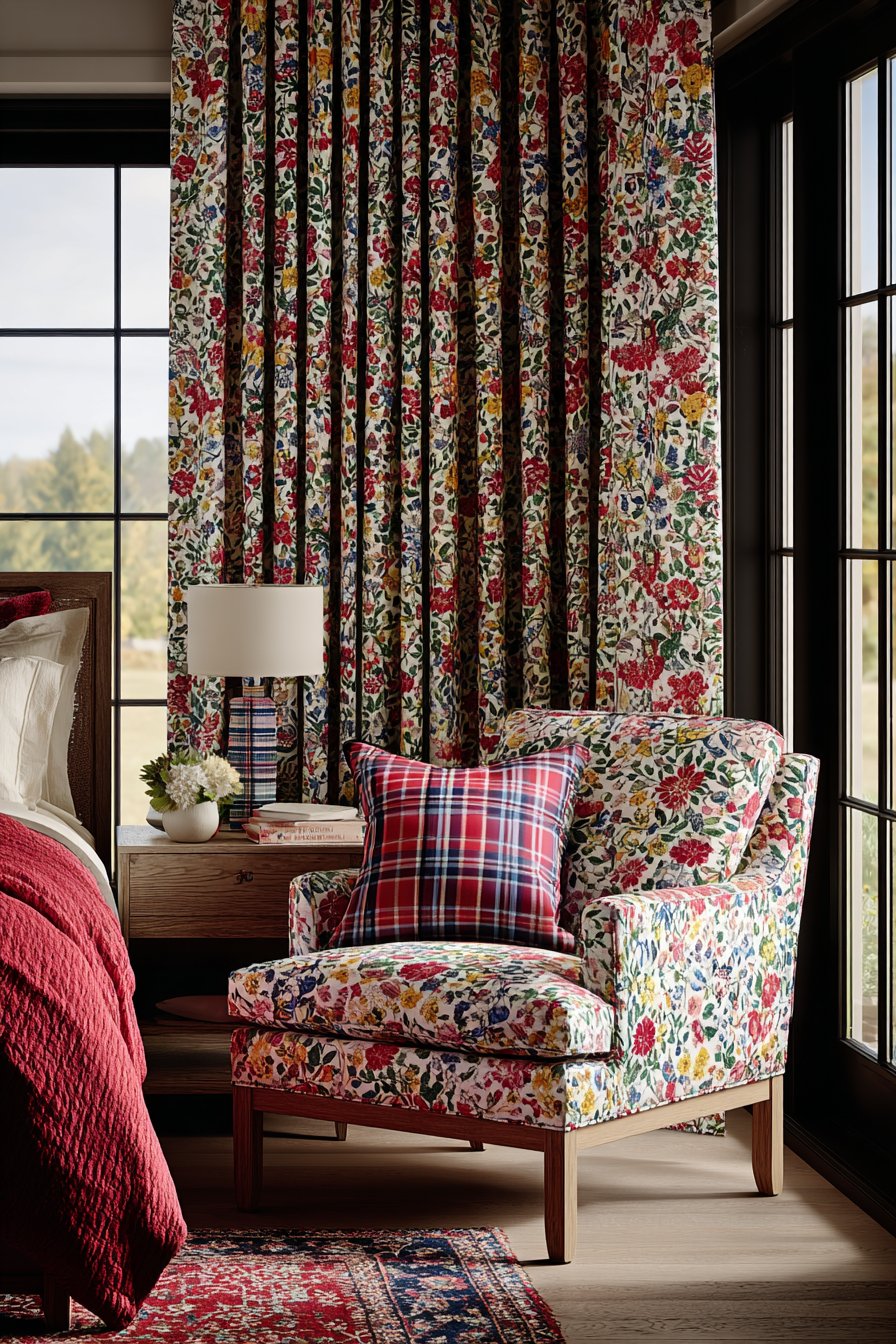
- Choose patterns sharing at least two colors from your palette
- Vary pattern scales from large florals to small ditsy prints
- Include at least one stripe or geometric for balance
- Use solid fabrics in coordinating colors as visual anchors
- Test pattern combinations by placing fabric swatches together
- Consider traditional toile or chinoiserie for authentic grandmillennial flavor
3. Selecting Furniture with Traditional Silhouettes
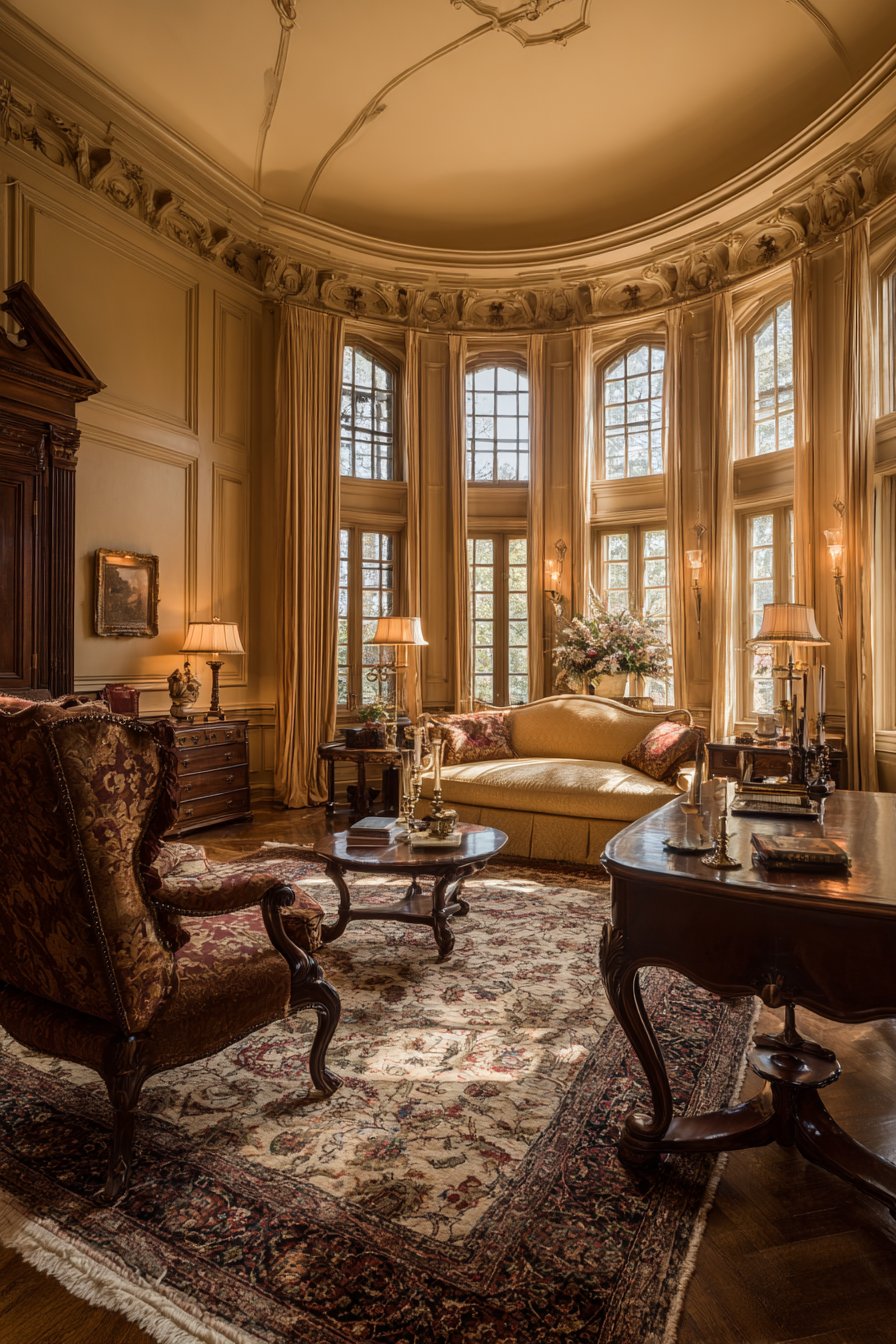
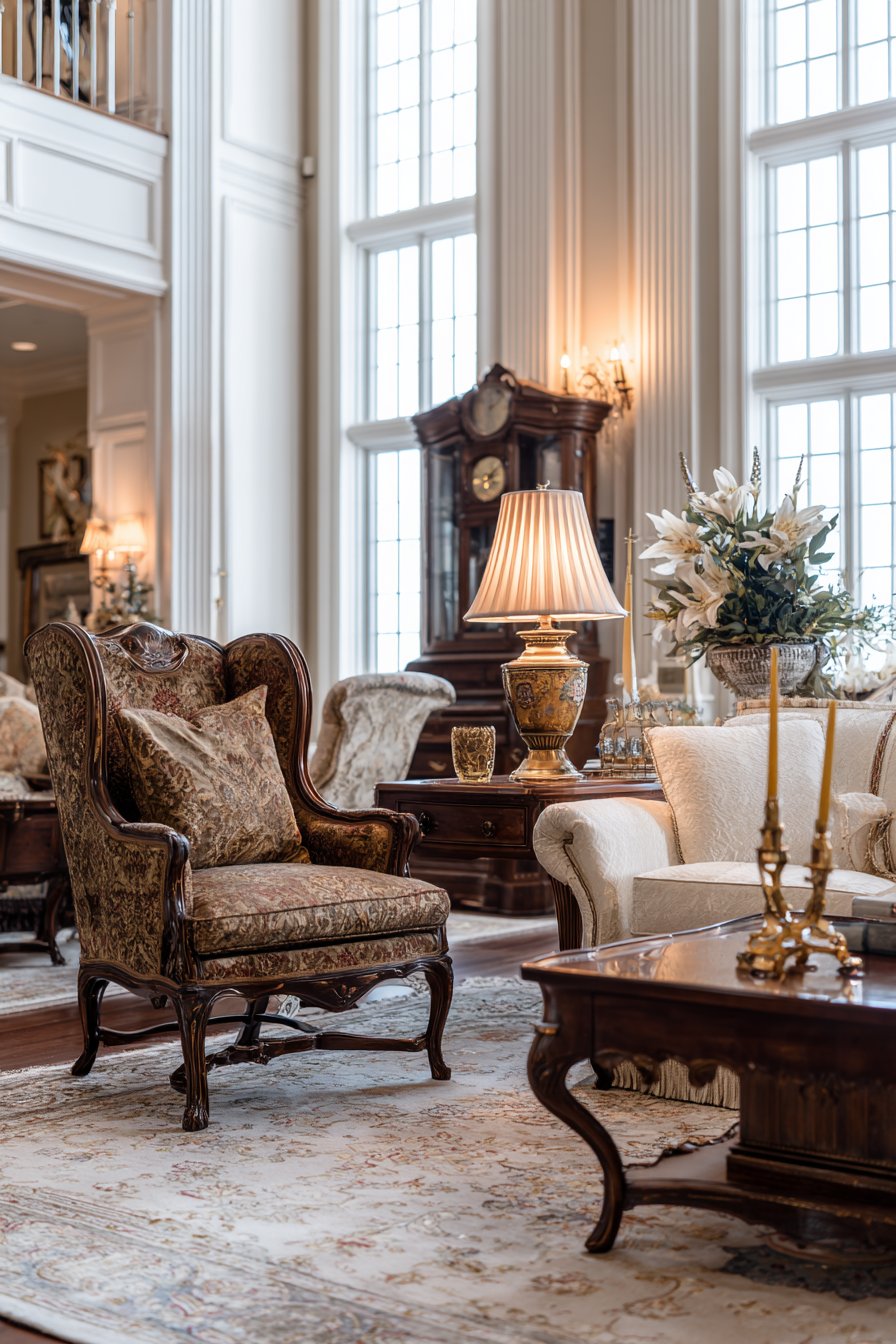
Grandmillennial style favors furniture that references classic design periods and quality construction. Pieces with turned legs, carved details, and graceful curves embody this aesthetic perfectly. Skirted sofas, wingback chairs, and camelback settees provide the traditional foundation. These silhouettes have endured because they offer both beauty and comfort in equal measure.
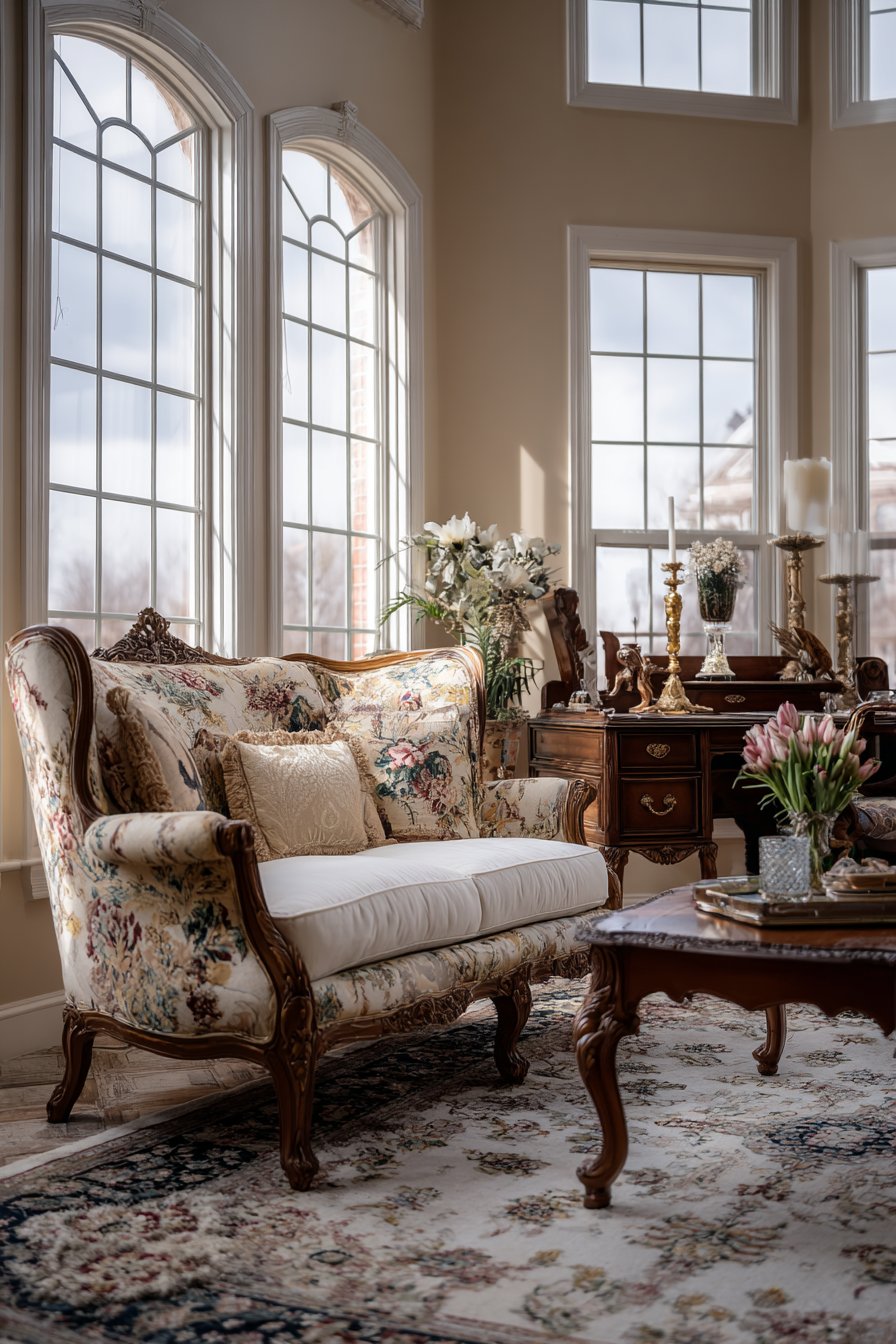
Upholstered furniture in classic fabrics forms the heart of grandmillennial rooms. Chintz, damask, and tapestry fabrics add pattern and texture while honoring tradition. Slipcovers in crisp white or cream linen offer versatility and practical elegance. Wood furniture should feature quality joinery and traditional finishes like cherry, mahogany, or painted surfaces.
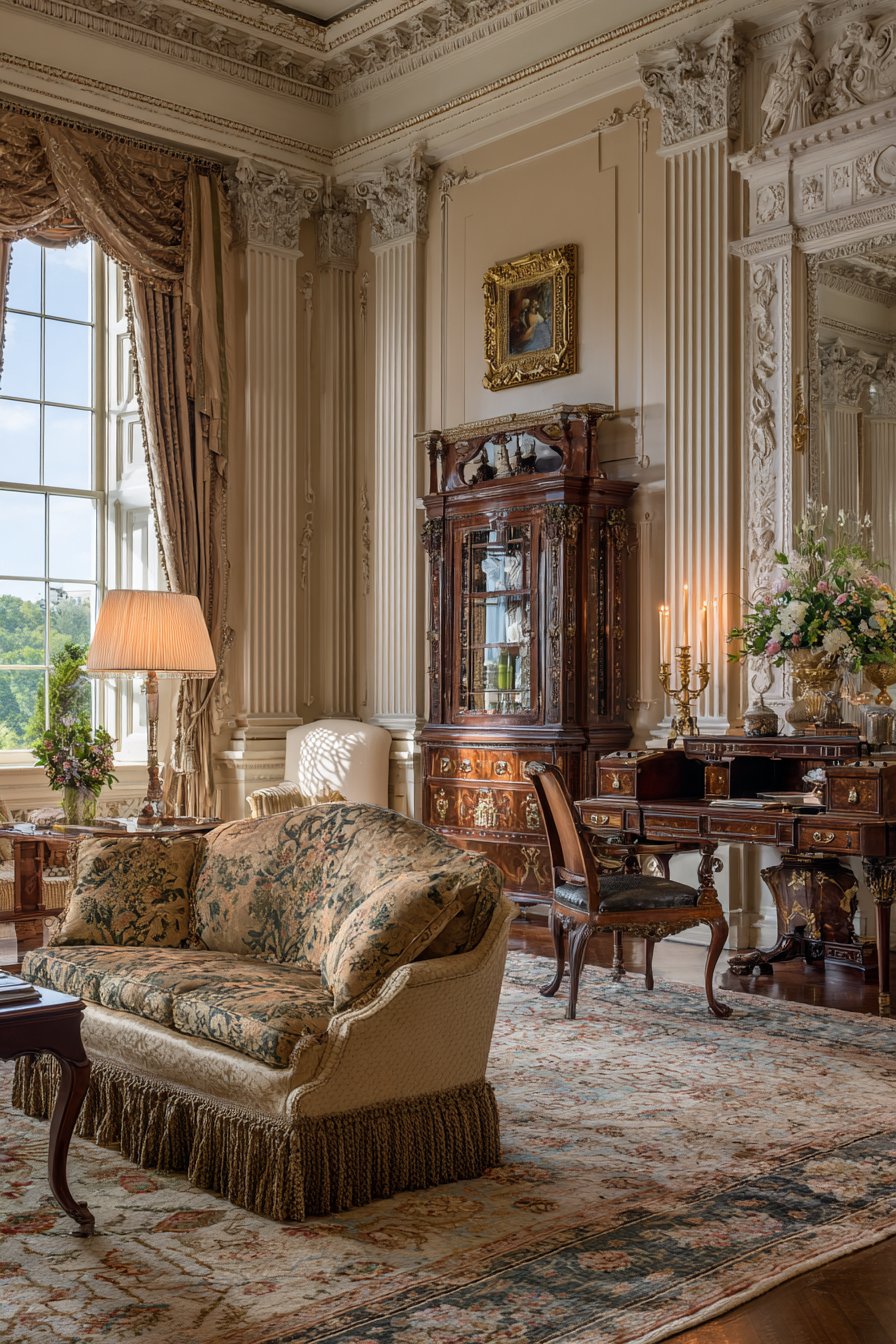
Mixing periods and styles creates the curated, layered look central to this aesthetic. A Victorian settee might pair with a traditional secretary desk and contemporary art. Scale matters tremendously in achieving balance without overcrowding. Choose pieces that fit your space while maintaining the traditional proportions that make these designs timeless.
- Invest in a skirted sofa as your primary seating anchor
- Look for furniture with turned or carved wooden legs
- Choose upholstered pieces with classic shapes like wingbacks
- Select wood furniture with traditional joinery and finishes
- Mix eras thoughtfully rather than matching bedroom sets
- Prioritize comfort alongside aesthetic appeal for daily living
4. Incorporating Color with Confidence
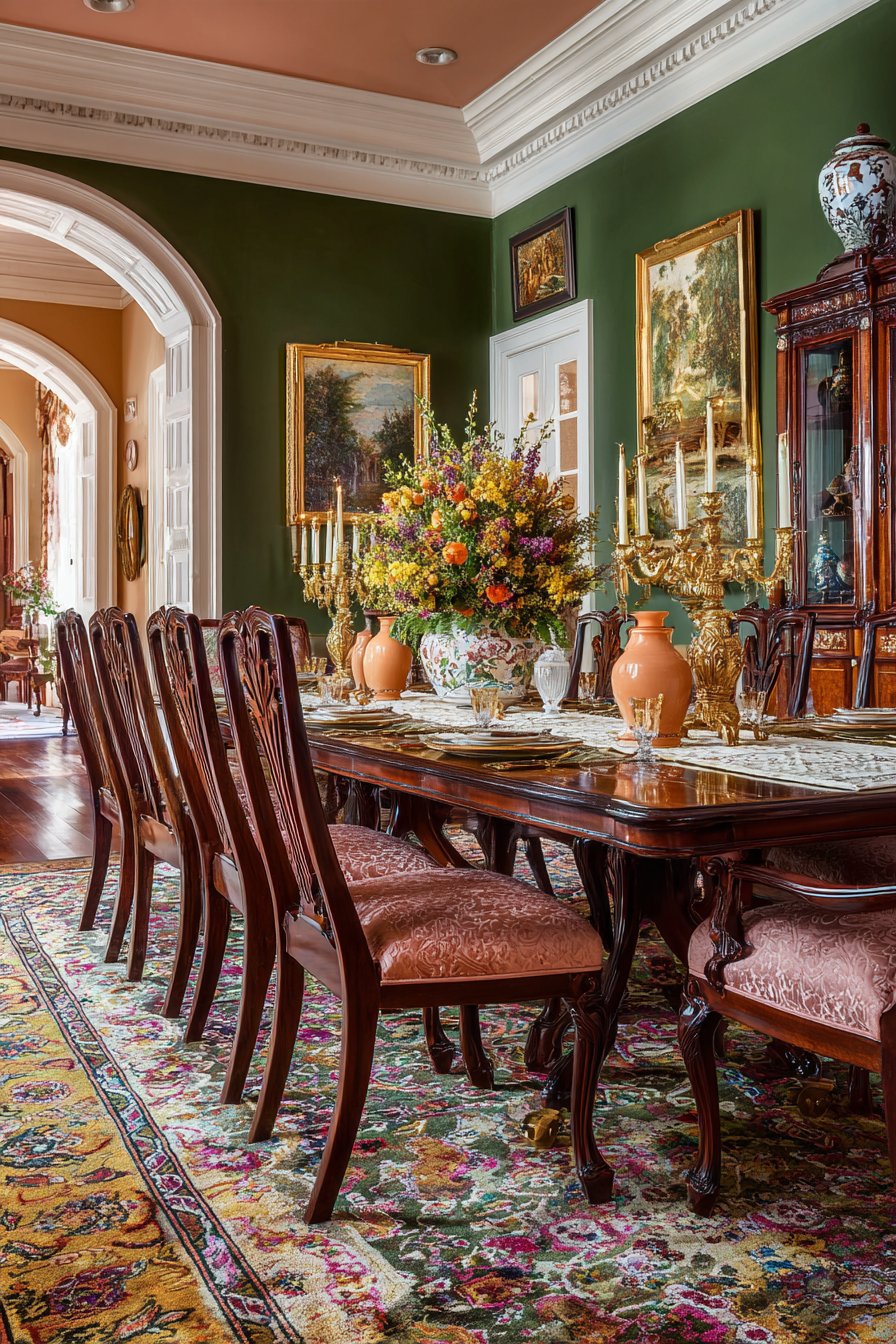
Grandmillennial palettes embrace rich, saturated colors often overlooked in modern design. Deep blues, emerald greens, and warm terracottas create inviting, cocoon-like environments. These hues reference traditional paint colors found in historic homes and classic interiors. Pink, particularly dusty rose and coral shades, features prominently in this romantic aesthetic.
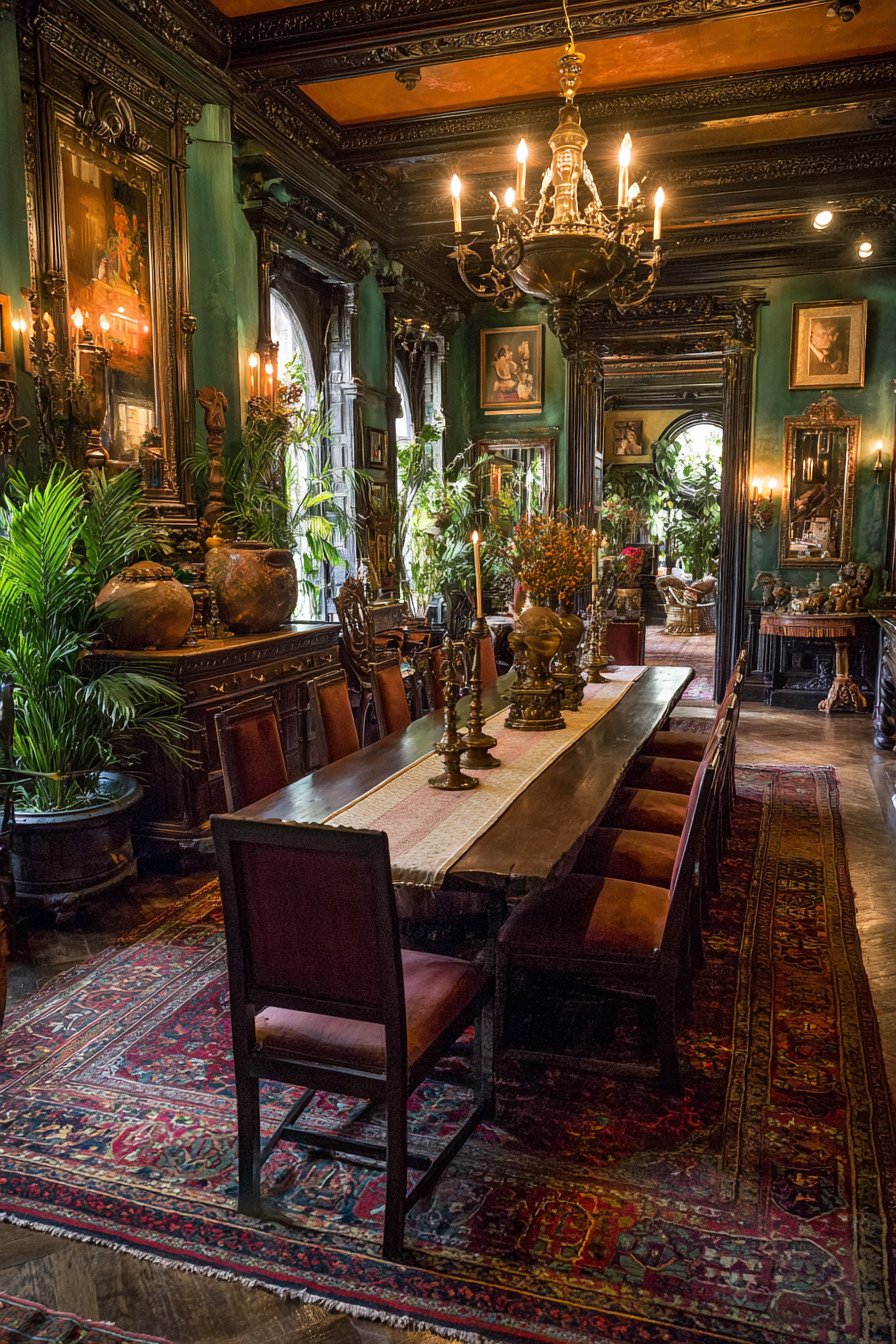
Layering color creates depth and prevents spaces from feeling one-dimensional or flat. Walls might feature sage green while furniture introduces blues and floral patterns add coral accents. White and cream serve as essential neutrals that brighten and balance saturated tones. Brass, gold, and warm wood tones add richness without competing with color choices.
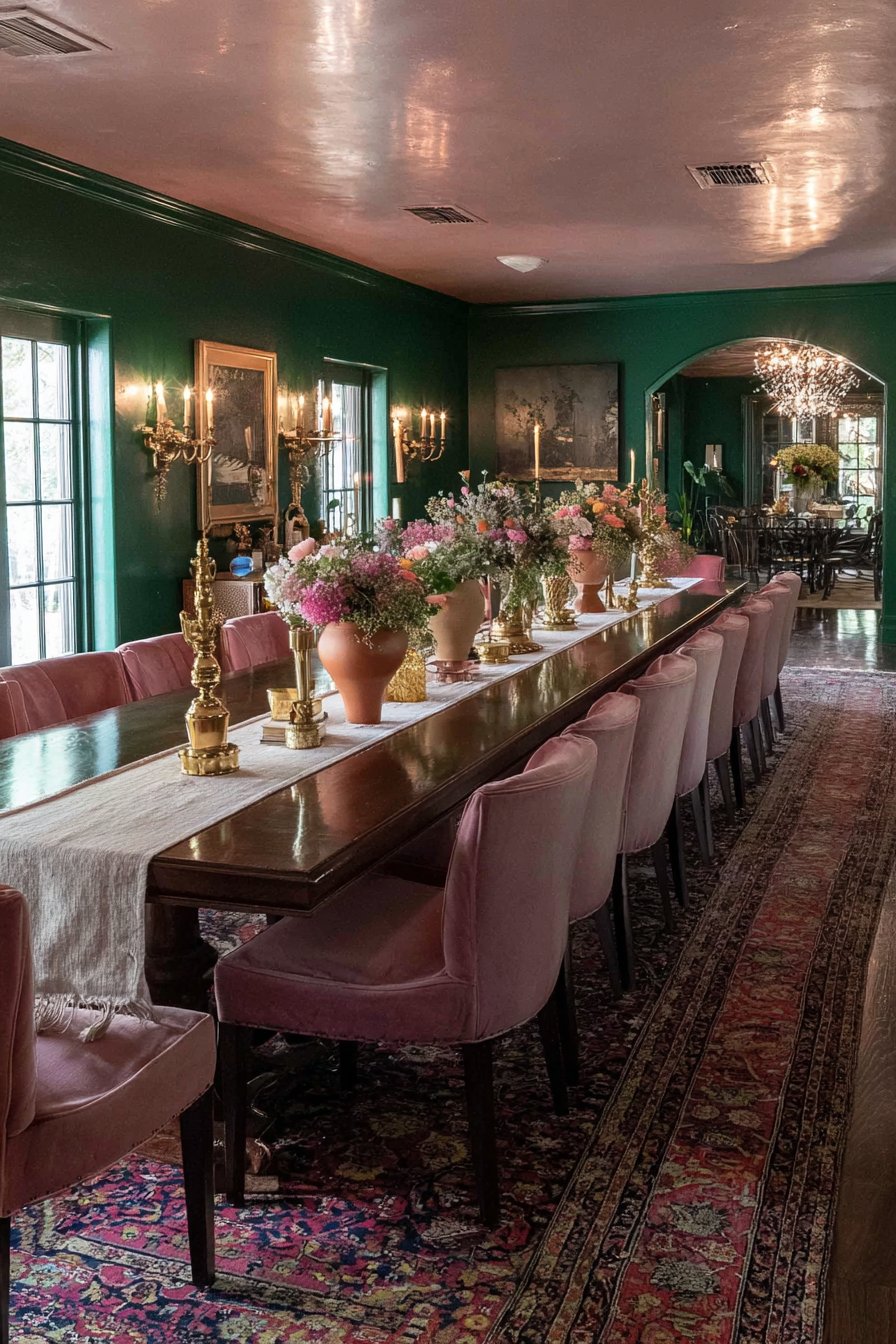
Don’t fear color on walls, especially in smaller rooms where it creates intimacy. Painted ceilings in soft blues or pale pinks add unexpected charm and architectural interest. Colorful vintage rugs introduce multiple hues while grounding the space beautifully. The grandmillennial approach proves that thoughtful color use creates warmth rather than overwhelm.
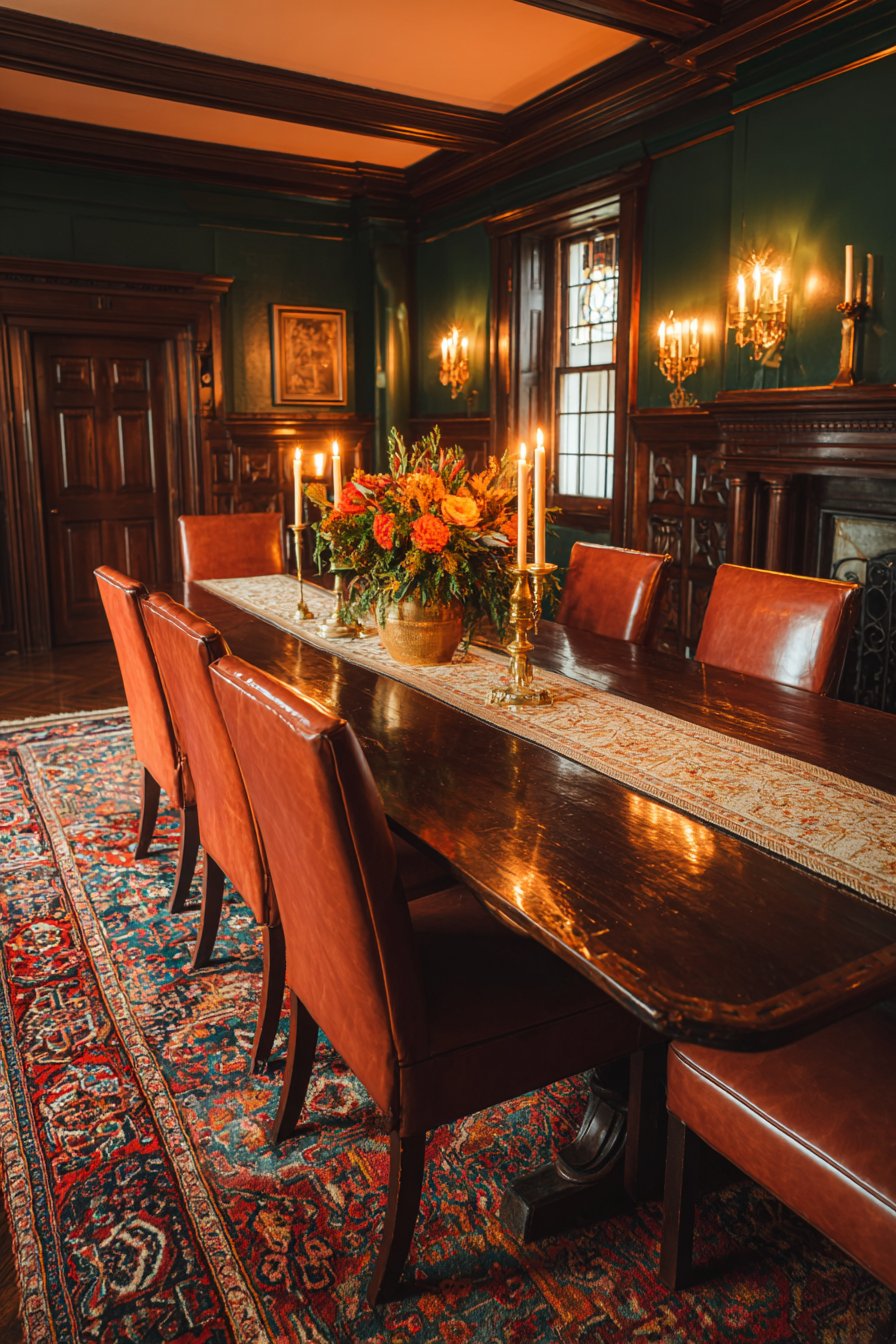
- Paint walls in traditional hues like sage, dusty rose, or navy
- Layer multiple coordinating colors throughout the space
- Use white and cream generously as balancing neutrals
- Add metallic accents in warm brass or antique gold
- Consider colorful ceilings for added personality and charm
- Draw inspiration from vintage paint colors and historic palettes
5. Adding Decorative Details and Accessories
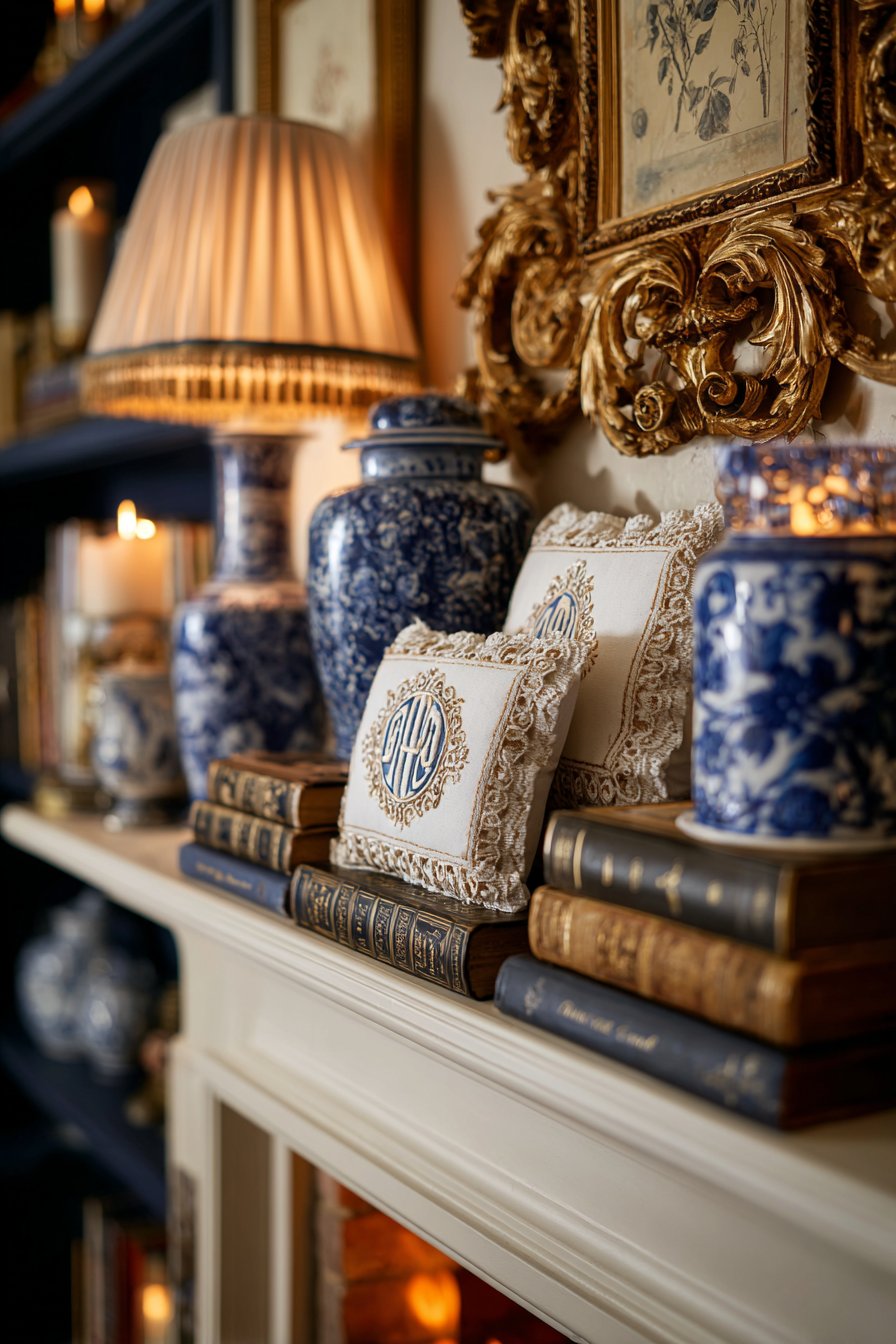
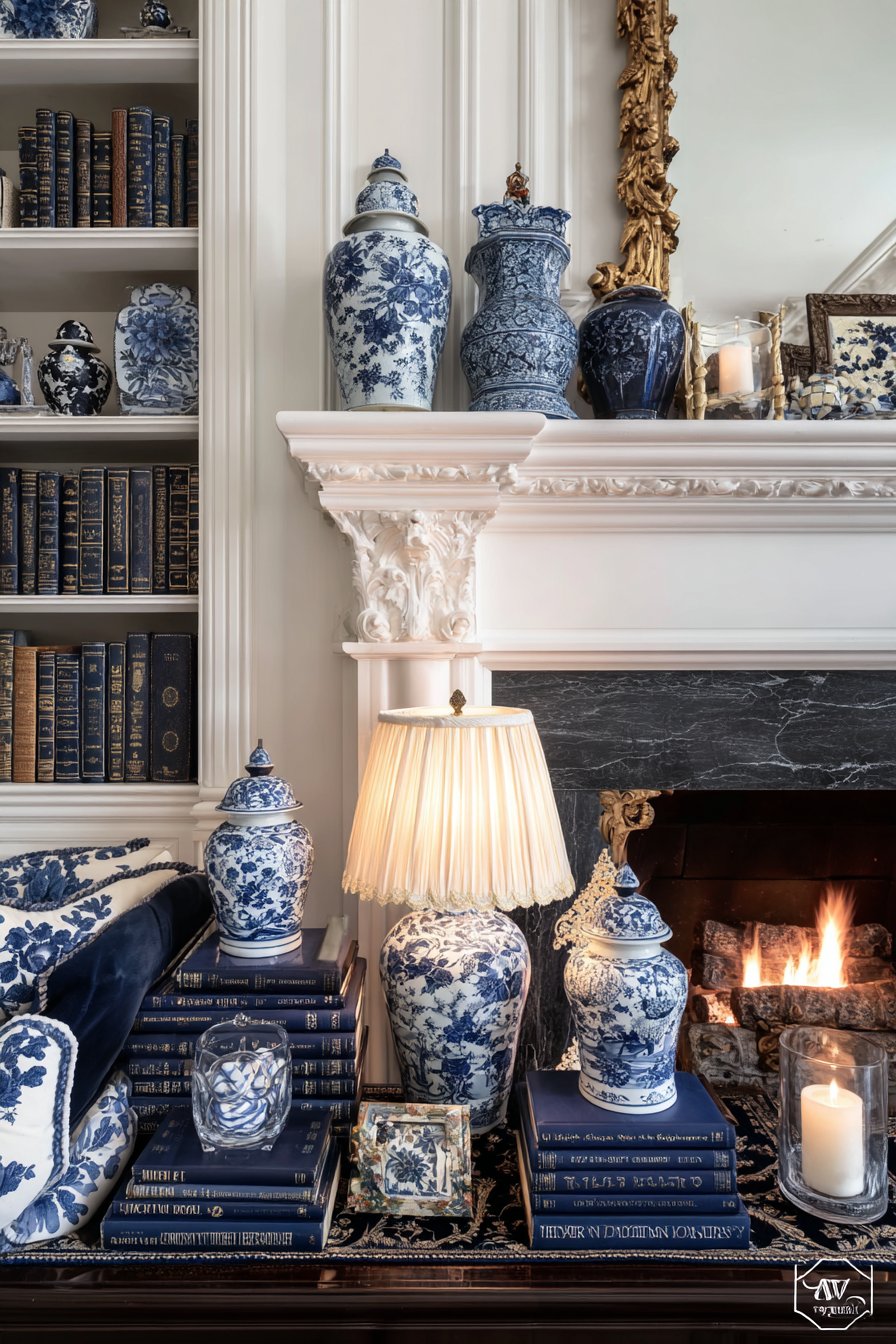
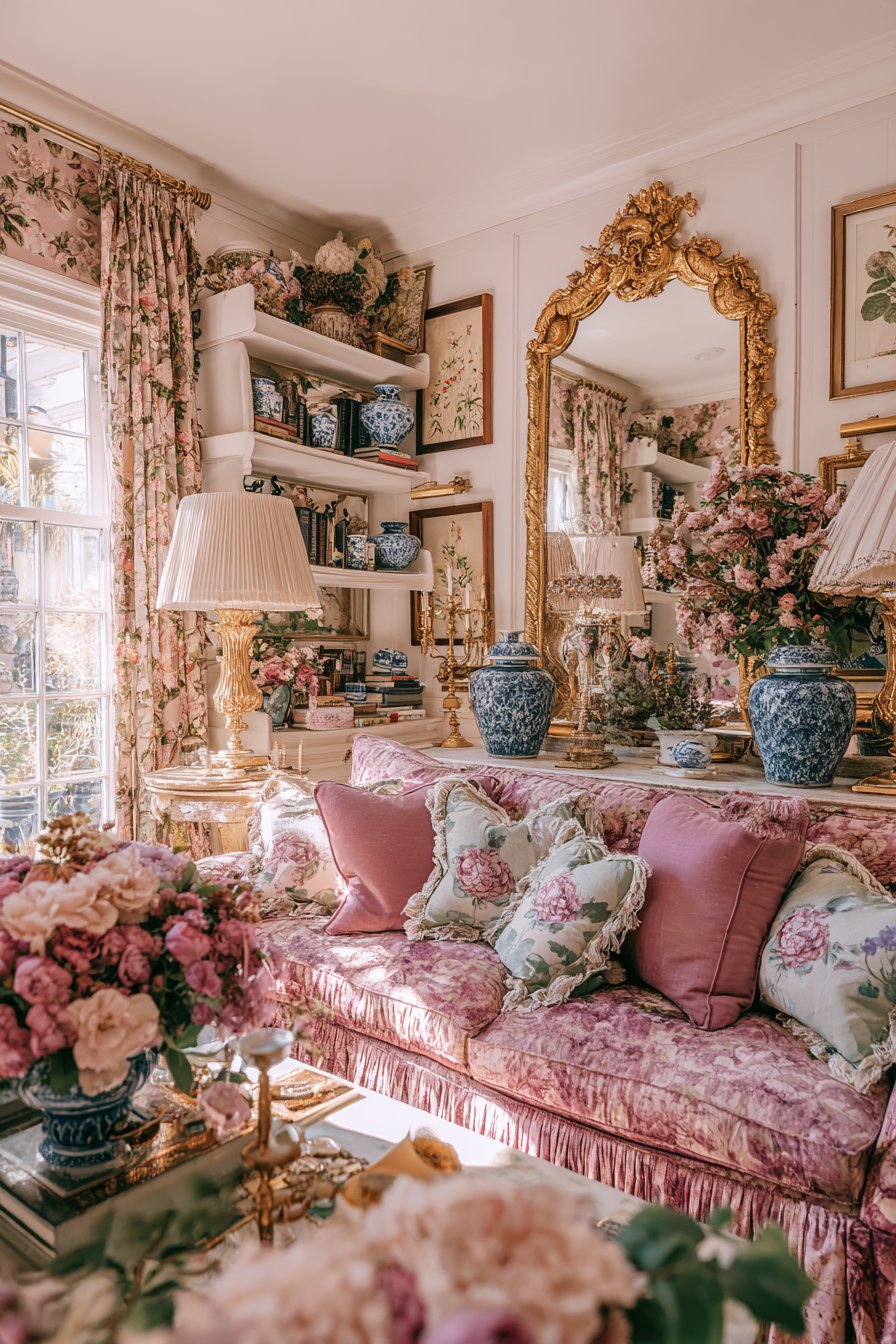
Accessories distinguish grandmillennial interiors from merely traditional spaces. Decorative elements include needlepoint pillows, vintage porcelain, and monogrammed linens that add personal character. Blue and white ceramics, particularly ginger jars and cachepots, serve as classic accents. These details create the layered, collected appearance essential to the aesthetic’s charm.
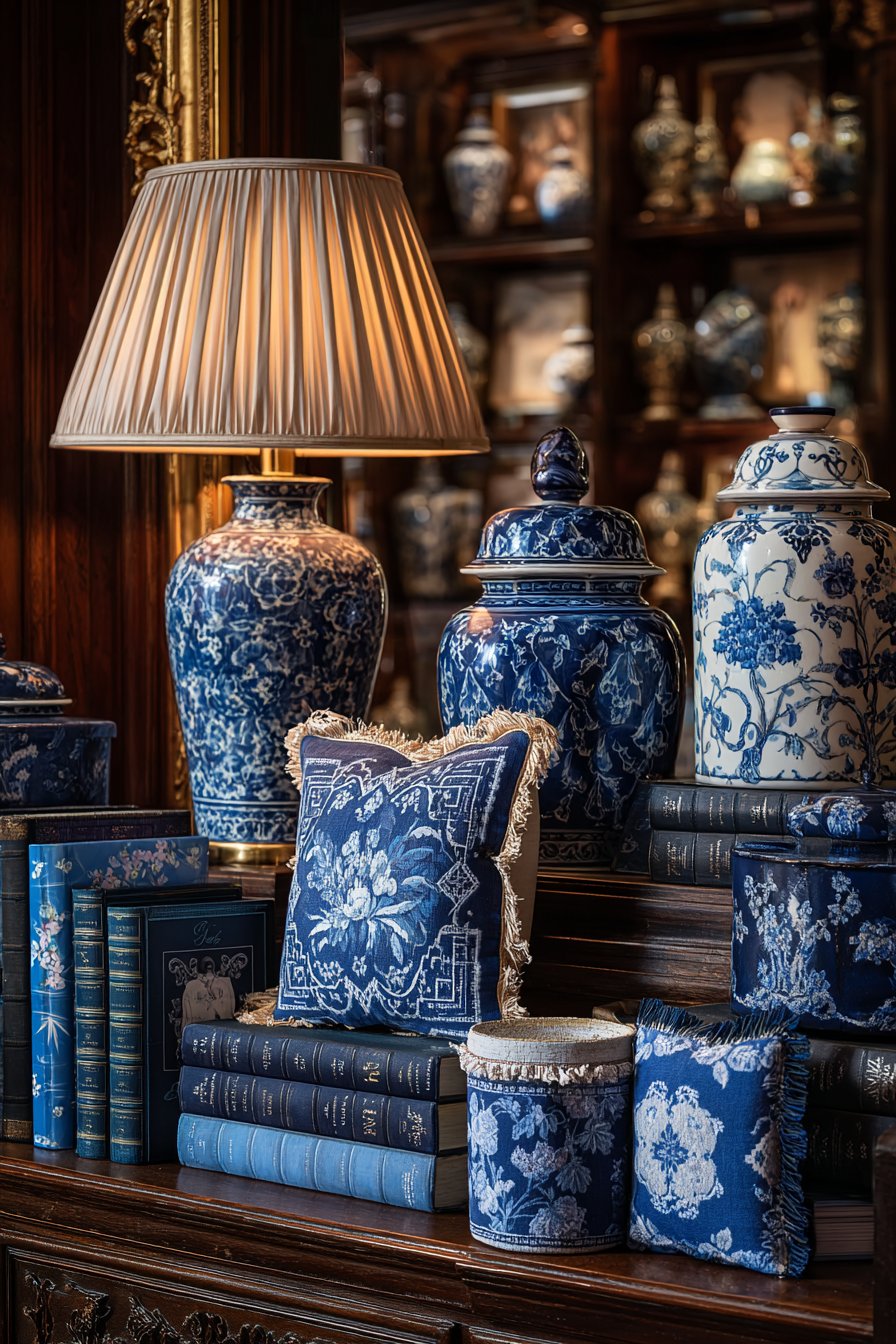
Textiles play a crucial role in achieving the grandmillennial look and feel. Ruffled lampshades, scalloped trim, and embroidered details reference traditional needlework and feminine touches. Table skirts, decorative pillows with fringe, and curtains with elaborate hardware add softness. These elements introduce texture and dimension while honoring craftsmanship and handmade quality.
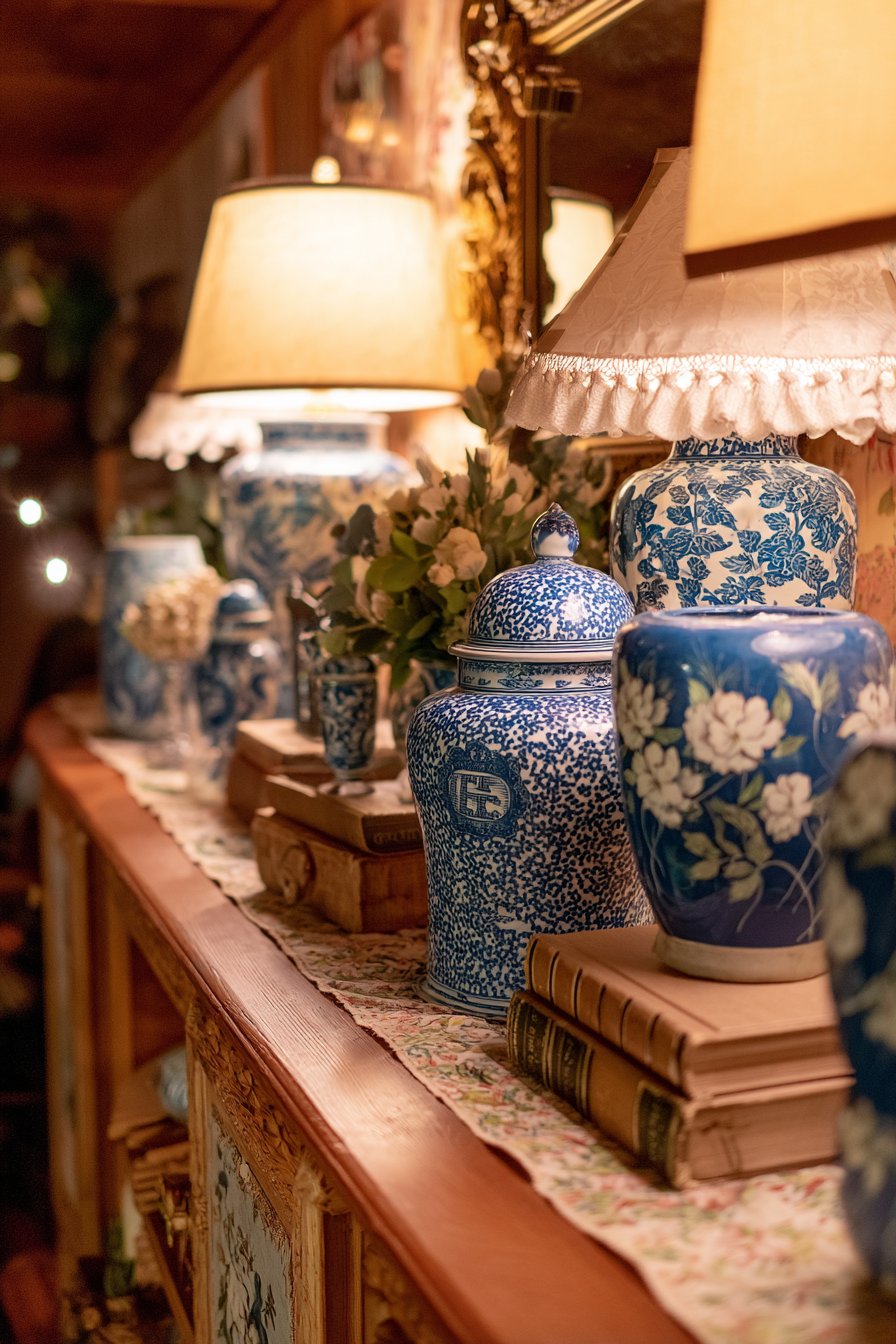
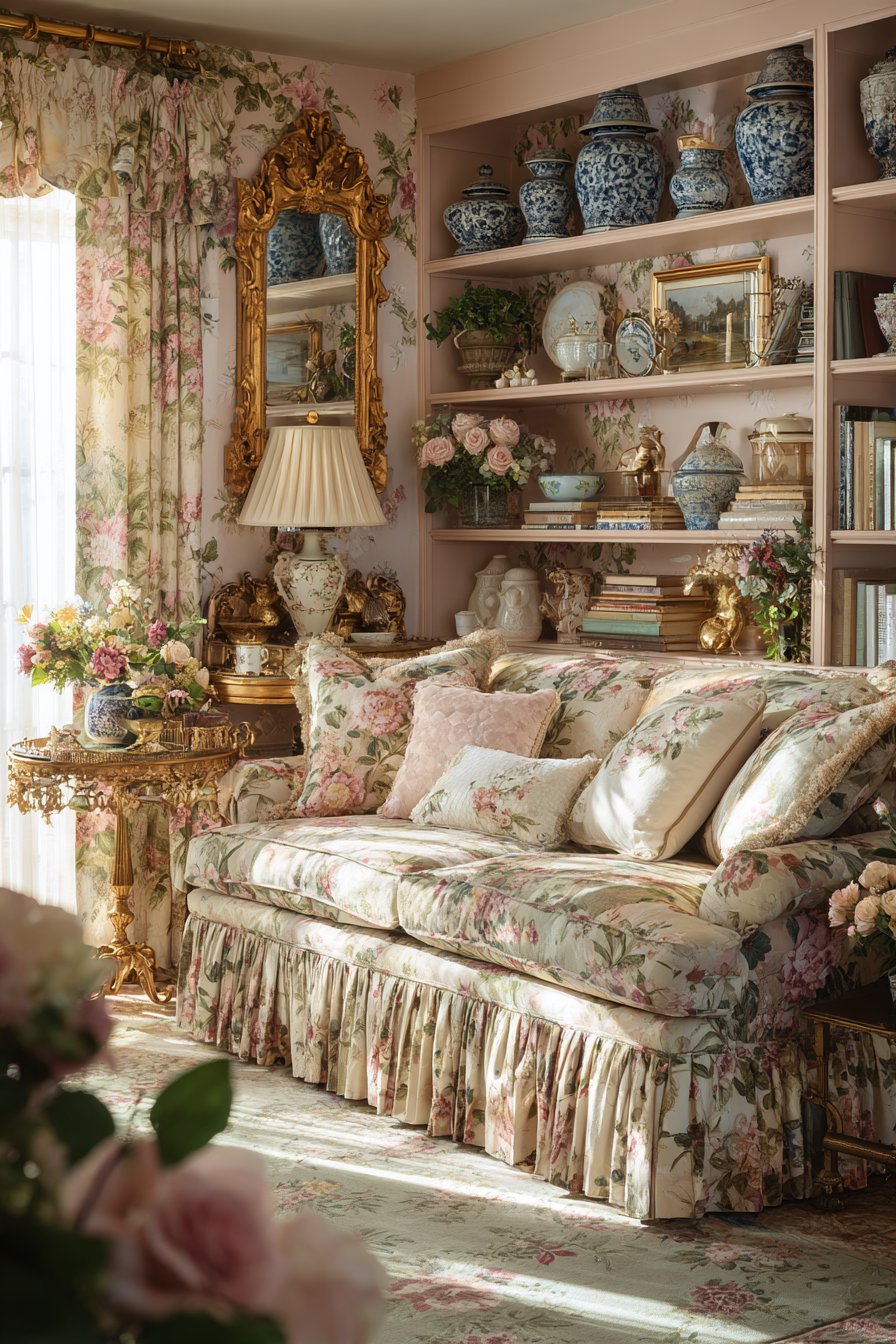
Display collections intentionally rather than hiding treasured items in cabinets or storage. Vintage books, framed botanicals, and antique serving pieces become conversation starters when thoughtfully arranged. Open shelving allows you to showcase meaningful objects while maintaining visual interest throughout the room. Each piece should feel purposeful rather than randomly placed for maximum impact.
- Add needlepoint pillows featuring traditional motifs or monograms
- Display blue and white porcelain on shelves or mantels
- Use ruffled or scalloped lampshades for feminine softness
- Hang vintage mirrors with ornate frames as focal points
- Incorporate framed botanical prints or antique artwork
- Layer textiles through tablecloths, runners, and decorative pillows
6. Balancing Nostalgia with Modern Functionality
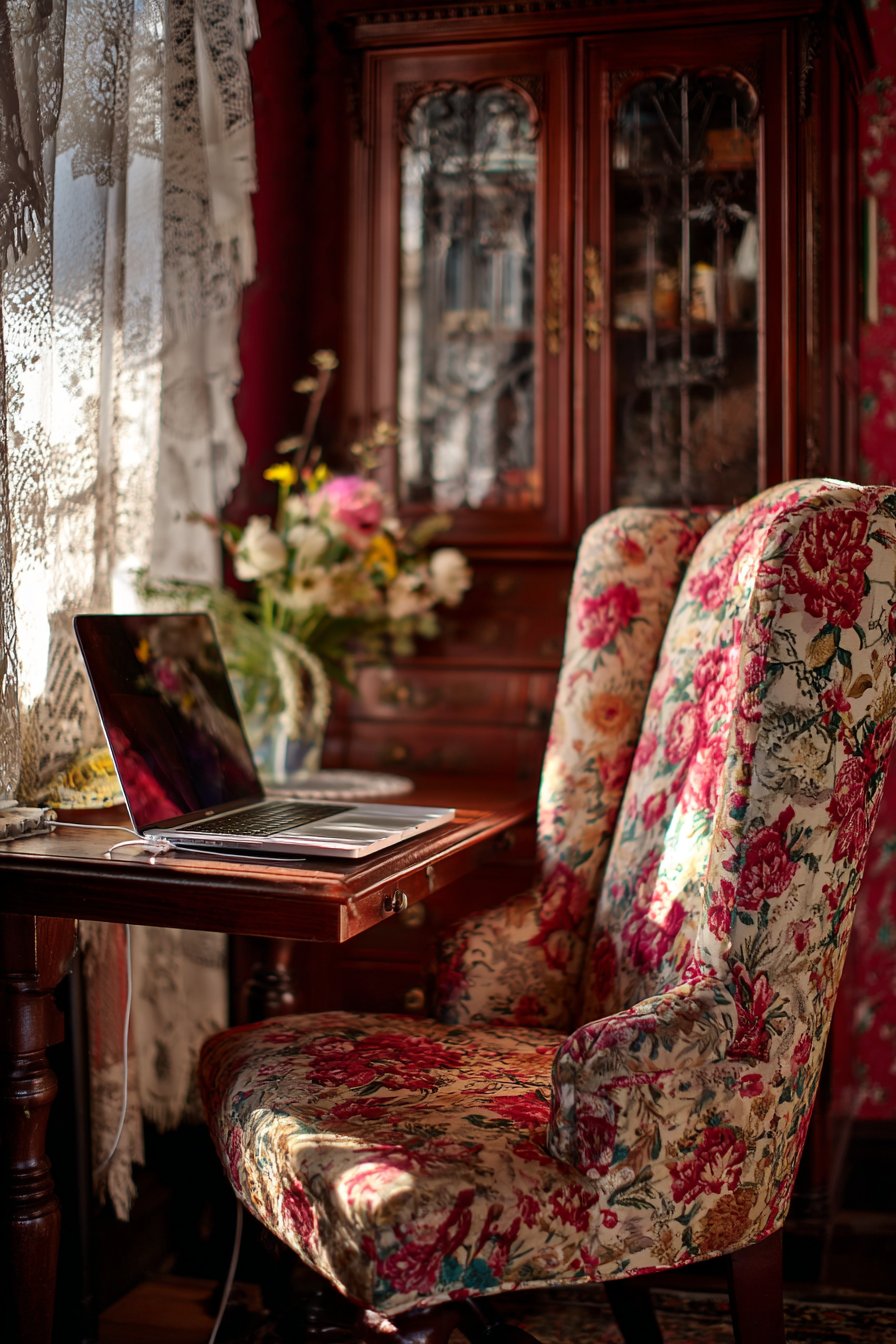
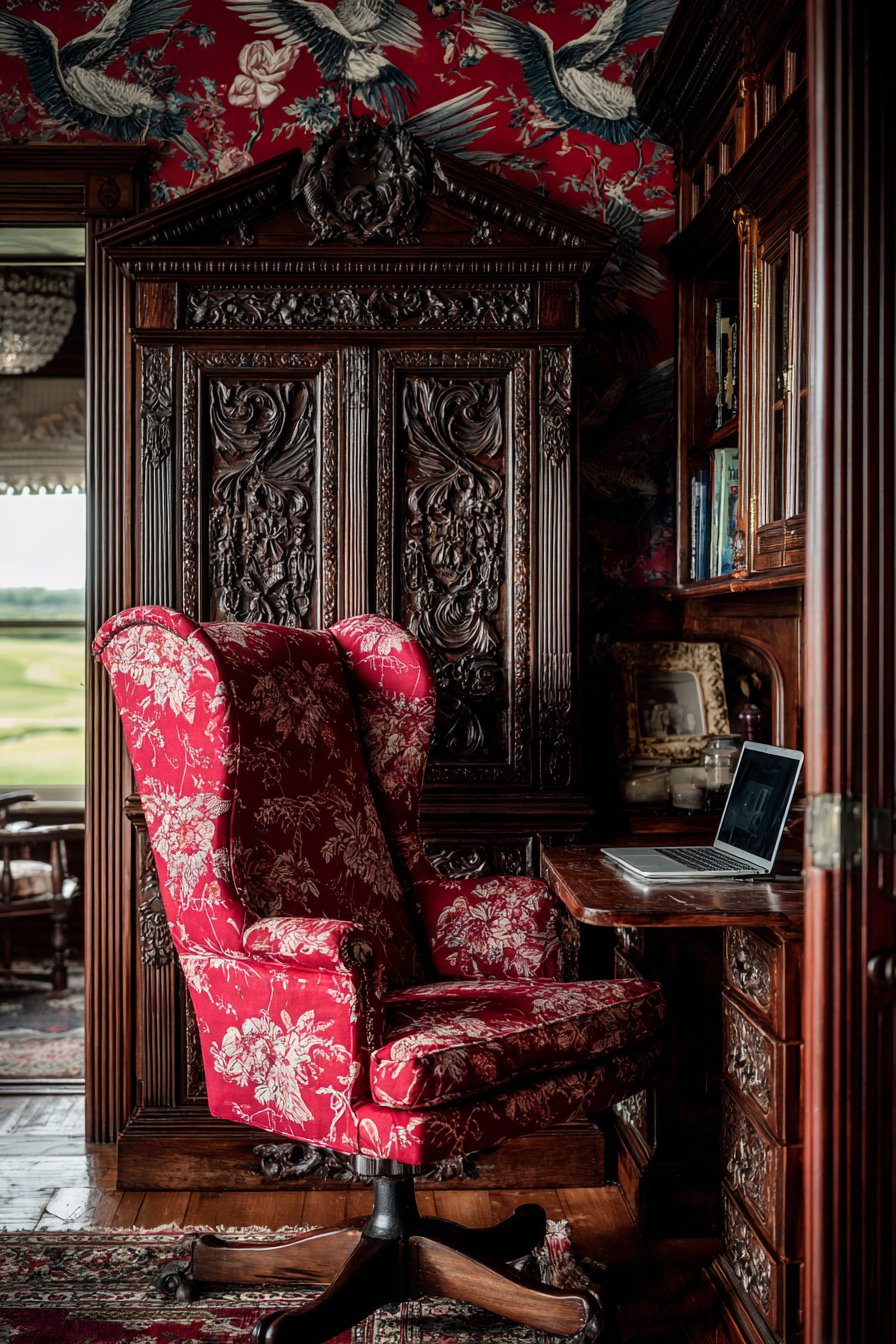
Successfully executing grandmillennial style requires balancing aesthetic preferences with contemporary needs and technology. Hidden storage solutions maintain the traditional appearance while accommodating modern life’s requirements. Custom cabinets with traditional details can house electronics and charging stations discreetly. This approach preserves the romantic aesthetic without sacrificing practical functionality.
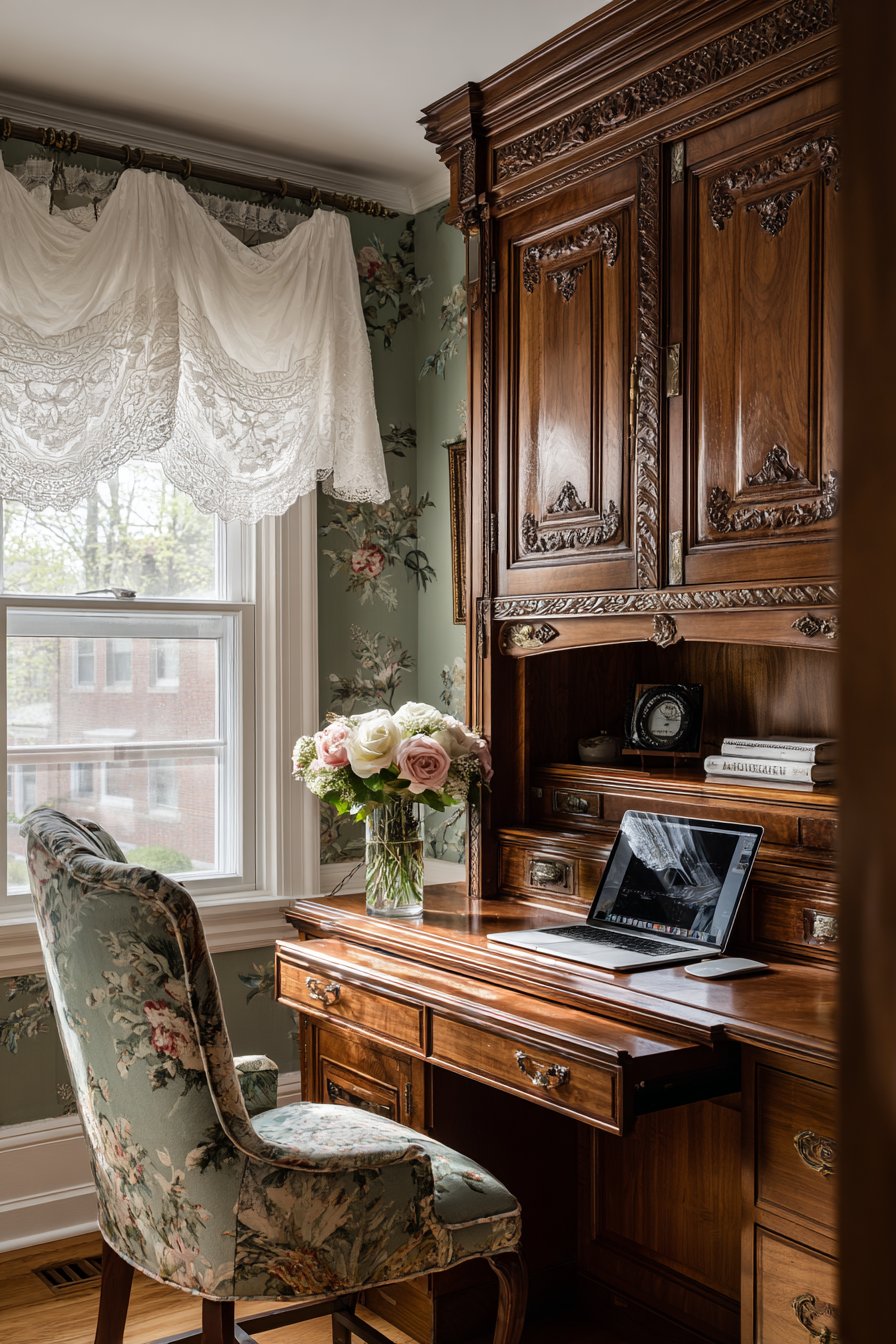
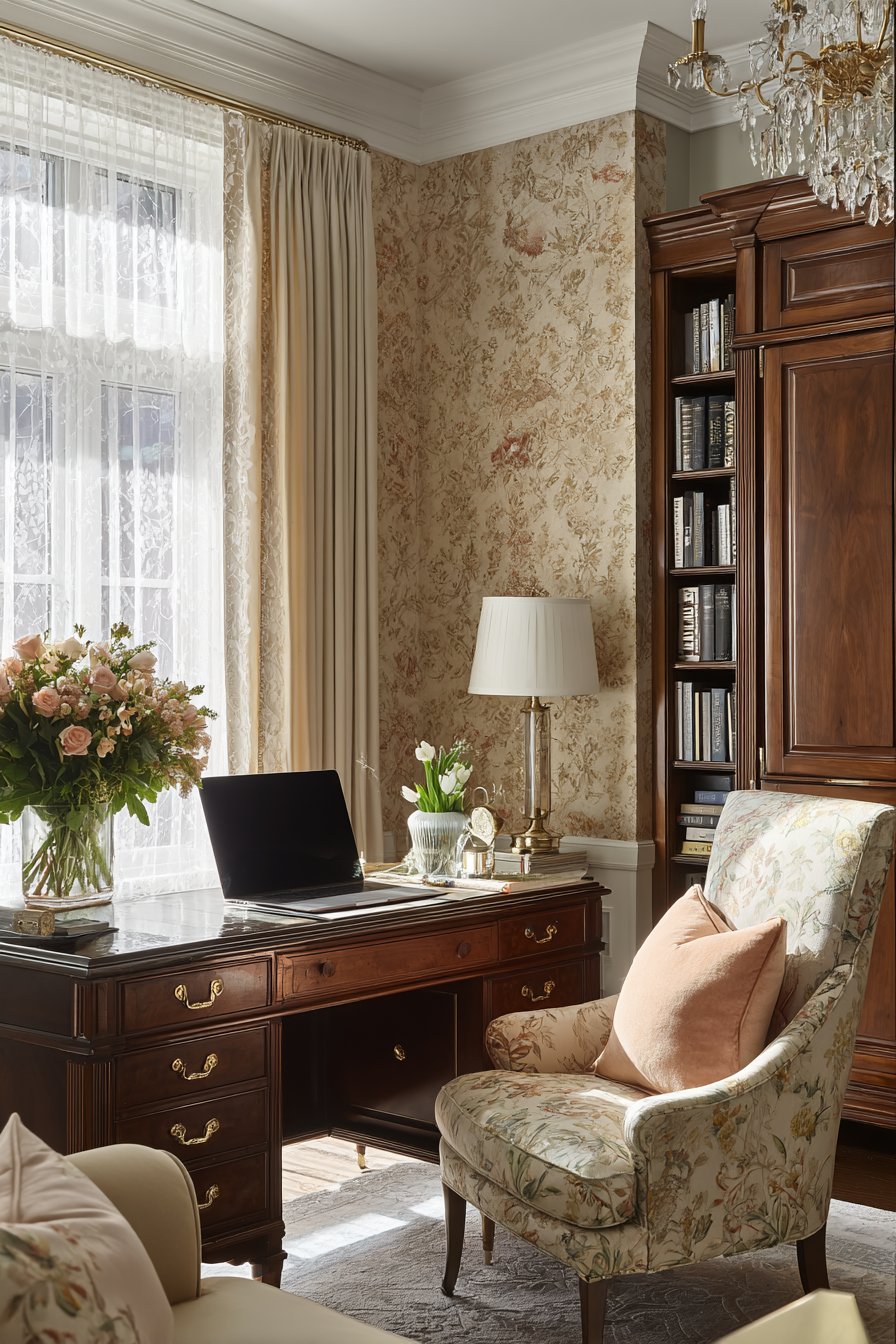
Adapt traditional elements for current lifestyles rather than creating museum-like spaces. A vintage secretary desk might hold a laptop instead of correspondence supplies. Antique wardrobes can function as entertainment centers with minimal modification to their appearance. The key involves respecting traditional forms while allowing them to serve modern purposes effectively.
Consider durability and maintenance when selecting traditional fabrics and finishes for active households. Performance fabrics now replicate the look of chintz and damask while offering stain resistance. Washable rugs with traditional patterns provide practicality for homes with children or pets. This thoughtful approach ensures your grandmillennial space remains beautiful and functional for years to come.
- Choose performance fabrics that mimic traditional chintz and damask
- Incorporate hidden storage within traditional furniture pieces
- Adapt antique furniture for modern uses like media storage
- Install charging stations inside drawers or cabinets
- Select washable rugs with traditional patterns for durability
- Balance aesthetic choices with your household’s practical needs
Grandmillennial style offers a refreshing alternative to stark minimalism and impersonal contemporary design. This aesthetic celebrates tradition, craftsmanship, and the comfort of familiar patterns and forms. By thoughtfully incorporating classic elements, you create spaces that feel both timeless and personal. The beauty lies in honoring the past while creating homes perfectly suited for modern living.
Experiment with pattern mixing, embrace color confidently, and surround yourself with meaningful objects. Your home should reflect your personality and values rather than following fleeting trends. The grandmillennial movement reminds us that true style transcends time, creating spaces that welcome, comfort, and inspire daily.
