


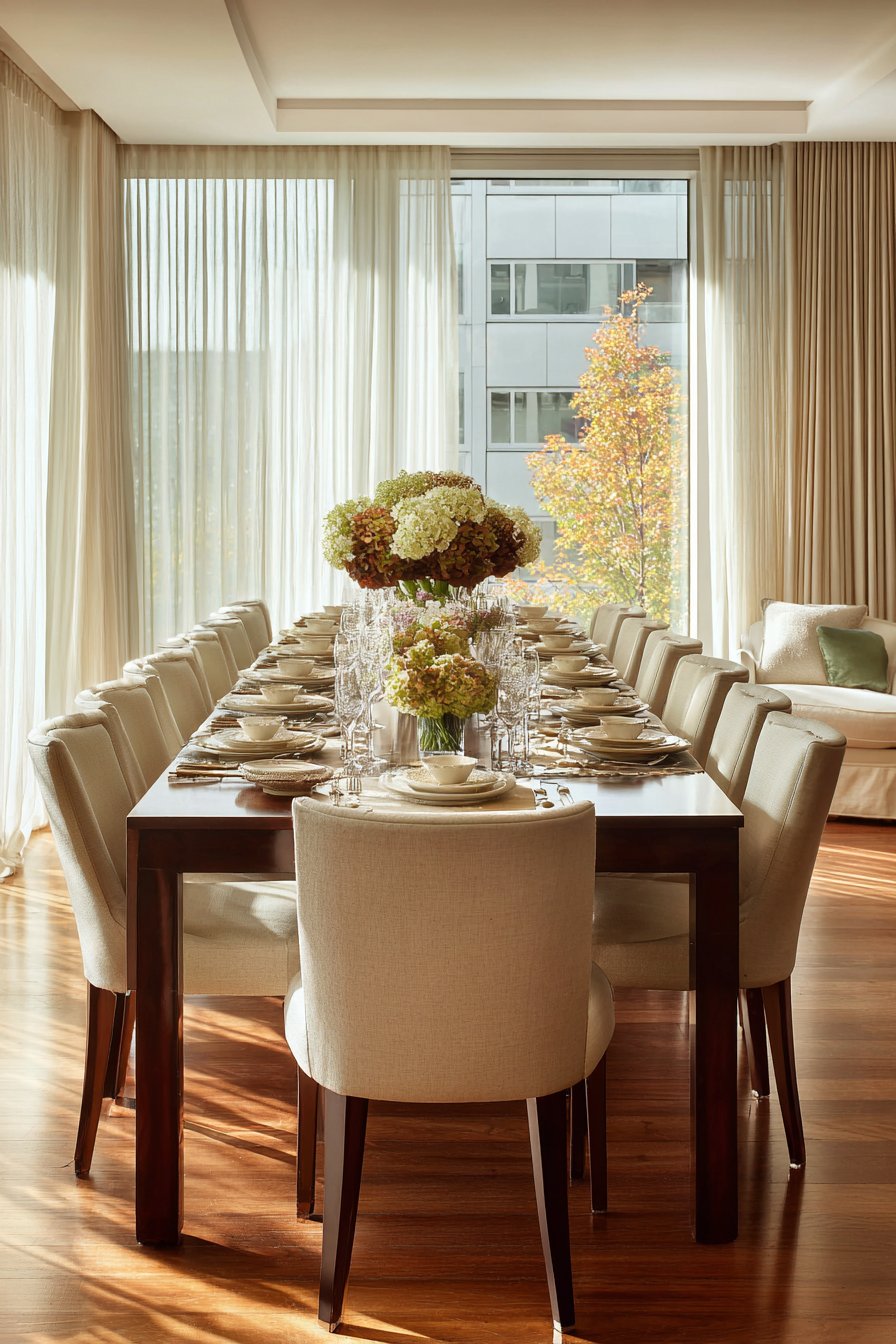
Selecting the right dining table can transform your eating area from cramped chaos to comfortable elegance. The perfect table size isn’t just about fitting furniture into a room. It’s about creating a functional gathering space that enhances daily meals and special occasions alike. Many homeowners struggle with this decision, often purchasing tables that are too large for their space or too small for their needs.
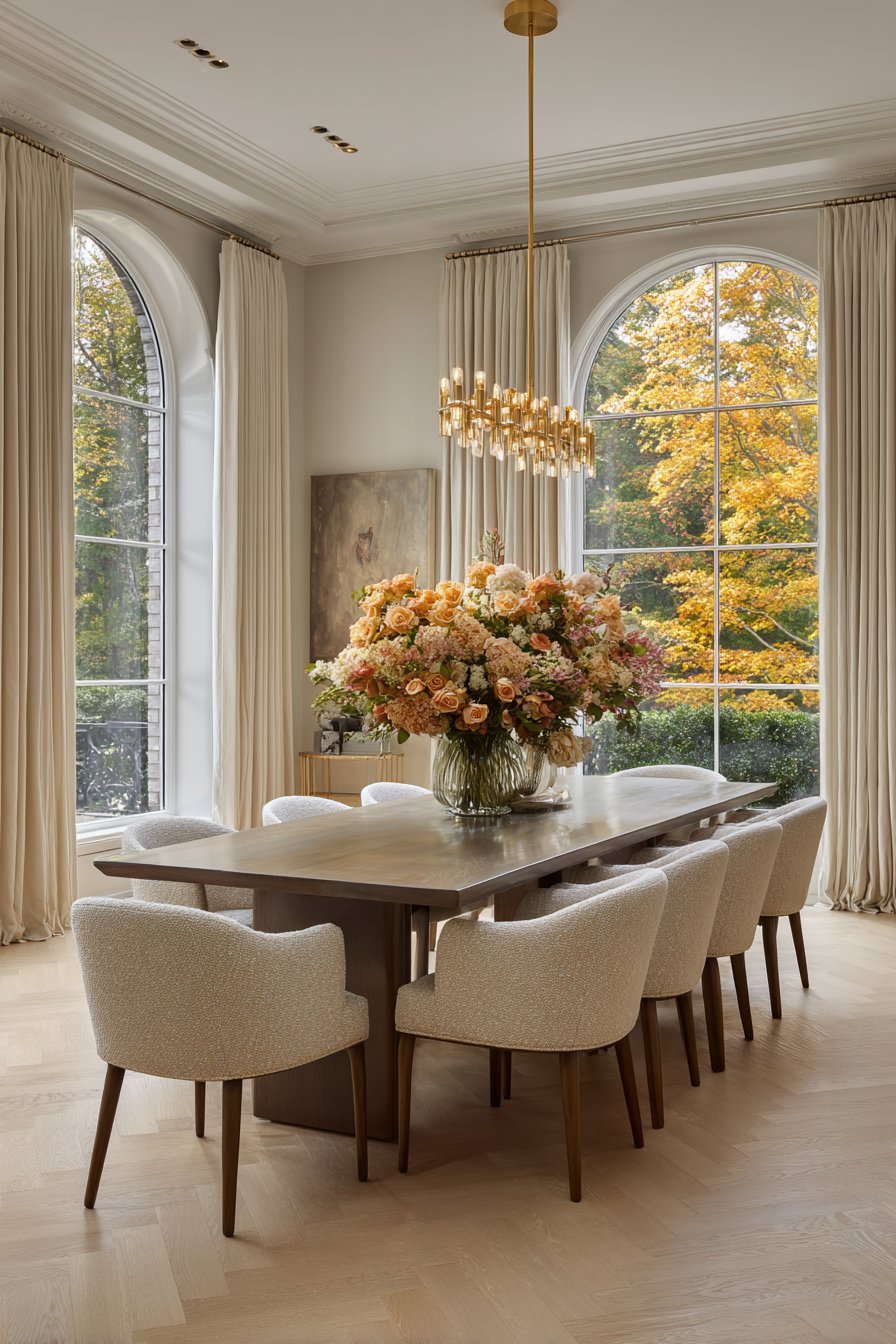
Understanding dining table dimensions requires knowledge of spatial planning and household requirements. The right size balances room proportions with seating capacity and movement flow. Whether you’re furnishing a cozy breakfast nook or a formal dining room, choosing correctly impacts both aesthetics and usability. This comprehensive guide explores six essential factors to help you select the ideal dining table size for your home.
1. Understanding Room Dimensions and Clearance Space
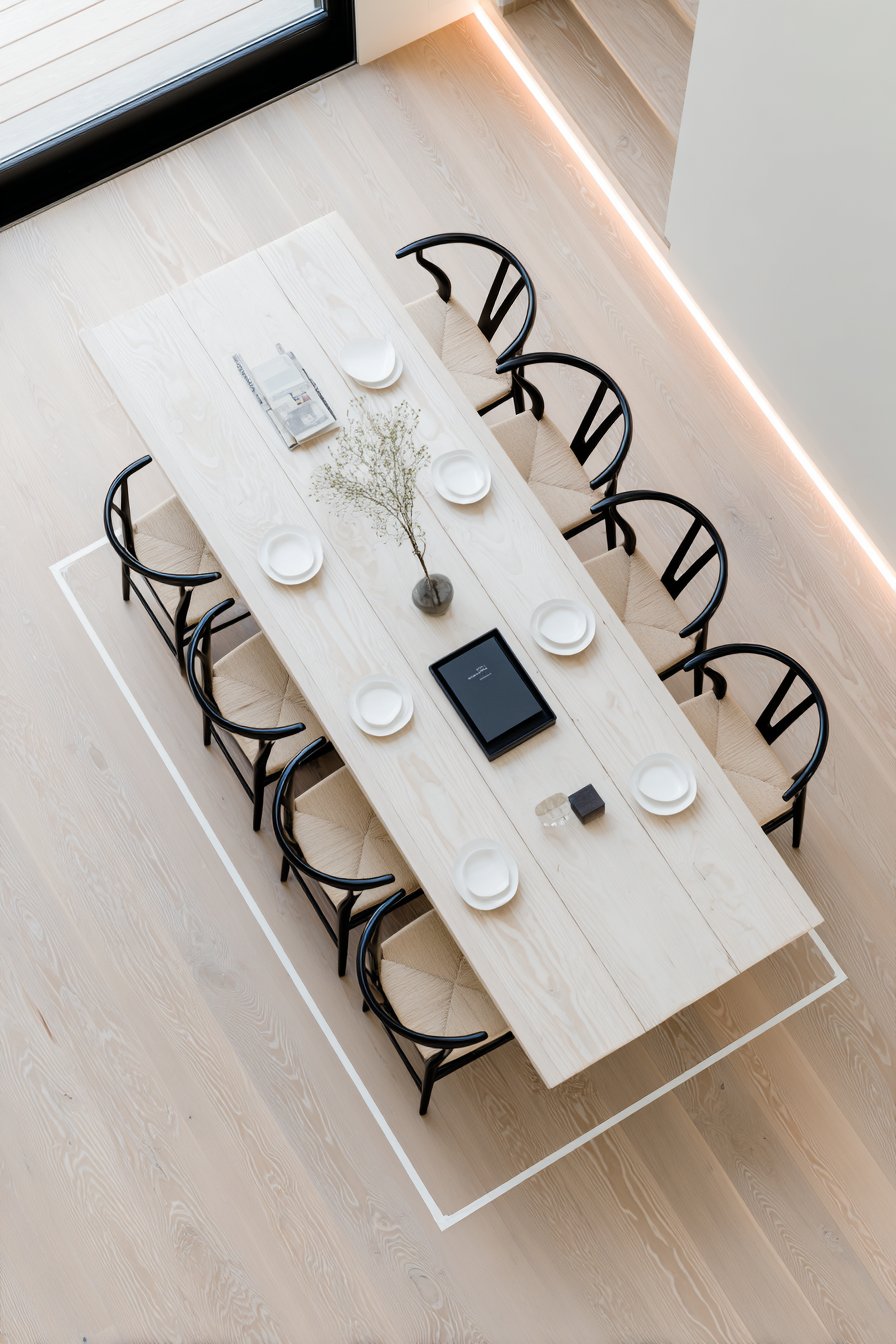
Your dining room’s measurements form the foundation for table selection. Before shopping, measure your space carefully, noting the total floor area available. Professional designers recommend maintaining at least 36 inches of clearance around all sides of your table. This ensures comfortable movement for seated diners and those walking past.
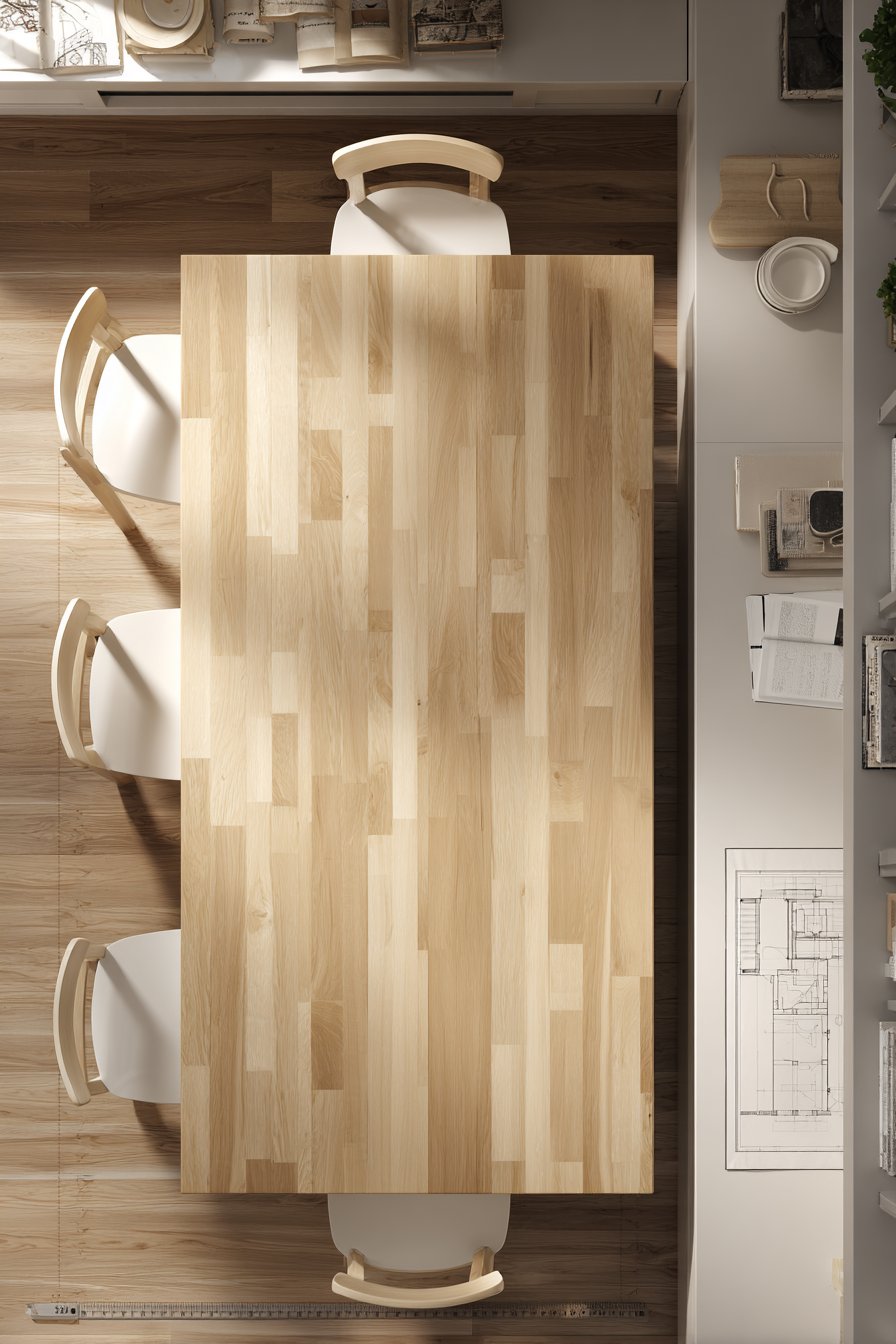
The 48-inch clearance rule applies when you want to accommodate serving dishes or allow easy passage behind seated guests. In tighter spaces, you can reduce this to 32 inches minimum, though comfort suffers. Calculate your maximum table size by subtracting the required clearance from room dimensions. A 12×14 foot room with 36-inch clearance can accommodate a table roughly 60×96 inches.
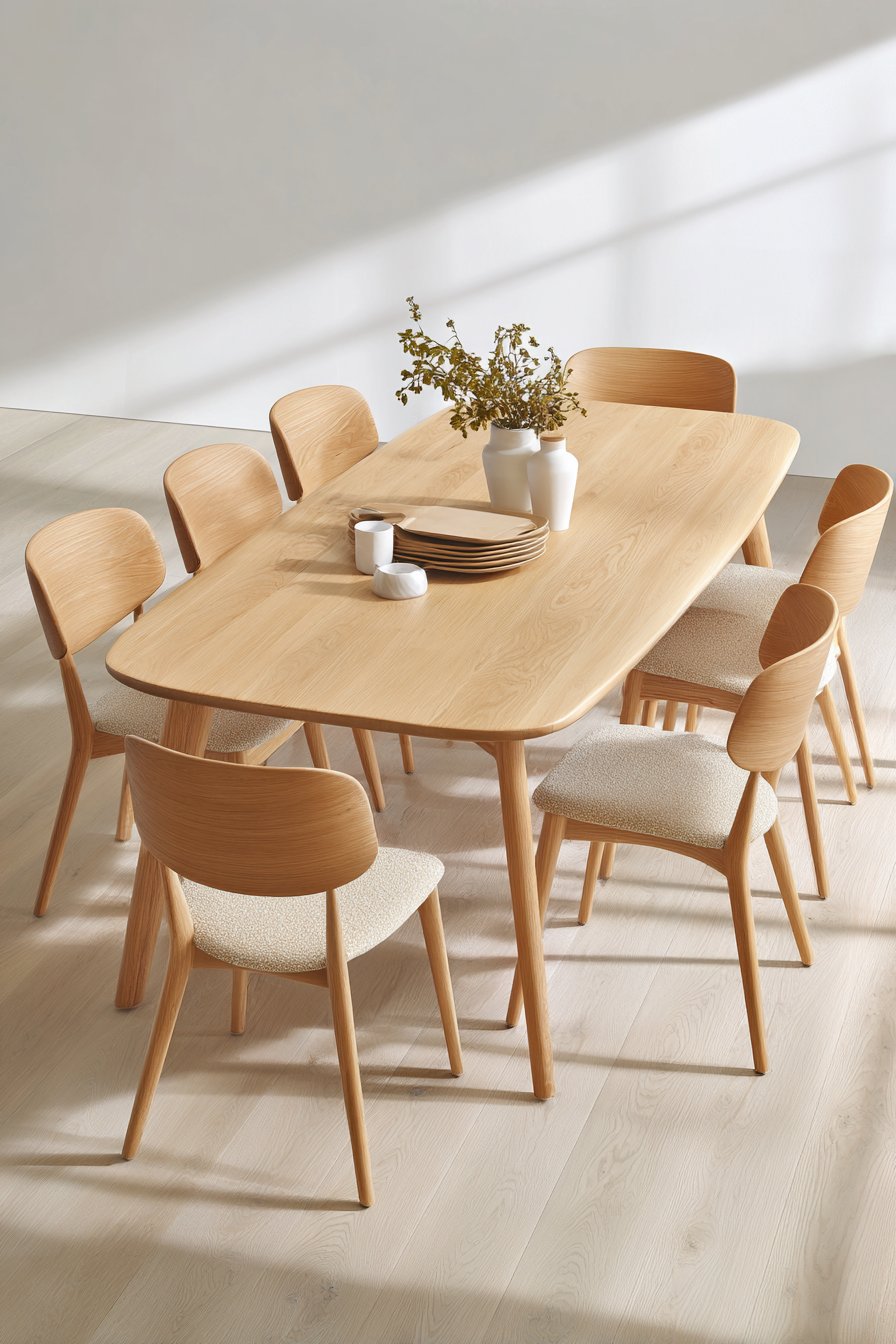
Consider architectural features like doorways, windows, and built-in cabinets when measuring. These elements affect furniture placement and traffic flow patterns significantly. Account for any area rugs, which should extend at least 24 inches beyond the table’s edge when chairs are pulled out.
- Measure room length, width, and any irregular angles accurately
- Mark locations of doors, windows, and heating vents on your floor plan
- Calculate maximum table dimensions using the clearance formula
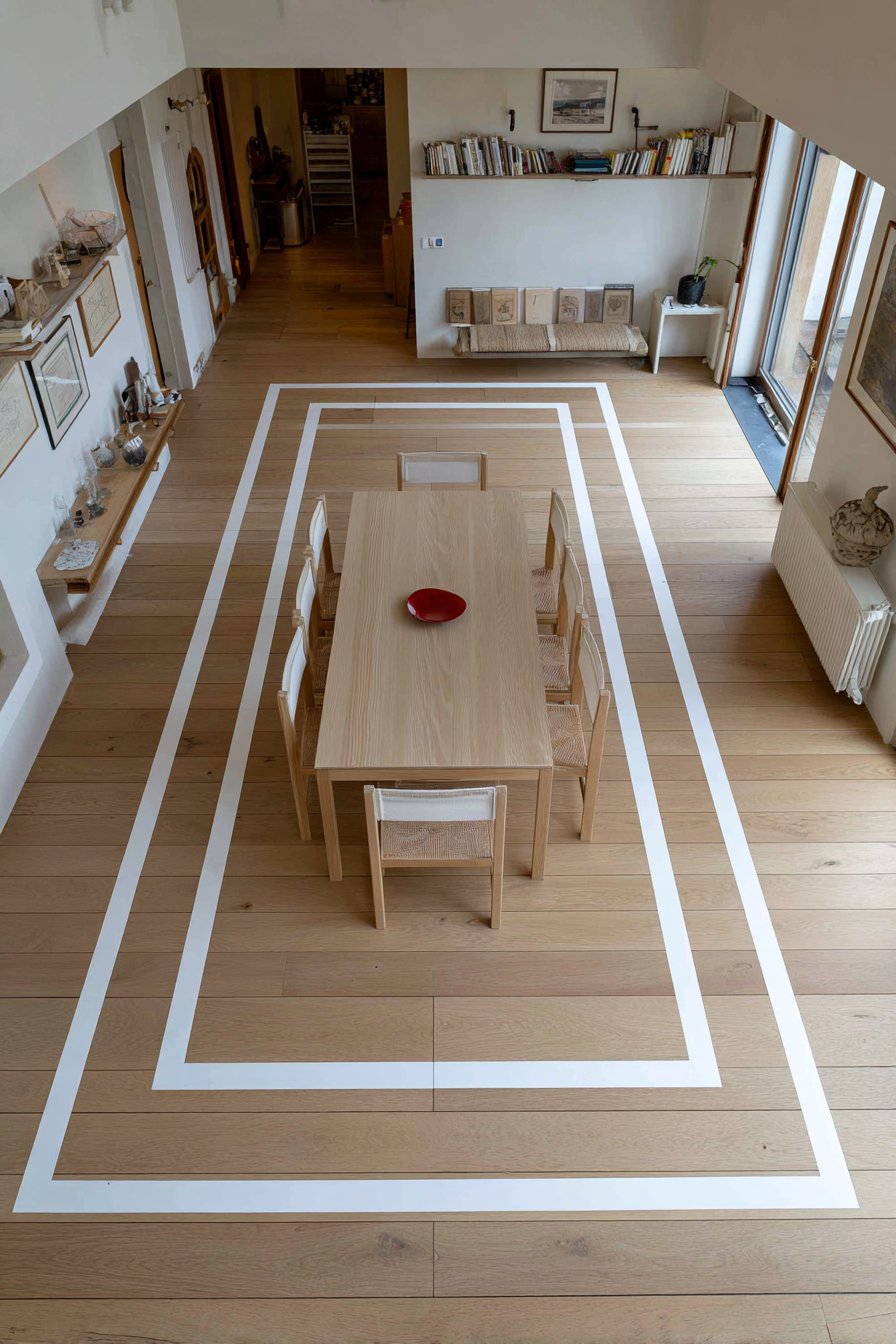
- Test the space using painter’s tape on the floor to visualize size
- Consider seasonal furniture additions like buffet tables for holidays
- Account for lighting fixtures that may limit table placement options
2. Determining Your Seating Requirements
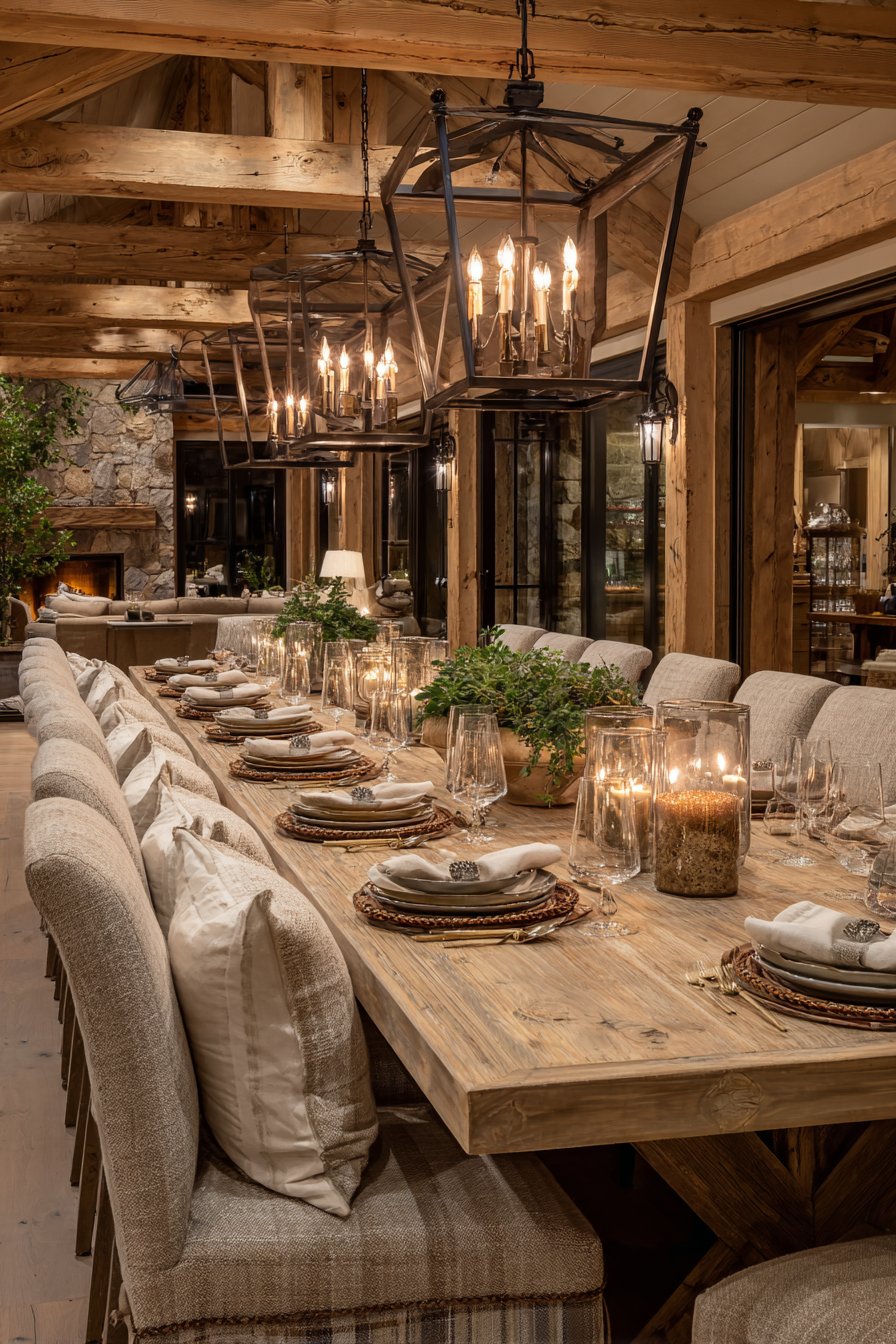
Household size directly influences table capacity needs, but don’t forget entertaining requirements. A family of four might regularly host dinner parties for eight or ten guests. Each person needs approximately 24 inches of table width for comfortable elbow room and place settings. This measurement ensures diners won’t feel cramped during meals.
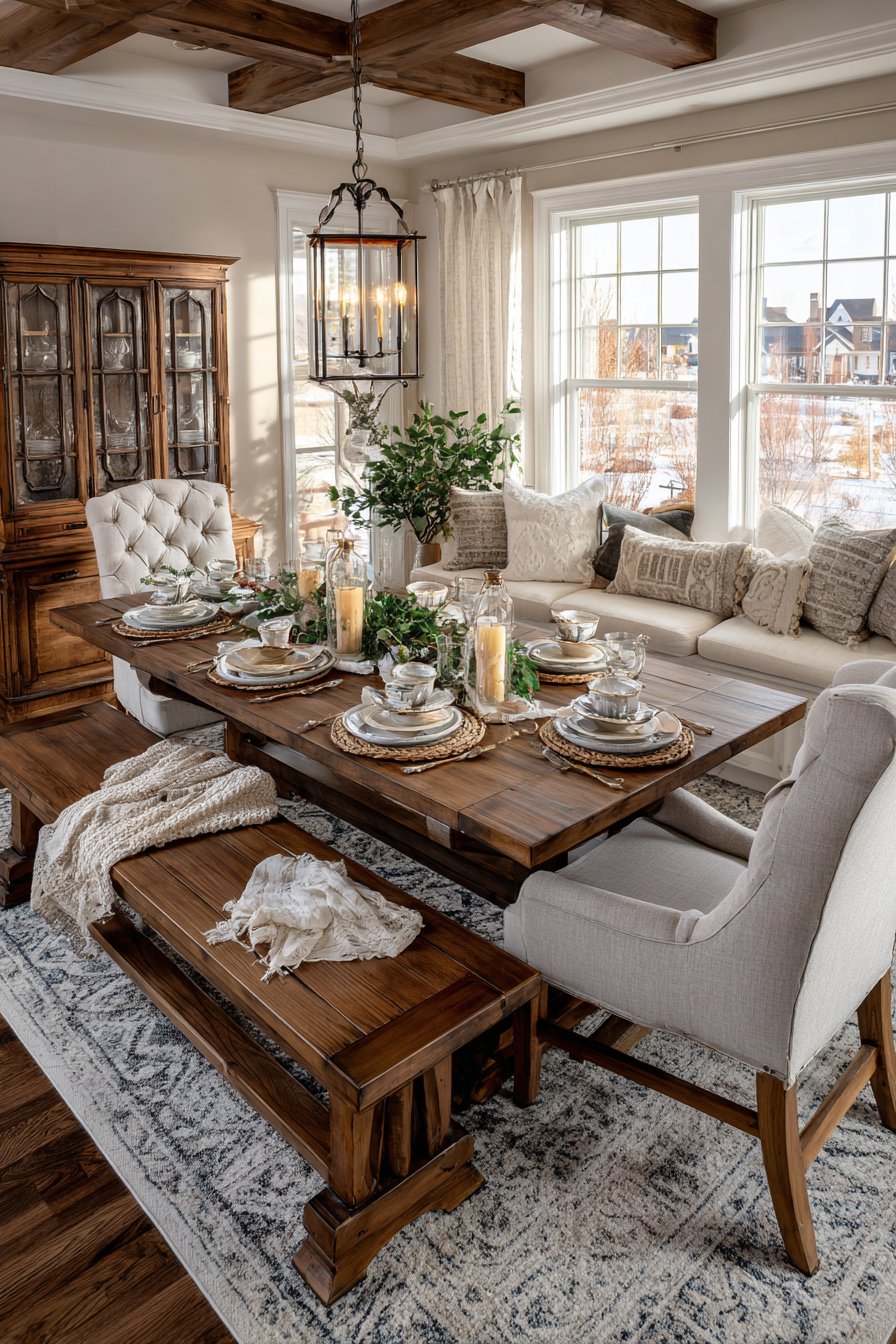
Table length determines seating along the sides, while width affects end seating comfort. Standard rectangular tables work well for most homes, providing flexible seating arrangements. Round and oval tables foster conversation better but accommodate fewer people per square foot. For everyday use with occasional entertaining, consider a table with extension leaves that expand when needed.
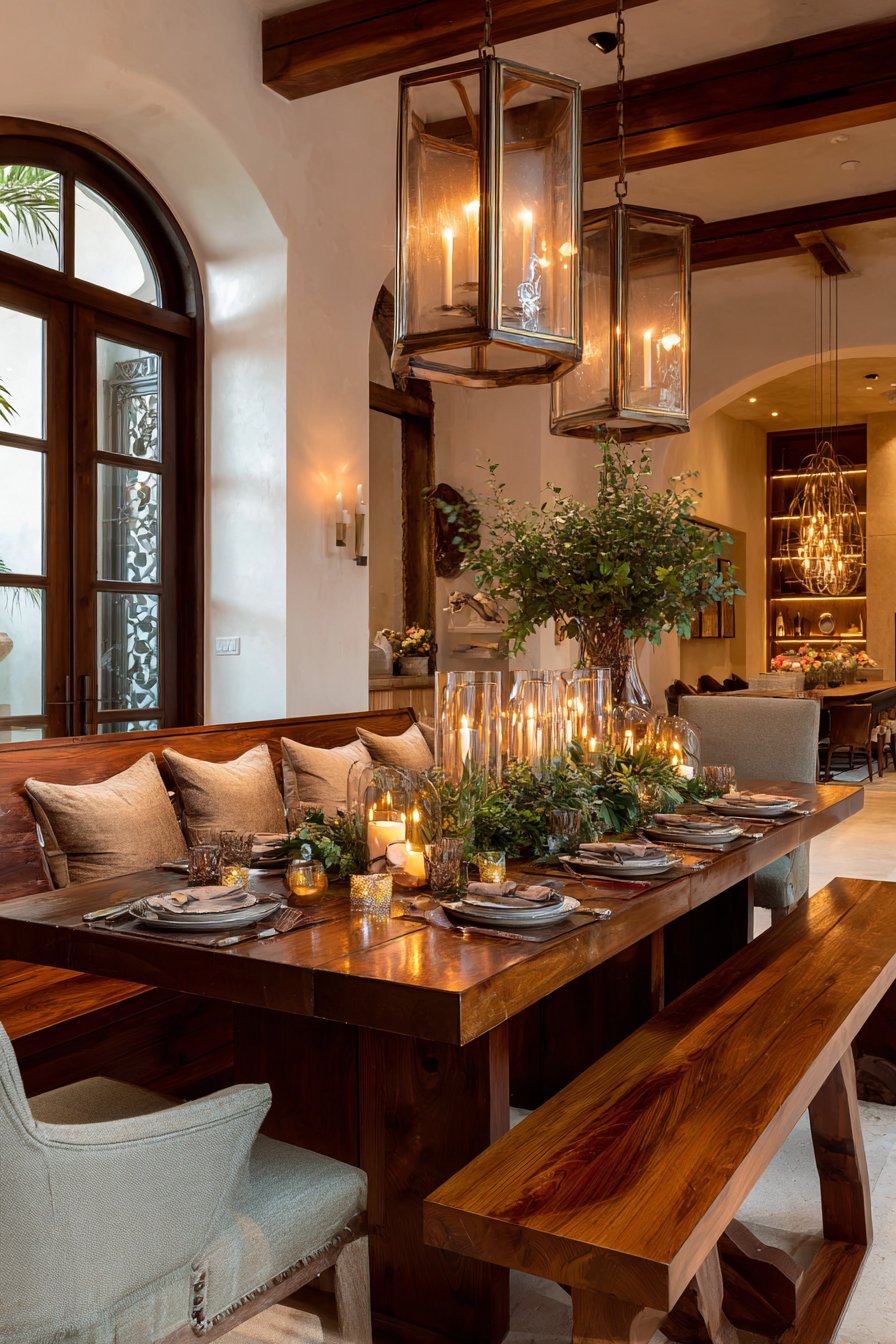
Think about your typical dining scenarios and special occasions. A couple who entertains monthly needs different capacity than a large family with daily gatherings. The flexible seating approach using extension tables or nesting chairs maximizes both everyday comfort and special event functionality.
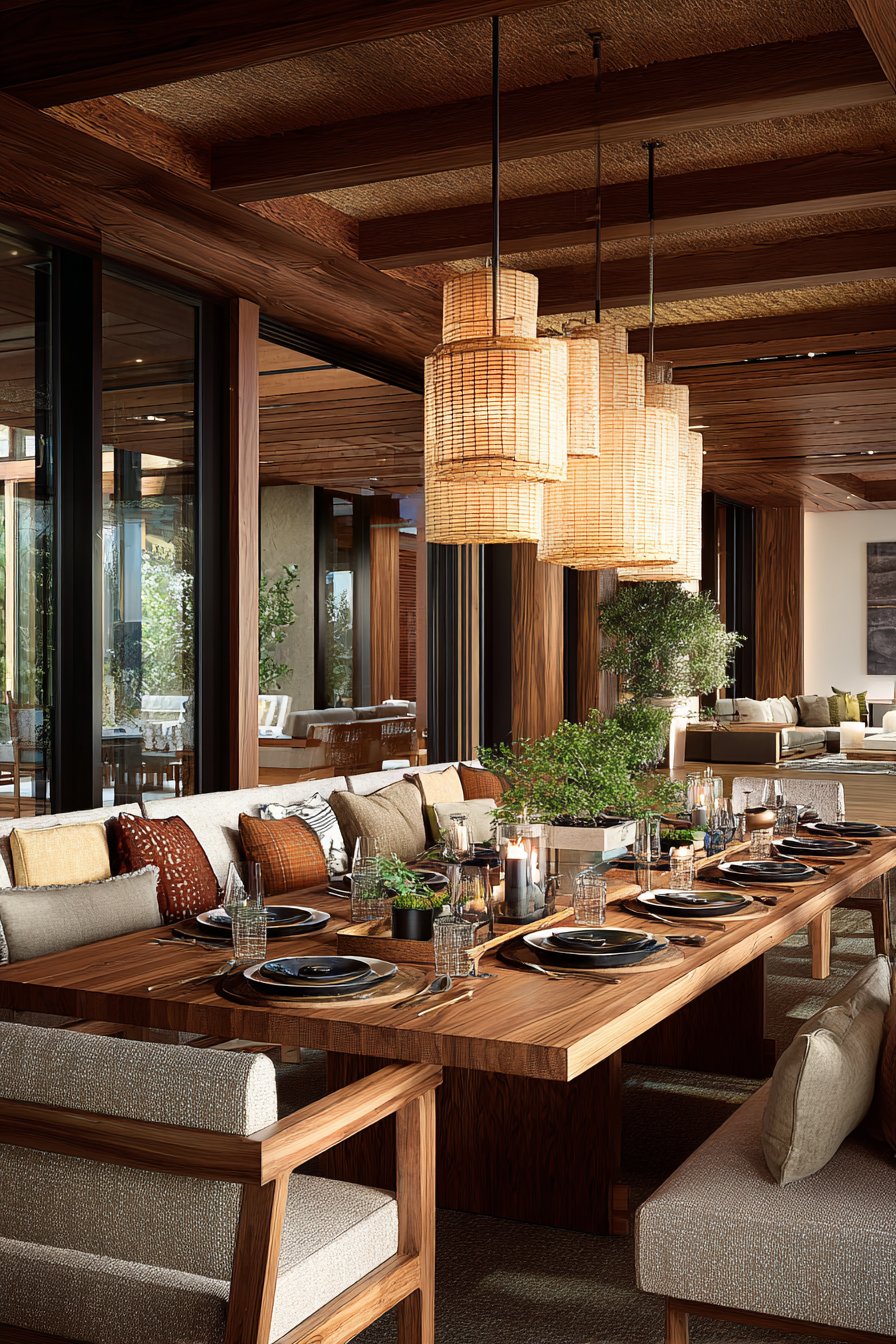
- Count regular household members plus frequent overnight guests
- Add 2-4 seats for typical entertaining scenarios
- Choose extendable tables for flexible capacity options
- Consider benches on one side to squeeze in extra diners
- Account for children who will need adult-sized spaces eventually
- Plan for life changes like growing families or aging parents moving in
3. Matching Table Shape to Room Configuration
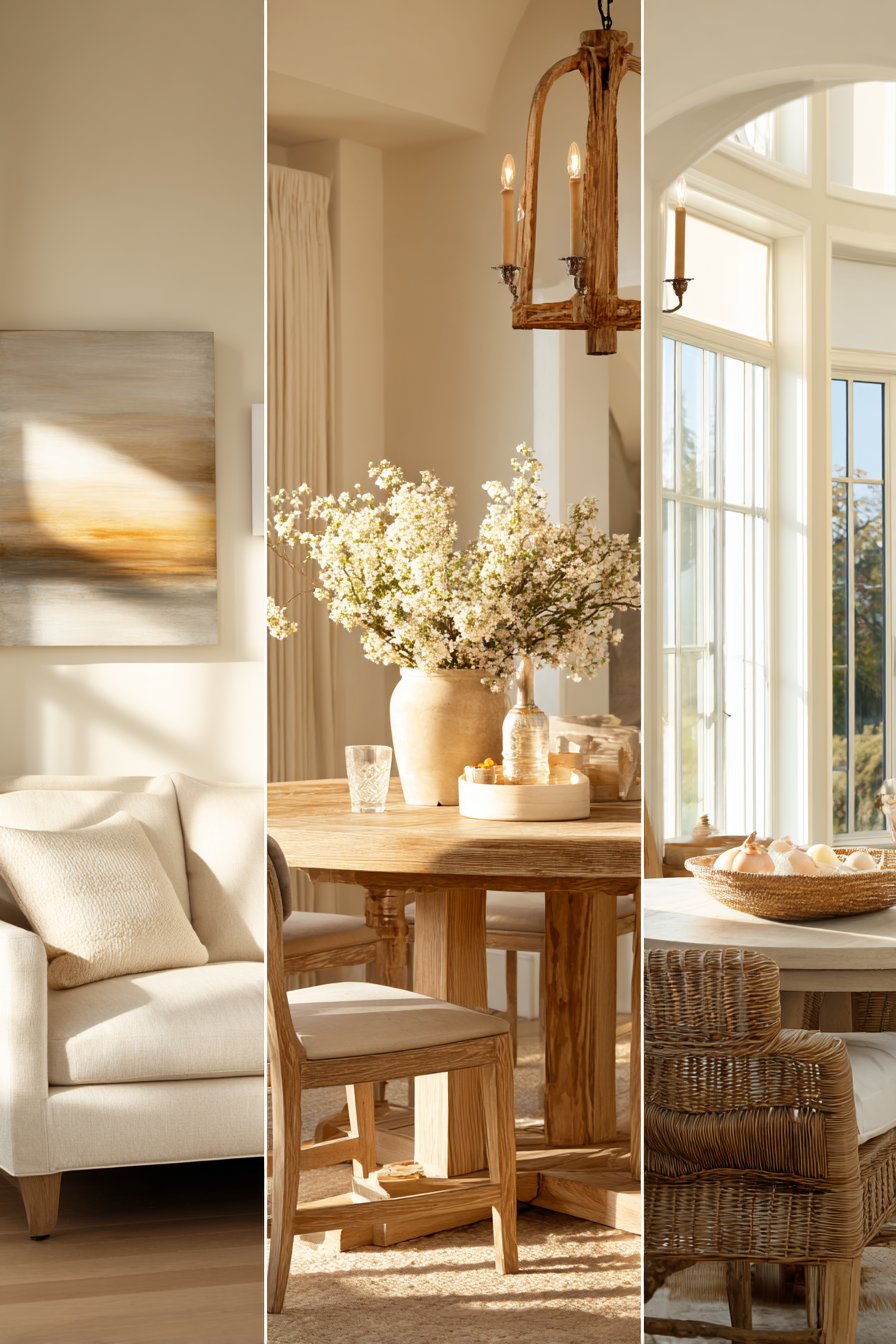
Table shape dramatically impacts both spatial efficiency and social dynamics. Rectangular tables suit longer, narrower rooms and accommodate the most people. Square tables create intimate settings for four to eight diners in square rooms. Round tables eliminate corners, making them ideal for small spaces and promoting equal conversation among all seated.
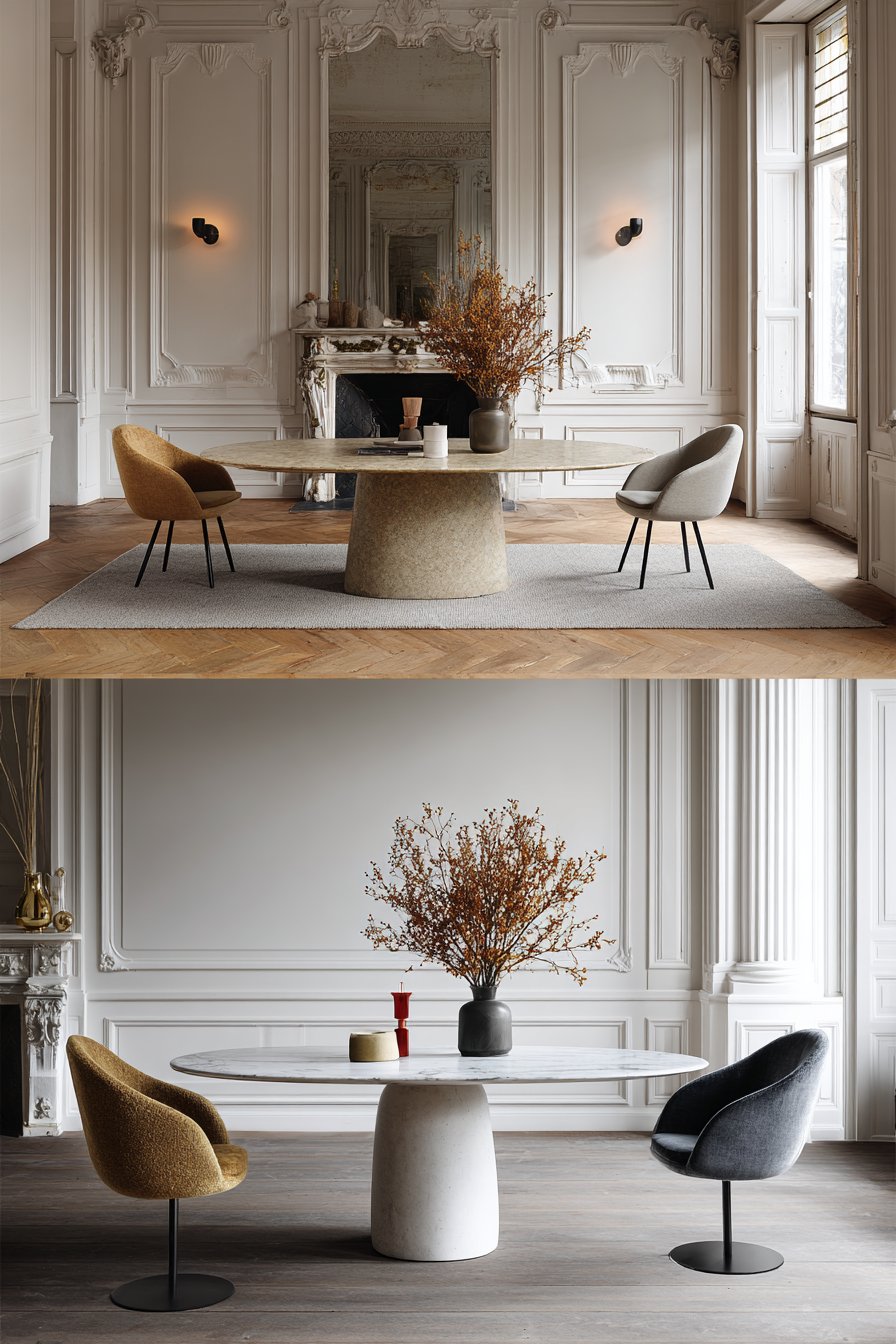
Oval tables combine rectangular seating capacity with the softer look of round designs. They work beautifully in transitional spaces connecting kitchens to living areas. Consider how table shape affects room flow and visual balance. A round table in a rectangular room may look awkward, while a rectangular table in a square space creates unused corner areas.
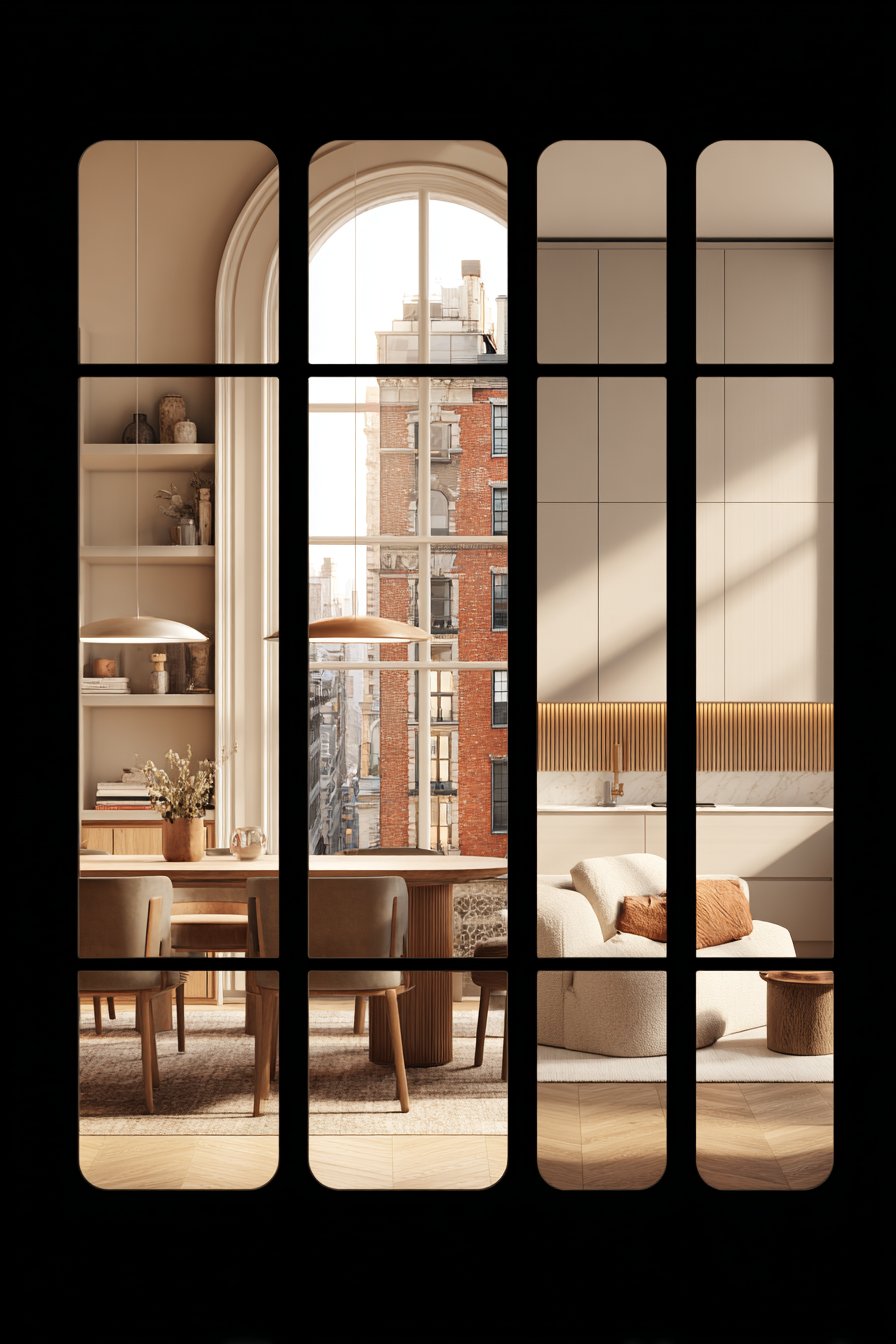
The shape you choose should complement your room’s architectural features and design style. Modern spaces often favor clean rectangular lines, while traditional rooms embrace round or oval silhouettes. Think about how people will move around the table during meals and when chairs are pushed back.
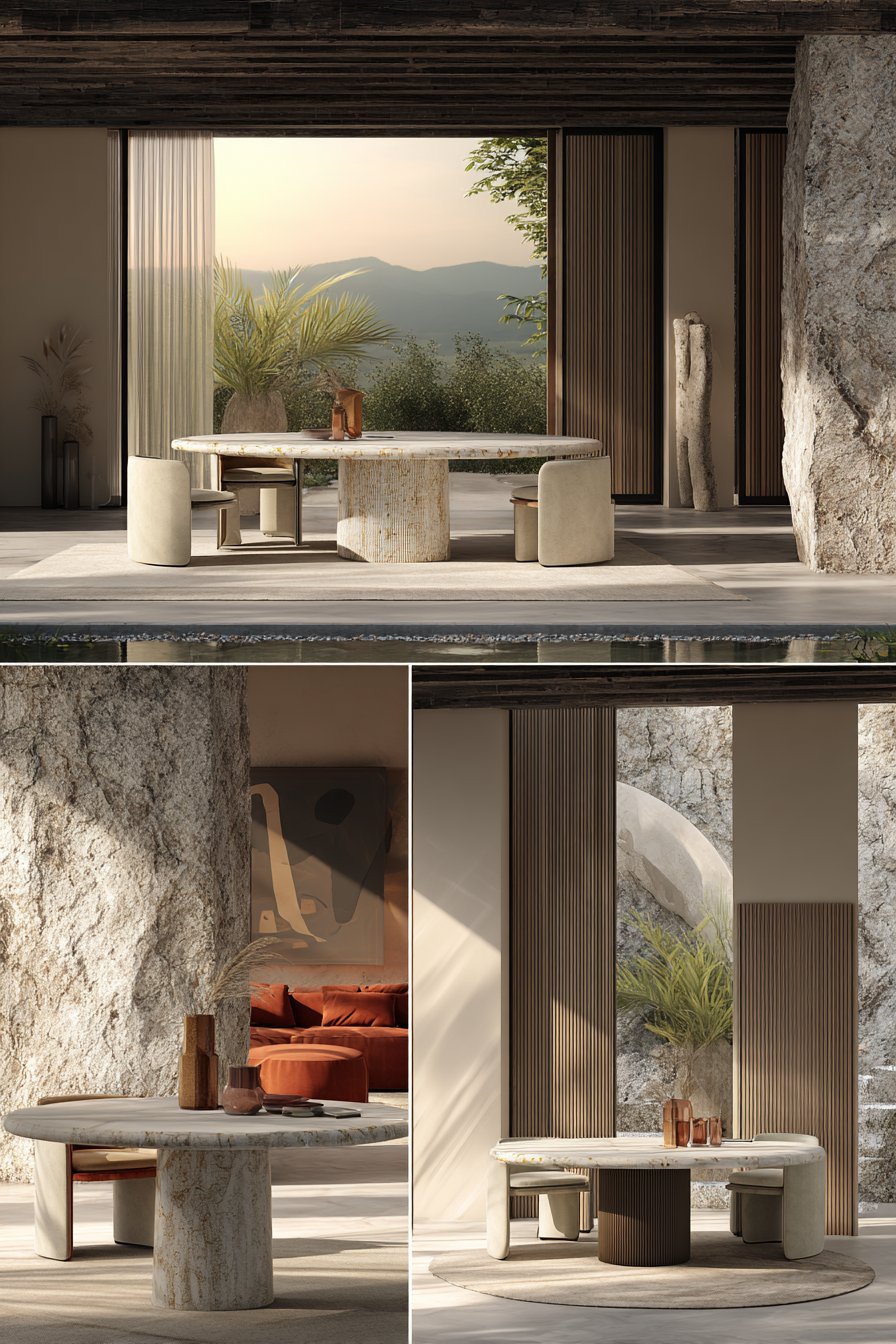
- Match rectangular tables to longer, narrower dining rooms
- Use round tables in square spaces or small dining areas under 10×10 feet
- Consider oval tables for versatile seating in medium-sized rooms
- Choose square tables for intimate four-person dining experiences
- Test if pedestal bases improve legroom versus four-legged designs
- Ensure table shape doesn’t block natural traffic patterns through the room
4. Calculating Proper Table Height and Proportions
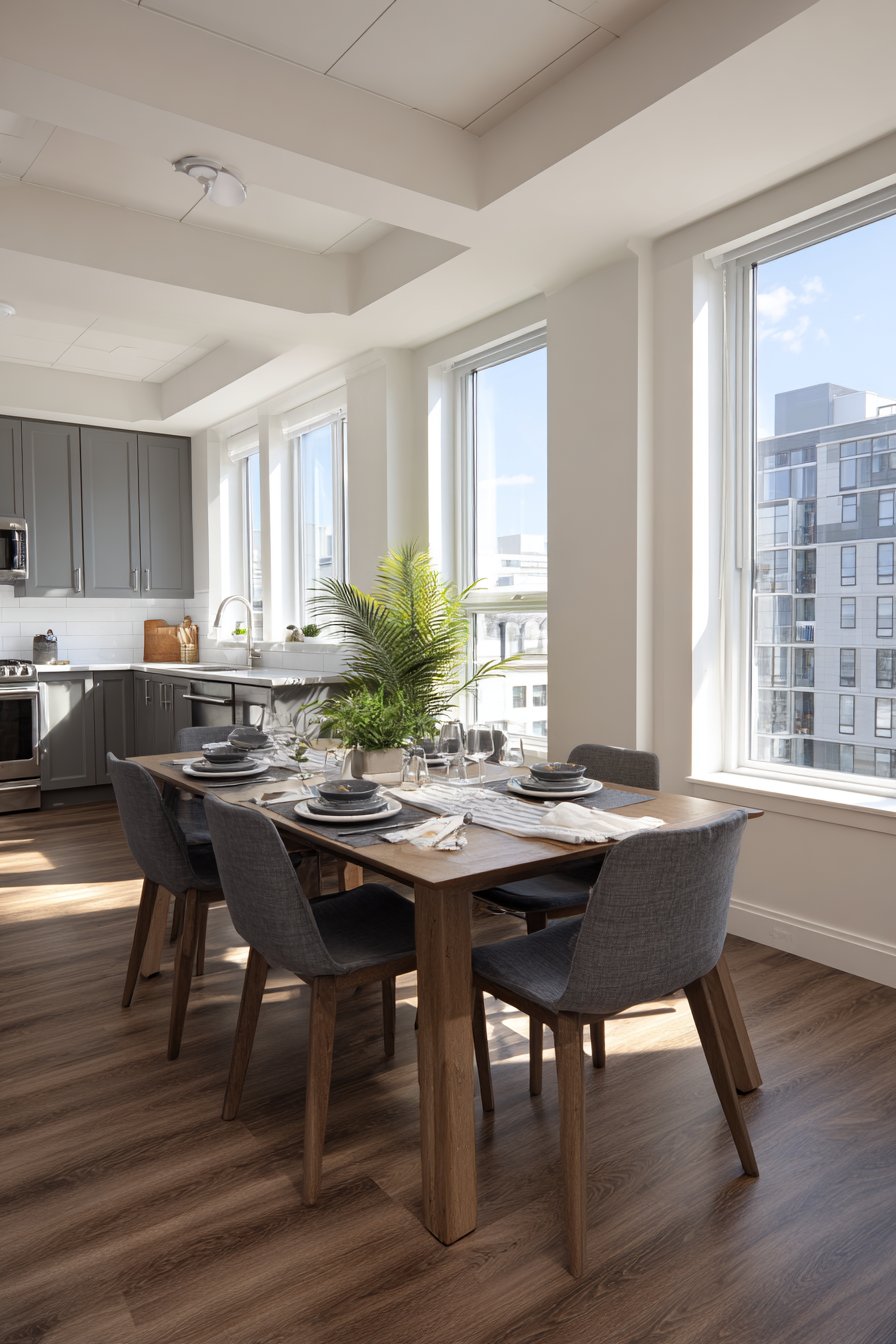
Standard dining table height measures 28 to 30 inches from floor to tabletop. This dimension ensures comfortable seating with standard dining chairs that sit 18 inches high. The 12-inch difference between seat and table surface provides adequate lap and leg room for most adults.
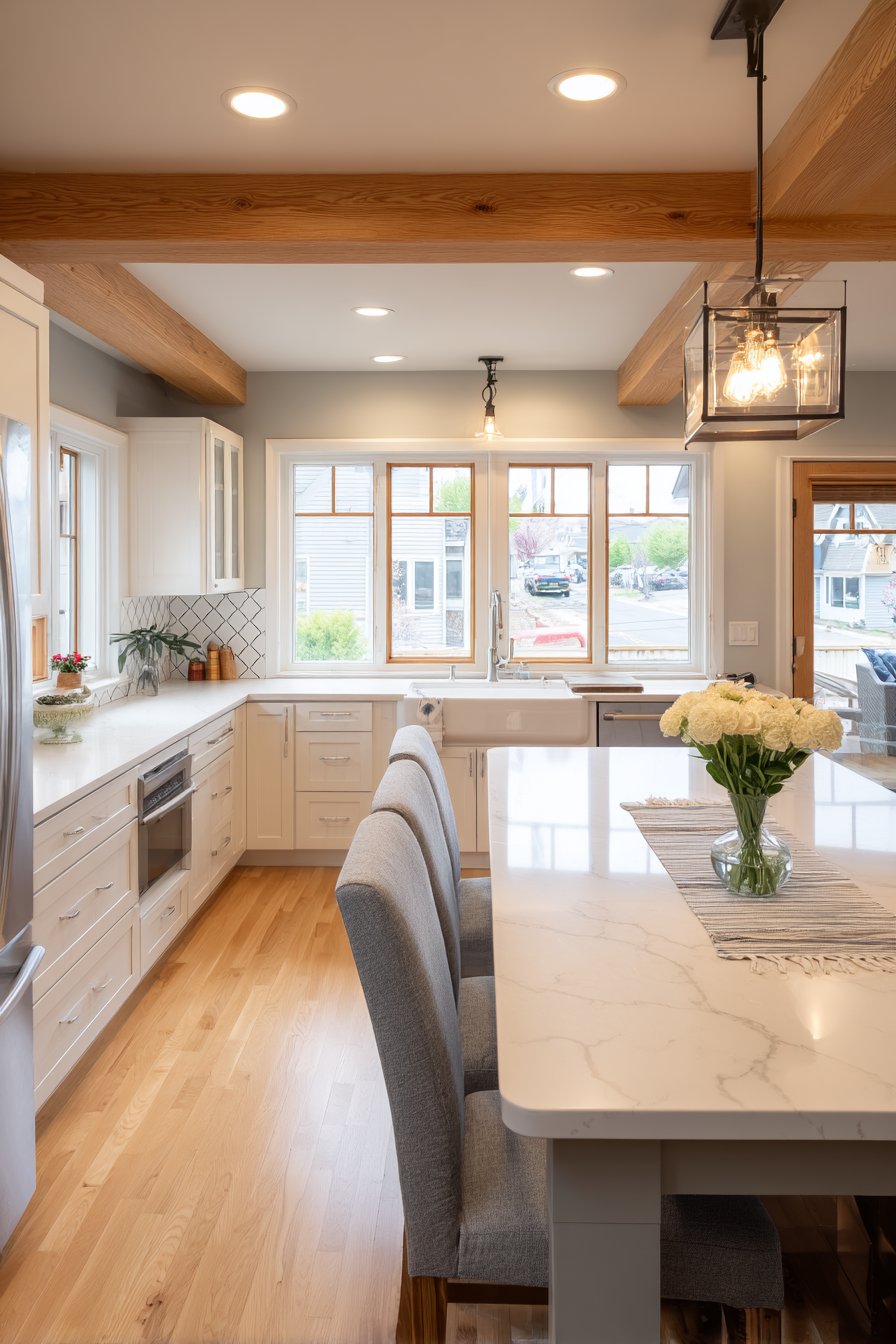
Counter-height tables at 34-36 inches create a casual dining atmosphere and work well with kitchen islands. Bar-height tables reach 40-42 inches, best suited for standing conversations or bar stool seating. Each height option creates different spatial dynamics and social interactions. Consider your household’s physical comfort needs, including anyone with mobility challenges who might struggle with taller seating.
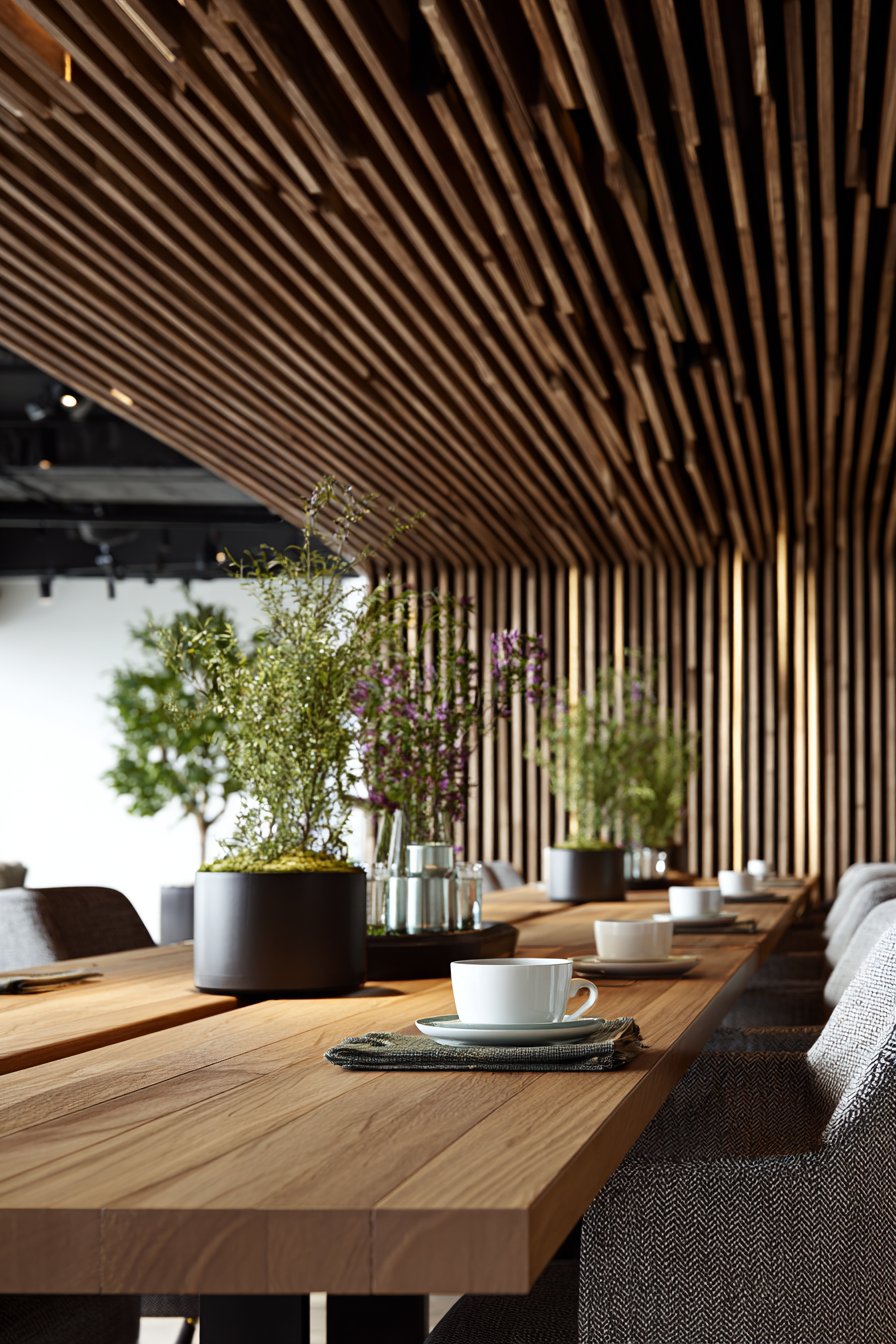
Table proportion extends beyond height to width considerations. Dining tables should measure 36 to 42 inches wide for comfortable place settings on both sides. Narrower tables feel cramped when adding serving dishes, while wider tables make conversation difficult across the span.
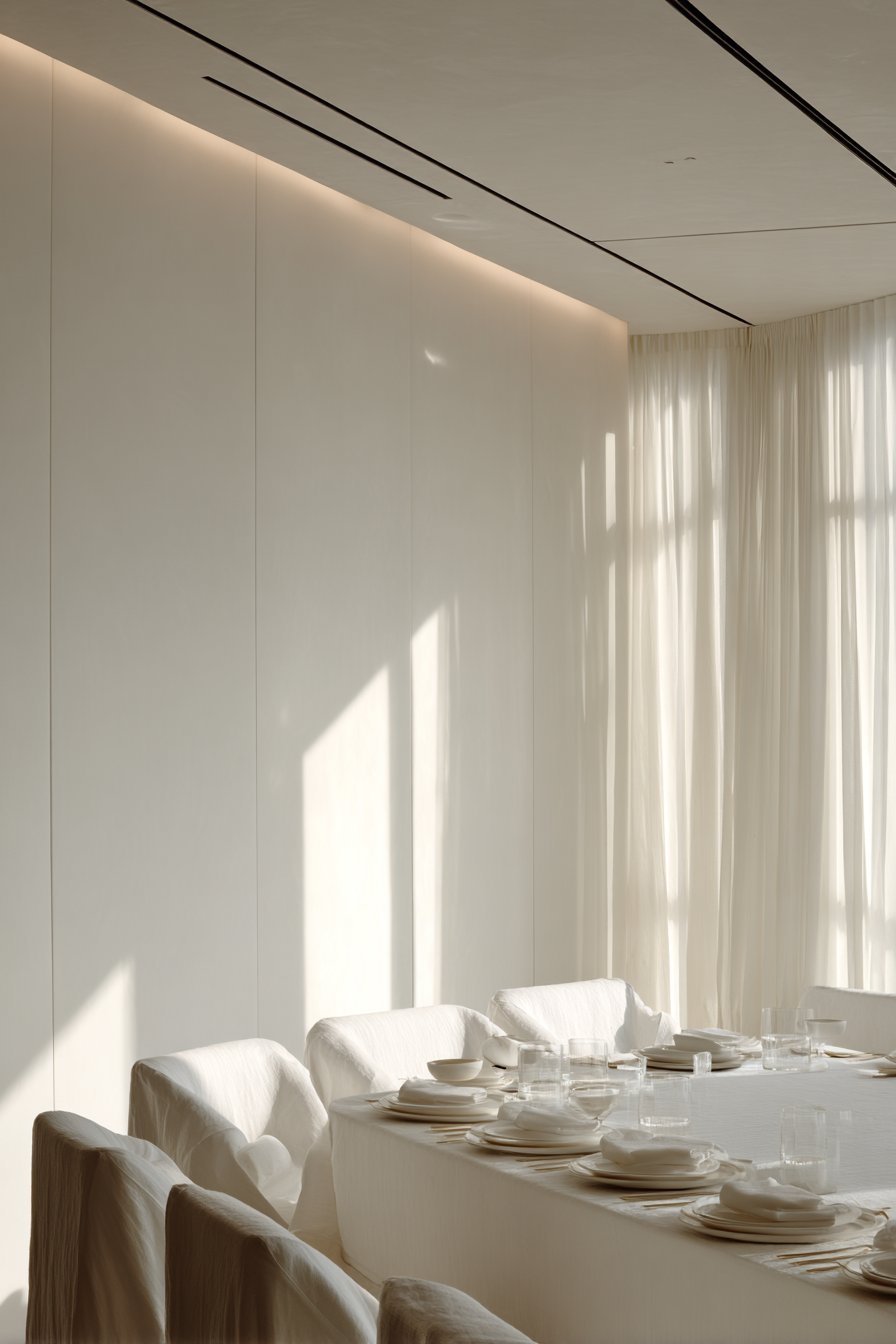
- Verify that chair height complements your chosen table height properly
- Test seating comfort before purchasing unfamiliar table heights
- Ensure adequate legroom underneath for crossed legs and larger frames
- Choose table width that allows centerpieces without crowding place settings
- Consider adjustable-height tables for multi-functional spaces
- Account for any flooring changes that might affect final table height
5. Factoring in Design Style and Visual Weight
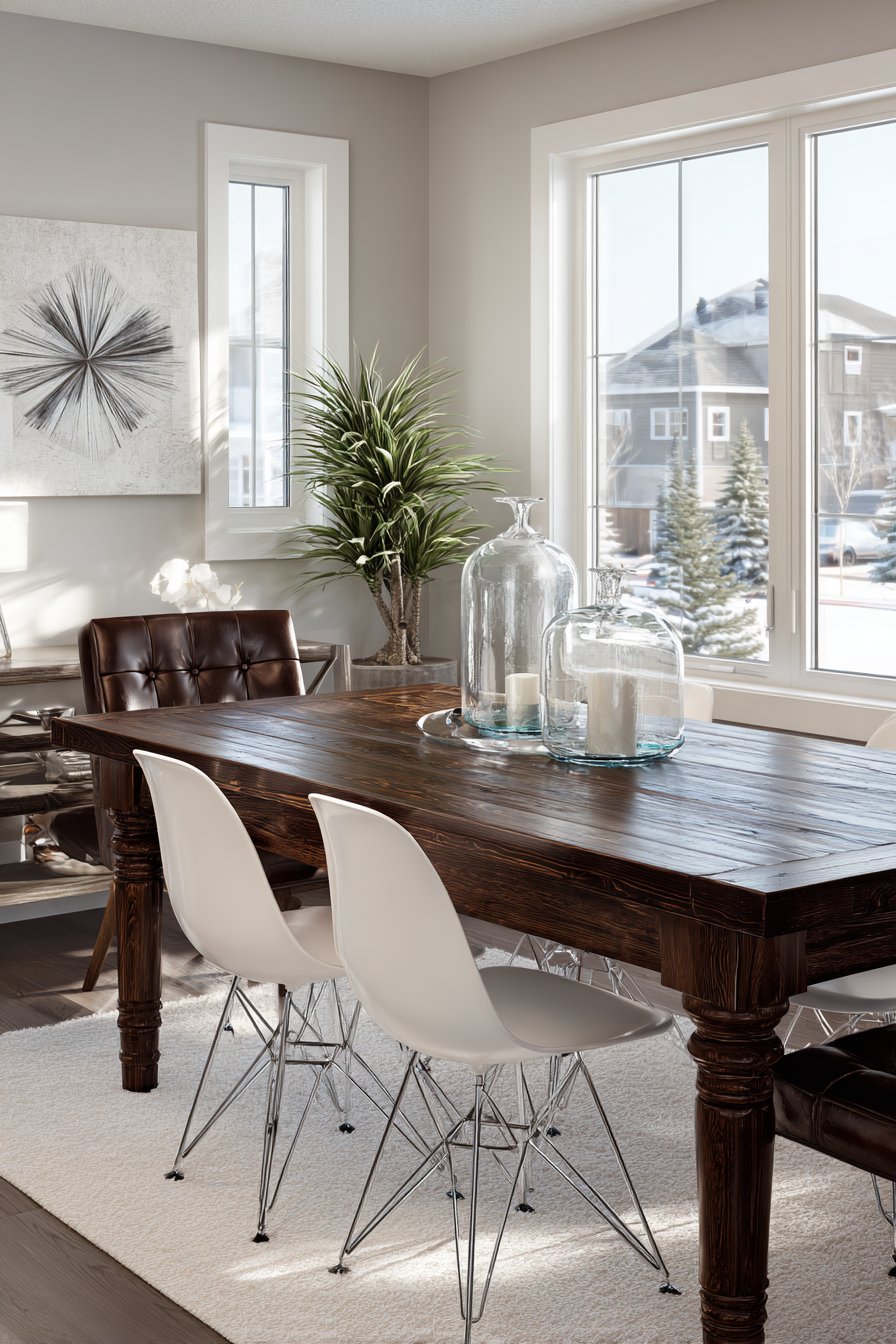
Table size perception depends on visual mass, not just physical dimensions. A heavy, dark wood table with substantial legs appears larger than a glass-top table of identical size. This optical effect influences how your dining area feels. Lighter materials and streamlined designs help small spaces feel more open and airy.
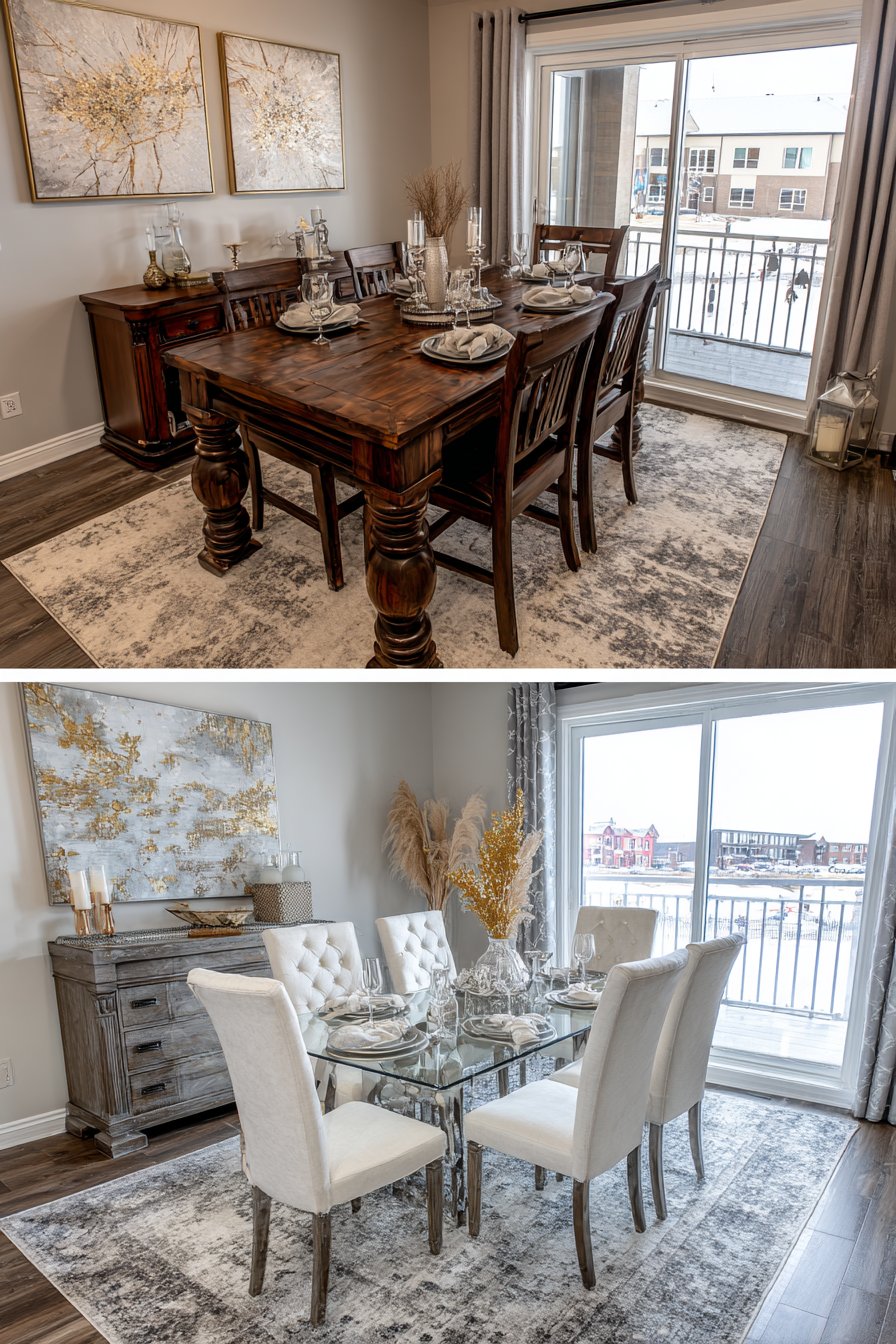
Pedestal bases typically offer more flexible seating than four-legged tables by eliminating corner leg obstructions. However, very large pedestal tables may feel unstable or visually bottom-heavy. Trestle bases provide excellent stability for long tables while maintaining an open feel underneath. Consider how your chosen base style affects both function and aesthetics.
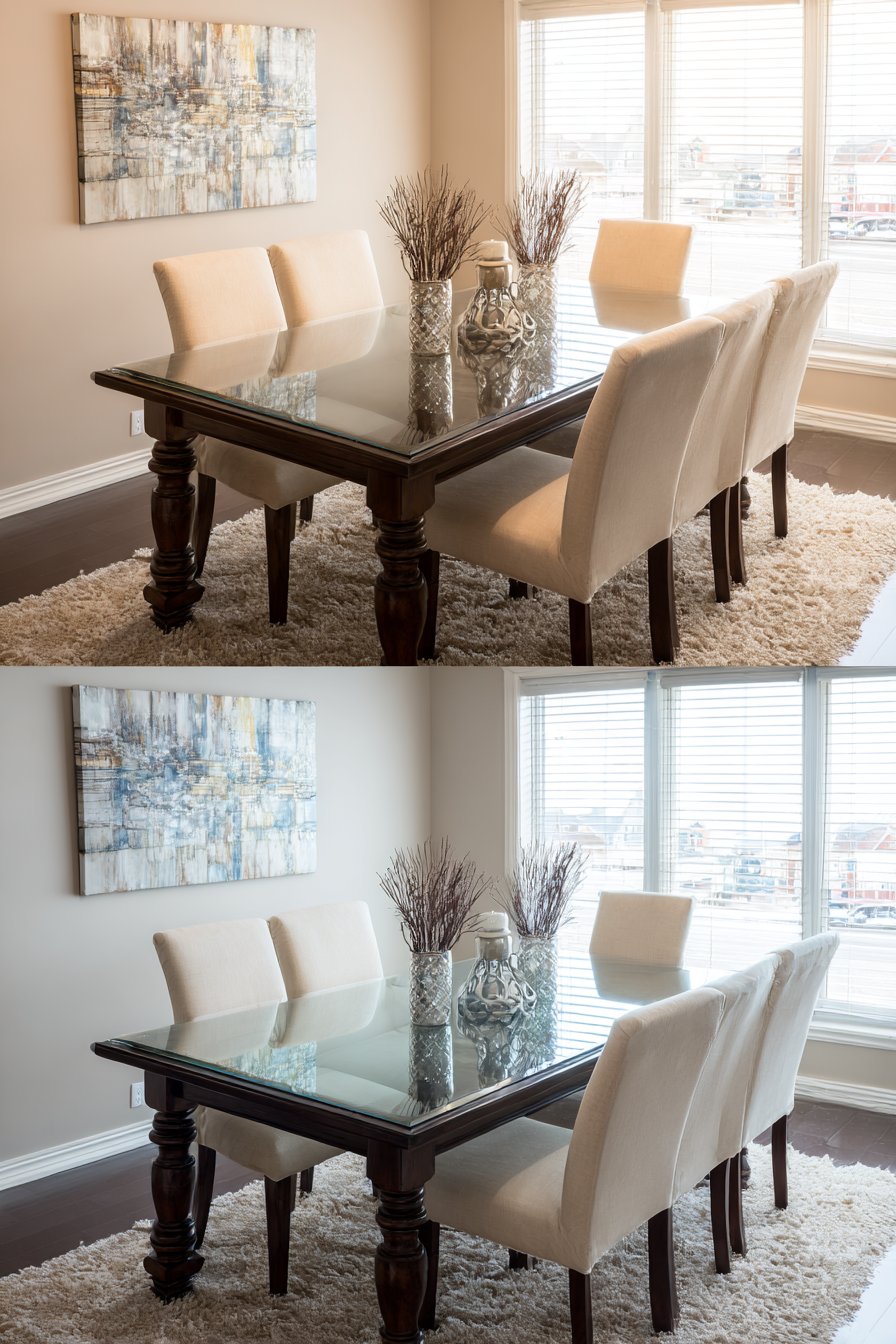
Your table should harmonize with existing decor while making an appropriate design statement. A massive farmhouse table overwhelms a minimalist modern space, while a delicate parsons table gets lost in traditional settings. The table’s visual weight should balance with other furniture pieces and architectural elements in the room.
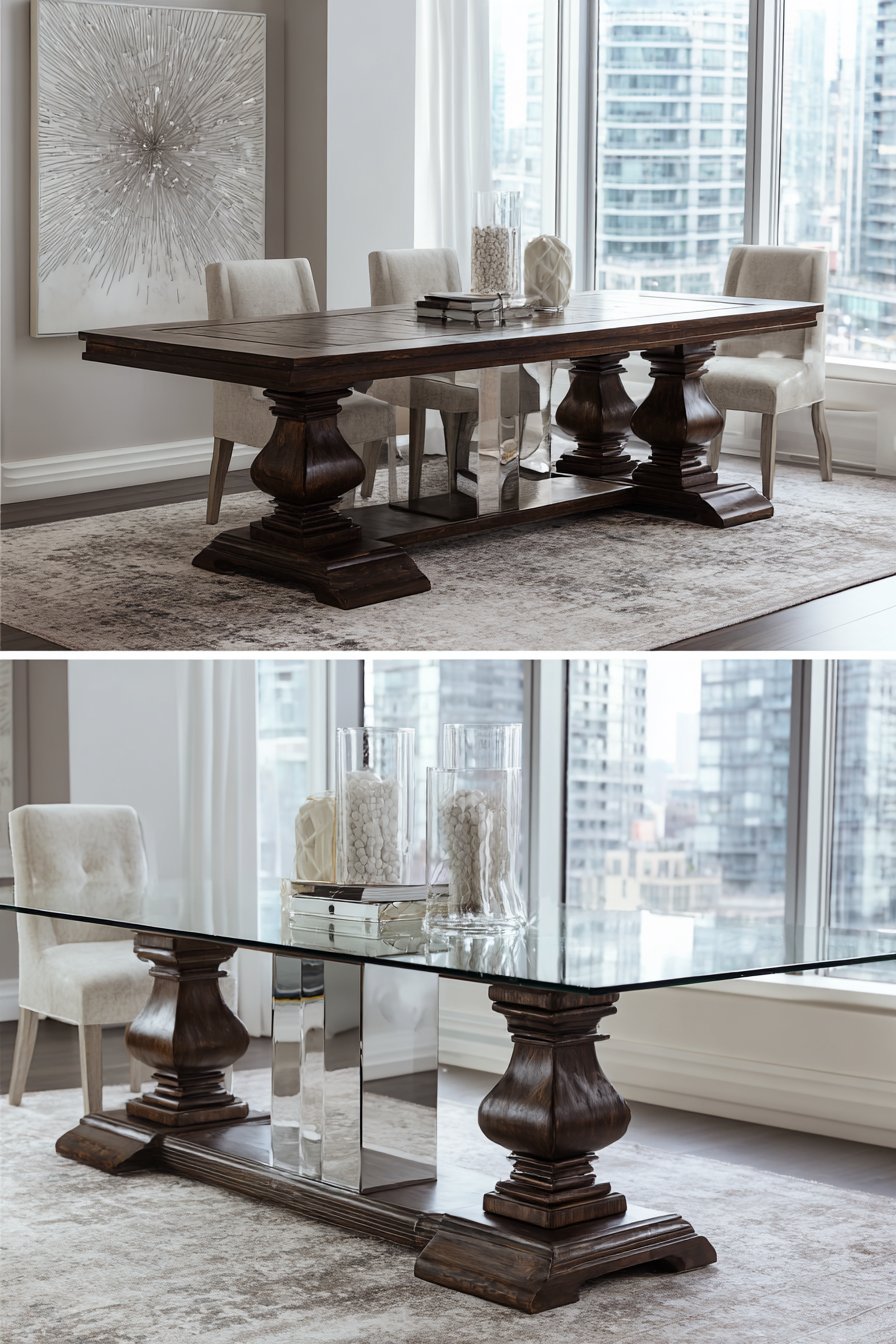
- Select transparent or light-colored tables to minimize visual bulk
- Match table style to your home’s overall design aesthetic
- Consider how table finish affects perceived size in the space
- Choose bases that provide stability without blocking seating positions
- Ensure table height balances proportionally with nearby furniture pieces
- Use mirrors or light walls to make larger tables feel less imposing
6. Planning for Multi-Functional Use and Future Needs
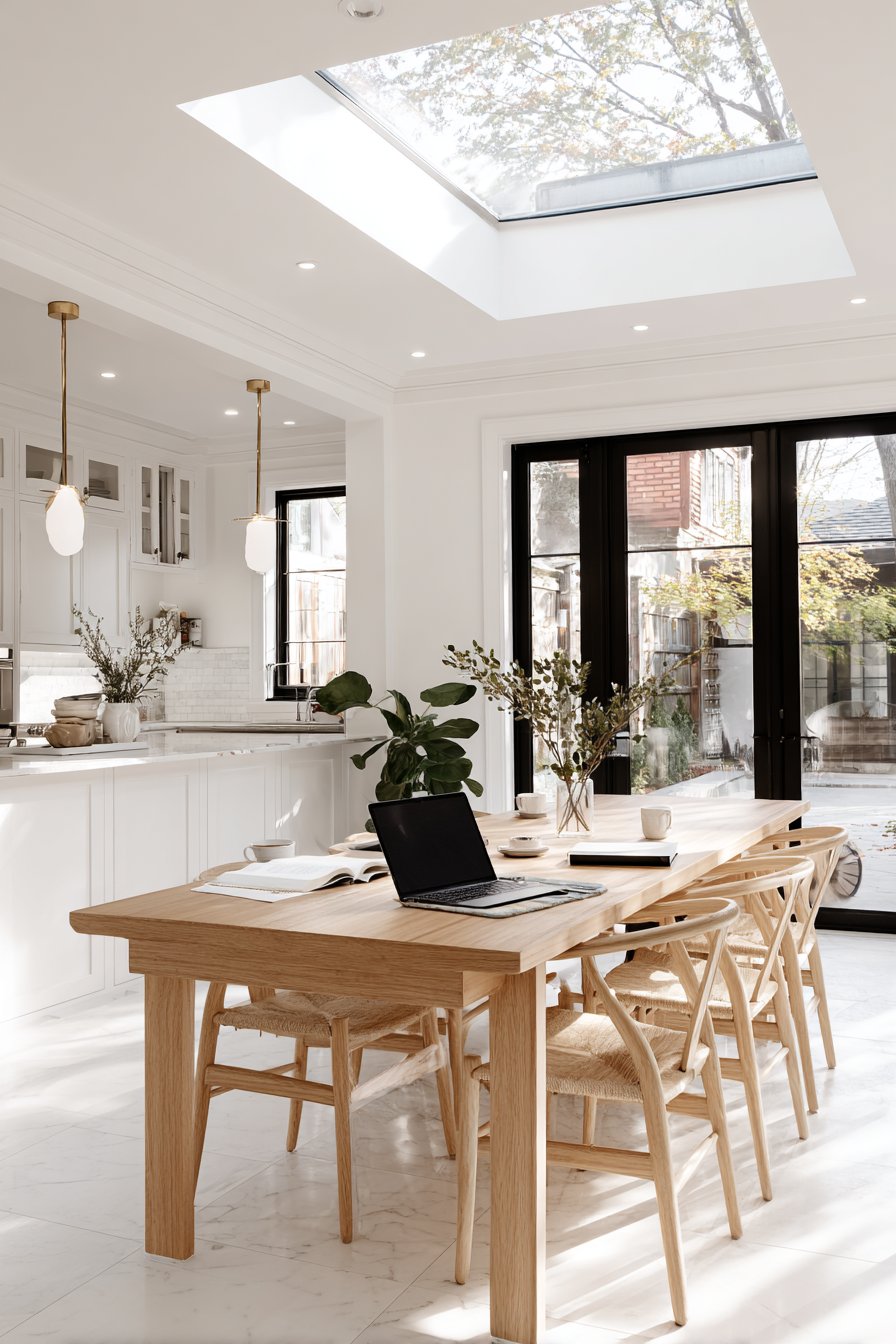
Modern dining tables often serve multiple purposes beyond meals. They become homework stations, work-from-home offices, and craft project centers. If your table supports diverse activities, consider size implications for each use. A too-small table frustrates when spreading out paperwork, while oversized tables waste space during everyday dining.
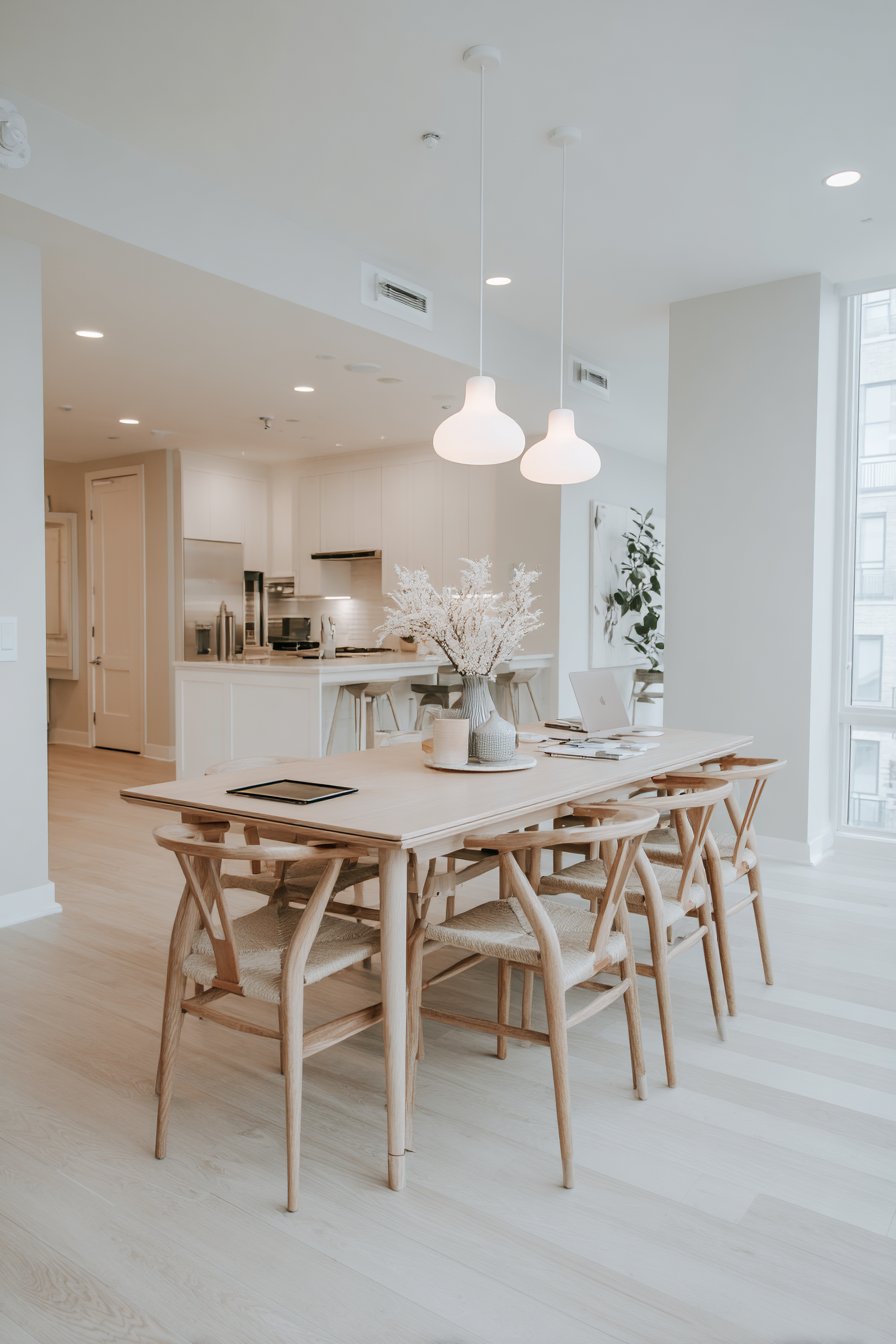
Think five to ten years ahead when selecting table size. Young couples may start families, requiring additional seating capacity. Empty nesters might downsize their homes and need smaller furniture. Extension tables with leaves offer the most adaptable solution, expanding for gatherings and contracting for daily use.
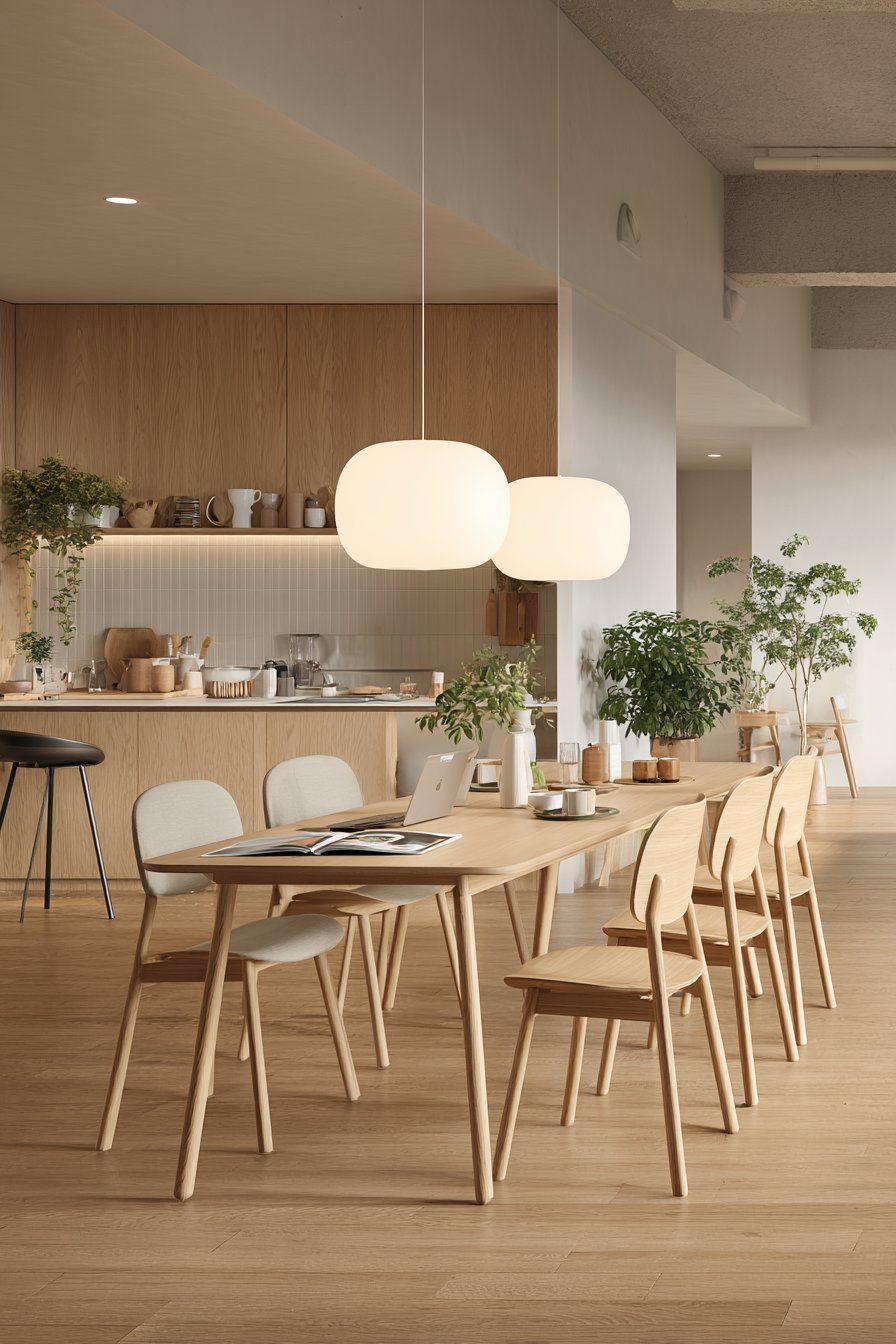
Budget considerations also influence long-term decisions. Investing in a quality extendable table costs more initially but eliminates future replacement needs. Consider whether your table might move to different homes with varying room sizes. Versatile proportions around 60×36 inches fit most standard dining spaces and accommodate six people comfortably.
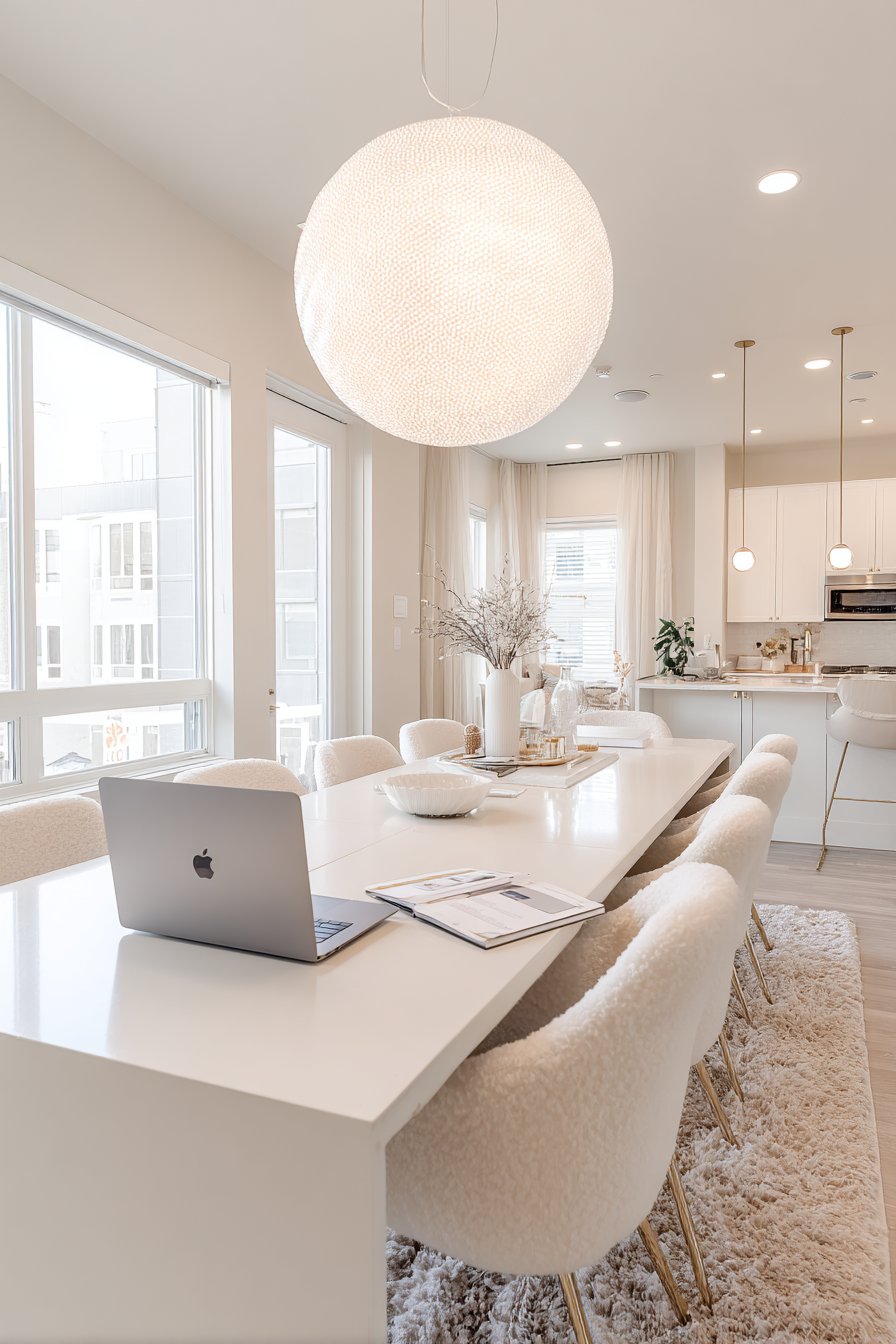
- Choose tables with removable leaves for maximum flexibility
- Consider butterfly leaf mechanisms that store within the table
- Plan for lifestyle changes including family growth or downsizing
- Invest in quality construction that withstands years of heavy use
- Select neutral sizes that work in various home layouts
- Test extension mechanisms before purchasing to ensure smooth operation
Conclusion
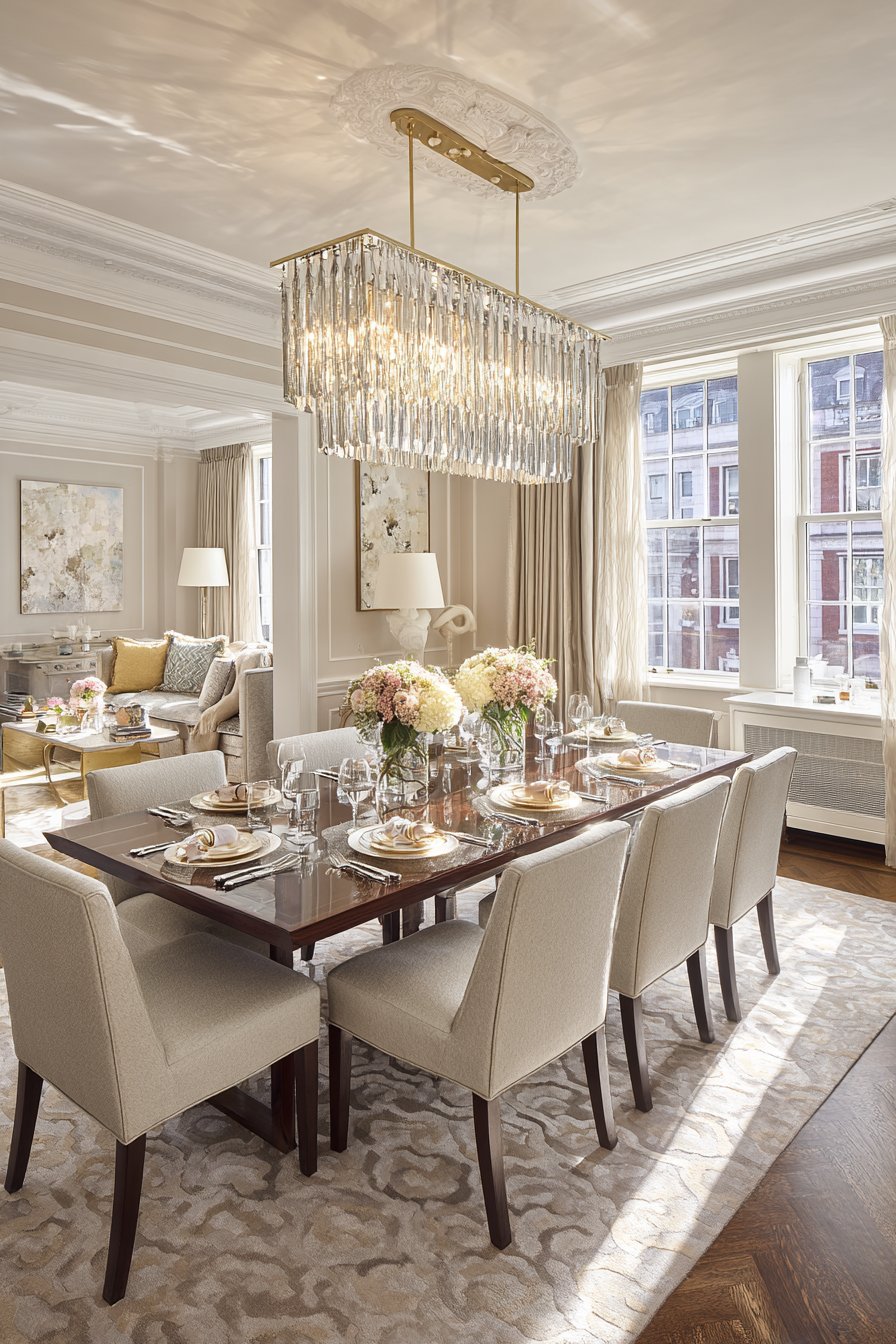
Choosing the perfect dining table size combines mathematical precision with thoughtful lifestyle planning. The right table enhances your home’s functionality while creating a welcoming gathering space for years to come. By carefully measuring your room, assessing seating needs, and considering future requirements, you’ll select dimensions that serve you well through changing circumstances.
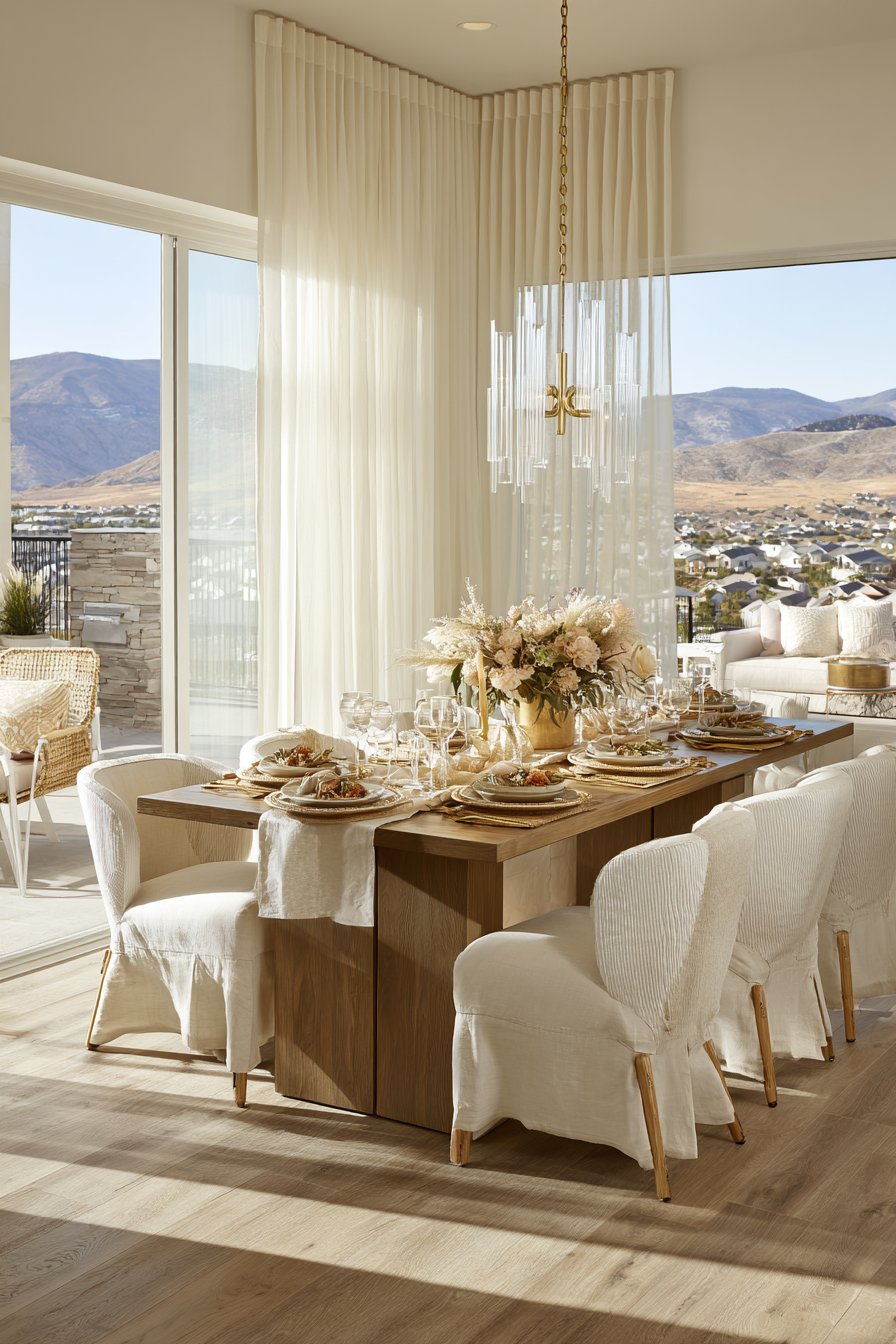
Remember that the best dining table size balances practical requirements with aesthetic preferences. Don’t sacrifice comfort for style or vice versa. Take time to visualize different options in your space, test measurements physically, and choose a table that truly fits your life. Your dining area deserves furniture that makes every meal memorable and every gathering comfortable.
