


Dark living rooms can feel cramped and uninviting, especially when natural light is limited. Many homeowners struggle with spaces that lack brightness and openness. However, strategic design choices can transform even the dimmest room into an airy, welcoming sanctuary.
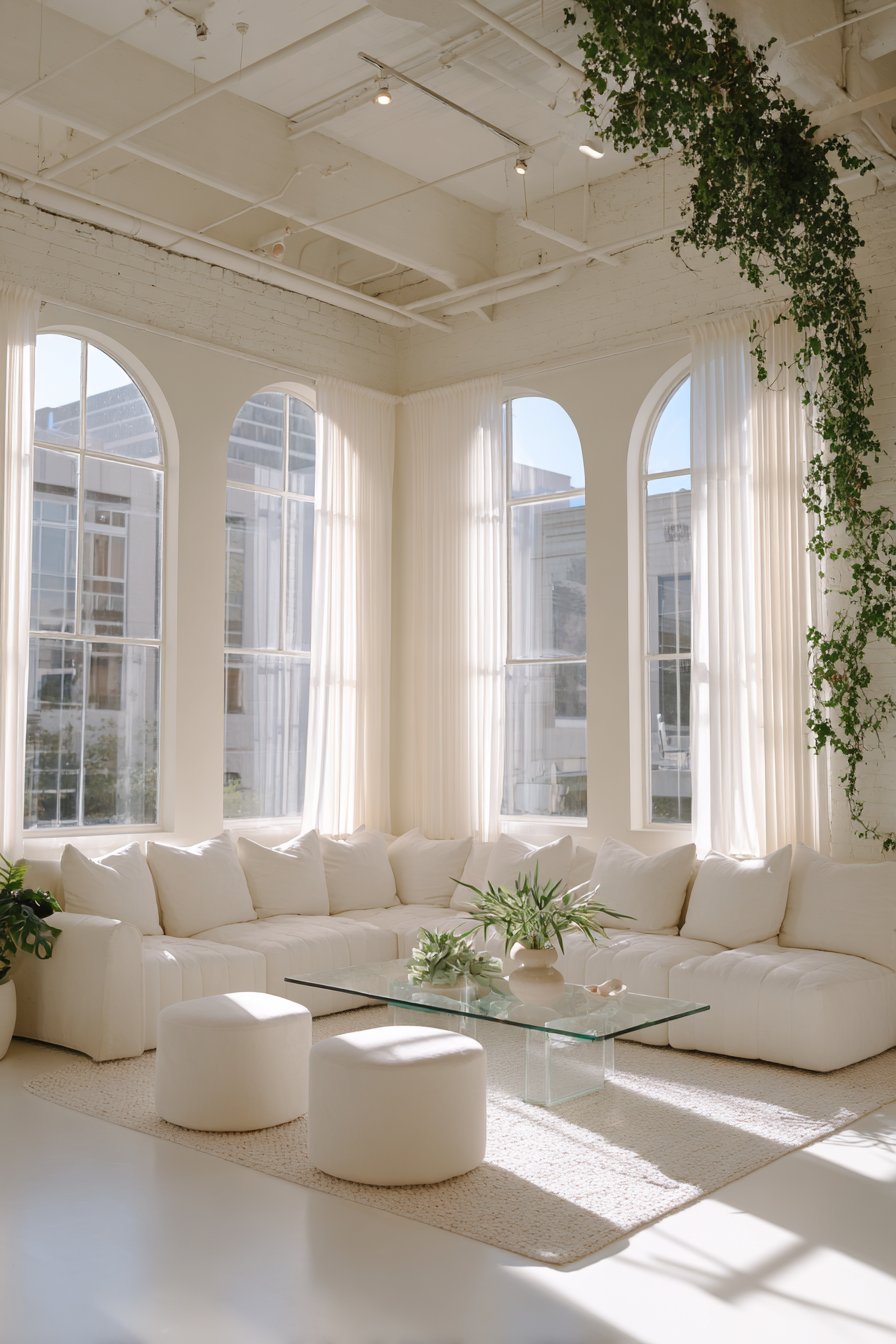
Interior design is about more than aesthetics; it’s about creating spaces that enhance our daily lives. A well-designed living room serves as the heart of your home. It should feel spacious, comfortable, and full of life. The tricks we’ll explore today cater to various design preferences and budgets. Whether you prefer modern minimalism or classic elegance, these proven techniques will help you brighten your space and create the illusion of airiness.
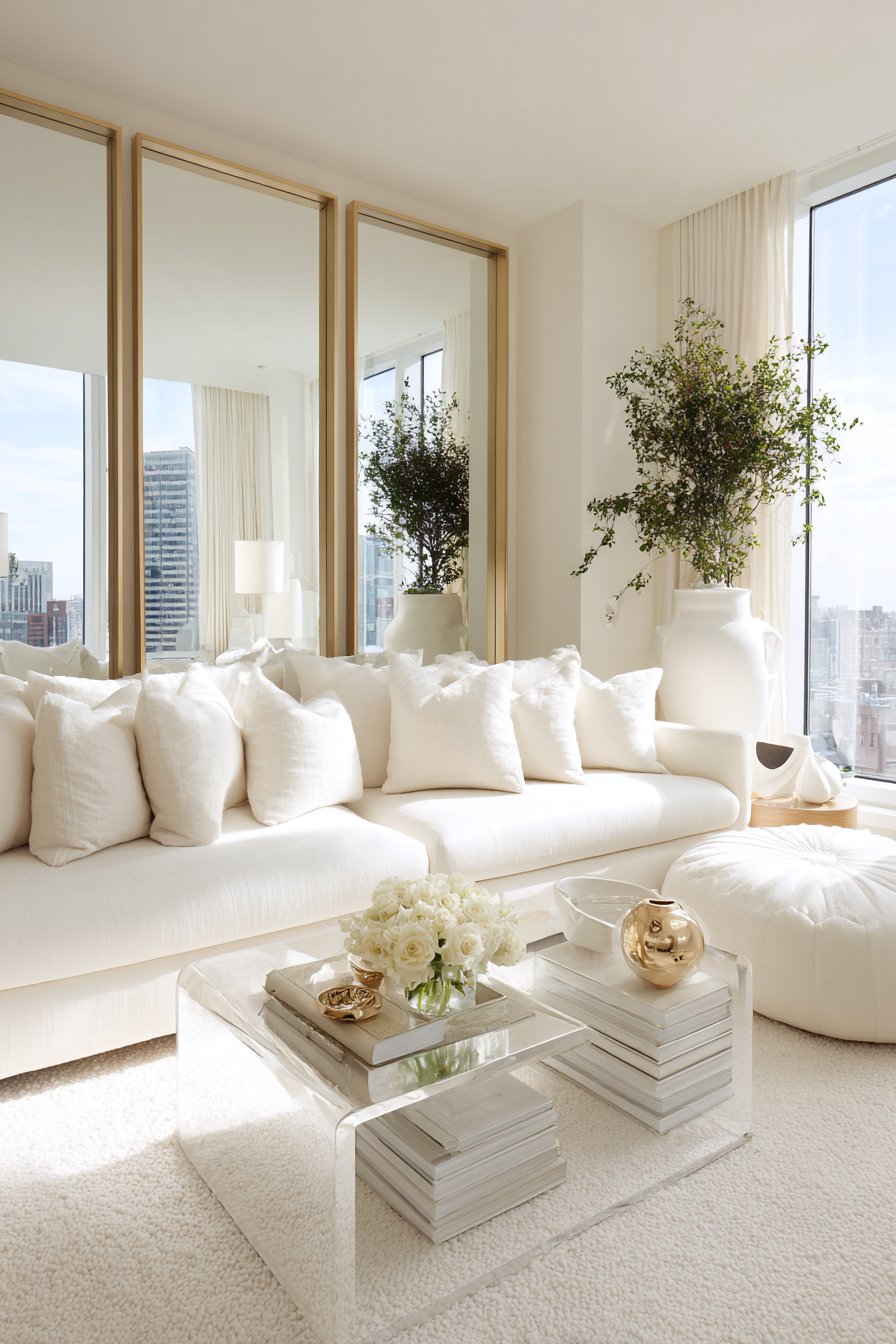
From clever lighting solutions to strategic color choices, each approach offers unique benefits. These methods work together to maximize light reflection and create visual expansion. Let’s explore how you can transform your dark living room into a bright, breathable space.
1. Embrace Light-Reflective Paint Colors
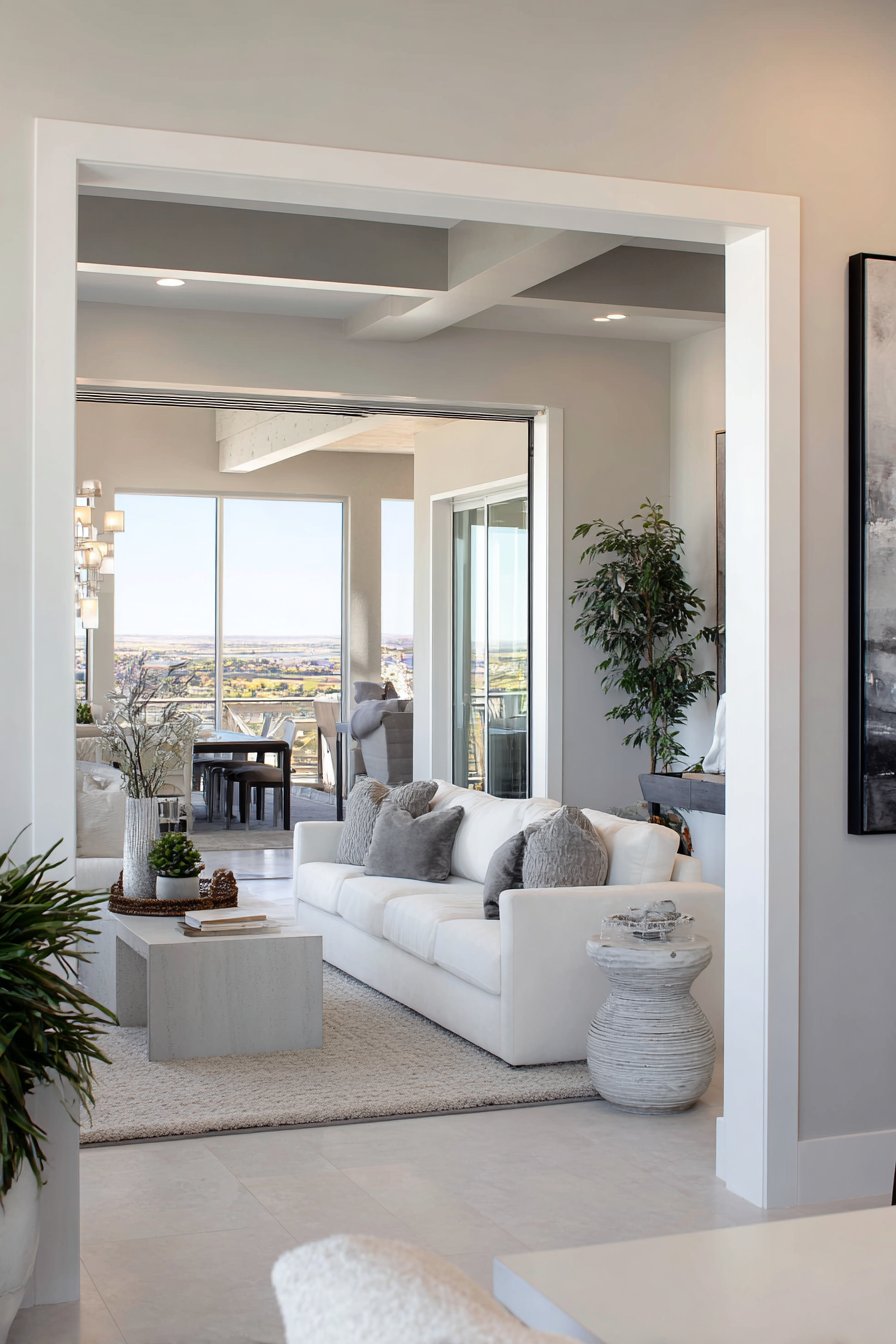
The right paint color can dramatically alter how spacious your room feels. Light-colored walls act as mirrors, bouncing available light throughout the space. While pure white is popular, consider soft creams, pale grays, or subtle pastels. These hues create warmth while maintaining brightness.
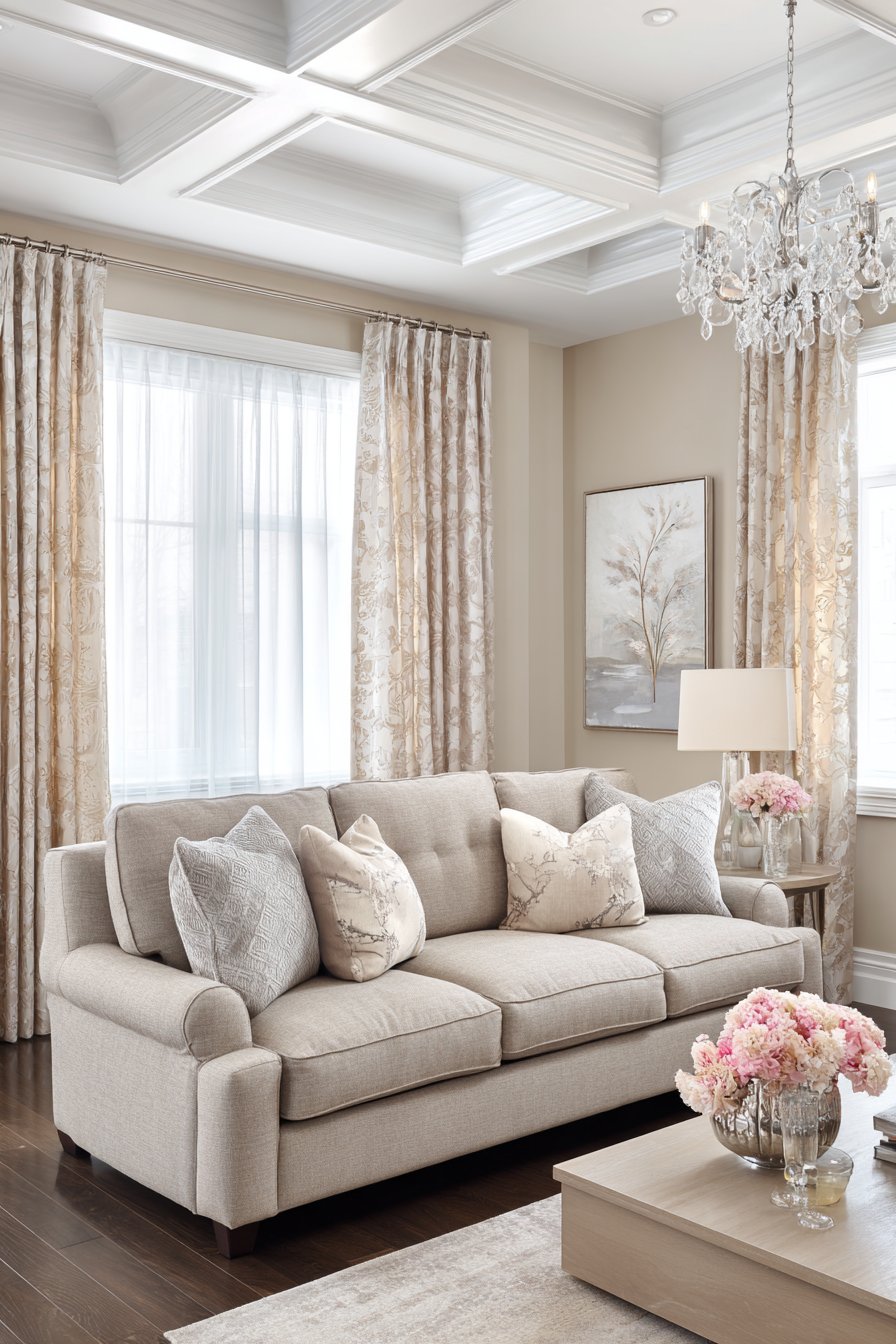
Dark walls absorb light and make spaces feel smaller. In contrast, reflective surfaces multiply the impact of both natural and artificial lighting. This doesn’t mean sacrificing personality for functionality. Modern neutral palettes offer countless sophisticated options that enhance airiness without feeling sterile.
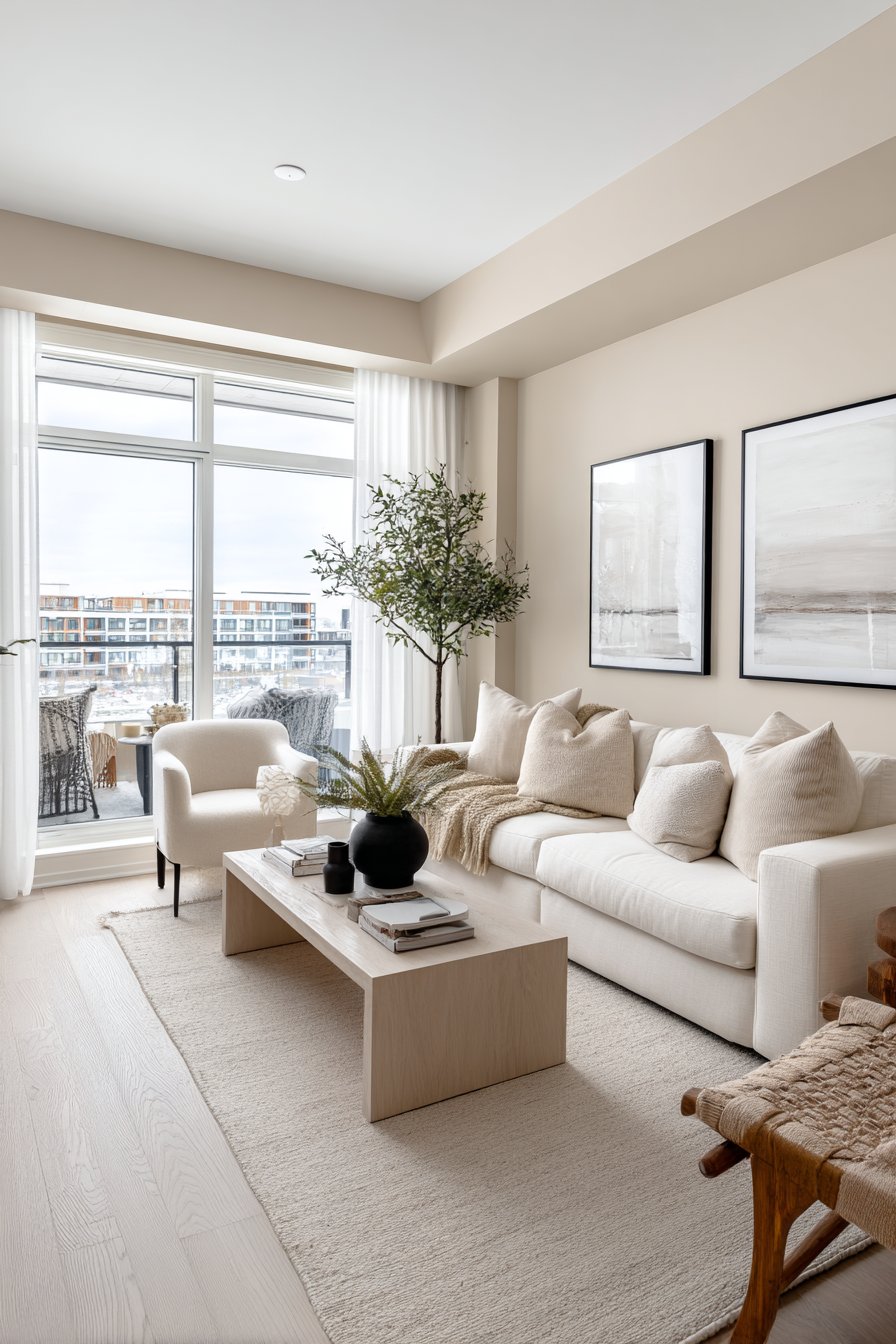
Consider the undertones in your paint selection carefully. Cool undertones like blue-gray create a crisp, fresh feeling. Warm undertones like beige or cream add coziness while maintaining brightness. Test samples in different lighting conditions before committing. The right shade can increase perceived room size by up to 30 percent.
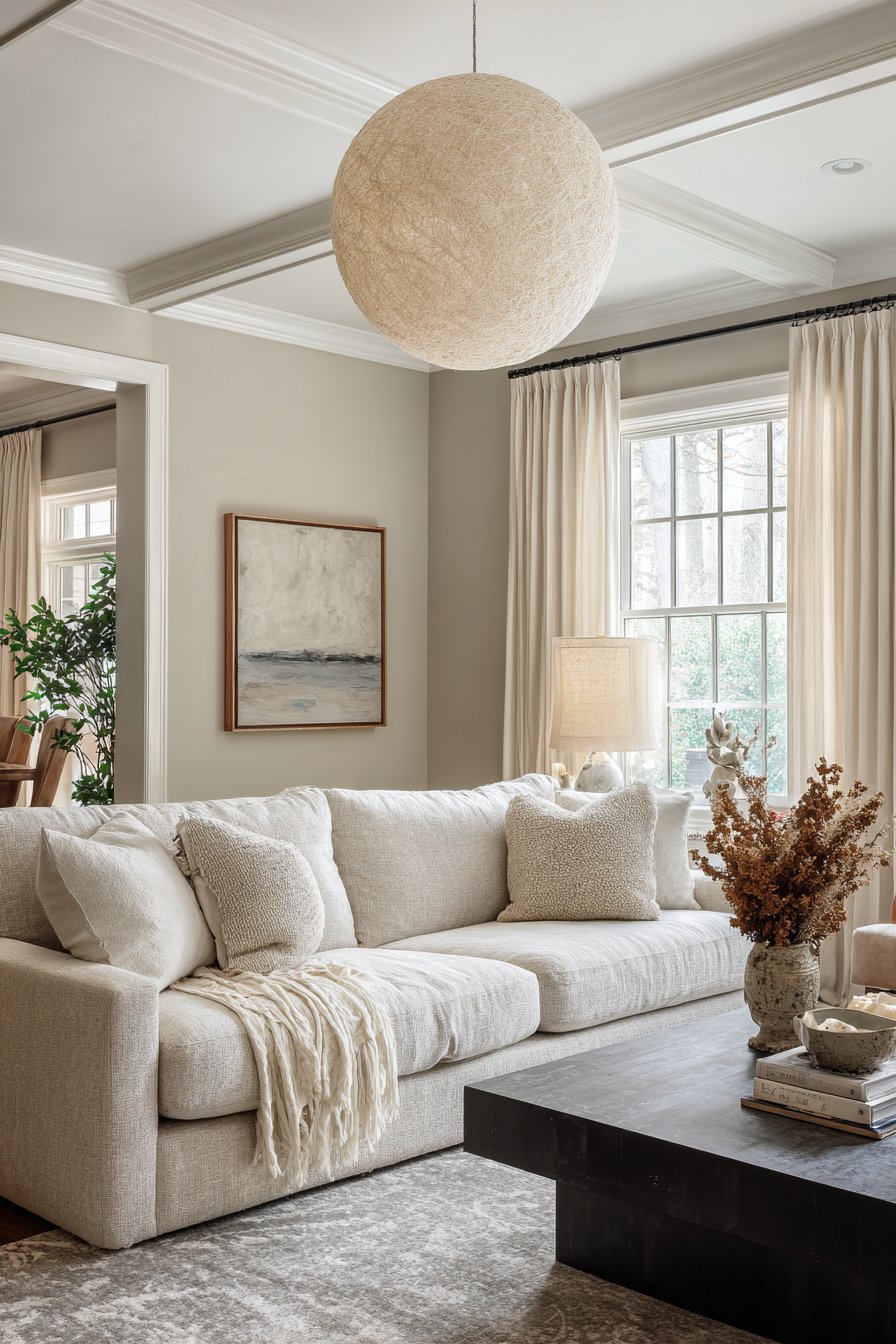
- Choose paint with a satin or eggshell finish for subtle light reflection
- Paint the ceiling the same color as walls to eliminate visual boundaries
- Use lighter shades on trim to create architectural interest
- Consider painting one accent wall in a slightly deeper tone for depth
- Test paint samples at different times of day before deciding
- Opt for colors with an LRV (Light Reflectance Value) above 50
2. Maximize Natural Light with Window Treatments
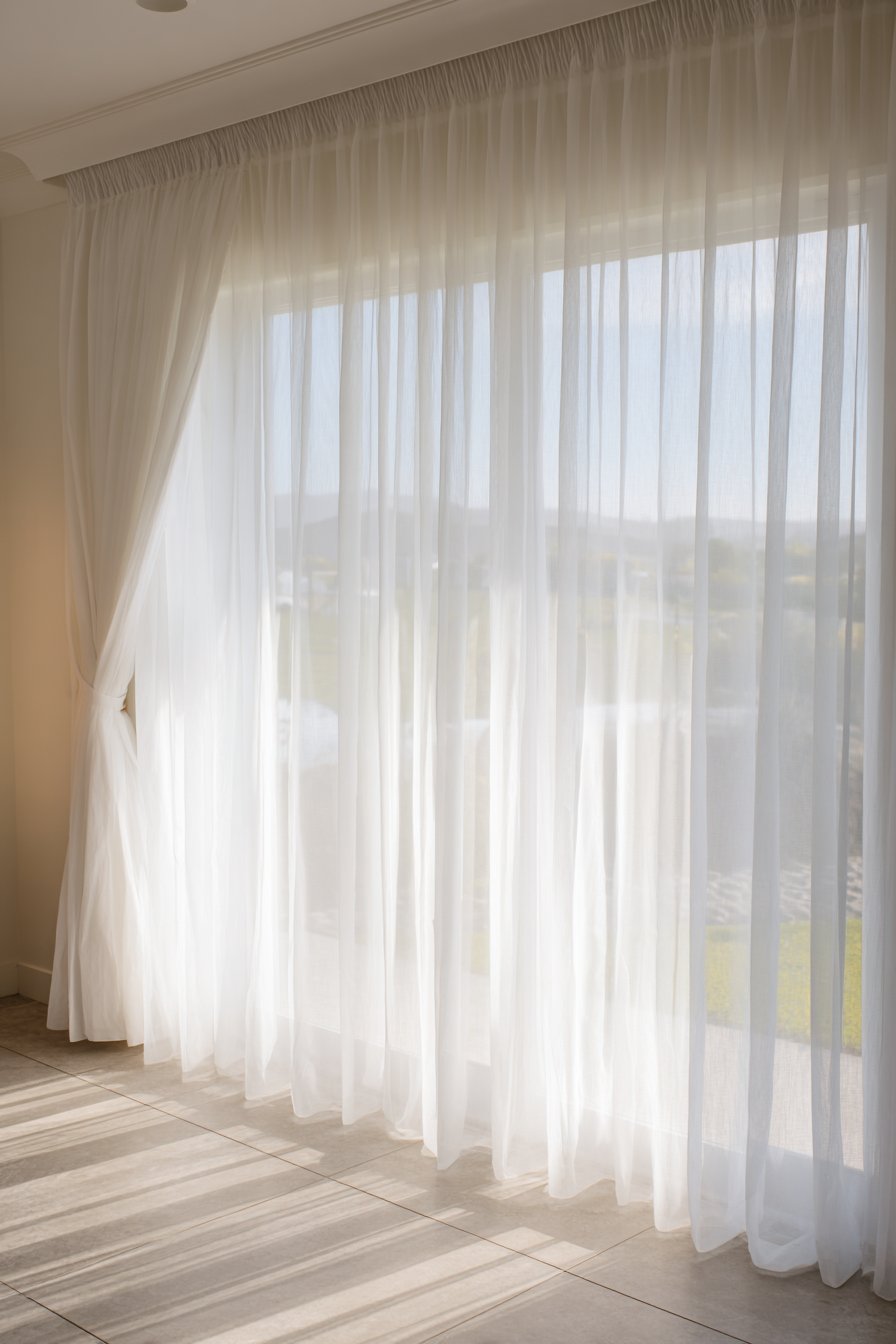
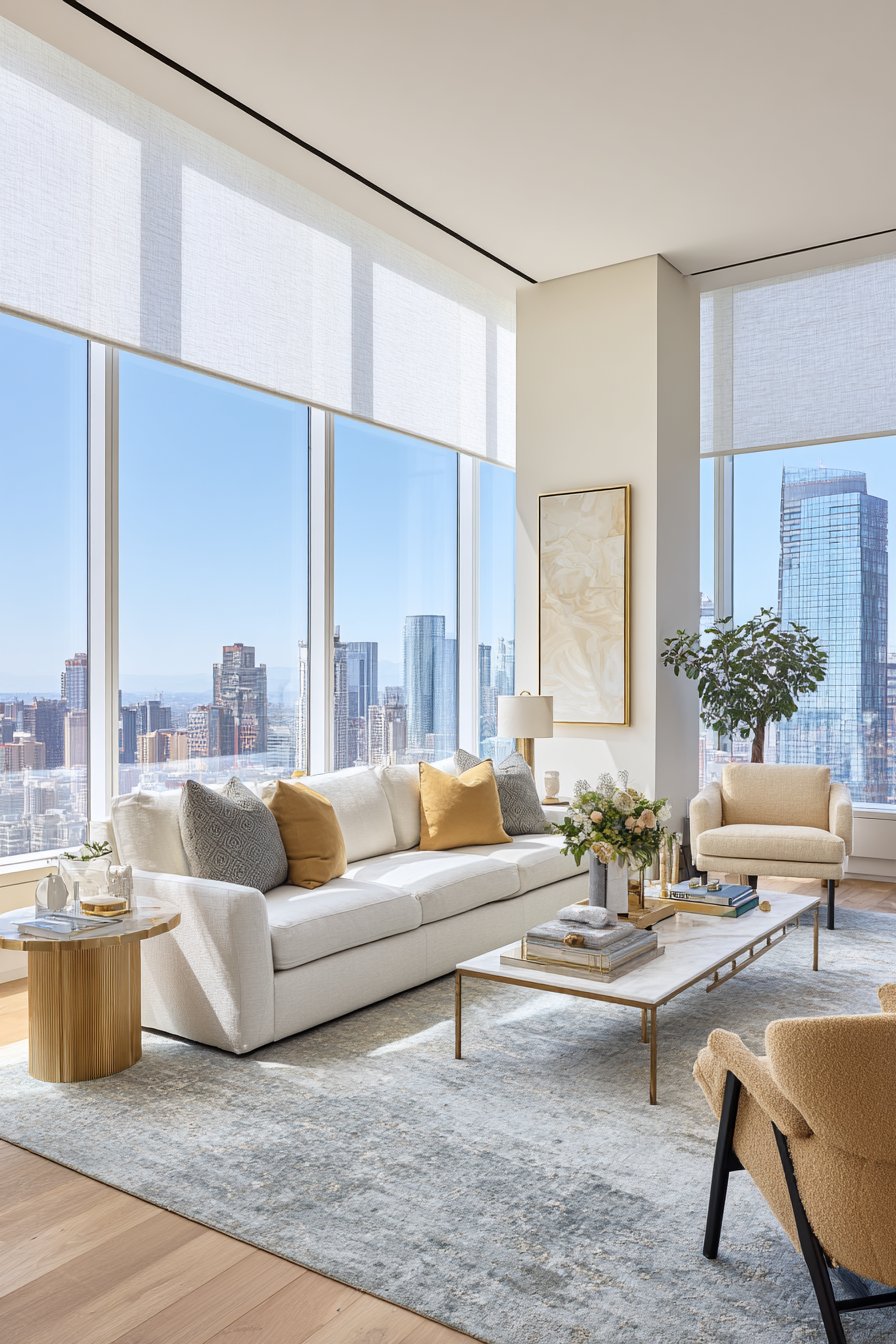
Window treatments can either enhance or block precious natural light. Heavy, dark curtains are the enemy of airy spaces. Instead, opt for sheer fabrics, light-filtering blinds, or minimal treatments. These options provide privacy while allowing maximum light penetration.
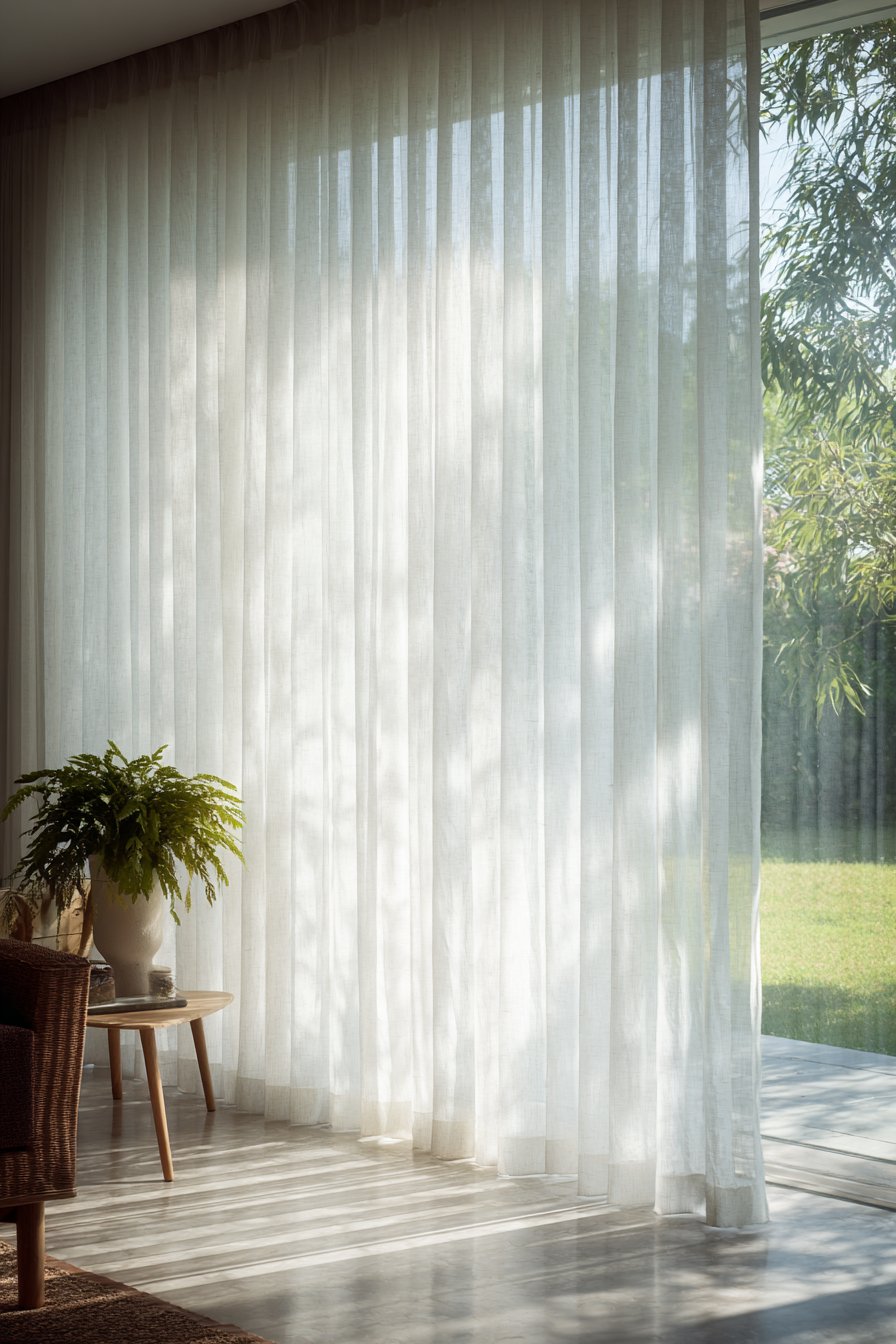
The goal is to frame windows without overwhelming them. Simple designs in white, cream, or pale neutral tones work best. Install curtain rods closer to the ceiling and extend them beyond the window frame. This creates the illusion of taller, wider windows, making the entire room feel more expansive.
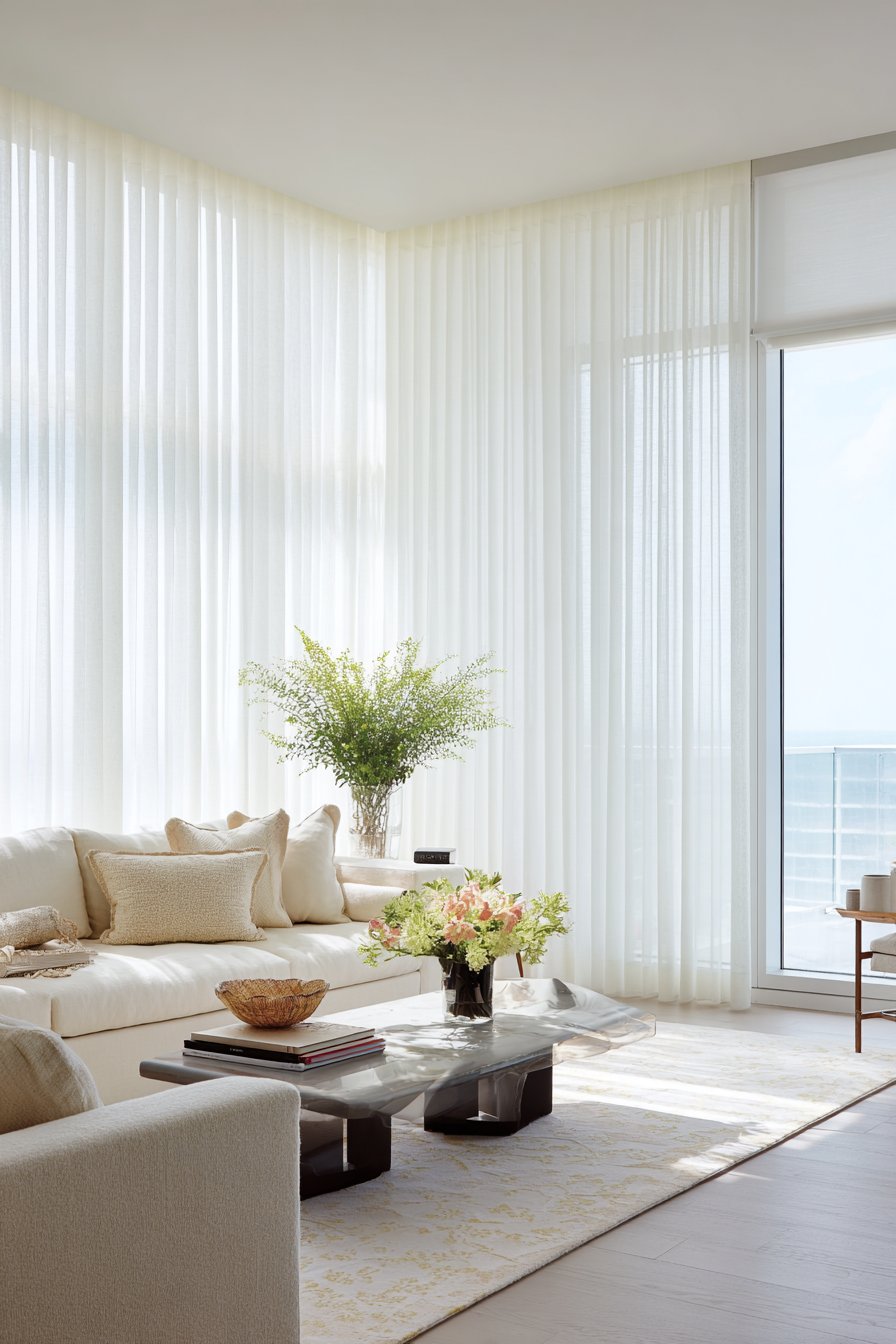
Consider layering treatments for versatility without sacrificing brightness. Combine sheer panels with lightweight outer curtains in pale colors. During the day, keep heavy layers pulled back completely. This approach gives you privacy options for evenings while maintaining daytime airiness.
- Replace dark curtains with white or ivory sheers immediately
- Install curtain rods 6-12 inches above the window frame
- Choose rod widths that extend 8-10 inches beyond each side
- Consider roller shades in light-filtering white fabric
- Remove unnecessary valances or decorative hardware that blocks light
- Clean windows regularly to maximize light transmission
3. Incorporate Strategic Mirror Placement
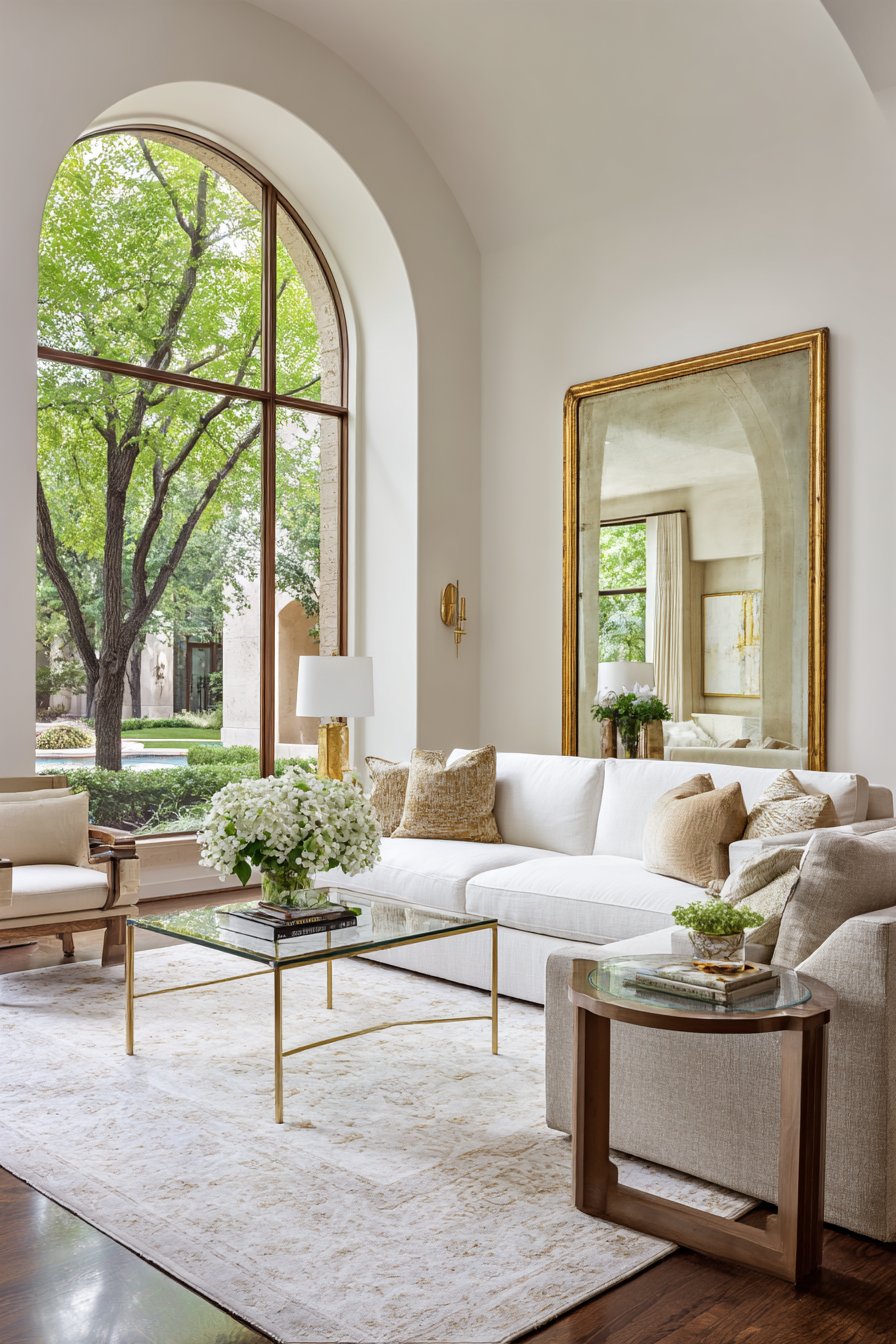
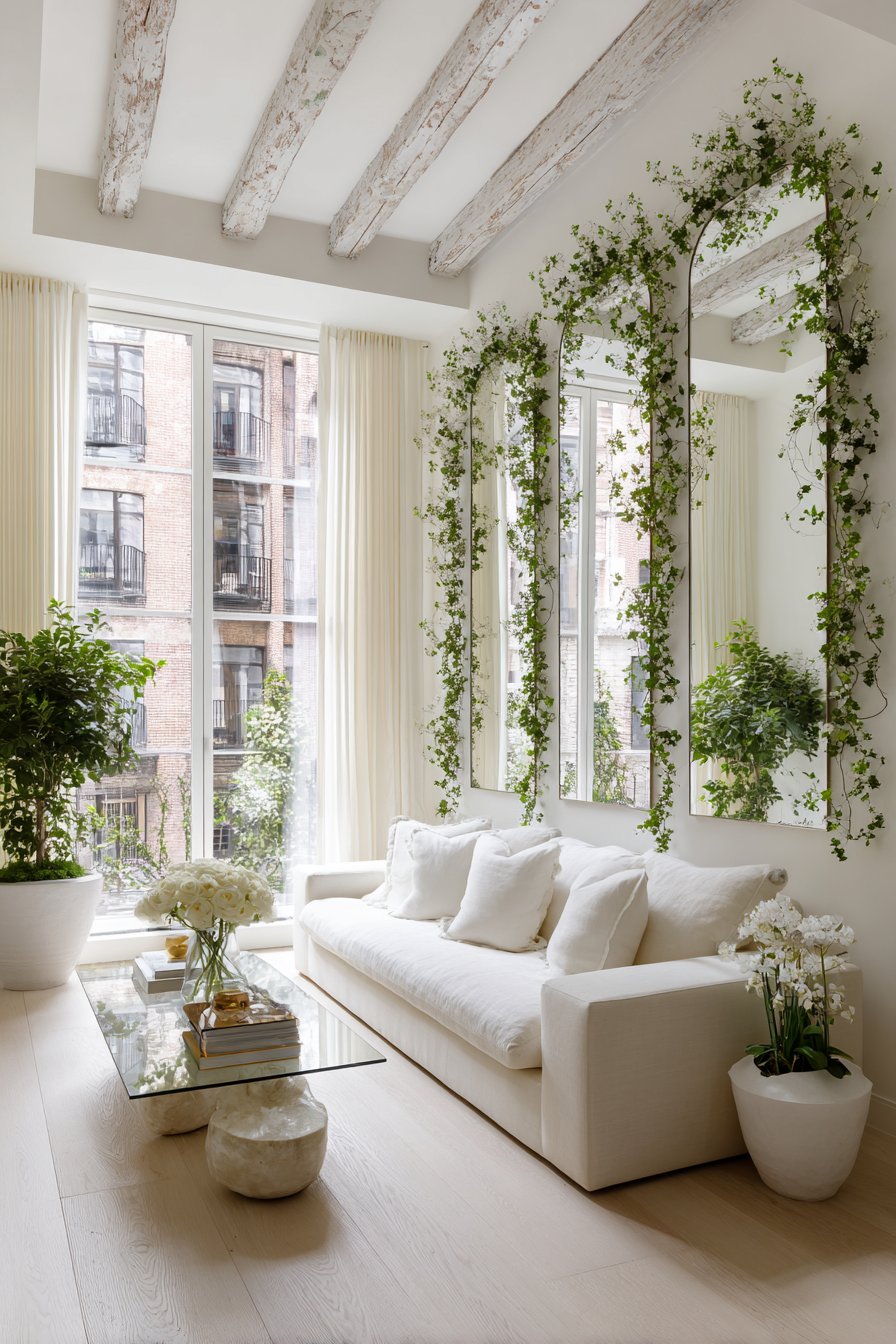
Mirrors are perhaps the most powerful tool for creating airiness in dark spaces. Large mirrors effectively double the light in a room by reflecting both natural and artificial sources. Position mirrors opposite windows to bounce daylight deeper into the space.
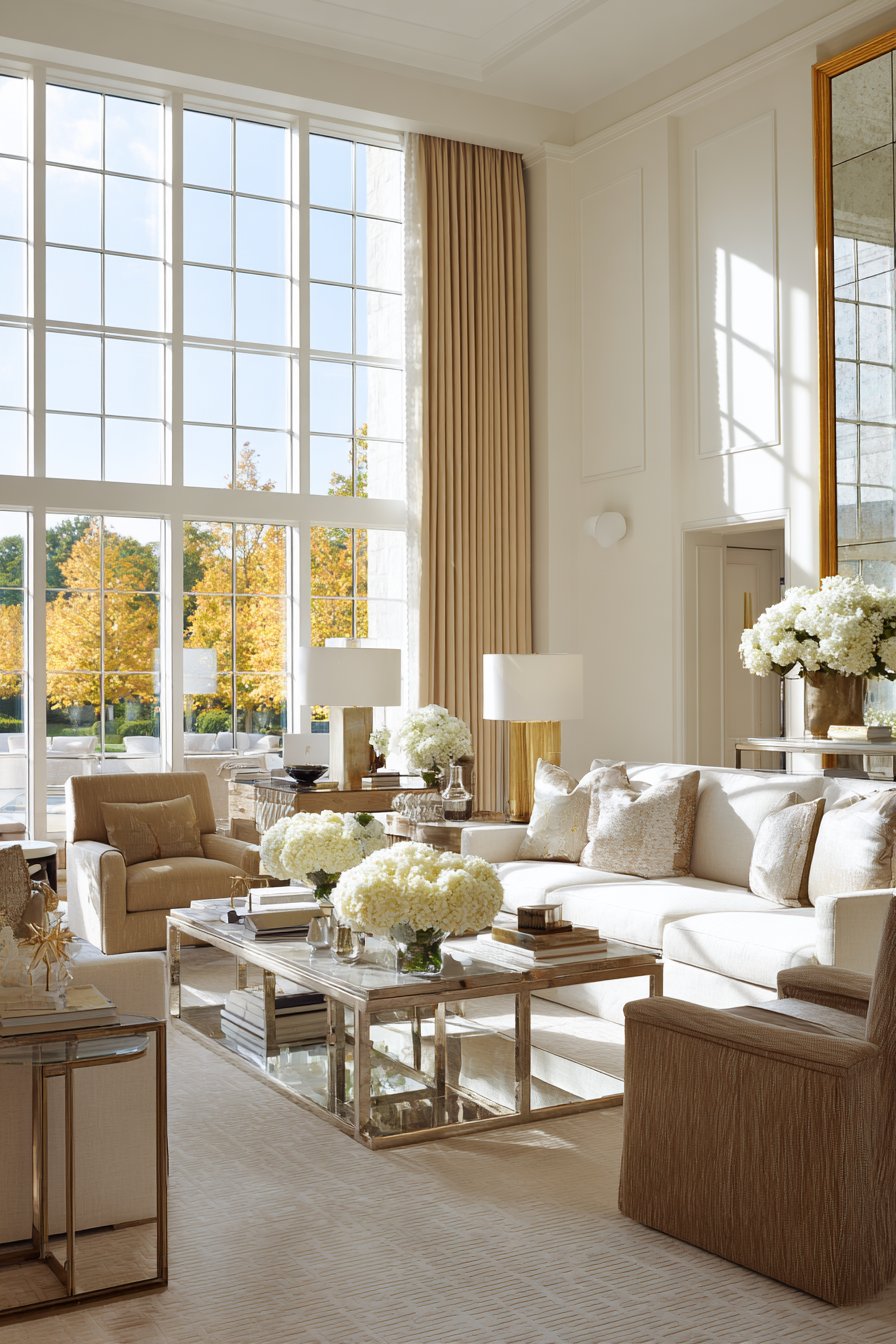
The size and placement of mirrors matter significantly. A single oversized mirror often works better than multiple small ones. Consider a floor-to-ceiling mirror on one wall, or a large horizontal mirror above a sofa. This creates dramatic light multiplication and visual expansion.
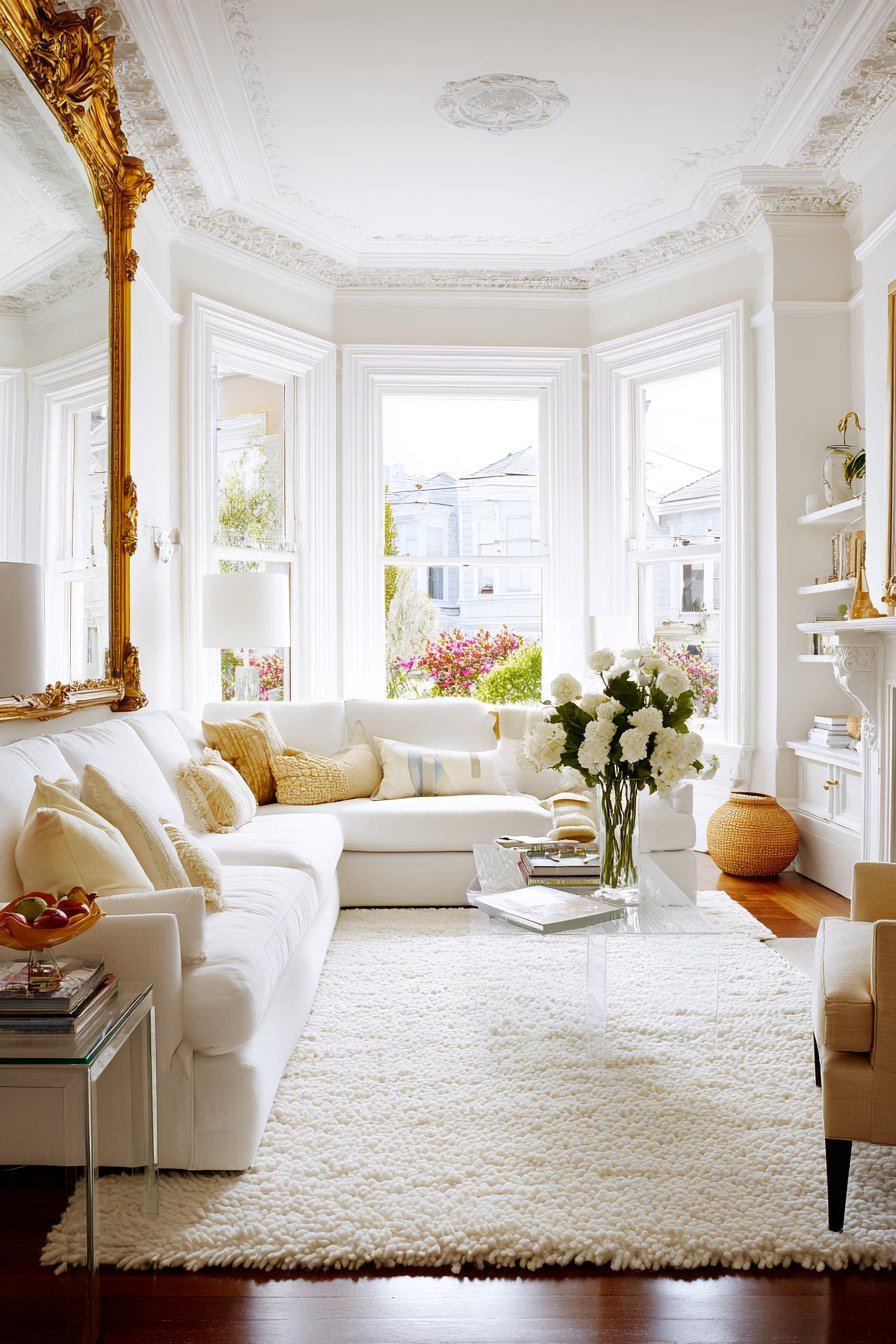
Don’t limit mirrors to walls alone. Mirrored furniture, decorative mirror tiles, or reflective surfaces on coffee tables add subtle light enhancement. Mix different mirror styles and shapes for visual interest. Beveled edges and interesting frames prevent the look from feeling too clinical.
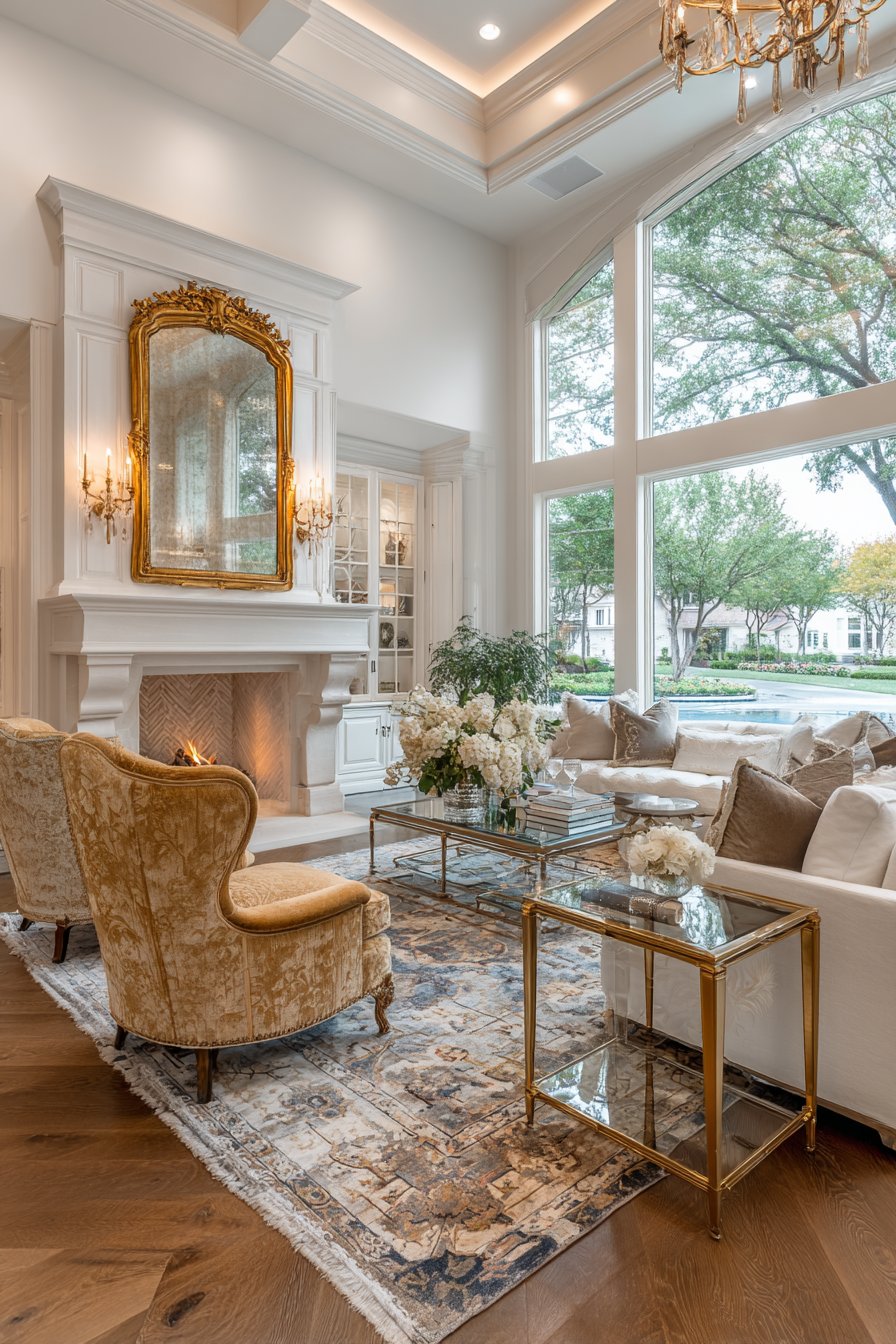
- Place the largest mirror directly across from your main window
- Use mirrors with light-colored or metallic frames to enhance brightness
- Position mirrors to reflect attractive views or focal points
- Consider mirrored furniture pieces like coffee tables or side tables
- Hang mirrors at eye level or slightly higher for optimal reflection
- Clean mirrors weekly to maintain maximum reflectivity
4. Choose Light-Colored Furniture and Fabrics
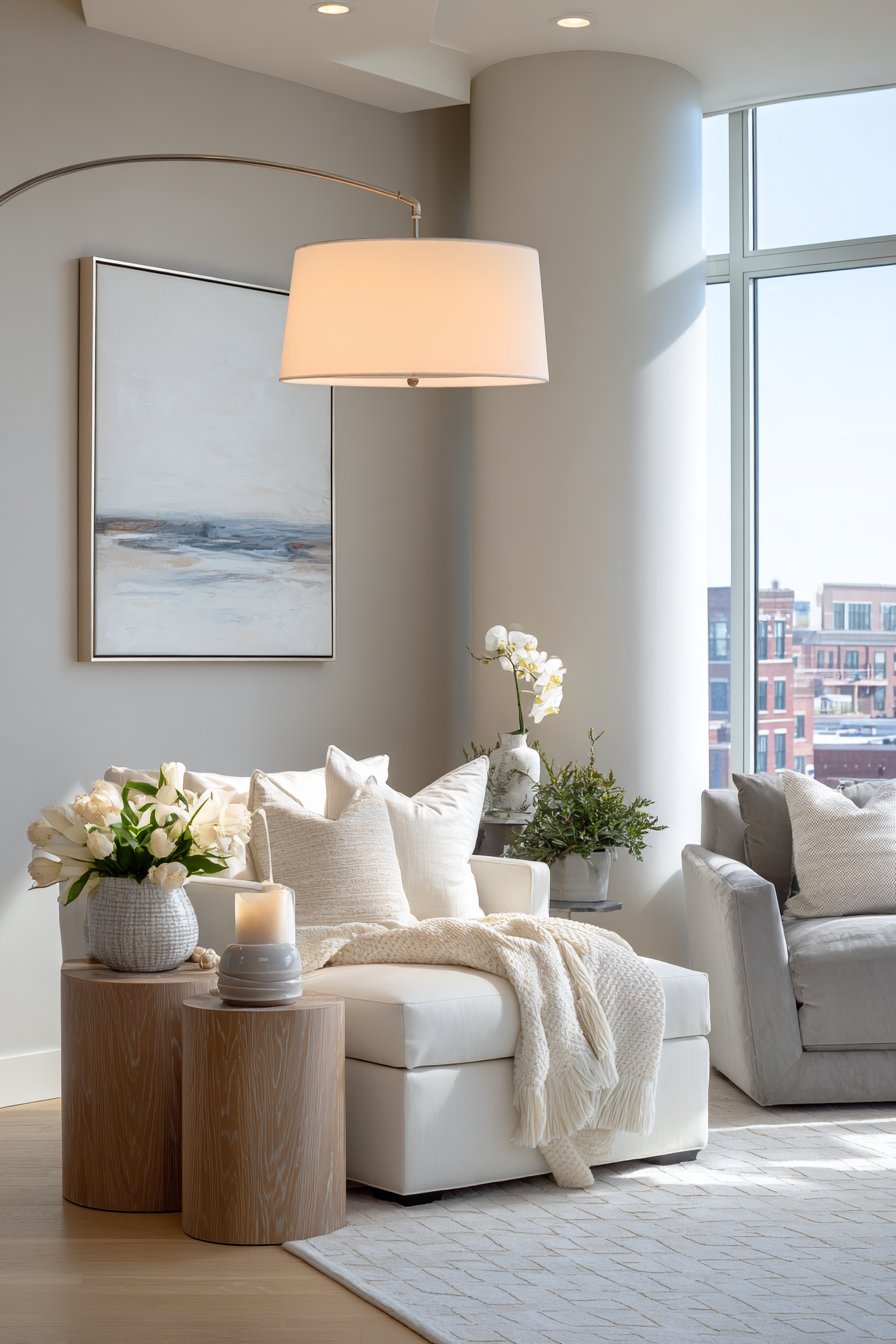
Heavy, dark furniture can anchor a room and make it feel grounded. However, in light-starved spaces, this approach backfires dramatically. Light-colored furniture in whites, creams, pale grays, or natural wood tones creates visual breathing room.

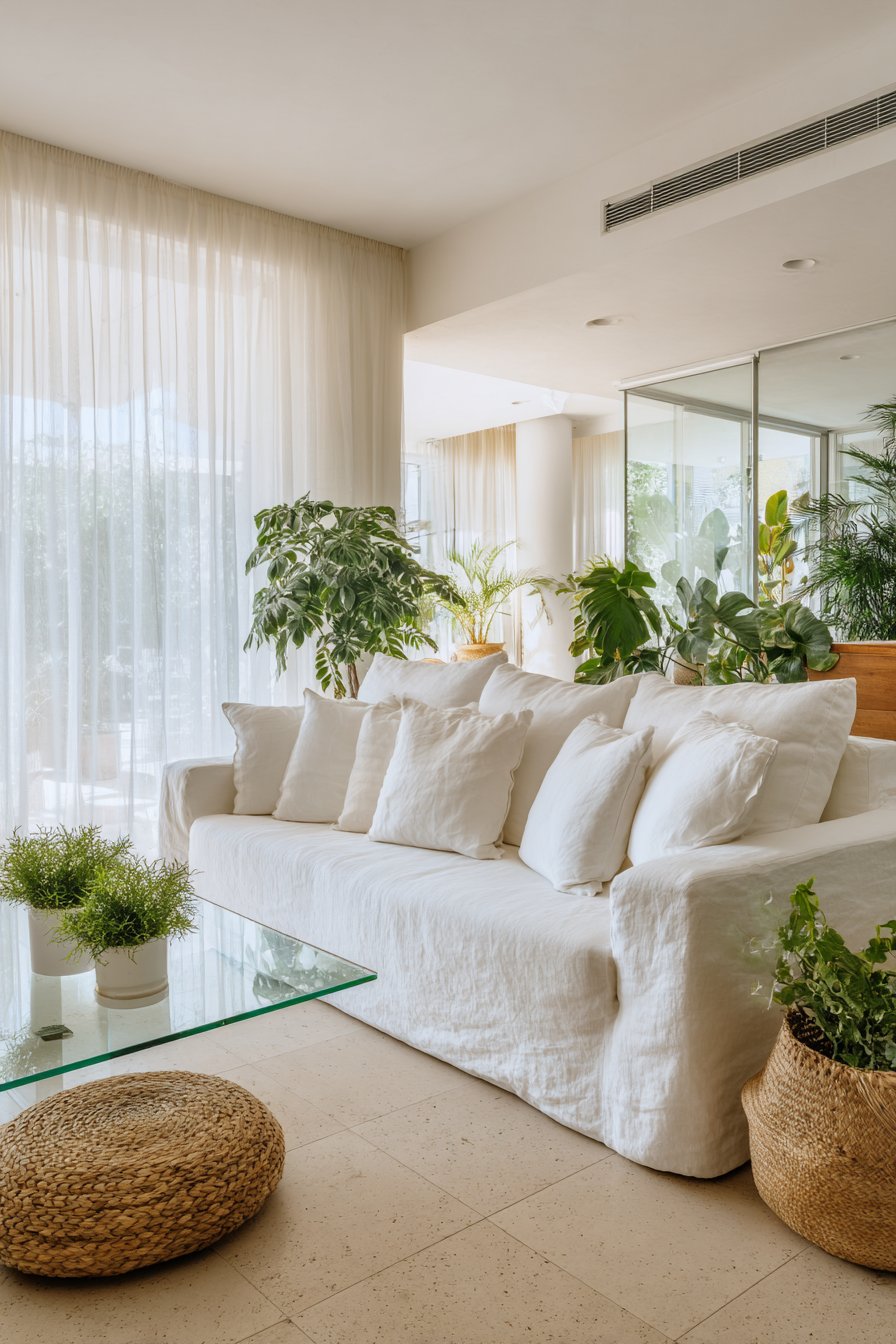
Upholstered pieces in light fabrics have significant impact. A white or cream sofa reflects light throughout the room. If you’re concerned about maintenance, choose performance fabrics that resist stains while maintaining their bright appearance. These modern materials make light-colored furniture practical for real life.
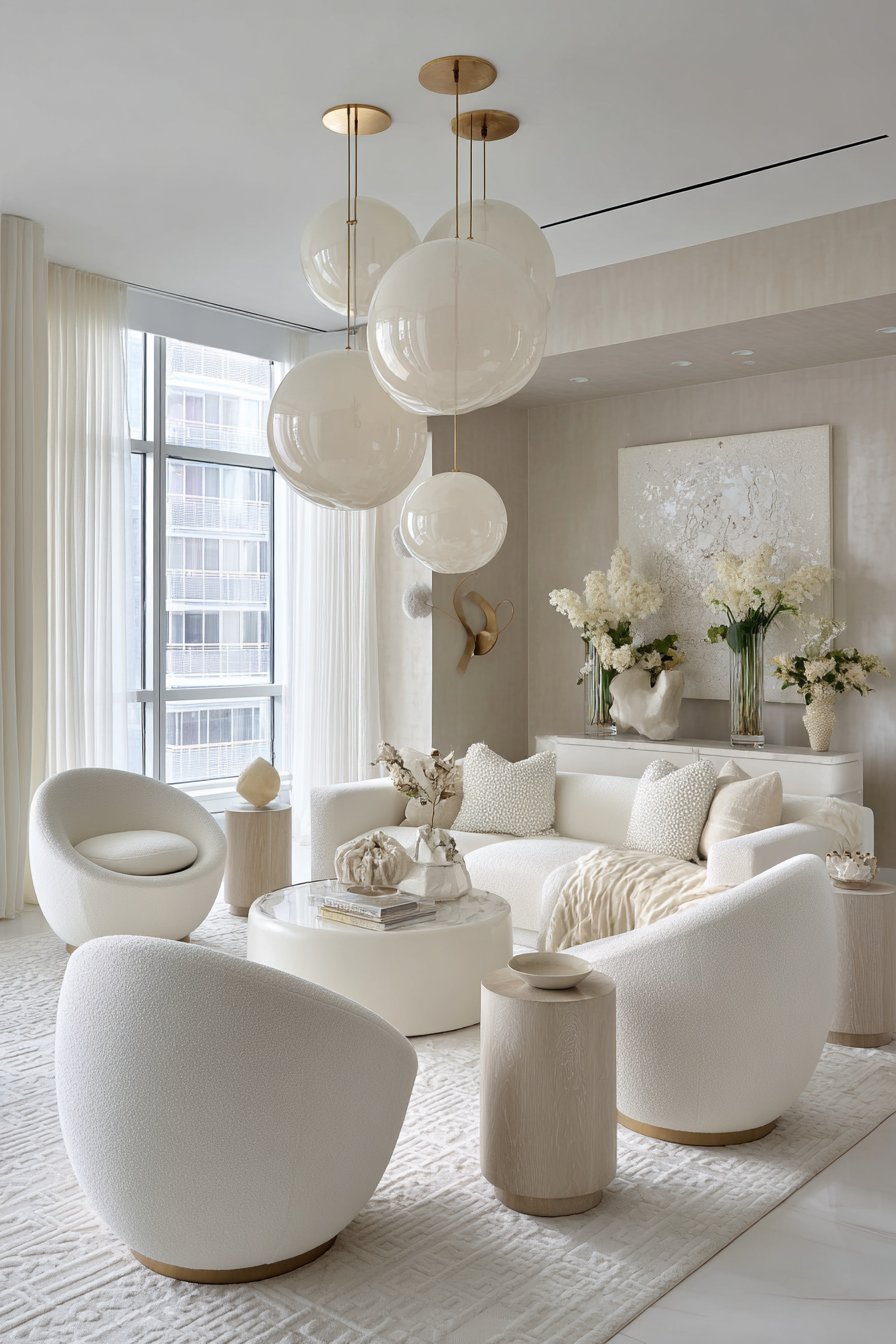
Don’t forget about accent pieces and decorative elements. Light-colored throw pillows, blankets, and rugs contribute to overall brightness. Even your coffee table books and decorative objects should lean toward lighter tones. This cohesive approach creates maximum airiness without feeling monotonous.
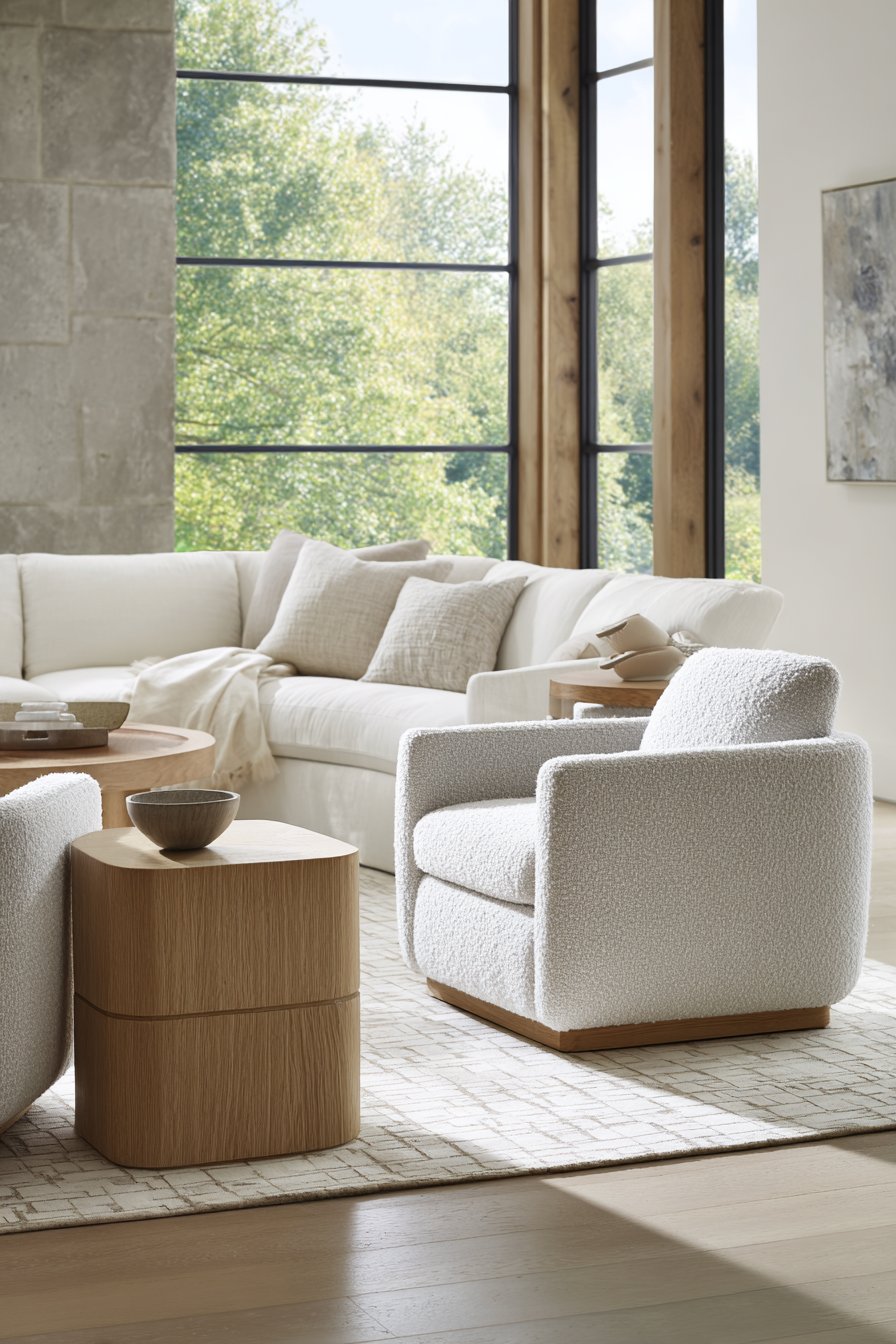
- Select sofas and chairs in white, ivory, or pale gray upholstery
- Choose wood furniture in light oak, ash, or painted white finishes
- Use slipcovers to lighten existing dark furniture affordably
- Incorporate clear acrylic or glass furniture for invisible functionality
- Select area rugs in light colors with subtle patterns
- Replace dark throw pillows with white or cream alternatives
5. Optimize Lighting Layers Throughout the Space
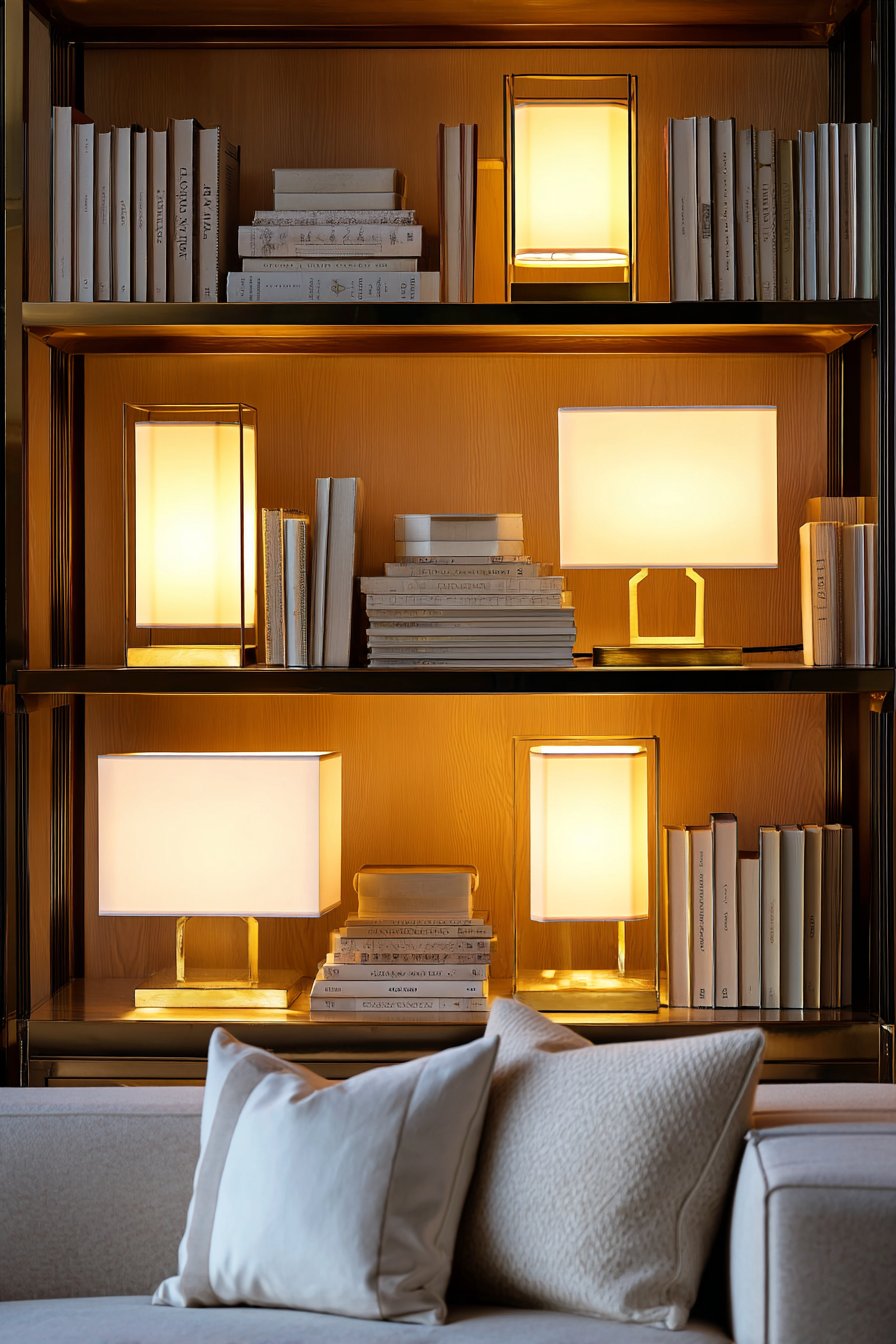
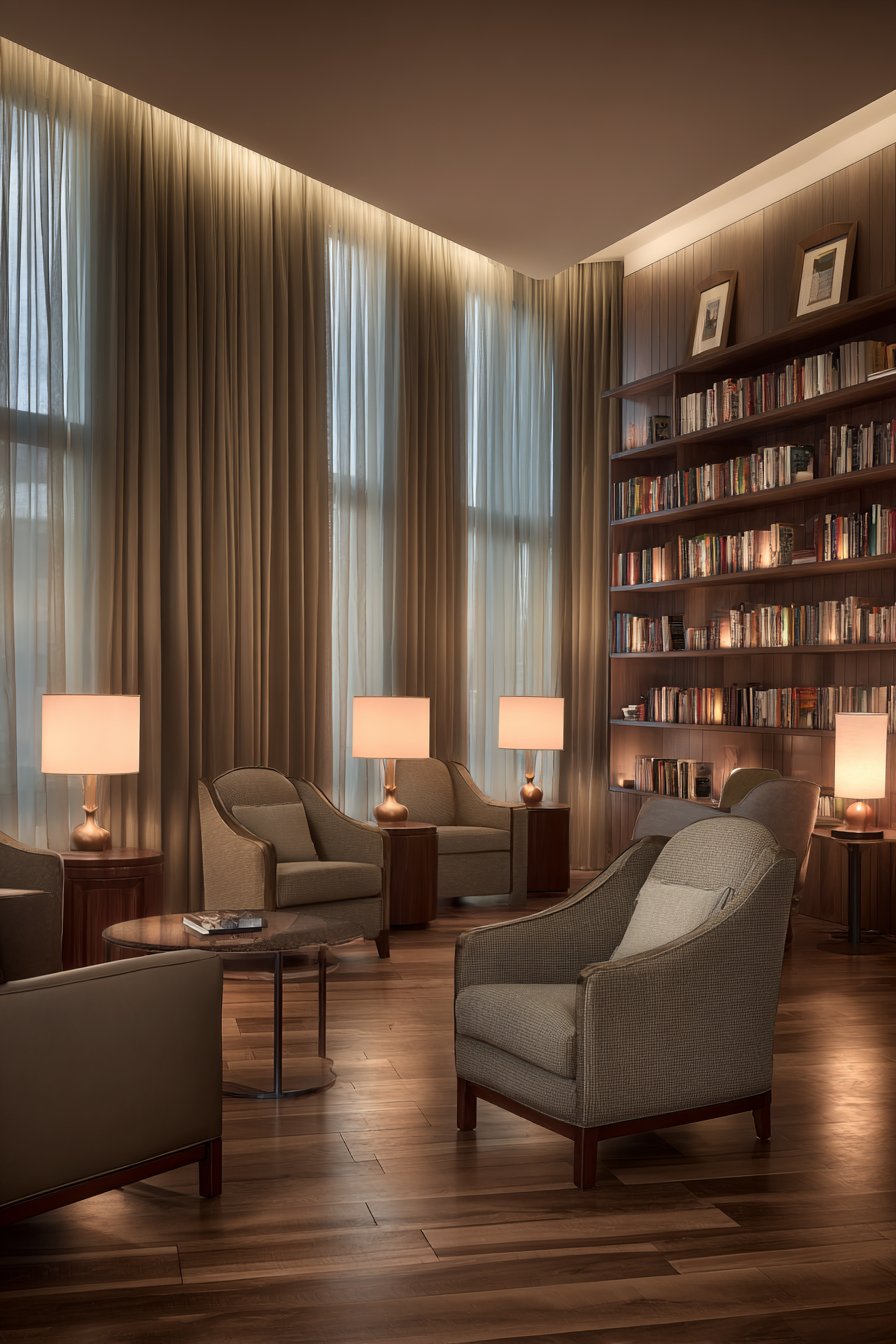
Artificial lighting becomes crucial in naturally dark living rooms. A single overhead fixture creates harsh shadows and fails to brighten adequately. Instead, implement layered lighting with ambient, task, and accent sources throughout the room.
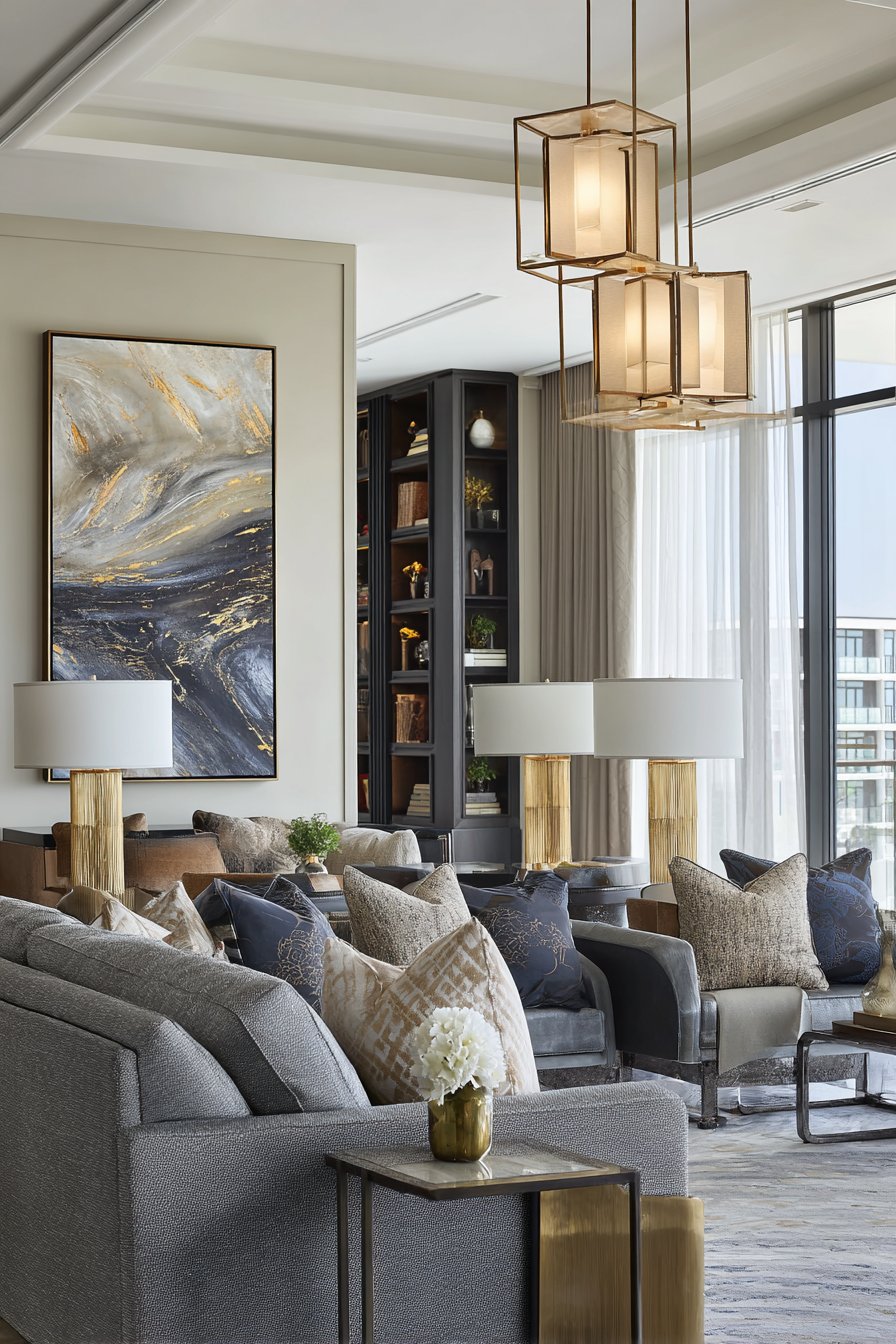
Start with bright LED bulbs in overhead fixtures, choosing daylight or bright white temperatures. Add floor lamps in corners to eliminate dark pockets. Table lamps on side tables provide warm, inviting light at eye level. This multi-source approach mimics natural light patterns.
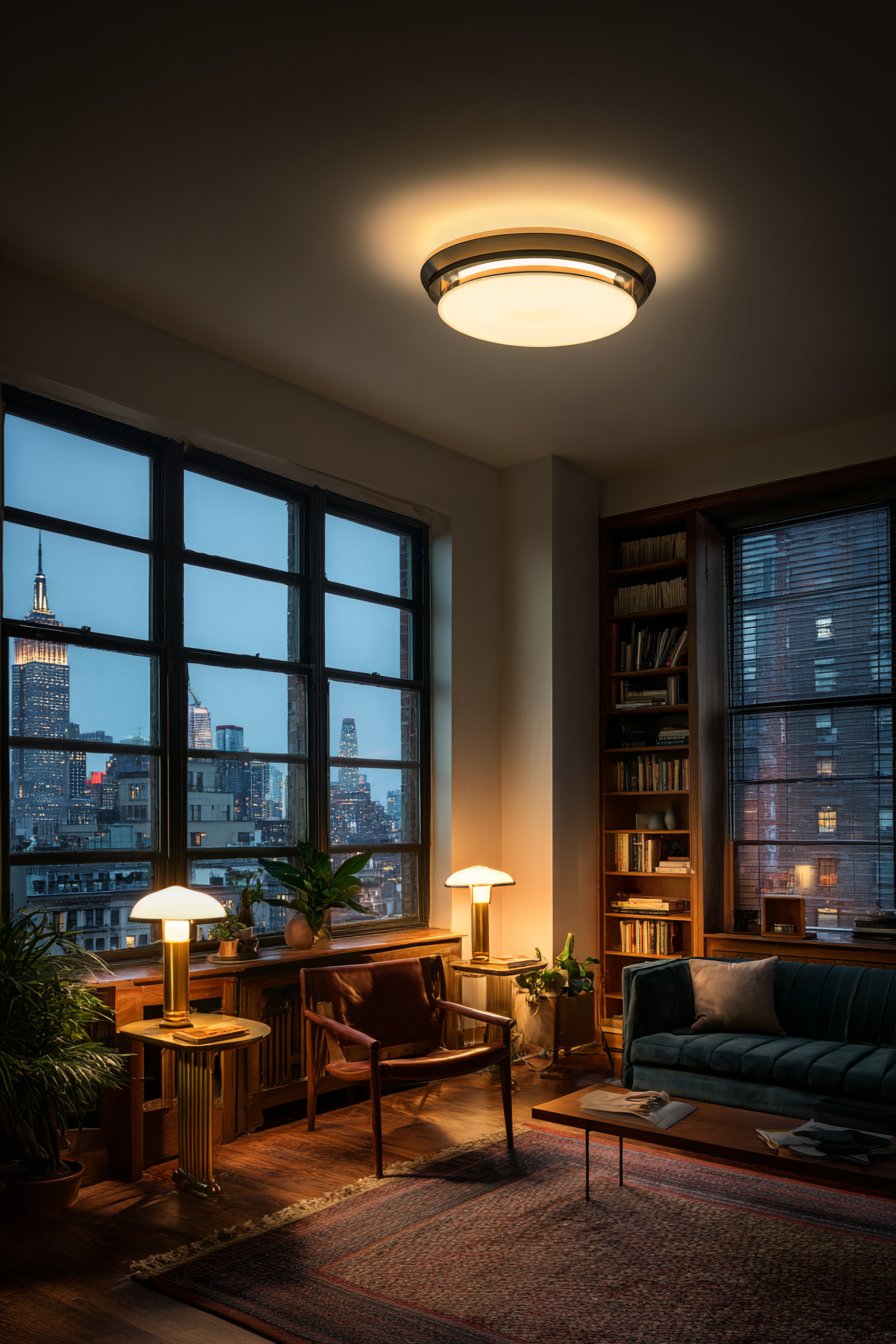
Consider the fixture designs themselves as decor elements. Light-colored lamp shades in white or cream maximize light output. Avoid dark or colored shades that absorb light. Metallic finishes on lamp bases add sparkle and reflect additional light. Smart bulbs allow you to adjust brightness throughout the day.
- Install dimmer switches for adjustable ambient lighting control
- Use LED bulbs rated 3000K-4000K for natural daylight appearance
- Place floor lamps in all four corners of the room
- Add under-shelf or behind-furniture accent lighting for depth
- Choose lamp shades in white or cream, never dark colors
- Ensure every seating area has dedicated task lighting
6. Minimize Clutter and Embrace Open Space
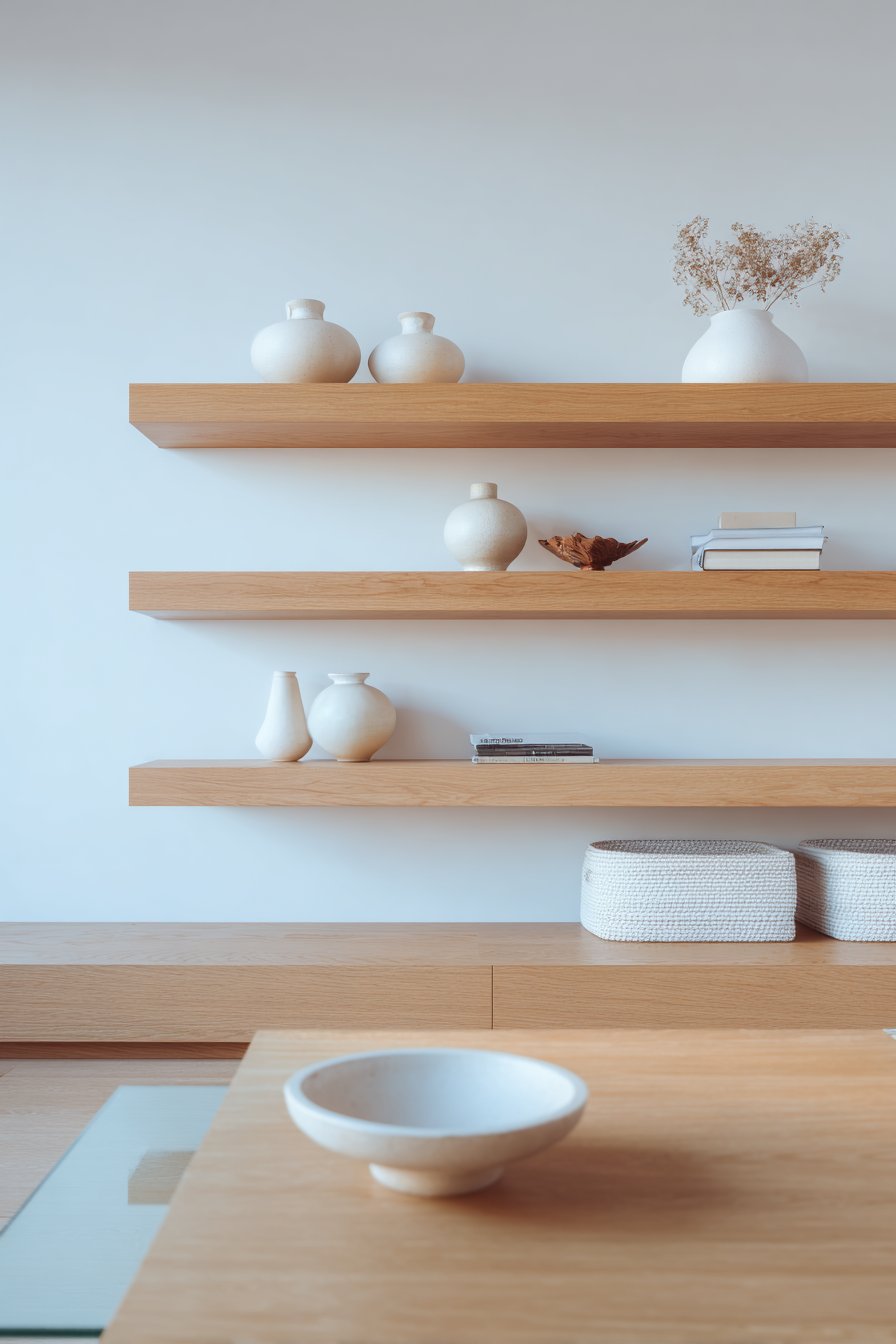
Visual clutter absorbs light and creates a cramped feeling regardless of actual room size. Open, uncluttered surfaces reflect light and create the psychological perception of airiness. This doesn’t mean eliminating all decor, but rather being selective and intentional.
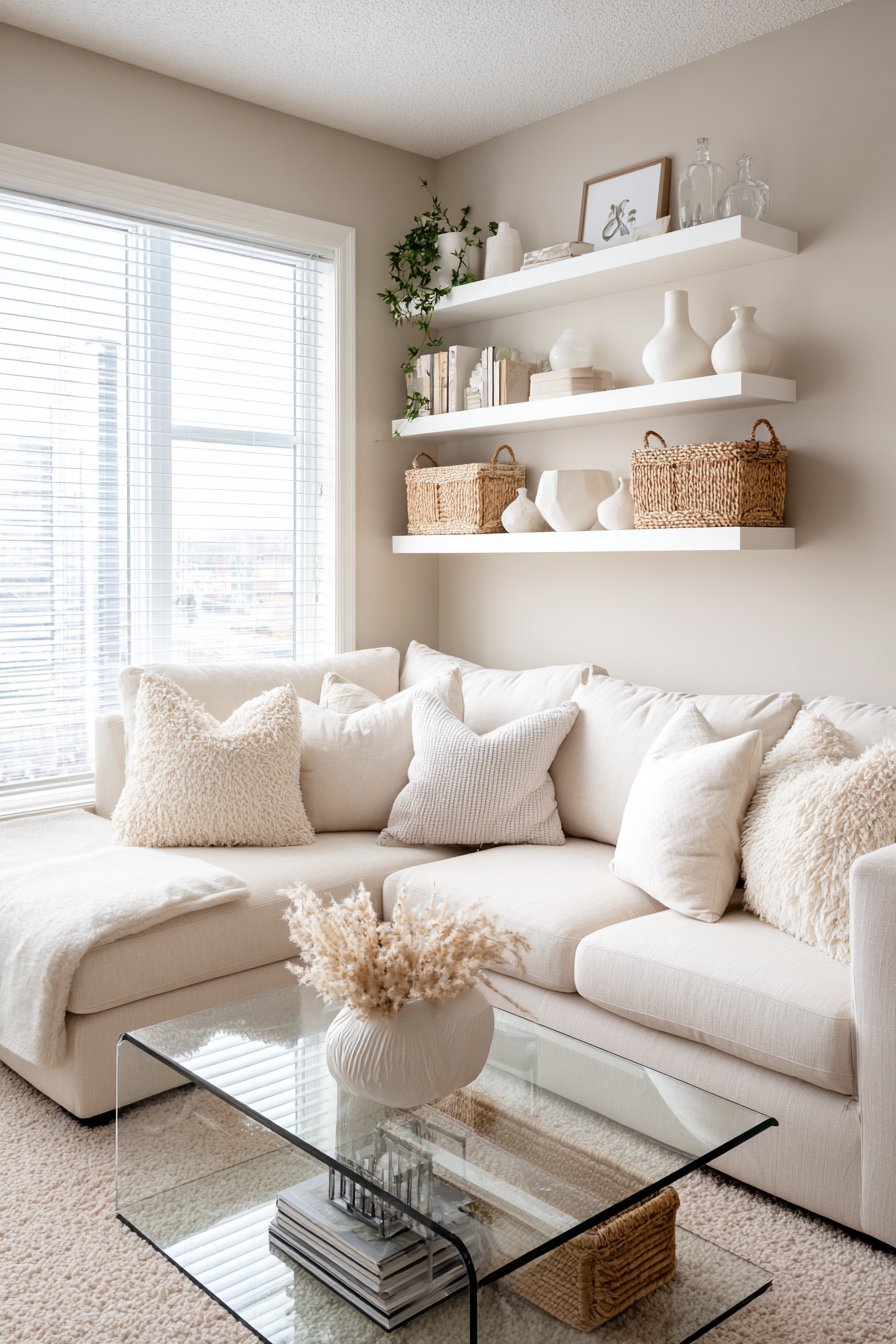
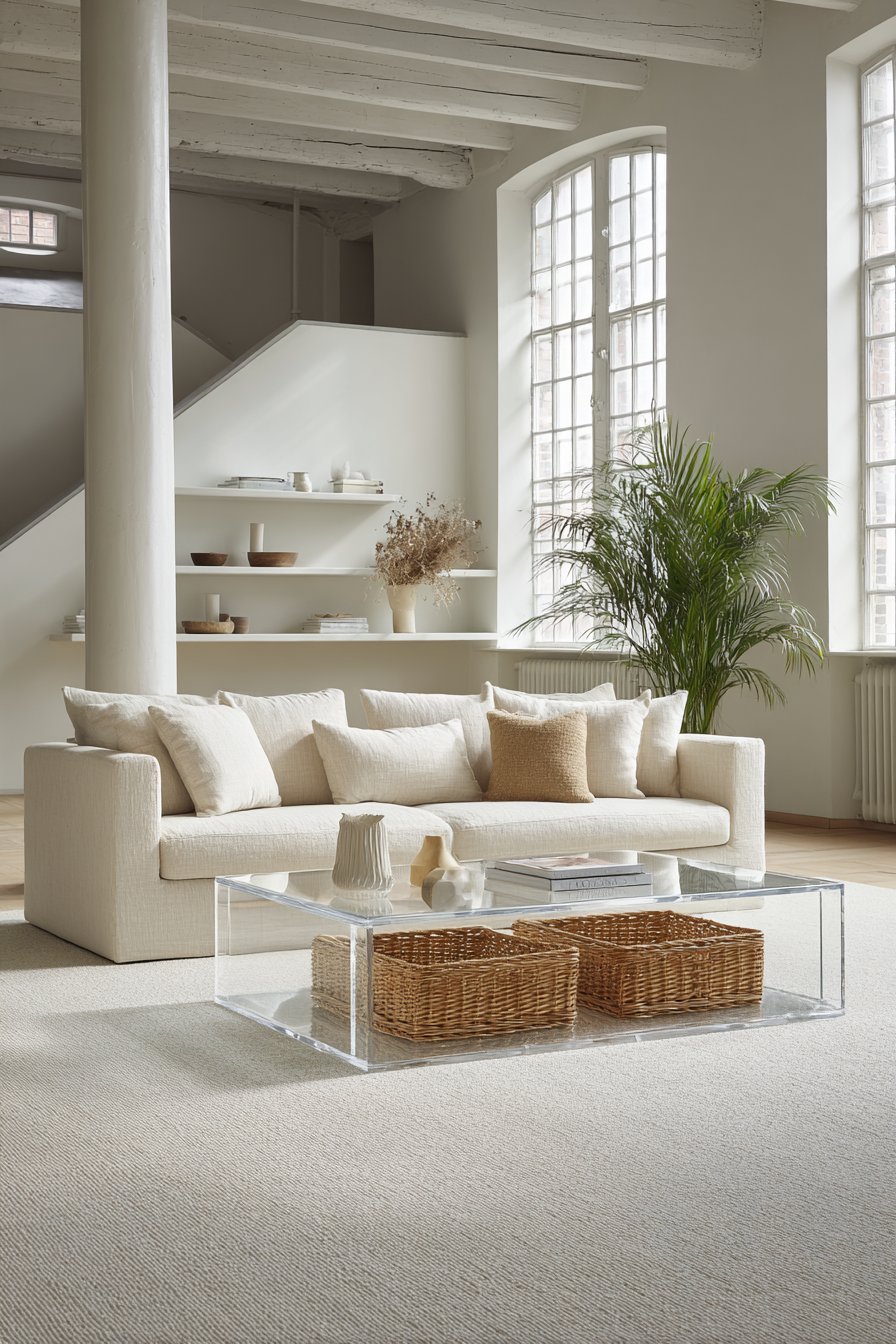
The principle of negative space is crucial in dark rooms. Allow breathing room around furniture pieces and on surfaces. Clear coffee tables and open shelving create visual lightness. Every item in your space should serve a purpose or bring genuine joy.
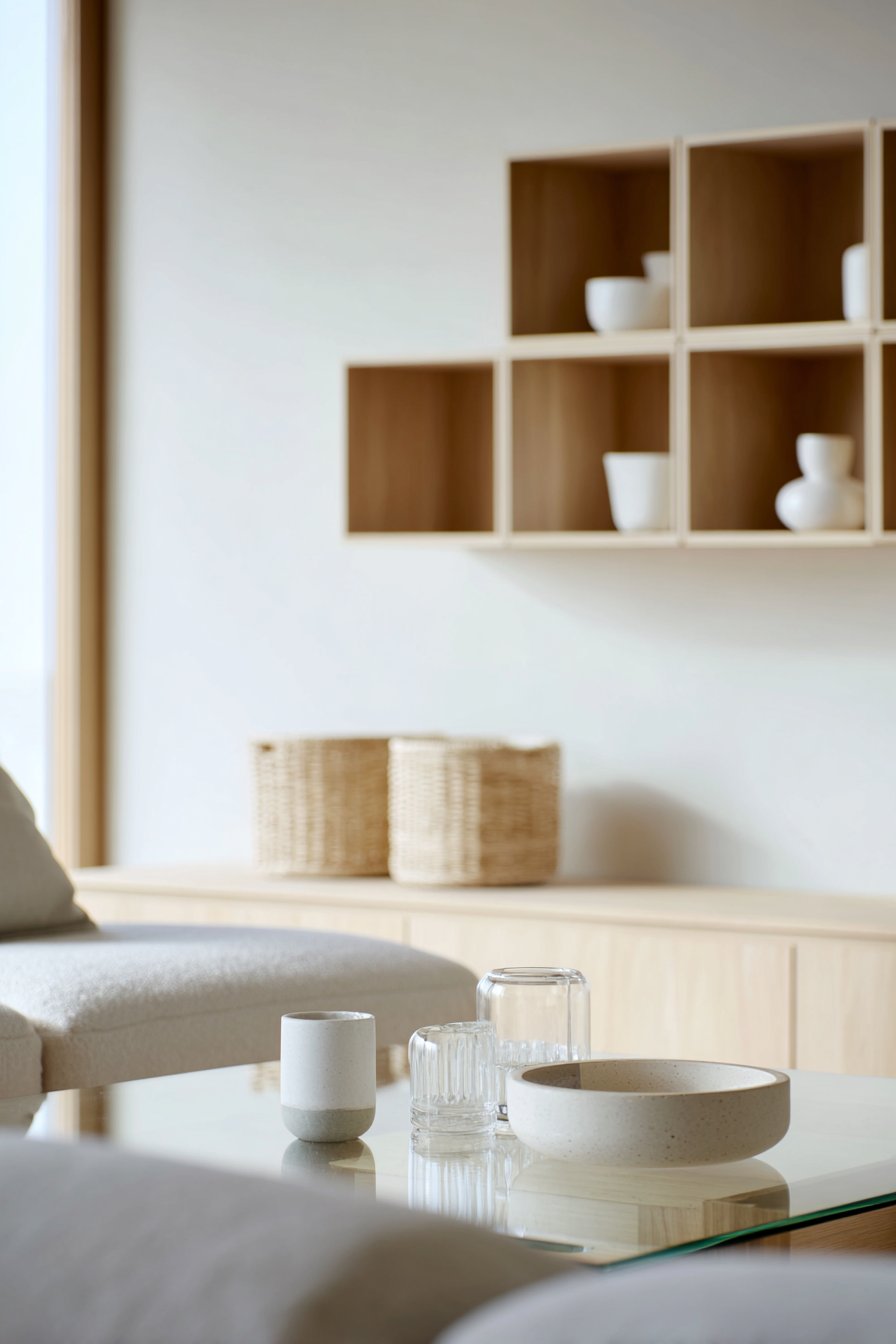
Storage solutions become essential for maintaining this openness. Built-in cabinets with light-colored doors hide necessary items while maintaining clean lines. Floating shelves in white or natural wood display curated items without heaviness. Baskets in light natural materials corral smaller items attractively.
- Remove at least 30 percent of current decorative items immediately
- Clear all surfaces daily to maintain open, airy feeling
- Store remote controls, magazines, and daily items out of sight
- Use matching white or light-colored storage containers
- Display only favorite pieces, spacing them with negative space
- Adopt a one-in-one-out policy for new decorative purchases
7. Incorporate Metallic and Glass Elements
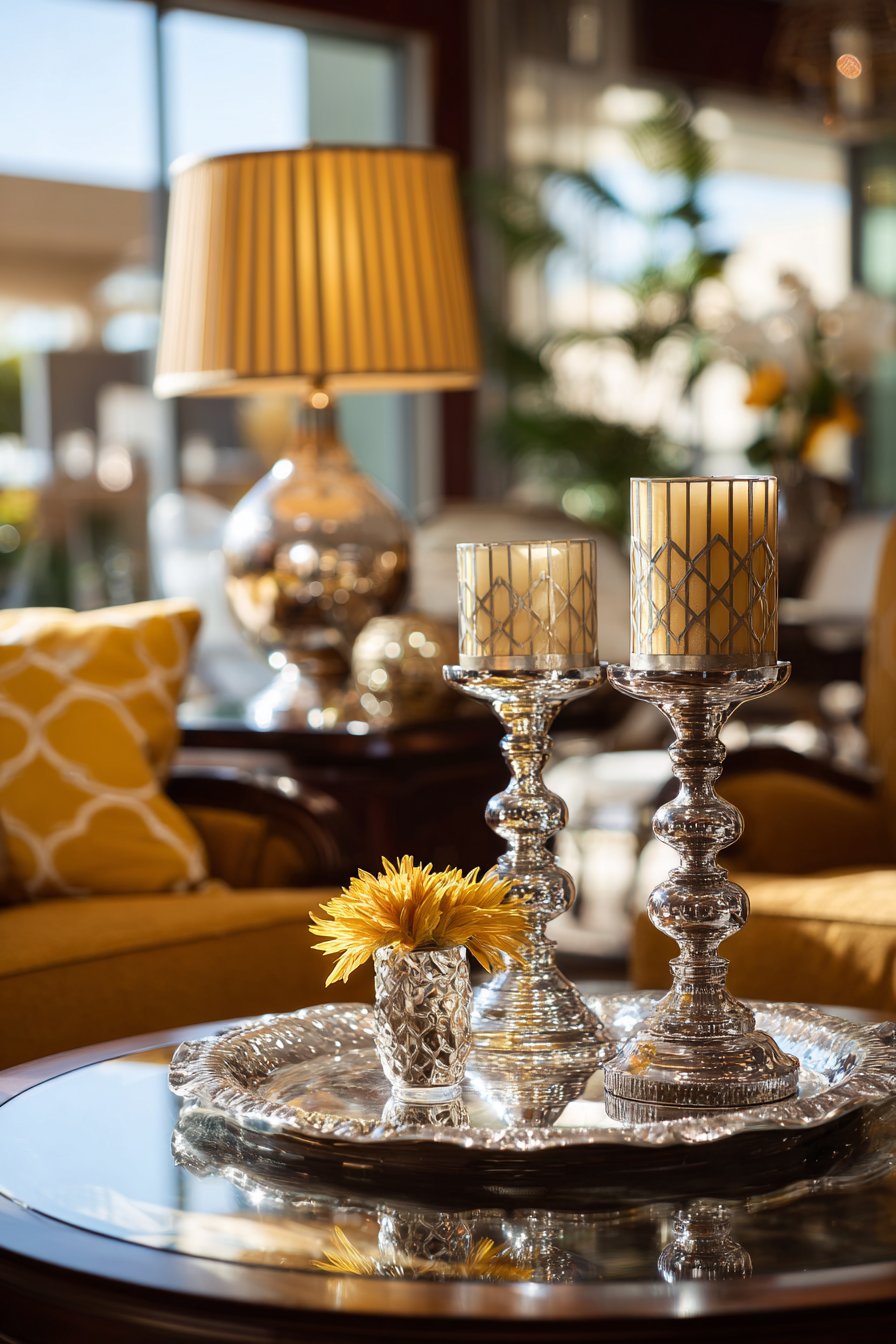
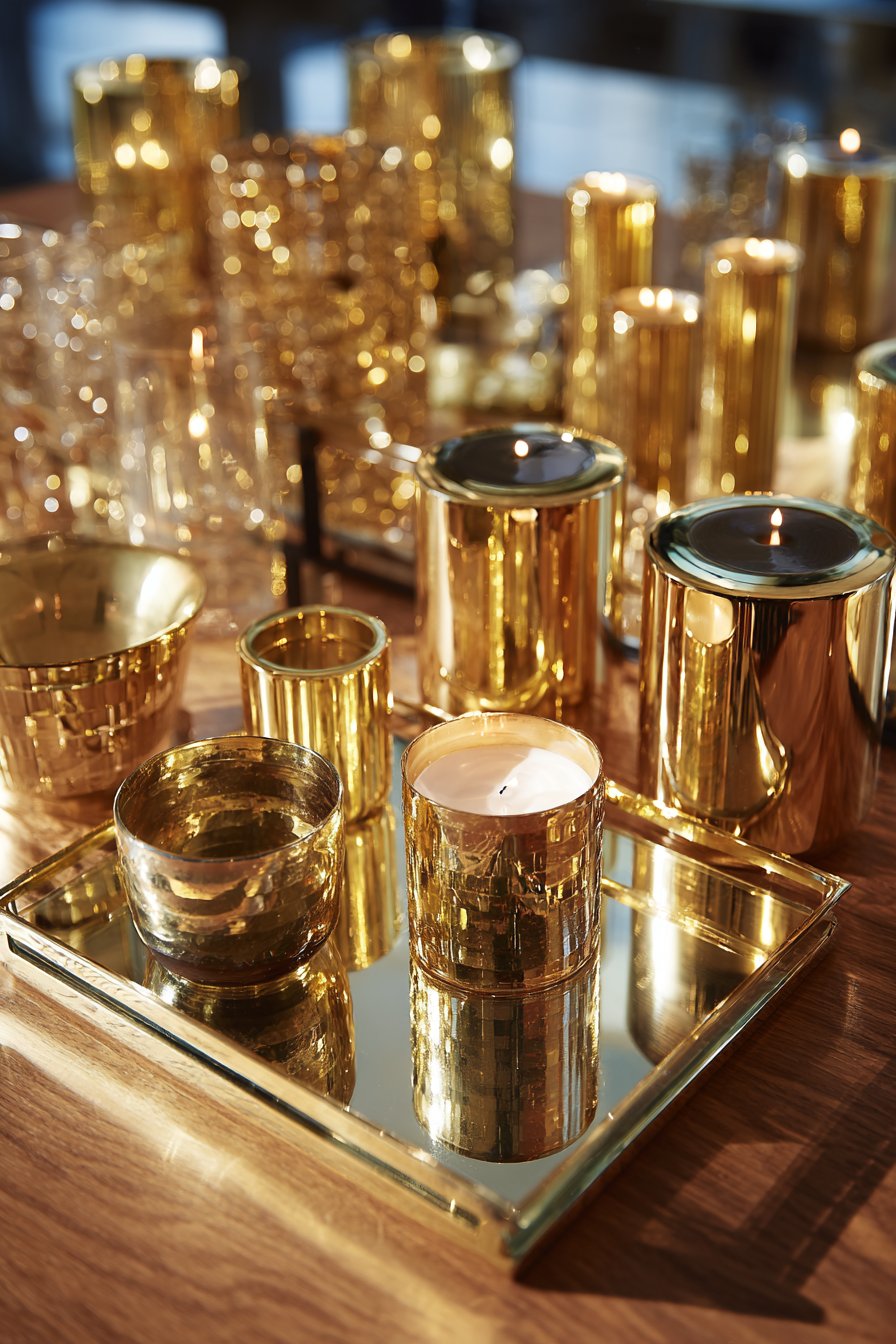
Reflective materials multiply available light through their inherent properties. Metallic accents in gold, silver, brass, or chrome catch and bounce light throughout the space. Glass elements provide functionality without visual weight, maintaining airiness.
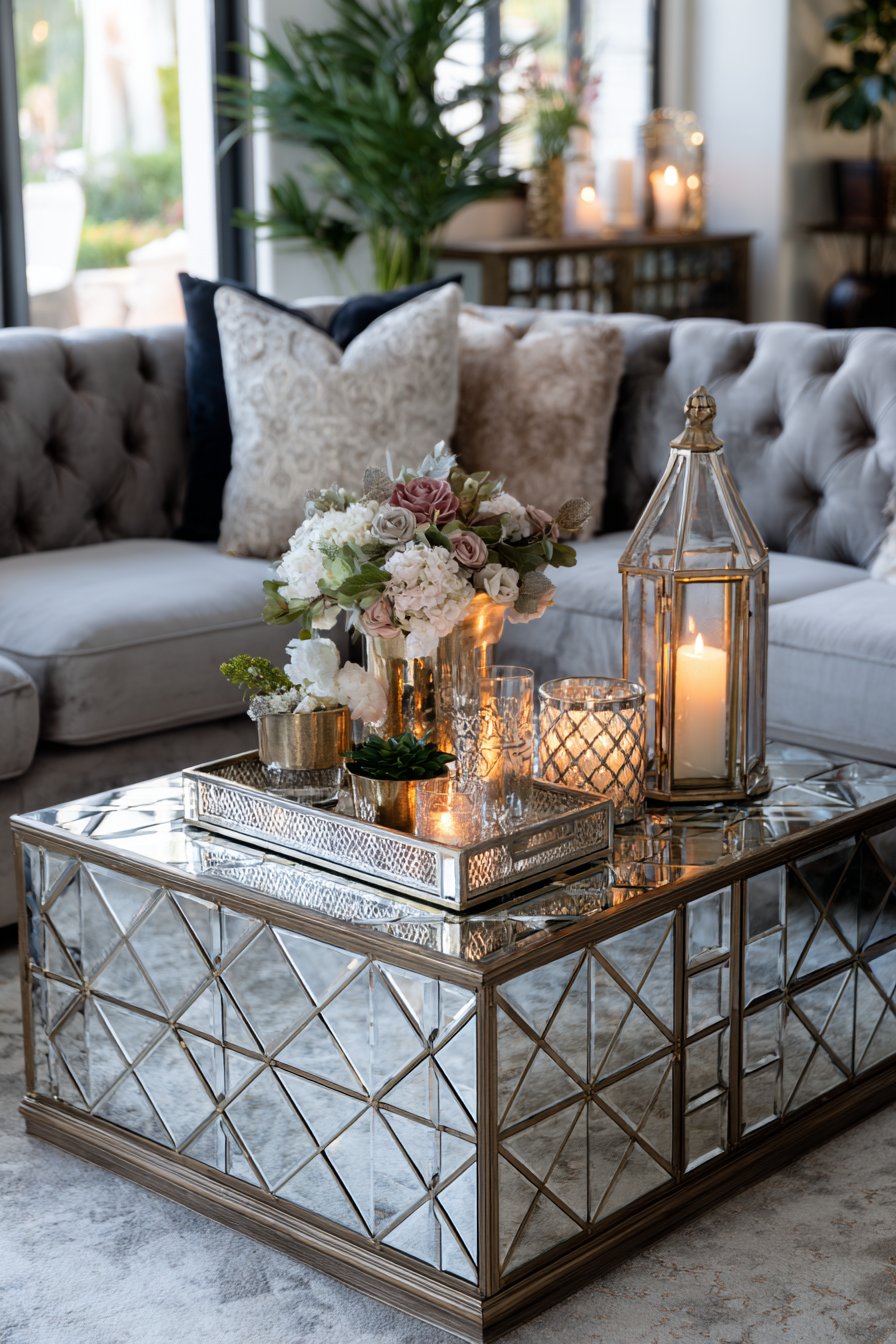
Strategic placement of these materials maximizes their impact. A glass coffee table allows light to pass through to the floor below. Metallic picture frames, decorative bowls, or candle holders add sparkle without clutter. Even door hardware in bright finishes contributes subtle light enhancement.
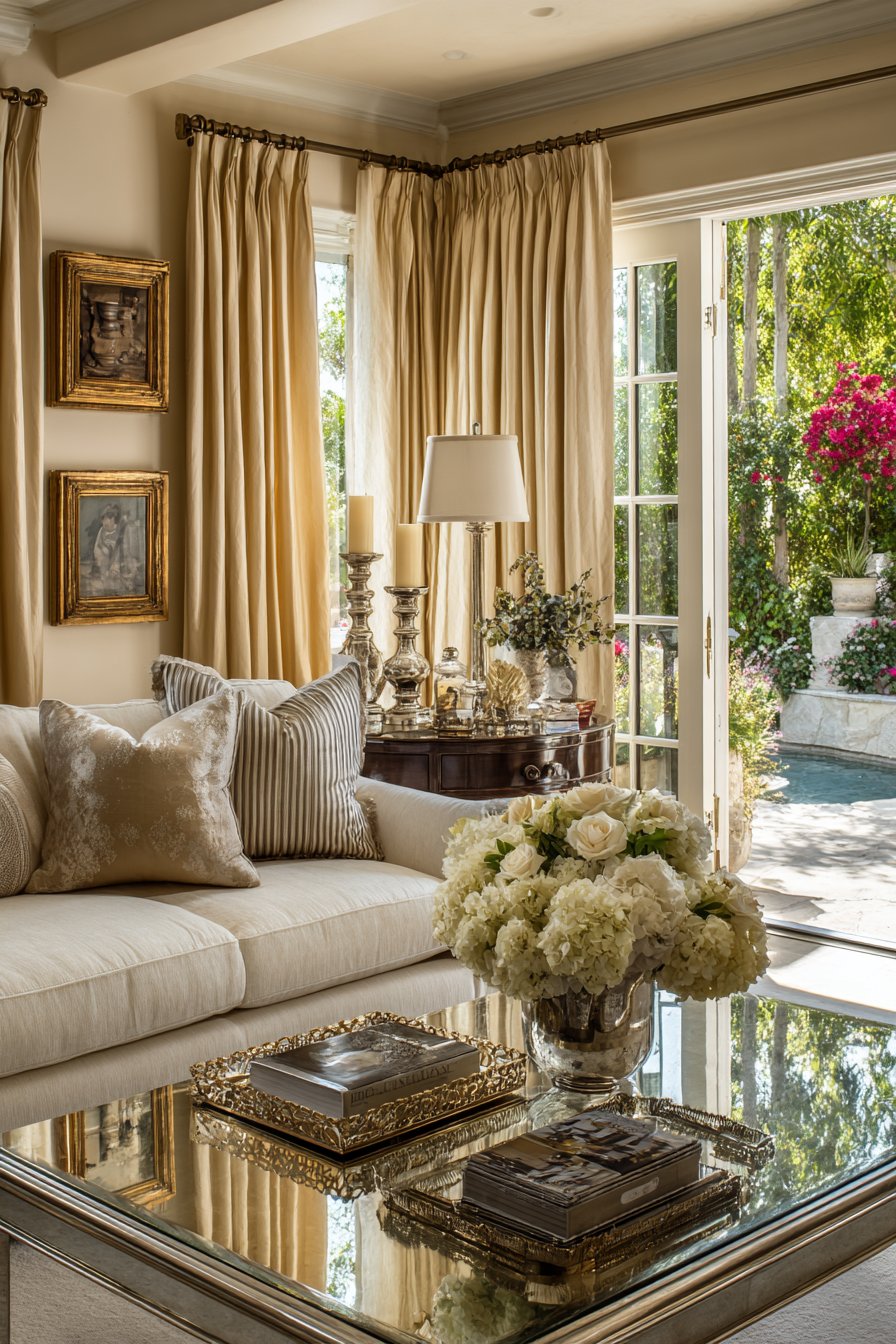
Balance is key with reflective elements. Too many metallics can feel cold or overwhelming. Mix metallic finishes for visual interest rather than matching everything perfectly. Combine brass and silver or gold and chrome confidently. Glass furniture pieces pair beautifully with any metallic accent.
- Replace one solid furniture piece with a glass alternative
- Add metallic picture frames to walls for light reflection
- Choose metallic finish light fixtures for double light impact
- Incorporate mirrored or metallic trays on coffee tables
- Select decorative objects with glass or metallic elements
- Use chrome or brass door handles and window hardware
8. Add Living Elements That Enhance Brightness
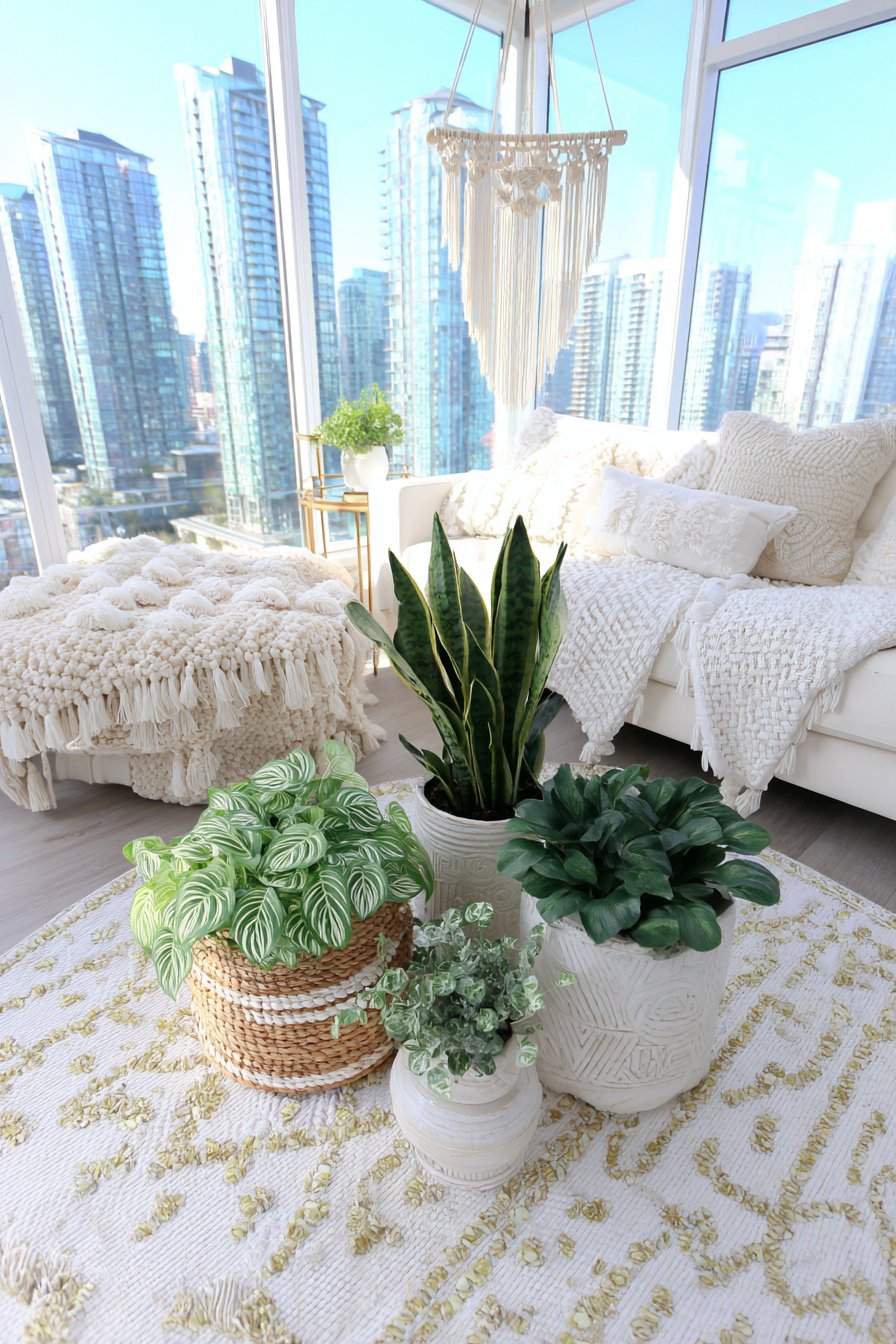
Plants might seem counterintuitive in dark spaces, but strategic greenery actually enhances airiness. Plants with light-colored foliage like pothos, prayer plants, or pale philodendrons add life without heaviness. Place them in white or light-colored planters for maximum impact.
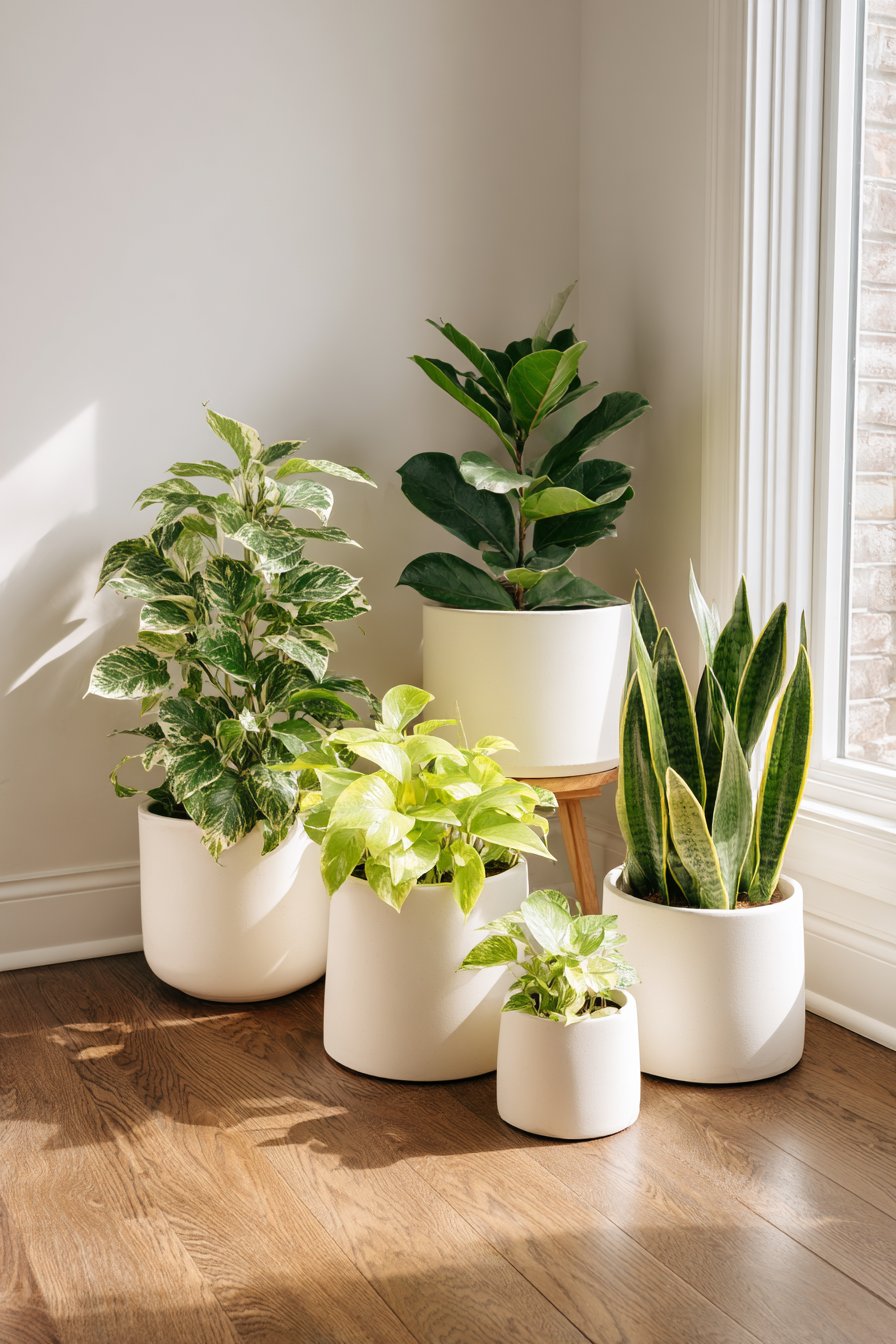
The key is selecting plants that thrive in lower light conditions. Snake plants, ZZ plants, and certain ferns handle dim conditions beautifully. Their vertical growth patterns draw the eye upward, creating height perception. Group plants at different levels for dimensional interest.
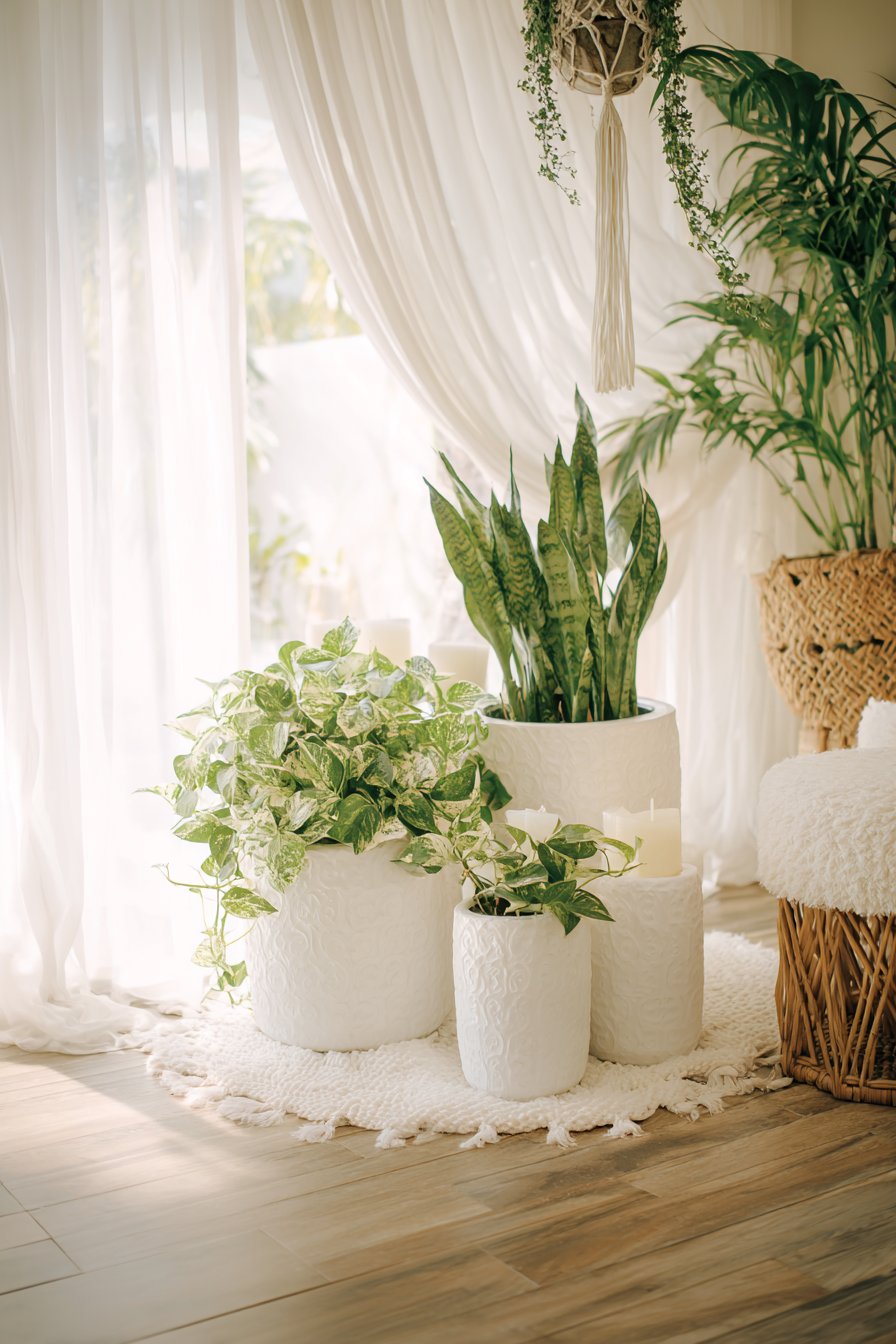
White or cream ceramic planters enhance the light-reflecting properties of your plants. Avoid dark or heavy pots that absorb light. Consider hanging plants in macramé holders to free up floor space. This approach adds life and oxygen while maintaining the open, airy feeling you’re creating.
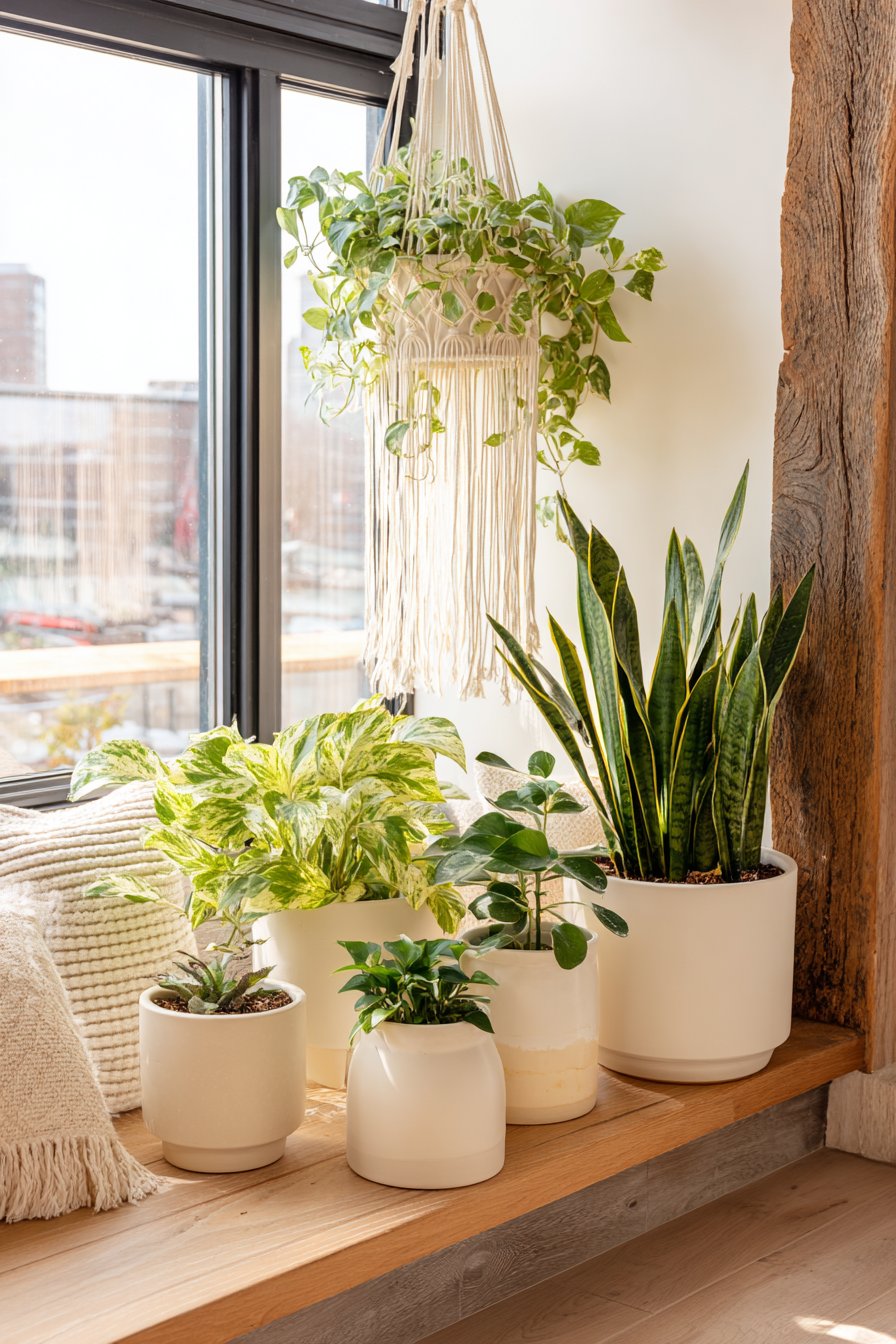
- Choose plants with light green or variegated foliage only
- Use exclusively white, cream, or light ceramic planters
- Position plants near windows to frame natural light sources
- Hang trailing plants from ceilings to add height
- Group 3-5 plants together for impact without clutter
- Select low-maintenance varieties suited to low light conditions
Conclusion
Transforming a dark living room into an airy, welcoming space requires thoughtful implementation of multiple strategies. From light-reflective paint and strategic mirrors to optimized lighting and minimal clutter, each trick contributes to the overall effect. Remember that creating airiness is about maximizing light and minimizing visual weight.
Start with one or two changes that feel most achievable for your space and budget. Perhaps begin with paint or window treatments, then gradually layer in additional elements. The beauty of these tricks is their cumulative effect—each change enhances the others. Your dark living room can become the bright, breathable sanctuary you’ve always wanted. Trust the process, experiment with different combinations, and enjoy watching your space transform into an airy haven that welcomes both light and life.
