


The charm of a cottage living room lies in its ability to transport you to a simpler, more peaceful time. This timeless aesthetic combines comfort, warmth, and natural beauty to create spaces that feel like a warm embrace. Whether you’re renovating an actual cottage or bringing cottage-core vibes to your urban apartment, mastering this style can transform your living space into a sanctuary.
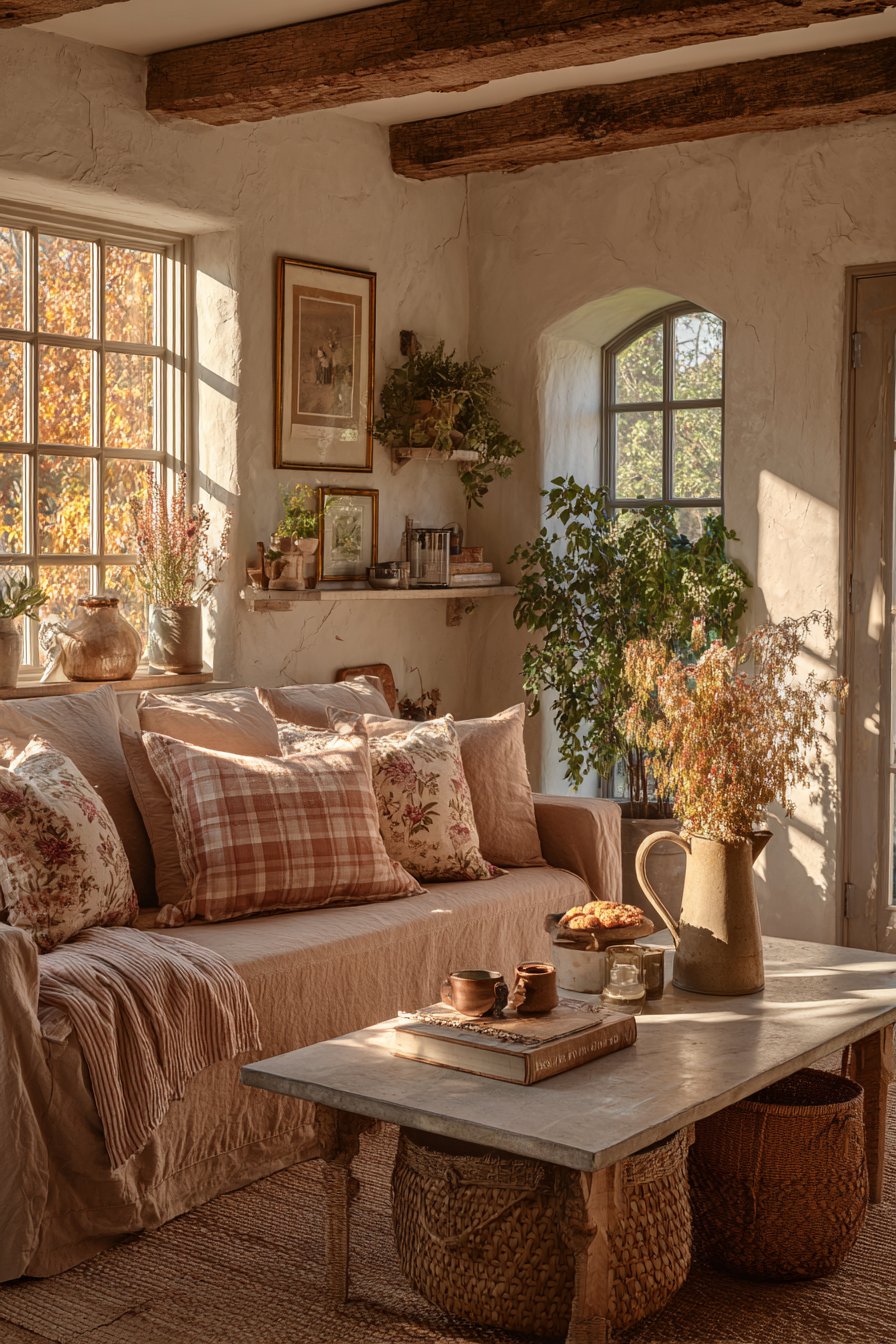
Thoughtful interior design goes beyond mere decoration—it shapes how we experience our homes daily. The cottage aesthetic particularly appeals to those seeking refuge from modern life’s chaos. This style emphasizes natural materials, soft textures, and nostalgic elements that create genuine comfort. In this comprehensive guide, we’ll explore six essential strategies for achieving an authentic cottage living room that balances rustic charm with contemporary livability.
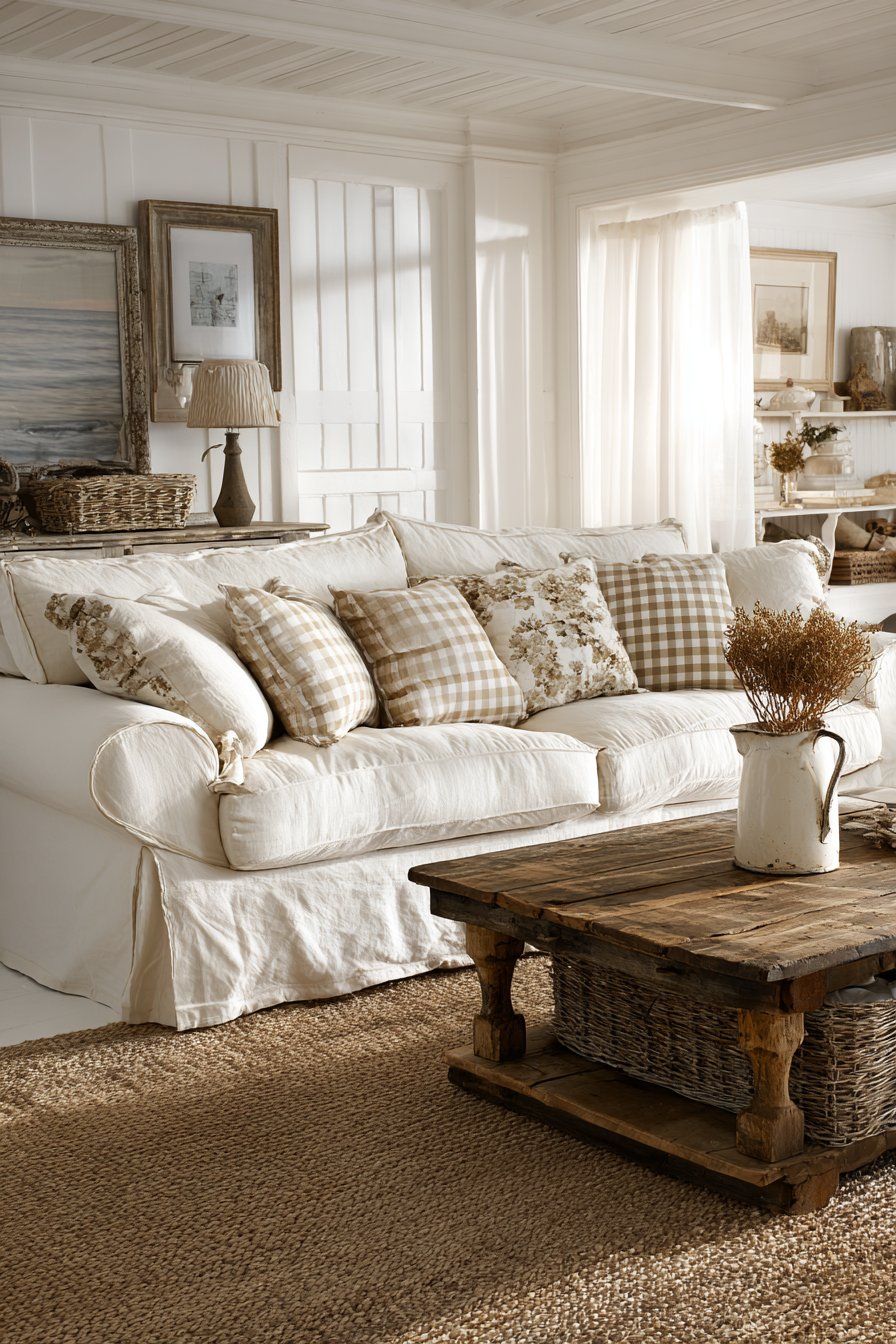
From selecting the perfect color palette to incorporating vintage treasures, each element contributes to the overall cozy atmosphere. These approaches work together to create spaces that feel collected over time rather than decorated in one go. The beauty of cottage style lies in its flexibility—it welcomes personal touches and imperfect beauty that make a house truly feel like home.
1. Embrace a Soft, Natural Color Palette
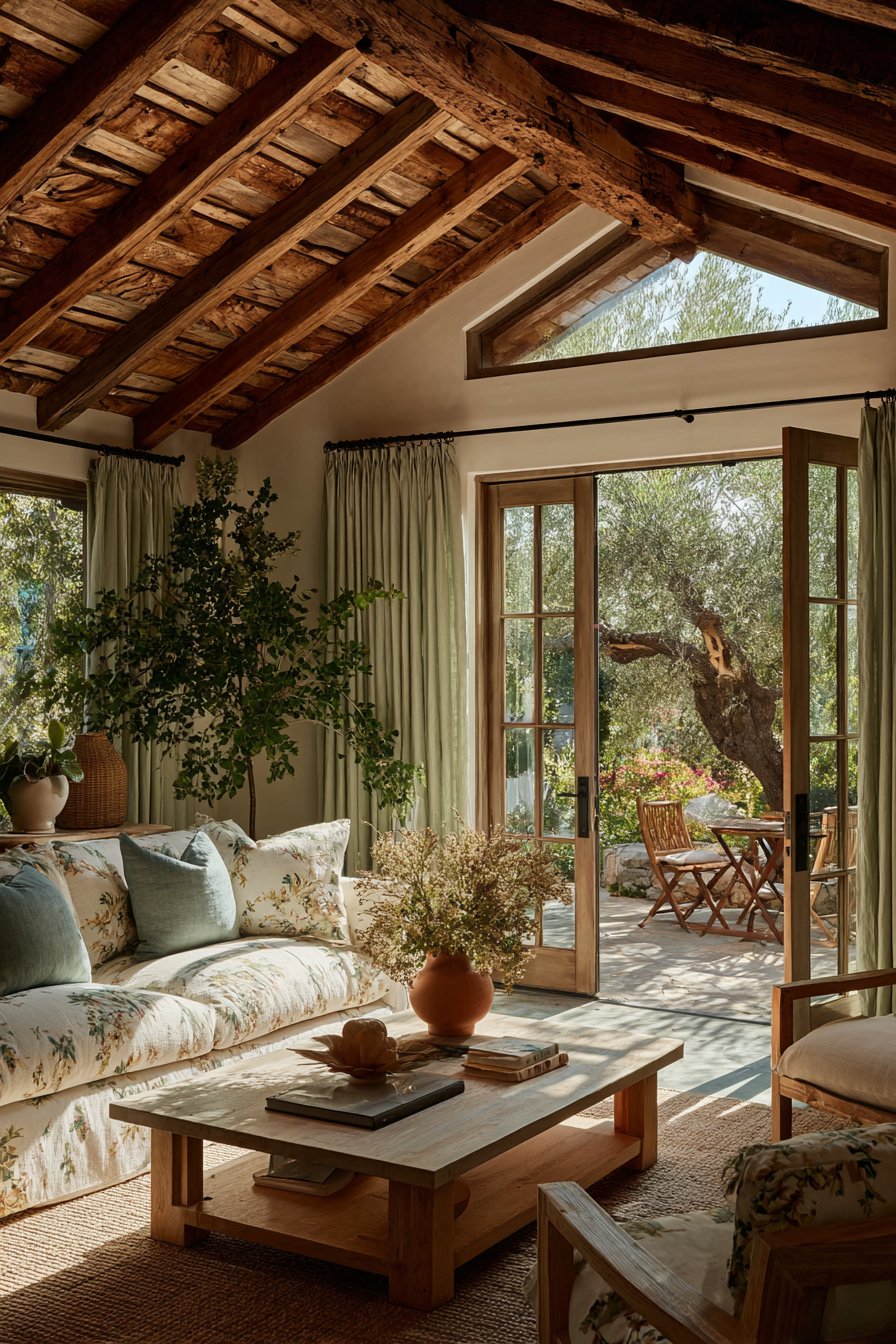
The foundation of any cottage living room begins with color selection that evokes tranquility and warmth. Cottage aesthetics traditionally favor muted, earthy tones that reflect nature’s subtle beauty rather than bold, dramatic statements. Think creamy whites, soft sage greens, dusty blues, and warm beiges that create a cohesive backdrop. These colors not only enhance natural light but also provide visual serenity that defines cottage living.
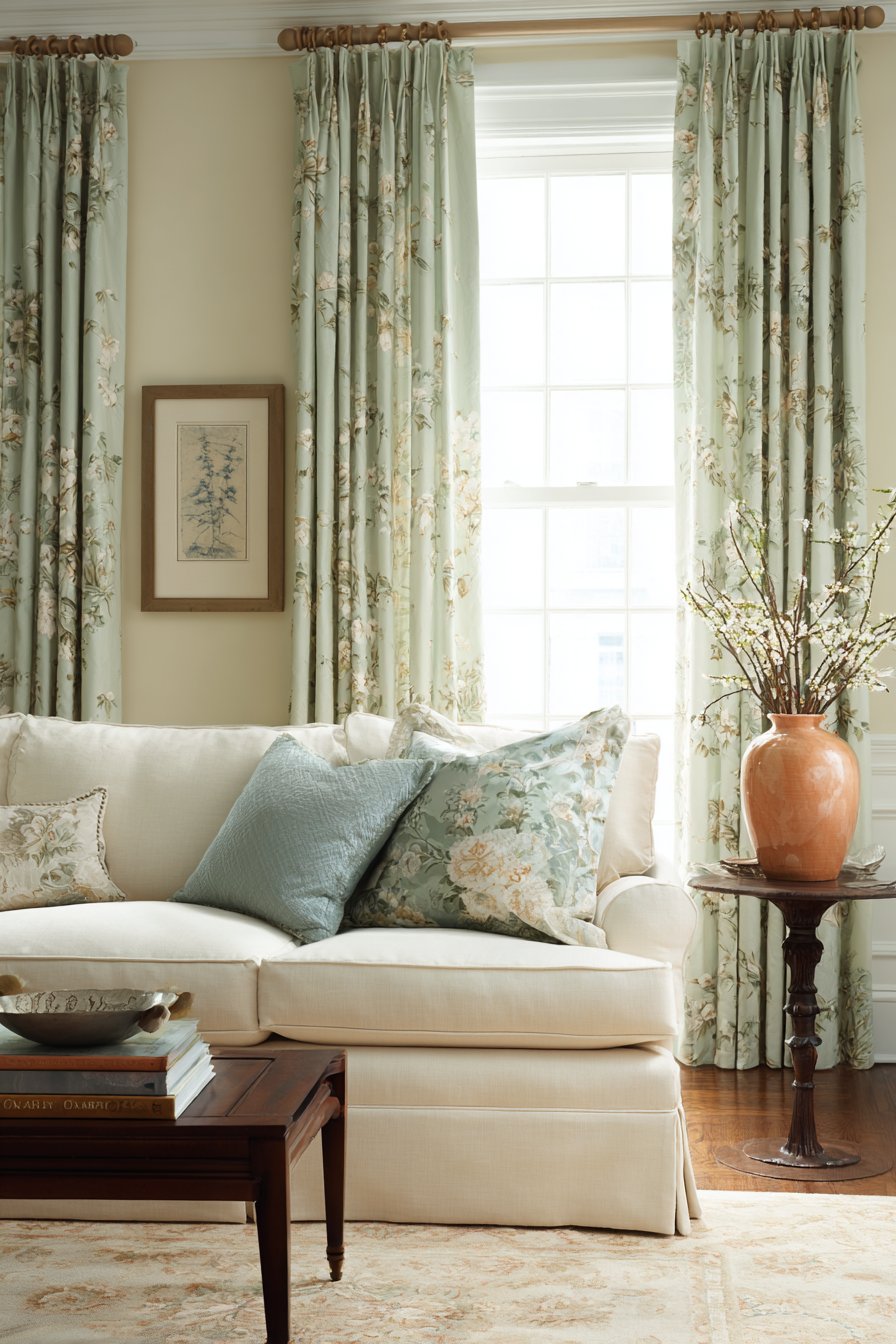
Your wall color sets the entire room’s mood and should complement rather than compete with furnishings. Weathered whites and off-whites work exceptionally well because they brighten spaces while maintaining warmth that pure white lacks. Consider how sunlight changes throughout the day—cottage colors should feel inviting during golden hour and cozy during evening hours. Layering different shades within the same color family adds depth without overwhelming the senses.
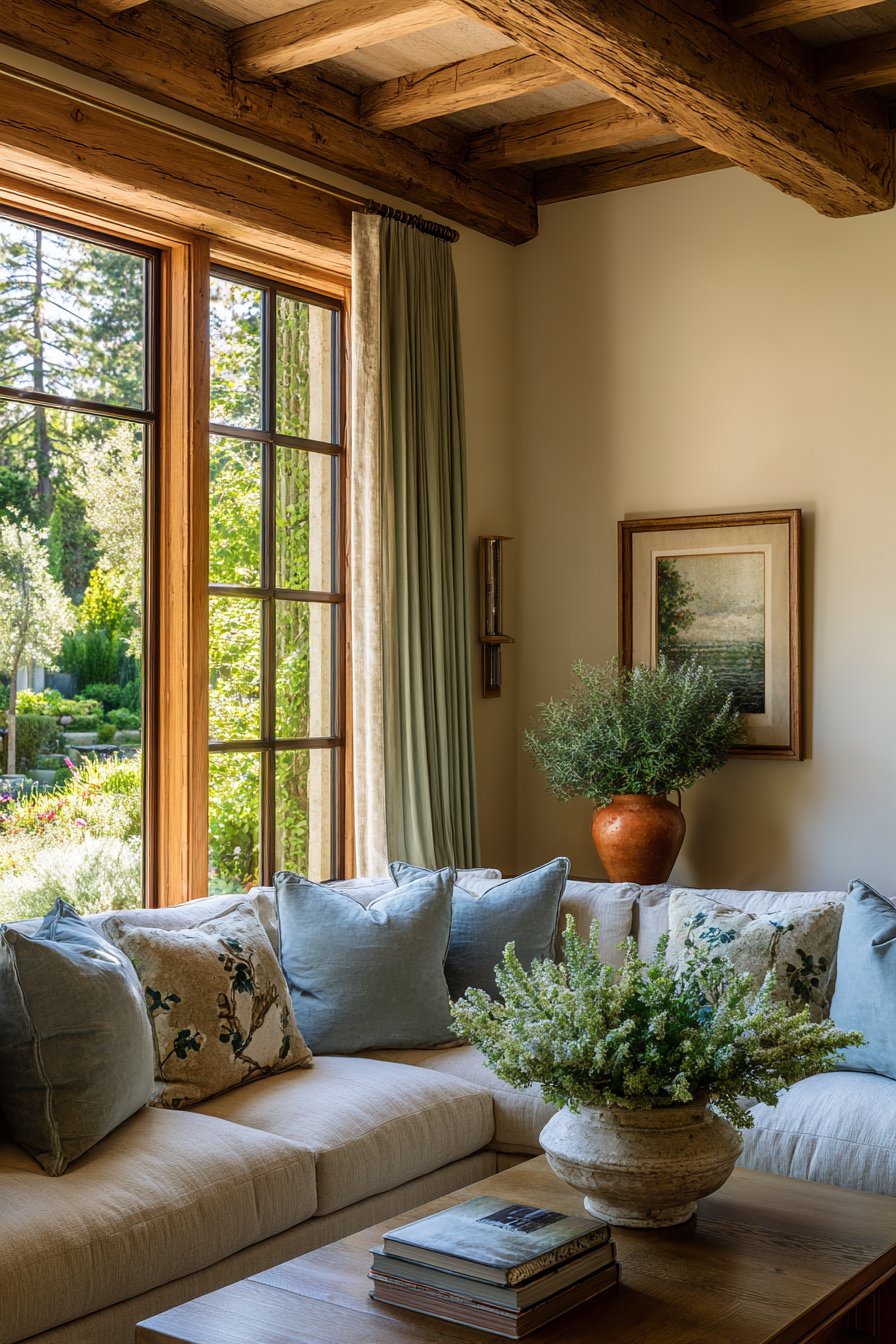
Accent colors in cottage design come from nature itself—think faded florals, mossy greens, and sunset pinks. These softer hues appear in textiles, artwork, and decorative accessories rather than wall paint. The goal is creating a space that feels organically composed rather than strictly coordinated. Remember that cottage style celebrates subtle variation and gentle transitions between tones.
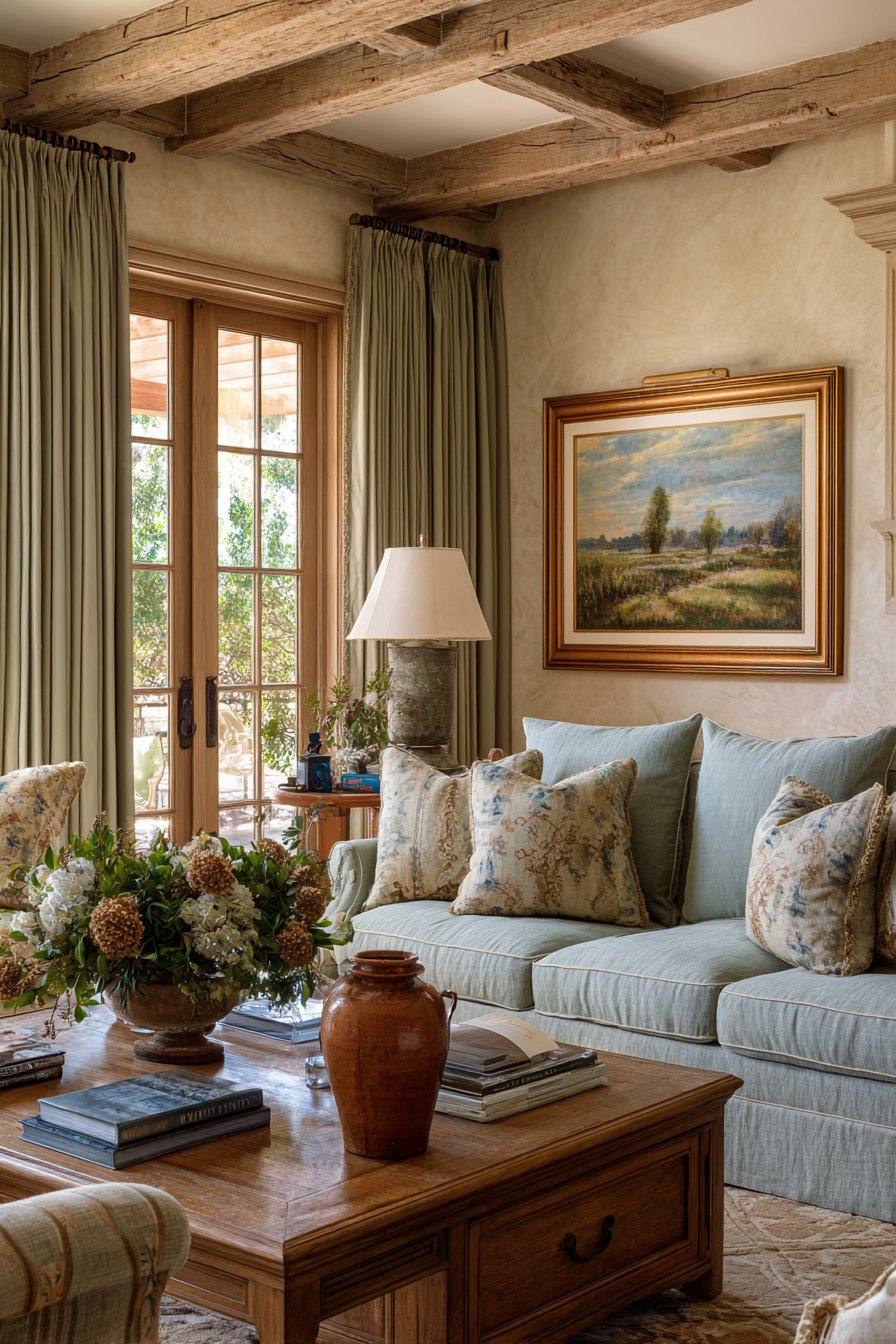
- Choose paint colors with warm undertones like cream, ivory, or soft gray
- Incorporate nature-inspired accent colors through pillows, throws, and curtains
- Use white or light-colored trim to brighten and define architectural features
- Test paint samples in different lighting conditions before committing
- Consider limewash or chalk paint for authentic texture and depth
- Layer multiple shades of the same color family for visual interest
2. Layer Comfortable, Natural Textiles
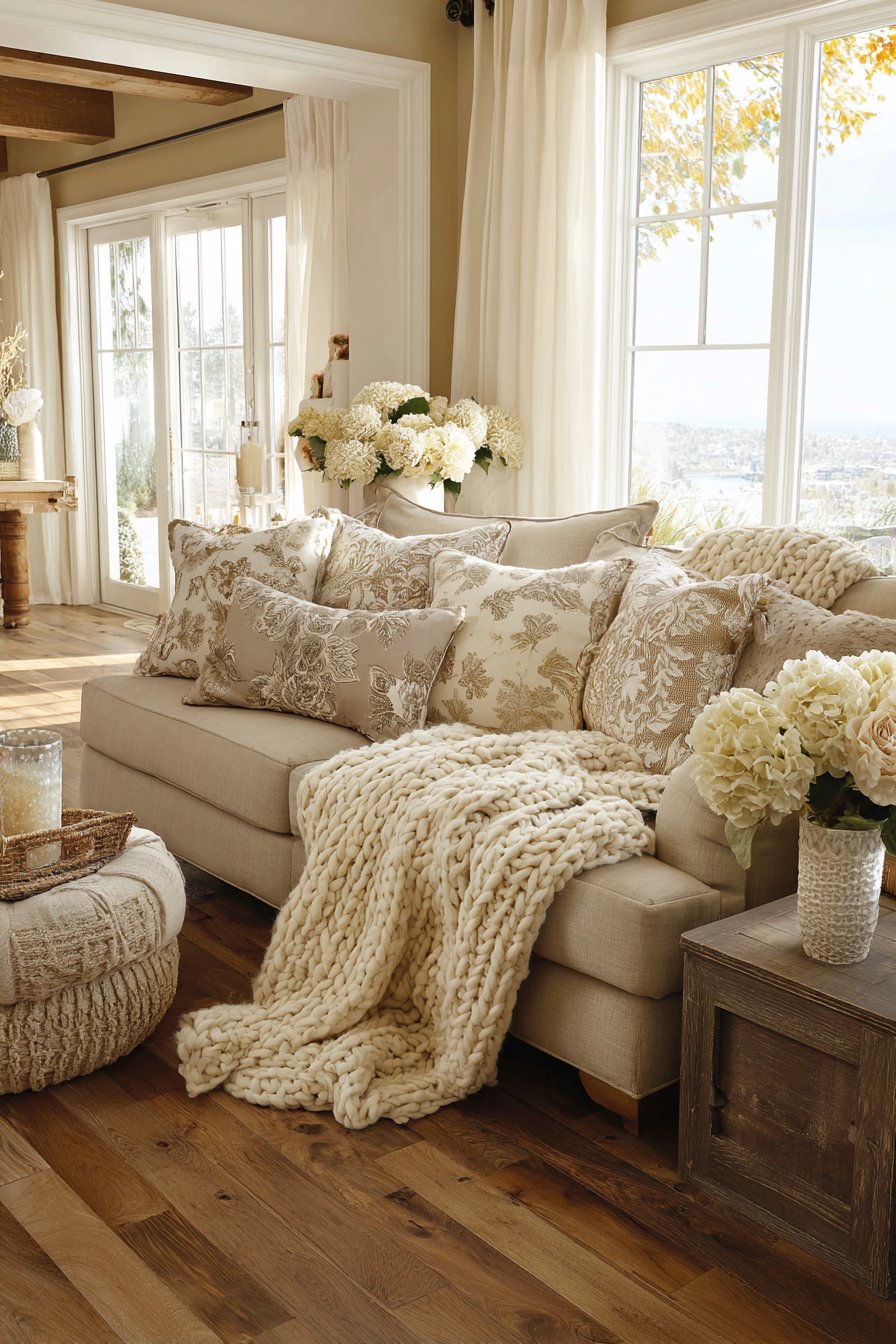
Textile layering transforms a cottage living room from simply decorated to genuinely inviting. The cottage aesthetic thrives on tactile comfort—think soft linens, chunky knits, and worn cottons that beg to be touched. Unlike minimalist styles that might feature one perfect throw pillow, cottage design embraces abundance and variety in fabrics. This approach creates visual warmth and ensures actual physical comfort for everyday living.
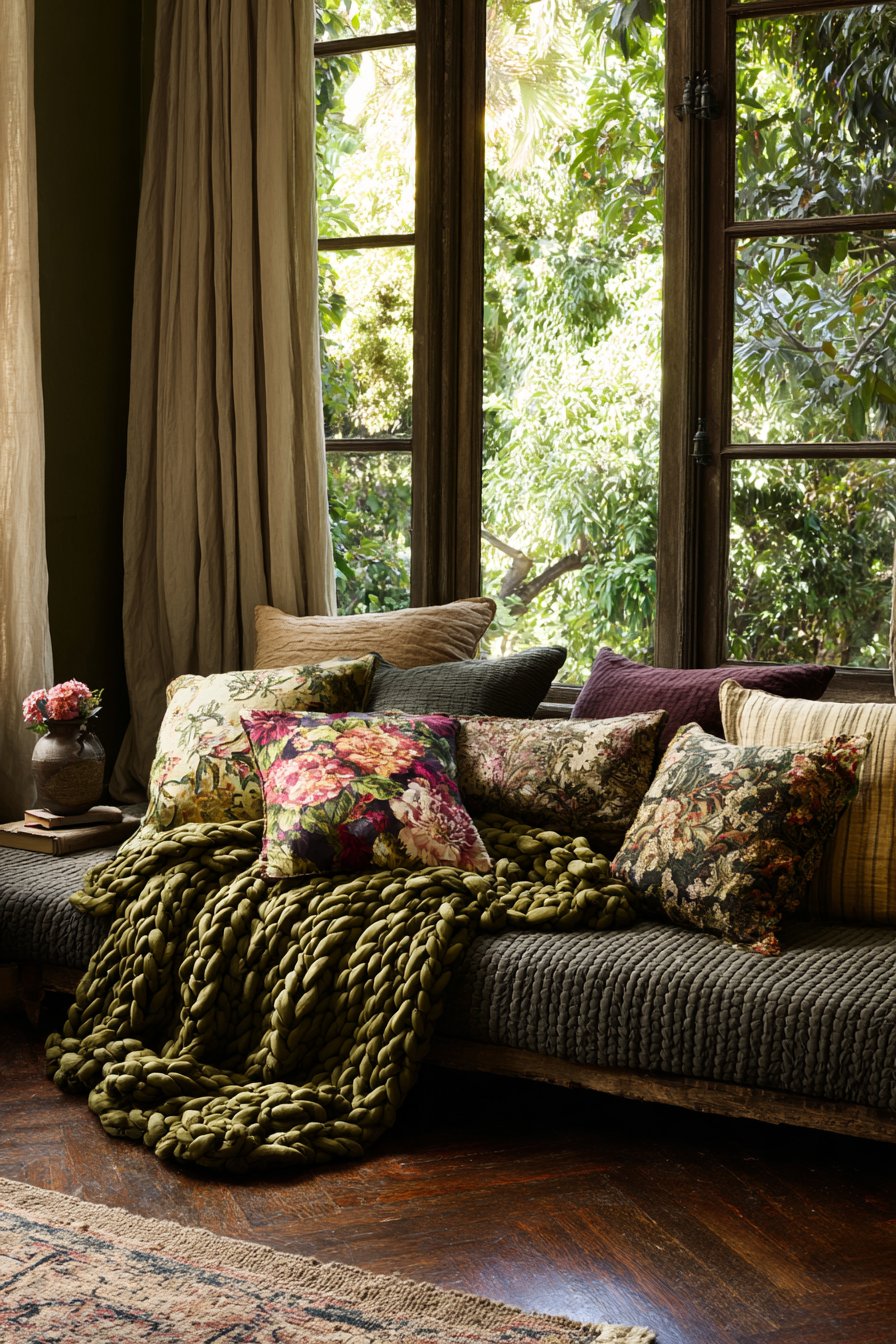
Start with foundational pieces like a linen-covered sofa or cotton slipcovers that establish the room’s casual elegance. Slipcovers particularly suit cottage style because they’re practical, washable, and embody the lived-in aesthetic this design celebrates. Layer quilts, knitted throws, and vintage blankets across furniture for both functionality and visual appeal. Mix patterns carefully—florals, checks, and stripes coexist beautifully when they share a common color palette.
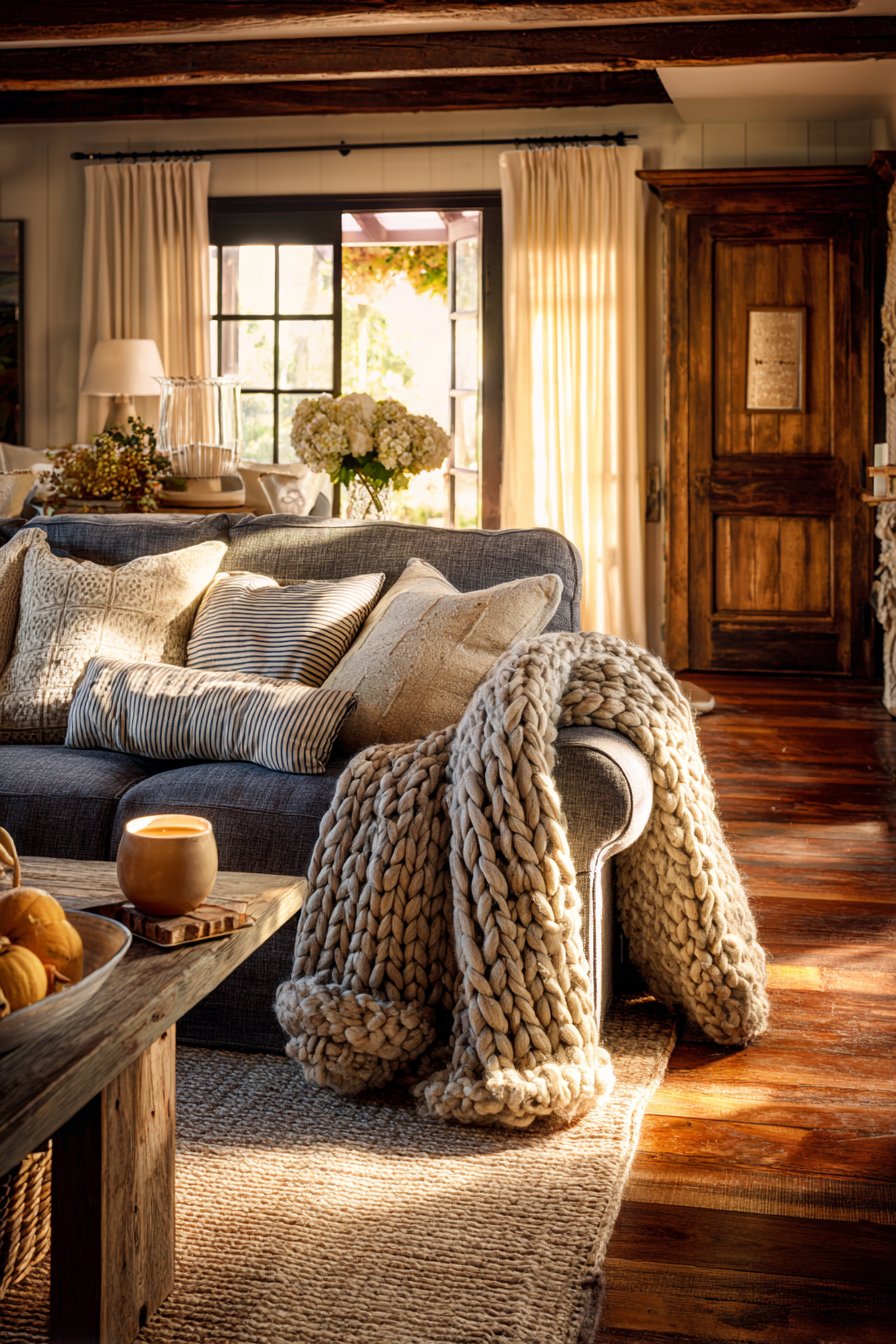
Window treatments deserve special attention in cottage design, as they significantly impact the room’s softness and light quality. Opt for natural fabrics like linen or cotton in simple styles rather than heavy drapes. Curtains should puddle slightly on the floor for that relaxed, effortless look characteristic of cottage living. Don’t forget area rugs—natural fiber options like jute, sisal, or wool add textural contrast while defining conversation areas.
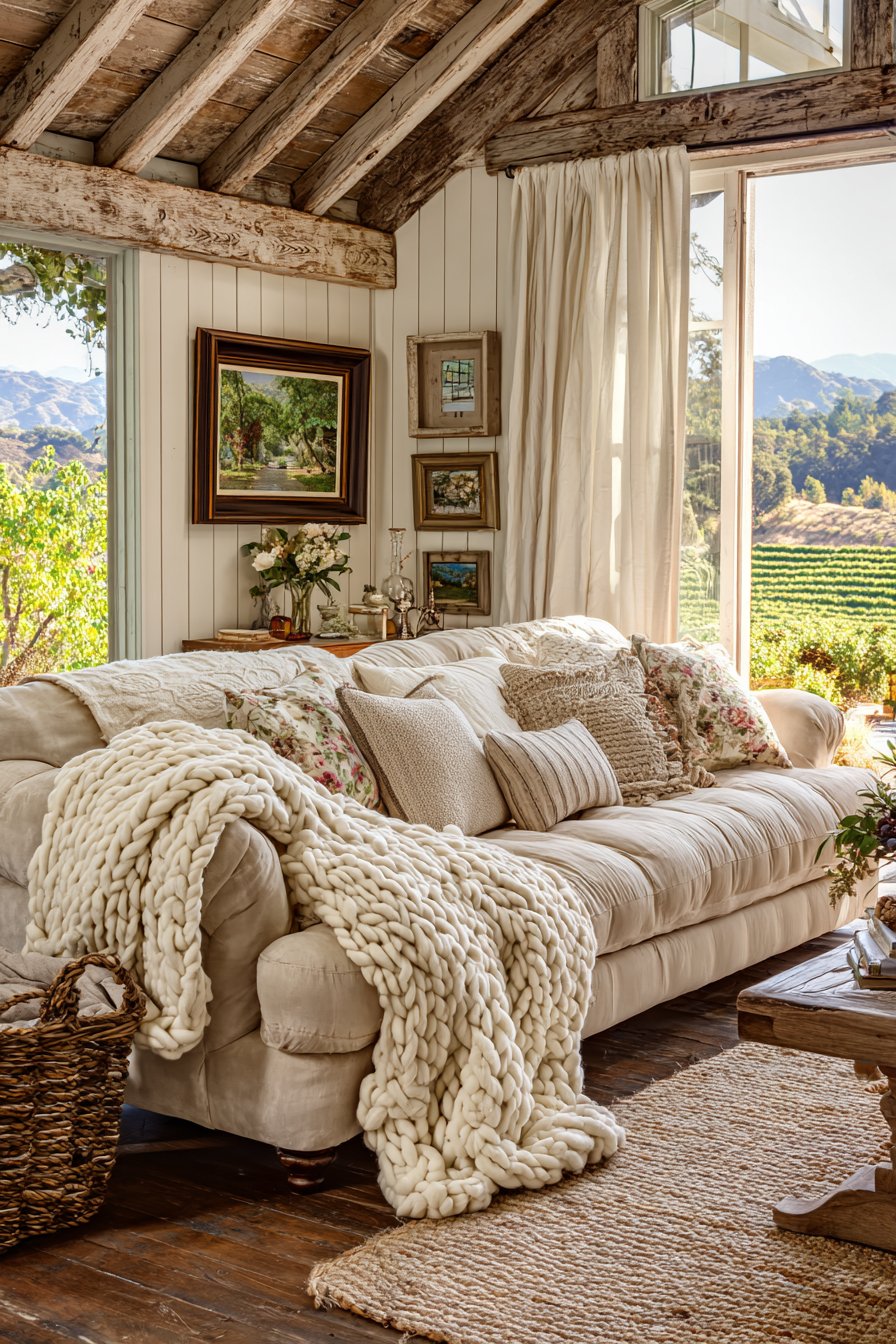
- Mix various fabric textures like linen, cotton, wool, and chenille
- Include at least three throw pillows per seating area in coordinating patterns
- Choose slipcovers in washable natural fabrics for easy maintenance
- Layer a soft area rug over hardwood or stone flooring
- Select lightweight curtains that filter rather than block natural light
- Incorporate vintage quilts or crocheted blankets as throws or wall hangings
3. Incorporate Rustic Wood and Natural Materials
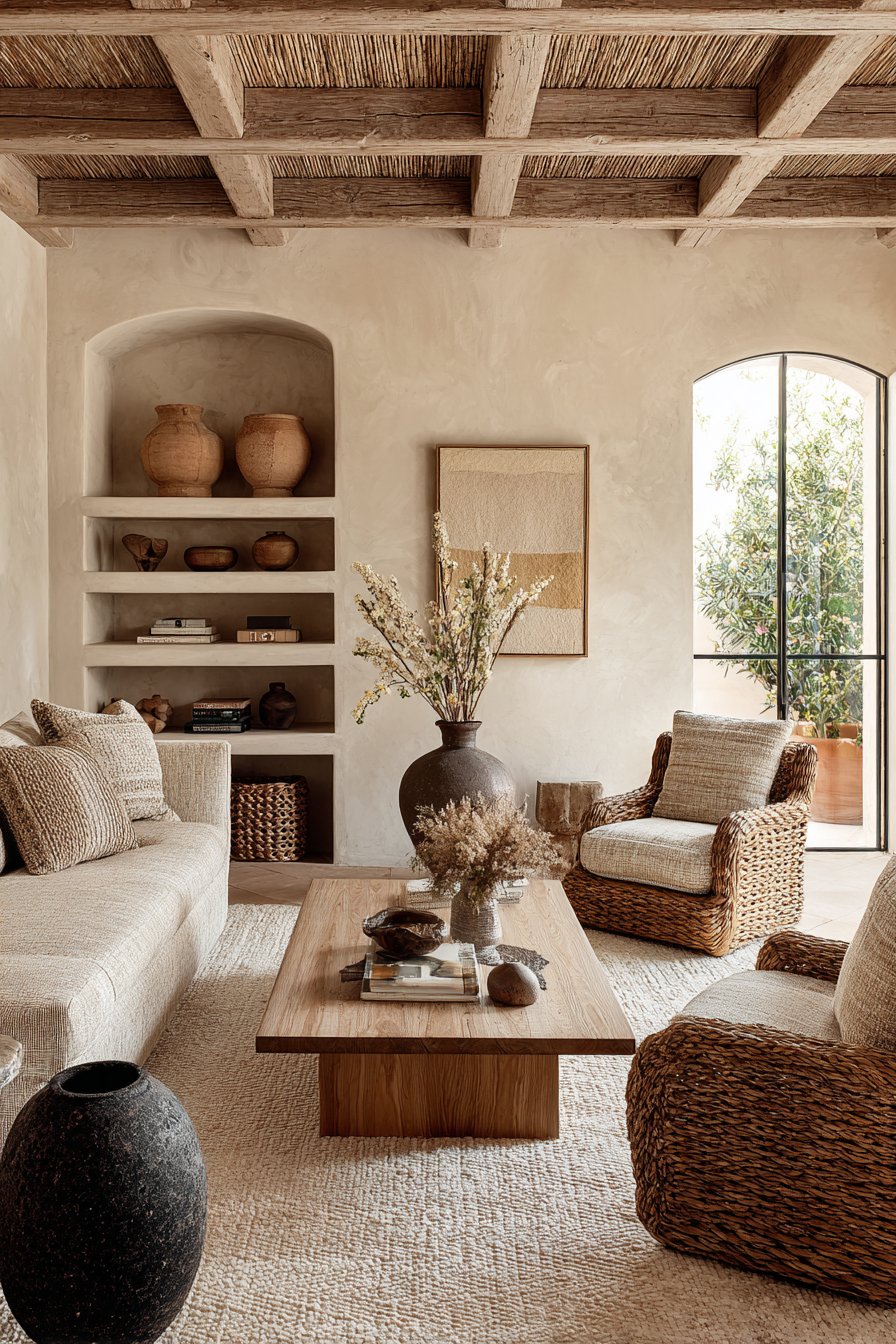
Wood elements form the backbone of authentic cottage style, bringing warmth and organic texture to living spaces. The cottage aesthetic favors reclaimed or distressed wood that shows character through imperfections, knots, and natural aging. Unlike modern design’s preference for sleek finishes, cottage style celebrates wood’s inherent beauty and variations. This material choice connects indoor spaces with the natural world outside, a hallmark of cottage philosophy.
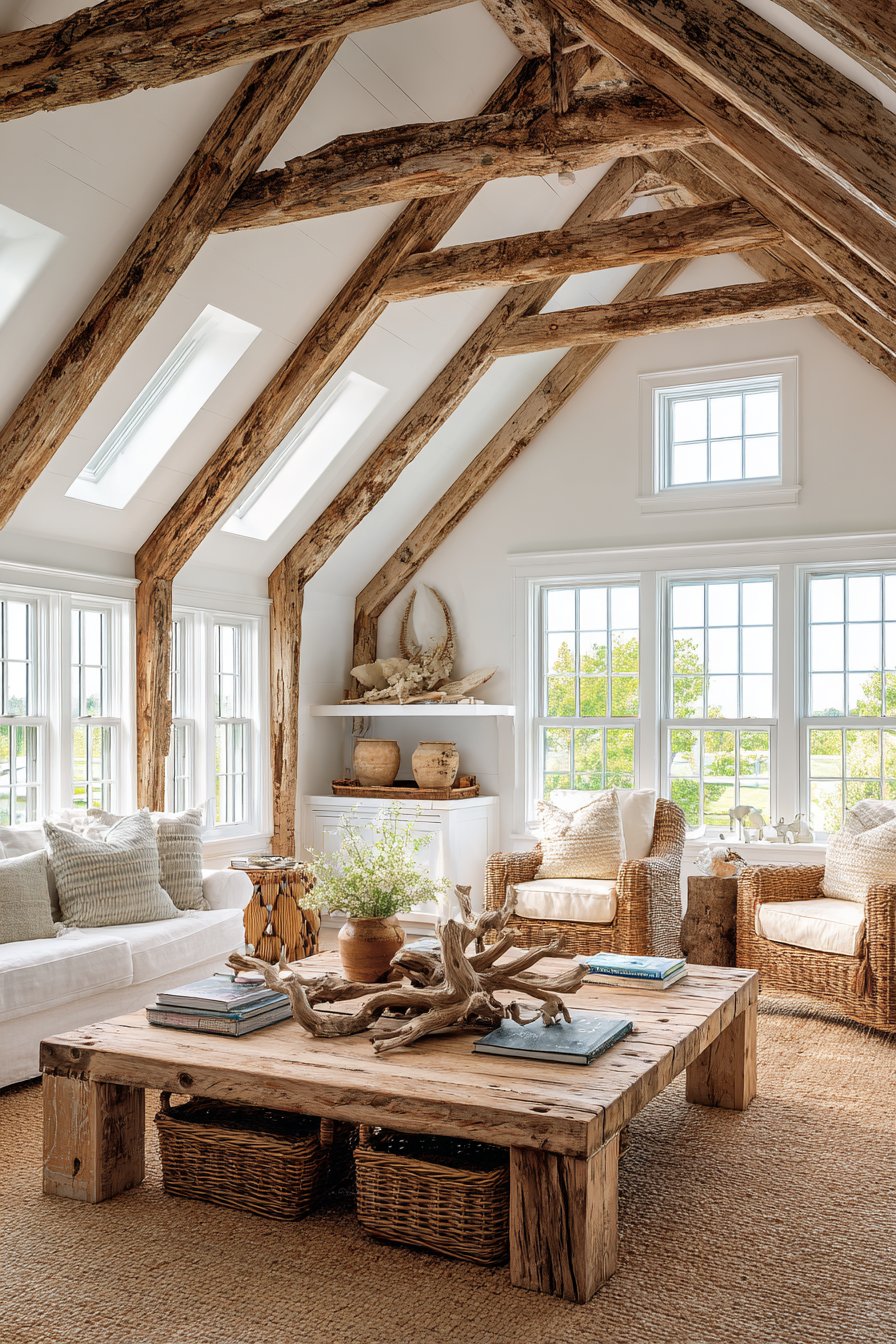
Consider exposed ceiling beams, wood plank walls, or even reclaimed barn wood accent walls to establish rustic foundations. If structural changes aren’t possible, incorporate wood through furniture pieces—a weathered coffee table, vintage wooden ladder, or rustic shelving achieves similar effects. The wood tones should feel organic rather than overly polished; opt for pieces with visible grain patterns and natural finishes. Mix wood species and finishes to create that collected-over-time appearance.
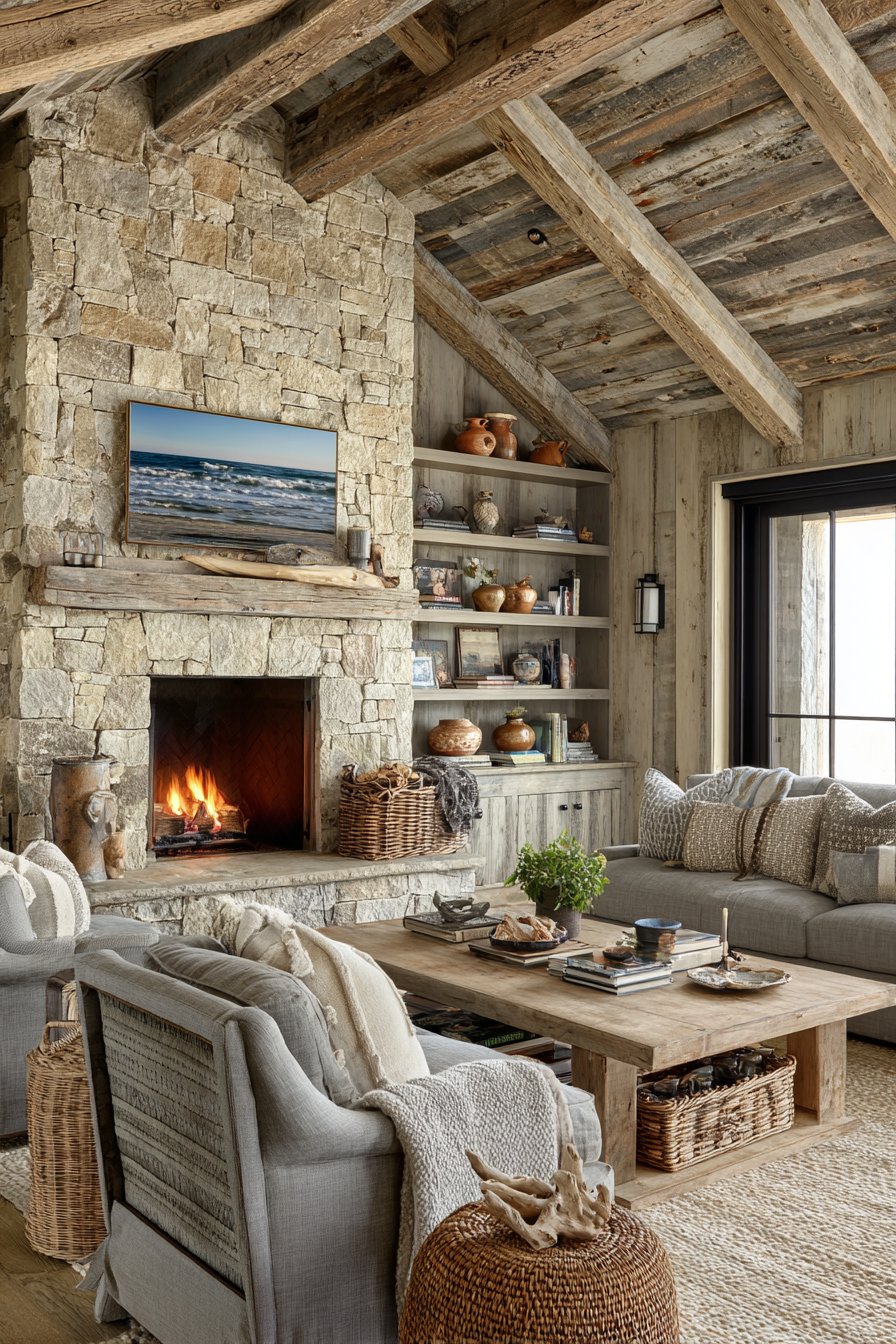
Beyond wood, other natural materials enhance cottage authenticity—wicker baskets, stone accents, and rattan furniture all contribute. These materials introduce varied textures while maintaining the nature-inspired theme. Display firewood in attractive holders, use stone vessels for plants, or incorporate driftwood pieces as sculptural elements. The key is balancing enough natural materials to establish the aesthetic without creating a cluttered, overly themed appearance.
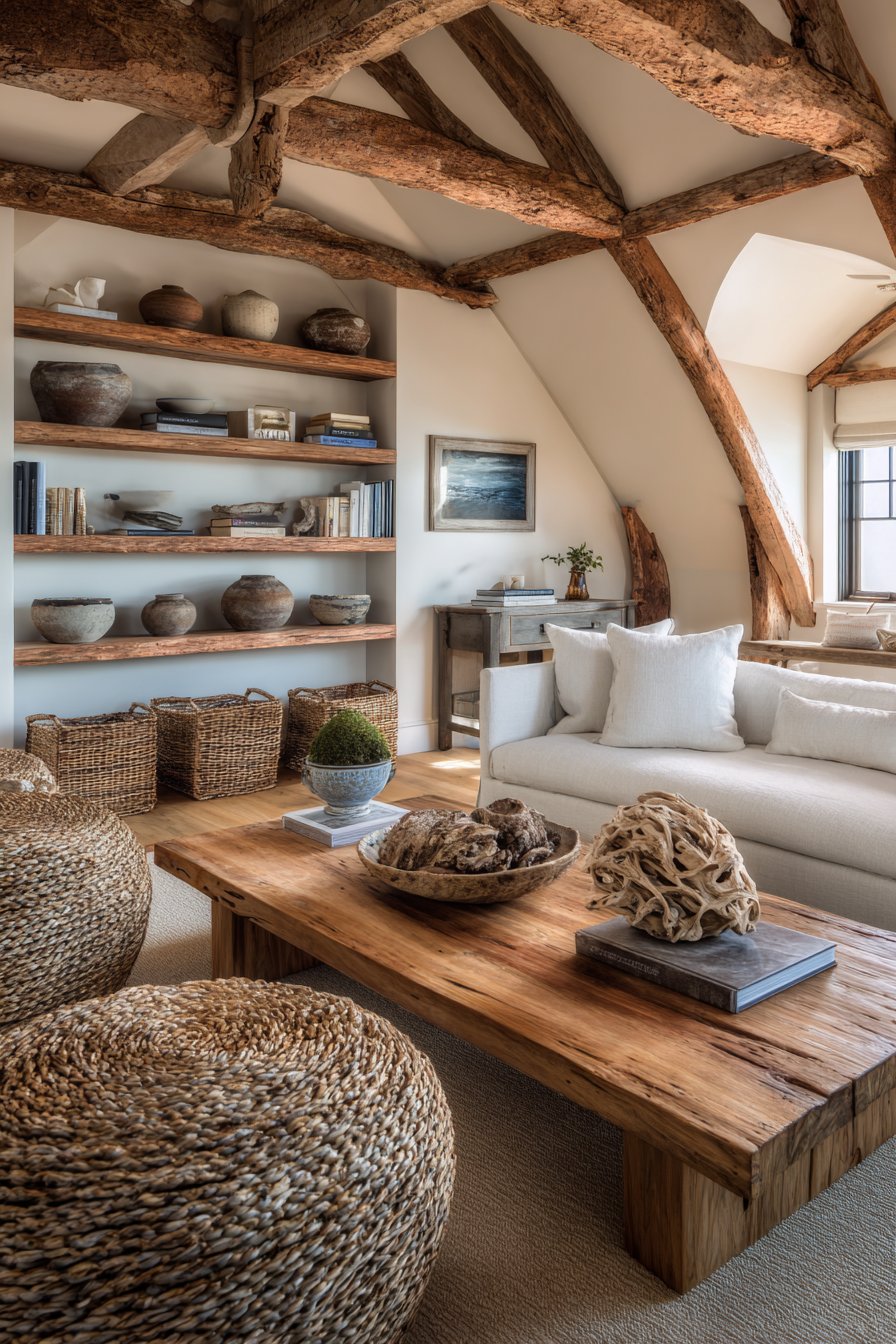
- Choose furniture with visible wood grain and minimal processing
- Display wooden cutting boards, bowls, or vintage tools as decorative elements
- Incorporate wicker or rattan baskets for storage and texture
- Add a reclaimed wood floating shelf for displaying cottage treasures
- Use natural wood frames for artwork and mirrors
- Consider wood ceiling beams or wood plank accent walls for architectural interest
4. Select Vintage and Antique Furnishings
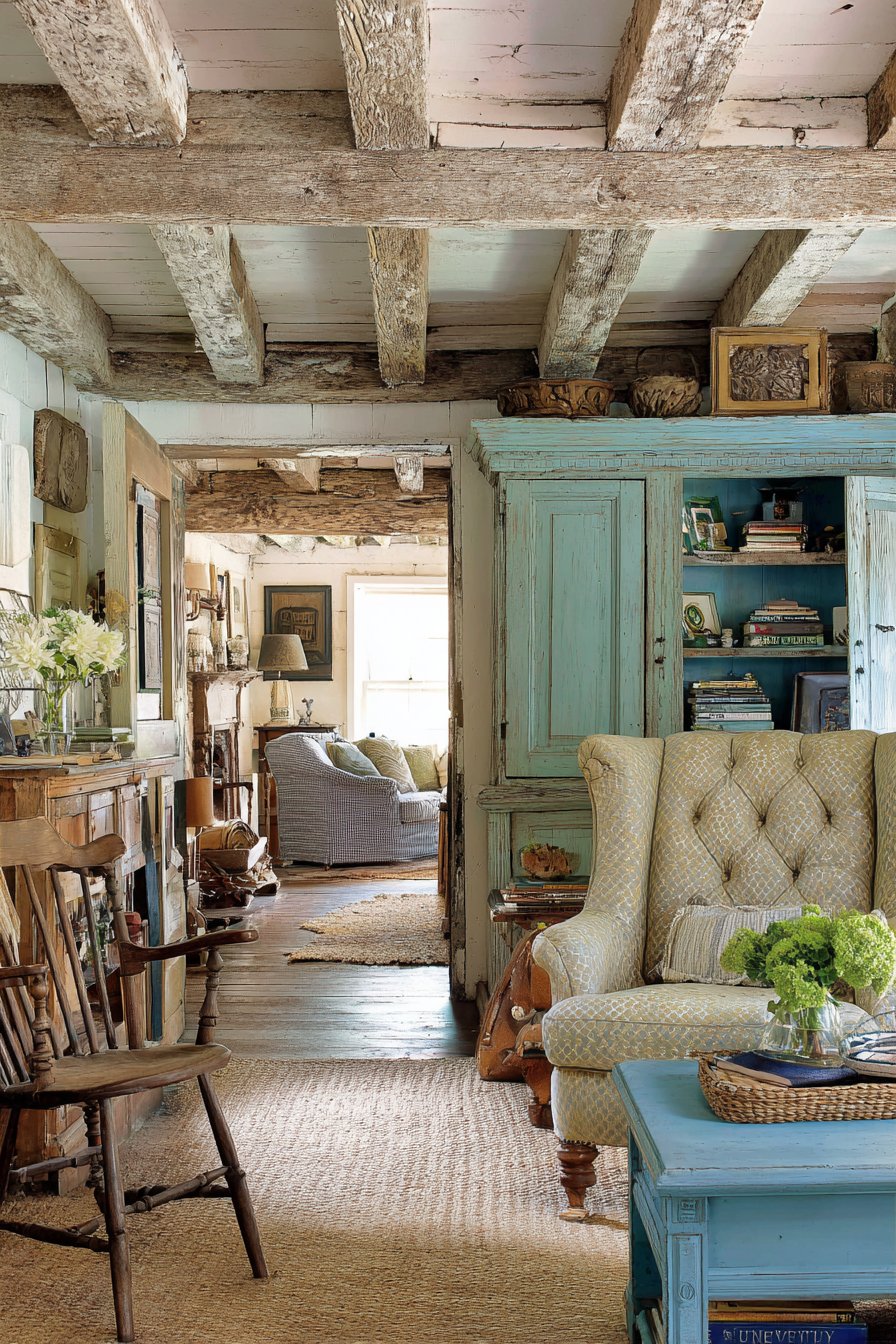
Vintage pieces infuse cottage living rooms with history, character, and the authentic worn charm that defines this aesthetic. Unlike buying matching furniture sets, cottage style encourages mixing periods, styles, and origins to create eclectic harmony. Each piece should feel discovered rather than purchased, telling its own story through patina and age. This approach not only creates visual interest but also promotes sustainable decorating practices.
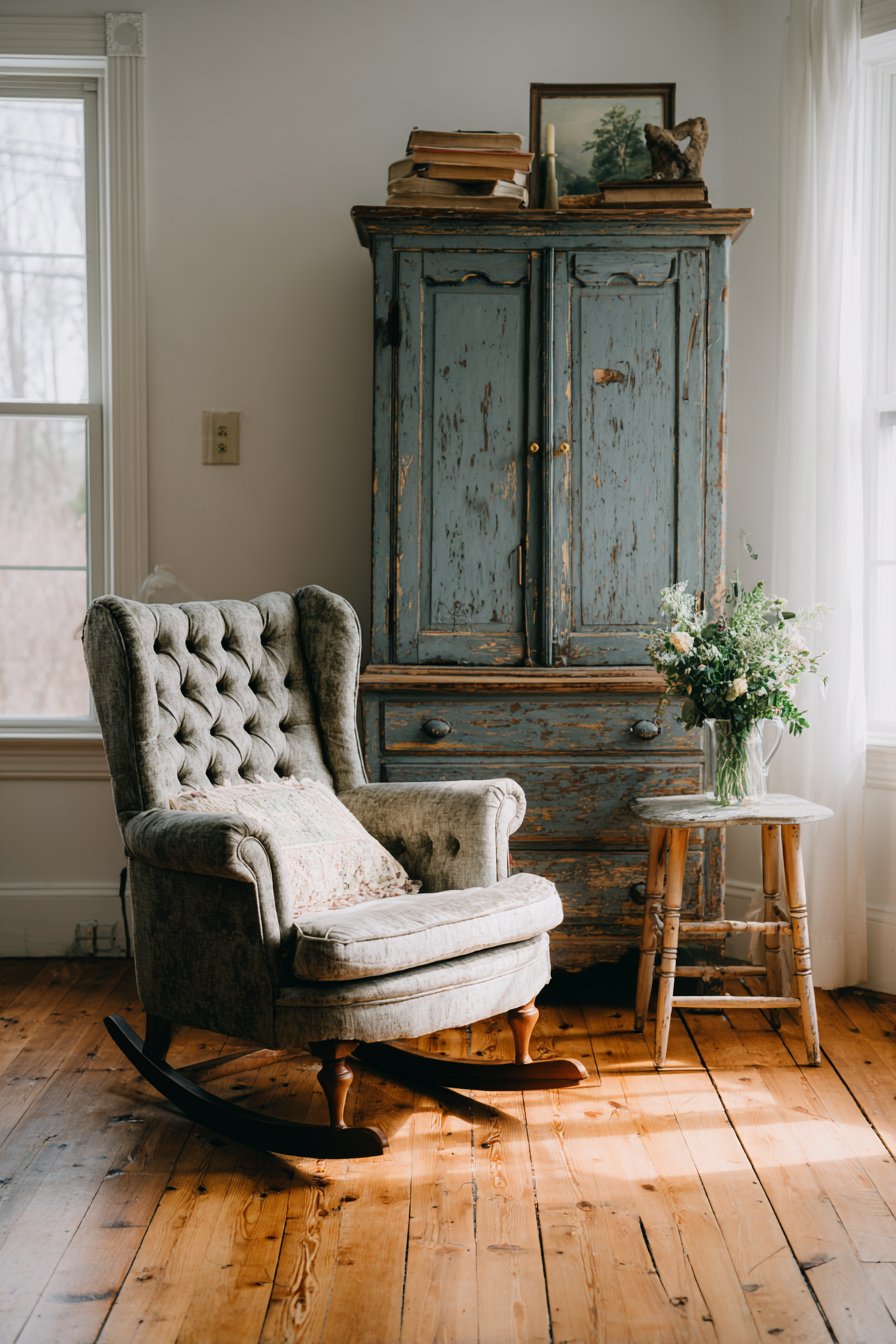
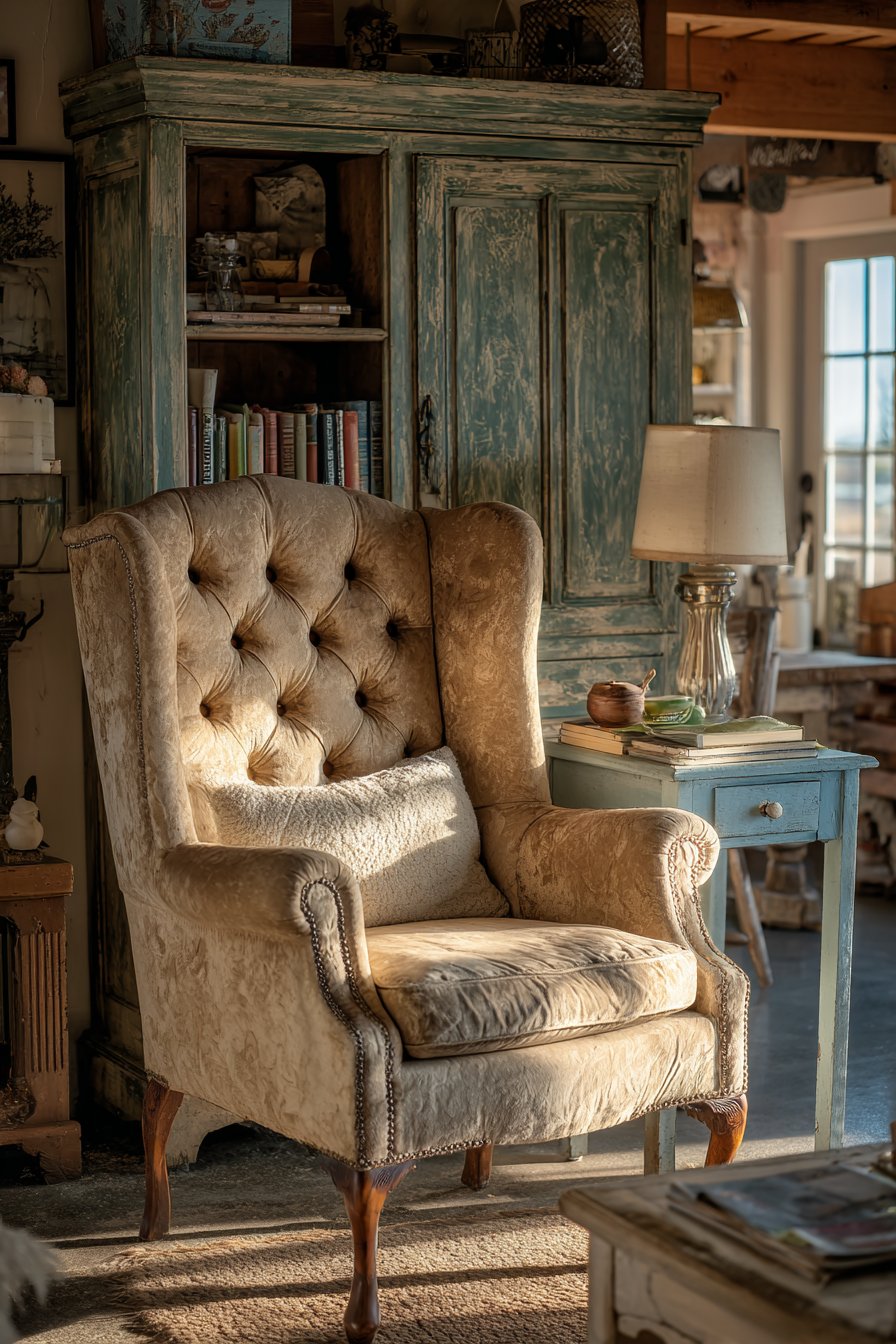
Scout flea markets, antique shops, and estate sales for unique finds that resonate with cottage sensibility. Look for comfortable upholstered chairs with good bones, vintage side tables, or antique cabinets with original hardware. The imperfections—chipped paint, worn fabric, or scratched wood—add authenticity rather than detract from value. These pieces often feature better craftsmanship than modern alternatives and develop distinctive character that mass-produced furniture lacks.
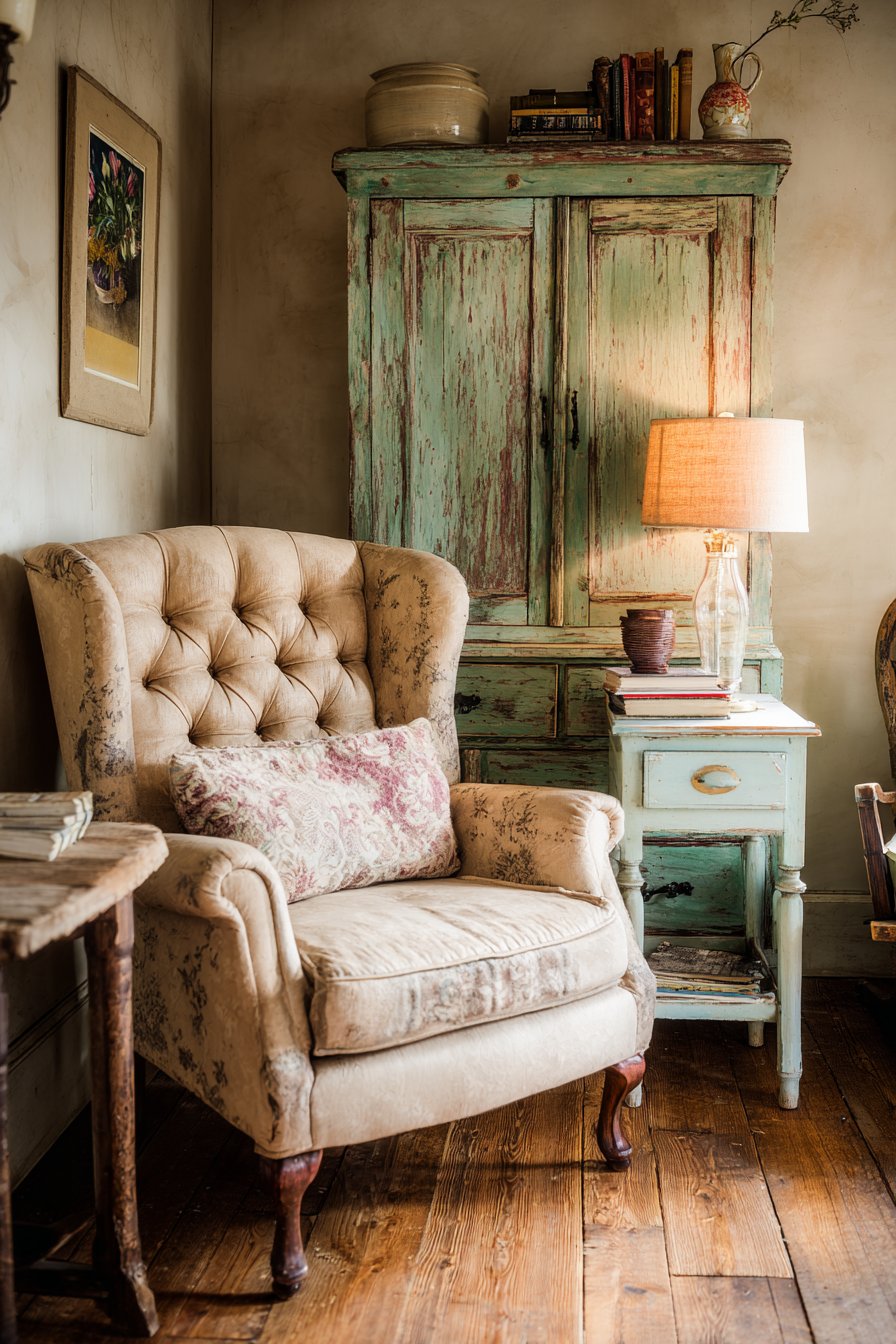
Don’t feel pressured to find genuine antiques for every piece—reproduction vintage and painted furniture work equally well. The goal is achieving a curated, collected aesthetic rather than perfectly matched perfection. Mix an inherited grandmother’s chair with a refinished flea market find and new pieces chosen for cottage compatibility. Paint wooden furniture in cottage-appropriate colors like soft blue or cream to unify diverse pieces while maintaining individual character.
- Visit local antique markets monthly for unique, affordable pieces
- Focus on comfort and quality construction when selecting vintage seating
- Refinish or paint dated wood furniture in soft cottage colors
- Mix furniture from different periods for an authentic collected appeal
- Choose pieces with original details like turned legs or carved elements
- Display vintage finds like old books, pottery, or enamelware as accessories
5. Create Warmth Through Layered Lighting
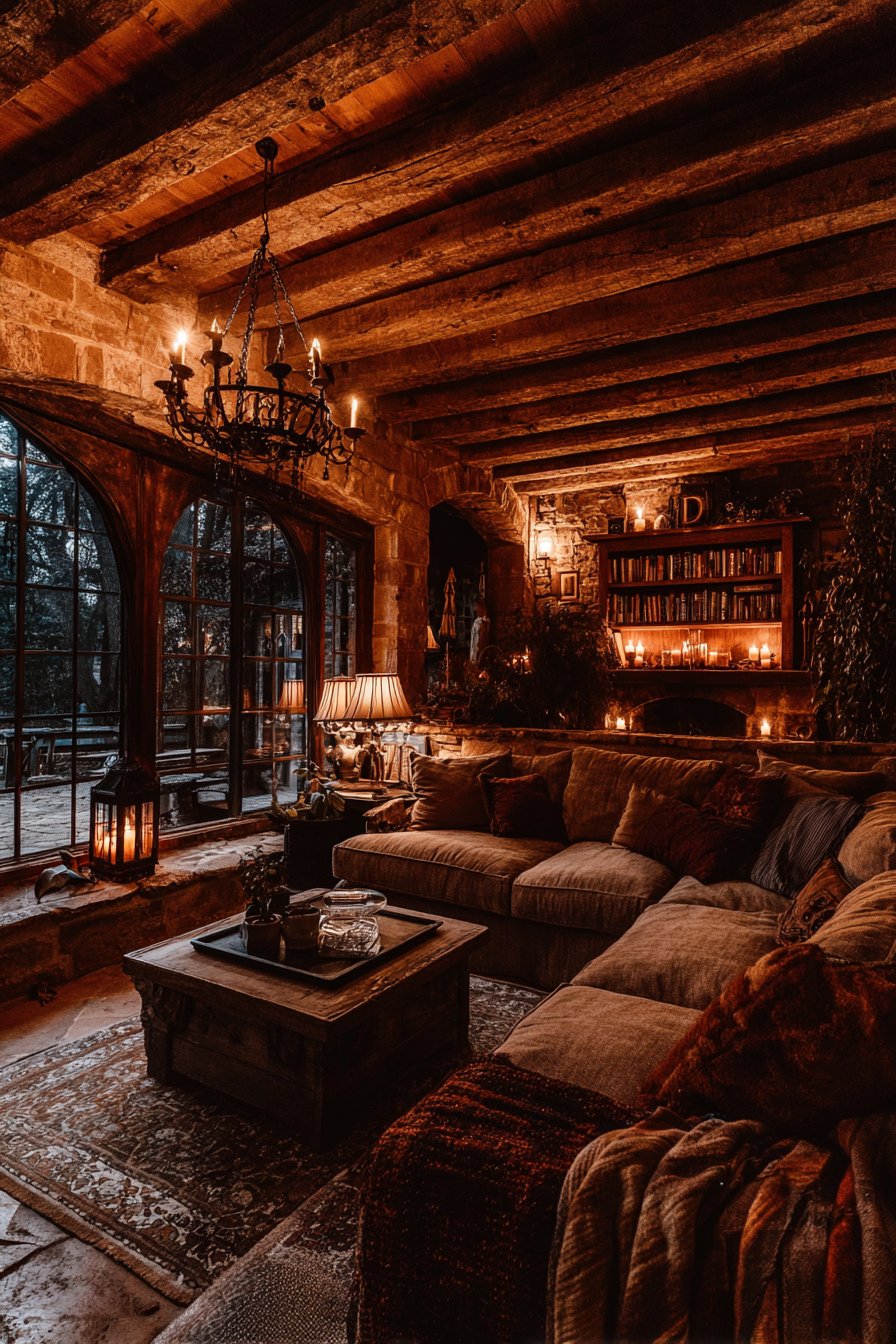
Lighting design dramatically influences a cottage living room’s ambiance, yet it’s often overlooked in favor of more obvious decorative elements. Cottage aesthetics require multiple light sources at various heights to create the warm, inviting glow associated with this style. Harsh overhead lighting contradicts cottage principles—instead, use layered lighting that mimics natural light’s gentle quality throughout the day and evening.
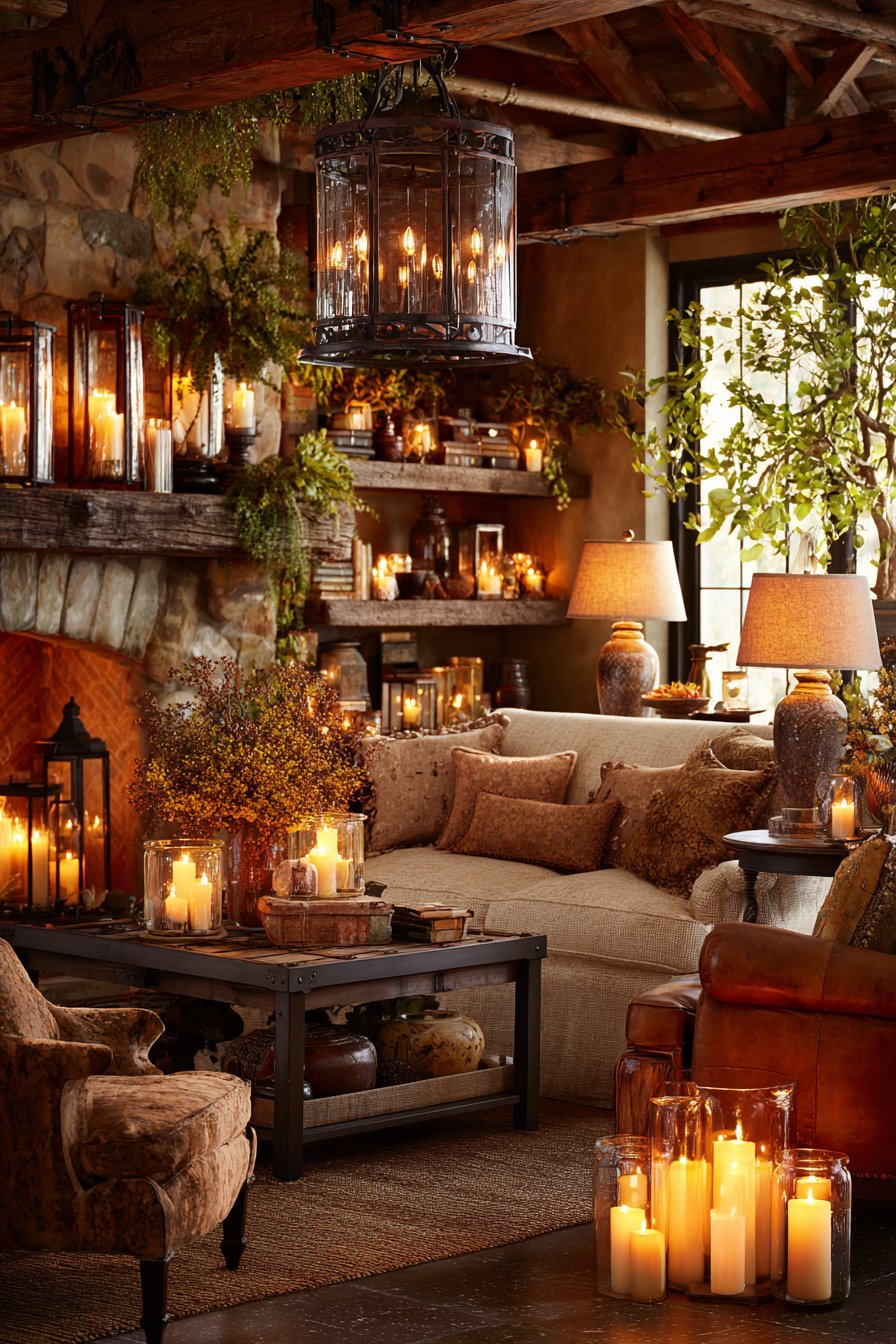
Start with ambient lighting through ceiling fixtures that provide general illumination without being intrusive. Choose fixtures with cottage character—vintage-inspired pendants, wrought iron chandeliers, or beaded lighting rather than modern recessed options. Add task lighting through table lamps and floor lamps positioned near seating areas for practical functionality. These lamps should feature natural materials like ceramic, wood, or fabric shades that diffuse light softly.
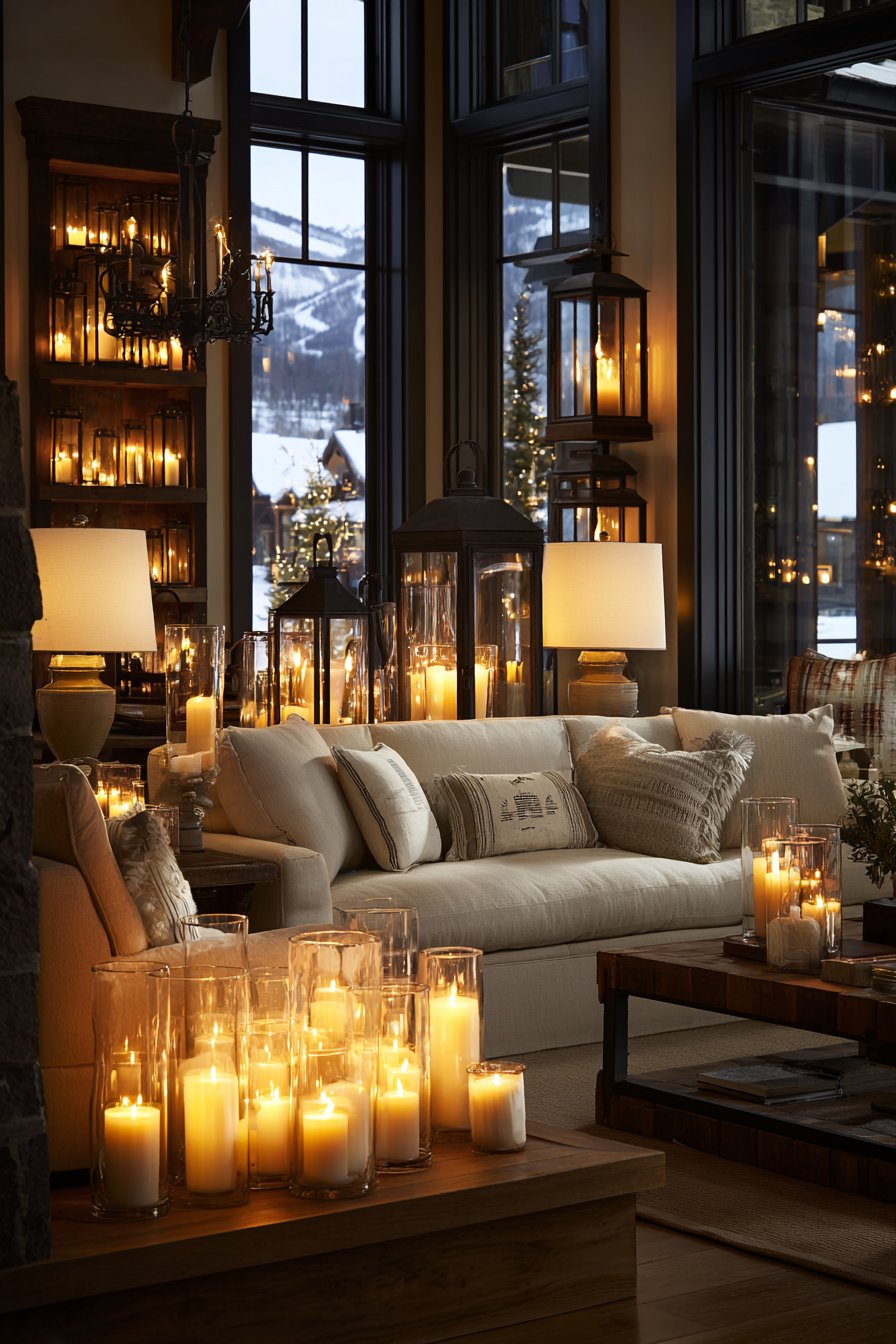
Accent lighting adds the final layer, highlighting architectural features or decorative displays. String lights, candles, and vintage lanterns create the magical glow that makes cottage living rooms feel enchanting. Use dimmer switches wherever possible to adjust lighting intensity for different activities and moods. During daylight hours, maximize natural light by keeping window treatments light and minimal. Evening lighting should create pools of warmth rather than bright, even illumination.
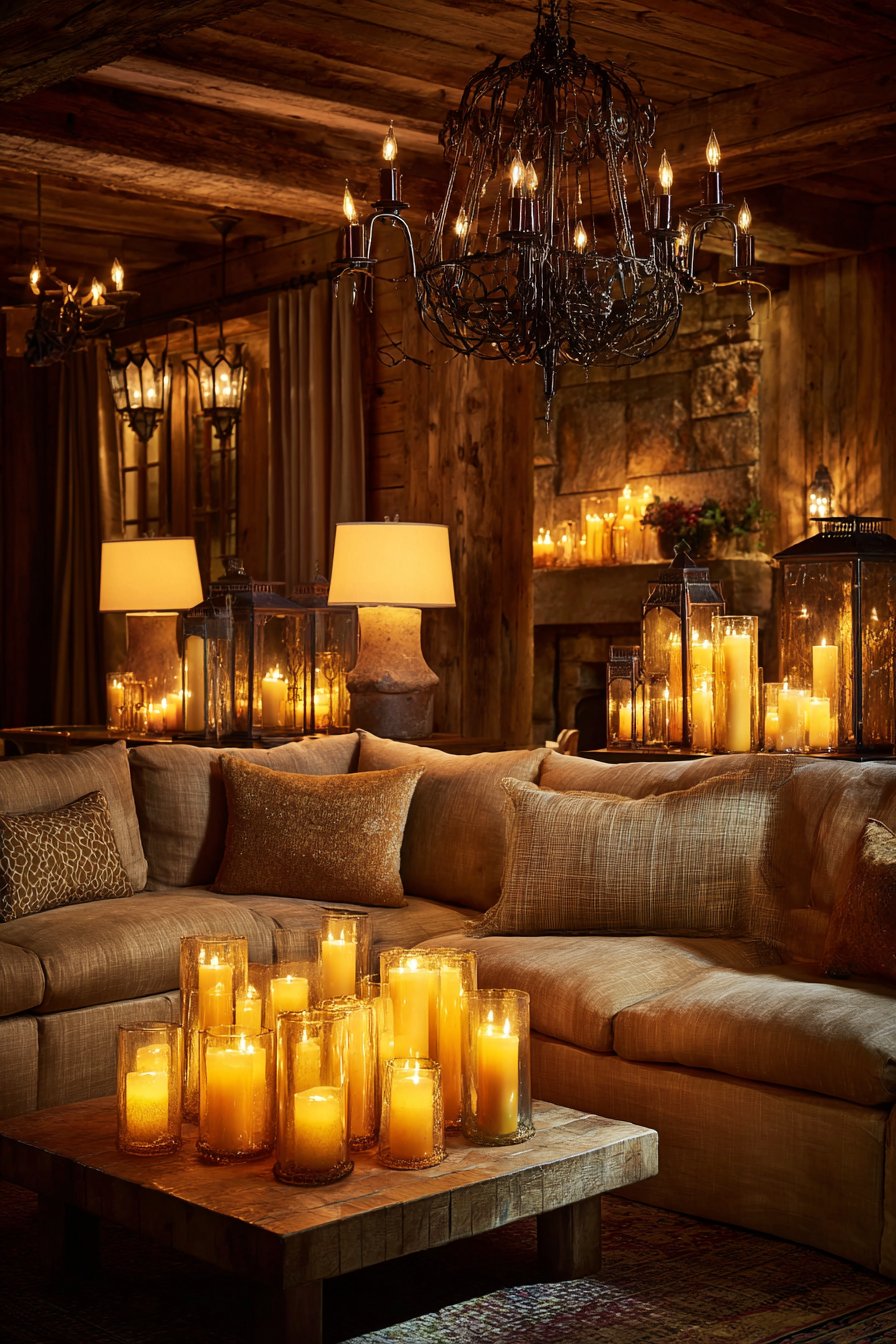
- Install dimmer switches on all overhead and lamp circuits
- Use warm-toned bulbs (2700-3000K) for authentic cottage glow
- Position at least three different light sources throughout the room
- Choose lampshades in natural materials that soften light
- Add candles in various heights for romantic, flickering ambiance
- Incorporate a statement vintage chandelier or pendant as a focal point
6. Add Personal Touches and Natural Elements
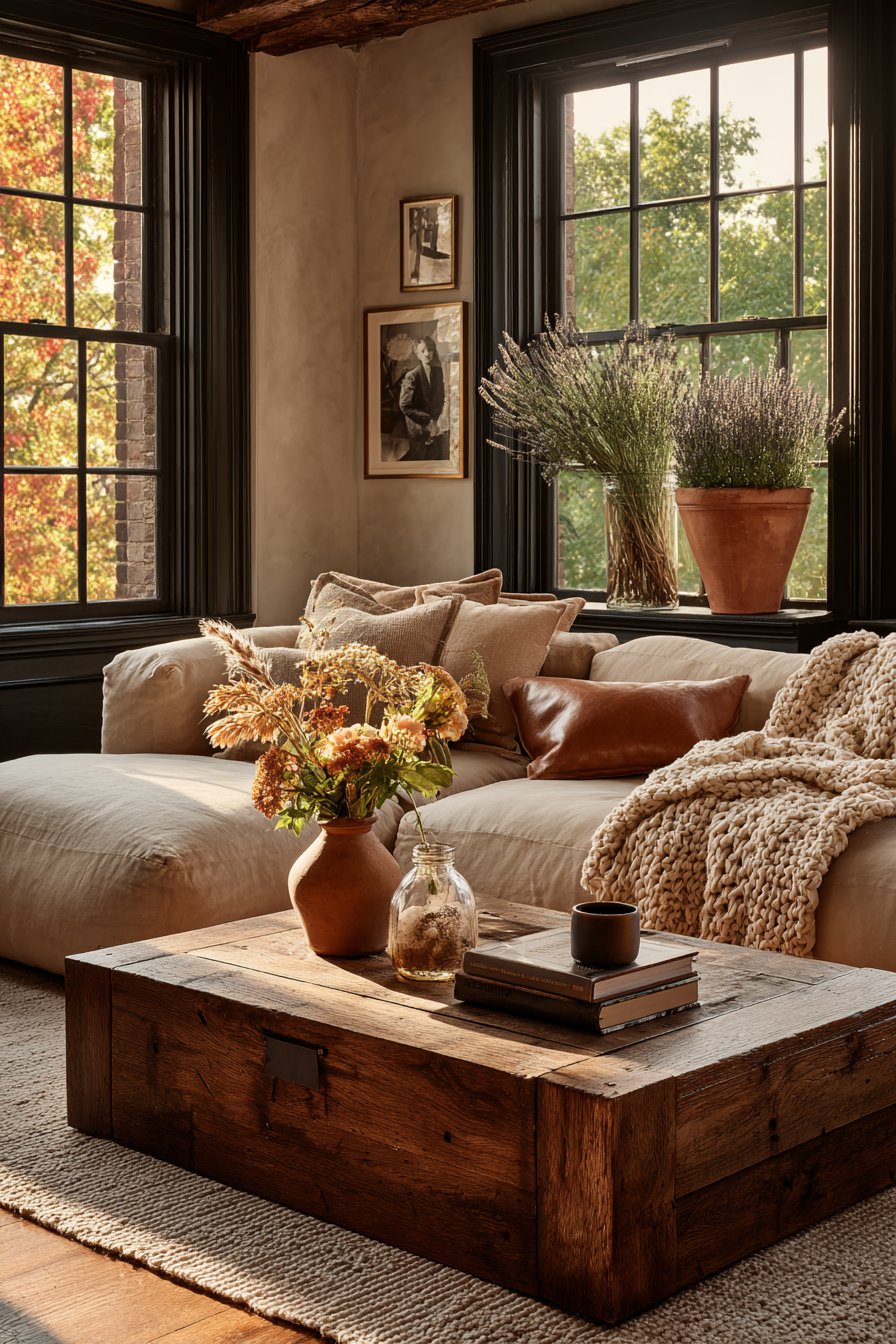
The final layer of cottage authenticity comes from personal touches and natural elements that make the space uniquely yours. Unlike designer showrooms, real cottage living rooms reflect inhabitants’ lives, interests, and collected memories. This personalization transforms a well-decorated room into a meaningful home. Natural elements bring the outdoors inside, maintaining the cottage aesthetic’s connection to nature throughout seasons.
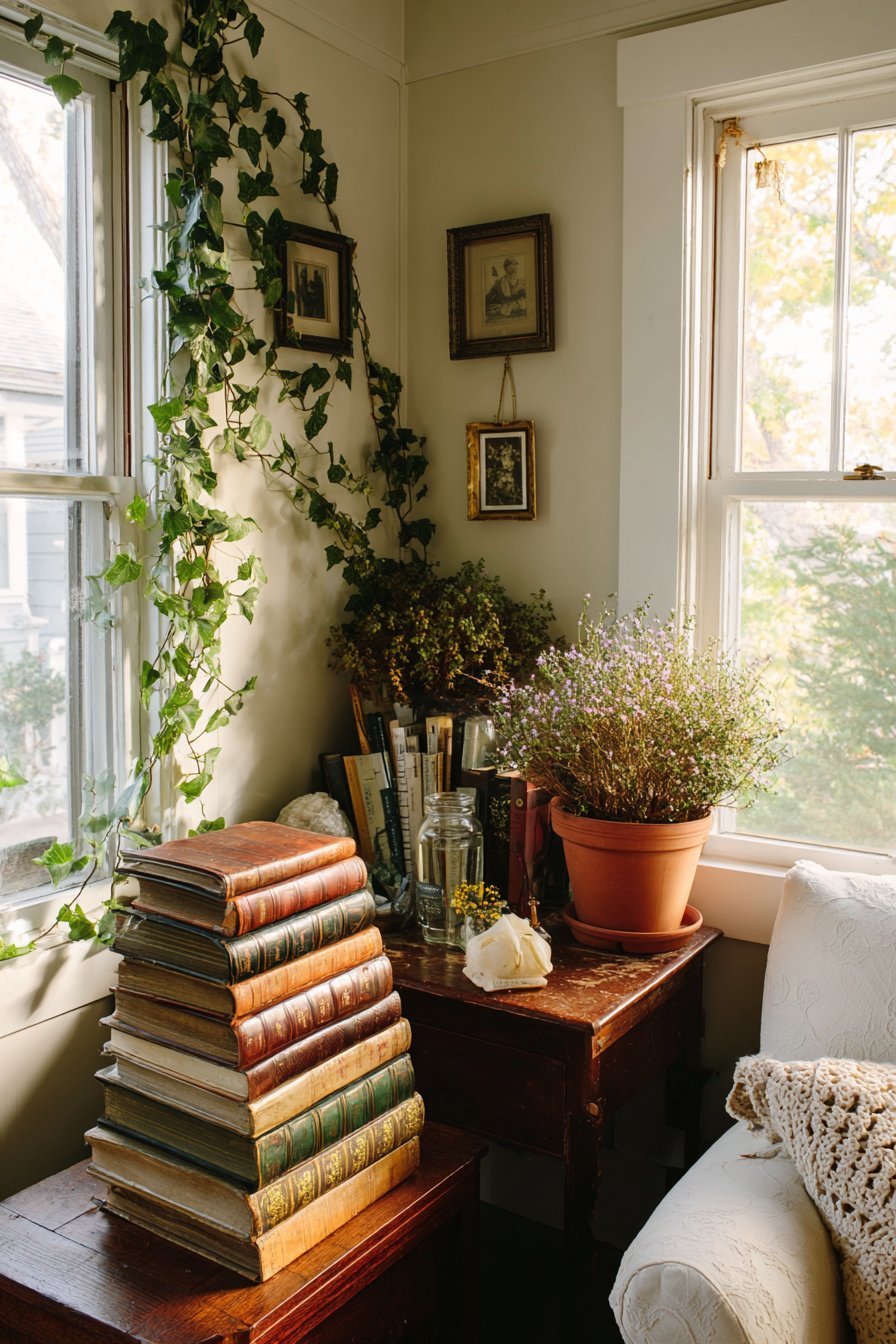
Display family photographs in mismatched vintage frames rather than matching sets for authentic cottage charm. Incorporate books throughout the room—stacked on coffee tables, filling built-ins, or arranged on floating shelves. These collections tell your story and provide conversation starters while adding visual texture. Handmade items like crocheted blankets, quilts, or pottery introduce artisanal quality that mass-produced accessories can’t replicate.
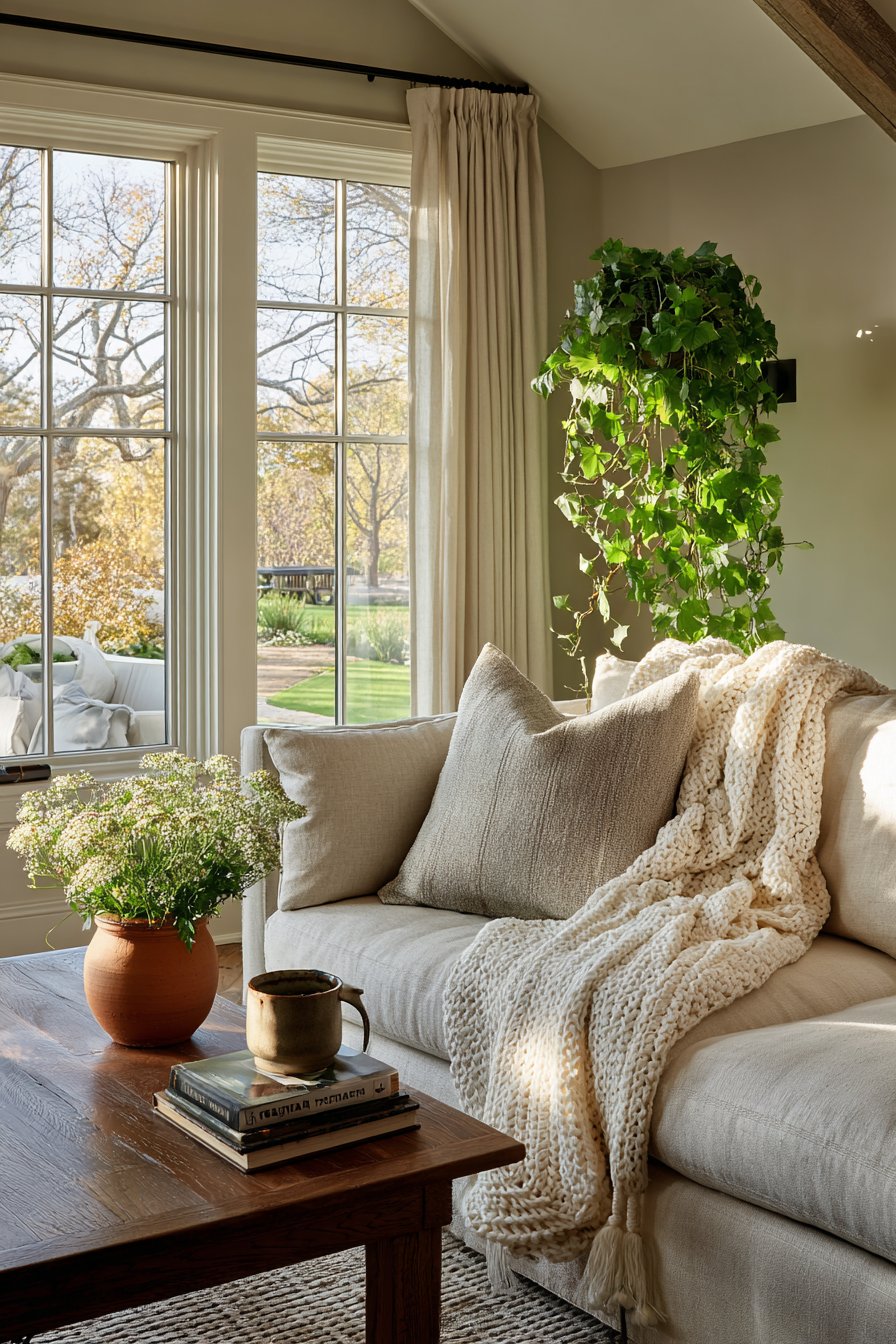
Fresh and dried flowers, potted plants, and natural seasonal decor maintain cottage style’s organic foundation. Fill vintage pitchers with garden flowers, display potted herbs on windowsills, or create arrangements with foraged branches. Change these natural elements seasonally to keep the room feeling fresh and connected to the world outside. Even in winter, pinecones, evergreen branches, and dried seed pods bring nature’s beauty indoors without requiring perfect blooms.
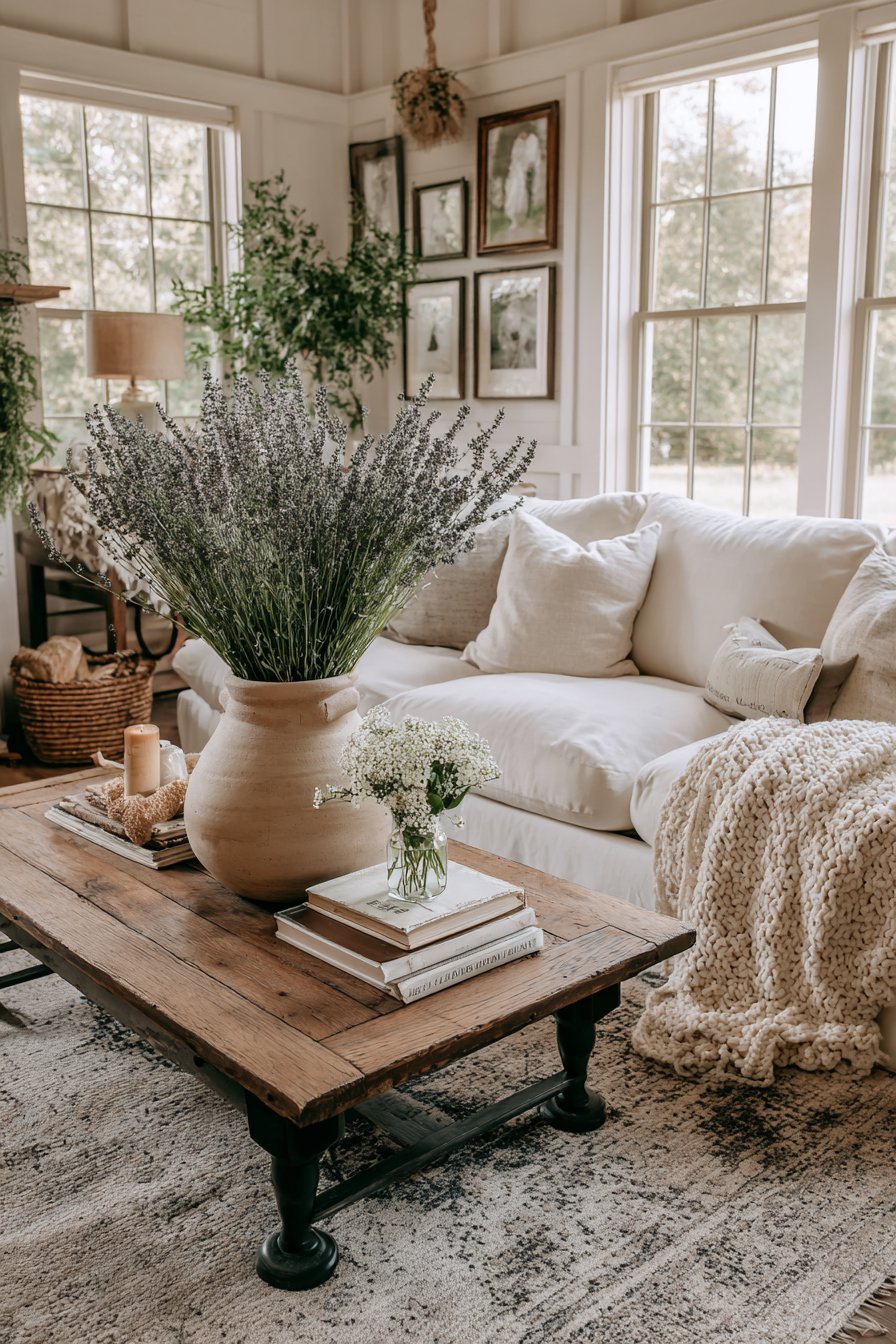
- Display fresh flowers weekly in vintage vessels or mason jars
- Create gallery walls with family photos in mismatched frames
- Incorporate houseplants in terracotta pots or vintage containers
- Show collections like vintage pottery, baskets, or ironstone
- Add seasonal natural elements like branches, pinecones, or dried flowers
- Include handmade textiles or artwork that holds personal meaning
Conclusion
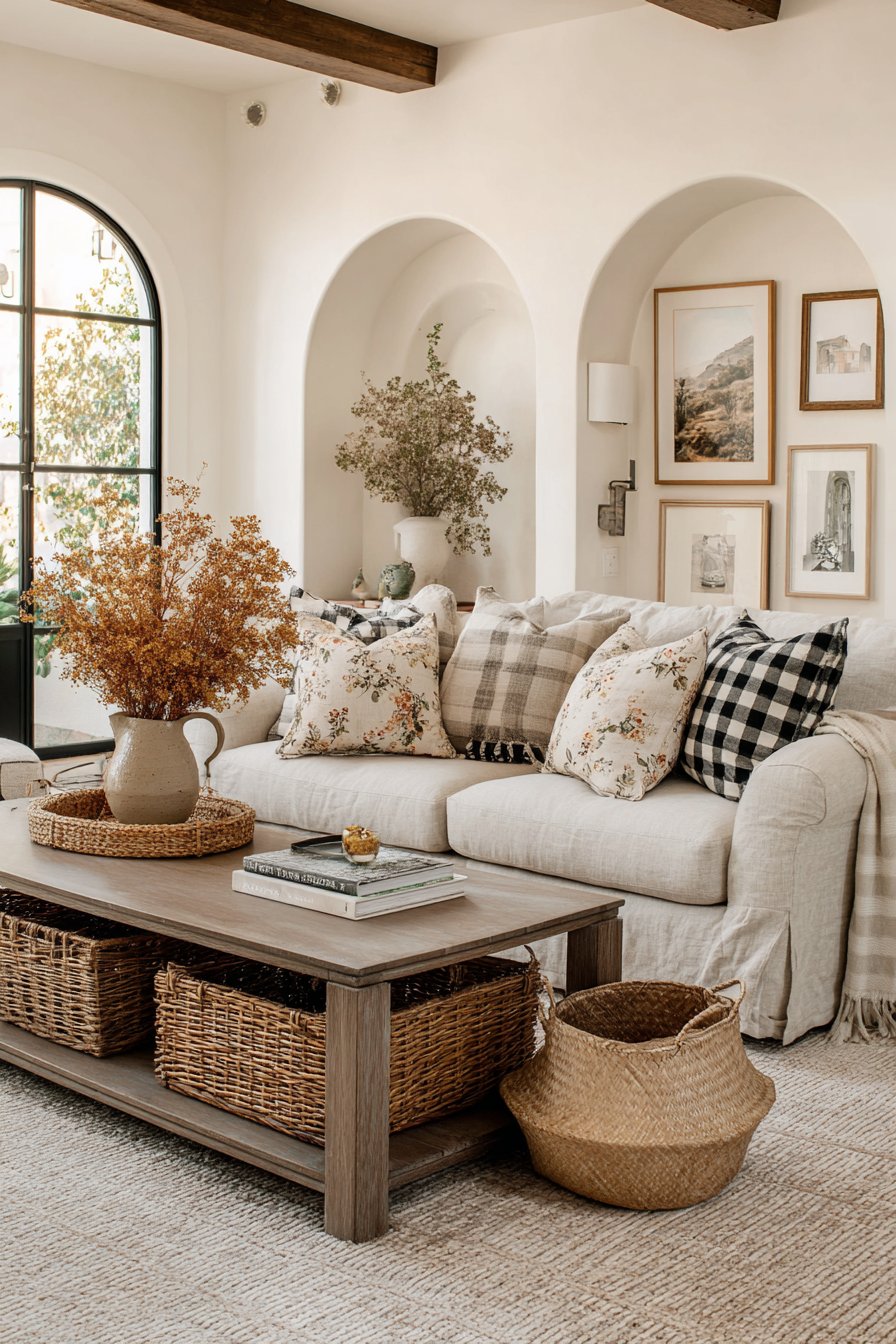
Creating a cozy cottage living room requires thoughtful attention to color, texture, materials, and personal expression. These six strategies work together to establish an aesthetic that feels both timeless and deeply comforting. Remember that cottage style values authenticity over perfection—embrace imperfections, mix periods, and prioritize comfort above all else.
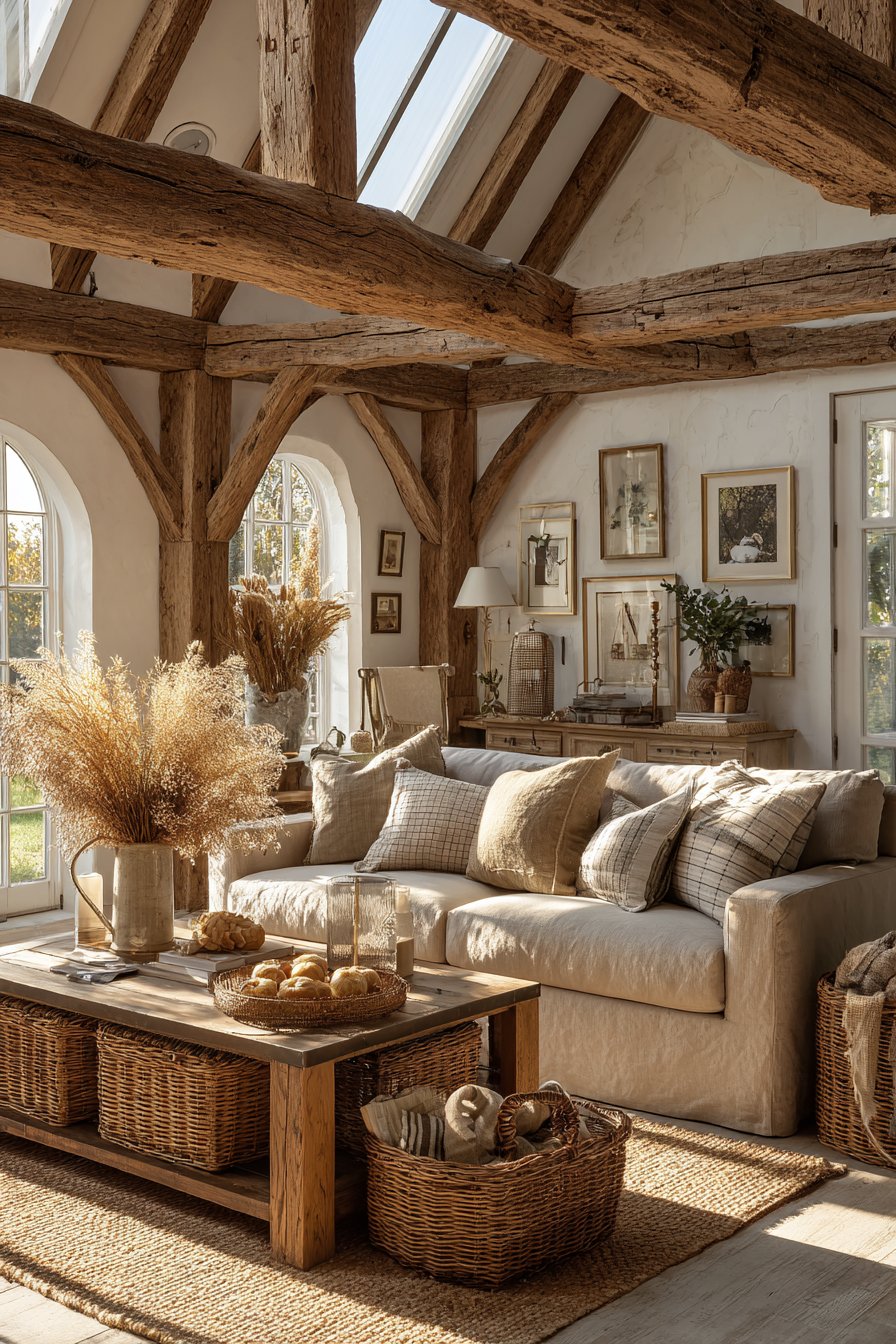
Start with one or two elements that resonate most with you, then gradually layer additional cottage touches over time. This organic approach mirrors how real cottages develop their character through years of living and collecting. Your cottage living room should ultimately reflect your personality while embracing the warmth, simplicity, and natural beauty that define this beloved aesthetic. Trust your instincts, enjoy the process, and create a space that truly feels like home.
