


A square living room presents unique design opportunities that many homeowners overlook. Unlike rectangular spaces, square rooms offer balanced proportions that can create harmonious and functional layouts when arranged thoughtfully. The key lies in understanding how to maximize every corner while maintaining an open, inviting atmosphere.
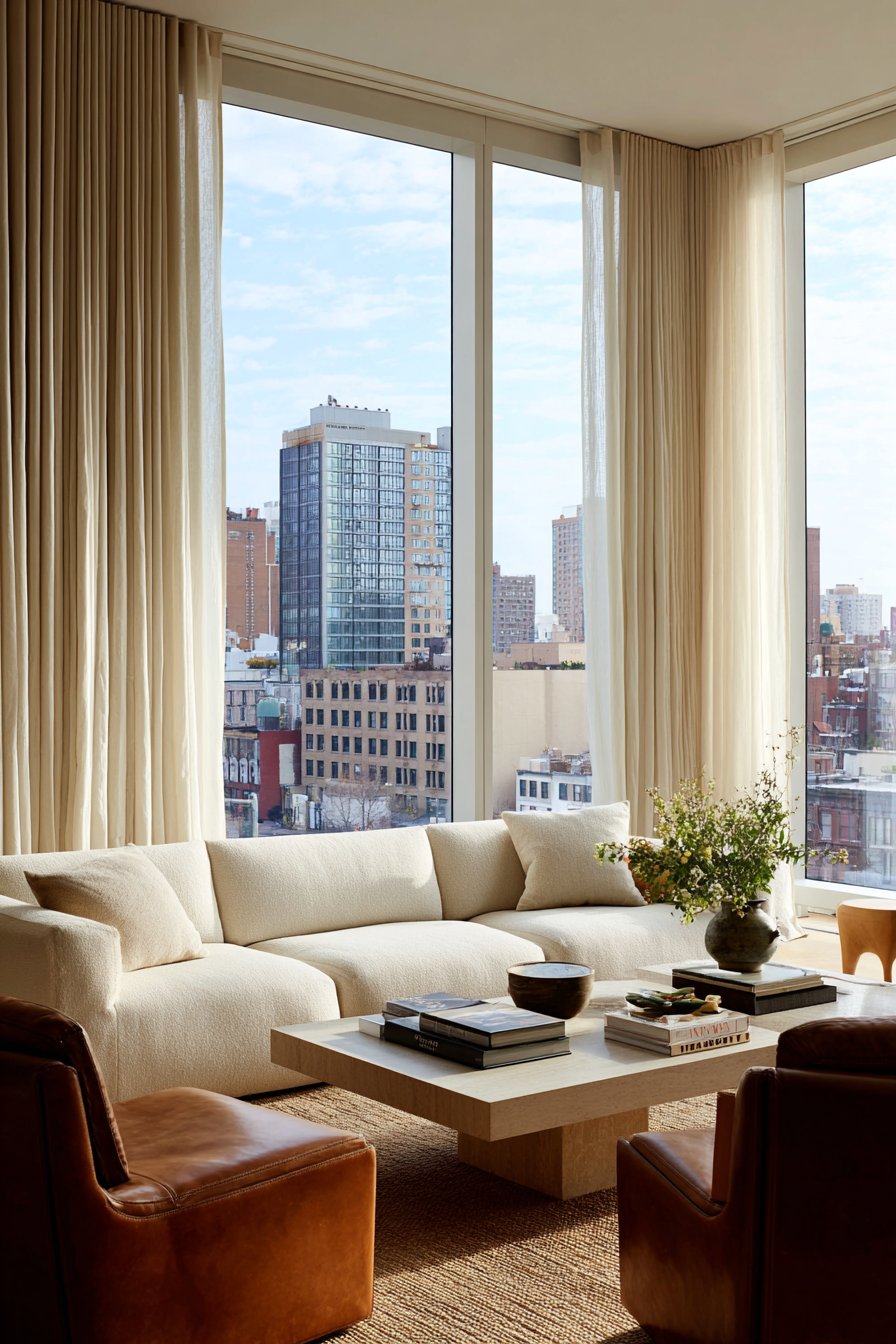
Arranging furniture in a square living room requires strategic planning to avoid the common pitfall of pushing everything against the walls. This approach can make the space feel disconnected and unwelcoming. Instead, embracing the room’s natural symmetry allows you to create multiple zones for different activities. Whether you’re entertaining guests, enjoying family time, or simply relaxing, proper furniture arrangement transforms your square living room into a versatile sanctuary.
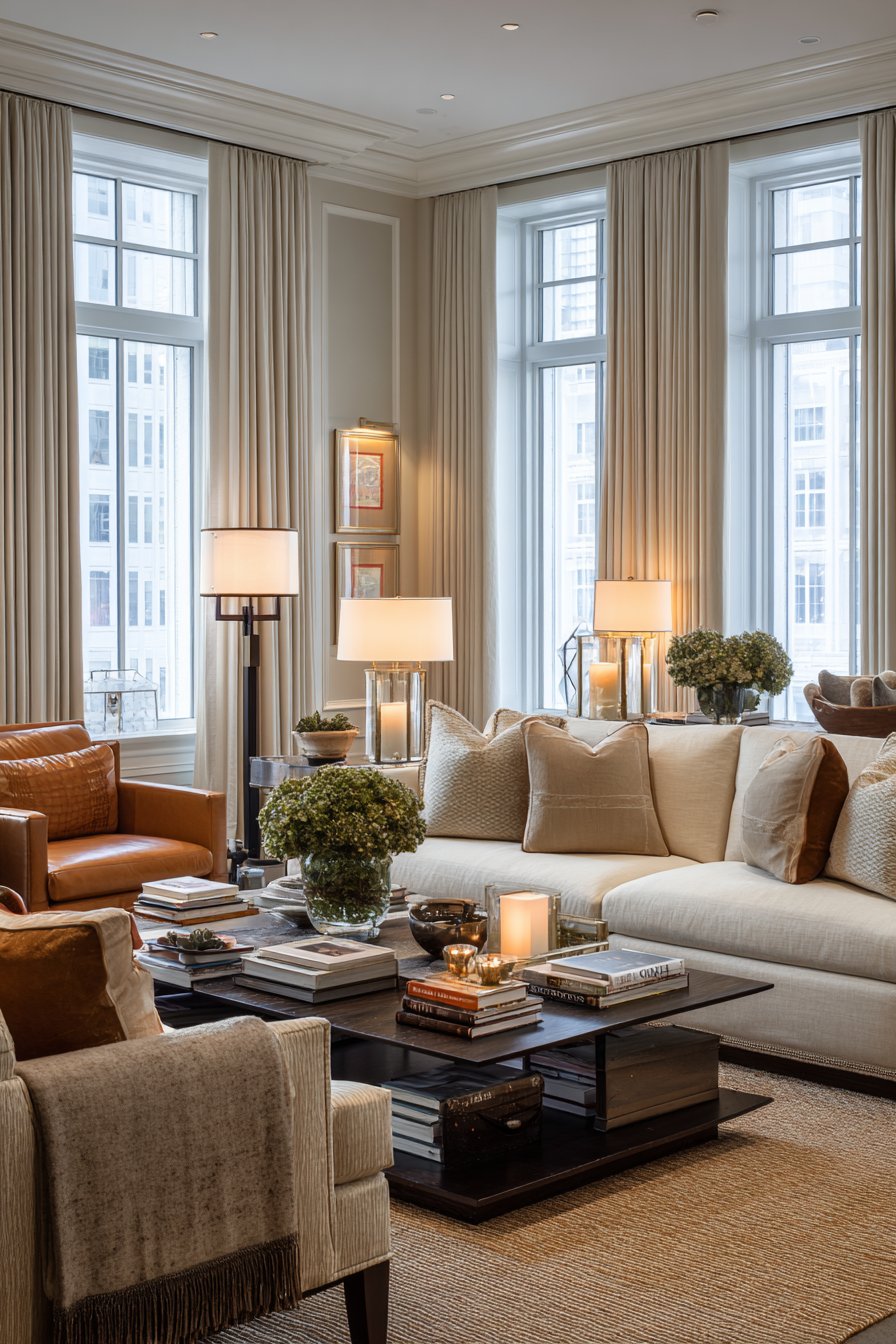
This comprehensive guide explores six proven strategies for optimizing your square living room layout. From creating distinct conversation areas to maximizing natural light flow, each section provides actionable insights that cater to various design preferences and lifestyle needs. These techniques work regardless of your room’s size, helping you achieve a professional designer look without the hefty price tag.
1. Create a Central Conversation Zone
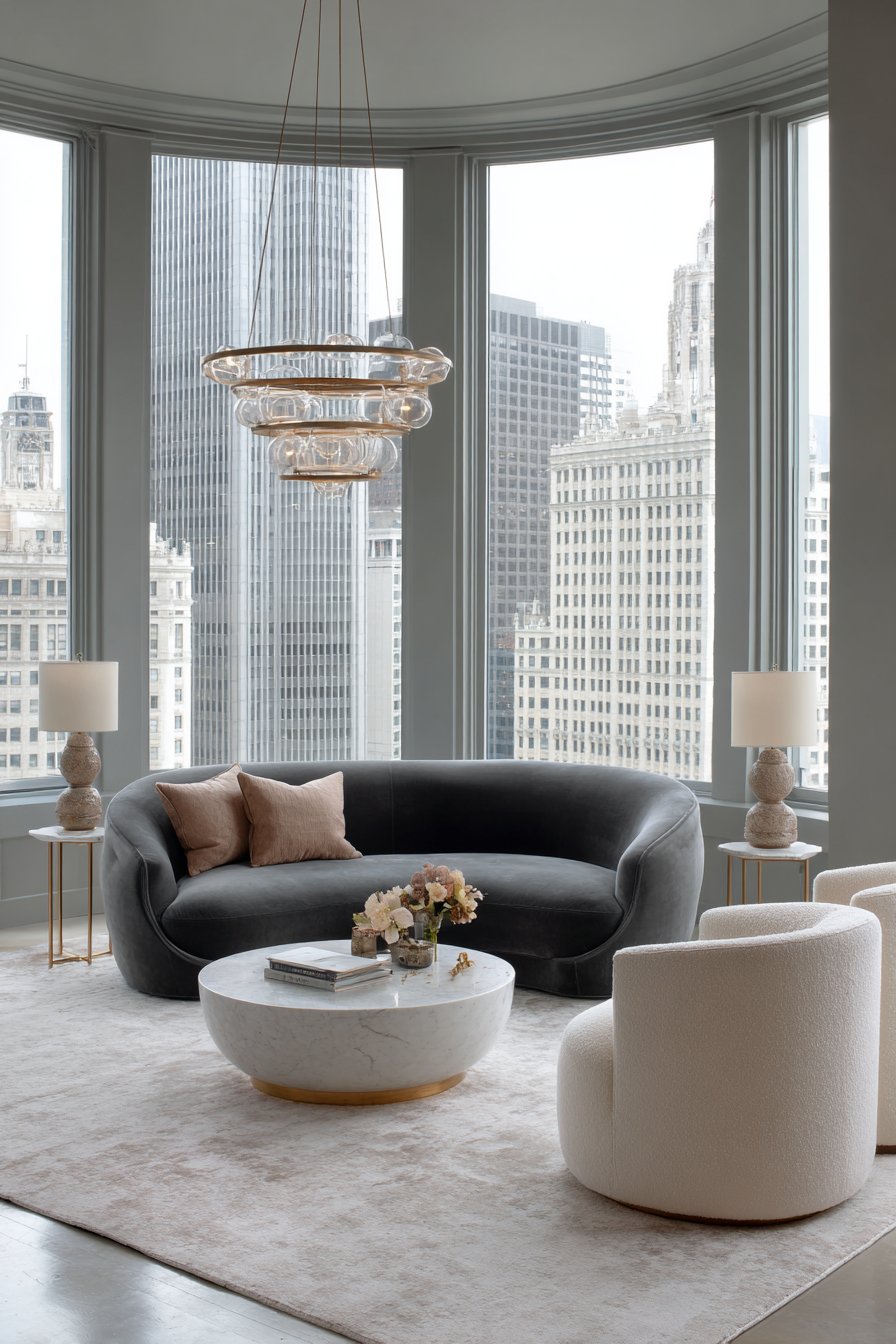
The foundation of any well-designed square living room is a central seating arrangement that encourages face-to-face interaction. Position your main sofa away from the wall, floating it in the room’s center to define the primary gathering space. This technique immediately adds sophistication while making the room feel larger and more intentional.
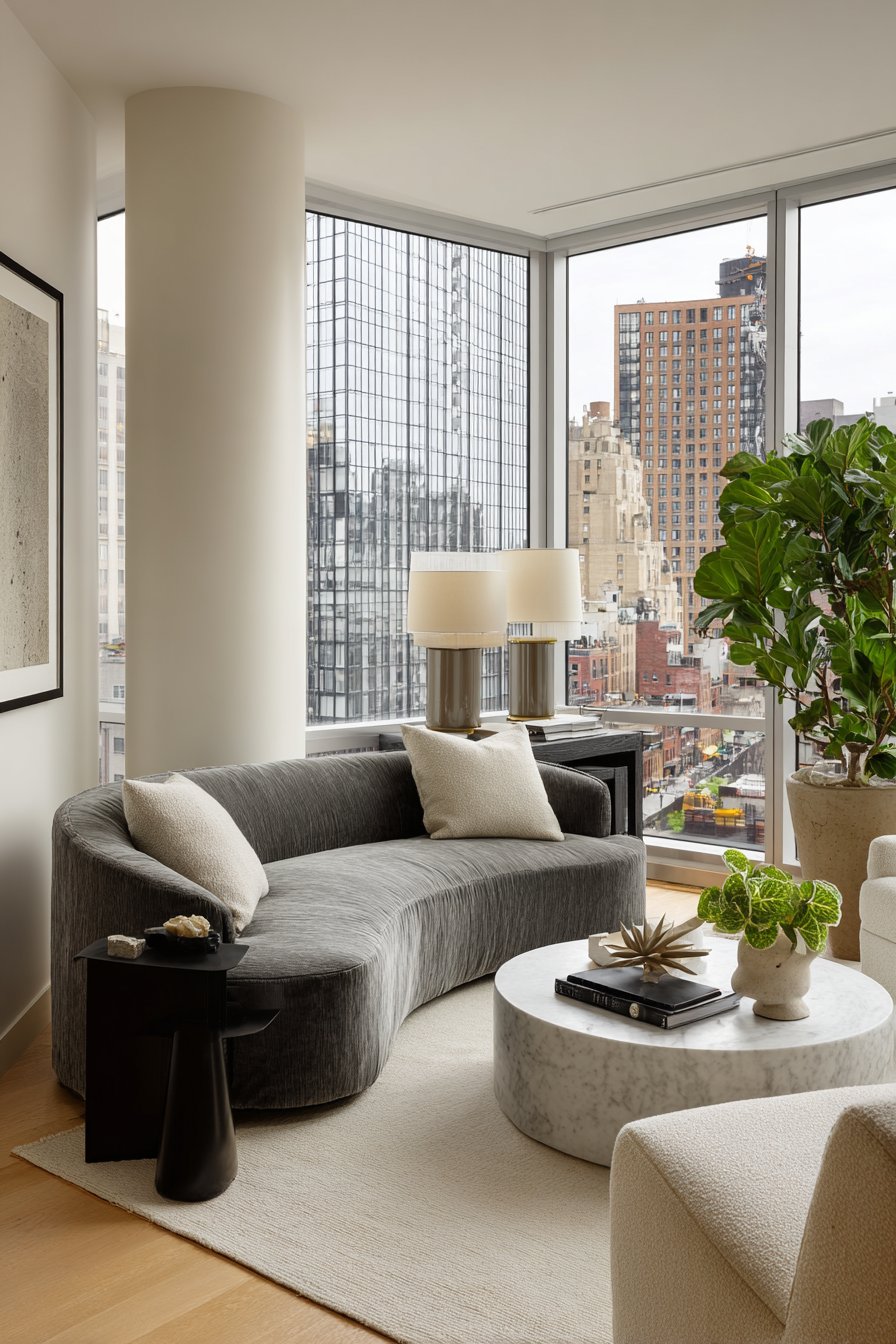
Complement the sofa with two accent chairs positioned opposite or perpendicular to it. This creates what designers call an intimate conversation circle where everyone can comfortably see and speak with each other. The arrangement should form a U-shape or L-shape, with all seating pieces no more than 8 feet apart for optimal conversation flow.
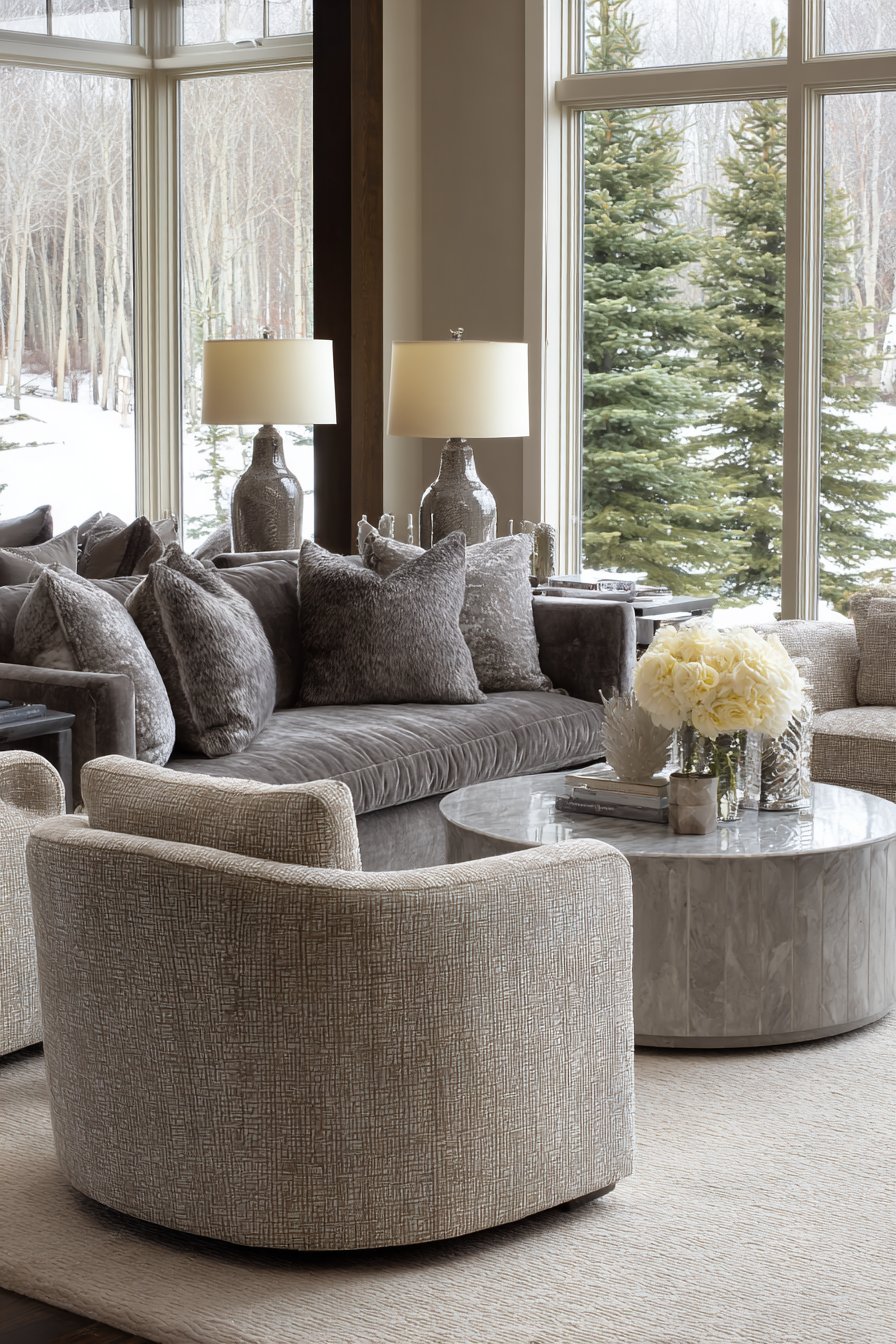
Anchor this central zone with an appropriately sized area rug that extends at least 6 inches beyond the front legs of all seating pieces. The rug visually unifies the furniture grouping while defining the space’s boundaries. Place a coffee table or ottoman in the center, ensuring it sits about 18 inches from the sofa for comfortable access.
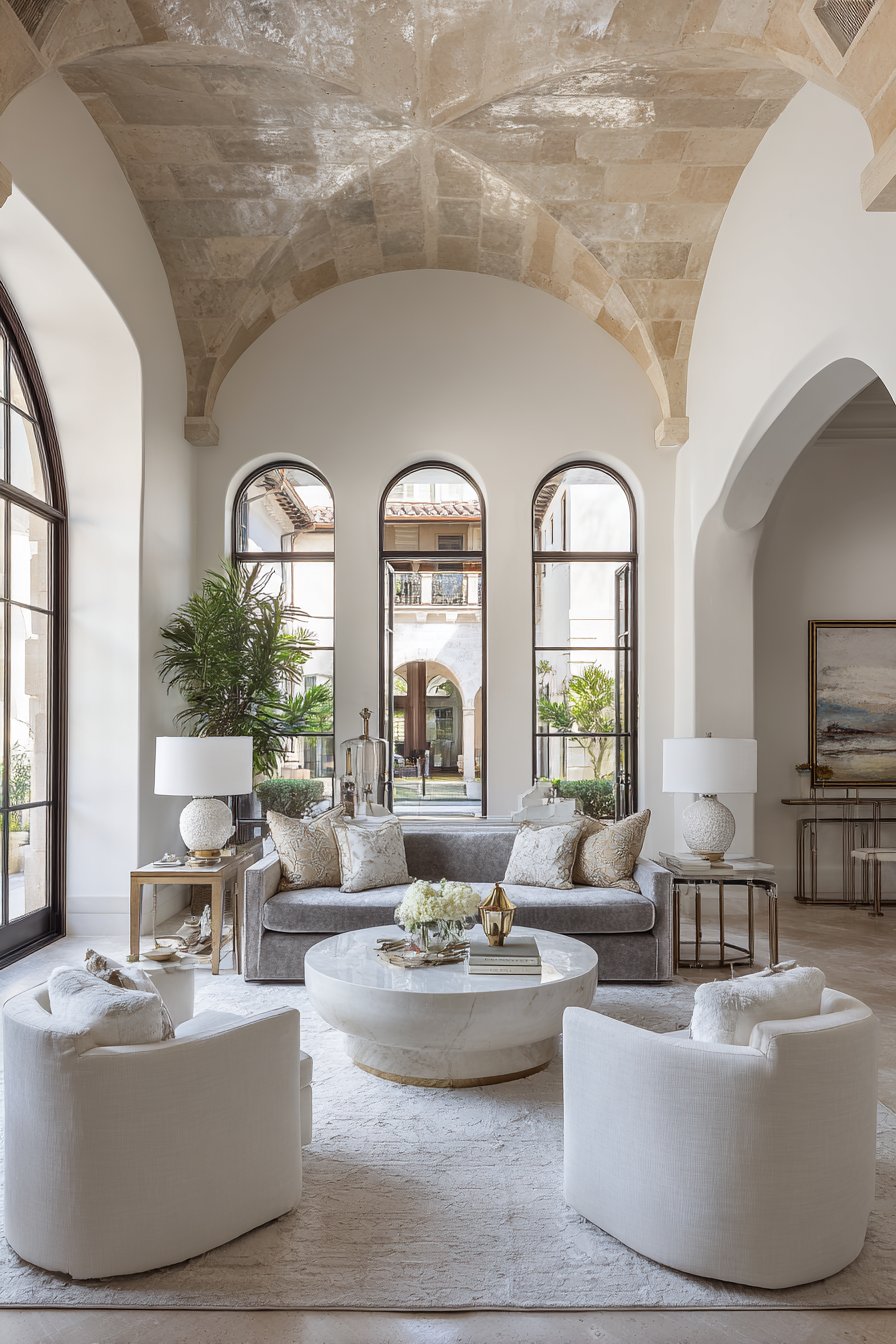
- Position your sofa 2-3 feet away from the wall to create depth
- Choose a coffee table that’s two-thirds the length of your sofa
- Ensure walkways around the seating area are at least 30 inches wide
- Use matching side tables on both ends of the sofa for symmetry
- Add floor lamps behind accent chairs for balanced lighting
- Keep the conversation zone proportional to the room’s overall size
2. Utilize Corner Spaces Strategically
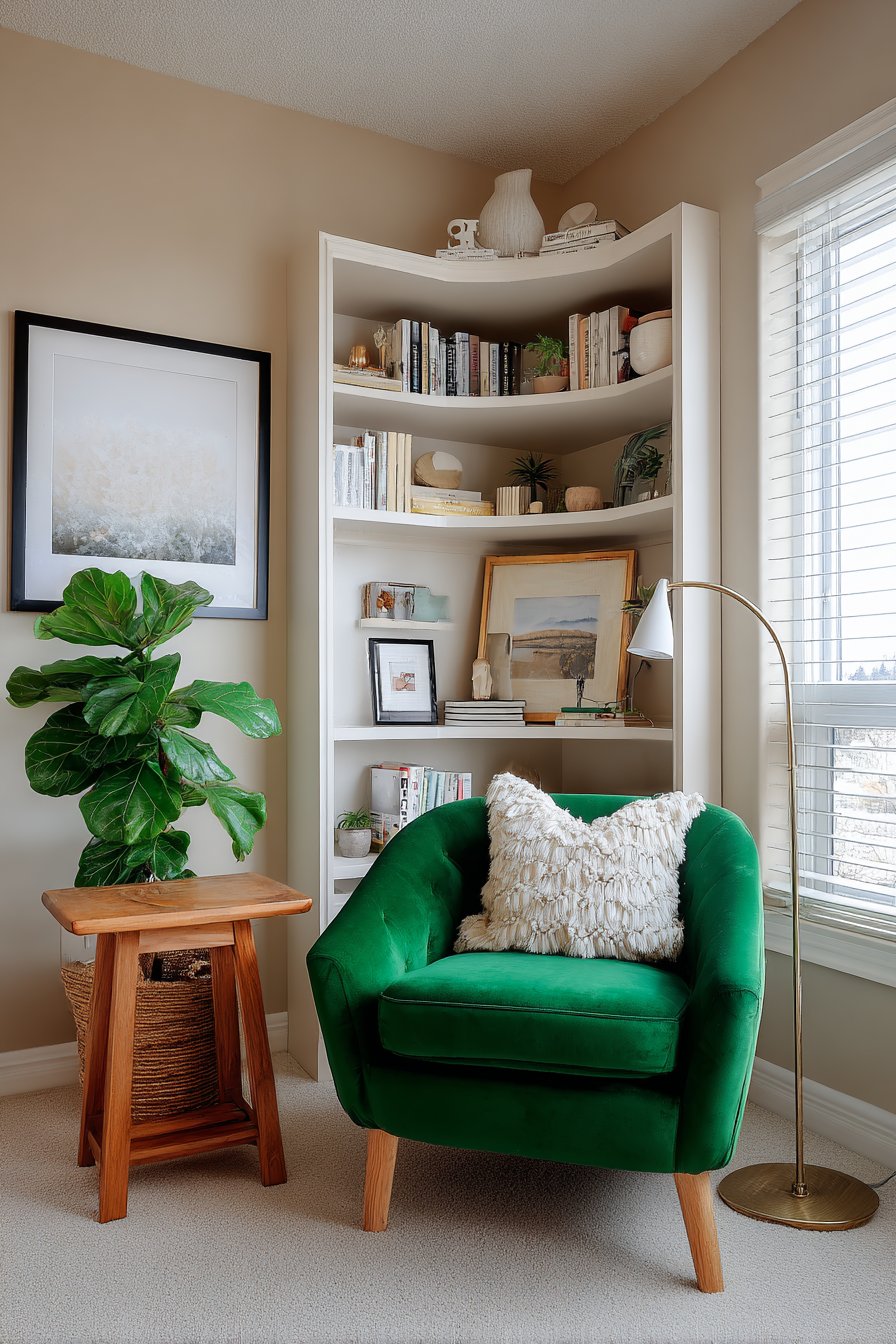
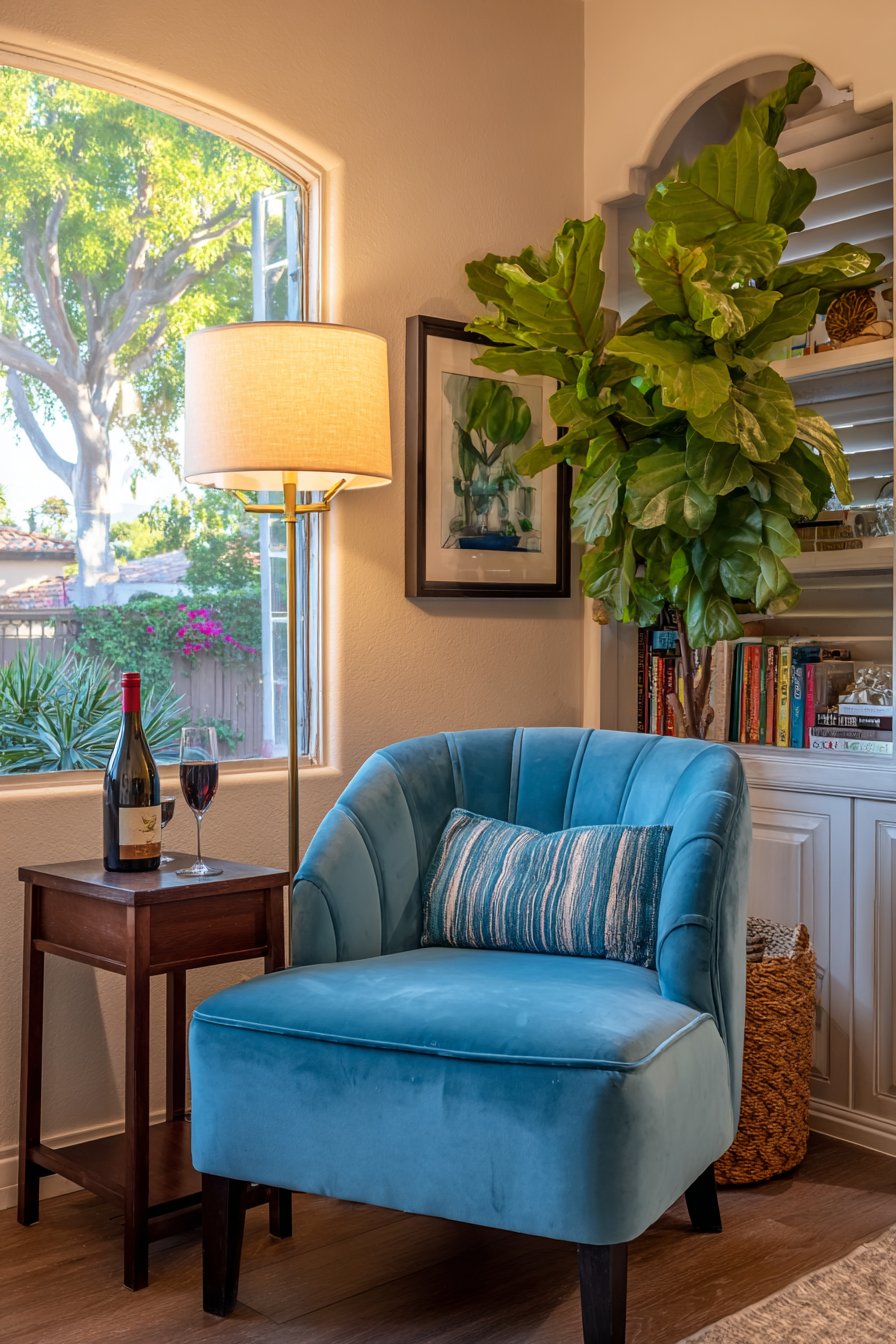
Square rooms naturally create four distinct corners that often go unused or become cluttered. Transform these areas into functional design features by incorporating purposeful furniture pieces or decorative elements. A tall bookshelf, floor plant, or reading nook can turn a dead corner into an attractive focal point.
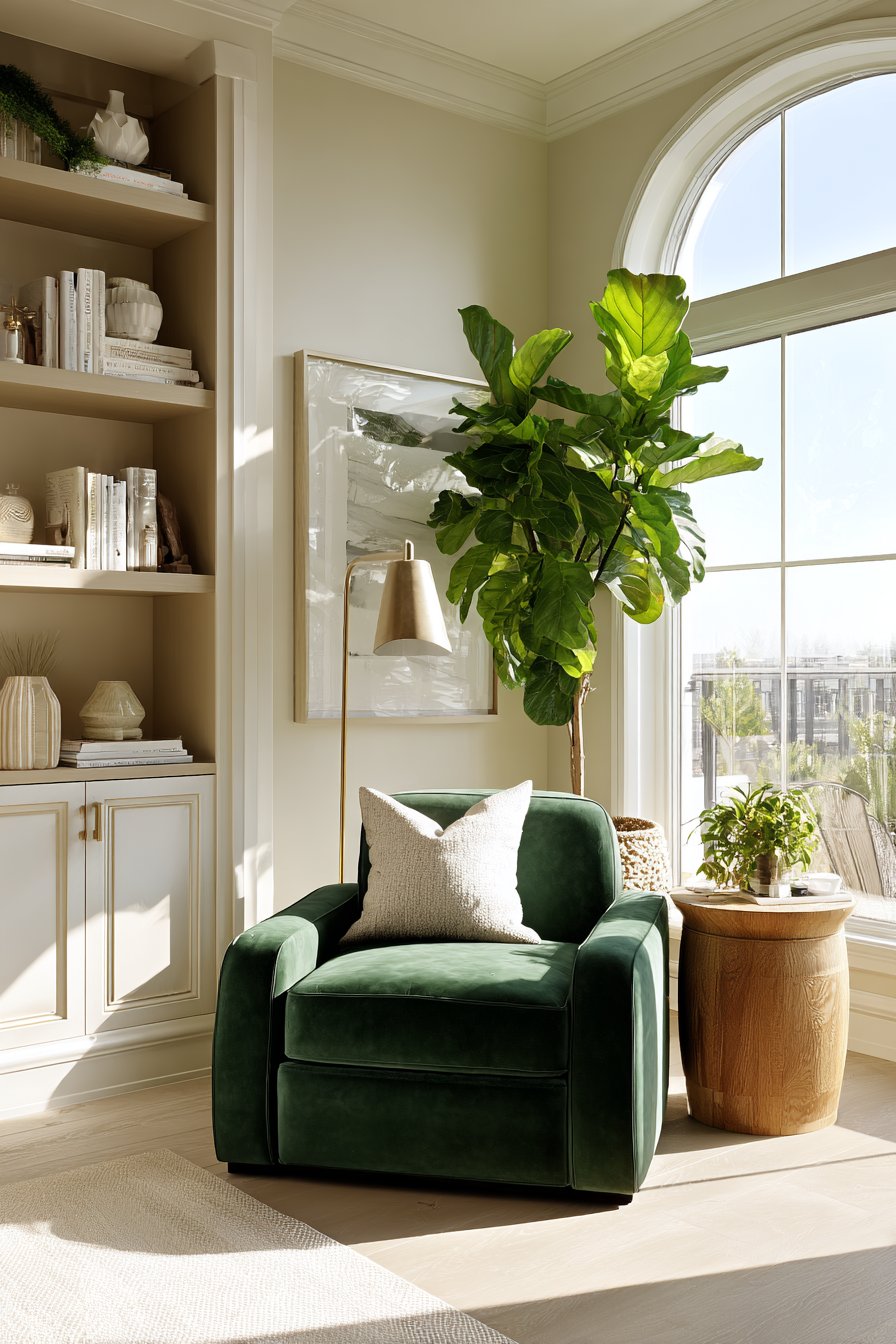
Consider placing a corner entertainment unit if your room requires media storage. These specially designed pieces maximize angular space while keeping electronics organized and accessible. Alternatively, a corner desk creates a compact workspace without sacrificing the room’s social function, perfect for modern work-from-home lifestyles.
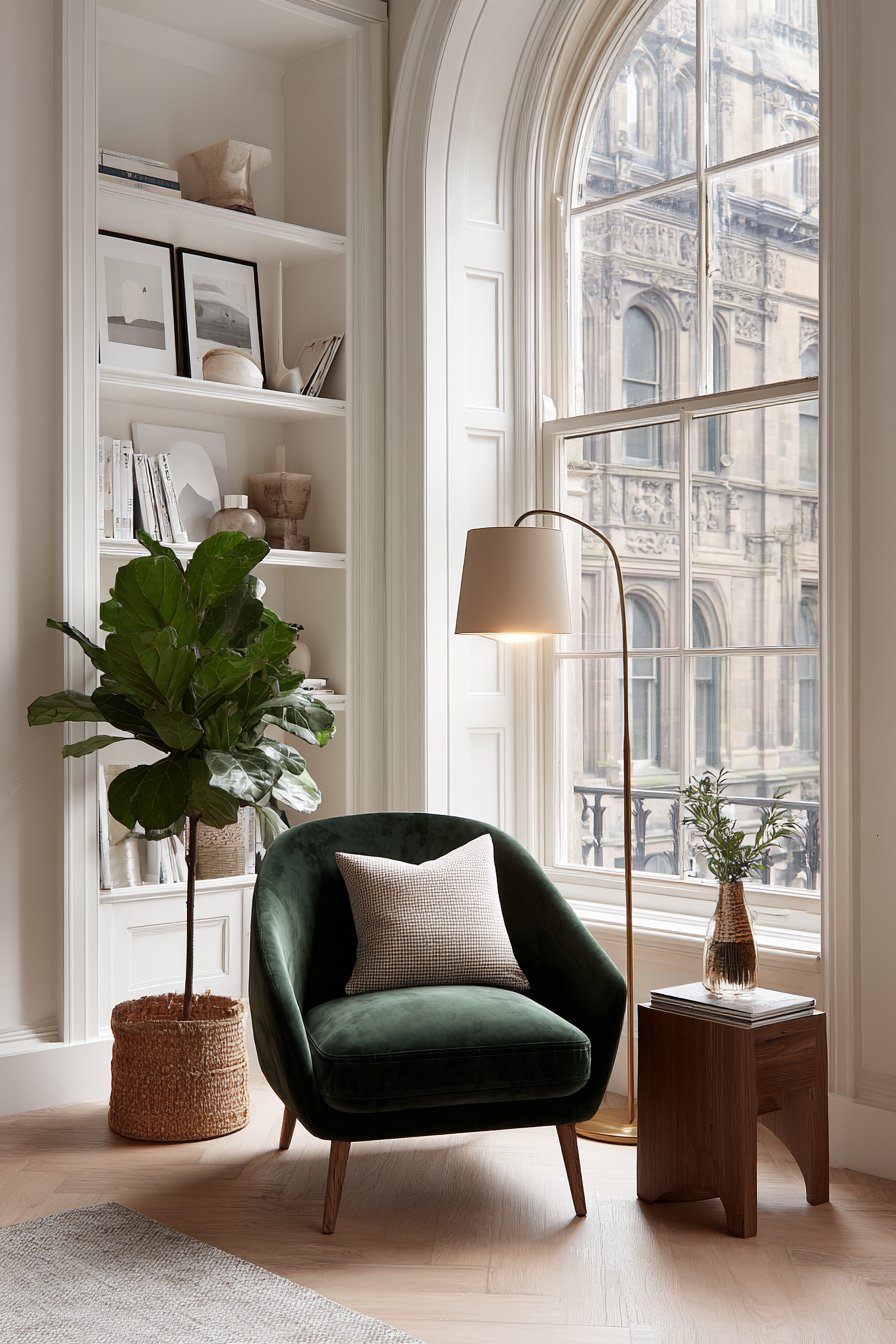
Diagonal furniture placement in corners adds visual interest and breaks up the room’s boxy feel. An accent chair positioned at 45 degrees with a small side table creates an intimate reading spot while softening harsh right angles. This approach makes the space feel more organic and less predictable.
- Install corner shelving units to display books and decorative objects
- Add a tall floor lamp in one corner to eliminate dark spots
- Use corner guards or rounded furniture to prevent bumped shins
- Place large potted plants in corners to bring nature indoors
- Consider a corner fireplace or electric heater as a focal point
- Avoid cluttering all four corners—leave at least one open for flow
3. Establish Clear Traffic Patterns
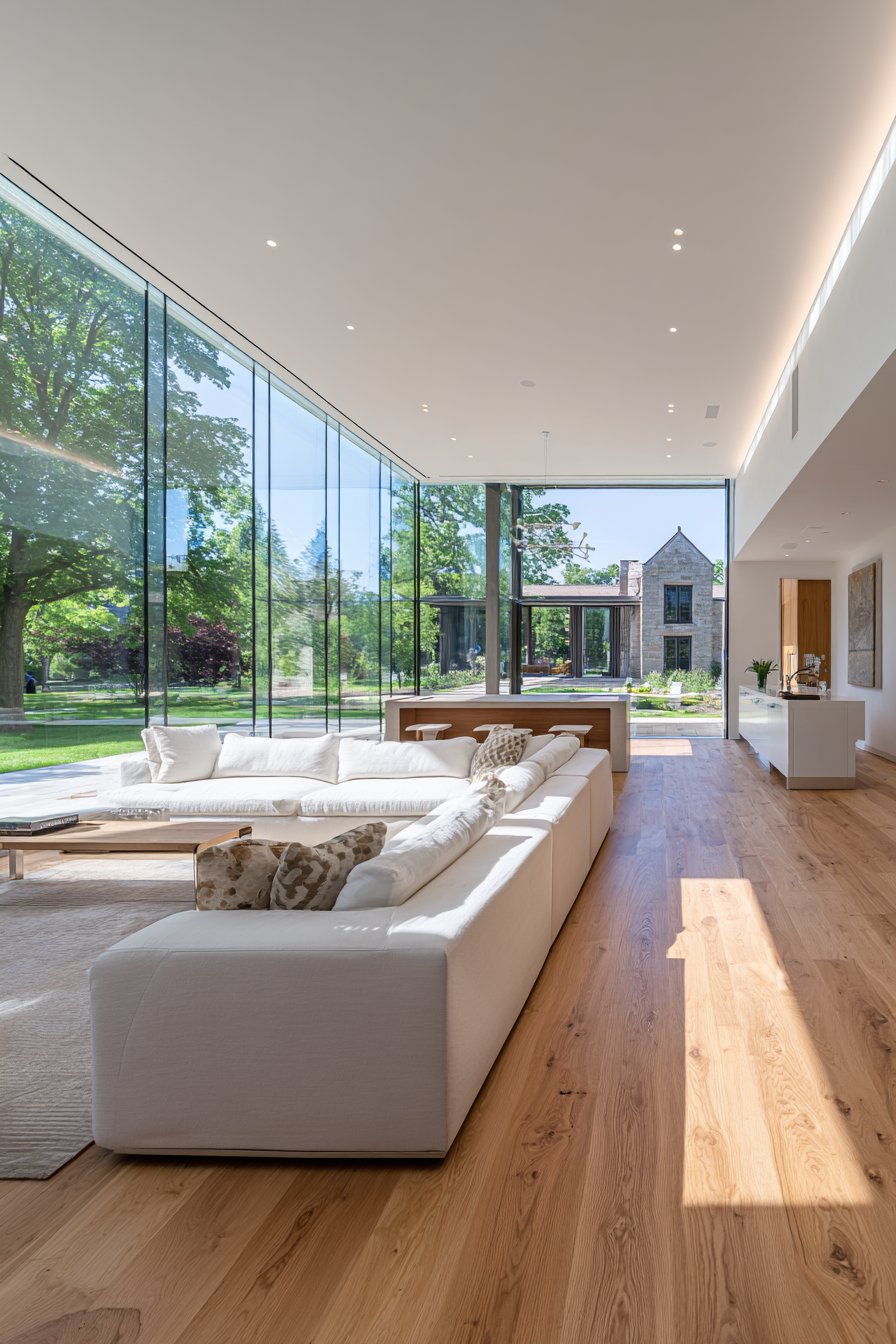
Successful furniture arrangement in square rooms depends on maintaining unobstructed pathways throughout the space. Map out natural traffic flow before placing large furniture pieces, ensuring people can move freely from entry points to seating areas without navigating obstacle courses. This planning prevents the cramped feeling that poorly arranged square rooms often suffer from.
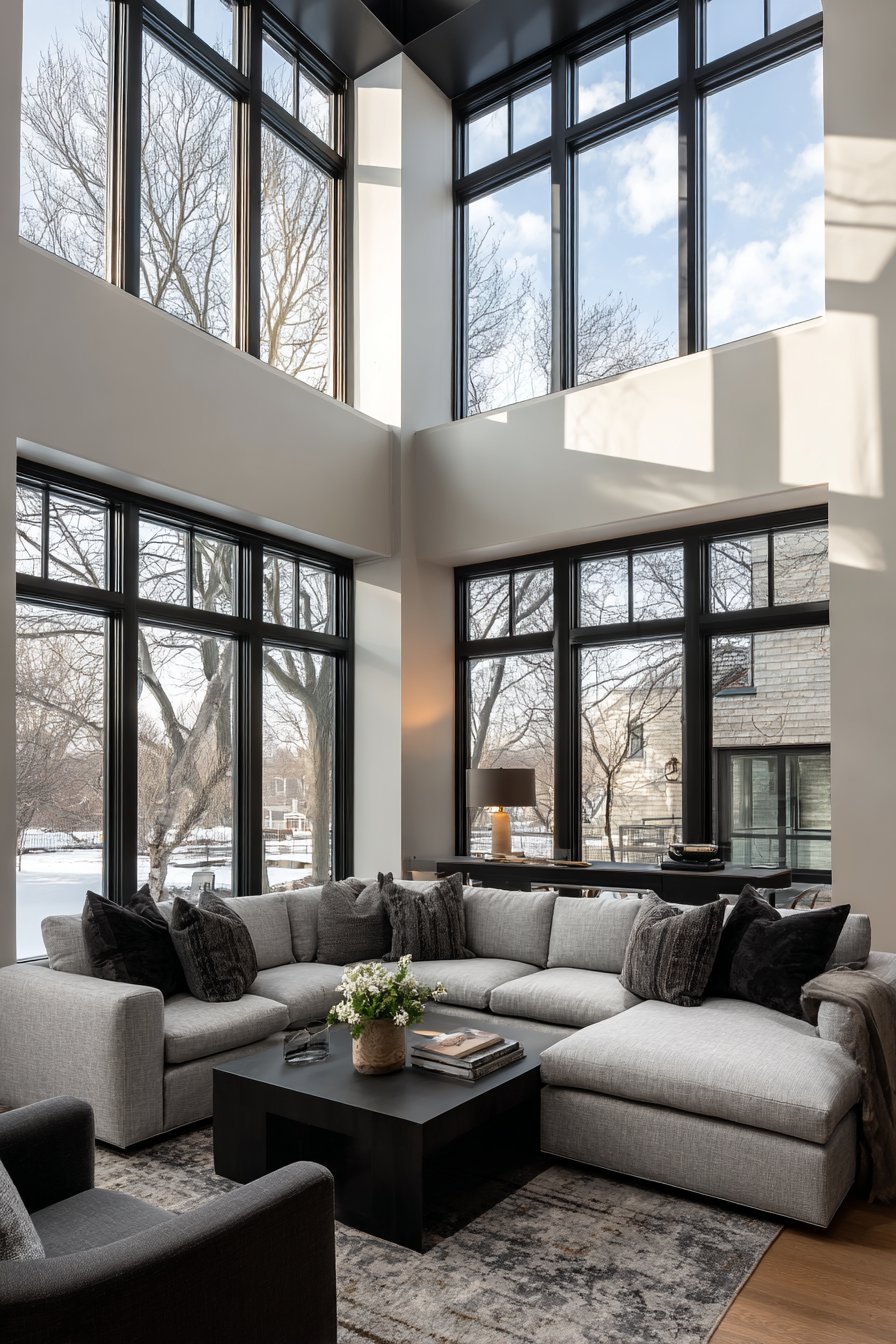
Create primary walkways that are at least 36 inches wide, allowing two people to pass comfortably. Secondary paths between furniture pieces can be narrower, around 24-30 inches, but should never feel tight or awkward. The goal is to establish intuitive movement patterns that guests naturally follow without thinking.
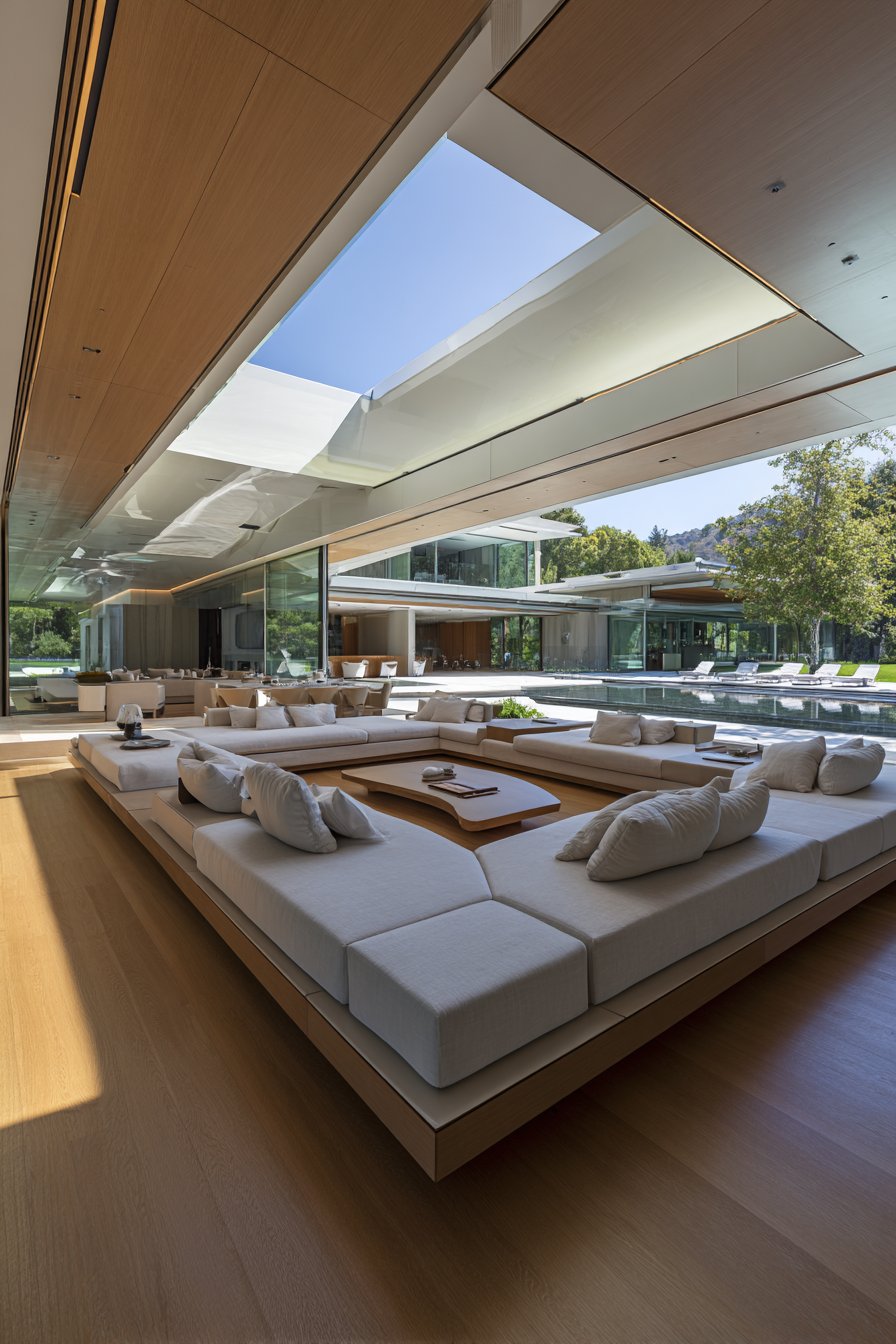
Avoid placing furniture pieces in direct lines between doorways and the room’s center. This common mistake forces people to walk around or through conversation areas, disrupting both function and flow. Instead, position seating perpendicular to main traffic paths, creating clear boundaries between circulation and gathering zones.
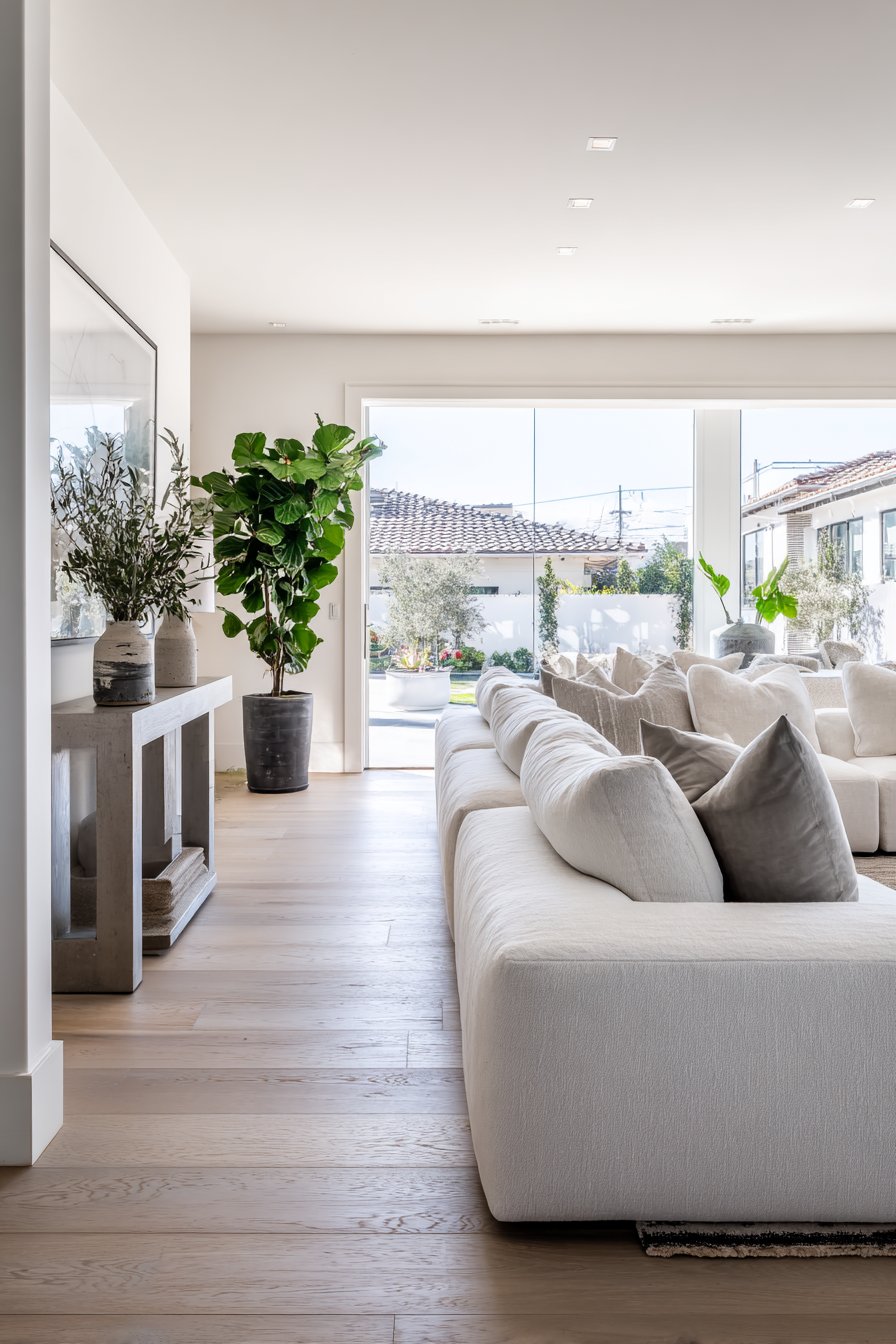
- Mark entry and exit points before arranging any furniture
- Use painter’s tape on the floor to visualize traffic lanes
- Keep at least one direct path from the entrance to seating areas
- Position TV viewing areas away from main walkways
- Ensure nothing blocks access to windows or heating vents
- Test your layout by walking through it multiple times
4. Balance the Room with Symmetrical Elements
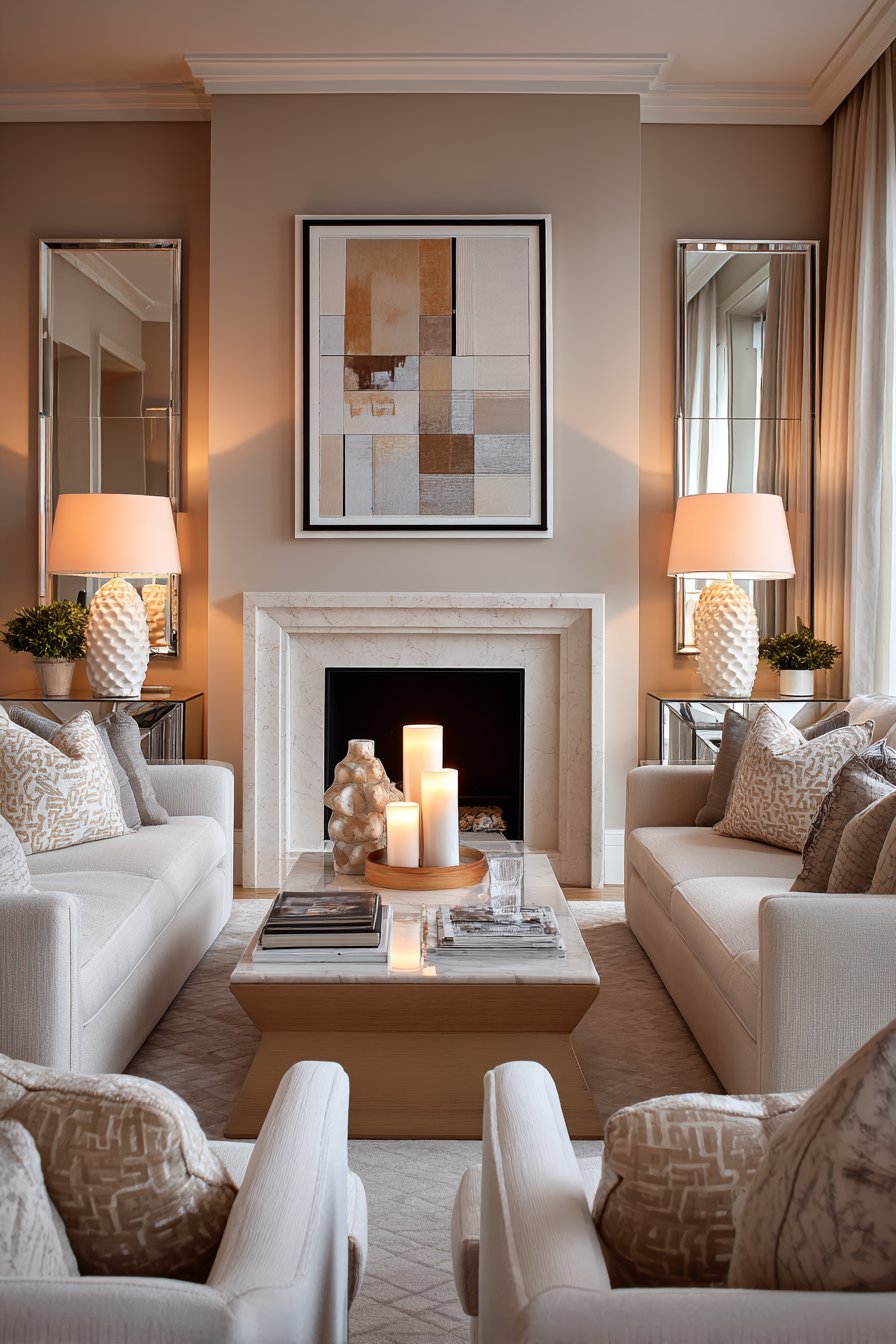
Square rooms naturally lend themselves to symmetrical design schemes that create visual harmony and professional polish. This doesn’t mean everything must match perfectly, but rather that visual weight should be distributed evenly across the space. Symmetry brings a sense of calm and order that particularly suits formal living rooms.
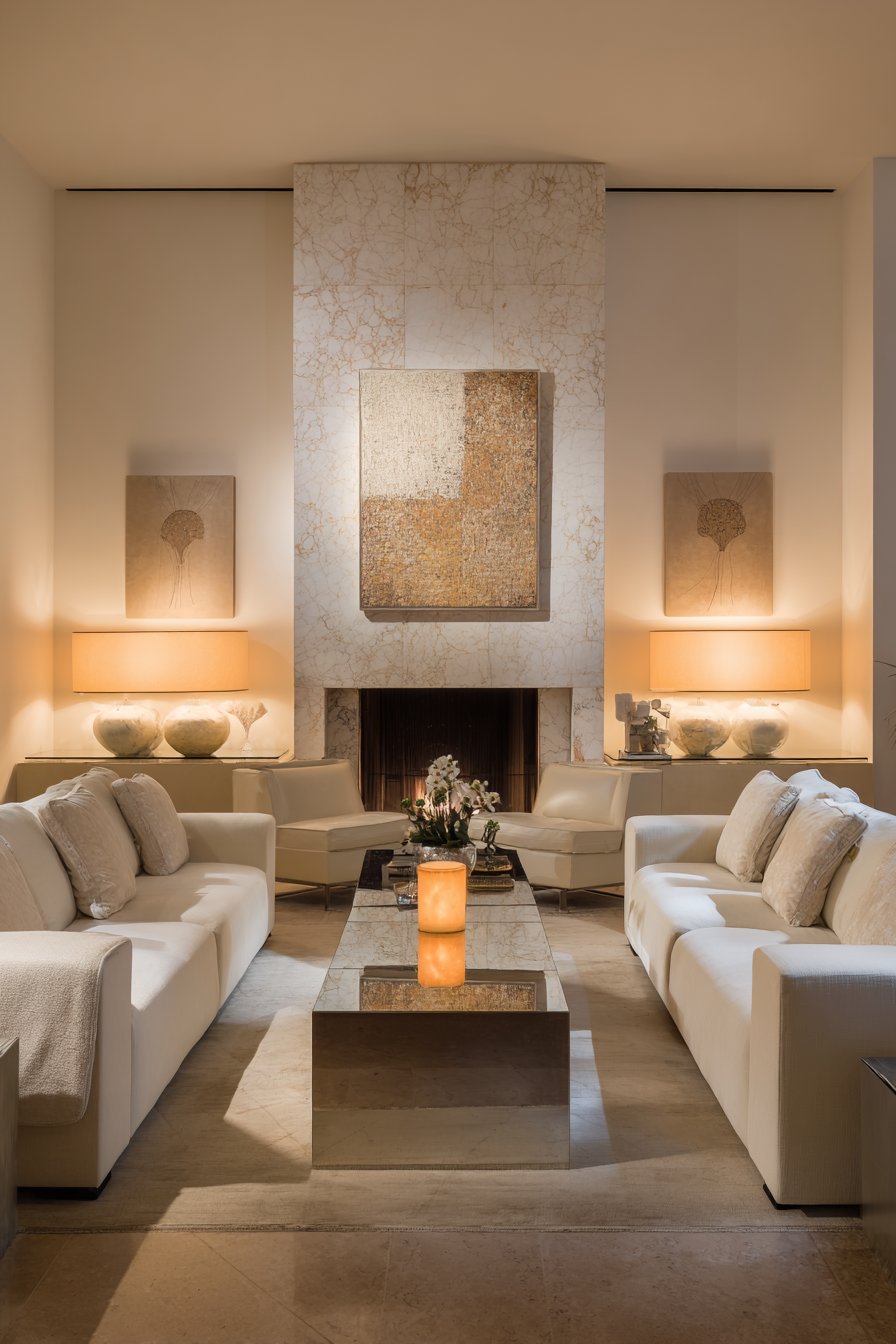
Start by identifying the room’s natural axis—typically defined by architectural features like fireplaces, windows, or the main entrance. Arrange furniture in mirrored pairs along this central line, such as matching lamps, side tables, or artwork. This approach draws the eye through the space in a balanced, pleasing manner.
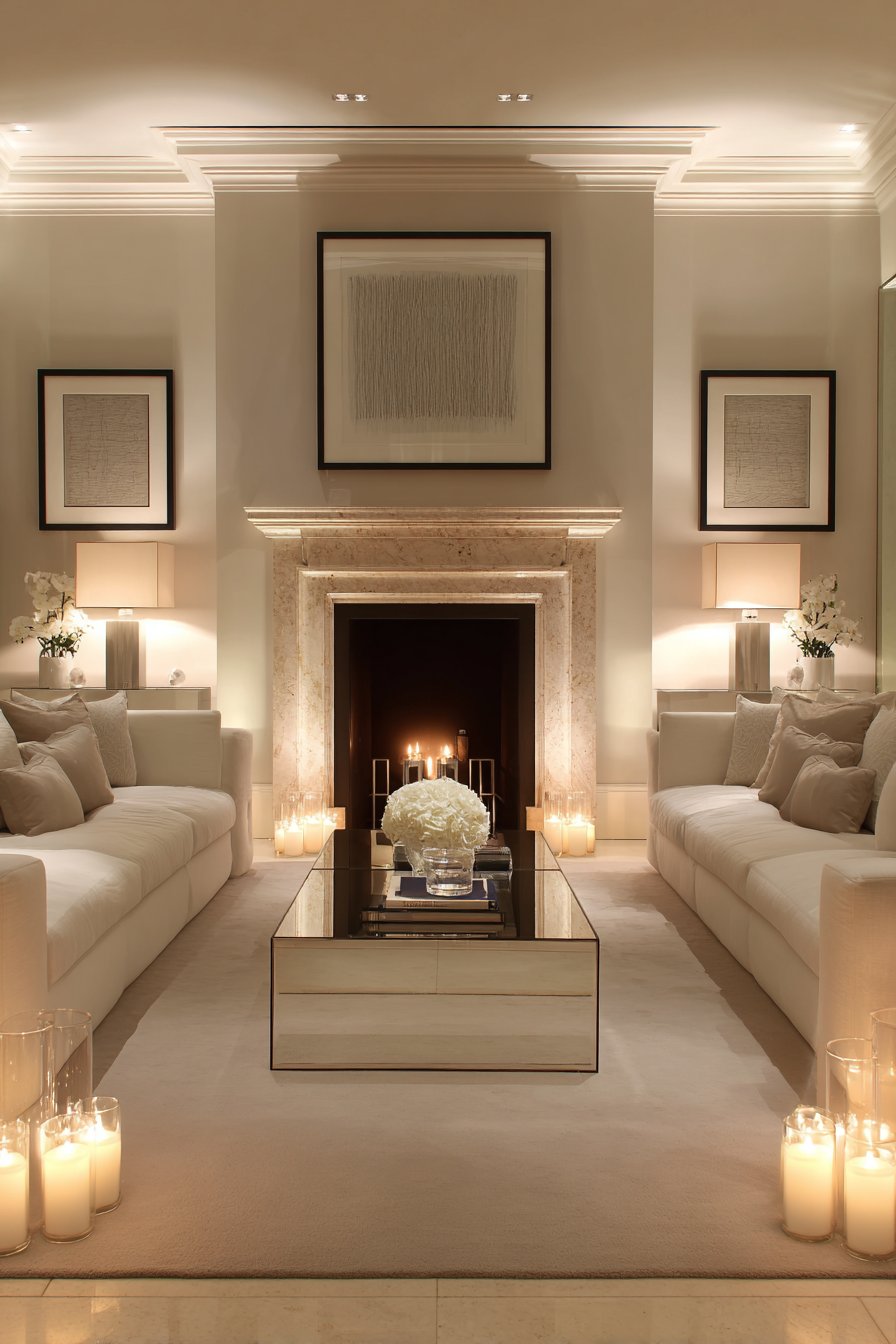
However, perfect symmetry can feel sterile and uninviting. Introduce asymmetrical accents through varied textures, patterns, or accessories to add personality while maintaining overall balance. A colorful throw pillow on one side might be balanced by a stack of coffee table books on the other, creating harmony without monotony.
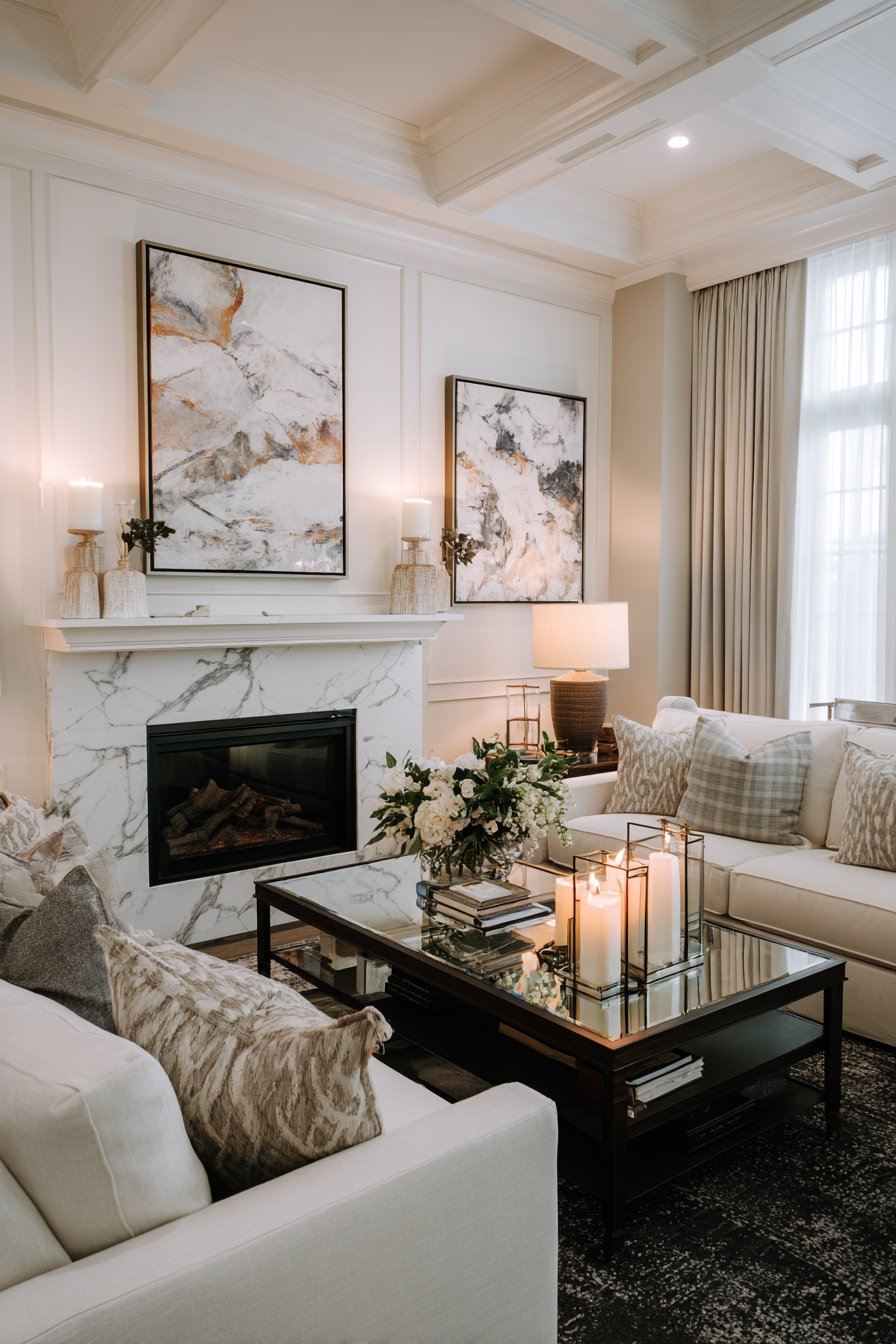
- Place matching table lamps on either side of the sofa
- Hang artwork in symmetrical arrangements above furniture pieces
- Use pairs of accent chairs flanking a focal point
- Balance tall furniture on one side with visual weight on the other
- Keep window treatments consistent across all windows
- Add one asymmetrical element per wall to prevent rigidity
5. Maximize Vertical Space and Lighting
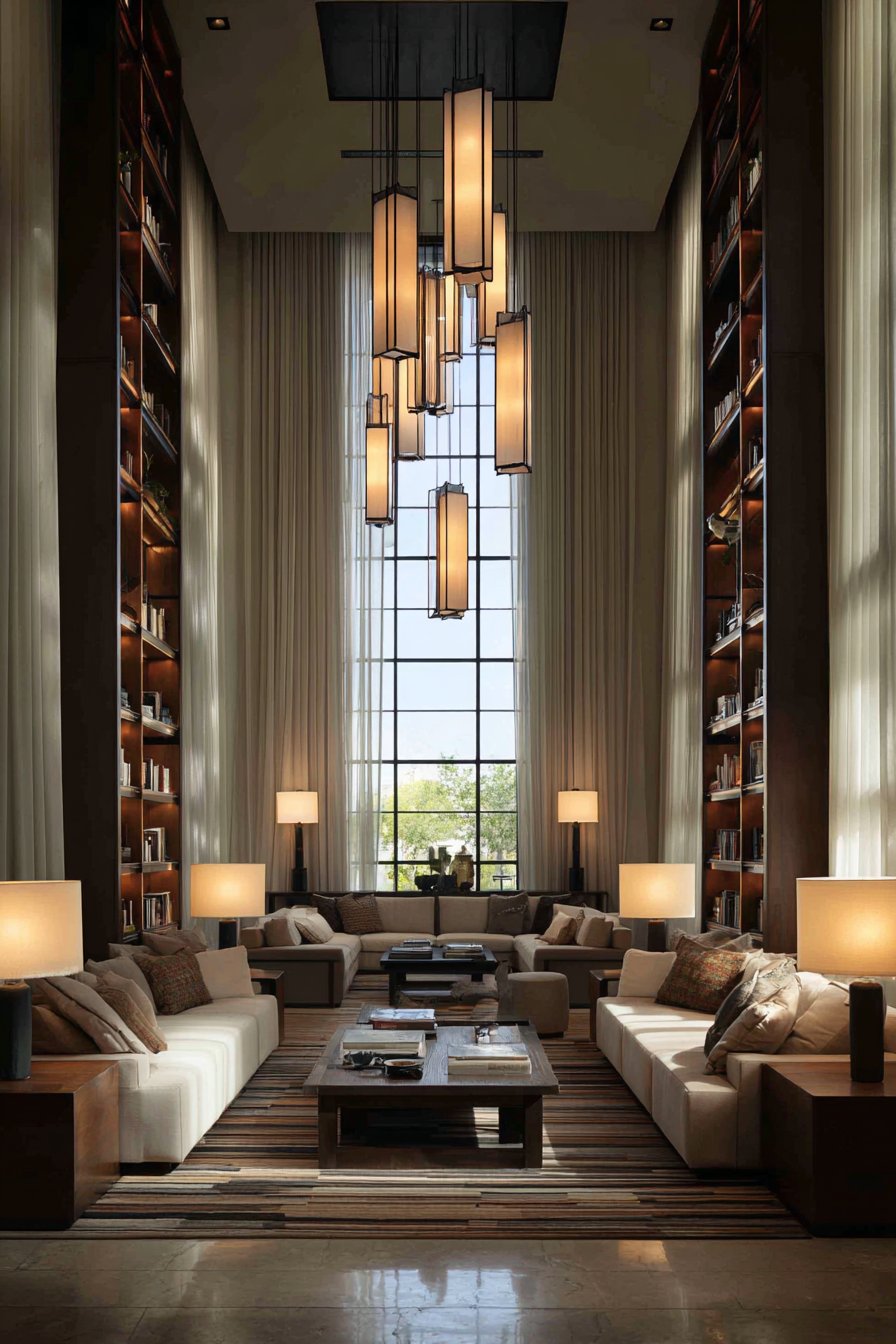
Square rooms can feel cramped when design focuses only on floor space. Drawing the eye upward through vertical design elements creates an illusion of greater height and volume. Tall bookcases, floor-to-ceiling curtains, and stacked artwork make walls feel taller while adding valuable storage and display areas.
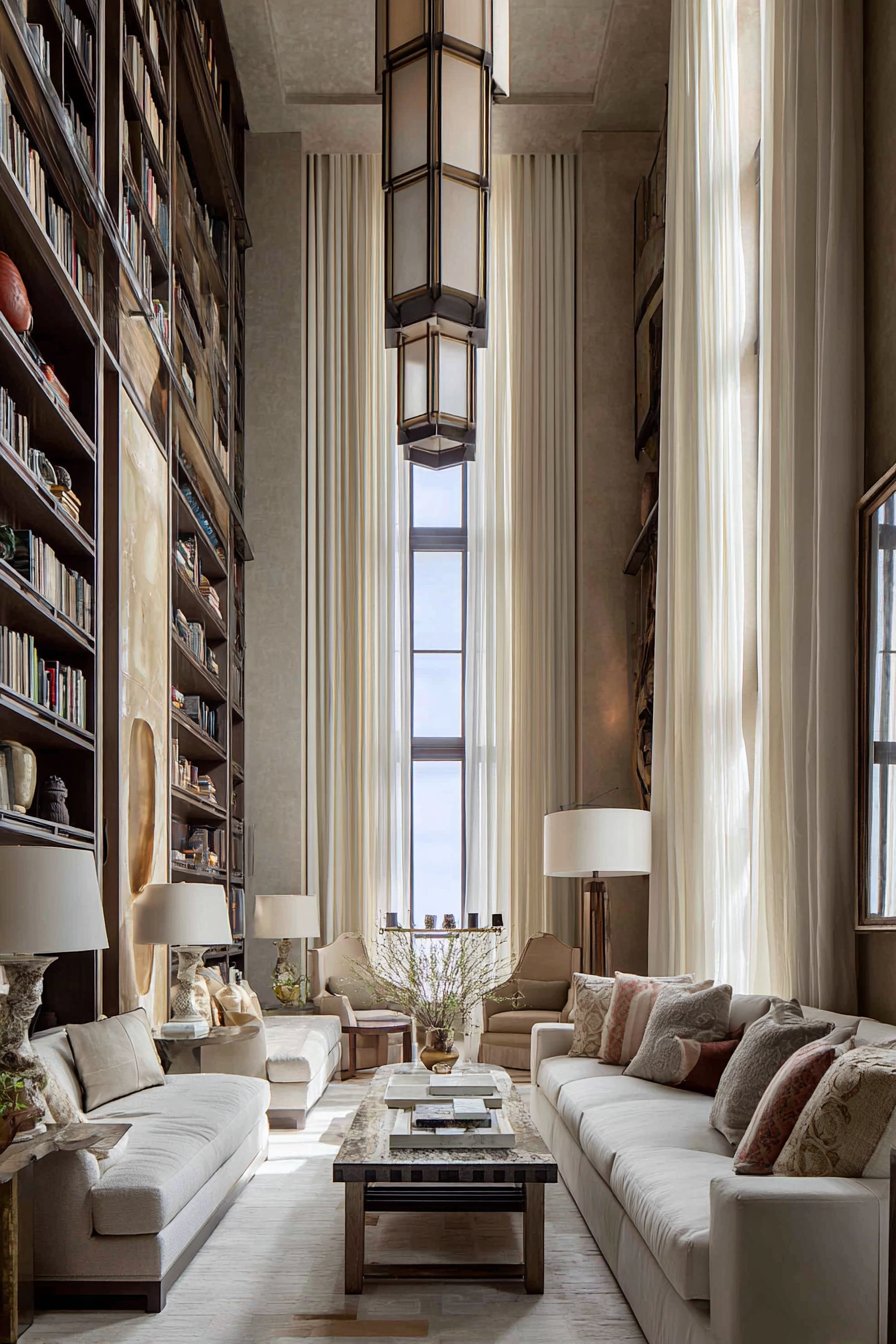
Lighting plays a crucial role in making square rooms feel open and inviting. Layer three types of lighting: ambient, task, and accent lighting to eliminate shadows and create depth. Overhead fixtures provide general illumination, while floor and table lamps offer focused light for reading or conversation. Add picture lights or wall sconces to highlight artwork and architectural details.
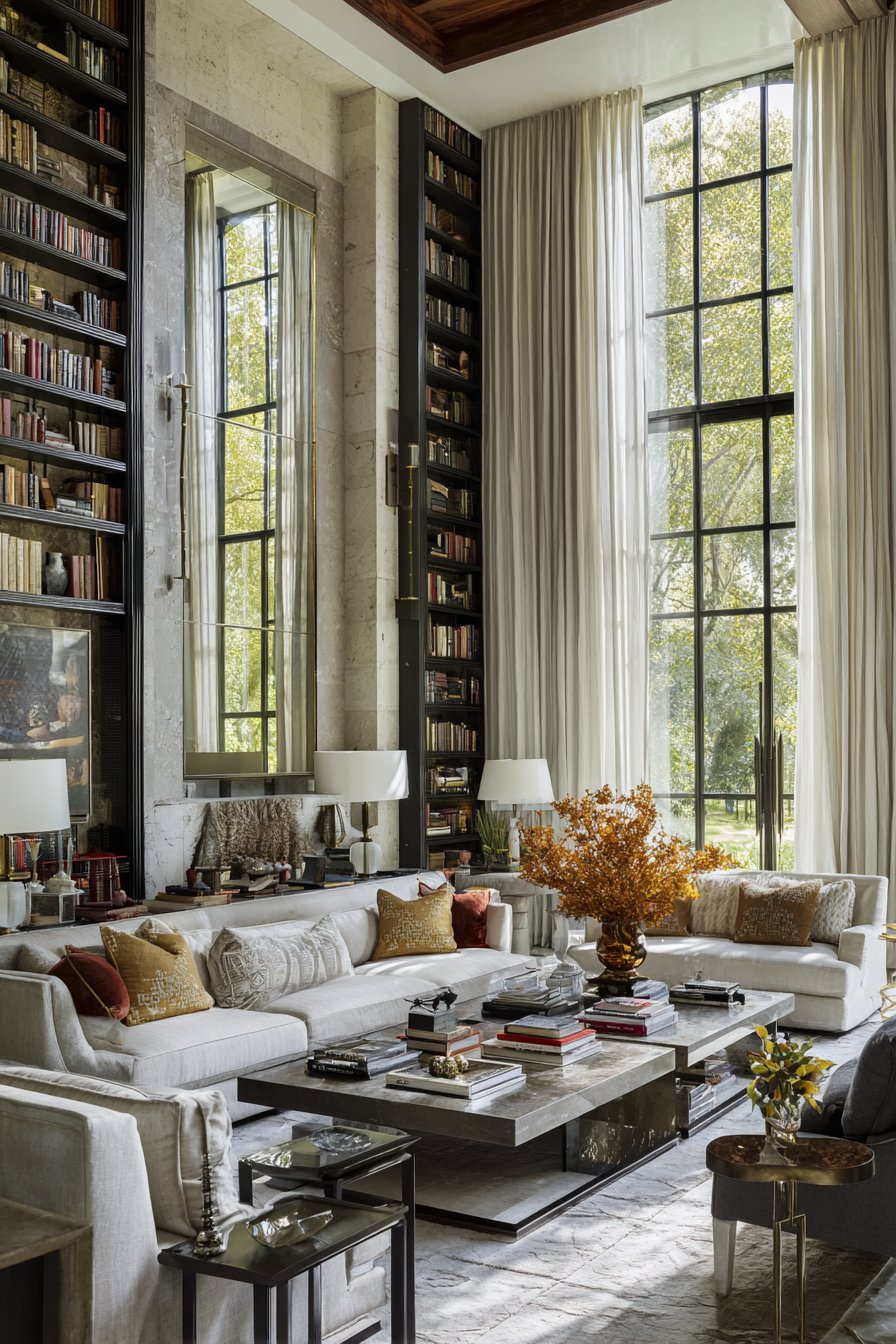
Avoid the single-overhead-light trap that flattens square rooms and creates harsh shadows. Instead, position multiple light sources at different heights throughout the space. This strategy not only improves functionality but also adds warmth and dimension that makes the room feel larger and more welcoming.
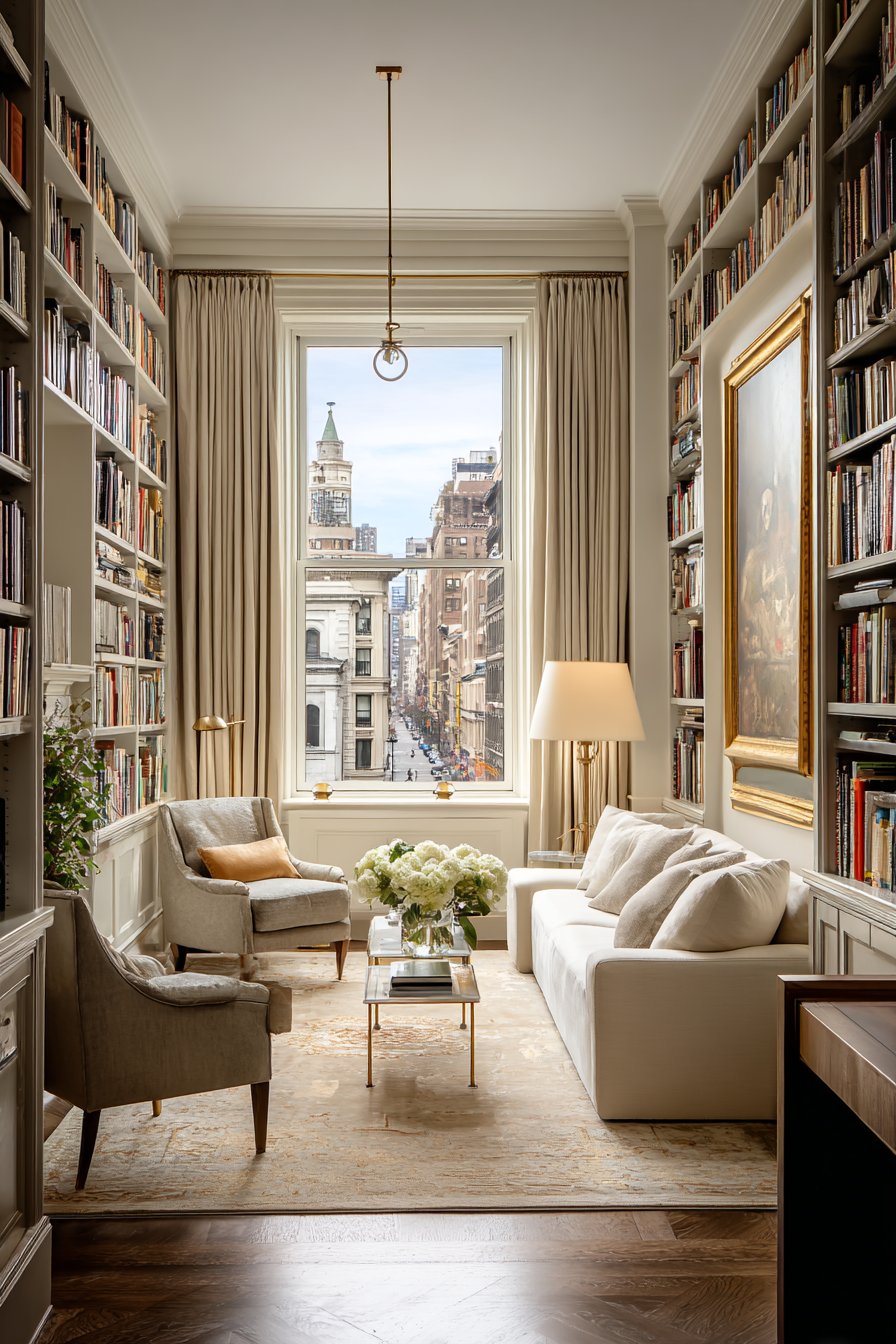
- Install dimmer switches to control mood and ambiance
- Use uplighting in corners to visually expand the room
- Hang curtains at ceiling height to elongate walls
- Add mirrors opposite windows to reflect natural light
- Choose tall, narrow bookcases over short, wide ones
- Place table lamps at 24-27 inches tall for proper proportion
6. Define Multiple Functional Zones
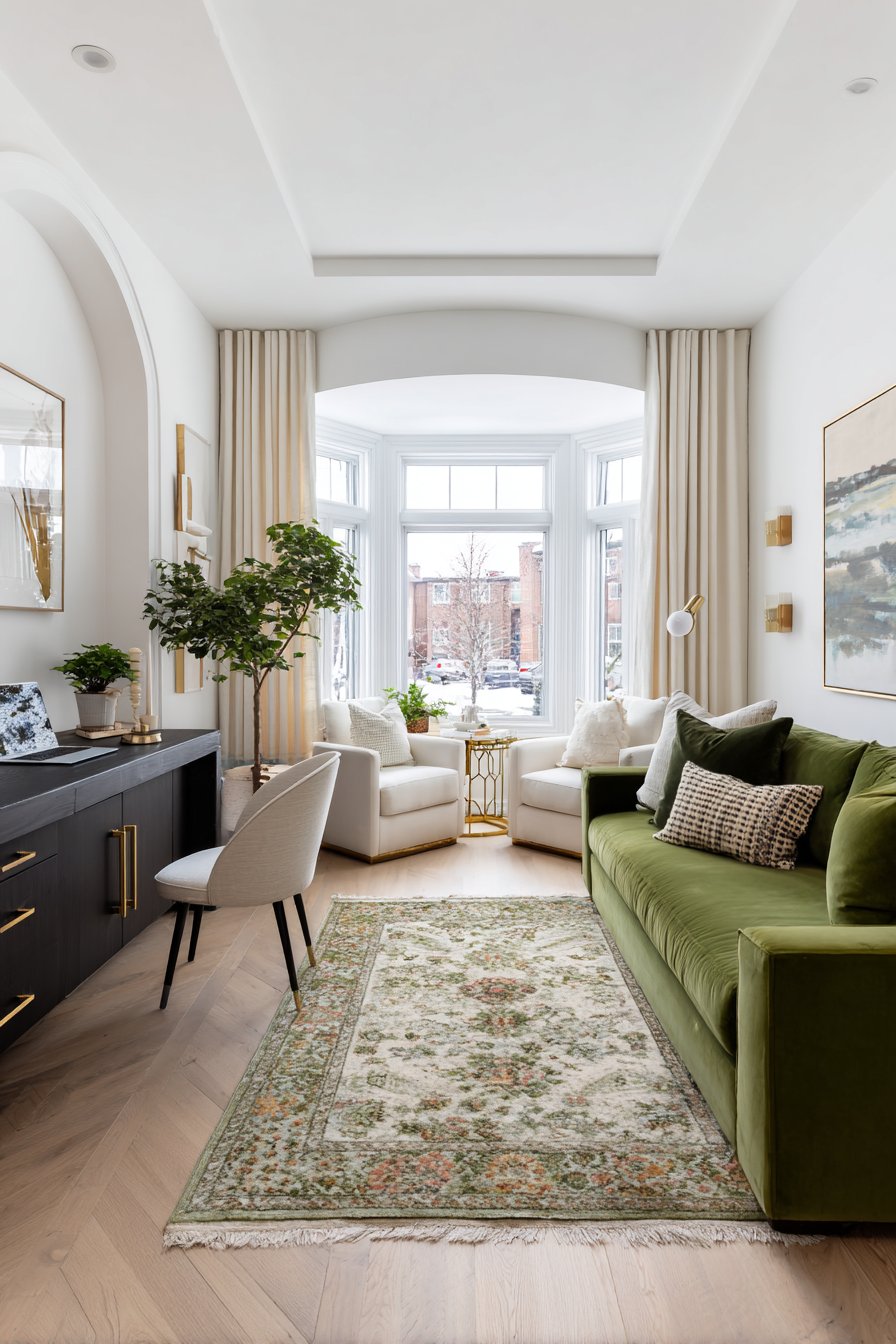
One of the greatest advantages of square living rooms is their ability to accommodate multiple activity zones without feeling divided or cramped. By strategically placing furniture, you can create distinct areas for conversation, entertainment, reading, or work while maintaining the room’s cohesive feel. This approach maximizes functionality for modern, multi-purpose living.
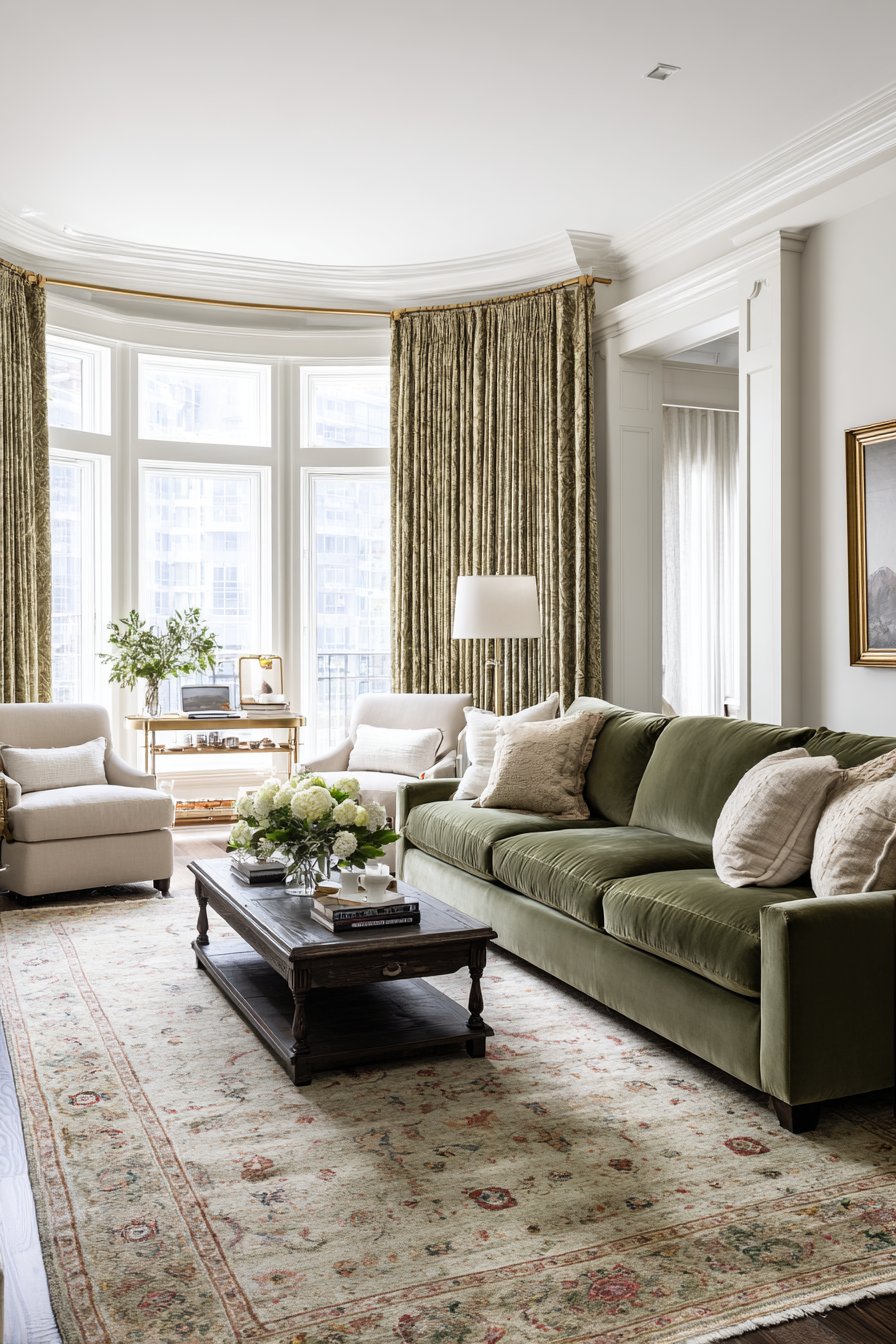
Use furniture placement and area rugs to subtly define each zone’s boundaries. A secondary seating area near a window might include two small chairs and a side table for morning coffee or reading. Meanwhile, the main seating arrangement handles larger gatherings, and a console table behind the sofa could serve as a workspace or bar station.
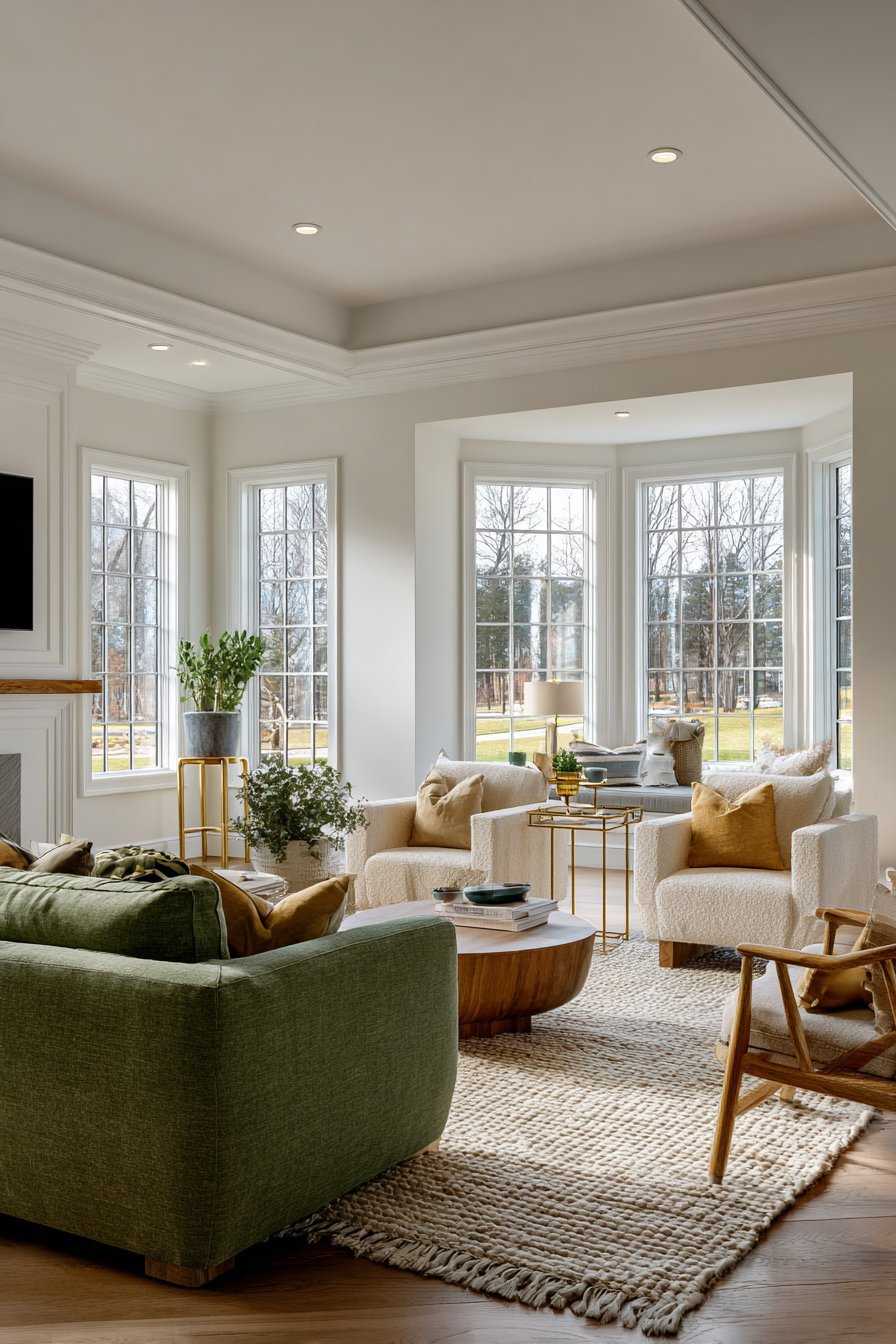
The key to successful zoning is maintaining visual connections between areas. Avoid creating complete barriers that segment the room into isolated boxes. Instead, use open-back furniture pieces and consistent color schemes to ensure zones feel like parts of a whole rather than separate rooms.
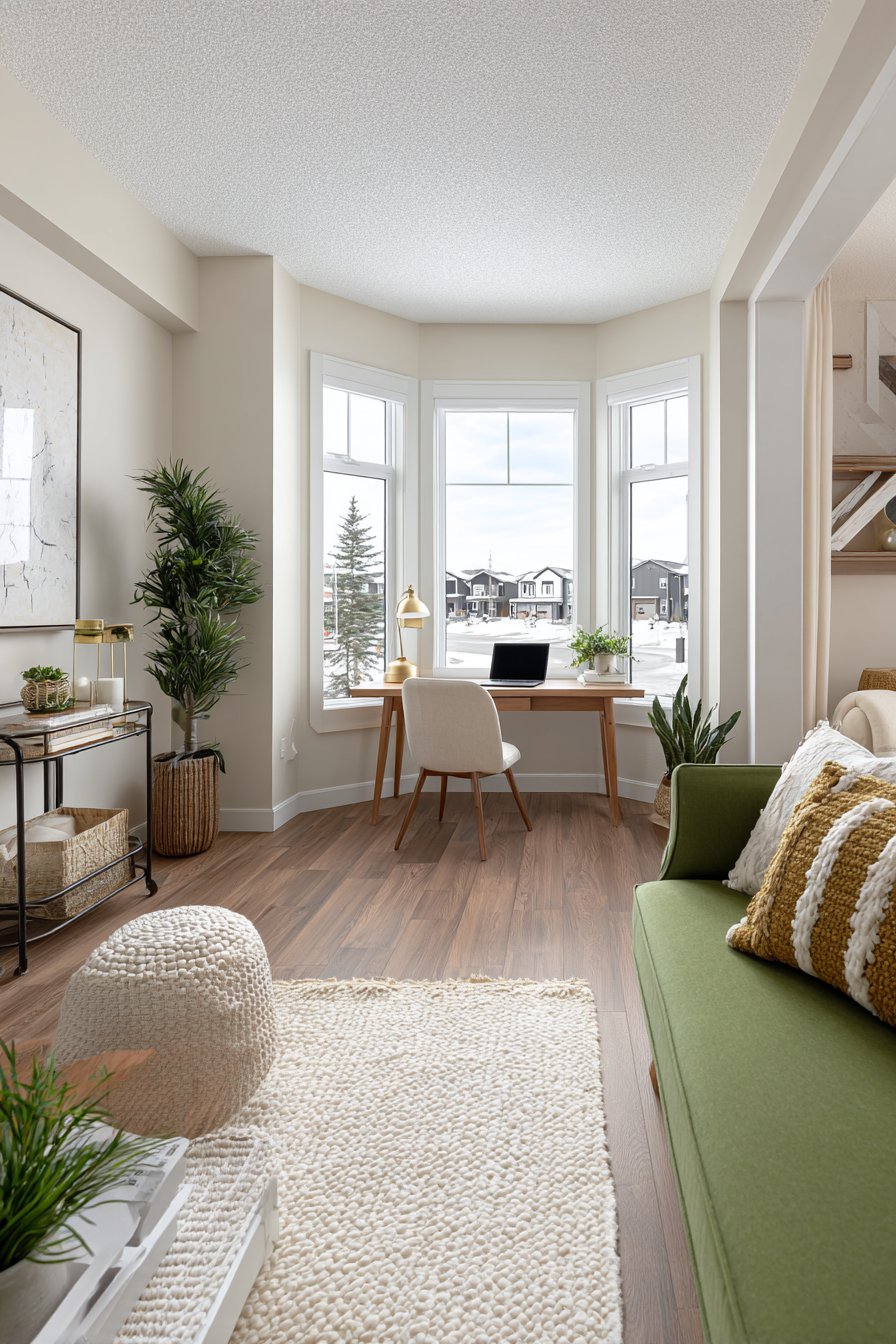
- Use different area rugs to define separate functional zones
- Position a sofa back-to-back with a console table for workspace
- Create a reading nook in the corner with a chair and lamp
- Add a bar cart or drinks station against a secondary wall
- Ensure each zone has adequate lighting for its purpose
- Keep zones proportional—don’t let one dominate the entire room
Conclusion
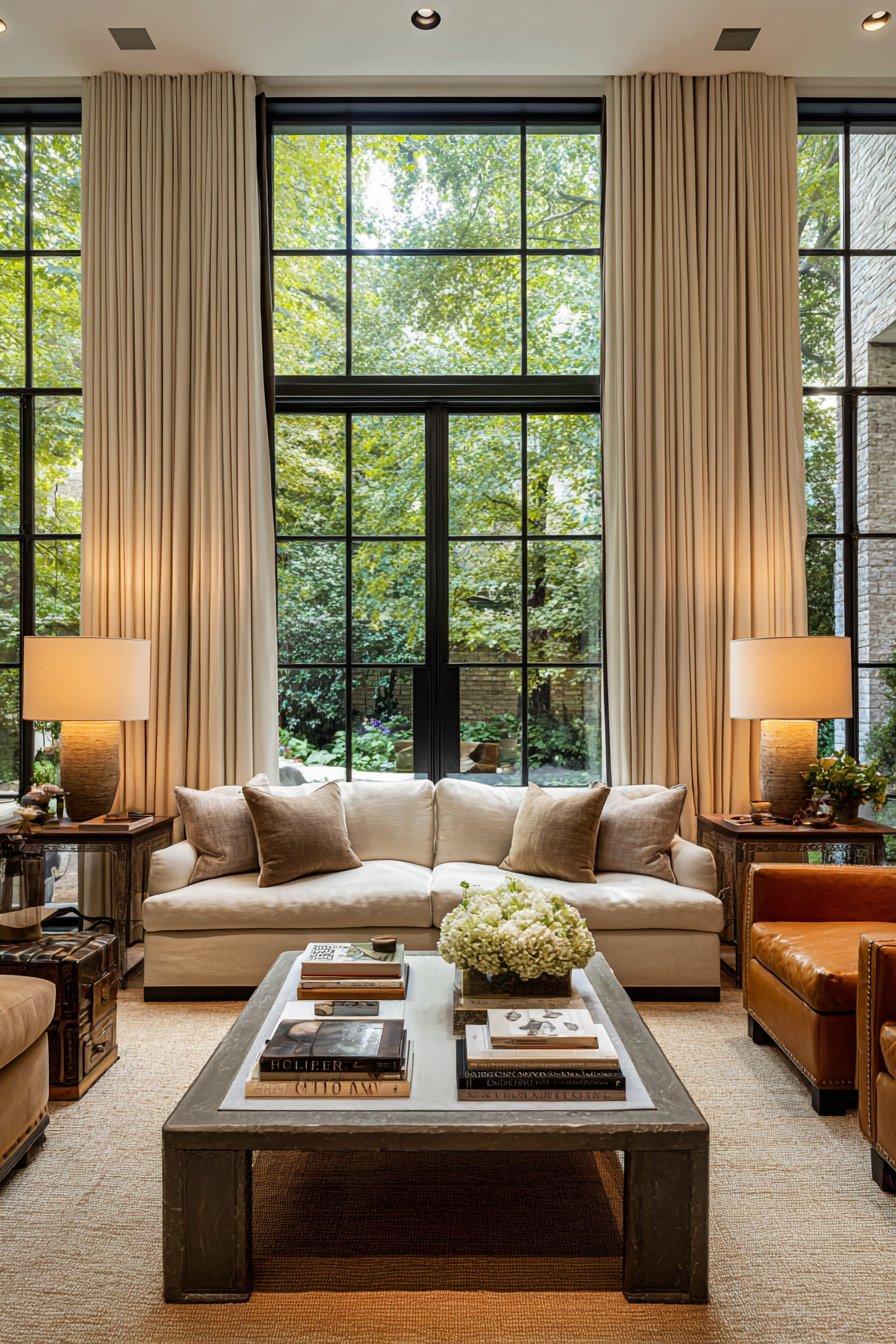
Arranging furniture in a square living room requires thoughtful consideration of space, flow, and function. By implementing these six strategies—creating central conversation zones, utilizing corners, establishing clear traffic patterns, balancing symmetry, maximizing vertical elements, and defining multiple zones—you transform your square room from a design challenge into a versatile living space that serves all your needs beautifully.
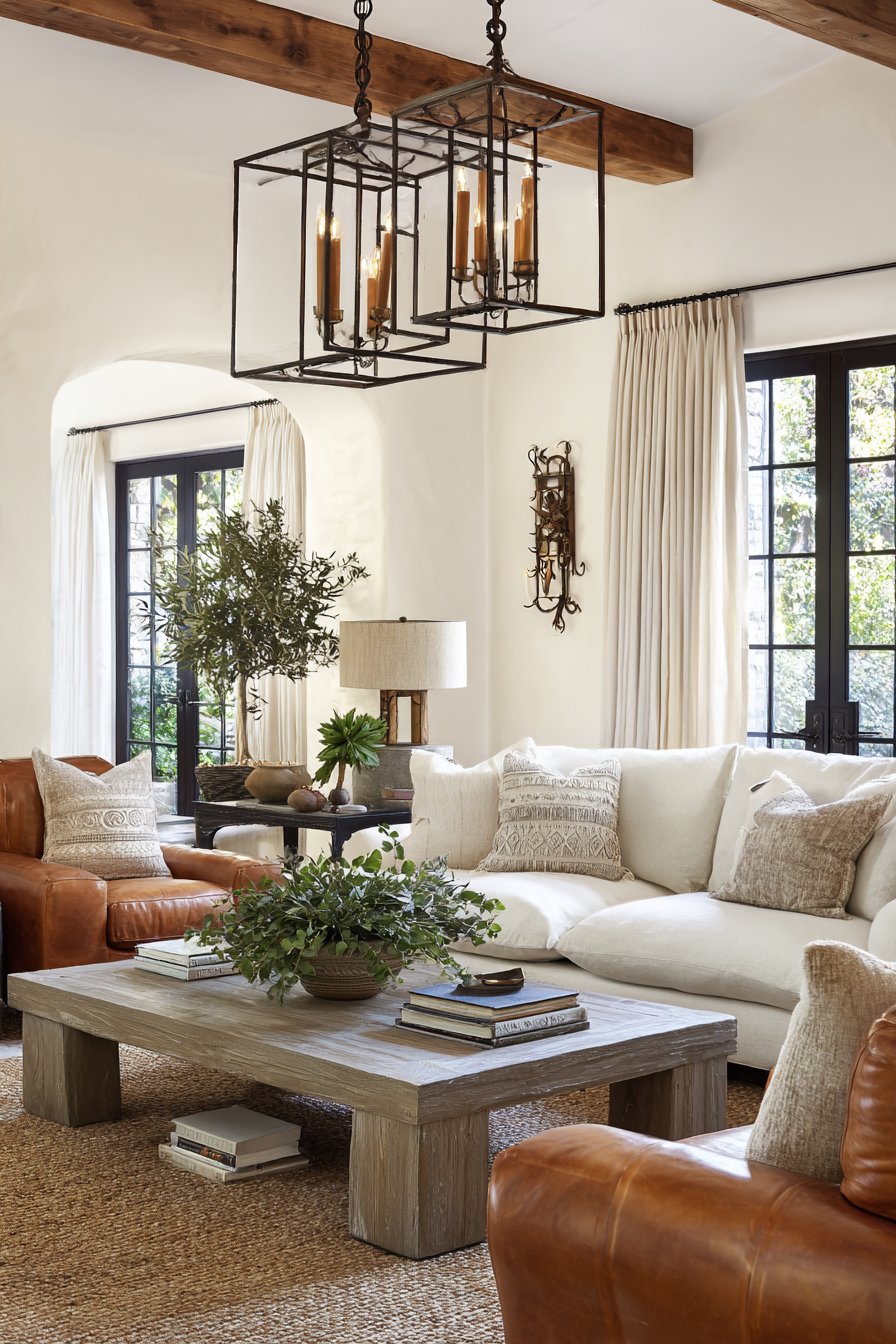
Remember that the best furniture arrangement reflects your lifestyle and personal style. Don’t be afraid to experiment with different configurations until you find the layout that feels right for you. Start with these foundational principles, then adjust based on how you actually use the space. With patience and creativity, your square living room will become the comfortable, functional, and stylish heart of your home that you’ve always envisioned.
