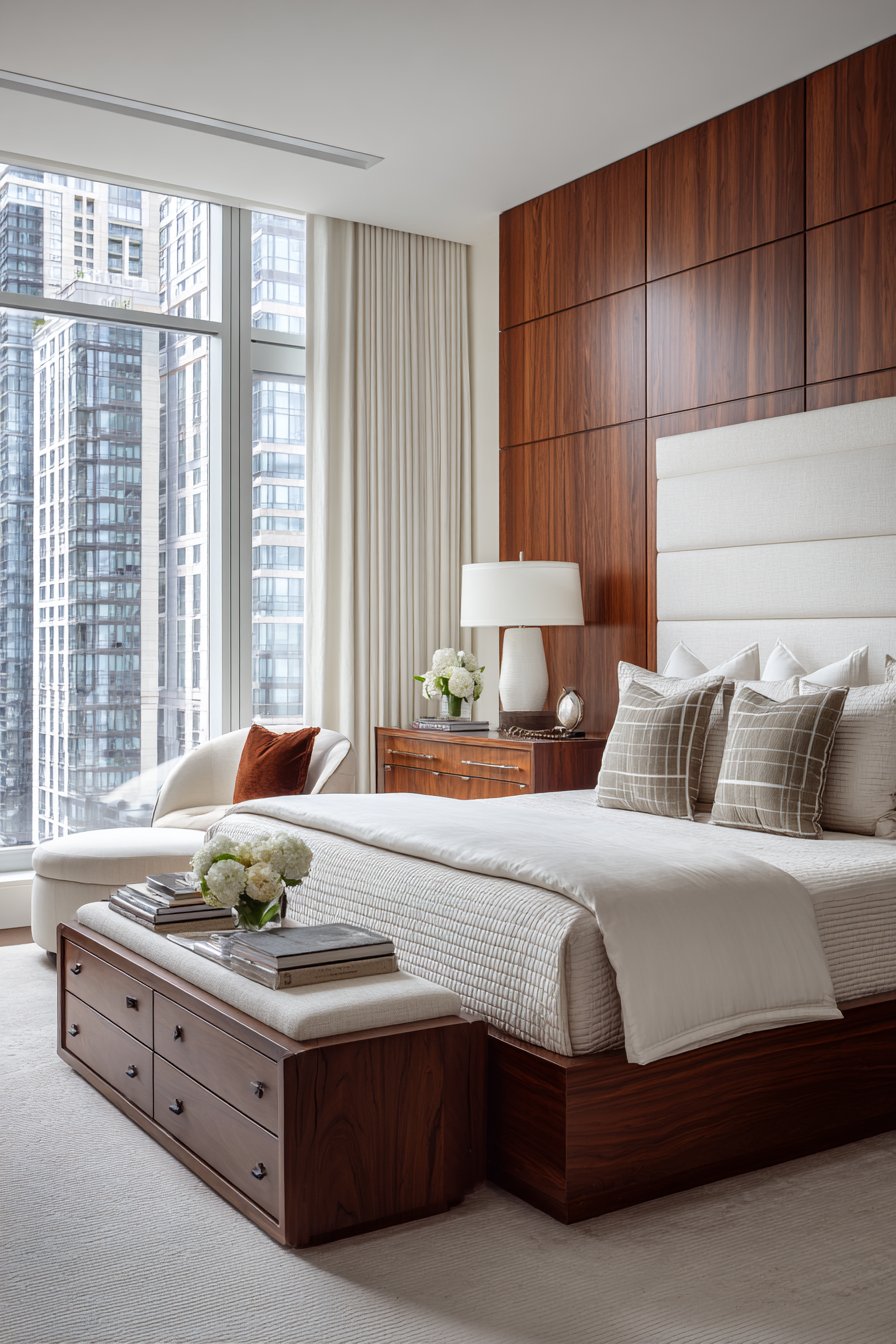


Your bedroom should be a sanctuary of comfort and tranquility. Yet many homeowners unknowingly sabotage their sleep space through poor layout decisions. These mistakes can transform what should be a restful retreat into a cramped, chaotic, or uncomfortable room that fails to serve its primary purpose.
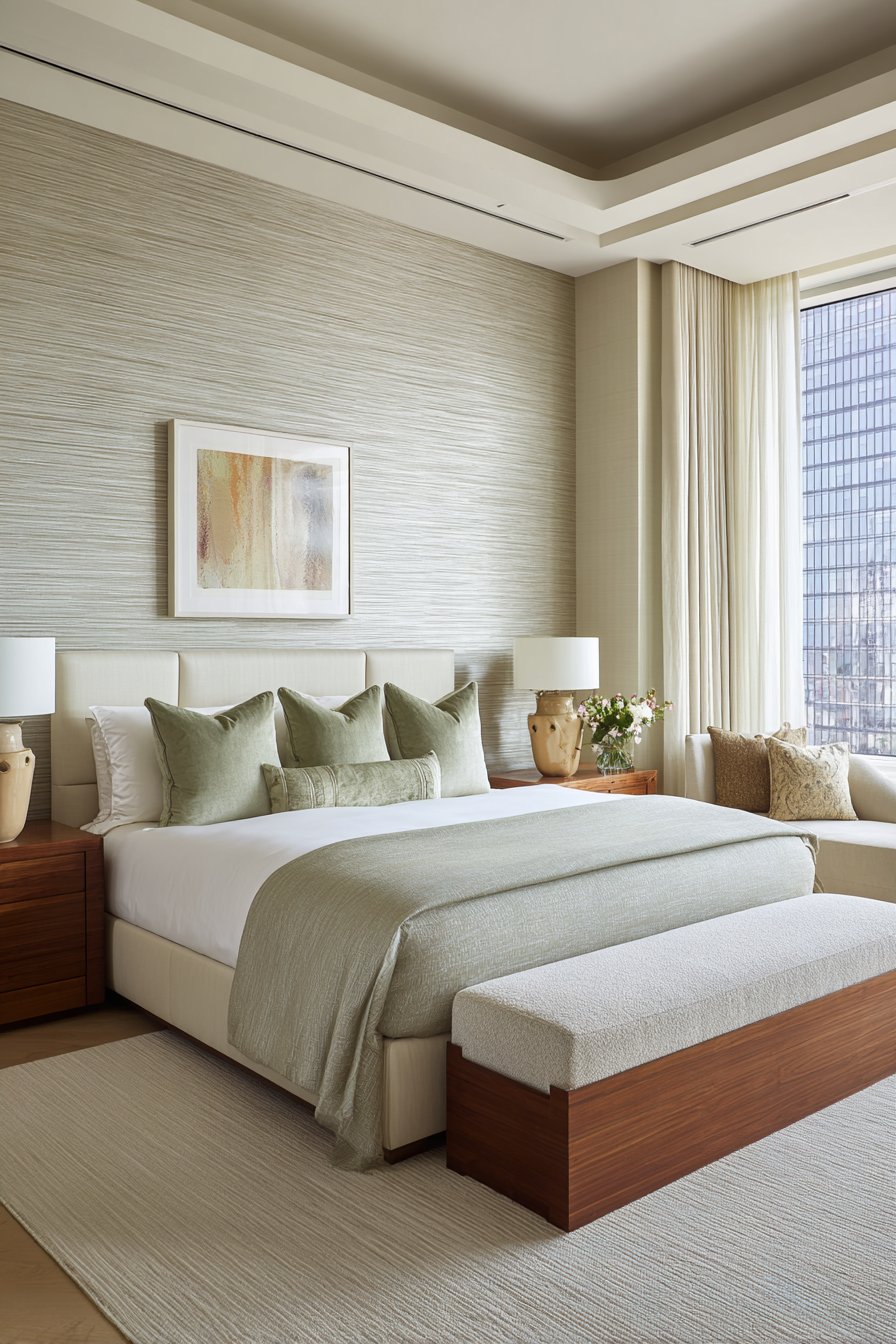
Understanding proper bedroom layout goes beyond simply placing furniture against walls. It involves strategic spatial planning that considers traffic flow, natural light, and functional needs. Whether you’re designing a master suite or a cozy guest room, avoiding common layout pitfalls can dramatically improve both the aesthetics and functionality of your space. The principles we’ll explore apply to bedrooms of all sizes and styles, from minimalist modern to traditional elegance.
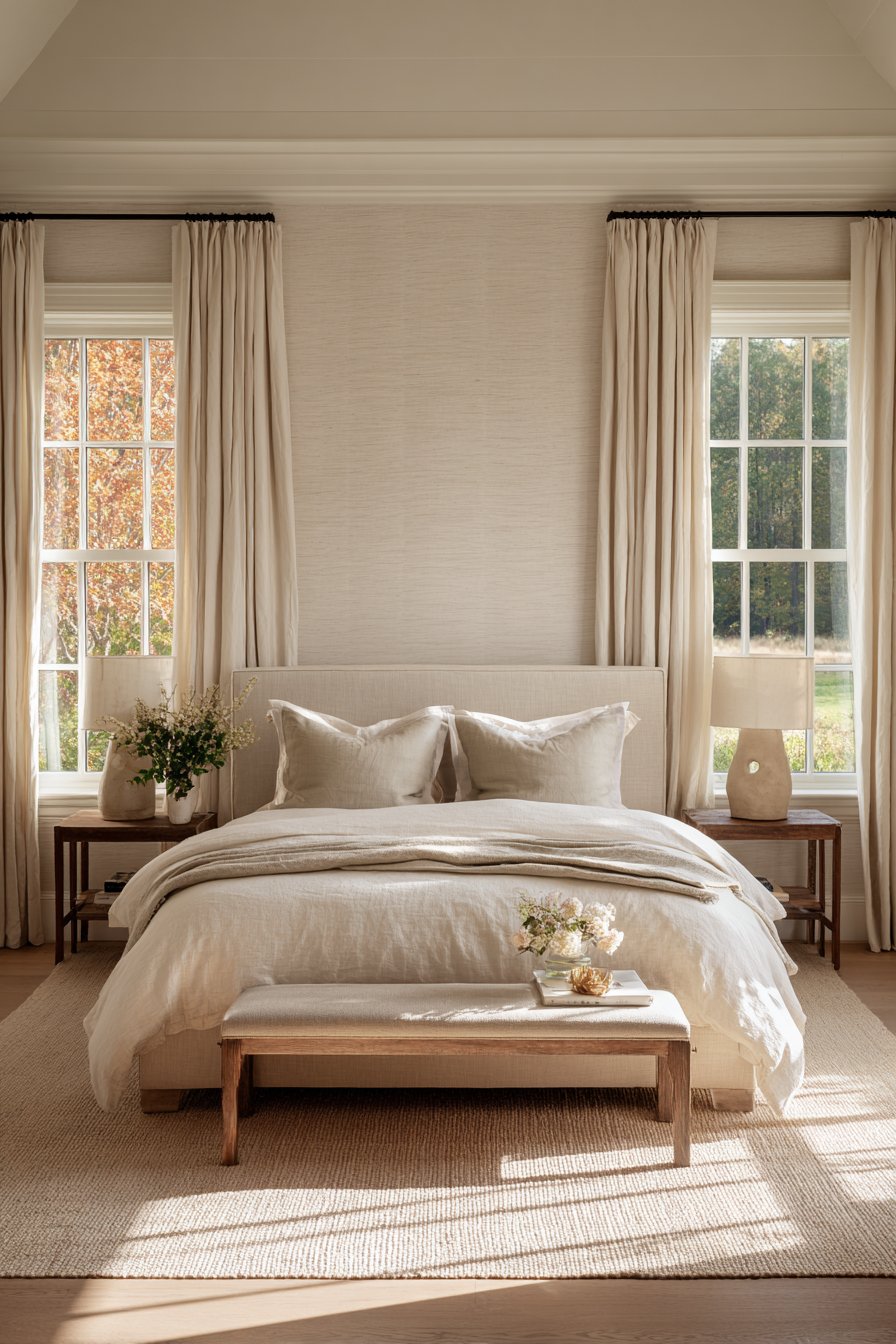
Let’s examine the most frequent bedroom layout mistakes that compromise comfort and discover practical solutions. These insights come from decades of design experience and will help you create a bedroom that truly works for your lifestyle and promotes better rest.
1. Placing the Bed Directly Under a Window

Positioning your bed beneath a window is one of the most common bedroom layout errors. This placement creates multiple comfort issues including drafts, excessive light exposure, and temperature fluctuations that disrupt sleep quality. Windows naturally leak air and allow harsh morning sunlight to disturb your rest, while radiators or air conditioning units often installed beneath windows create uncomfortable hot or cold spots.
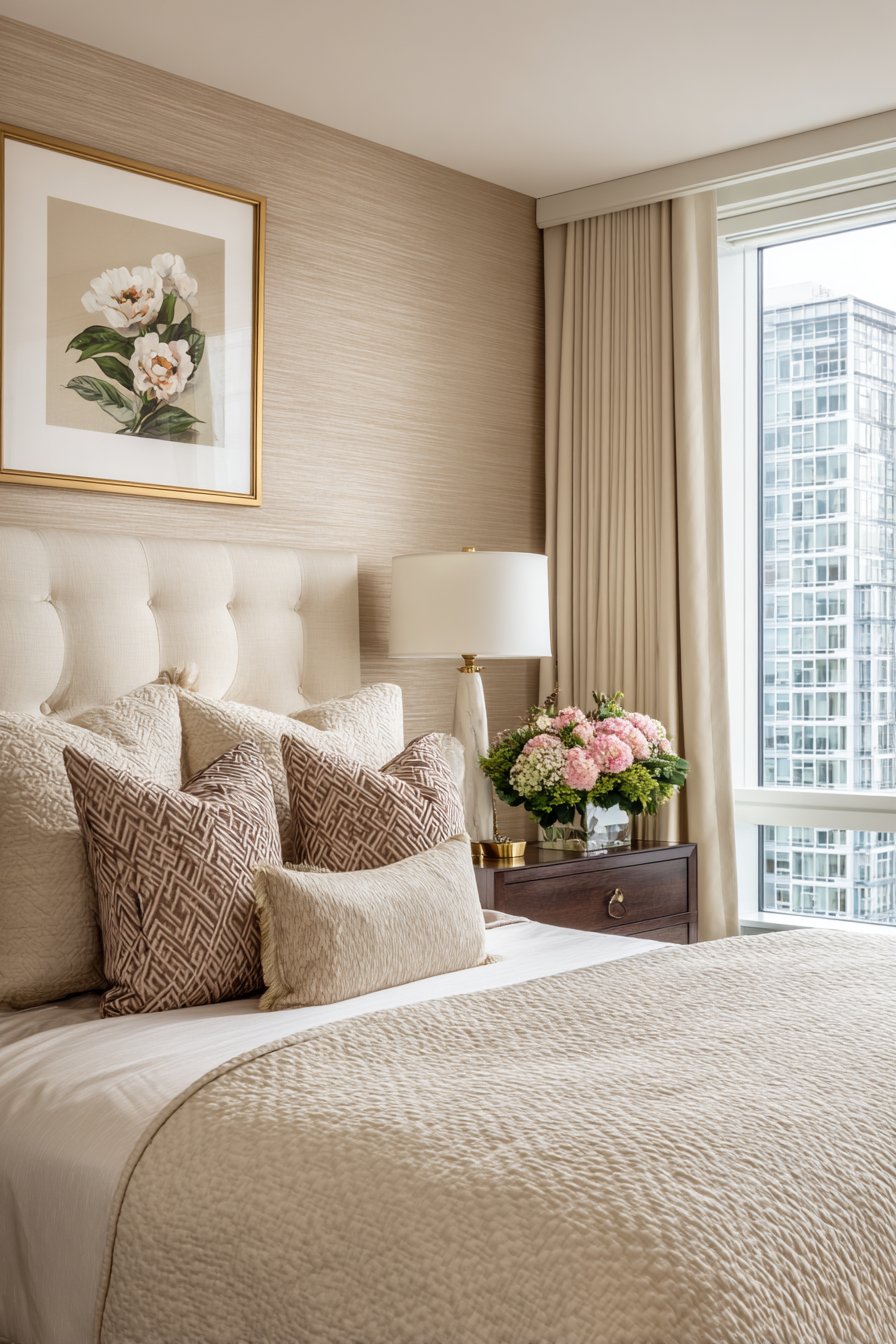
Beyond comfort concerns, this arrangement poses practical challenges for window treatments and headboard installation. You’ll struggle to open windows for ventilation without disturbing bedding, and curtains become difficult to operate when blocked by furniture. Security also becomes compromised when your bed blocks emergency exits or limits visibility from outside.
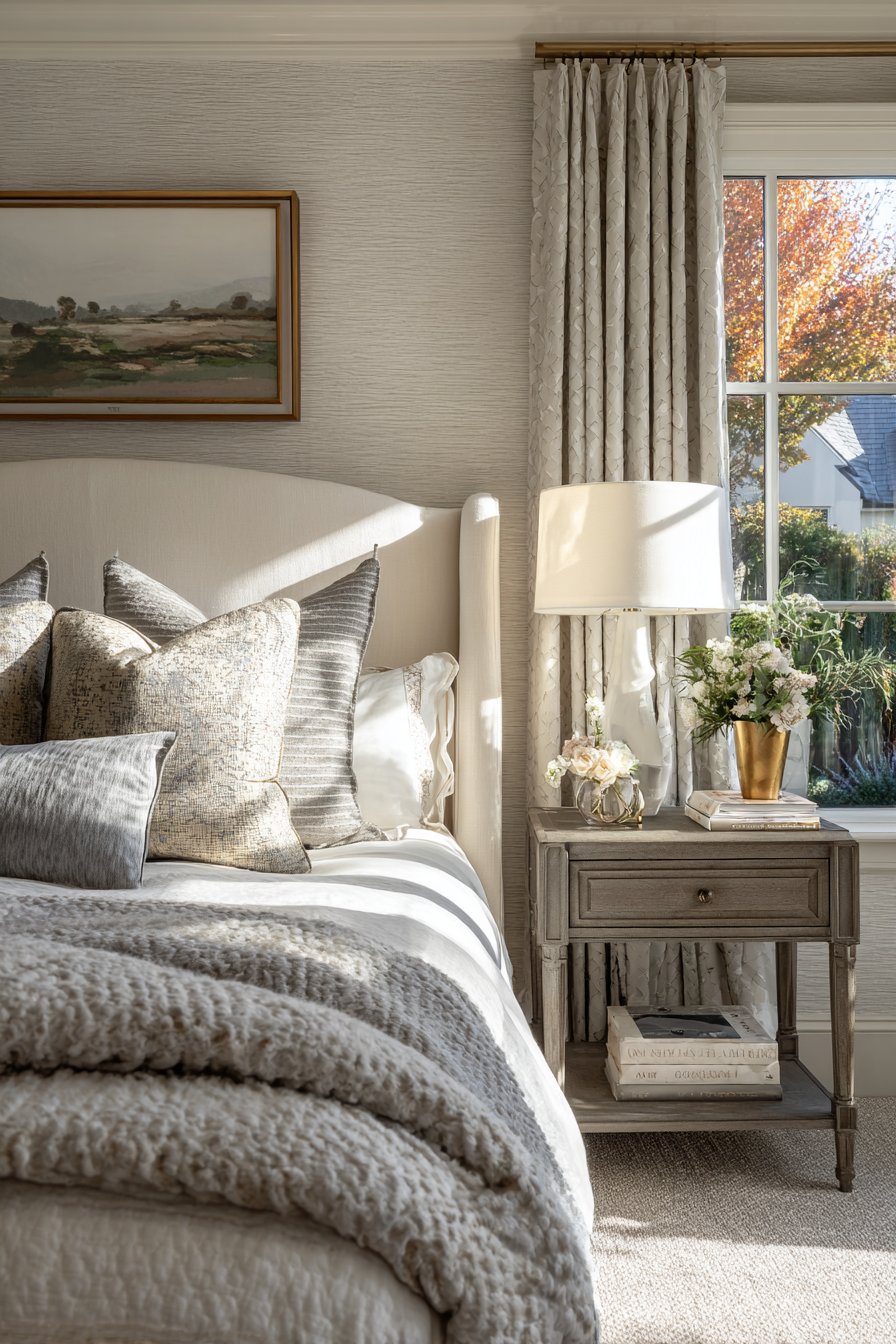
The psychological impact shouldn’t be overlooked either. Feng shui principles suggest that sleeping under windows creates energetic instability and reduces the sense of protection we need for deep rest. Alternative placements along solid walls provide better support and create a more grounded sleeping environment.
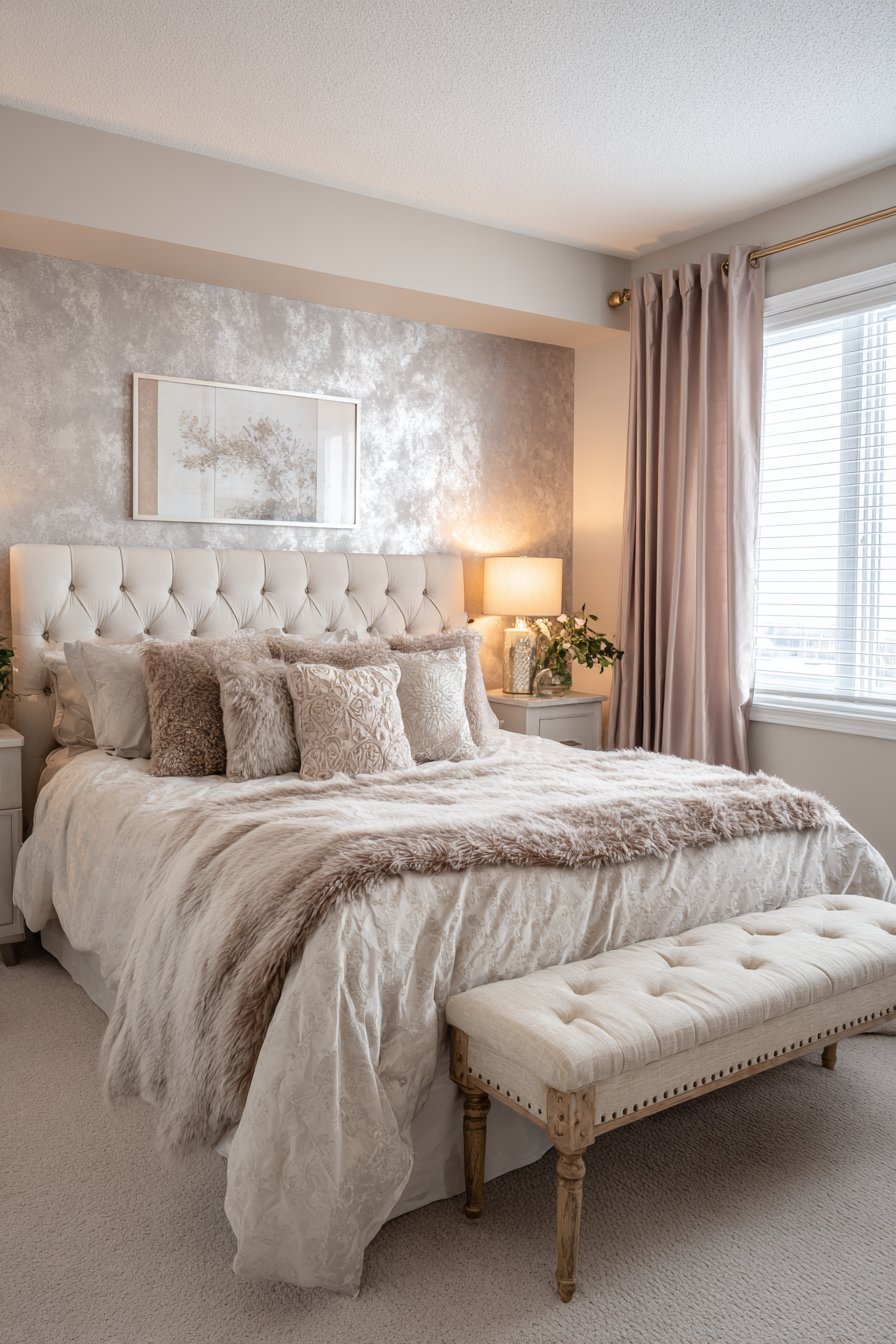
- Position your bed against the longest uninterrupted wall for maximum stability
- Ensure at least 24 inches of clearance on both sides for easy access
- Place the headboard on a solid wall opposite or perpendicular to windows
- Use blackout curtains if window proximity is unavoidable
- Consider the view from your bed when choosing placement
- Avoid positioning beds directly under ceiling beams or sloped ceilings
2. Blocking Natural Traffic Flow Paths
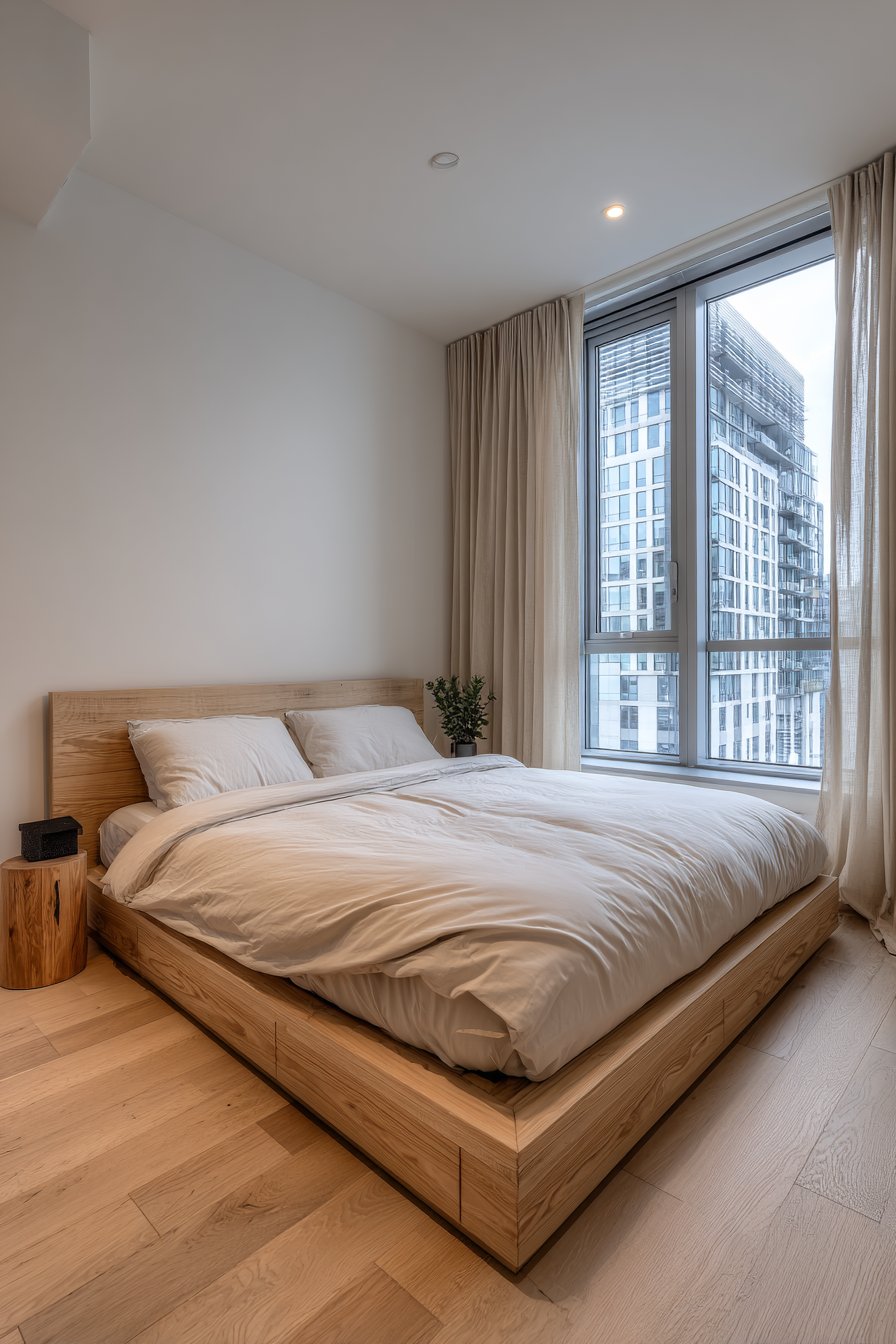
Many people fill their bedrooms with furniture without considering movement patterns and circulation space. This creates awkward navigation routes that force you to squeeze between pieces or take circuitous paths to reach closets, bathrooms, or the bed itself. Poor traffic flow doesn’t just cause daily frustration—it makes rooms feel cramped regardless of actual square footage.
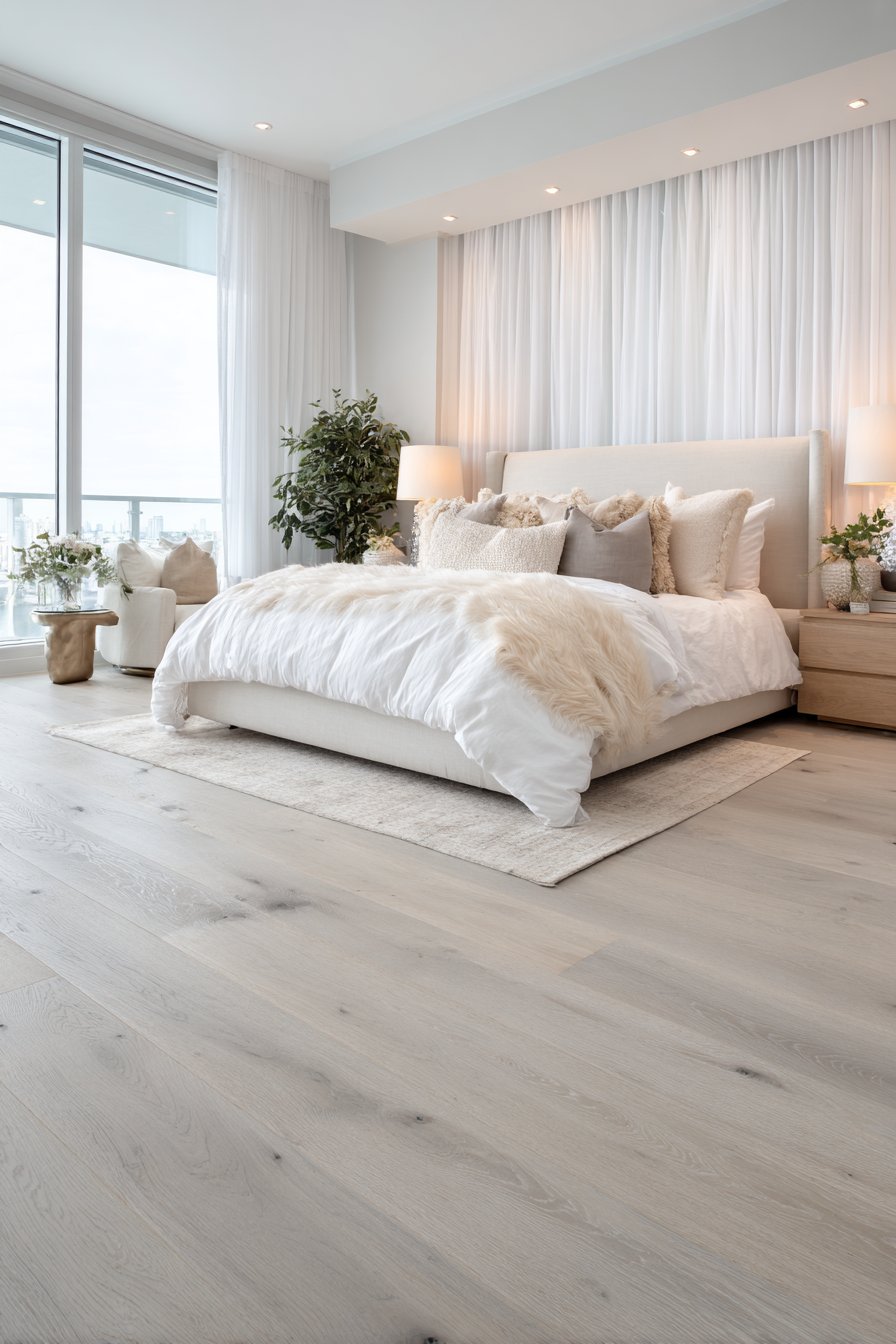
The standard rule requires minimum 36-inch walkways around the bed and between furniture pieces. Anything less creates bottlenecks that compromise functionality and safety, especially during nighttime bathroom trips or emergency situations. Main pathways from the door to the bed should remain completely clear and direct.
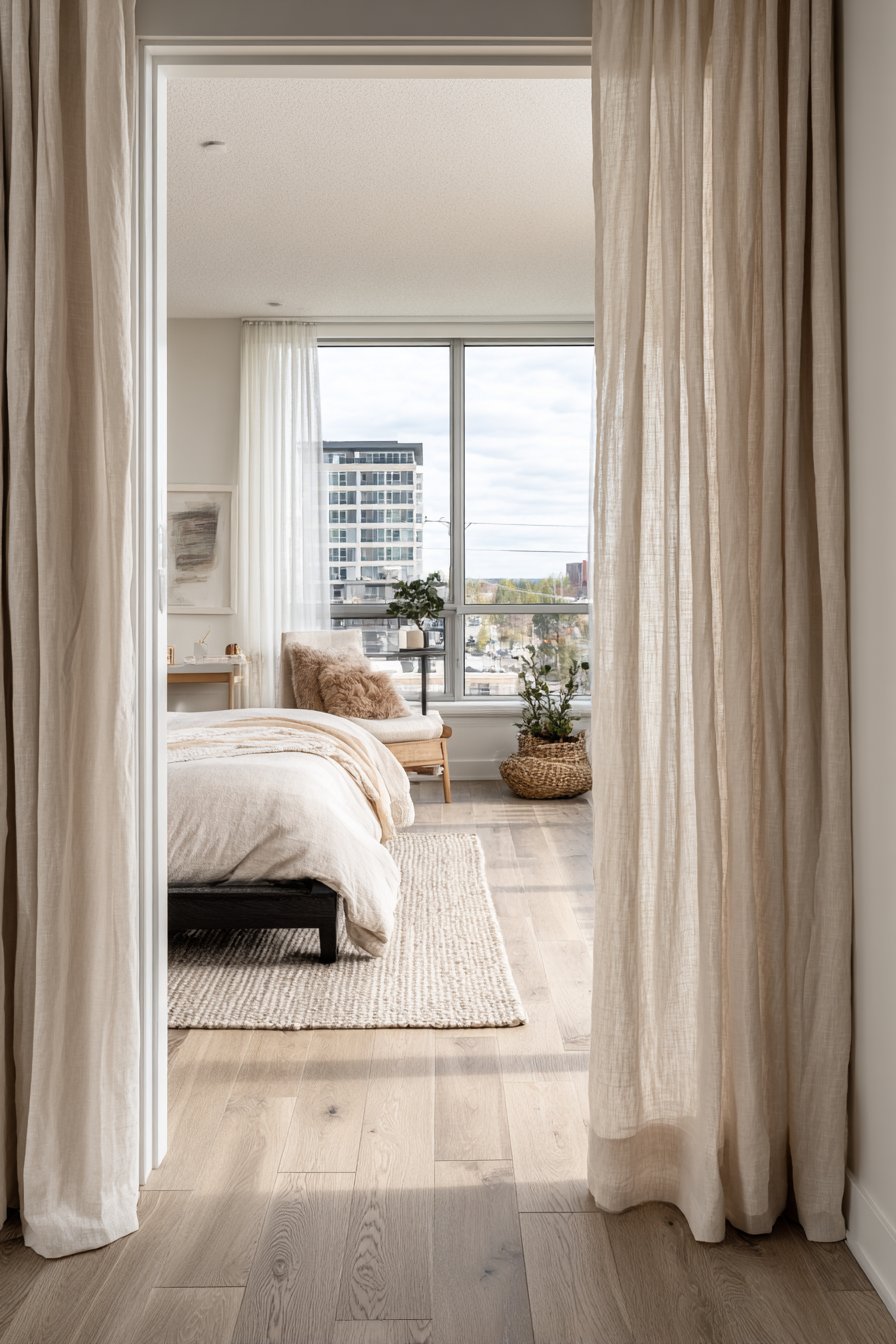
Consider how you actually use your bedroom throughout the day. Do you need easy access to your closet while getting dressed? Should the path to your bedside table be obstacle-free for late-night needs? Mapping out these functional requirements before arranging furniture prevents layout regrets and ensures your bedroom serves your actual lifestyle rather than just looking good in photos.
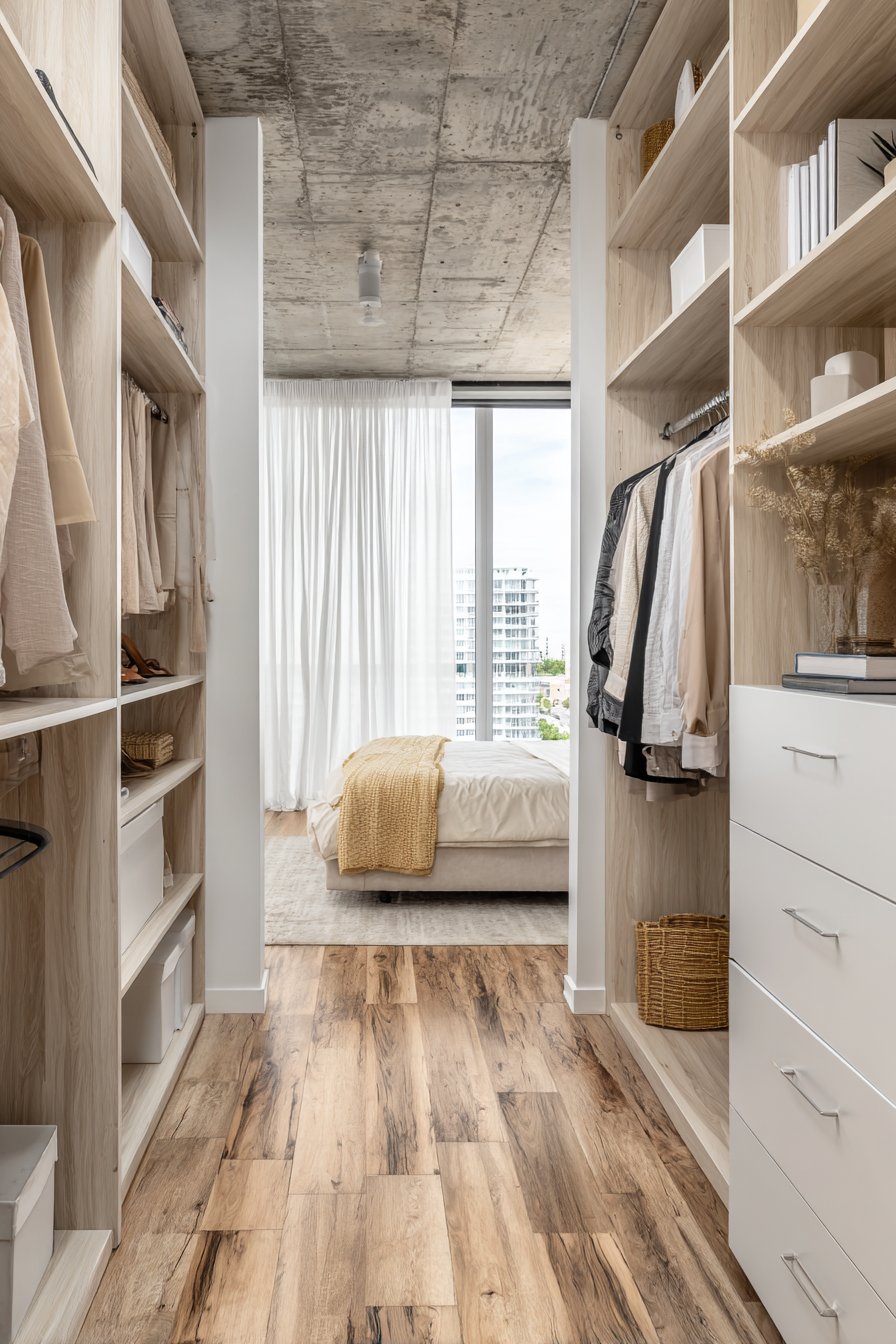
- Maintain 36 inches of clearance for primary walking paths
- Create direct routes from the door to the bed and closet
- Avoid placing furniture that forces you to walk around it constantly
- Test your layout by physically walking through different scenarios
- Consider nighttime navigation when lights are off
- Leave space for doors to swing open fully without hitting furniture
3. Ignoring Proper Furniture Scale and Proportion
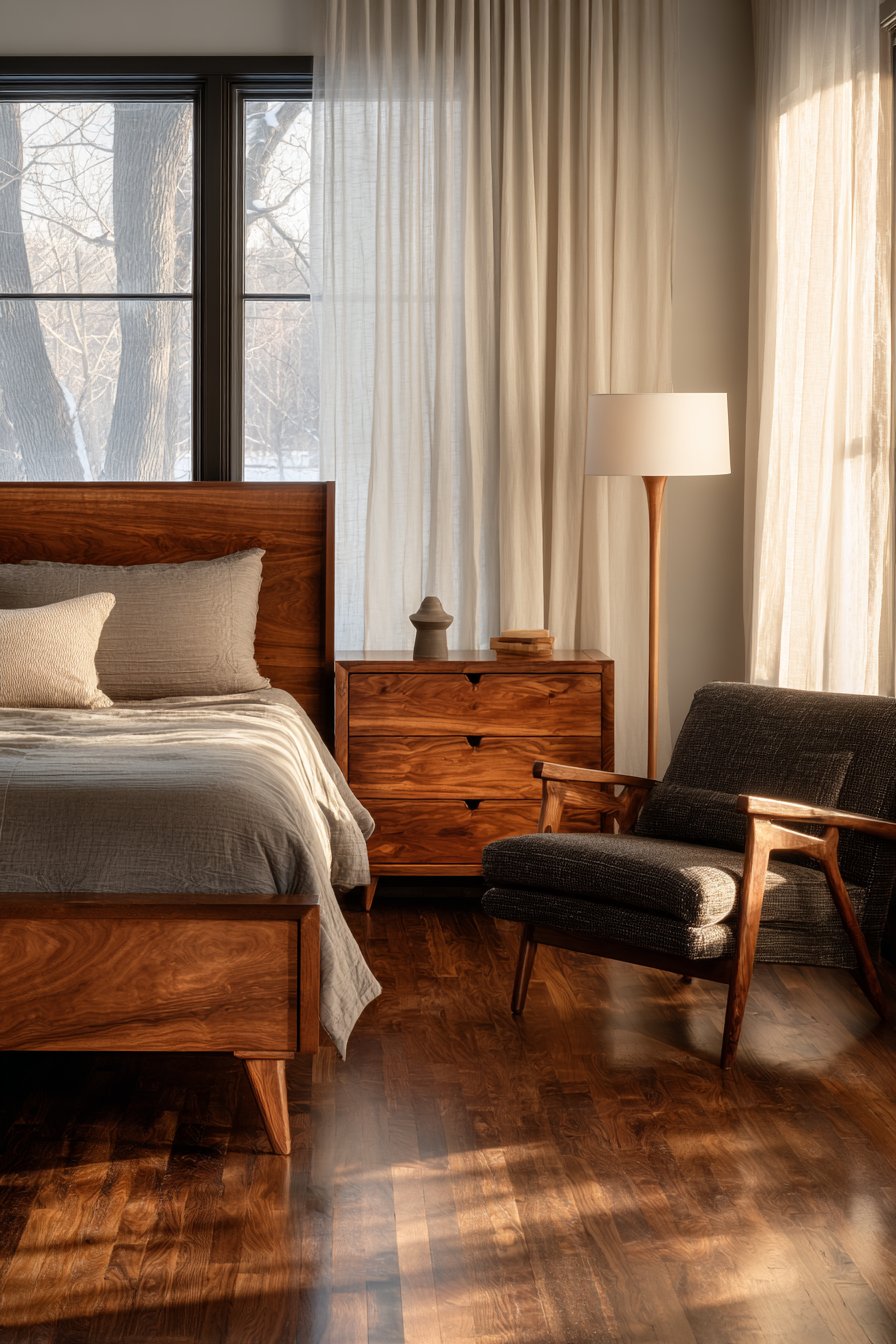
Selecting furniture that’s dramatically oversized or undersized for your bedroom creates visual imbalance and functional problems. A king bed in a 10×10 room leaves no space for essential pieces like nightstands or dressers. Conversely, a small double bed in a spacious master suite looks lost and fails to anchor the room properly.
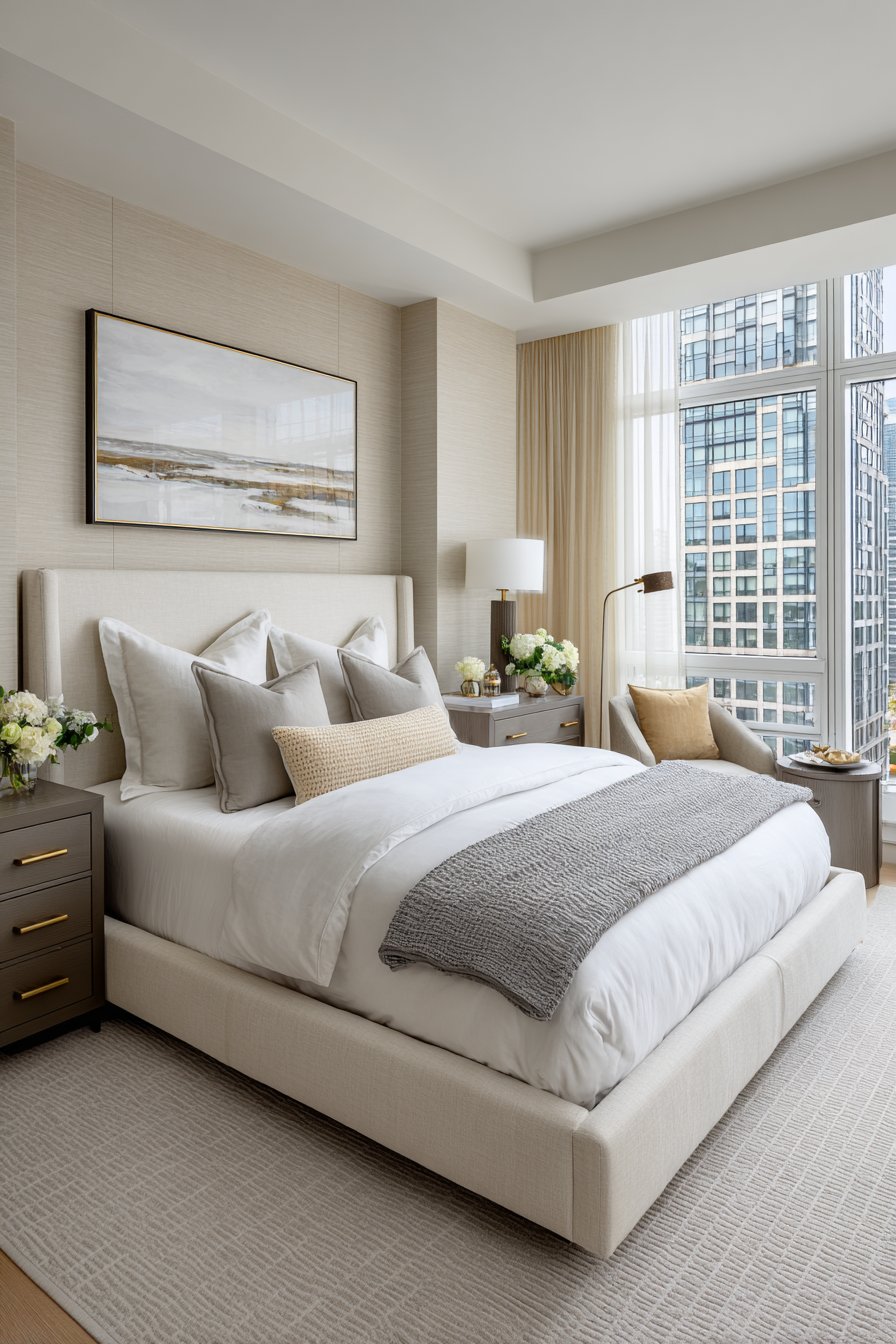
Proportion extends beyond just the bed to all bedroom furniture. Mismatched scale between pieces—like pairing a massive armoire with delicate bedside tables—creates visual discord. Your furniture should relate harmoniously in size, weight, and presence to create a cohesive design that feels intentional rather than random.
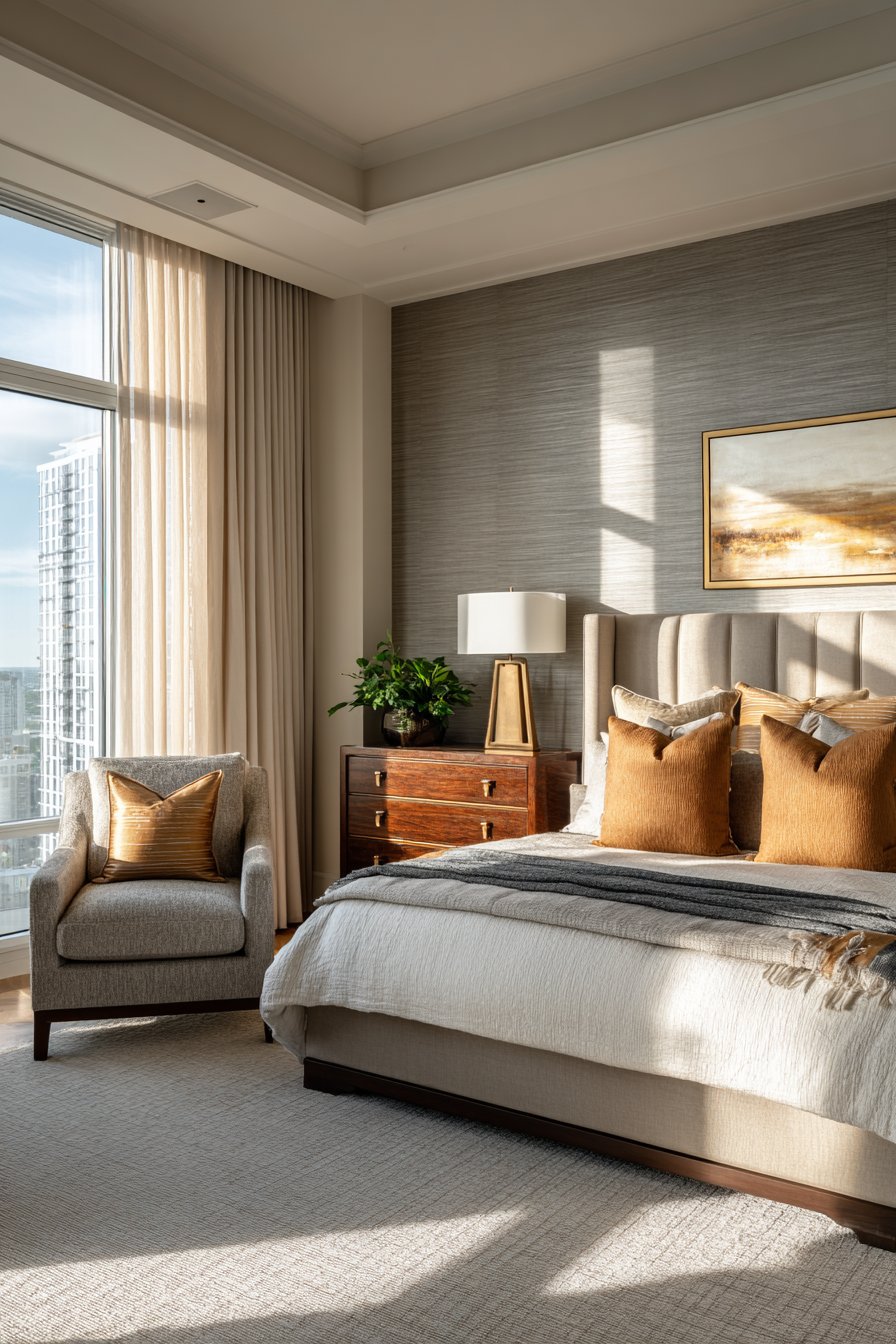
Professional designers use the two-thirds rule for bed placement: your bed should occupy roughly two-thirds of the wall length it’s positioned against. This creates proper visual weight without overwhelming the space. Similarly, nightstands should relate to bed height, typically matching or sitting slightly below mattress level for functional comfort and aesthetic balance.
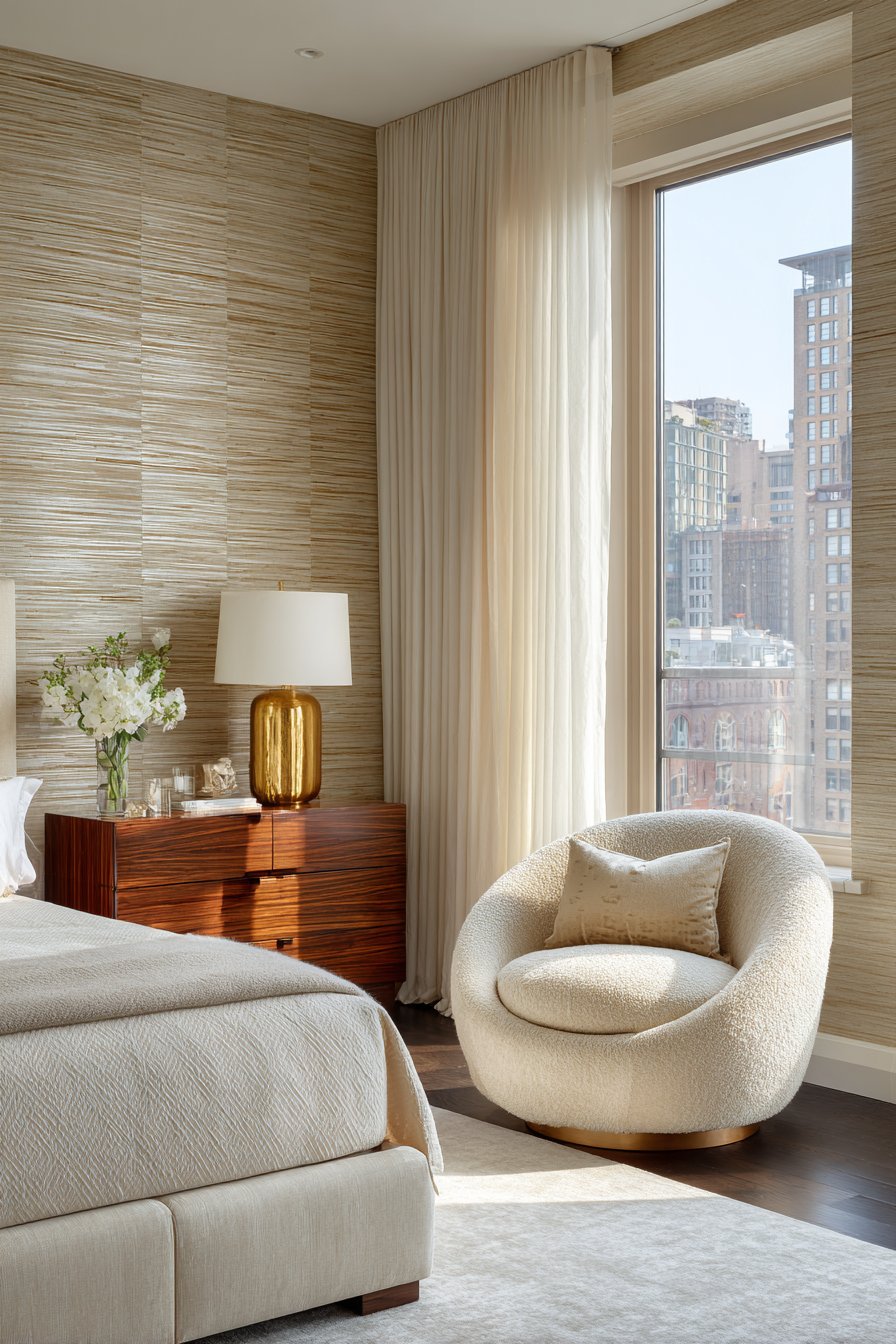
- Measure your room dimensions before purchasing any furniture pieces
- Allow for 24-30 inches of clearance on each side of the bed
- Choose nightstands that are proportional to your bed’s height and scale
- Ensure your dresser or wardrobe fits with at least 36 inches in front
- Consider furniture with smaller footprints for rooms under 120 square feet
- Use tape on the floor to visualize furniture dimensions before buying
4. Neglecting Adequate Lighting Layers
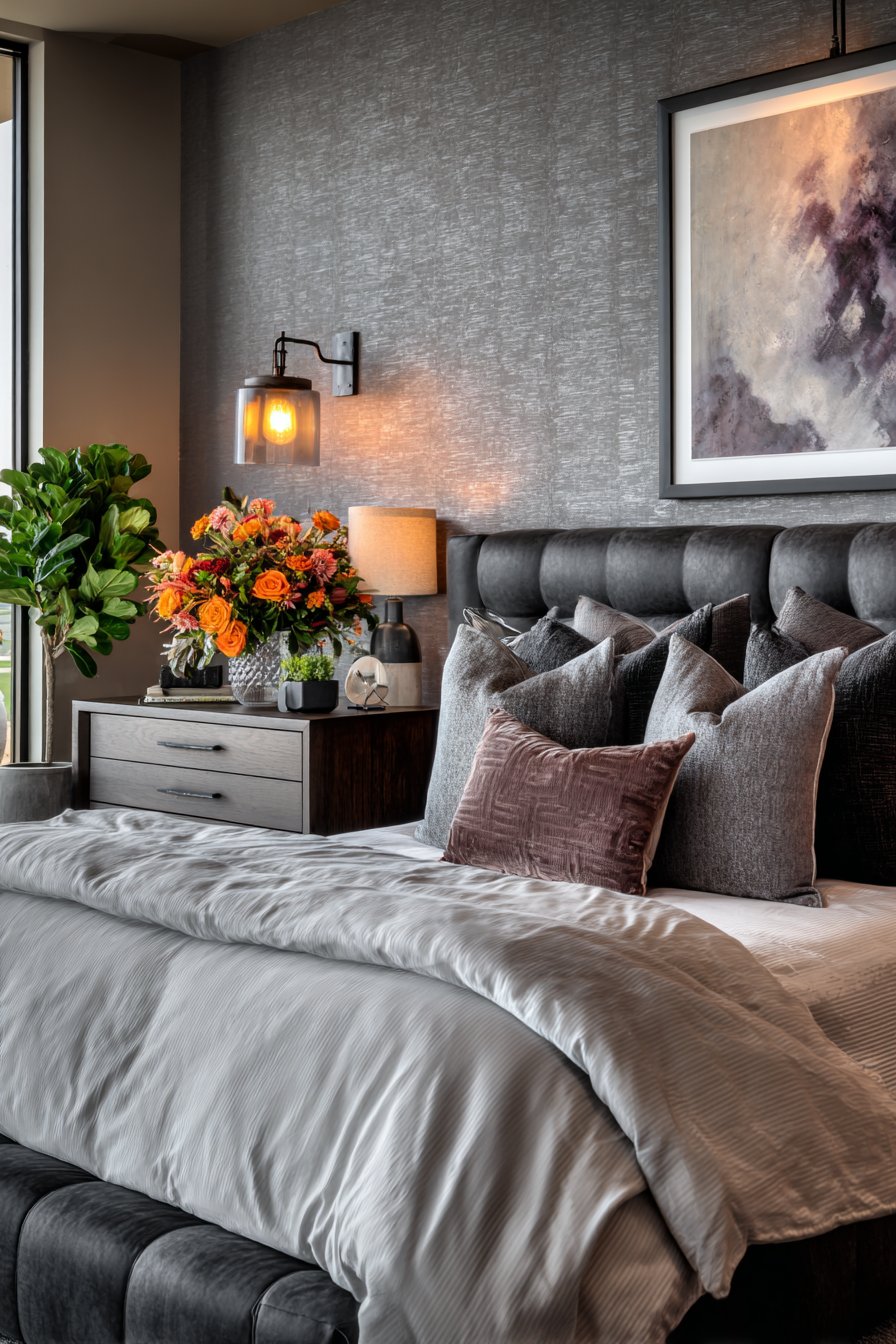
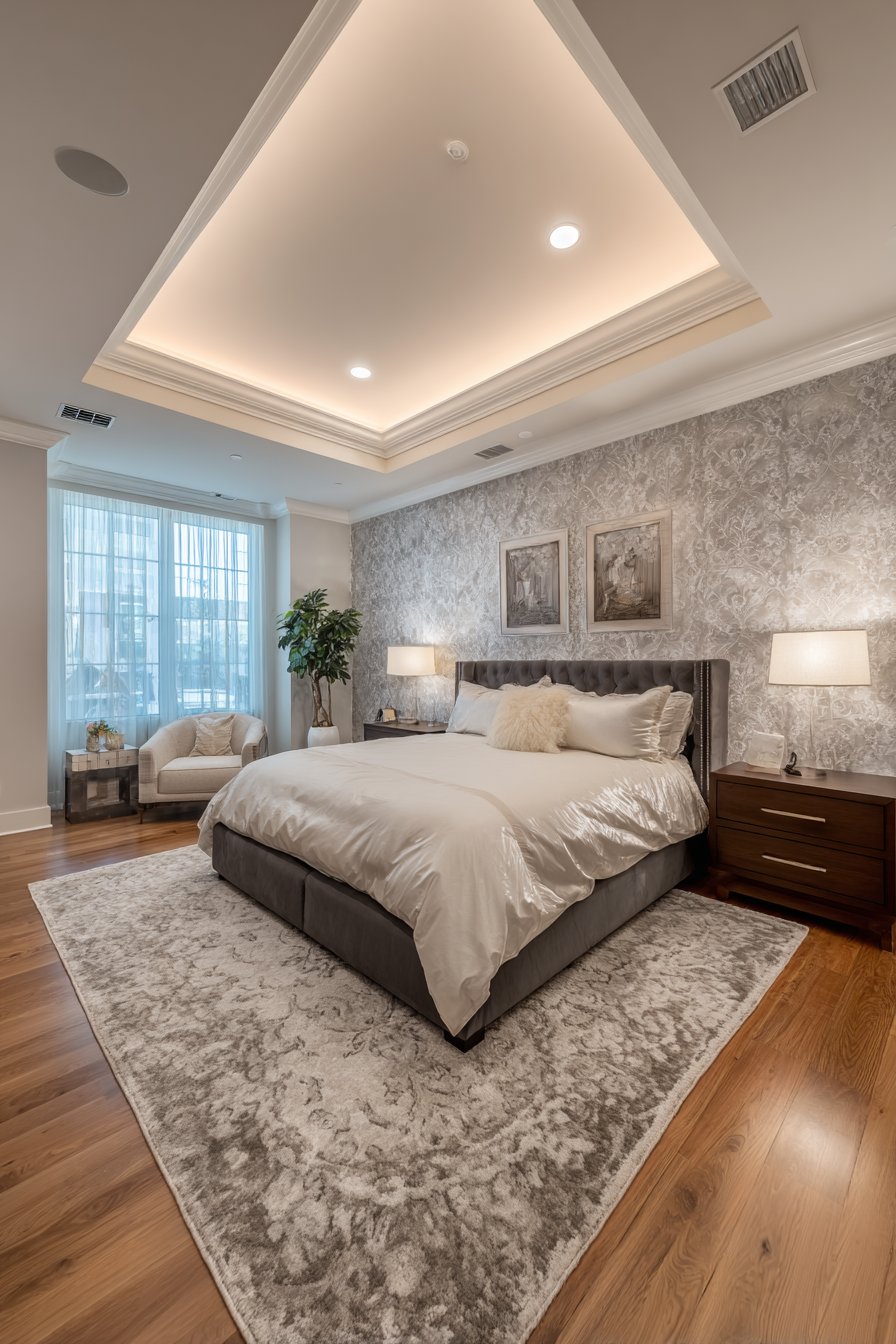
Relying solely on harsh overhead lighting is a critical bedroom mistake that destroys ambiance and functionality. A single ceiling fixture creates unflattering shadows, offers no flexibility for different activities, and fails to support the varied lighting needs of a multi-functional bedroom space. Your bedroom requires multiple light sources at different heights and intensities.
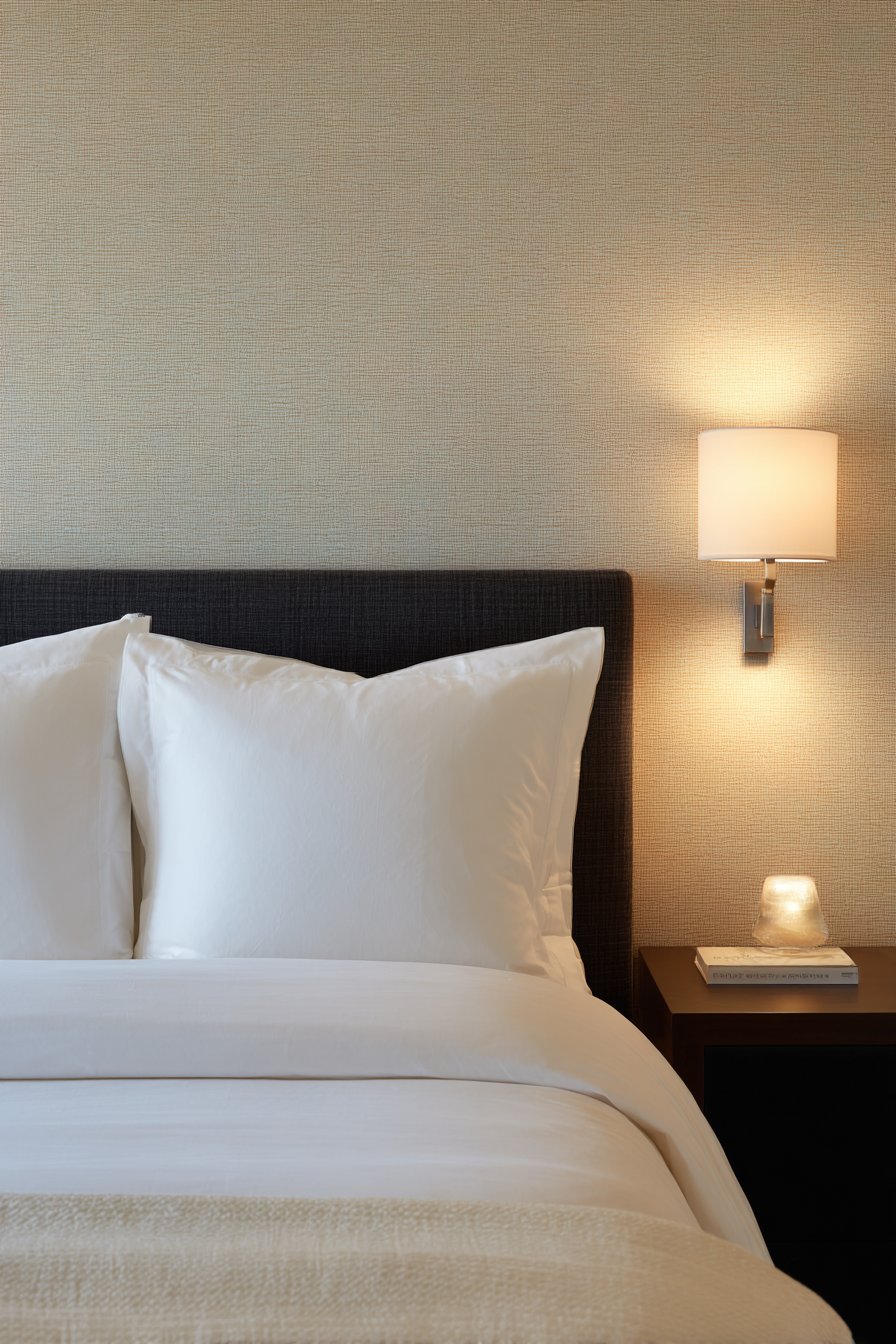
Proper bedroom lighting includes three essential layers: ambient, task, and accent lighting. Ambient light provides overall illumination, task lighting supports specific activities like reading, and accent lighting creates mood and highlights architectural features. Each layer serves distinct purposes and should be independently controlled through dimmer switches or separate circuits.
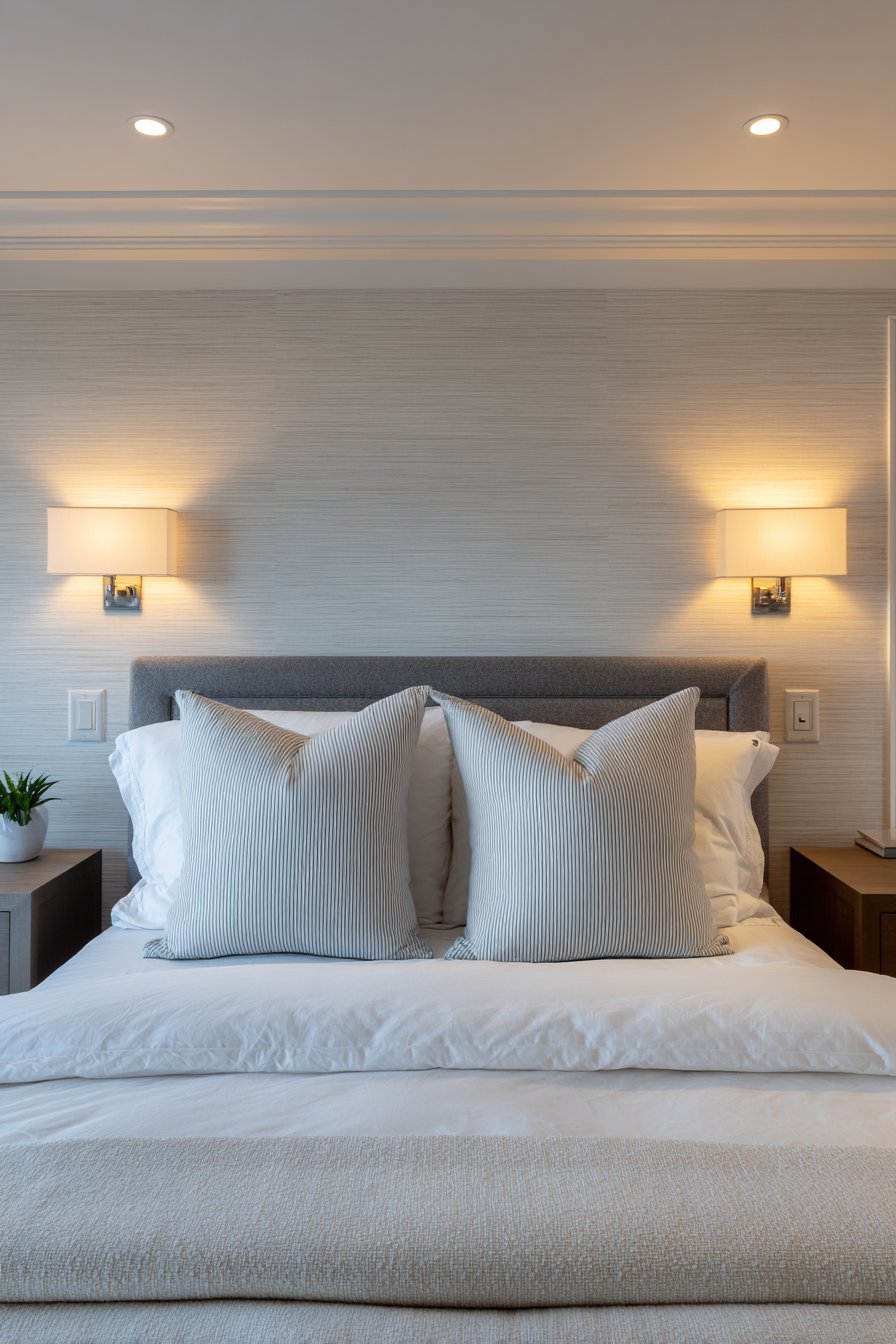
Many people also position their lighting incorrectly. Bedside lamps placed too far from the bed create awkward reaching, while lights positioned too close cast shadows on reading material. The ideal configuration includes bedside task lights at 24-27 inches above the mattress, providing adequate illumination without disturbing a sleeping partner when one person reads.
- Install dimmer switches for all overhead lighting fixtures
- Add bedside lamps or wall-mounted reading lights on both sides
- Include ambient lighting through ceiling fixtures or recessed cans
- Consider floor lamps in corners for additional layered lighting
- Use accent lighting to highlight artwork or architectural details
- Ensure all switches are accessible from both the door and bed
5. Overlooking Storage and Closet Accessibility
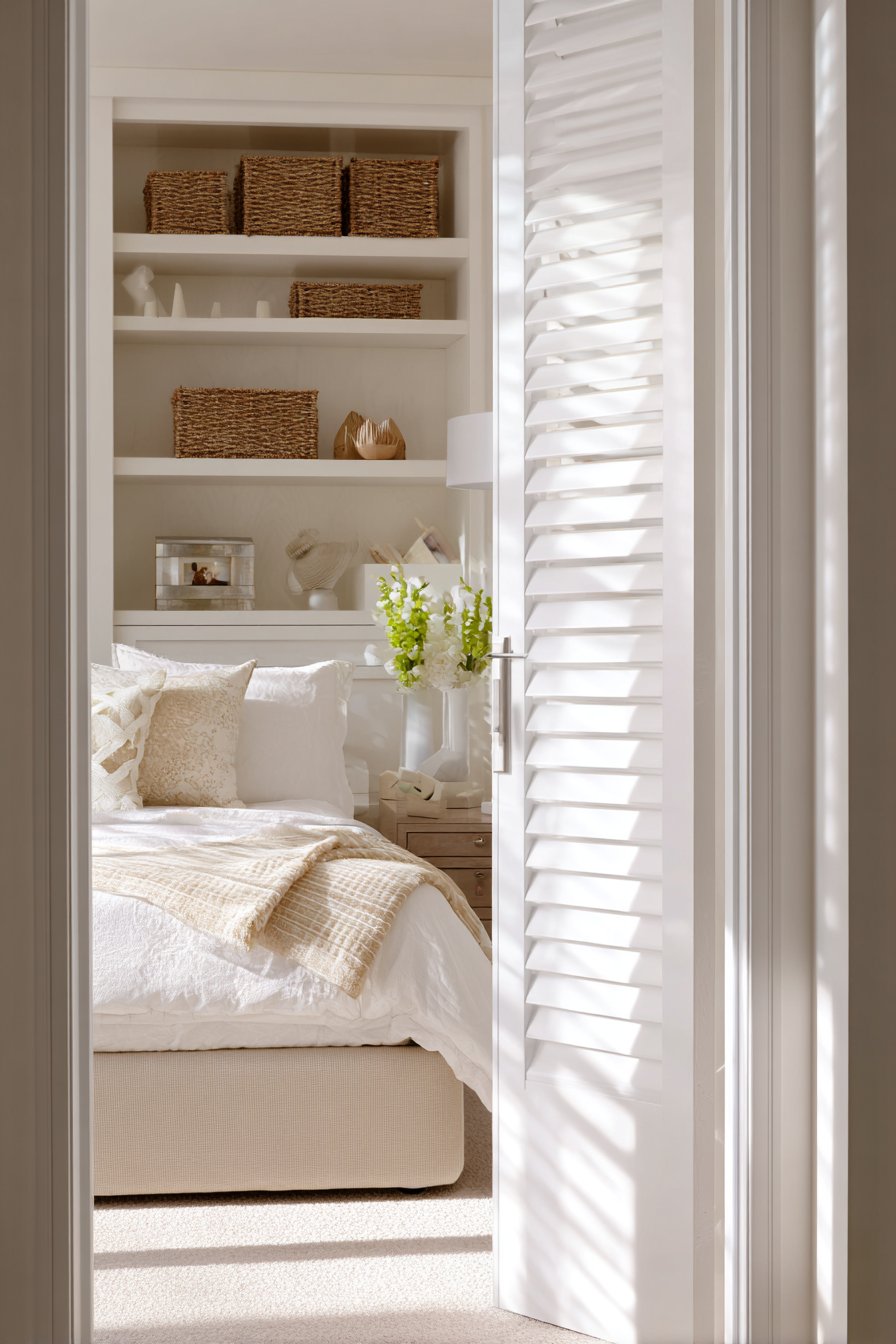
Inadequate storage planning leads to cluttered, chaotic bedrooms that feel smaller and more stressful than necessary. When you don’t designate proper homes for clothing, linens, and personal items, they accumulate on surfaces, chairs, and floors. This visual chaos directly impacts sleep quality and morning routines by creating a sense of disorder.
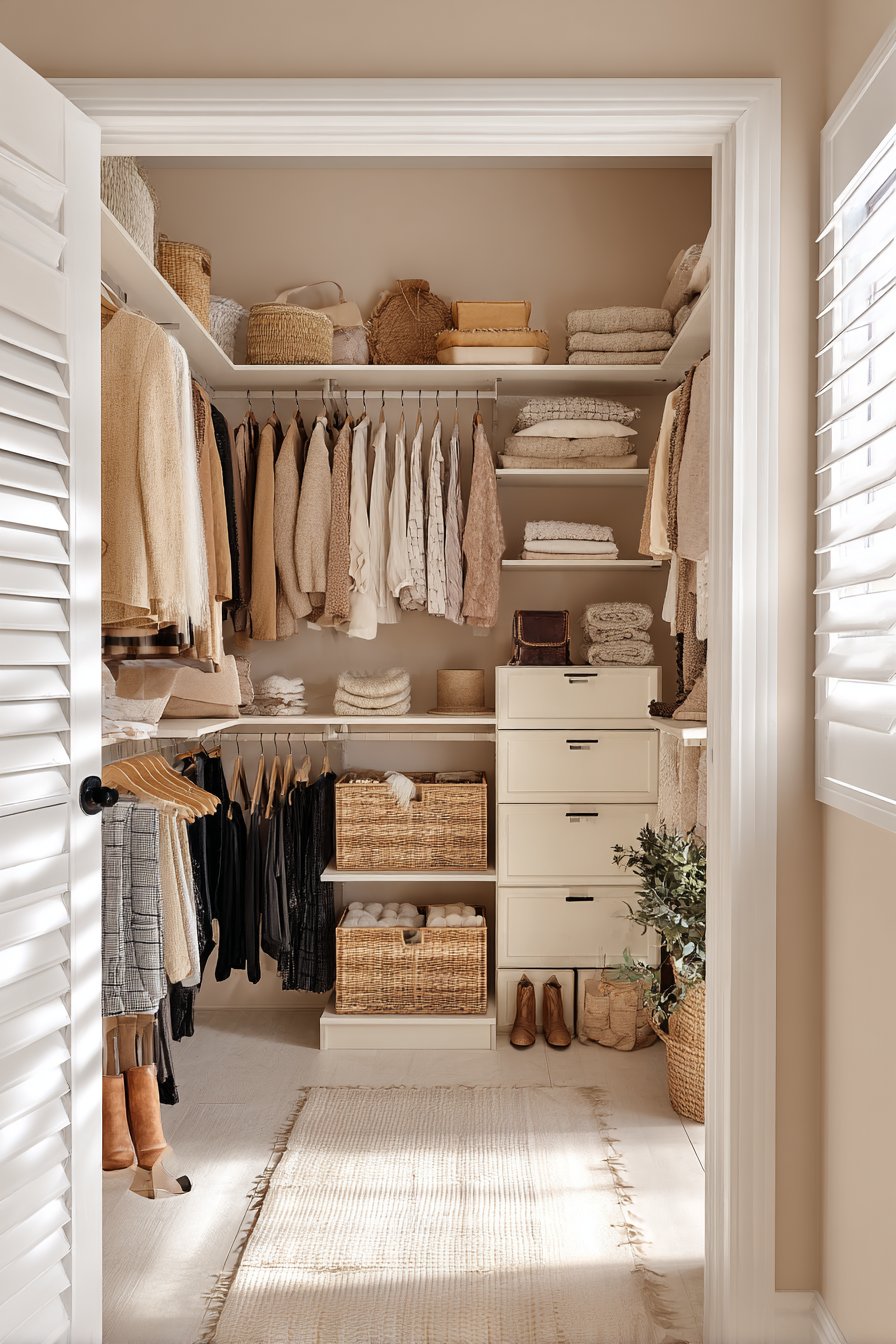
The placement of storage furniture is equally important as the amount. Positioning your dresser across the room from your closet creates inefficient morning routines that waste time and energy. Similarly, blocking closet doors with furniture forces awkward maneuvering every time you need to access clothing or linens stored inside.
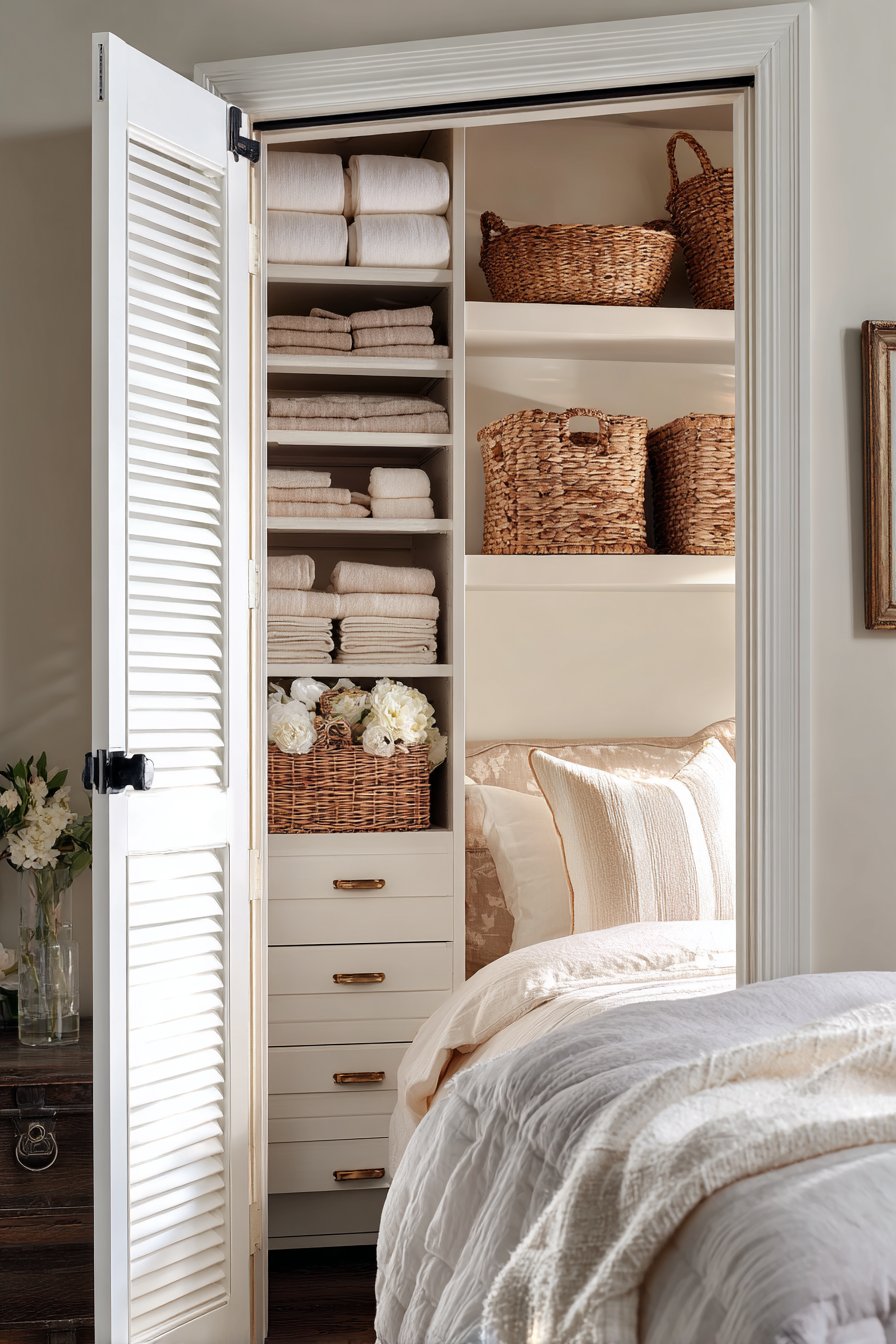
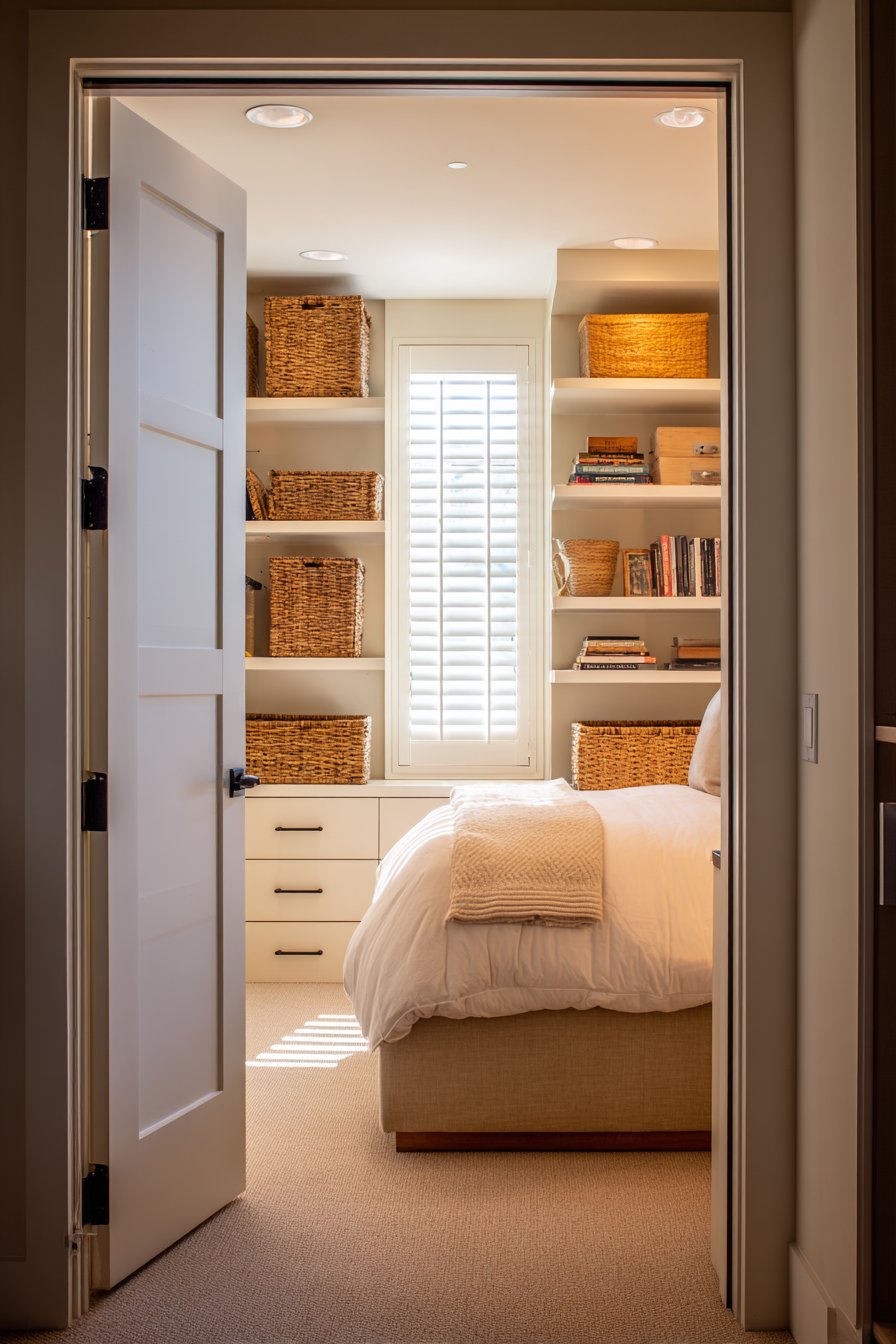
Think vertically when space is limited. Wall-mounted storage solutions like floating shelves, hooks, and hanging organizers maximize storage capacity without consuming valuable floor space. Under-bed storage containers and storage ottomans provide hidden organization while multi-functional furniture like storage beds combines sleeping and storage needs in a single footprint.
- Position dressers within easy reach of your closet for efficient dressing
- Ensure closet doors can open fully without hitting other furniture
- Maximize vertical space with tall bookshelves and wall-mounted storage
- Use the space under your bed for out-of-season clothing or extra linens
- Install hooks on walls or doors for frequently worn items
- Consider built-in storage solutions for awkward nooks and corners
6. Creating a Technology-Heavy Sleep Environment
Modern bedrooms often become entertainment centers filled with televisions, computers, tablets, and gaming systems that undermine the room’s primary purpose: rest. The blue light emitted by screens disrupts natural circadian rhythms and suppresses melatonin production, making it harder to fall asleep and achieve deep, restorative rest throughout the night.
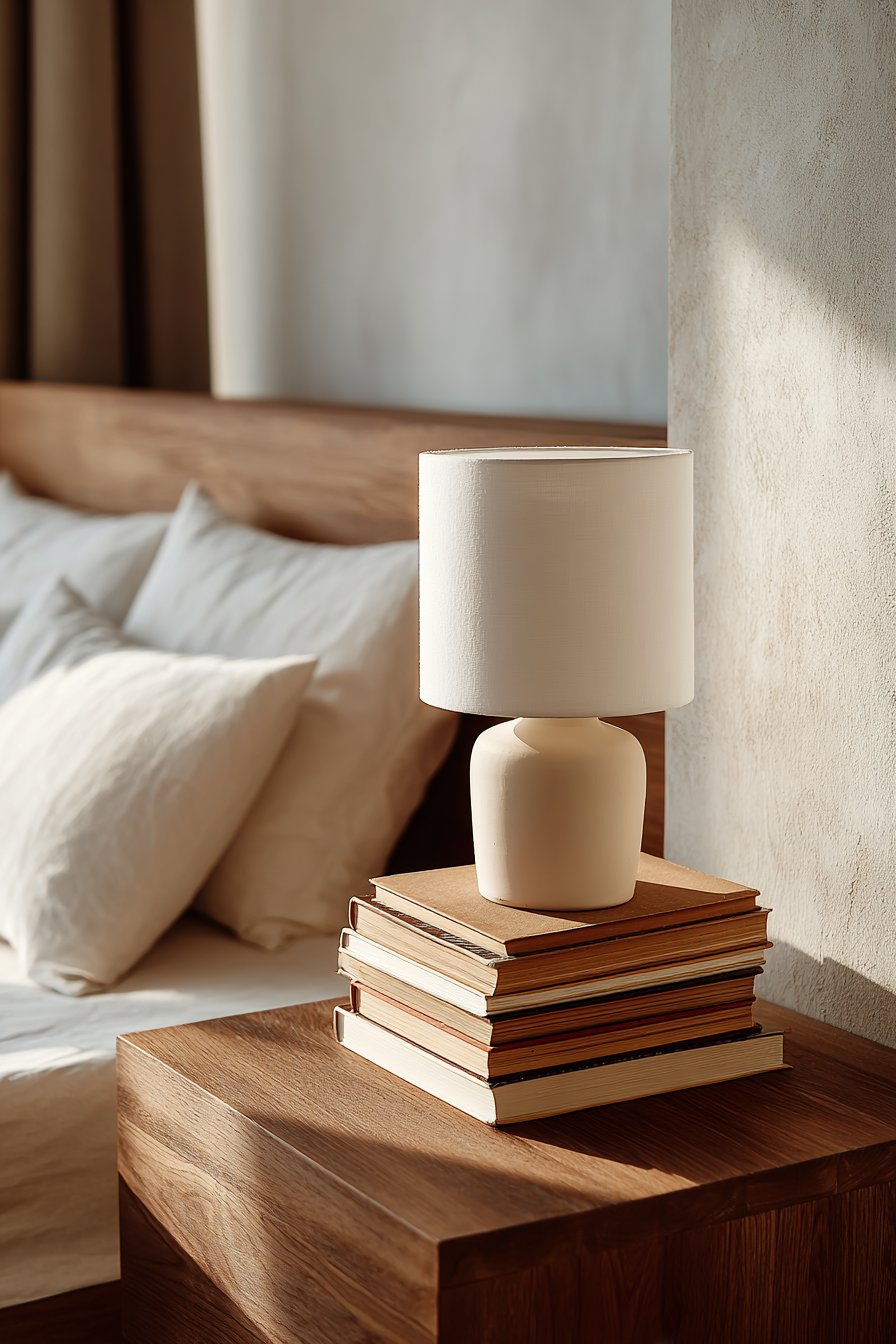
Beyond the physiological effects, technology placement creates visual clutter that keeps your mind active when it should be winding down. Large televisions mounted on walls facing the bed become focal points that compete with rest and relaxation. Charging stations on nightstands create tangled cords and blinking lights that disturb sleep environments even when devices aren’t actively in use.
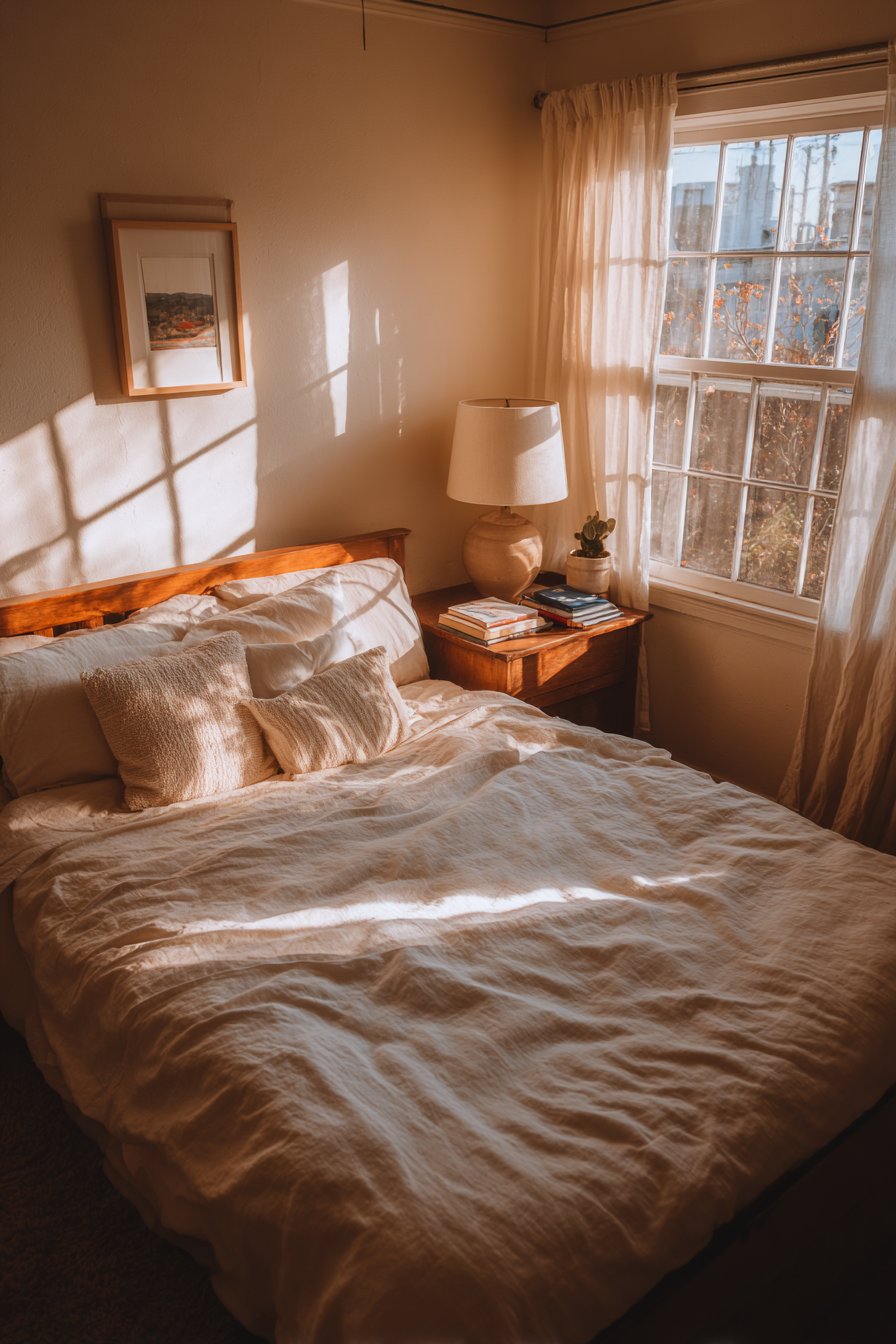
If removing technology entirely isn’t realistic for your lifestyle, strategic placement minimizes sleep disruption. Hide televisions in cabinets or position them so they’re not the first thing you see from bed. Designate charging stations in closets or dressing areas rather than on nightstands, and establish device-free zones immediately before bedtime to signal your brain that it’s time to rest.
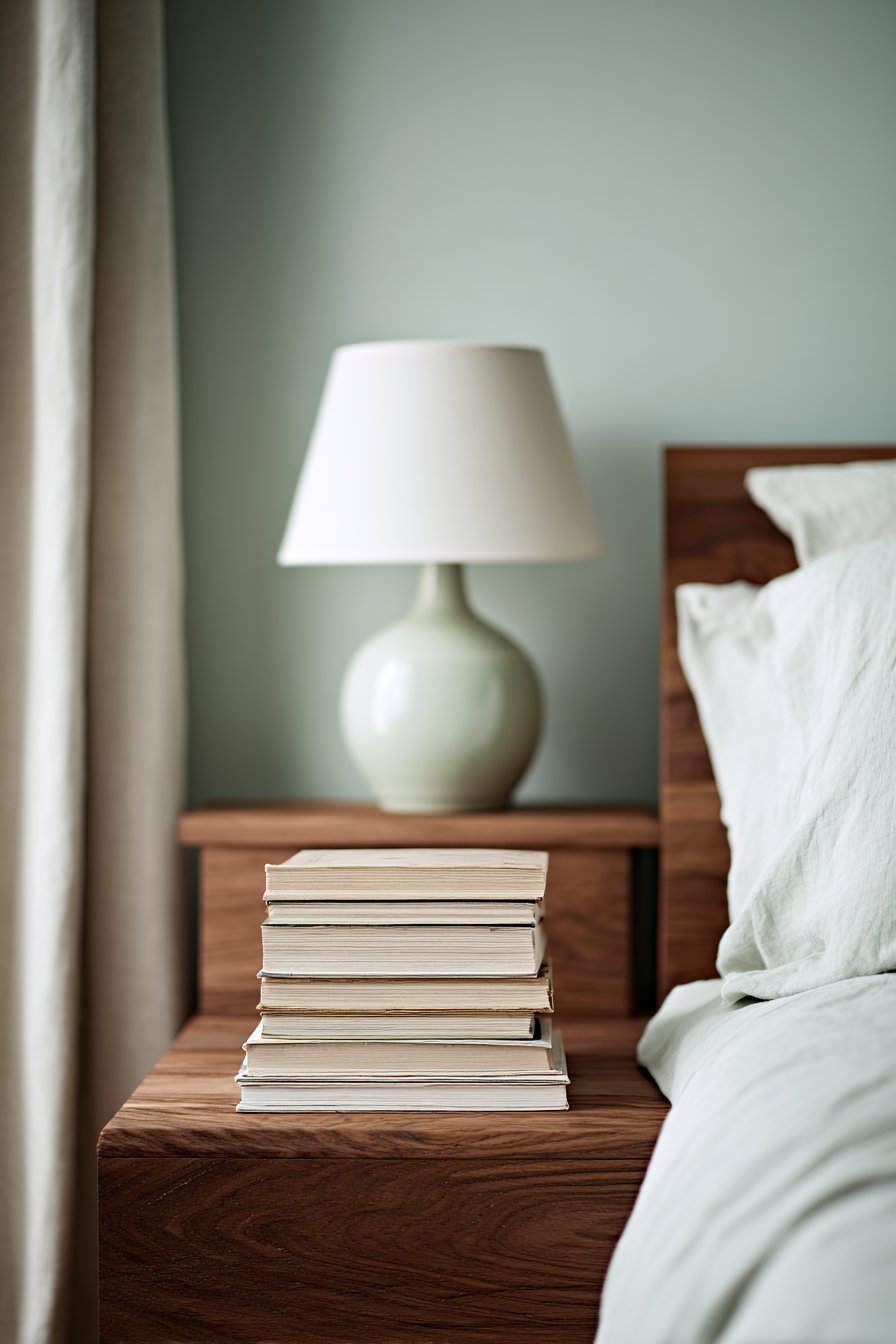
- Remove televisions from the bedroom or hide them in storage furniture
- Establish a charging station outside the bedroom for all devices
- Use alarm clocks instead of phones to reduce bedside screen time
- Install blackout curtains to eliminate light pollution from outside
- Create a device-free wind-down routine 30-60 minutes before sleep
- If technology is necessary, position it away from direct bed sightlines
7. Disregarding Balance and Symmetry
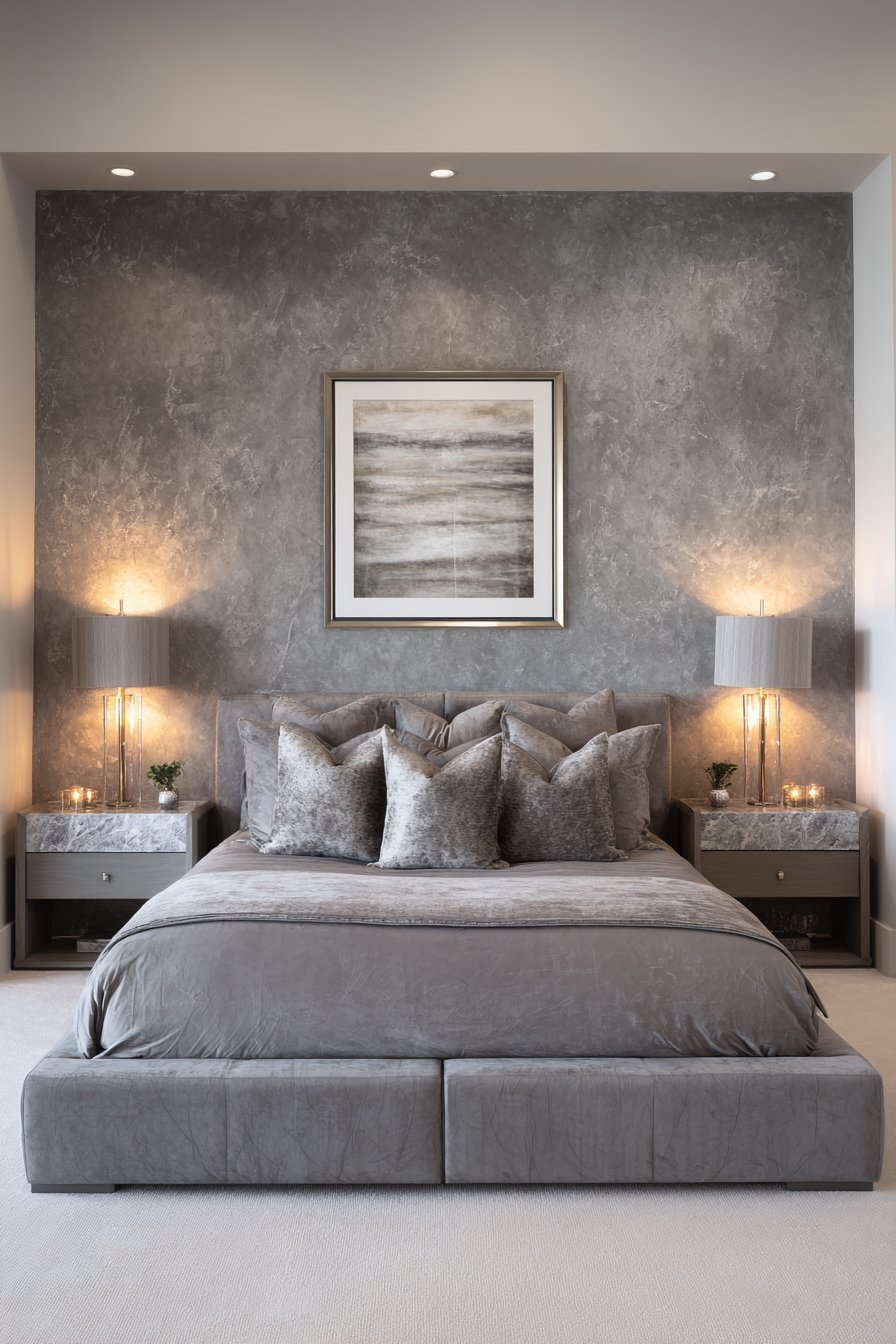
Asymmetrical bedroom layouts create visual tension that makes spaces feel unsettled and incomplete. When one side of the bed has a nightstand while the other doesn’t, or when artwork hangs off-center above the headboard, our brains register the imbalance even if we can’t consciously identify the problem. This subtle discord affects how comfortable and restful the room feels.
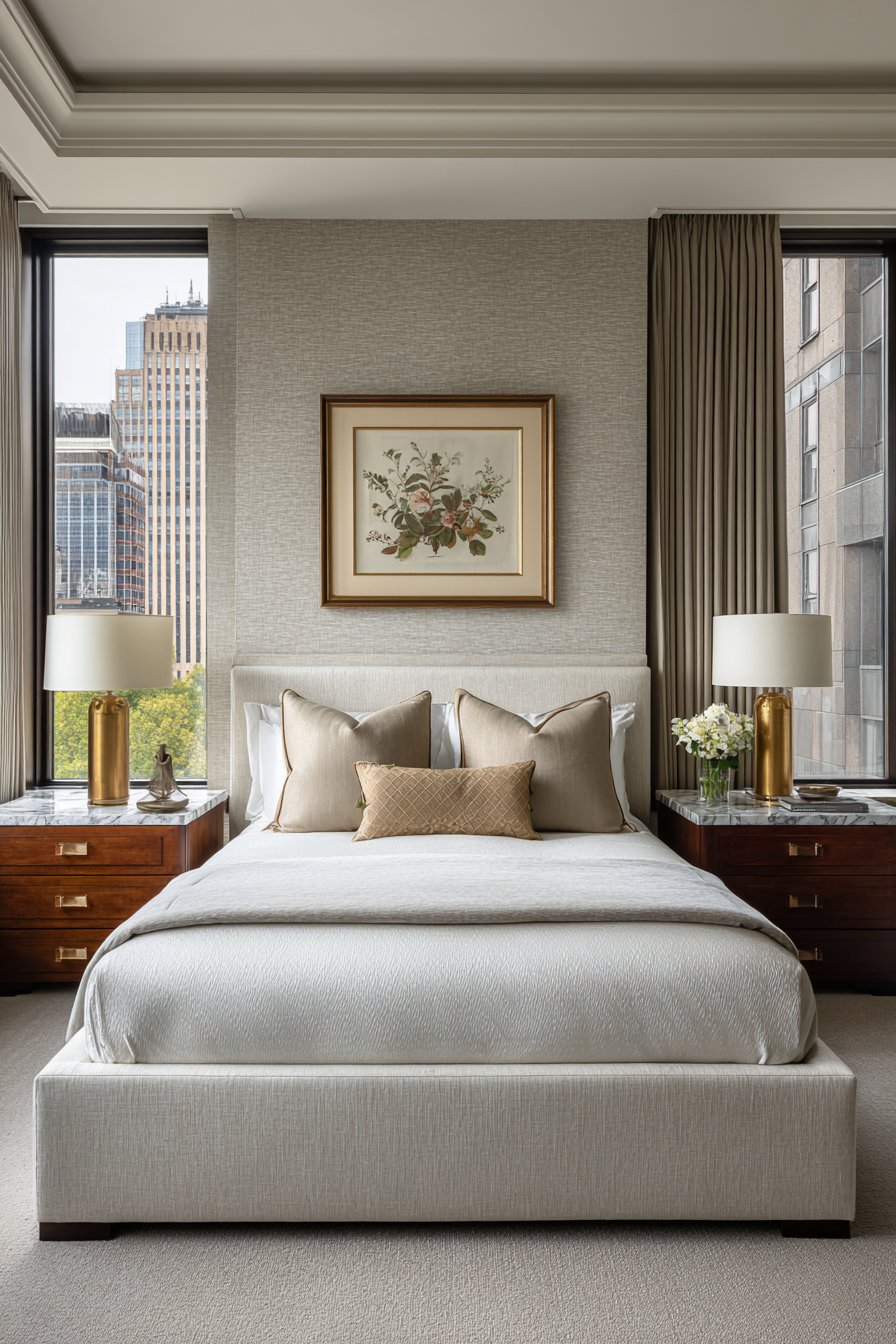
Balance doesn’t require perfect mirror-image symmetry, but it does demand visual weight distribution. If one side has a tall dresser, the other side needs something of similar visual heft—perhaps a chair and floor lamp combination. The goal is creating equilibrium that feels intentional and harmonious rather than haphazard or incomplete.
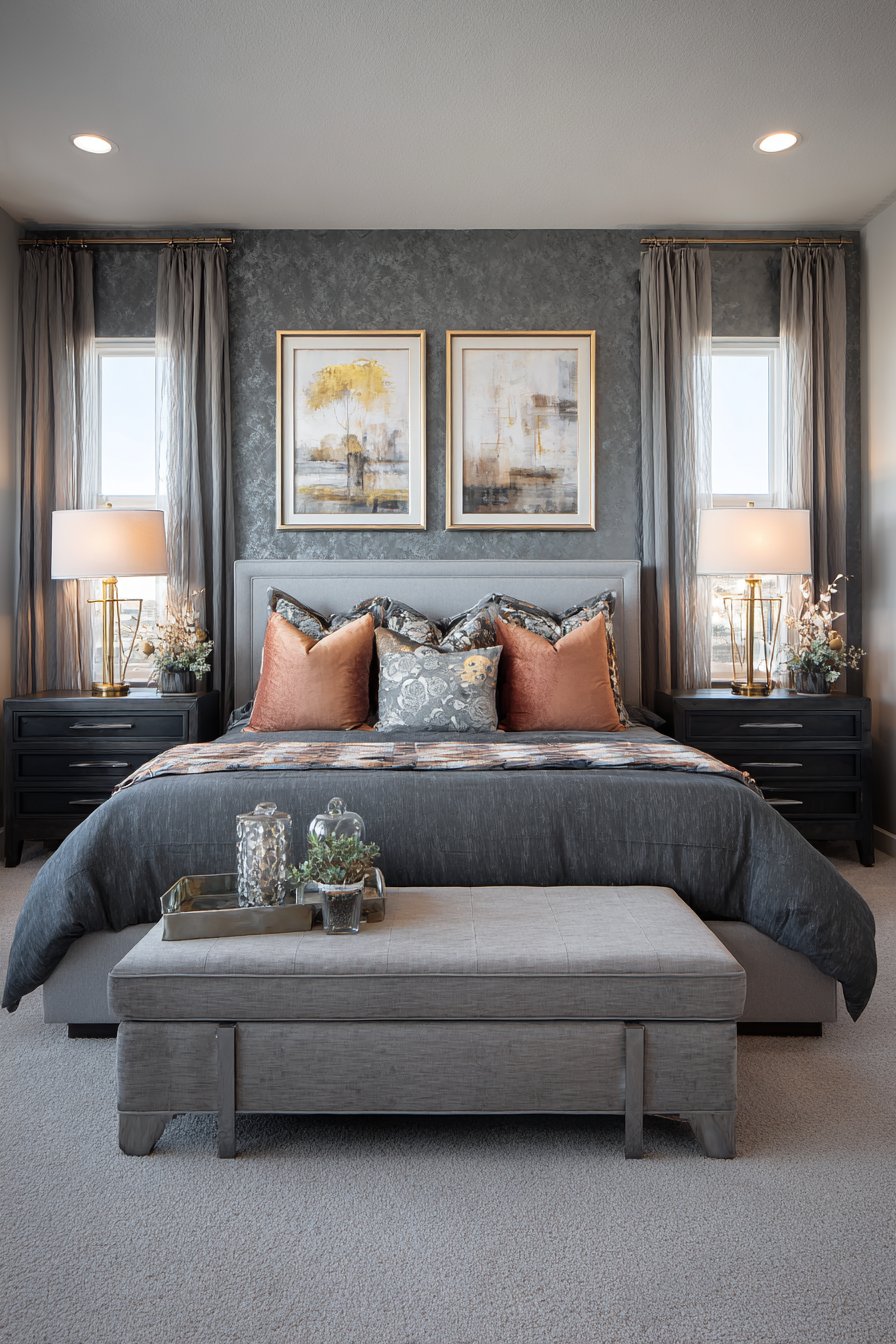
Symmetry particularly matters in bedroom design because this room serves as our personal sanctuary. The psychological impact of balanced, orderly spaces promotes calmness and rest. Even small adjustments like adding matching lamps, centering the bed on the wall, or hanging artwork at consistent heights create significant improvements in how peaceful your bedroom feels.
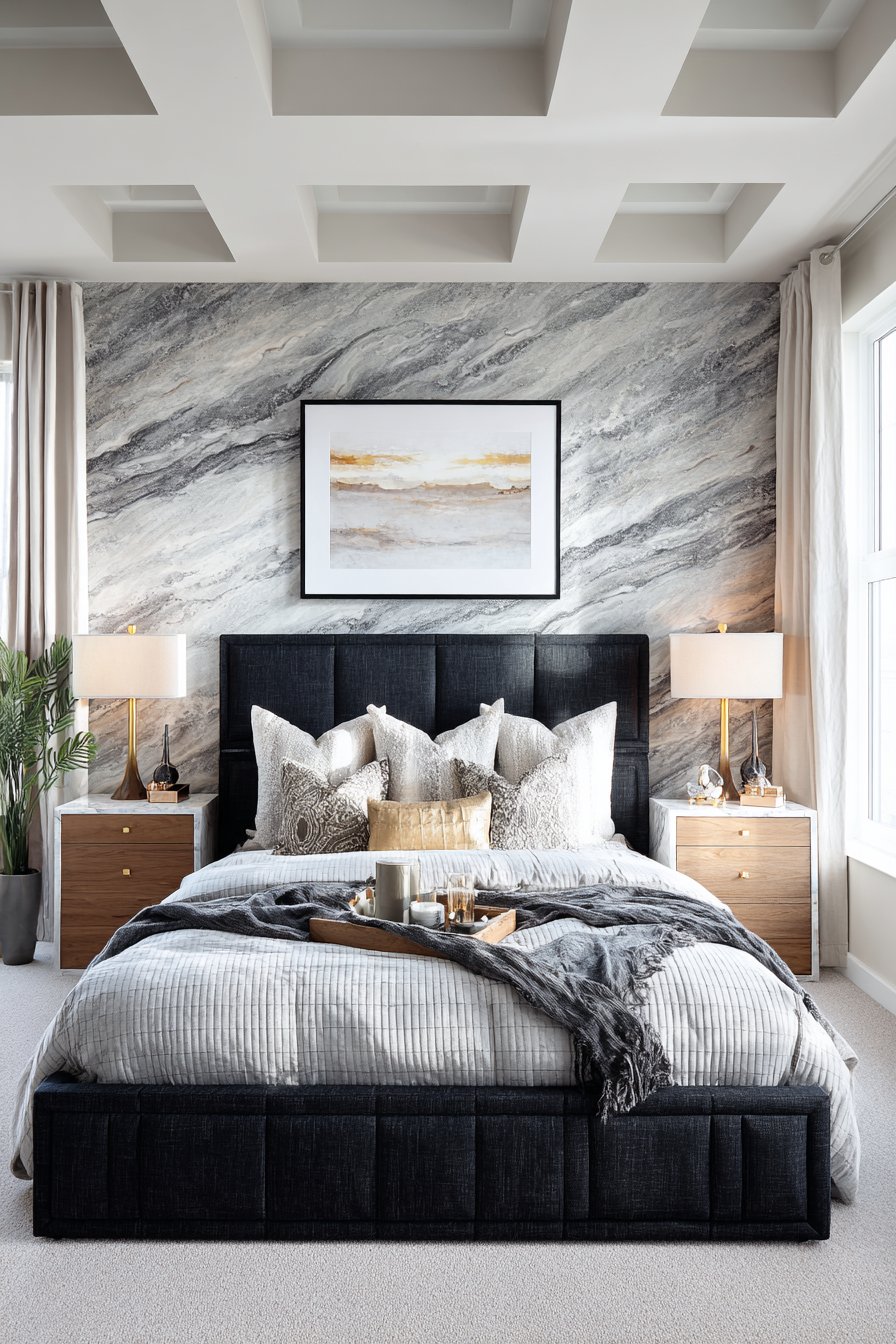
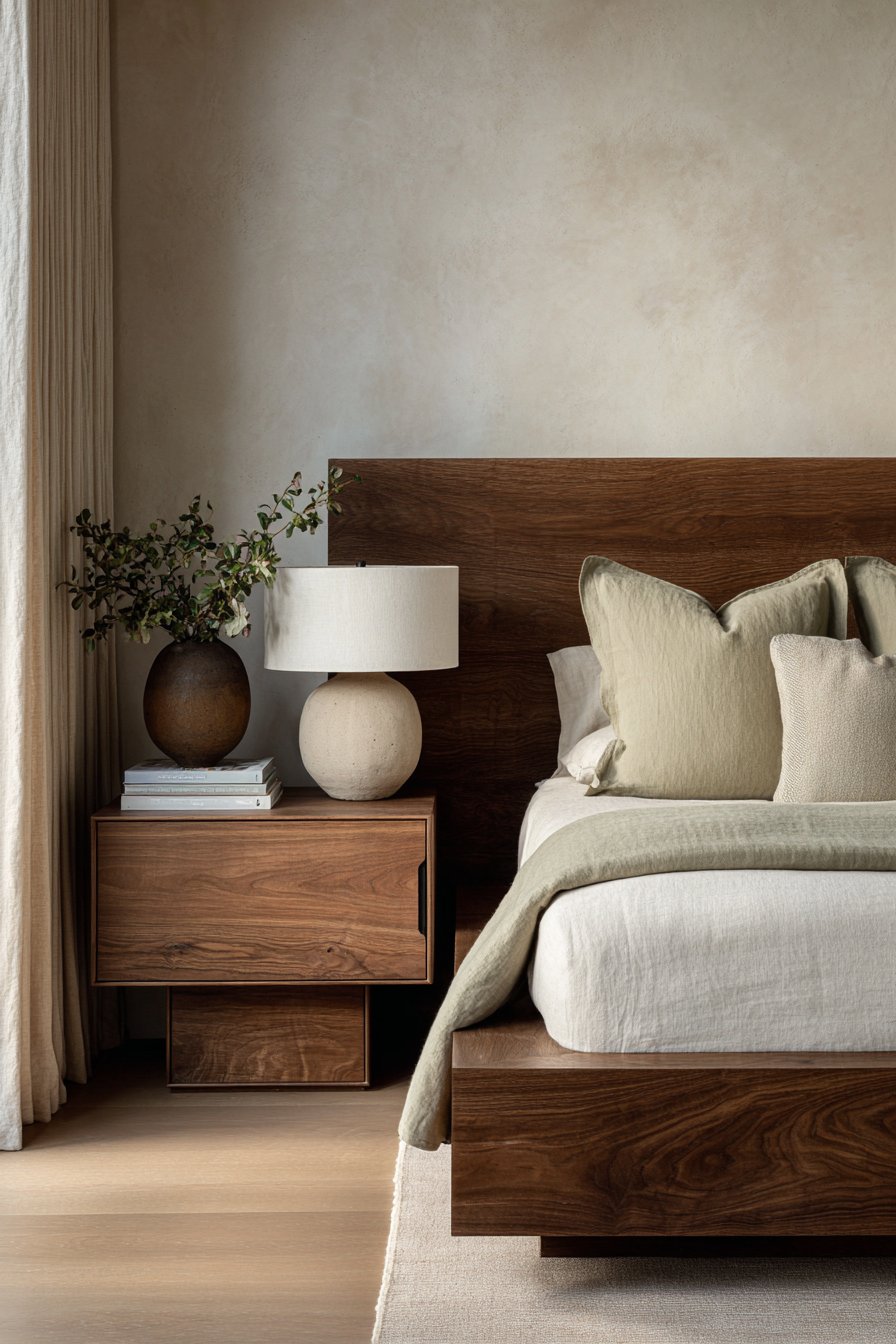
- Place matching nightstands and lamps on both sides of the bed
- Center your bed on the wall it’s positioned against whenever possible
- Hang artwork or mirrors at consistent heights and balanced positions
- Distribute visual weight evenly across the room’s layout
- Use pairs of decorative elements to create intentional symmetry
- Ensure window treatments are identical on multiple windows in the space
Conclusion
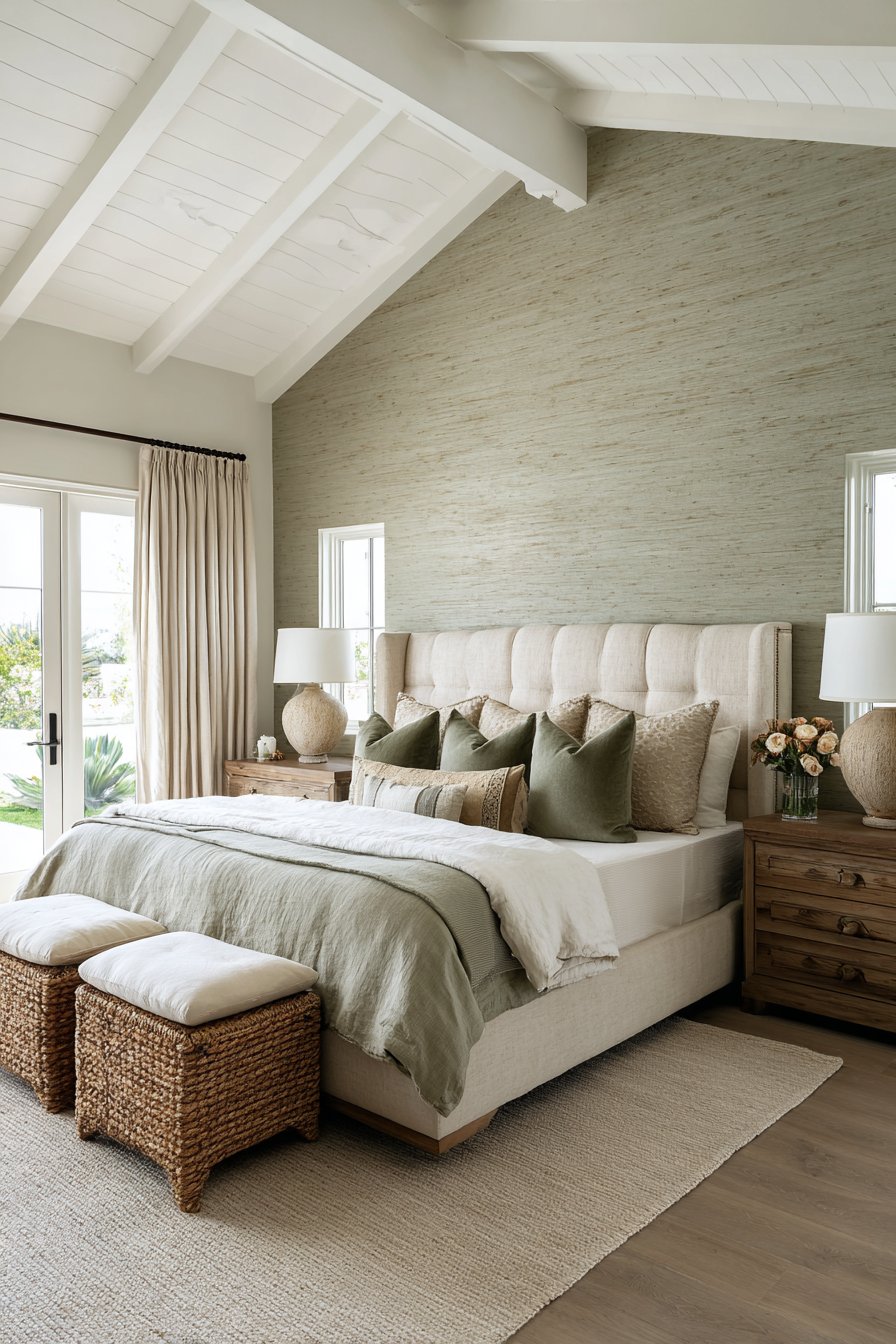
Avoiding these seven common bedroom layout mistakes transforms your sleep space from merely functional to truly restorative. Thoughtful spatial planning that considers traffic flow, proper scale, adequate lighting, and balanced design creates environments that actively support better rest and daily routines. Small adjustments to furniture placement and room organization can yield dramatic improvements in both comfort and aesthetics.
Remember that your bedroom should evolve with your needs and lifestyle changes. Don’t hesitate to experiment with different arrangements until you discover what works best for your space. By applying these professional design principles, you’ll create a bedroom that serves as the peaceful sanctuary you deserve—a space that welcomes you home each evening and sets you up for success each morning.