


Choosing the right bed can transform your bedroom from cramped to comfortable. The debate between platform beds and traditional beds extends beyond aesthetics. It fundamentally impacts how you utilize every square foot of your sleeping space. Understanding the spatial dynamics of each bed type empowers you to make informed decisions that align with your lifestyle and room dimensions.
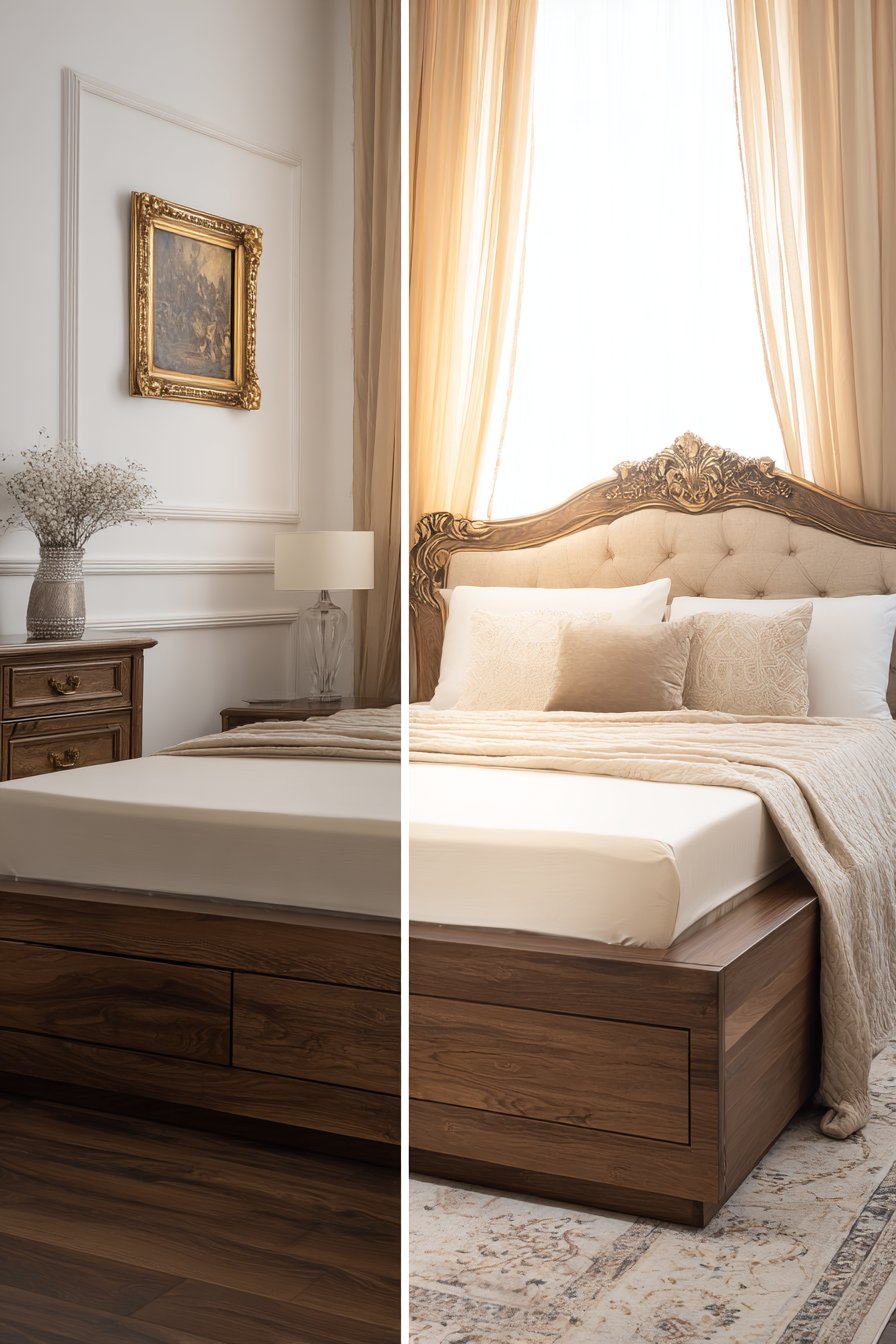
Modern living spaces continue to shrink, making efficient furniture choices more critical than ever. Platform beds and traditional beds each offer distinct advantages for space optimization. This comprehensive guide examines both options through the lens of spatial efficiency, storage potential, and overall bedroom functionality. Whether you’re furnishing a studio apartment or redesigning a master suite, the right bed choice creates room to breathe.

1. Understanding Platform Bed Design and Space Efficiency
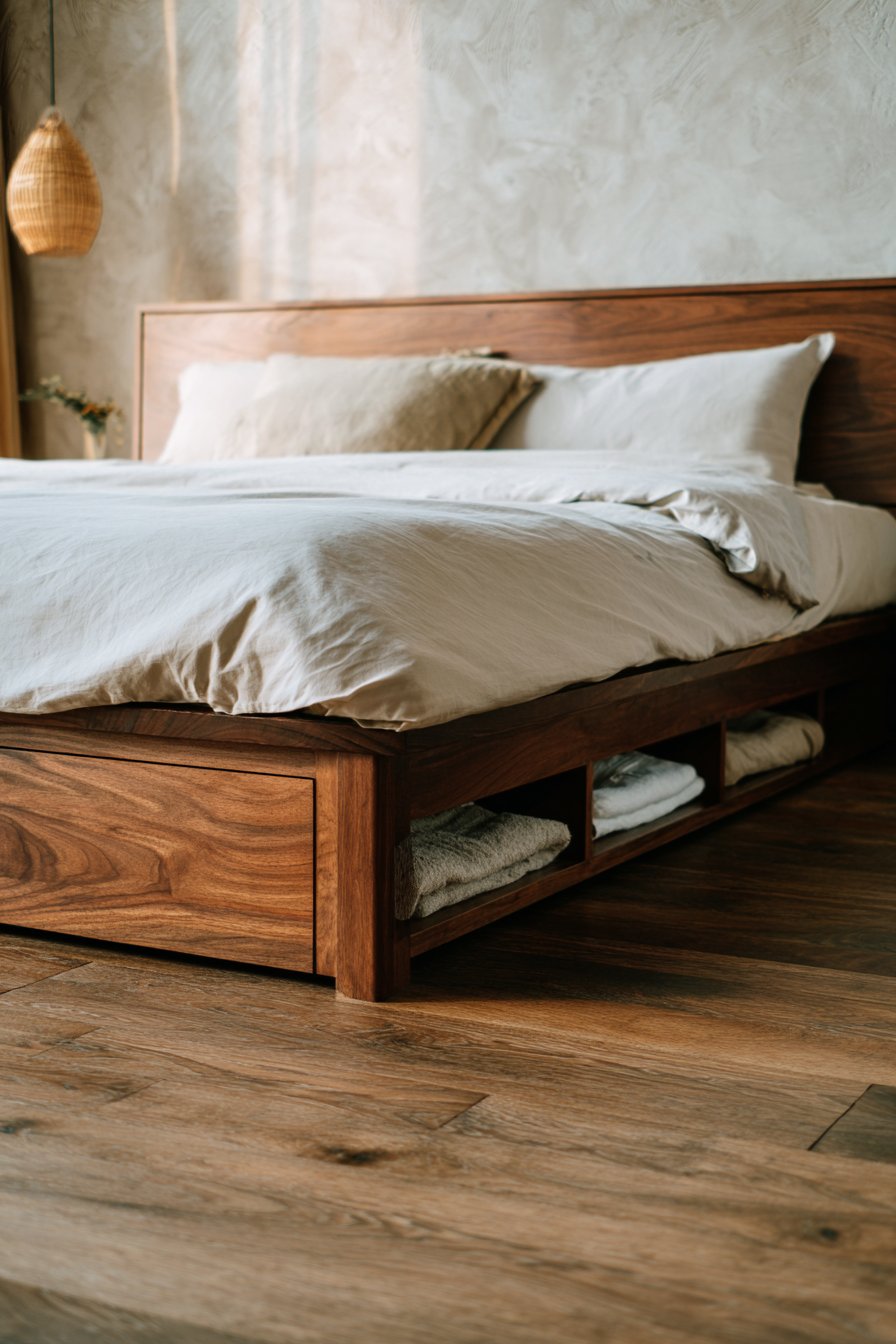
Platform beds feature a solid base structure that eliminates the need for box springs. This streamlined design sits lower to the ground, creating an illusion of expanded vertical space. The minimalist approach reduces visual clutter while maintaining structural integrity. Most platform beds measure between 10 to 14 inches in height, significantly lower than traditional counterparts.
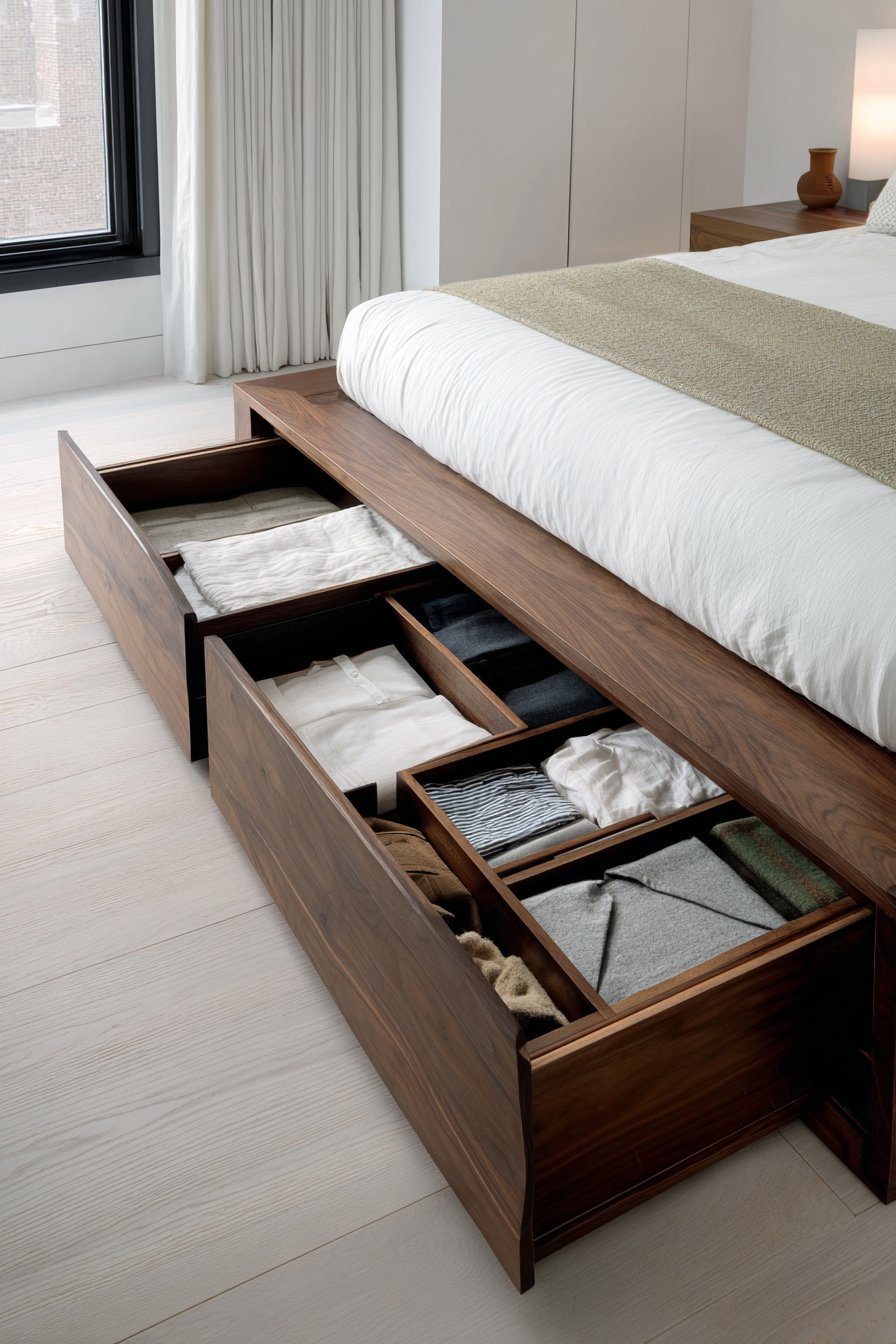
The absence of bulky foundations means platform beds consume less physical volume in your room. This design philosophy embraces simplicity without sacrificing comfort or durability. The clean lines and modern aesthetic complement contemporary interiors while maximizing floor visibility. Lower profiles make rooms feel larger and more open, particularly beneficial in spaces with low ceilings.
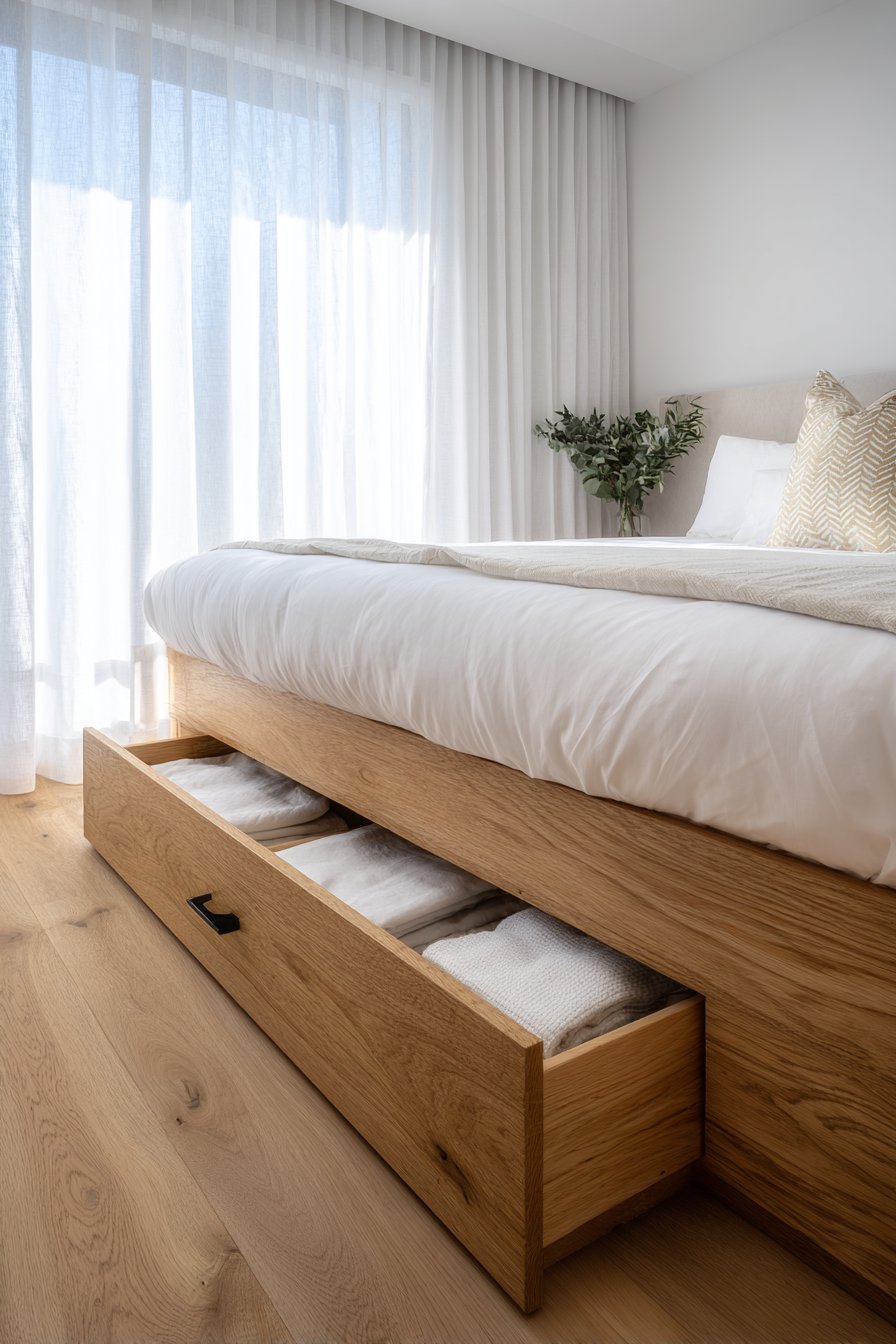
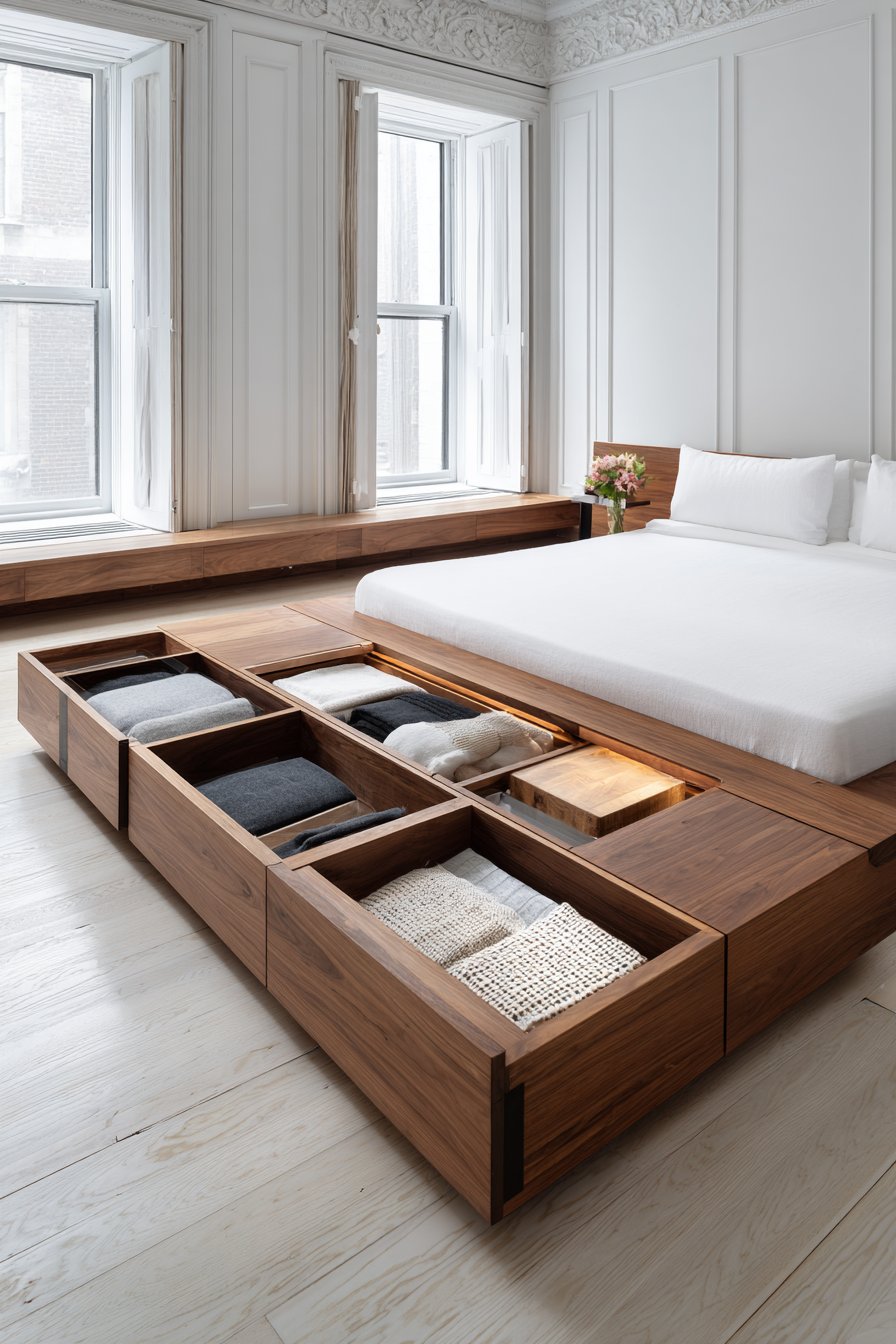
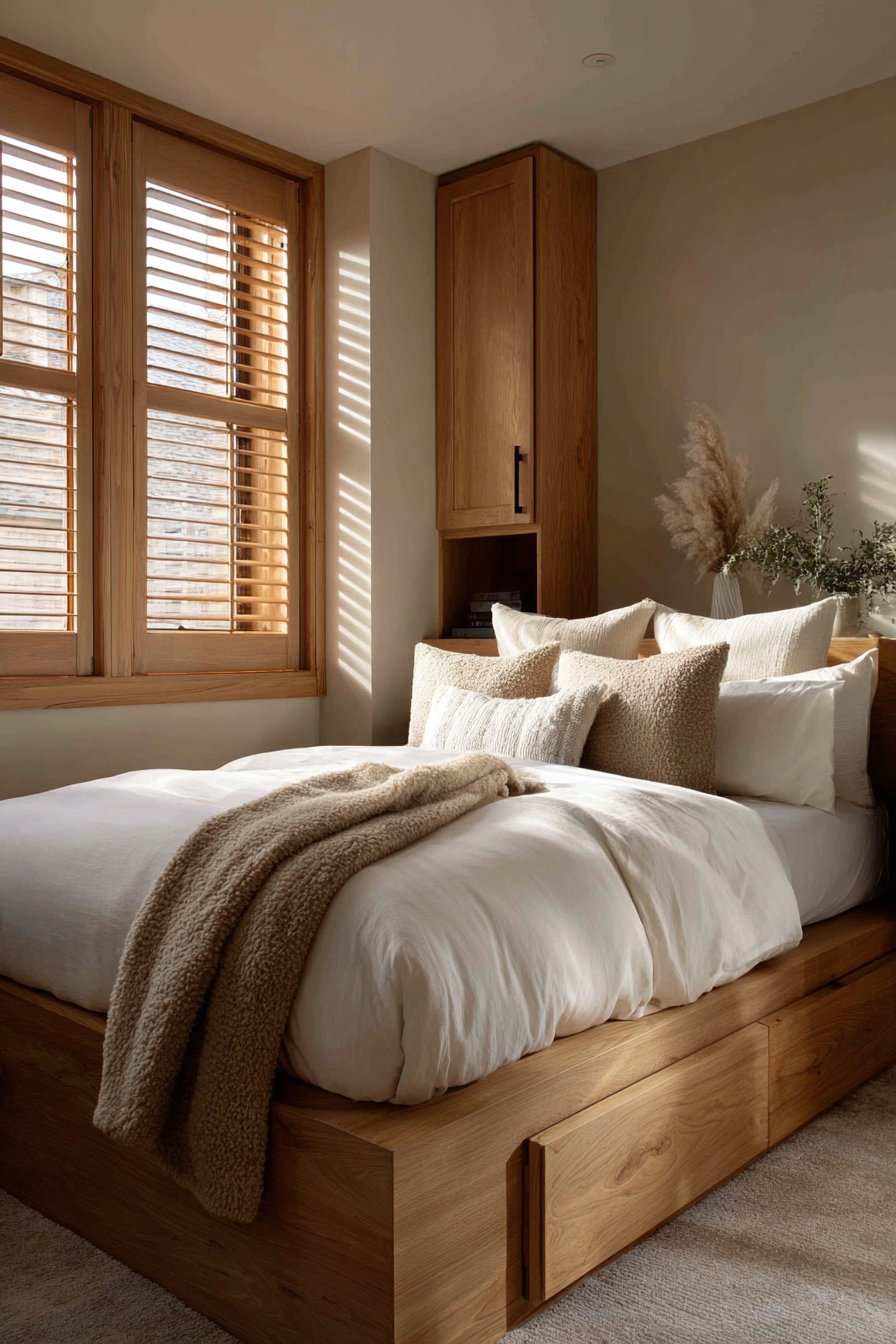
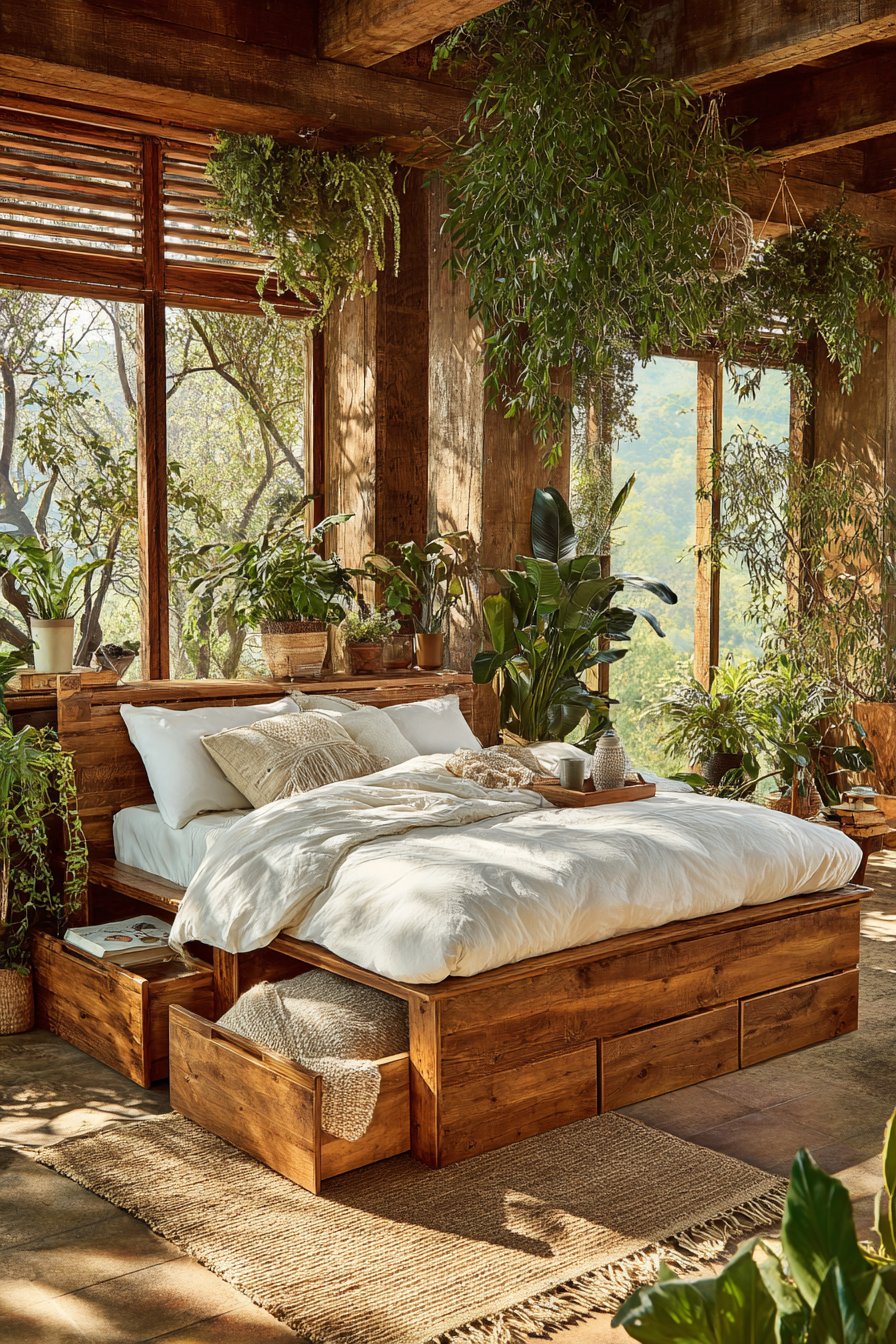
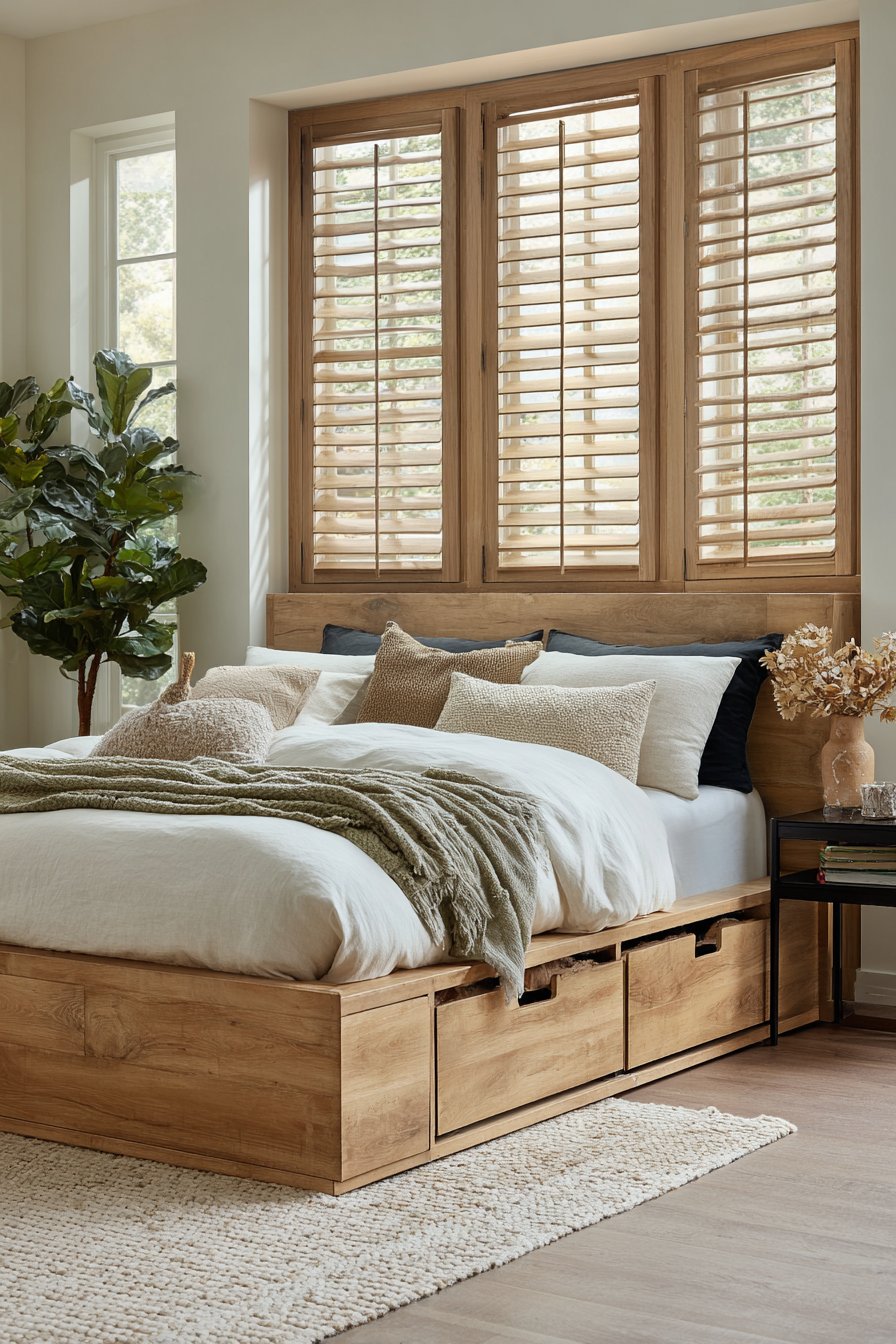
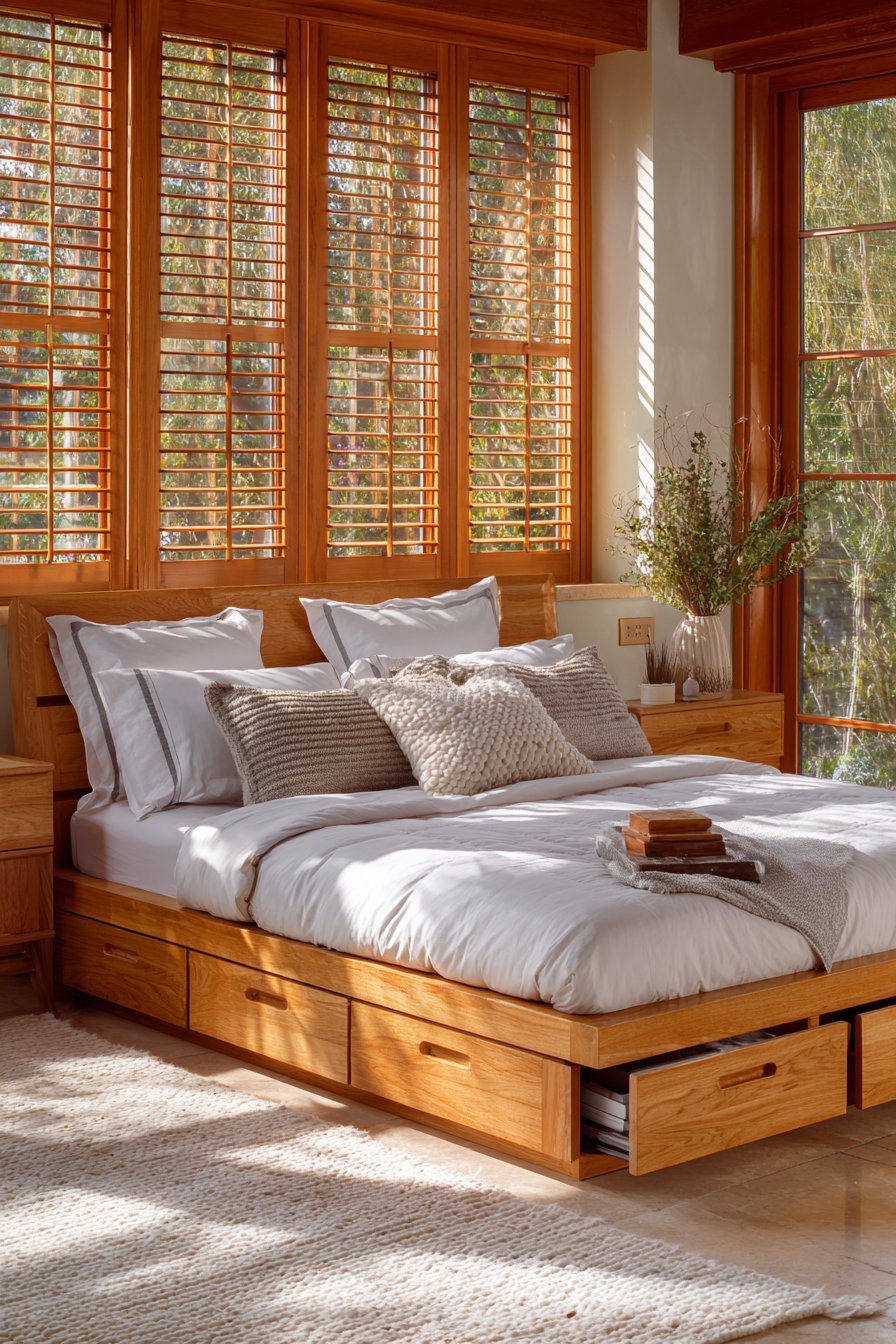
Platform beds often incorporate built-in storage solutions beneath the sleeping surface. Drawers, shelves, or hydraulic lift mechanisms transform wasted space into functional storage. This dual-purpose design eliminates the need for additional bedroom furniture like dressers or storage chests.
- Choose platform beds with integrated drawers for seasonal clothing storage
- Opt for hydraulic lift models to access large storage compartments easily
- Select low-profile designs for rooms with ceiling fans or low ceilings
- Consider minimalist frames in small bedrooms to enhance spatial flow
- Use the space saved from eliminating box springs for other furniture pieces
- Match platform bed height to your room’s proportions for balanced aesthetics
2. Traditional Bed Structures and Vertical Space Usage
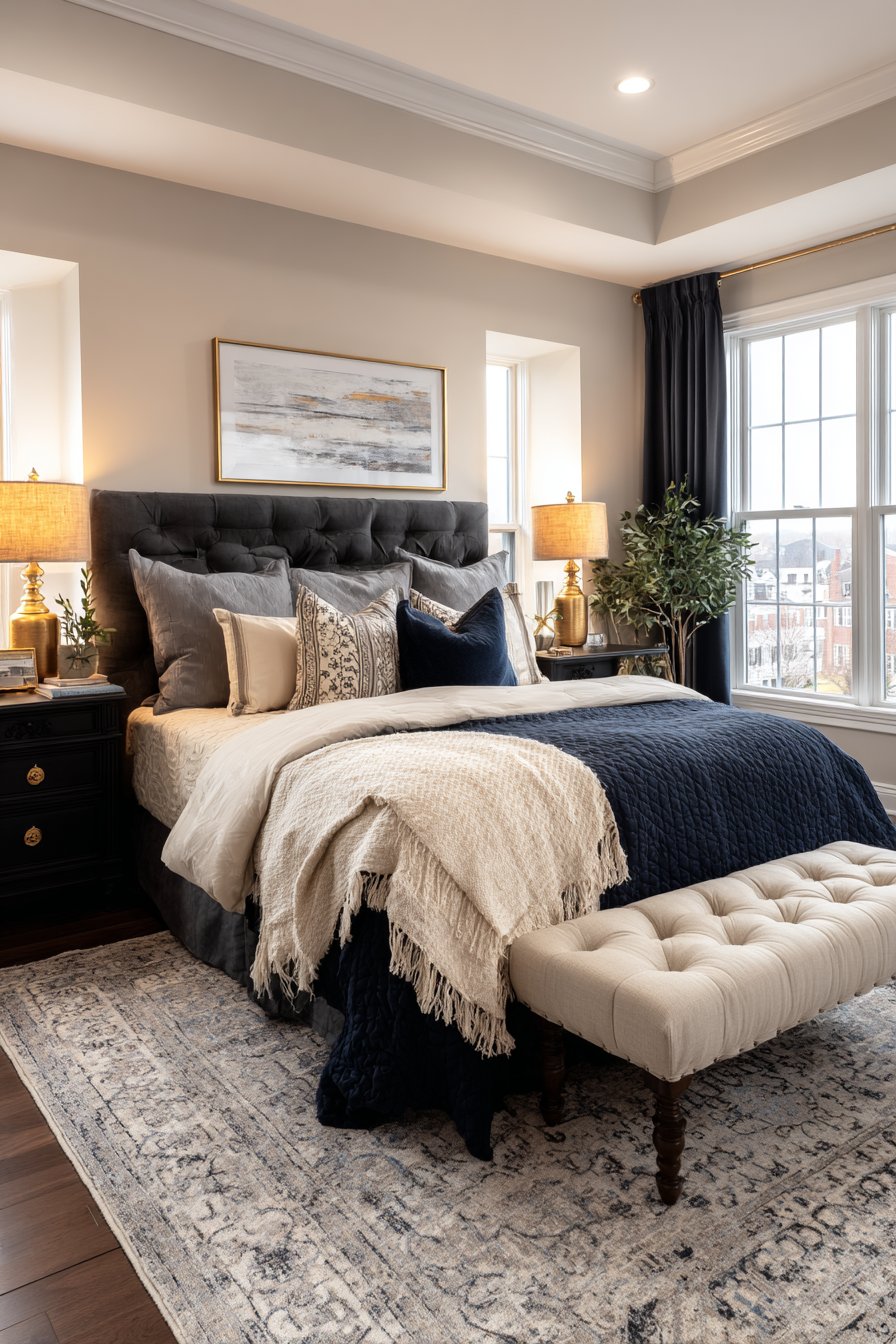
Traditional beds require box spring foundations that elevate the mattress 16 to 24 inches from the floor. This additional height creates substantial clearance underneath the sleeping surface. The vertical design allows for storage bins, boxes, or luggage to slide beneath the frame. However, this elevation consumes more visual space within the room’s volume.
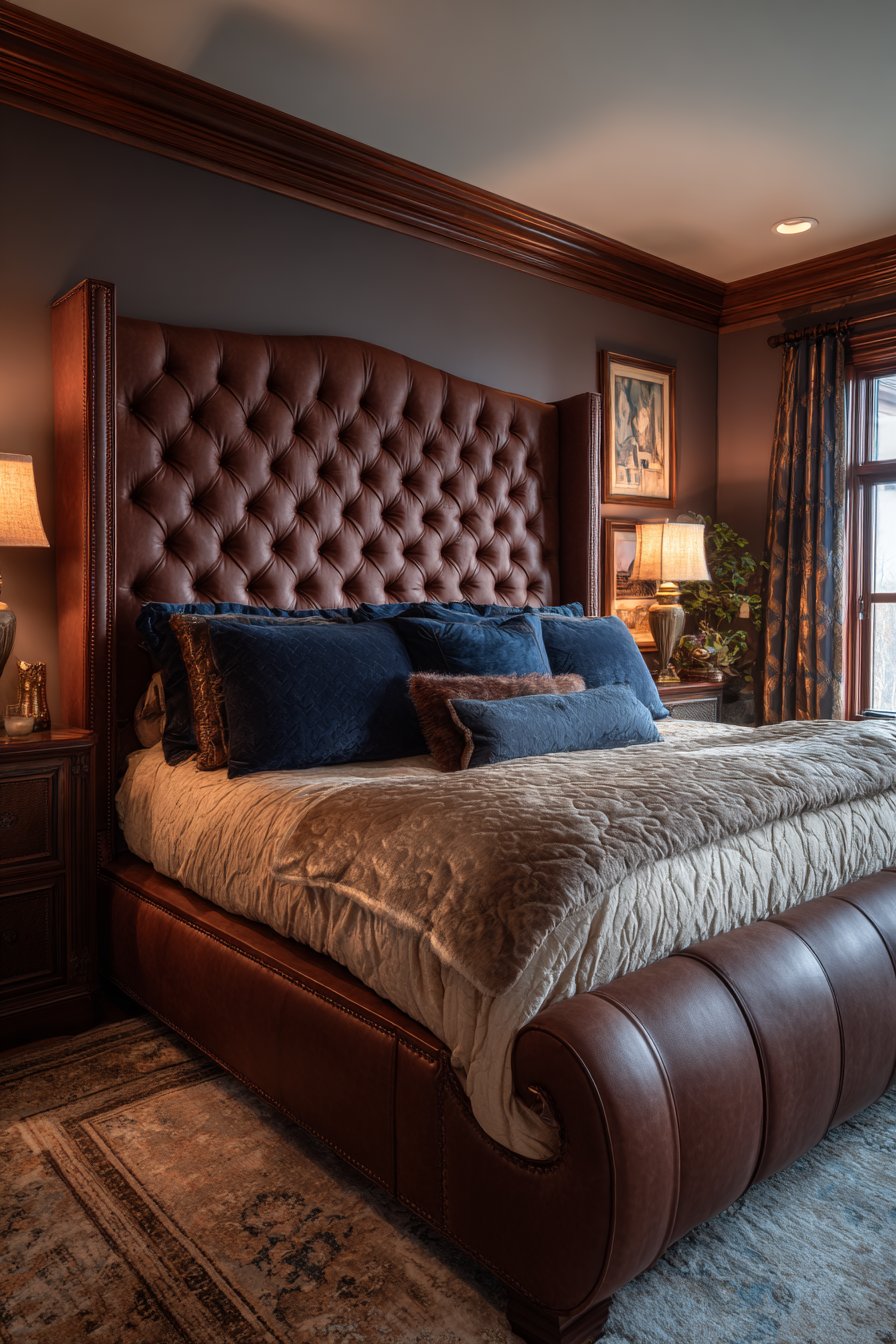
The taller profile of traditional beds can make small rooms feel cramped despite their storage potential underneath. This height becomes particularly problematic in rooms with standard 8-foot ceilings. The imposing presence of traditional beds dominates bedroom layouts, leaving less flexibility for furniture arrangement. Wall-mounted artwork and décor must be positioned higher to maintain visual balance.

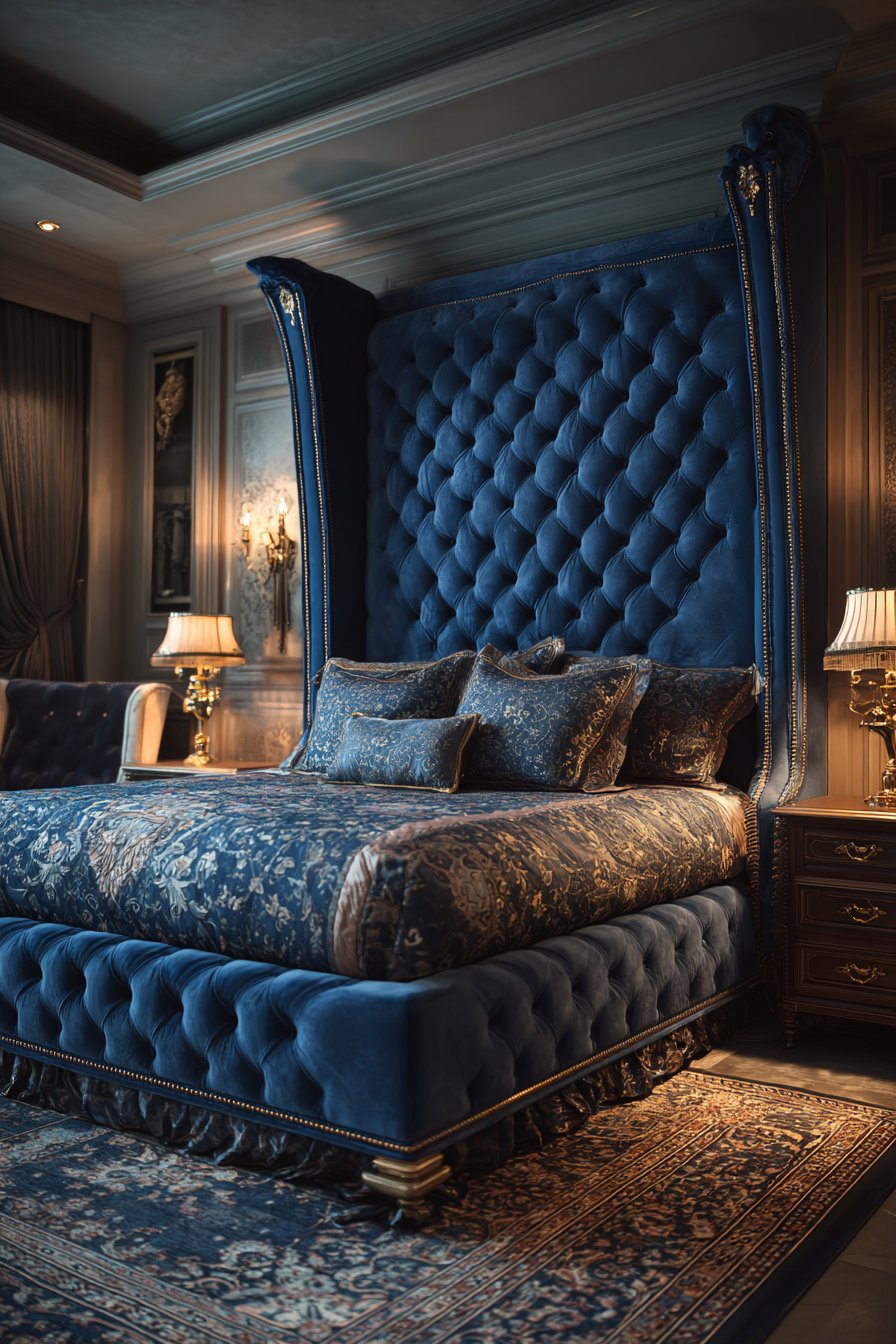
Traditional frames with ornate headboards and footboards add decorative appeal but increase the bed’s footprint. These elaborate designs extend beyond the mattress dimensions, consuming precious square footage. The classic aesthetic appeals to those favoring traditional interiors but sacrifices efficiency for ornamentation.
- Utilize under-bed storage containers to maximize the elevated clearance space
- Choose traditional beds with simple frames to reduce visual bulk
- Install bed risers for additional under-bed storage height when needed
- Measure ceiling height before selecting tall traditional bed models
- Consider streamlined traditional frames without bulky footboards
- Use decorative bed skirts to hide storage bins while maintaining aesthetics
3. Floor Space Footprint Comparison
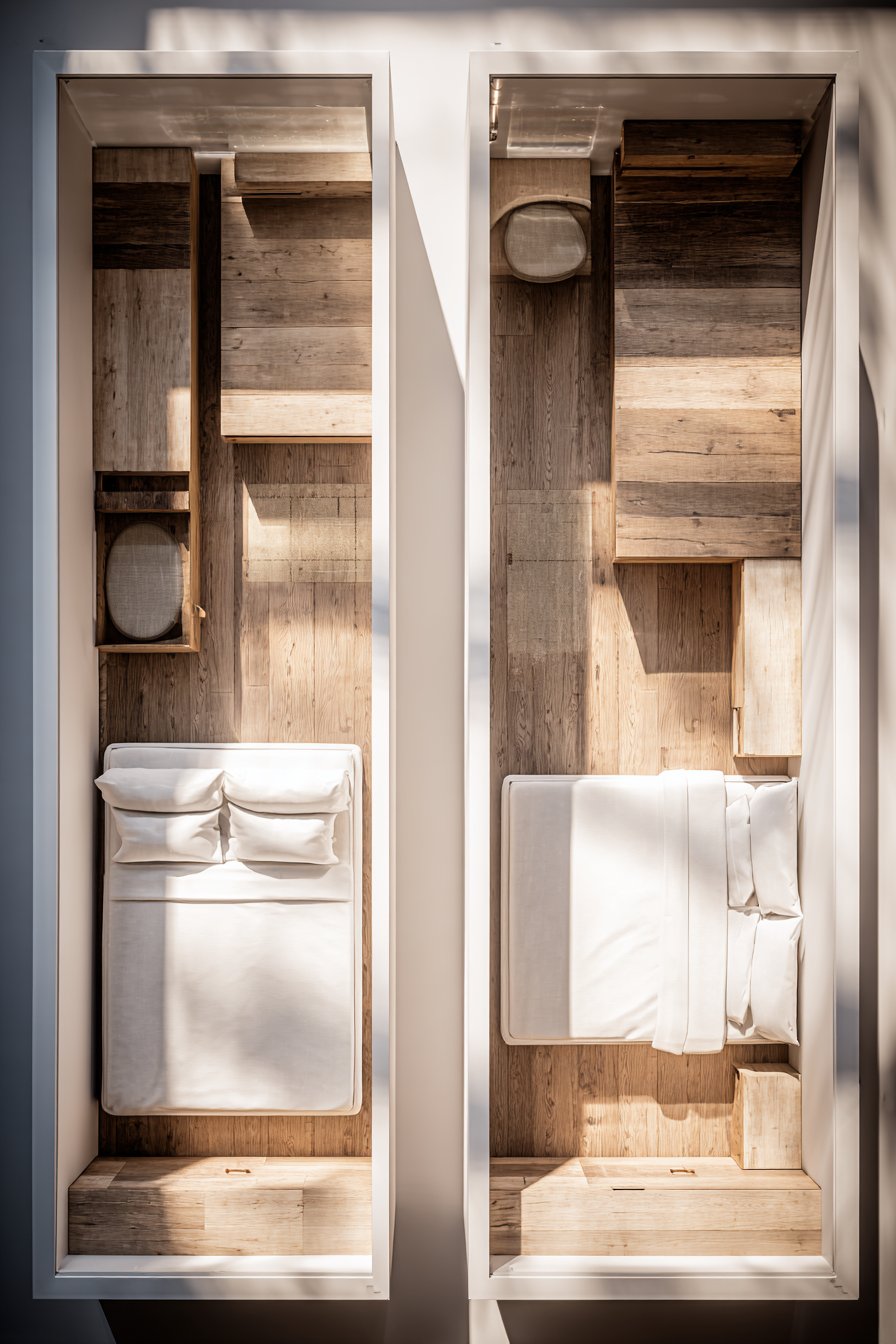
Platform beds typically maintain compact footprints that align closely with mattress dimensions. The integrated base design eliminates protruding box springs or separate foundations. This streamlined footprint leaves more usable floor space for movement and additional furniture. Corner placement becomes easier with platform beds due to reduced dimensional requirements.
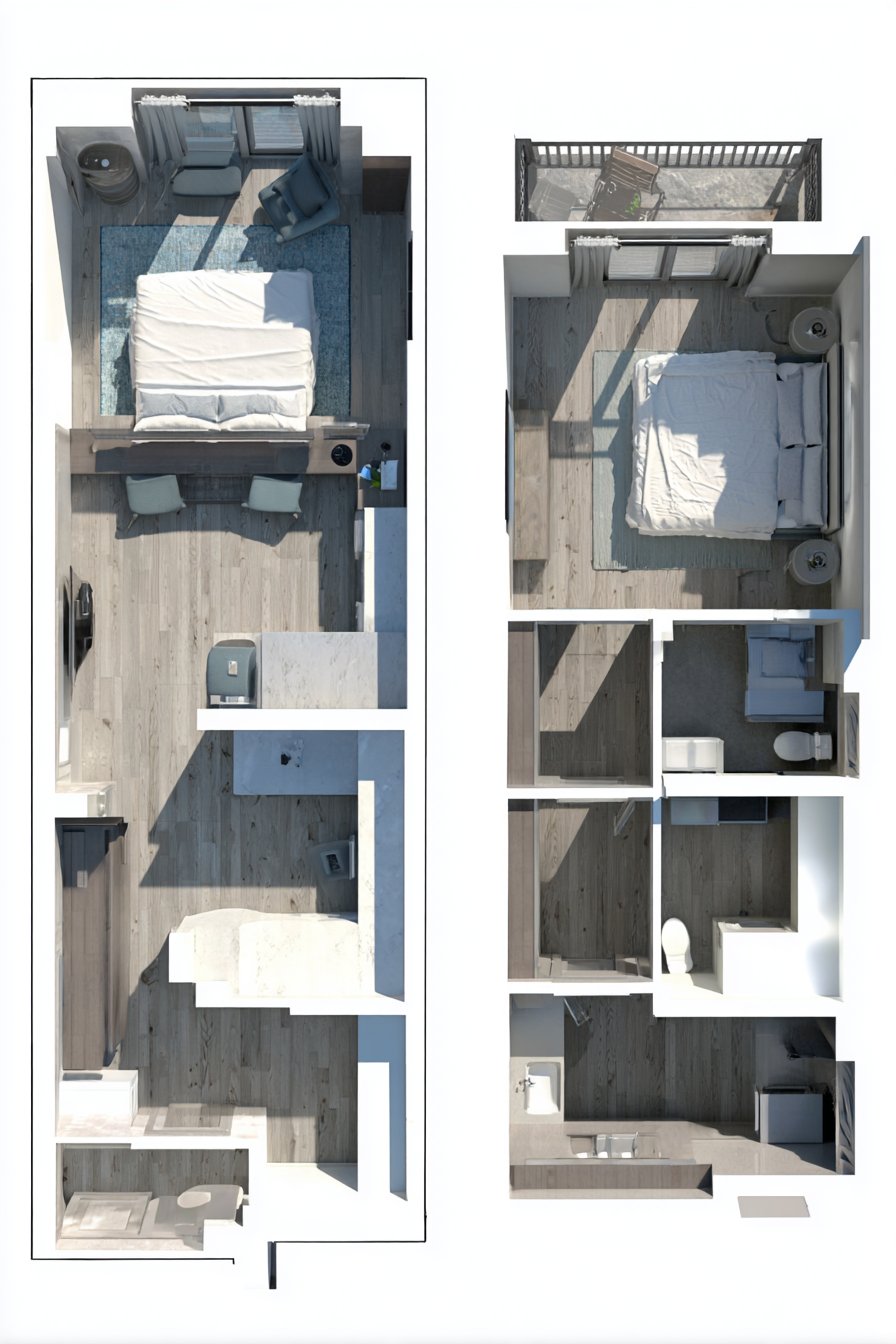
Traditional beds extend beyond mattress dimensions when accounting for box spring overhang and frame structures. The combined height of mattress and foundation creates stability concerns that require wider frame bases. This expansion consumes valuable floor space, particularly problematic in rooms under 120 square feet. The additional square footage required impacts furniture placement and traffic flow patterns.
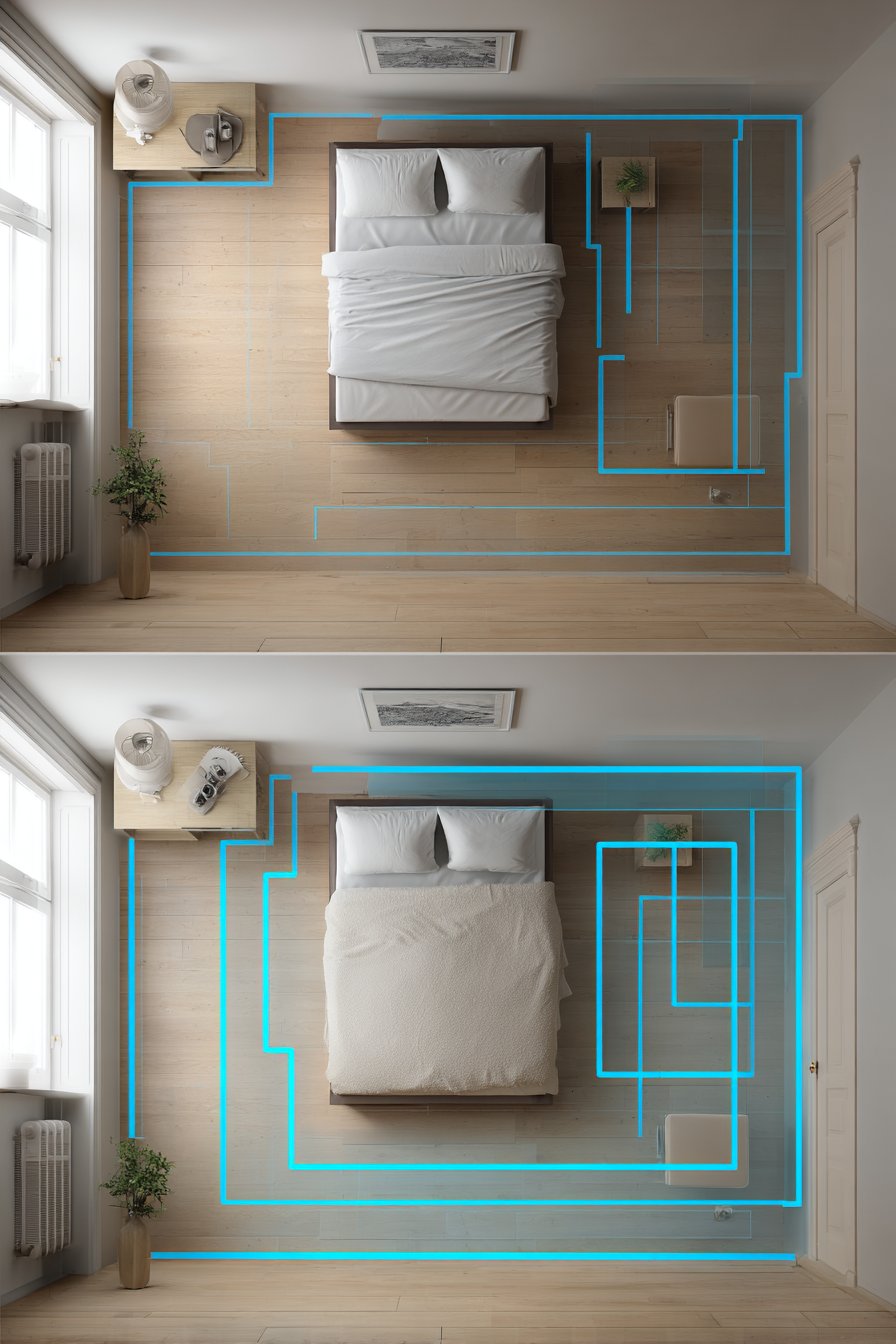
Measuring your available floor space before bed selection prevents costly mistakes. Platform beds save approximately 15 to 20 percent more floor space compared to traditional setups. This efficiency translates to better room functionality and enhanced movement freedom throughout your bedroom environment.
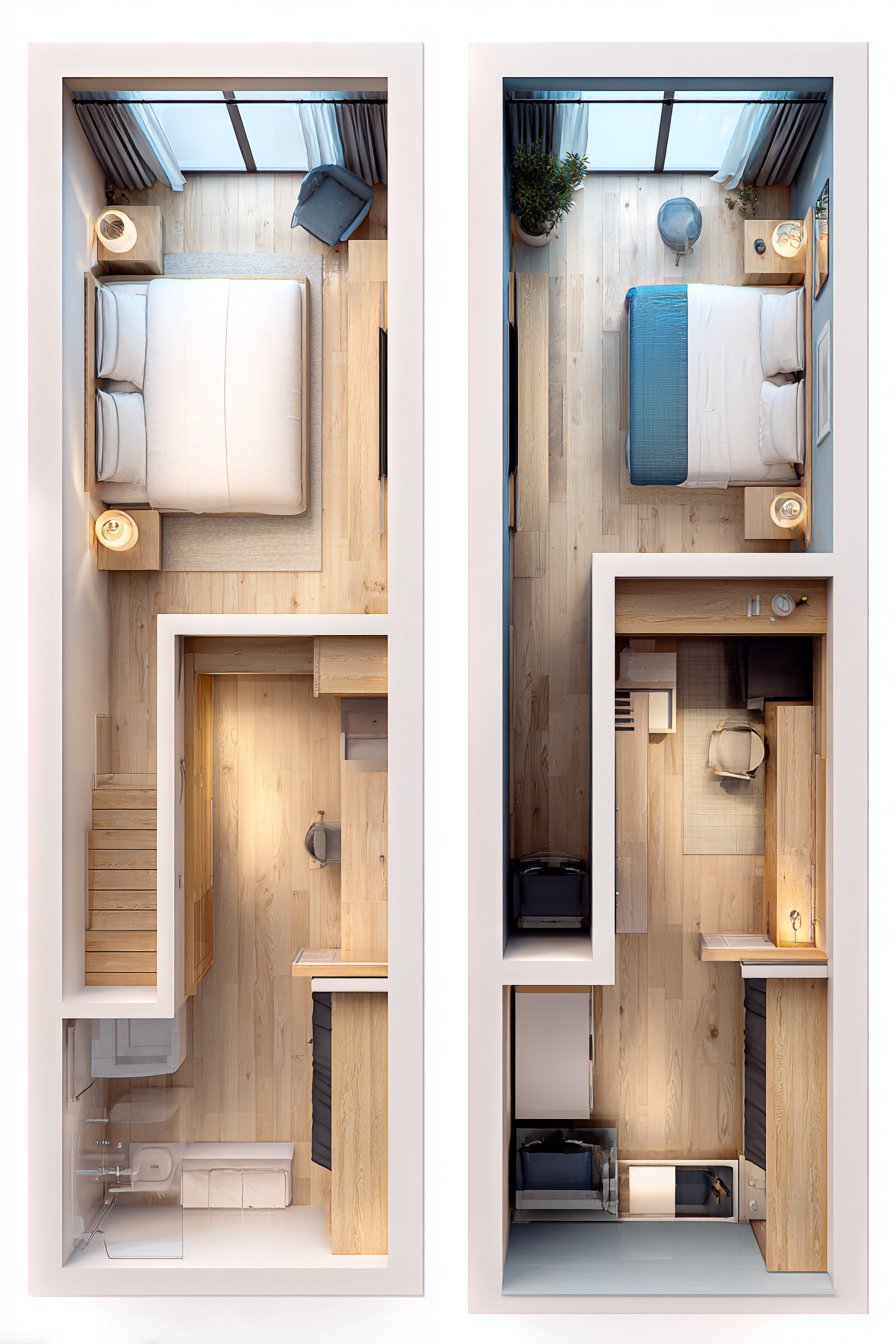
- Measure your room dimensions accurately before purchasing any bed frame
- Calculate total bed footprint including frame, not just mattress size
- Allow minimum 24-inch walkways on at least two sides of the bed
- Consider room shape when choosing between platform and traditional styles
- Account for door swing clearance in your spatial planning
- Sketch room layouts with bed placements before making final decisions
4. Storage Solutions and Hidden Space Utilization
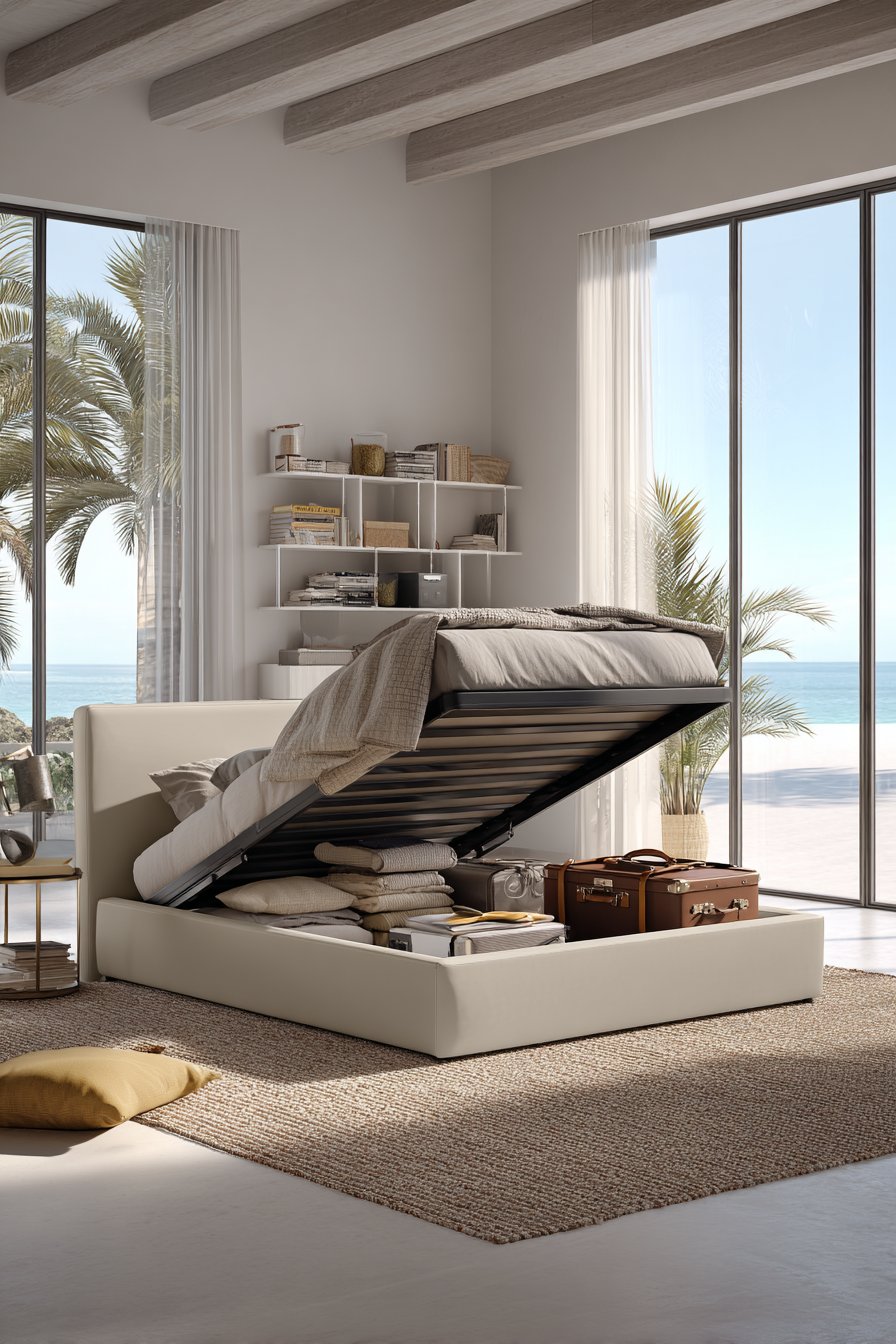
Platform beds with integrated storage systems revolutionize bedroom organization without additional furniture. Drawer configurations range from two large compartments to six smaller divisions. Hydraulic lift mechanisms reveal cavernous storage areas capable of holding bedding, seasonal items, or luggage. This integration eliminates the need for bulky dressers or wardrobes.
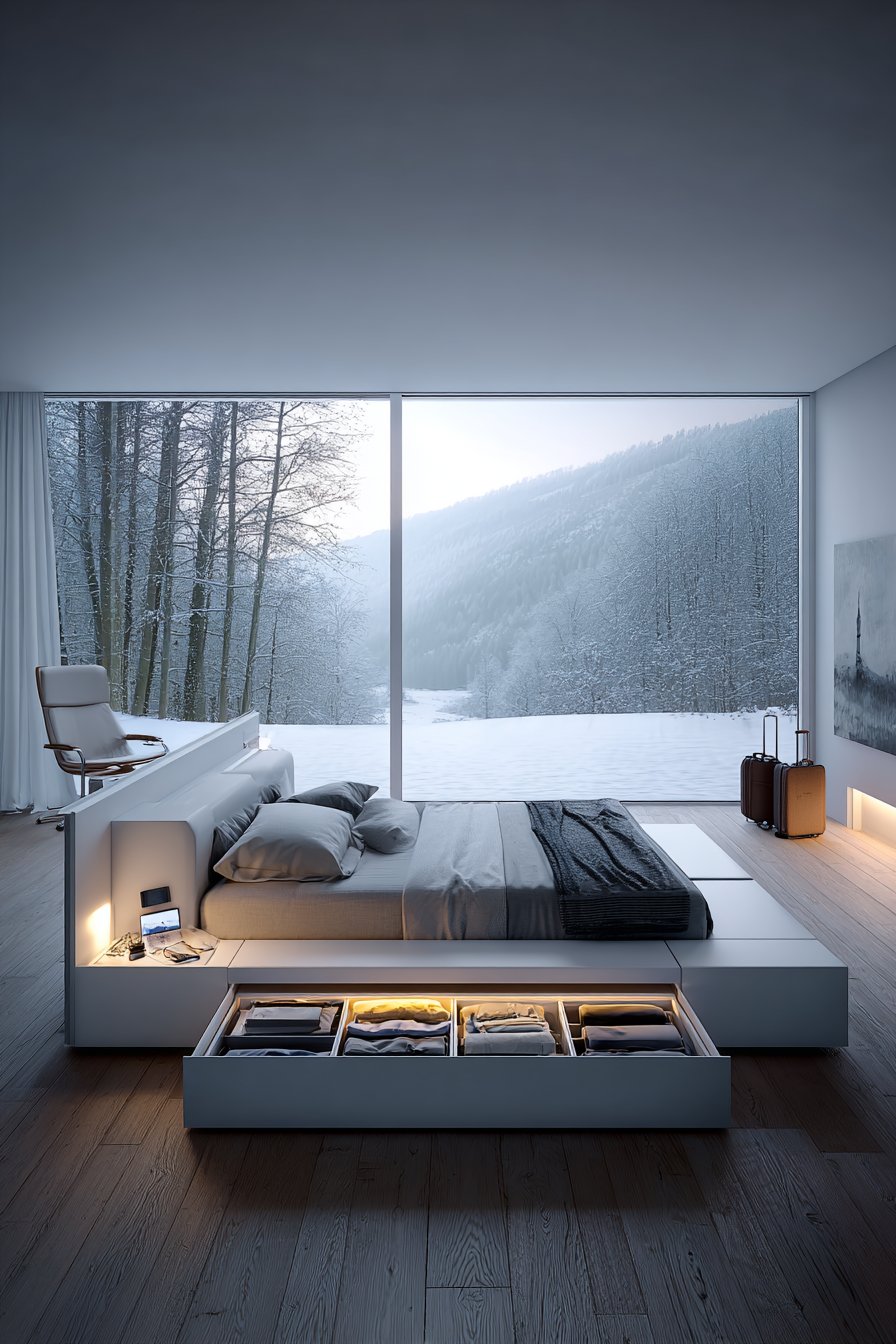
Traditional beds offer under-bed storage potential but require separate organizational systems. Rolling bins and vacuum-sealed bags maximize this space, though accessibility remains challenging. The open space beneath traditional frames collects dust and requires regular cleaning maintenance. Without built-in solutions, this storage feels makeshift rather than intentional.
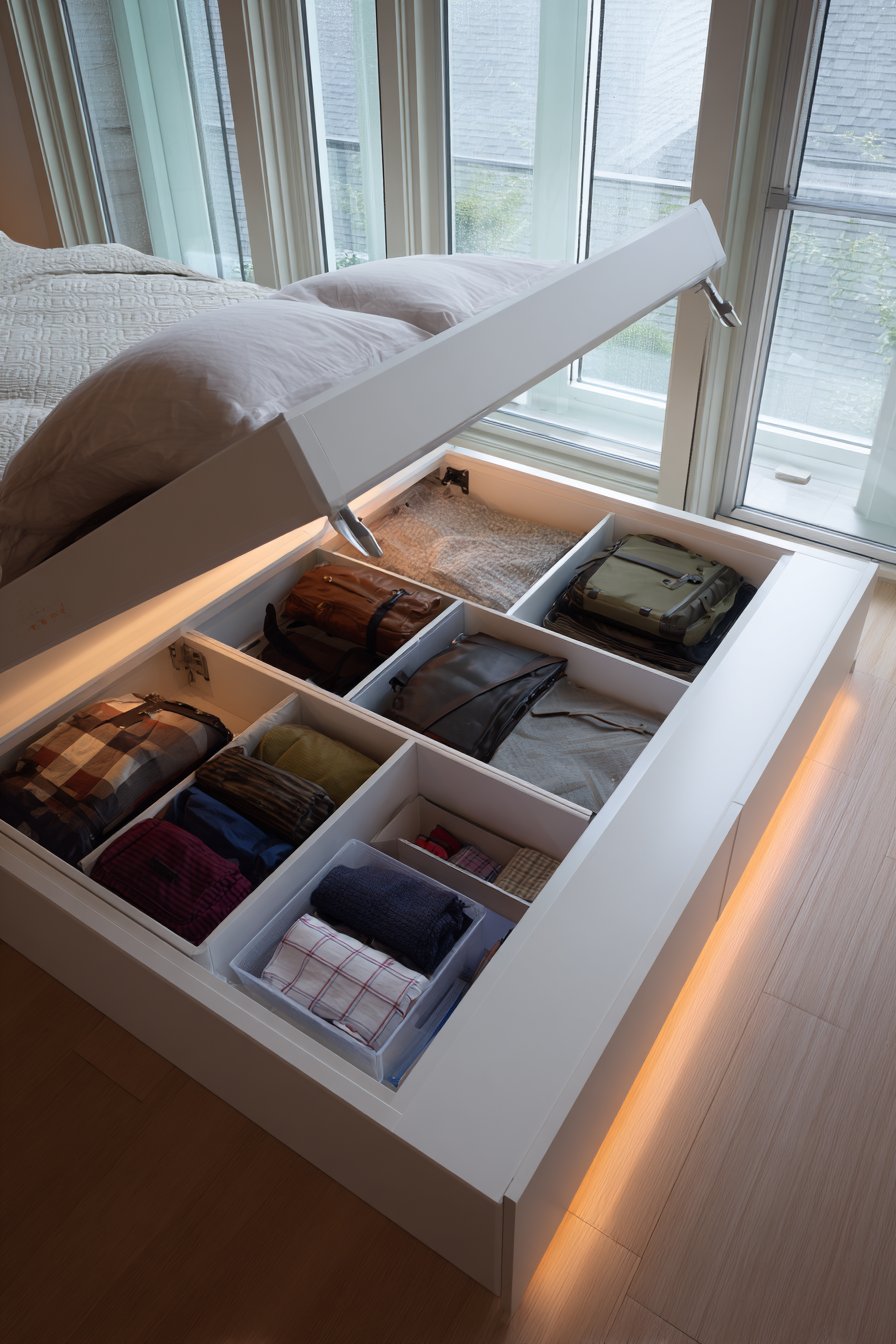
The storage capacity comparison heavily favors platform beds with dedicated compartments. Traditional bed storage requires purchasing additional containers and organizational tools. Platform beds deliver turnkey solutions that integrate seamlessly with the frame’s design. This built-in approach maintains cleaner aesthetics while providing superior accessibility.
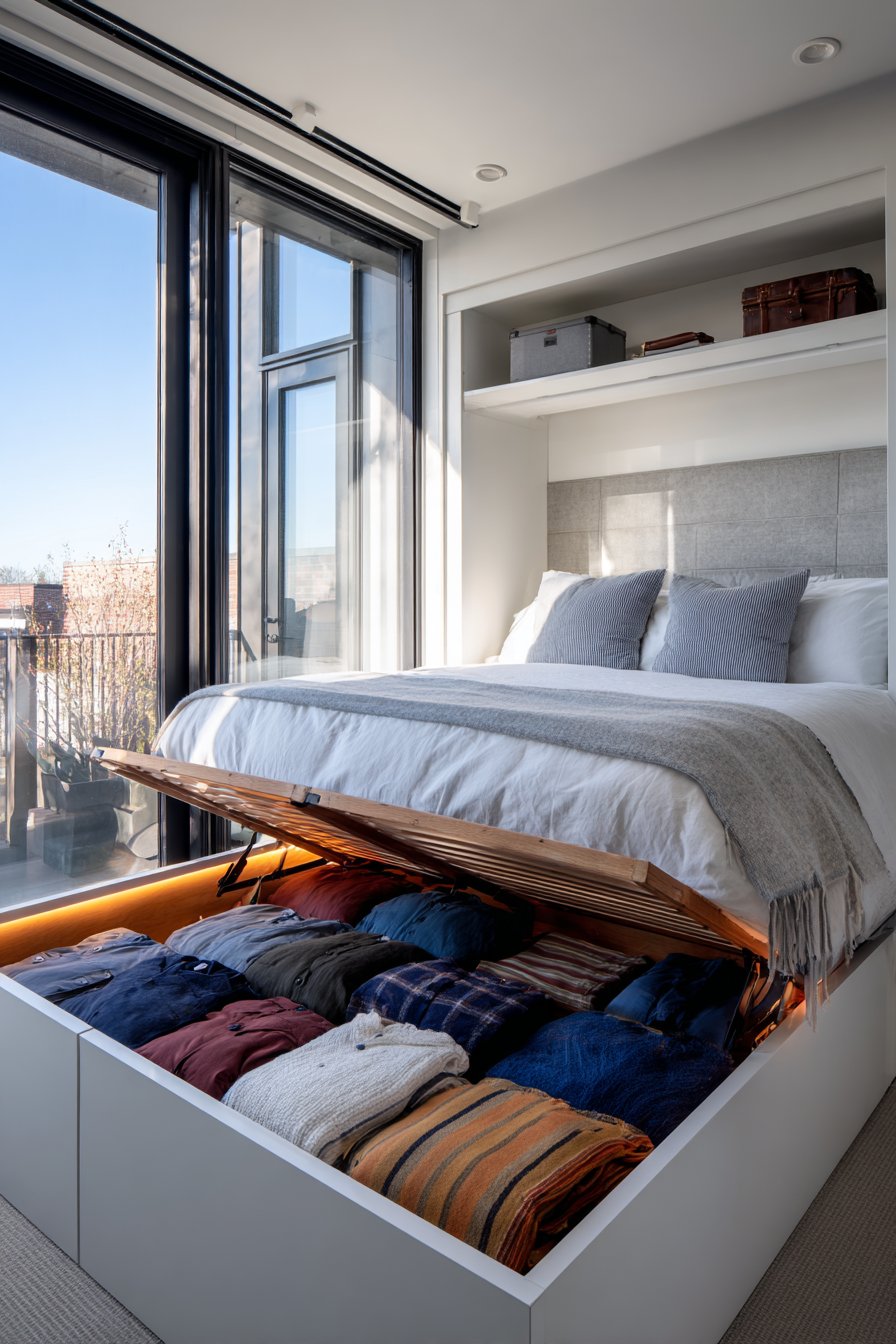
- Invest in platform beds with drawer dividers for organized clothing storage
- Use vacuum-sealed bags under traditional beds to maximize vertical space
- Install LED strip lighting inside platform bed storage compartments
- Label storage bins clearly when using traditional bed under-storage
- Choose platform beds with soft-close drawer mechanisms for longevity
- Rotate stored items seasonally to maintain organization and accessibility
5. Visual Perception and Psychological Space Impact
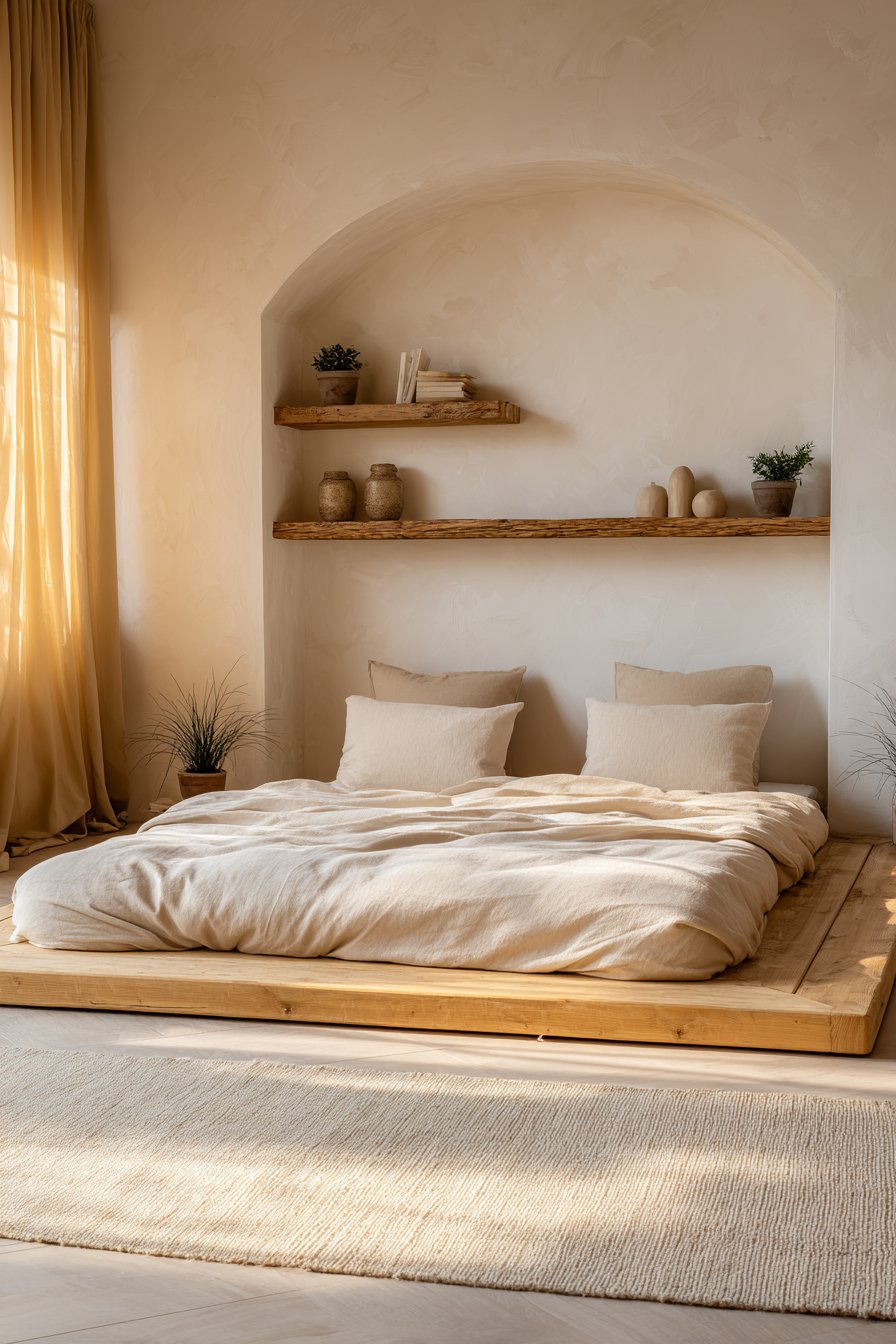
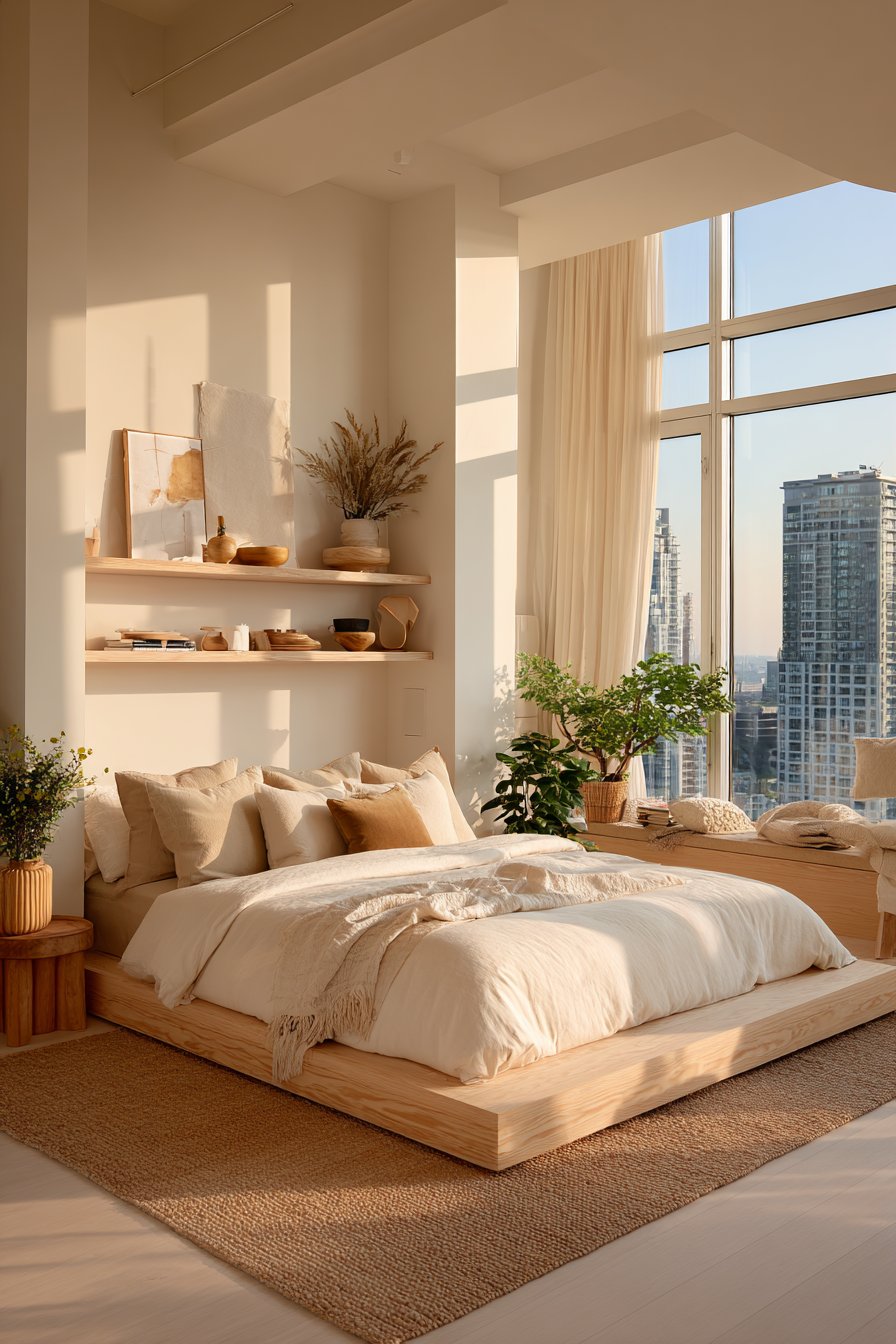
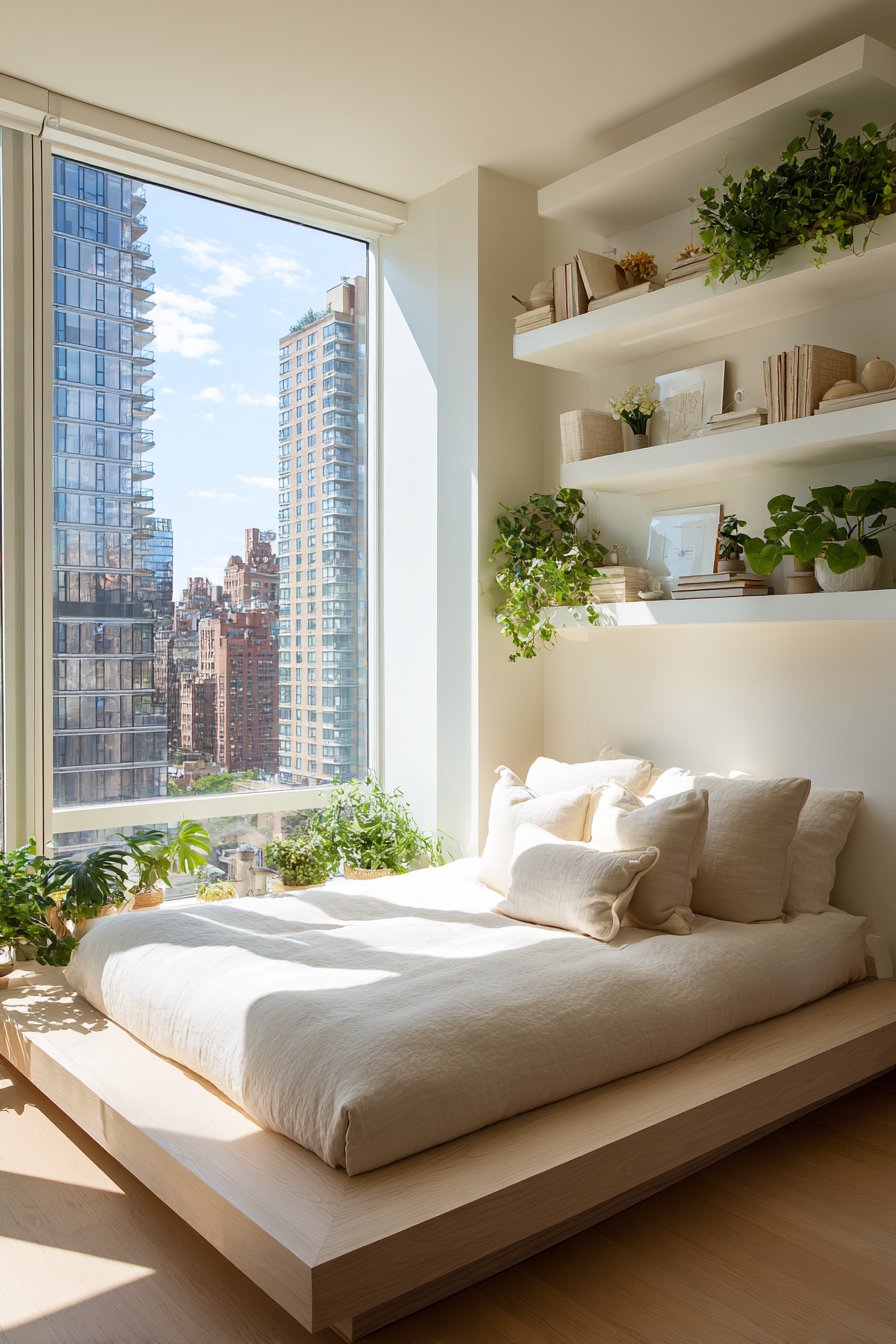
Lower platform beds create optical illusions of spaciousness by emphasizing wall height. The reduced visual weight makes rooms feel airier and less cluttered. Eyes naturally travel upward when furniture sits lower, expanding perceived room dimensions. This psychological effect proves particularly valuable in studio apartments or compact bedrooms.
Traditional beds with elevated profiles and ornate designs command attention and visual dominance. The substantial presence can make rooms feel cozy or confined depending on dimensions. Taller beds suit rooms with high ceilings where vertical space benefits from anchoring furniture. The traditional aesthetic creates formal, established atmospheres that some homeowners prefer.
Room proportion matters significantly when selecting between these bed types. Platform beds excel in contemporary minimalist spaces where simplicity reigns. Traditional beds complement classic interior schemes with detailed moldings and period furniture. The visual impact extends beyond measurements to emotional responses and comfort perceptions.
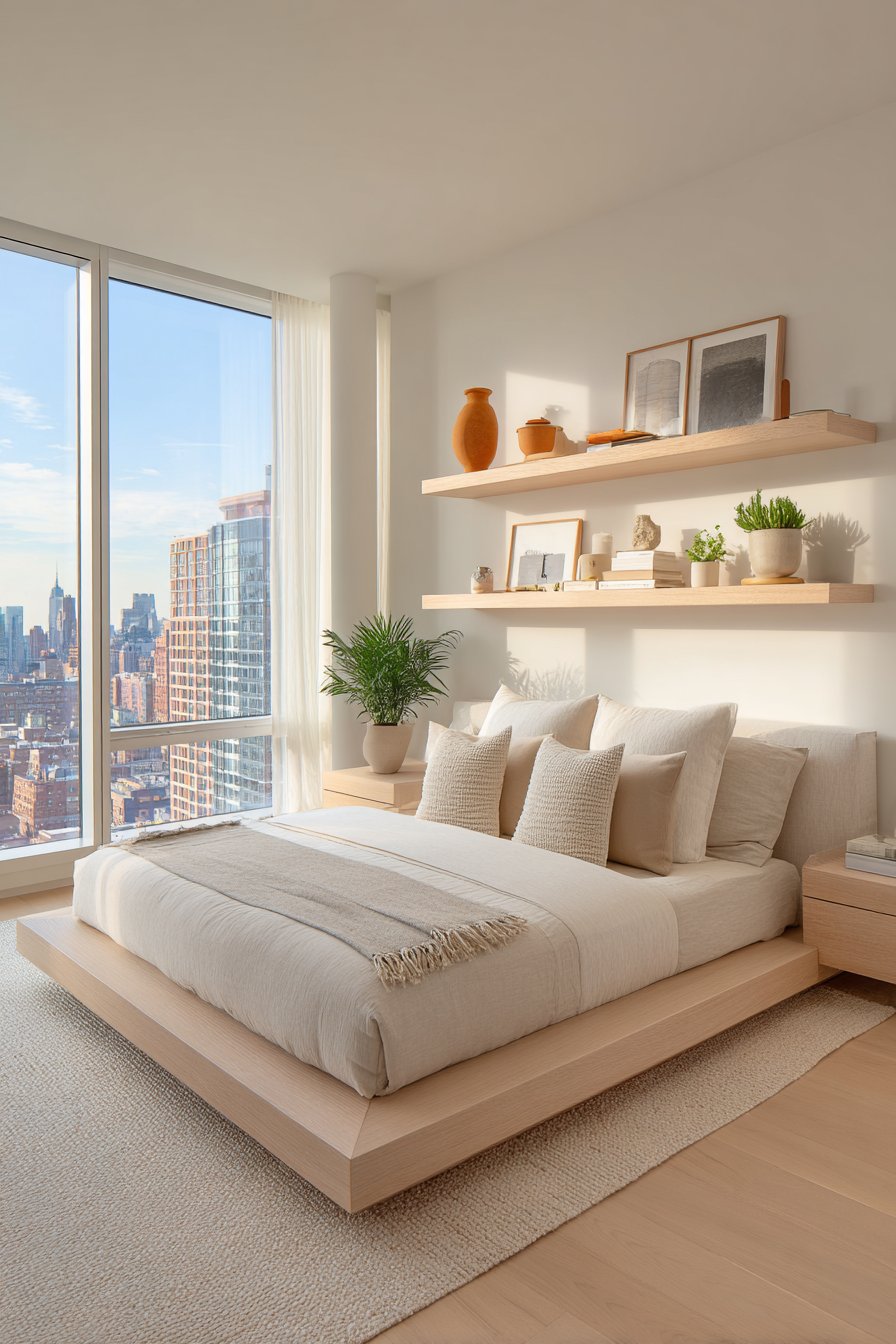
- Paint walls in light colors to amplify platform bed spaciousness effects
- Use oversized artwork above traditional beds to balance vertical proportions
- Install floating shelves above platform beds to utilize vertical wall space
- Choose neutral bedding colors for platform beds to maintain minimalist aesthetics
- Add decorative pillows to traditional beds for enhanced visual interest
- Consider room lighting placement to complement your bed’s profile height
6. Cost Efficiency and Long-Term Space Value
Platform beds eliminate box spring purchases that typically cost $200 to $500 additional. This immediate savings makes platform beds more budget-friendly from initial purchase. Maintenance costs remain lower without box spring replacement every 8 to 10 years. The integrated design reduces total lifetime ownership costs while maximizing space efficiency.
Traditional beds require ongoing foundation replacements as box springs wear and lose support. This recurring expense adds up over decades of bed ownership. However, traditional frames sometimes cost less initially if purchased without storage features. The long-term calculation favors platform beds when considering total cost of ownership and space benefits.
The value proposition extends beyond dollars to lifestyle improvements from better space utilization. Platform beds deliver multi-functional benefits that justify higher upfront costs through enhanced storage and efficiency. Traditional beds suit those prioritizing aesthetic tradition over spatial optimization or storage integration.
- Calculate total ownership costs including box springs when comparing bed types
- Invest in quality platform beds with lifetime warranties for durability
- Consider DIY platform bed builds to save money while gaining storage
- Budget for under-bed storage containers when choosing traditional beds
- Research used platform bed markets for high-quality discounted options
- Factor storage furniture savings into platform bed investment decisions
Conclusion
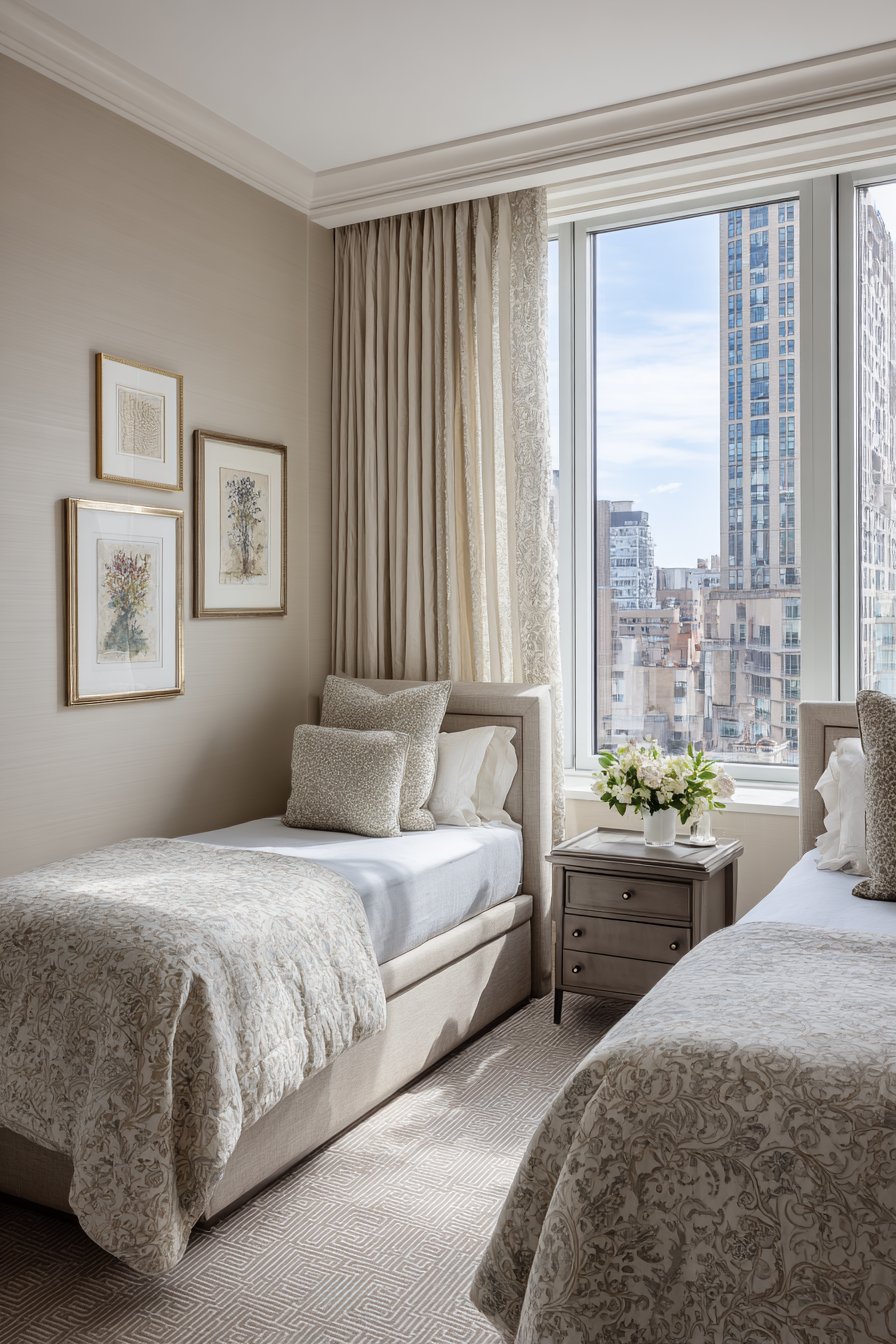
The space-saving debate between platform beds and traditional beds reveals clear advantages for platform designs in modern compact living. Platform beds deliver superior floor space efficiency, integrated storage solutions, and visual spaciousness that traditional beds cannot match. The elimination of box springs alone saves both money and precious vertical space while maintaining comfort.
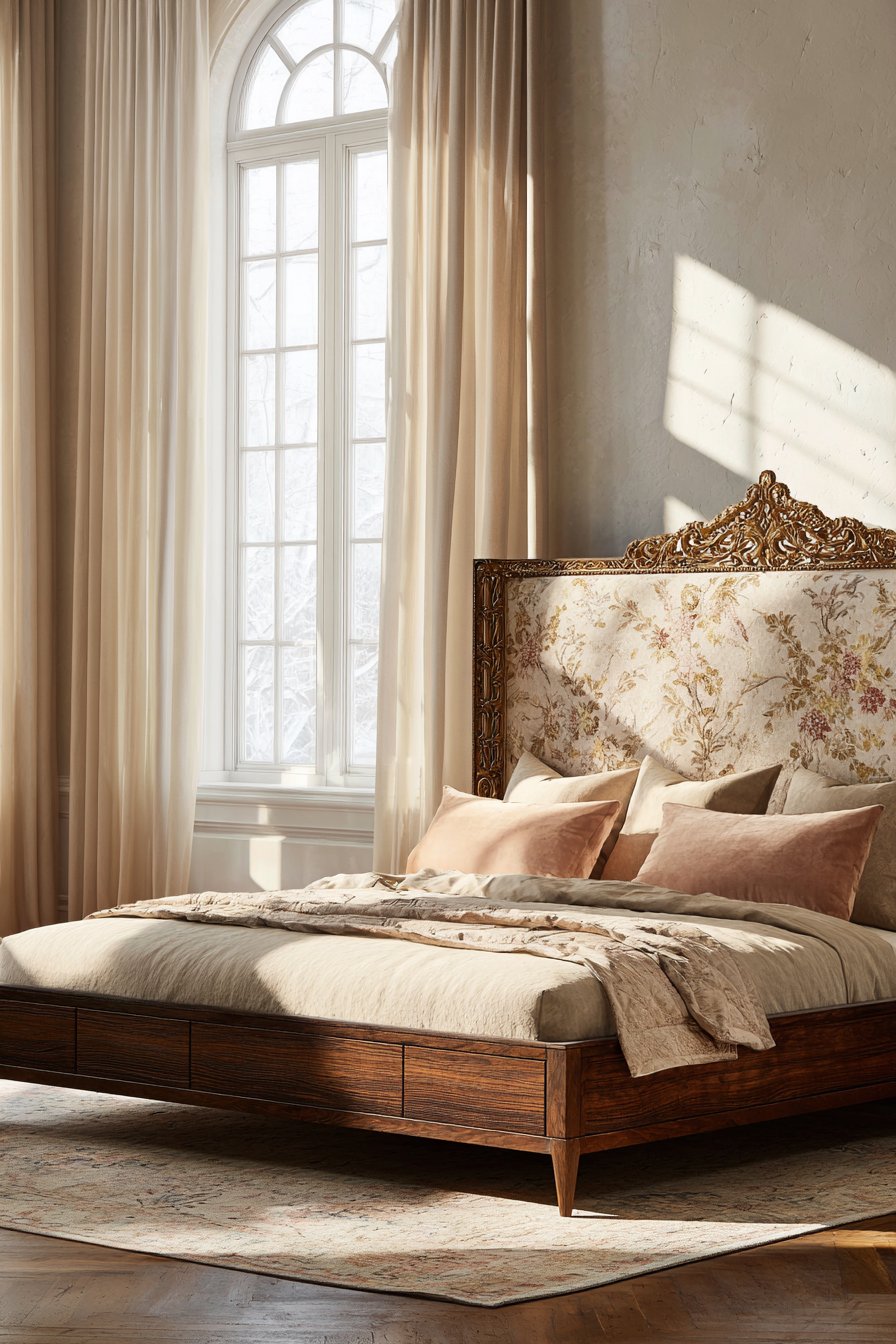
Traditional beds retain value for those prioritizing classic aesthetics and specific interior design schemes. However, when pure spatial efficiency matters most, platform beds emerge as the definitive winner. Your choice should reflect your lifestyle needs, room dimensions, and storage requirements. Consider measuring your space carefully and envisioning how each option transforms your bedroom functionality before making this important investment.
